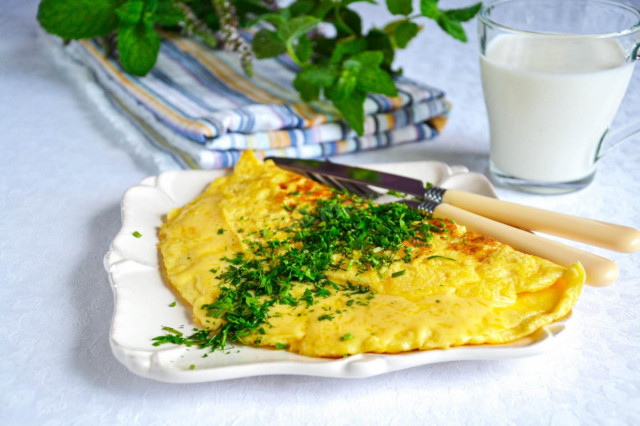
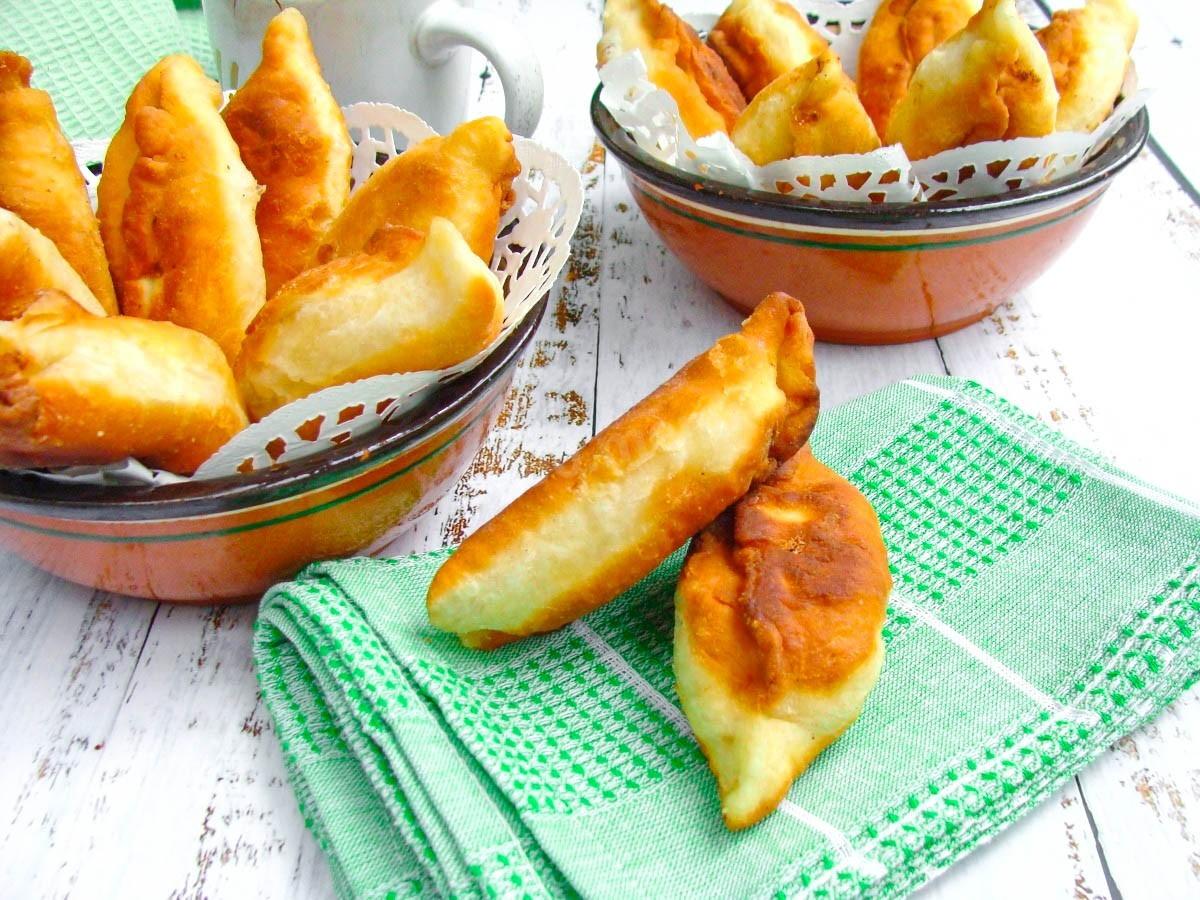
Fried Hand Pies with Fresh Yeast
Golden, tasty, and made from simple ingredients! Hand pies made with fresh (cake) yeast come together just like they do with active dry yeast — the only difference is how you dissolve it. The dough turns out light and fluffy, rising well both as it proofs and as it cooks. It's perfect for hand pies with all kinds of fillings.

Cooking method
-
Step 1:
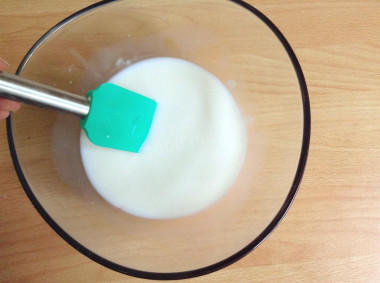
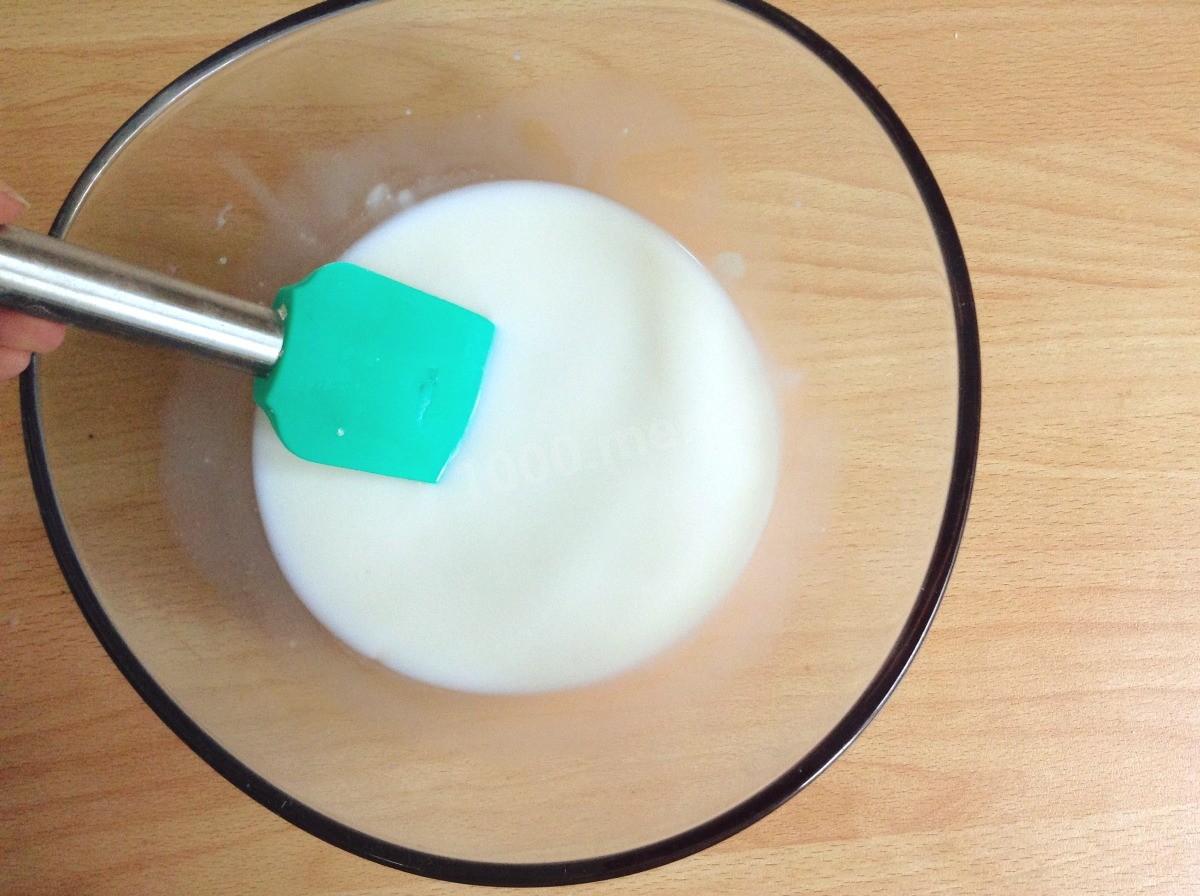
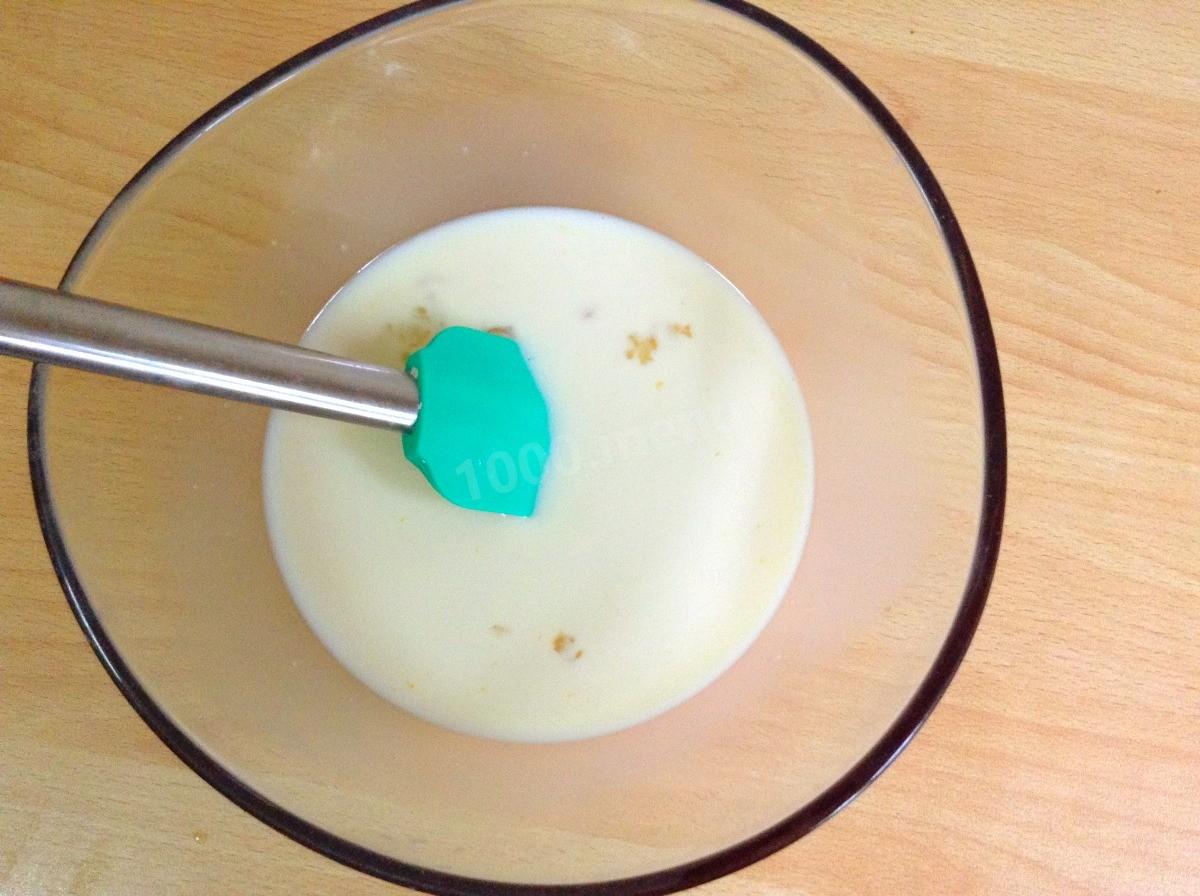
How do you make hand pies with fresh yeast? First, make the dough. Warm the milk to about 105°F (40°C). It should feel pleasantly warm to the touch but not hot — heat that's too high will kill the live yeast. Crumble the fresh yeast into the milk, then stir until it's fully dissolved. You can use warm water instead of milk.
-
Step 2:
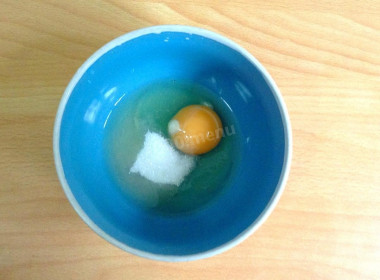
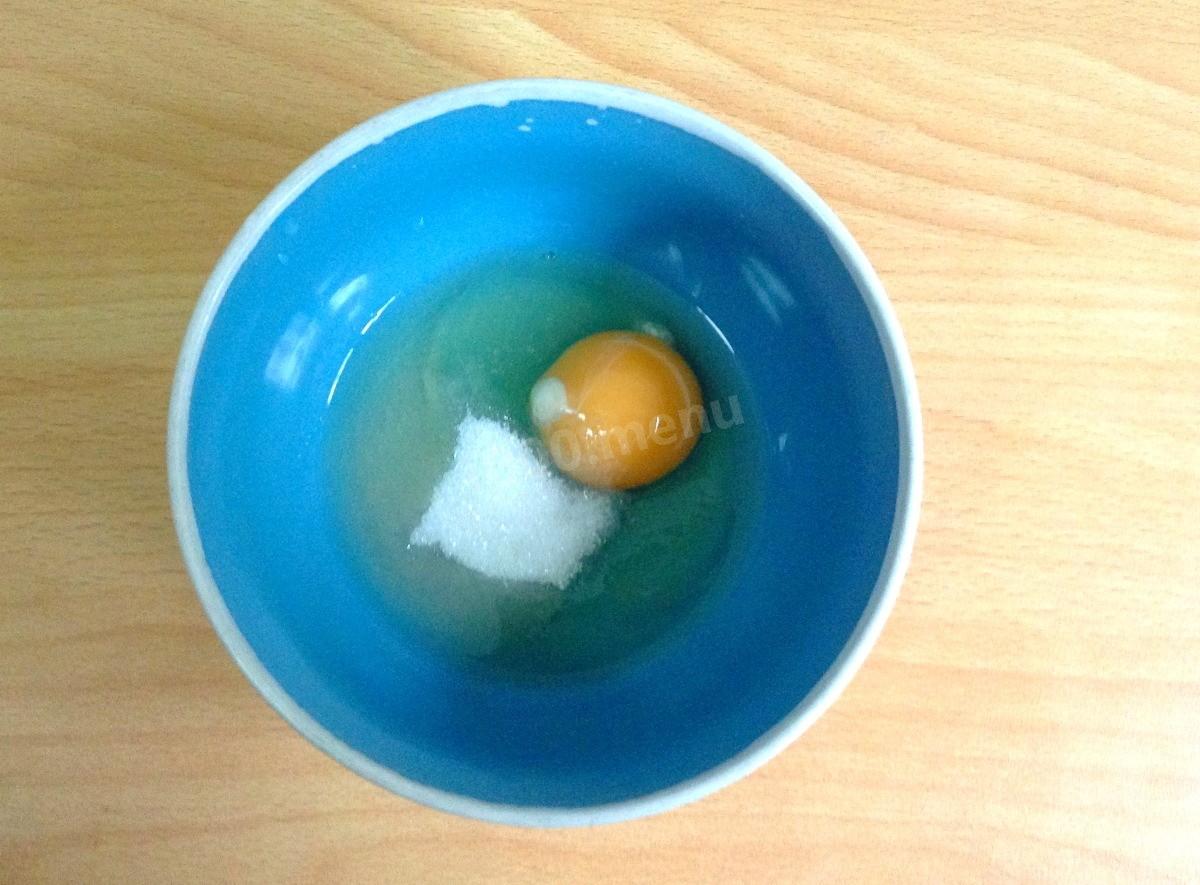
Mix the egg with the sugar and salt. It's best to take the egg out of the fridge ahead of time so it comes to room temperature; if you forget, set it in warm water for a few minutes. Always wash eggs before using them — even a shell that looks clean can carry harmful bacteria. A food-safe wash and a brush work best.
-
Step 3:
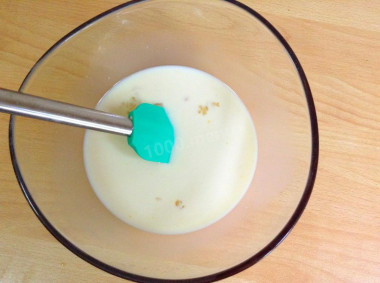
Add the egg mixture to the milk and yeast. Stir everything together gently.
-
Step 4:
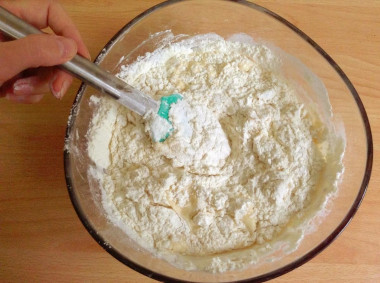
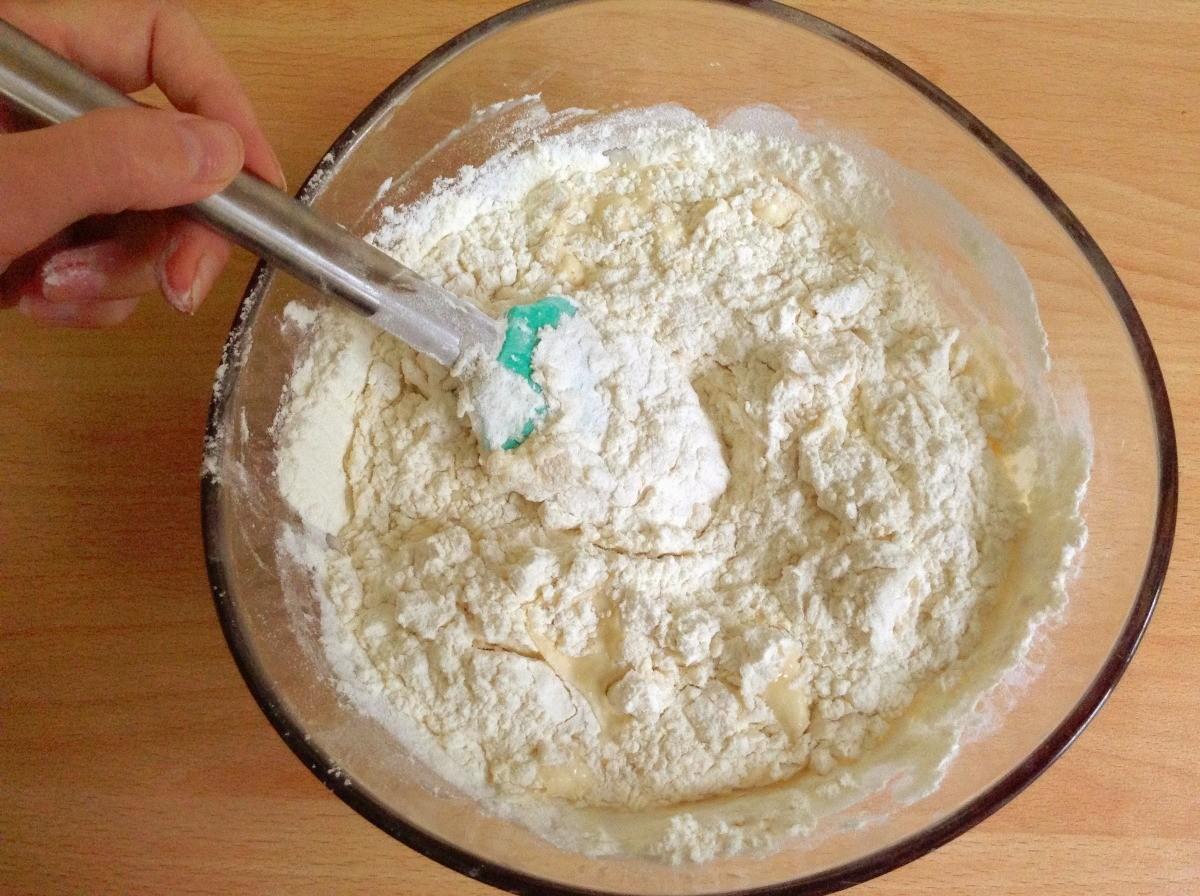
Then start adding the flour a little at a time. Sift it first — this removes any debris and aerates the flour, which makes the baked goods lighter and airier.
-
Step 5:
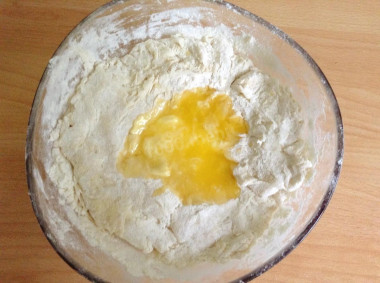
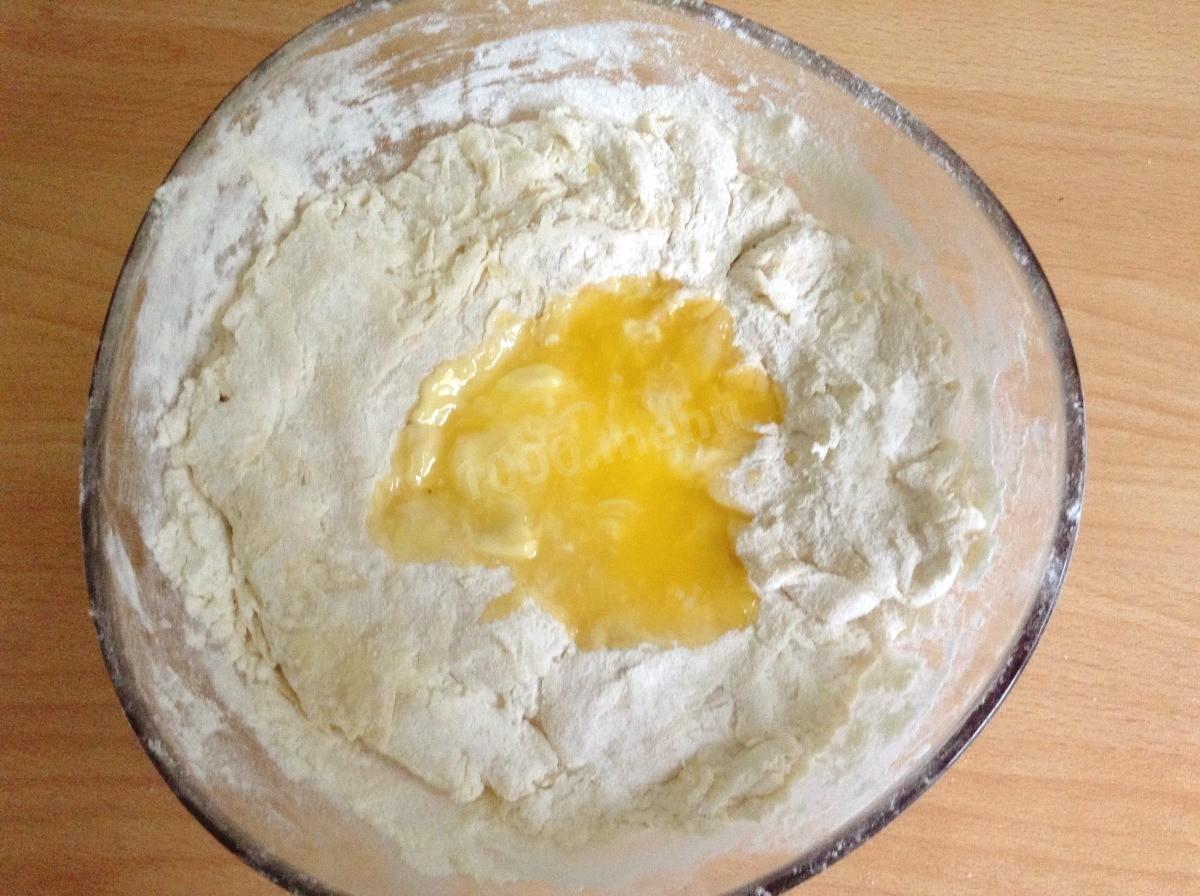
Melt the butter however you like (see the note at the end of the recipe). Let it cool until just warm, then pour it into the dough. Knead the dough until it's smooth, uniform, and no longer sticky, but still soft. Cover the bowl with a towel or plastic wrap and let it rise in a warm spot for 1 to 1.5 hours.
-
Step 6:
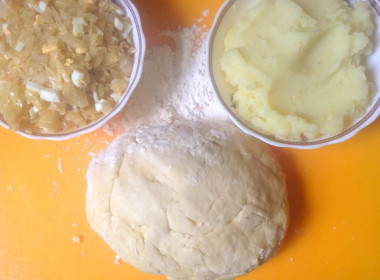
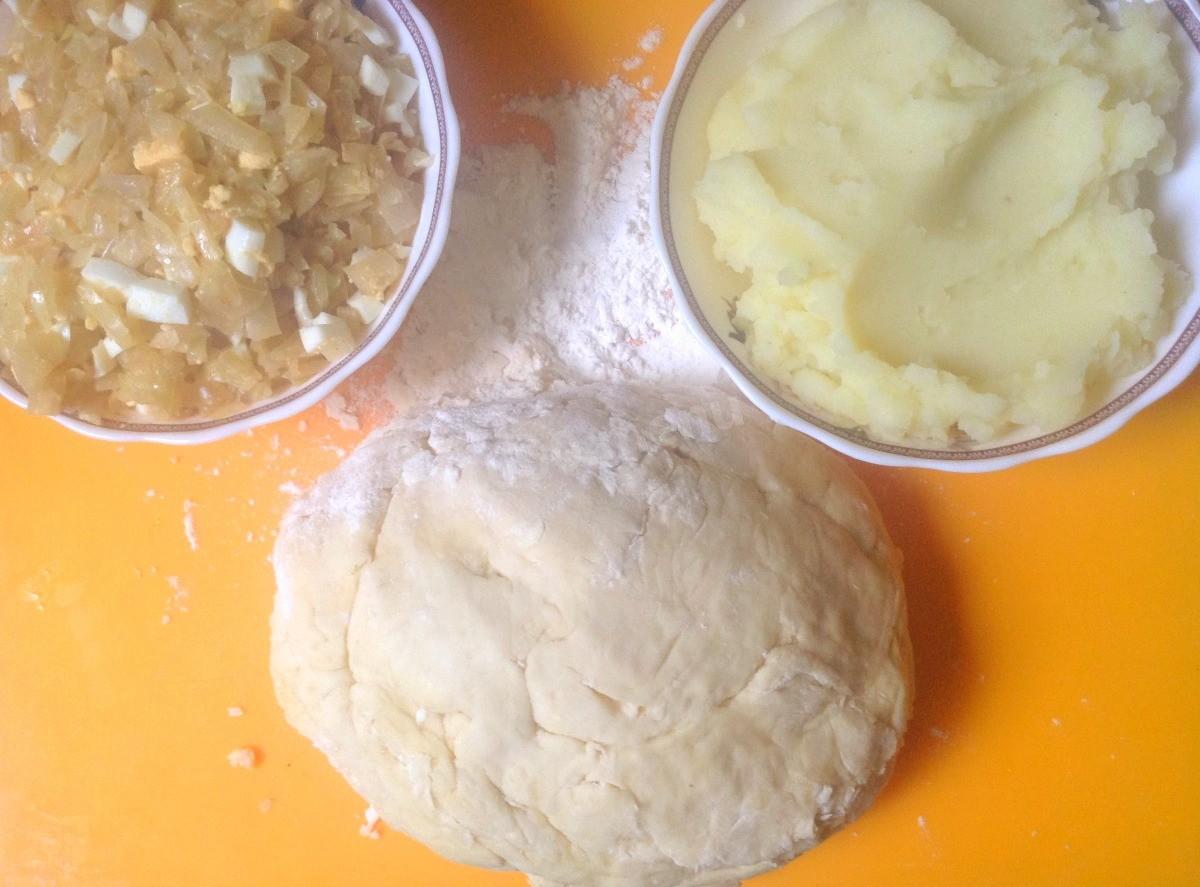
While the dough rises, make the fillings. For the first one: boil the peeled potatoes in salted water for 20–25 minutes. When they're done, drain and mash them. You can stir in finely chopped herbs or fried onions. For the second filling: finely chop the cabbage and cook it down in a skillet with vegetable oil until tender. Hard-boil the eggs, cool them, and chop them finely. Mix the eggs with the cabbage and salt to taste.
-
Step 7:
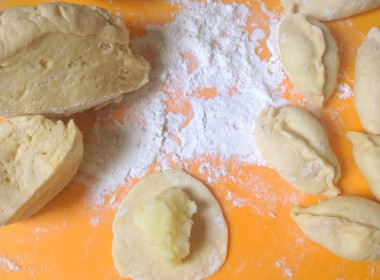
Once the dough has doubled in size, start shaping the pies. Pinch off a piece of dough, roll it into a ball, and roll it out into a round with a rolling pin. You can also shape the round without a pin — just stretch the dough with your hands. If you want all the pies the same size, divide the dough in half, then each half in half again, and keep going until the pieces reach the size you want.
-
Step 8:
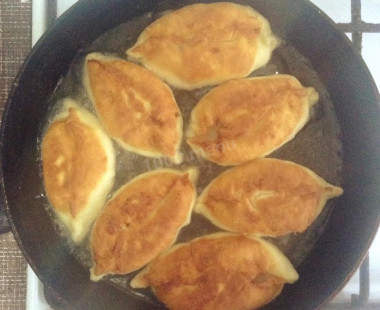
Put a spoonful of filling on each round and pinch the edges shut. Pour vegetable oil into the skillet. Once it's hot, add the pies. Fry them a few minutes per side until golden brown, then transfer them to a paper-towel-lined plate to blot the excess oil. Let them cool slightly and serve. Enjoy!
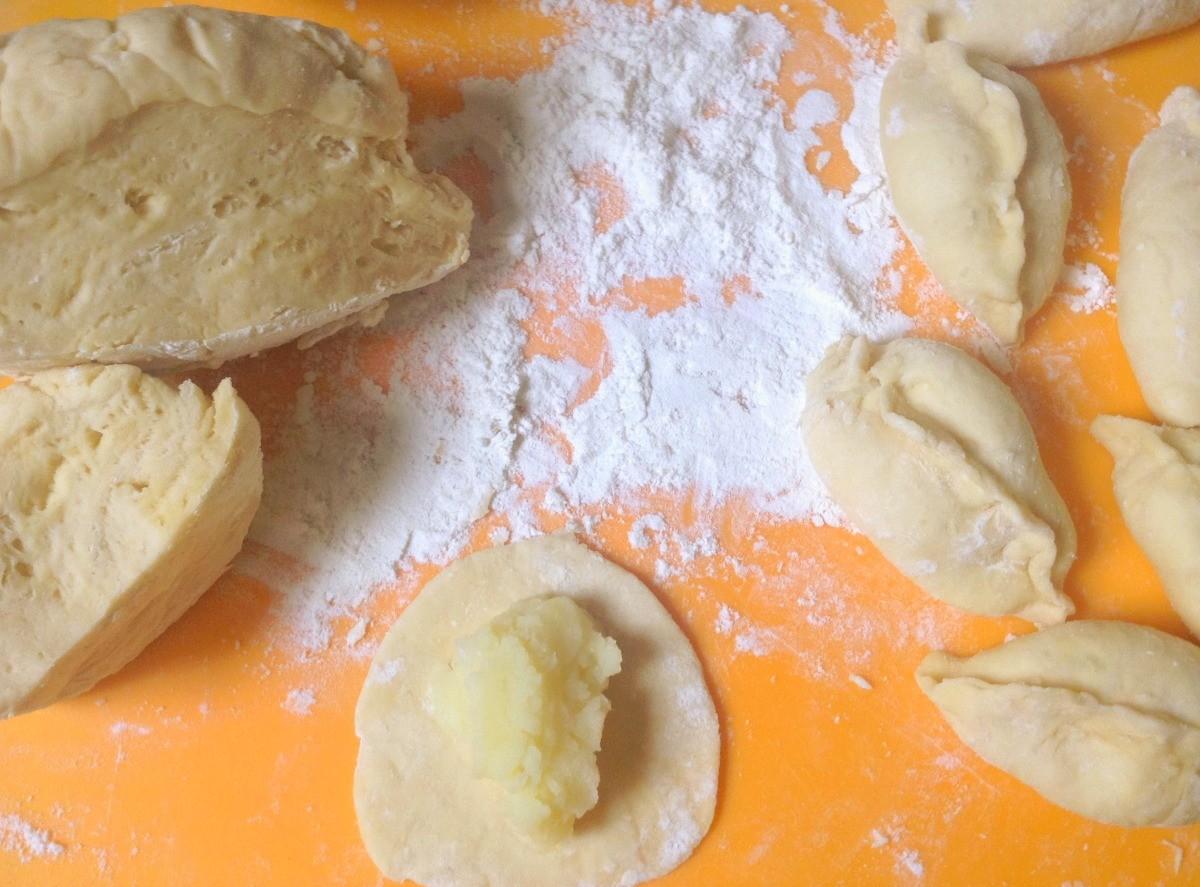
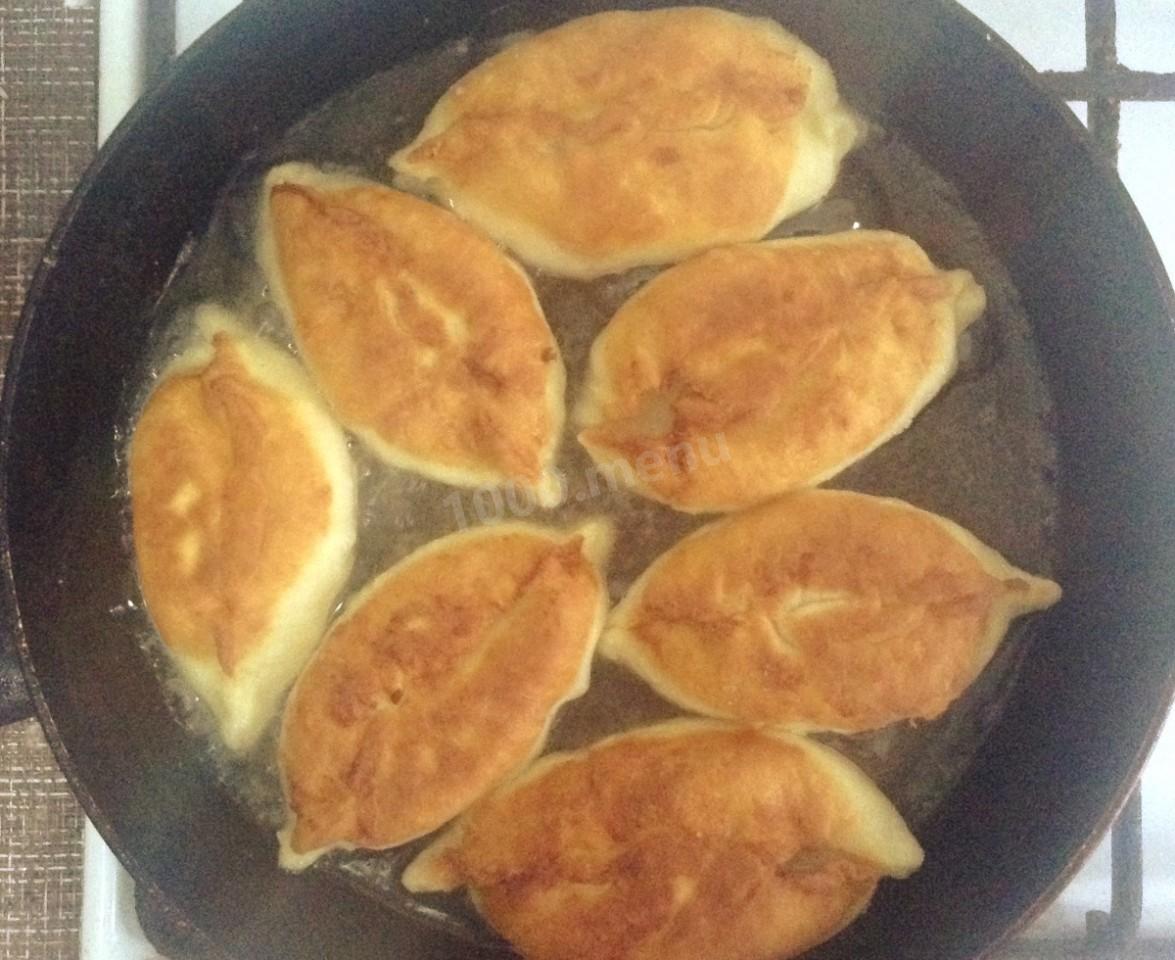
- You can make these pies with any filling you like. Check out the linked collection of fillings for pies and hand pies.
- These pies can be baked in the oven as well as fried.
- Be ready to use more or less flour than the recipe calls for. Go by the consistency of the dough rather than a fixed amount. To avoid missteps, read up on flour and how it behaves.
- You can melt butter in the microwave or over a water bath. To melt it in the microwave: cut the butter into small pieces and put them in a microwave-safe container. To keep it from spattering, cover the container with a paper towel. Melt the butter on the lowest power or the defrost setting. Start with about five seconds; if it hasn't melted, run it another five seconds, and repeat until done. To melt it over a water bath: you'll need two containers of different sizes. Fill the larger one with water and set it on the stove. Set the smaller one on top so it's submerged about halfway. Add the cut-up butter to the smaller container. The boiling water's heat will melt it. Stir gently to speed things up, and once the butter is fully melted, remove the container from the heat.
- Every oil is only good up to a certain temperature — its smoke point — beyond which it starts to burn and forms harmful compounds, including carcinogens. To learn how to gauge frying temperature, which oils are best for frying, and which to avoid altogether, read more here.
Caloric content of the products possible in the composition of the dish
- Ripe potatoes - 80 kcal/100g
- Baked potatoes - 70 kcal/100g
- Mashed potatoes - 380 kcal/100g
- Boiled potatoes - 82 kcal/100g
- Potatoes in uniform - 74 kcal/100g
- Fried potatoes - 192 kcal/100g
- Green cabbage - 46 kcal/100g
- Fresh frozen green cabbage in a package - 45 kcal/100g
- Whole cow's milk - 68 kcal/100g
- Milk 3.5% fat content - 64 kcal/100g
- Milk 3.2% fat content - 60 kcal/100g
- Milk 1.5% fat content - 47 kcal/100g
- Concentrated milk 7.5% fat content - 140 kcal/100g
- Milk 2.5% fat content - 54 kcal/100g
- Chicken egg - 157 kcal/100g
- Egg white - 45 kcal/100g
- Egg powder - 542 kcal/100g
- Egg yolk - 352 kcal/100g
- Ostrich egg - 118 kcal/100g
- Granulated sugar - 398 kcal/100g
- Sugar - 398 kcal/100g
- Butter 82% - 734 kcal/100g
- Amateur unsalted butter - 709 kcal/100g
- Unsalted peasant butter - 661 kcal/100g
- Peasant salted butter - 652 kcal/100g
- Melted butter - 869 kcal/100g
- Vegetable oil - 873 kcal/100g
- Salt - 0 kcal/100g
- Wheat flour - 325 kcal/100g
- Fresh yeast - 109 kcal/100g