French Omelet Stuffed with Cheese and Herbs
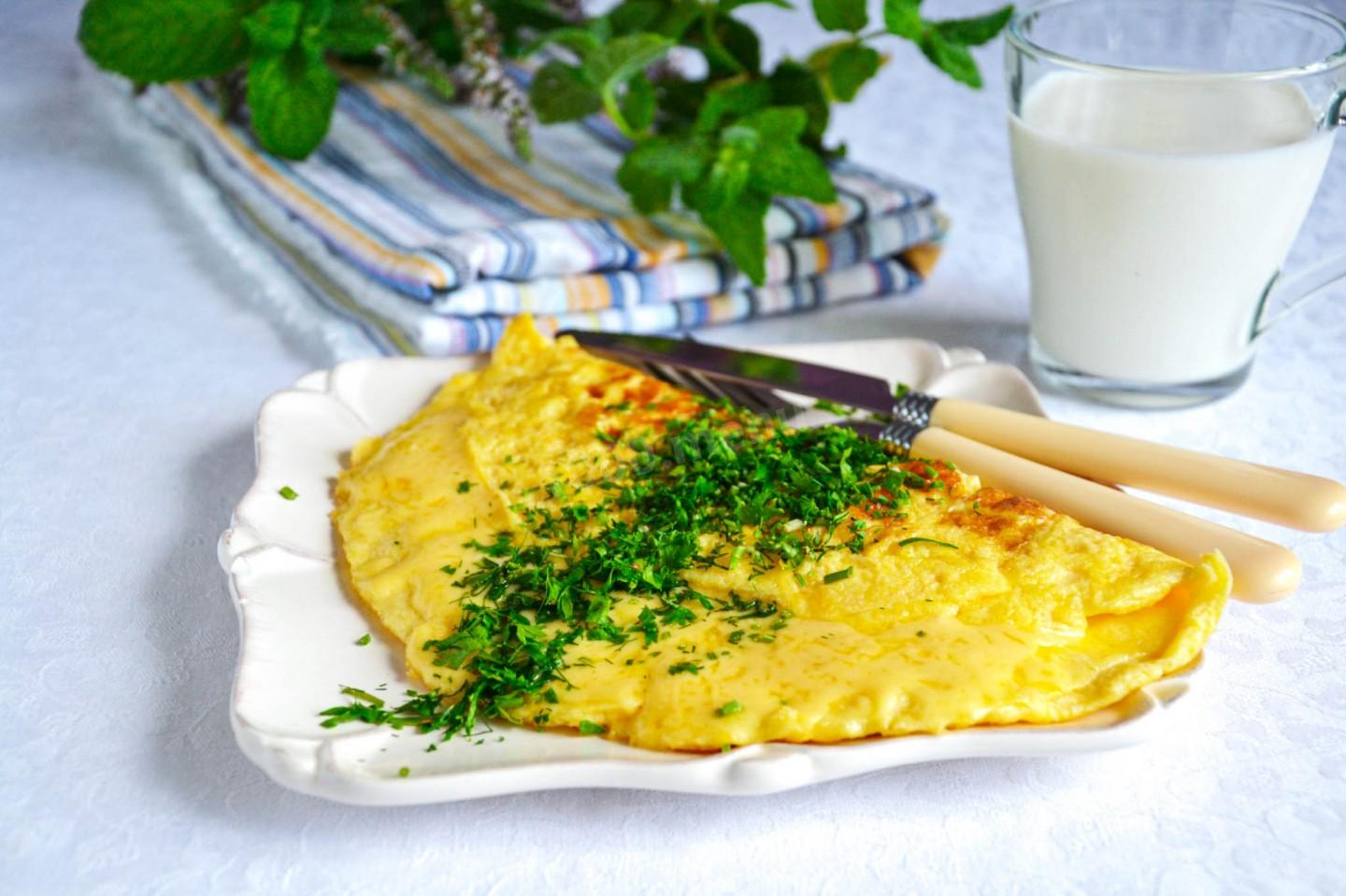
Fluffy, appetizing, and a little different — breakfast for the whole family! A French omelet stuffed with cheese and herbs is the perfect morning dish. It comes together fast, even if you're making several in a row. You can mix it up by adding different ingredients to the filling to suit your taste.

Cooking method
-
Step 1:
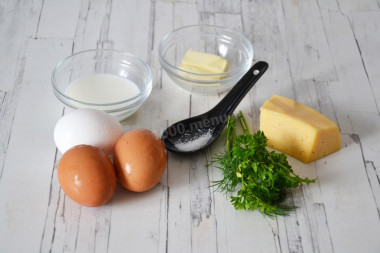
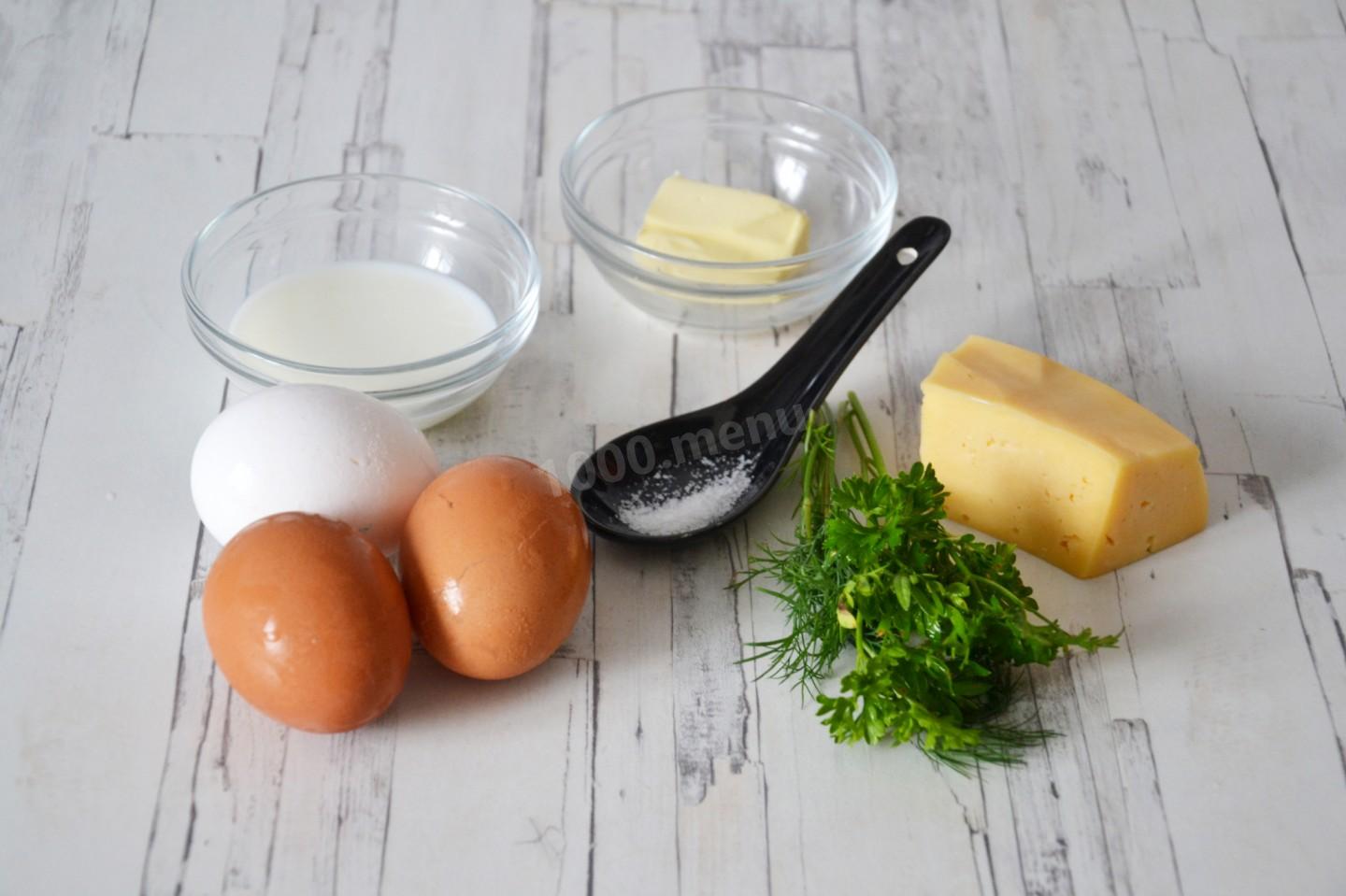
How do you make a French omelet stuffed with cheese and herbs? Gather your ingredients. Always wash the eggs before using them — even a shell that looks clean can carry harmful bacteria; a food-safe wash and a brush work best. Use good-quality cheese with no added vegetable fats.
-
Step 2:
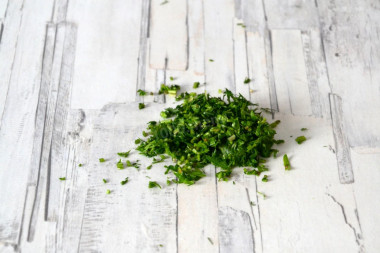
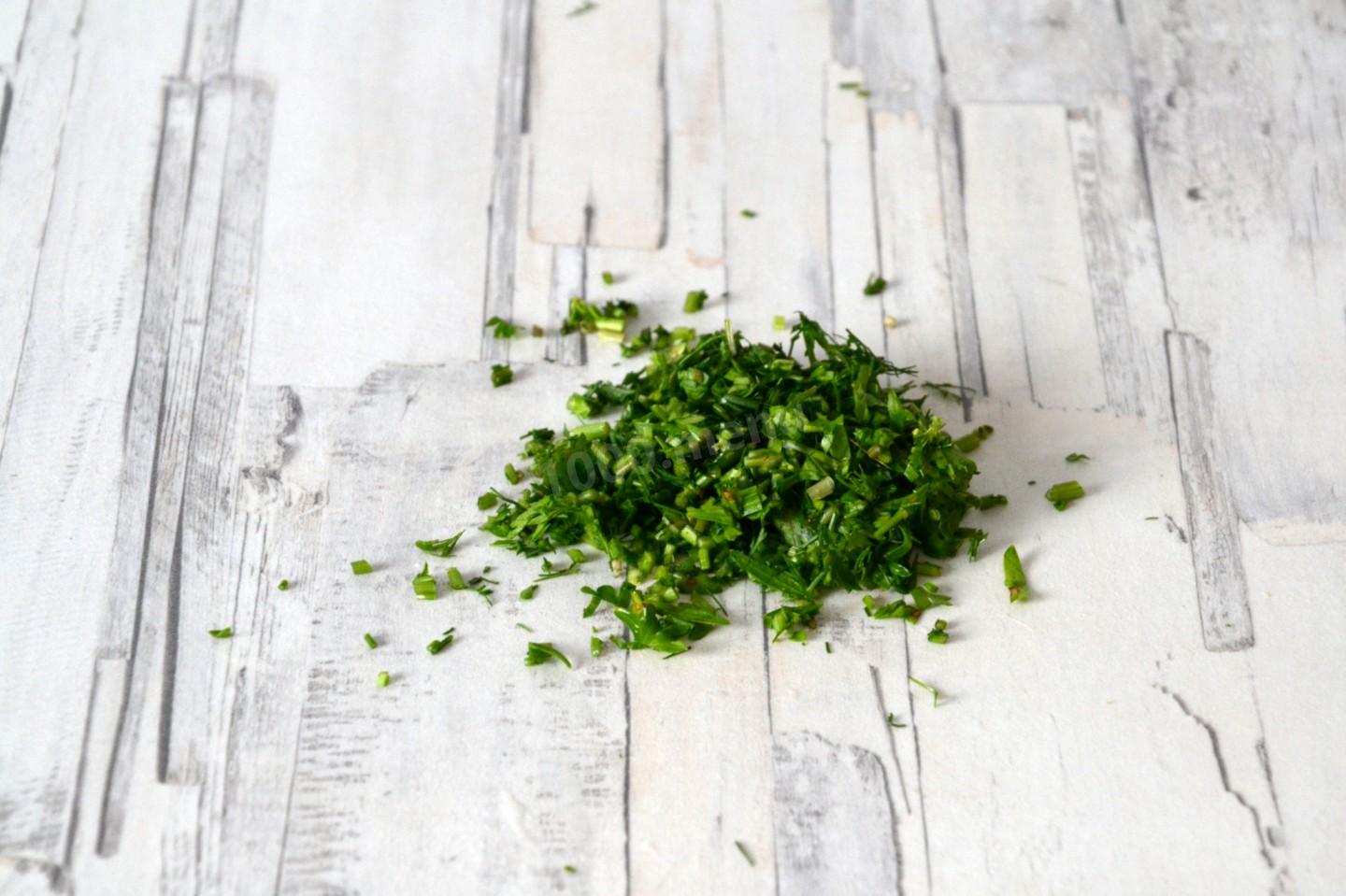
Wash the herbs, pat them dry with paper towels, and chop them finely with a knife. I used dill and parsley, but any will do — go with whatever you like or have on hand.
-
Step 3:
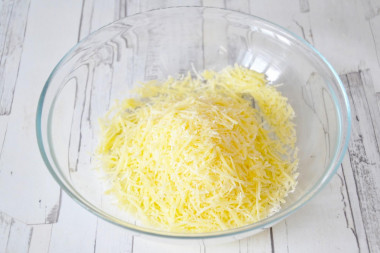
Grate the cheese on the medium holes of a box grater so it melts faster.
-
Step 4:
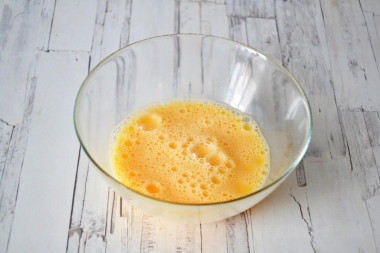
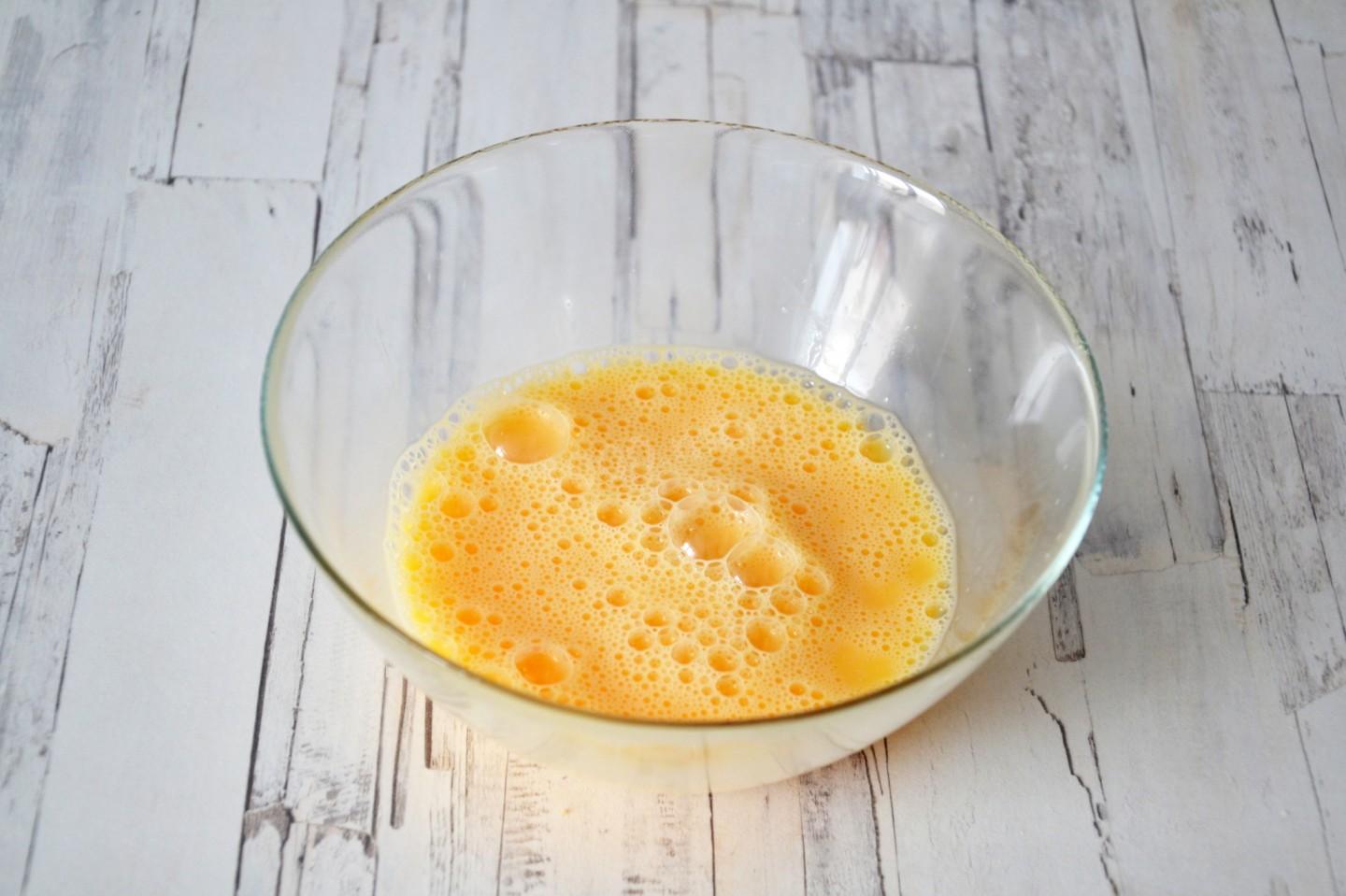
Crack the eggs into a deep bowl, then pour in the milk. A French omelet uses either no liquid at all or just a splash, so don't be surprised there's so little milk. Add salt. Beat the eggs with the milk and salt — you don't need to work up much foam or volume. The goal is simply to blend the whites and yolks well.
-
Step 5:
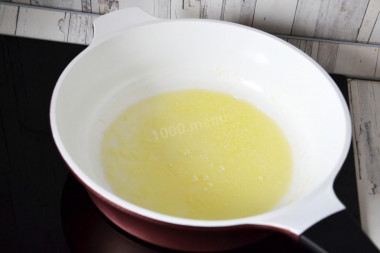
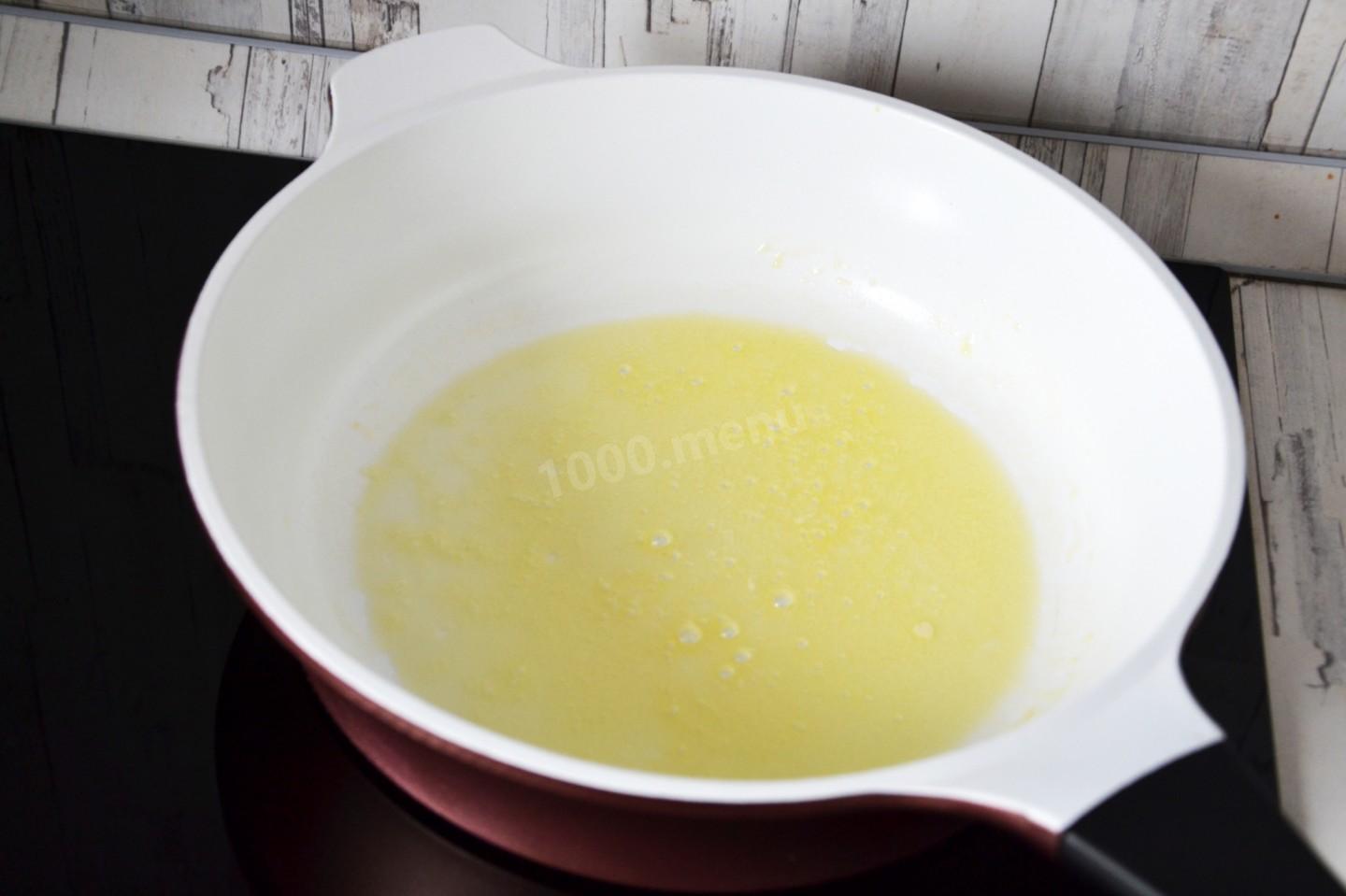
Melt the butter in a skillet over low heat so it coats the whole surface. It should just start to bubble — but don't let it burn, since butter scorches quickly. To prevent that, you can add a little vegetable oil along with the butter.
-
Step 6:
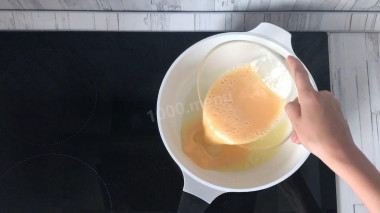
Pour the beaten eggs into the skillet. Swirl the pan in every direction to spread the eggs evenly over the whole surface, as if you were making a crêpe.
-
Step 7:
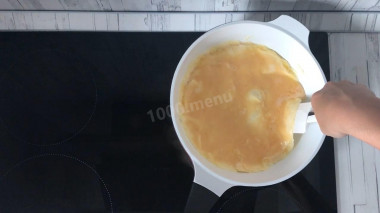
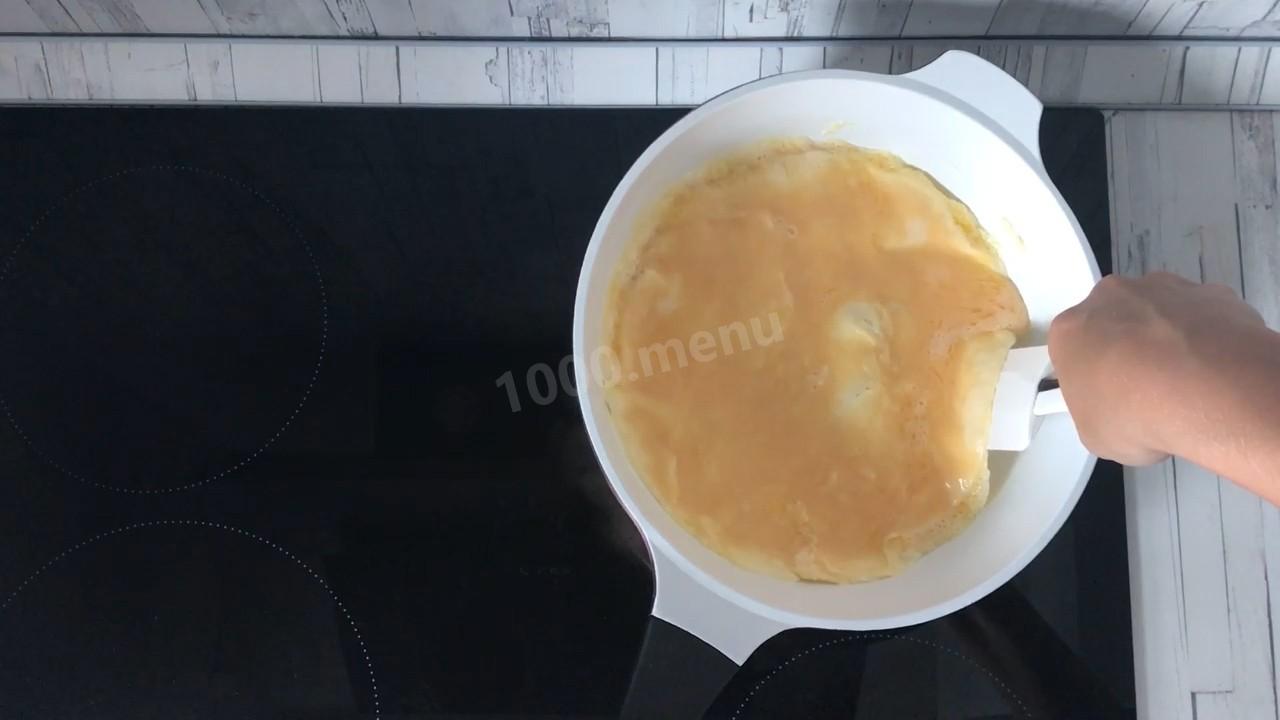
Turn the heat up to medium. As soon as one edge of the omelet sets a bit, lift it with a spatula so the still-liquid egg runs underneath. Repeat this a few times so the omelet sets faster all around. The quicker it cooks, the more tender it will taste.
-
Step 8:
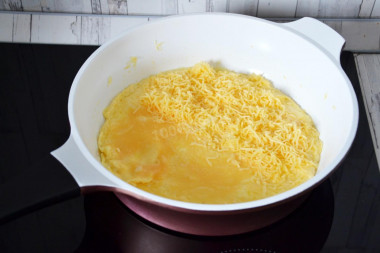
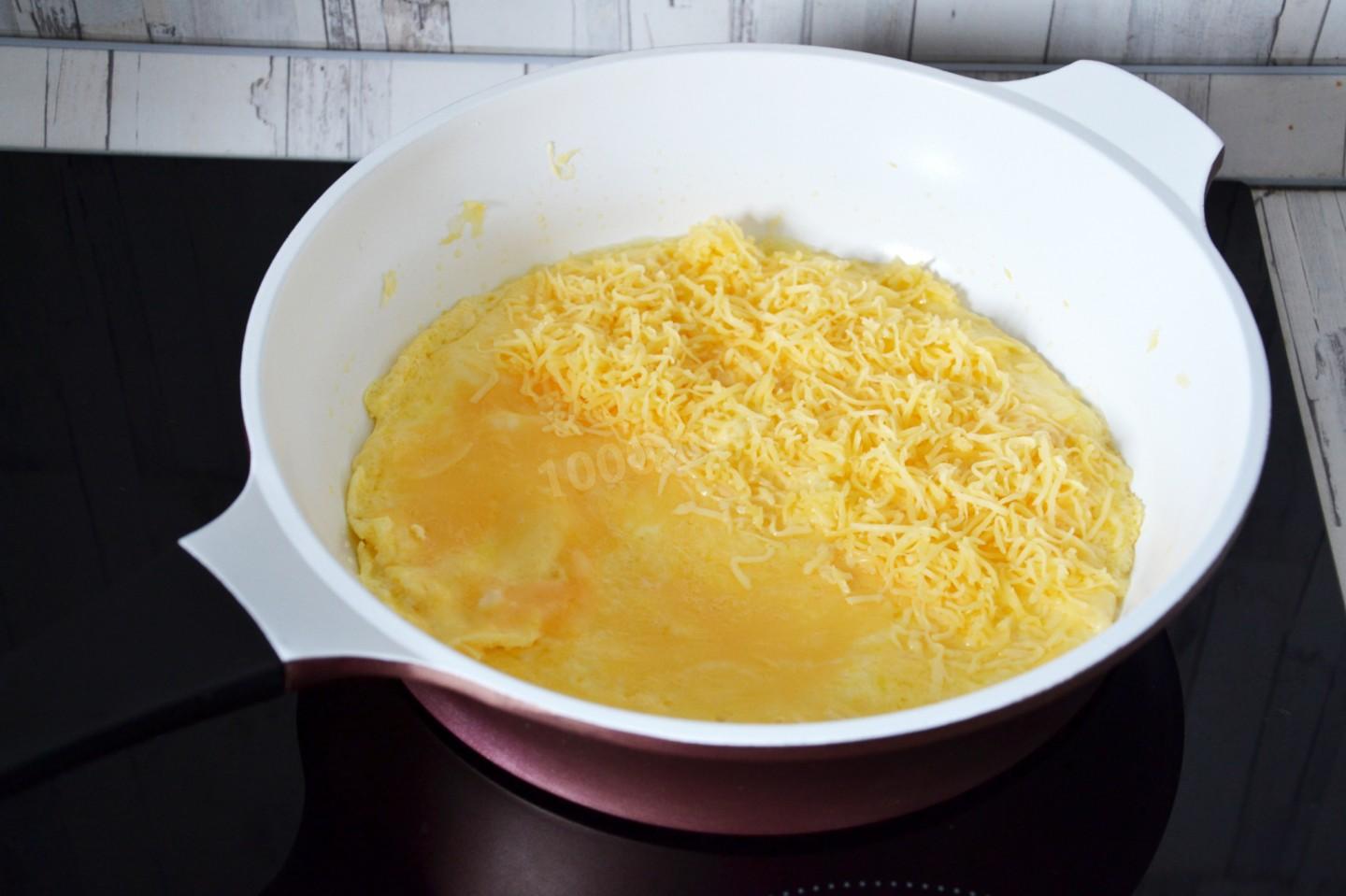
Once the entire surface of the omelet is set, sprinkle grated cheese over one half. Cook for another 20 seconds.
-
Step 9:
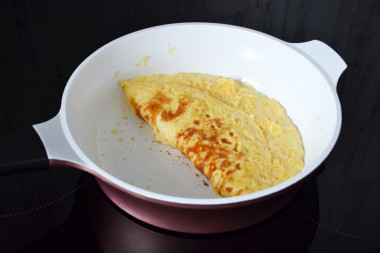
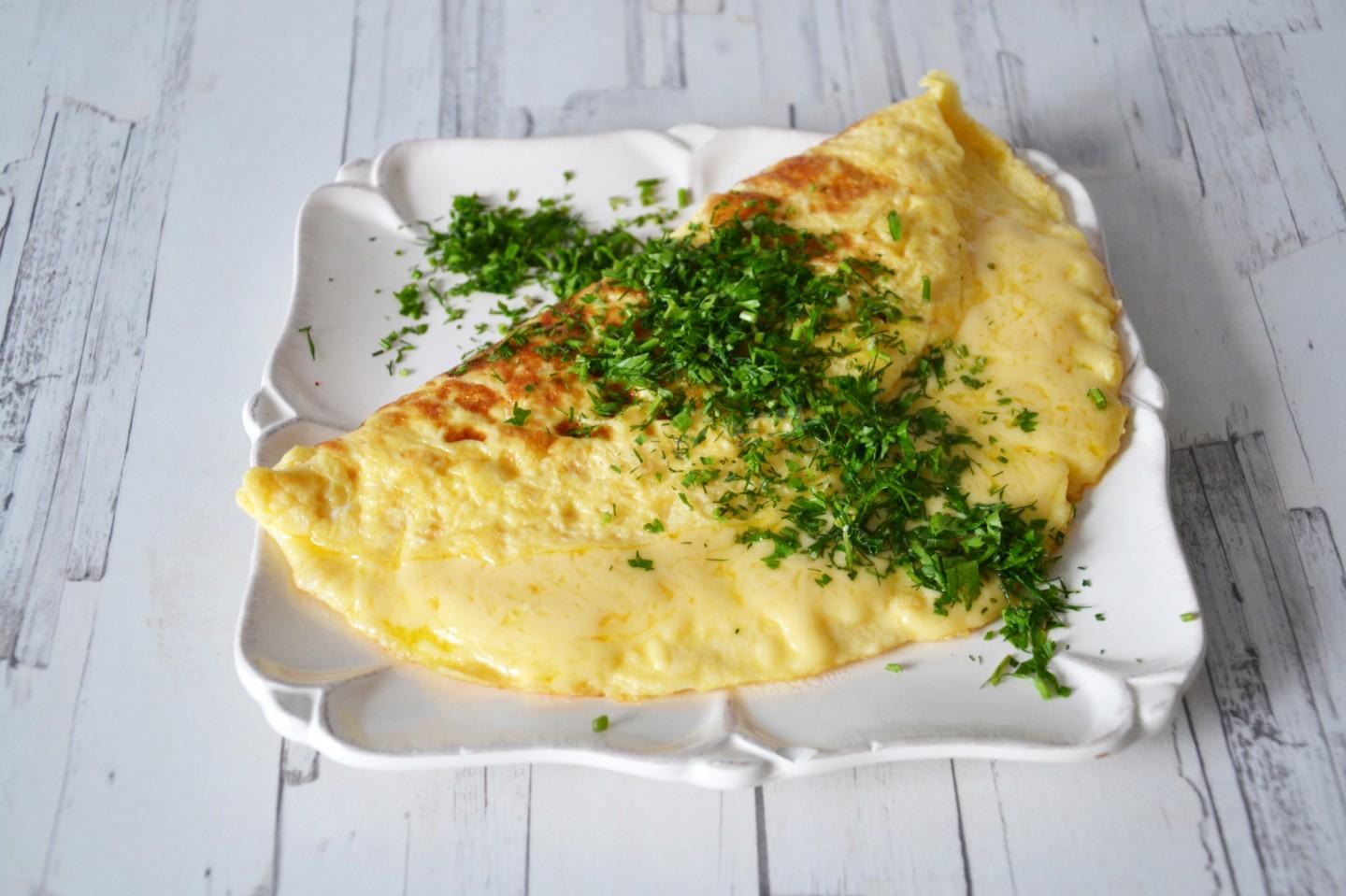
Then fold the omelet in half with the spatula. Turn off the heat and leave the omelet in the cooling pan for another 30 seconds so the cheese melts.
-
Step 10:
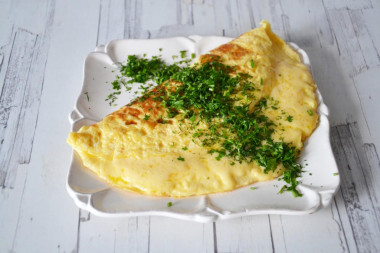
Carefully slide the omelet onto a plate and scatter the chopped herbs on top. Serve it right away — this omelet is best hot, while the cheese is still soft and stringy. Enjoy!



- How can you tell if an egg is fresh? Crack it into a separate bowl. First, there should be no off smell. The white of a fresh egg is clear and clean, and the yolk should hold its shape rather than spread out, looking shiny, rounded, and firm.
- Any cheese works for this dish — hard, semi-hard, or soft like mozzarella. The main thing is that it tastes good, is high quality with no milk-fat substitutes, and melts well.
Caloric content of the products possible in the composition of the dish
- Whole cow's milk - 68 kcal/100g
- Milk 3.5% fat content - 64 kcal/100g
- Milk 3.2% fat content - 60 kcal/100g
- Milk 1.5% fat content - 47 kcal/100g
- Concentrated milk 7.5% fat content - 140 kcal/100g
- Milk 2.5% fat content - 54 kcal/100g
- Chicken egg - 157 kcal/100g
- Egg white - 45 kcal/100g
- Egg powder - 542 kcal/100g
- Egg yolk - 352 kcal/100g
- Ostrich egg - 118 kcal/100g
- Dutch cheese - 352 kcal/100g
- Swiss cheese - 335 kcal/100g
- Russian cheese - 366 kcal/100g
- Kostroma cheese - 345 kcal/100g
- Yaroslavsky cheese - 361 kcal/100g
- Altai cheese 50% fat content - 356 kcal/100g
- Soviet cheese - 400 kcal/100g
- Cheese 'steppe' - 362 kcal/100g
- Uglich cheese - 347 kcal/100g
- Poshekhonsky cheese - 350 kcal/100g
- Lambert cheese - 377 kcal/100g
- Appnzeller cheese with 50% fat content - 400 kcal/100g
- Chester cheese with 50% fat content - 363 kcal/100g
- Edamer cheese with 40% fat content - 340 kcal/100g
- Cheese with mushrooms of 50% fat content - 395 kcal/100g
- Emmental cheese with 45% fat content - 420 kcal/100g
- Gouda cheese with 45% fat content - 356 kcal/100g
- Aiadeus cheese - 364 kcal/100g
- Dom blanc cheese (semi-hard) - 360 kcal/100g
- Lo spalmino cheese - 61 kcal/100g
- Cheese 'etorki' (sheep, hard) - 401 kcal/100g
- White cheese - 100 kcal/100g
- Fat yellow cheese - 260 kcal/100g
- Altai cheese - 355 kcal/100g
- Kaunas cheese - 355 kcal/100g
- Latvian cheese - 316 kcal/100g
- Limburger cheese - 327 kcal/100g
- Lithuanian cheese - 250 kcal/100g
- Lake cheese - 350 kcal/100g
- Gruyere cheese - 396 kcal/100g
- Parsley greens - 45 kcal/100g
- Dill greens - 38 kcal/100g
- Butter 82% - 734 kcal/100g
- Amateur unsalted butter - 709 kcal/100g
- Unsalted peasant butter - 661 kcal/100g
- Peasant salted butter - 652 kcal/100g
- Melted butter - 869 kcal/100g
- Salt - 0 kcal/100g
Similar recipes

- Fast and tasty
- For breakfast
- National cuisine
- Second course
- Eggs
- Cheese
- Dairy products
- Spices seasonings spices
- Fats and oils
- Parsley
- Salt
- Dill
- Butter
- French cuisine
- Frying
- In a frying pan
- The second is fast and delicious
- Dishes in 30 minutes
- Omelets рецепты
- Egg breakfast
- Made of solid cheese
- Milk
- Vegetarianism