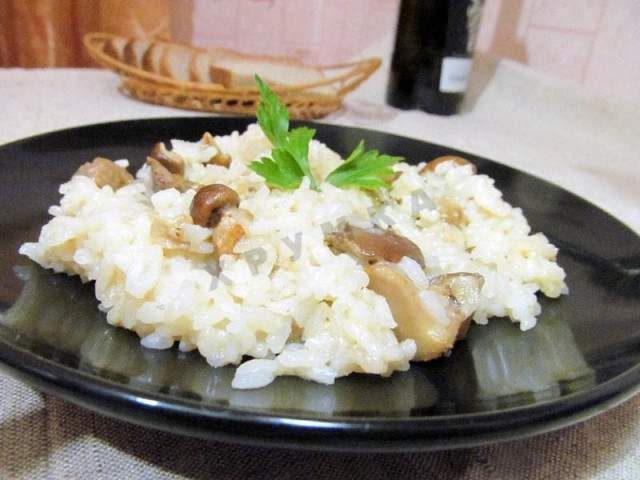
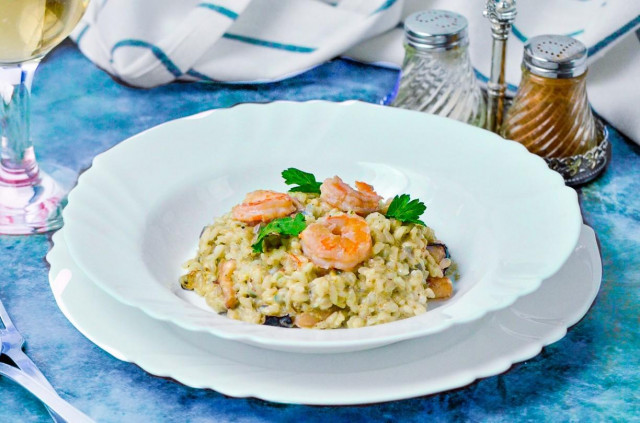
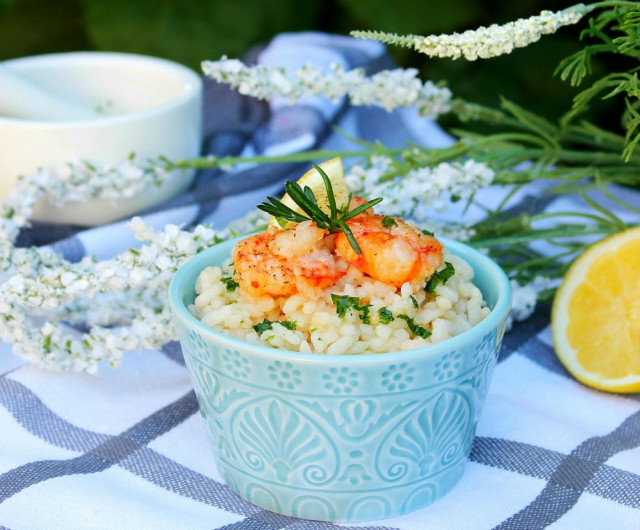

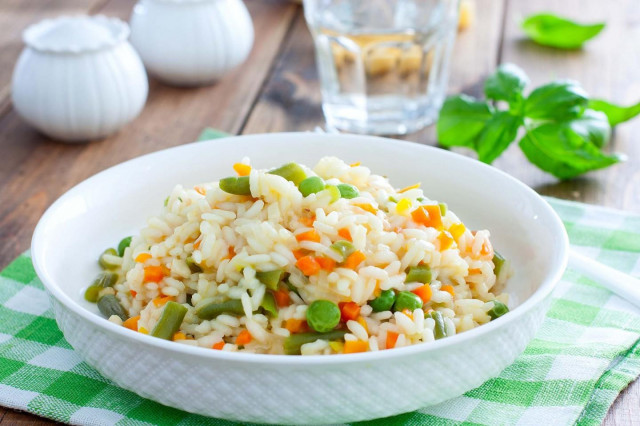
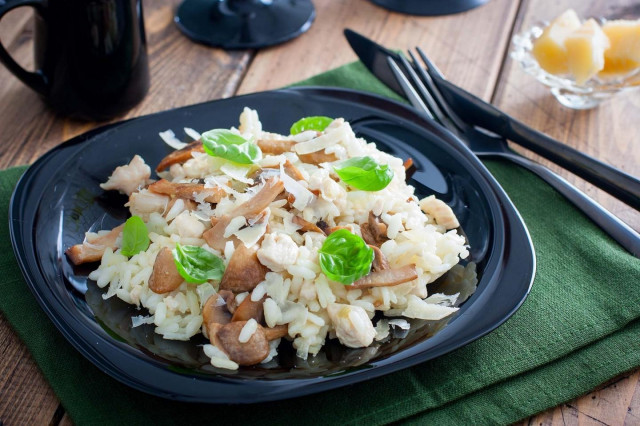
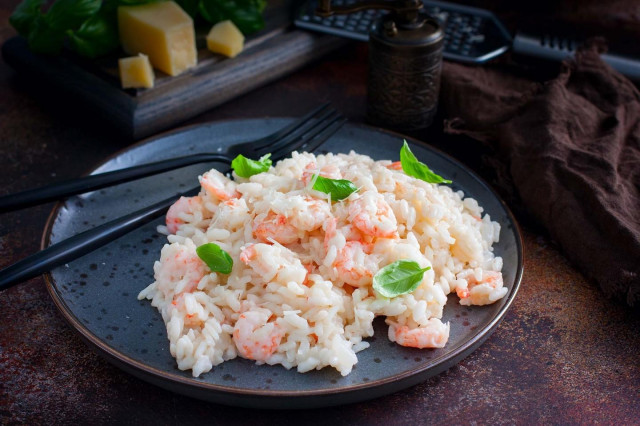
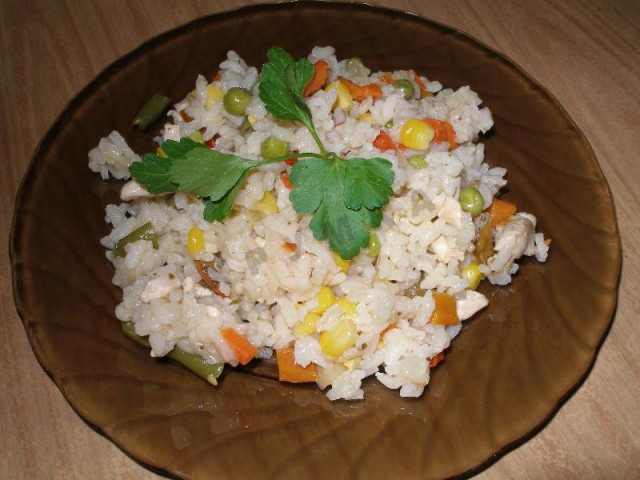

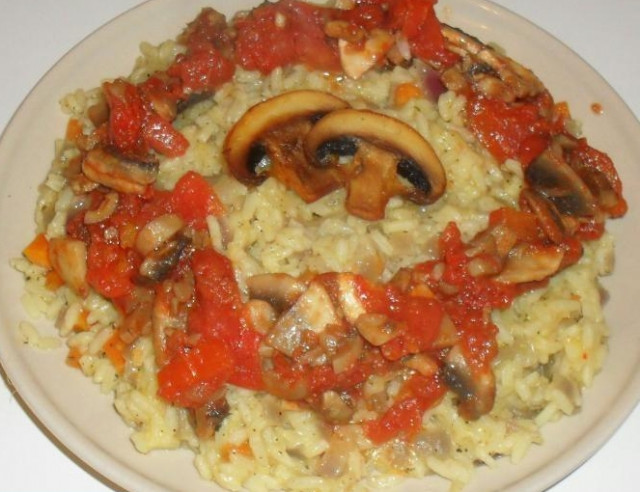
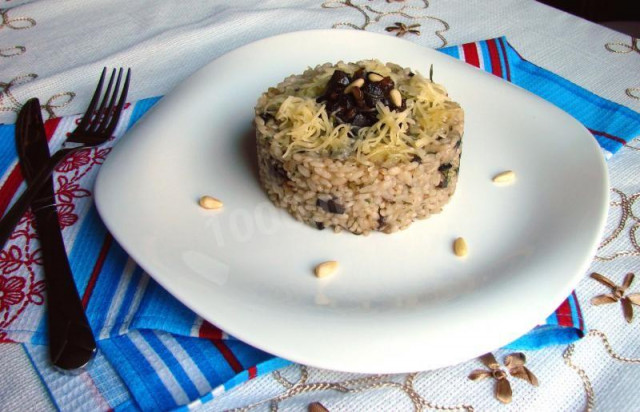
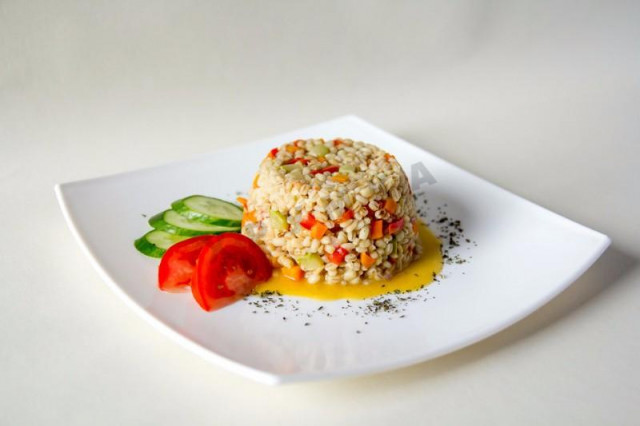
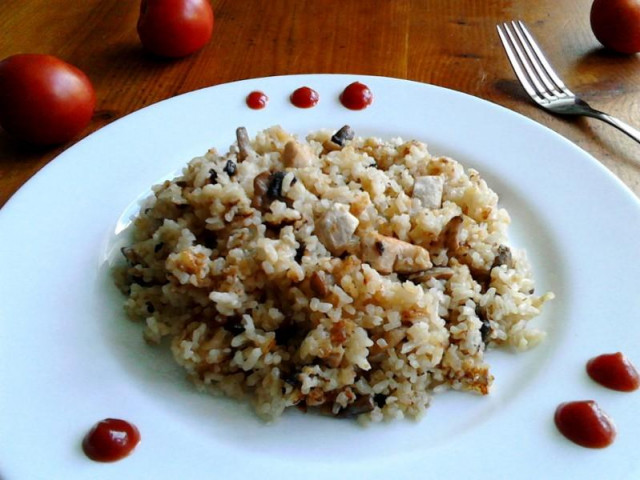
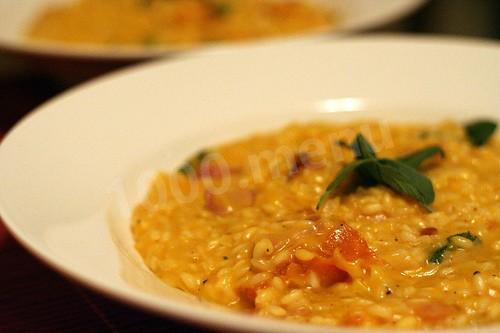
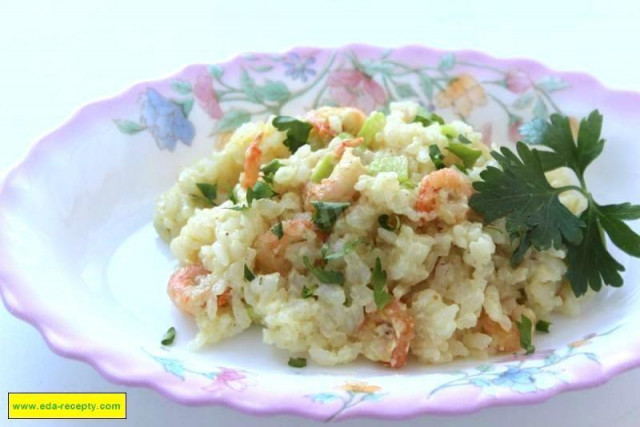

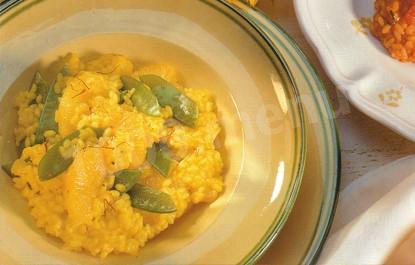
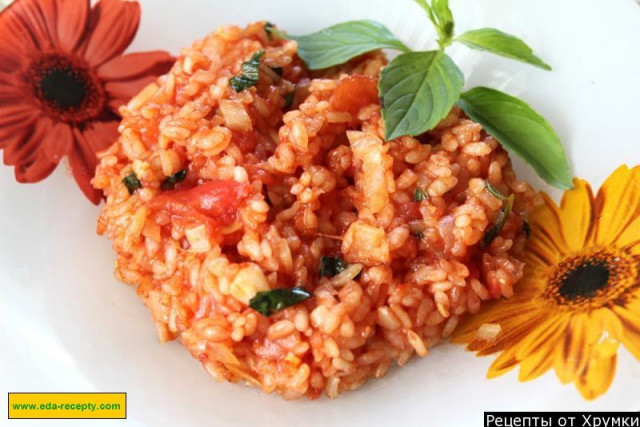

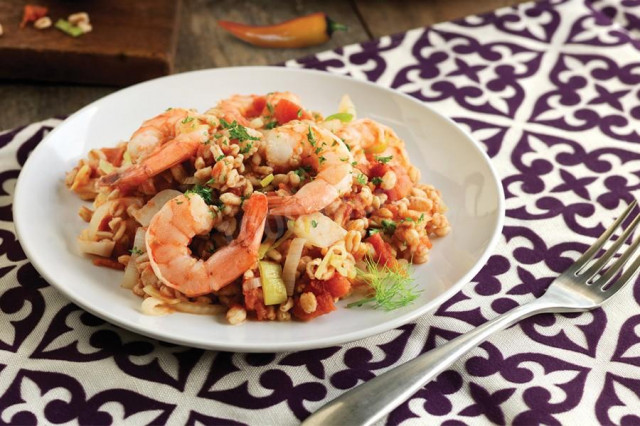
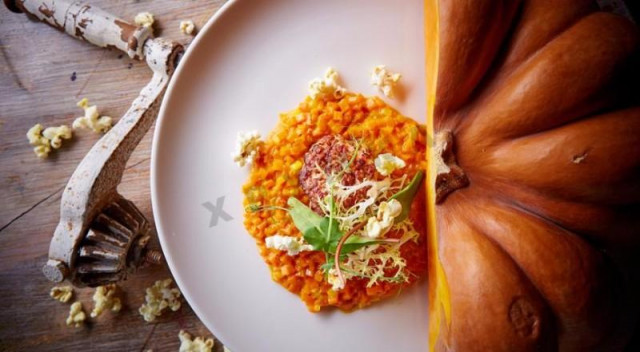
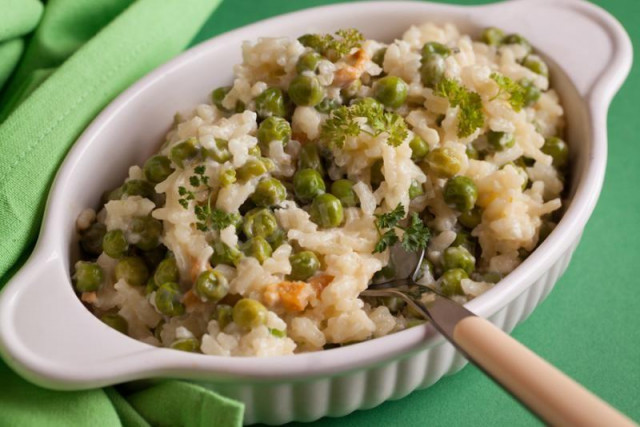
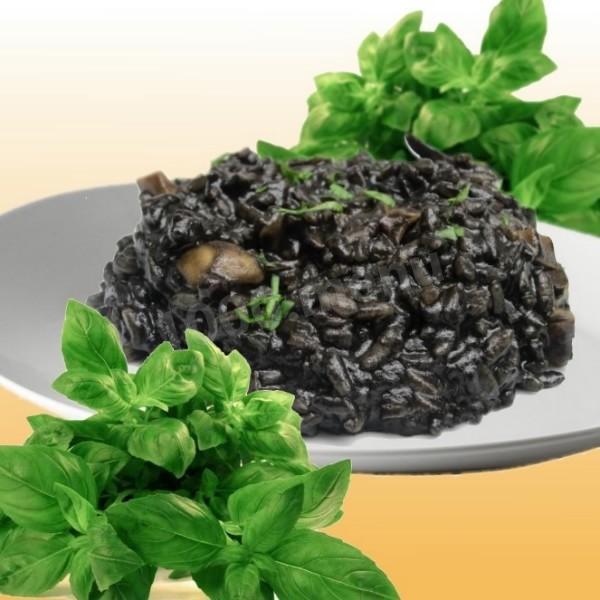

And who would have thought it's so tricky to cook well. The name translates as "little grain of rice." Indeed, the dish is built on the right rice. The best varieties are Vialone Nano, Carnaroli, and Arborio. They're set apart by a higher starch content and the ability to hold their shape well. Such grains will perfectly soak up the flavors and convey the amazing harmony of all the ingredients. Another secret is in how the components are added. The rice should steadily and fully absorb every liquid: olive oil, wine, broth. But at the same time, it should stay "al dente" — with a noticeably firm core.
The five most commonly used ingredients in these recipes:
| Product | Calories per 100g | Protein g per 100g | Fats g per 100g | Carbohydrates g per 100g |
|---|---|---|---|---|
| Rice | 344 | 6.7 | 0.7 | 78.9 |
| Olive oil | 913 | 0 | 99.8 | 0 |
| White wine | 78 | 0.2 | 0 | 5 |
| Onion | 41 | 1.4 | 0 | 10.4 |
| Butter | 734 | 0.5 | 82.5 | 0.8 |
It's important to remember that risotto is temperamental and won't forgive inattention. It has to be stirred constantly, without stepping away from the stove for even a minute. Don't cover the pan with a lid. Under no circumstances should you miss the moment when the cooking needs to end, before the refined dish turns into ordinary porridge. The charm of a real risotto is that you can add almost anything to it: various kinds of meat, seafood, vegetables, mushrooms. And every version will be a centerpiece of the table and a gastronomic celebration.