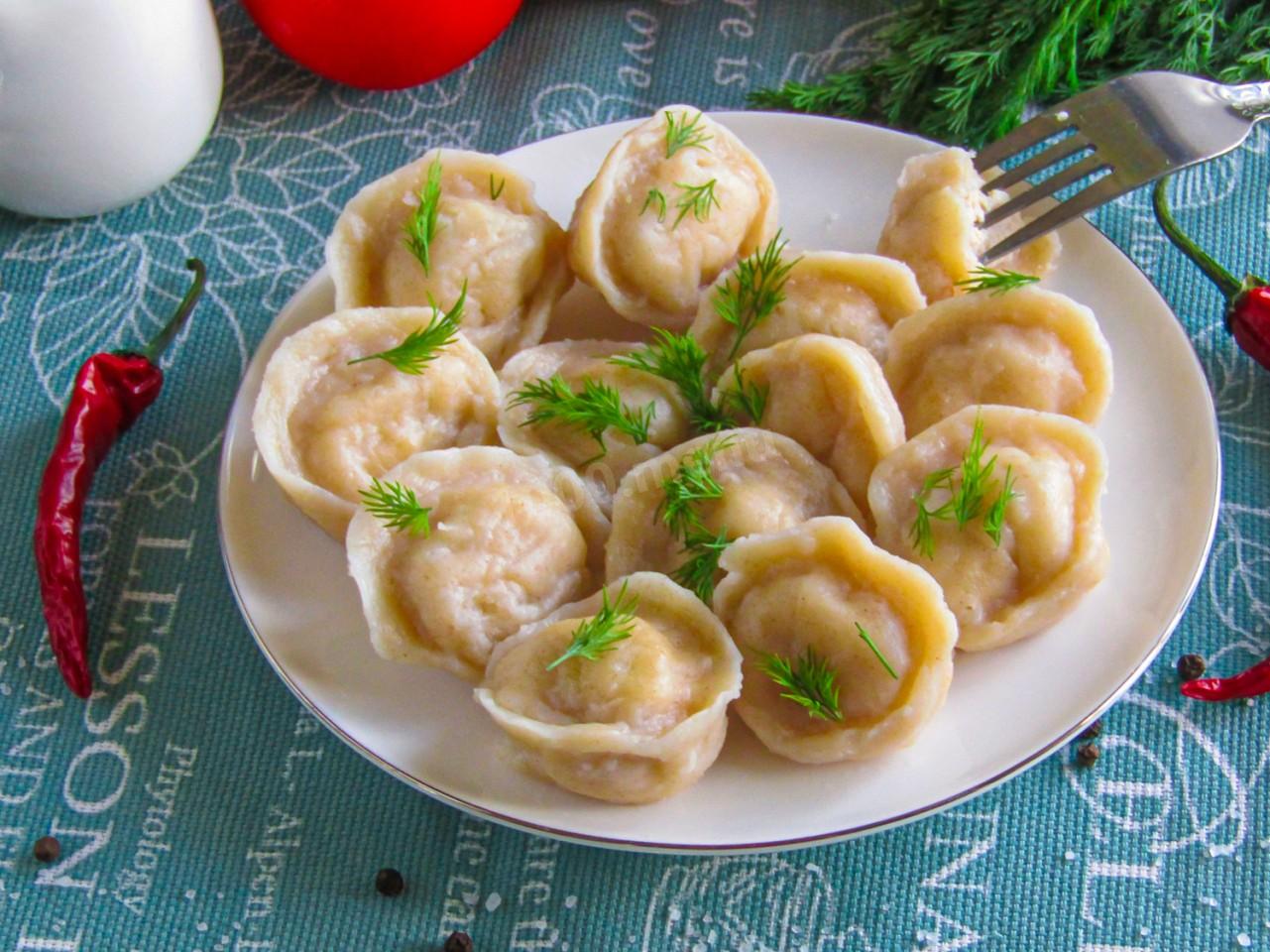
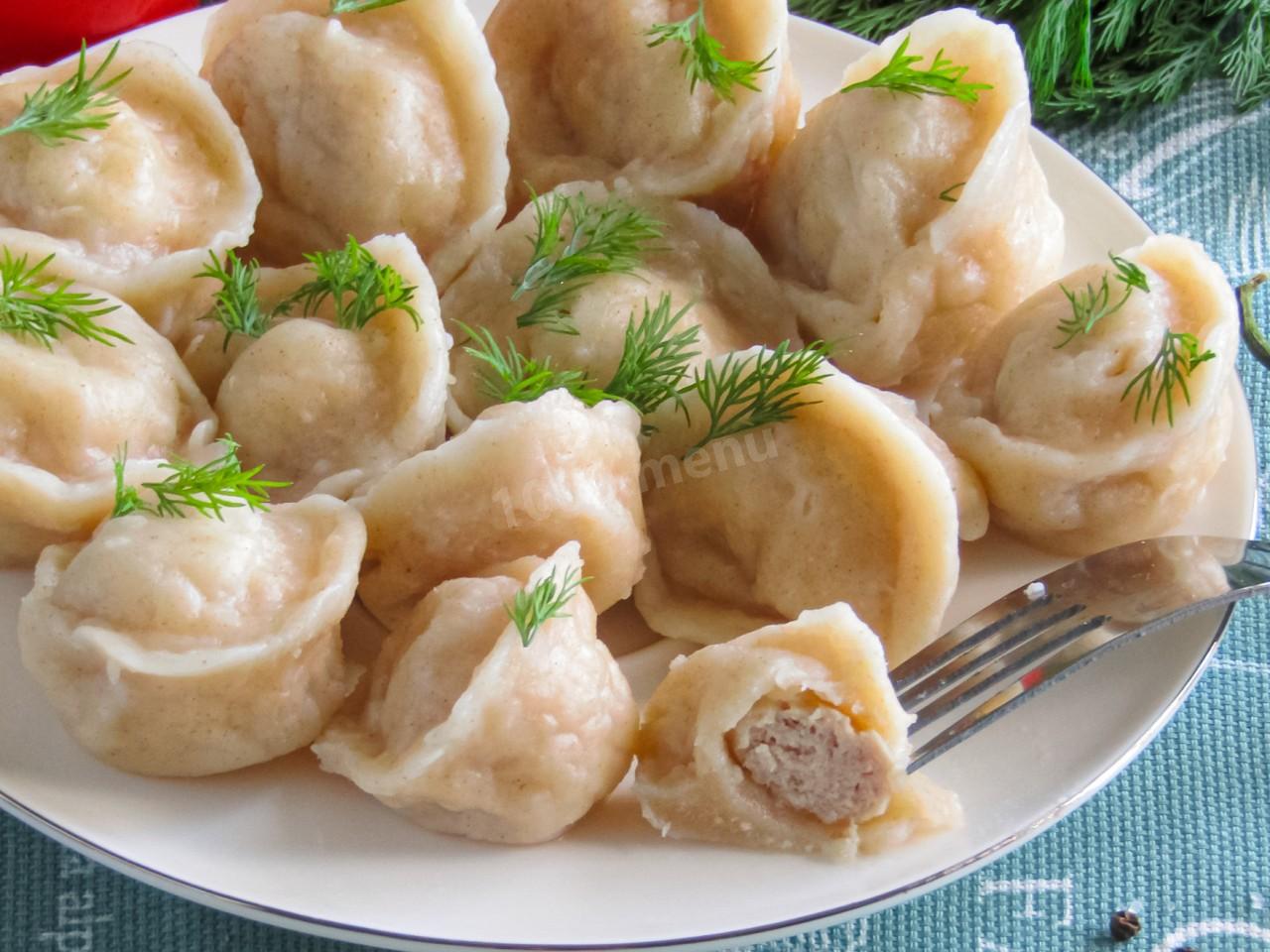
Pork Pelmeni
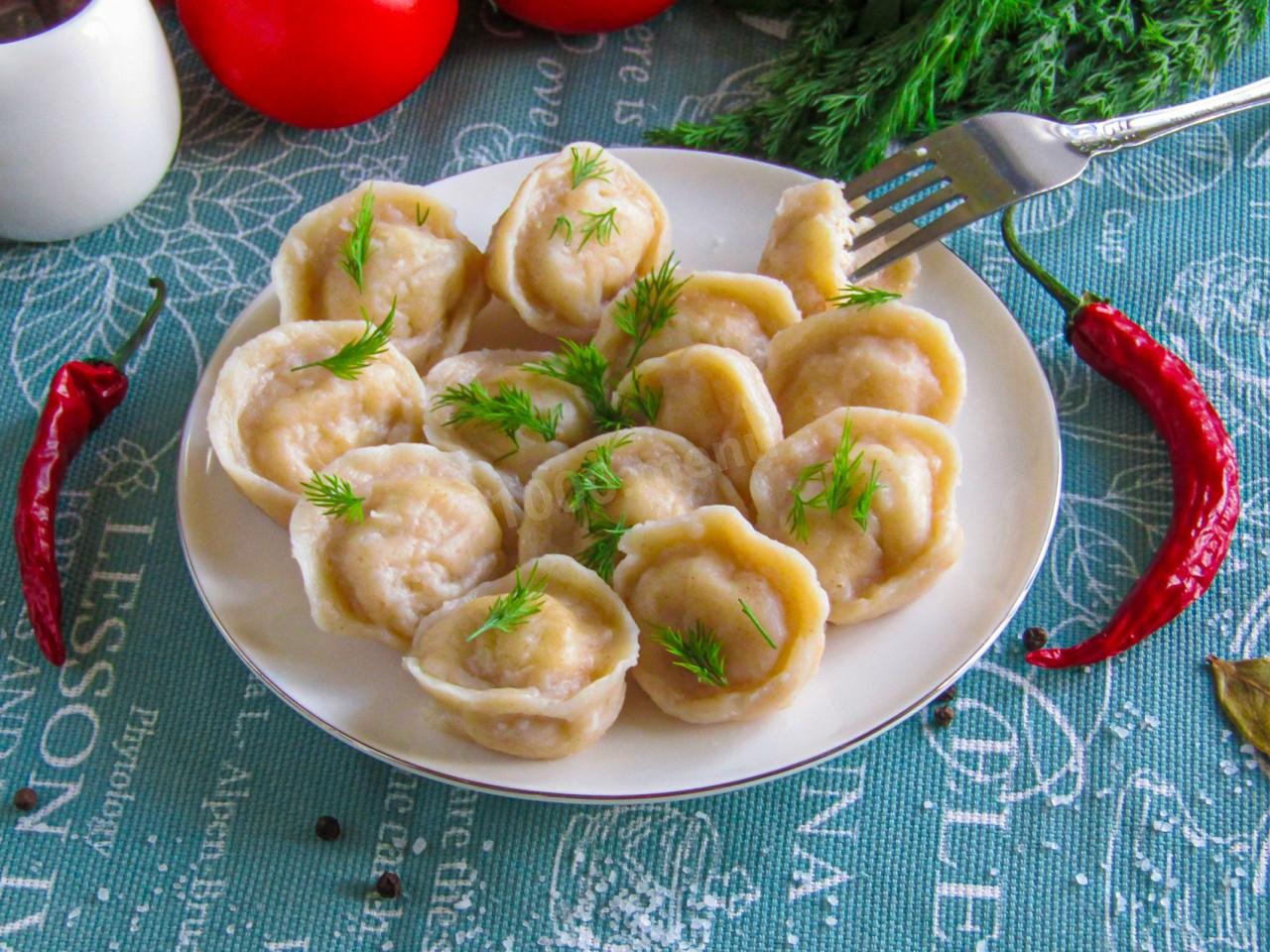
The best meat to keep on hand — make a batch and freeze them for a quick dinner! Pelmeni are great any time, in any season, and personally I love them best made with pork. I really recommend making them in big batches and freezing them, so you'll always have a hearty lunch or dinner for the whole family ready to go.

Cooking method
-
Step 1:
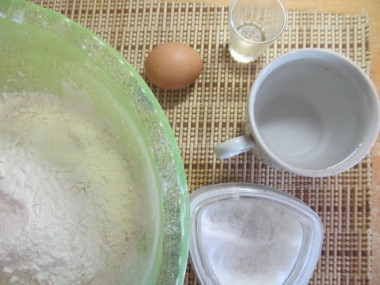
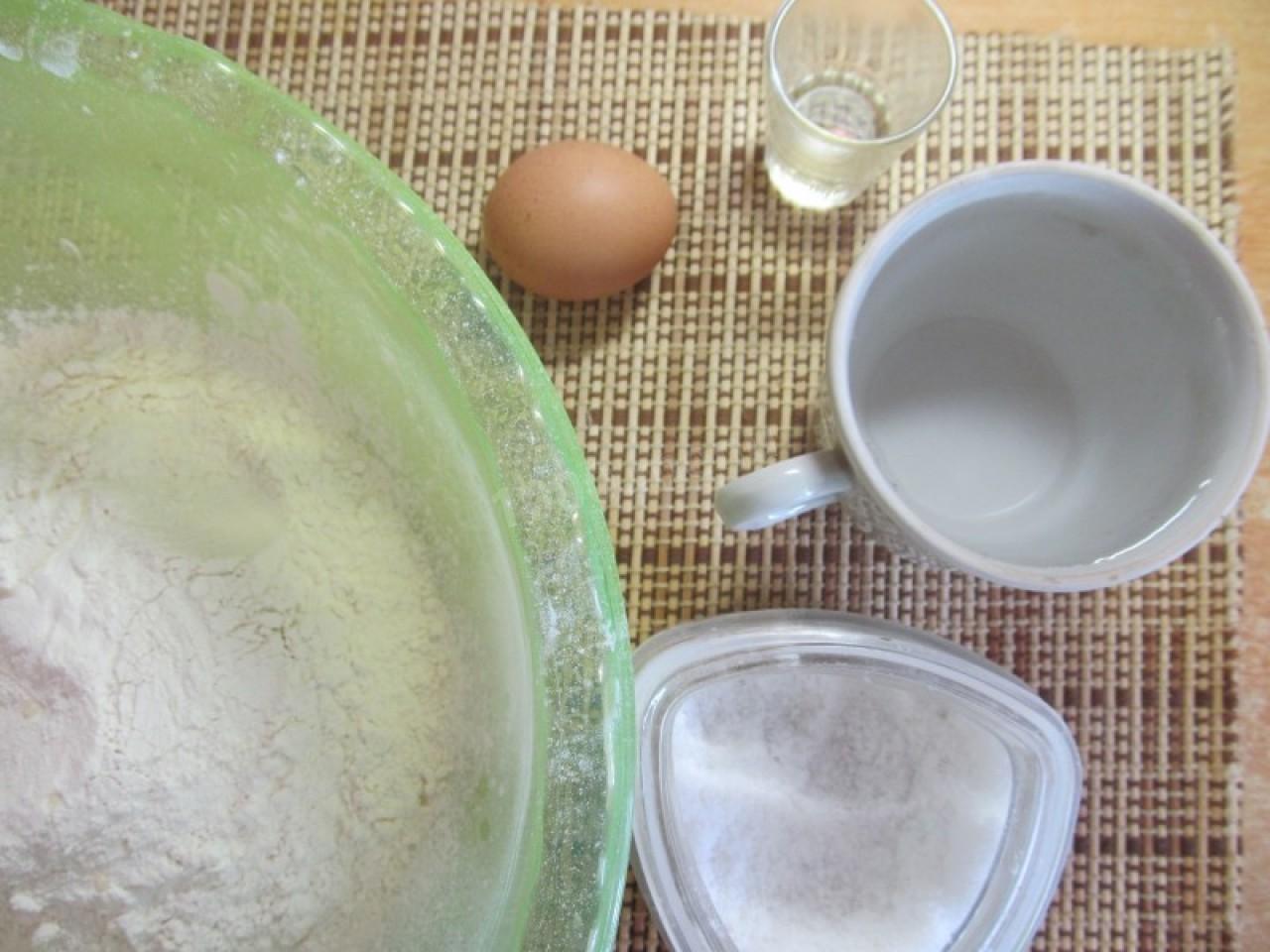
How do you make pork pelmeni? Gather the ingredients for the dough. I add an egg, though plenty of cooks prefer to leave it out — that's up to you. With an egg, my dough never falls apart, even if the pelmeni boil a touch too long.
-
Step 2:
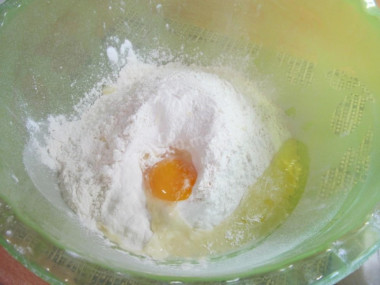
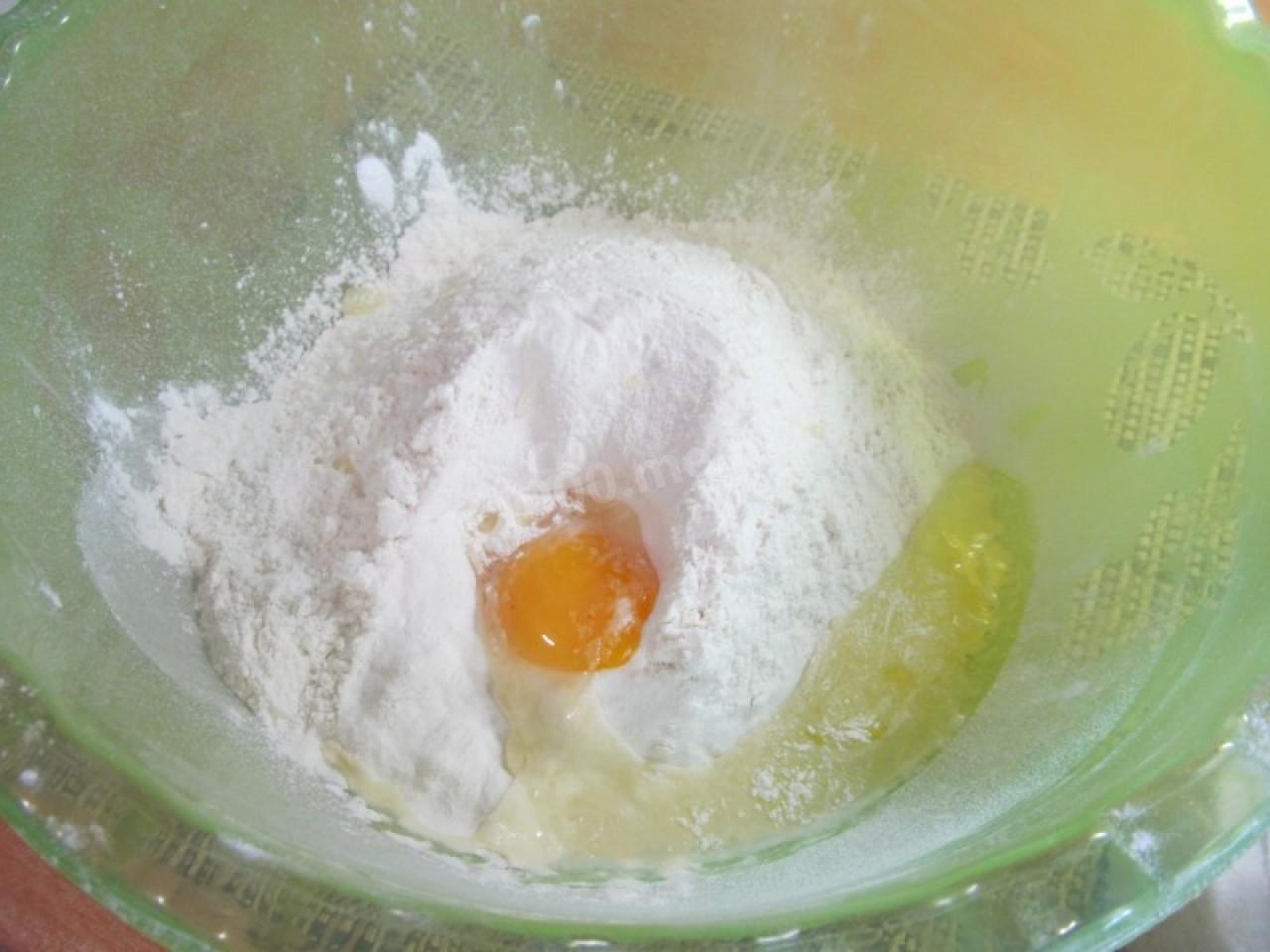
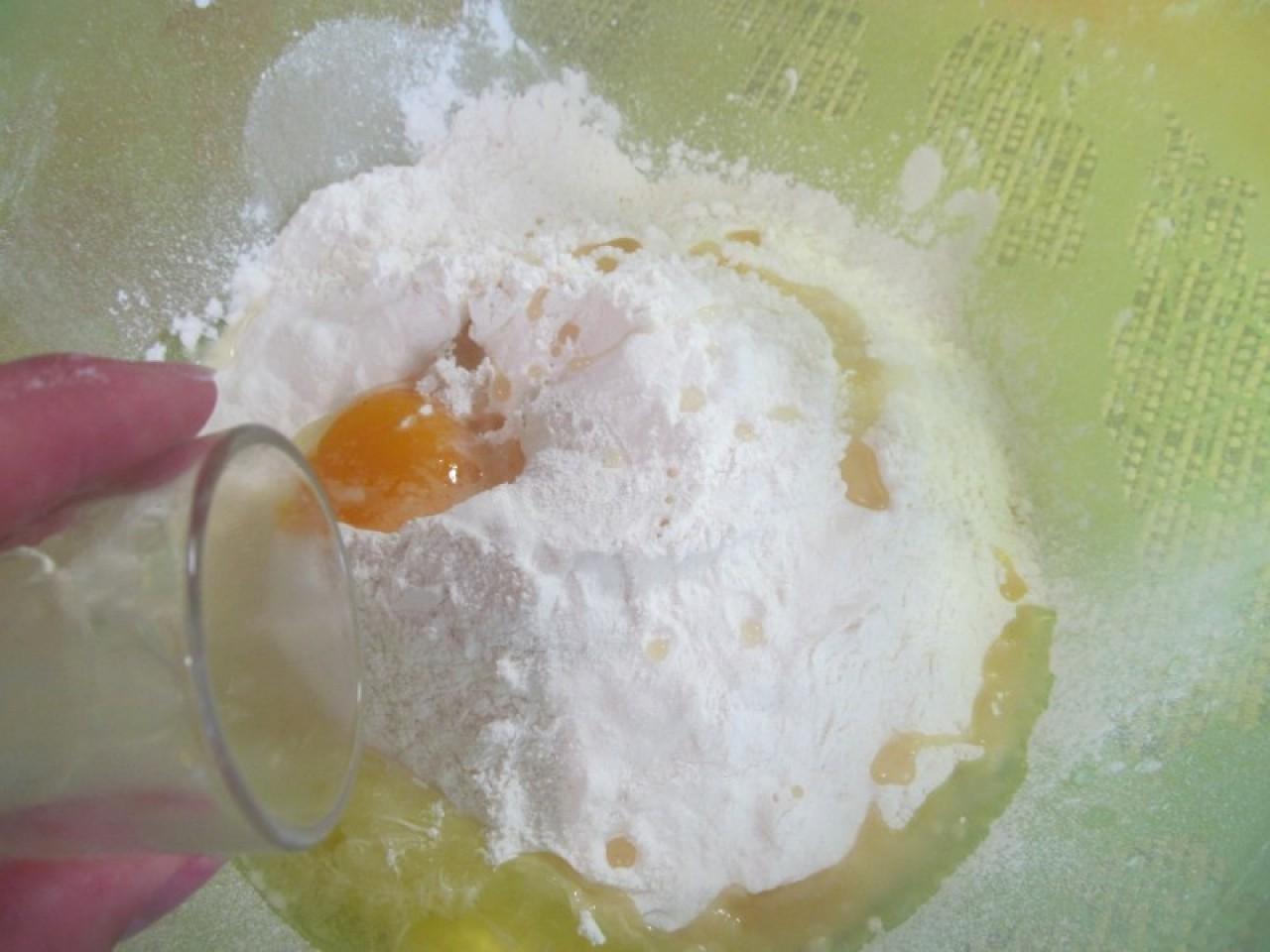
Sift the flour into a deep bowl and crack in the egg. I don't recommend kneading on the counter like our grandmothers did — you'll get flour all over the kitchen! These days I use a big bowl with high sides instead.
-
Step 3:
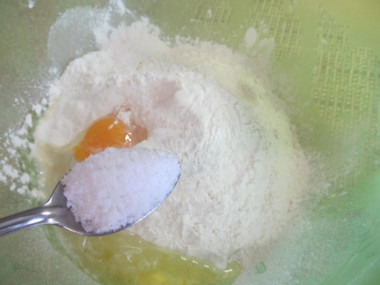
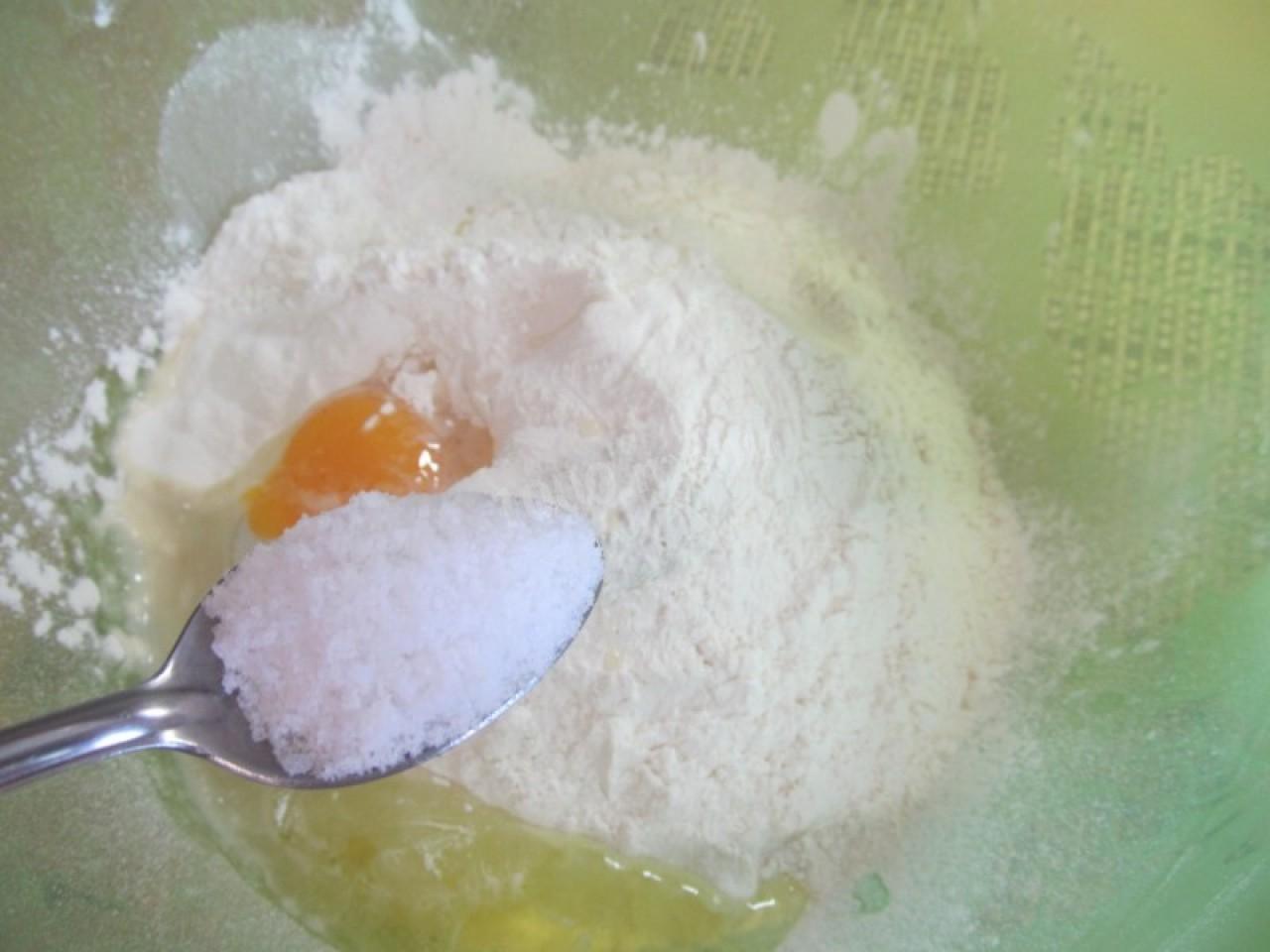
Add the salt to the dough.
-
Step 4:
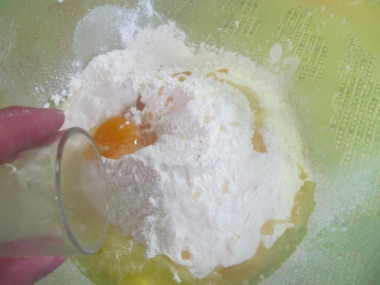
Pour in the vegetable oil.
-
Step 5:
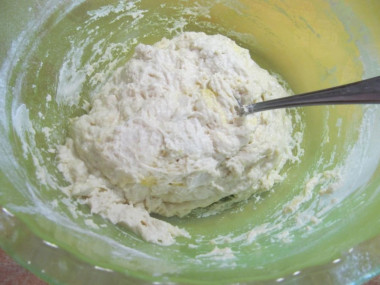
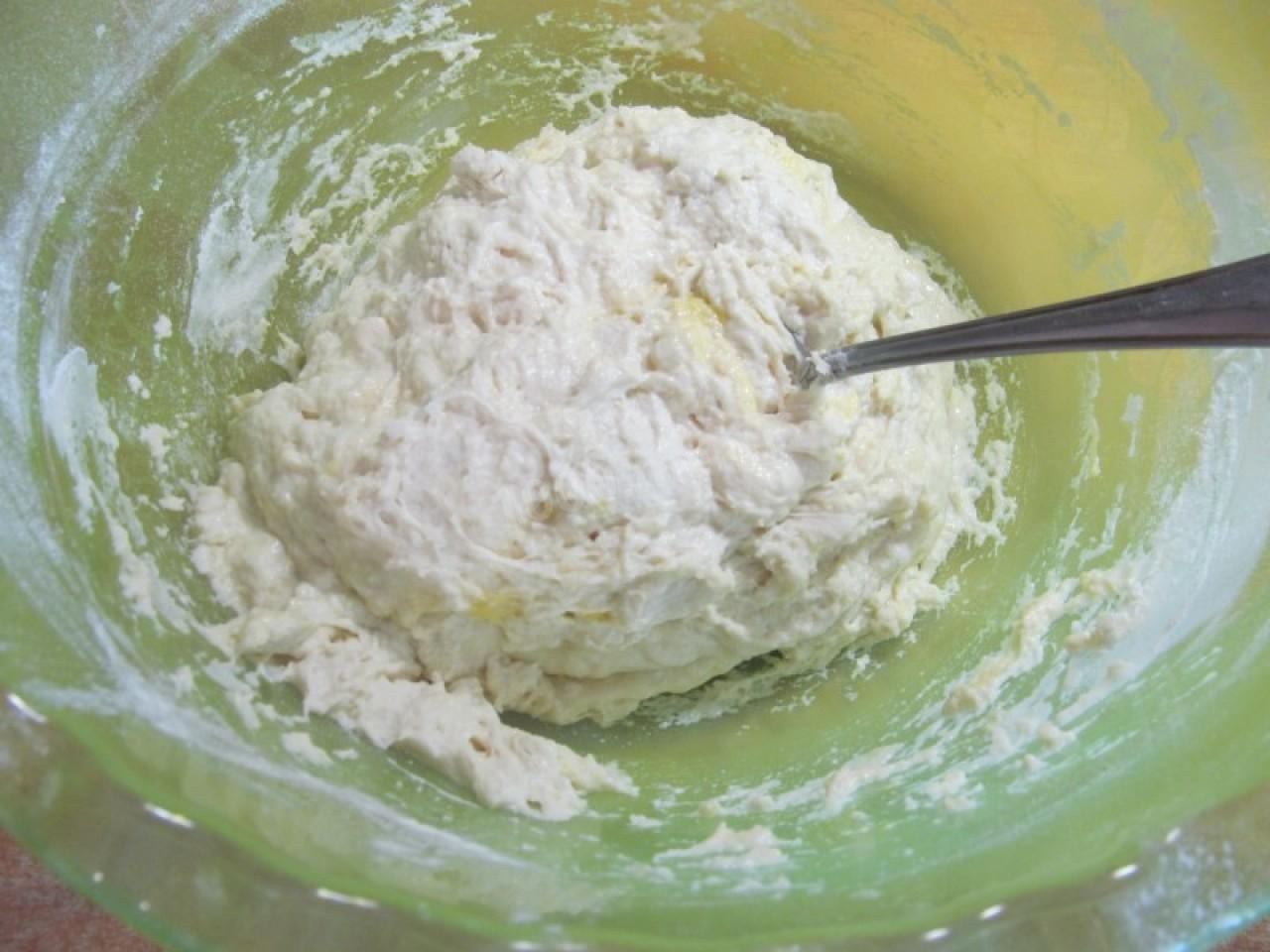
Pour in the water, then knead — first with a spoon, then with your hands — into a smooth, elastic dough. You may need a little more or less flour; go by the feel of the dough.
-
Step 6:
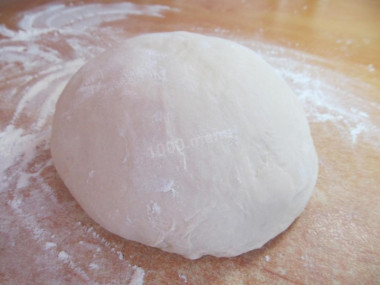
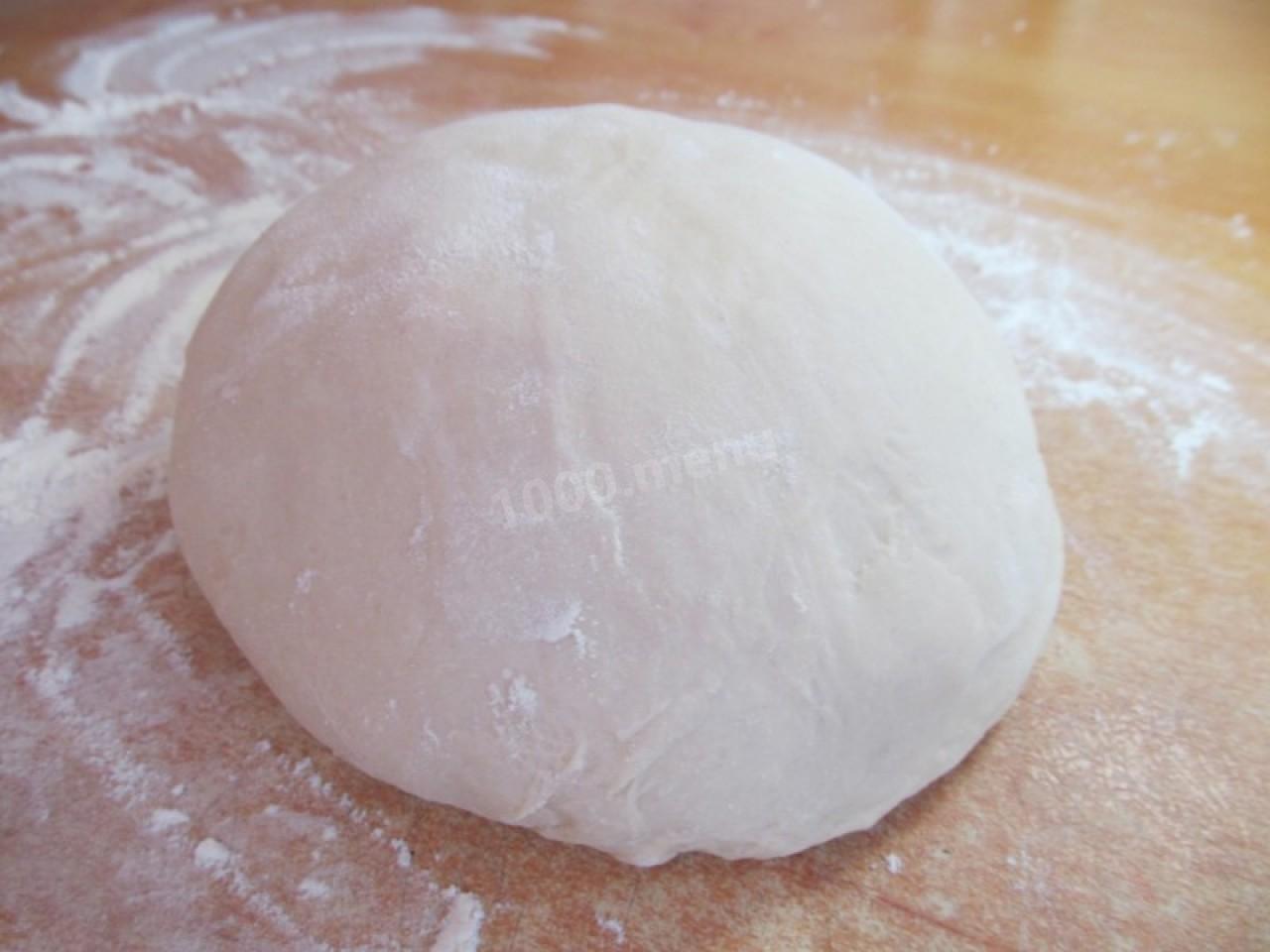
Here's how my dough came out. I used farm eggs, so it has a lovely yellow color.
-
Step 7:
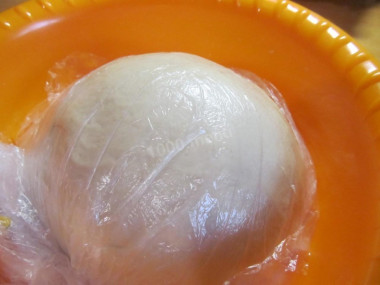
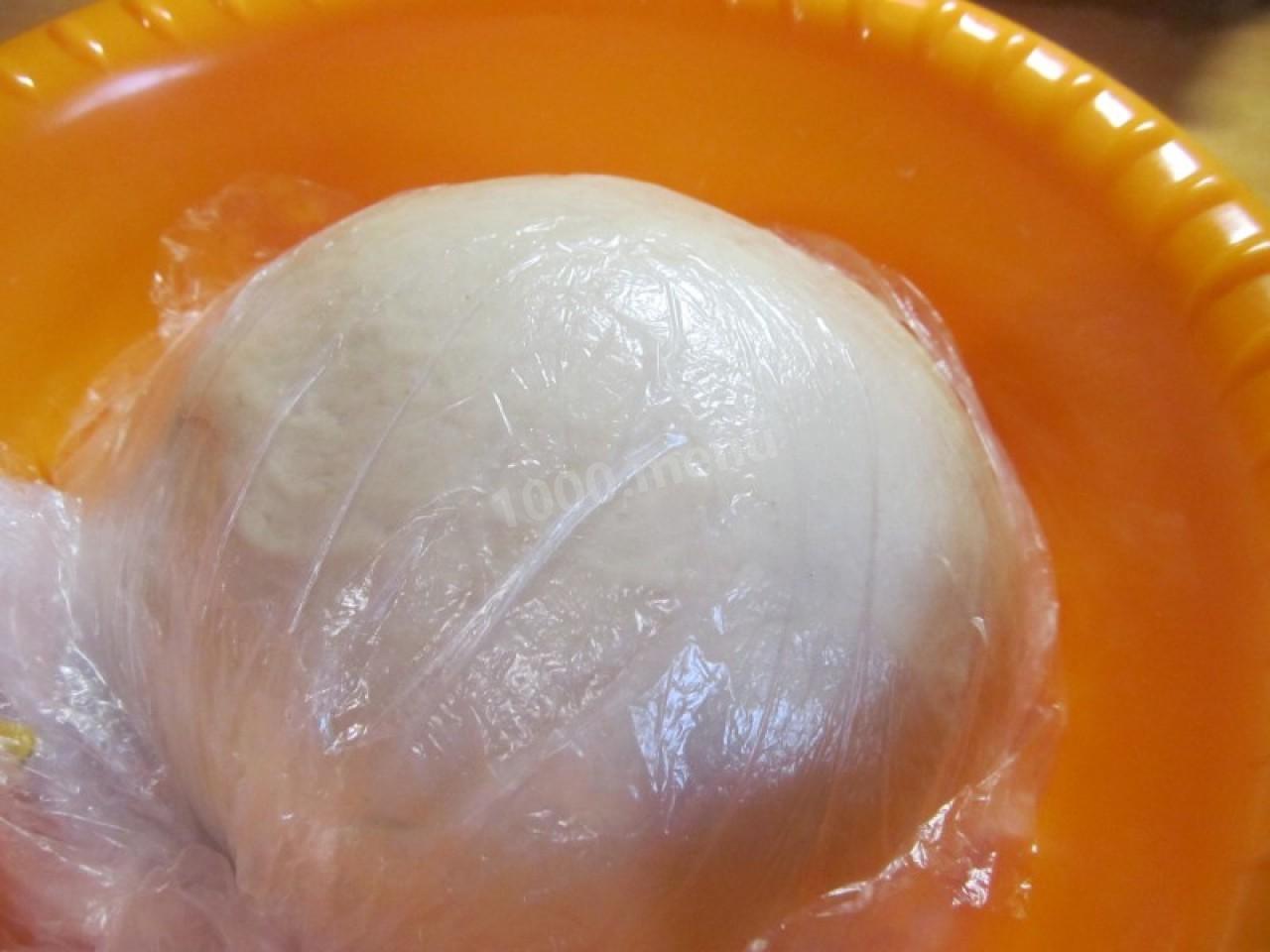
Cover the dough with a bag or a damp towel and move on to the filling.
-
Step 8:
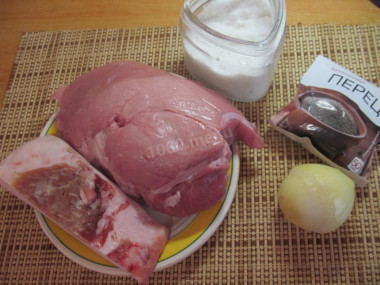
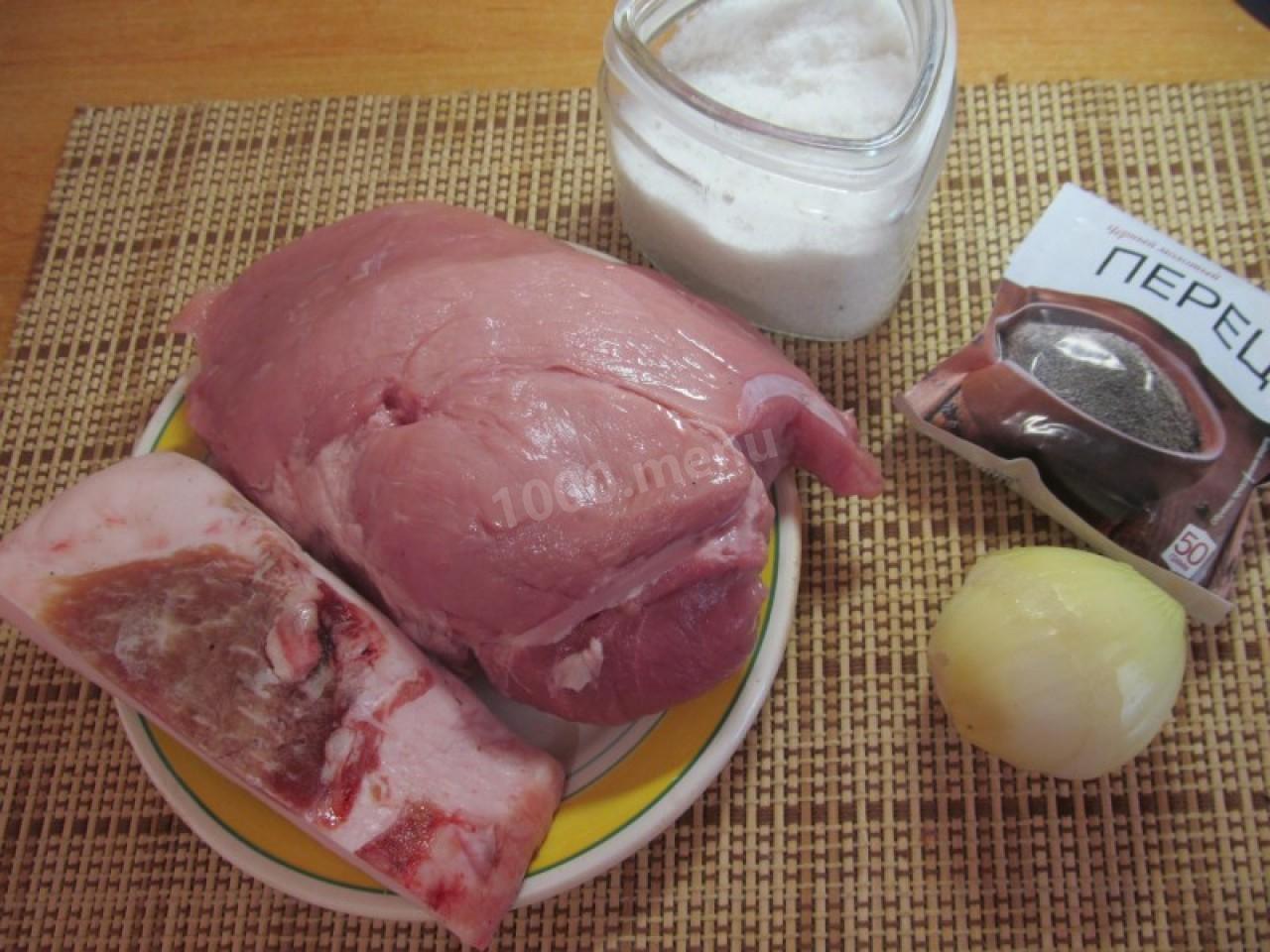
Gather the filling ingredients. If your pork is already fatty, skip the fatback and just use that much more meat instead. Peel, wash, and dry the onion.
-
Step 9:
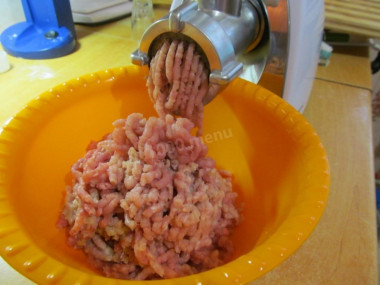
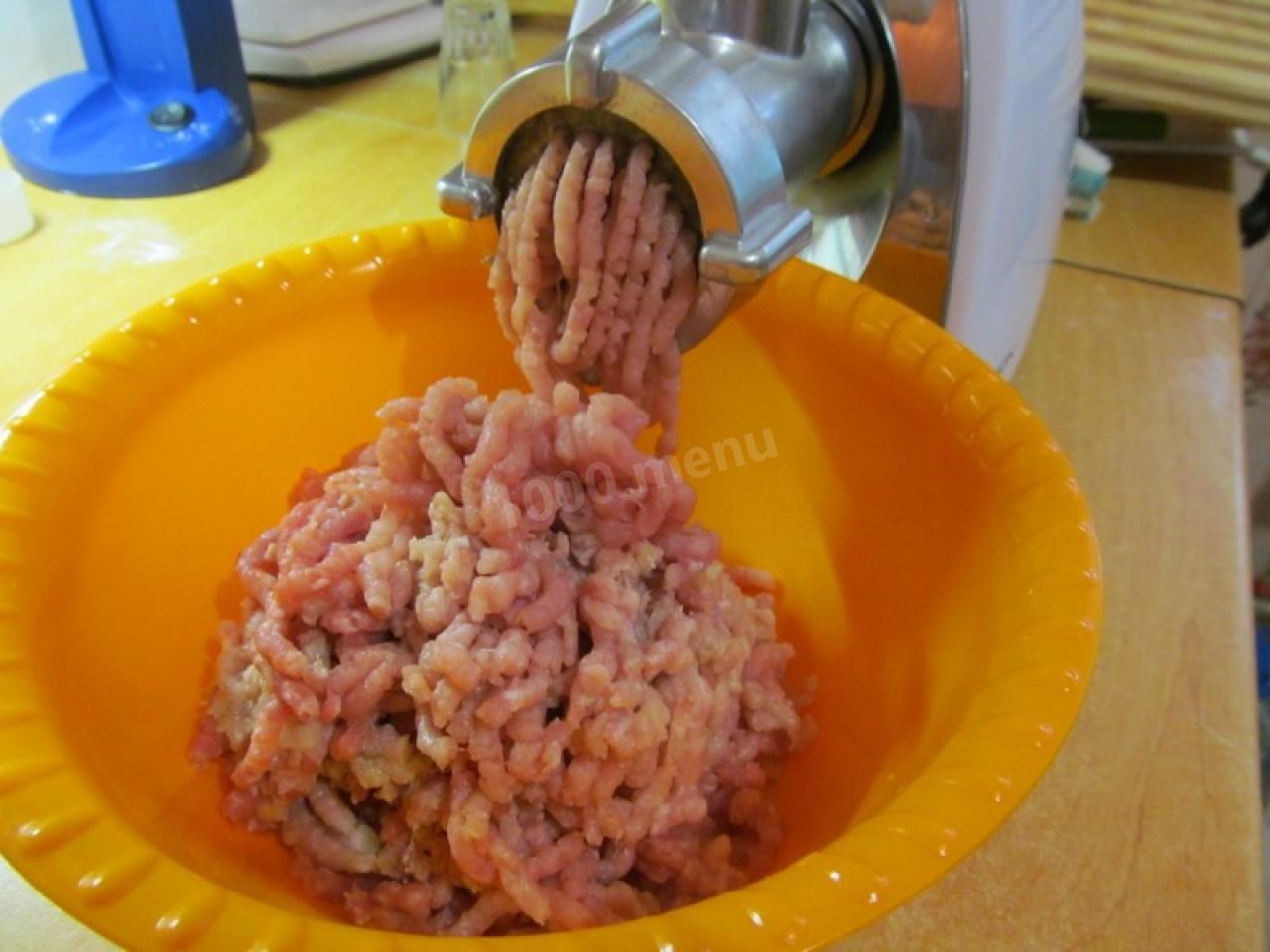
Grind the pork, fatback, and onion through a meat grinder.
-
Step 10:
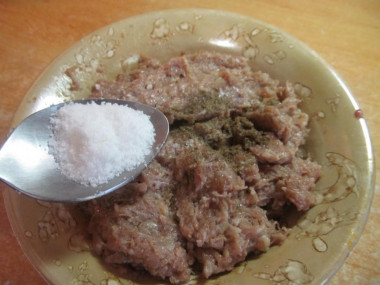
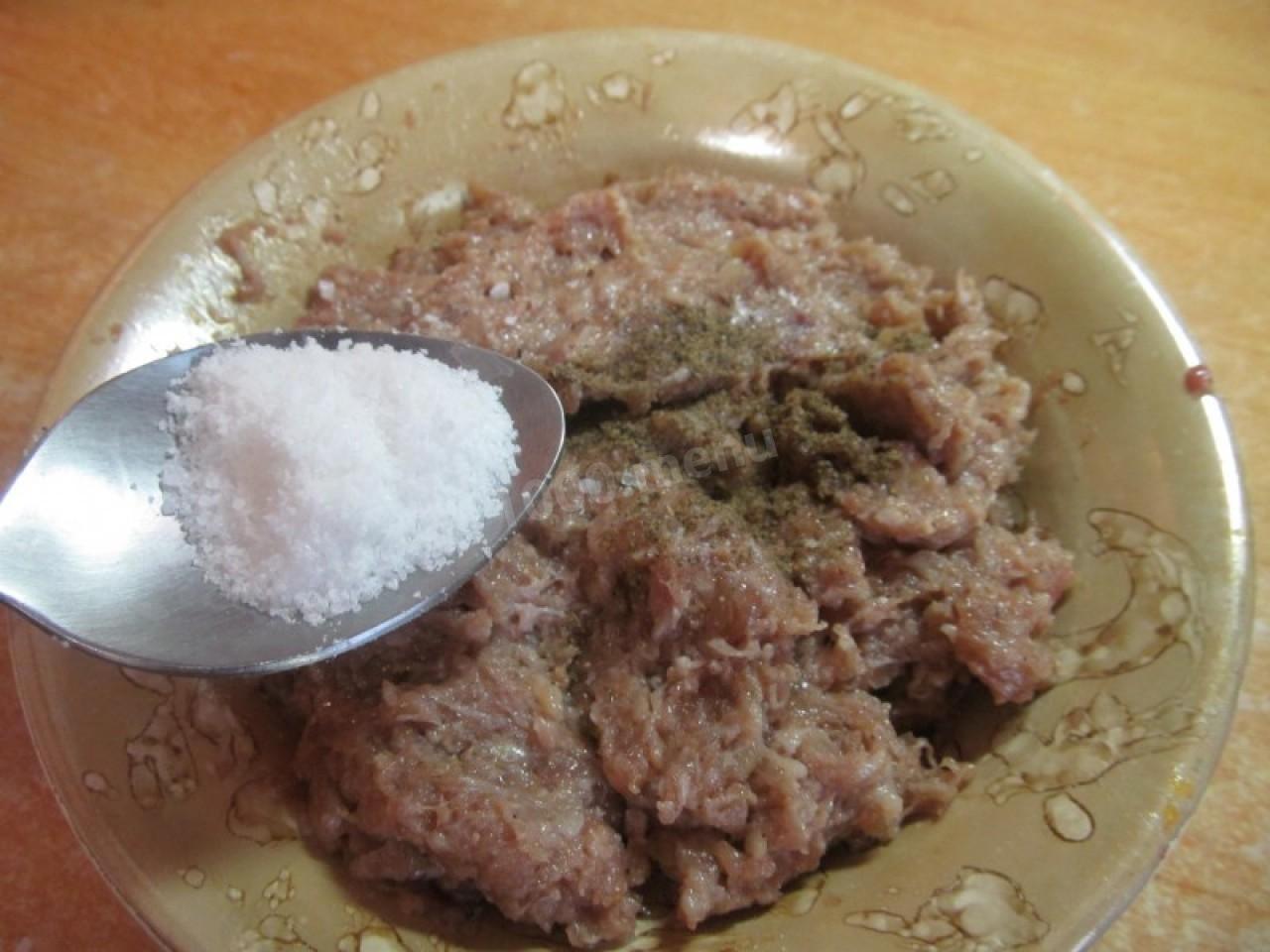
Season the ground meat with salt and pepper, and add a little water to keep it juicy.
-
Step 11:
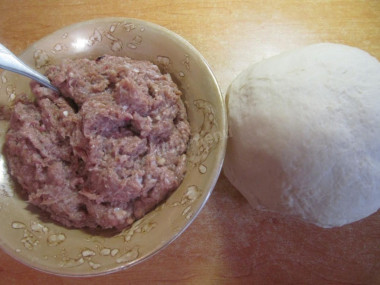
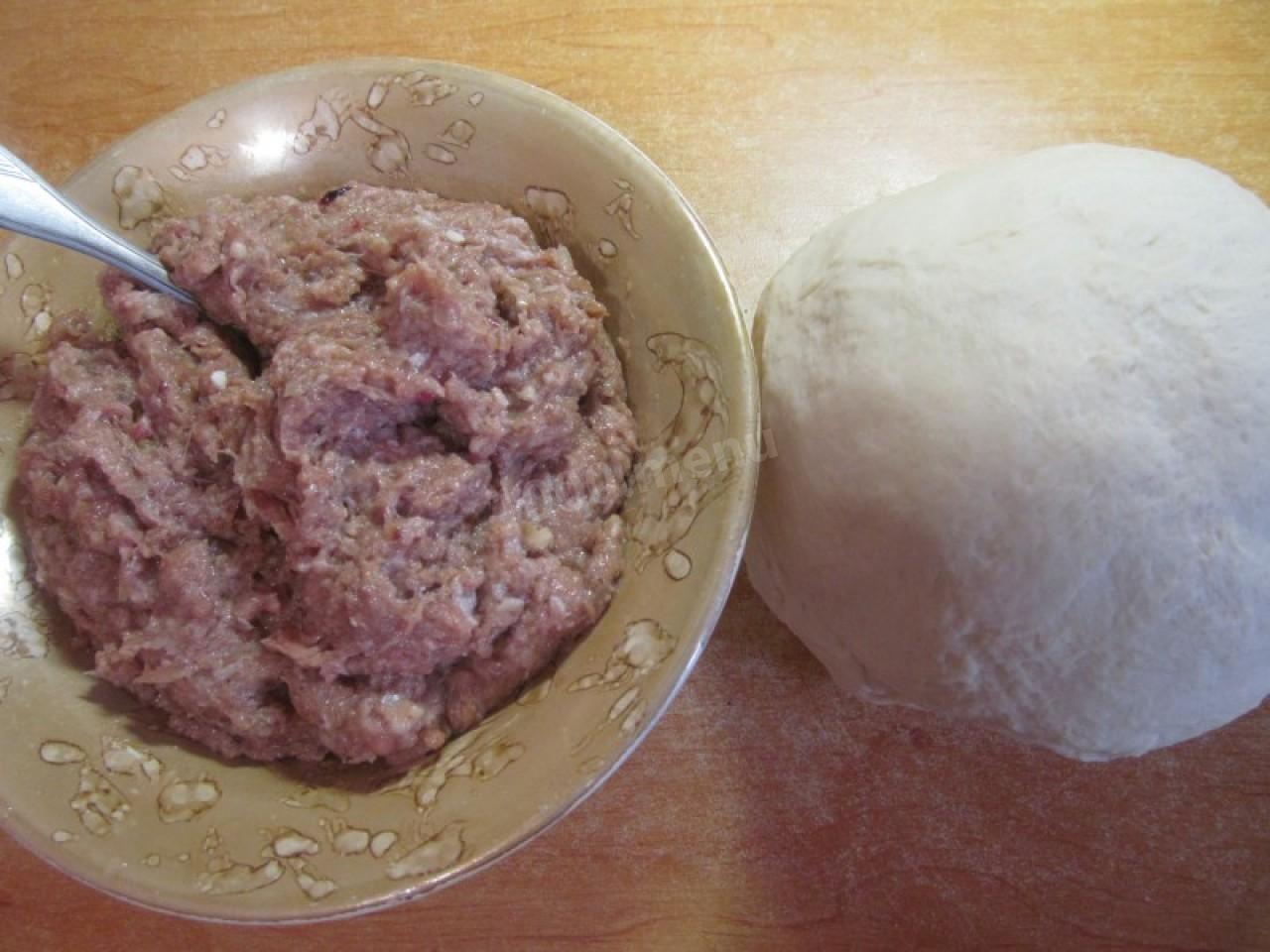
The dough and the filling are both ready — now for the final stage.
-
Step 12:
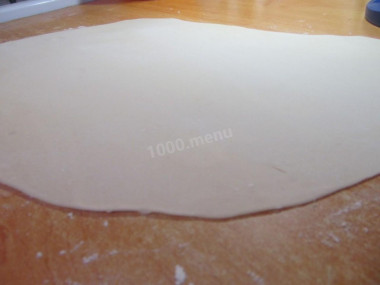
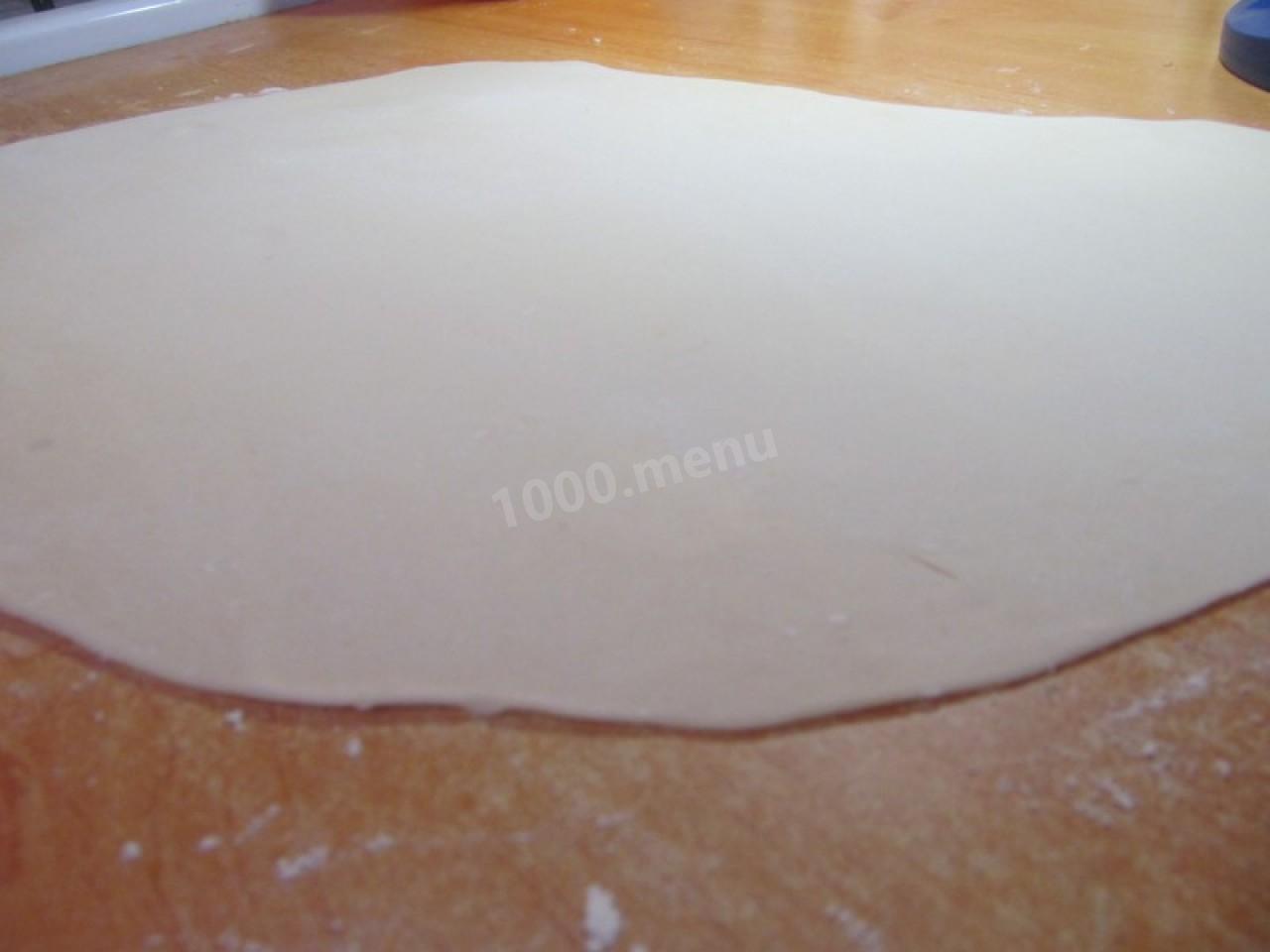
Pull off a piece of dough and roll it into a thin sheet, about 2–3 mm (1/16 inch) thick.
-
Step 13:
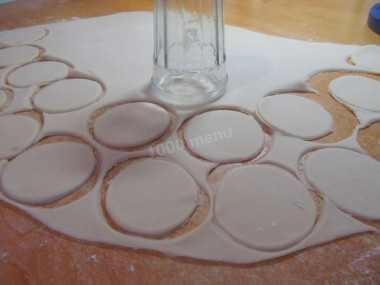
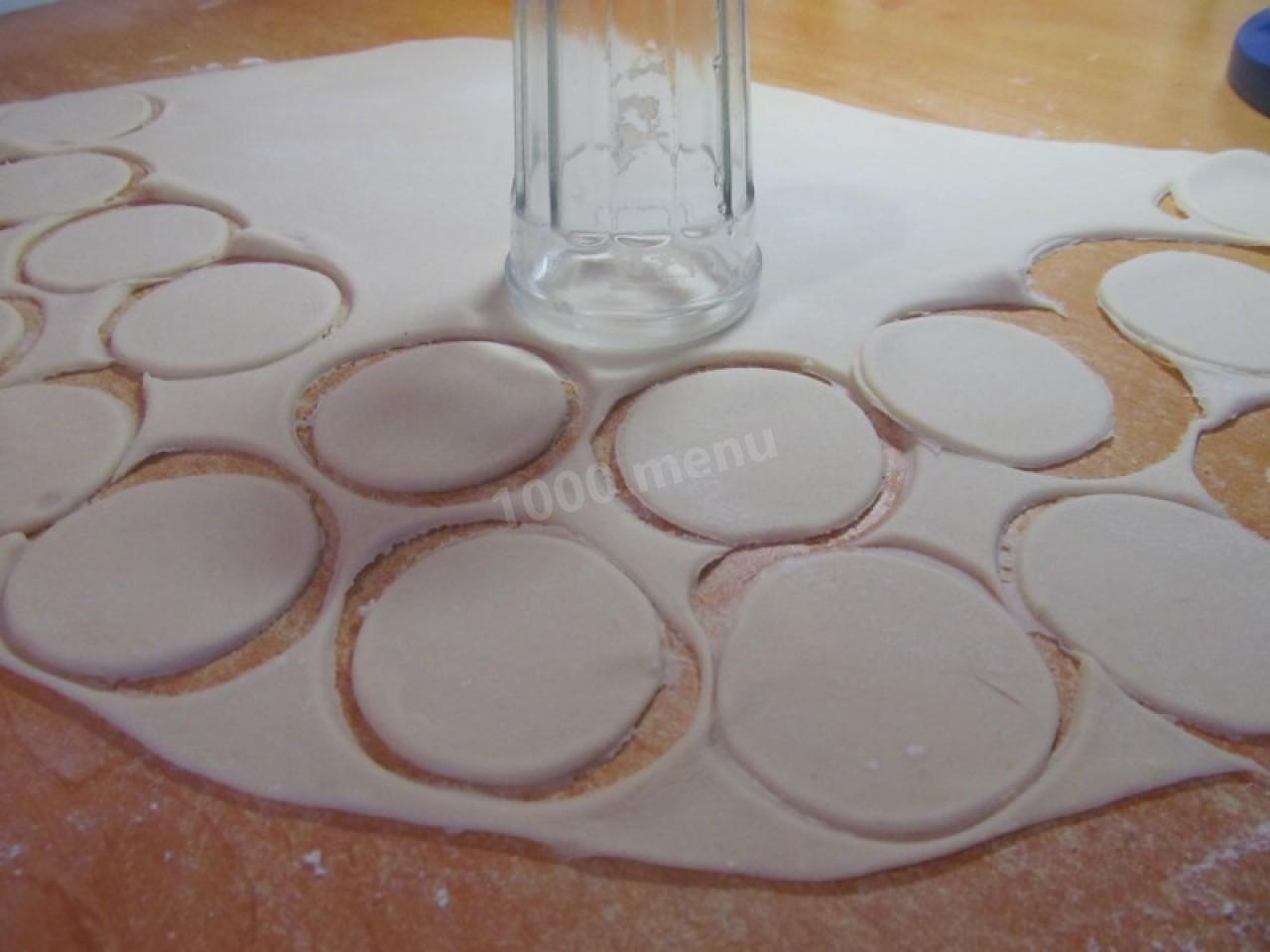
Cut out rounds — I use a small glass for this.
-
Step 14:
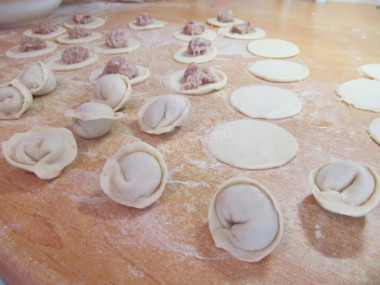
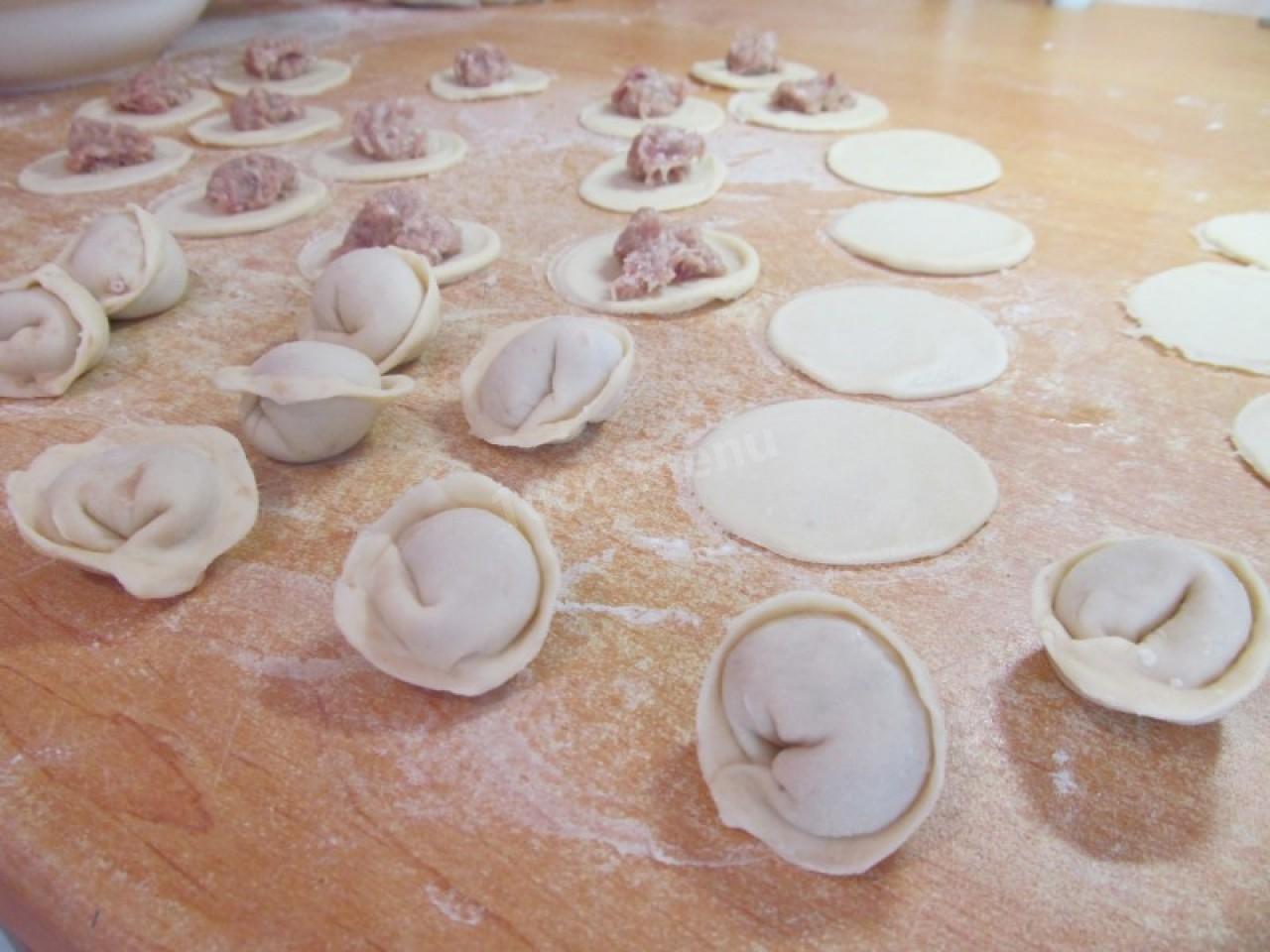
Place a little filling on each round and pleat the pelmeni closed! It's a fun job, so get the whole family involved — the kids will love helping too.
-
Step 15:
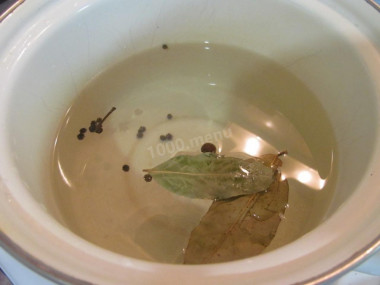
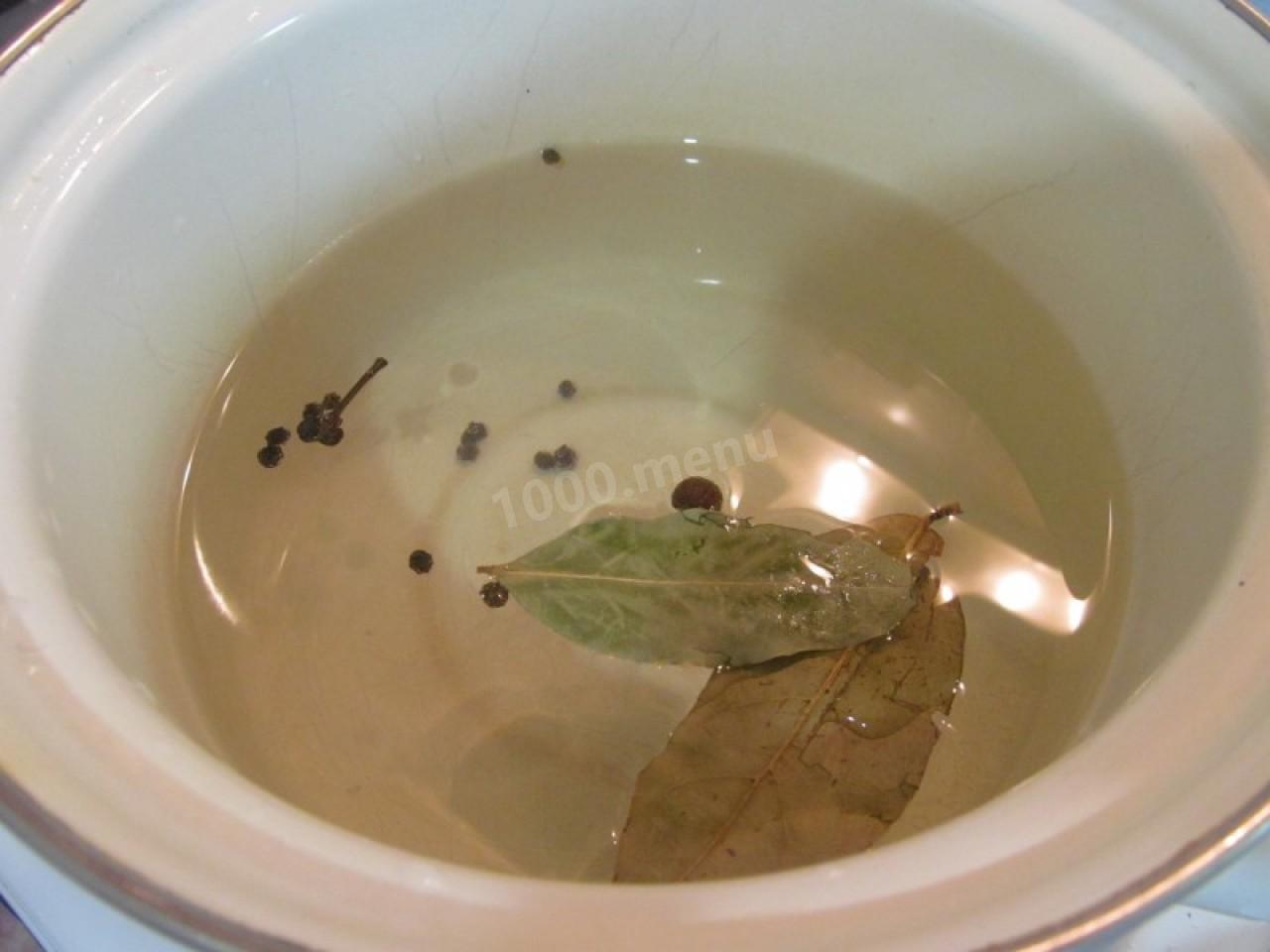
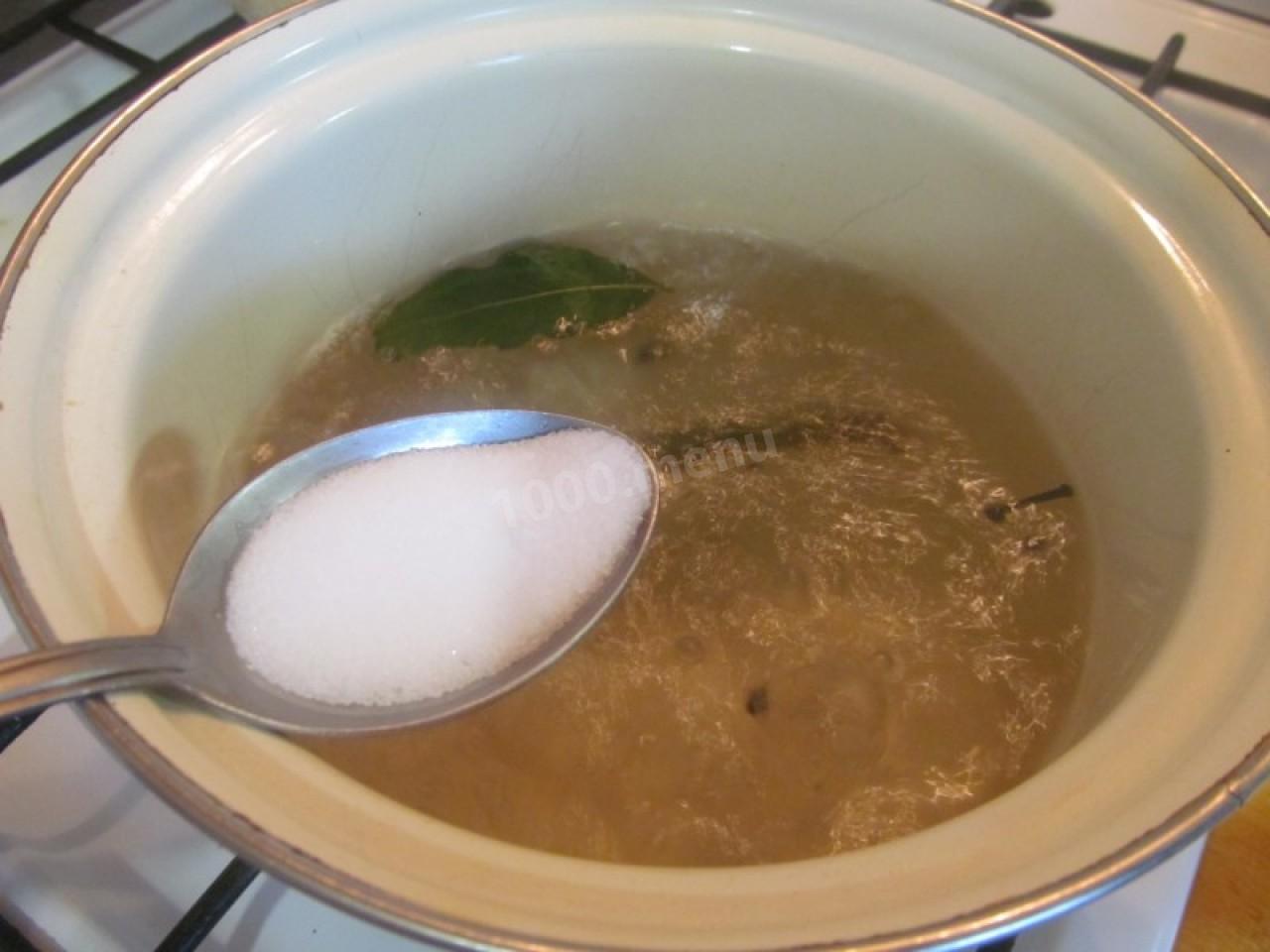
Meanwhile, set a pot of water on the stove, add the bay leaves, black pepper, and peppercorns, and bring it to a boil.
-
Step 16:
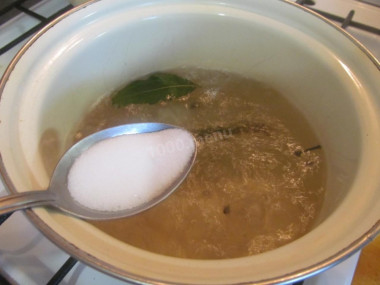
Salt the water.
-
Step 17:
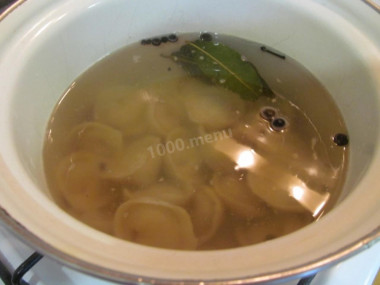
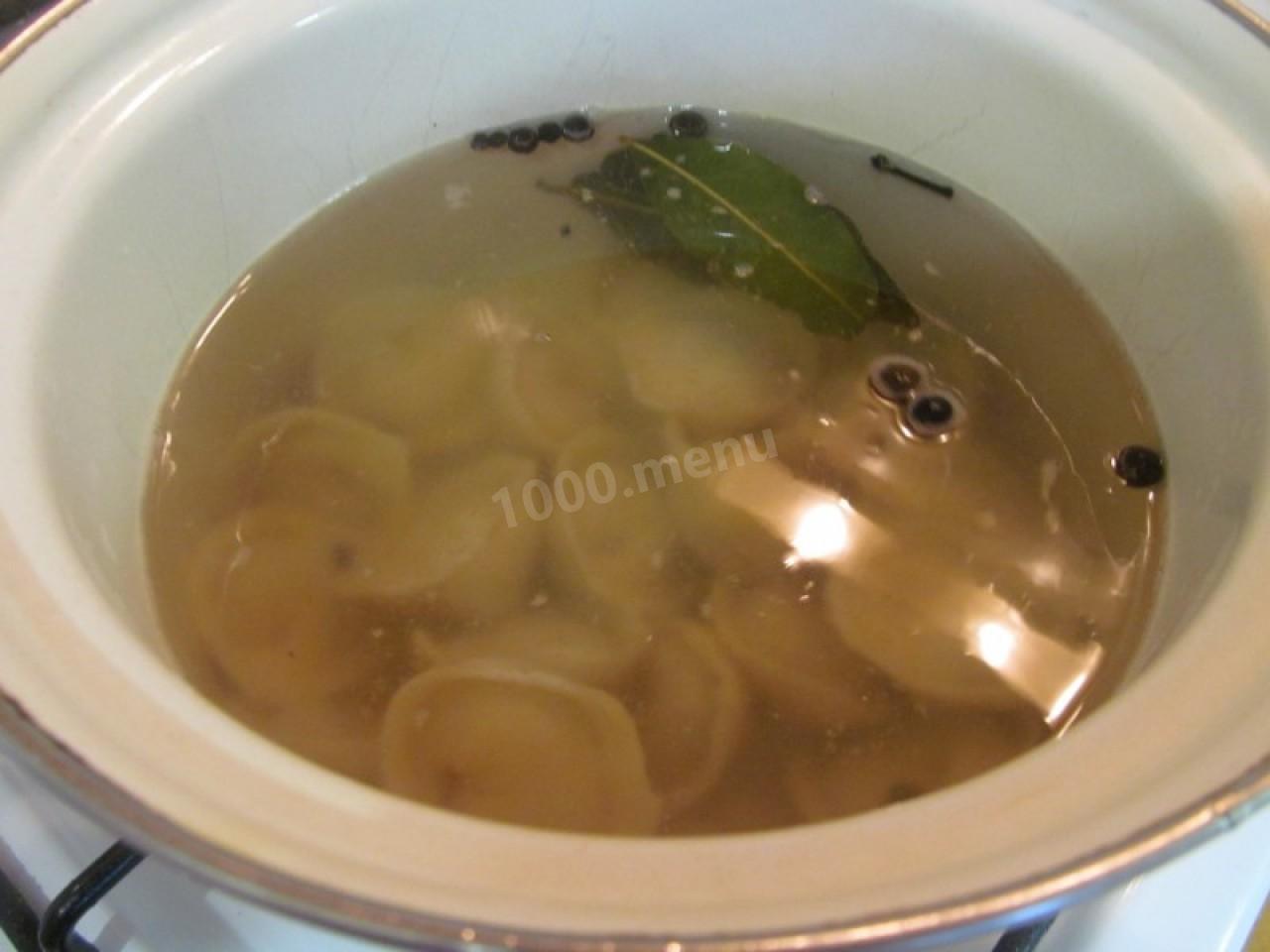
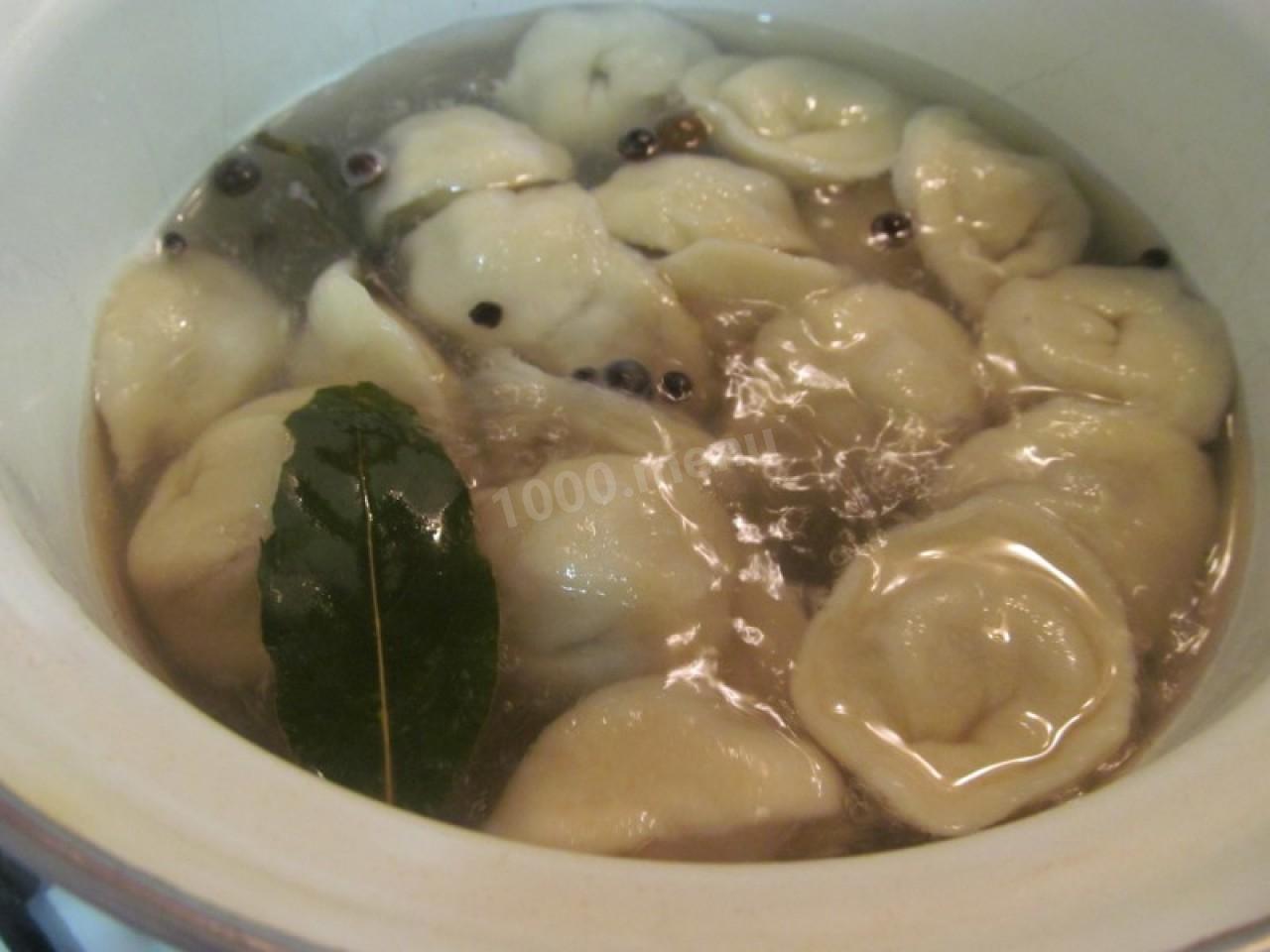
Once the water boils, drop in the pelmeni in small batches so they don't stick together as they cook.
-
Step 18:
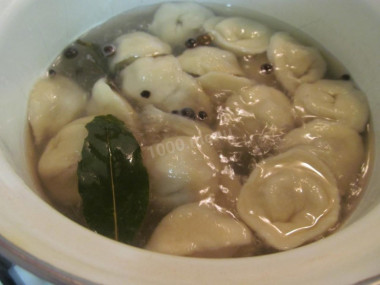
When the pelmeni float to the top — great, just 5–8 minutes more and they're done. You can check by fishing one out and tasting it.
-
Step 19:
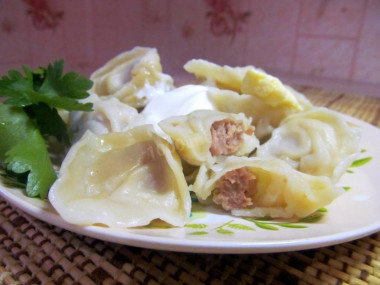
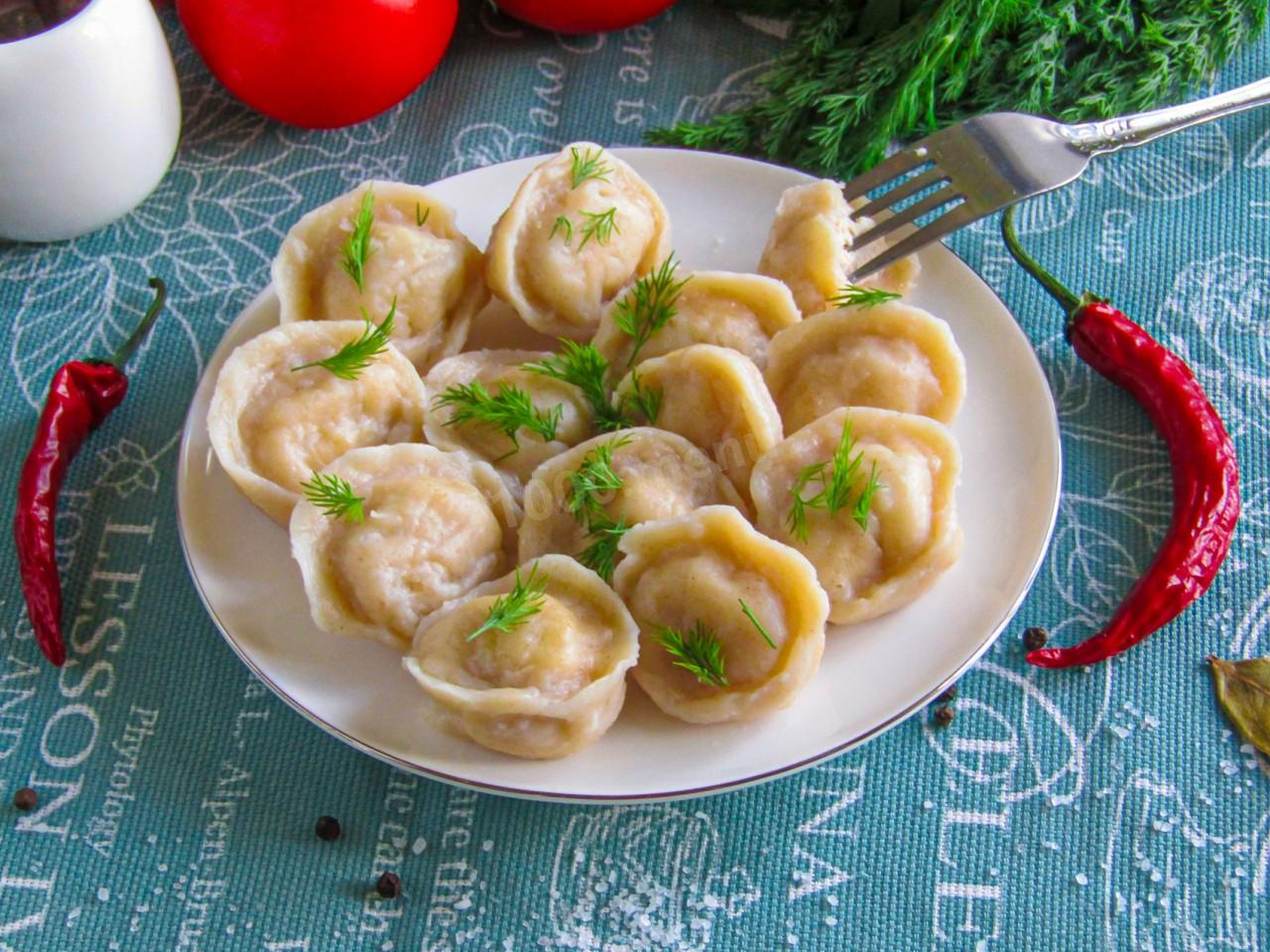
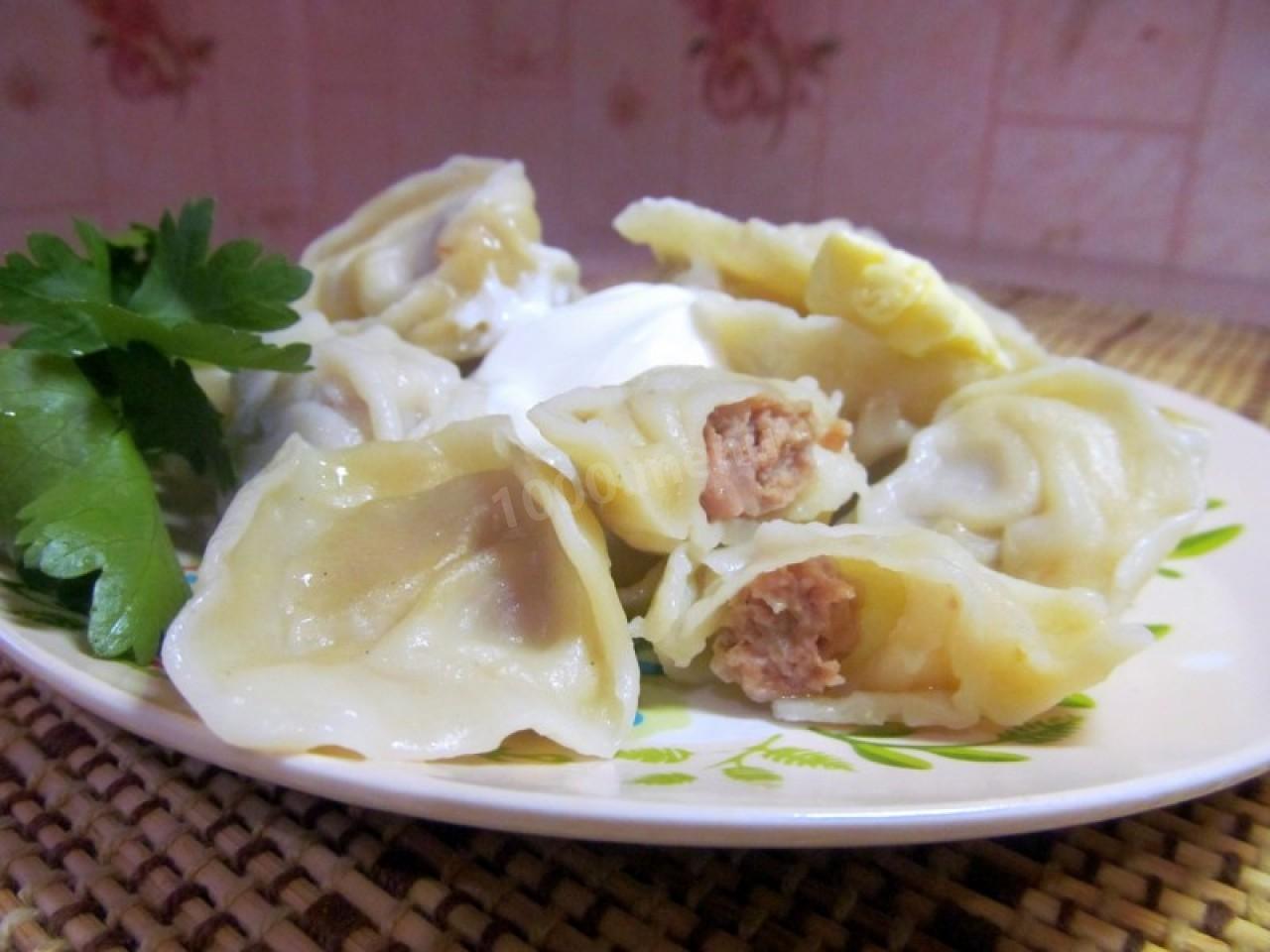
Serve the pork pelmeni with sour cream and a pat of butter. I also like a little splash of vinegar. Enjoy!
- Give these pelmeni a try — they taste wonderfully homemade!
- Besides pork, you can use any other meat you like in this dish.
- Be ready to use a little more or less flour than the recipe states. Go by the consistency the dough should have rather than the exact amount of flour.
Caloric content of the products possible in the composition of the dish
- Onion - 41 kcal/100g
- Chicken egg - 157 kcal/100g
- Egg white - 45 kcal/100g
- Egg powder - 542 kcal/100g
- Egg yolk - 352 kcal/100g
- Ostrich egg - 118 kcal/100g
- Pork fat - 871 kcal/100g
- Melted pork fat - 947 kcal/100g
- Pork rinds - 895 kcal/100g
- Lard - 797 kcal/100g
- Fatback - 658 kcal/100g
- Bay leaf - 313 kcal/100g
- Ground black pepper - 255 kcal/100g
- Whole durum wheat flour fortified - 333 kcal/100g
- Whole durum wheat flour universal - 364 kcal/100g
- Flour krupchatka - 348 kcal/100g
- Flour - 325 kcal/100g
- Vegetable oil - 873 kcal/100g
- Black pepper peas - 255 kcal/100g
- Salt - 0 kcal/100g
- Water - 0 kcal/100g
- Allspice - 263 kcal/100g
- Pork fillet - 264 kcal/100g