Simple Homemade Mead
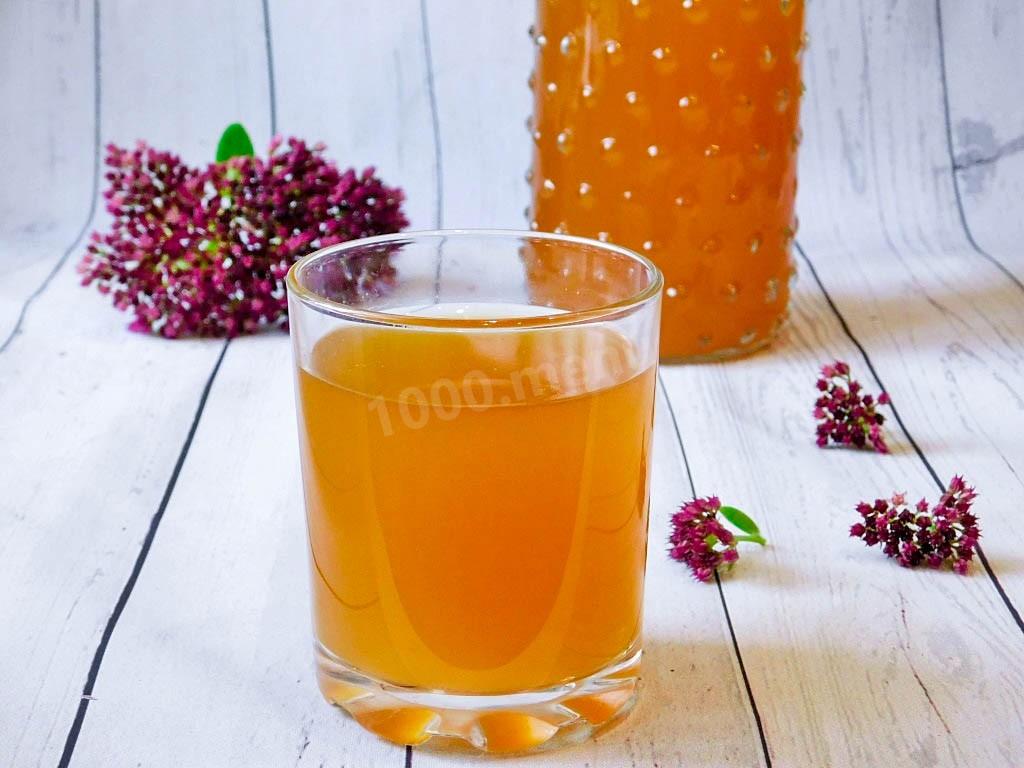
Distinctive, fragrant, strong, and delicious! Simple mead is an alcoholic drink that's easy to make at home. It's one of the oldest beverages there is, made from honey and hops. The longer the mead ages, the stronger it gets.

Cooking method
-
Step 1:
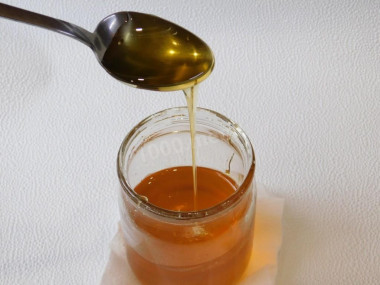
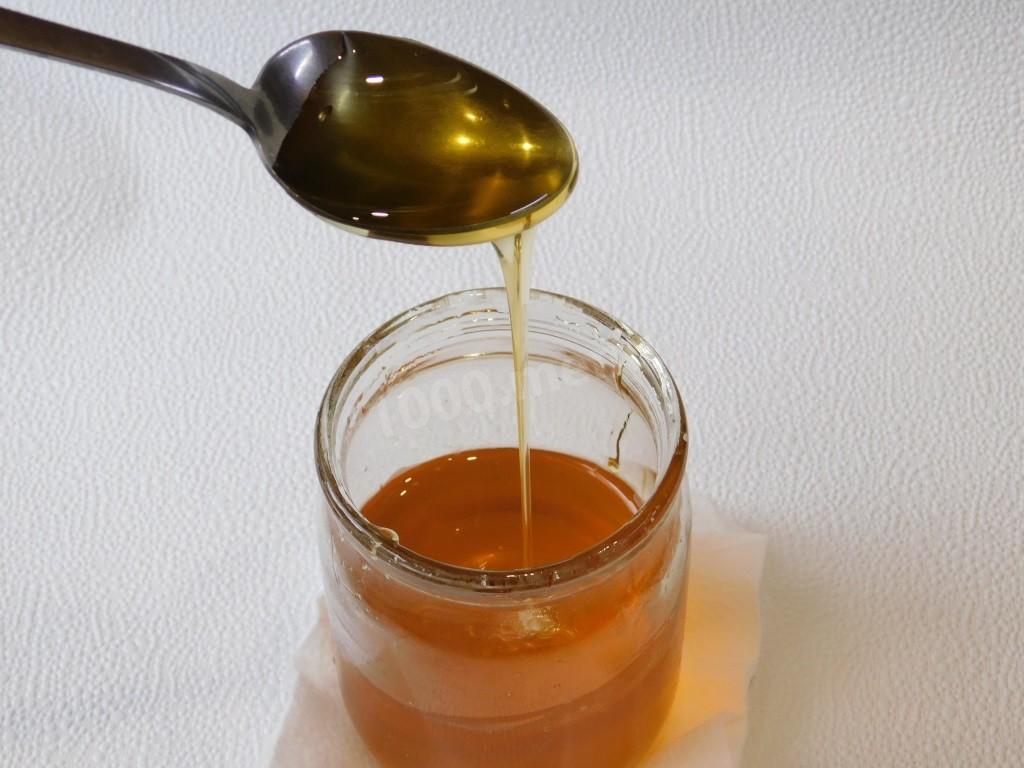
How do you make simple mead at home? Gather your ingredients. Use natural, fragrant honey — wildflower honey is best. The thickness of the honey doesn't matter much, since it will dissolve in the water either way.
-
Step 2:
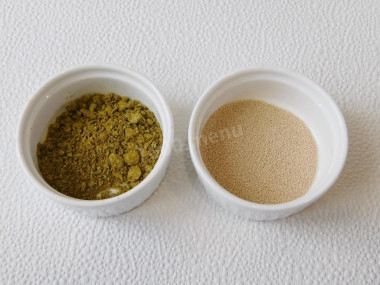
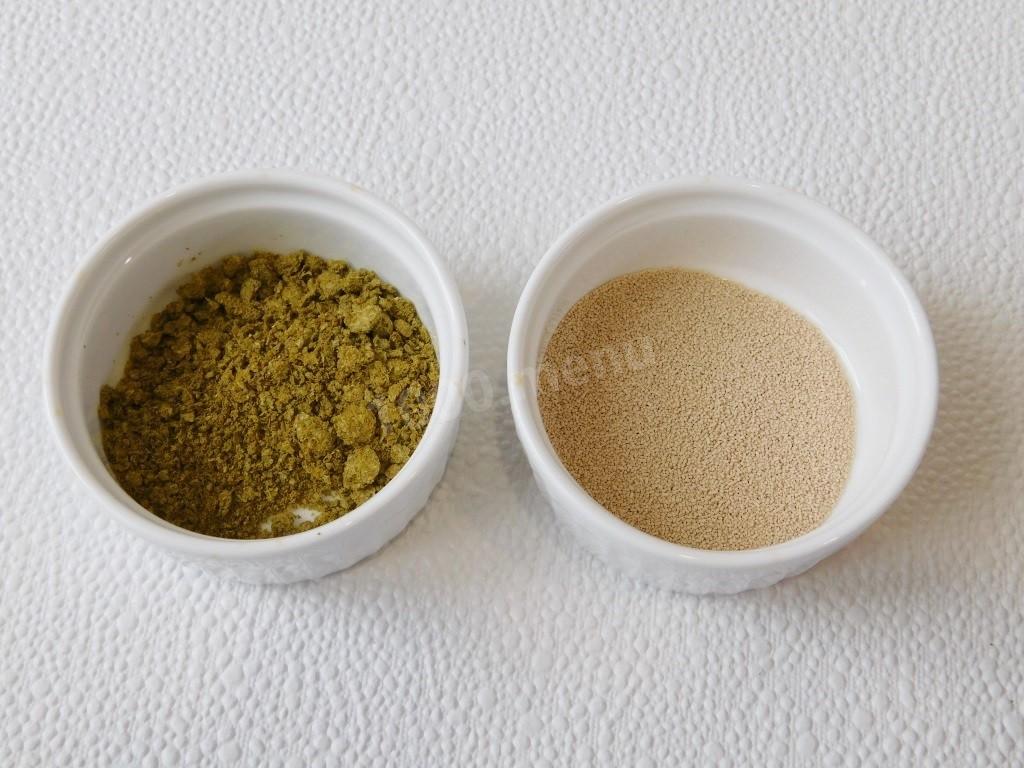
Measure out the hops and yeast. I use pelleted hops and proper brewer's yeast. You can find both at a homebrew supply store.
-
Step 3:
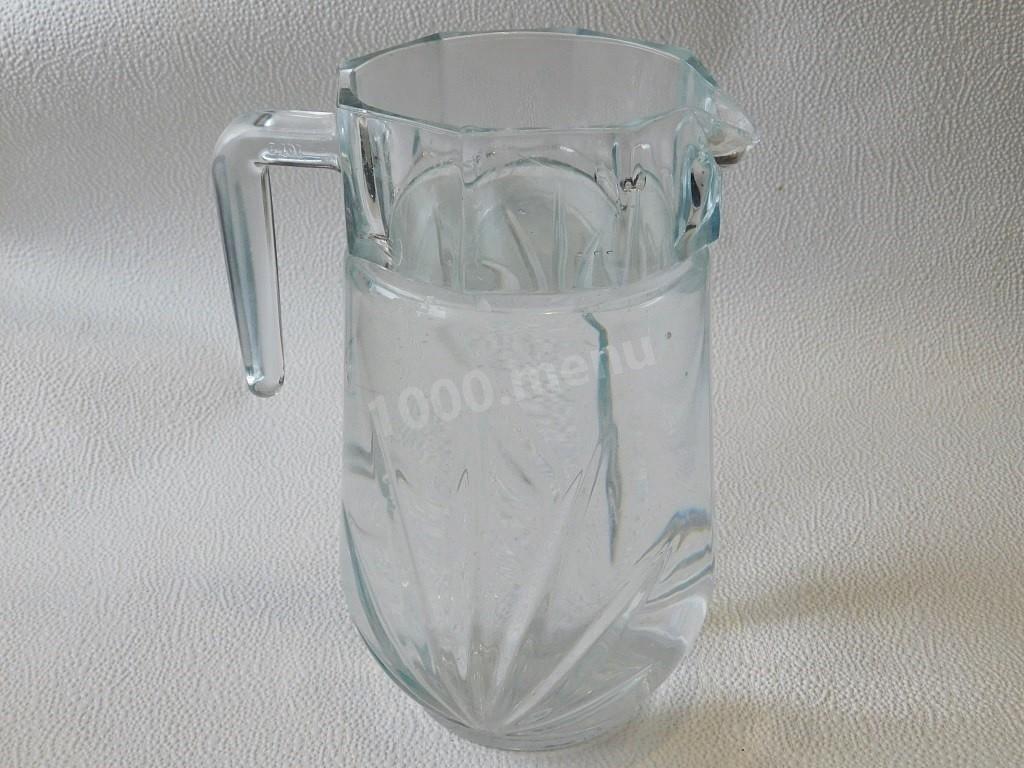
Measure out the water. Pour it into a pot, set it over the heat, and bring it to a boil.
-
Step 4:
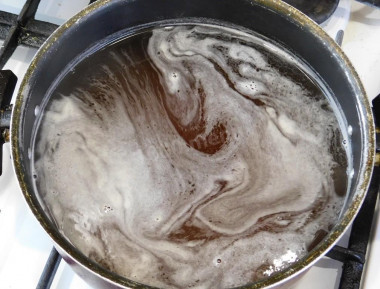
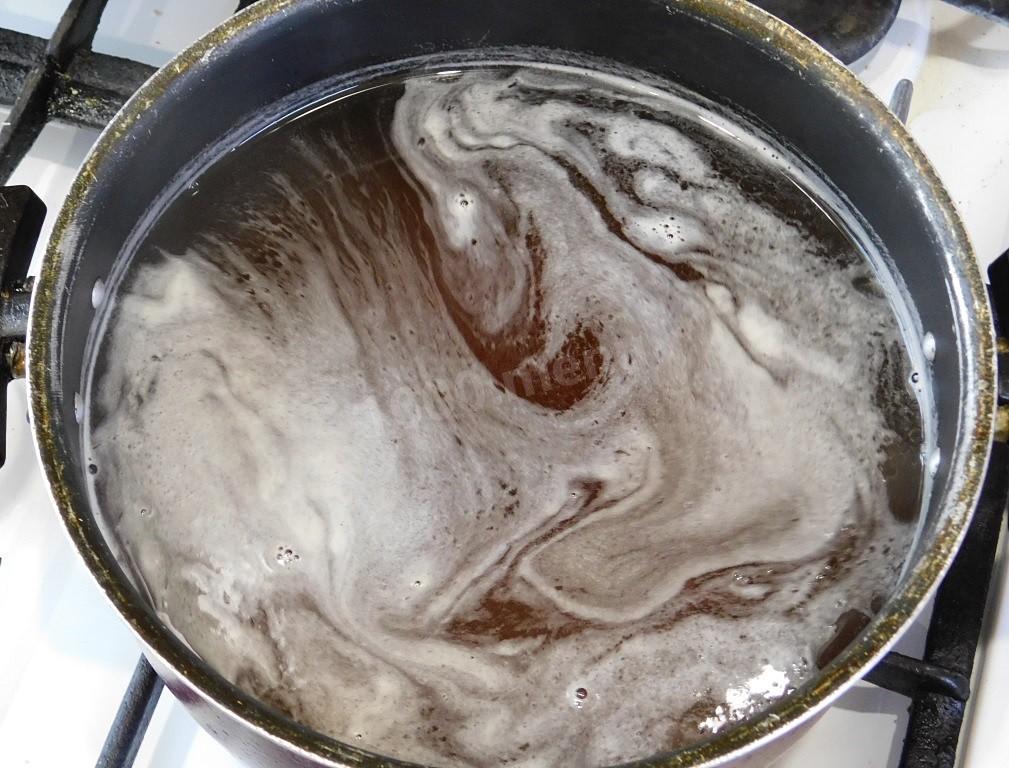
Then add the honey and stir until it's fully dissolved. Let the mixture boil for about 5 minutes, skimming off the foam as it forms.
-
Step 5:
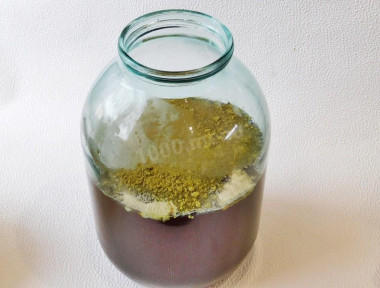
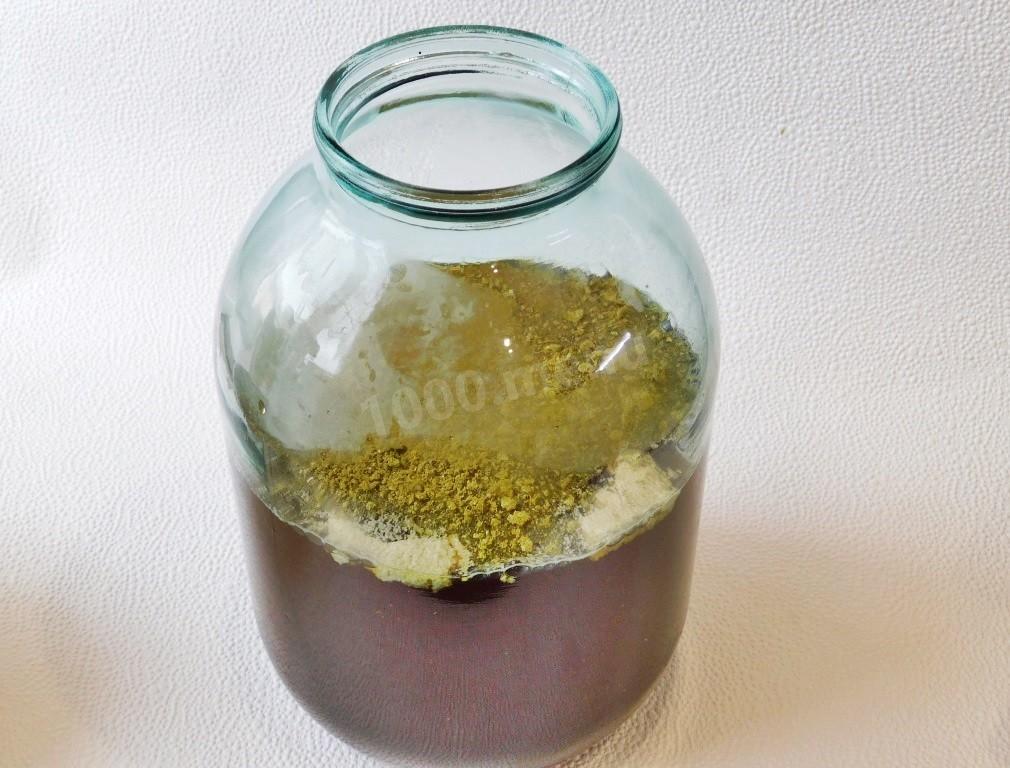
Then pour the honey water into a glass jar and let it cool to lukewarm. Stir in the yeast and hops.
-
Step 6:
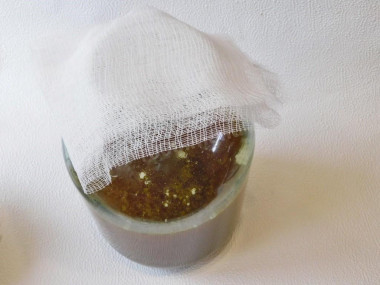
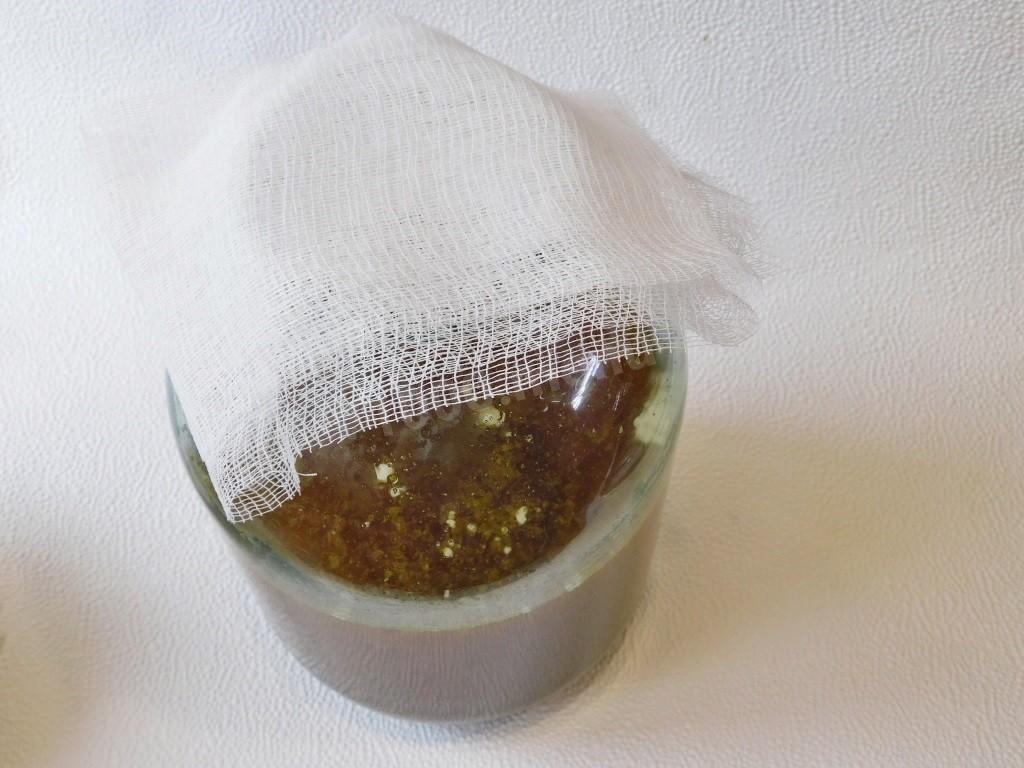
Cover the jar with cheesecloth and set it in a warm spot to ferment for a few days. Fermentation will take 5–7 days.
-
Step 7:
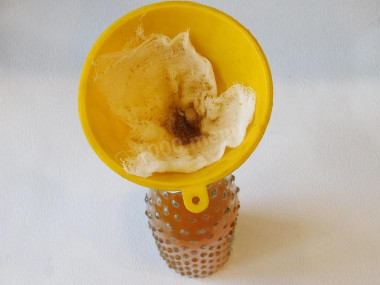
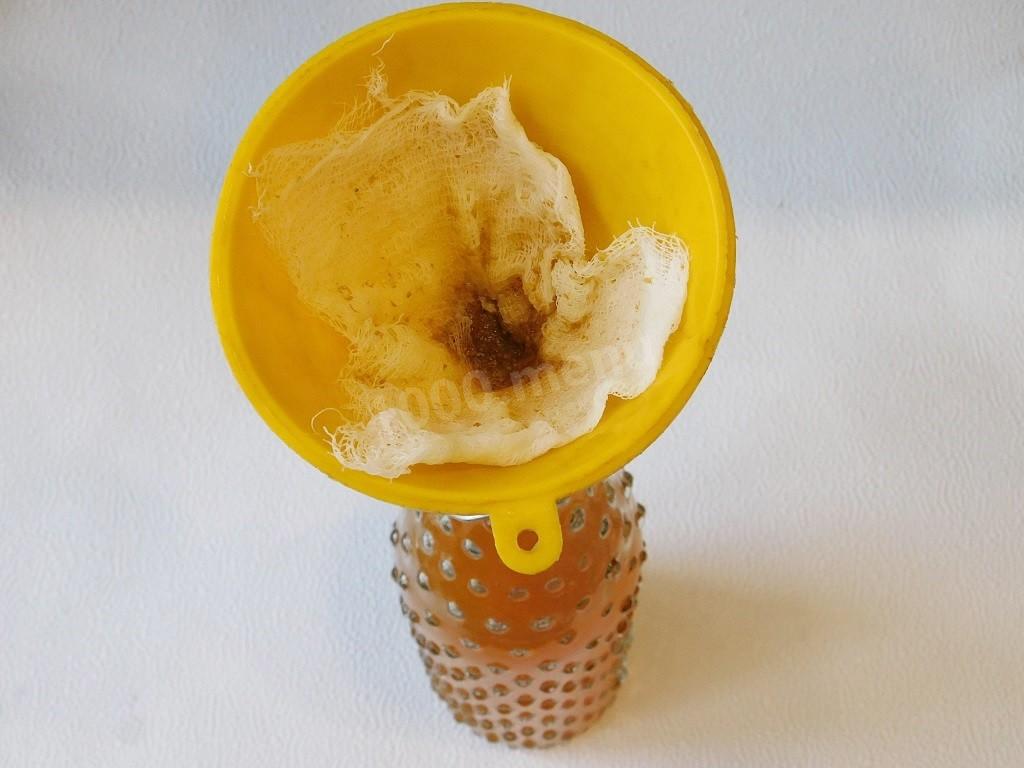
Once fermentation has stopped, strain the drink through several layers of cheesecloth. The more layers, the less sediment you'll have later. Pour it into bottles, cap them, and put them in a cool place to age and store. After a week, the mead is ready to taste. Enjoy!
- Mead is a low-alcohol drink, up to about 16% ABV. It's an ancient, wholesome, and tasty beverage made from honey, and one of its appeals is that you can make it right at home. Mead gets stronger the longer it ages. Drunk right after it's made, it tastes more like kvass, so if you want a more alcoholic drink, let it sit for at least 2–3 months. For extra flavor, fresh berries and various spices — ginger, nutmeg, cloves, and so on — can be added during fermentation. Mead keeps best in glass — bottles or jars. In olden days, though, it was stored in wooden barrels and served only on major holidays, which is why it was aged for so very long back then.
- For making it, it's best to use filtered or bottled water with a neutral taste. If you use tap water, keep in mind that it can give the drink an unpleasant off-flavor.
- For tips on choosing the perfect pot for soup, porridge, or pickling cucumbers, see the article on pots.
- Dry yeast can be replaced with fresh compressed yeast at a 1:3 ratio. That is, for every 1 gram of dry yeast the recipe calls for, use 3 grams of fresh.
Caloric content of the products possible in the composition of the dish
- Honey - 400 kcal/100g
- Compressed yeast - 109 kcal/100g
- Water - 0 kcal/100g
- Hops - 0 kcal/100g