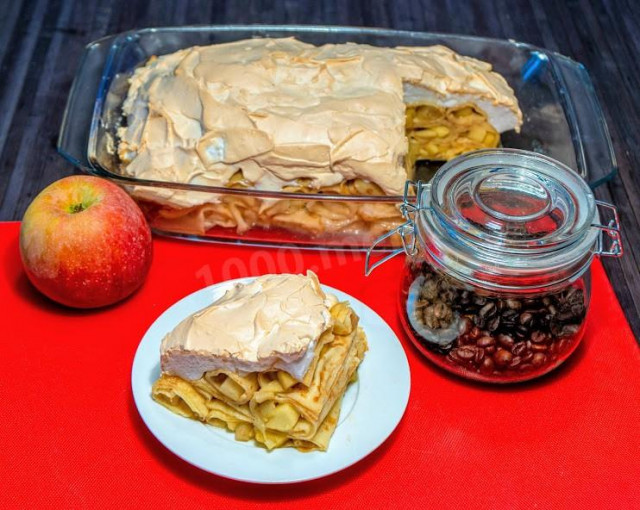
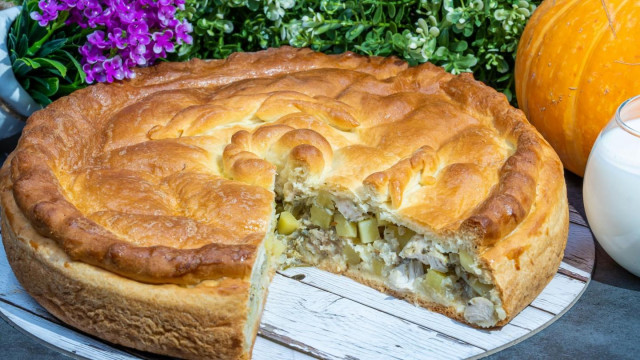
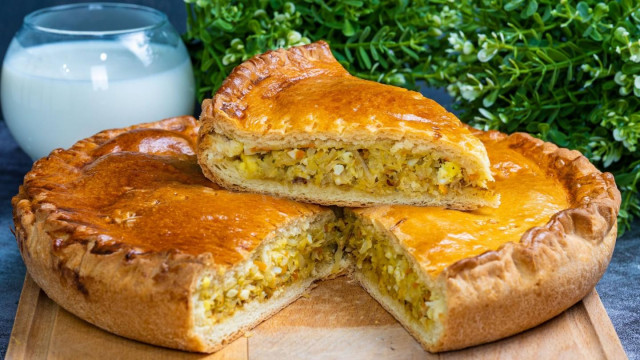
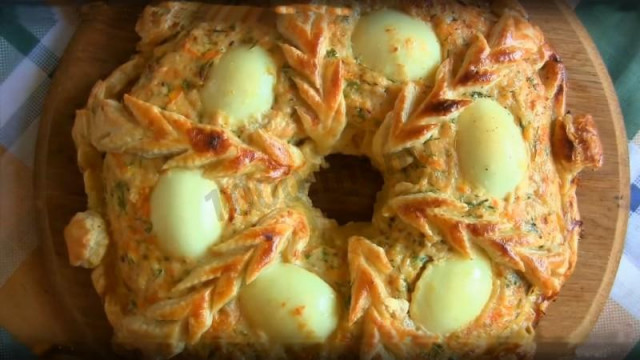
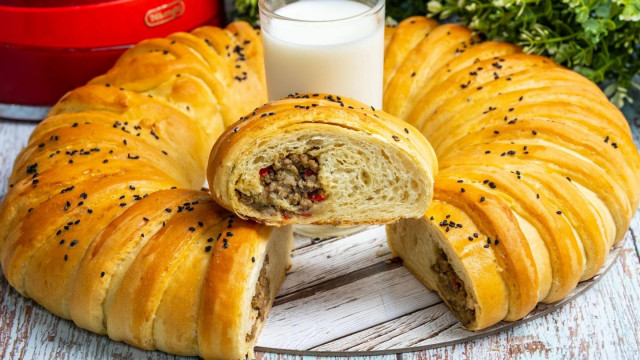
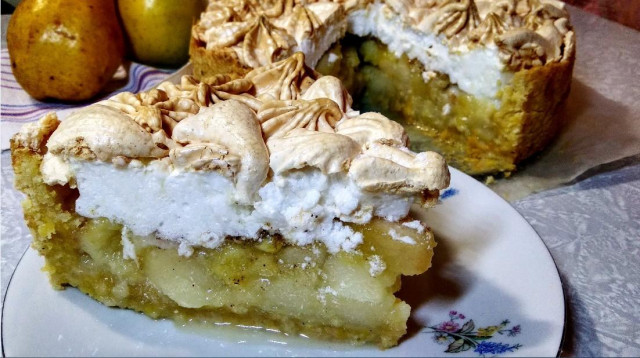

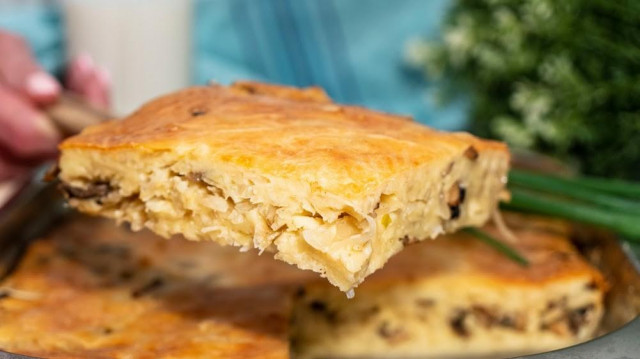
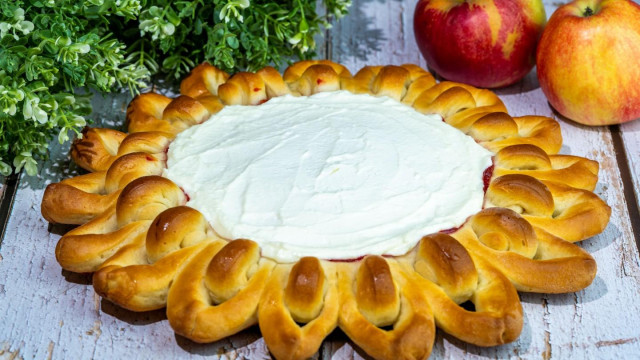
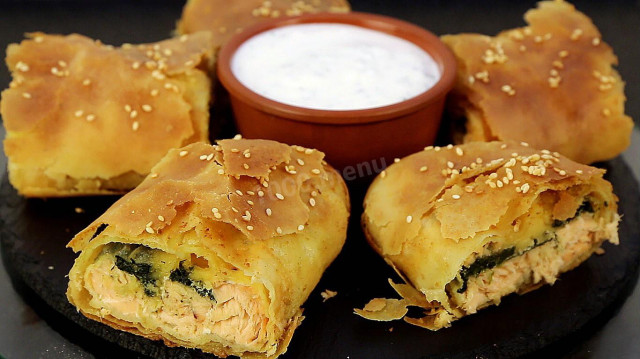
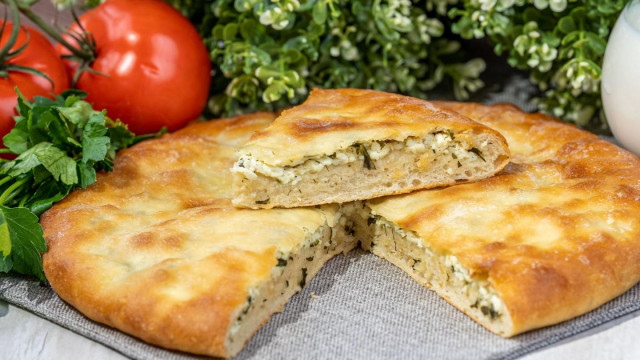
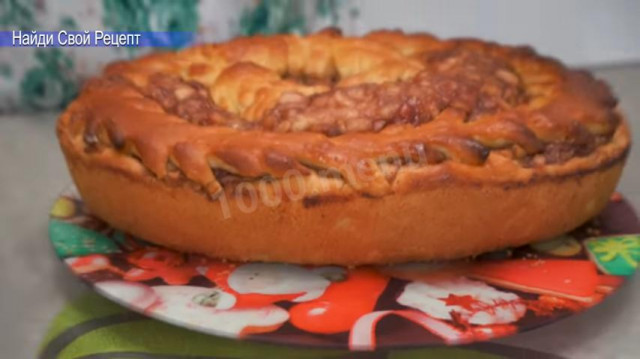
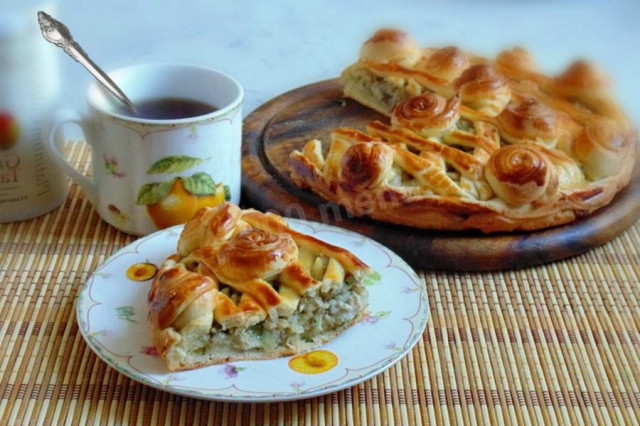
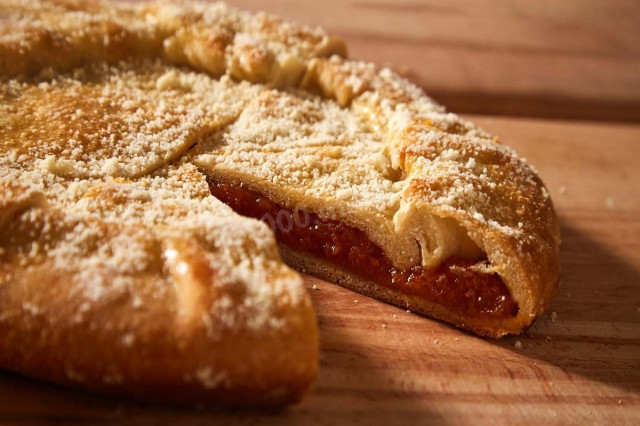
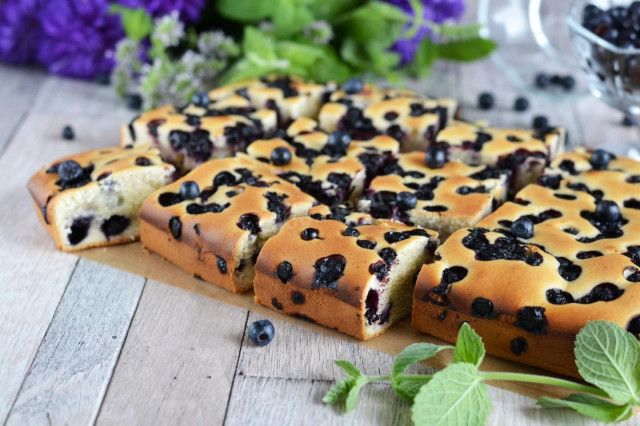
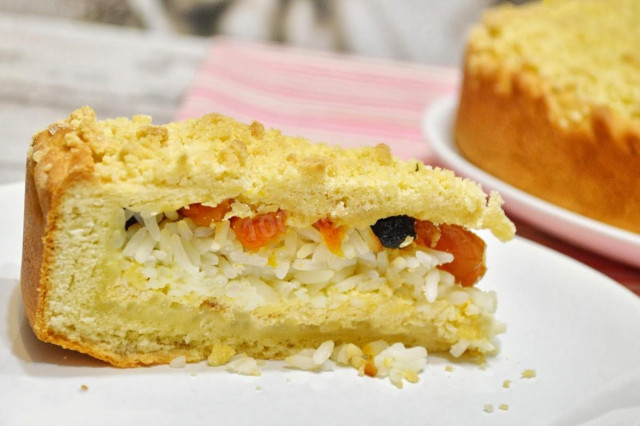
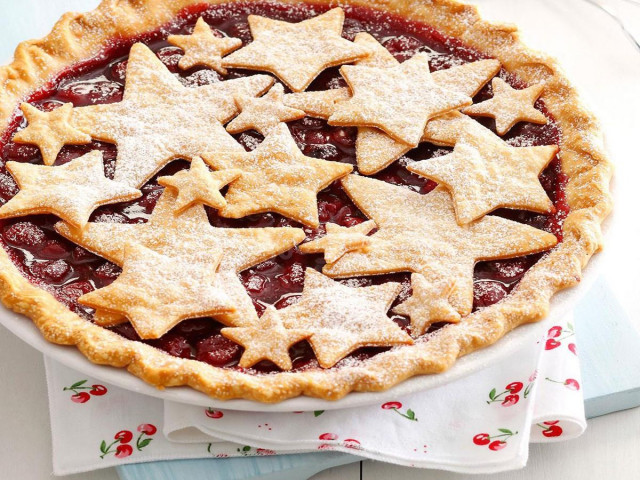
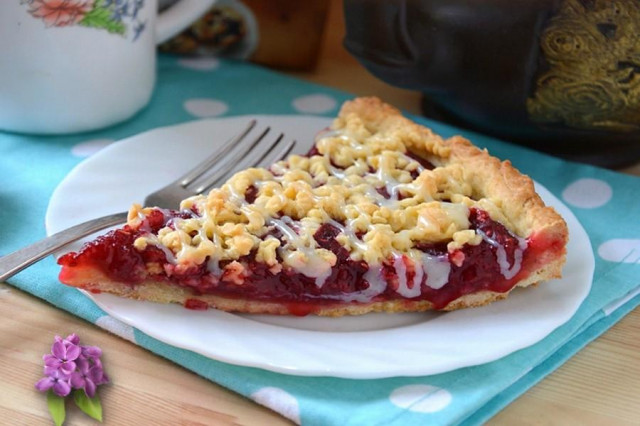
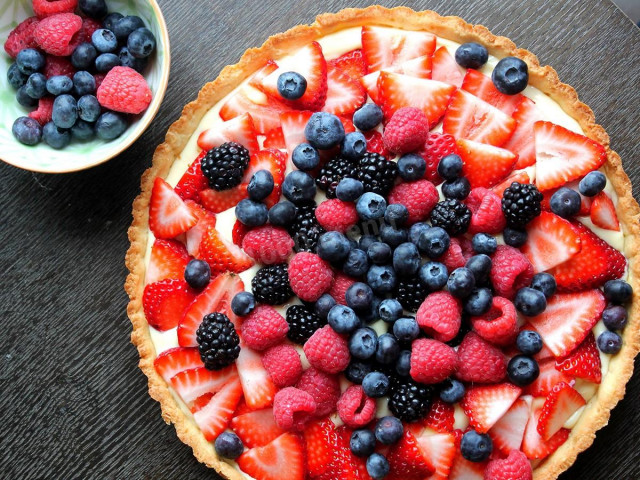
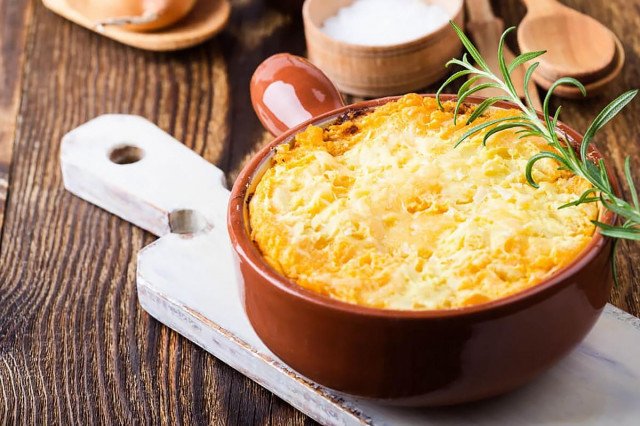
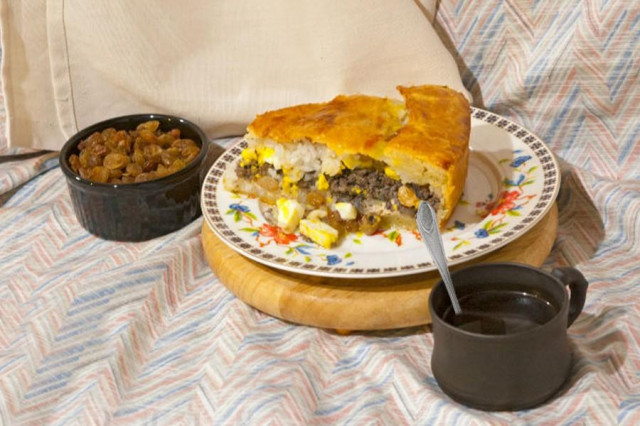
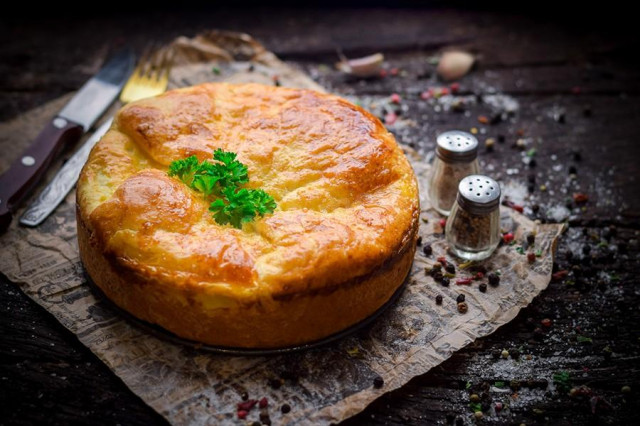
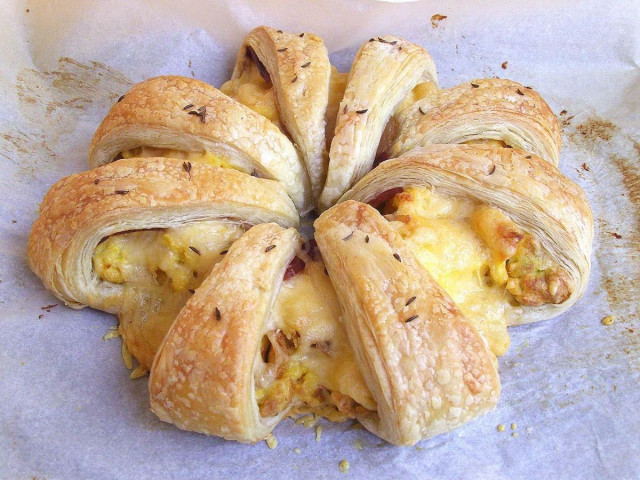
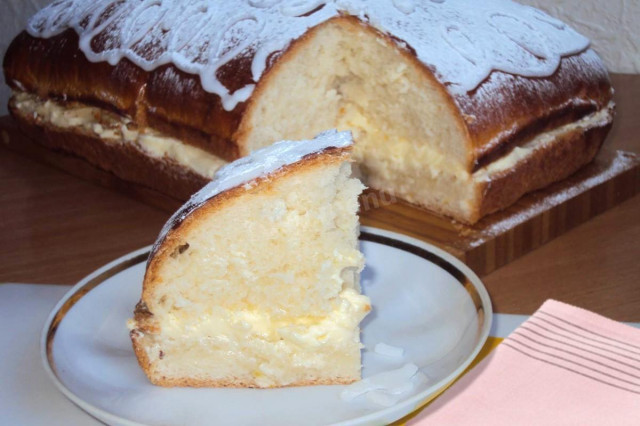
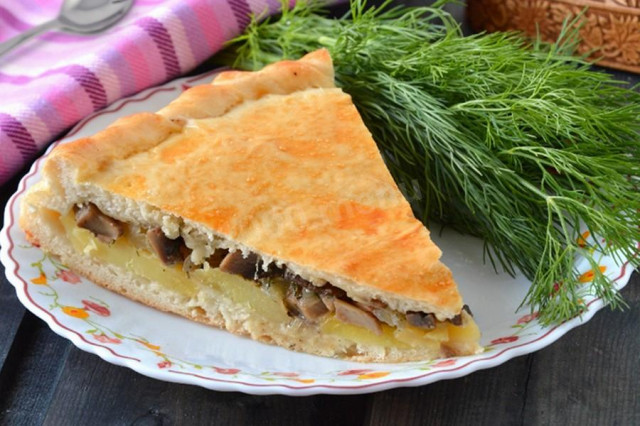
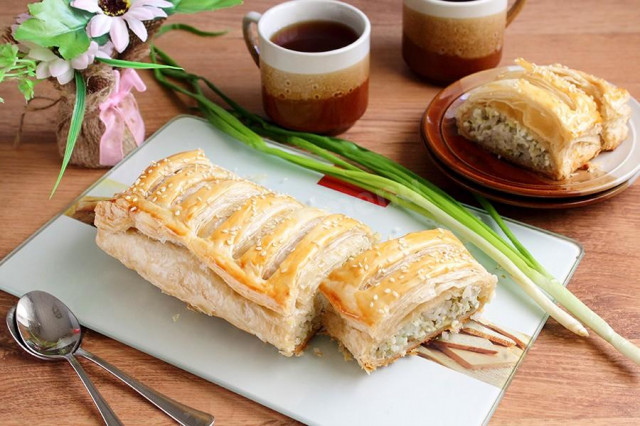
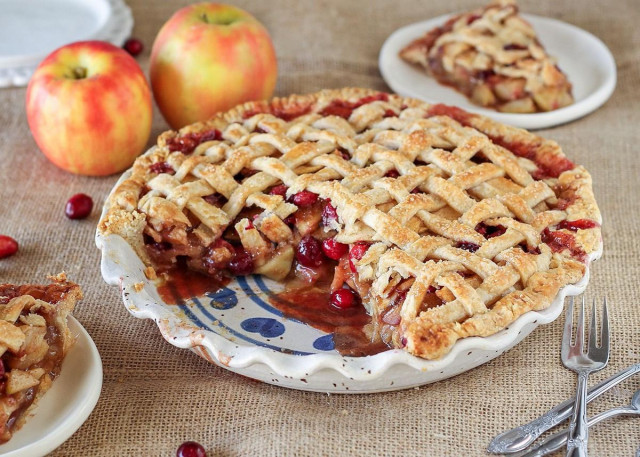
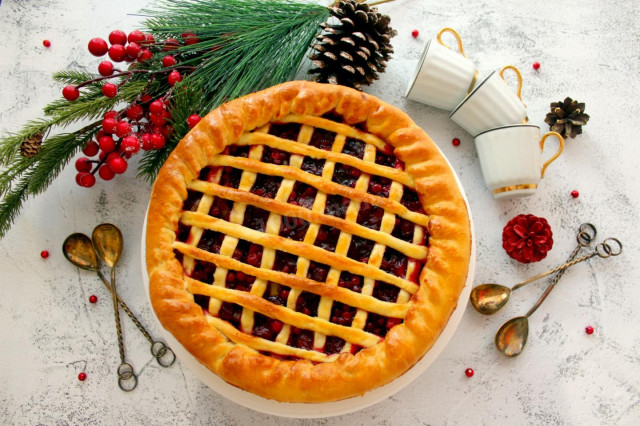
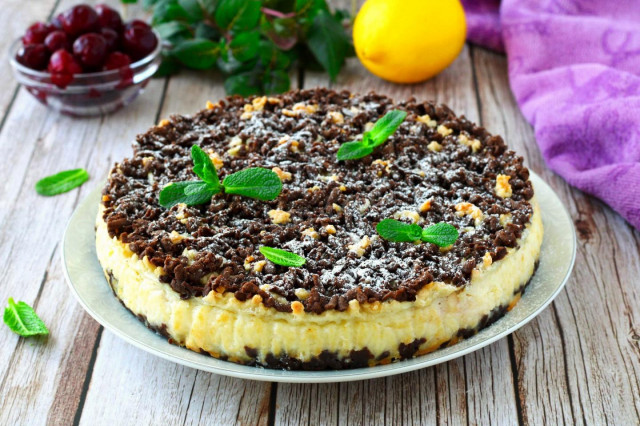
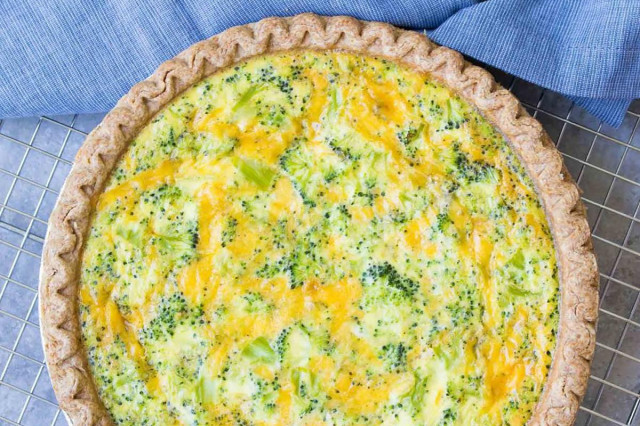
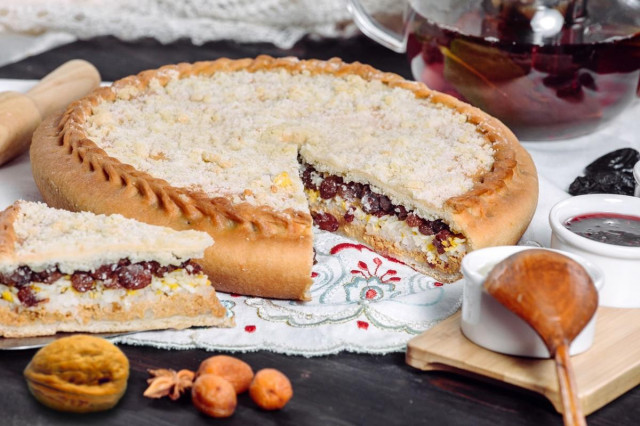
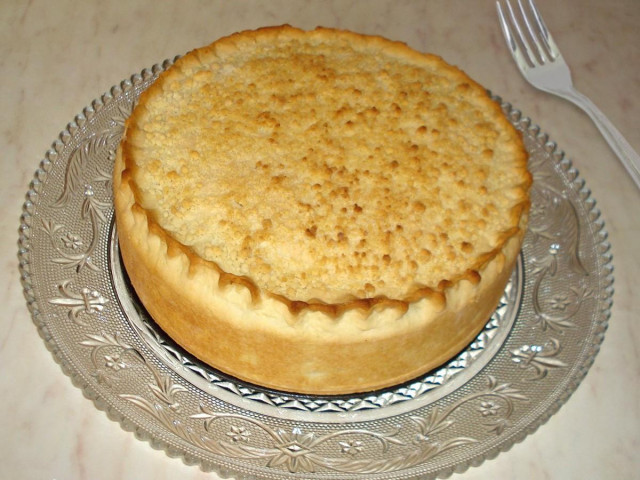
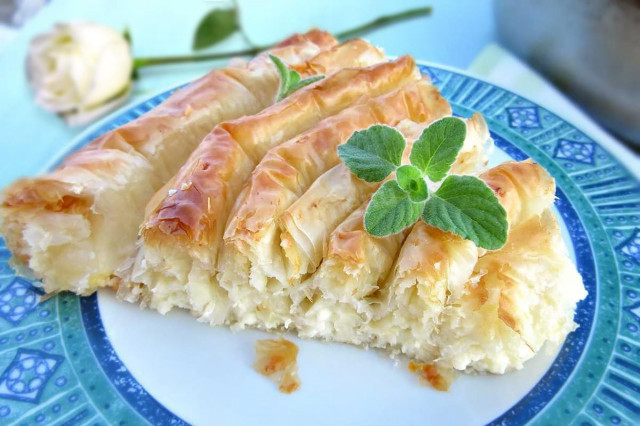
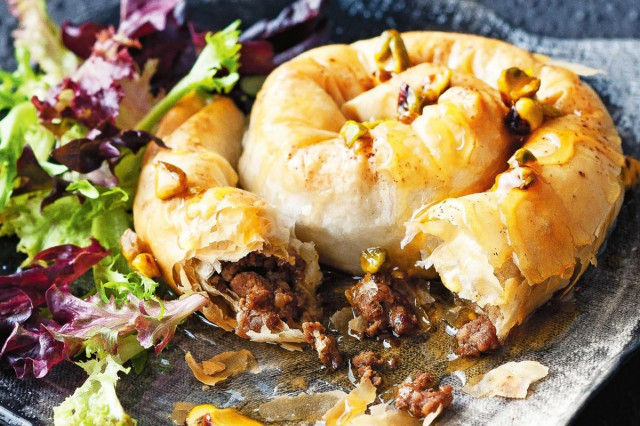

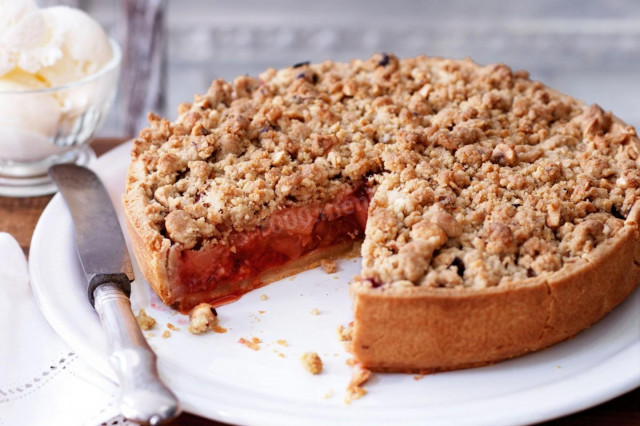
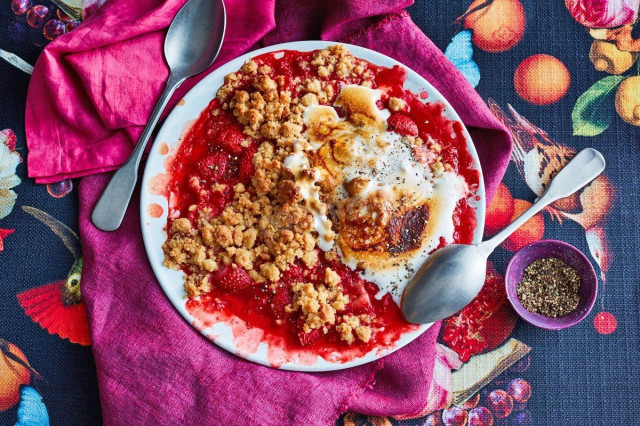
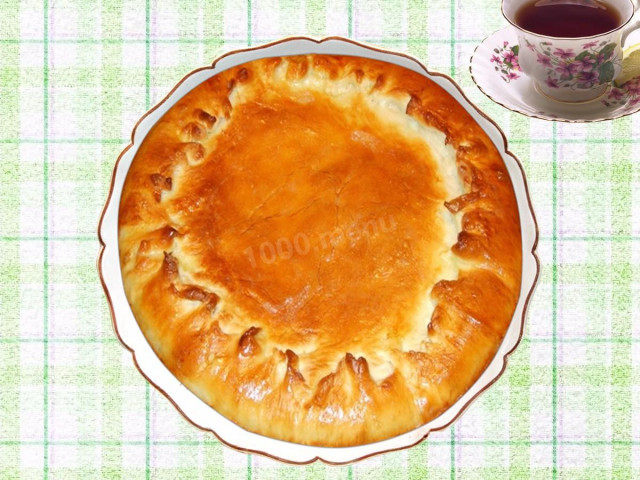

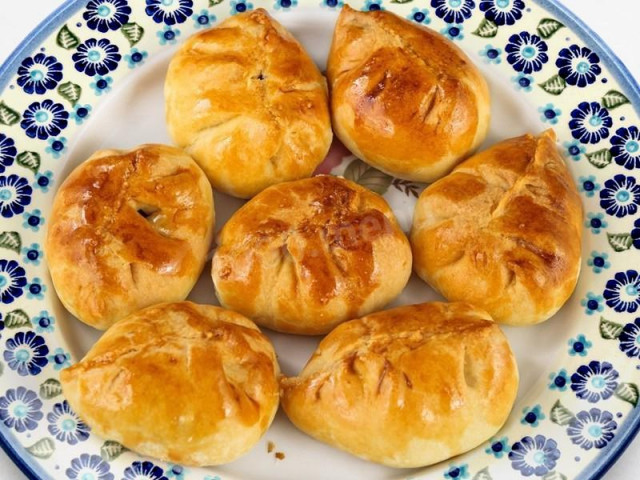
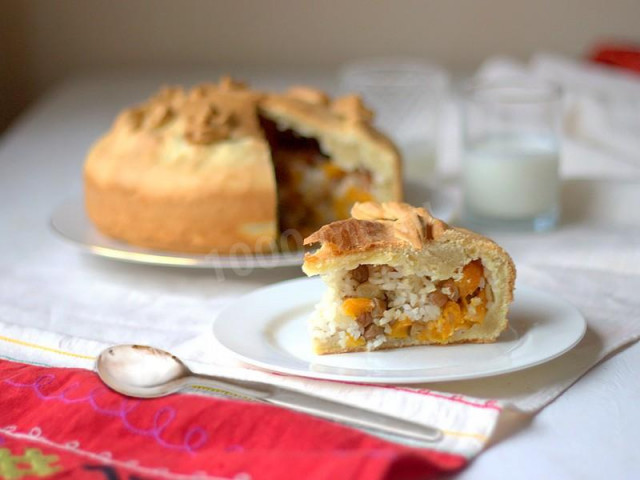
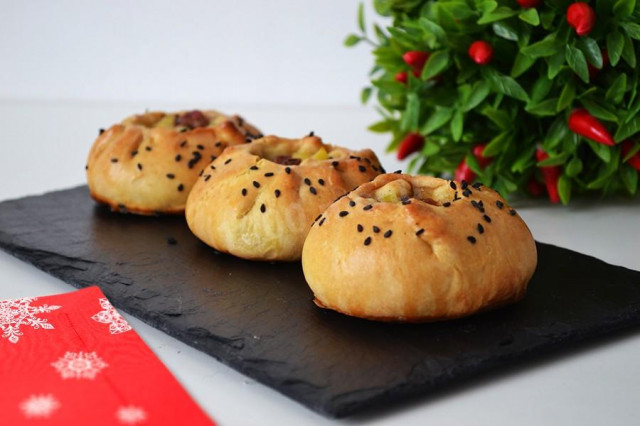

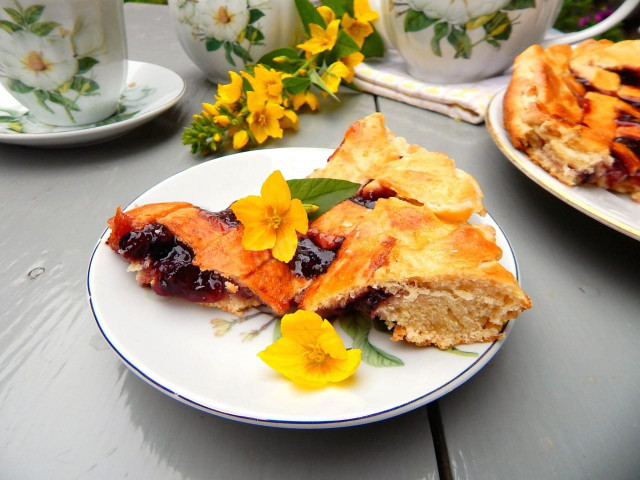
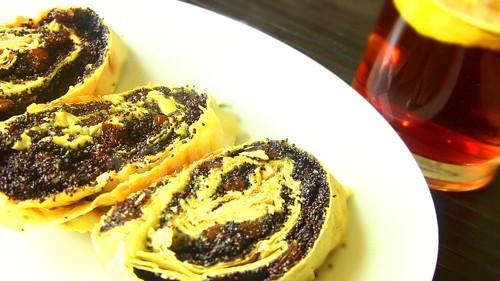
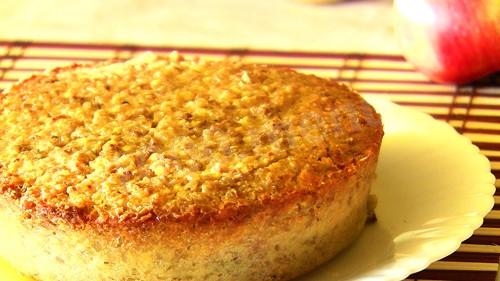
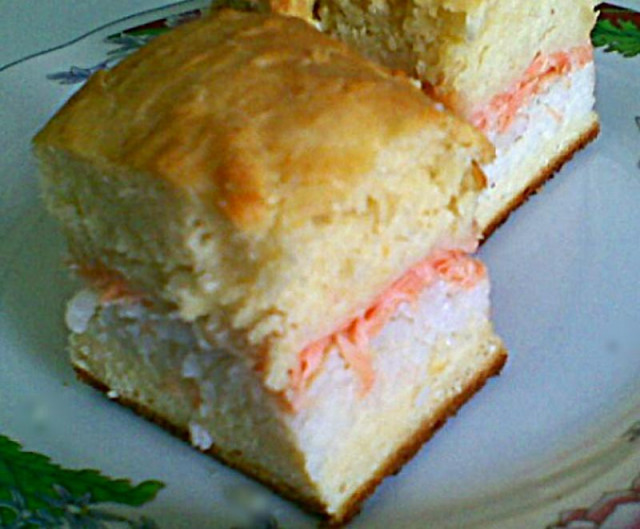
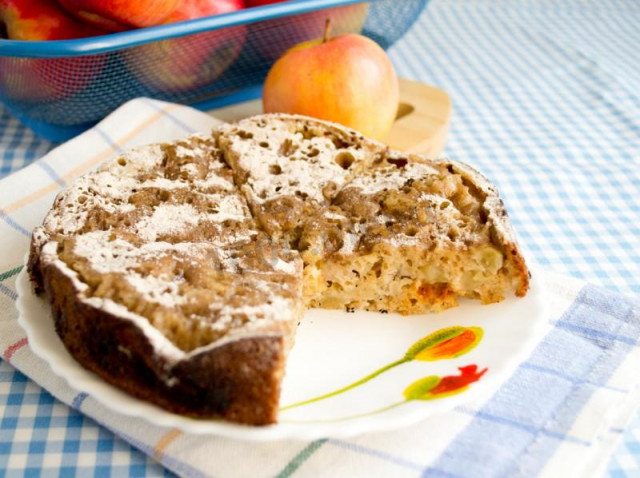
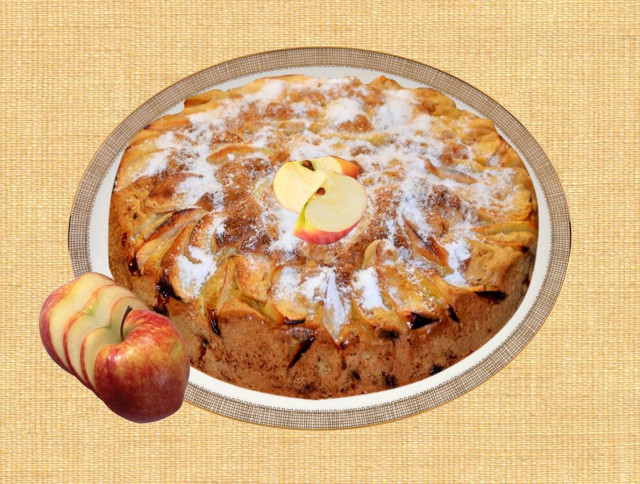
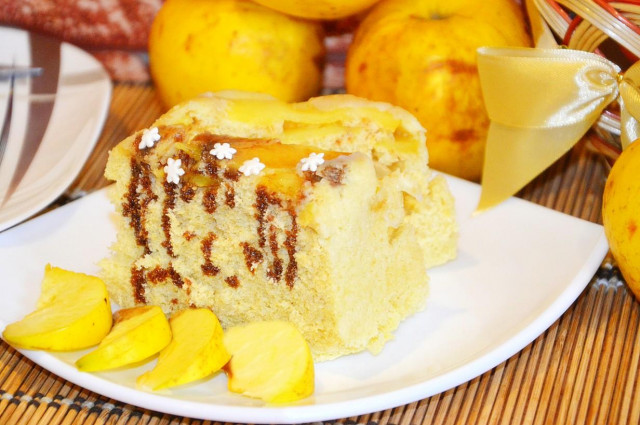
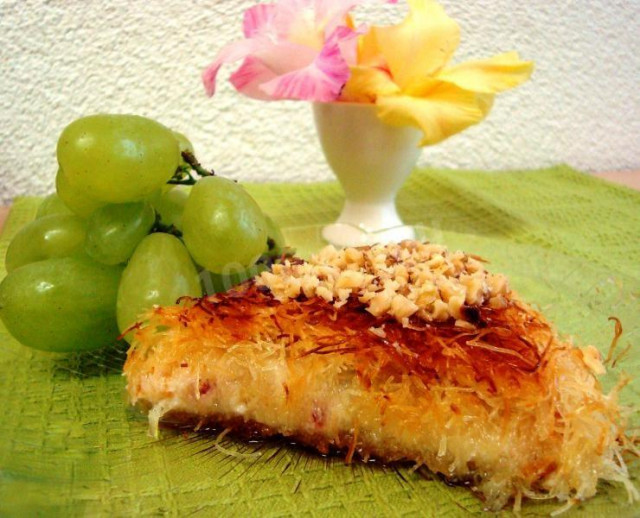
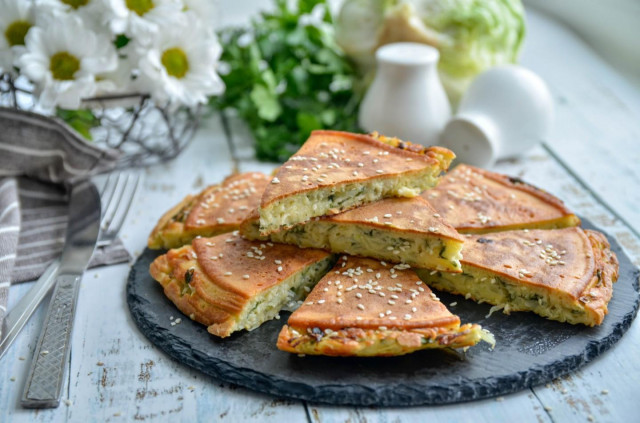
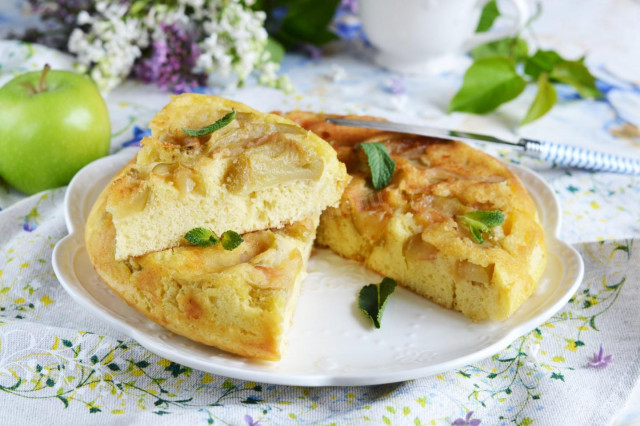
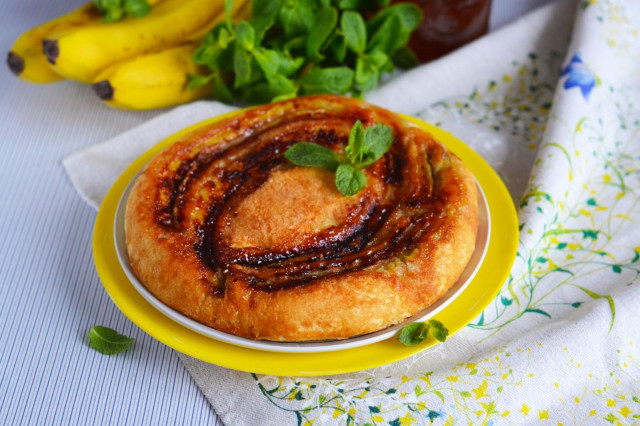
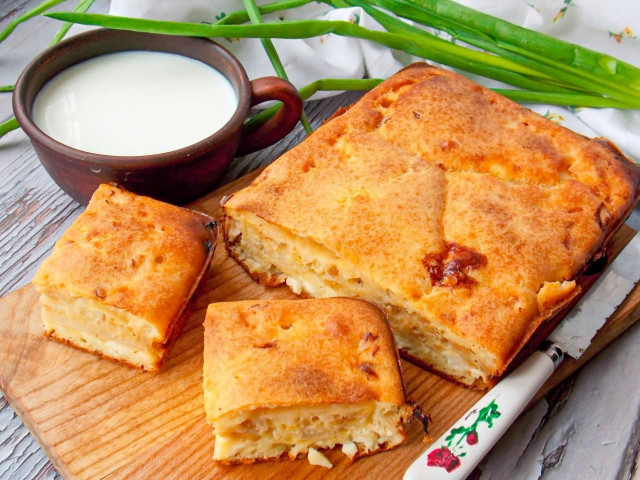
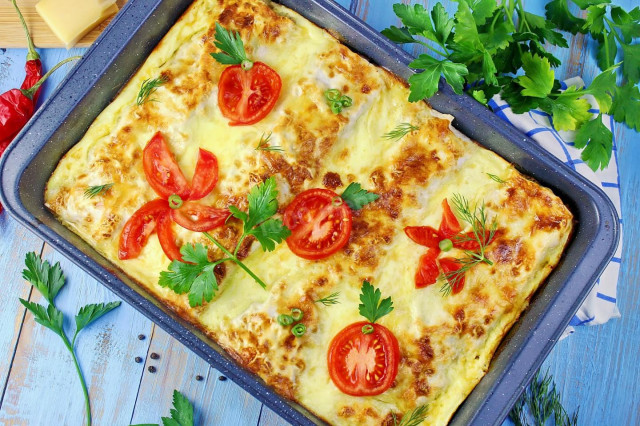
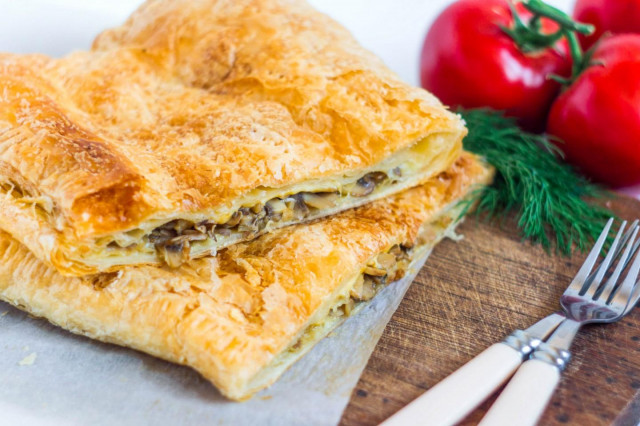
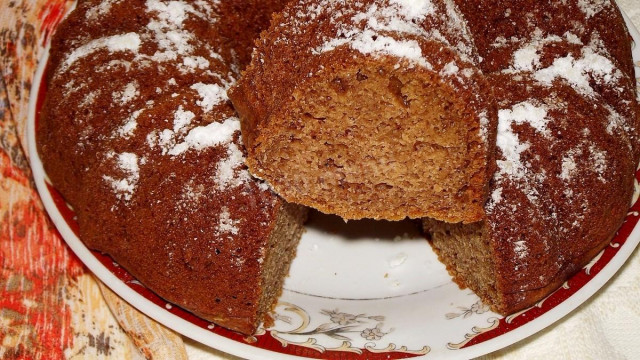
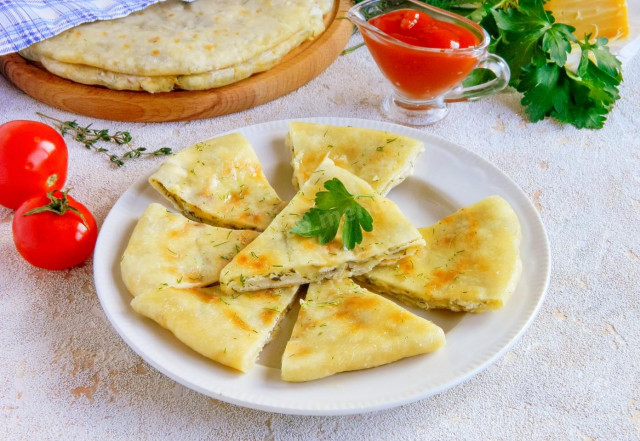
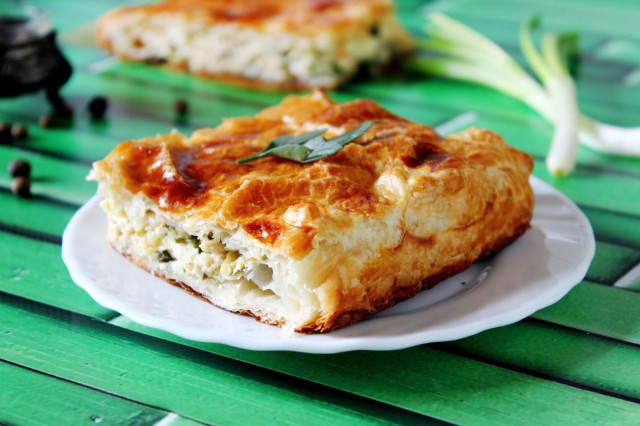
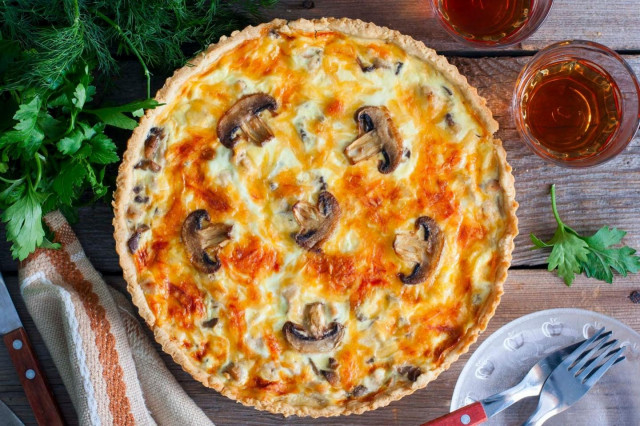
In the first case you need two layers of dough with the filling pinched between them. Since it's mainly the dough that bakes, you have to make sure the inner layer is partly cooked and not too juicy — otherwise the center will stay raw. One variety of closed pie is the jellied pie. There is no base: the filling is laid out on a bare baking sheet and poured over with a very thin batter that binds the ingredients together. In open pies the toppings are spread evenly over the surface and the edges are turned in. For variety, you can decorate the top with a dough lattice or pour over whipped egg whites or a sauce.
The five most commonly used ingredients in the recipes:
| Product | Calories per 100g | Protein g per 100g | Fats g per 100g | Carbohydrates g per 100g |
|---|---|---|---|---|
| Sugar | 398 | 0 | 0 | 99.7 |
| Butter | 734 | 0.5 | 82.5 | 0.8 |
| Eggs | 157 | 12.7 | 10.9 | 0.7 |
| Flour | 325 | 12 | 1 | 67 |
| Wheat flour | 325 | 12 | 1 | 67 |
Among the varieties are cakes with add-ins. Such a cake is one continuous layer: a semolina cake, a sour-cream cake, a cottage cheese casserole, a sponge cake. By flavor, pies can be dessert or savory. The first option uses sweet ingredients: fresh and canned fruits or berries, chocolate, jam, preserves, and dried fruits. Baking of the next category is on par with second courses, since it replaces a full meal — made with vegetables, in particular potatoes, along with grains, meat, ground meat, offal, fish, and mushrooms.