Rosehip Wine
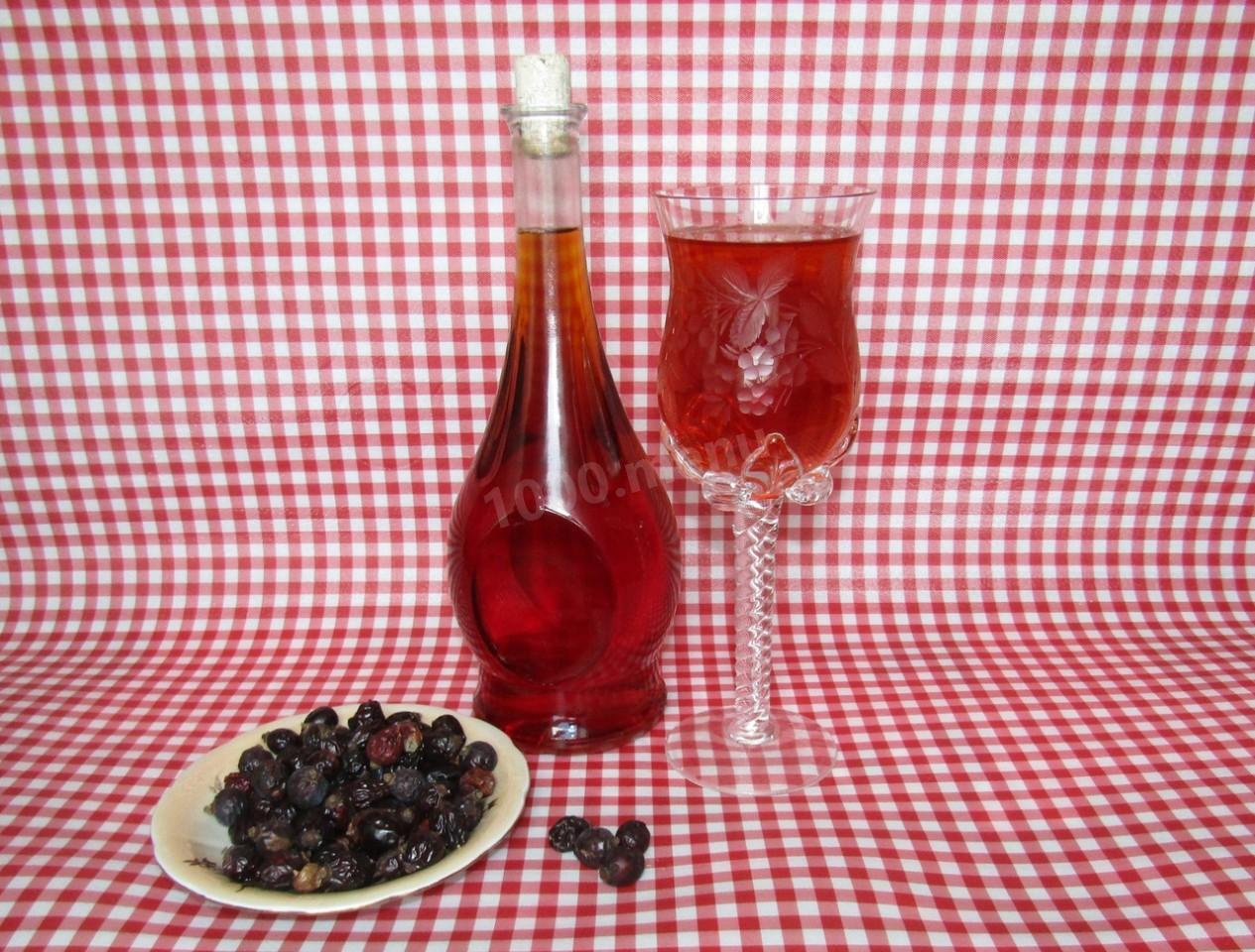
Amber-colored, fragrant homemade wine you make yourself. Everyone knows how good rosehips are for you — usually we dry them, then steep them and drink the infusion with honey to boost immunity and support metabolism. Today, though, we'd like to share a recipe for making rosehip wine at home.

Cooking method
-
Step 1:
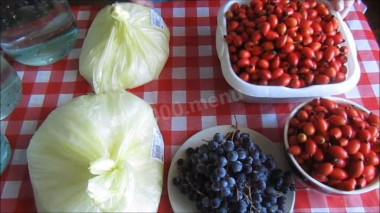
For this wine, gather dark red, ripe rosehips before the first frost and sort through them. Get the other ingredients ready — and whatever you do, don't wash the wild wine grapes.
-
Step 2:
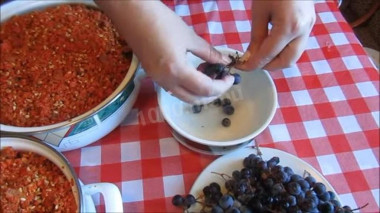
Crush the rosehips without removing the seeds — a blender works well here. In a pot, combine 2 liters (about 8 cups) of water with 2 kg of the sugar, bring to a boil, and simmer over low heat for 5 minutes, stirring constantly and skimming off the white foam. Cool the syrup to room temperature. In a wide-mouthed enamel or glass container, combine the rosehips, the sugar syrup, the rest of the water (8 liters), and the crushed unwashed grapes.
-
Step 3:
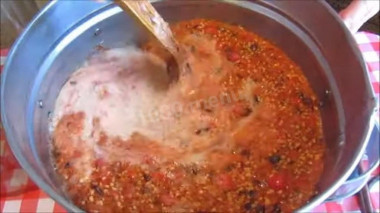
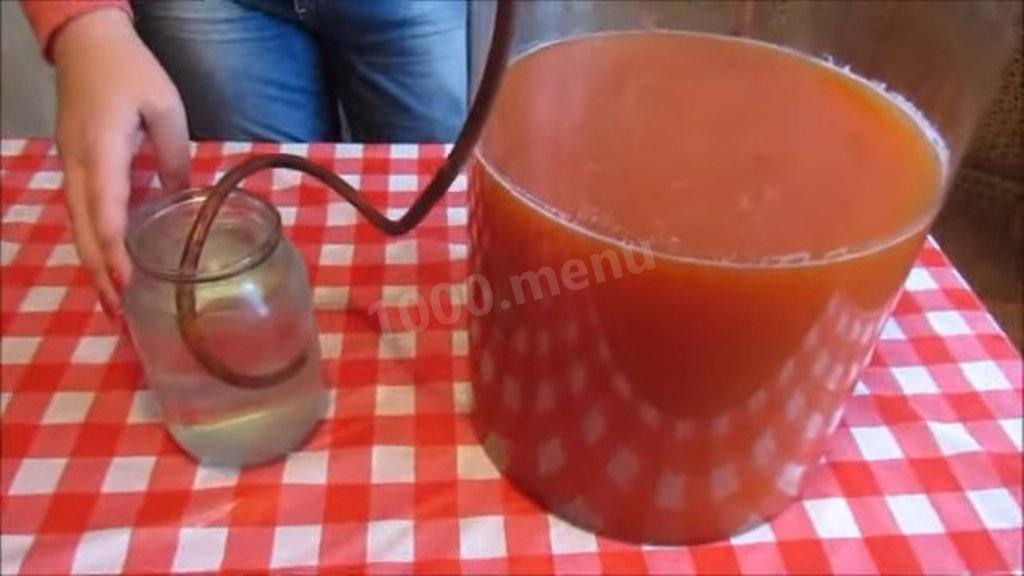
The grapes carry the wild yeast needed for fermentation. Stir, cover the opening with cheesecloth, and set the container in a dark, warm spot — around 77°F (25°C) — for 3–4 days, stirring once a day. As soon as you see signs of fermentation, pour the mixture into a fermentation vessel (fill it no more than two-thirds full) and fit an airlock — or a rubber glove with a tiny hole pricked in one finger to let the carbon dioxide escape. Keep the jug in a dark place at 64–77°F (18–25°C).
-
Step 4:
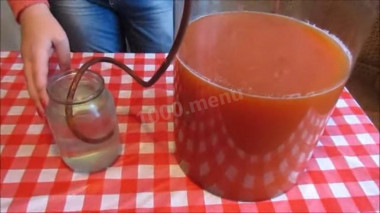
After 7 days, strain the must through cheesecloth to remove the pulp (the solids). Stir the remaining sugar (1 kg) into the fermenting juice and refit the airlock. In 4–6 weeks the airlock will stop bubbling (the glove will deflate), sediment will settle on the bottom, and the wine will turn noticeably clearer. That's your sign that active fermentation is finished and it's time for the next step.
-
Step 5:
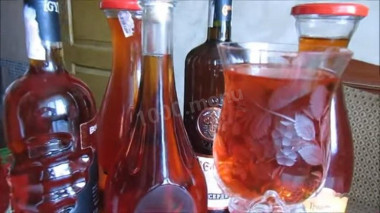
Siphon the young rosehip wine off the sediment through a tube into another clean container. If you like, add more sugar to taste, or fortify it with vodka (or neutral spirits) at 12–15% of the volume. Leave the wine to mature for 2–3 months in a cool place, 50–61°F (10–16°C). After that, rack the wine off the sediment into prepared bottles and seal them tightly with corks. Store in the refrigerator or a cellar. Held at about 59°F (15°C), it keeps for up to 2 years.
-
Step 6:
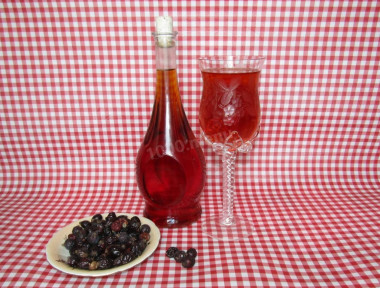
You'll end up with 7–8 liters (about 2 gallons) of homemade rosehip wine at 11–13% ABV. It has an amber color, a fruity aroma, and a slightly tart finish. Your delicious, wholesome rosehip wine is ready — cheers!
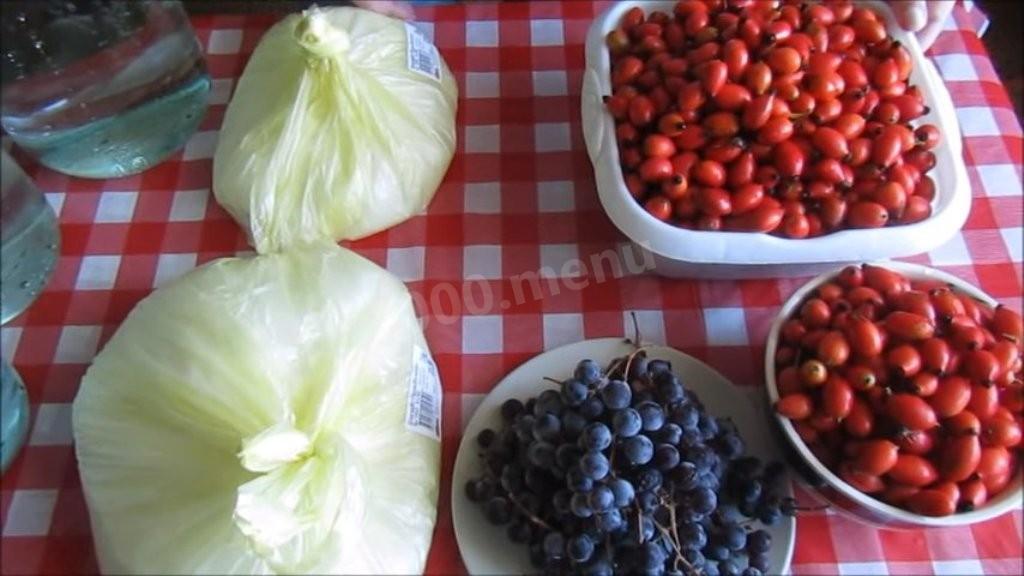
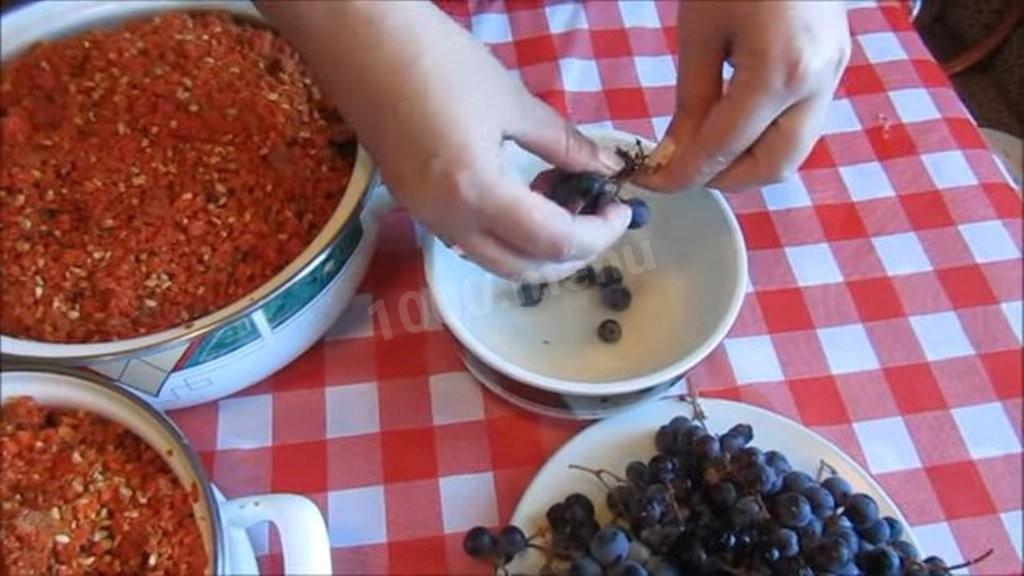
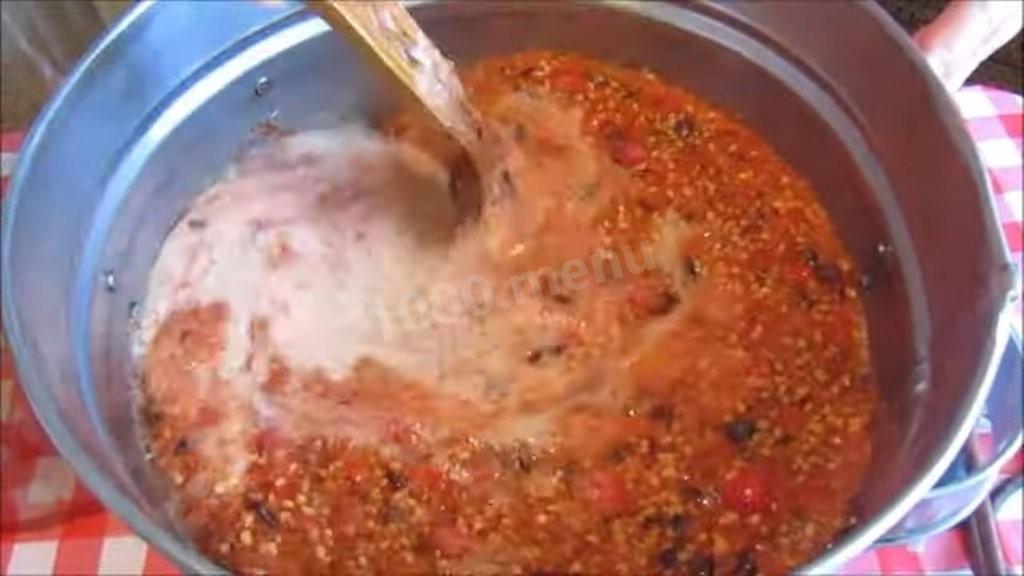
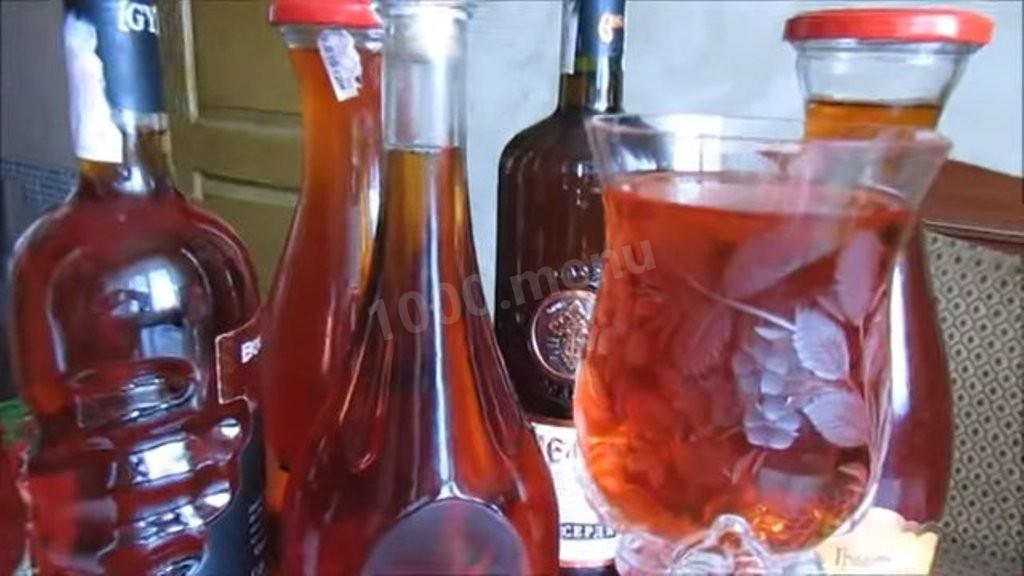
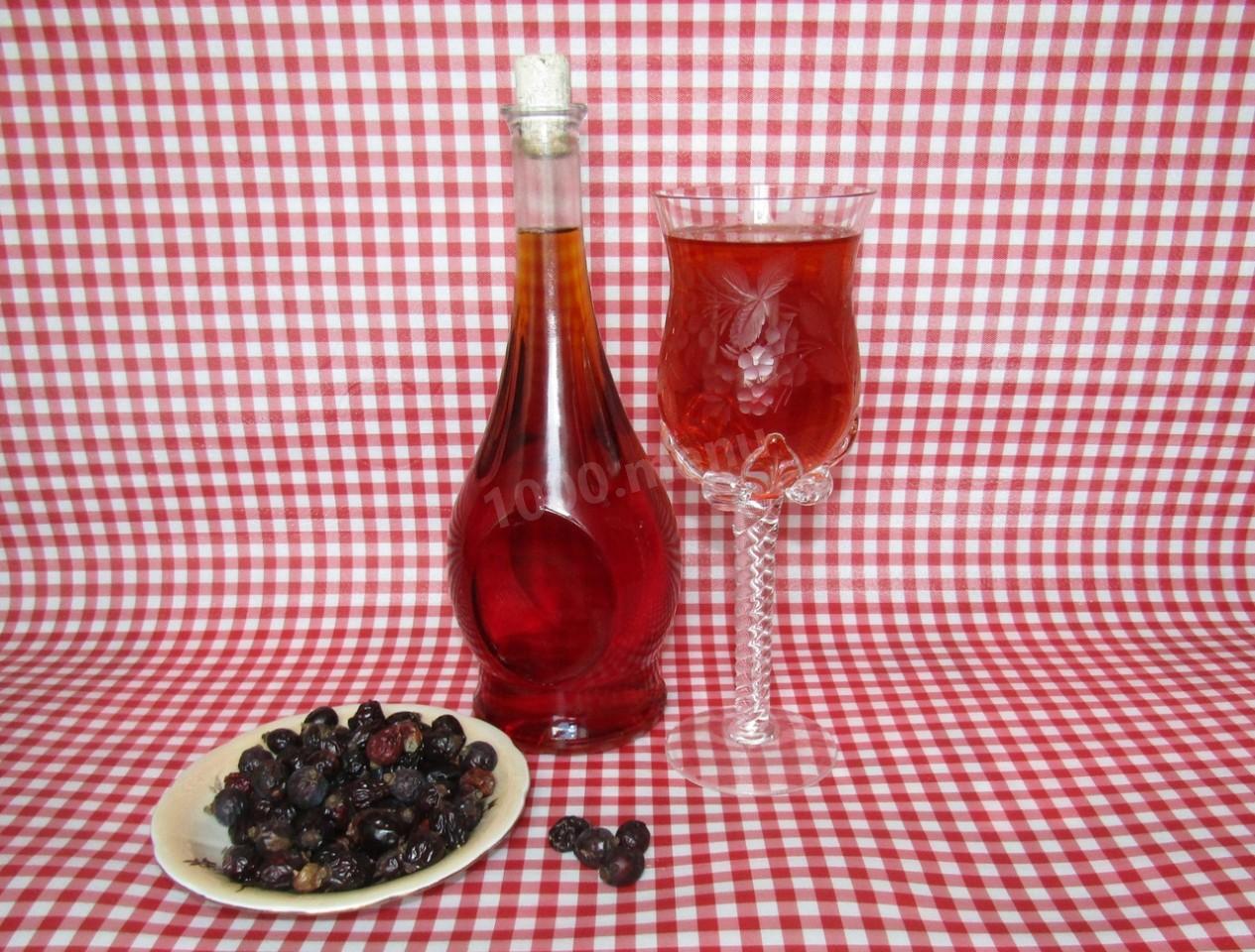
- This light, amber homemade wine won't leave anyone indifferent.
Caloric content of the products possible in the composition of the dish
- Grapes - 65 kcal/100g
- Granulated sugar - 398 kcal/100g
- Sugar - 398 kcal/100g
- Rosehip fresh - 51 kcal/100g
- Rosehip dry - 253 kcal/100g
- Water - 0 kcal/100g