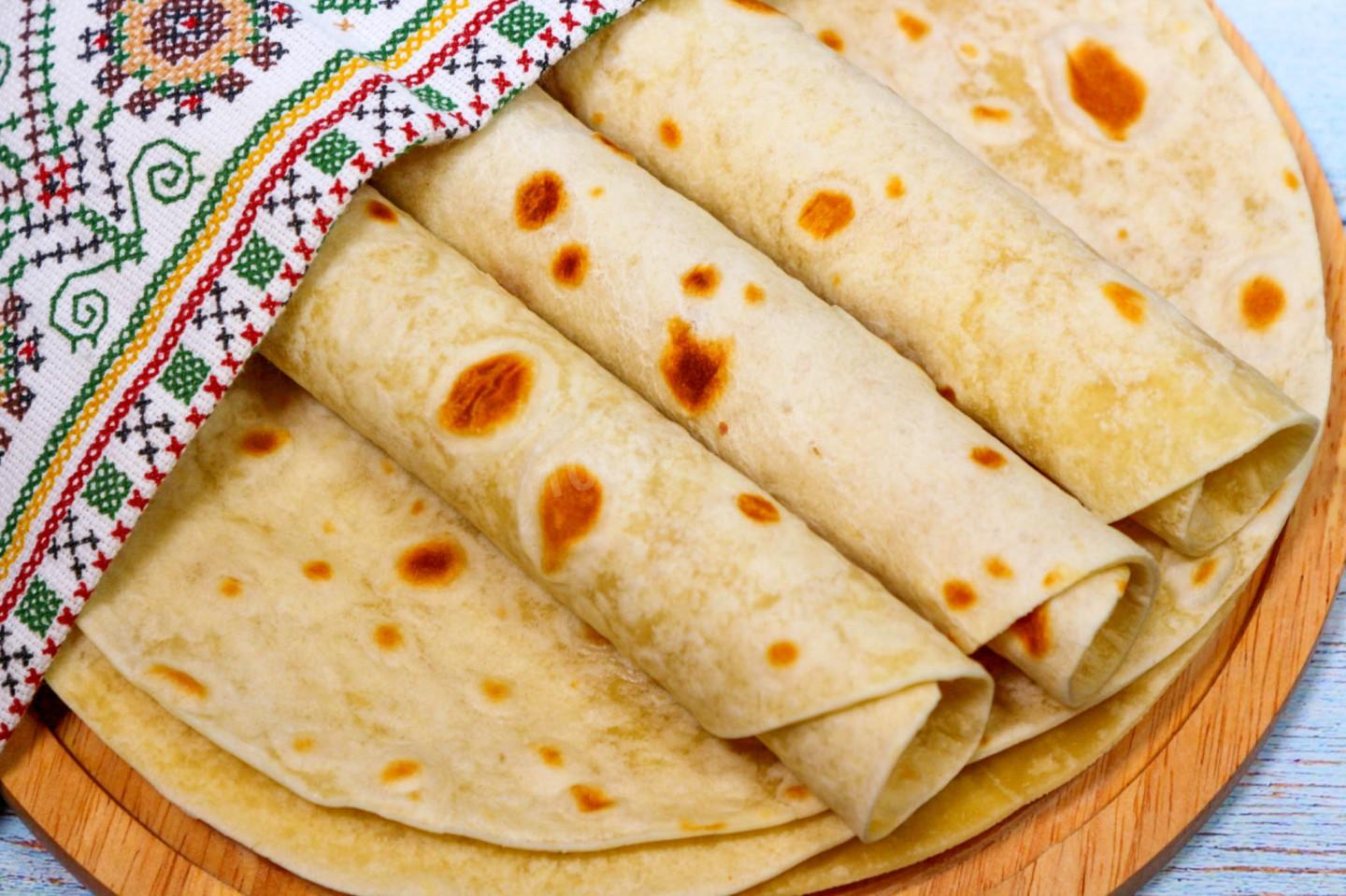
Homemade Yeast-Free Flatbread (Lavash)
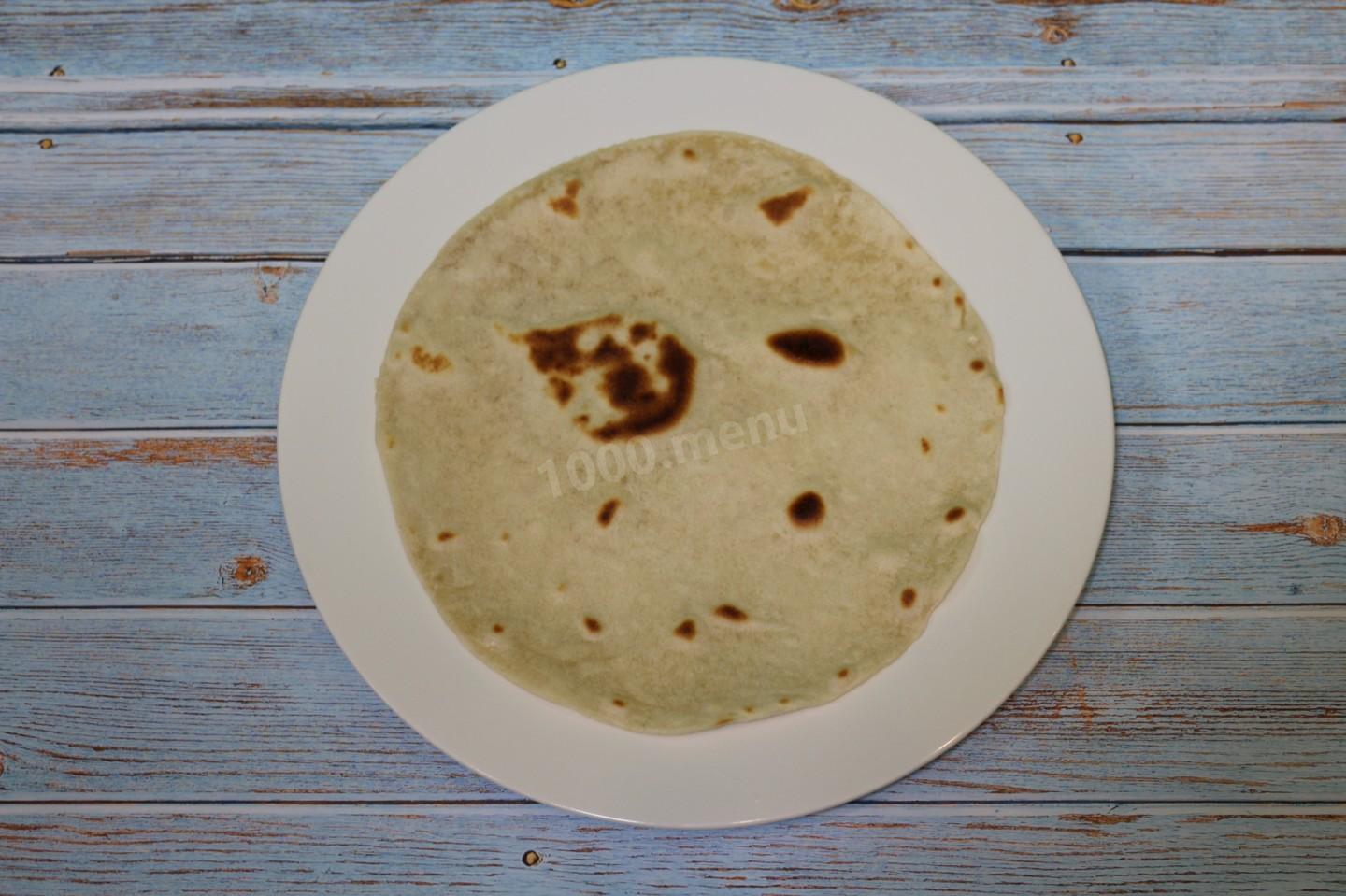
Quick and easy, from everyday ingredients! This yeast-free homemade lavash makes thin, pale, tasty flatbreads. You can eat these little rounds on their own or in place of bread with soup. Or add a filling — meat or vegetable — and roll it up for a shawarma-style wrap.

Cooking method
-
Step 1:
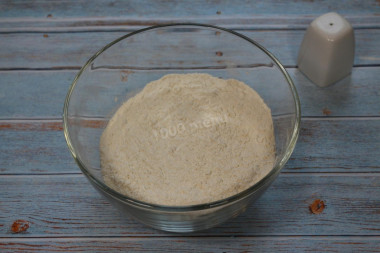
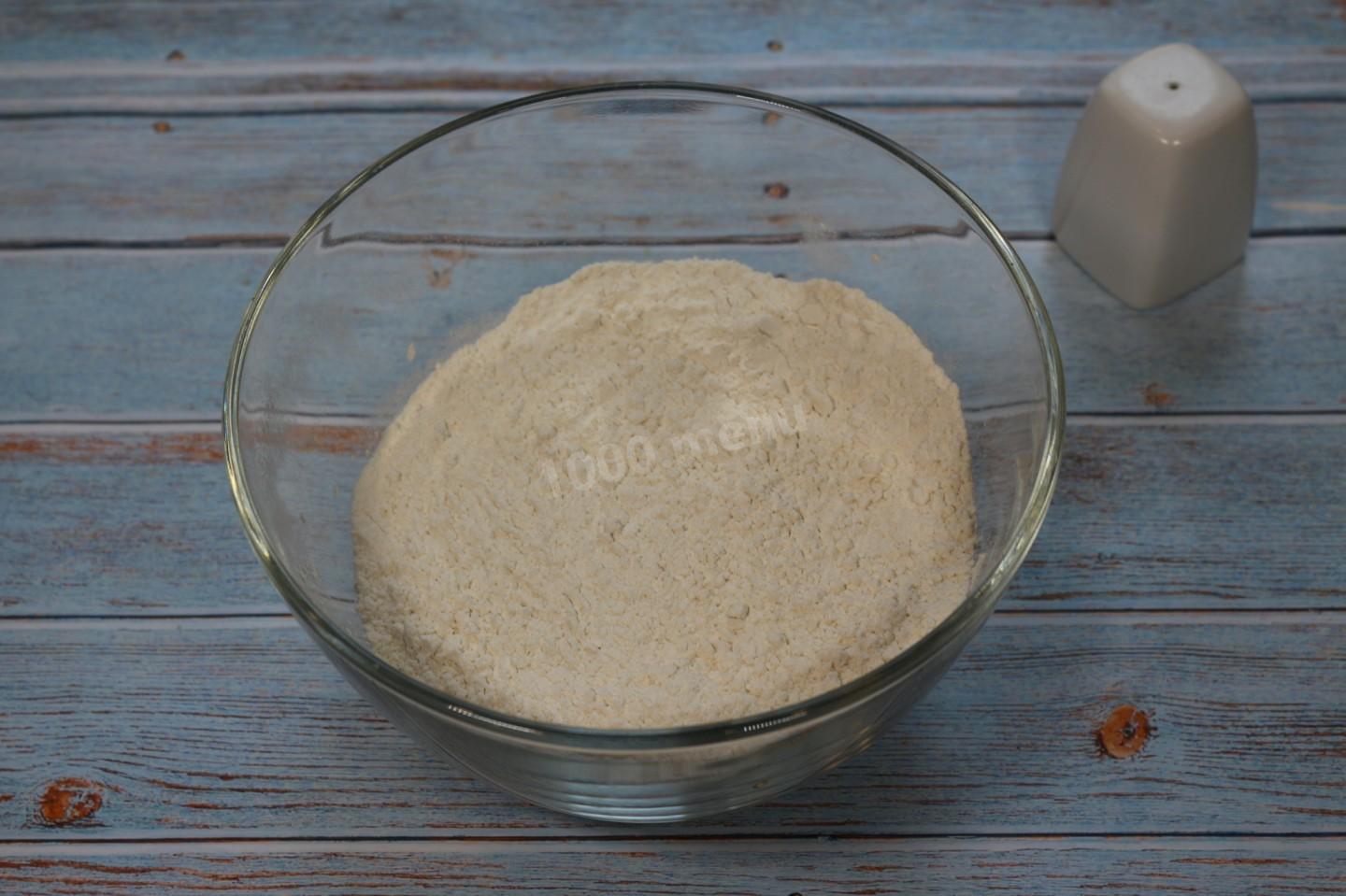
How do you make yeast-free homemade lavash? Take a large, deep bowl and sift all the flour into it. Add the salt and stir the dry ingredients together so the salt is evenly distributed. Pour the vegetable oil into the flour. Bring a kettle of water to a boil, then add 200 ml of the hot water to the flour, salt, and oil.
-
Step 2:
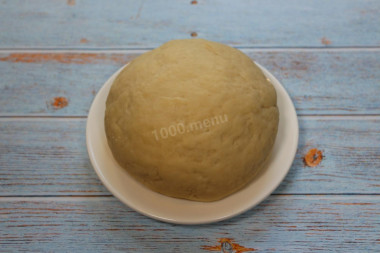
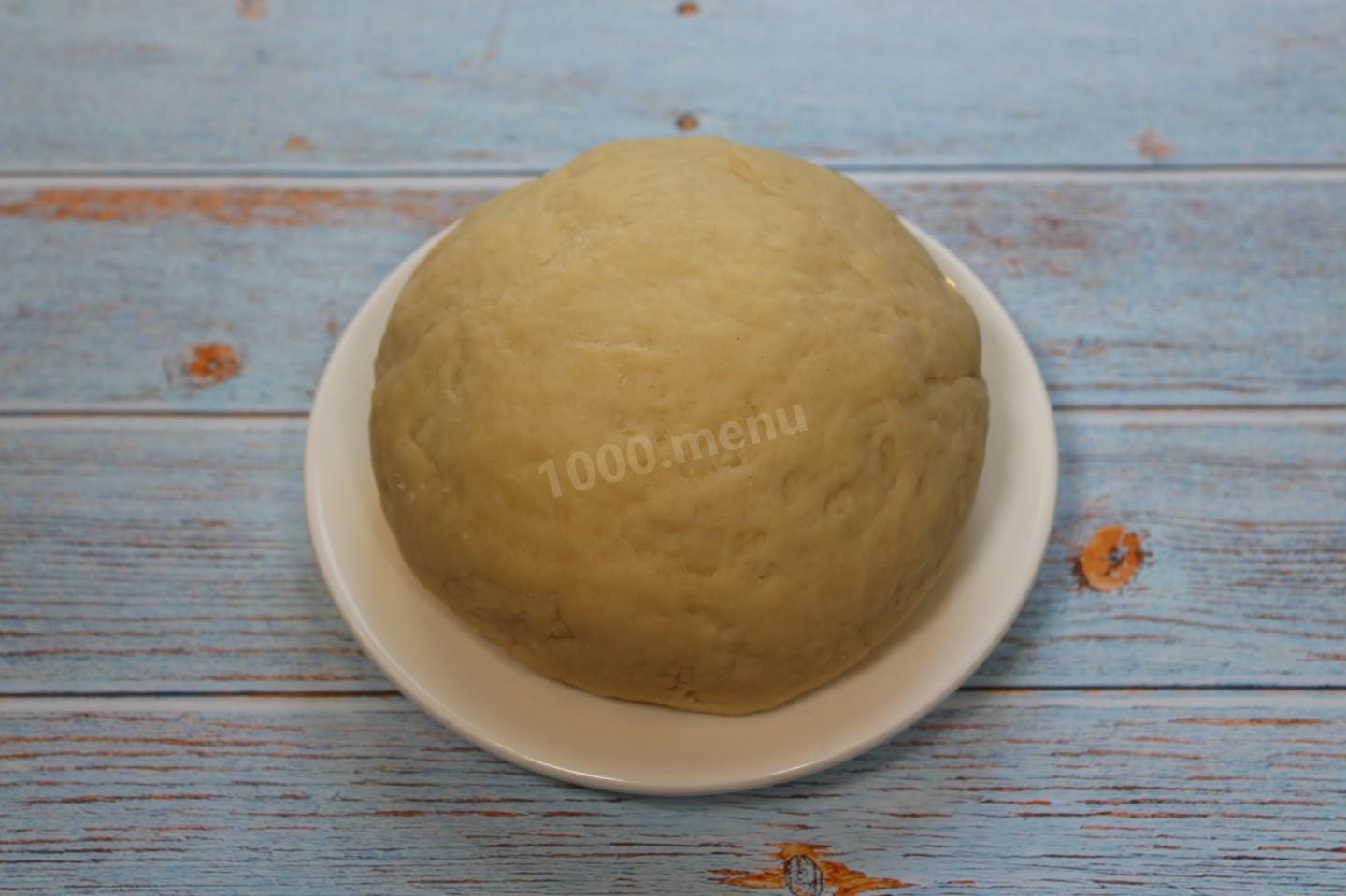
Knead the dough. Start with a spoon (the water is hot and can burn your hands). Once the water is absorbed, switch to kneading by hand. After it comes together in the bowl, turn it out onto the counter and knead a little longer — just 2–3 minutes. Put the smooth, elastic dough in a plastic bag for 20–30 minutes so it can rest and become more pliable for rolling.
-
Step 3:
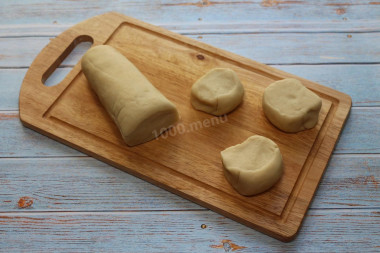
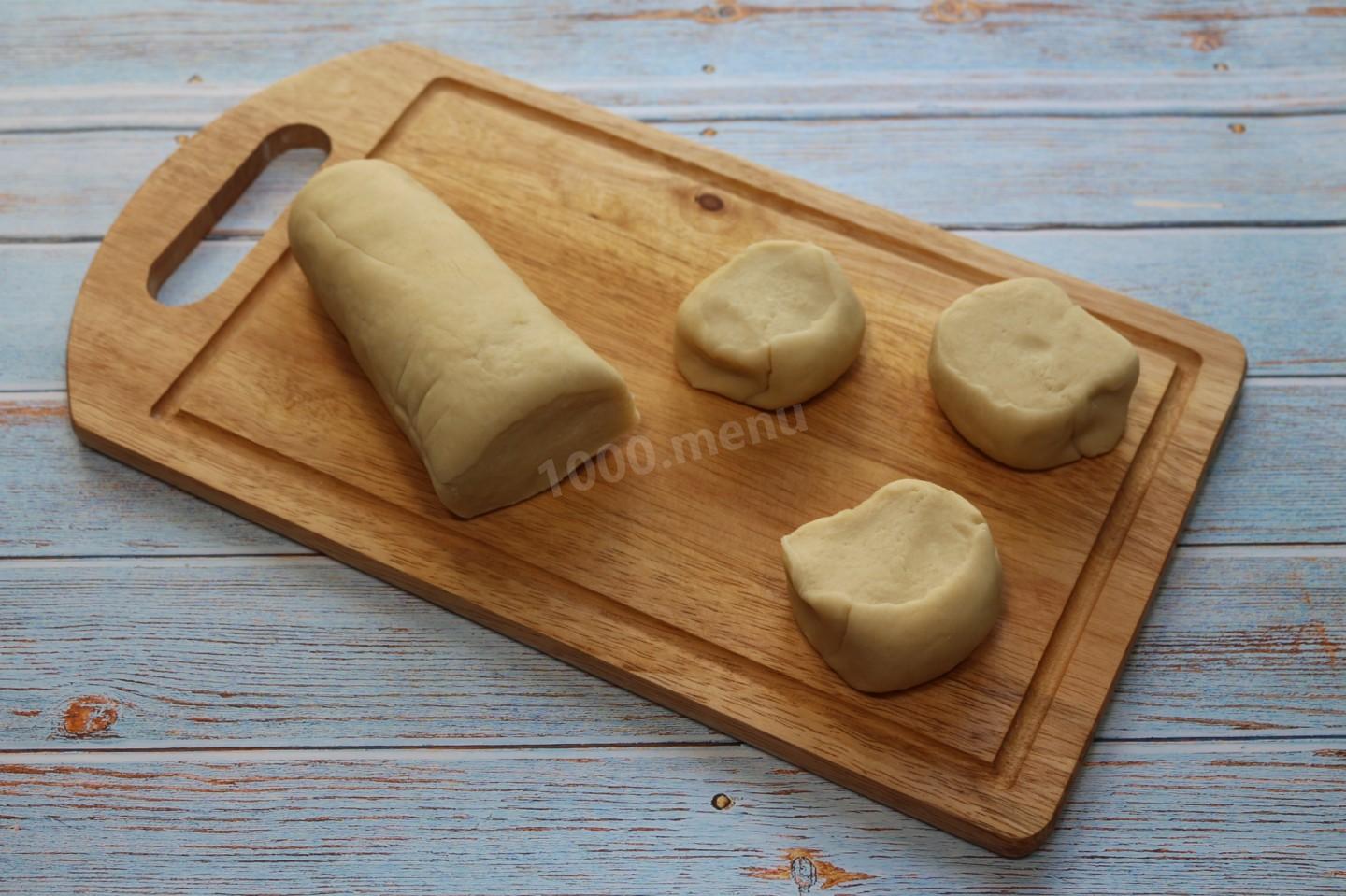
Oil your hands, rolling pin, and knife (or bench scraper). After the half hour, take the dough out of the bag and knead it briefly again (1–2 minutes). Roll it into a rope and cut it into 8 pieces with the knife or scraper (for a 10–11 inch / 26–28 cm skillet). For a smaller skillet, cut it into more pieces. Cover the pieces with plastic wrap or return them to the bag so the dough doesn't dry out.
-
Step 4:
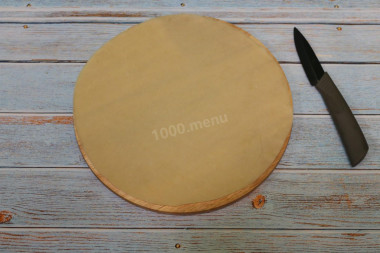
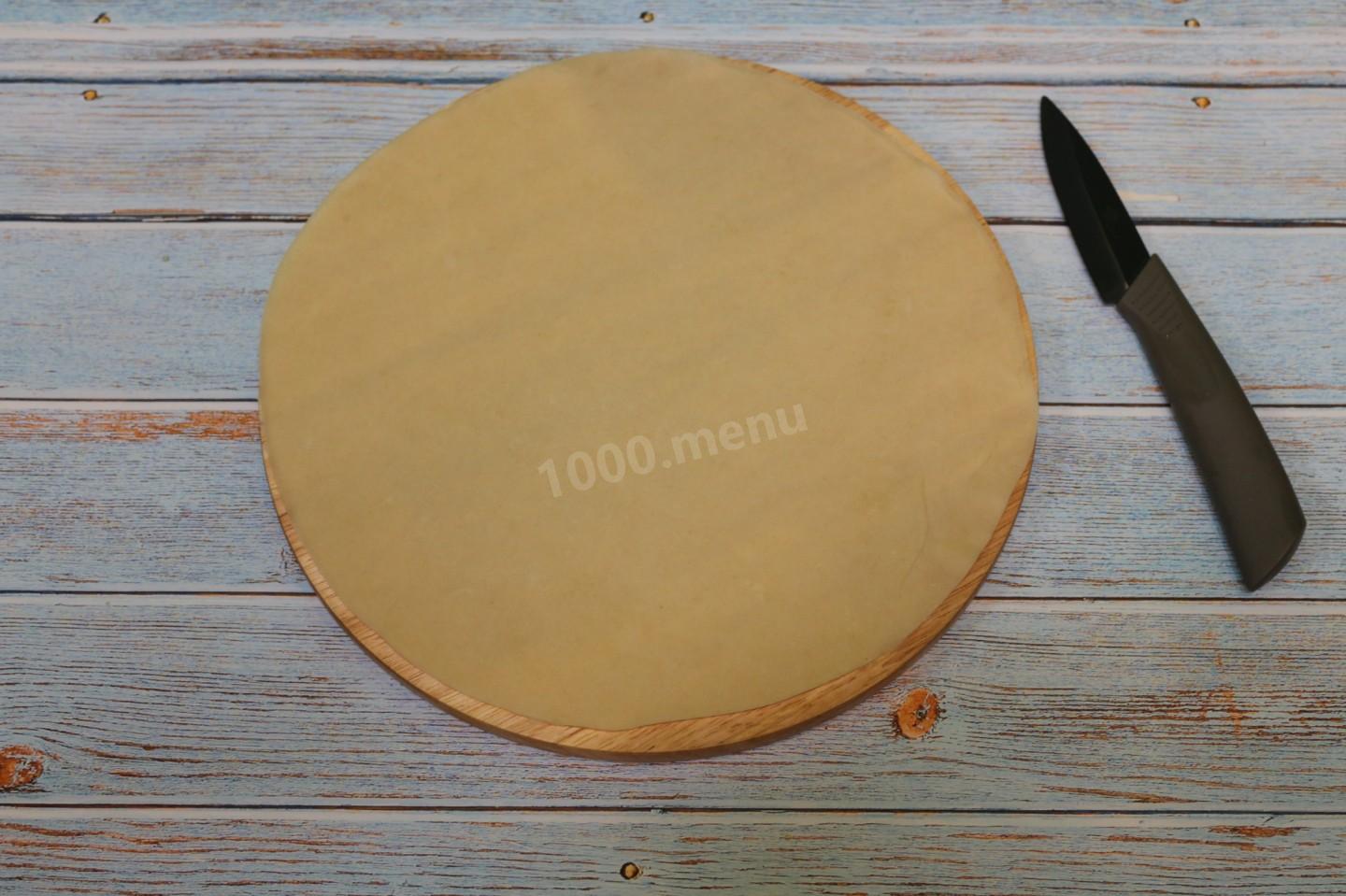
Take a piece and roll it out thin — no extra flour needed. Lay the thin round straight onto the hot skillet. For neat, even flatbreads, set a plate on the dough and trace around it with a knife to get a perfect circle; it's optional and doesn't change the taste. Cook the flatbread in a dry skillet on both sides.
-
Step 5:
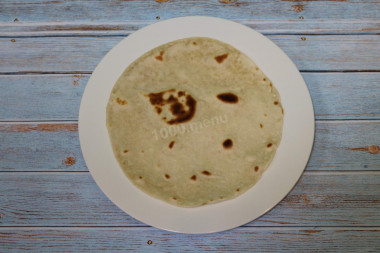
As soon as each flatbread comes off the medium heat, brush both sides with water to soften it. Then cover it with plastic wrap and lay a towel on top — this lets it steam in its own warmth and turn soft. Repeat with all the flatbreads. Don't leave them out uncovered, as they dry out fast; keep them in a plastic bag. Serve the flatbreads warm or cold.
- The yield can vary from what I've listed — it's just a rough number. I get a different count from the same amount of dough depending on how thin I roll them, anywhere from 6 to 10.
- Be ready to use a little more or less flour than the recipe states. Go by the desired texture of the dough, not the exact amount of flour.
- Sift the flour to aerate it — that's what makes the flatbreads light and helps them puff nicely.
- One tip: the wrong pan can ruin even the best recipe, so choose one well suited to the job.
Caloric content of the products possible in the composition of the dish
- Whole durum wheat flour fortified - 333 kcal/100g
- Whole durum wheat flour universal - 364 kcal/100g
- Flour krupchatka - 348 kcal/100g
- Flour - 325 kcal/100g
- Vegetable oil - 873 kcal/100g
- Salt - 0 kcal/100g
- Water - 0 kcal/100g