Ossetian Pies with Yeasted Kefir Dough
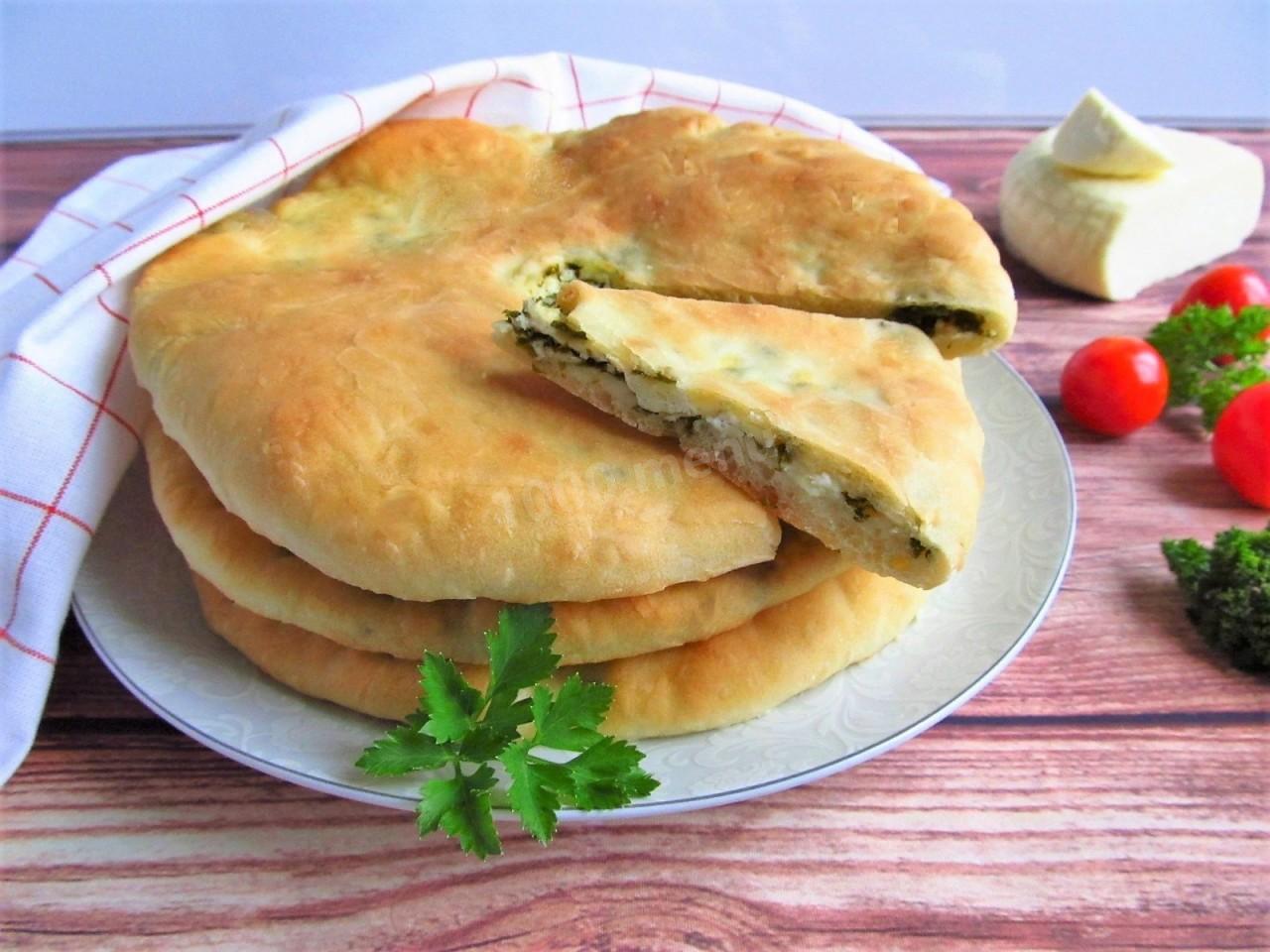
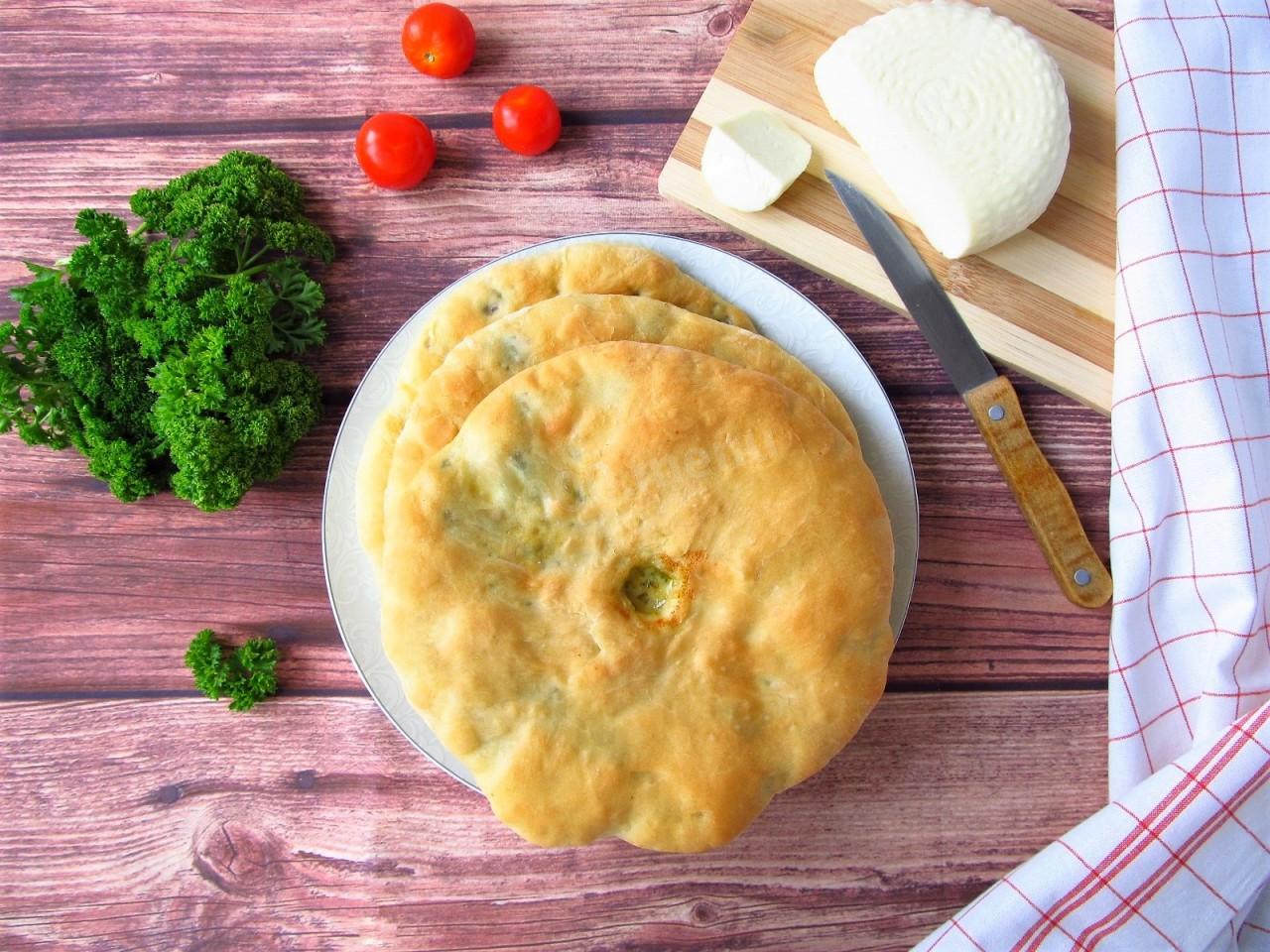
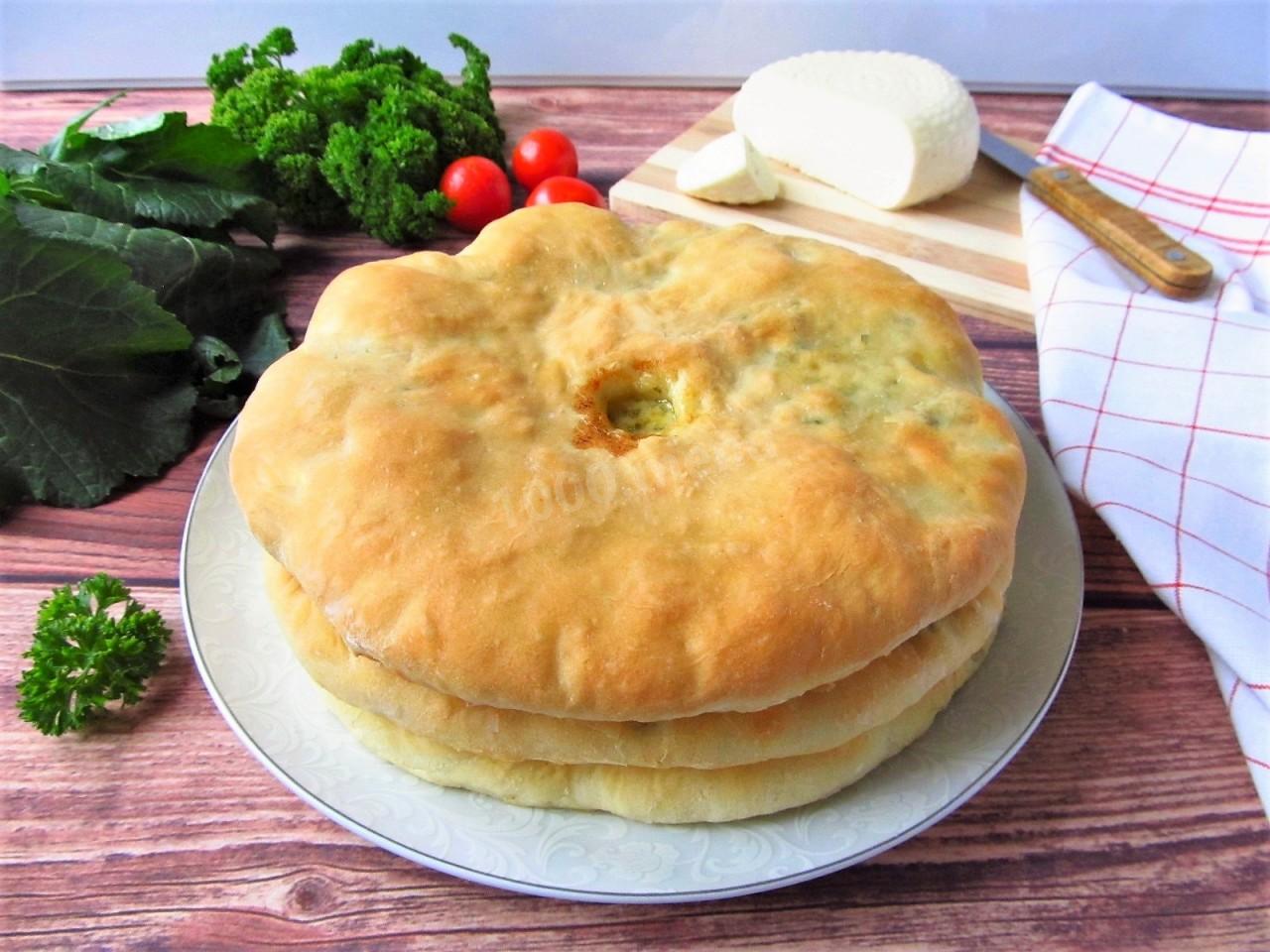
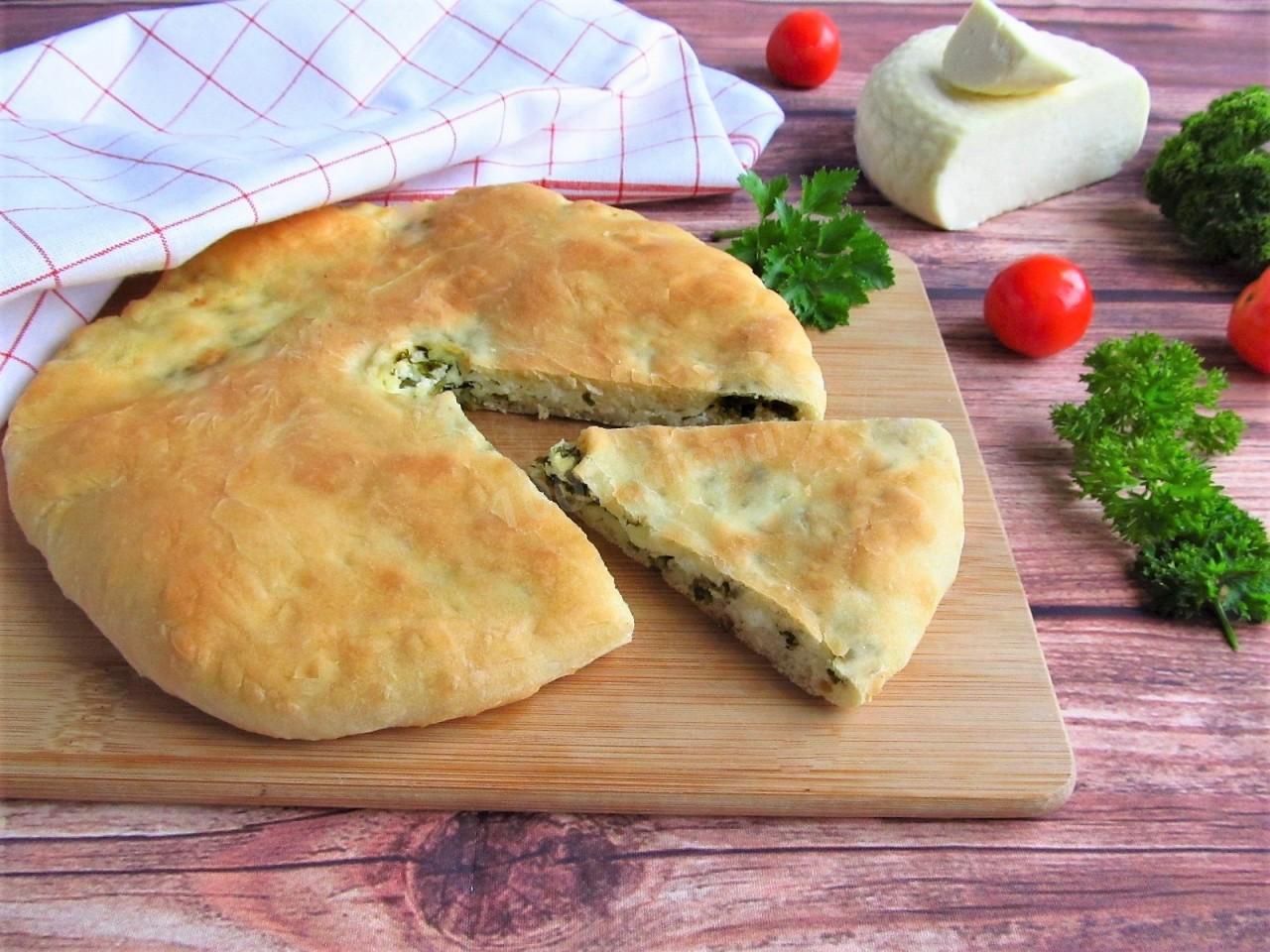
The famous Ossetian pie is the granddaddy of Caucasian baking. The filling options are endless, but the classic choice is Ossetian cheese. One key rule: shape these pies with your hands only — no rolling pin.

Cooking method
-
Step 1:
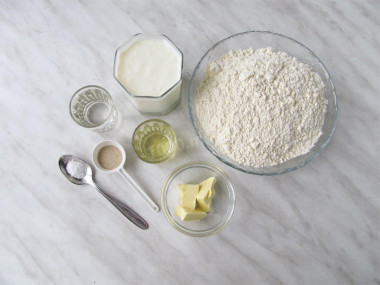
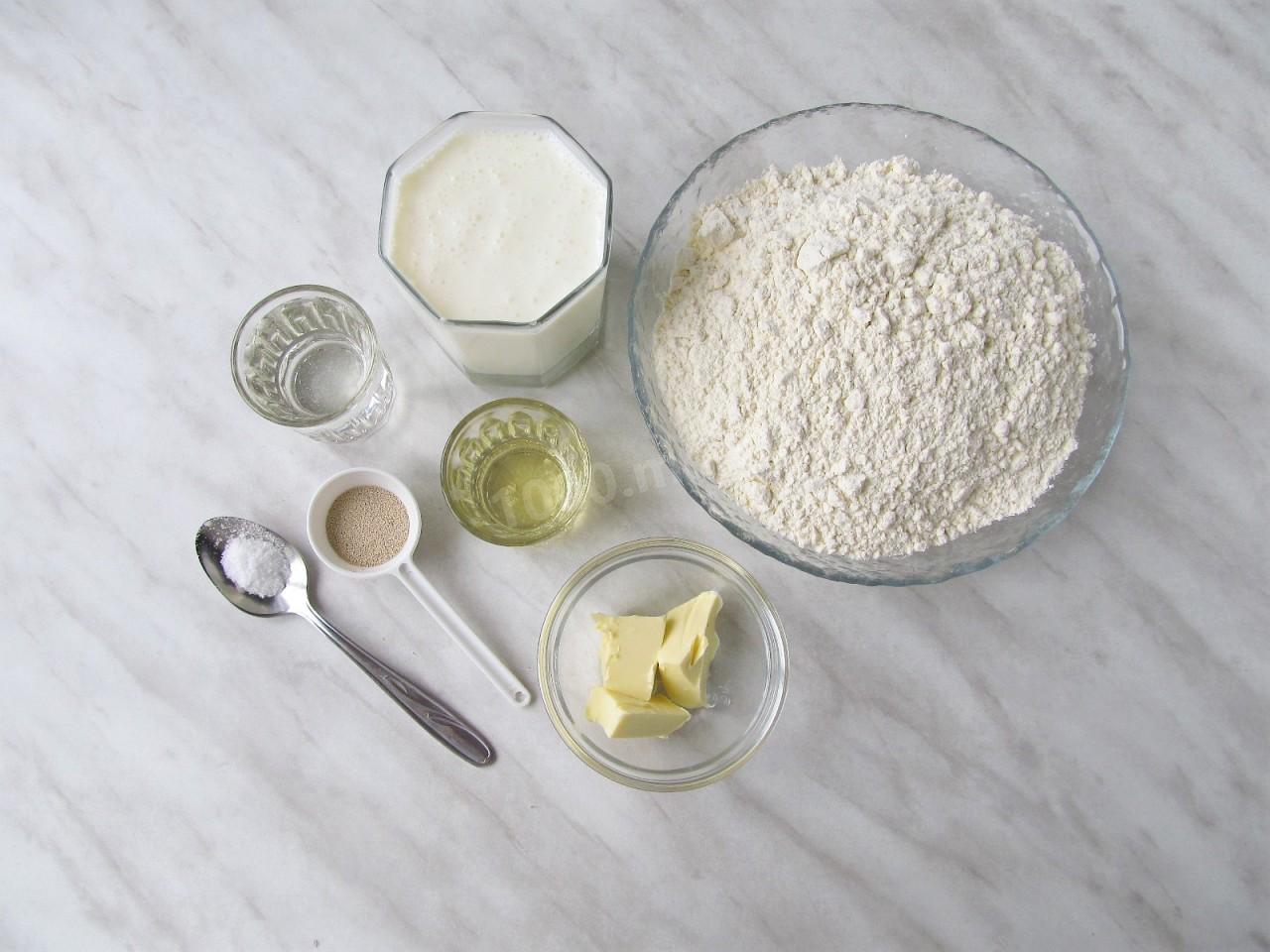
For the yeasted kefir dough you'll need: kefir, water, yeast, salt, vegetable oil, flour, and butter for brushing the finished pies.
-
Step 2:
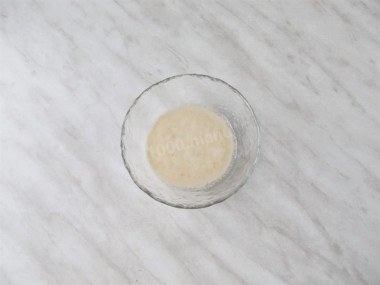
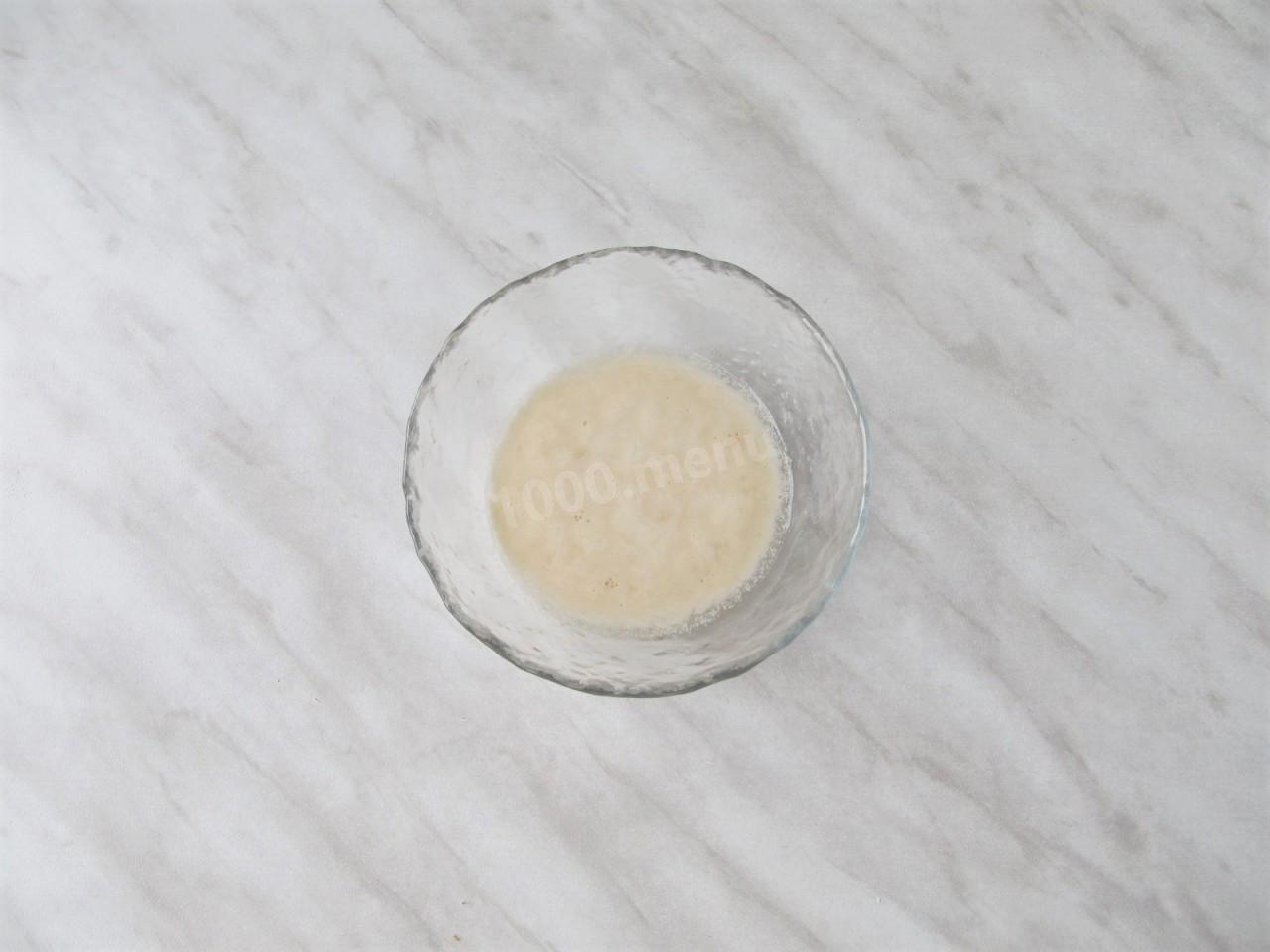
Stir the yeast and 1 tablespoon of flour into the lukewarm water until smooth. Let this sponge sit for 20 minutes, until a light foamy cap forms and it starts to bubble.
-
Step 3:
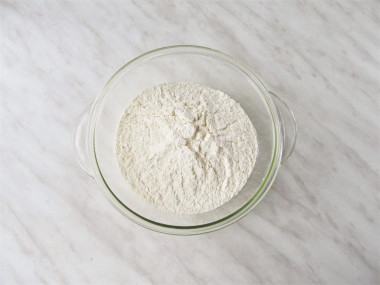
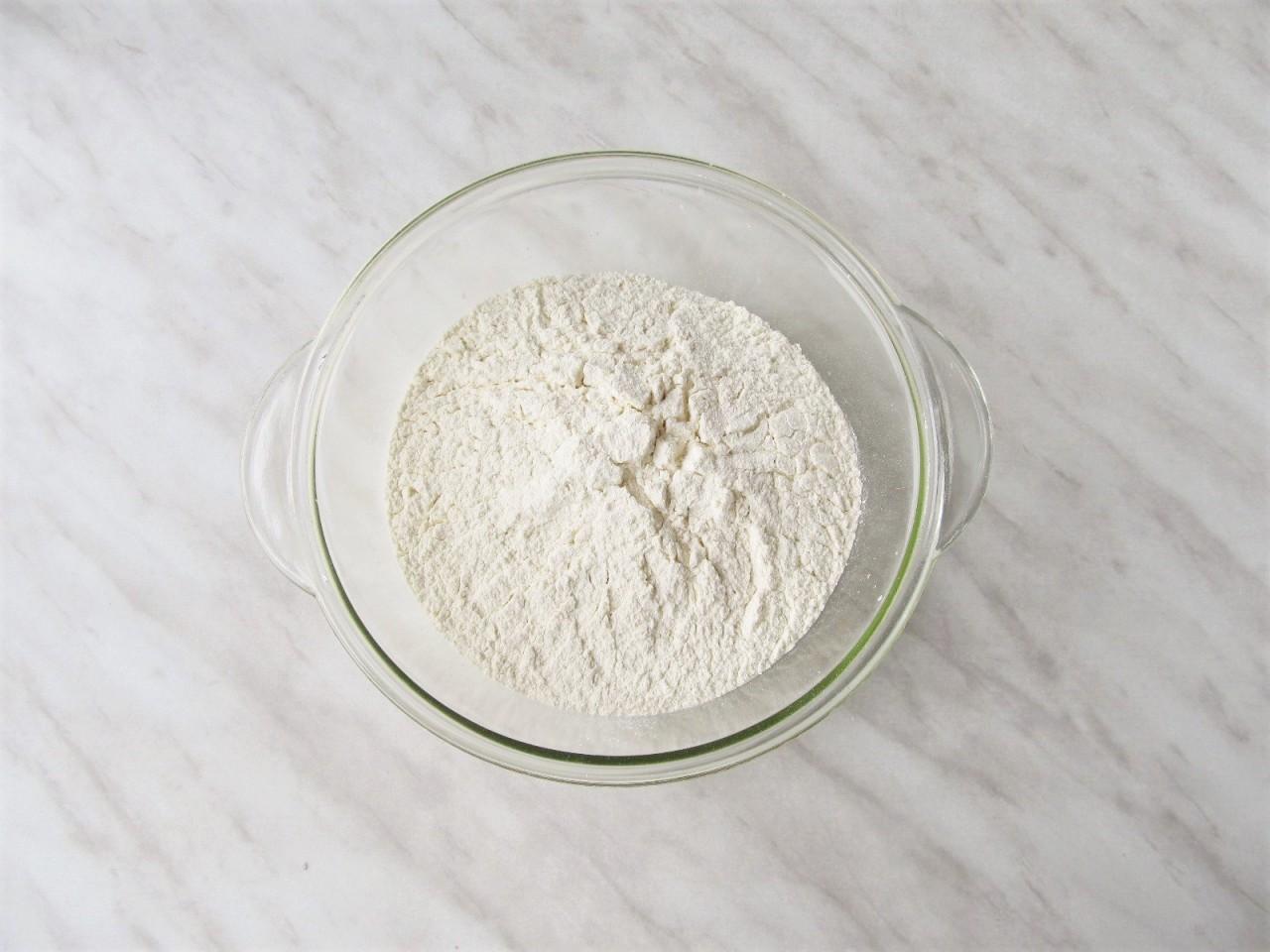
Sift the flour together with the salt into a large bowl. Sifting it twice is even better — it aerates the flour so the dough rises higher.
-
Step 4:
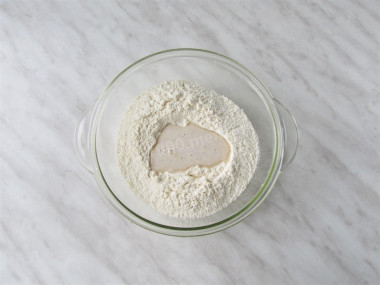
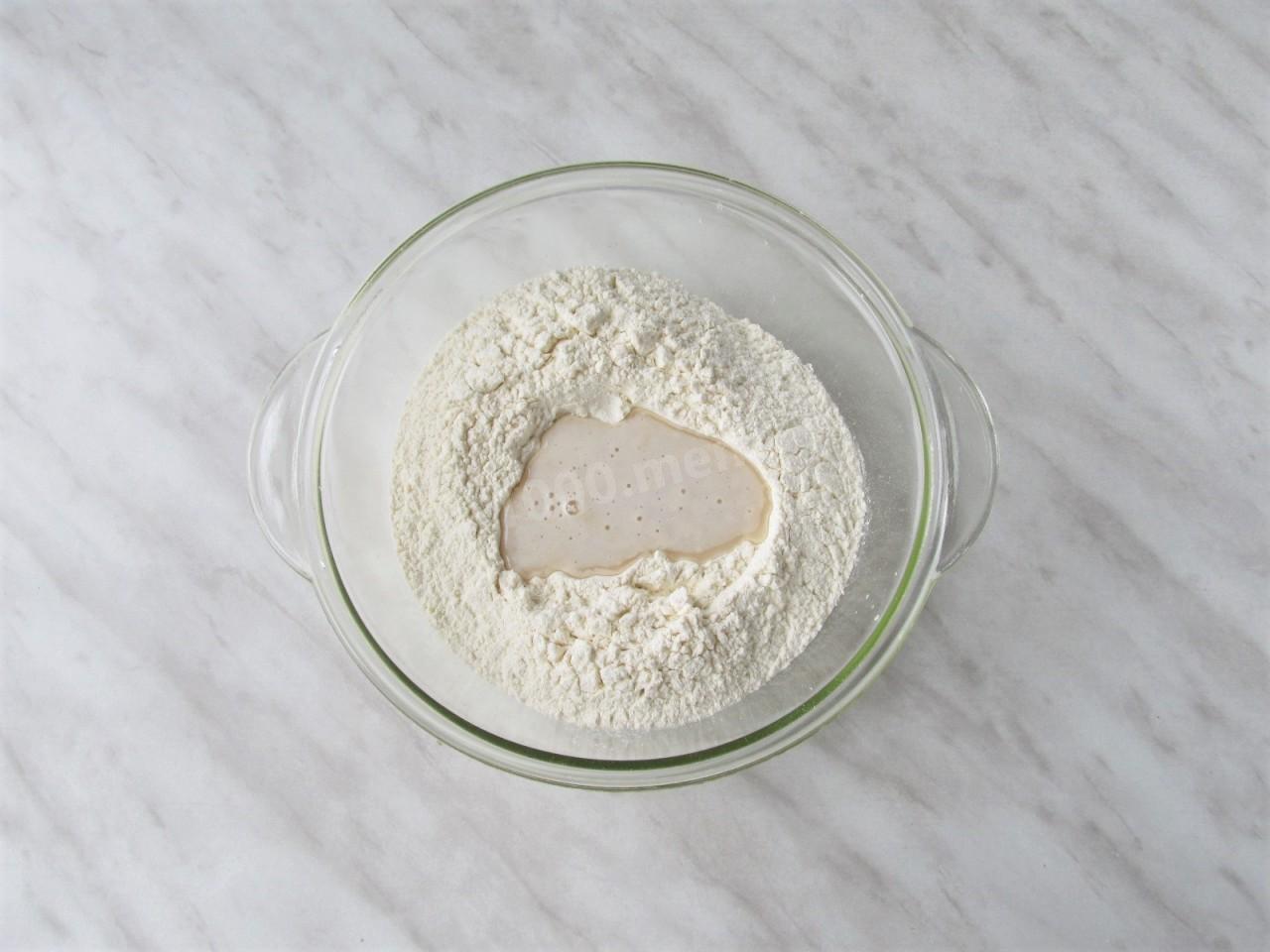
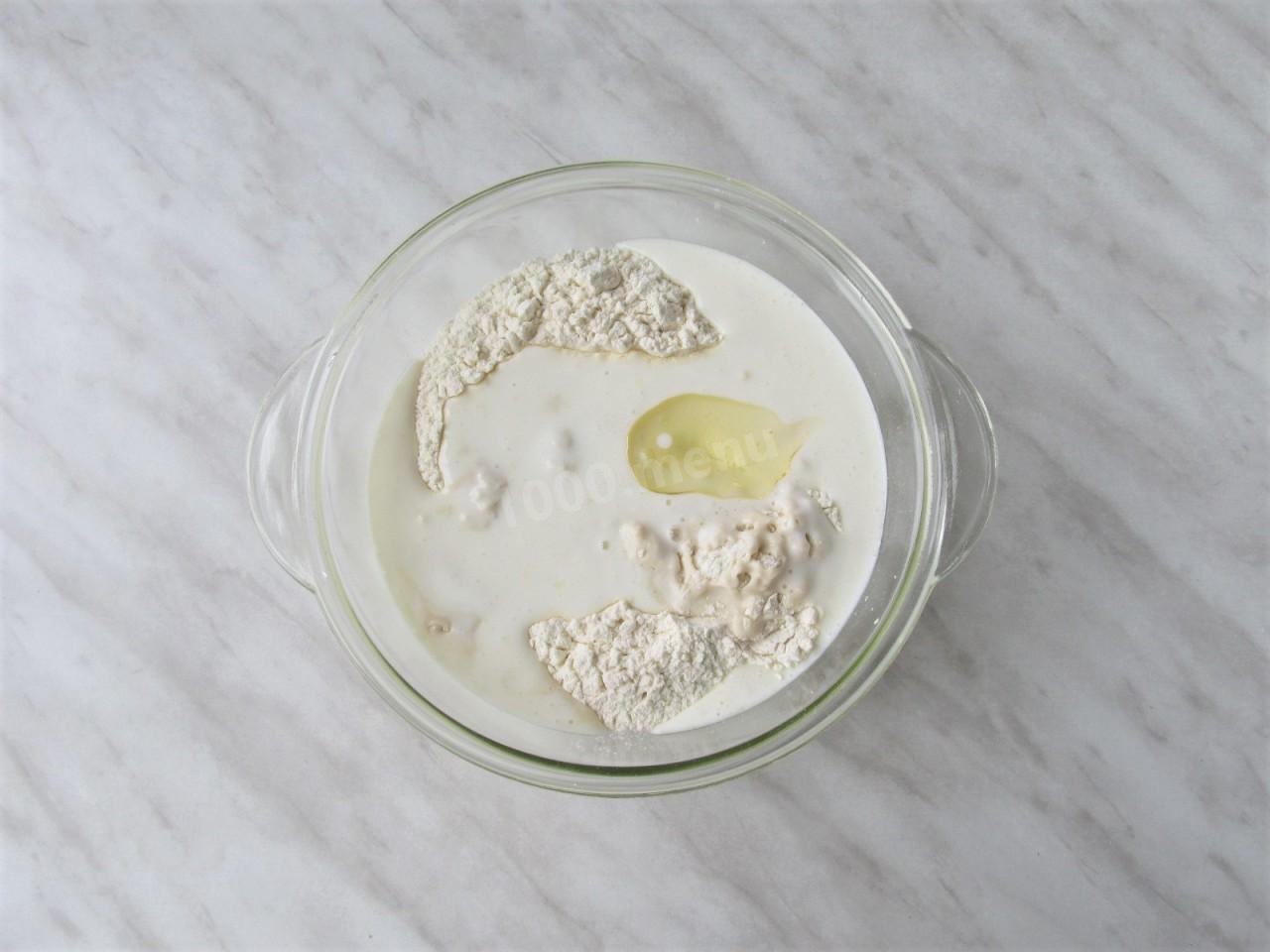
Make a well in the flour, pour in the sponge, and stir lightly.
-
Step 5:
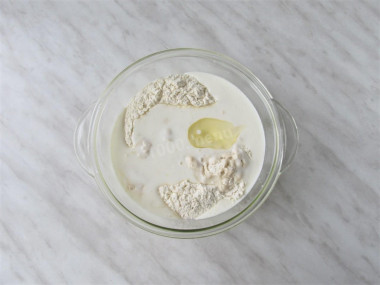
Pour in the slightly warmed kefir. Add the vegetable oil — it makes the dough softer and more supple.
-
Step 6:
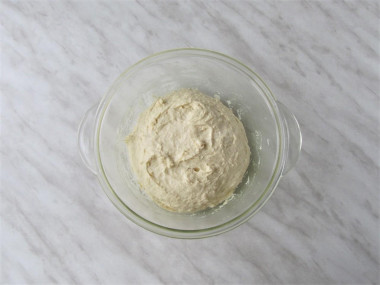
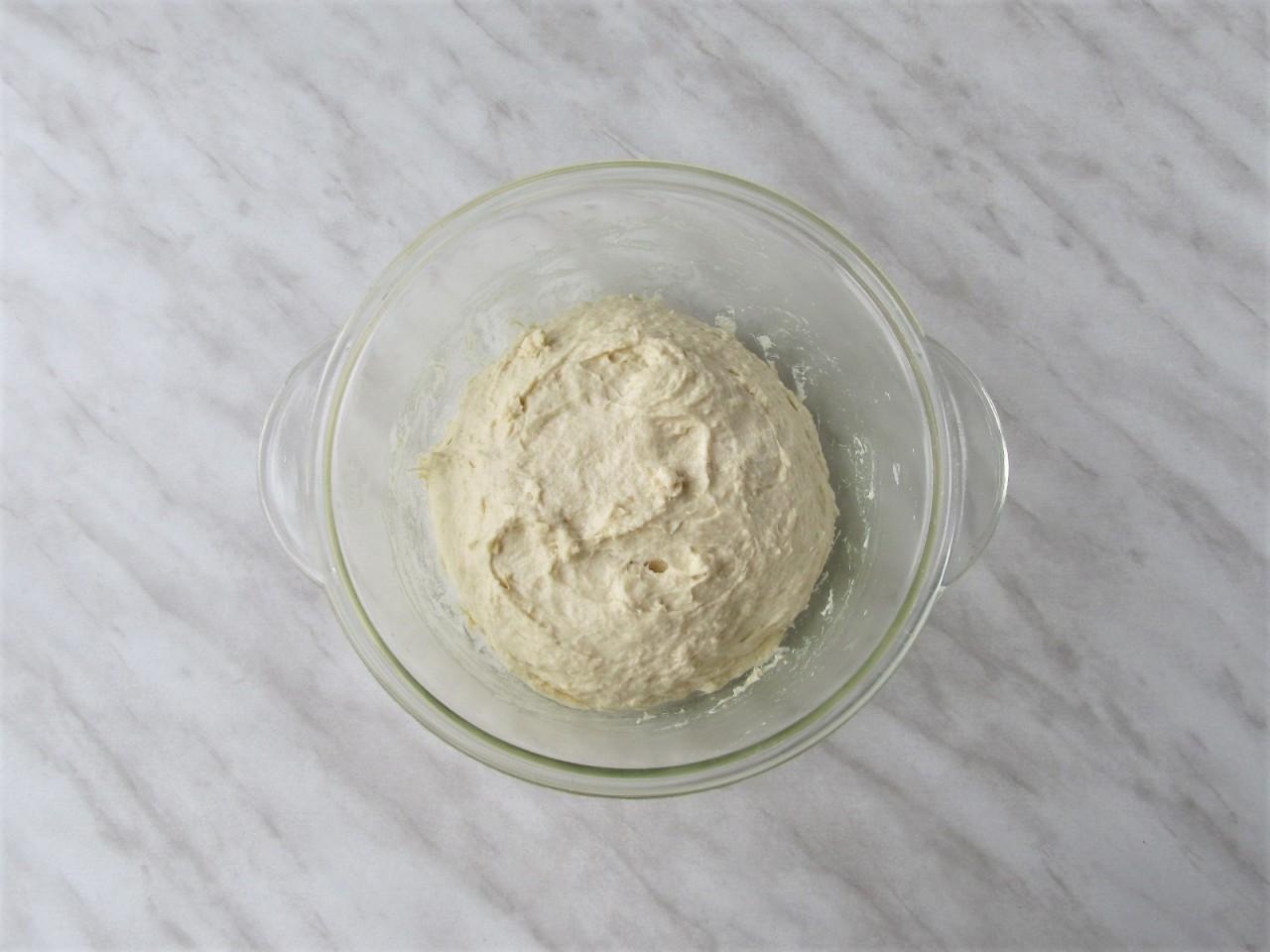
Mix first with a spoon, then with your hands. Add a little more flour if you need to. The dough should stay slightly tacky — don't overdo the flour, or it'll turn out stiff. Cover the dough with a towel so it doesn't dry out, and set it in a warm spot to rise.
-
Step 7:
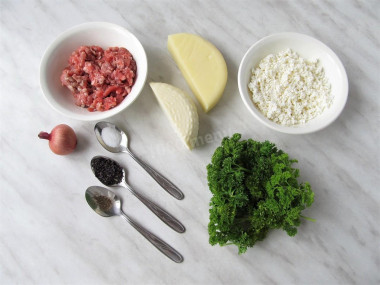
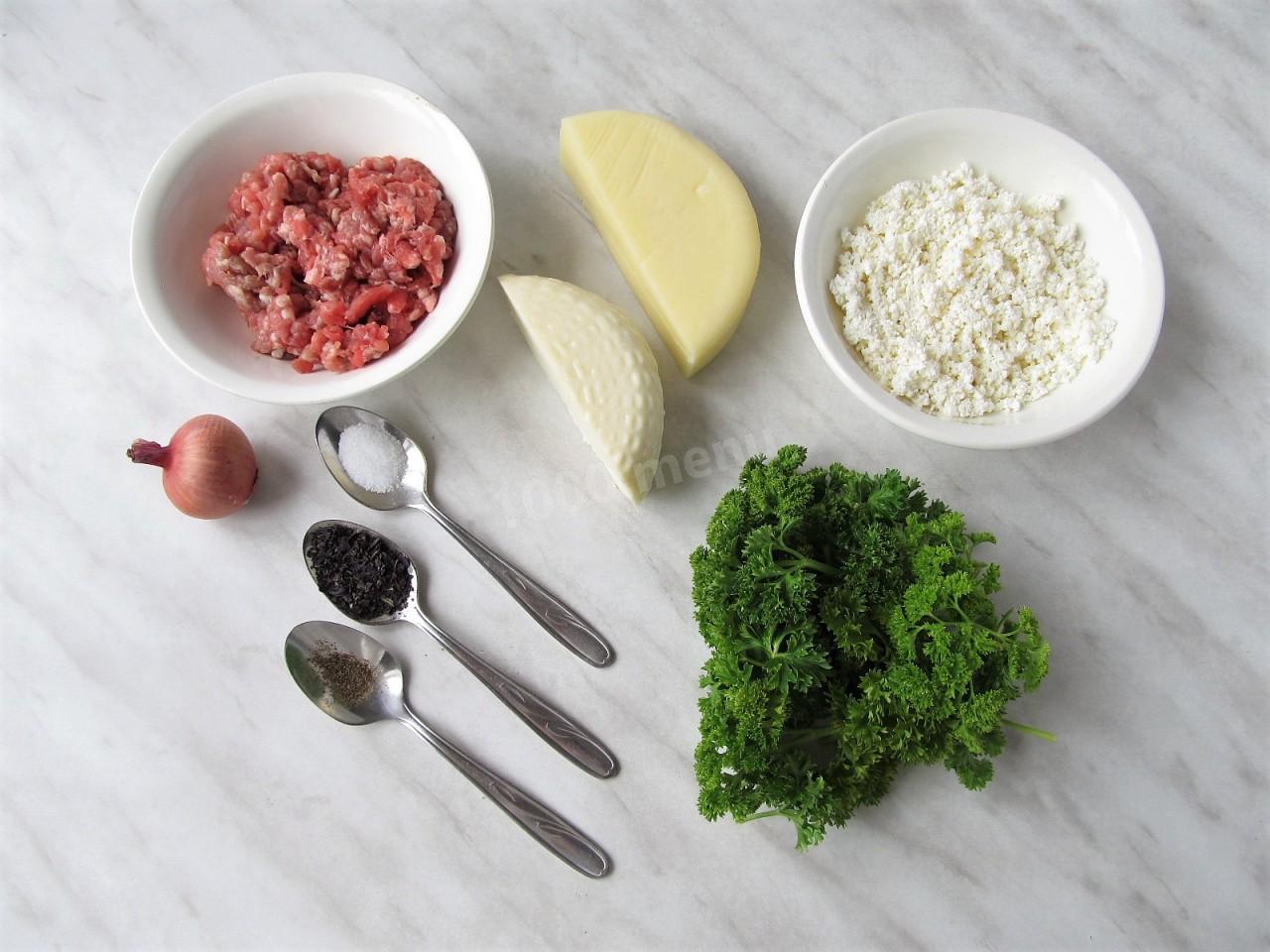
Meanwhile, make the fillings. I made a different one for each pie. You'll need: ground meat, onion, salt, ground black pepper, and basil for the first; farmer cheese, Adyghe cheese, and herbs for the second; suluguni and herbs for the third.
-
Step 8:
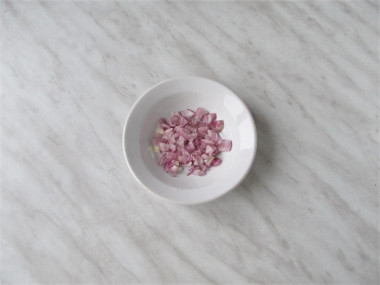
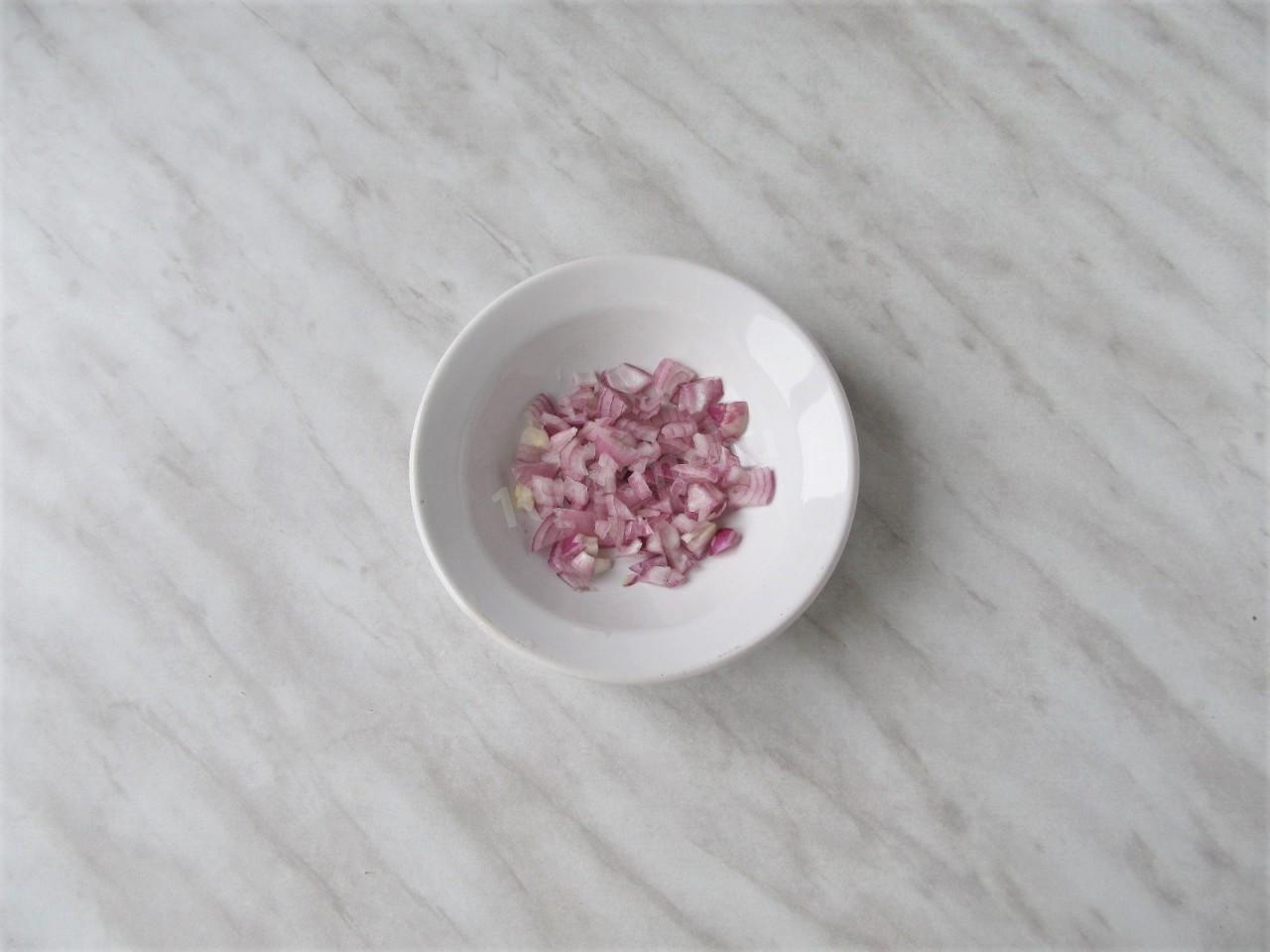
For the meat filling, peel and rinse the onion, then chop it finely.
-
Step 9:
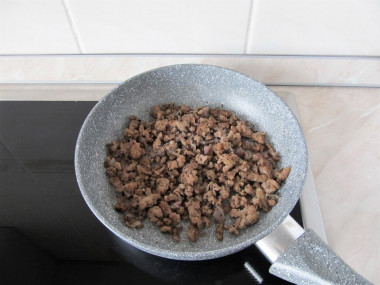
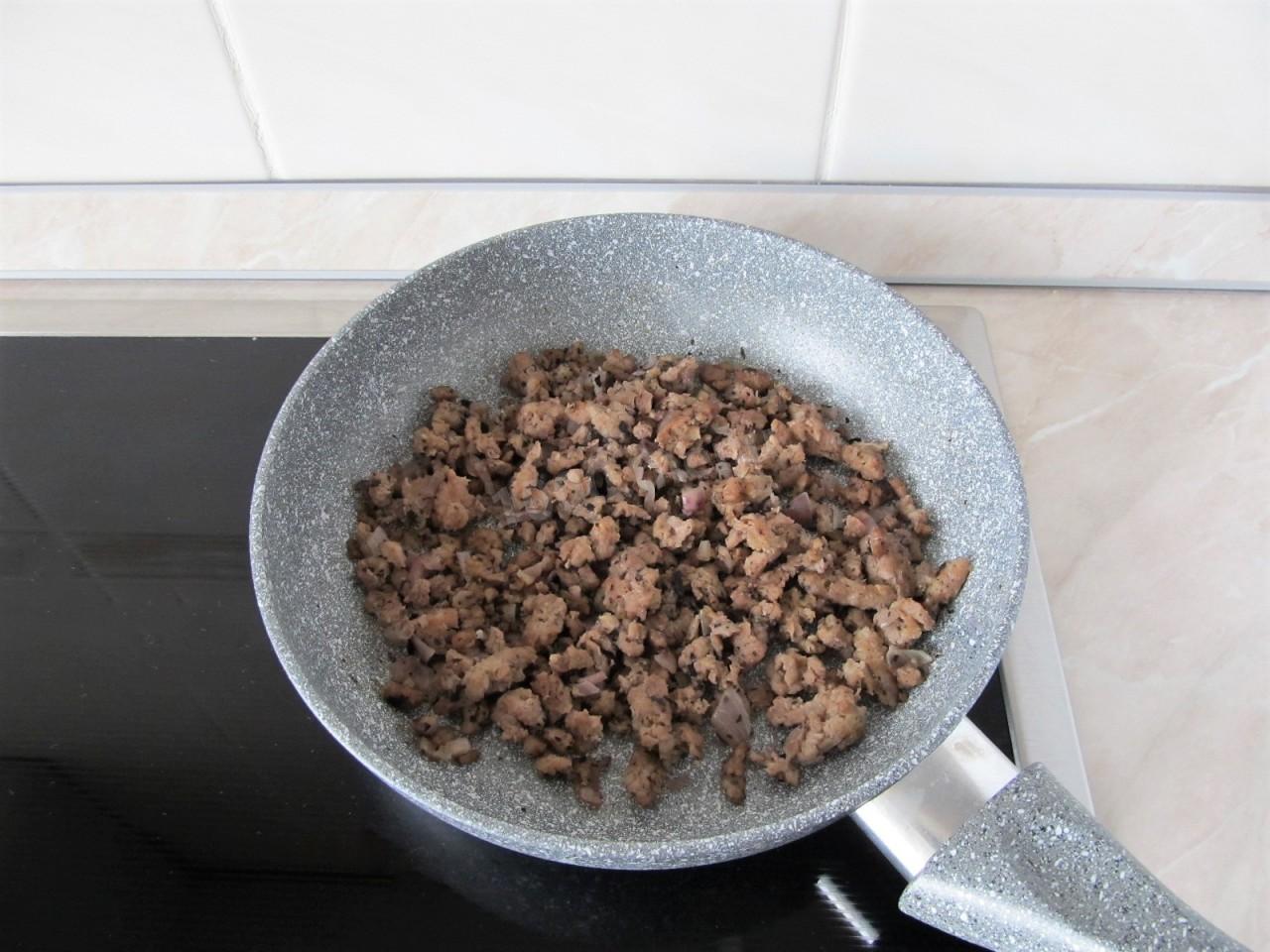
Brown the ground meat with the onion in a skillet, stirring often. Season with salt, black pepper, and basil, and stir. Cook through, then let it cool.
-
Step 10:
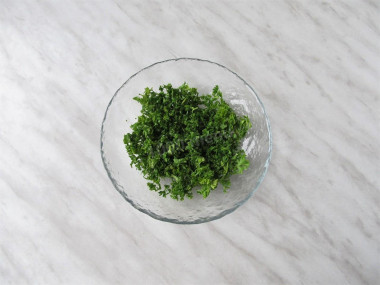
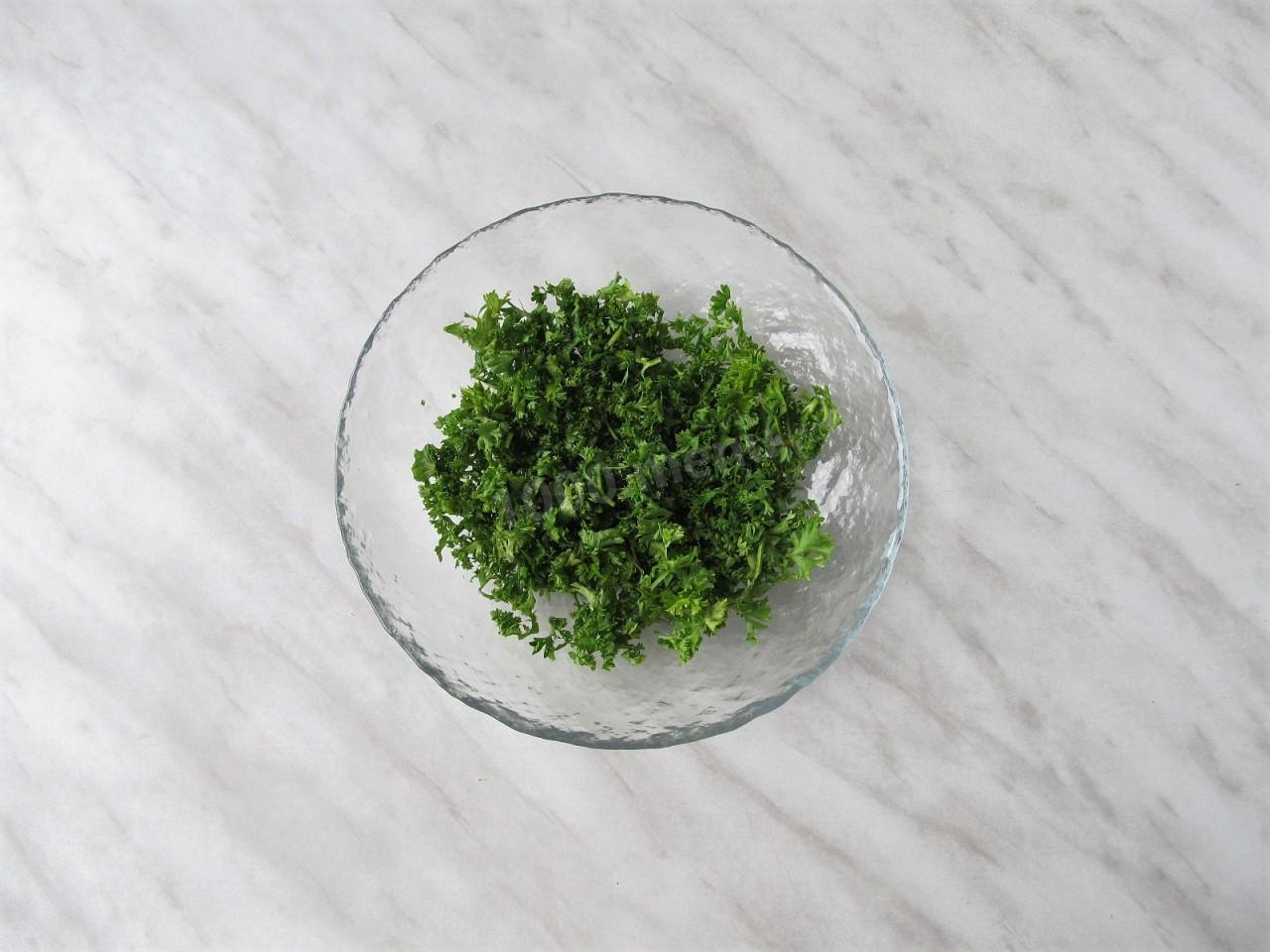
Wash the parsley, pat it dry, and chop it finely.
-
Step 11:
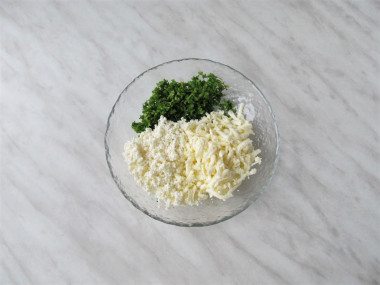
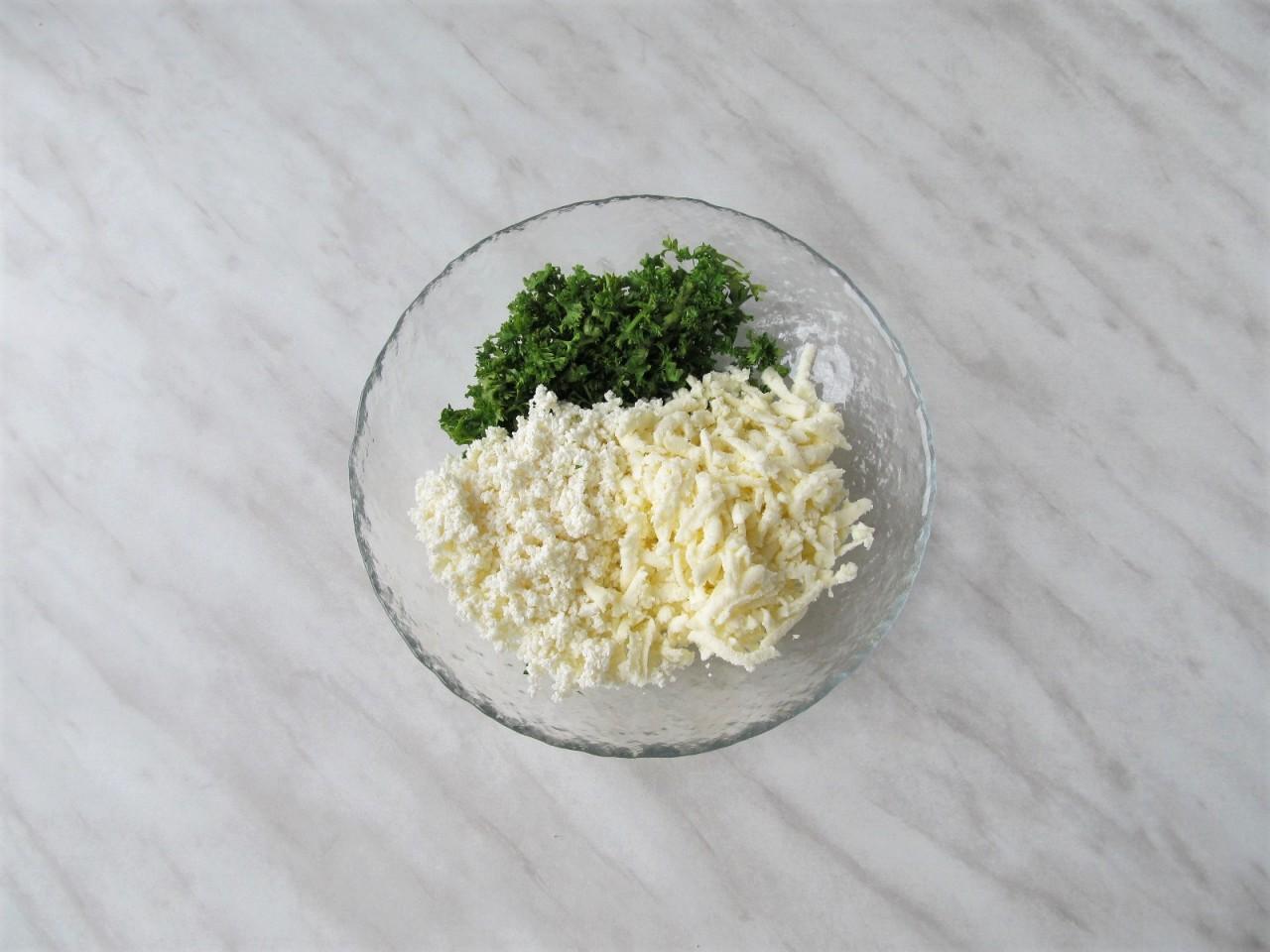
Combine the farmer cheese with the coarsely grated Adyghe cheese and some of the parsley, and mix. Add a little salt if you like. The cheese filling is ready.
-
Step 12:
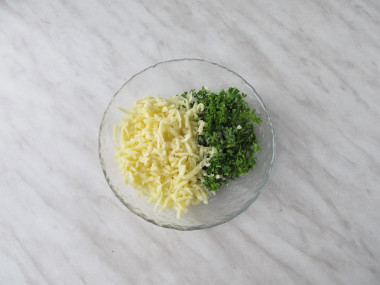
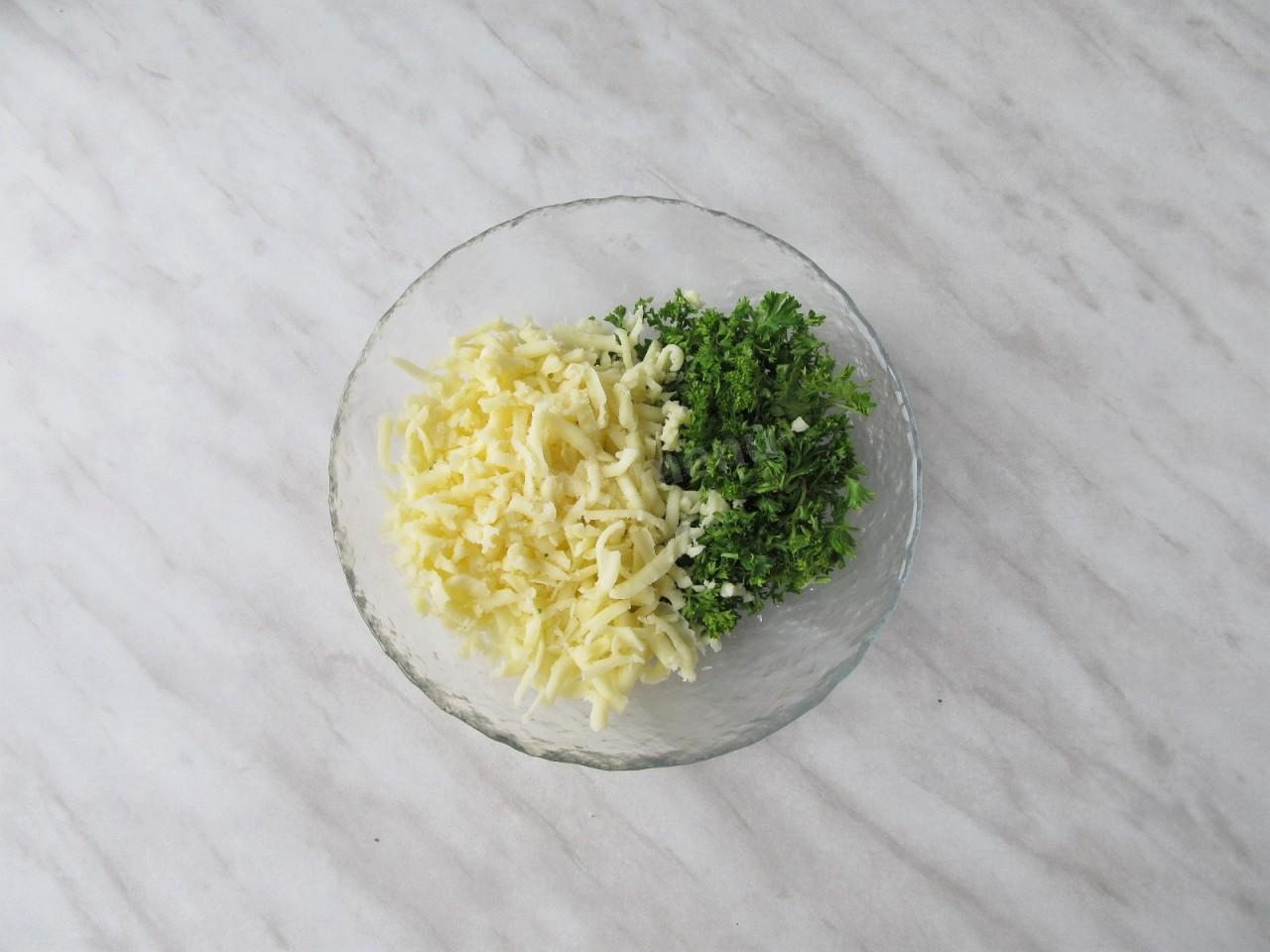
For the suluguni filling, grate the cheese on the coarse side of a box grater and mix it with the rest of the chopped parsley.
-
Step 13:
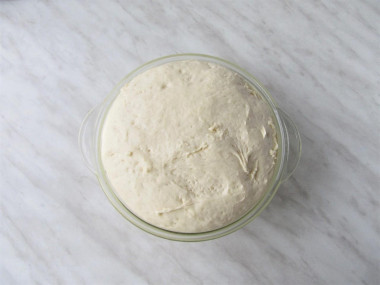
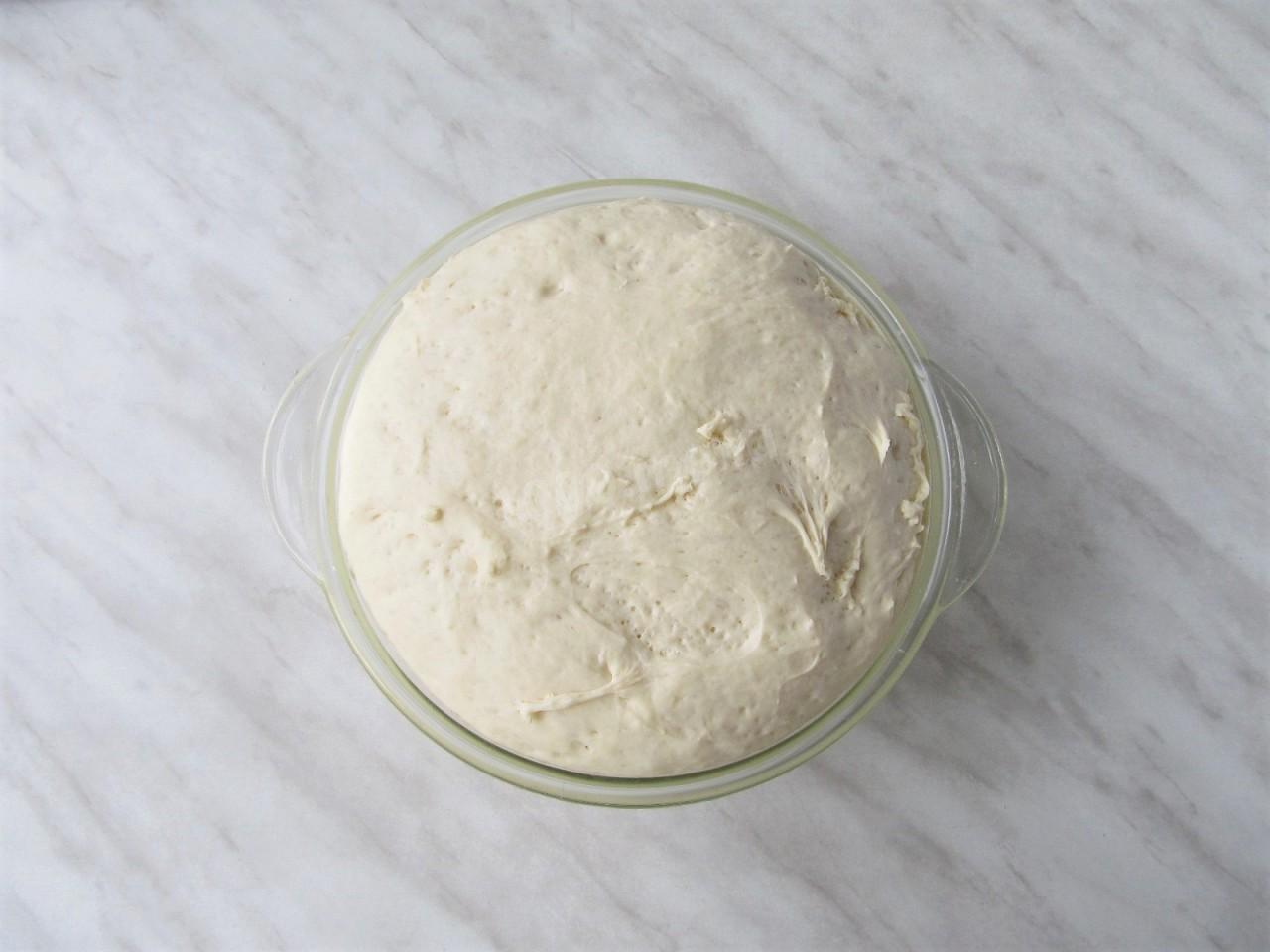
After 1 hour and 20 minutes, the dough had risen beautifully.
-
Step 14:
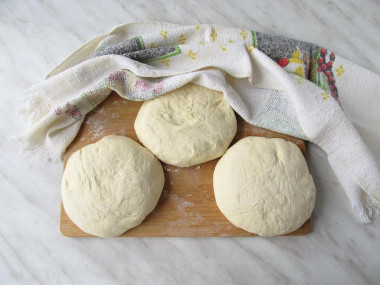
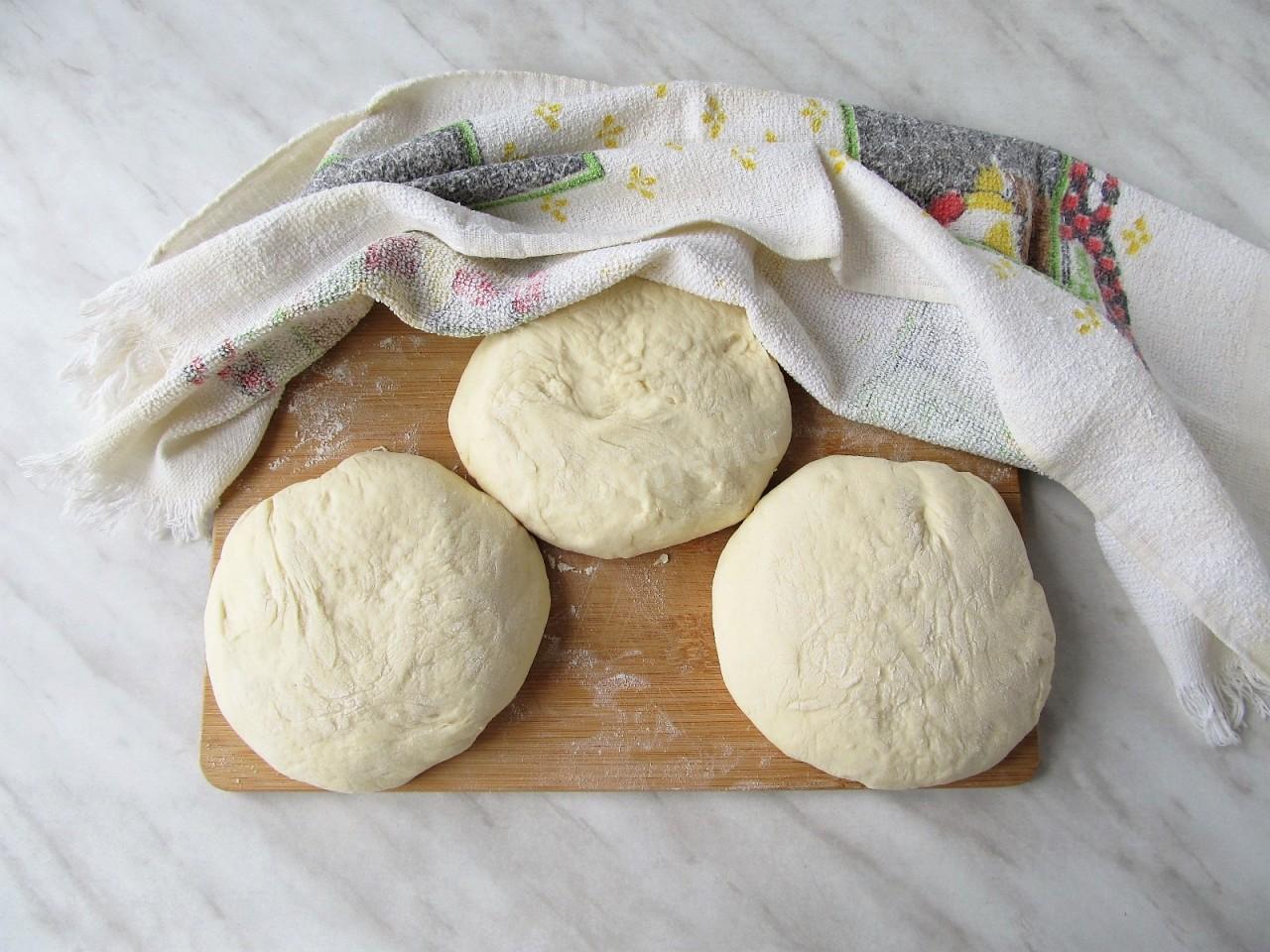
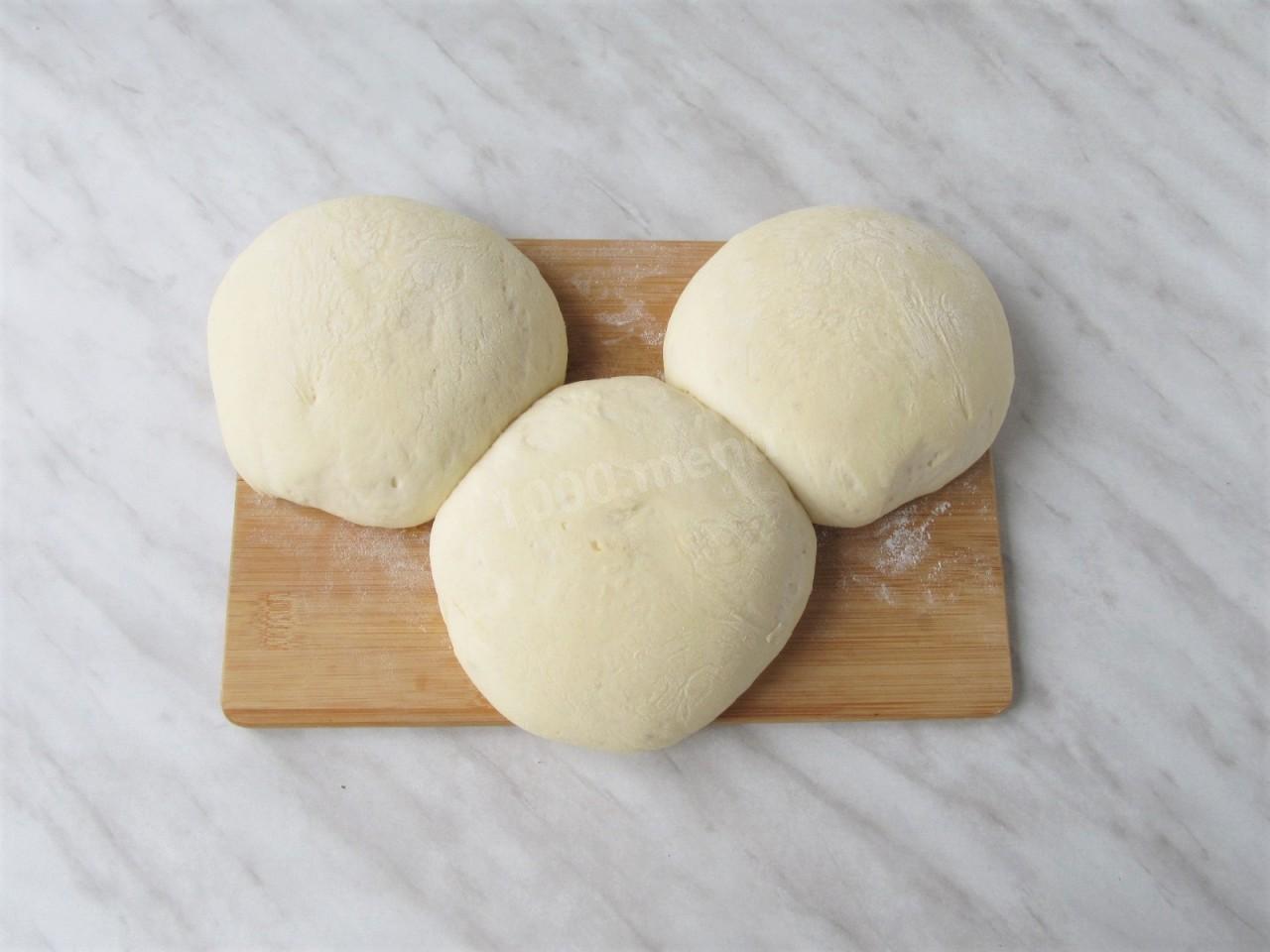
Punch the dough down and turn it out onto a floured surface. Divide it into 3 pieces.
-
Step 15:
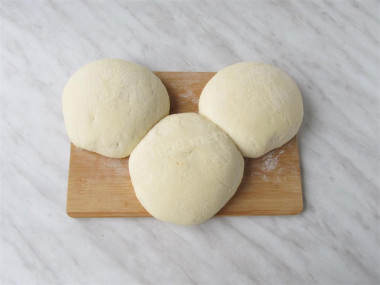
Cover with a towel and let rise for another 30 minutes.
-
Step 16:
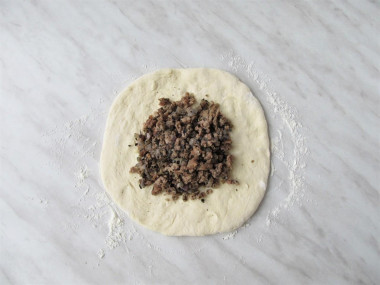
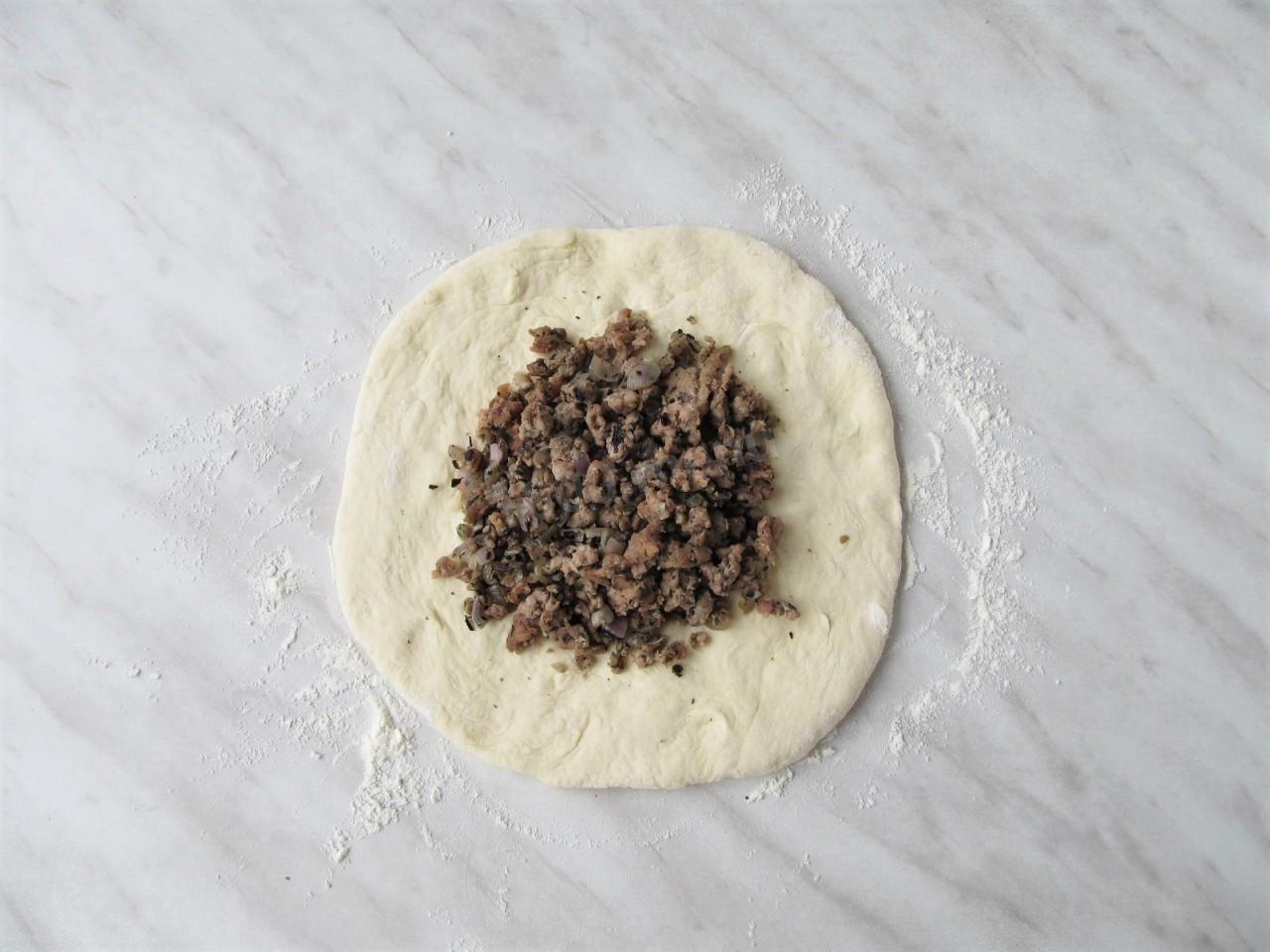
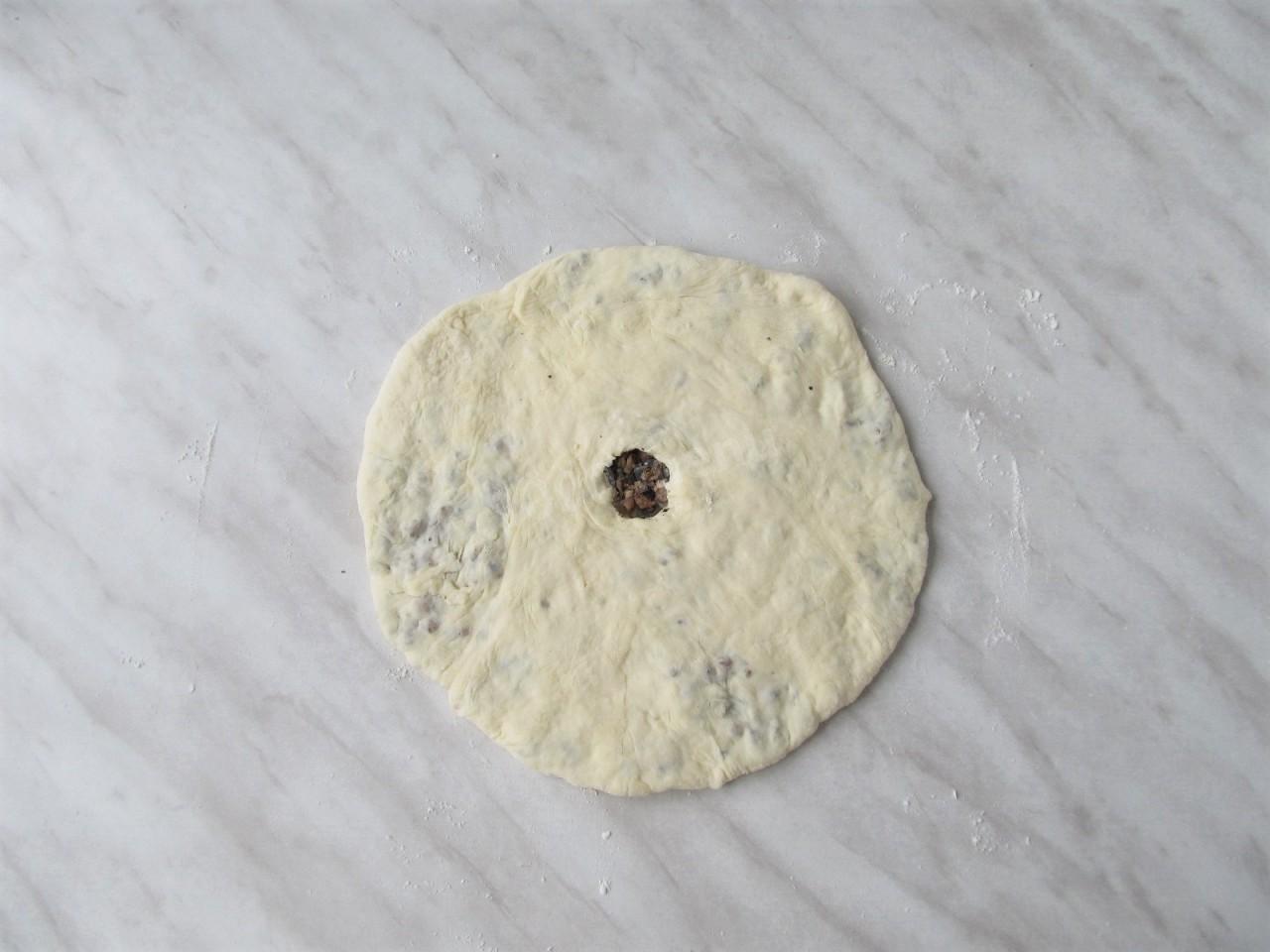
Flour your work surface well and set down one ball of dough. Press and stretch it into a round disk with your hands — no rolling pin needed. The dough is so tender and pliable that it's easy to work by hand. Spoon the meat filling into the center of the disk.
-
Step 17:
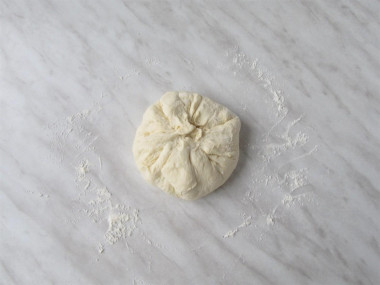
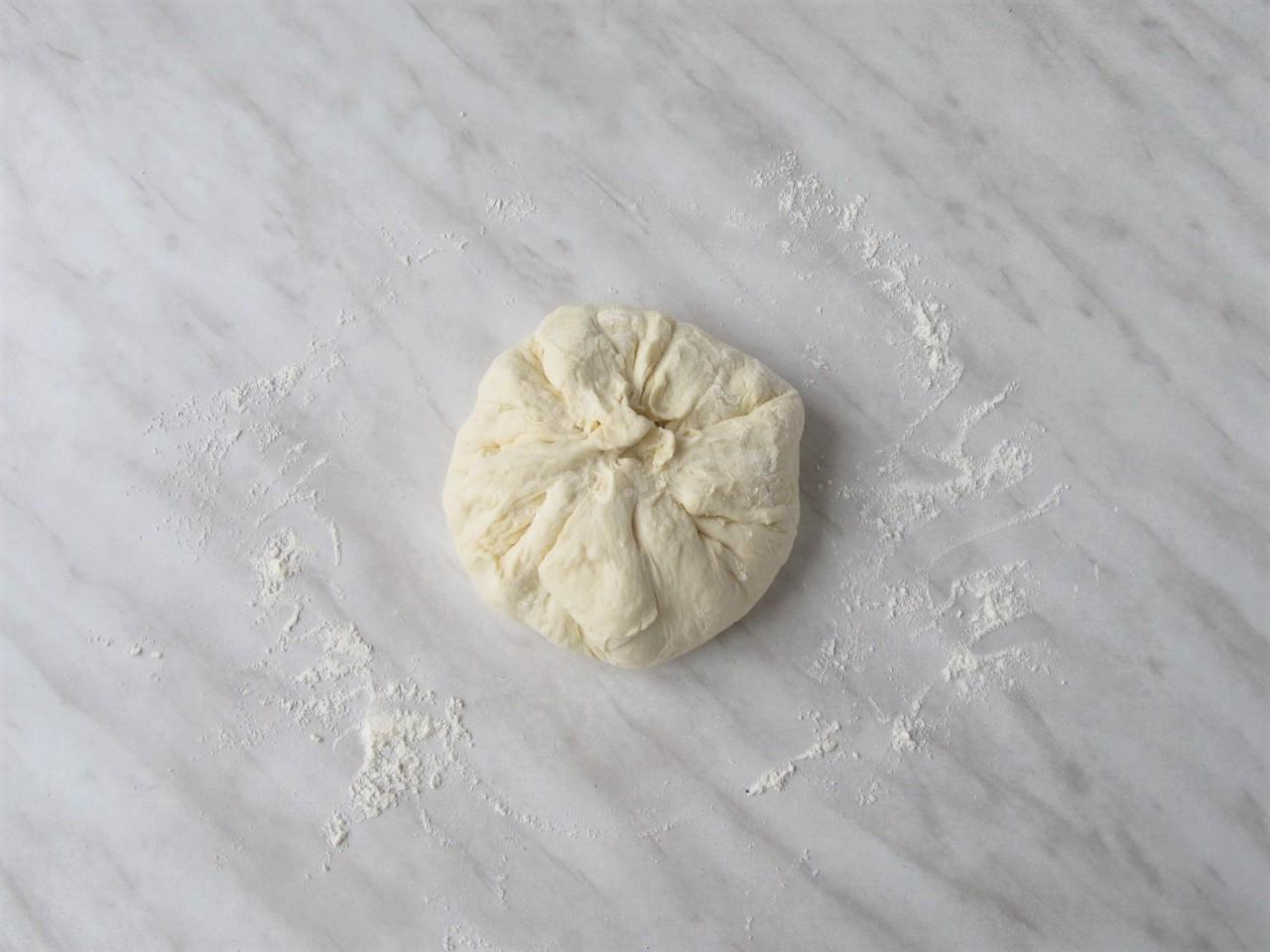
Lift the edges of the dough up over the filling and pinch them together at the top, like a little pouch.
-
Step 18:
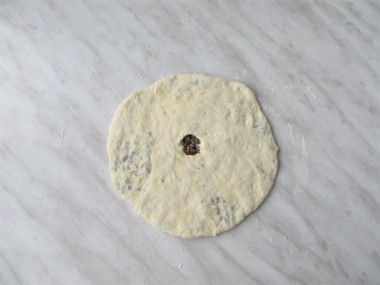
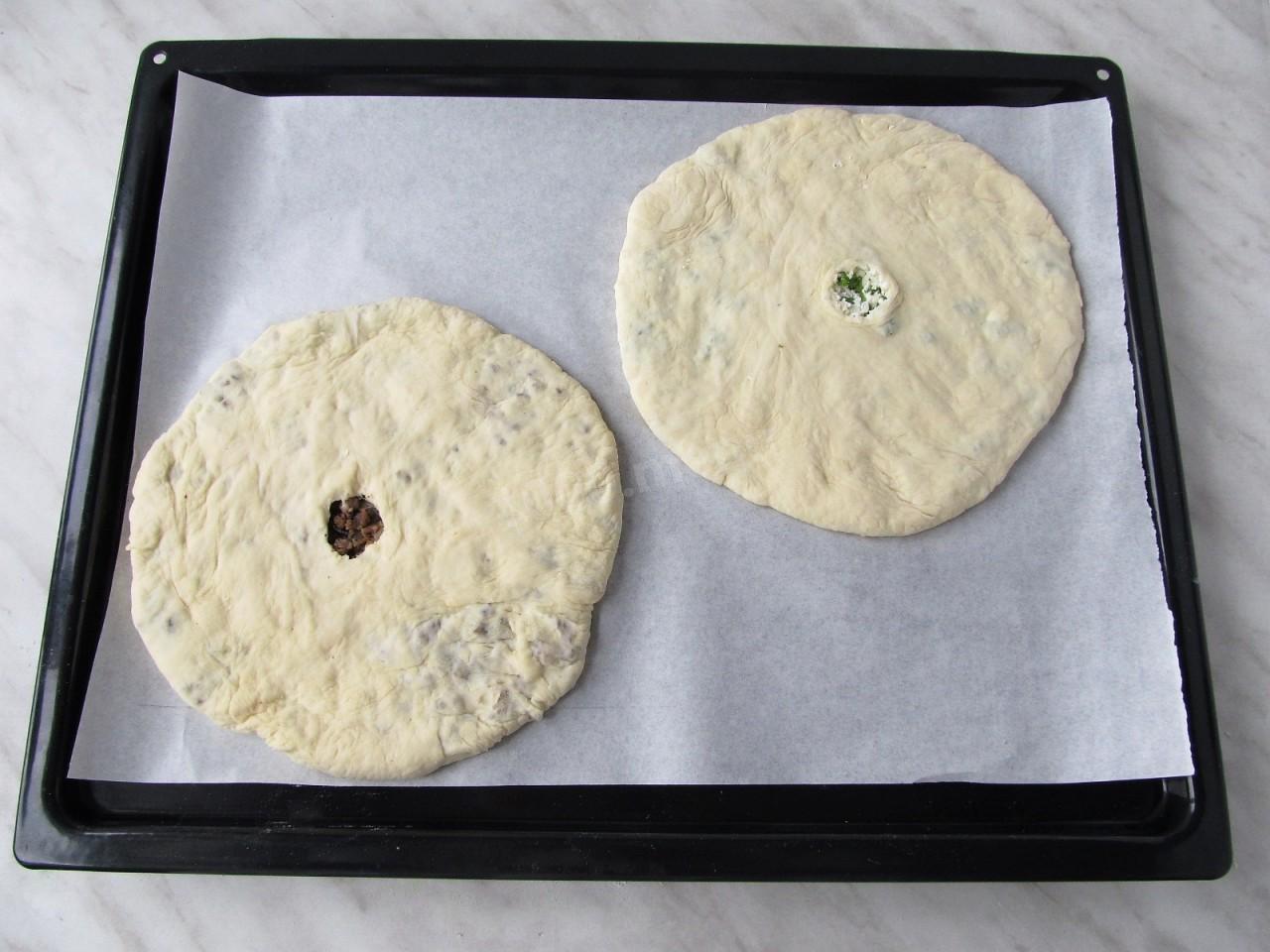
Gently — so you don't tear the dough — flatten the pouch into a flat round pie. Poke a small hole in the center to let steam escape. Shape the farmer-cheese and suluguni pies the same way.
-
Step 19:
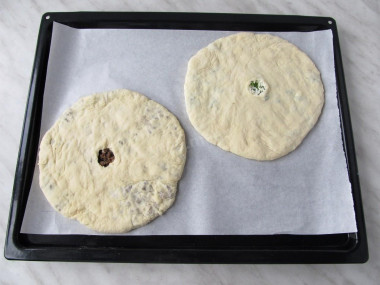
Set the pies on a greased baking sheet or oiled parchment. Only 2 fit on mine, so I baked the third one separately.
-
Step 20:
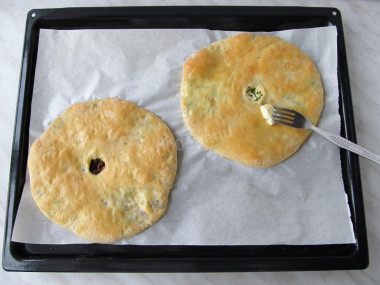
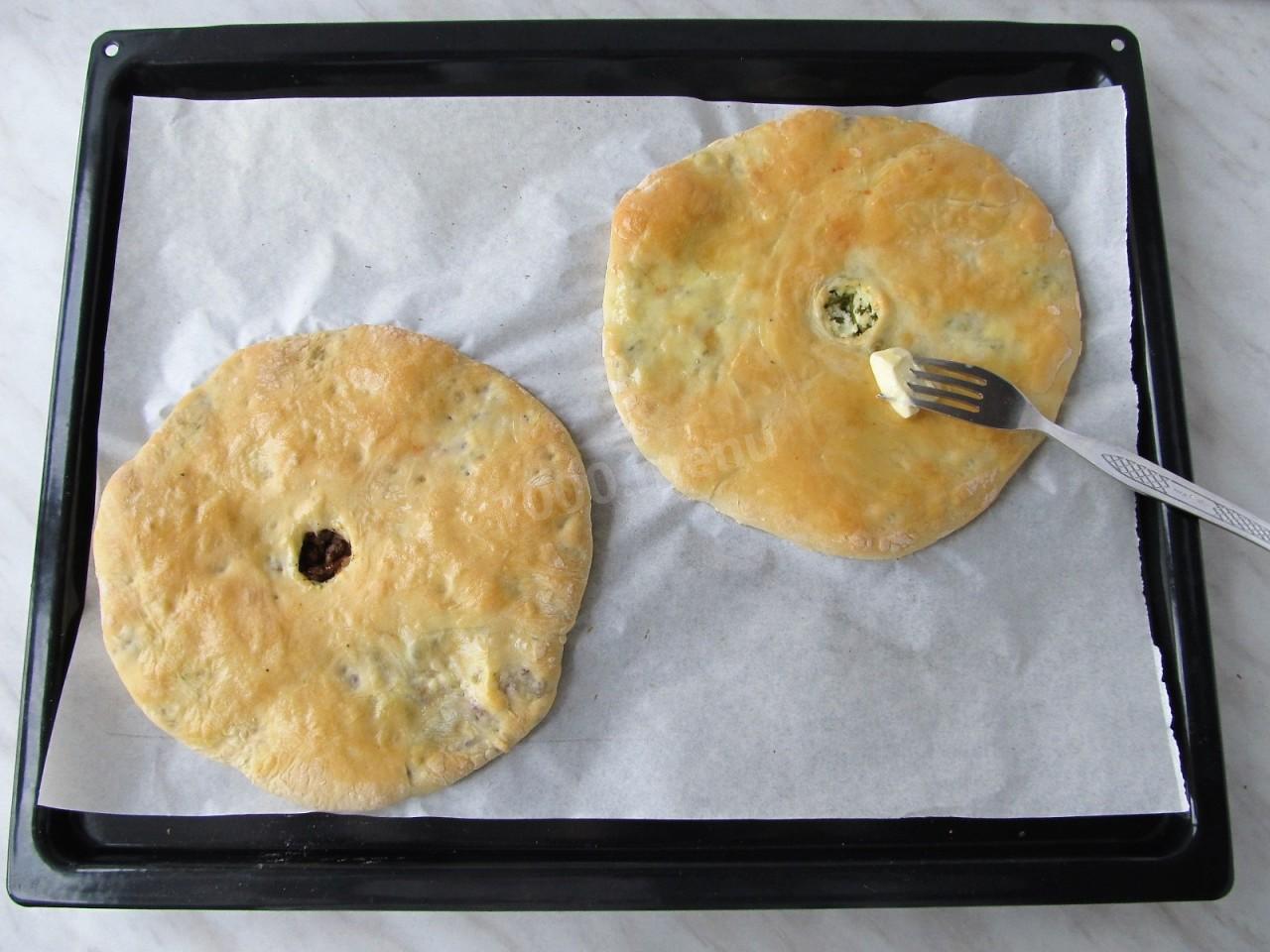
Bake the pies in an oven preheated to 400°F (200°C) for 20–25 minutes, until golden. As soon as they come out, brush them generously with butter. Serve the pies hot or at room temperature, cut into wedges. Enjoy!
- Ossetian pies are considered the oldest form of baking there is. In their homeland they carry a ritual meaning, symbolizing three elements: Sun, Earth, and Water. They're traditionally served on a flat platter, stacked one on top of another. Before the meal begins, they're cut — without moving from your seat or turning the plate — into 8 pieces with two intersecting cuts. A festive table should always hold an odd number of pies: 3, 5, 7, and so on. True Ossetian cheese is hard to find in our stores, but Adyghe cheese or any brined cheese — suluguni, bryndza, or feta — makes a good substitute. Popular fillings include potato, cabbage, beans, and pumpkin, along with almost any greens: spinach, dill, parsley, green onion, beet leaves, or wild garlic. Vegetable fillings always include cheese. For a meat filling, only pork or beef works. I love making Ossetian pies with several fillings at once — it's so convenient, since everyone can pick the one they like best.
Caloric content of the products possible in the composition of the dish
- Cottage cheese of 40% fat content - 466 kcal/100g
- Cottage cheese of 20% fat content - 233 kcal/100g
- Cottage cheese of 18% fat content - 226 kcal/100g
- Cottage cheese of 10% fat content - 156 kcal/100g
- Low-fat cottage cheese - 75 kcal/100g
- Cottage cheese with sour cream - 260 kcal/100g
- Fruit cottage cheese - 147 kcal/100g
- Soft dietary cottage cheese - 170 kcal/100g
- Vitalinia cottage cheese - 64 kcal/100g
- Cottage cheese 'morning' ( 'danone') without sugar - 91 kcal/100g
- Cottage cheese - 156 kcal/100g
- Fresh basil - 27 kcal/100g
- Dried basil - 251 kcal/100g
- Ground black pepper - 255 kcal/100g
- Parsley greens - 45 kcal/100g
- Kefir fat - 62 kcal/100g
- Kefir of 1% fat content - 38 kcal/100g
- Low-fat kefir - 30 kcal/100g
- Kefir 'doctor beefy' 1,8% fat content - 45 kcal/100g
- Kefir 2.5% fat content - 53 kcal/100g
- Suluguni - 290 kcal/100g
- Butter 82% - 734 kcal/100g
- Amateur unsalted butter - 709 kcal/100g
- Unsalted peasant butter - 661 kcal/100g
- Peasant salted butter - 652 kcal/100g
- Melted butter - 869 kcal/100g
- Mixed minced meat - 351 kcal/100g
- Vegetable oil - 873 kcal/100g
- Salt - 0 kcal/100g
- Water - 0 kcal/100g
- Onion - 41 kcal/100g
- Wheat flour - 325 kcal/100g
- Dry yeast - 410 kcal/100g
- Adyghe cheese - 240 kcal/100g
Similar recipes

- National cuisine
- Baking
- Meat and meat products
- Cheese
- Dairy products
- Vegetables
- Flour
- Spices seasonings spices
- Fats and oils
- Other
- Basil
- Pepper
- Parsley
- Salt
- Vegetable oil
- Butter
- Water
- Yeast
- Caucasian cuisine
- Frying
- Oven roasting
- Cottage cheese pastries
- Baked on kefir
- Yeast pastry
- Unsweetened pastries
- Meat in the oven
- Minced meat
- Soft cheese
- Brine cheese
- Kefir
- Cottage cheese
- Vegetables in the oven
- From onion
- Wheat flour
- No eggs