Homemade Chicory Kvass
It comes together very quickly and quenches your thirst beautifully. A truly wonderful drink! It tastes a lot like ordinary bread kvass from the barrel, and it foams up dramatically. People who tried it couldn't believe at first that such kvass could be made from just 1 tablespoon of instant chicory.



Cooking method
-
Step 1:

Gather the ingredients. To make chicory kvass at home, you'll need: clean drinking water, instant chicory, sugar, dry yeast, and citric acid.
-
Step 2:
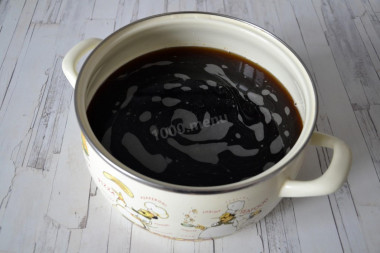
Add the chicory, sugar, and citric acid to a deep pot. Pour in the water and stir.
-
Step 3:
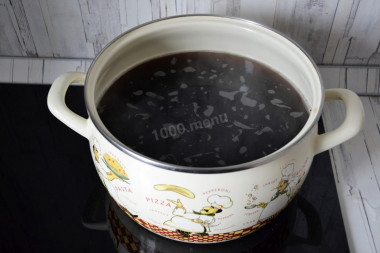
Set the pot over the heat and bring the mixture to a boil.
-
Step 4:
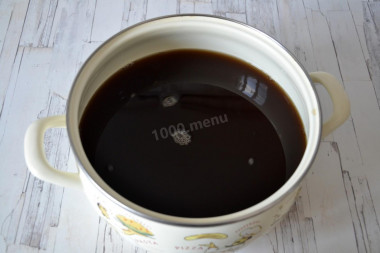
As soon as the liquid boils, take the pot off the heat and let it cool at room temperature to 37–40°C. If you don't have a thermometer, you can check the temperature by dripping a little liquid on your wrist — if the drop feels just barely warm, the mixture has cooled to the right temperature.
-
Step 5:

Once the liquid has cooled, scatter the dry yeast over the surface. Wait for the yeast to absorb moisture, then stir.
-
Step 6:
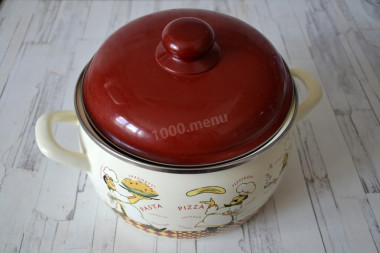
Cover the pot with cheesecloth or a lid and leave the kvass at room temperature for 6 hours.
-
Step 7:
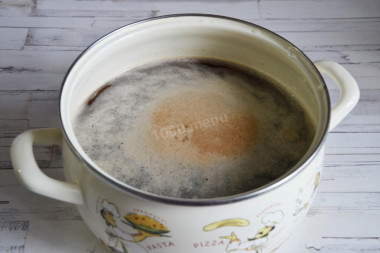
After 6 hours, foam will appear on the surface. That means the yeast has become active.
-
Step 8:
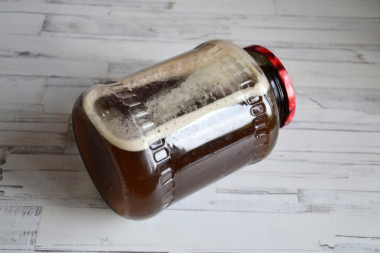
Pour the kvass into bottles or jars and screw on the lids. Refrigerate for 1–2 days.
-
Step 9:
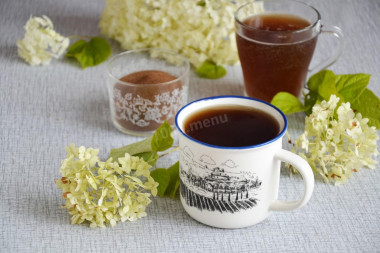
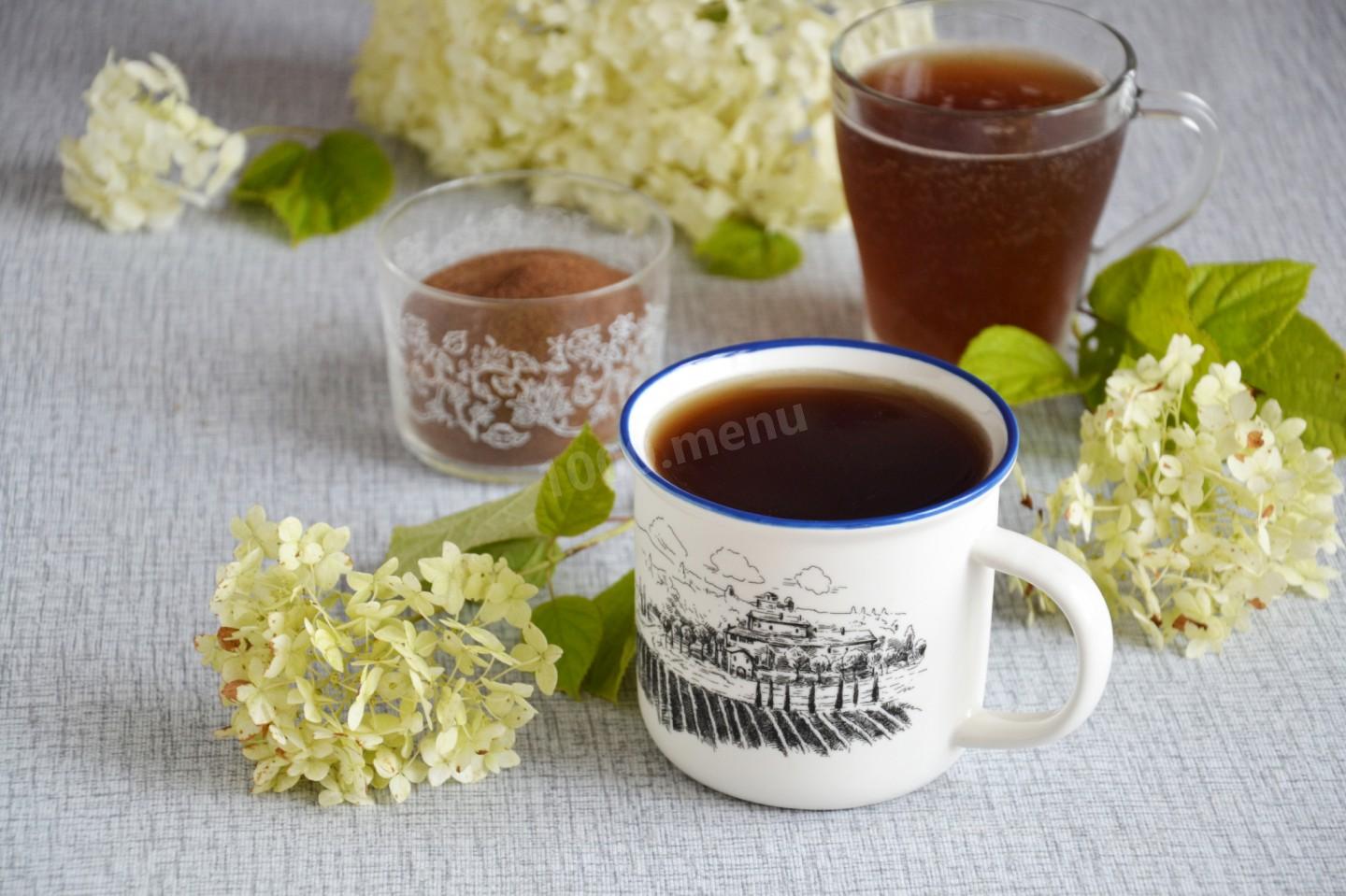
Pour the chilled drink into glasses and serve. Enjoy!


- It's a good idea to test the yeast before using it. Pour a little lukewarm sweetened water (37–40°C) over a small amount of yeast and leave it for 10–15 minutes. A foamy cap should form, which means the yeast is alive and not expired. If there's no cap, don't use that yeast — the kvass won't work. If you take a sealed bottle out of the refrigerator and leave it at room temperature, the fermentation will start up again as it warms, and the kvass will keep fermenting. The word "kvass" is of course Russian in origin and means "sour drink." Kvass used to be made from various grains — rye, barley, oats, millet — and there were around a thousand recipes back then! Old-fashioned kvass with mint and raisins; Russian kvass on rye and crushed barley malt; northern kvass from coarse rye flour, Icelandic moss flour, and blackcurrant leaves; white, red, rusk, strong, okroshka, ginger, viburnum, and raspberry kvass; kvass from strawberries, cherries, pears... Kvass was made in all sorts of ways, depending on the region, the climate, the season, the family's means, and the household's tastes.
Caloric content of the products possible in the composition of the dish
- Granulated sugar - 398 kcal/100g
- Sugar - 398 kcal/100g
- Citric acid - 0 kcal/100g
- Chicory - 21 kcal/100g
- Water - 0 kcal/100g
- Dry yeast - 410 kcal/100g