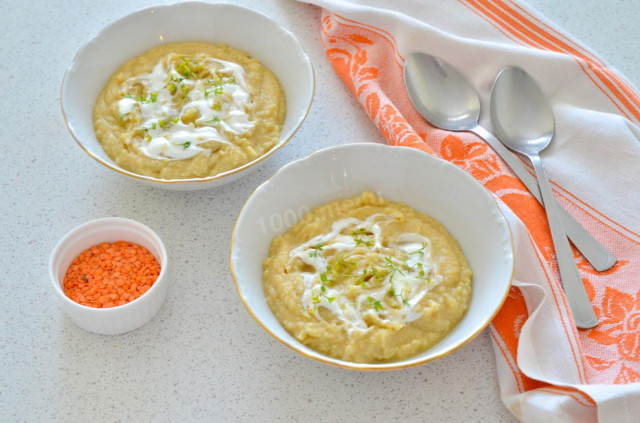
Ryazhenka Gelatin Dessert
Delicious, original, with an unusual taste that melts in your mouth! This ryazhenka (fermented baked milk) dessert set with gelatin is easy enough for a beginner to make. It's low in calories and makes a great breakfast, too. The chicory and baked milk give it a caramel-cream flavor.



Cooking method
-
Step 1:
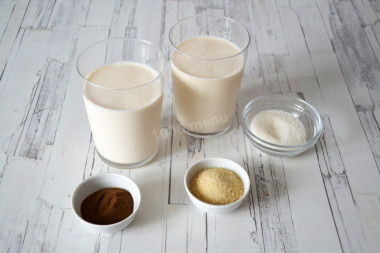
How do you make a ryazhenka dessert with gelatin? Get your ingredients ready. Choose the best-quality, natural dairy products; any fat content is fine — just keep in mind it affects the calorie count. I added sugar to taste, though I felt it could have used a little more.
-
Step 2:
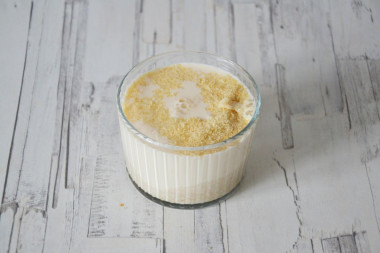
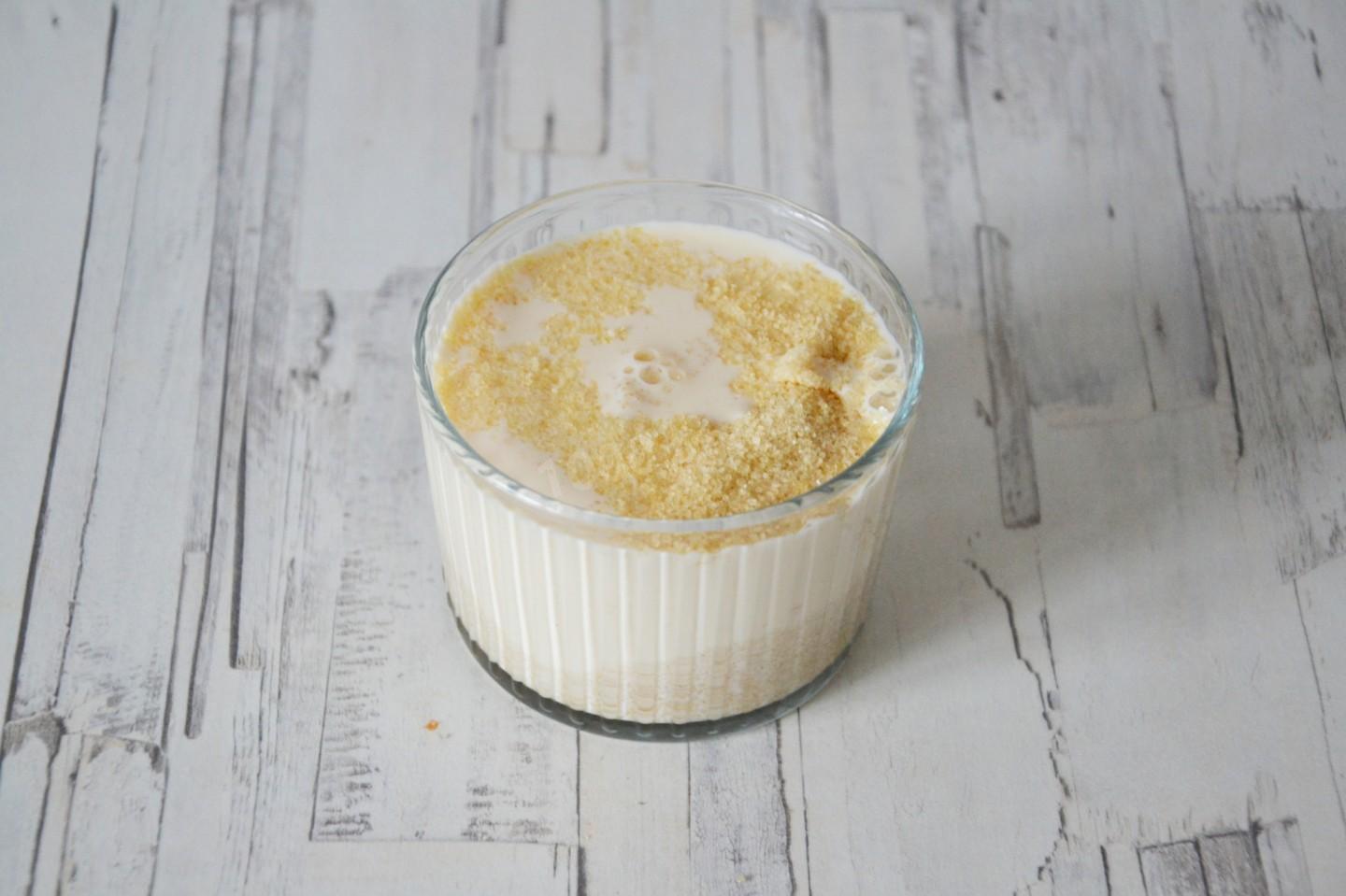
Pour half of the baked milk over the gelatin, stir, and leave it to swell for 15 minutes.
-
Step 3:
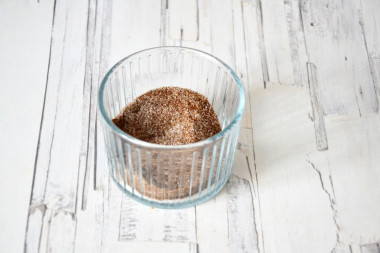
Mix the chicory with the sugar. If you don't have chicory, you can use instant coffee instead.
-
Step 4:
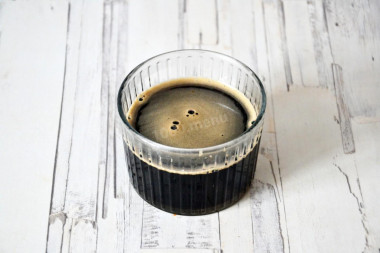
Pour boiling water over the chicory and stir until the sugar dissolves.
-
Step 5:
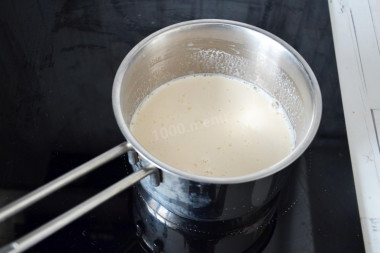
Pour the swollen gelatin into a saucepan and add the remaining baked milk. Warm the milk-gelatin mixture over low heat, stirring, until the gelatin fully dissolves — but don't let it boil. As soon as it's dissolved, take the pan off the heat.
-
Step 6:
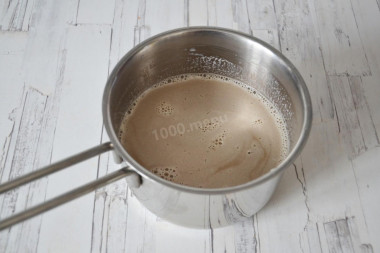
Stirring constantly, pour the hot chicory into the milk-gelatin mixture. Let it cool to room temperature.
-
Step 7:
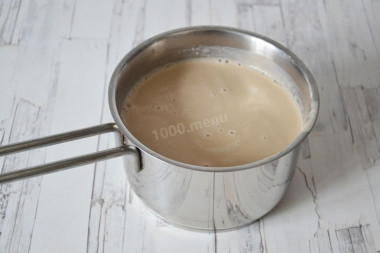
Pour the ryazhenka into the cooled mixture and stir everything well.
-
Step 8:

Pour the mixture into dessert glasses or molds and refrigerate until fully set, about 1–2 hours.
-
Step 9:

Serve the finished dessert. Enjoy!



- Ryazhenka is a familiar cultured-dairy drink with a delicate taste and a creamy, yellowish color. It's made from baked milk, fermented with Lactobacillus bulgaricus and lactic-acid streptococci. People usually drink it on its own, but stirring in jam, preserves, or berries makes it even nicer — and it's great for baking, too: crêpes, pancakes, and hand pies. Buy it fresh for the most beneficial bacteria. This cultured drink is packed with valuable, easily absorbed nutrients: a single glass covers about 25% of your daily calcium and 29% of your phosphorus, and it also supplies sodium, magnesium, potassium, and iron. Its benefits come partly from its vitamins, mainly the B group, which survive the milk-baking process; the lactic-acid cultures help synthesize small amounts of vitamin C and niacin. It's also rich in retinol (vitamin A), which is well absorbed along with the fat. Its proteins, amino acids, and organic acids benefit the body without extra calories. Ryazhenka is low in calories, which is why it's often used in diets.
- For why gelatin sometimes won't set, how to avoid unpleasant gelatin lumps, and all the tricks of working with it, see our article on gelatin.
- It's best to make this with filtered or bottled water that has a neutral taste. Tap water can give the dish an unpleasant, characteristic aftertaste.
- For how to choose the perfect pot for soup, porridge, or pickling cucumbers, see our article on pots.
Caloric content of the products possible in the composition of the dish
- Granulated sugar - 398 kcal/100g
- Sugar - 398 kcal/100g
- Ryazhenka - 85 kcal/100g
- Gelatin - 355 kcal/100g
- Chicory - 21 kcal/100g
- Water - 0 kcal/100g
- Melted milk - 84 kcal/100g