Homemade Lollipops in Molds
A treat from childhood—who hasn't tried them?! I've never met anyone who hasn't! Every kid loves rooster lollipops, hard candies, and the like. There are exceptions, of course, but they're rare. I still have a mold from Soviet times, when lots of moms made lollipops at home. I'll share the basic recipe—maybe someone still has the mold but lost the recipe. If you don't have one, use silicone candy molds. You can also make lollipops with herbal infusions, juices, milk, cream, or coffee—all natural, tasty, and very easy!

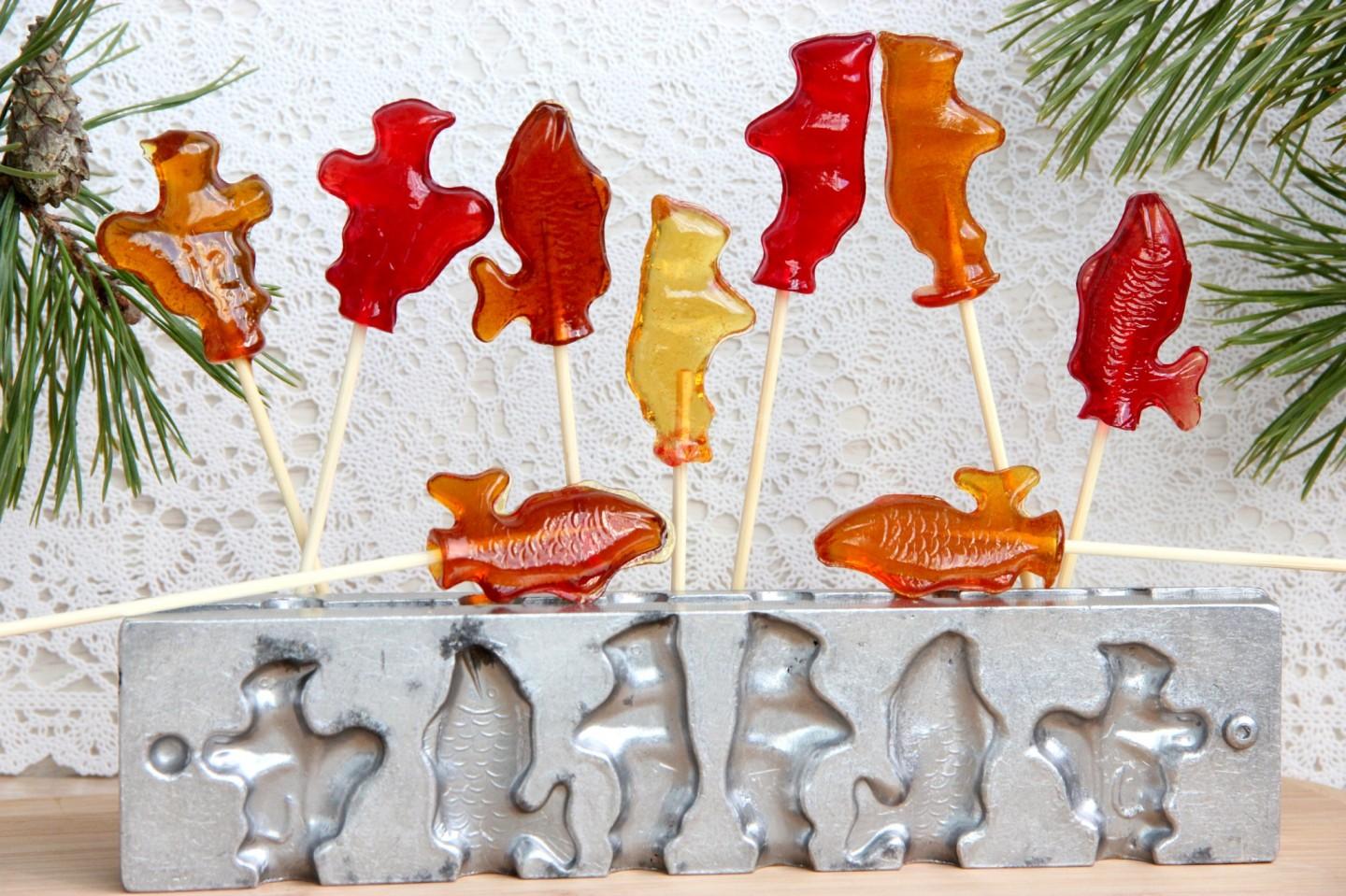
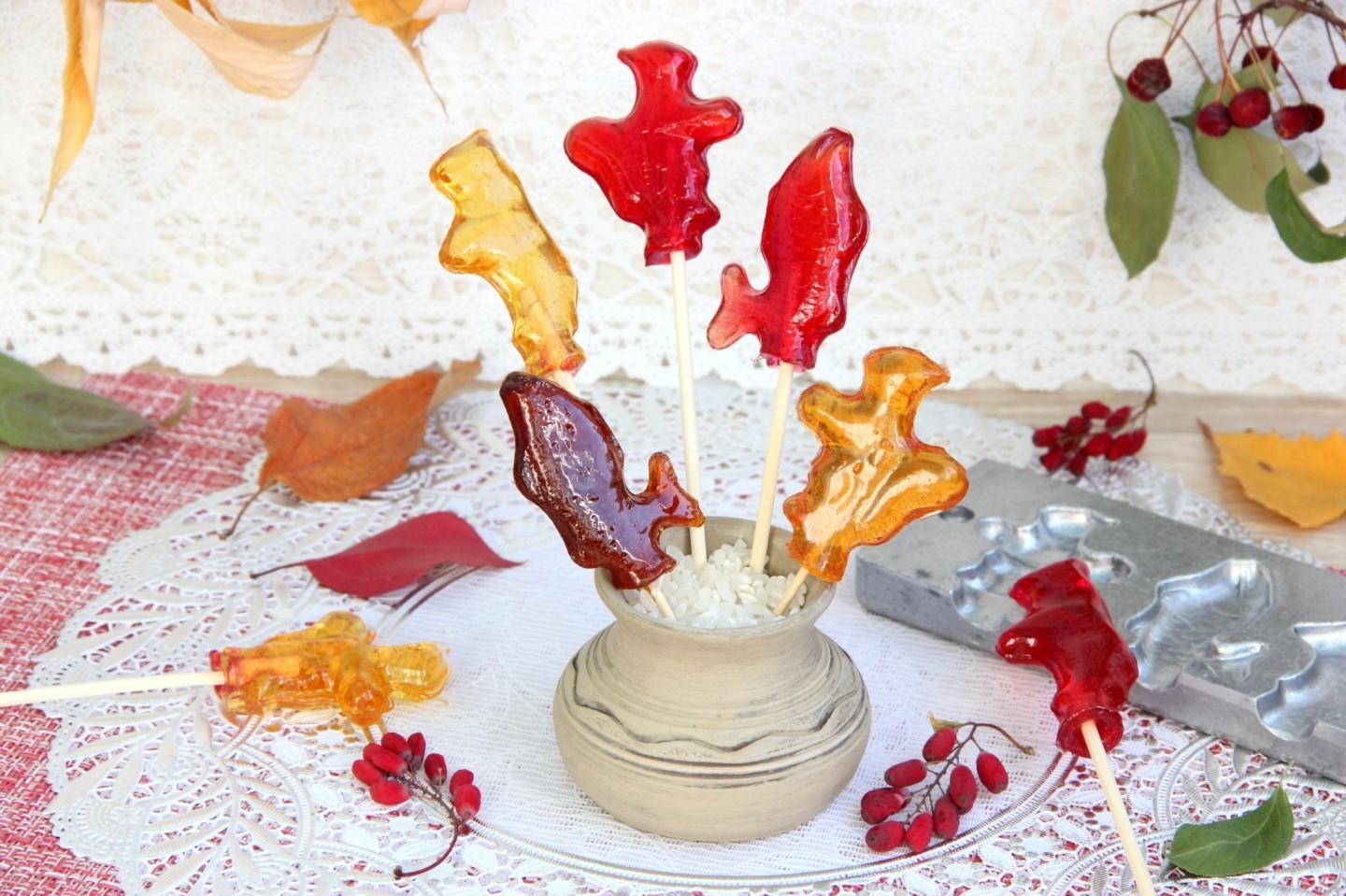
Cooking method
-
Step 1:
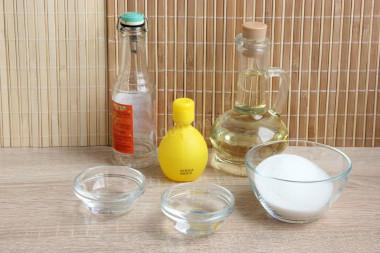
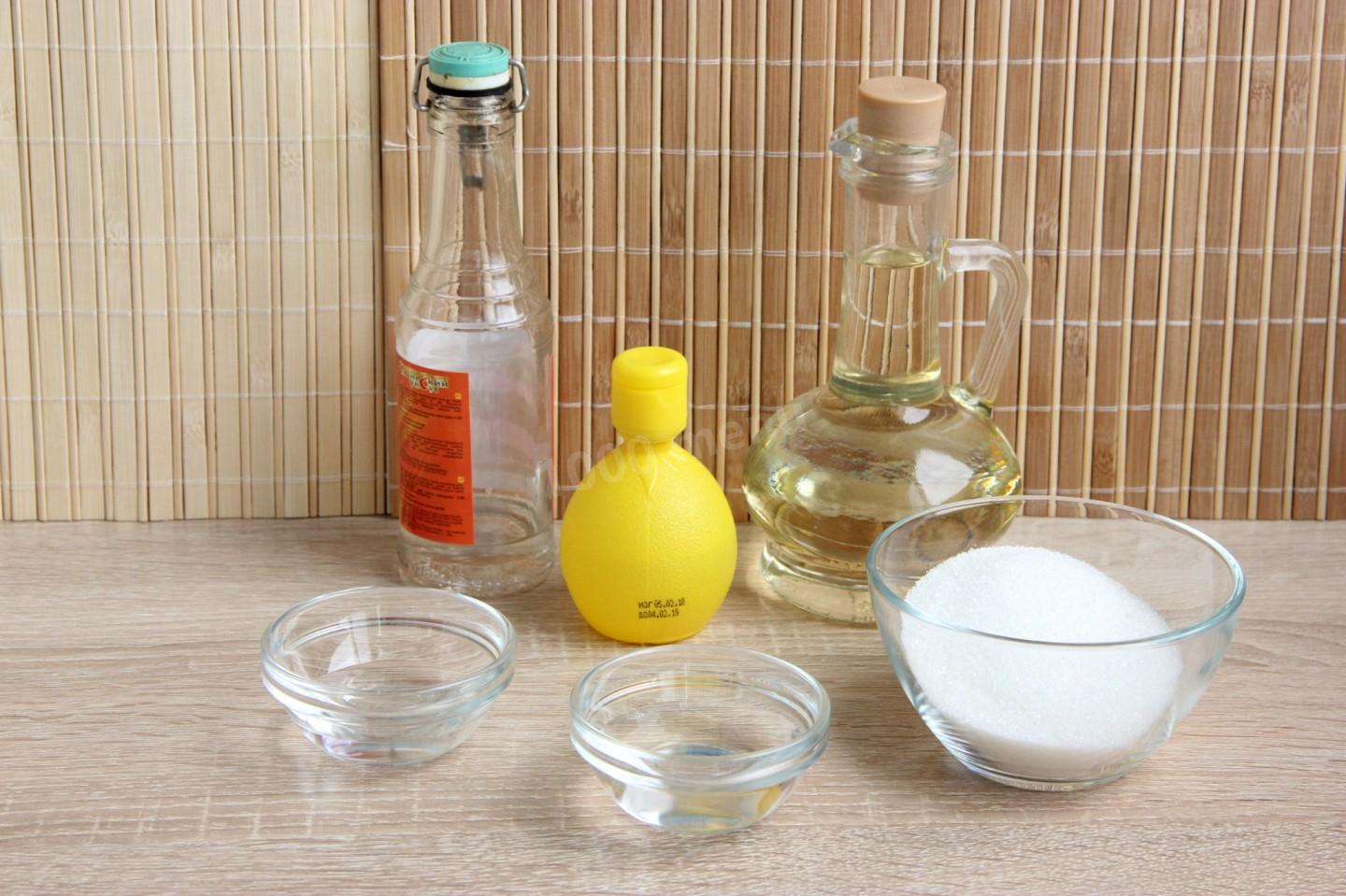
Gather your ingredients. Use plain, cold water.
-
Step 2:
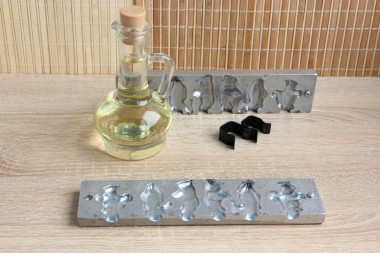
Grease the mold thoroughly with a silicone brush and odorless oil—that's the key to releasing the lollipops easily. Set out a saucer of cold water to test the caramel for doneness.
-
Step 3:
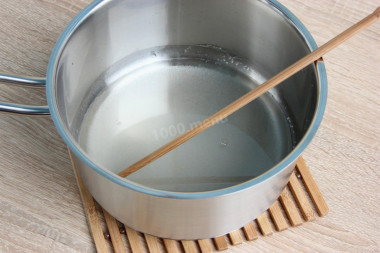
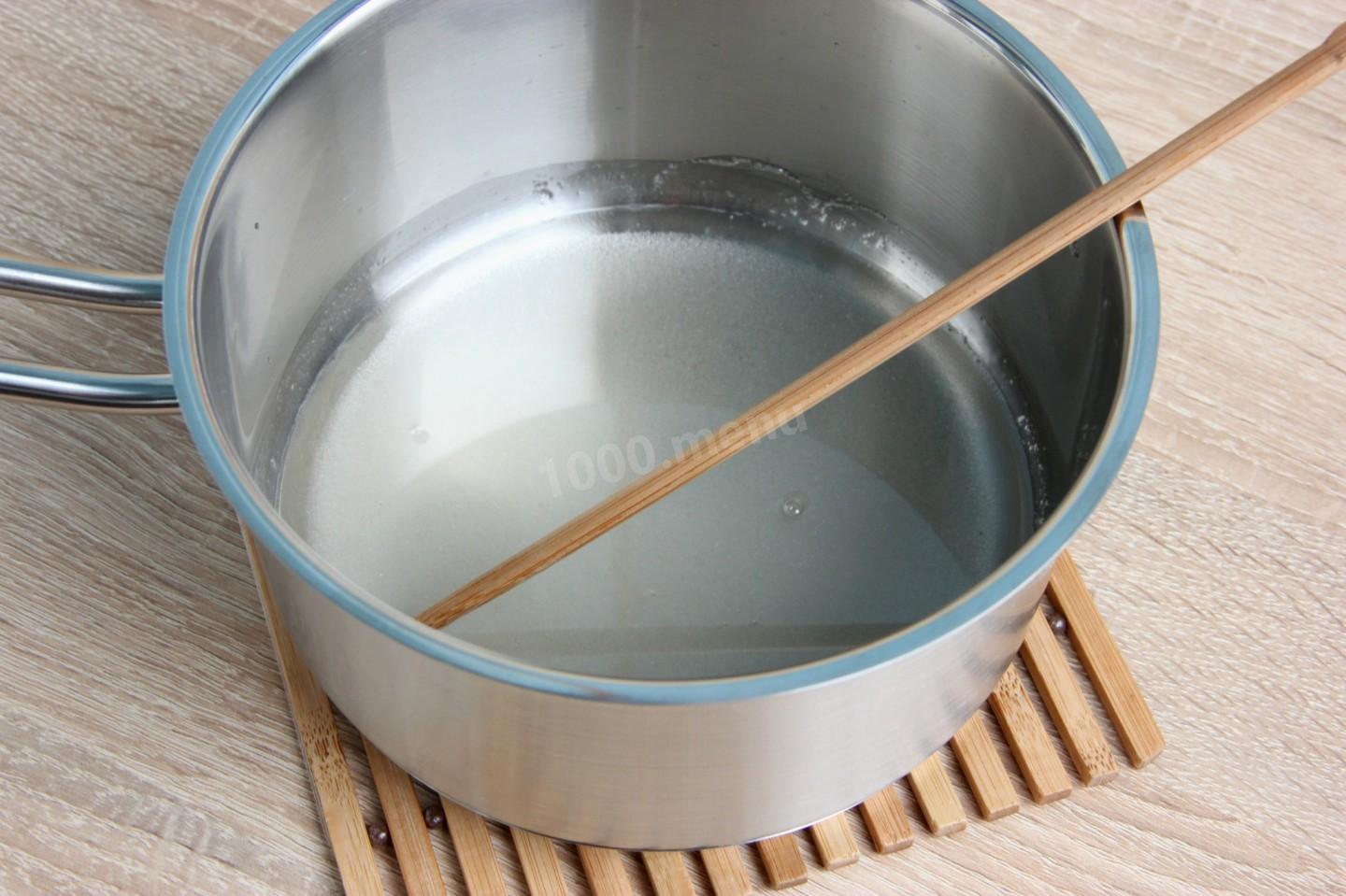
Add the water to the sugar and stir. The water should just barely cover the sugar. (You can cook it in a ladle, an enameled mug, or a bowl. A light-colored pan is best, so you can watch the caramel's color and avoid overcooking or crystallizing the sugar.)
-
Step 4:
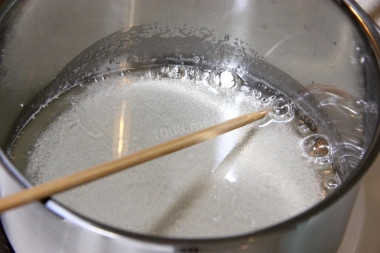
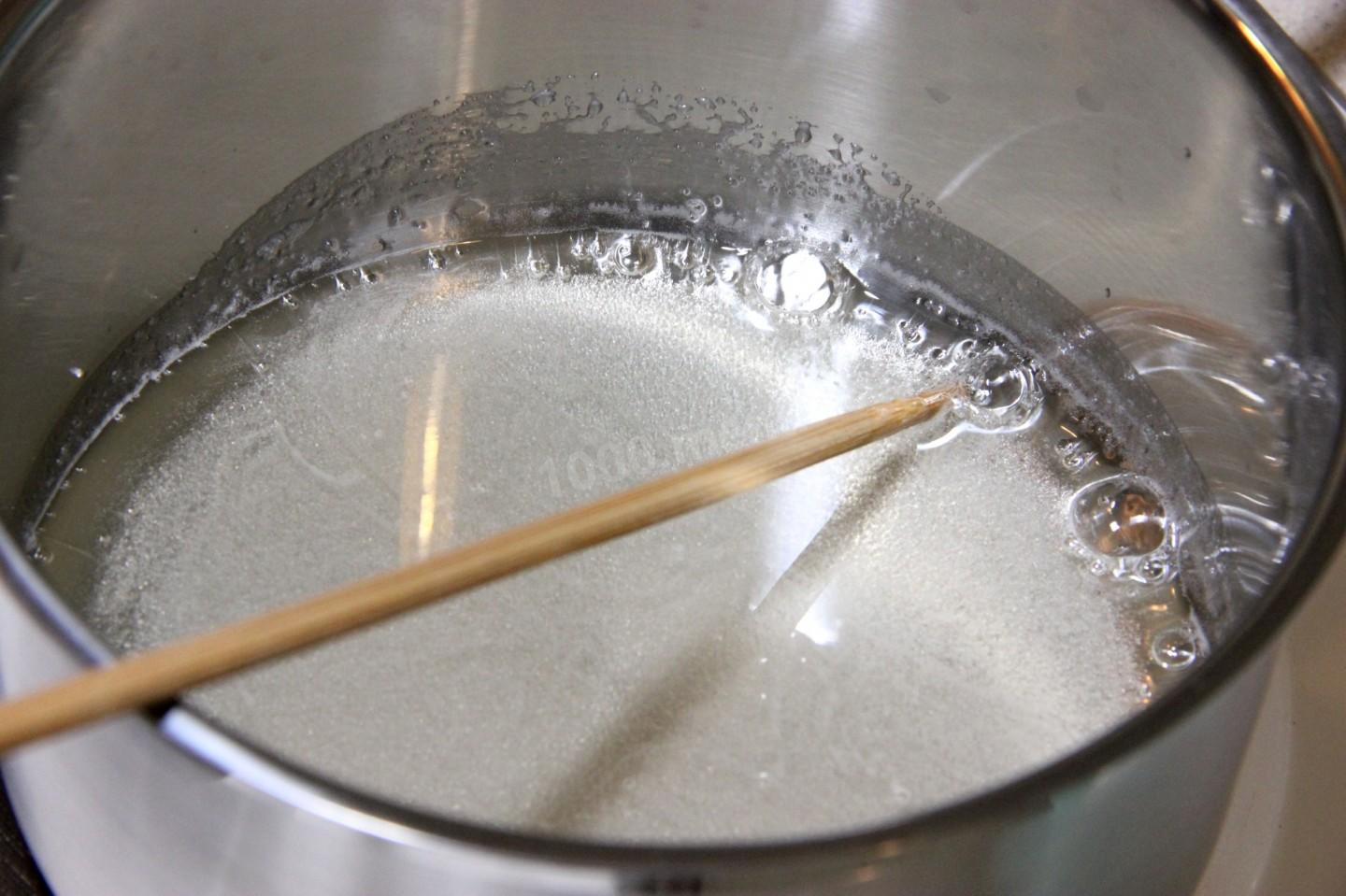
Warm it over medium heat, stirring constantly, until the sugar dissolves.
-
Step 5:
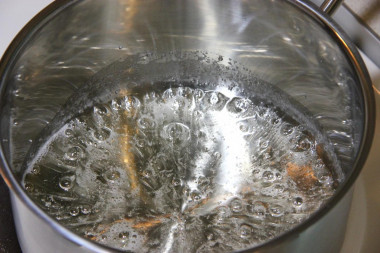
As soon as the syrup boils, pour in the vinegar. (Vinegar keeps the sugar from crystallizing. If you'd rather not use it, add lemon juice or a citric-acid solution made by dissolving a few crystals in a teaspoon—but vinegar does the job best. Once the caramel is ready the vinegar smell is gone, and I couldn't taste much difference.)
-
Step 6:
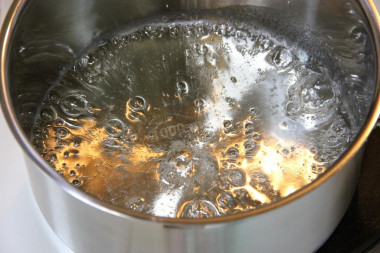
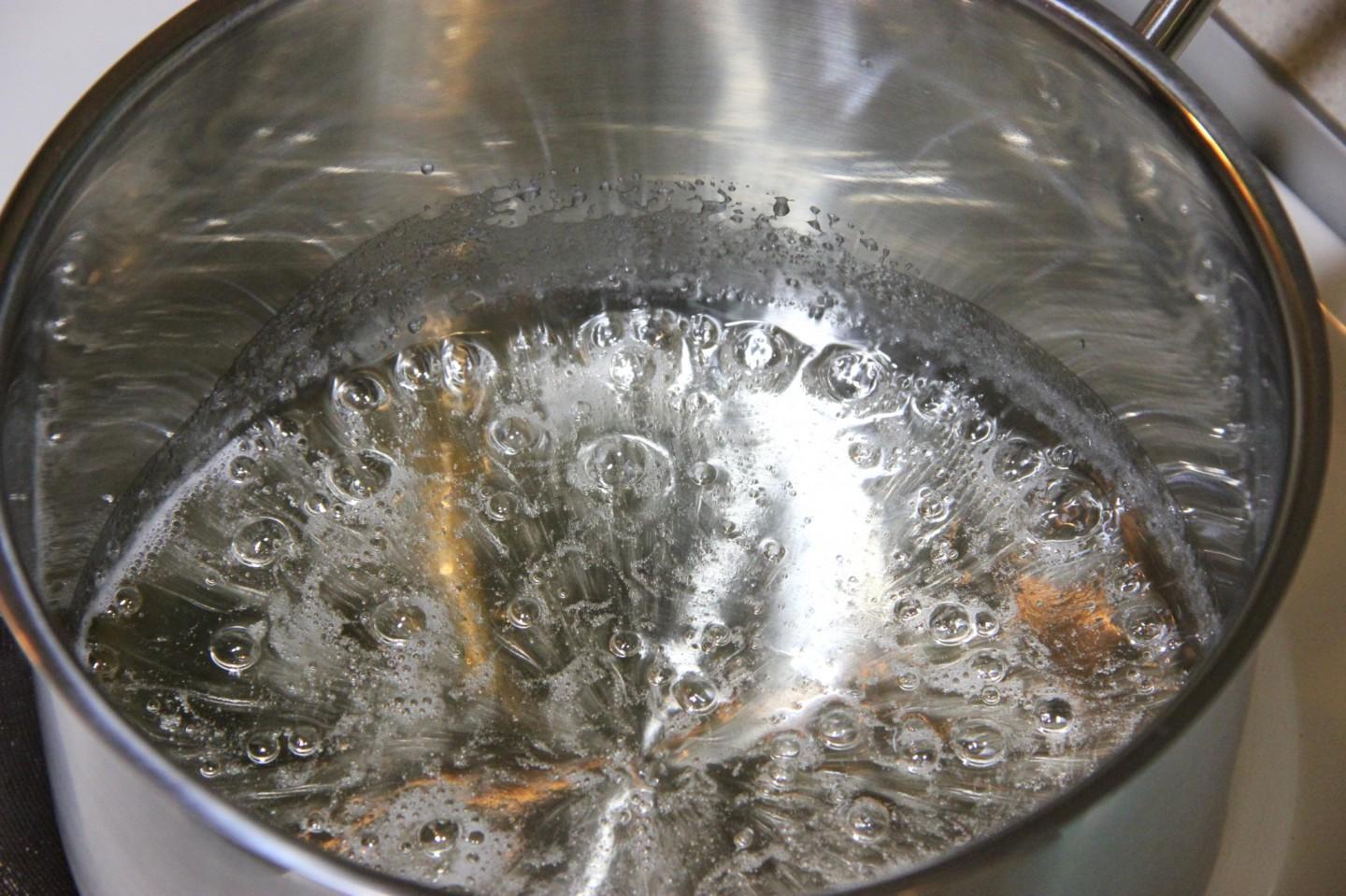
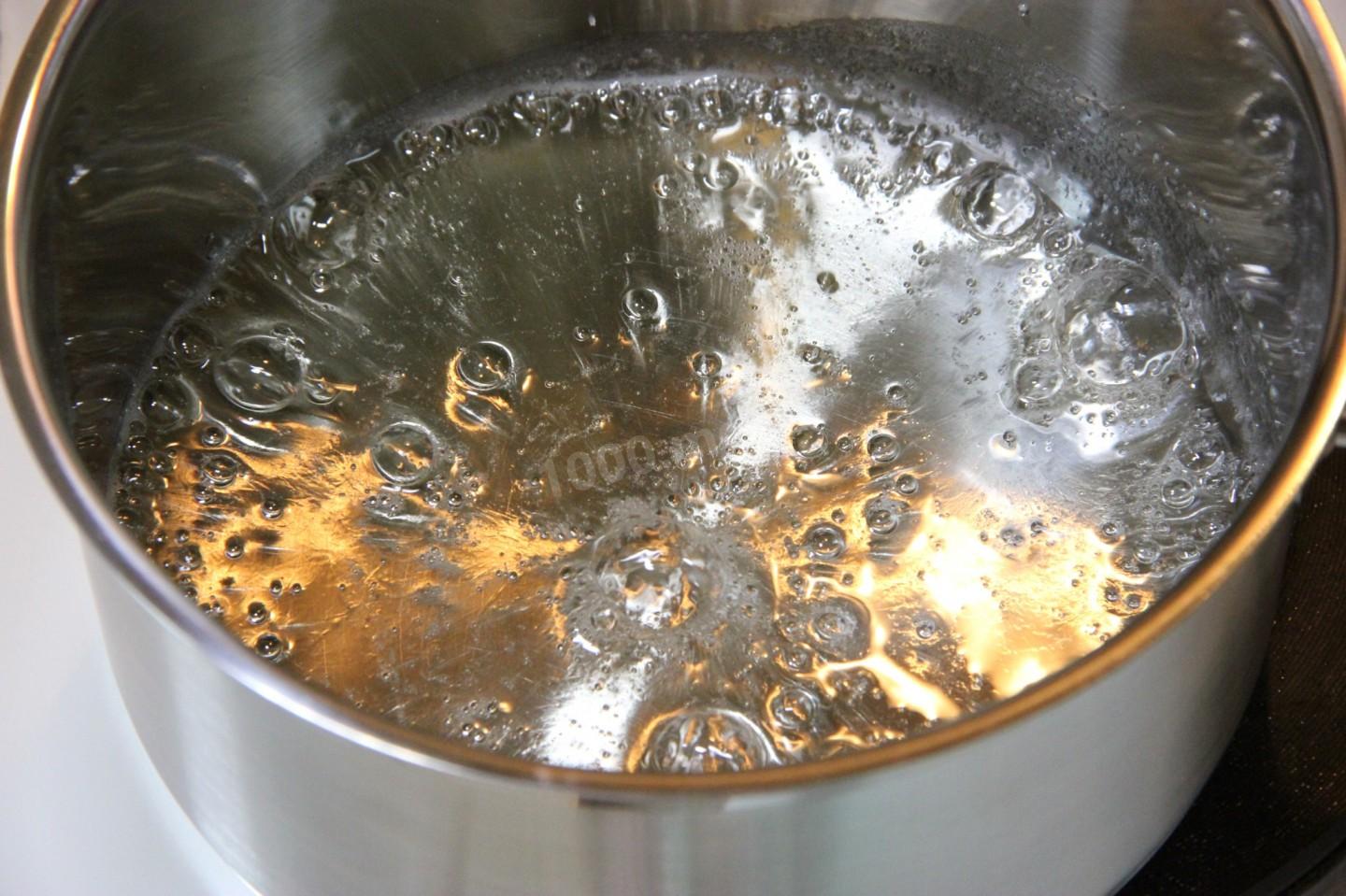
Lower the heat and cook the syrup, stirring lightly, without letting it boil hard.
-
Step 7:
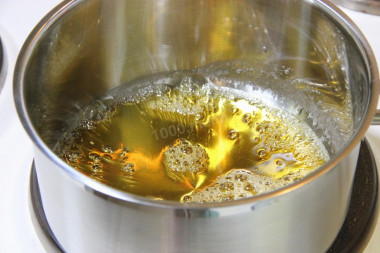
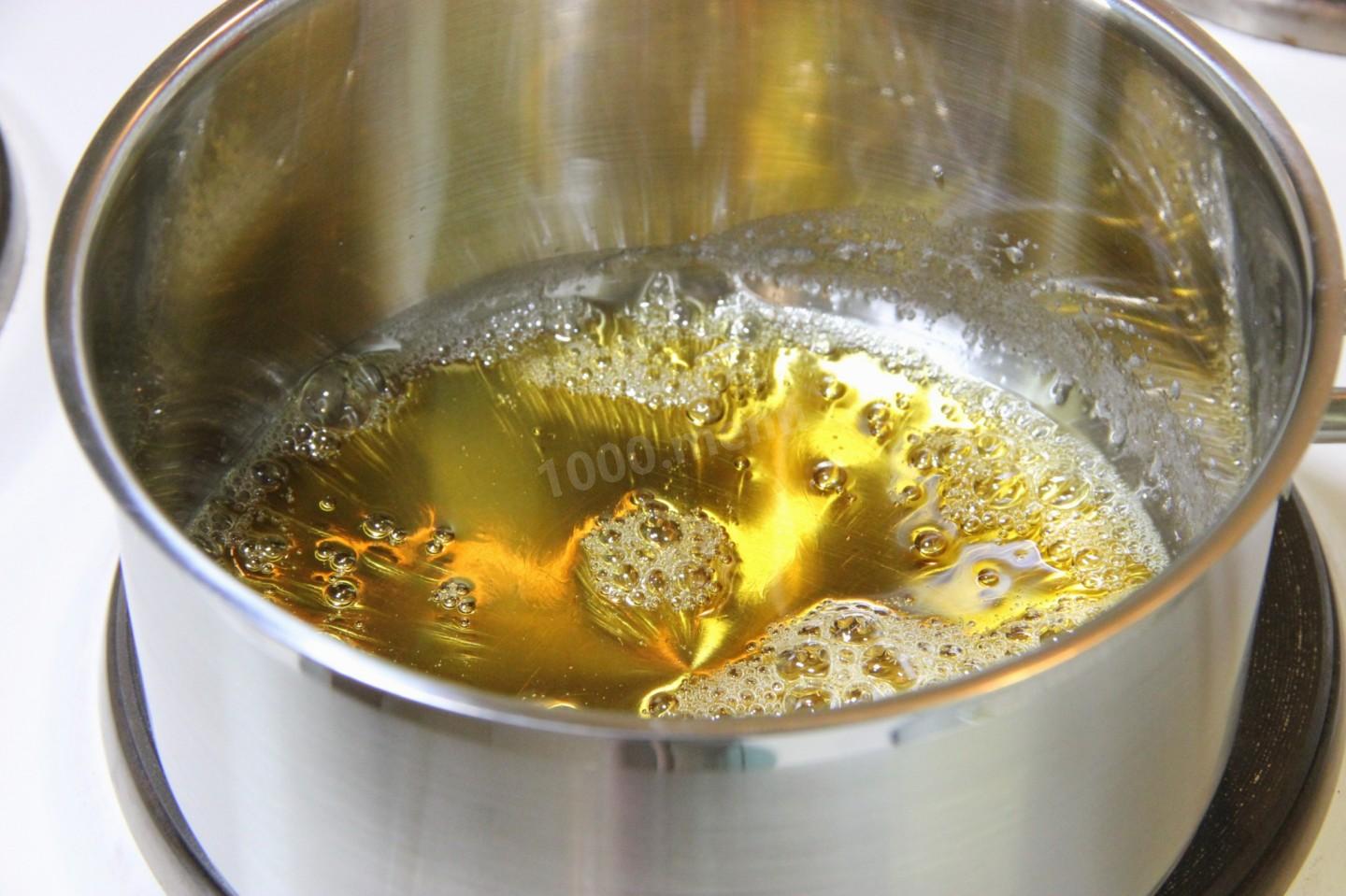
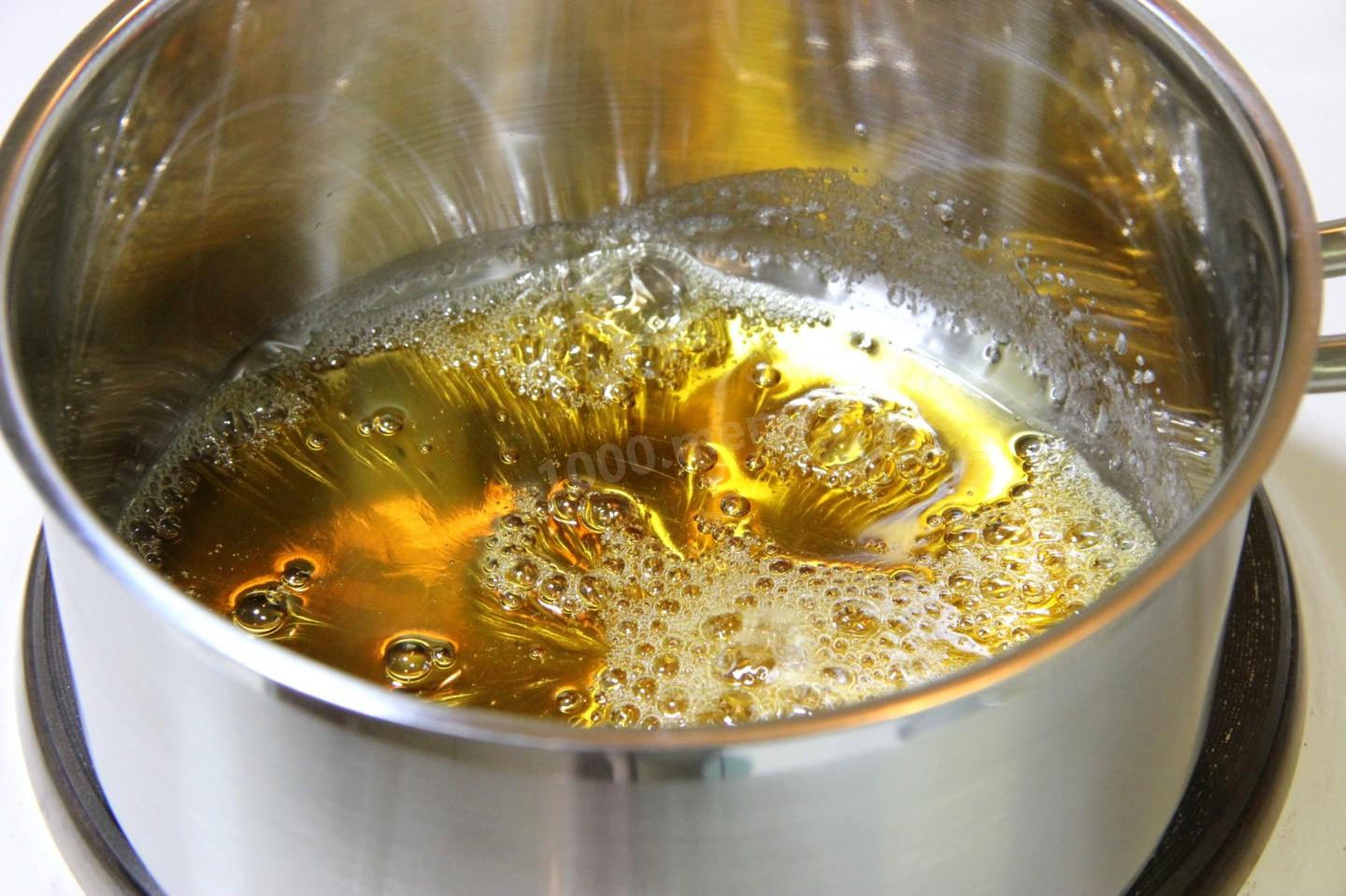
Let it cook down, stirring, until the syrup turns golden. Don't get distracted—sugar is tricky, and the difference between "won't set" and "burnt sugar" is just a few seconds. The caramel takes 5–7 minutes. Test it by dropping a bit onto the saucer of cold water—if the drop sets firm and cracks against your teeth, take it off the heat right away.
-
Step 8:
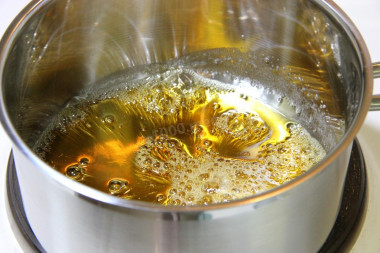
This intense amber color is the tipping point. Careful—don't let it go brown! Now stir it well so every last bubble disappears. (If using coloring, stir it in now. I poured out 3 plain lollipops, then added 1/4 tsp beet juice for 3 beet-colored ones, and also made some with brewed coffee.)
-
Step 9:
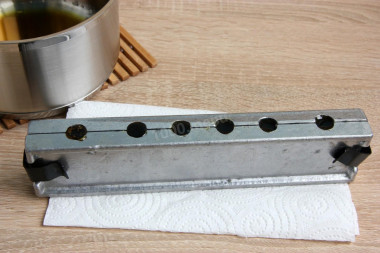
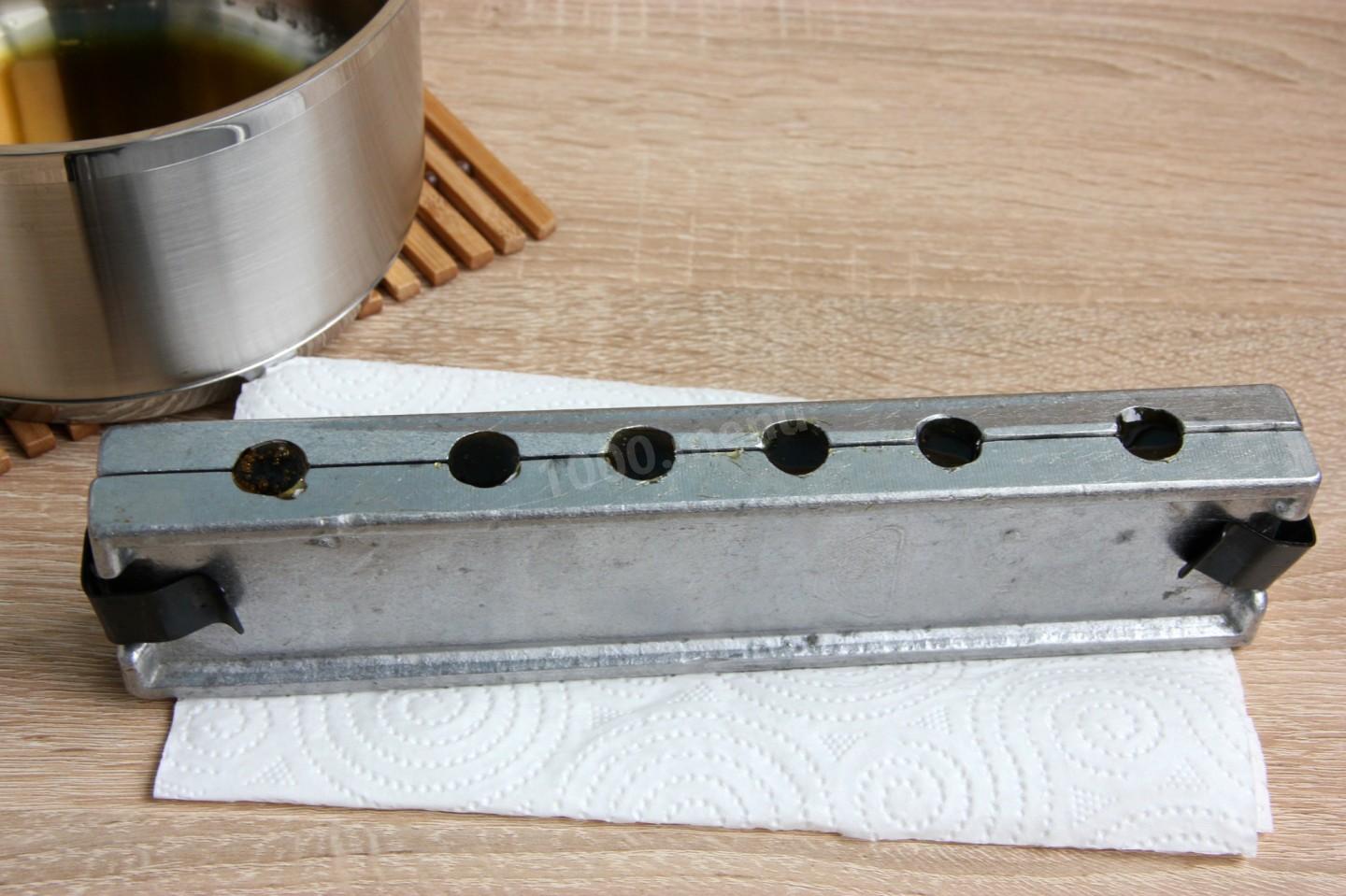
Once the caramel is smooth, pour it into the molds. Do it without delay—caramel sets fast! (If it does set, put the pan back on the warm, switched-off burner, stir until it's liquid again, and keep pouring.)
-
Step 10:
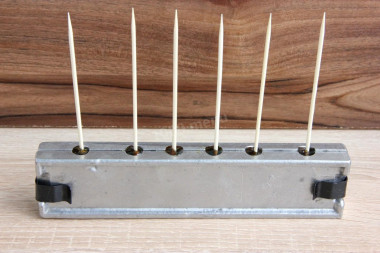
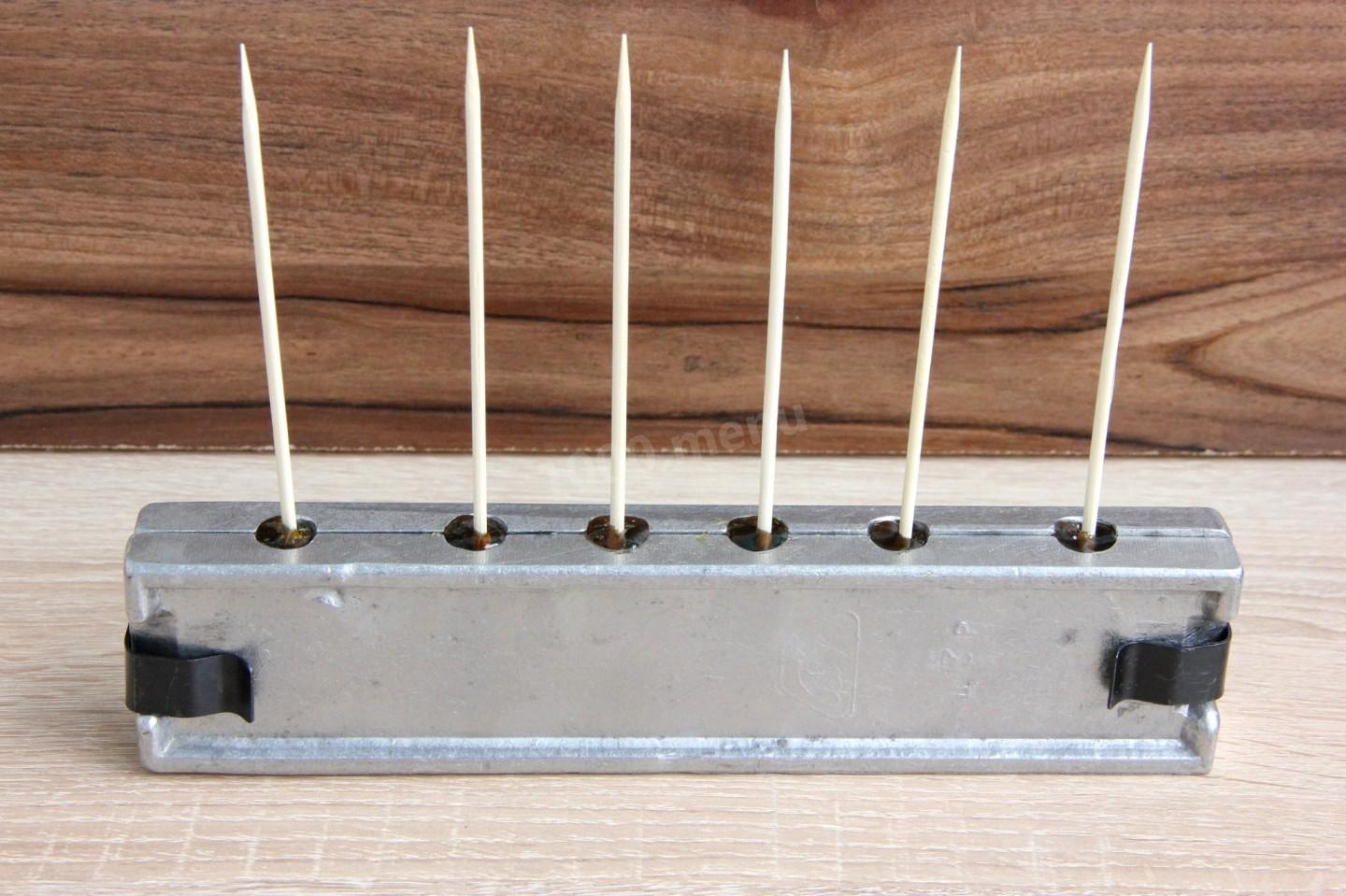
After a couple of minutes, when the caramel has started to set, gently twist in skewers or other suitable sticks.
-
Step 11:
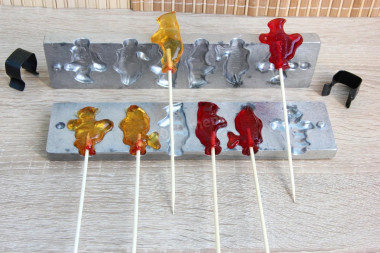
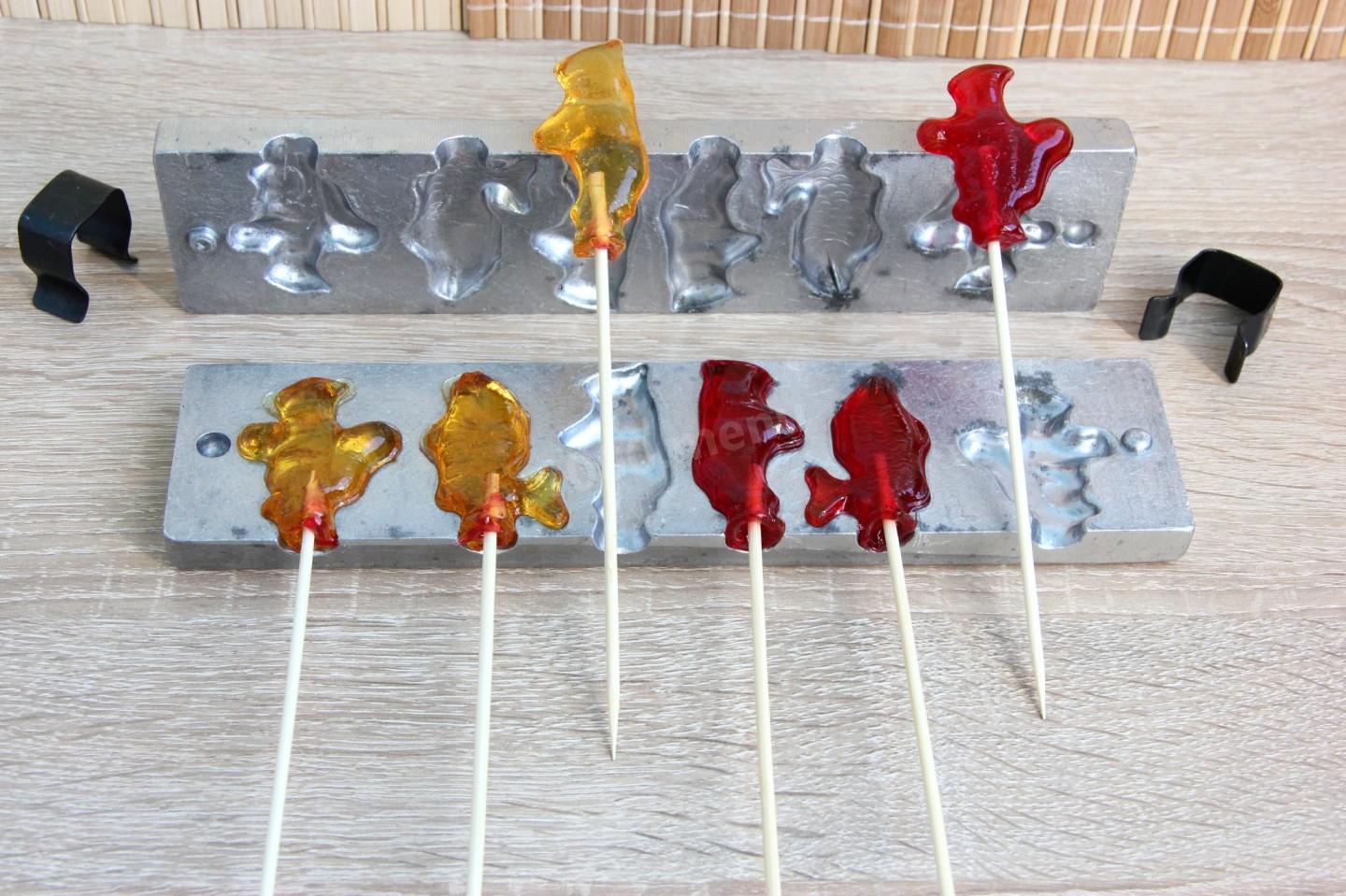
In about 10 minutes the lollipops will harden—open the mold and take out the finished candies. Undercook the mixture and they simply won't set; overcook it and they'll taste of bitter burnt sugar.
-
Step 12:

To store, wrap the lollipops in plastic wrap. Enjoy them yourself and treat the kids!

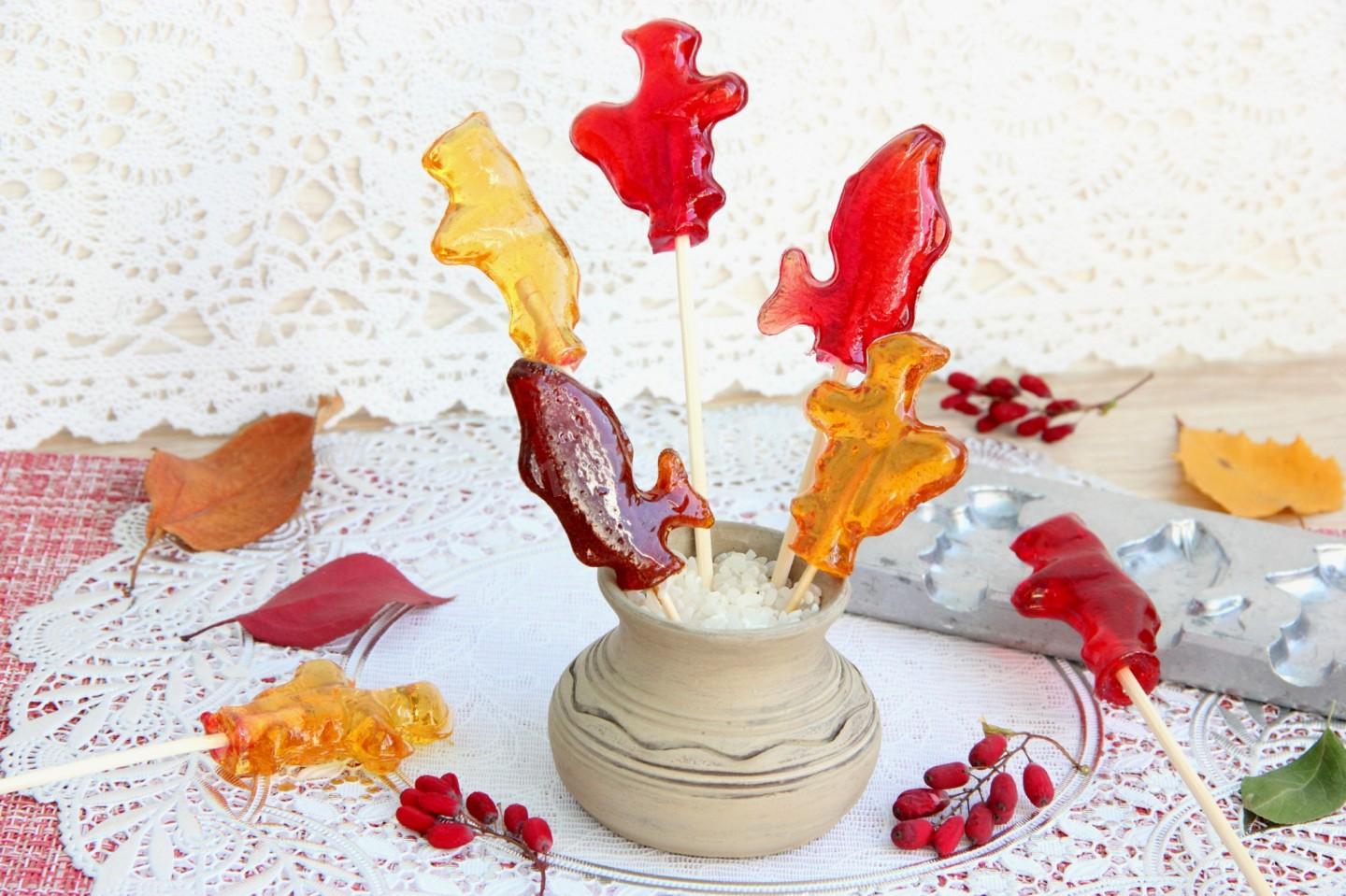
- You can vary the color of the lollipops with store-bought food dyes or with what's on hand: coffee for brown; pomegranate, raspberry, or strawberry juice for red; beet, blackcurrant, or cherry juice for burgundy; kiwi juice or mint infusion for green; lemon or orange juice for yellow; milk, cream, or sour cream for white. Beyond color, these also give the caramel an unusual flavor—just replace the water in the basic recipe with your chosen natural coloring, or add 1/2 tsp of fruit essence to the mix. (I found this online; in practice I couldn't get a true green or blue without food dye.) With dyes the lollipops aren't always clear and glossy—sometimes they come out matte. The melting time changes with the water-to-sugar ratio, the quality of the sugar, and the heat. Lollipops often don't work out the first time, for any number of reasons—but you get a feel for the temperature, consistency, and color, and then, voilà, they turn out great! Try it with your kids; they love watching the magic of the transformation, and you can even trust them to push in the sticks—just mind the safety. And the light and joy in their eyes when they share their own lollipops with the kids in the yard—that's happiness too, and the kind of moment you remember for life!
Caloric content of the products possible in the composition of the dish
- Granulated sugar - 398 kcal/100g
- Sugar - 398 kcal/100g
- Vegetable oil - 873 kcal/100g
- Water - 0 kcal/100g
- Table vinegar - 11 kcal/100g
- Food coloring - 0 kcal/100g
Similar recipes

- Festive table
- Children's recipes
- Dessert
- Sweet
- Spices seasonings spices
- Fats and oils
- Other
- Vinegar
- Vegetable oil
- Water
- Food coloring
- Cooking
- Homemade candies
- Dessert without flour
- For a children's holiday
- New Year recipes
- Recipes for March 8
- For children's holiday
- No eggs
- Vegetarianism
- Recipes for lean dishes without butter
- Sugar