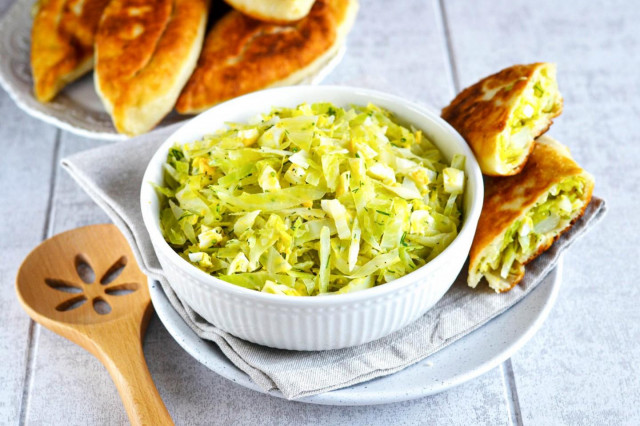
Pollock Fish Soup (Ukha)
Simple, quick, aromatic, and perfect for the whole family! This pollock ukha is a delicious soup made from the most ordinary, affordable ingredients. It comes out thick and hearty yet light, and the abundance of vegetables makes it that much more wholesome.


Cooking method
-
Step 1:

How do you make pollock ukha? I used fish fillet, but a whole pollock works too (you'll just need to fillet it). Thaw the pollock first. I used celery stalk, bell pepper, and leek that were already chopped and frozen. The vegetable mix is flexible — the simplest version is just onion, carrot, and potato. Rinse and pat the vegetables dry.
-
Step 2:

Cut the fish into small pieces and boil them in a pot of water for 5–7 minutes once it comes to a boil. Then carefully lift the fish out of the broth and set it aside.
-
Step 3:
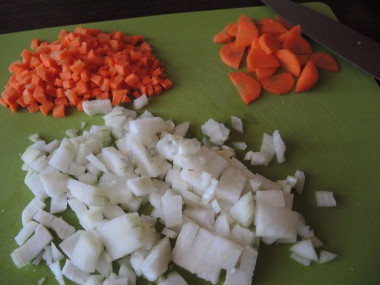
While the fish boils, dice the onion and carrot into small cubes. I sliced a few carrot rounds into half-moons just for looks.
-
Step 4:
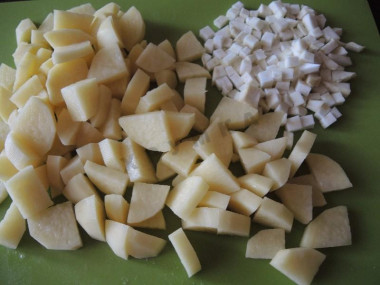
Mince the celery root as finely as you can, and cut the potatoes into small bite-size pieces.
-
Step 5:
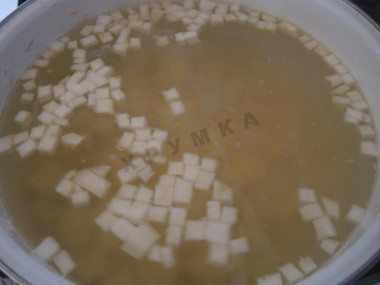
Add the potatoes and celery root to the simmering fish broth.
-
Step 6:
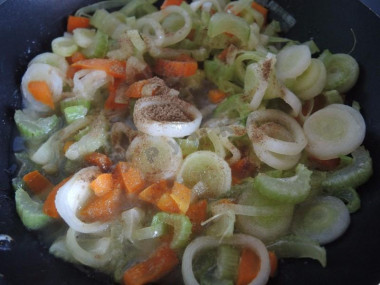
Meanwhile, sauté the bell pepper, celery stalk, and leek in a little vegetable oil and butter. As they cook, add spices to taste — coriander, for example.
-
Step 7:
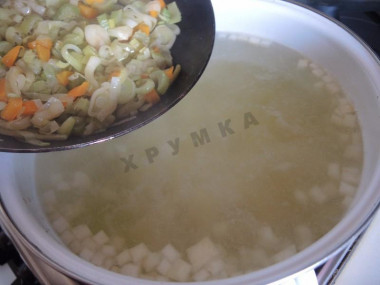
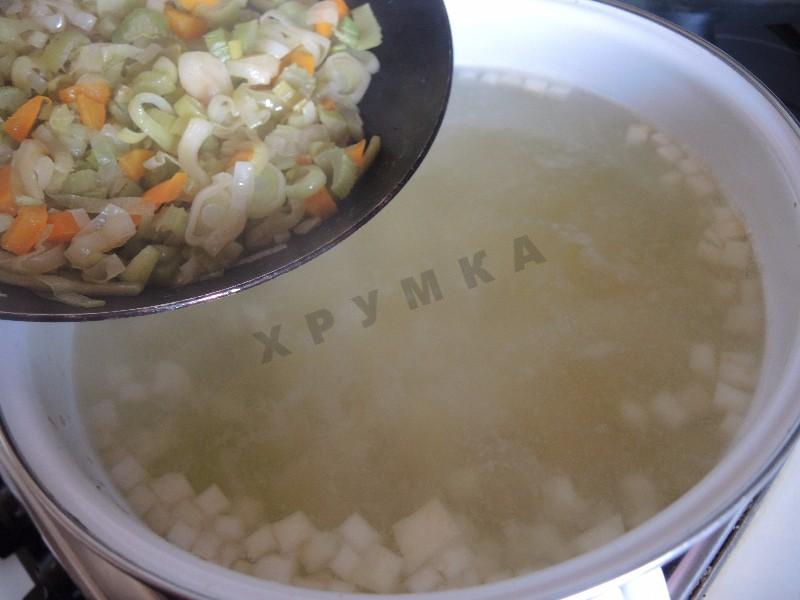
Once the potatoes have softened a bit (about 10 minutes), add the sautéed vegetables to the broth.
-
Step 8:

Five minutes later, add the onion and carrot. Simmer until the potatoes are done — they should break apart easily when pressed with a spoon.
-
Step 9:
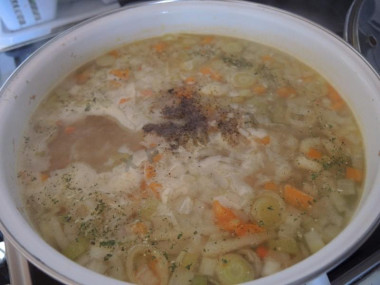
At the very end, gently return the fish pieces to the pot so they don't fall apart. Add salt and ground pepper and stir carefully. Take the soup off the heat and serve. Enjoy!




- Important! Whether or not the recipe specifies an amount of water, it's always best to go by your own preference (do you like a thick soup or a thinner one?), the size of your pot, and the ingredients you're using. Keep in mind that the author has their own idea of how much meat, potato, grain, and other ingredients belong in the soup, and it may not match yours. In practice, if it's your first time making it, don't cook a whole pot at once. Make a small tasting batch for one or two people: scale all the ingredients down to 1–2 servings and figure the water at roughly 1 cup per serving for a very thick soup, up to 1½–2 cups for a thinner one. Remember that some of the liquid will boil off as it cooks. After tasting that small batch, you can adjust both the amount of liquid and the proportions of ingredients to your taste. Before long, like most seasoned cooks, you'll be adding water and ingredients by eye.
- For tips on choosing the perfect pot for soup, porridge, or pickling, see our article on pots.
- How do you fillet a whole fish? Remove the tail, head, and fins. Cut along the backbone down to the spine, then turn the fish on its side and slide a sharp knife along the backbone to free the meat. Flip the fish and cut the fillet from the other side. Clean the inside, removing the black membrane, which is bitter and will spoil the flavor. Rinse, and be sure to pat it thoroughly dry.
Caloric content of the products possible in the composition of the dish
- Ripe potatoes - 80 kcal/100g
- Baked potatoes - 70 kcal/100g
- Mashed potatoes - 380 kcal/100g
- Boiled potatoes - 82 kcal/100g
- Potatoes in uniform - 74 kcal/100g
- Fried potatoes - 192 kcal/100g
- Sweet pepper - 27 kcal/100g
- Carrots - 33 kcal/100g
- Dried carrots - 275 kcal/100g
- Boiled carrots - 25 kcal/100g
- Boiled pollock - 79 kcal/100g
- Pollock fresh - 72 kcal/100g
- Ground black pepper - 255 kcal/100g
- Celery - 12 kcal/100g
- Celery Roots - 32 kcal/100g
- Butter 82% - 734 kcal/100g
- Amateur unsalted butter - 709 kcal/100g
- Unsalted peasant butter - 661 kcal/100g
- Peasant salted butter - 652 kcal/100g
- Melted butter - 869 kcal/100g
- Leek - 33 kcal/100g
- Vegetable oil - 873 kcal/100g
- Salt - 0 kcal/100g
- Onion - 41 kcal/100g
- Ground coriander - 25 kcal/100g