Spicy Georgian-Style Eggplant for Winter
The tastiest recipe for anyone who loves it hot! This canned Georgian-style eggplant is a wonderful appetizer that even a beginner cook can put up. Season it with your favorite spices, and scatter fresh chopped herbs over the top just before serving.



Cooking method
-
Step 1:
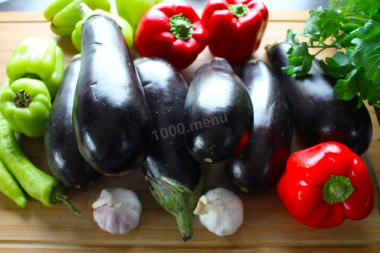
How do you make Georgian-style eggplant? Gather all your ingredients. It's best to use red, fleshy peppers, or a mix of different colors.
-
Step 2:
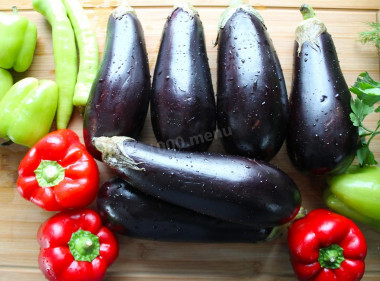
Wash all the vegetables thoroughly in clean cold water, then pat them dry with paper towels.
-
Step 3:
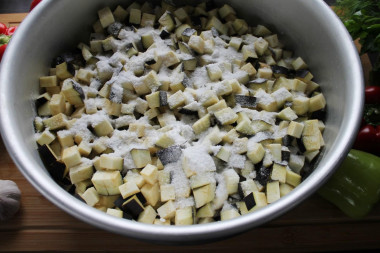
Cut the eggplant into small, evenly sized cubes. Put them in a large bowl or pot, sprinkle with a scant handful of coarse salt, and mix well. Let stand for 20–30 minutes.
-
Step 4:
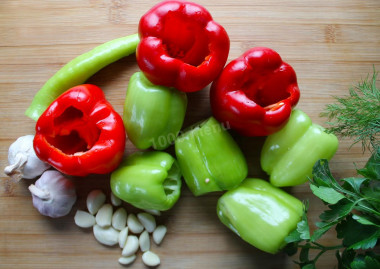
Peel the garlic, and remove the cores and seeds from the bell peppers. Trim the stems off the hot peppers. For a spicier dish, leave the seeds in the hot peppers—the seeds are what give the eggplant its real heat.
-
Step 5:
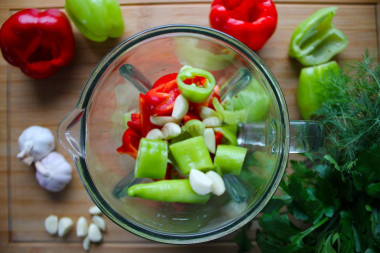
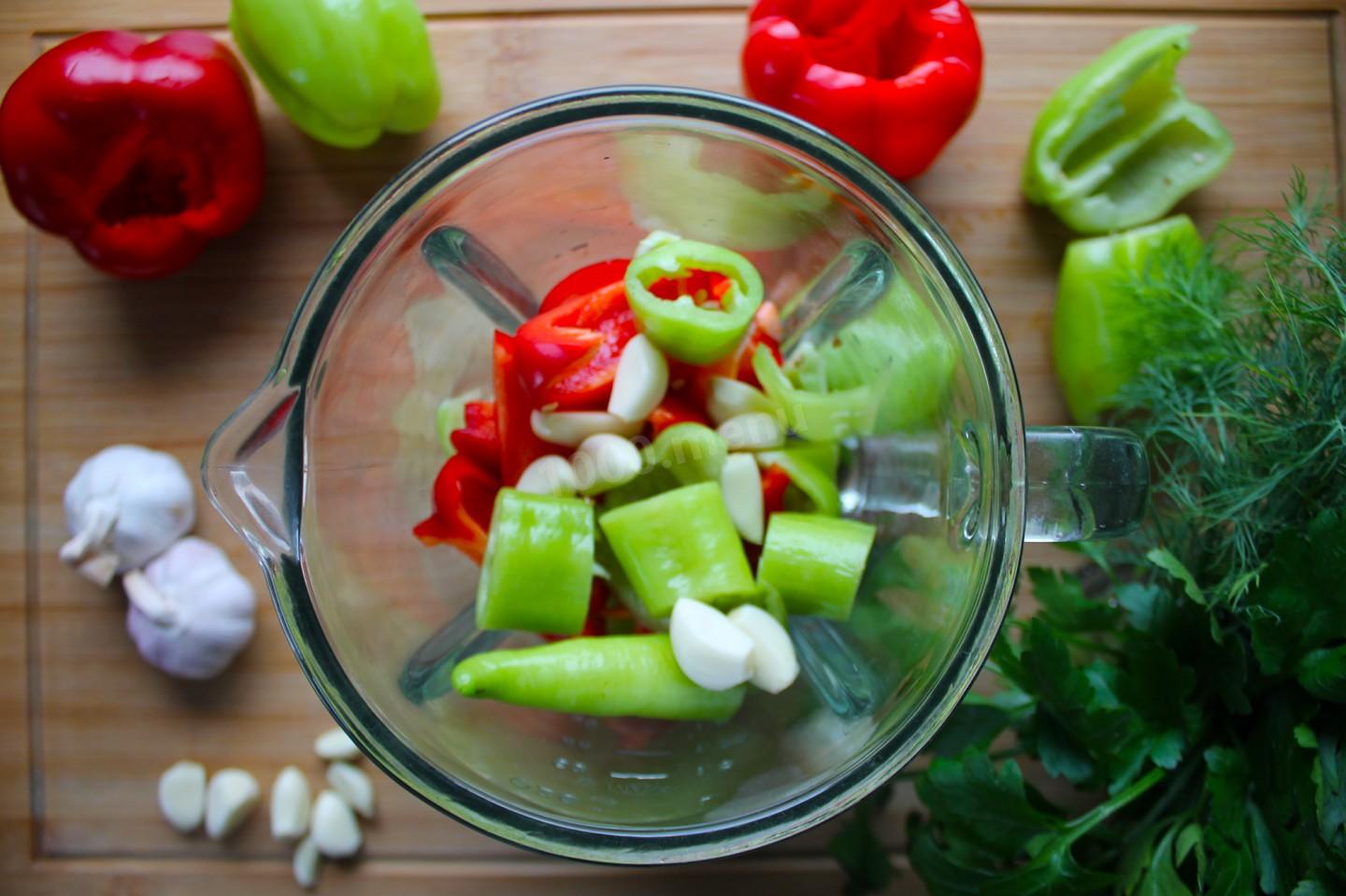
Put the garlic and the bell and hot peppers in a blender.
-
Step 6:
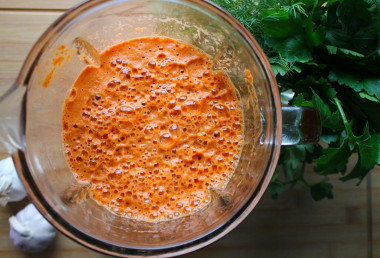
Blend everything until smooth. You can use a meat grinder instead—the texture and look will be a bit different, but the flavor won't change much.
-
Step 7:
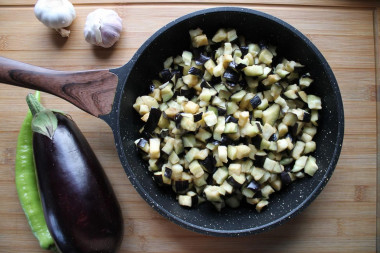
After the eggplant has rested, pour a little cold water over it, then immediately squeeze the liquid out of the eggplant. Heat a little vegetable oil in a heavy-bottomed skillet and fry the eggplant—it's easiest to do this in batches. Cook until the eggplant turns golden.
-
Step 8:
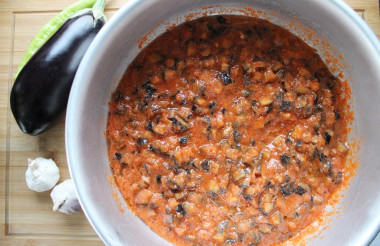
Put the pepper-and-garlic purée in a large pot or other vessel where you can finish cooking the dish. Bring it to a boil over high heat, then add the eggplant, vegetable oil, and vinegar, followed by the sugar and salt. I'd suggest adding the salt gradually—you may need a bit less than the recipe calls for. Stir everything well, lower the heat, and cook, stirring now and then, for about 10–15 minutes.
-
Step 9:
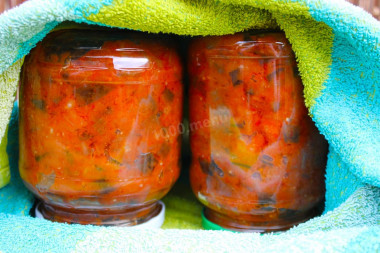
Wash the jars and lids well and sterilize them however you like—in the microwave, in the oven, or over a water bath. Pack the finished relish into the jars, seal them with lids, turn them upside down, and leave them at room temperature under a towel or warm blanket until completely cool.
-
Step 10:
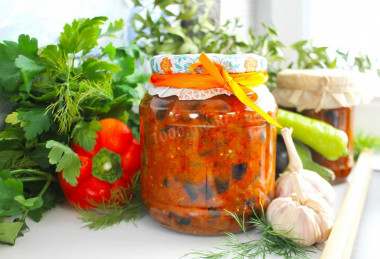
Move the jars of eggplant to a cool spot for long-term storage.
-
Step 11:
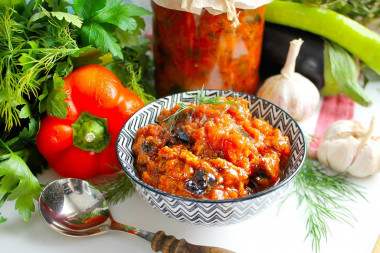
You can take a first taste right away. Your delicious Georgian-style eggplant relish is ready!




- Sprinkle the finished relish with fresh herbs before serving to make it brighter and tastier (cilantro or parsley work well). Adjust the amount of hot pepper and garlic to your taste. This batch yields about 2 quarts (2 L) for me—the amount depends on how much liquid you cook off and how fleshy your peppers were. Enjoy!
- To make sure your summer harvest keeps you happy all season long, brush up on the basic rules, secrets, and handy tricks of canning for the winter.
- Root vegetables are best scrubbed with a brush or a stiff sponge under running water.
- Use a high-smoke-point oil for frying! Oils are only healthy up to a certain temperature—the smoke point, where the oil starts to burn and forms toxic compounds, including carcinogens. With rare exceptions, unrefined oils have a low smoke point; they're full of unfiltered organic particles that start to burn quickly. Refined oils handle heat better and have a higher smoke point. If you're cooking in the oven, in a skillet, or on a grill, make sure you use a high-smoke-point oil. The most common ones are refined sunflower, olive, and grapeseed oils.
Caloric content of the products possible in the composition of the dish
- Sweet pepper - 27 kcal/100g
- Eggplant - 24 kcal/100g
- Garlic - 143 kcal/100g
- Granulated sugar - 398 kcal/100g
- Sugar - 398 kcal/100g
- Vegetable oil - 873 kcal/100g
- Hot capsicum - 40 kcal/100g
- Salt - 0 kcal/100g
- Table vinegar - 11 kcal/100g