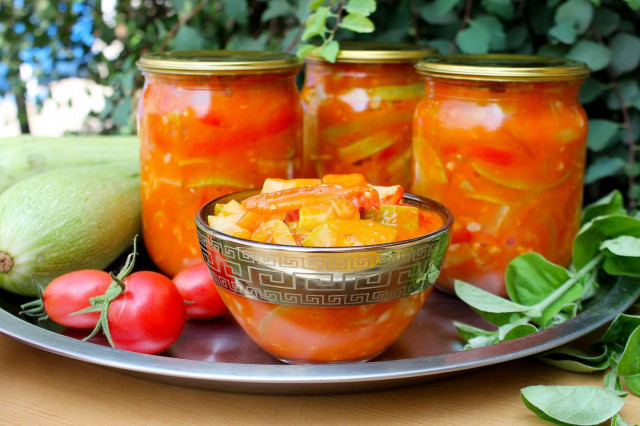
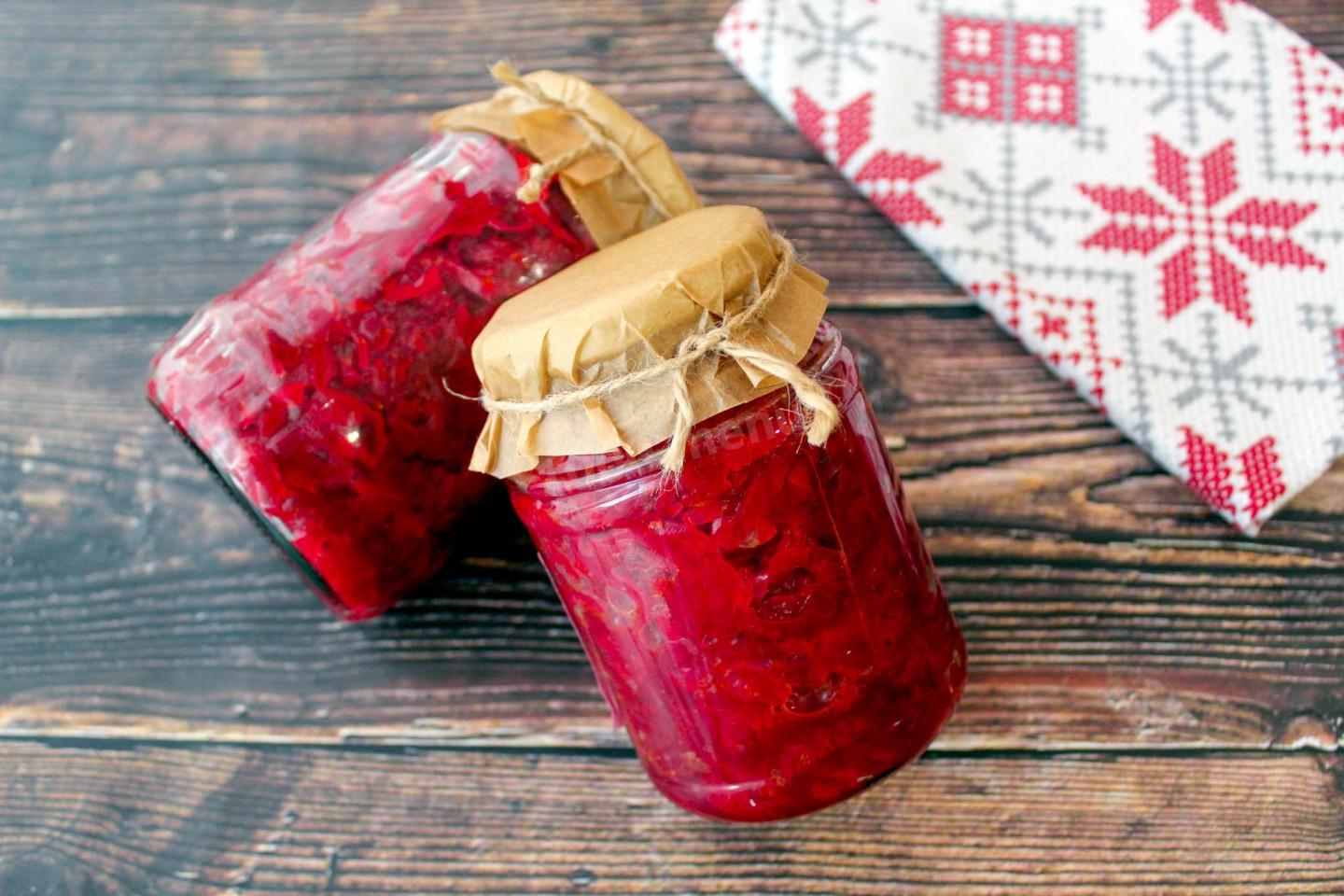
Easy Canned Borscht Base for Winter with Cabbage and Beets
A clever everyday preserve from ordinary ingredients! This easy canned borscht base with cabbage and beets lets you put together a delicious borscht in no time. The ingredients are cheap and easy to find, especially in vegetable season—so you can make a big batch to last all winter.

Cooking method
-
Step 1:
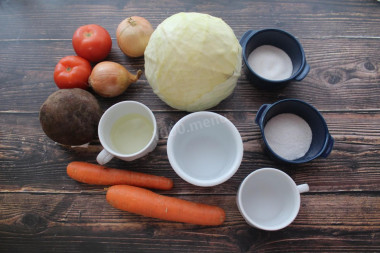
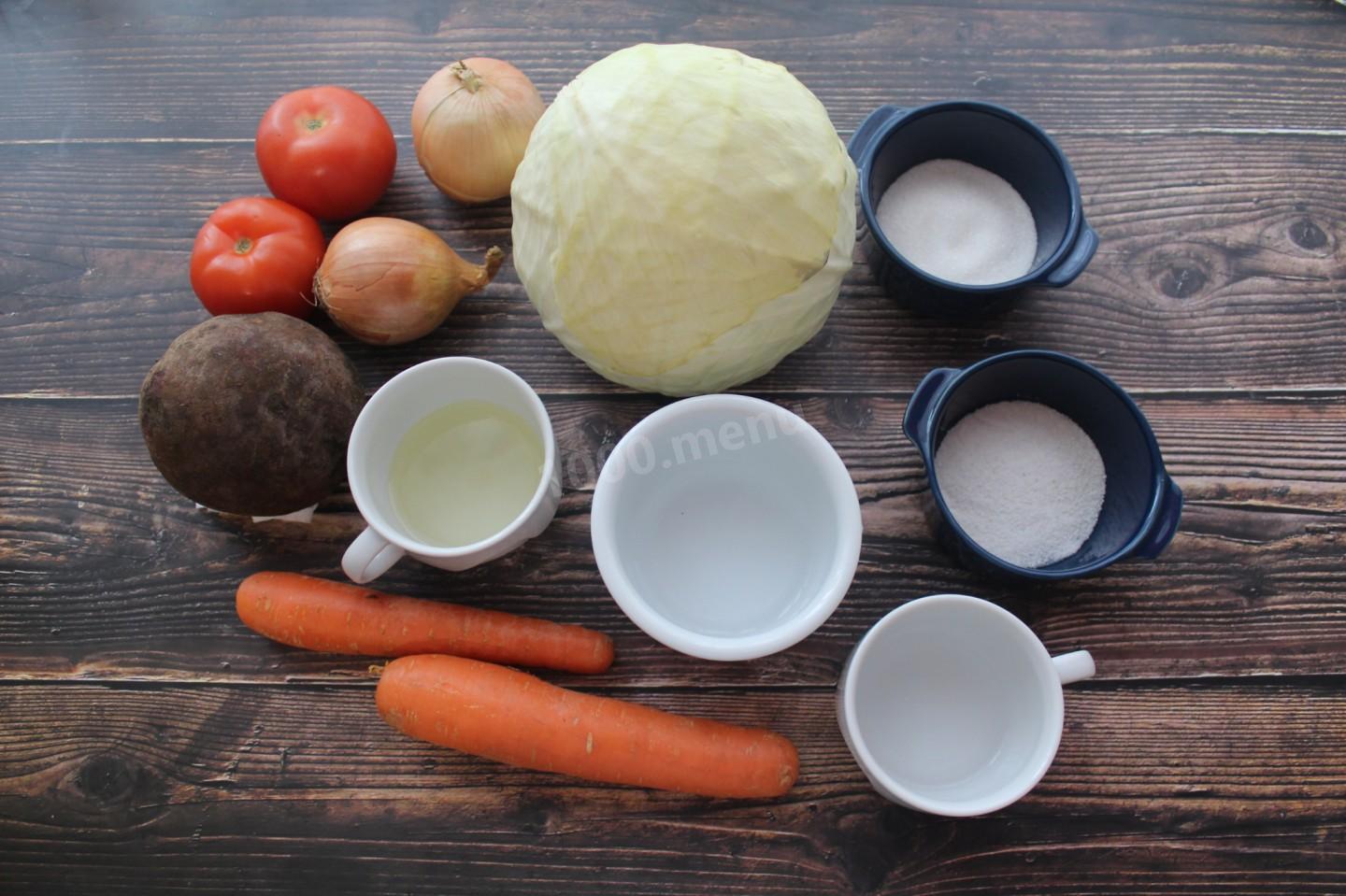
How do you make an easy borscht base for winter? Gather your ingredients. Rinse all the vegetables well under running water.
-
Step 2:
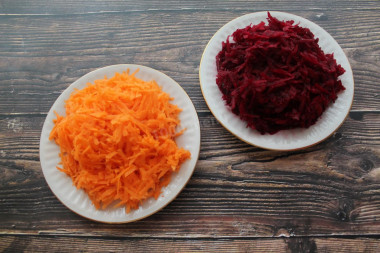
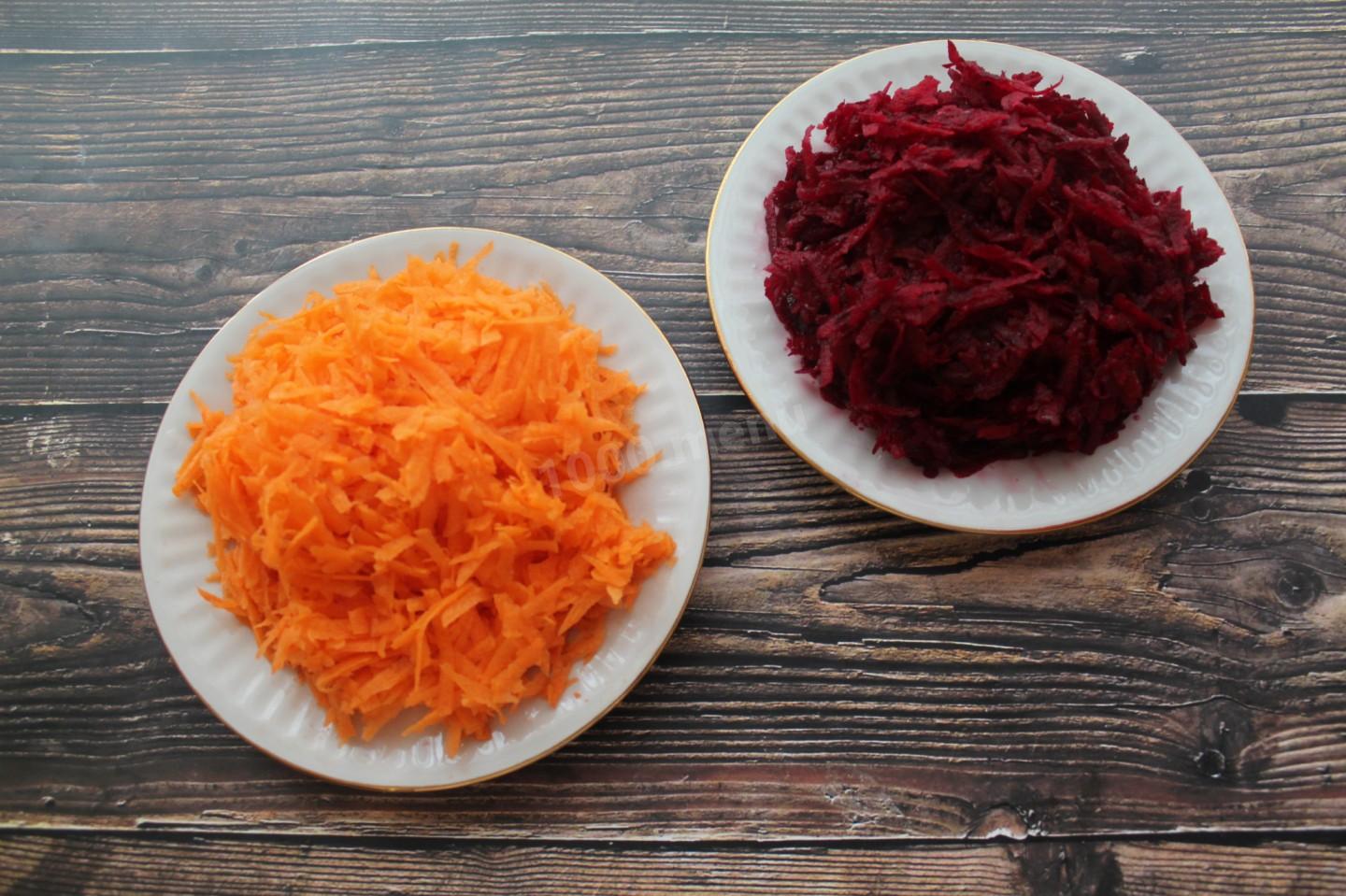
Peel the beets and carrots with a vegetable peeler and grate them on the coarse side of a box grater.
-
Step 3:

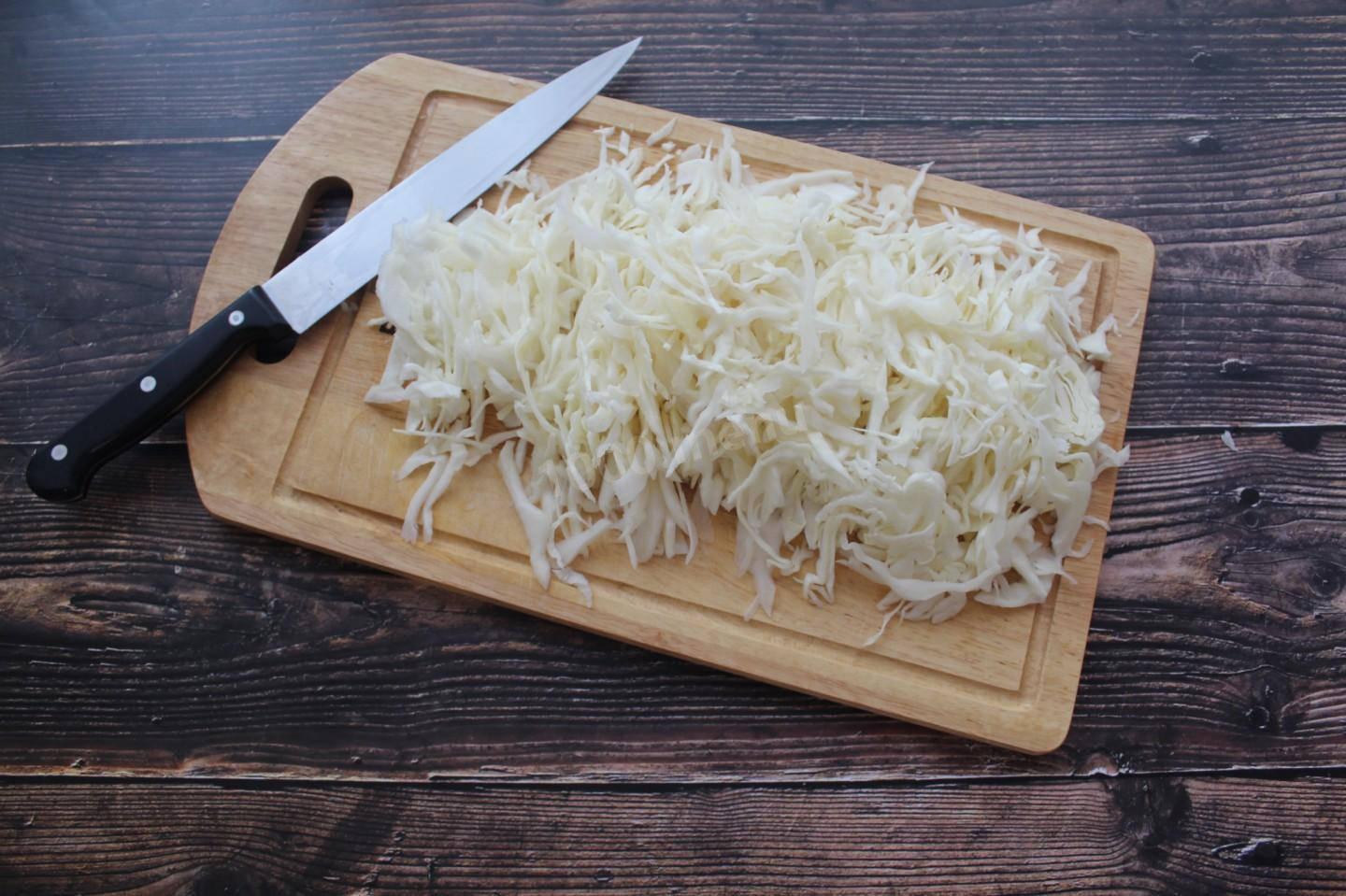
Shred the green cabbage with a sharp knife or a mandoline.
-
Step 4:
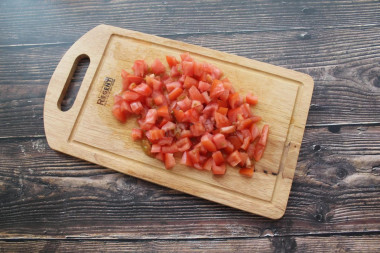
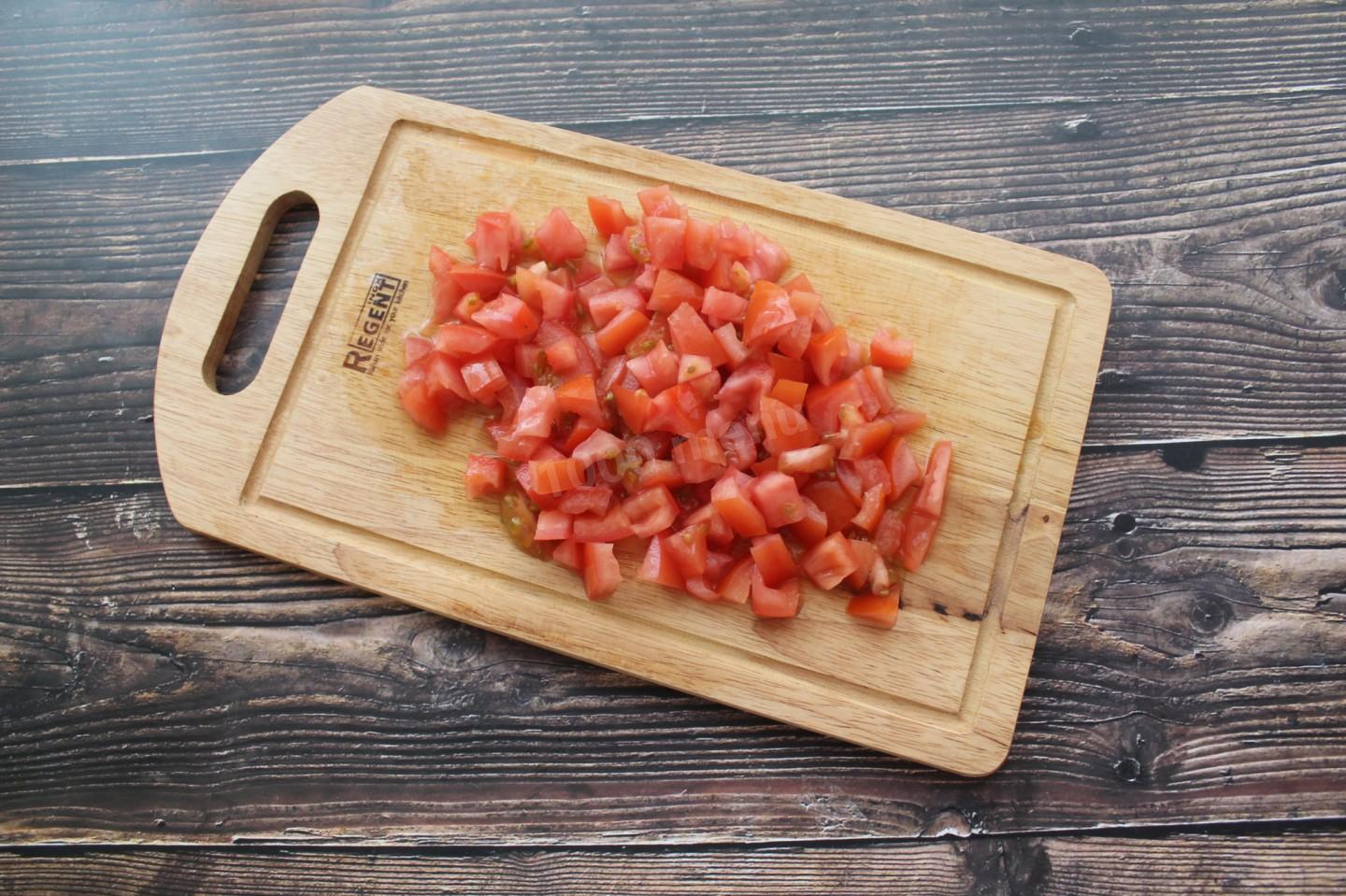
Cut the stem ends out of the tomatoes and cut them into medium cubes. You can peel them first if you like. The easy way to peel tomatoes: wash them, cut a shallow X in the top with a sharp knife, drop them into boiling water for 1–2 minutes, then lift them out, cool slightly, and slip off the skins.
-
Step 5:
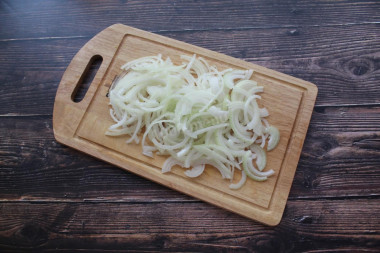
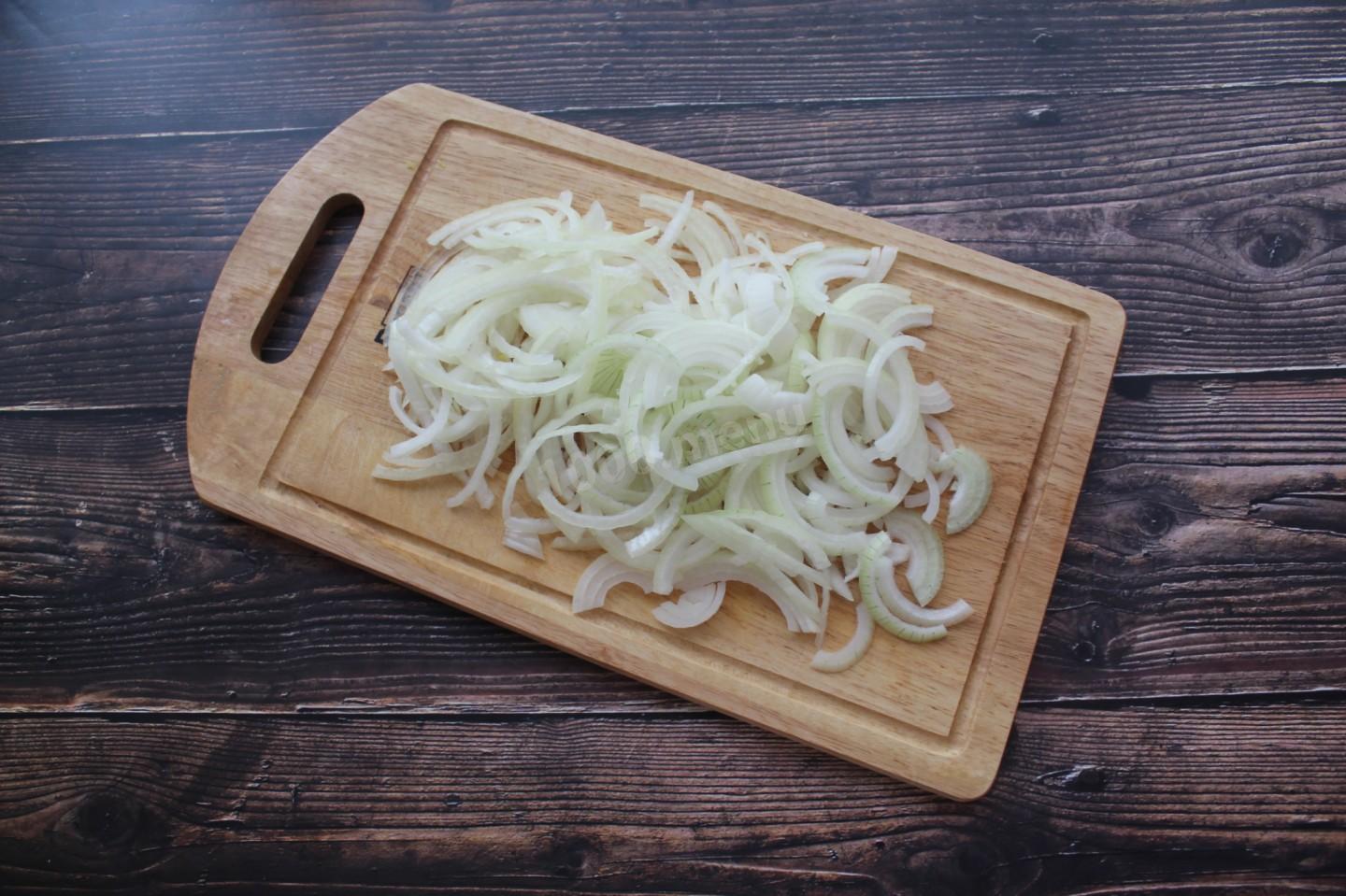
Peel the onions. If they're large, cut them into half-rings; if small, into rings. To keep your eyes from stinging while you slice, rinse the onion and the knife in cold water. And the cutting board won't soak up the onion smell if you rub it with a cut lemon first.
-
Step 6:
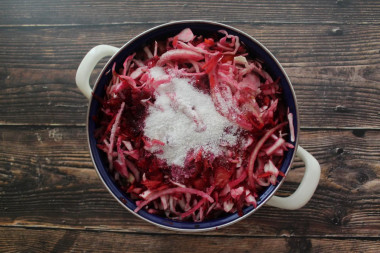
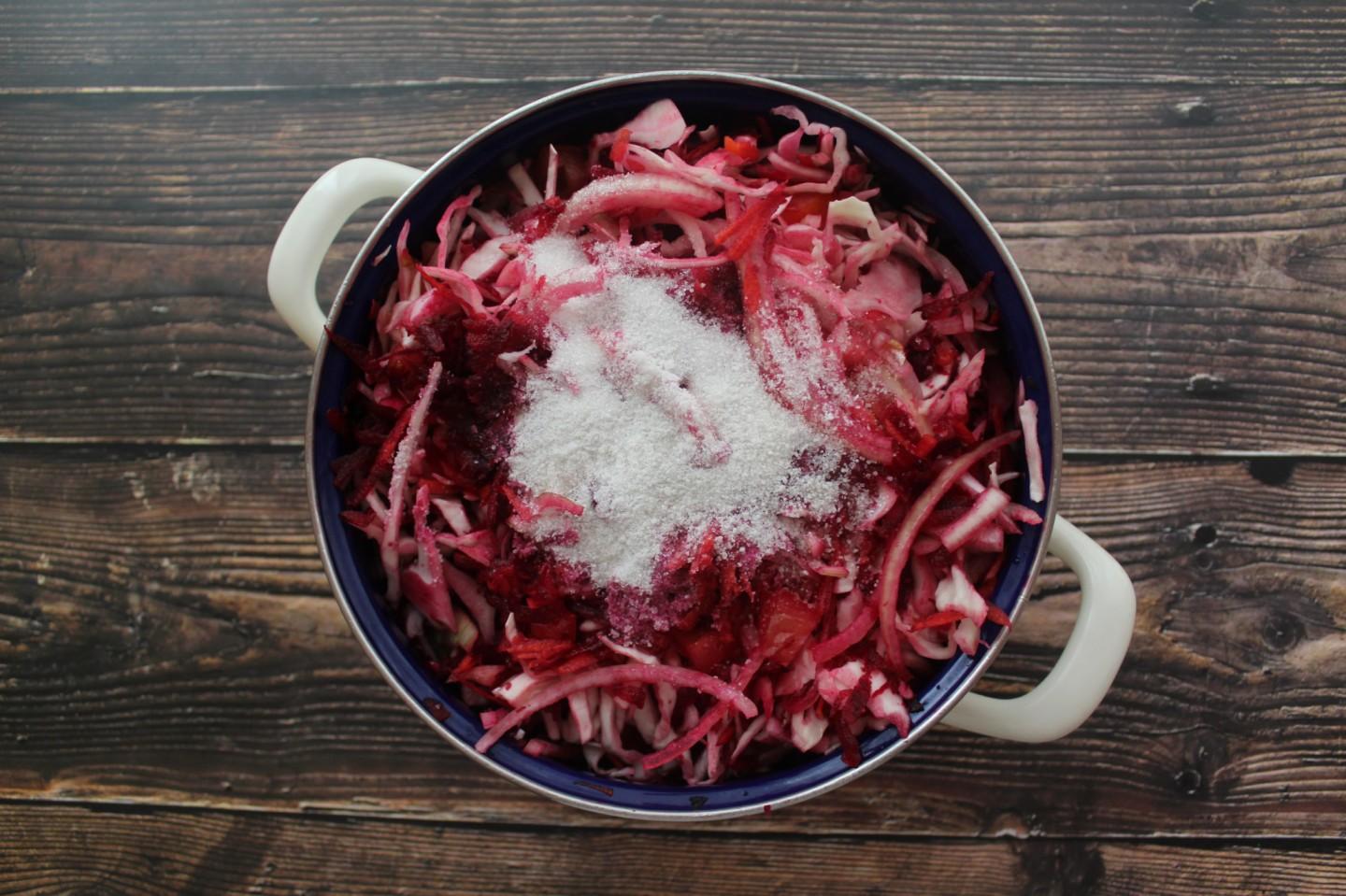
Put all the prepared vegetables into a large pot. Add the salt and sugar, then pour in the vegetable oil and water. Set the pot over medium heat and cook the vegetables for 20 minutes, stirring now and then so they don't scorch.
-
Step 7:
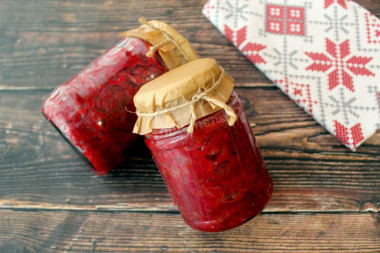
Sterilize the jars and lids ahead of time however you like—in the oven, over steam, in water, or even in the microwave. A minute before the vegetables are done, pour in the vinegar, stir, and immediately pack the mixture into the sterilized jars. Seal them with sterile lids. Cool the jars upside down under a blanket. The base keeps well even at room temperature. Enjoy!
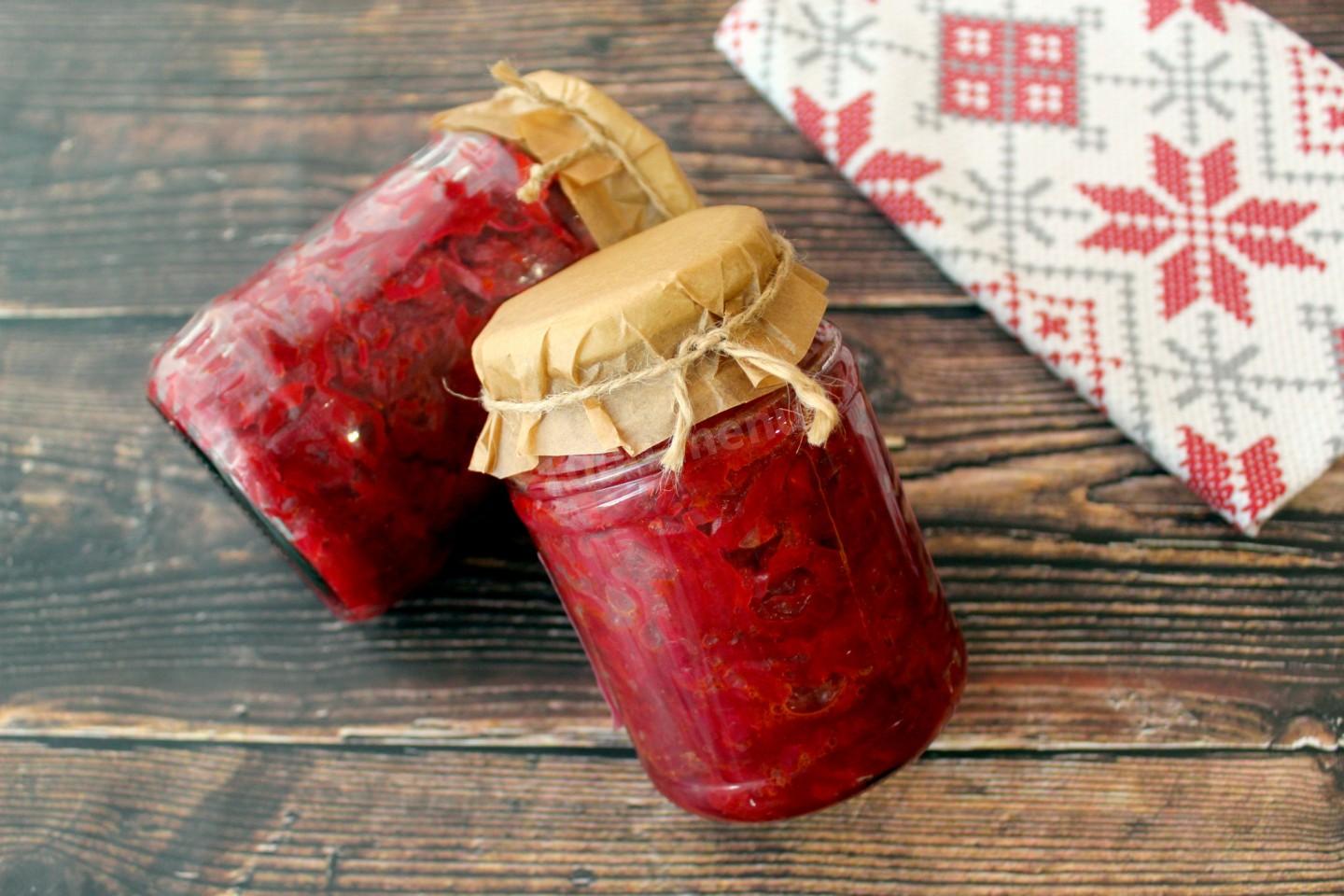
- When it's time to make soup with this base, just add it to a meat broth that already has cooked potatoes in it and simmer for another 5 minutes at a gentle boil. It's a real time-saver for soup when you're in a hurry. This amount yields roughly 1.2 liters of base. The number of servings is hard to pin down, since everyone makes their soup a different thickness and uses different-sized pots. There are other versions of this winter base, but the main ingredient is always beets—so choose them with extra care, and use your own home-grown beets if you can.
- If you use a vegetable or mushroom broth, the soup is suitable for Lenten eating.
- For how to figure out the number of jars, why jars sometimes burst and how to prevent it, plus more tips and tricks, see the article on winter preserves.
- Unless the author specifies otherwise, the vinegar in these recipes is 9% by default.
- For how to choose the perfect pot for soup, porridge, or pickling cucumbers, see the article on pots.
Caloric content of the products possible in the composition of the dish
- Onion - 41 kcal/100g
- Tomatoes - 23 kcal/100g
- Beetroot - 40 kcal/100g
- Dried beetroot - 278 kcal/100g
- Boiled beets - 49 kcal/100g
- Carrots - 33 kcal/100g
- Dried carrots - 275 kcal/100g
- Boiled carrots - 25 kcal/100g
- Granulated sugar - 398 kcal/100g
- Sugar - 398 kcal/100g
- Wine vinegar (3%) - 9 kcal/100g
- Vinegar 9% - 11 kcal/100g
- Balsamic vinegar - 88 kcal/100g
- Apple vinegar - 14 kcal/100g
- Vinegar - 11 kcal/100g
- Vegetable oil - 873 kcal/100g
- Salt - 0 kcal/100g
- Water - 0 kcal/100g
- White cabbage - 28 kcal/100g
- Boiled white cabbage - 21 kcal/100g