Homemade Cognac from Grain Alcohol
An original flavor, great for a festive table, and inexpensive! This homemade cognac made from grain alcohol is, of course, a far cry from real French brandy. But you'll still end up with an interesting drink made entirely from natural ingredients, with no artificial colors or flavor enhancers.


Cooking method
-
Step 1:
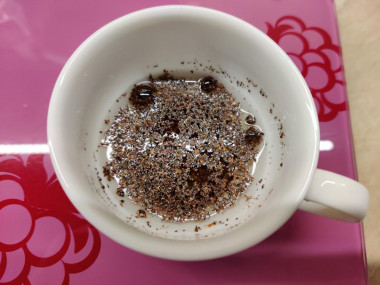
How do you make homemade cognac from grain alcohol? Prepare the ingredients. First, rinse the oak bark under cold running water and drain it in a colander.
-
Step 2:
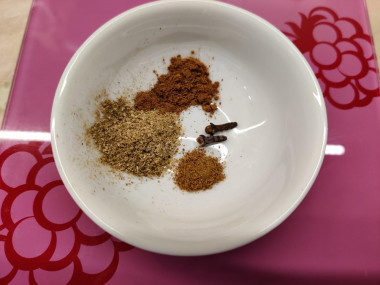
Now prepare the spices. You'll need coriander, cinnamon, and nutmeg, all ground. You need only a tiny bit of each seasoning - literally a knife-tip's worth. If your coriander is in whole seeds, that's fine, it'll be even more aromatic. Just crush the seeds with the back of a spoon or in a mortar. You'll also need two whole cloves. Leave them whole.
-
Step 3:
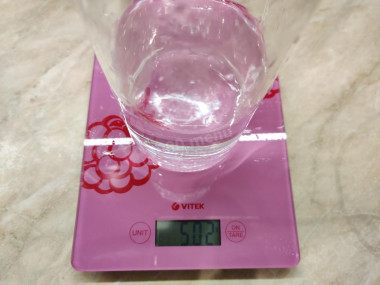
Next, a note: the alcohol for this recipe should be 96 proof. If you don't have any on hand, feel free to swap in a good, reliable vodka. I do keep this kind of alcohol, and I save it like the apple of my eye, only for special occasions. So, pour the alcohol into a clean, dry container, preferably glass.
-
Step 4:

Add all the spices to the container. Add the oak bark you prepared earlier as well.
-
Step 5:
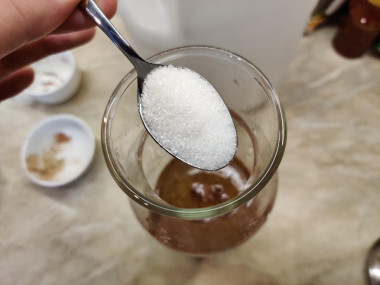
And as the last step, add the granulated sugar.
-
Step 6:
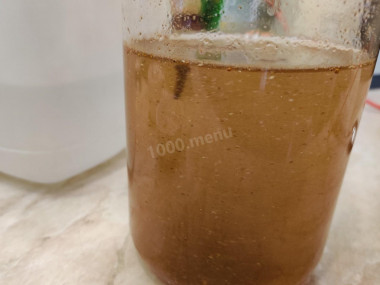
Stir the drink well so the sugar grains dissolve completely. If you like, you can caramelize the sugar in a pan first - then your cognac will take on pleasant caramel notes. That's the end of the prep. All that's left is to put the future cognac in a dark place at room temperature where no one will find it for the next ten days. Not the cellar. Not the fridge.


- I don't recommend infusing the cognac for more than ten days, because the oak bark will give the drink too many tannins. And be sure to stir the contents of the container every day. Once the cognac is ready, strain it however is convenient for you. Here's how I do it: I cut the neck off a plastic bottle to make a decent-sized funnel and stuff regular cotton cosmetic pads into the neck. An improvised filter, ready to go! Yes, the cognac filters slowly, but believe me, it's worth it. Also, don't cut corners on the oak bark by trying to gather it yourself - it's a tricky business, and not every oak tree will do. Just buy the bark at the nearest pharmacy! It comes finely or coarsely ground - it makes no difference here. And remember: excessive alcohol consumption is bad for your health and the health of those around you. Enjoy the tasting!
- Since everyone's tolerance for salt, sweetness, bitterness, heat, acidity, and spice is different, always add spices and seasonings to your own taste! If you're using a seasoning for the first time, keep in mind that some are especially easy to overdo (chili pepper, for example).
Caloric content of the products possible in the composition of the dish
- Cloves - 323 kcal/100g
- Cinnamon - 247 kcal/100g
- Granulated sugar - 398 kcal/100g
- Sugar - 398 kcal/100g
- Ground coriander - 25 kcal/100g
- Alcohol - 221 kcal/100g
- Oak bark - 0 kcal/100g
- Nutmeg - 556 kcal/100g