Skillet Turkey Goulash with Gravy
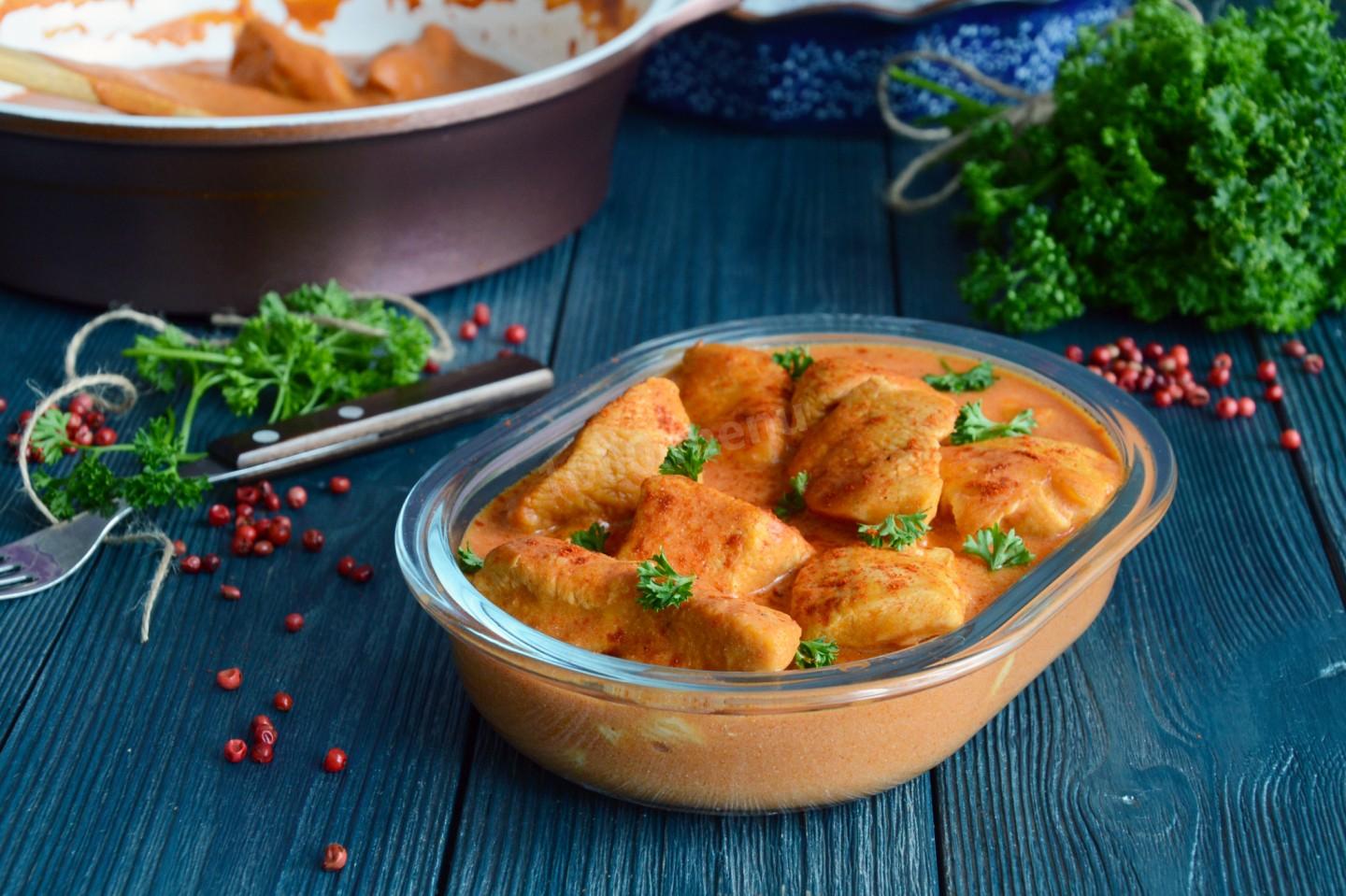
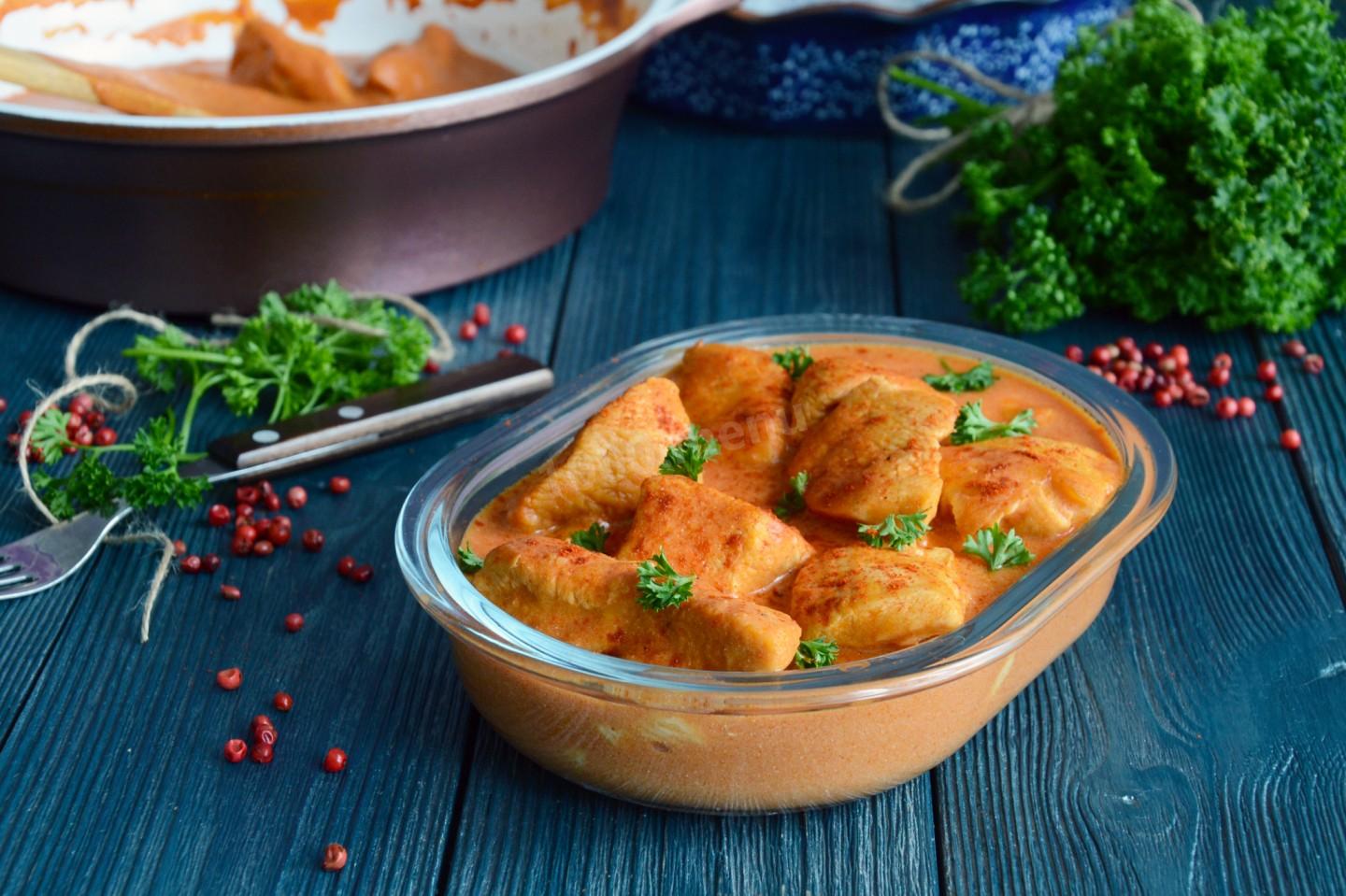
Tender, juicy, melt-in-your-mouth meat that goes with any side, for lunch or dinner. This skillet turkey goulash with gravy is perfect over pasta, boiled potatoes, rice, or buckwheat — or simply alongside a green salad and fresh herbs. It's a straightforward, foolproof dish that even a beginner can pull off.

Cooking method
-
Step 1:
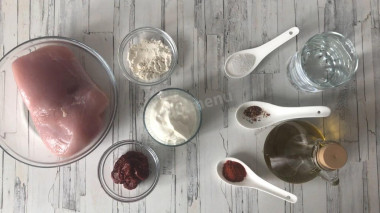
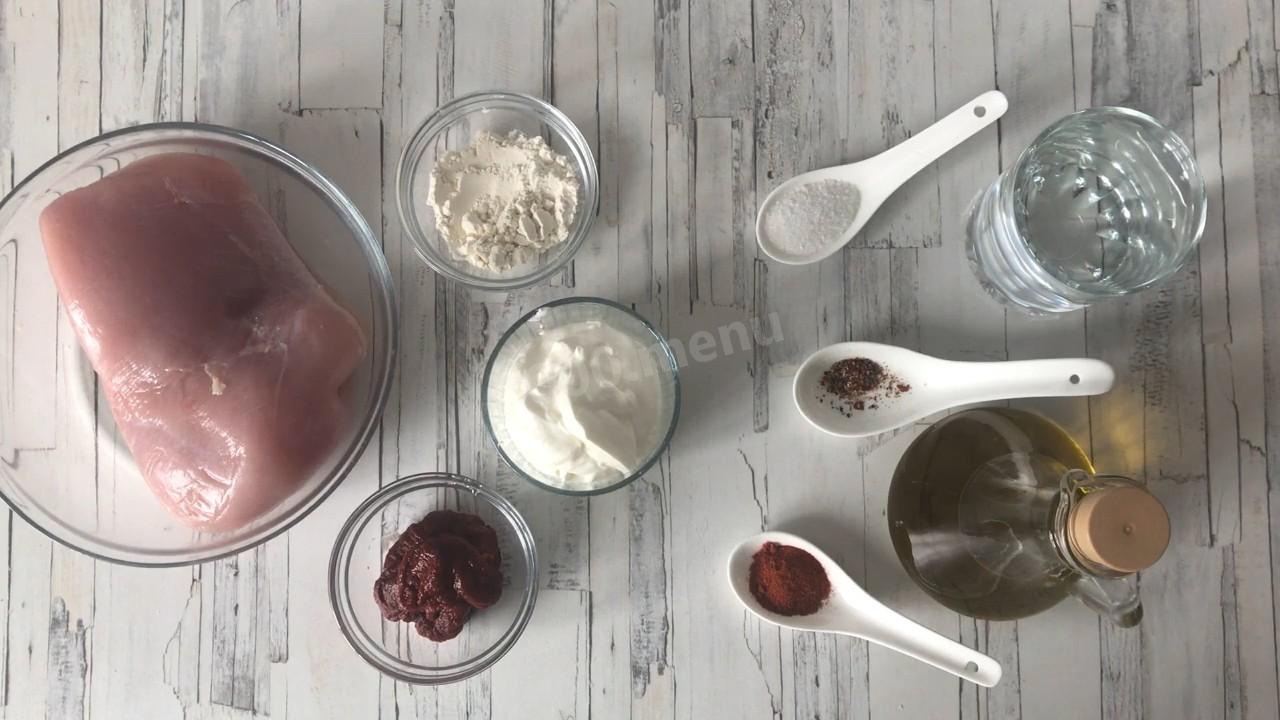
Ready to make skillet turkey with gravy? Gather your ingredients. Turkey fillet is the best cut for this recipe. Use fresh meat — goulash made from previously frozen turkey won't be as good.
-
Step 2:
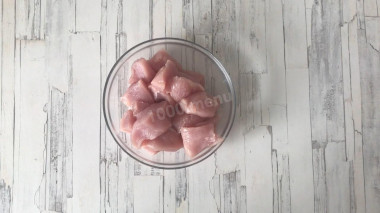
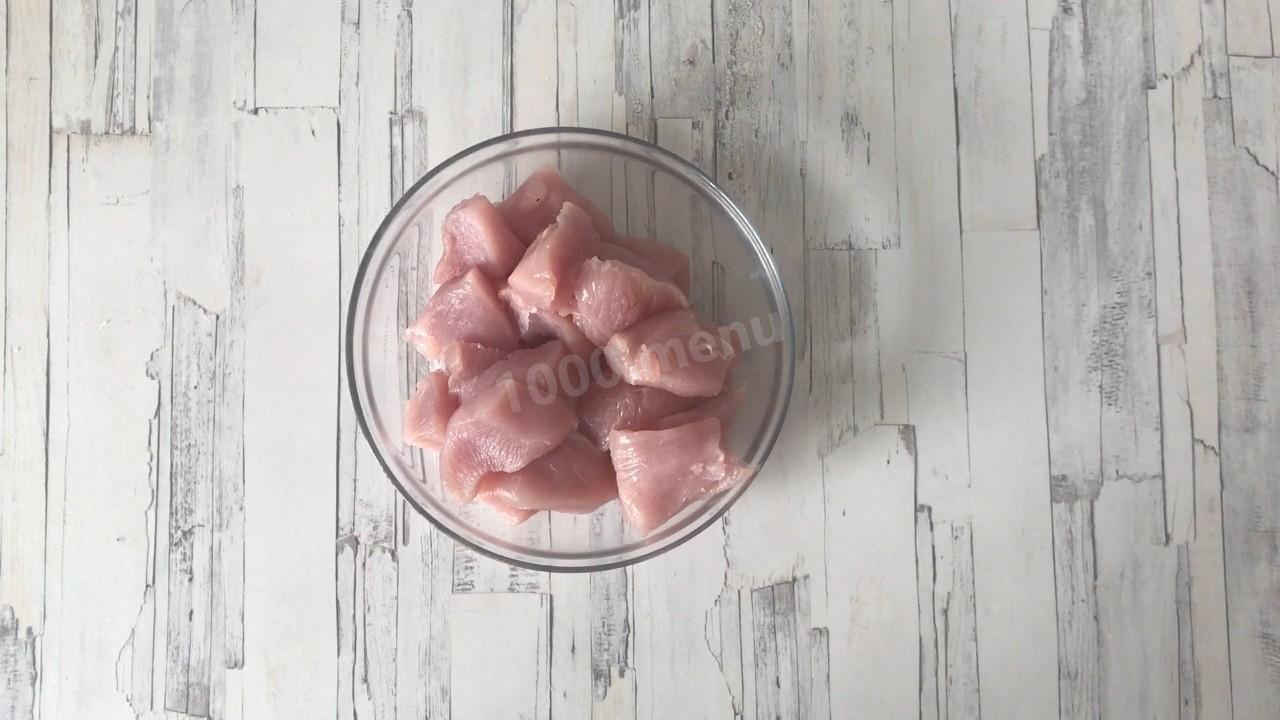
Rinse the turkey under cool running water, pat it dry, and cut it into medium-sized pieces.
-
Step 3:
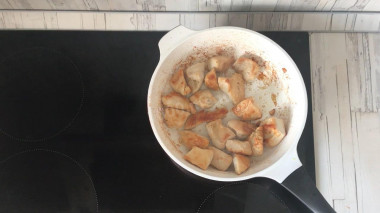
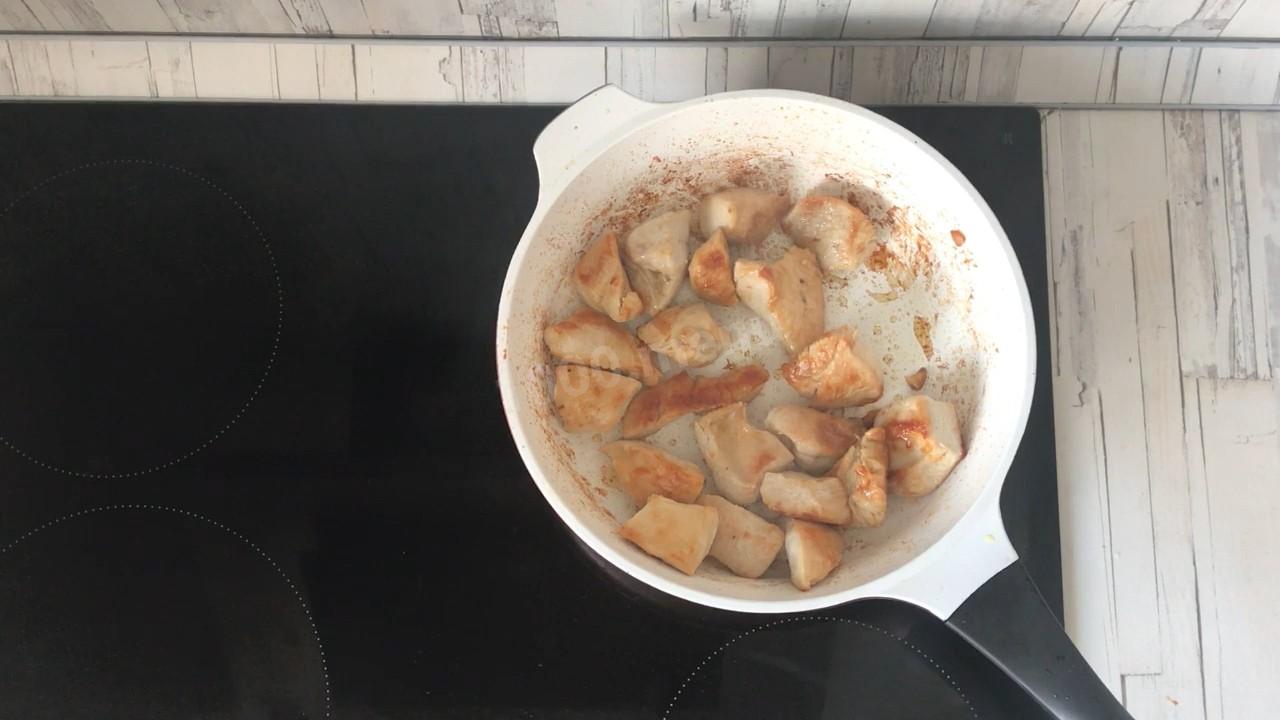
Pour refined vegetable oil into a skillet and heat it well. Here's an easy way to tell it's hot enough: dip in the tip of a wooden spatula, and if bubbles gather around it, you're ready to fry. Cook the turkey over medium heat until golden brown, stirring often.
-
Step 4:
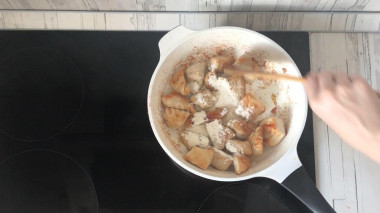
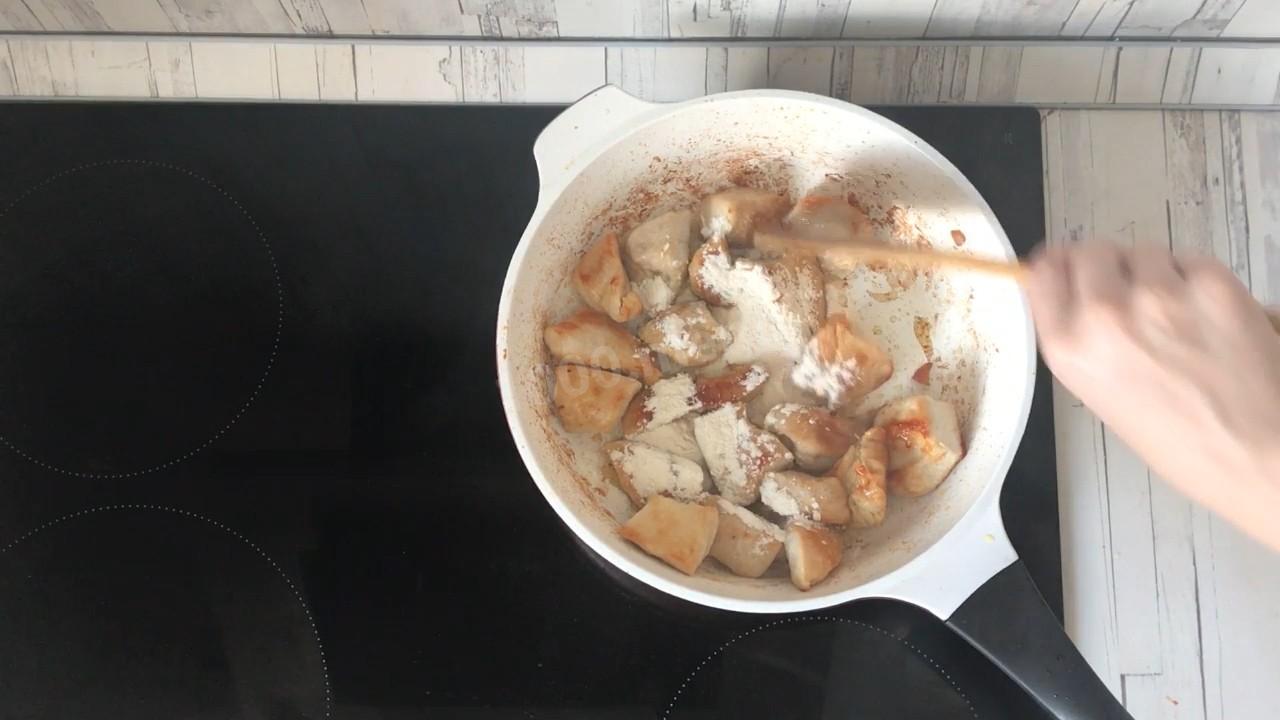
Sprinkle a spoonful of wheat flour over the meat and keep frying, stirring, for another 2 minutes.
-
Step 5:
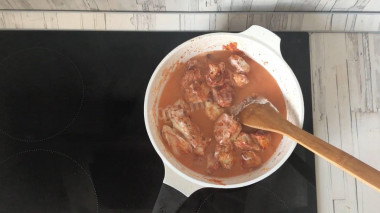
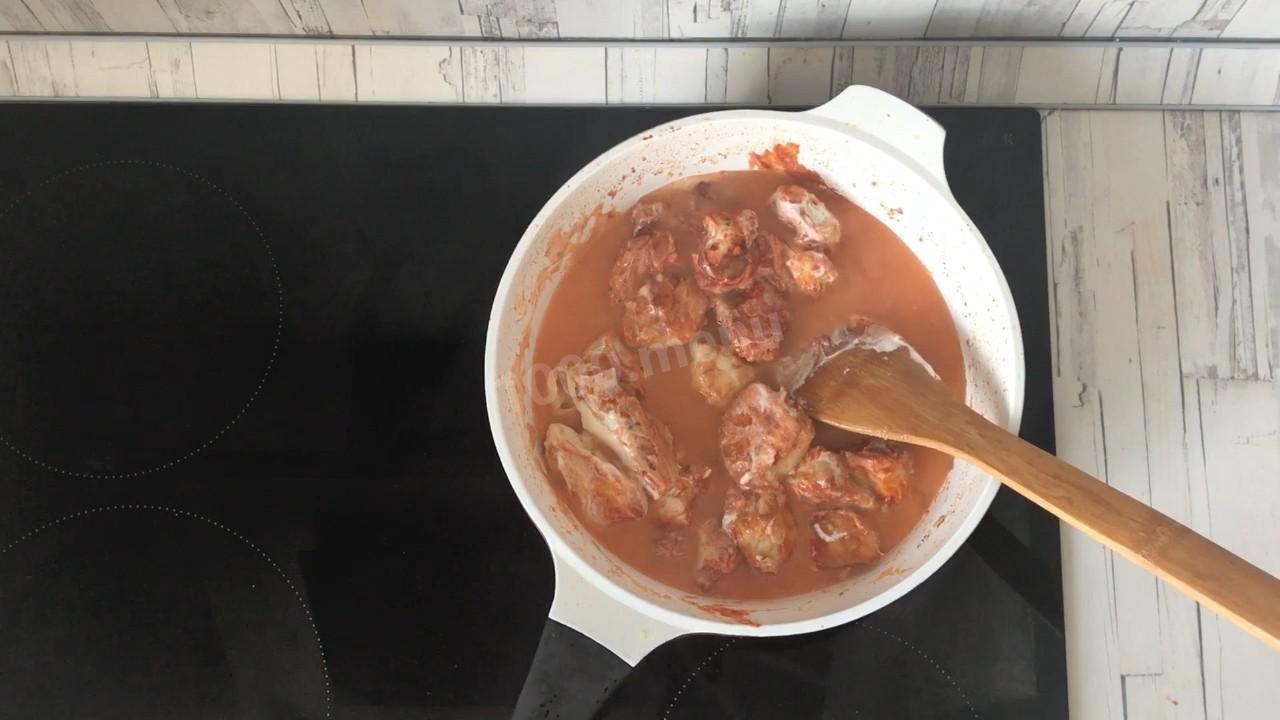
Add the tomato paste and sour cream (any fat content). You can swap the sour cream for heavy cream or plain unsweetened yogurt. Stir to combine. If you'd rather use fresh tomatoes than paste, choose juicy ones: score an X in the skin, pour boiling water over them, and after a couple of minutes drain, peel, finely chop, and add them to the pan.
-
Step 6:
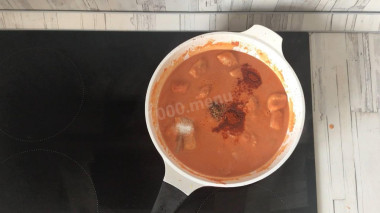
Pour in about 3/4 cup (200 ml) hot water, season with salt, and add the spices (paprika, ground black pepper). Stir well. Season to your own taste — a ready-made poultry spice blend works too, but read the label first: if it already contains salt, adjust accordingly so you don't over-salt the dish.
-
Step 7:
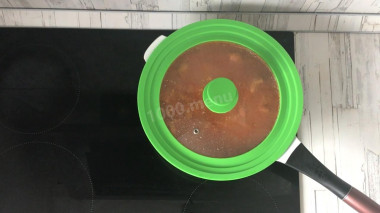
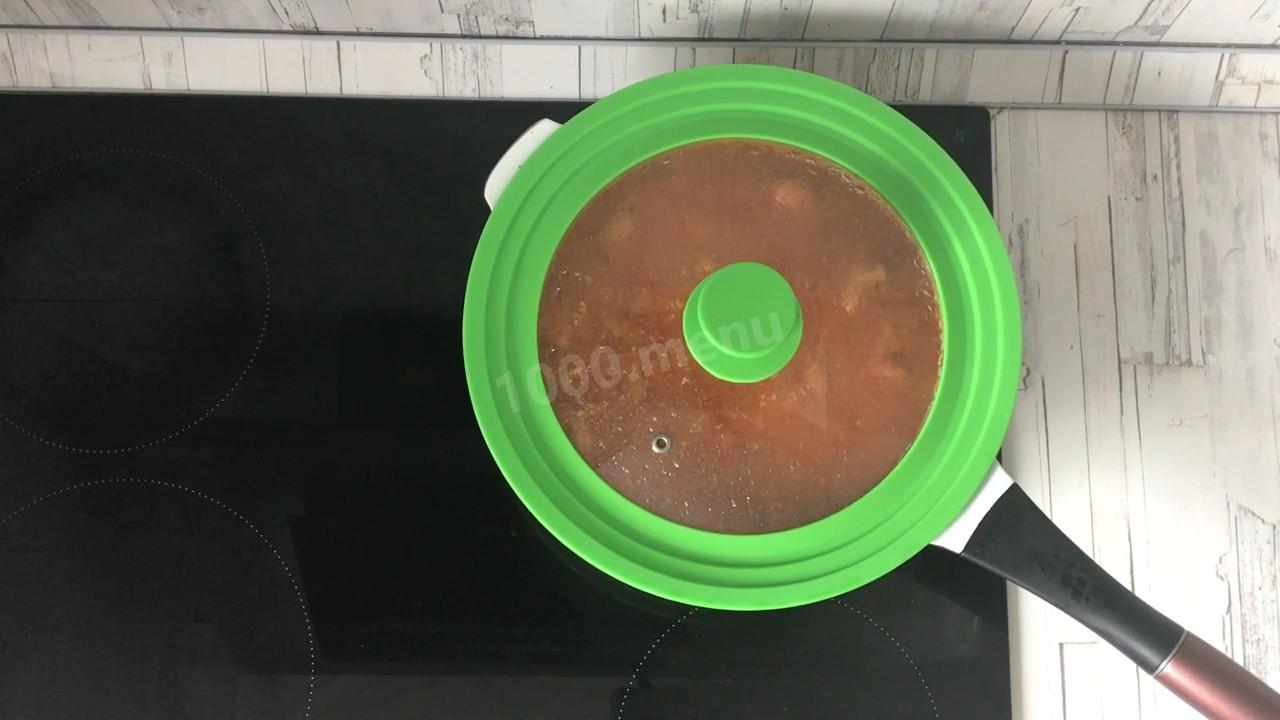
Turn the heat down to low, cover the skillet, and simmer for about 30 to 35 minutes, until the turkey is tender. Sprinkle the finished dish with chopped fresh herbs (parsley, dill, green onion) before serving.

- You can dress up the recipe by adding finely chopped onion, coarsely grated carrot, bell pepper cut into strips, or 2 to 3 cloves of garlic pressed through a garlic press.
- Since everyone's preference for salty, sweet, bitter, spicy, sour, and hot is different, always add spices and seasonings to your own taste. If you're using a seasoning for the first time, remember that some are especially easy to overdo — chili pepper, for one.
- Use an oil with a high smoke point for frying. Every oil is only good up to a certain temperature — its smoke point — beyond which it starts to burn and form harmful compounds. Unrefined oils generally have a low smoke point because they're full of unfiltered particles that scorch quickly, while refined oils handle heat much better. Whenever you fry, bake, or grill, reach for a high-smoke-point oil — refined sunflower, olive, or grapeseed oil are all good choices.
- One more thing: the wrong pan can ruin even the best recipe. Choose a skillet suited to what you're cooking.
Caloric content of the products possible in the composition of the dish
- Sour cream with 30% fat content - 340 kcal/100g
- Sour cream of 25% fat content - 284 kcal/100g
- Sour cream with 20% fat content - 210 kcal/100g
- Sour cream of 10% fat content - 115 kcal/100g
- Sour cream - 210 kcal/100g
- Ground black pepper - 255 kcal/100g
- Whole durum wheat flour fortified - 333 kcal/100g
- Whole durum wheat flour universal - 364 kcal/100g
- Flour krupchatka - 348 kcal/100g
- Flour - 325 kcal/100g
- Vegetable oil - 873 kcal/100g
- Tomato paste - 28 kcal/100g
- Salt - 0 kcal/100g
- Paprika - 289 kcal/100g
- Turkey fillet - 84 kcal/100g