Quick Skillet Flatbreads Instead of Bread
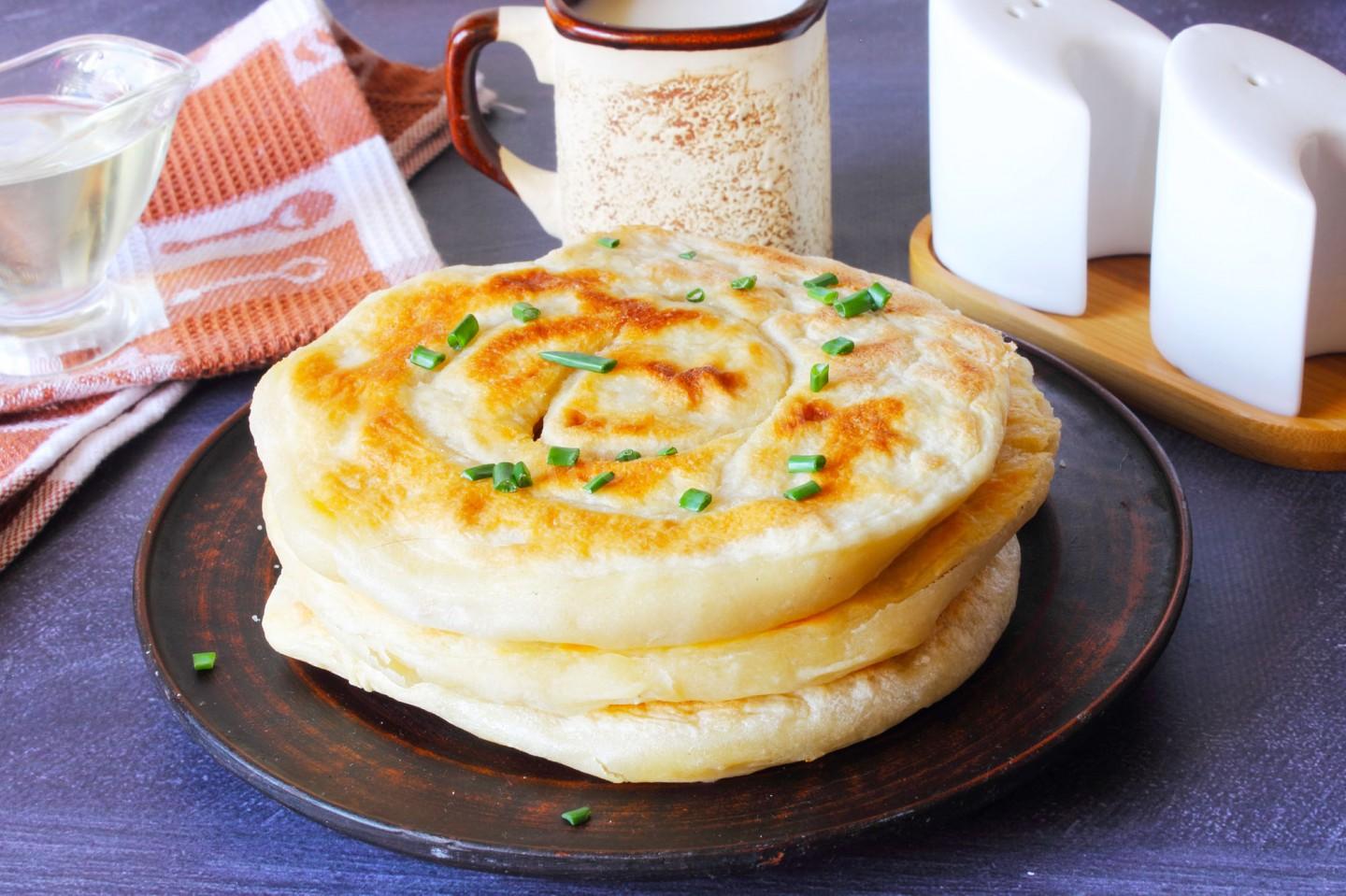
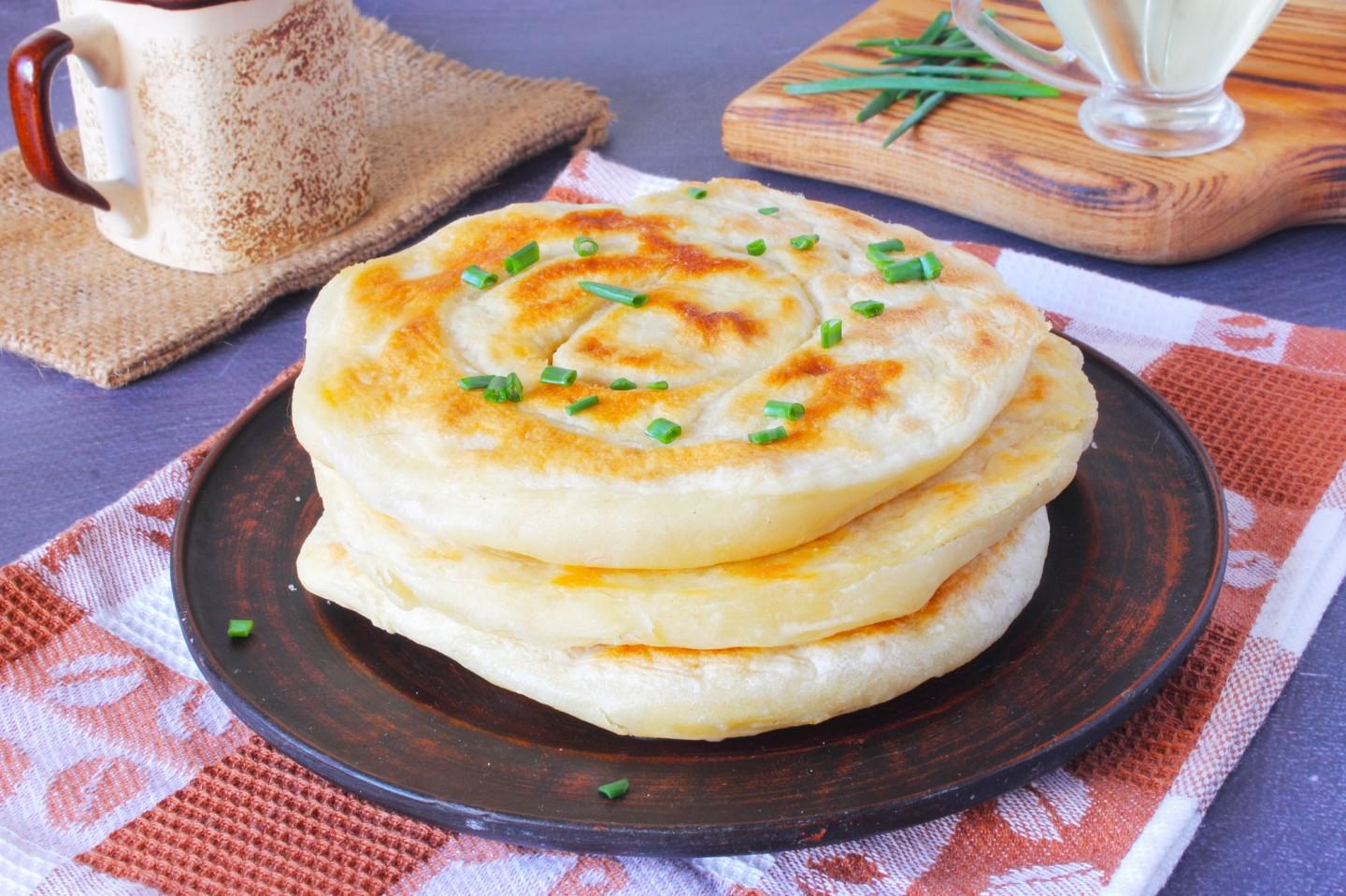
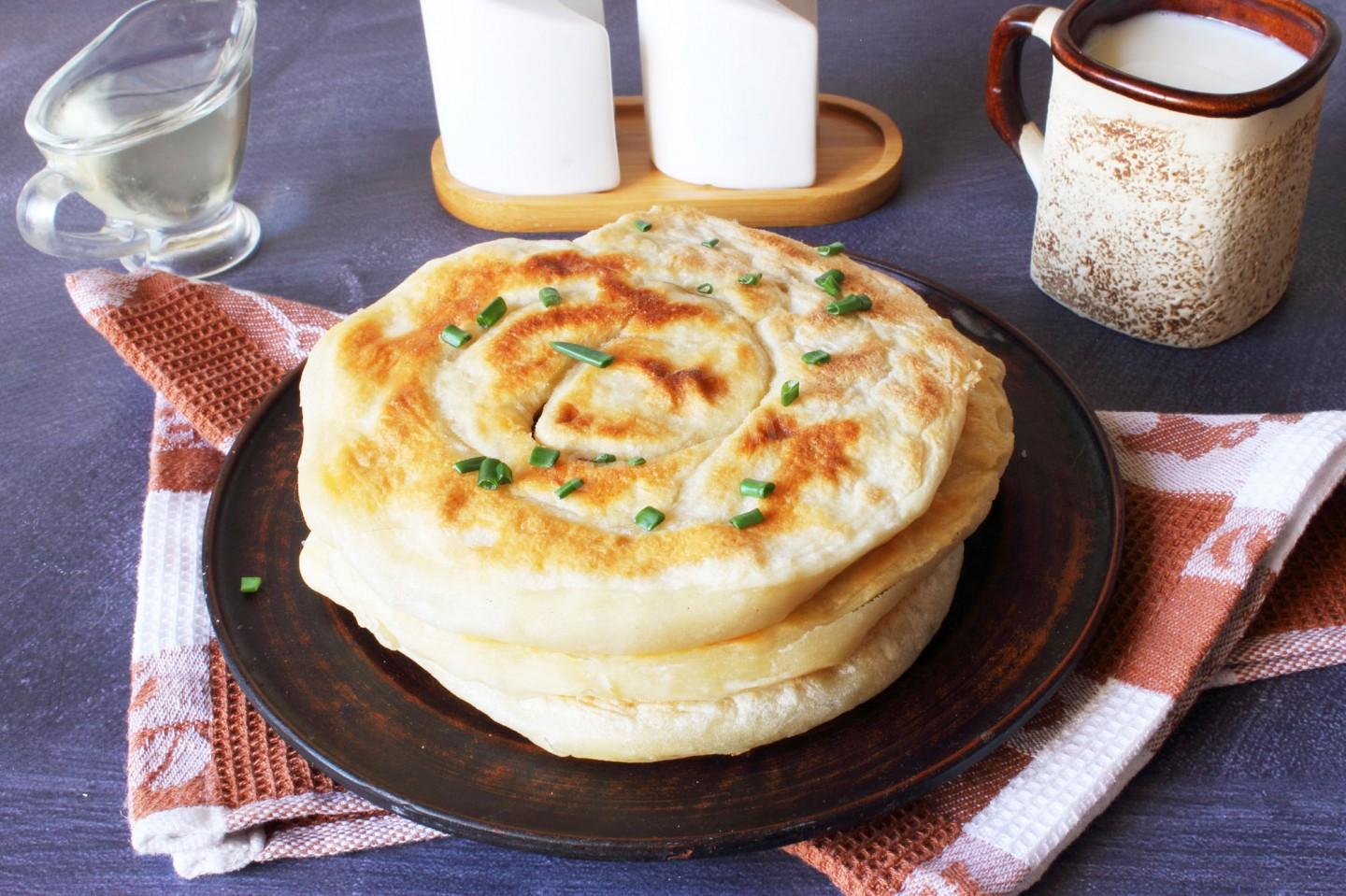
Out of bread? Whip up quick flatbreads in a skillet! These come out flaky, very soft, and appetizing-looking. They're simple and fast to make when you need a stand-in for bread. They go beautifully with soups and main dishes, or you can just eat them washed down with milk or another drink.

Cooking method
-
Step 1:
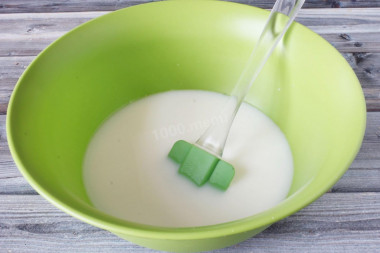
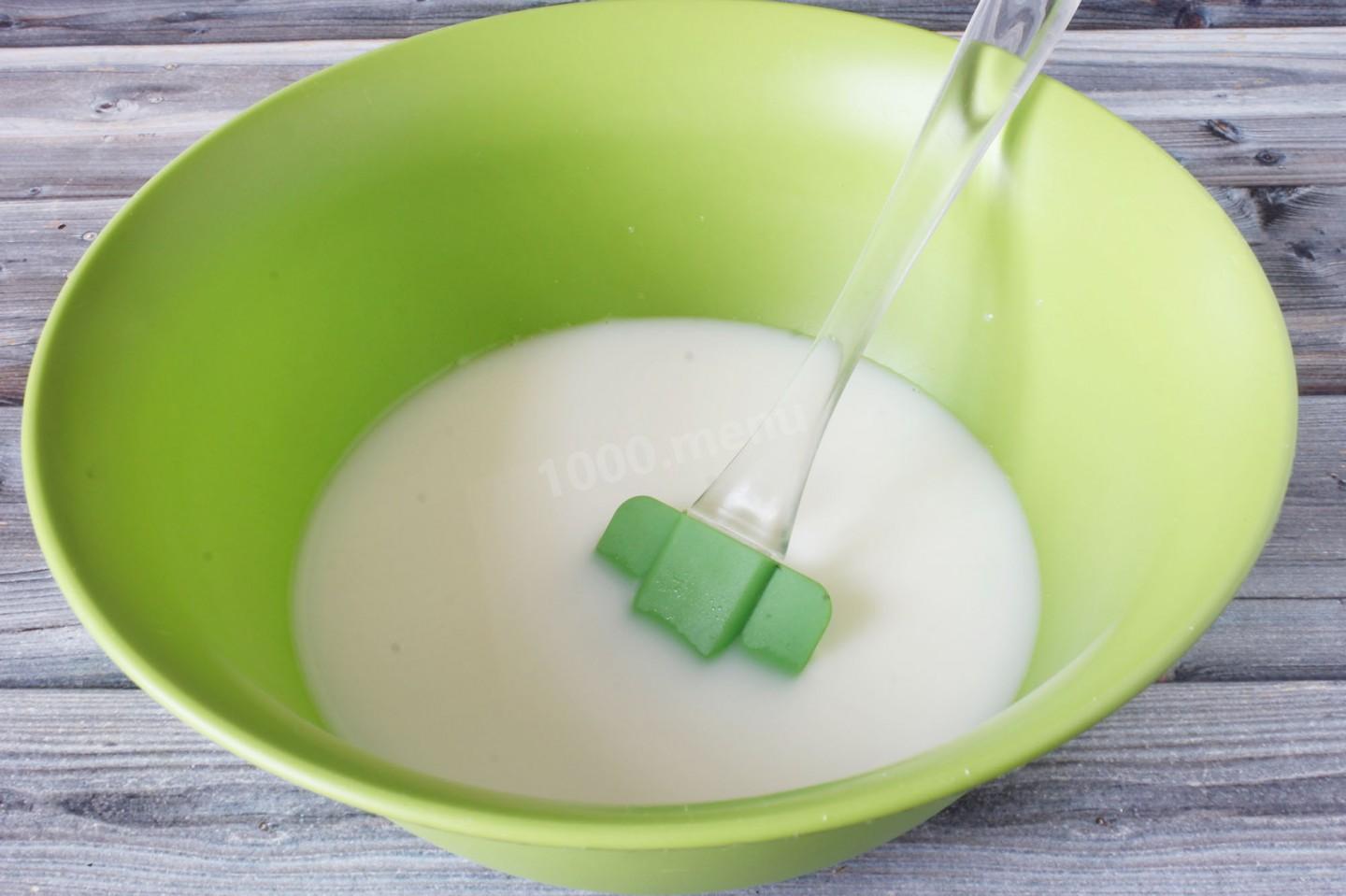
How do you make skillet flatbreads? Pour the room-temperature water and milk into a deep bowl, add salt to taste, and stir until it dissolves. I used 1/2 teaspoon of salt and the flatbreads came out only lightly salted. You can stir with a silicone spatula or a tablespoon.
-
Step 2:
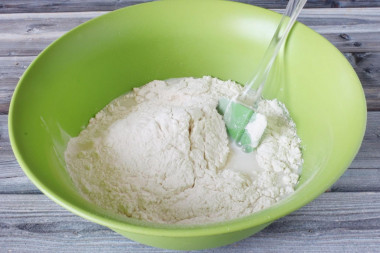
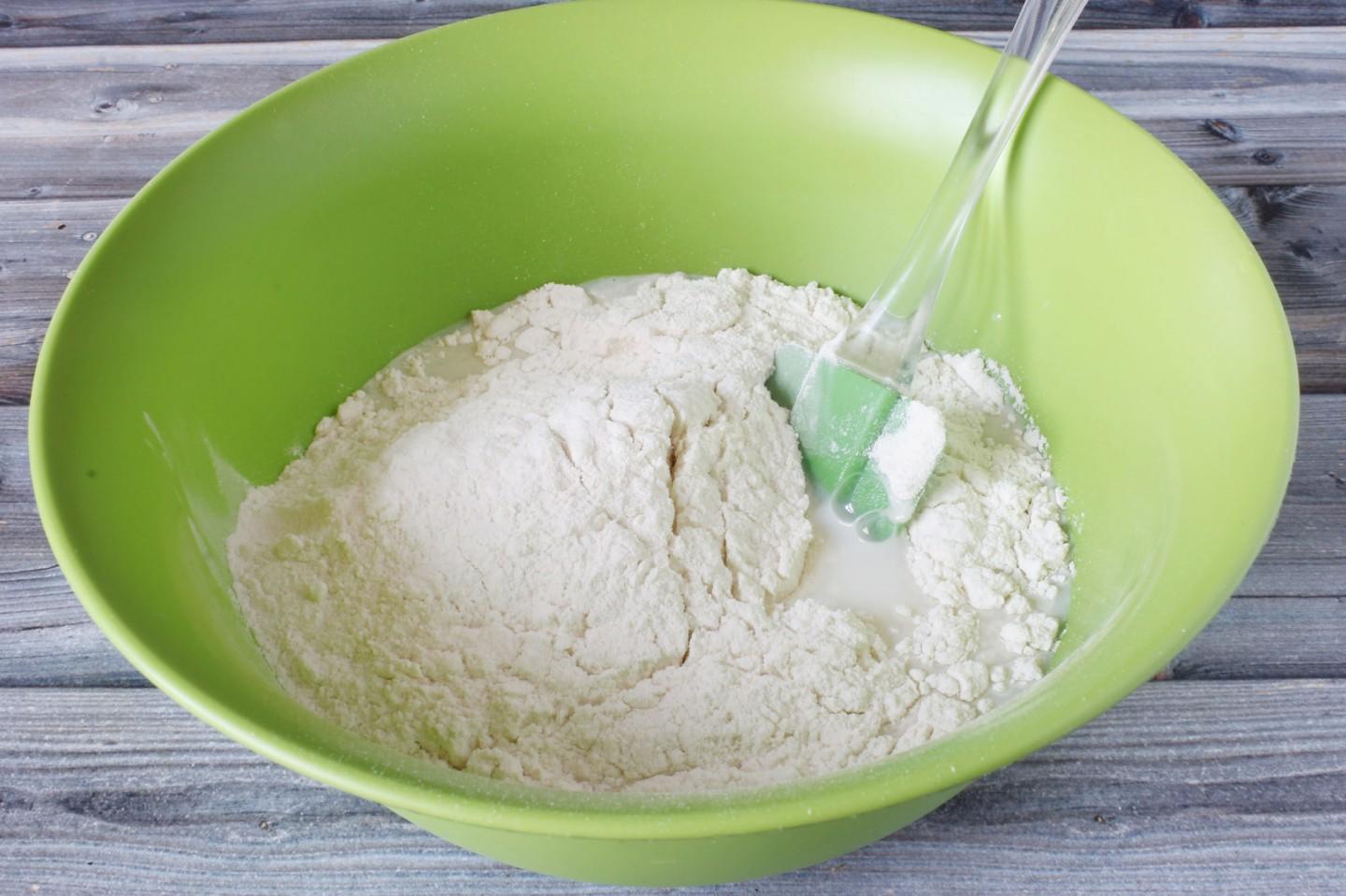
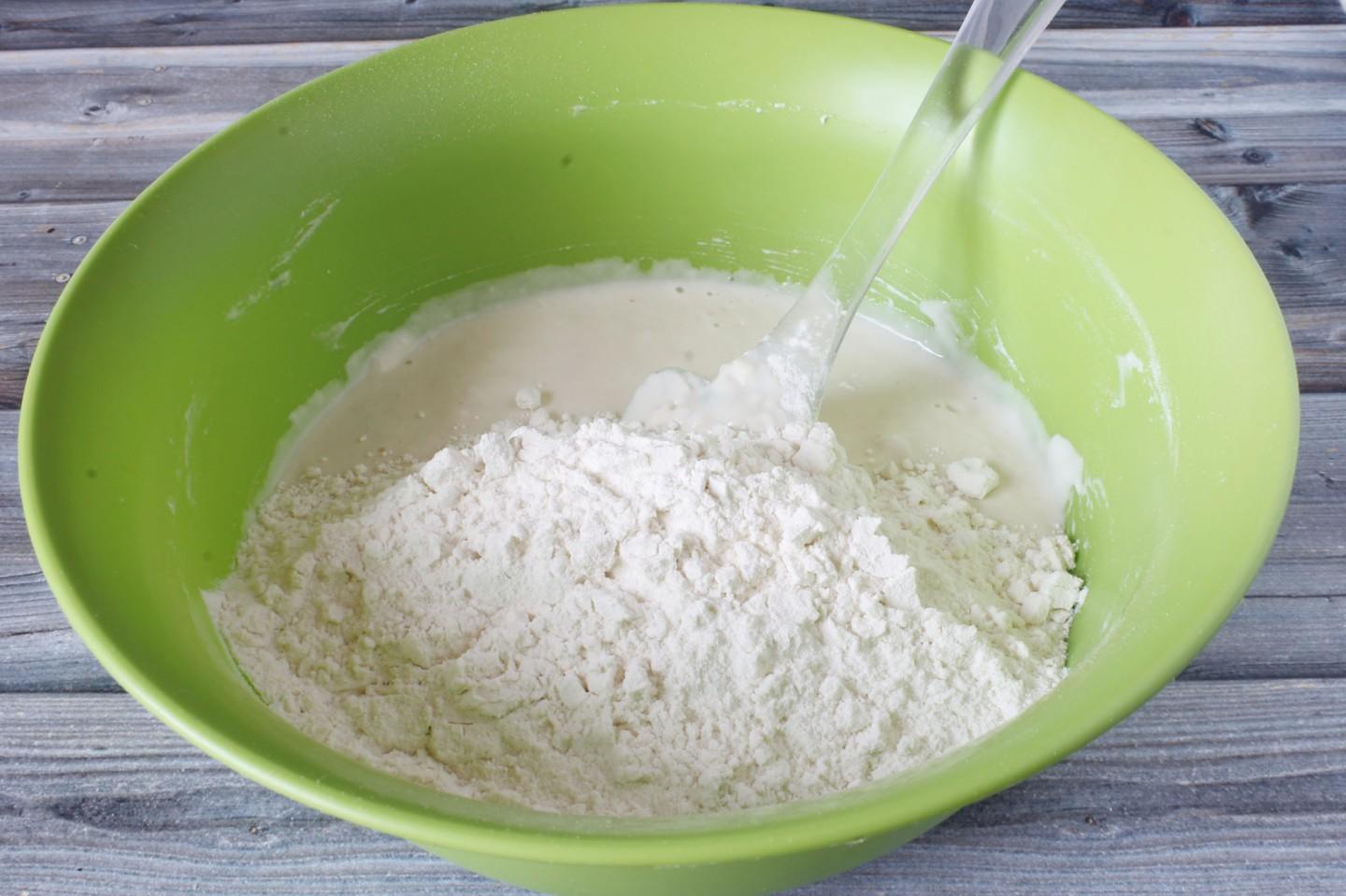
Measure out the flour and sift it into a separate dry bowl. Add a little more than half of it to the liquid — about 200 grams.
-
Step 3:
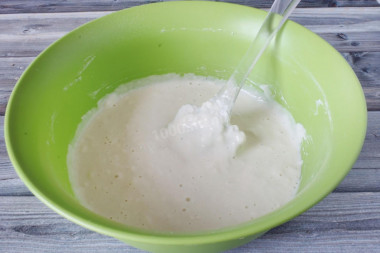
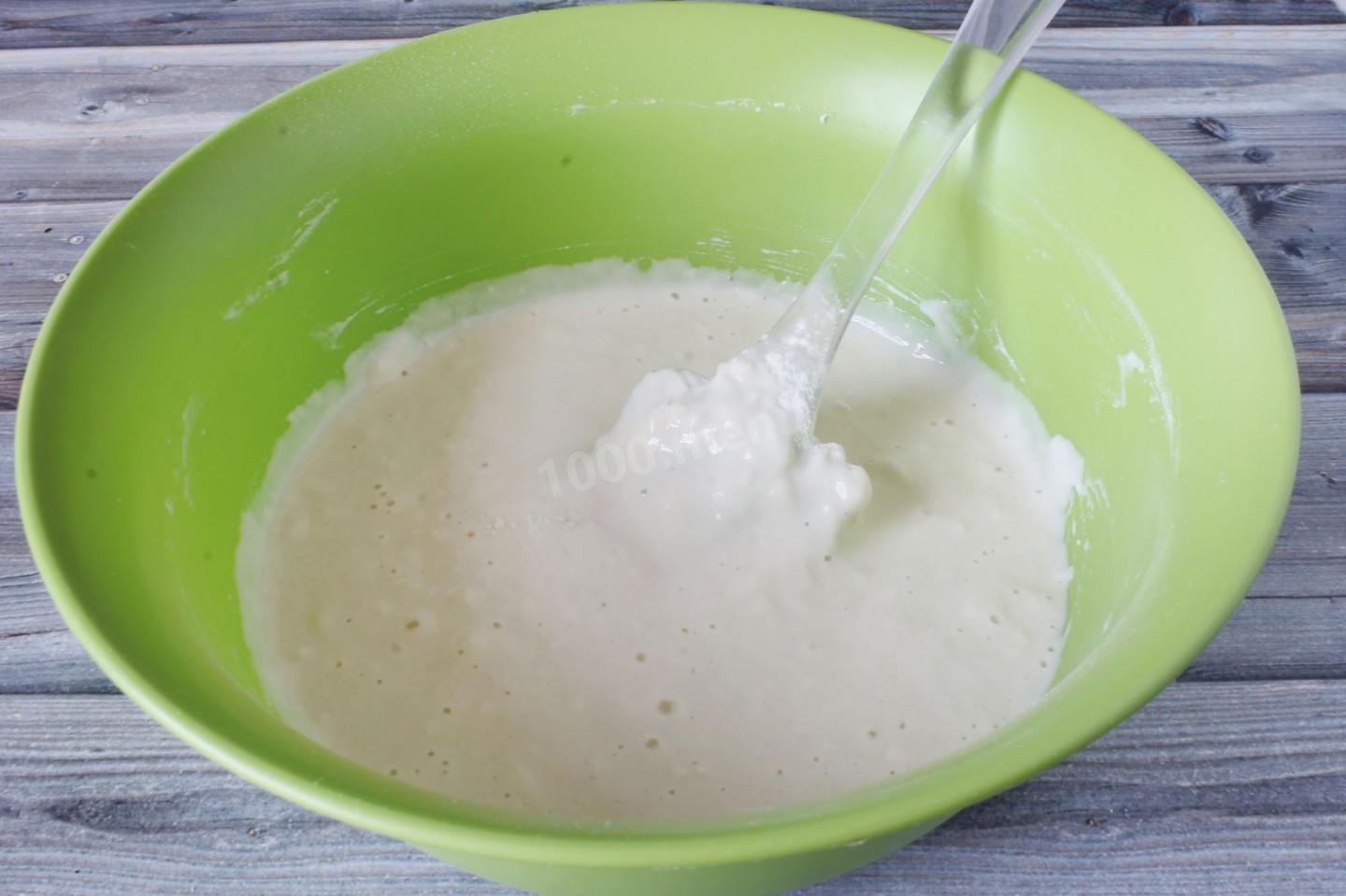
Stir. You'll have a loose, runny base.
-
Step 4:
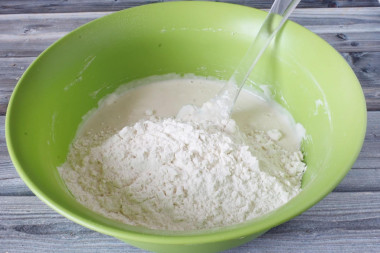
Add another 100 grams of flour.
-
Step 5:
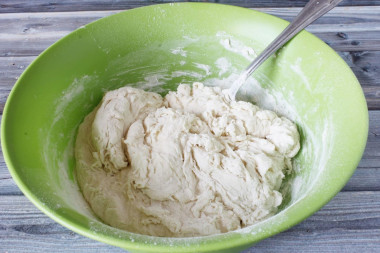
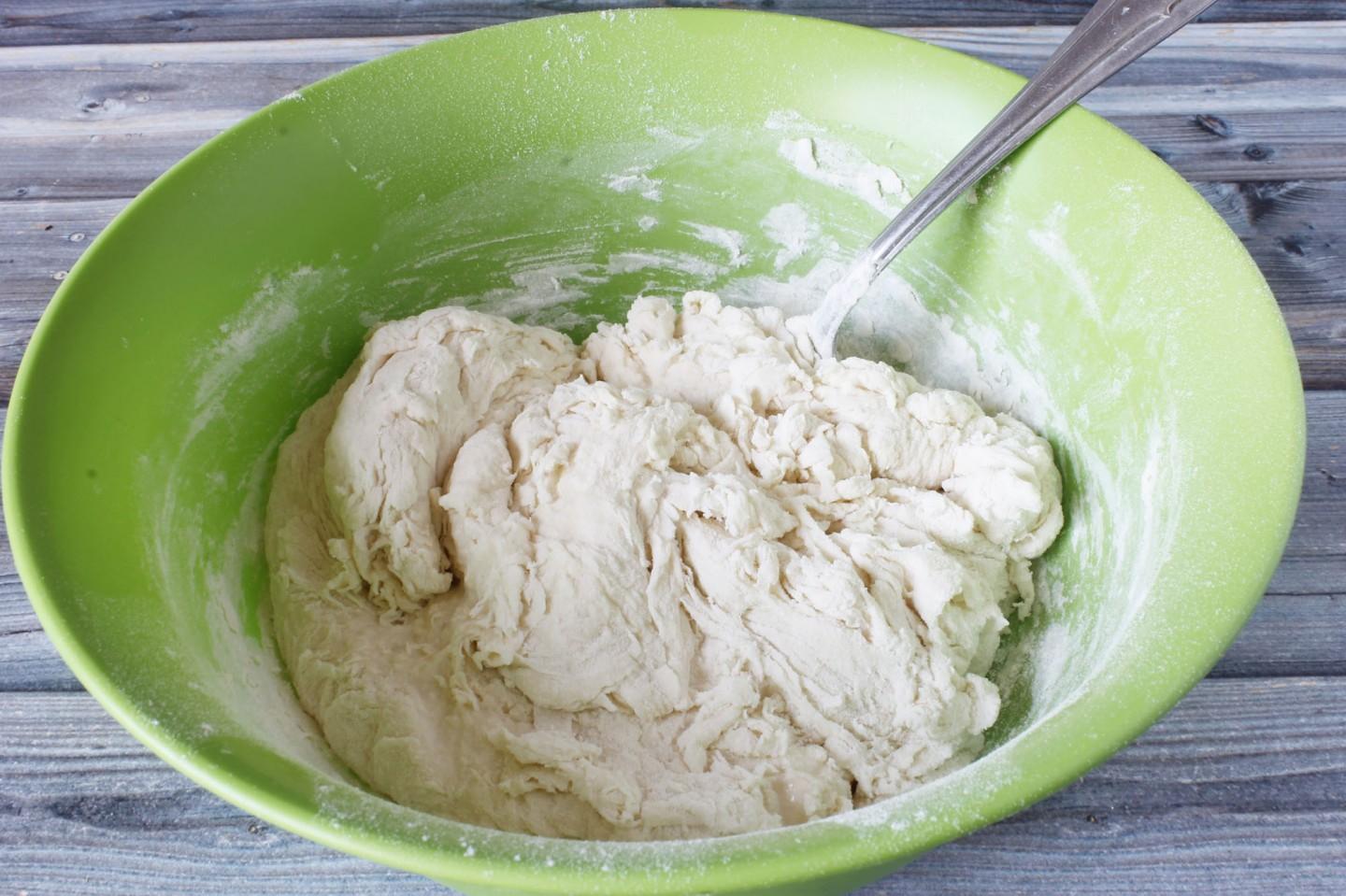
Start kneading the dough in the bowl.
-
Step 6:
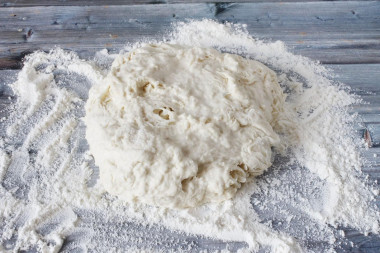
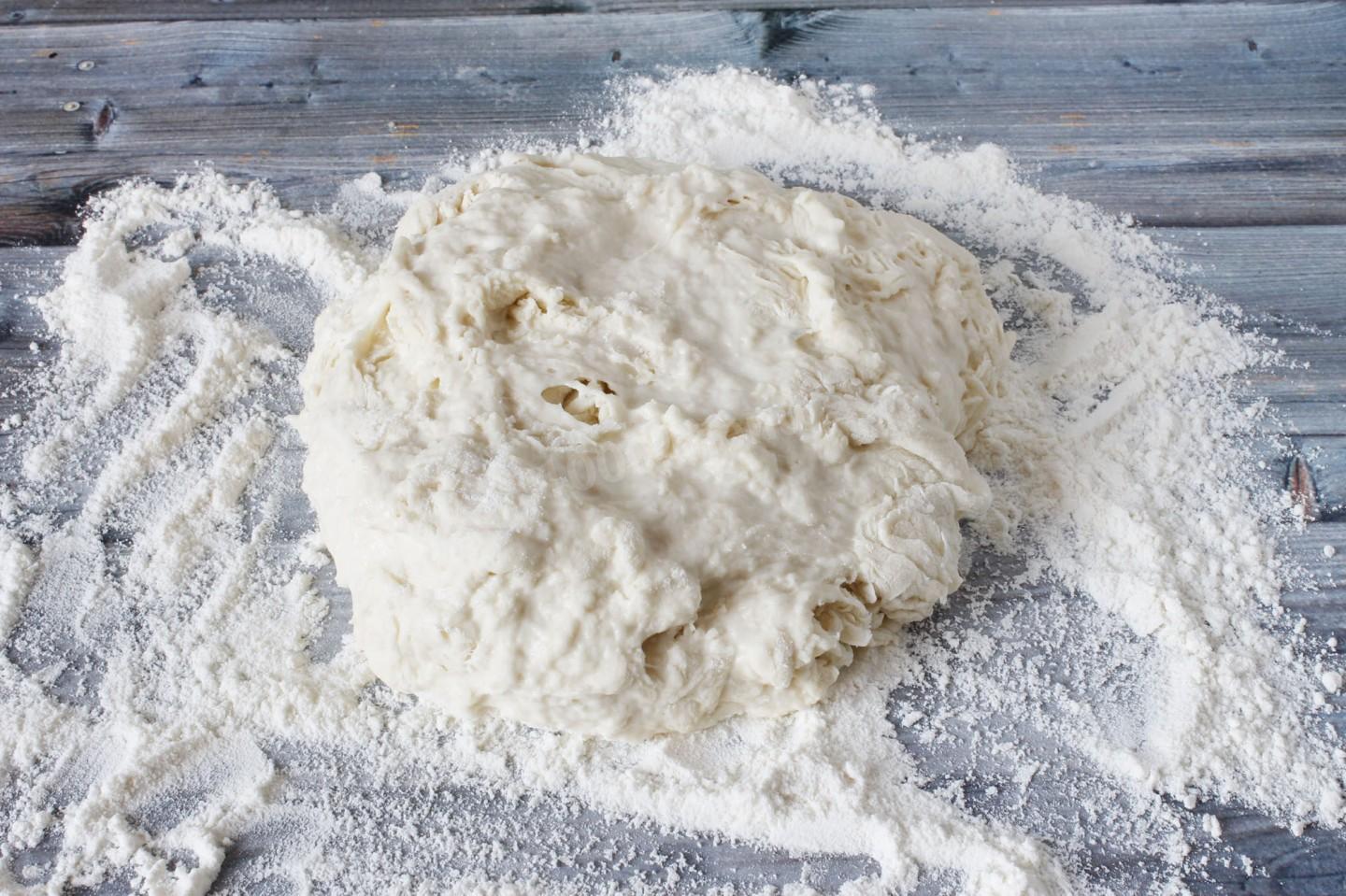
Once it gets hard to stir and the dough comes together in a lump, turn it out onto a work surface dusted with half the remaining flour. The dough is quite sticky. Knead it, gradually working in flour from the counter — you may need to use all the remaining flour, or you may not. The amount can vary, since different flours contain different amounts of gluten.
-
Step 7:
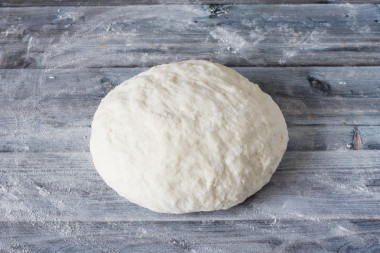
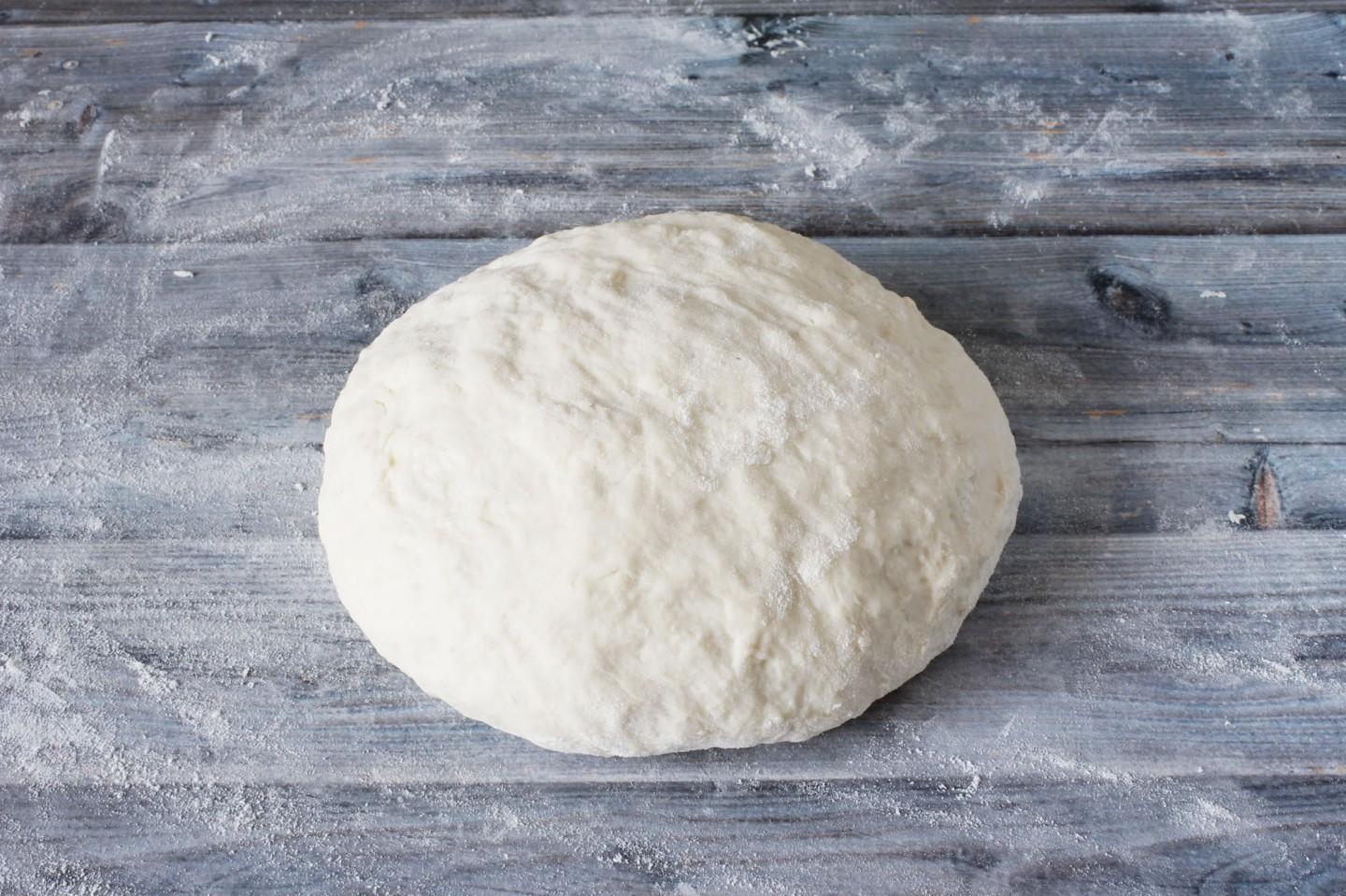
What should the dough feel like? As soon as it stops sticking to your hands, it's ready. Shape it into a ball.
-
Step 8:
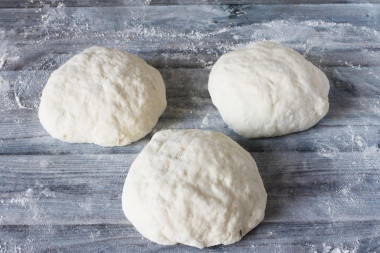
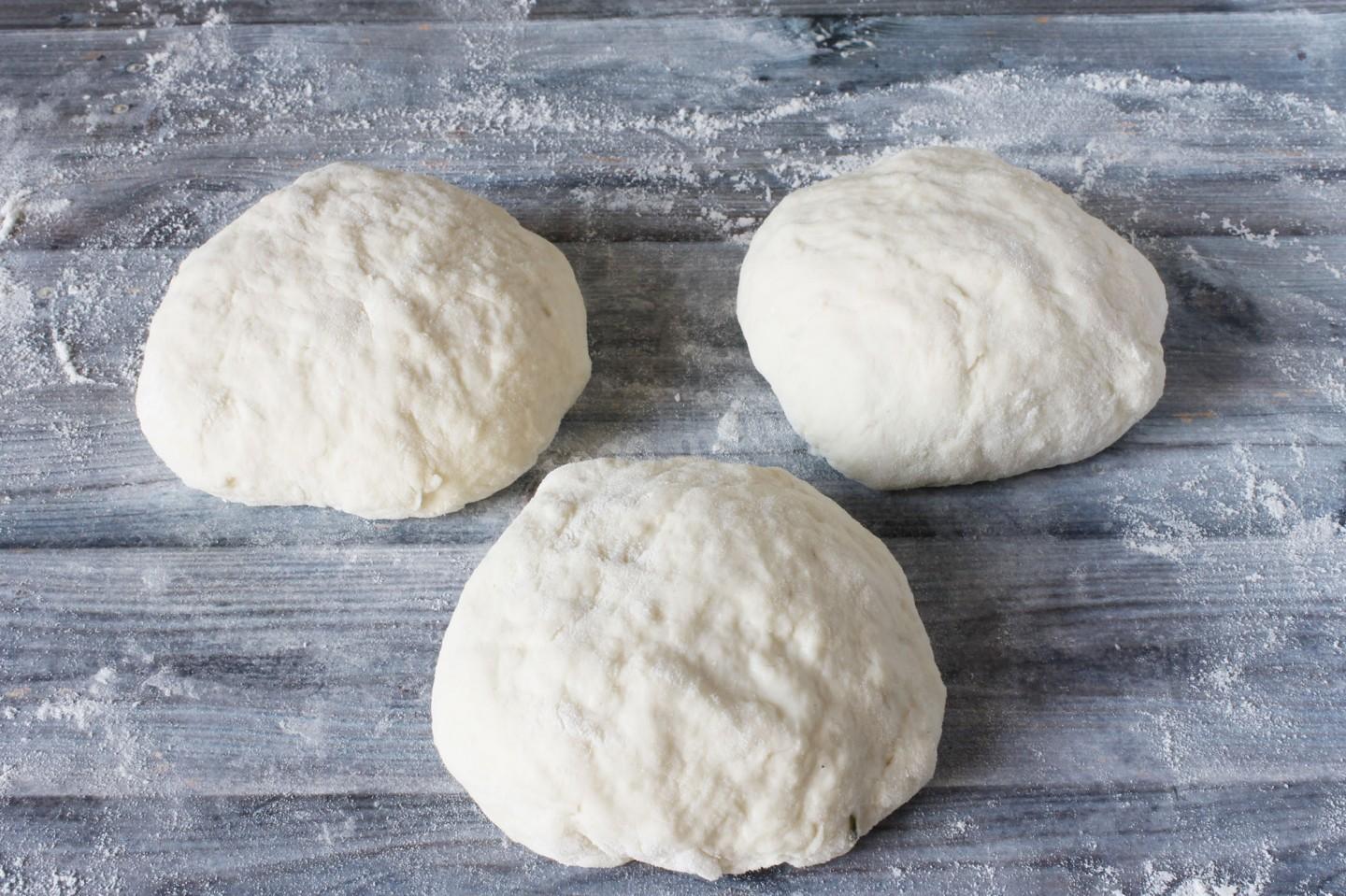
Cut the dough ball into 3 equal pieces with a knife and roll each into a ball.
-
Step 9:
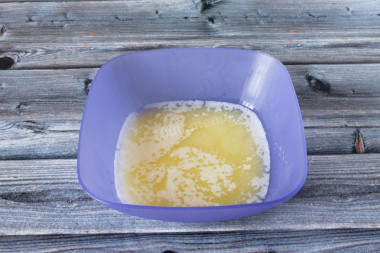
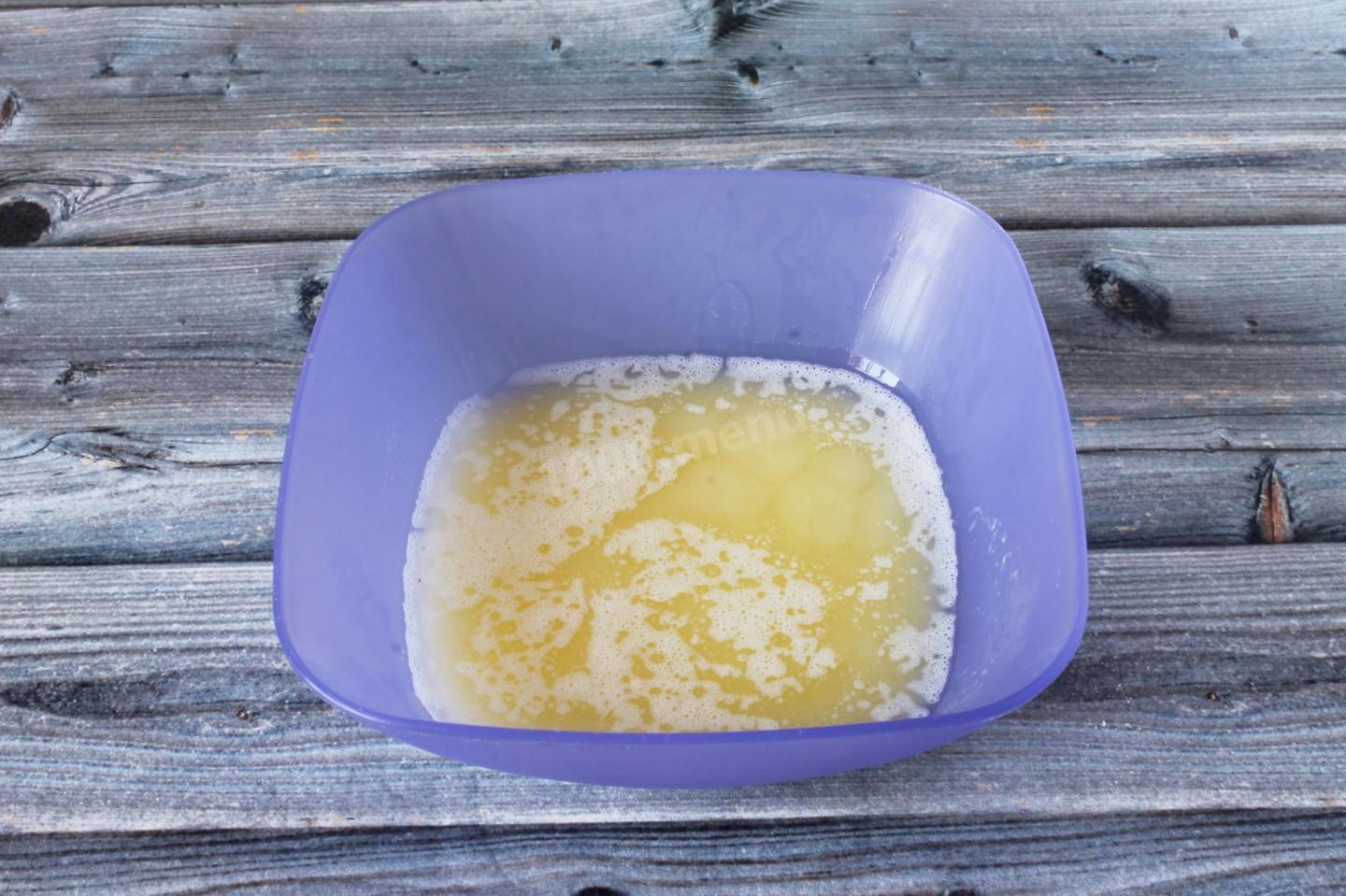
Melt the butter in a small saucepan on the stove, then pour it into a small bowl and mix it with the vegetable oil.
-
Step 10:
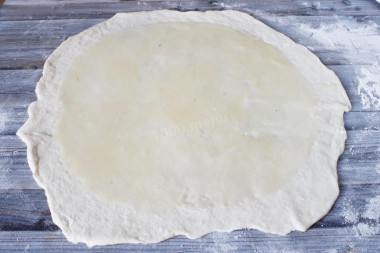
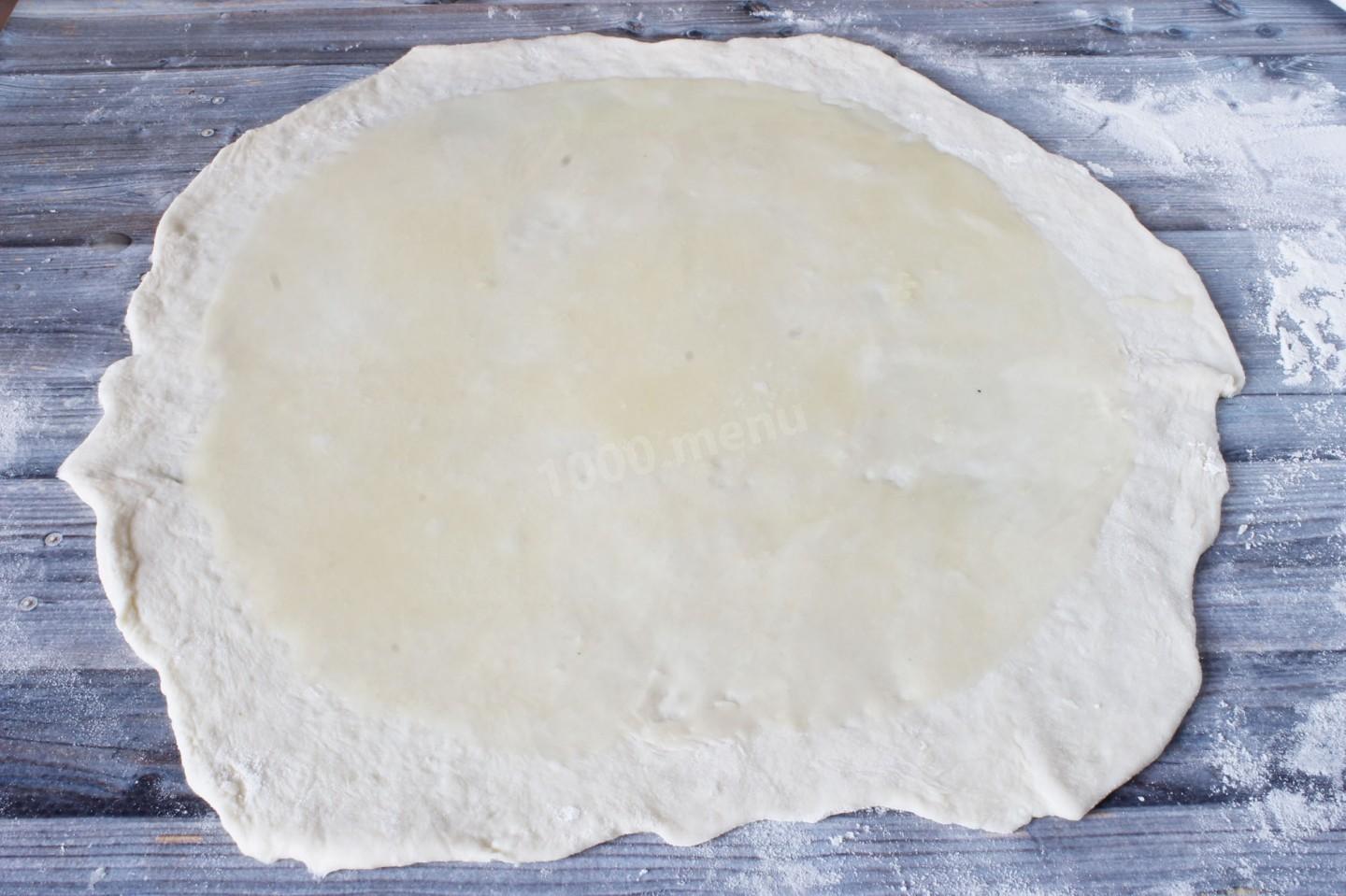
Take one ball and roll it out with a rolling pin, from the center to the edges, into a thin sheet about 1/25 inch (1 mm) thick. As you roll, lift the dough off the table now and then to make sure it isn't sticking; I also dusted the table lightly with flour. Brush the sheet with the oil mixture using a silicone brush, stopping about 3/4 inch (2 cm) from the edges.
-
Step 11:
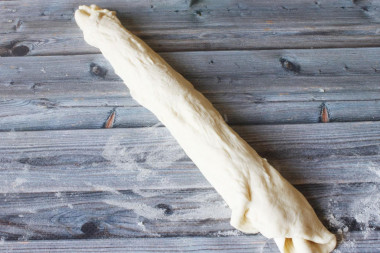
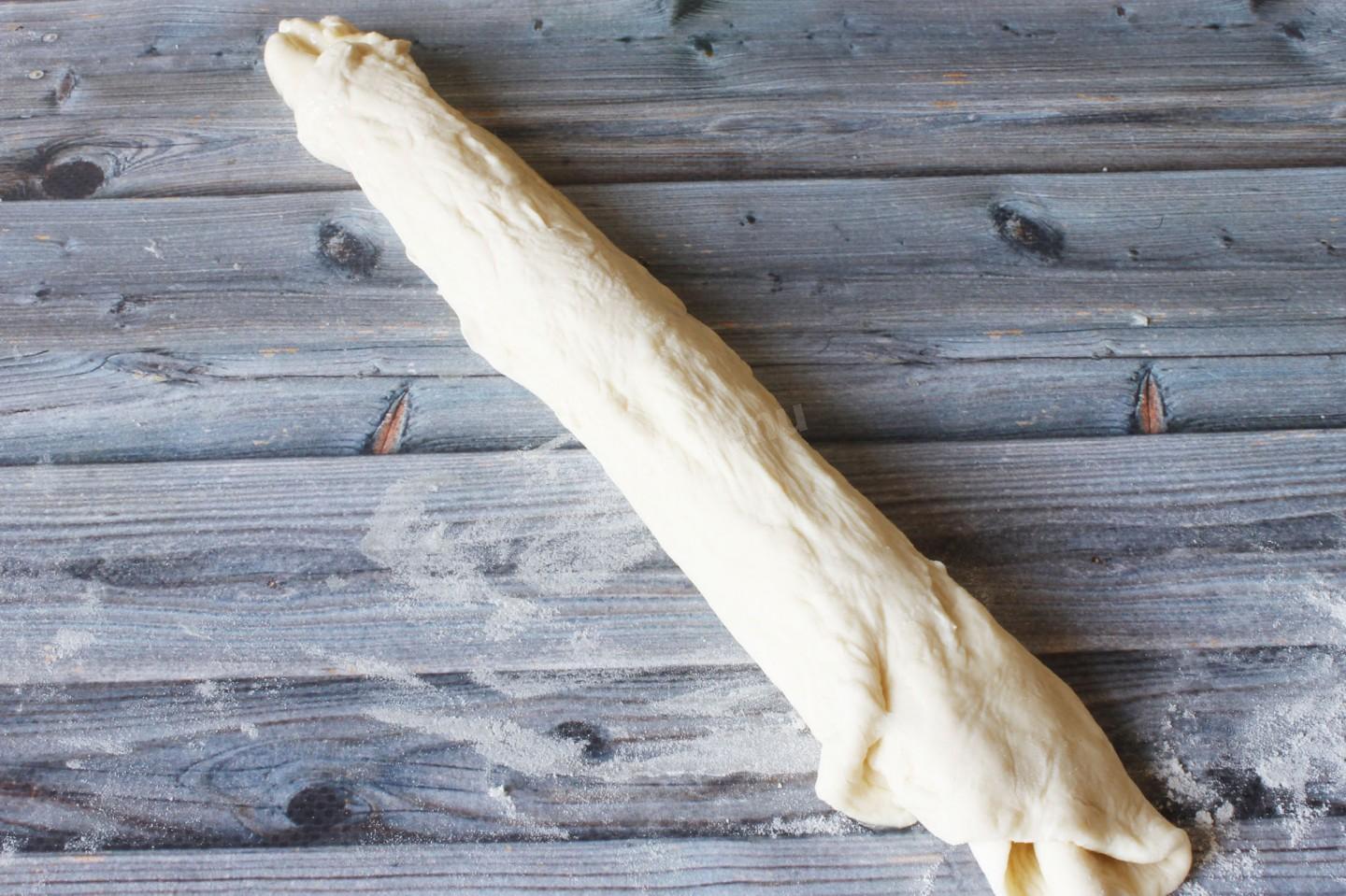
Roll the sheet up into a log. As you roll, lift the edges slightly, tucking the oil under so it doesn't squeeze out.
-
Step 12:
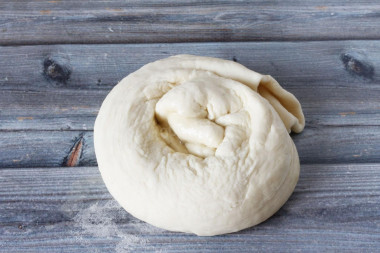
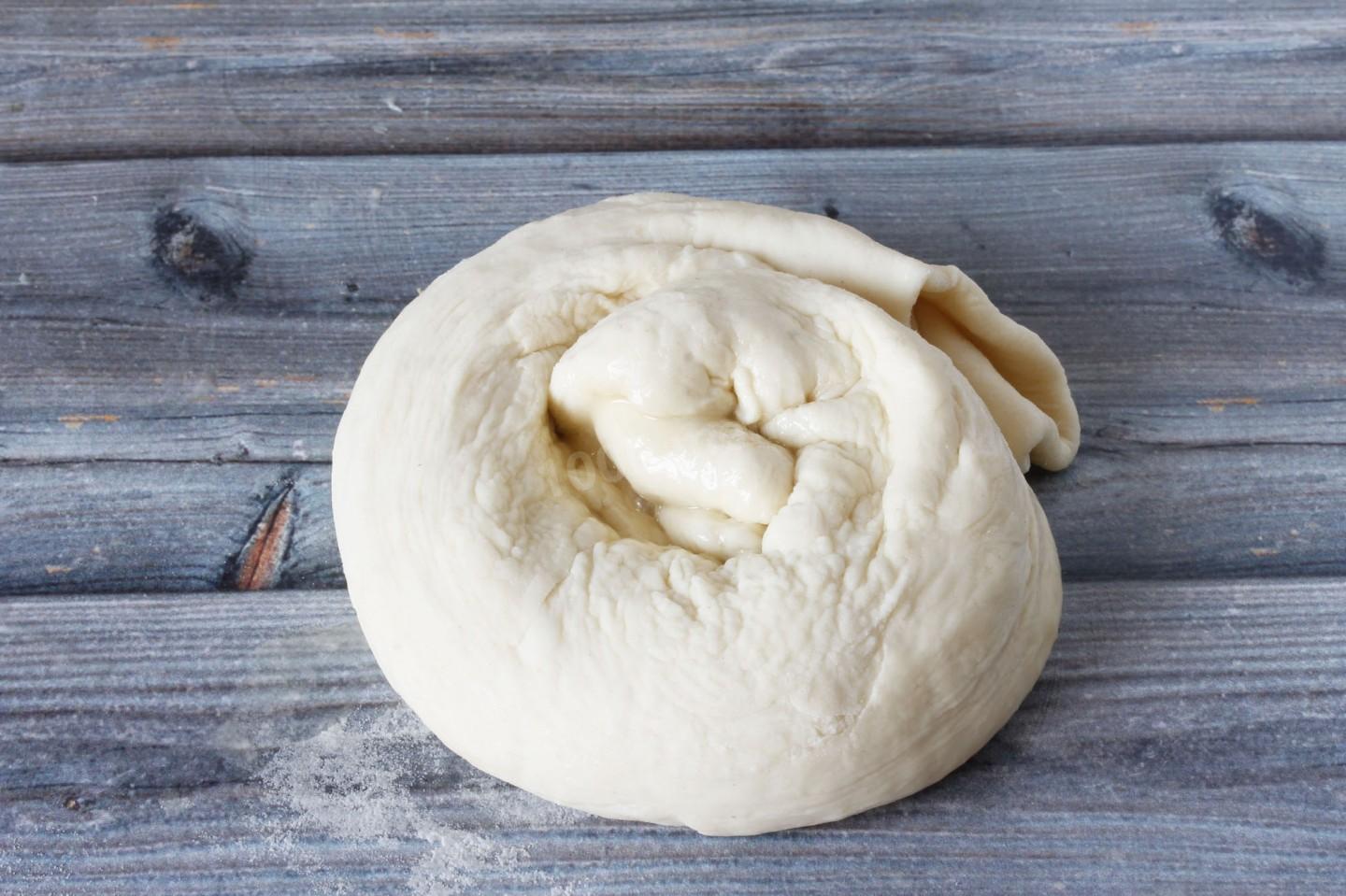
Then coil the log around itself into a spiral. Leave the end loose — no need to seal it.
-
Step 13:
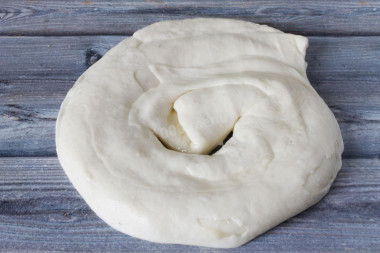
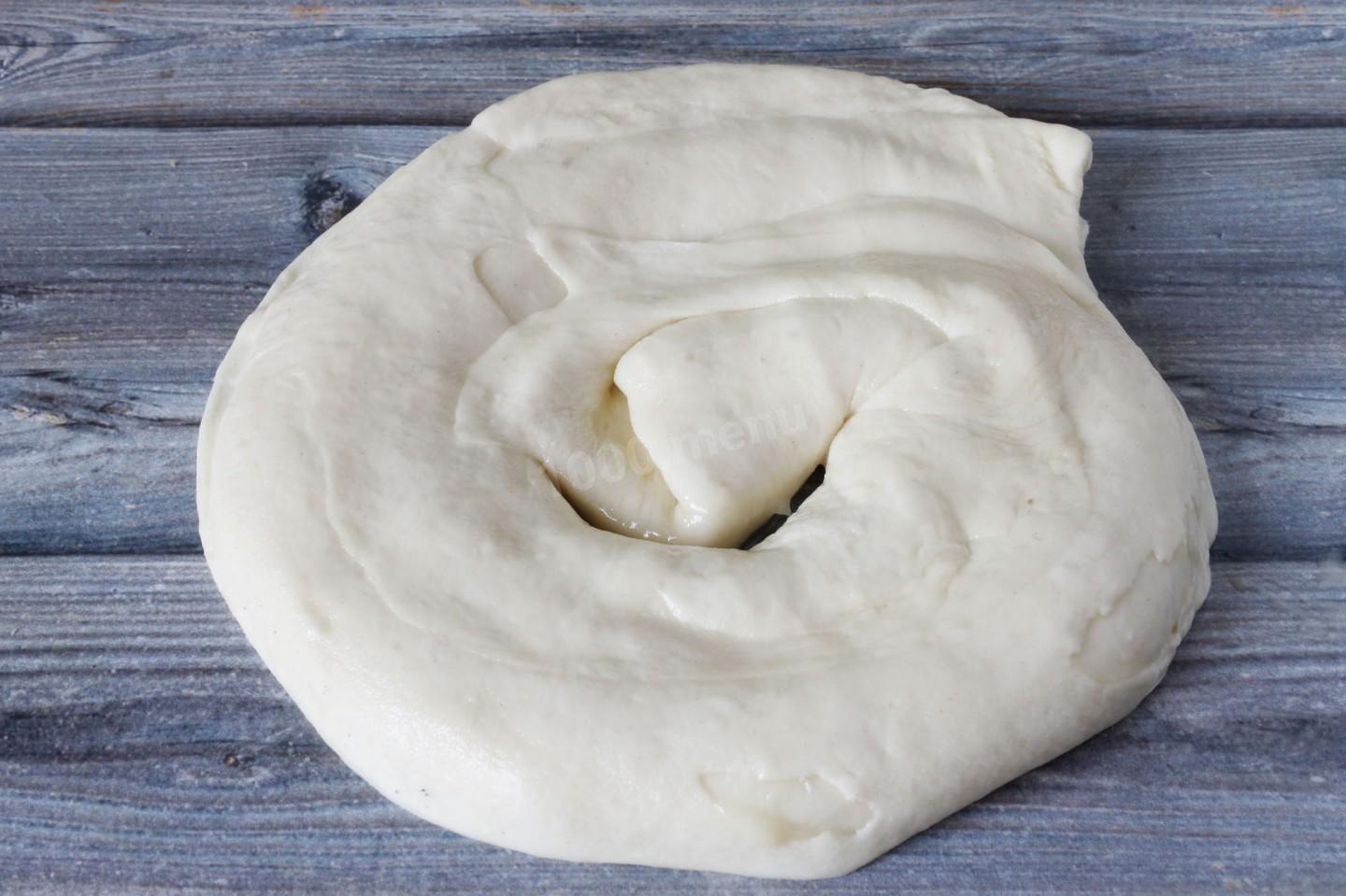
Press the coil out flat with your hands. Mine came out to a flatbread about 6 inches (15 cm) across and 1/2 inch (1 cm) thick.
-
Step 14:
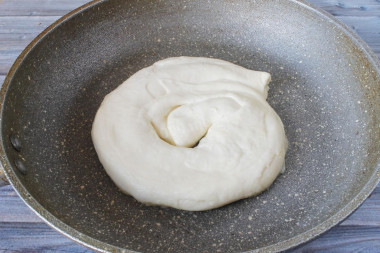
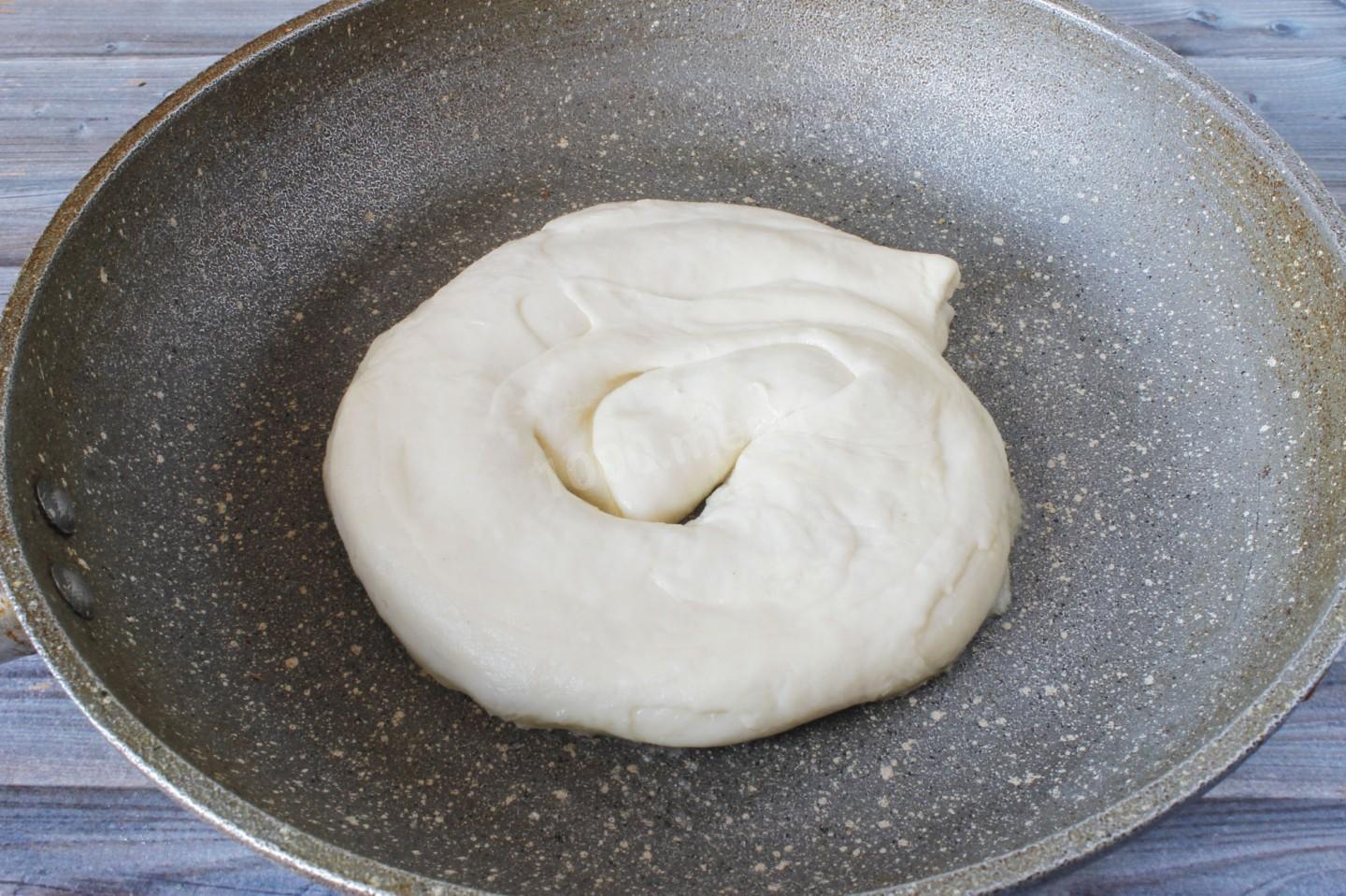
Lay the flatbread on a preheated dry, heavy-bottomed skillet and press it down a little more. You can also flatten it right in the pan instead of on the table. Set the heat a touch above medium. How long to cook it? I fried mine for 7 minutes on the first side, until brown spots appeared. Go by your own stove — it might take 5 minutes or 10. The longer they cook, the more toasted they'll be.
-
Step 15:
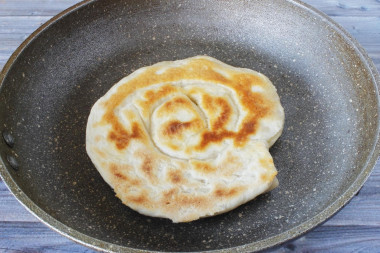
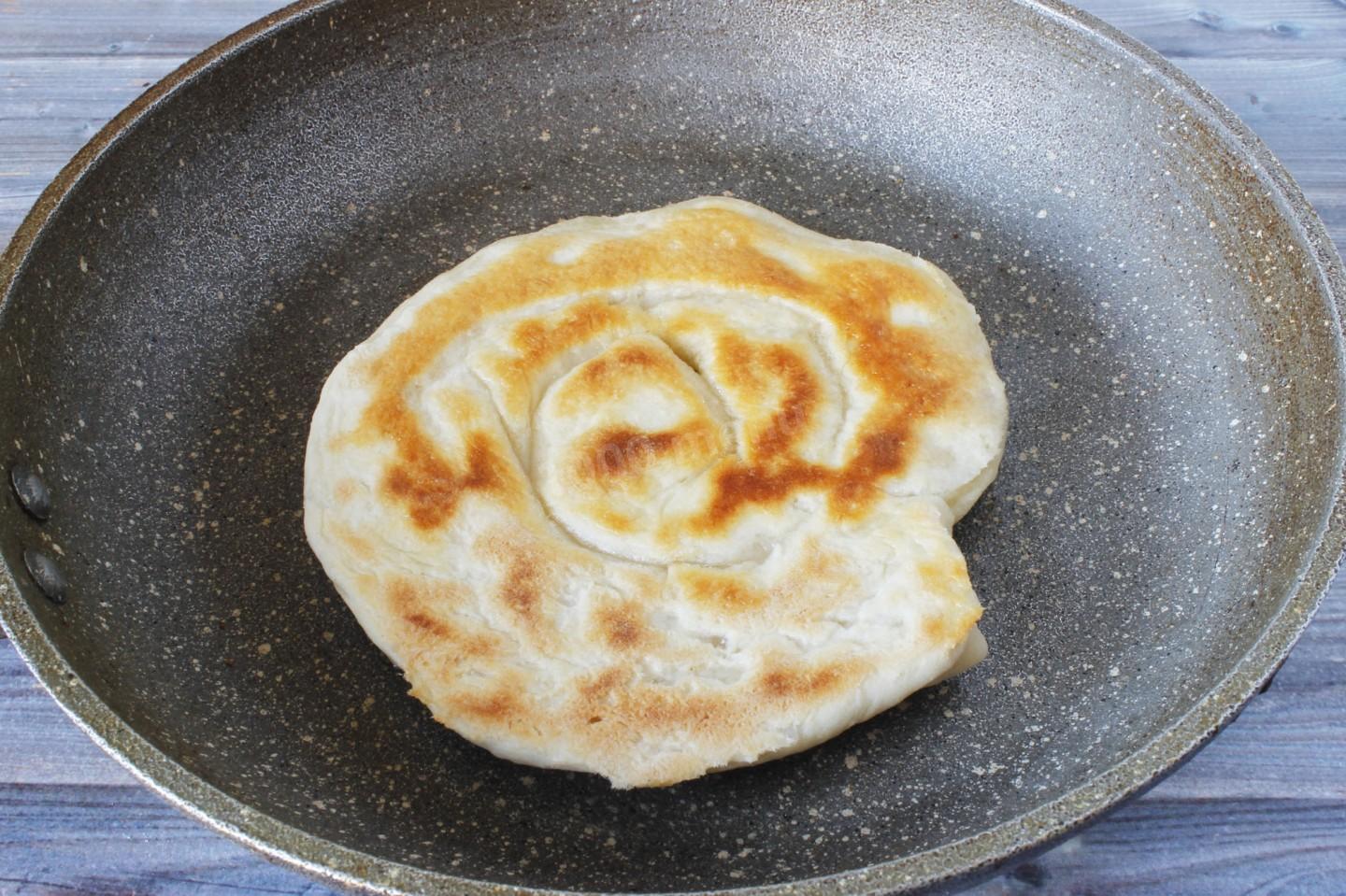
Flip and cook until done — this took me about another 7 minutes. Remove the finished flatbread and cook the other two the same way as the first.
-
Step 16:
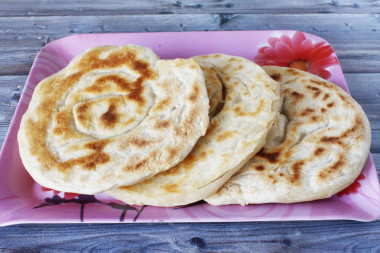
Three little flatbreads, done! Fragrant, soft, and flaky from the oil layered inside. So good! Use them instead of bread, or just enjoy them with tea, coffee, or another drink.
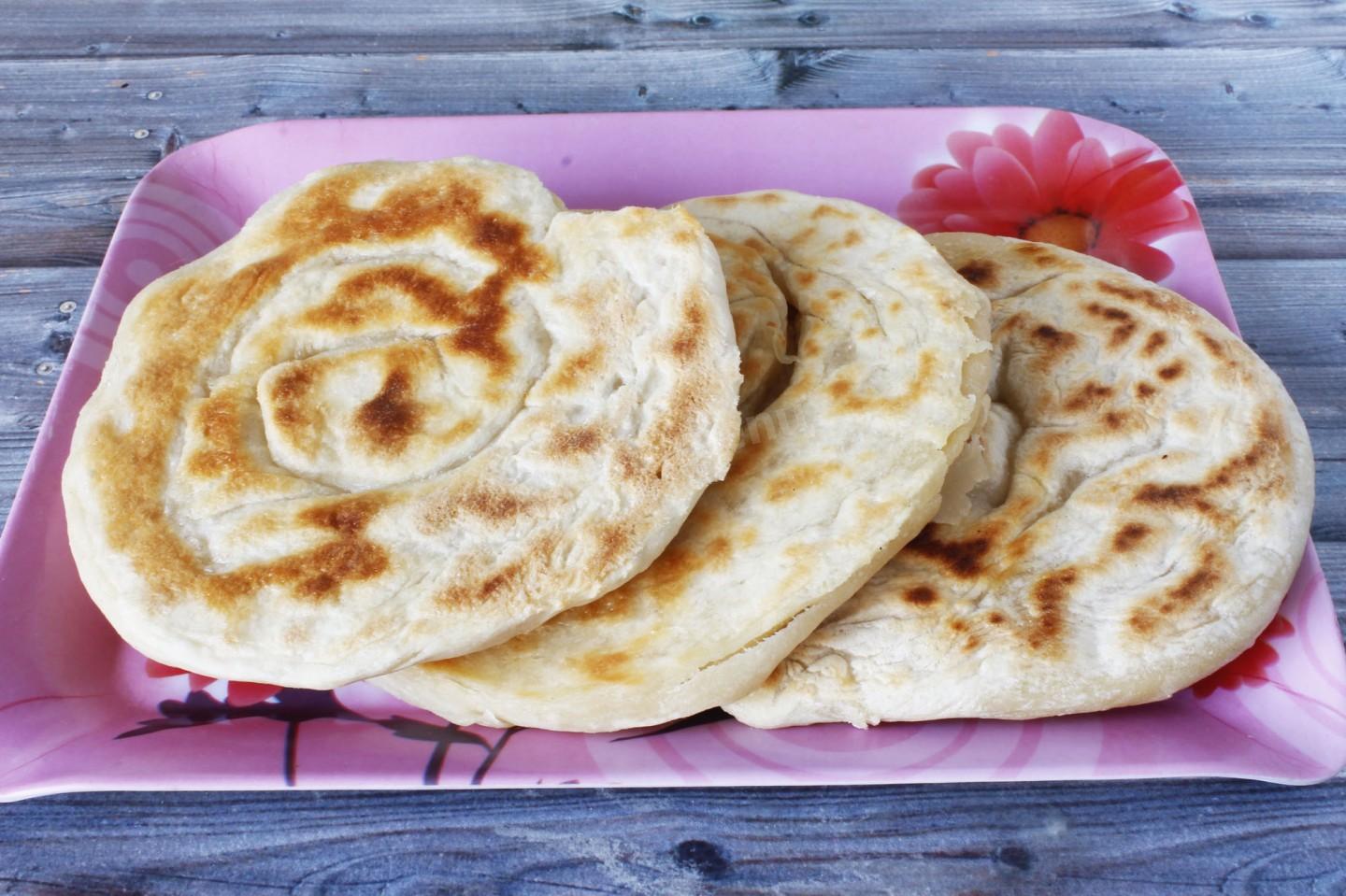
- When you eat these flatbreads, don't cut them with a knife — tear off pieces by hand and admire just how flaky they are!
- Be ready for the flour to run more or less than the recipe calls for. Go by the feel of the dough, not the exact amount of flour. To avoid mistakes, read up on flour and its properties!
- Here's an easy way to check whether the oil is hot enough: lower a wooden spatula into it. If bubbles gather around it, you're ready to fry.
- Use a high-smoke-point oil for frying! Every oil is only good up to a certain temperature — its smoke point — beyond which it starts to burn and forms harmful compounds, including carcinogens. Unrefined oils, with rare exceptions, have a low smoke point; they contain lots of unfiltered particles that scorch quickly. Refined oils stand up to heat better and have a higher smoke point. If you're cooking in the oven, in a skillet, or on the grill, make sure you use an oil with a high smoke point. The most common high-smoke-point choices are refined sunflower, olive, and grapeseed oils.
Caloric content of the products possible in the composition of the dish
- Whole cow's milk - 68 kcal/100g
- Milk 3.5% fat content - 64 kcal/100g
- Milk 3.2% fat content - 60 kcal/100g
- Milk 1.5% fat content - 47 kcal/100g
- Concentrated milk 7.5% fat content - 140 kcal/100g
- Milk 2.5% fat content - 54 kcal/100g
- Whole durum wheat flour fortified - 333 kcal/100g
- Whole durum wheat flour universal - 364 kcal/100g
- Flour krupchatka - 348 kcal/100g
- Flour - 325 kcal/100g
- Butter 82% - 734 kcal/100g
- Amateur unsalted butter - 709 kcal/100g
- Unsalted peasant butter - 661 kcal/100g
- Peasant salted butter - 652 kcal/100g
- Melted butter - 869 kcal/100g
- Vegetable oil - 873 kcal/100g
- Salt - 0 kcal/100g
- Water - 0 kcal/100g