Rice-Free Meatballs with Gravy in the Oven
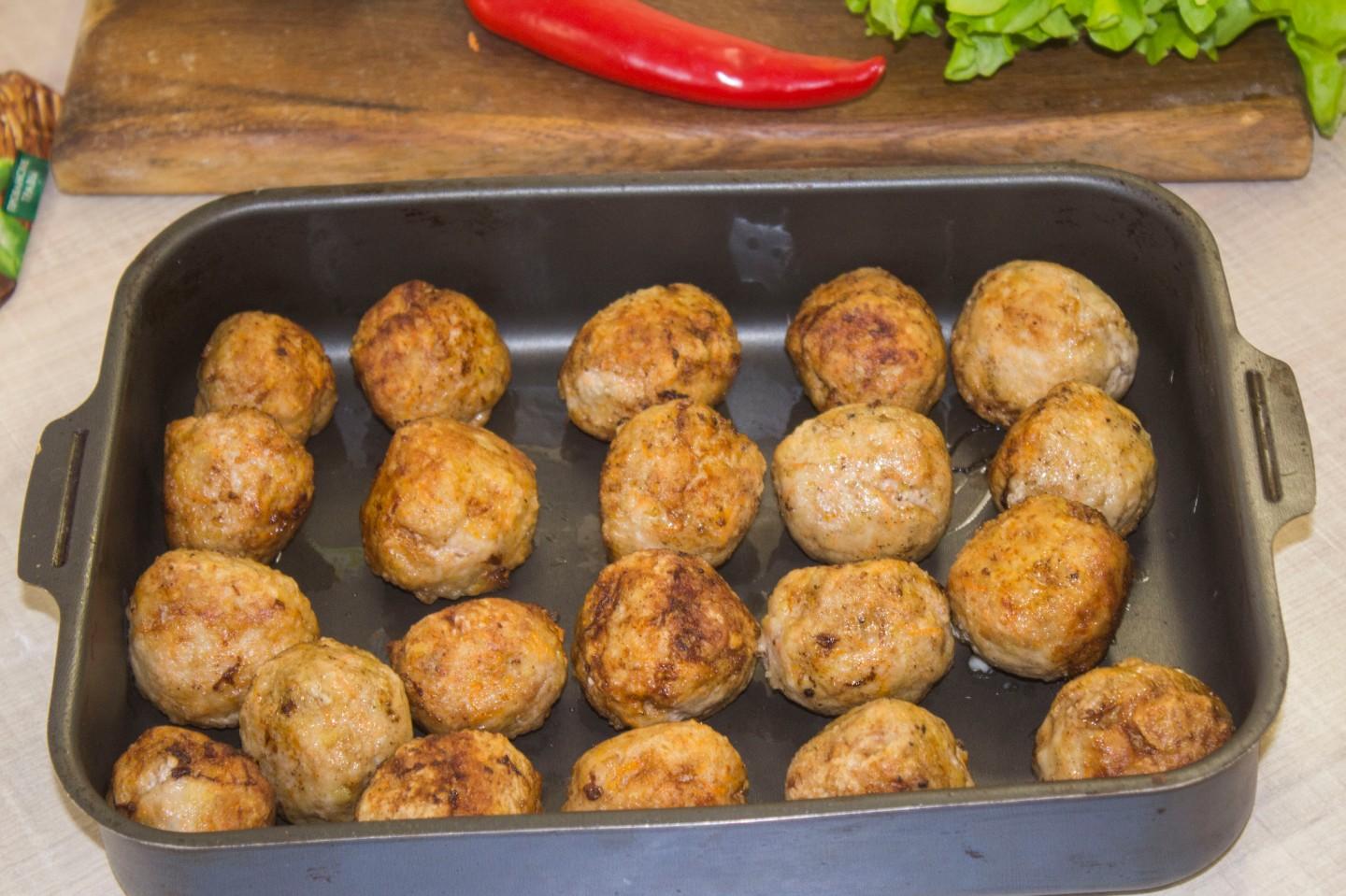
The tastiest meatballs — soft, tender, juicy, and great for any night of the week! These rice-free baked meatballs come together easily. If you've grown tired of classic meatballs, give these a try. You can make them with any ground meat, and the savory gravy adds a lovely kick. Perfect for dinner!

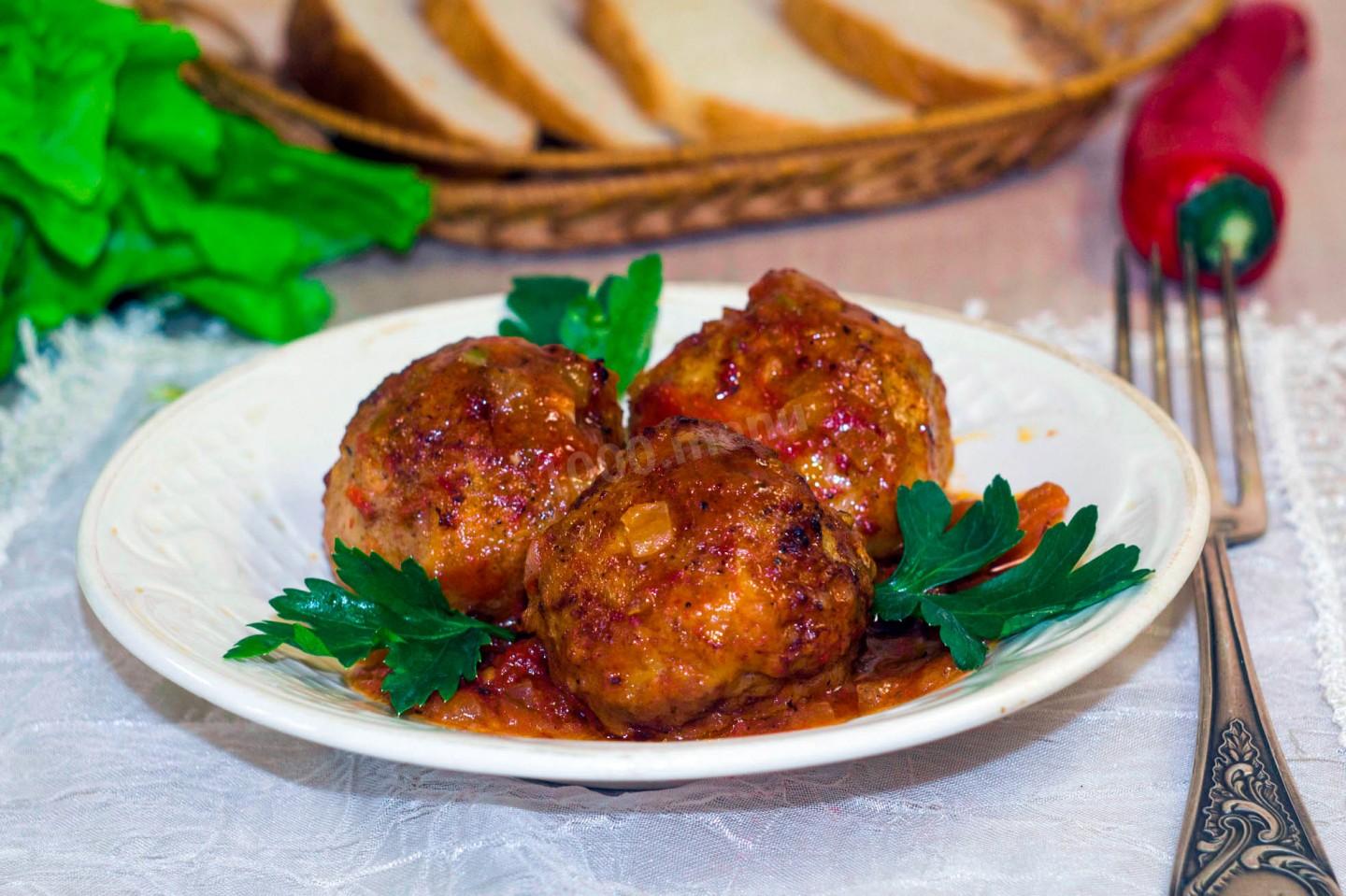
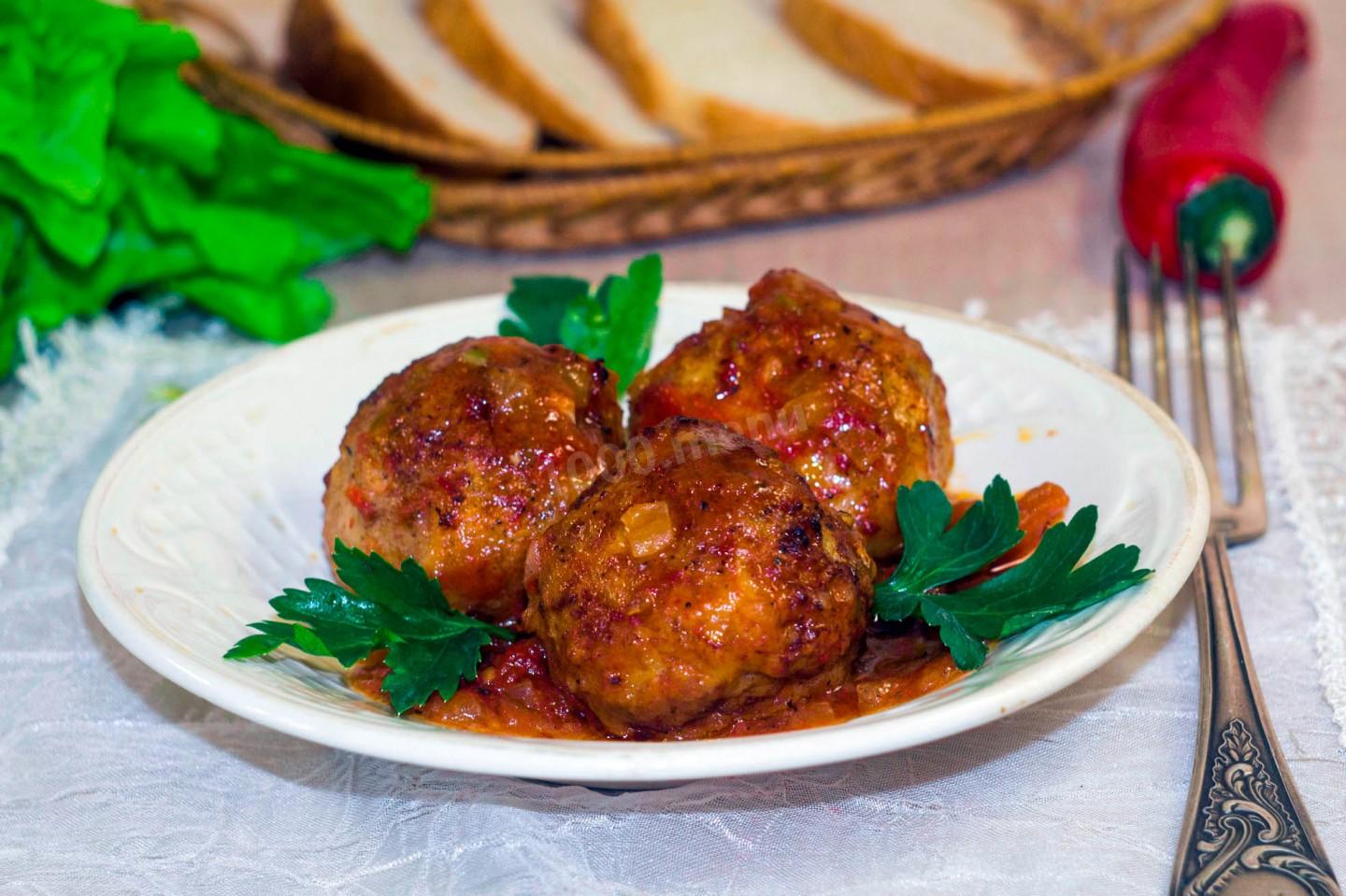
Cooking method
-
Step 1:
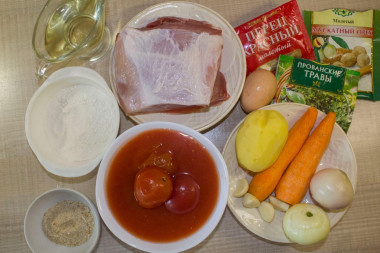
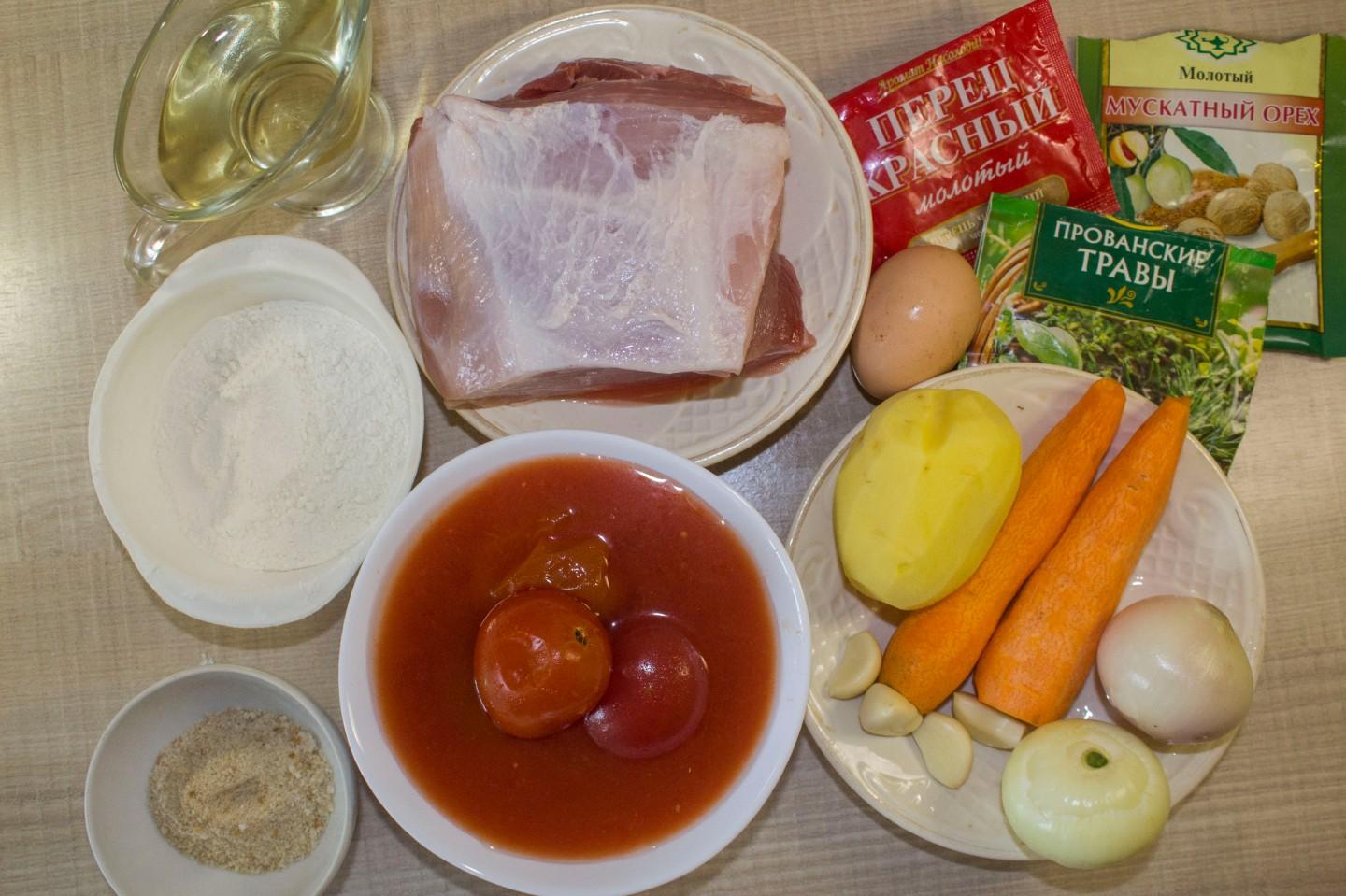
How do you make rice-free meatballs with gravy? Start by gathering your ingredients. If the meat is frozen, thaw it ahead of time on the bottom shelf of the fridge. Wash and dry the egg.
-
Step 2:
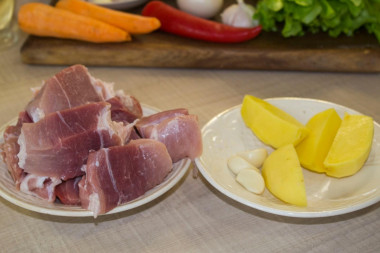
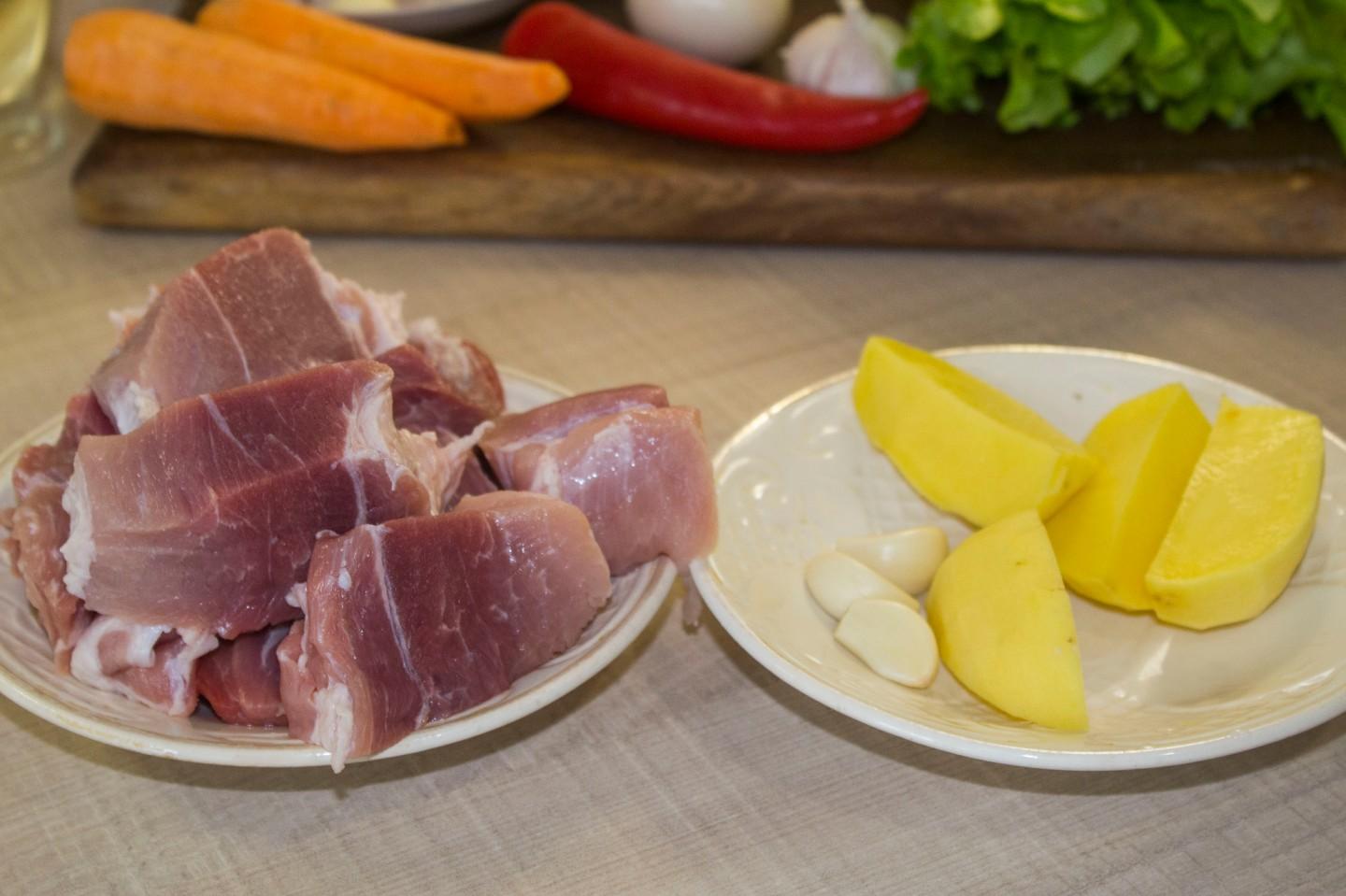
Rinse the pork, pat it dry with paper towels, trim off any sinew, and cut it into rough chunks. Peel and wash one medium potato and quarter it. Peel the garlic cloves and the onion.
-
Step 3:
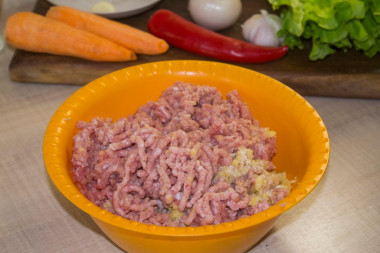
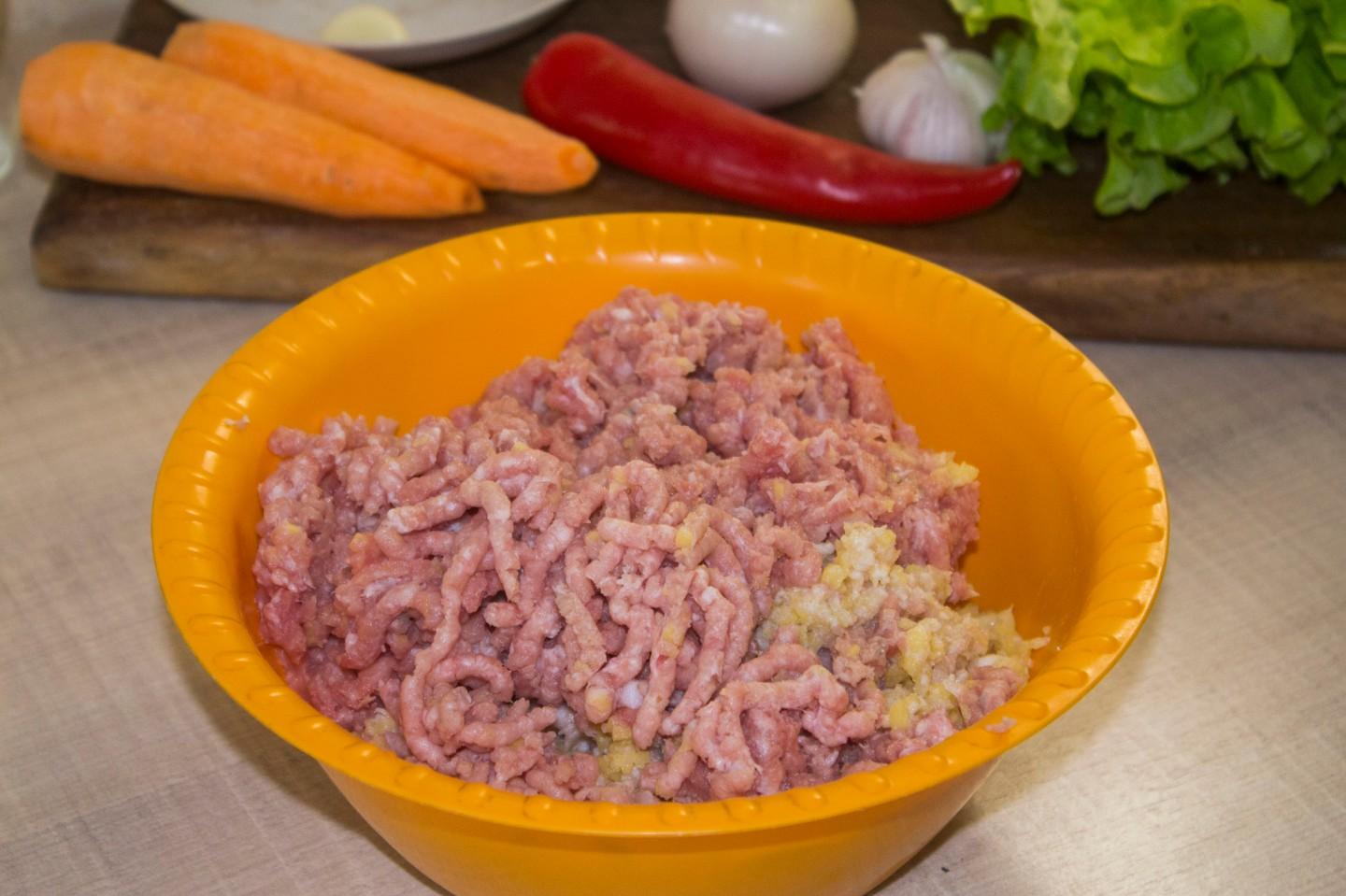
Run the meat through a meat grinder along with the potato, onion, and garlic.
-
Step 4:
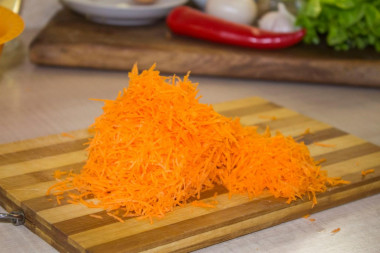
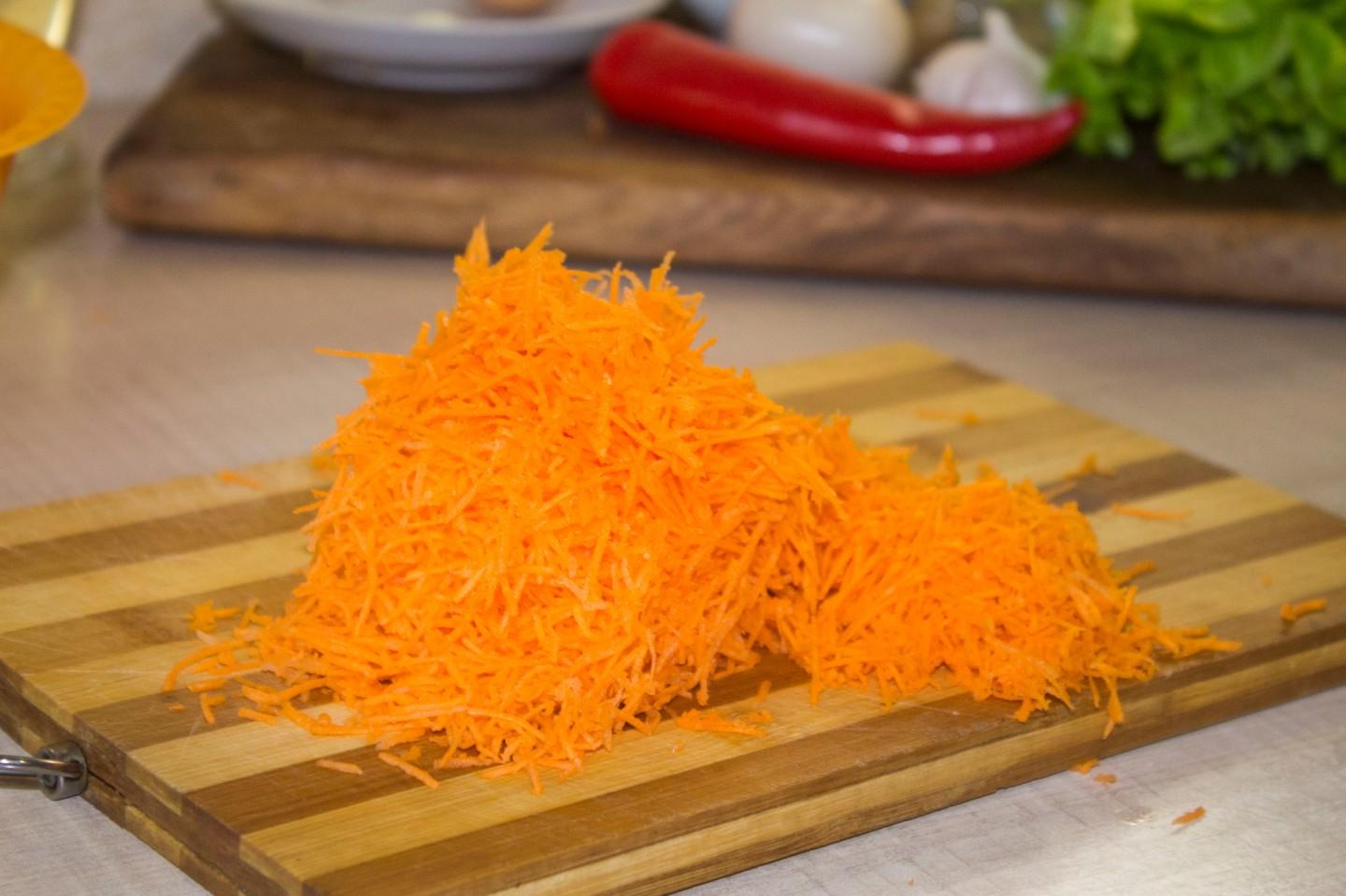
Scrub the carrot well under running water. Peel it and grate it on the fine side of a box grater.
-
Step 5:
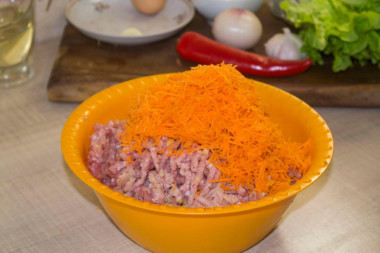
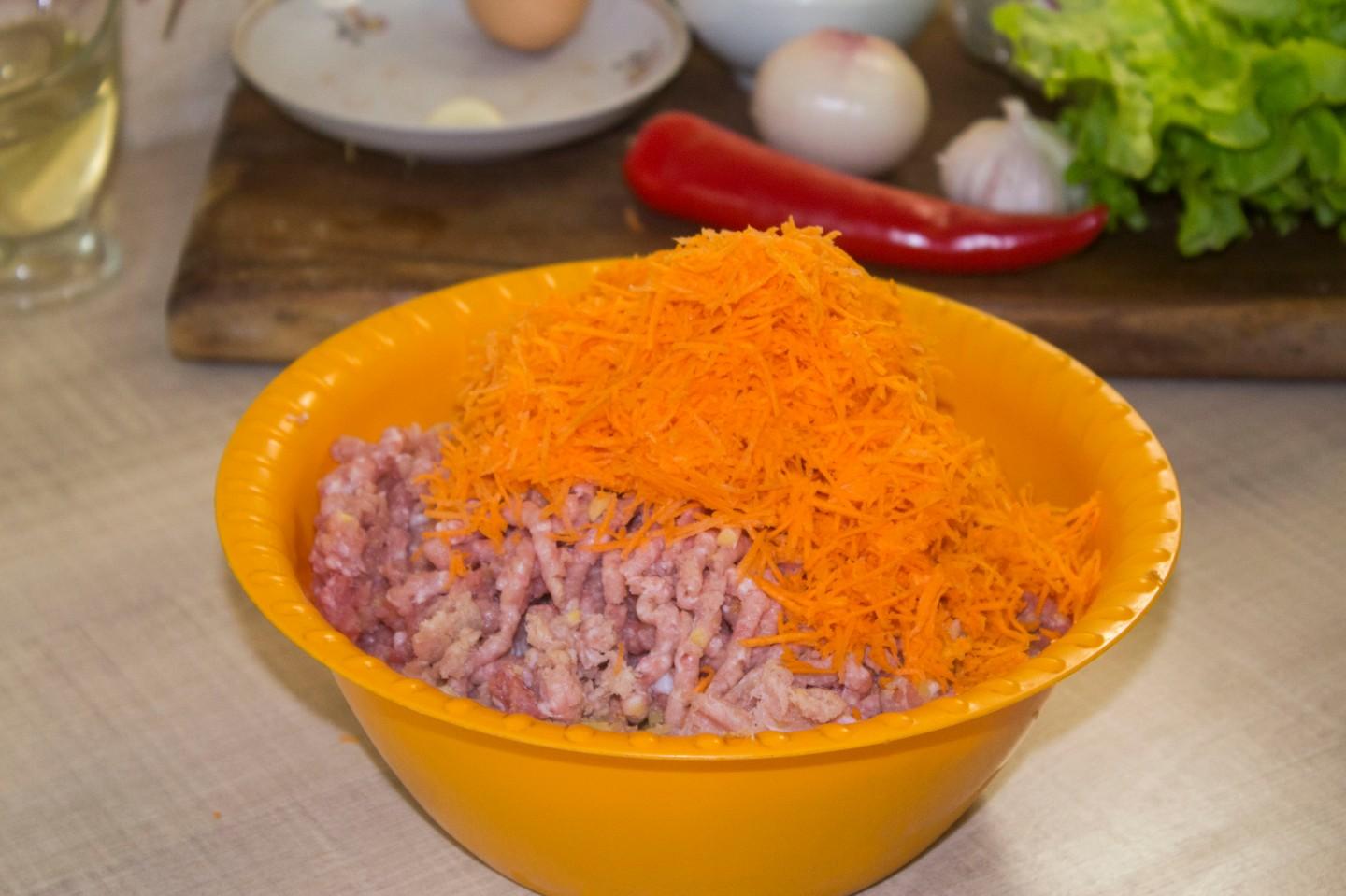
Add the grated carrot to the ground meat.
-
Step 6:
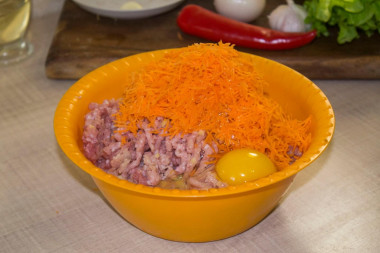
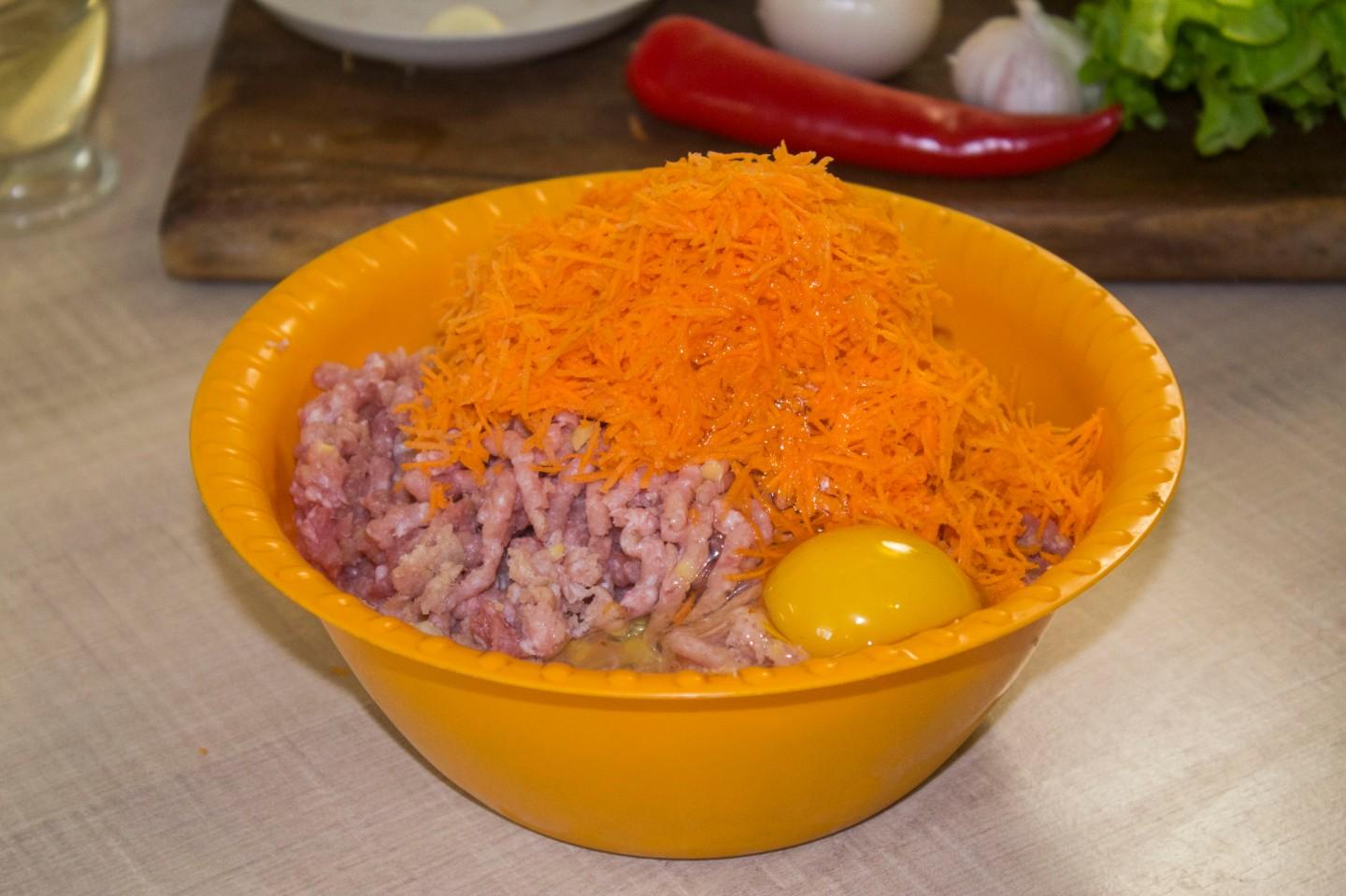
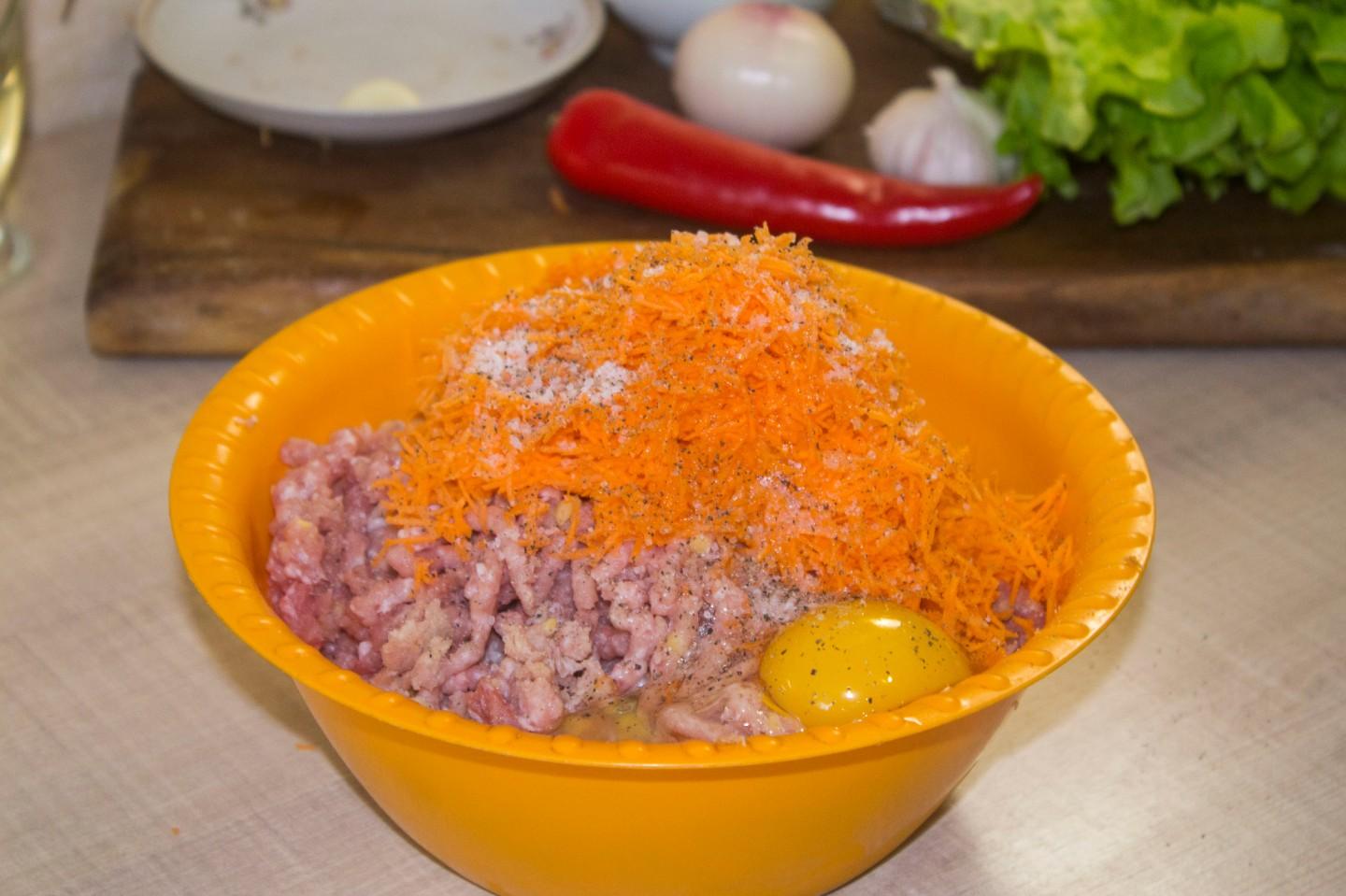
Wash the egg thoroughly — even a shell that looks clean can carry bacteria. Crack it into the ground meat.
-
Step 7:
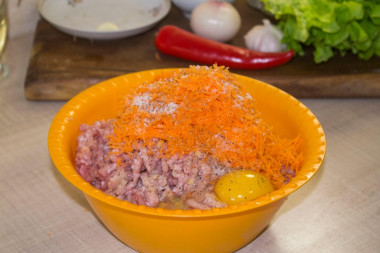
Season with salt and pepper to taste.
-
Step 8:
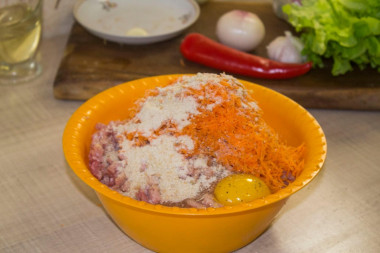
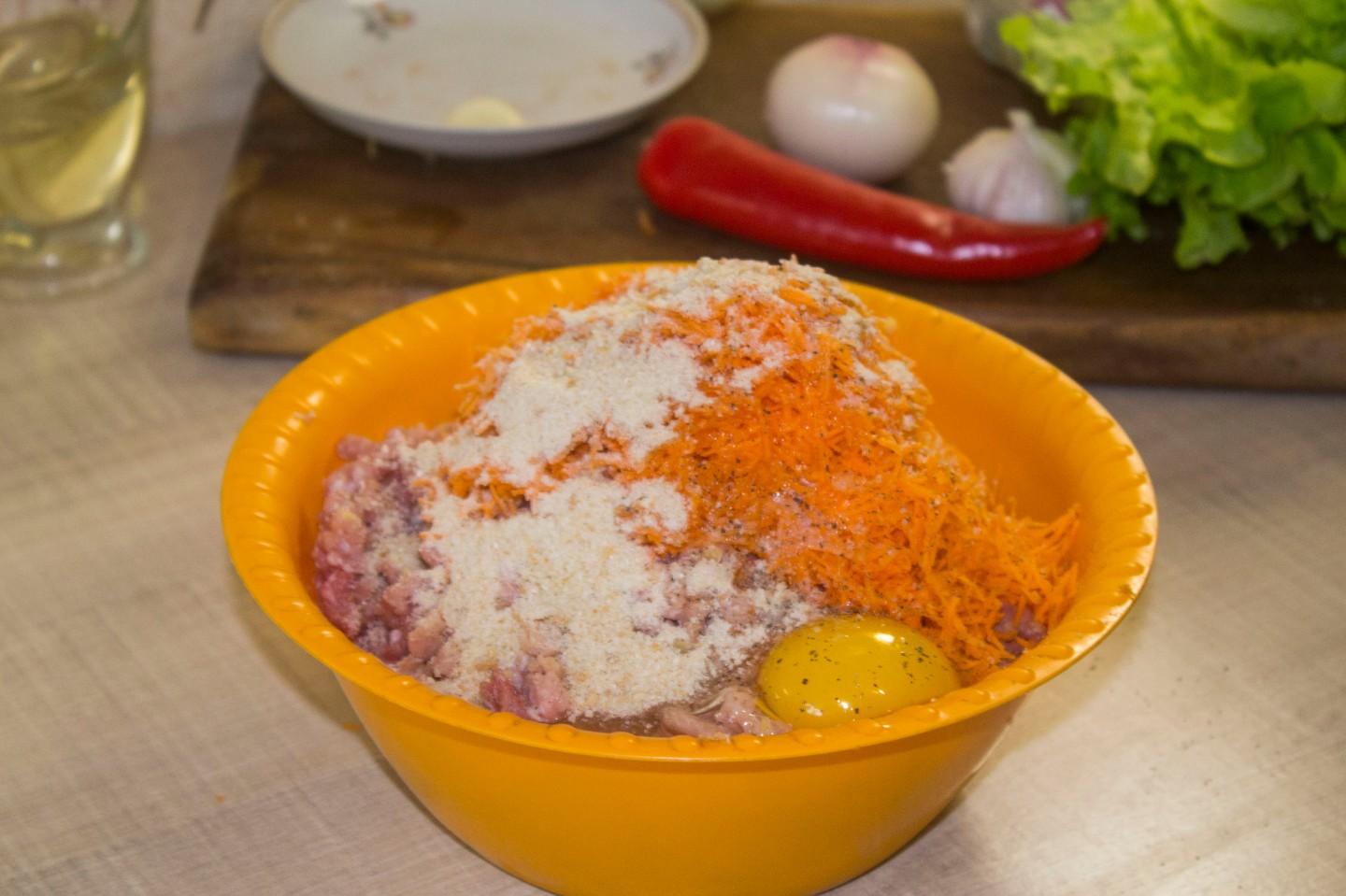
Add the breadcrumbs.
-
Step 9:
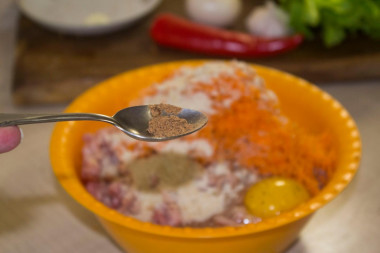
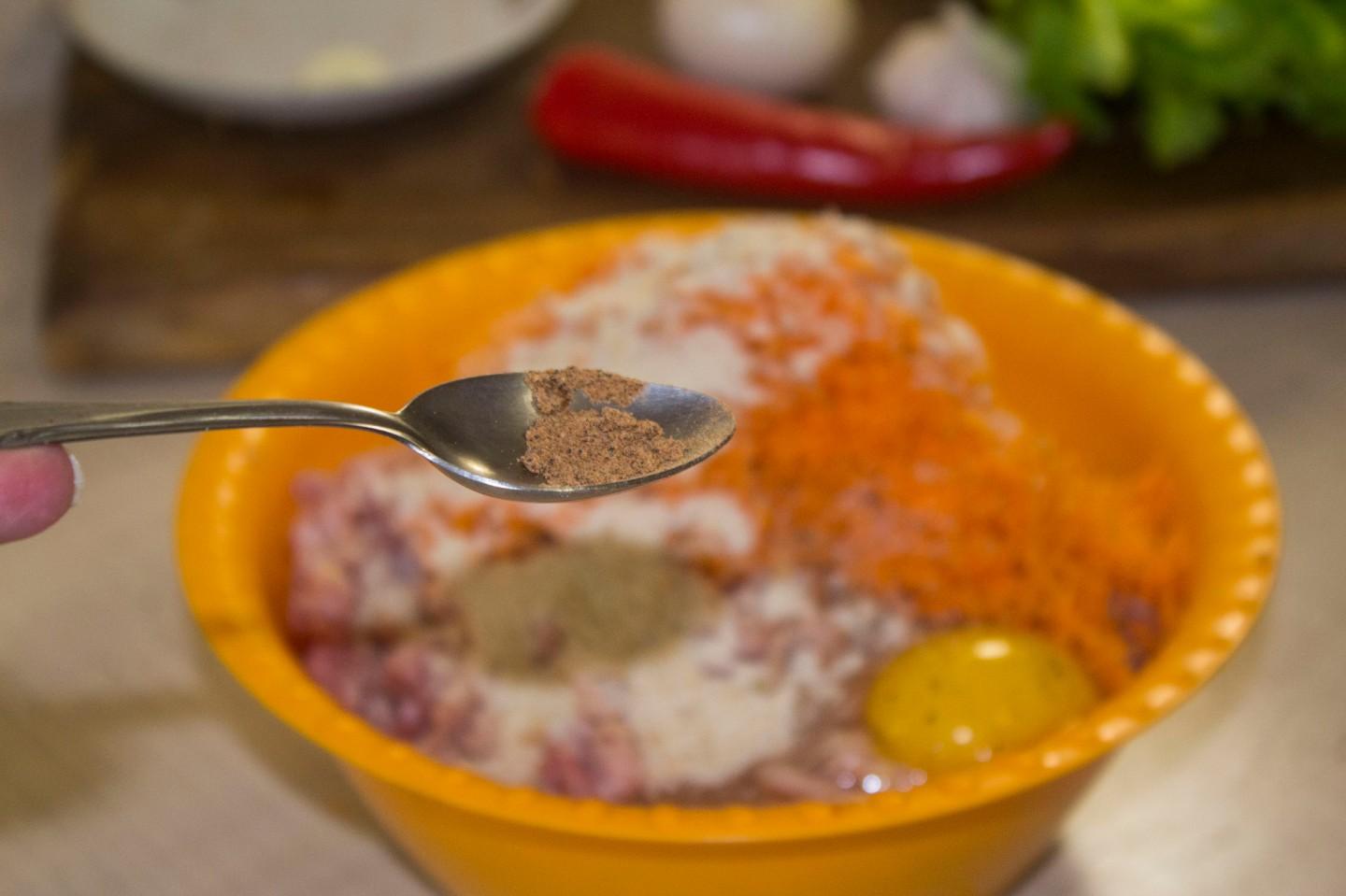
Add spices to taste — I used a pinch of nutmeg.
-
Step 10:
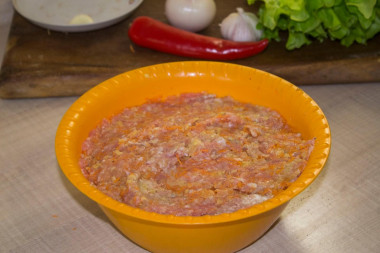
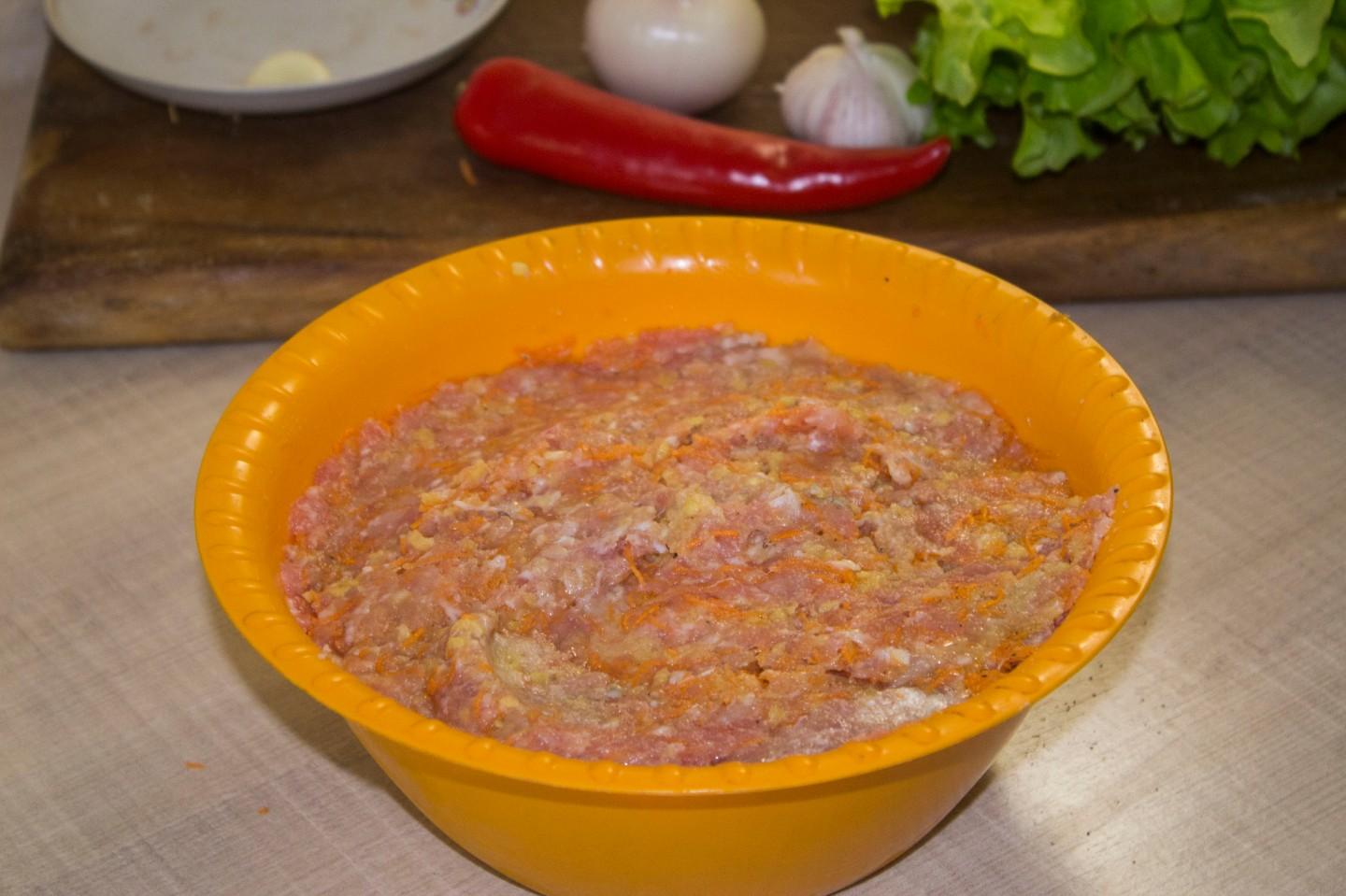
Mix everything together well.
-
Step 11:
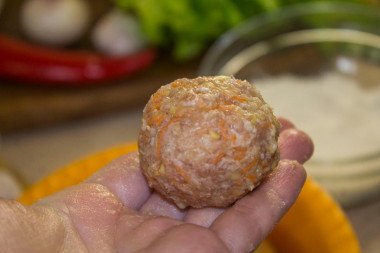
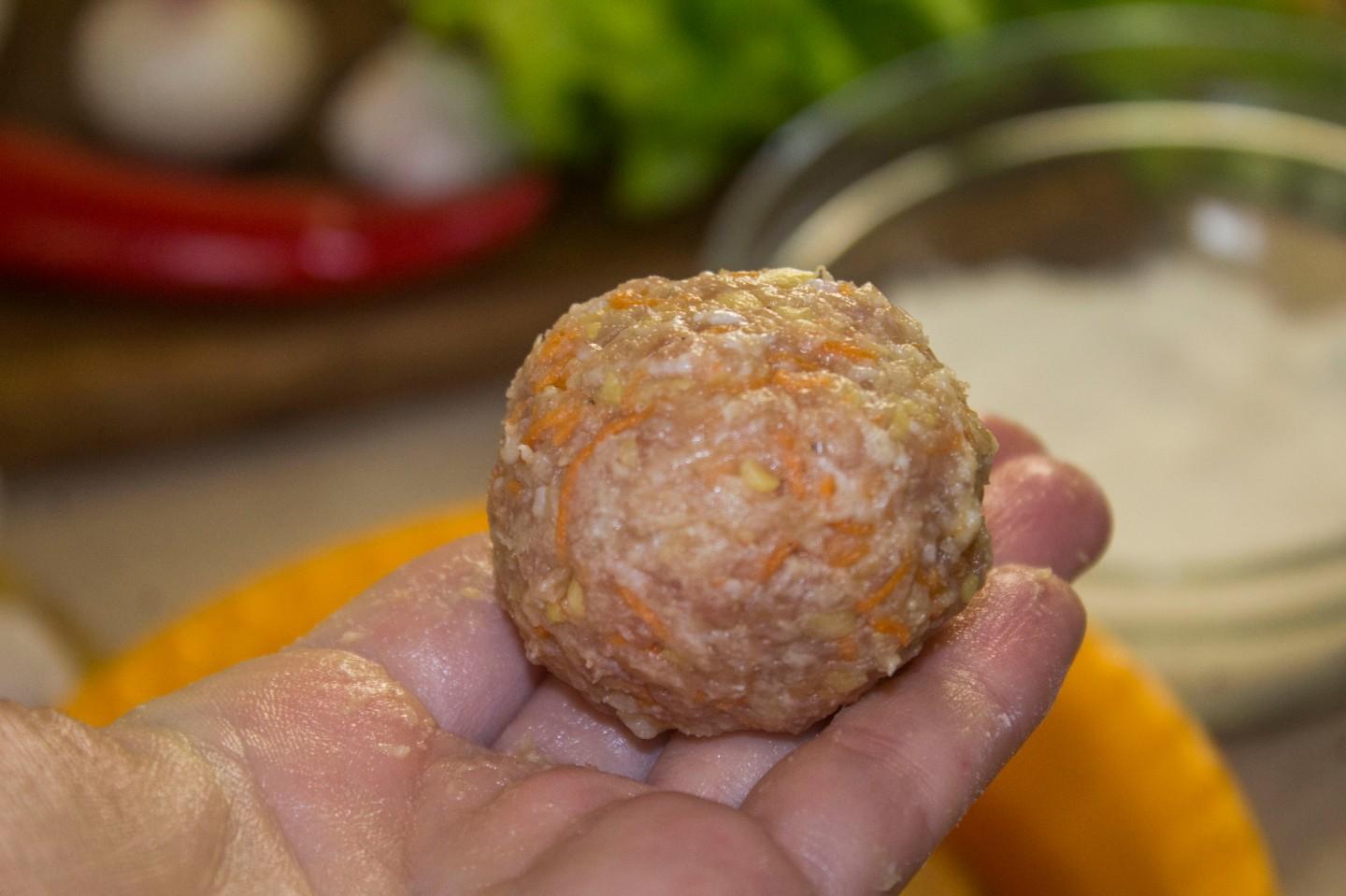
With wet hands, roll the mixture into round meatballs.
-
Step 12:
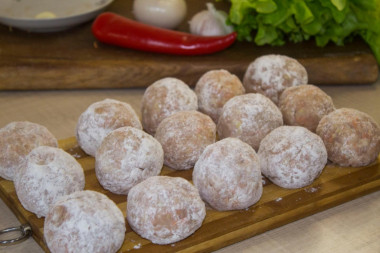
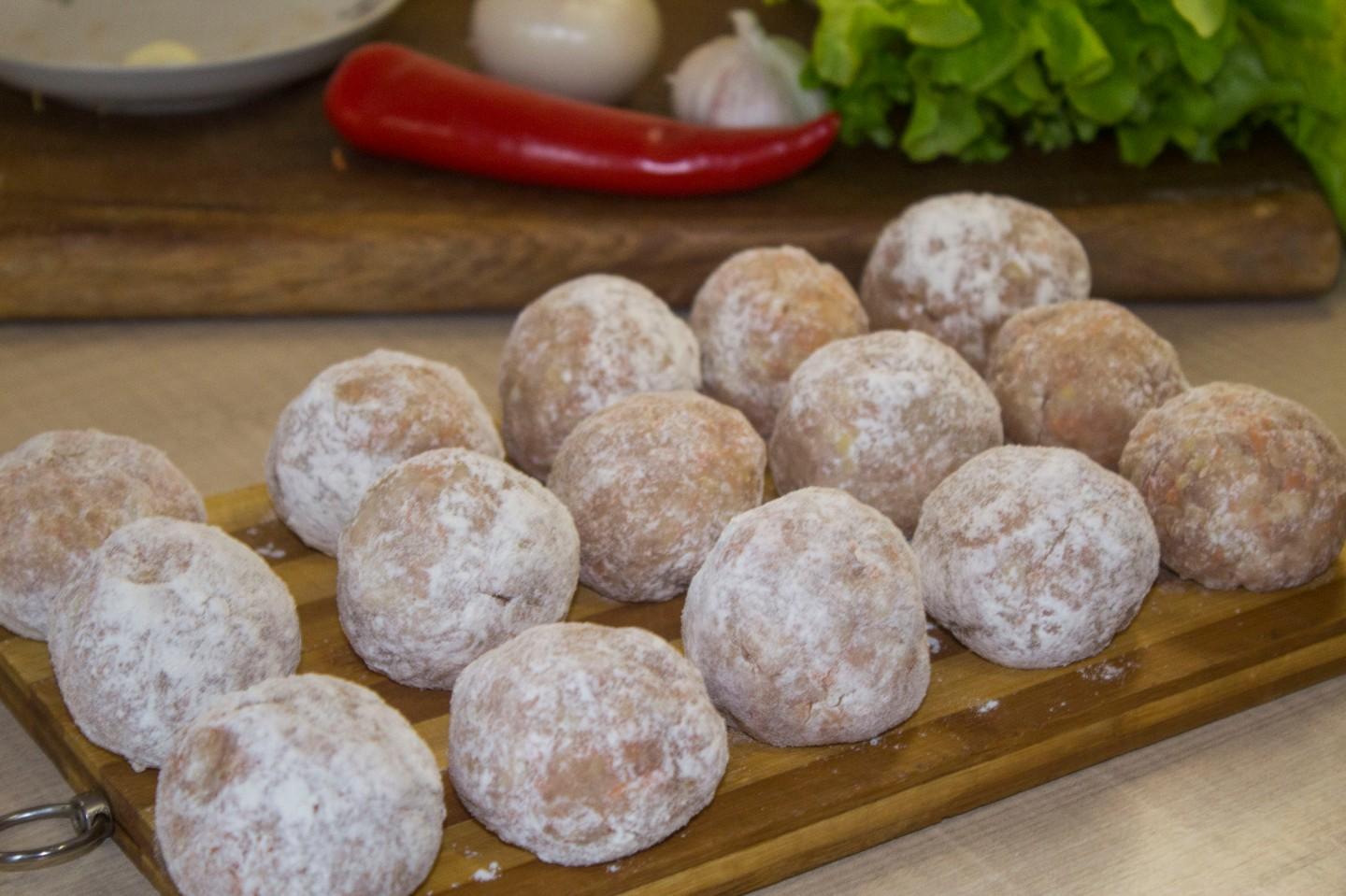
Roll each meatball in flour and set it on a cutting board.
-
Step 13:
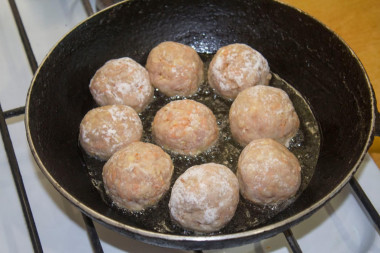
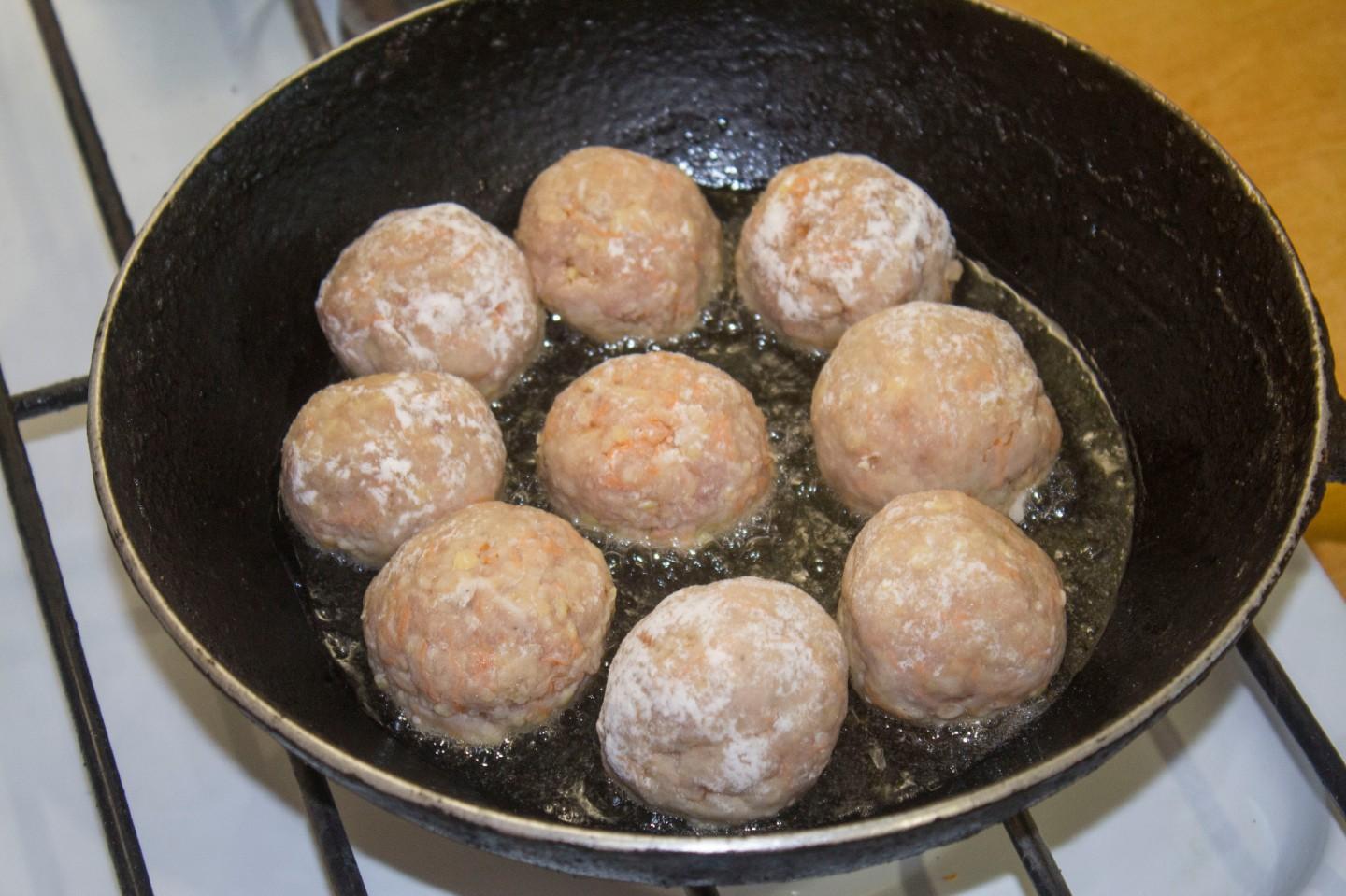
Pour a high-smoke-point oil into a skillet and heat it well. Here's an easy way to know it's hot enough: dip in the handle of a wooden spoon, and if small bubbles gather around it, you're ready to fry. Add the meatballs and cook until lightly golden.
-
Step 14:
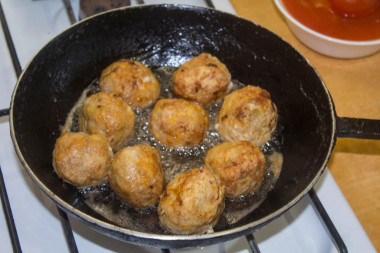
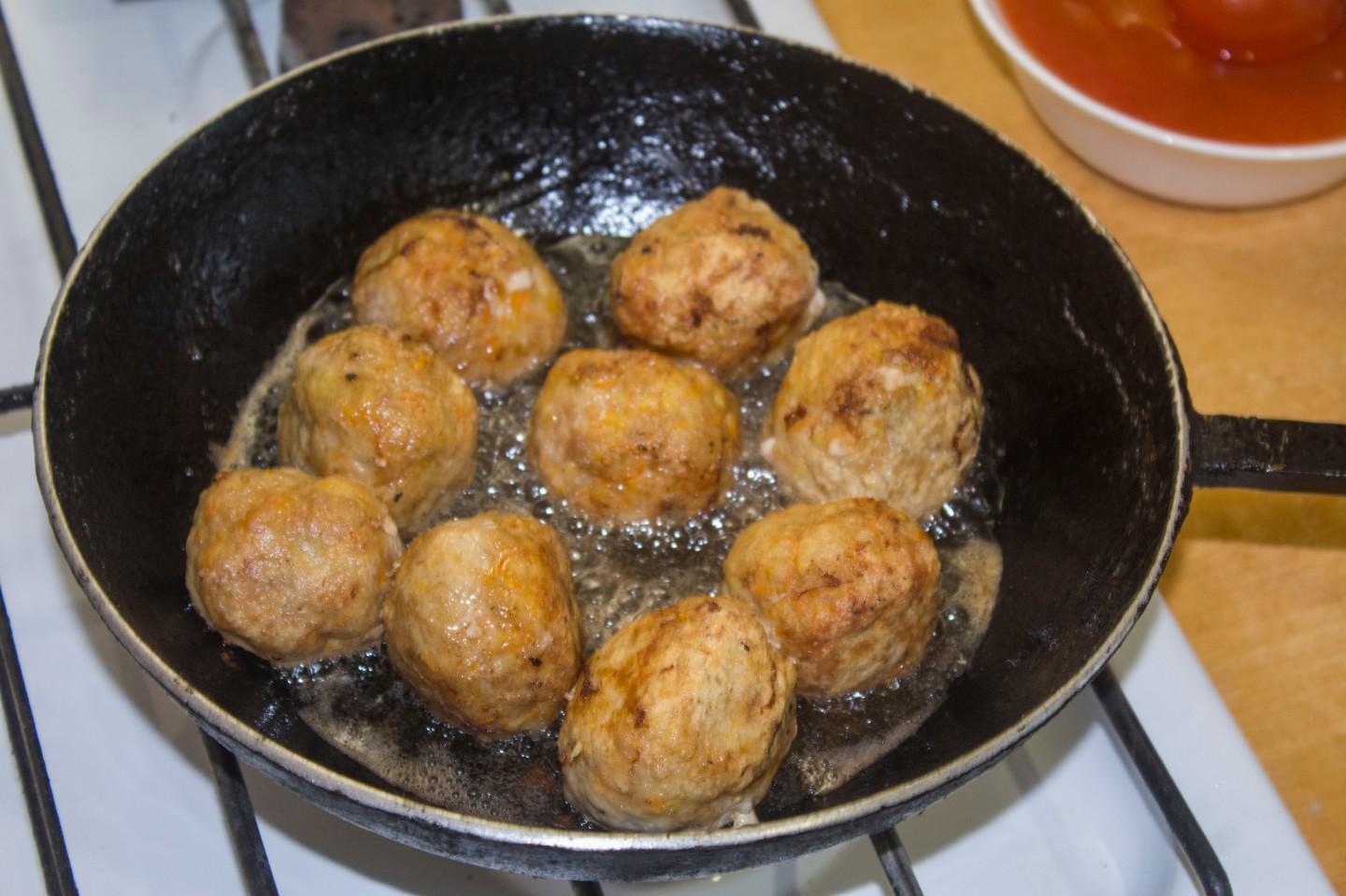
Gently turn the meatballs with a spatula so they brown on all sides.
-
Step 15:
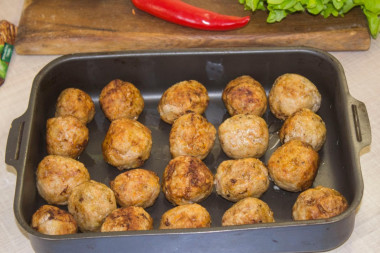
Transfer the browned meatballs to a baking dish.
-
Step 16:
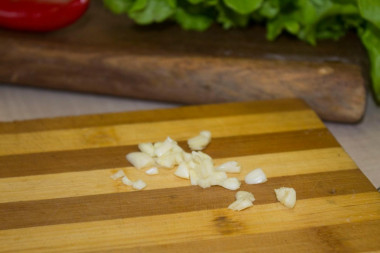
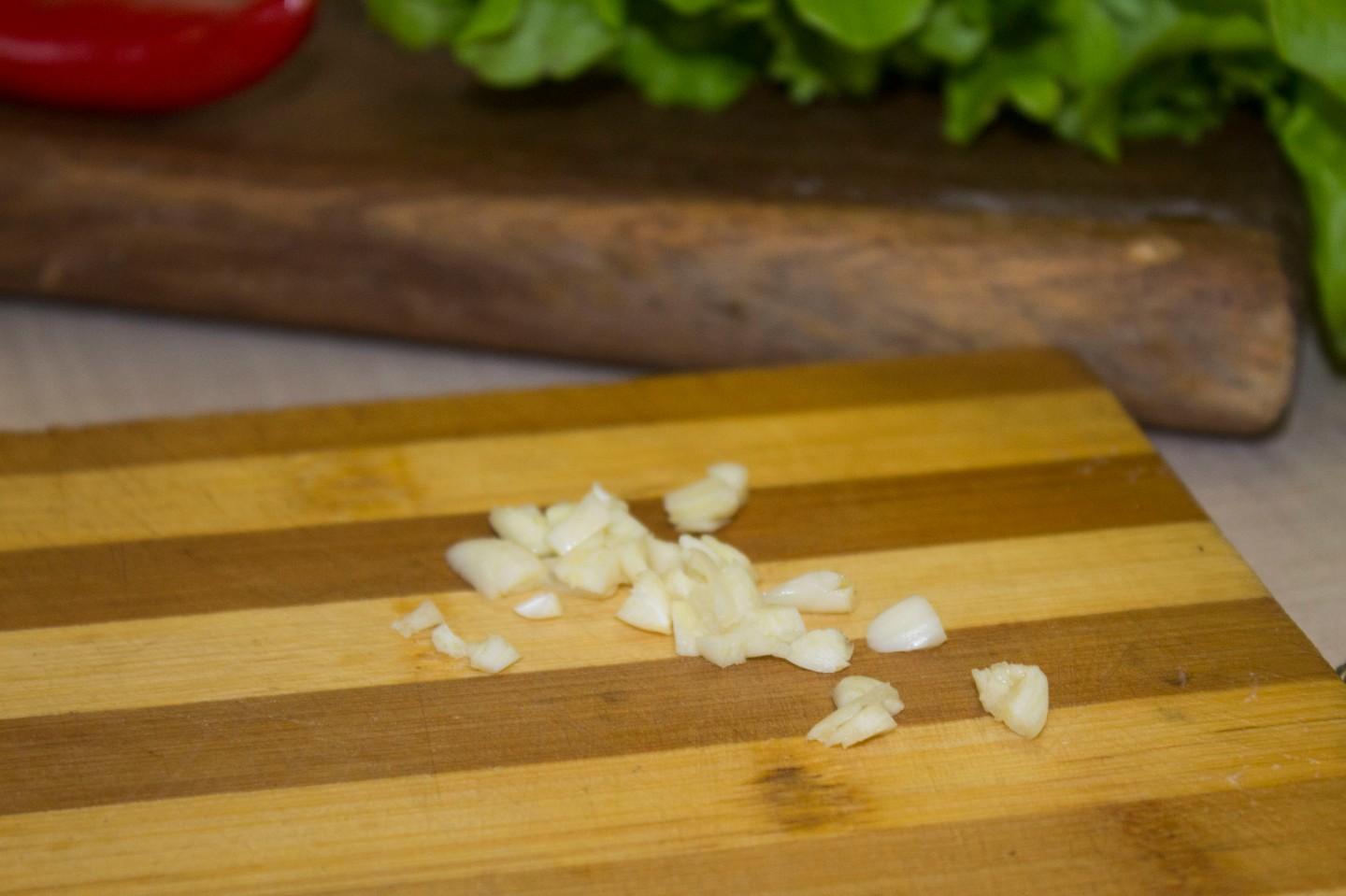
Now make the gravy. Peel the garlic cloves and chop them with a knife.
-
Step 17:
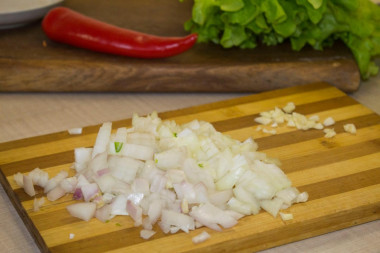
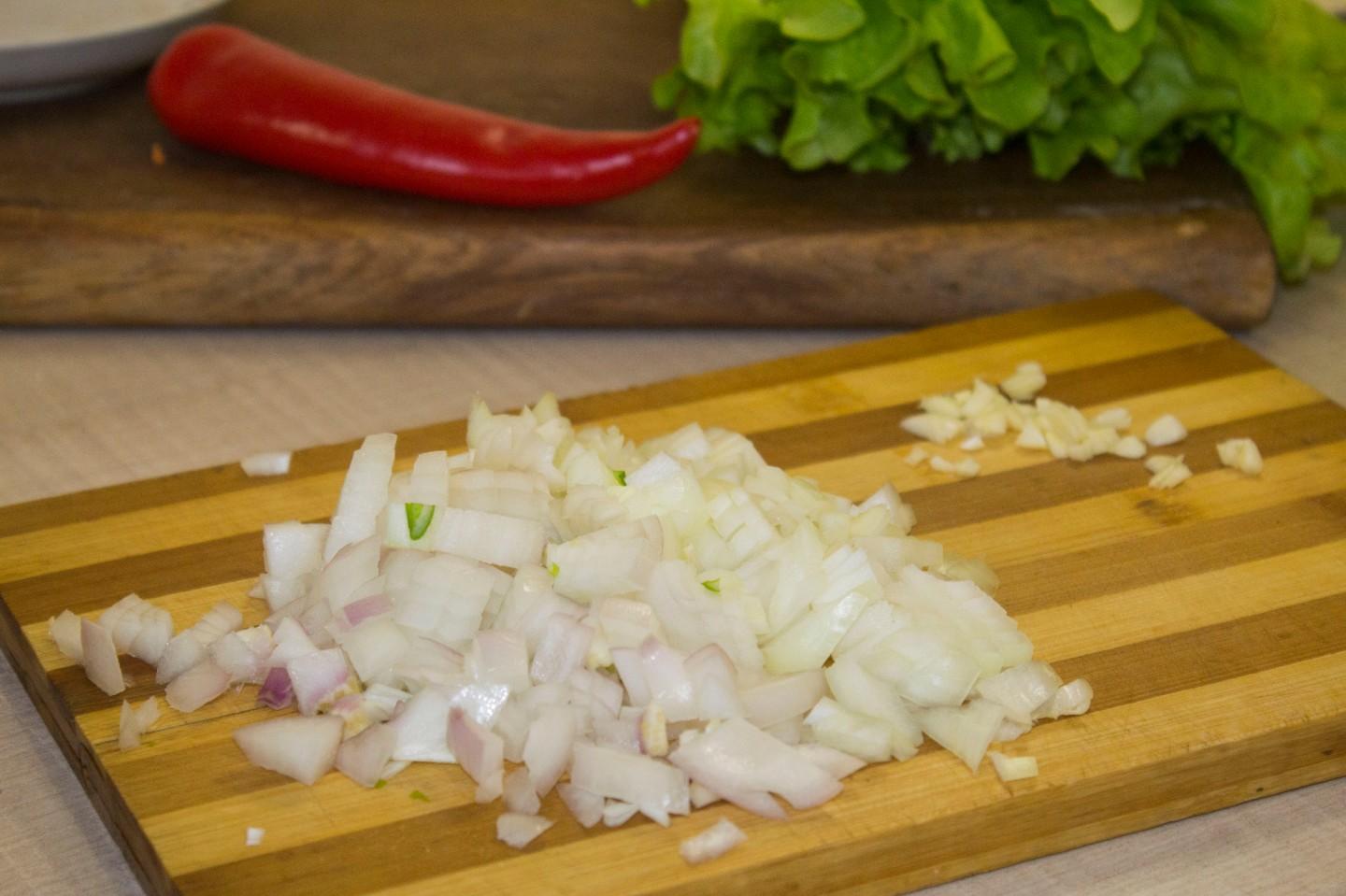
Peel and finely chop the onion. To keep the onion fumes from stinging your eyes, rinse the onion and the knife under cold water. Rubbing the cutting board with a piece of lemon keeps it from soaking up the onion smell.
-
Step 18:
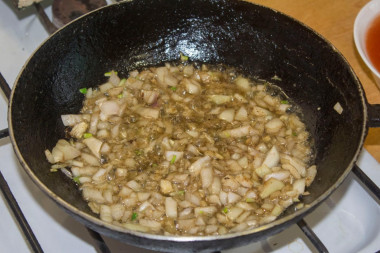
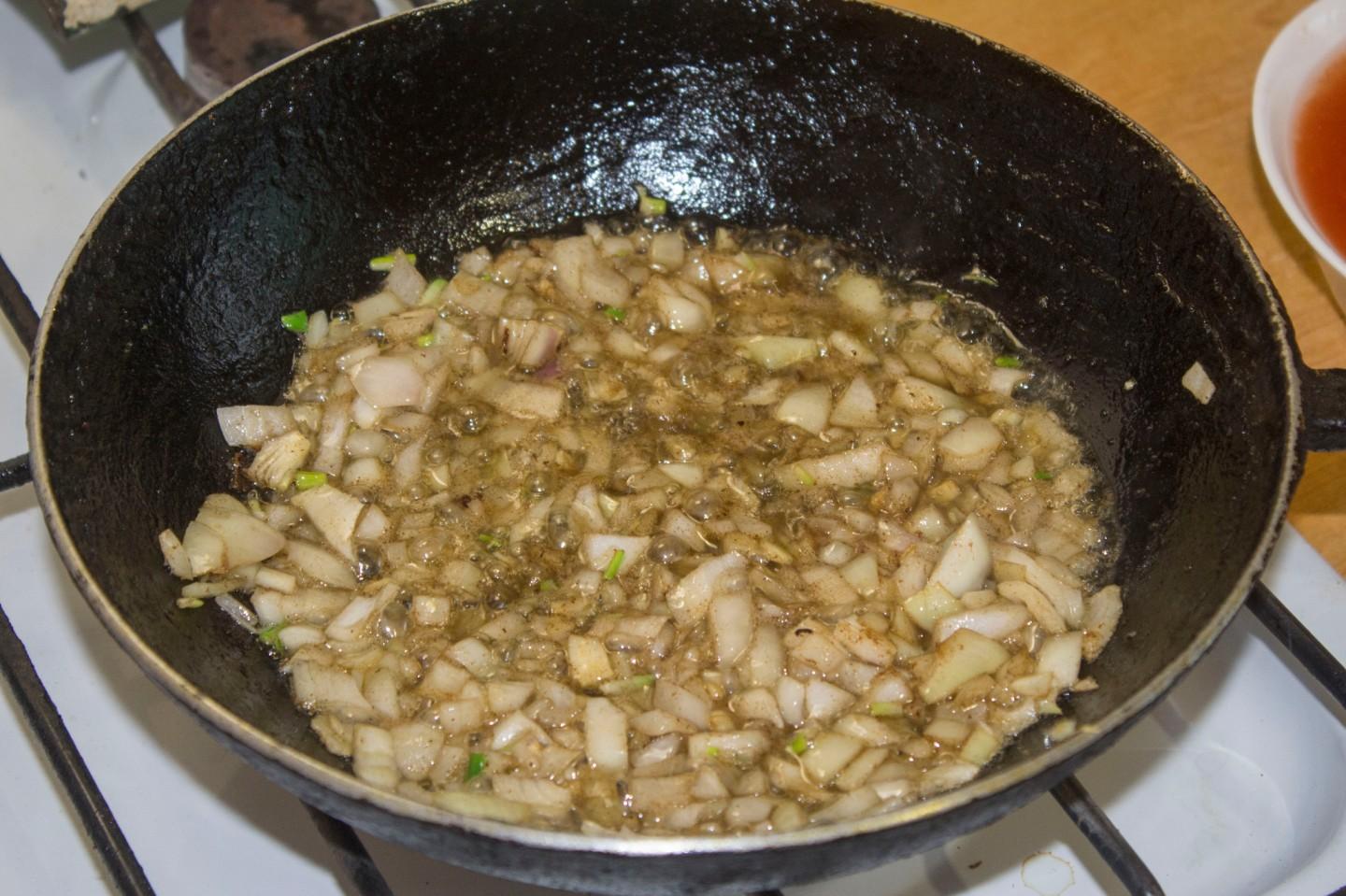
Add the onion and garlic to the skillet and sauté them in the oil left over from frying the meatballs.
-
Step 19:
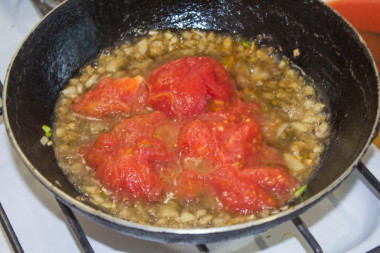
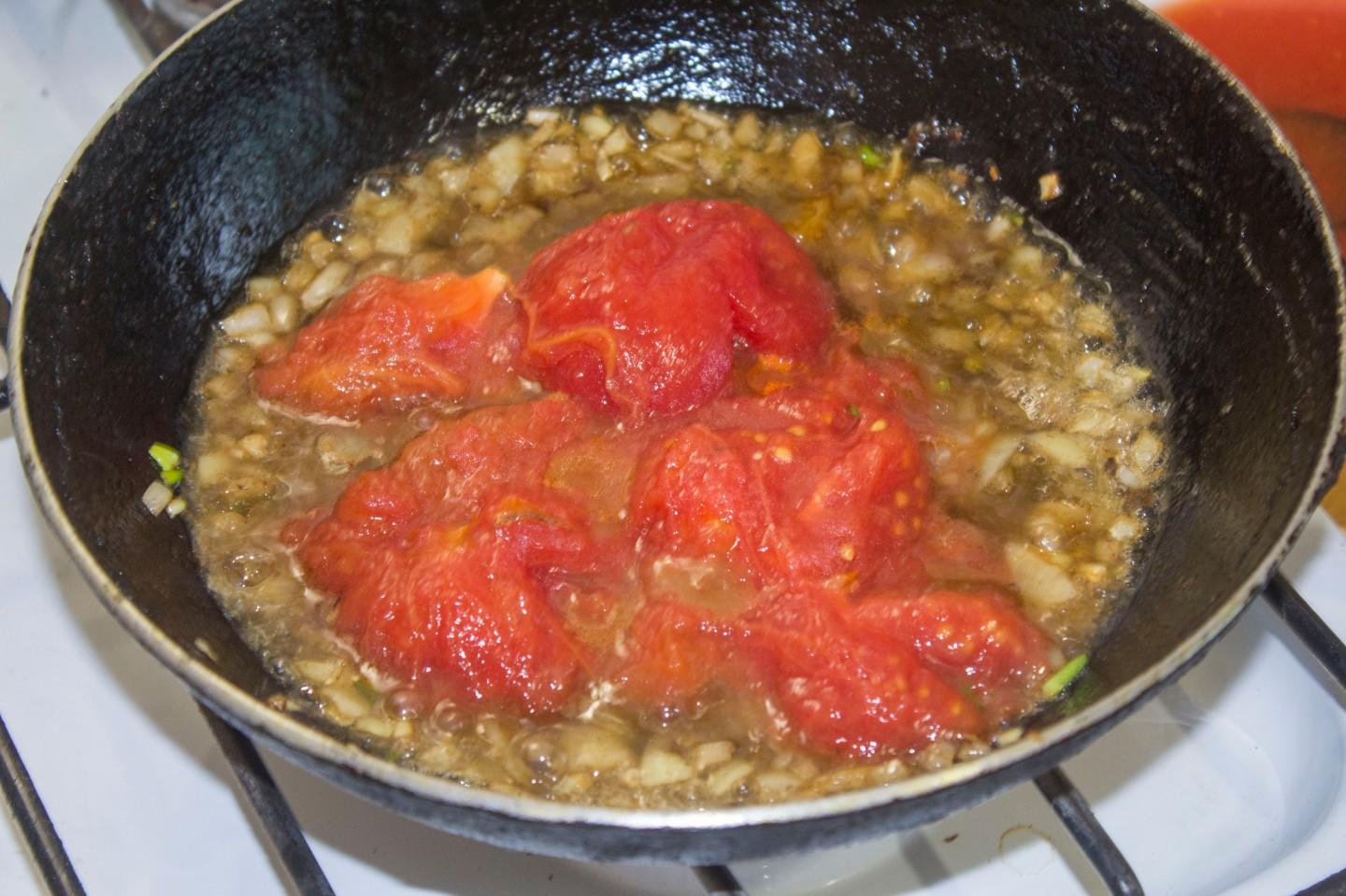
If using canned tomatoes, slip off the skins, add the tomatoes to the sautéed onion, and mash them with a fork along with their juice. Instead of canned tomatoes you can use homemade tomato juice, or 2 tablespoons of tomato paste stirred into 500 ml (about 2 cups) of water.
-
Step 20:
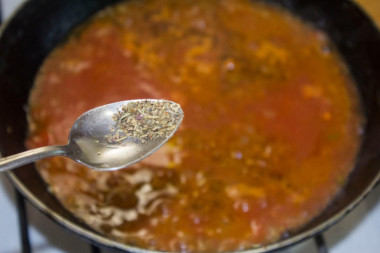
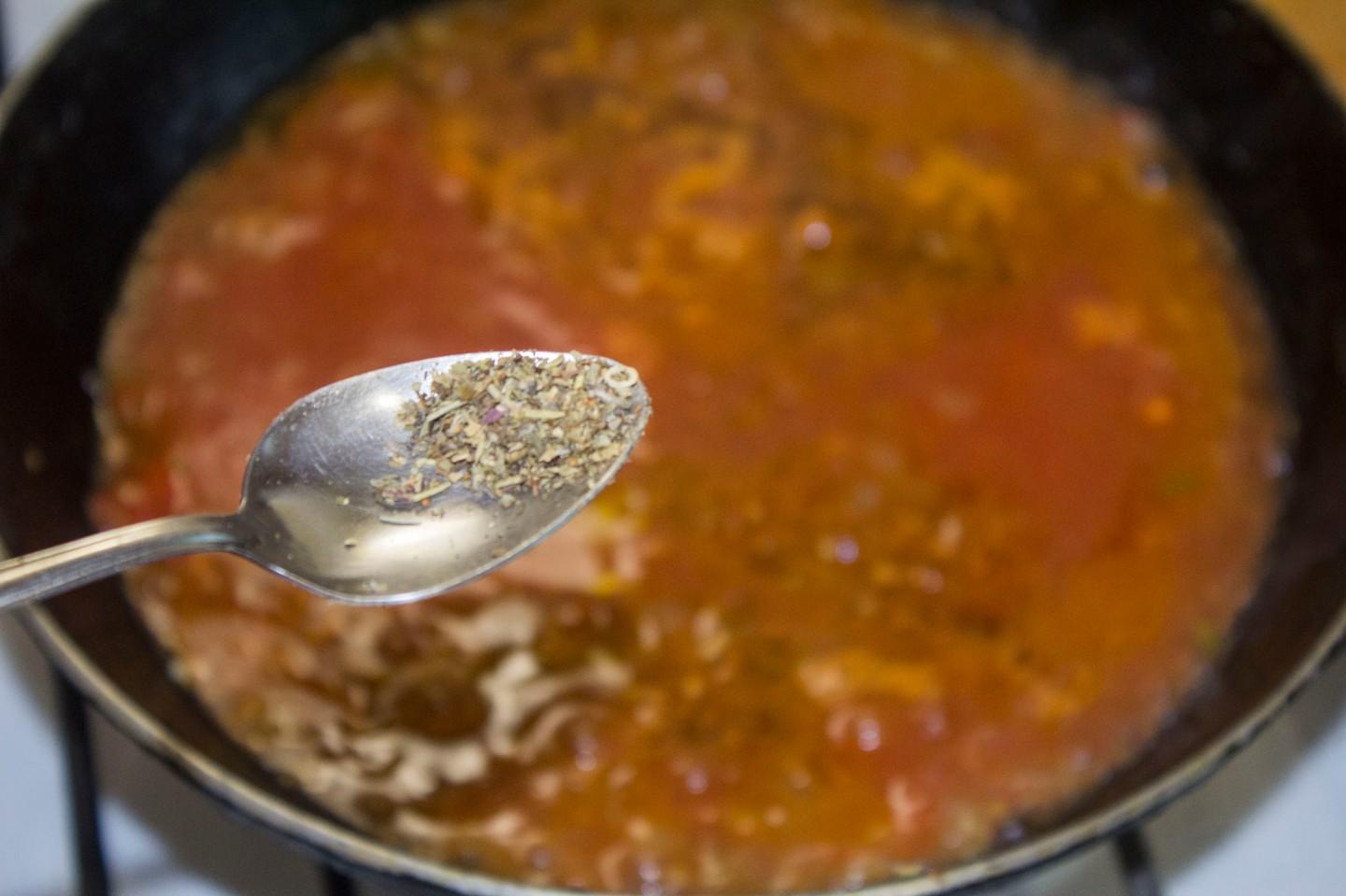
Add your favorite herbs — I used herbes de Provence, which instantly transforms the flavor. If you're using a pre-made meat seasoning blend, check the label first. If it already contains salt, keep that in mind when you salt the sauce so you don't overdo it.
-
Step 21:
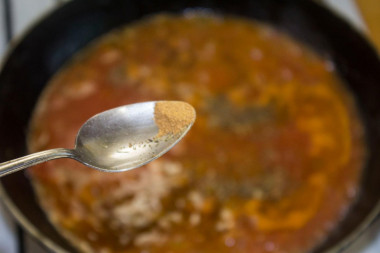
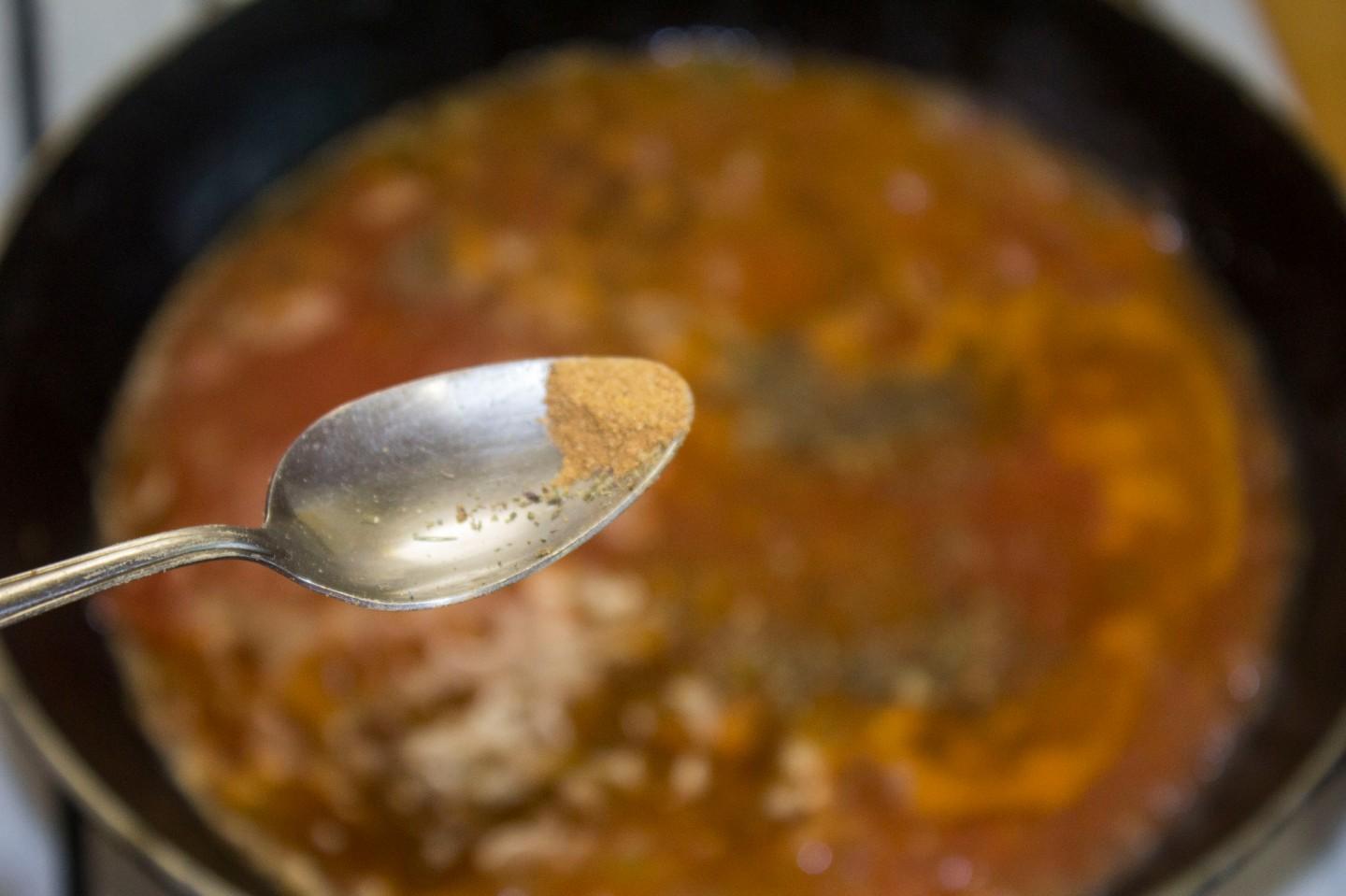
Stir in a little cayenne — it gives the sauce a nice kick.
-
Step 22:
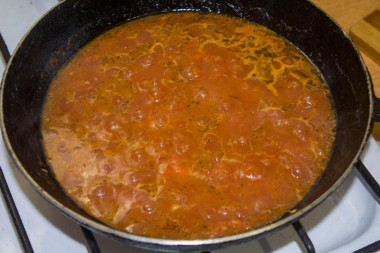
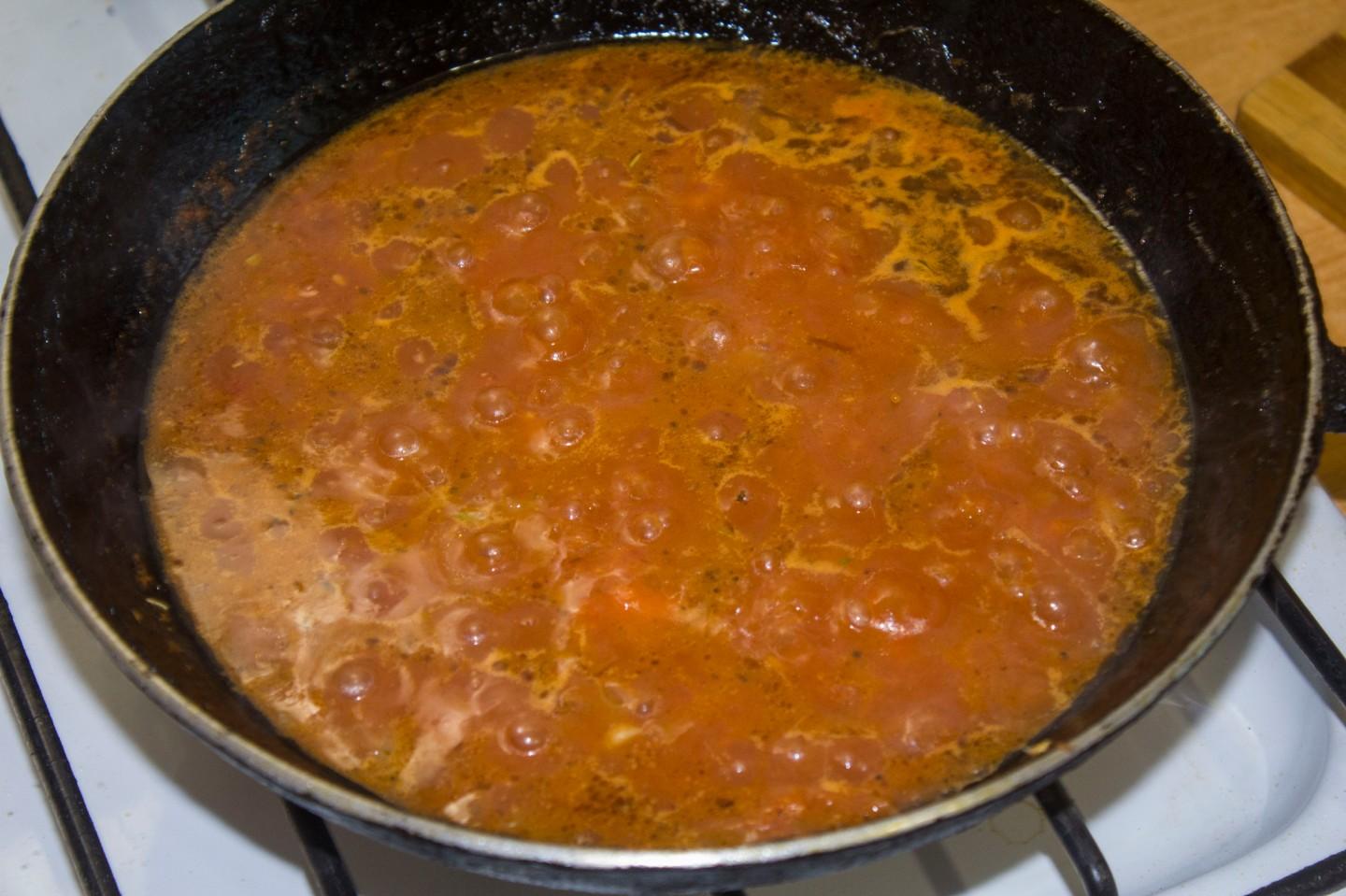
Simmer the gravy for about 5 to 7 minutes, tasting as you go. Add a little salt and sugar if you think it needs it.
-
Step 23:
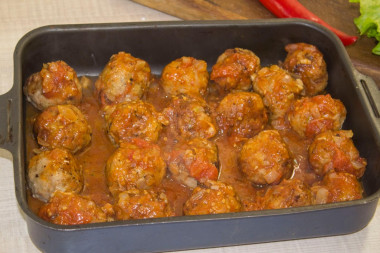
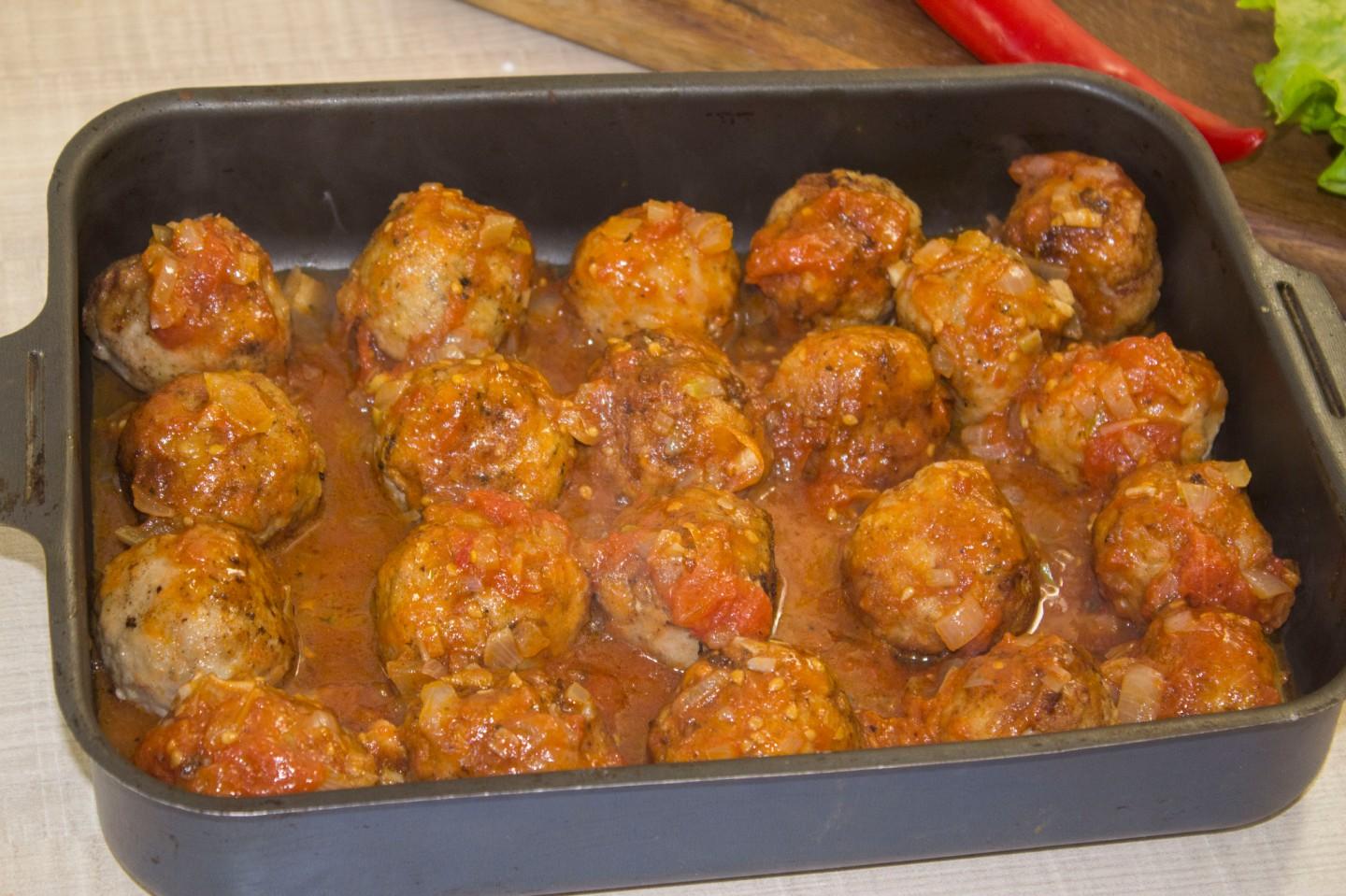
Pour the tomato gravy over the meatballs and put them in the oven. Bake for about 30 minutes at 350°F (180°C). Turn the oven on 10 to 20 minutes ahead so it's fully preheated, and adjust the exact time and temperature to your own oven.
-
Step 24:
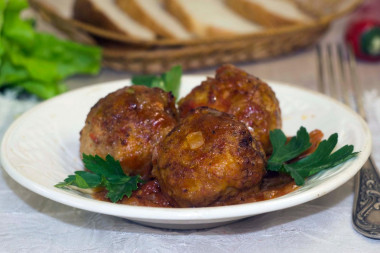
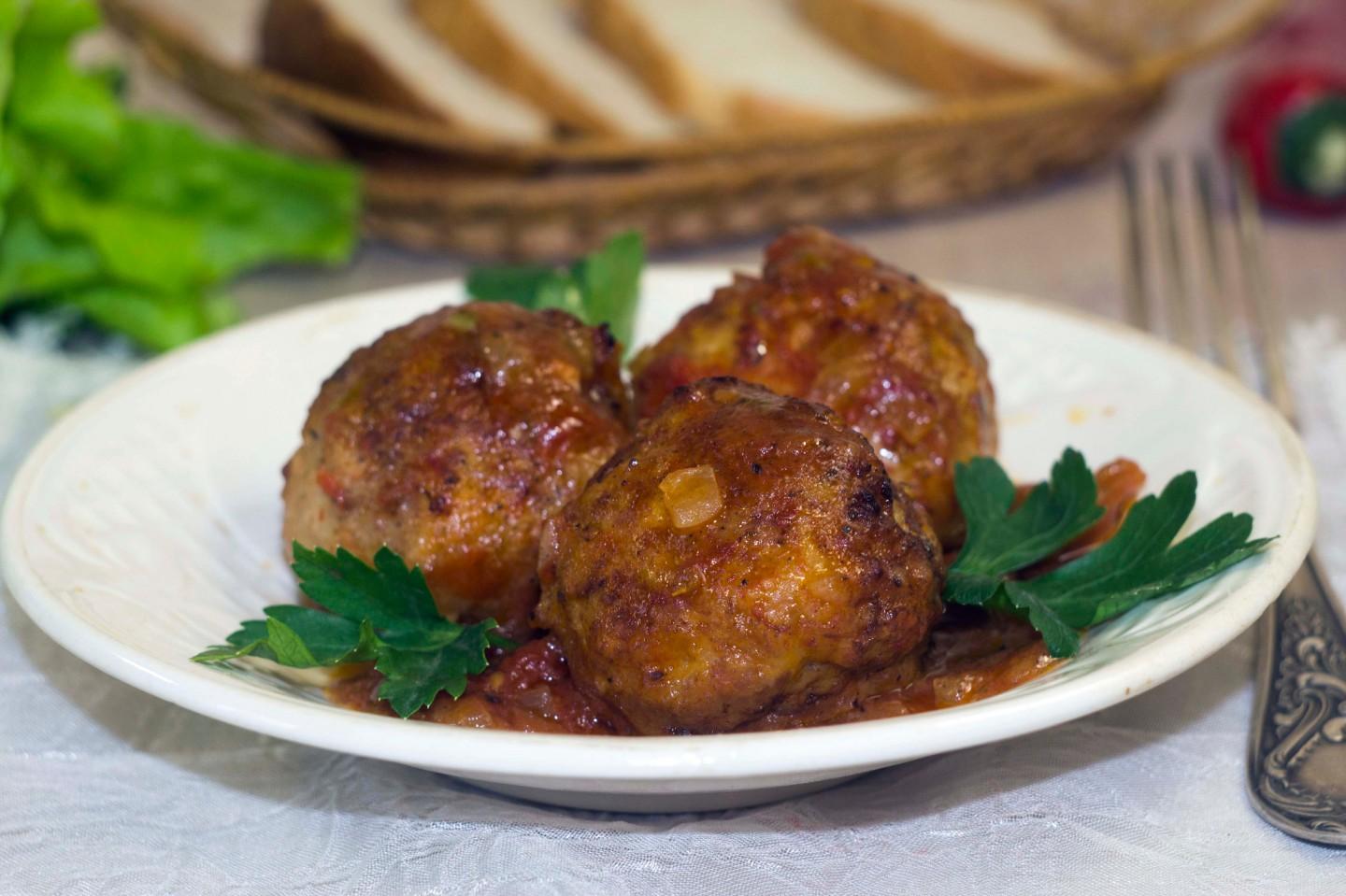
Serve the meatballs hot. Any side works well — try rice, buckwheat, mashed potatoes, or pasta, or just a simple vegetable salad. Enjoy!
- To check the meat for doneness, pierce it with a knife: if the knife slides in easily and the juices run clear, it's done; if the juices are pink or red, keep cooking.
- Use an oil with a high smoke point for frying. Every oil is only good up to a certain temperature — its smoke point — beyond which it starts to burn and forms harmful compounds. Unrefined oils generally have a low smoke point because they're full of unfiltered particles that burn quickly, while refined oils handle heat much better. If you're cooking in the oven, in a skillet, or on the grill, reach for a high-smoke-point oil — refined sunflower, olive, or grapeseed oil are all common choices.
- Keep in mind that every oven is different, so the temperature and cooking time may vary from what's listed in the recipe. Get to know your oven's quirks for the best results with any baked dish.
Caloric content of the products possible in the composition of the dish
- Ripe potatoes - 80 kcal/100g
- Baked potatoes - 70 kcal/100g
- Mashed potatoes - 380 kcal/100g
- Boiled potatoes - 82 kcal/100g
- Potatoes in their skins - 74 kcal/100g
- Fried potatoes - 192 kcal/100g
- Chicken egg - 157 kcal/100g
- Egg white - 45 kcal/100g
- Egg powder - 542 kcal/100g
- Egg yolk - 352 kcal/100g
- Ostrich egg - 118 kcal/100g
- Fatty pork - 333 kcal/100g
- Lean pork - 357 kcal/100g
- Pork, lean roast - 184 kcal/100g
- Bone-in pork chop - 537 kcal/100g
- Pork schnitzel - 352 kcal/100g
- Pork shoulder - 593 kcal/100g
- Wild boar leg - 113 kcal/100g
- Pork - 259 kcal/100g
- Carrot - 33 kcal/100g
- Dried carrots - 275 kcal/100g
- Boiled carrots - 25 kcal/100g
- Garlic - 143 kcal/100g
- Ground black pepper - 255 kcal/100g
- Fortified whole durum wheat flour - 333 kcal/100g
- All-purpose whole durum wheat flour - 364 kcal/100g
- Fine semolina flour - 348 kcal/100g
- Flour - 325 kcal/100g
- Vegetable oil - 873 kcal/100g
- Onion - 41 kcal/100g
- Ground red pepper - 318 kcal/100g
- Table salt - 0 kcal/100g
- Breadcrumbs - 347 kcal/100g
- Tomato juice - 21 kcal/100g
- Herb blend - 259 kcal/100g
- Nutmeg - 556 kcal/100g
Similar recipes
- Children's recipes
- Second course
- Eggs
- Meat and meat products
- Vegetables
- Flour
- Bakery products
- Spices seasonings spices
- Root flower leaves
- Fats and oils
- Other
- With crackers
- Garlic
- Nutmeg
- Pepper
- Salt
- Herb mixture
- Vegetable oil
- From juice
- Frying
- Oven roasting
- Тефтели
- Meat second course
- Meat in the oven
- Pork
- Vegetables in the oven
- From carrots
- From potatoes
- From onion
- Balanced nutrition
- Recipes for lean dishes without butter