Creamy barley porridge in the slow cooker
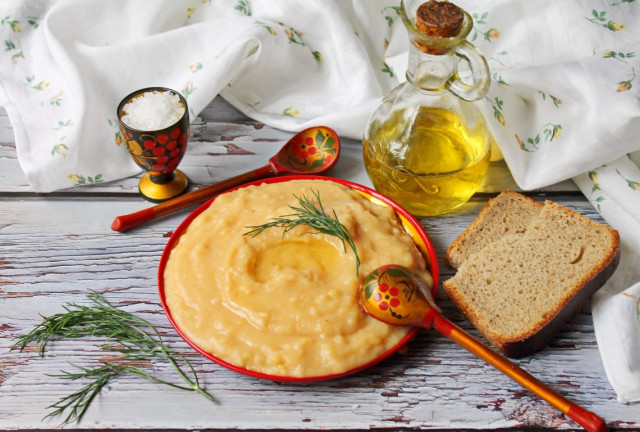
One of the most wholesome and nourishing porridges. Here's a simple recipe for making a milk porridge in the slow cooker — it'll add another trick to your cooking repertoire. Barley porridge cooked in milk comes out incredibly tasty, filling, and good for you.



Cooking method
-
Step 1:
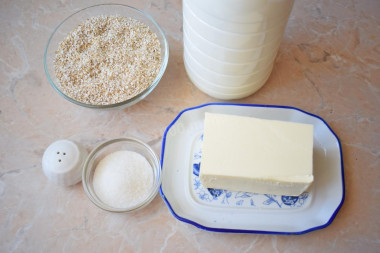
To make barley porridge in the slow cooker with milk, gather all the ingredients. Use low-fat milk, or it tends to boil over in the cooker. If your milk is rich, you can cut it with water.
-
Step 2:
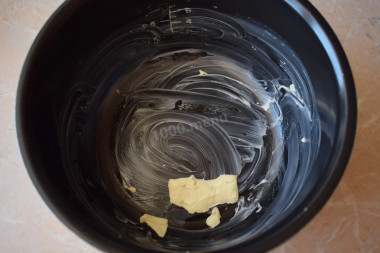
Rub a piece of butter over the bottom and sides of the slow-cooker bowl, leaving a little butter in the bowl itself. Why grease the bowl? It helps keep the milk from boiling over.
-
Step 3:
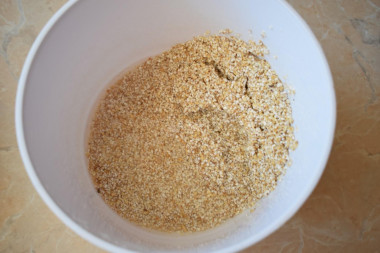
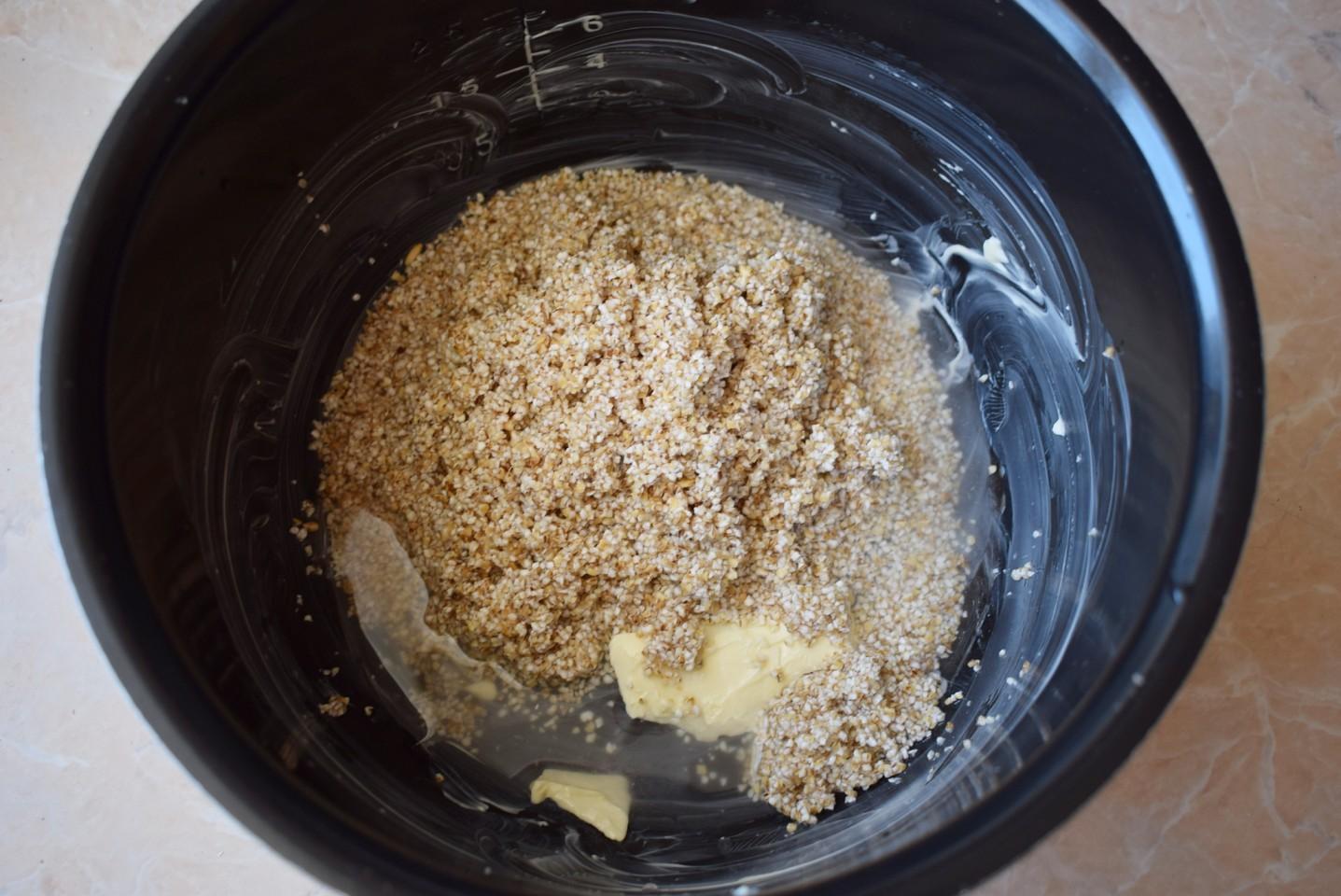
Rinse the barley groats several times in cold water until the water runs clean and nearly clear. Any debris and hulls float right to the top and can be poured off with the water. Drain off the excess water; a little left in the bowl is fine.
-
Step 4:
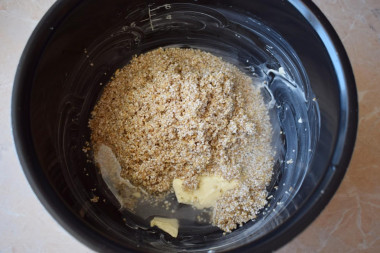
Put the rinsed barley groats into the slow-cooker bowl.
-
Step 5:
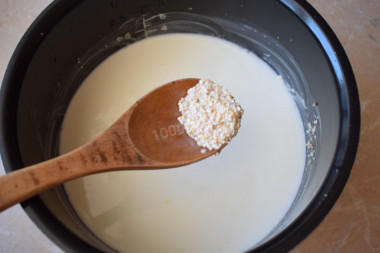
Pour the milk over the grain. Add a pinch of salt and the sugar, and stir. I like my porridge sweet and that amount of sugar is plenty for me, but adjust it up or down to your taste.
-
Step 6:
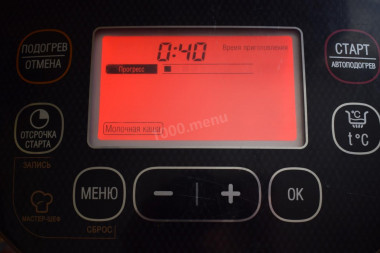
Set the bowl in the slow cooker, cover, and run the "Milk porridge" setting for 40 minutes.
-
Step 7:
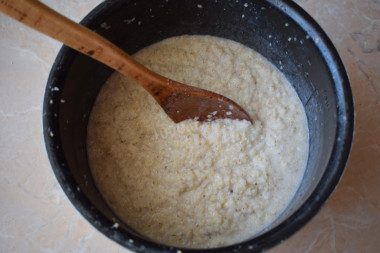
When the time is up, the cooker beeps to let you know the porridge is done. It comes out fairly thick, since barley groats soak up liquid well. If you prefer it looser, stir some hot milk into the finished porridge. Fragrant, tasty, tender porridge is ready!
-
Step 8:
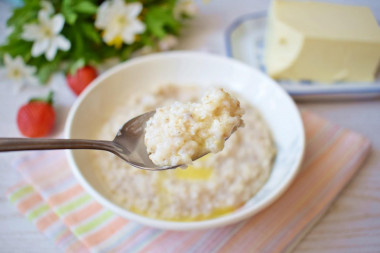
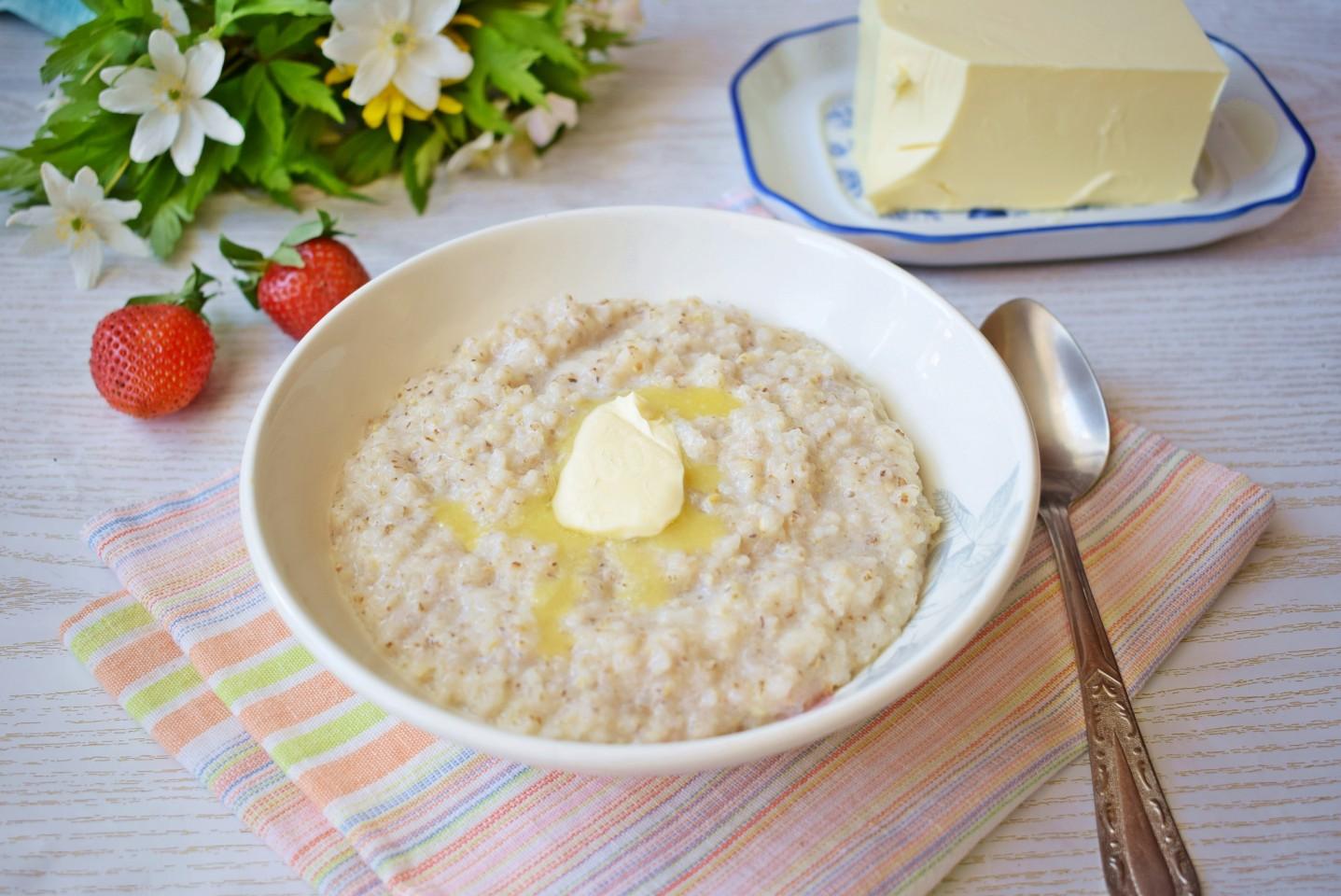
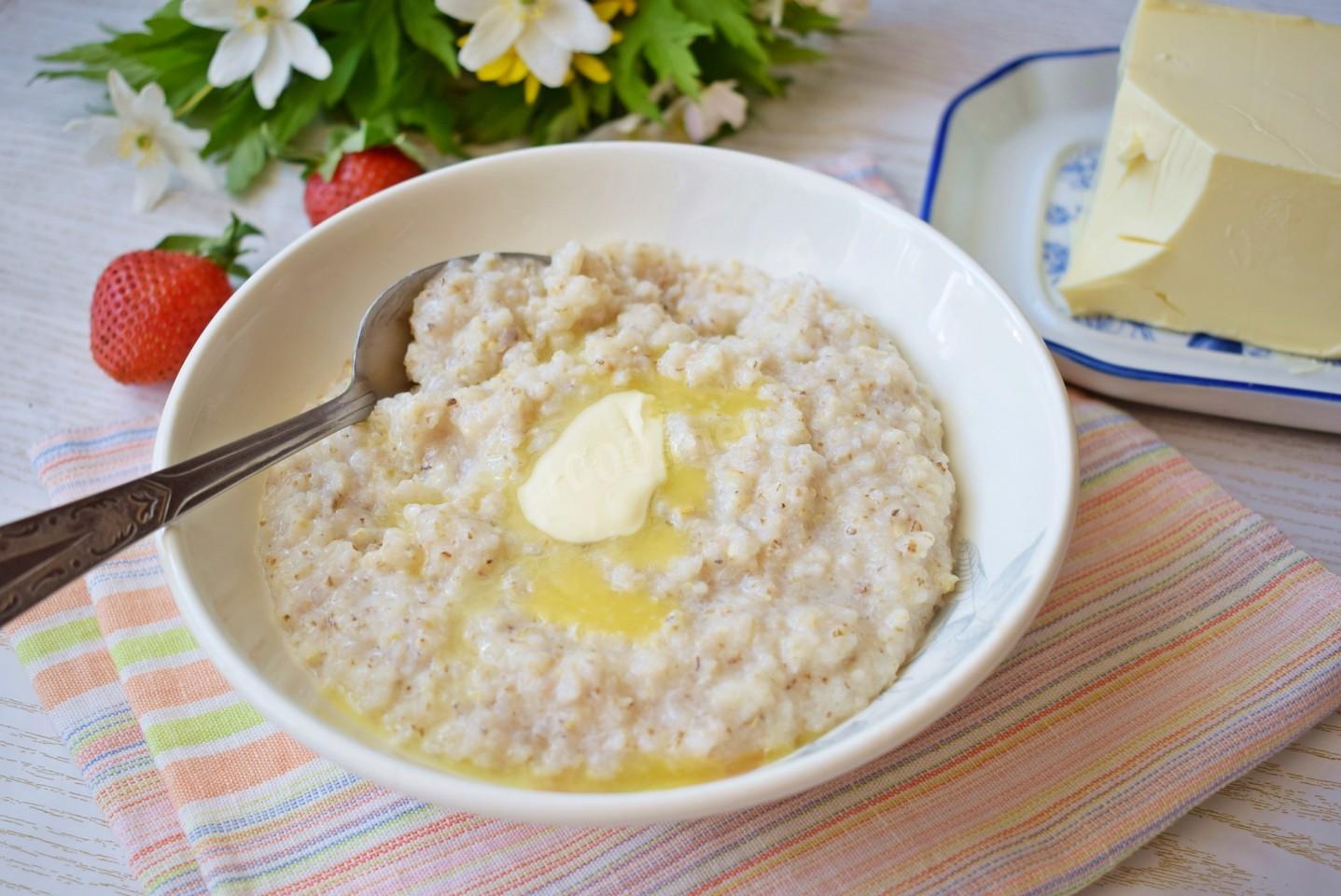
Spoon the finished porridge into bowls and serve hot. Top it with a small pat of butter or some fresh berries. Enjoy!




- A tasty, hearty, nourishing breakfast for the whole family. The finished porridge keeps in the fridge for 1-3 days; just reheat it in the microwave and stir in a little milk or water, since it thickens further as it sits.
- Keep in mind the time and setting here are approximate. Every slow cooker behaves differently, and even identical models from the same maker can vary. Before trying a new dish in yours, read its manual, then practice on familiar dishes first and new ones after, fine-tuning the setting and time to your own machine.
- In place of sugar, you can use a heat-stable sugar substitute.
Caloric content of the products possible in the composition of the dish
- Whole cow's milk - 68 kcal/100g
- Milk 3.5% fat content - 64 kcal/100g
- Milk 3.2% fat content - 60 kcal/100g
- Milk 1.5% fat content - 47 kcal/100g
- Concentrated milk 7.5% fat content - 140 kcal/100g
- Milk 2.5% fat content - 54 kcal/100g
- Hulled light barley - 349 kcal/100g
- Scotch barley - 348 kcal/100g
- Barley groats - 343 kcal/100g
- Barley flakes - 315 kcal/100g
- Granulated sugar - 398 kcal/100g
- Sugar - 398 kcal/100g
- Butter 82% - 734 kcal/100g
- Amateur unsalted butter - 709 kcal/100g
- Unsalted peasant butter - 661 kcal/100g
- Peasant salted butter - 652 kcal/100g
- Melted butter - 869 kcal/100g
- Salt - 0 kcal/100g