Georgian-Style Khinkali
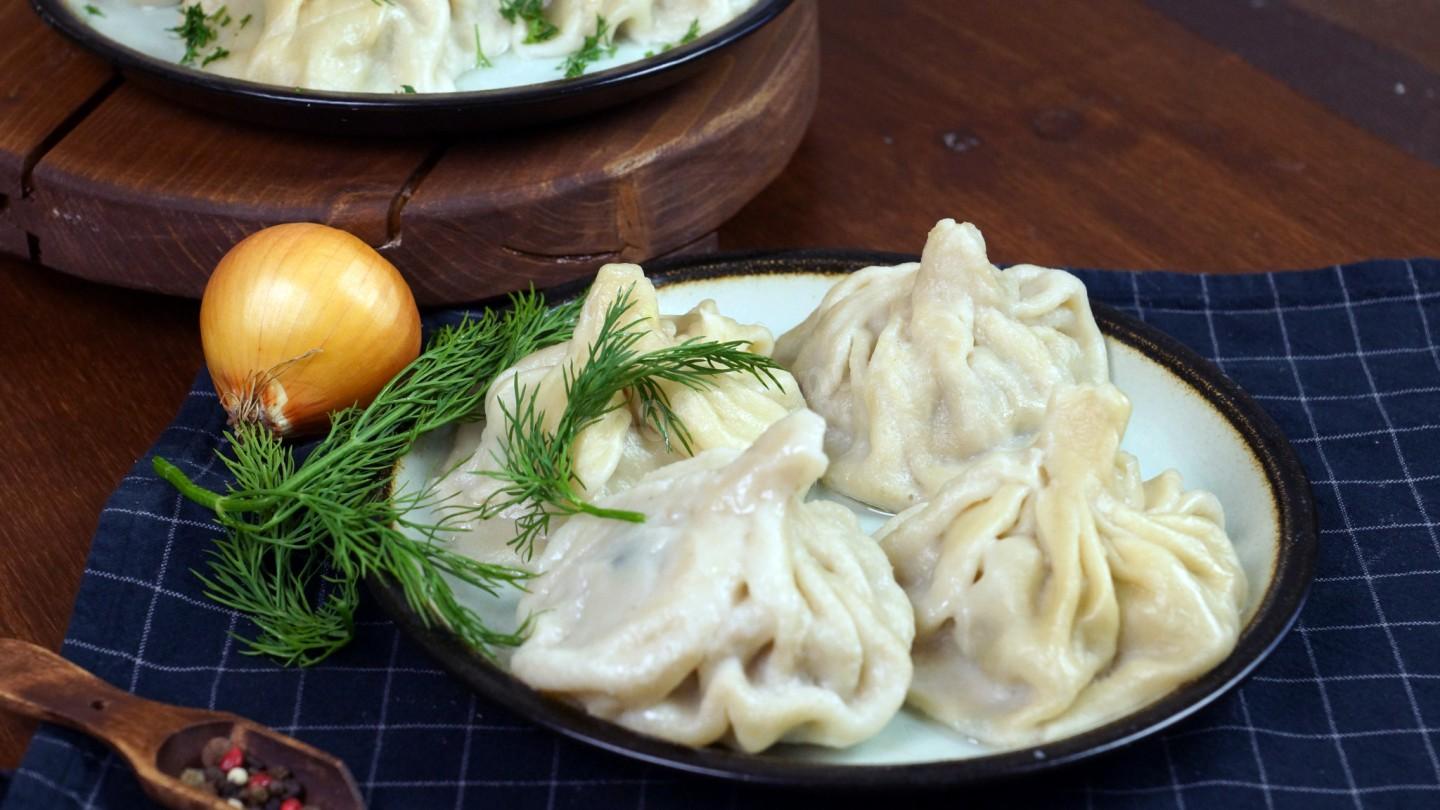
These come out wonderfully juicy, tasty, and filling! Khinkali (Georgian: ხინკალი) is a classic of Georgian cuisine, originally from the mountainous regions of Pshavi, Mtiuleti, and Khevsureti, and later spread across the Caucasus and beyond.

Cooking method
-
Step 1:
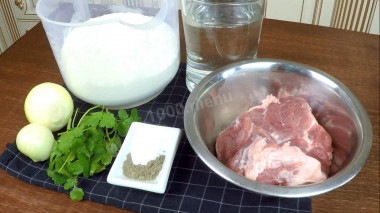
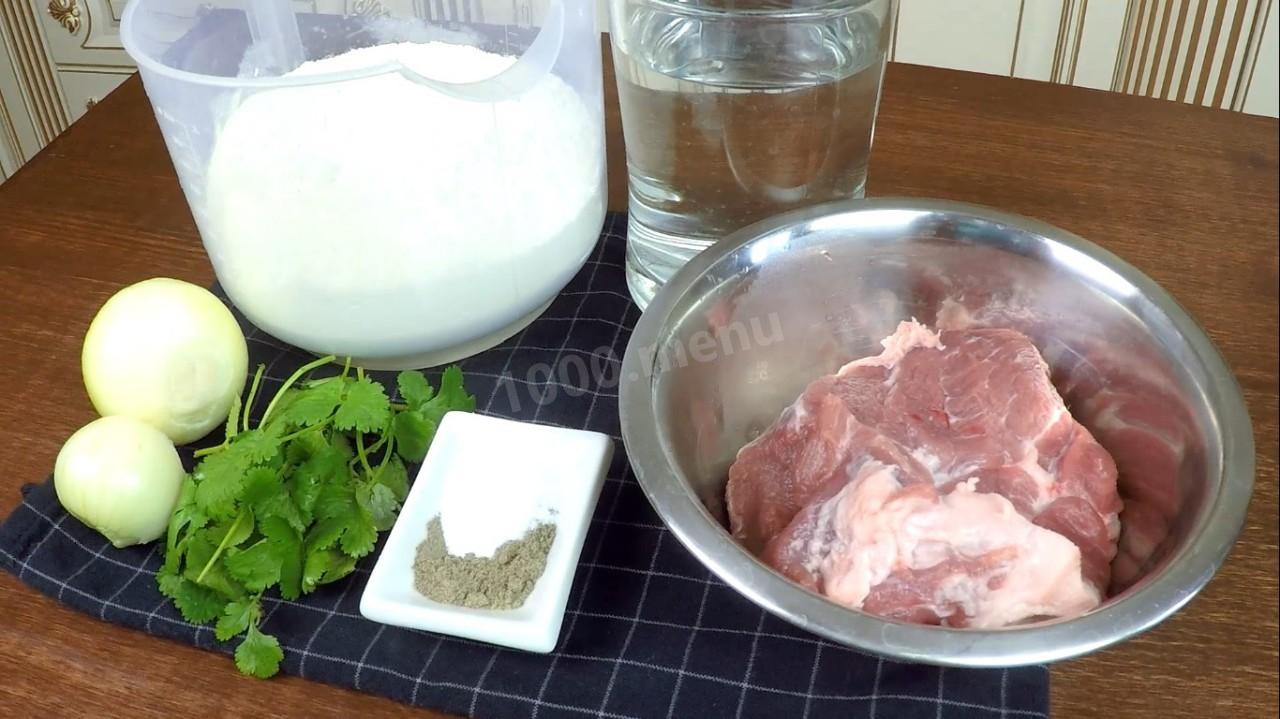
Gather all the ingredients for the khinkali. I'll say up front that I don't make these in the strictly traditional Georgian way — I make them the way my family likes to eat them.
-
Step 2:
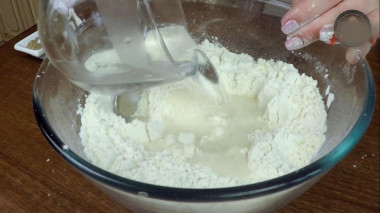
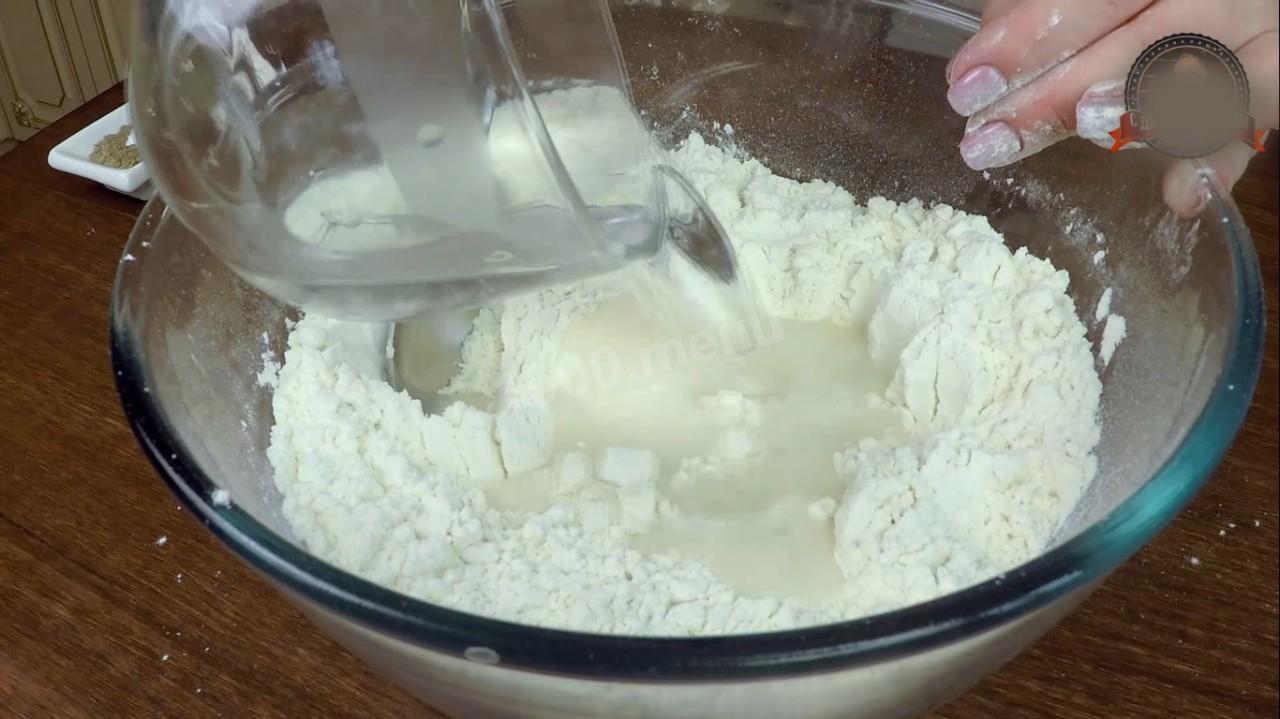
Start with the dough, since it needs time to rest. Add the sifted flour to a deep bowl in batches, make a well in the center, pour in the water, and add the salt. Knead the dough, working in more flour as you go. It should be firm but elastic. Knead for about 5–10 minutes.
-
Step 3:
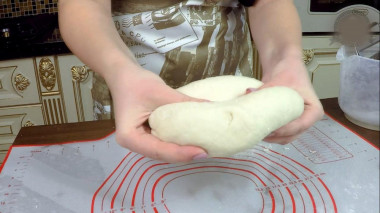
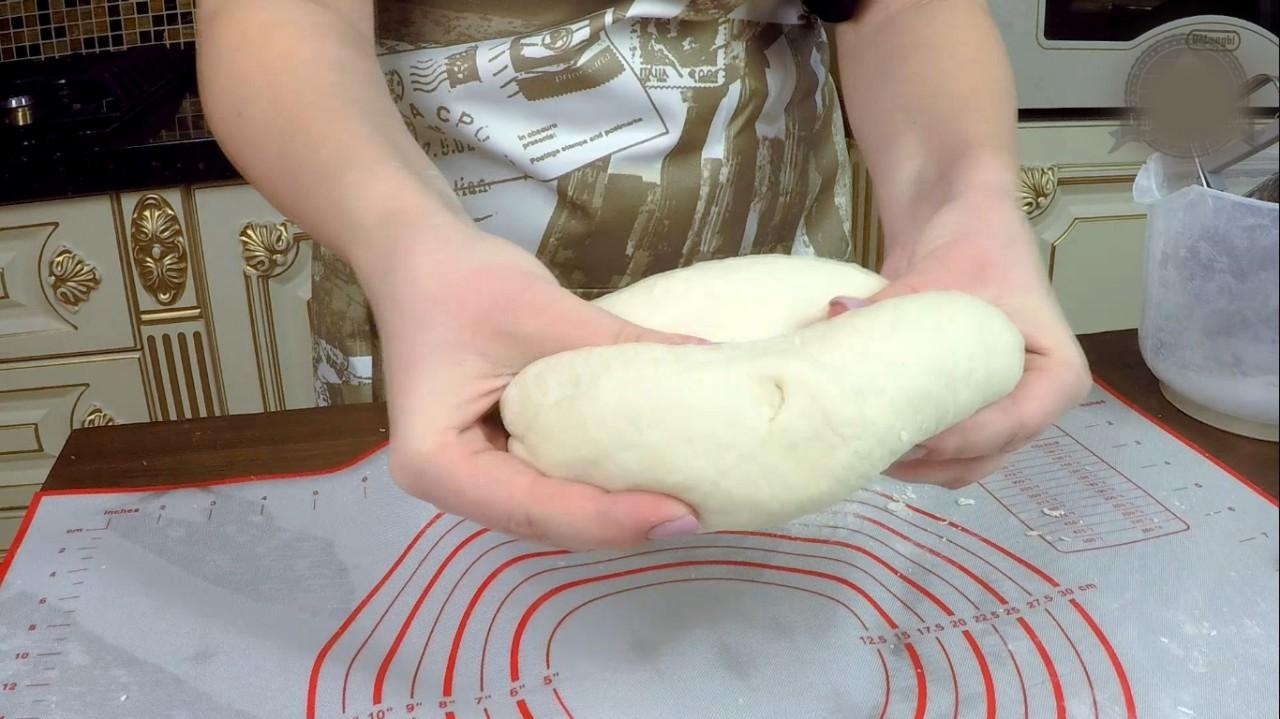
Turn the dough out onto a lightly floured surface. Don't use too much flour, or the dough will toughen as you keep kneading. Knead another 5 minutes or so, then put the dough back in the bowl and cover it with plastic wrap. Let it rest.
-
Step 4:
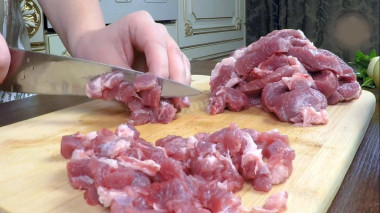
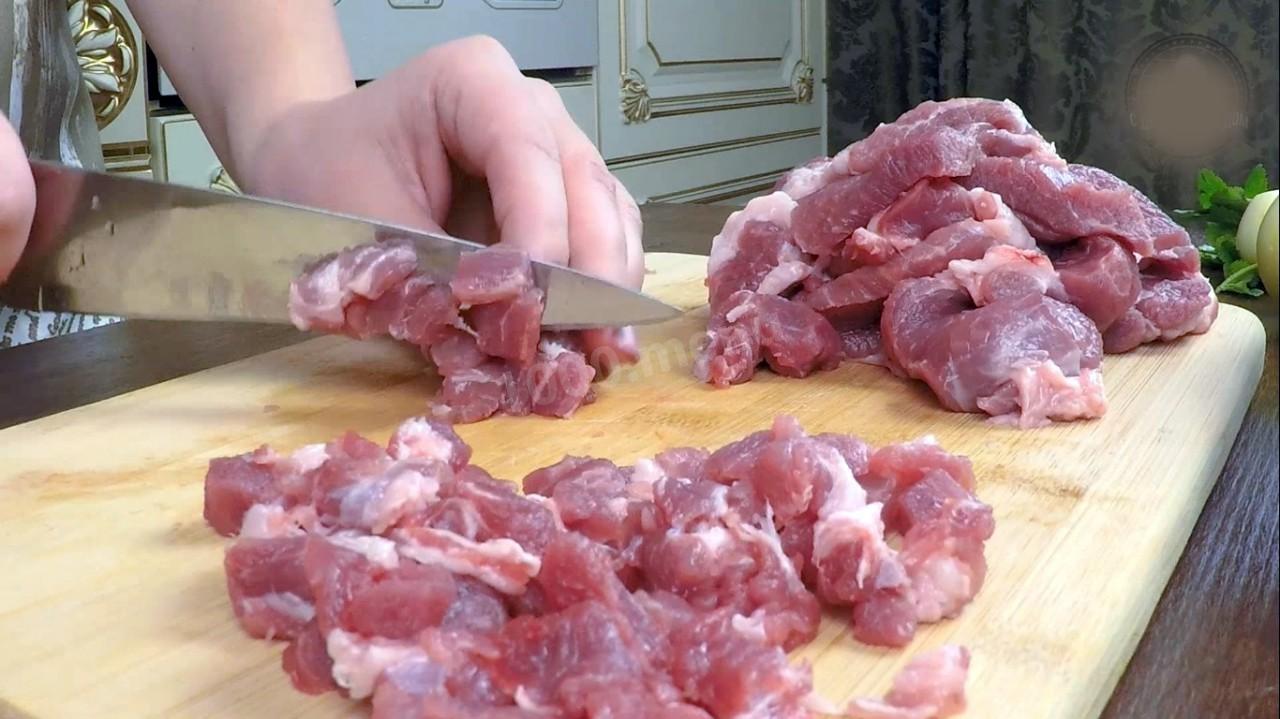
For the filling, I use a whole piece of pork neck. You can swap in beef or lamb, or use a mix of meats. The key is to pick meat with some fat marbled through it rather than lean cuts — that's what keeps the khinkali juicy. Some people add tail fat; for me, pork neck is plenty. Cut the meat into slabs, then into small pieces. You can run it through a meat grinder if you like, but I prefer being able to feel the little chunks of meat.
-
Step 5:
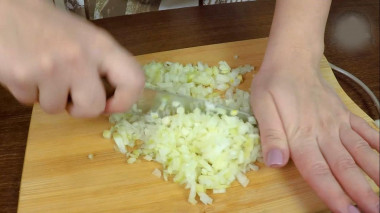
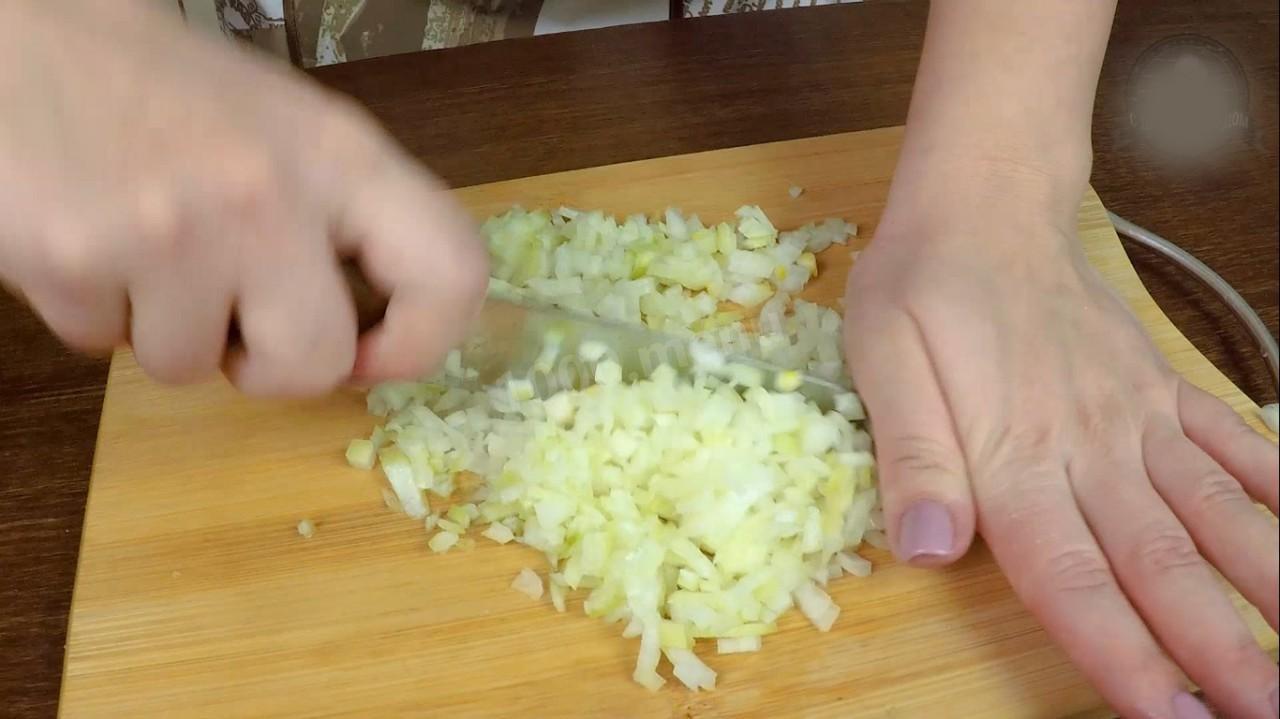
Cut the onion into small dice.
-
Step 6:
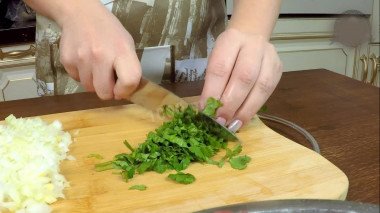
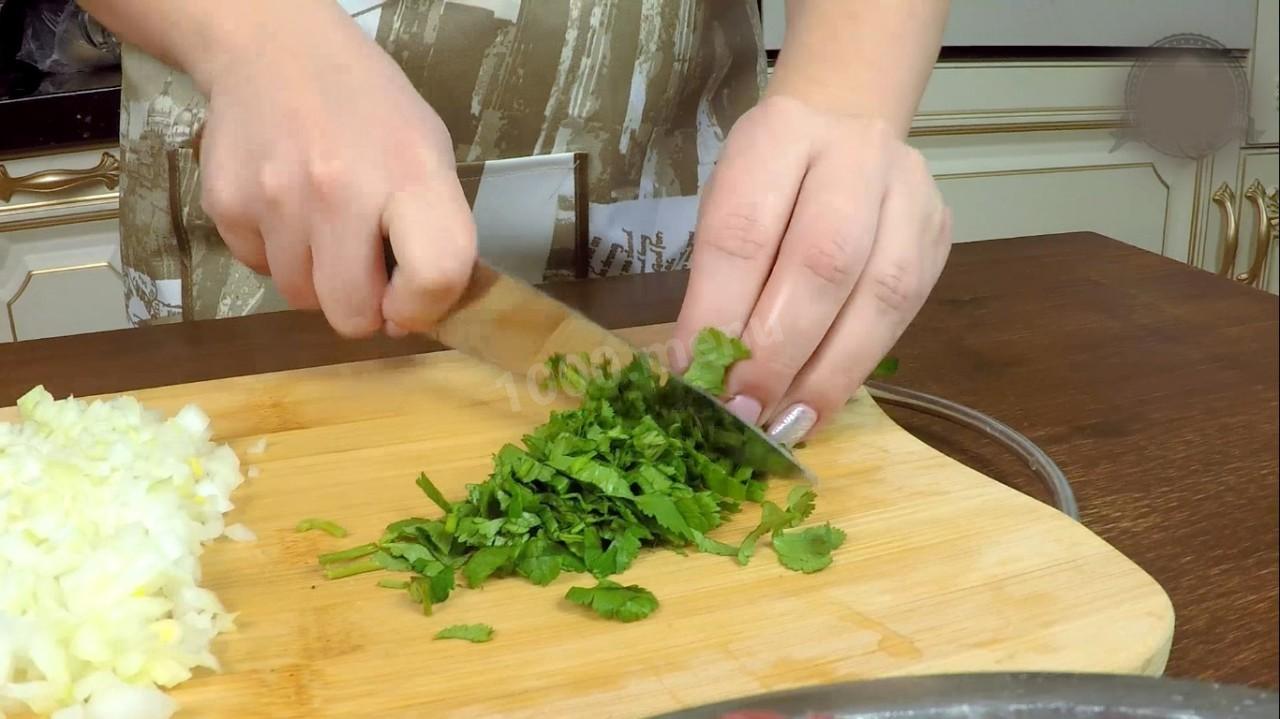
Rinse the cilantro and chop it roughly, so you can really taste it in the finished dish. I know a lot of people also add cumin, but I leave it out.
-
Step 7:
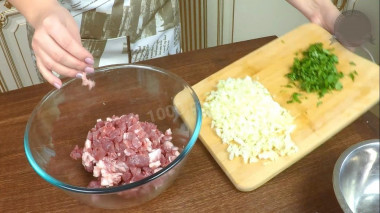
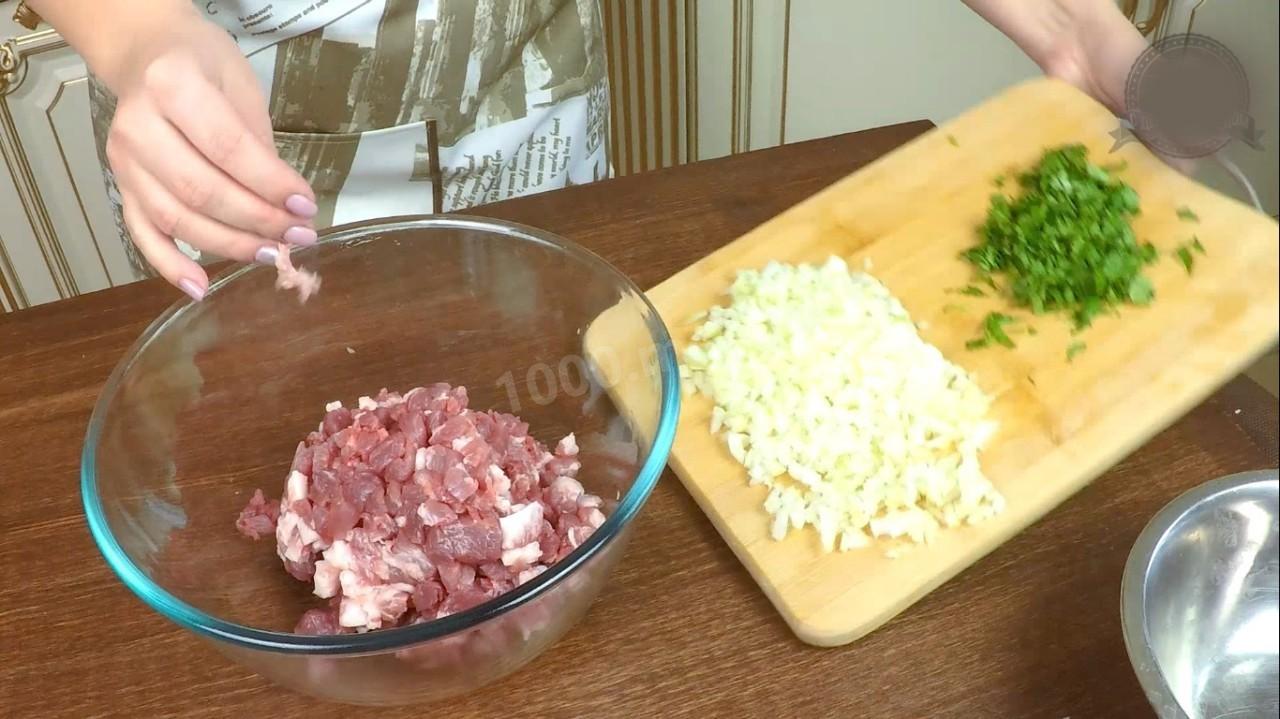
In a bowl, combine the meat, onion, cilantro, pepper, and salt. Knead the filling well by hand, then add the water. This keeps the khinkali juicy inside and makes them much tastier.
-
Step 8:
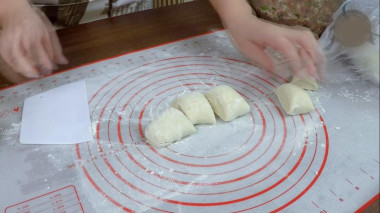
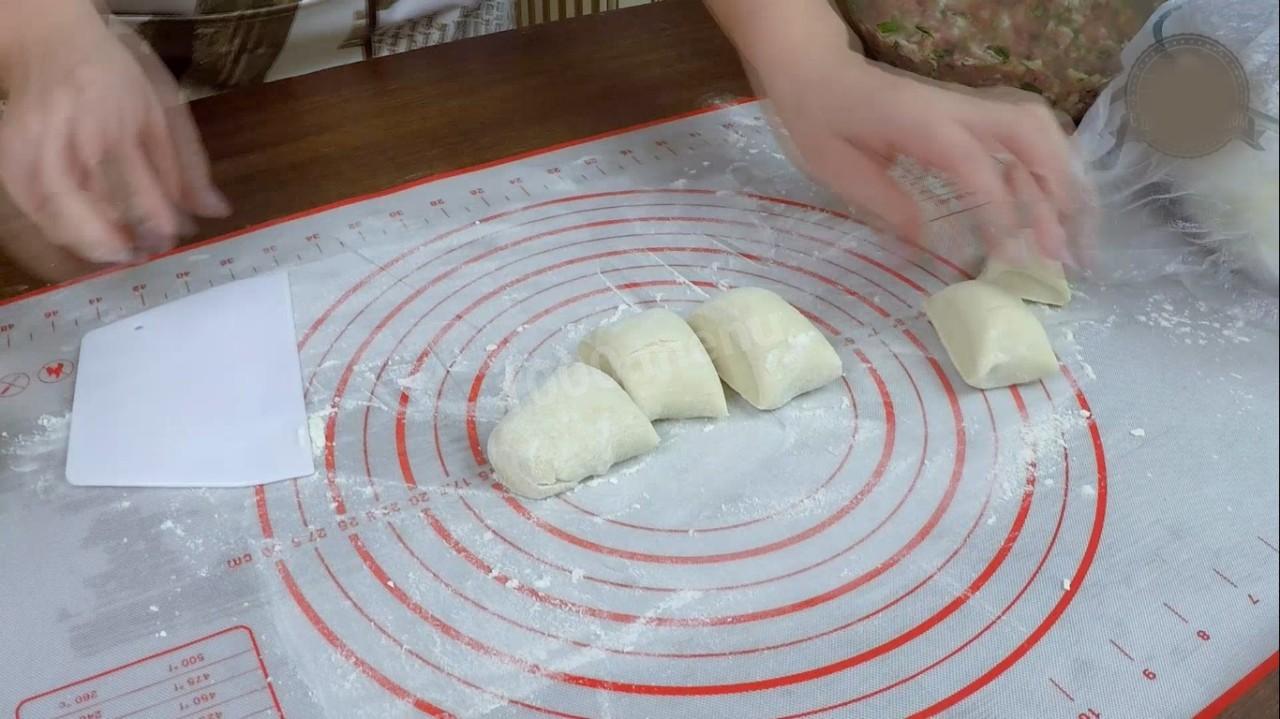
Fill a pot halfway with water and set it on to heat. Divide the rested dough into 3 portions. Cover two of them back up with plastic wrap, and roll the third into a log, then cut it into pieces of about 1 1/2 oz (35–40 g) each.
-
Step 9:
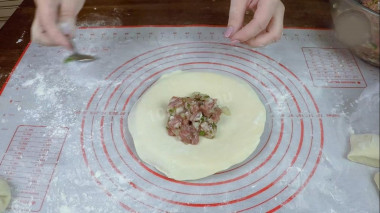
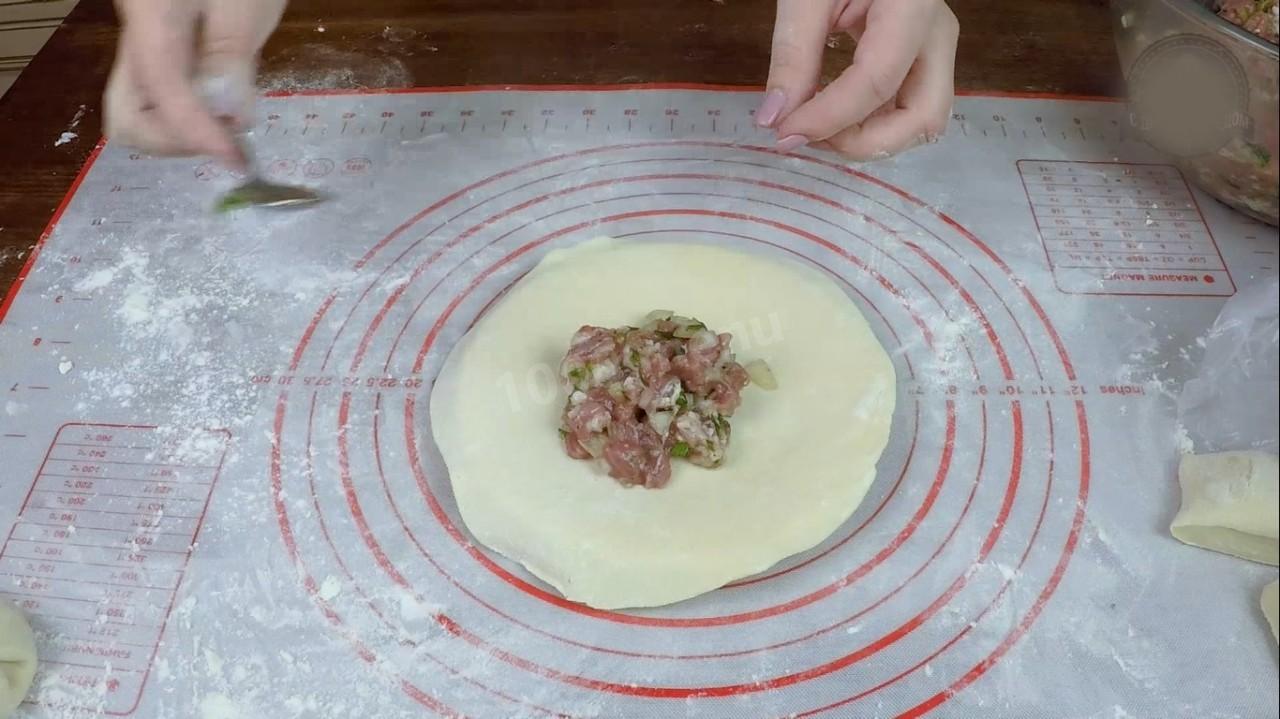
Roll out each piece from the center toward the edges. I like to lay the round on a saucer — it makes the khinkali easier to shape and helps me keep them an even size. Put a heaping teaspoon of filling in the center.
-
Step 10:
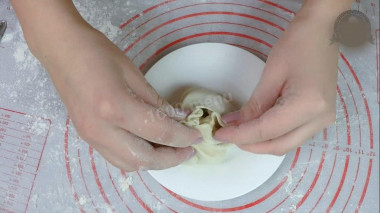
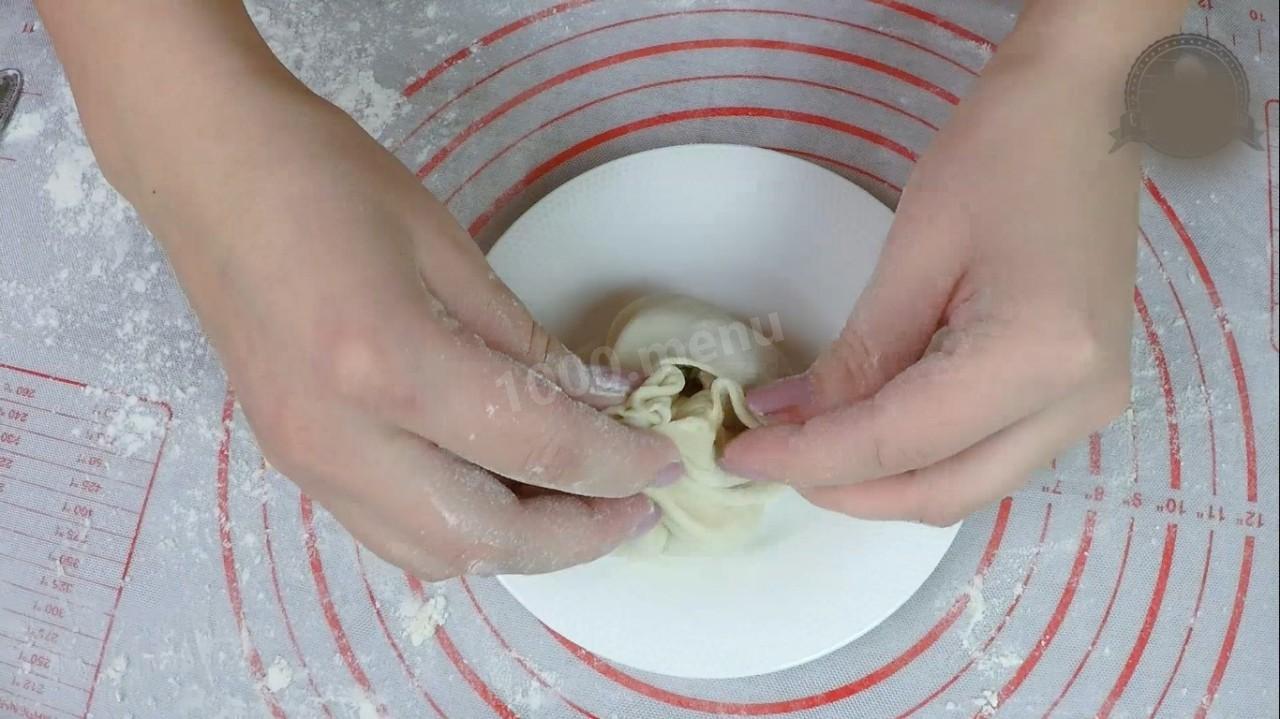
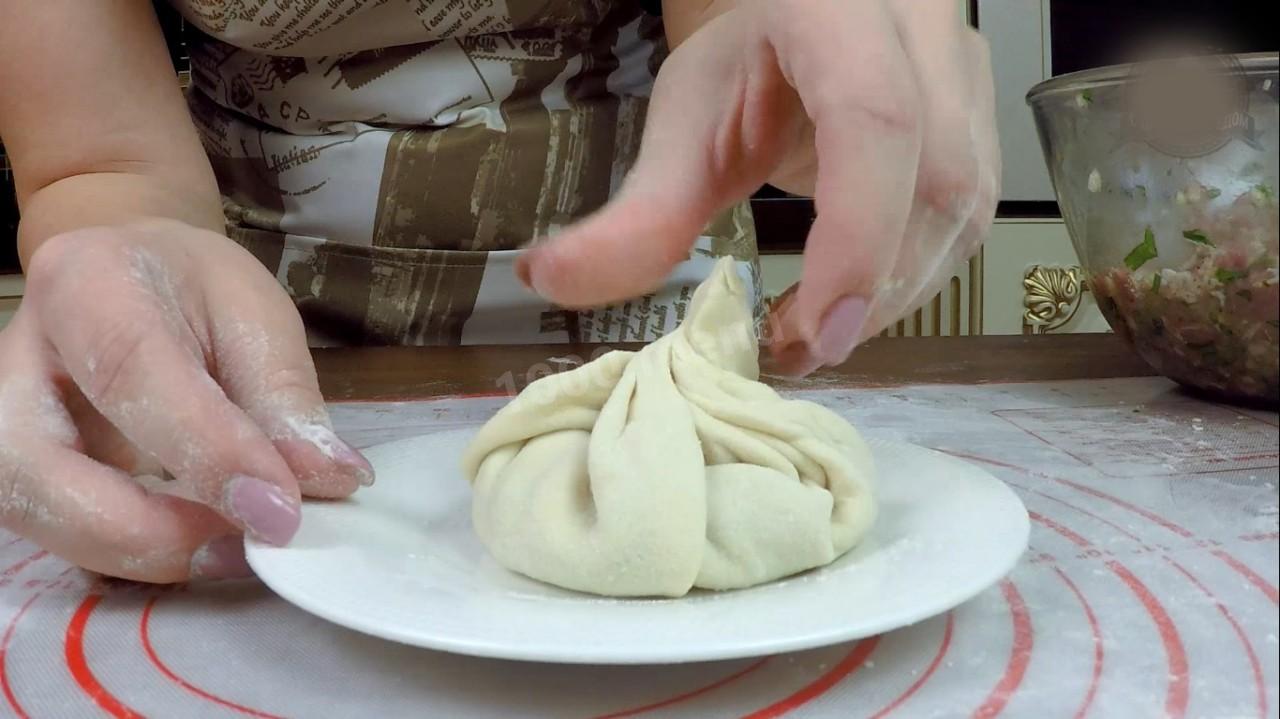
Shaping is the important part of making khinkali. Georgian cooks traditionally pleat them so a little "tail" of dough forms at the top. The rule of thumb is at least 18 pleats gathered up toward the tail — I do about 22. Pinch the edges of the dough together at least 18 times.
-
Step 11:
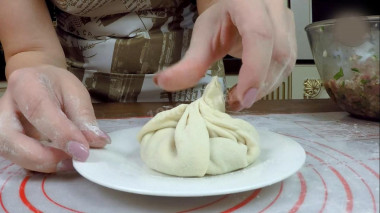
Be sure to seal the top well.
-
Step 12:
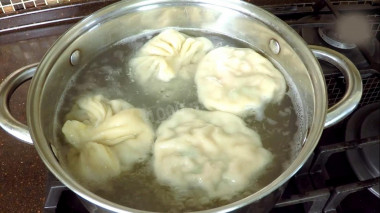
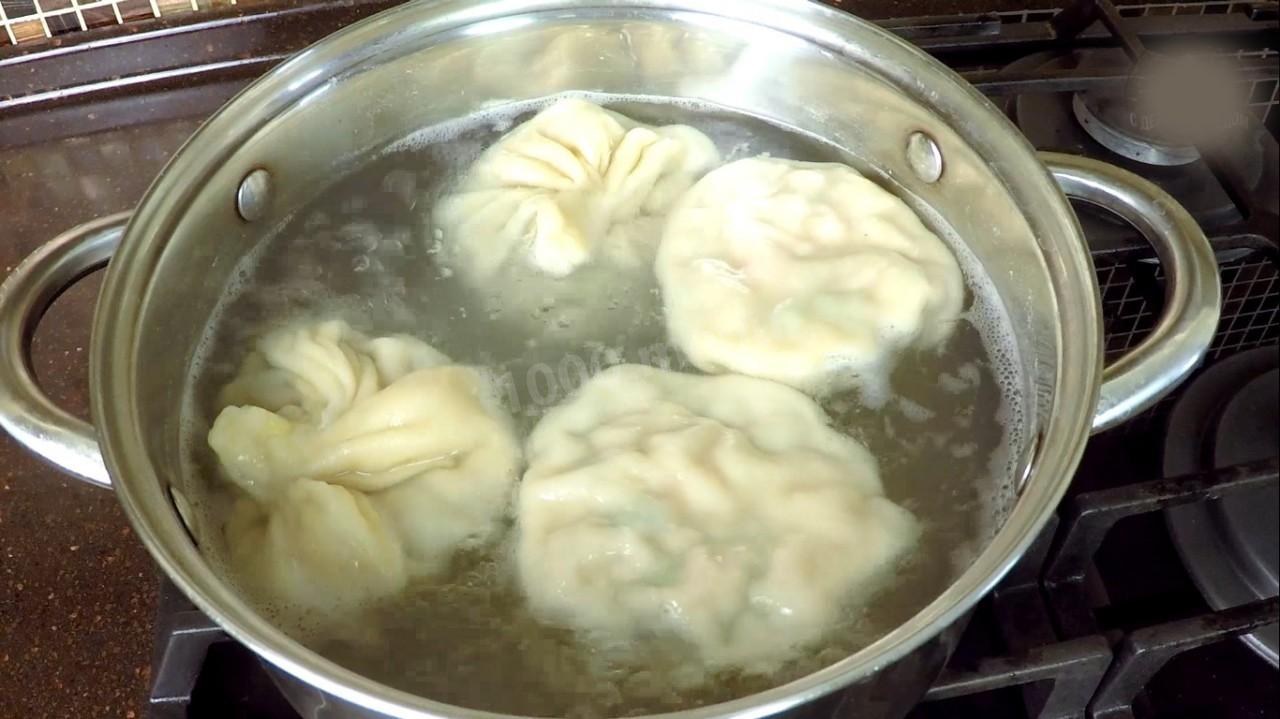
Once the water comes to a boil, salt it if you like. Lower a batch of the shaped khinkali into the boiling water with a slotted spoon — there's less splashing that way. Give the water a swirl so the khinkali don't stick together. You can manage without a slotted spoon, but it takes a little practice. I use a 3-quart (3-liter) pot and cook 4 at a time, boiling each batch for 10 minutes once the water returns to a boil.
-
Step 13:
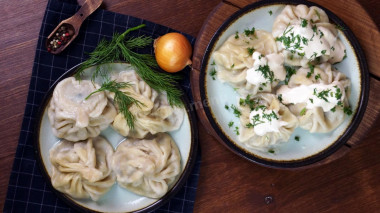
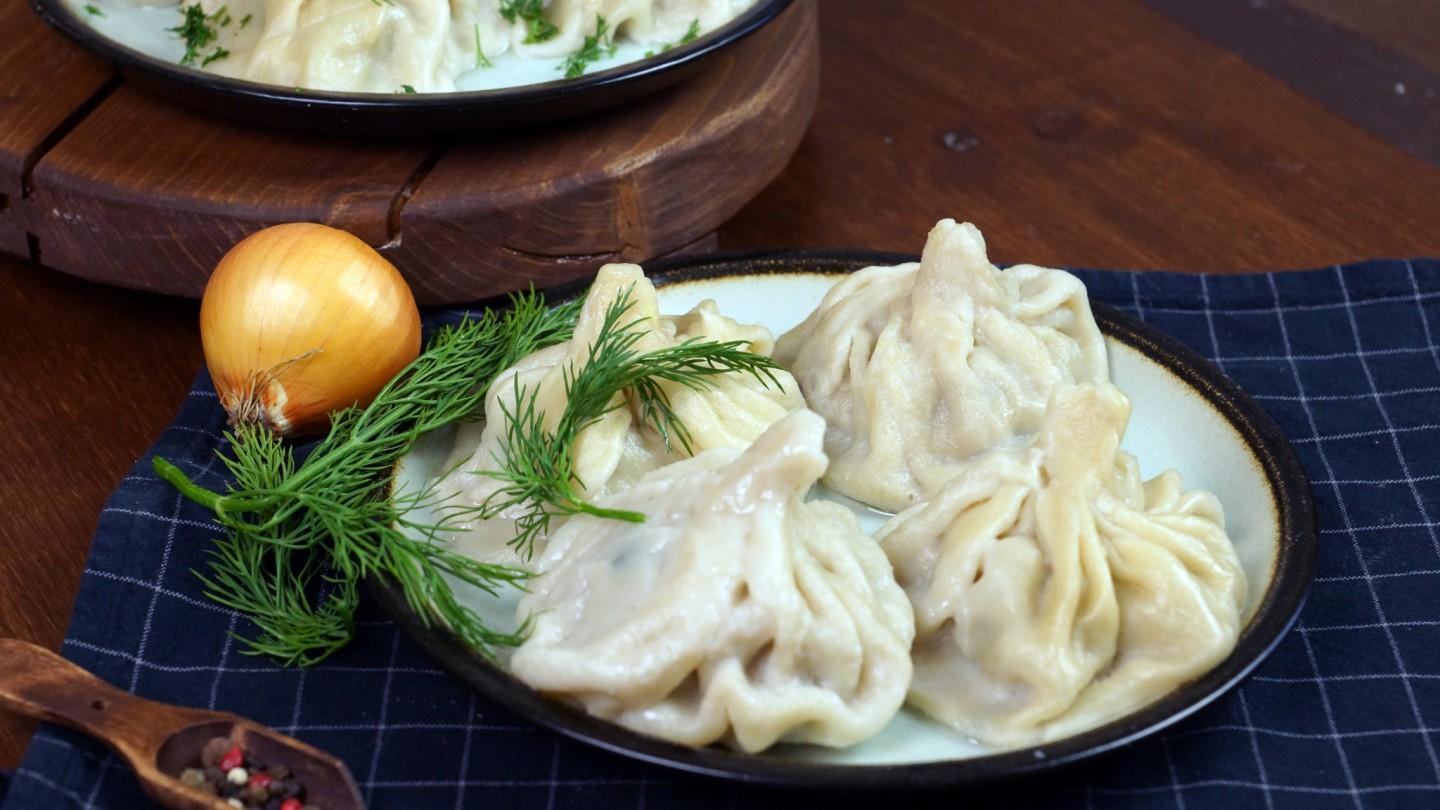
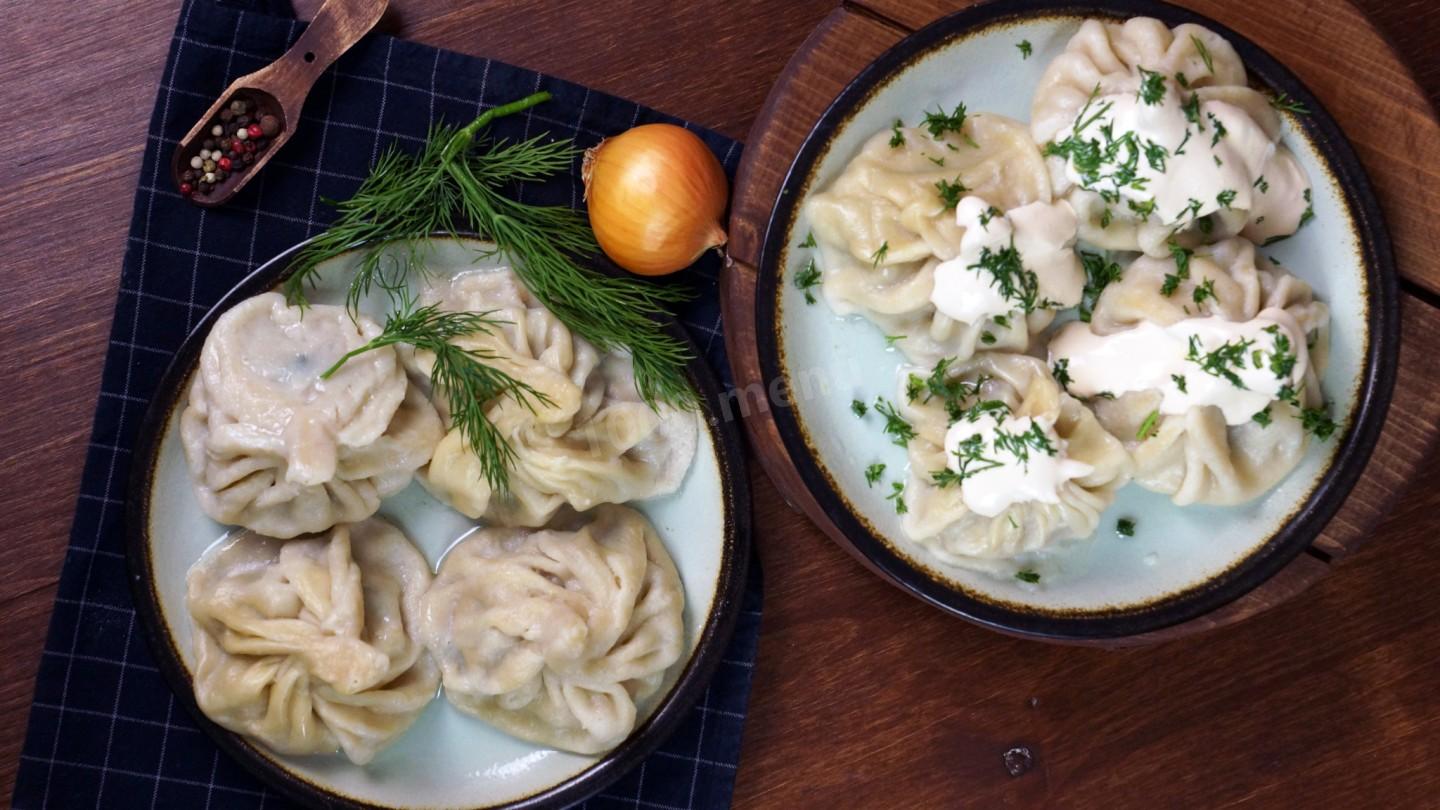
This amount of dough made 14 khinkali this time. I usually don't cook them all at once — I freeze some for later. Serve with freshly ground black pepper and herbs, and a dollop of sour cream if you like. I hope you found this recipe helpful. Enjoy!
Caloric content of the products possible in the composition of the dish
- Onion - 41 kcal/100g
- Dried ground cilantro - 216 kcal/100g
- Coriander - 25 kcal/100g
- Cilantro, coriander - 25 kcal/100g
- Ground black pepper - 255 kcal/100g
- Whole durum wheat flour fortified - 333 kcal/100g
- Whole durum wheat flour universal - 364 kcal/100g
- Flour krupchatka - 348 kcal/100g
- Flour - 325 kcal/100g
- Zira - 112 kcal/100g
- Salt - 0 kcal/100g
- Water - 0 kcal/100g
- Pork neck - 343 kcal/100g