Quick Plum Confiture with Pectin
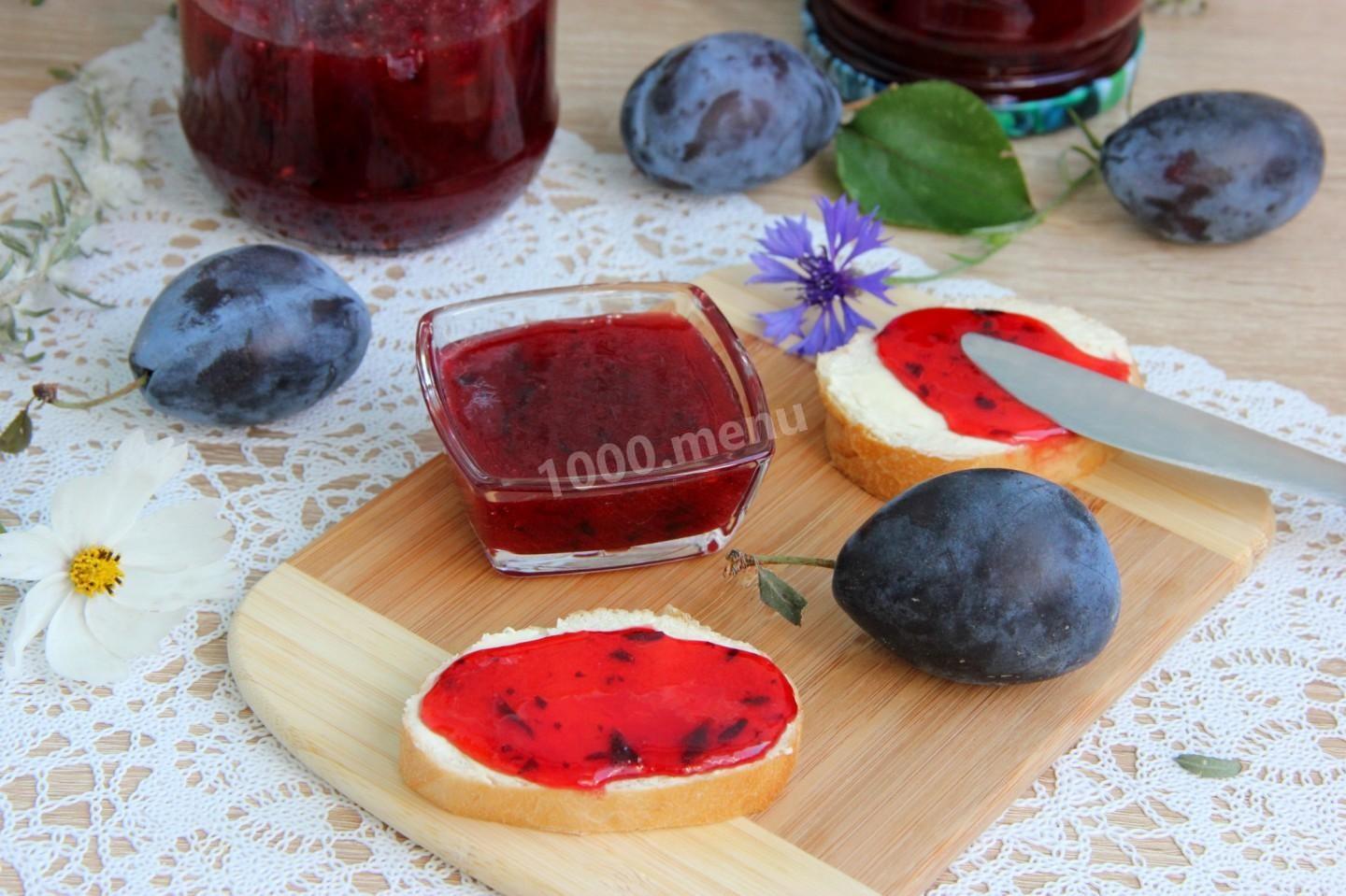
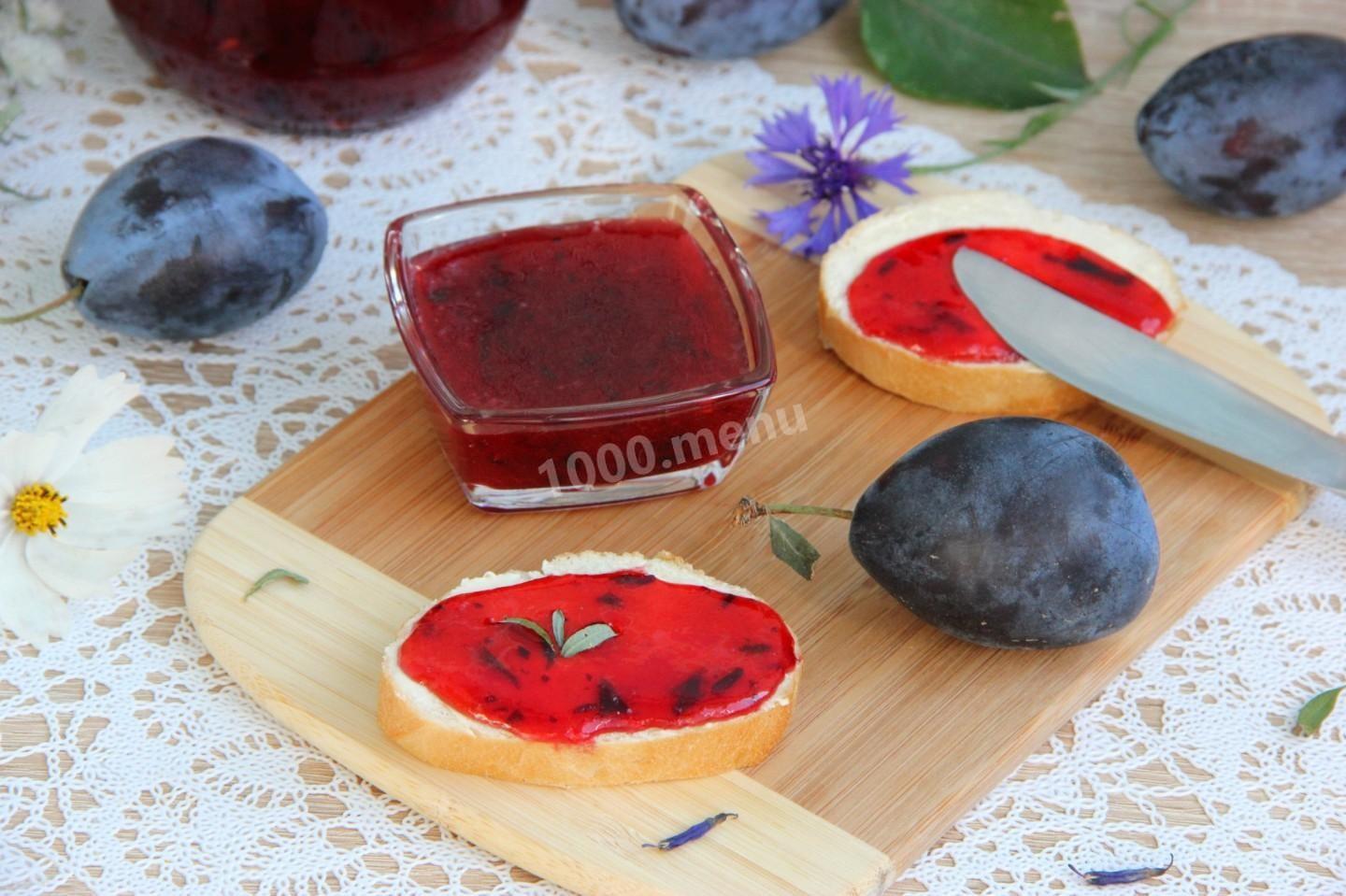
Super fast to make, fragrant, and thick! A great alternative to ordinary jam, and it comes together in a fraction of the time. Since it boils for only five minutes, it keeps all the goodness of the fruit. The flavor is sweet-tart, rich, and deeply plummy. Most of the time goes into prepping the jars and the plums — the cooling barely counts. It's wonderful in baking, has a lovely consistency, and is of course perfect spread on a slice of bread or a buttered roll with tea!

Cooking method
-
Step 1:
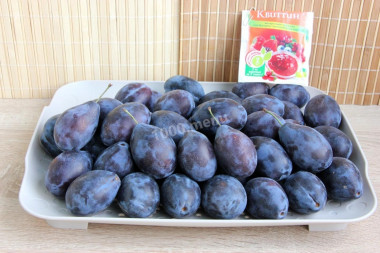
Choose ripe, unblemished plums whose pits come away easily. Any variety you like will work — I used prune plums.
-
Step 2:
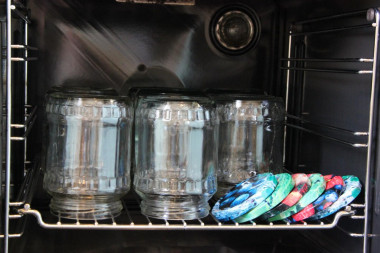
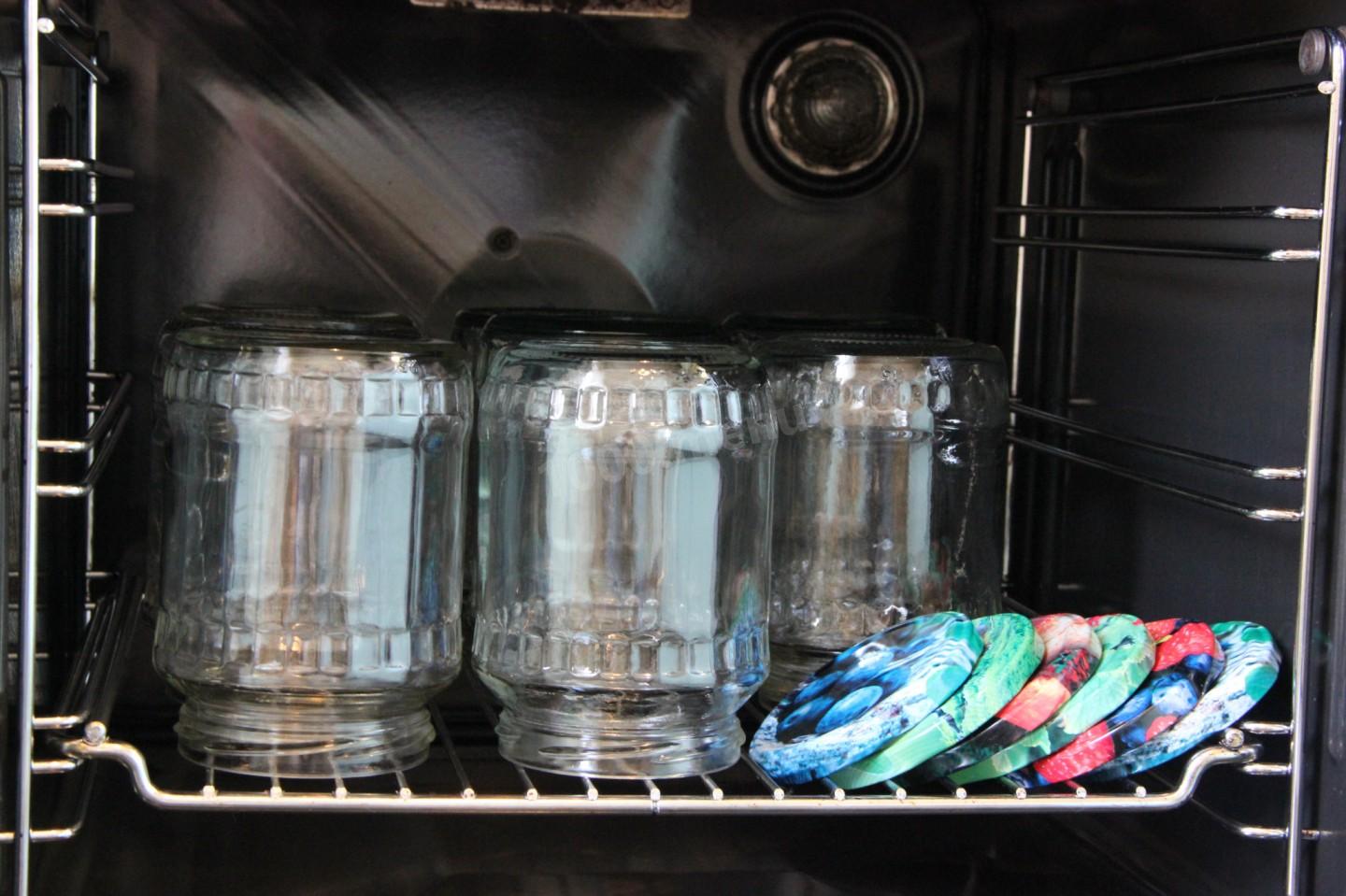
Prepare the jars: wash them with baking soda and rinse well under running water. While still wet, set them upside down in a cold oven along with the lids. Turn the oven to 300°F (150°C); once it reaches temperature, sterilize the jars — 10 minutes for pint (0.5 L) jars, 15 minutes for quart (1 L) jars. This is my favorite way to sterilize; I've used it for years and it's never let me down.
-
Step 3:
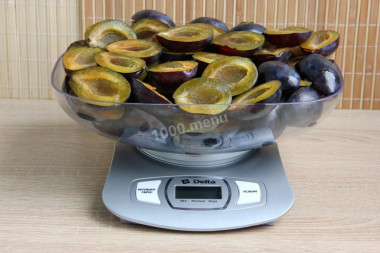
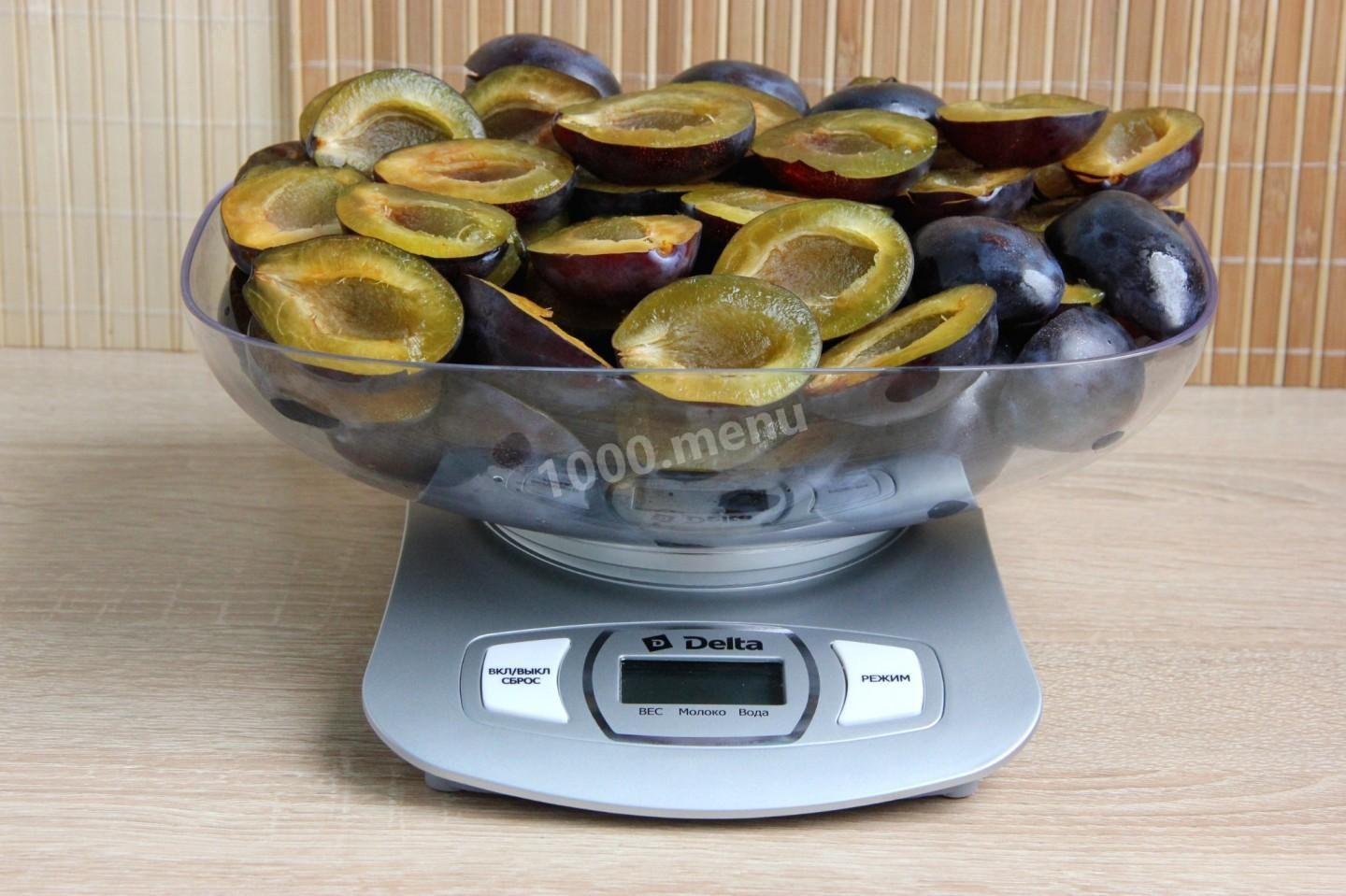
Wash the plums, pit them, and be sure to weigh them — this determines how much sugar and pectin you'll need. (Use 1 packet of pectin per 2 lbs / 1 kg of fruit plus the same weight of sugar. Cherries are the exception: 2 packets per 2 lbs / 1 kg of fruit plus 1.2 kg of sugar, per the manufacturer.) Weigh out and set aside the right amount of sugar now.
-
Step 4:
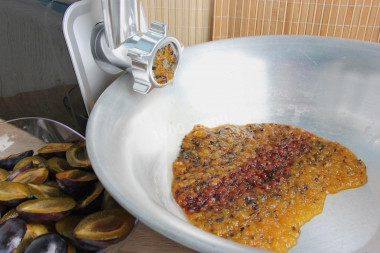
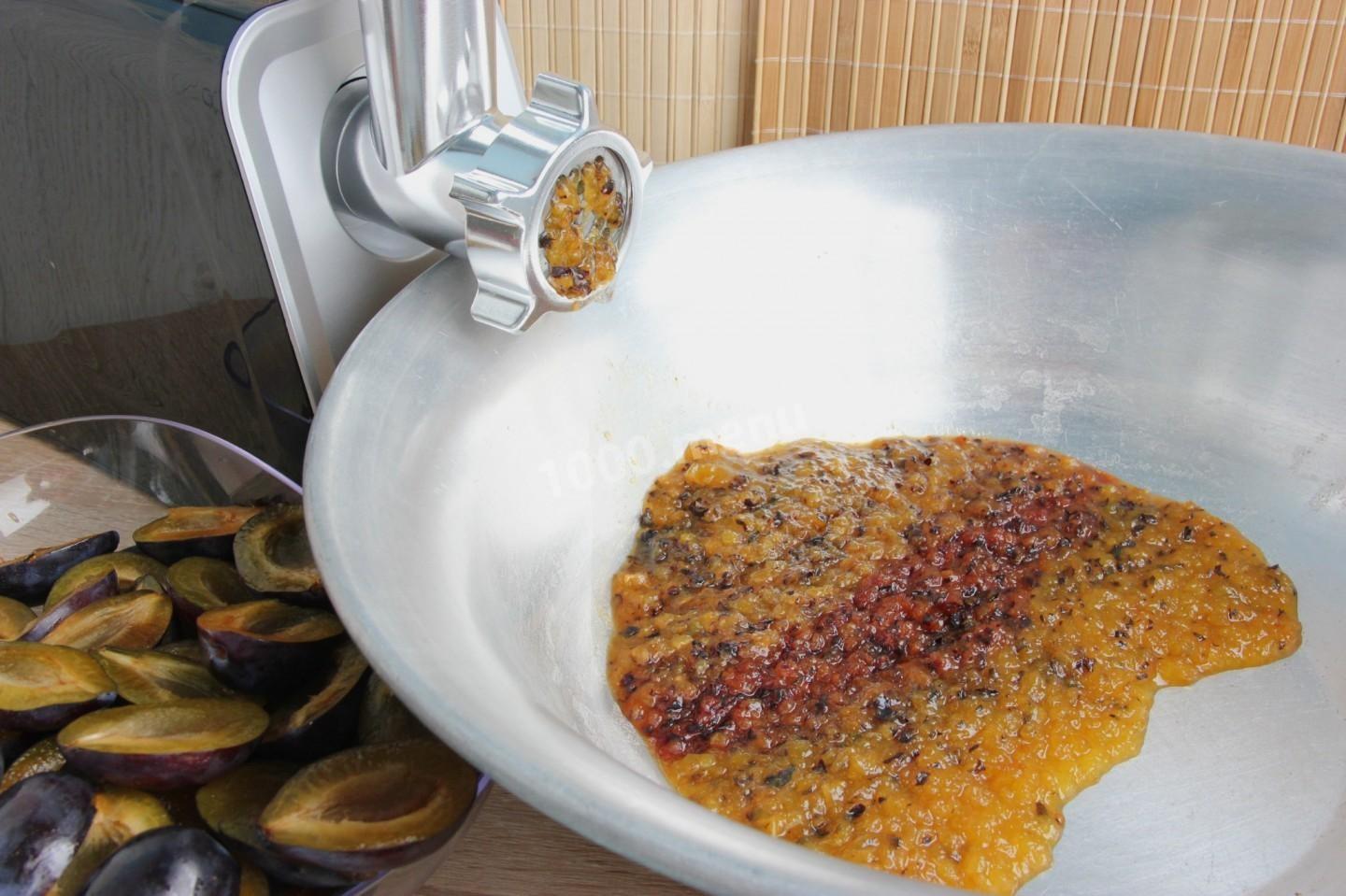
Purée the pitted plums in a blender or food processor. A coarse or medium texture both work — like me, you can go with medium. It won't change the flavor.
-
Step 5:
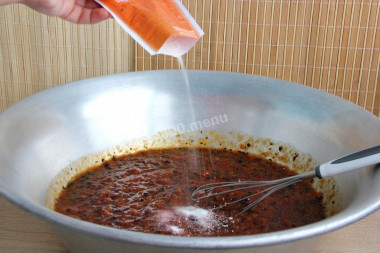
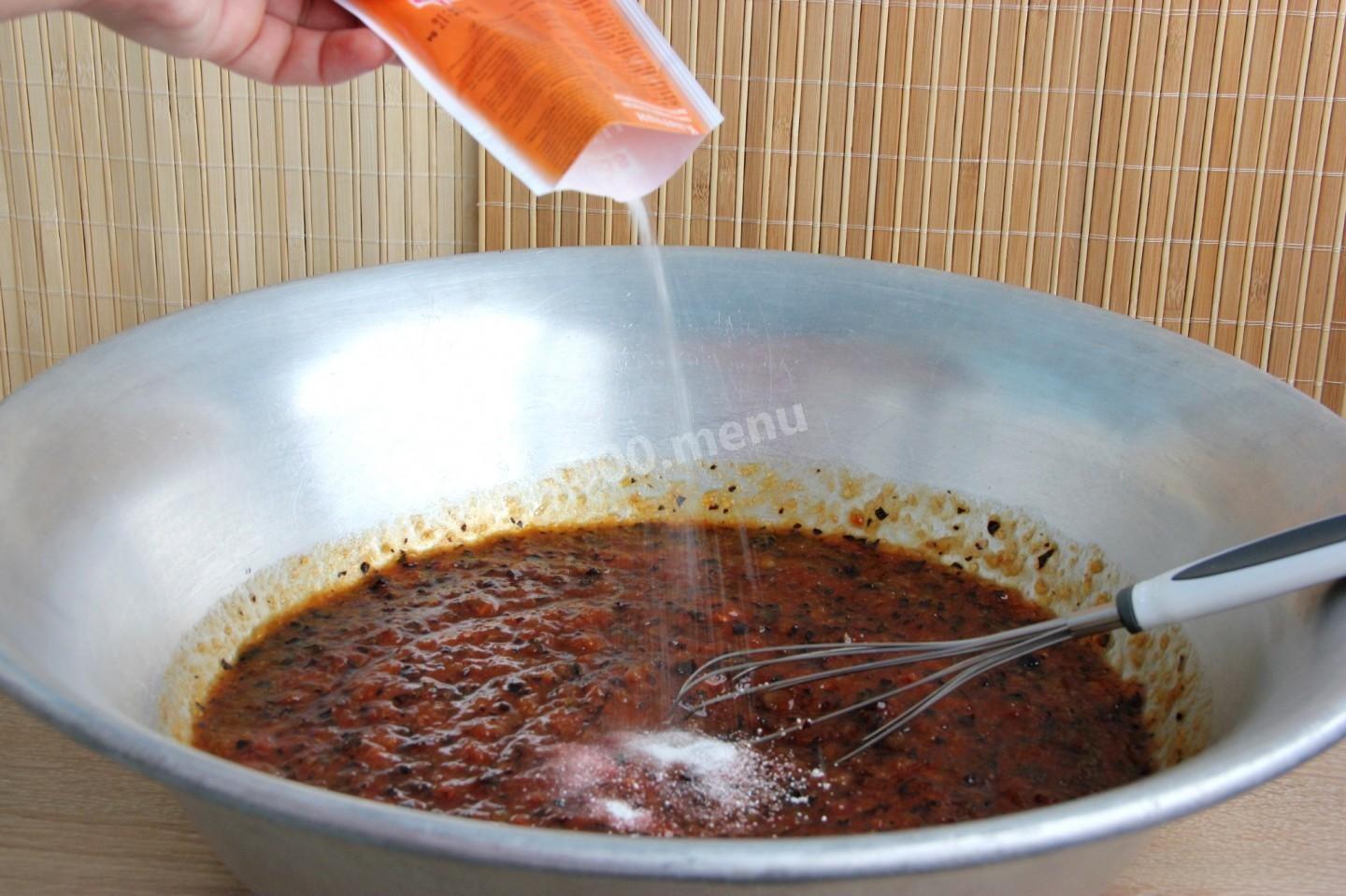
A wide preserving pan works well here. Sprinkle the pectin over the purée and stir it in. For a thicker jam or confiture, add the juice of 1 lemon (I used about half a lemon's worth, a little less, to my taste). Stirring constantly, bring the purée to a boil.
-
Step 6:
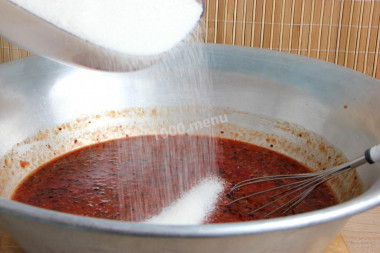
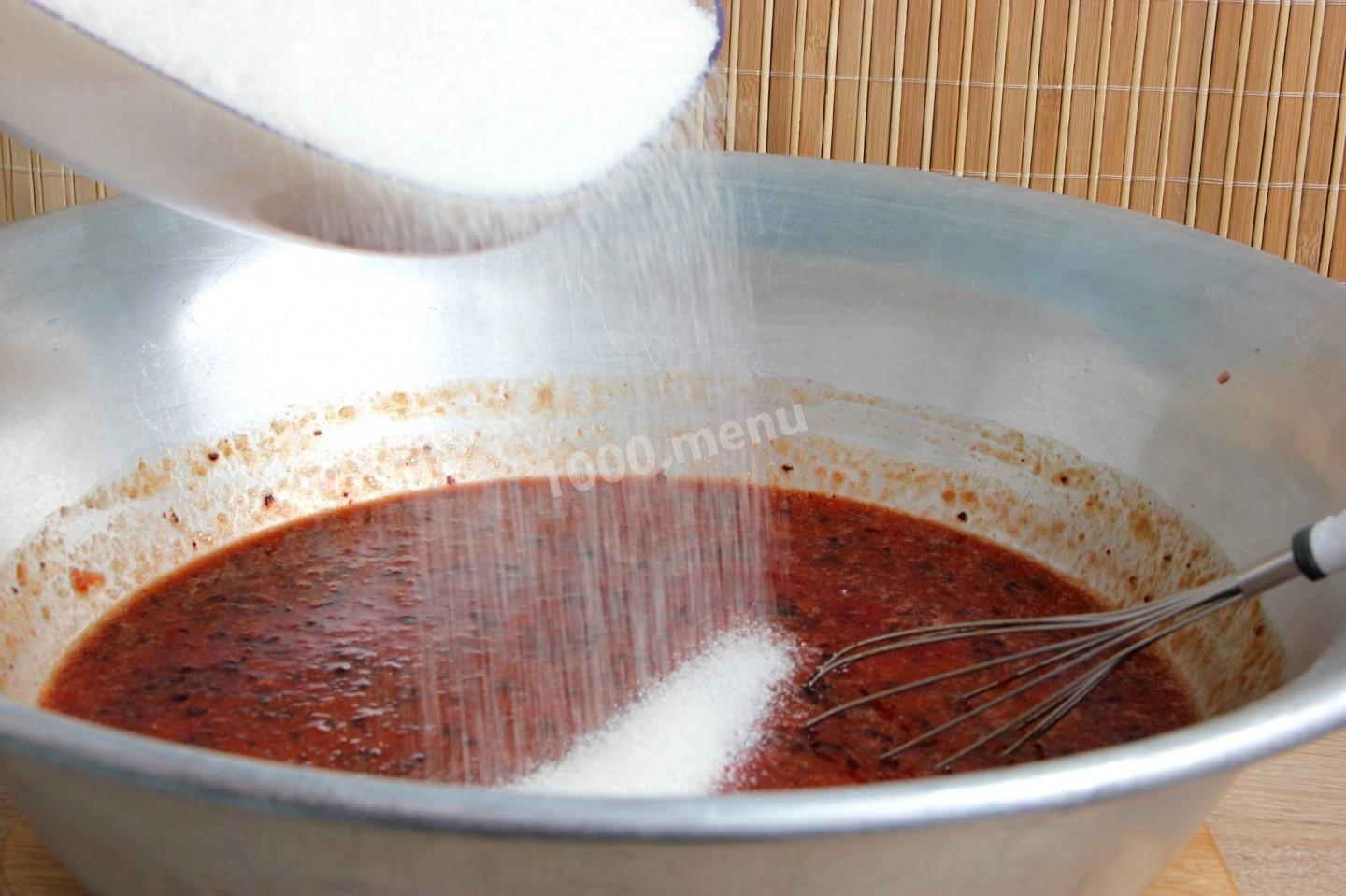
Once it comes to a rolling boil, stir in the measured sugar and keep cooking.
-
Step 7:
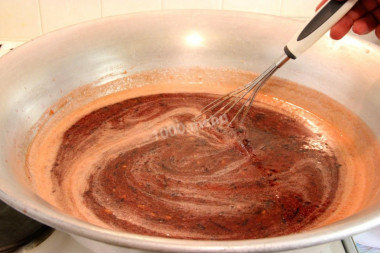
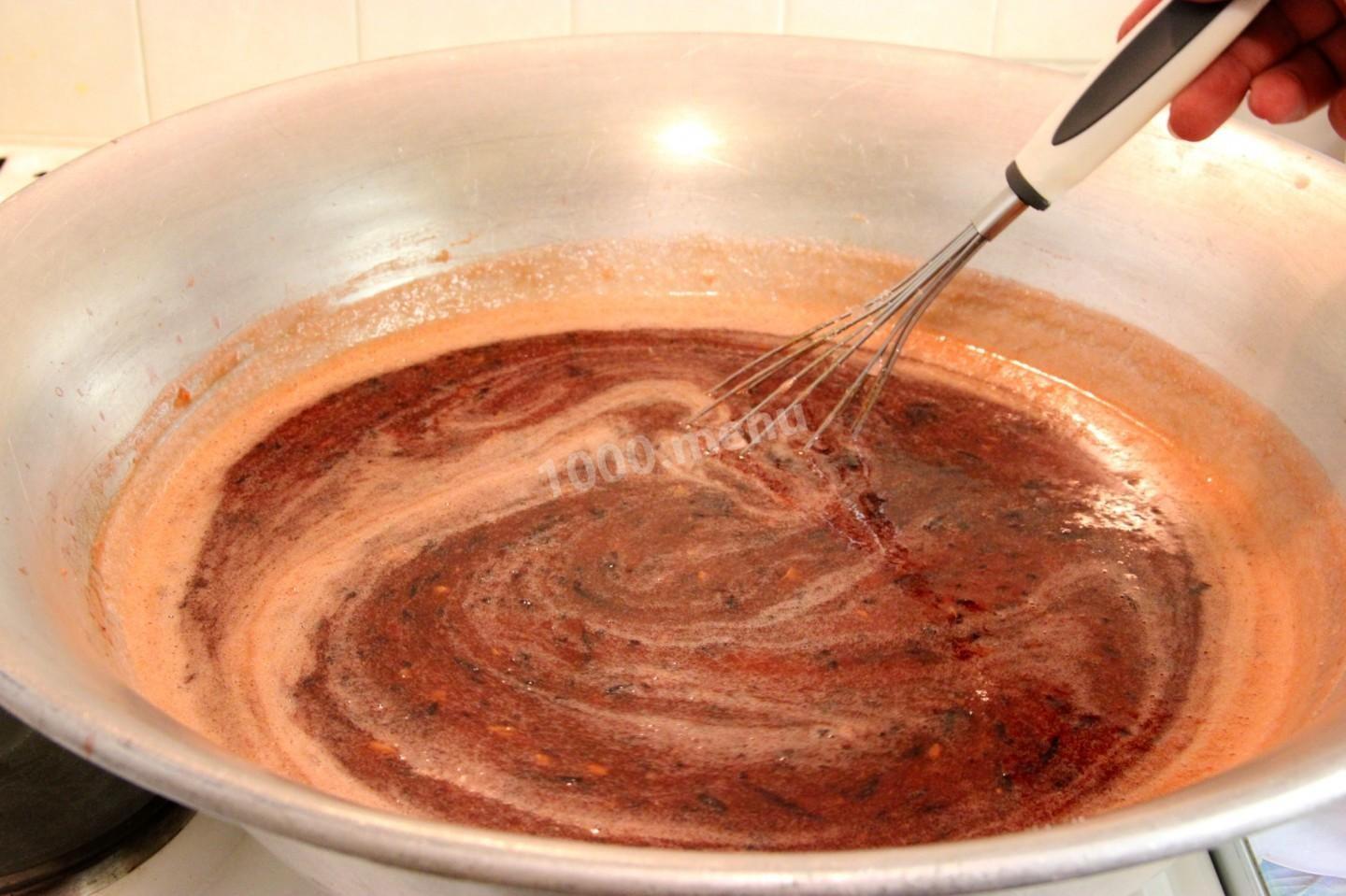
I cooked it over high heat. This is probably the only "jam" that's easy to stir with a whisk. When the mixture returns to a boil, cook for 5 minutes, stirring the whole time.
-
Step 8:
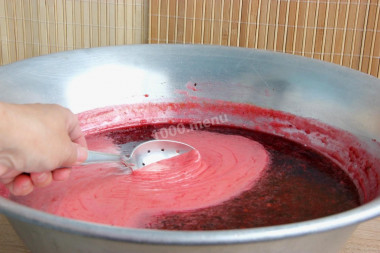
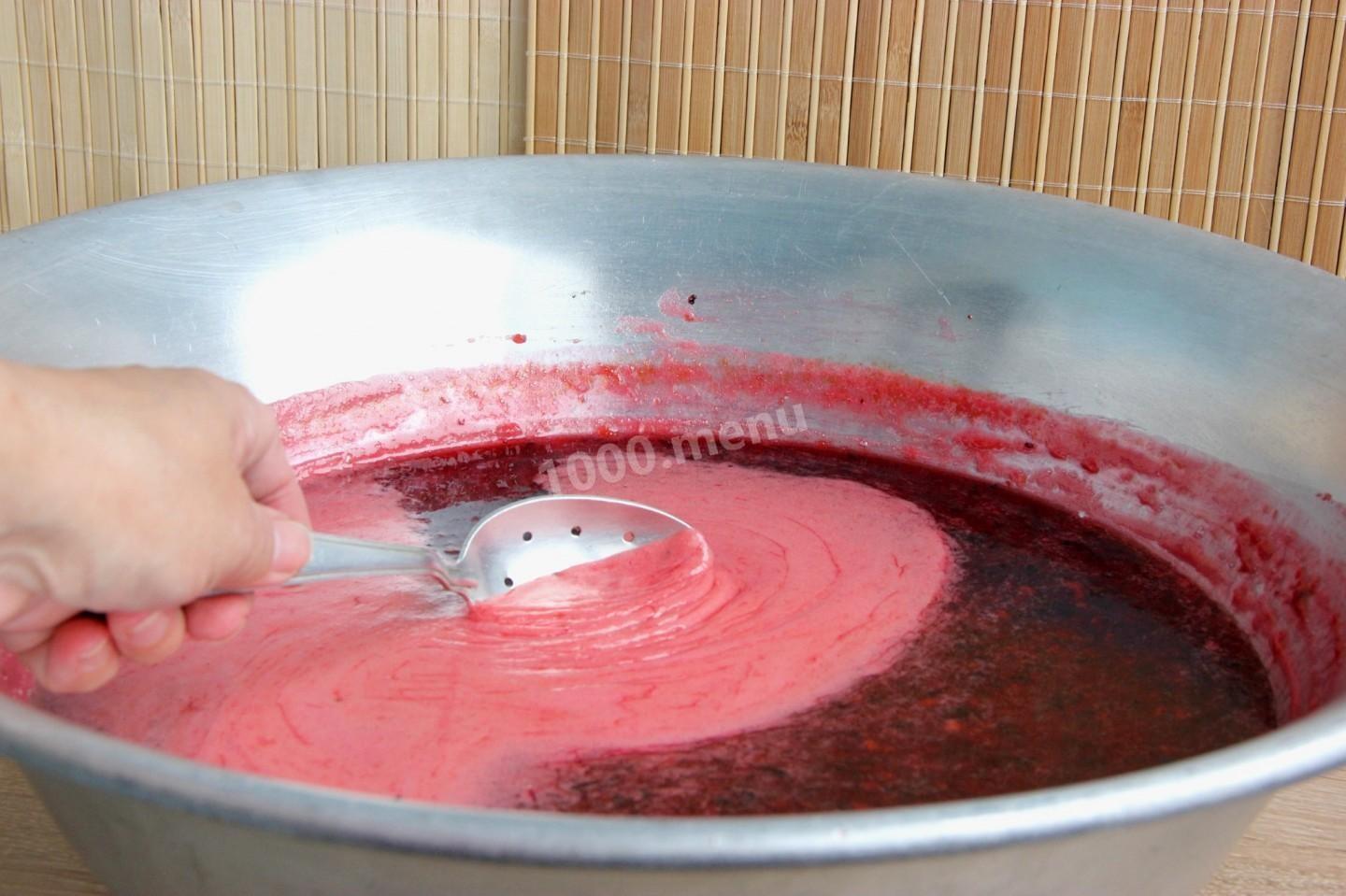
Take the pan off the heat, swirl it to gather the foam in the center, and skim it off.
-
Step 9:
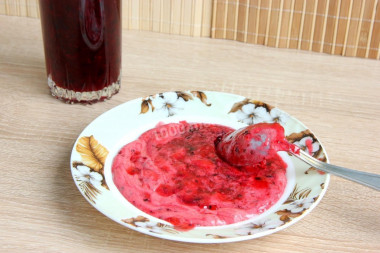
There's quite a bit of foam.
-
Step 10:
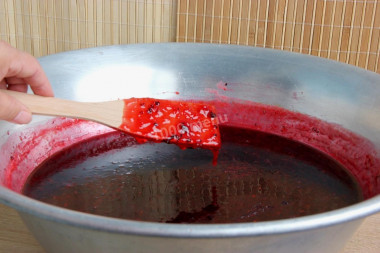
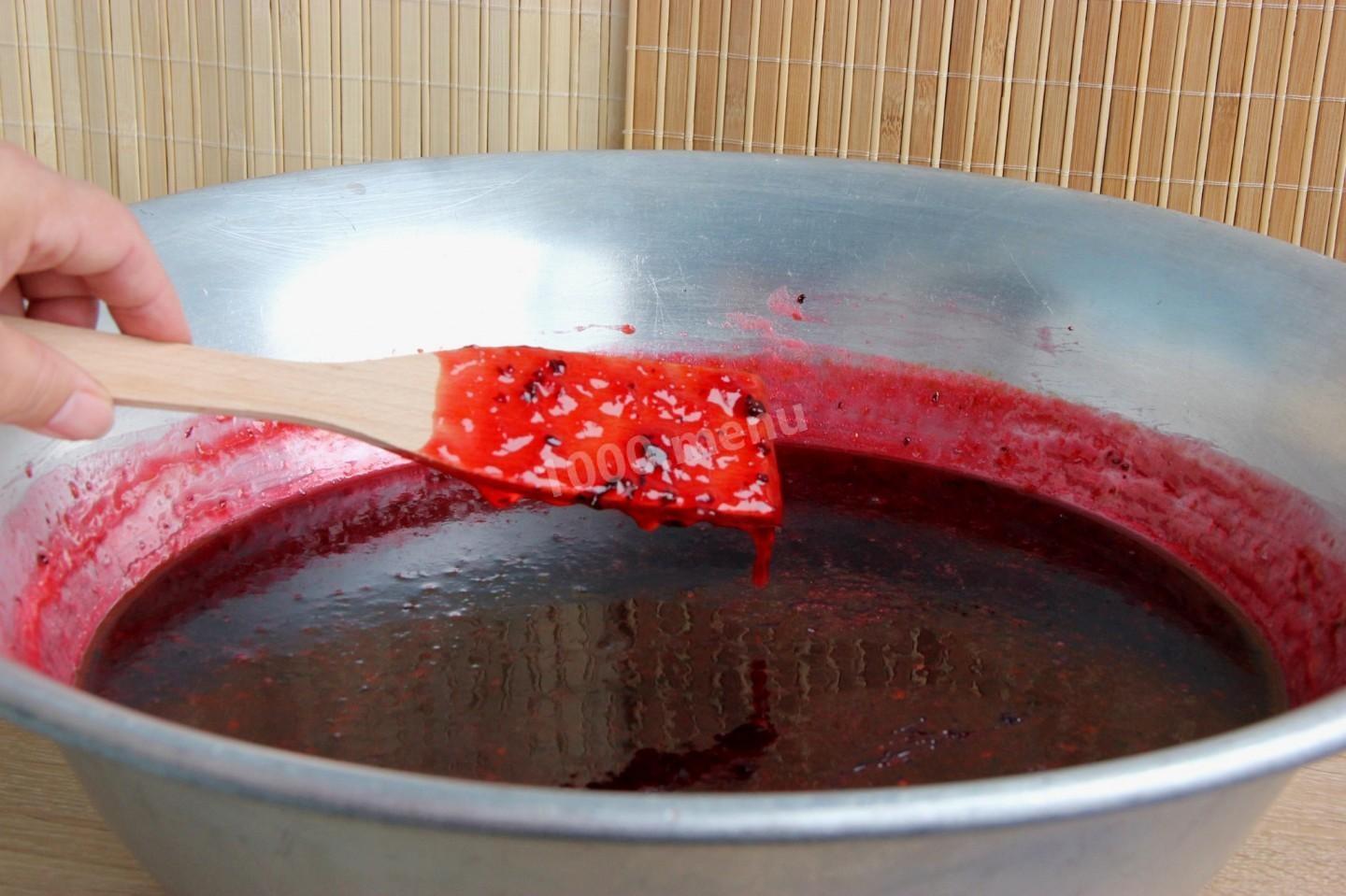
The hot confiture will be thin and syrupy. Pour it right away into the warm, dry, sterilized jars.
-
Step 11:
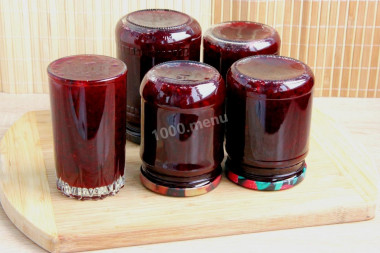
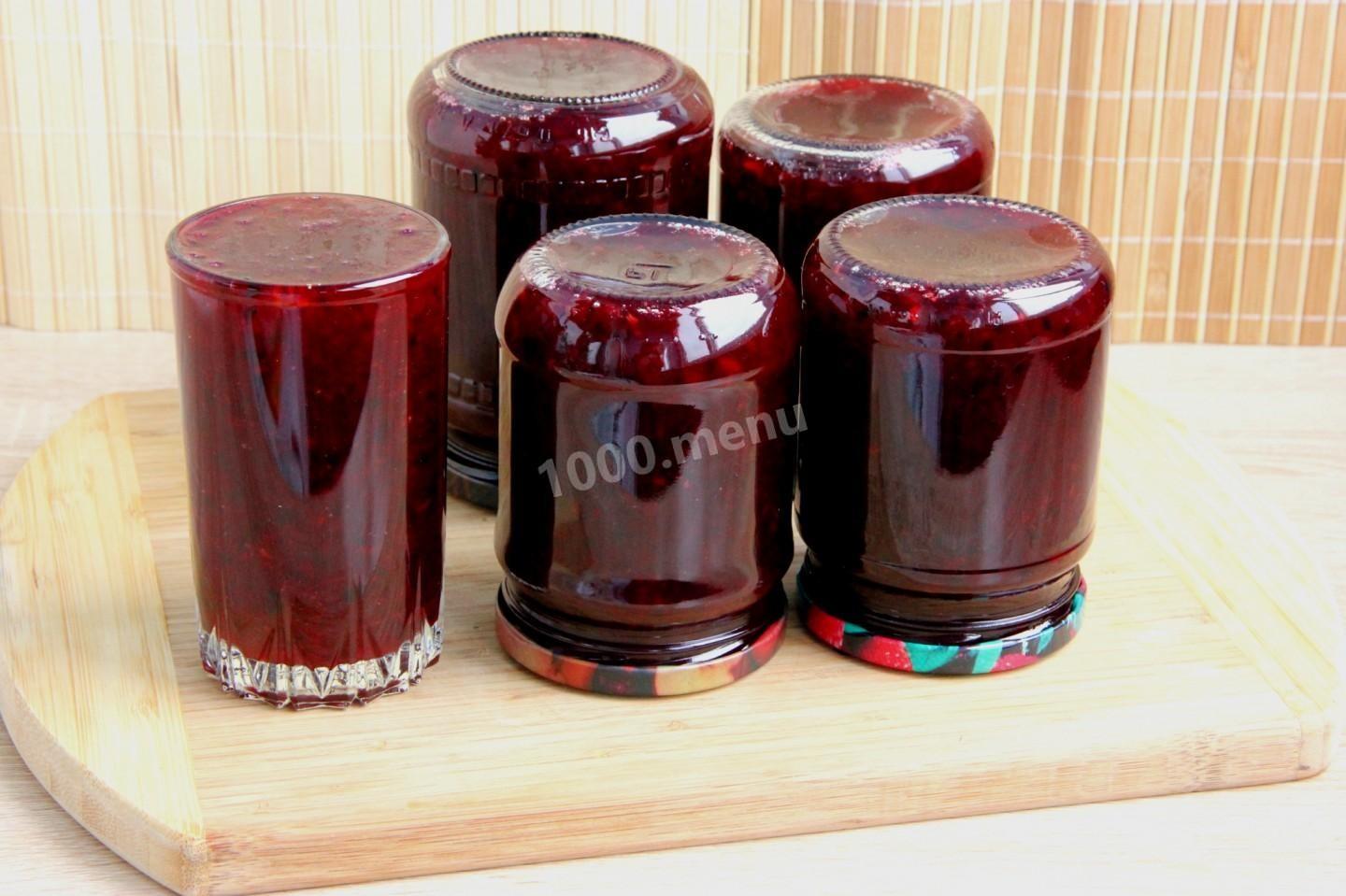
Seal with sterilized lids, turn the jars upside down, and leave them to cool wrapped in a blanket. From 2 kg of plums I got about 2.6 liters of confiture (almost six pint jars). For the photos I made a thicker batch, but the yield was about the same: three pint jars, one 720 ml, one 350 ml, and a little to taste in a bowl. The serving count here reflects the number of jars that's handy for my own family.
-
Step 12:
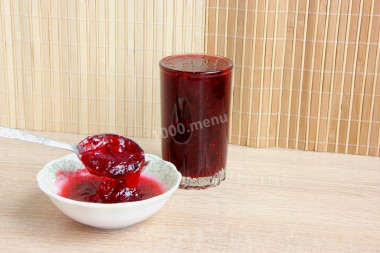
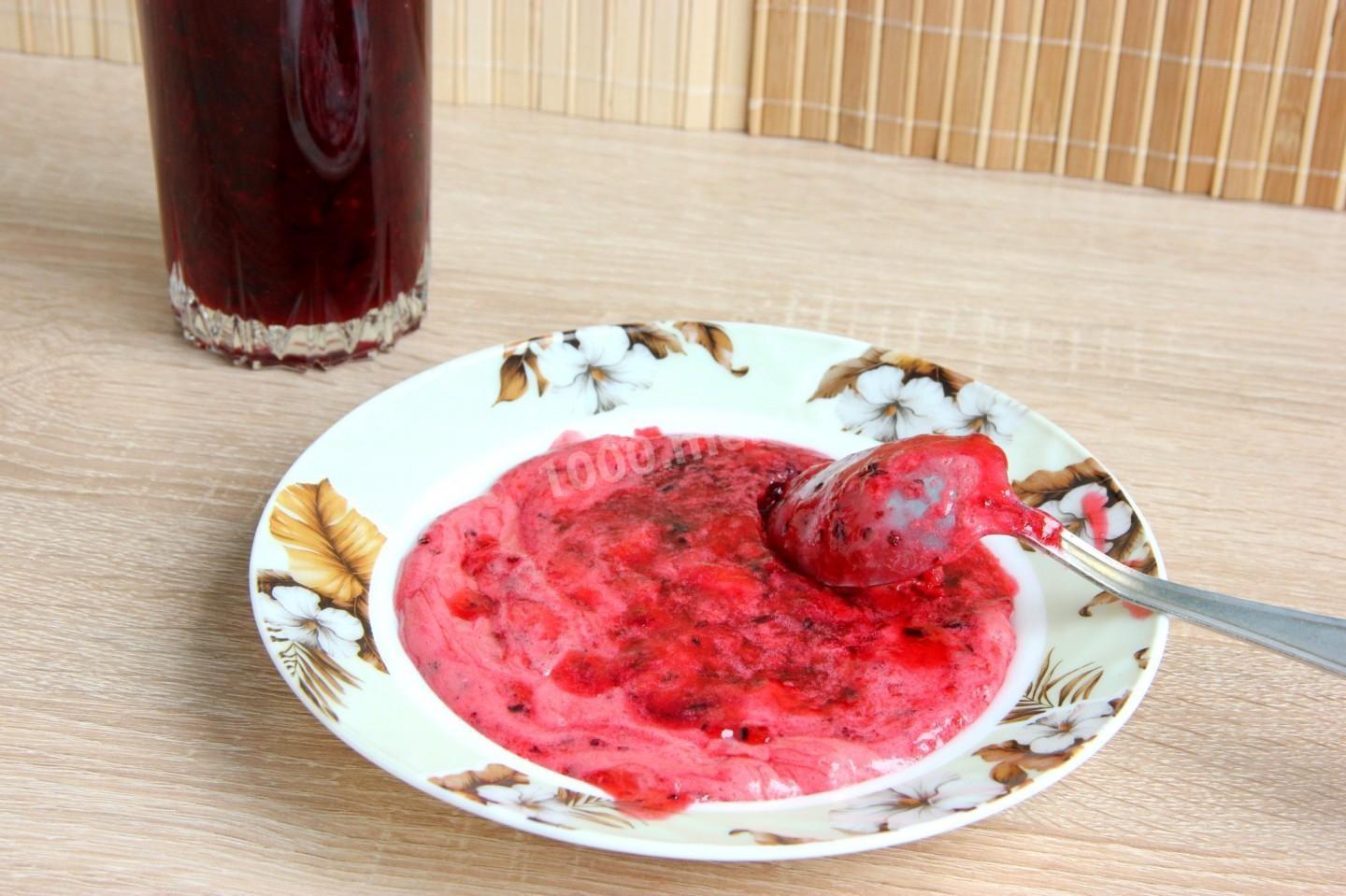
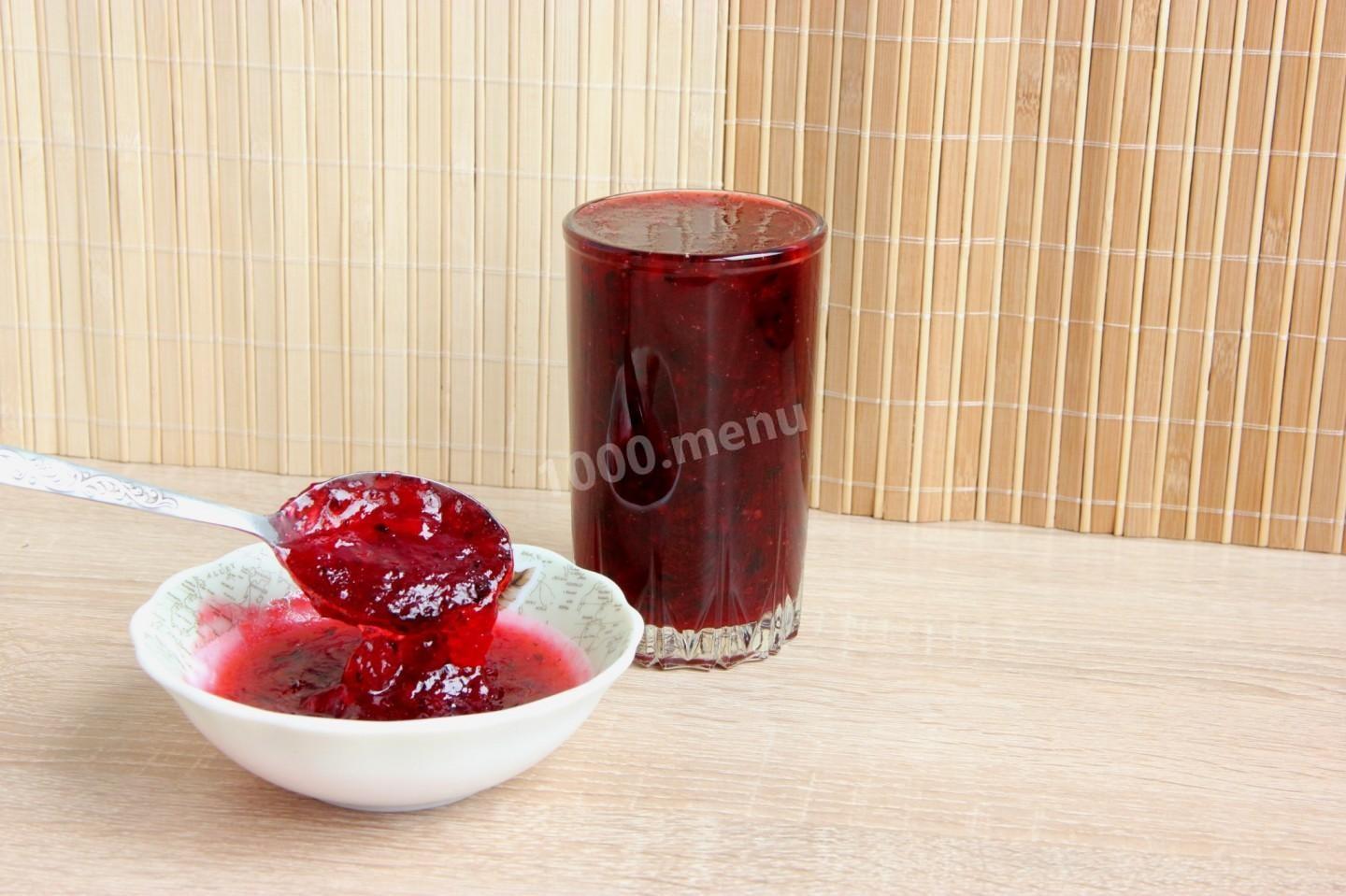
Once cooled, the confiture turns thick but still spreads easily. For this batch I added lemon juice and one packet more pectin than the manufacturer recommends. When I followed their directions exactly it was also delicious, just thinner — more like a jelly. So feel free to adjust the thickness to your taste and needs.
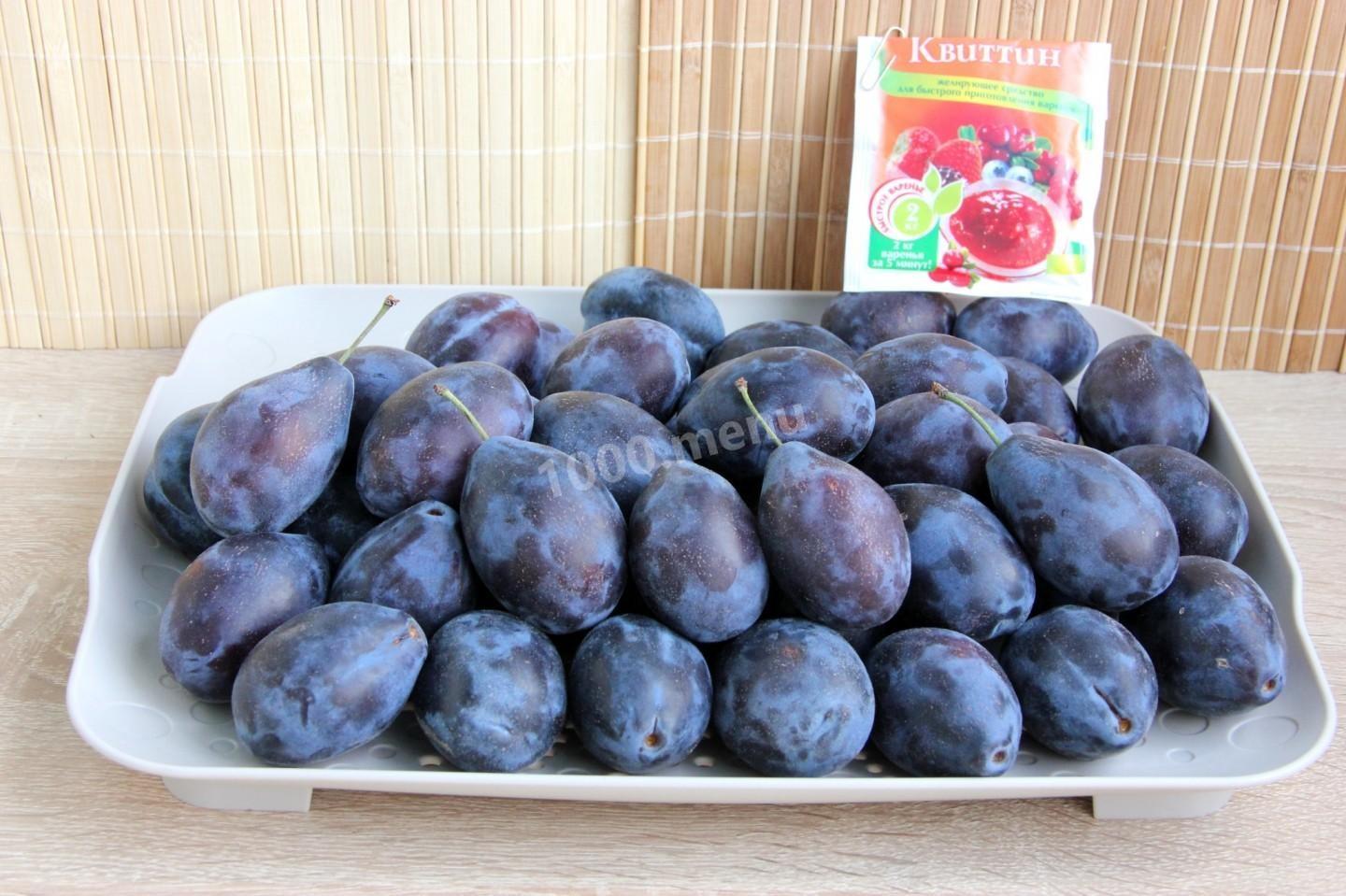
- I'd noticed those packets of powdered fruit pectin for ages, with their promise of fast cooking and quick setting. Anyone who's made jam knows the reducing process is long and needs constant watching so nothing scorches. Pectin is a natural product — it's the main ingredient here, and it's familiar to many home cooks. This year I finally tried making confiture with it, and everything promised on the label really does hold true — I wasn't disappointed. It's incredibly simple, fast, and best of all the flavor is outstanding!
Caloric content of the products possible in the composition of the dish
- Plum - 42 kcal/100g
- Fresh frozen plum - 52 kcal/100g
- Granulated sugar - 398 kcal/100g
- Sugar - 398 kcal/100g
- Lemon juice - 16 kcal/100g
- Pectin - 336 kcal/100g