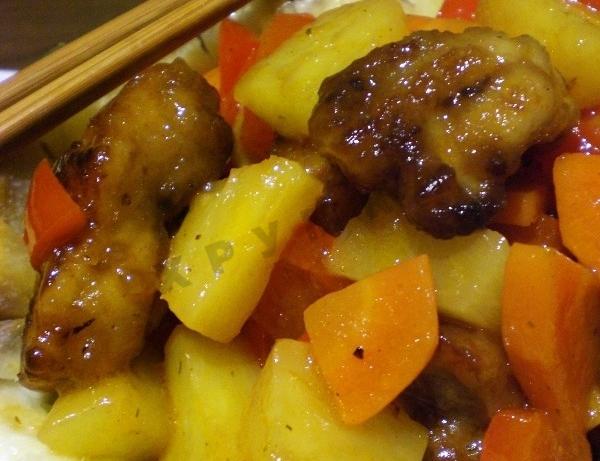
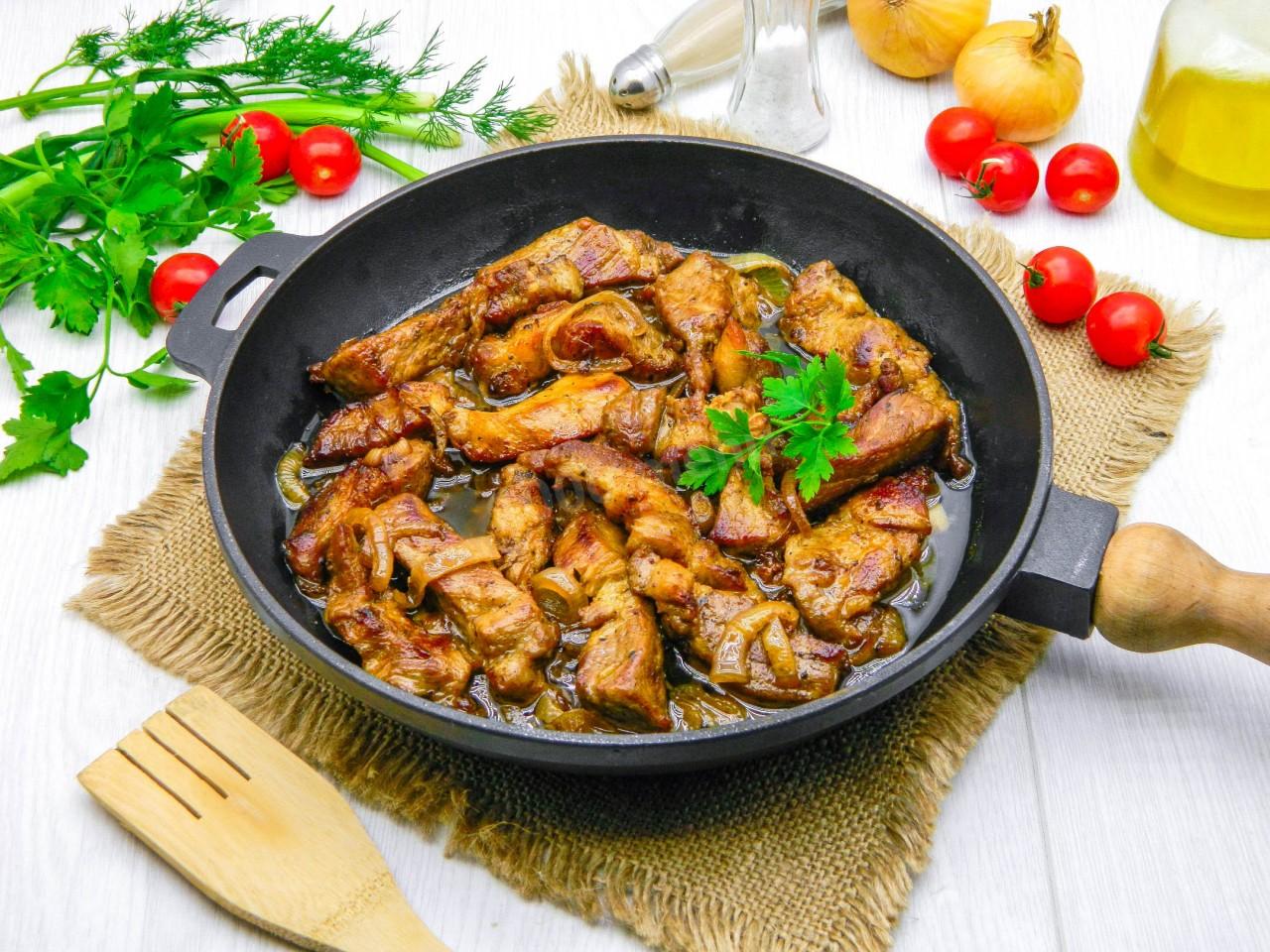
Diner-Style Pan-Fried Pork with Onions
Fragrant, hearty, and perfect for dinner or as a main dish for the whole family! Diner-style pan-fried pork with onions is a classic that everyone loves. People make it often, but not everyone knows how to get it just right. Cooked this way, the meat comes out incredibly tasty and juicy.

Cooking method
-
Step 1:
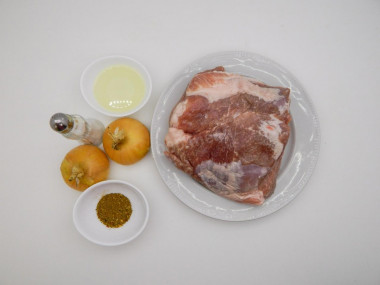
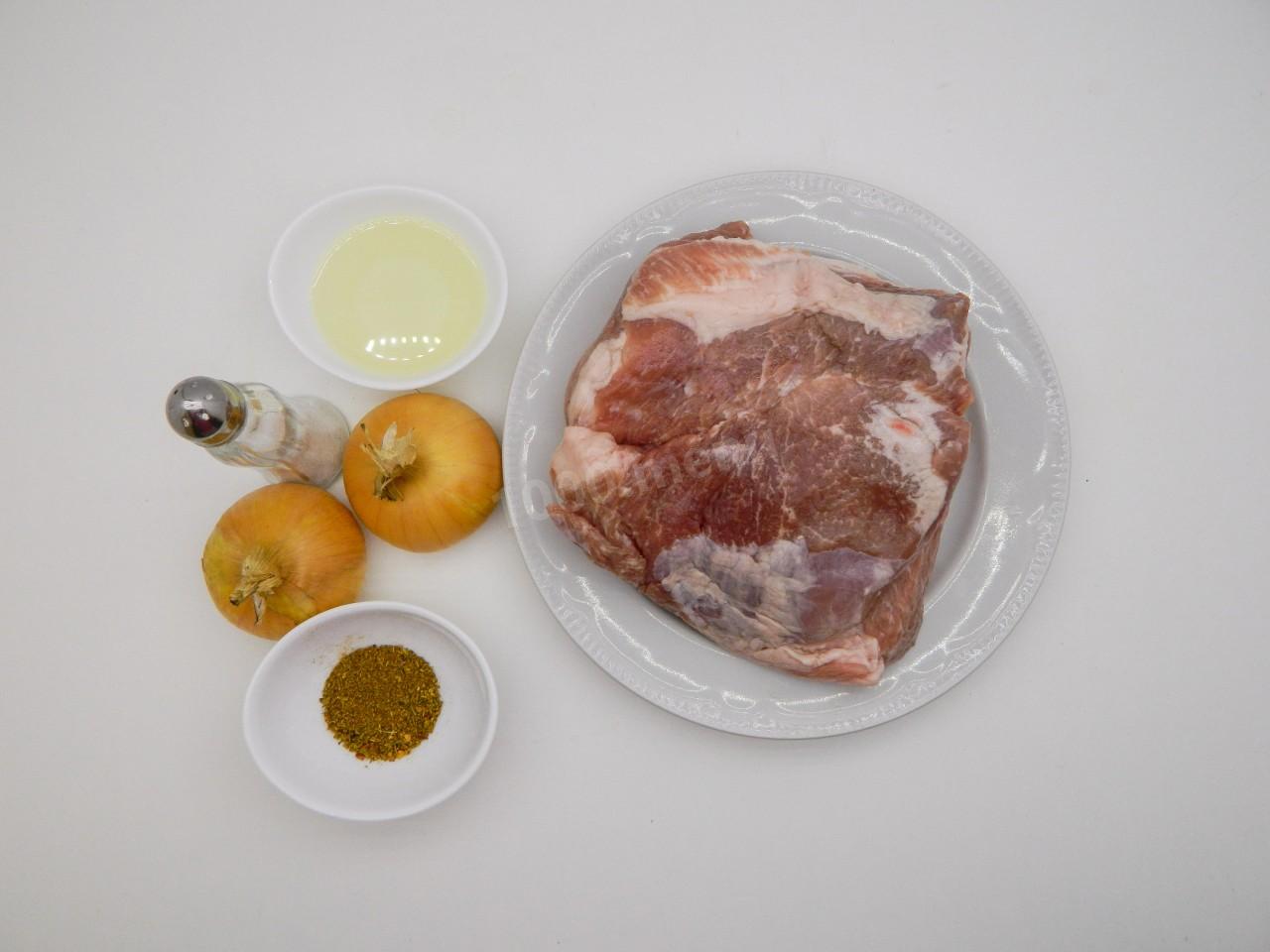
How do you make diner-style pan-fried pork? Start by prepping your ingredients. Not every cut works for pan-frying. For tender, juicy meat, use the neck, shoulder, ham, or tenderloin. The dish tastes best with fresh meat, but if yours is frozen, thaw it first — 8 hours in the fridge, then 1–2 hours at room temperature.
-
Step 2:
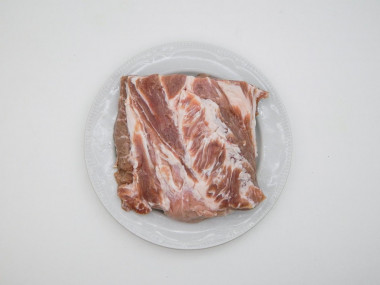
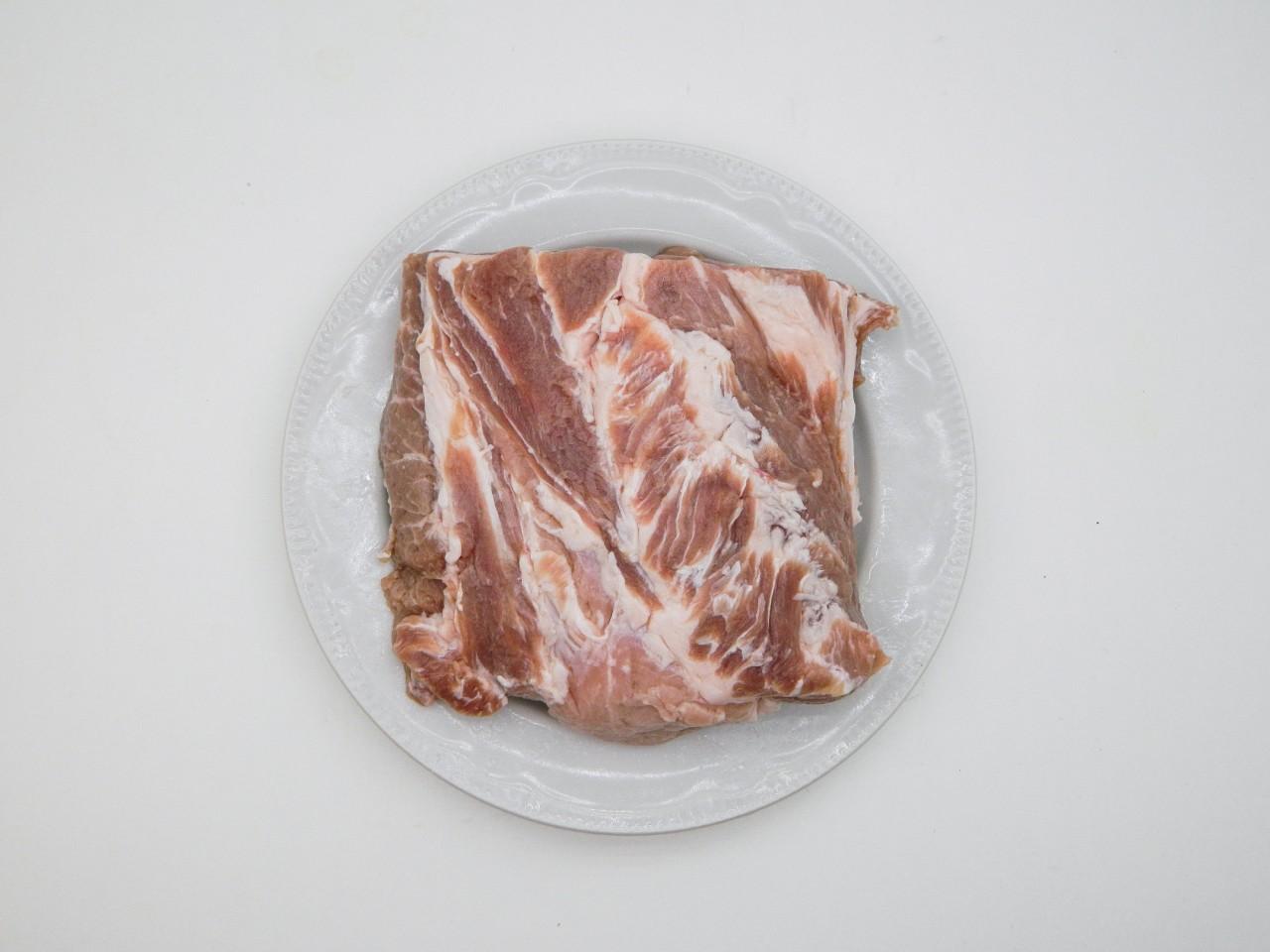
Rinse the meat and pat it dry with paper towels — this cuts down on splatter and gives you a more even, golden crust. Trim off any excess fat.
-
Step 3:
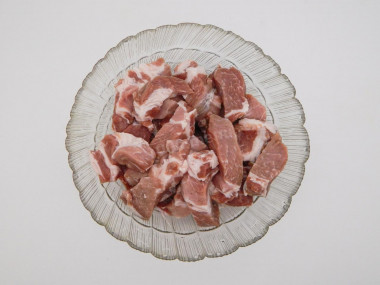
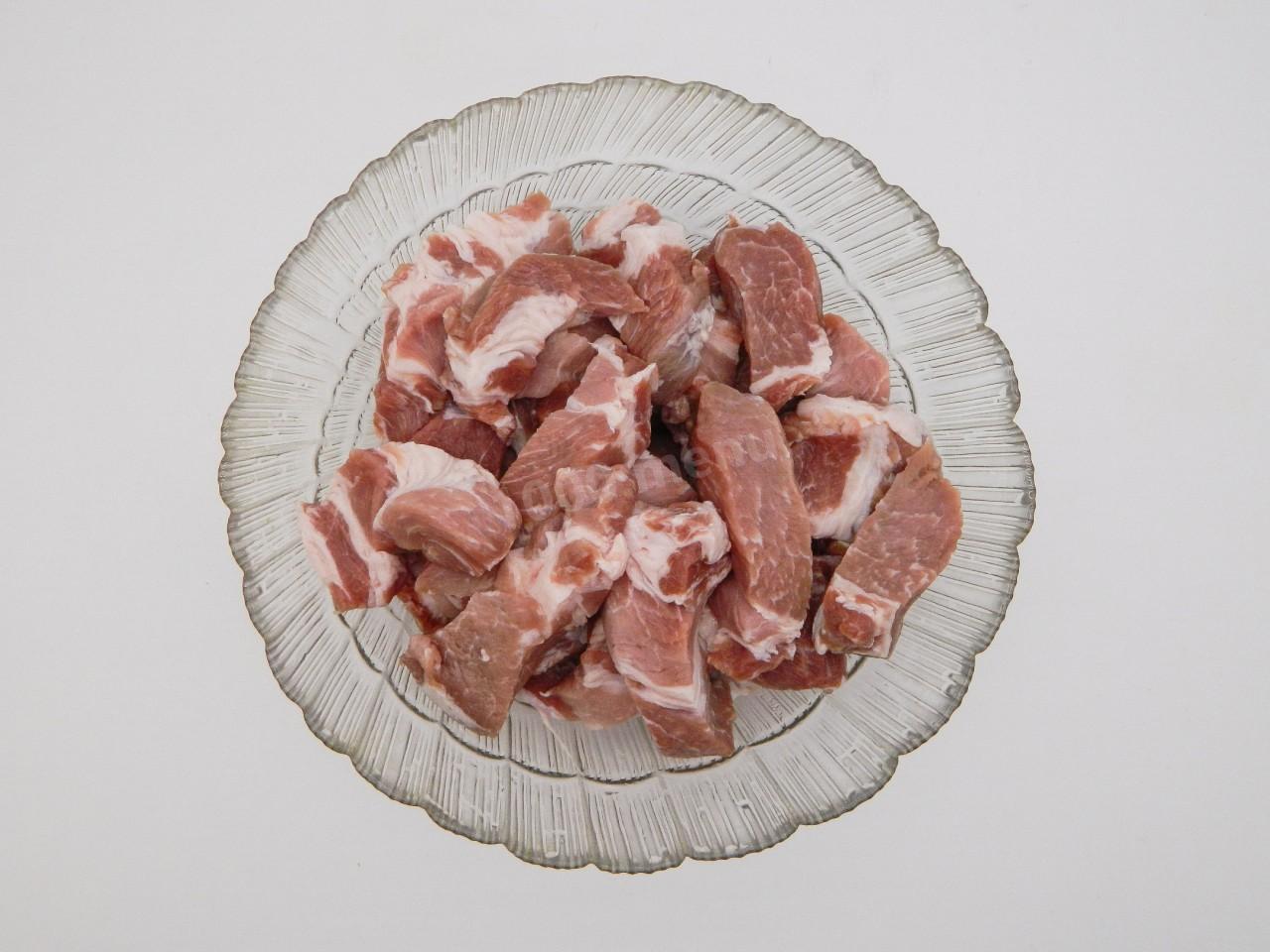
Cut the meat into pieces about 3/4 x 1 1/2 inches (2x4 cm). Try to cut across the grain — the pieces shrink as they fry, but shorter ones stay more tender than long ones.
-
Step 4:
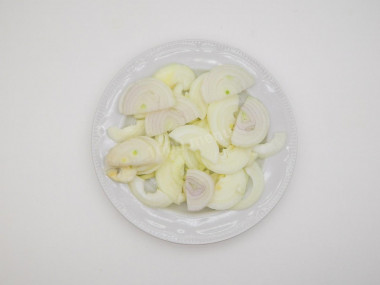
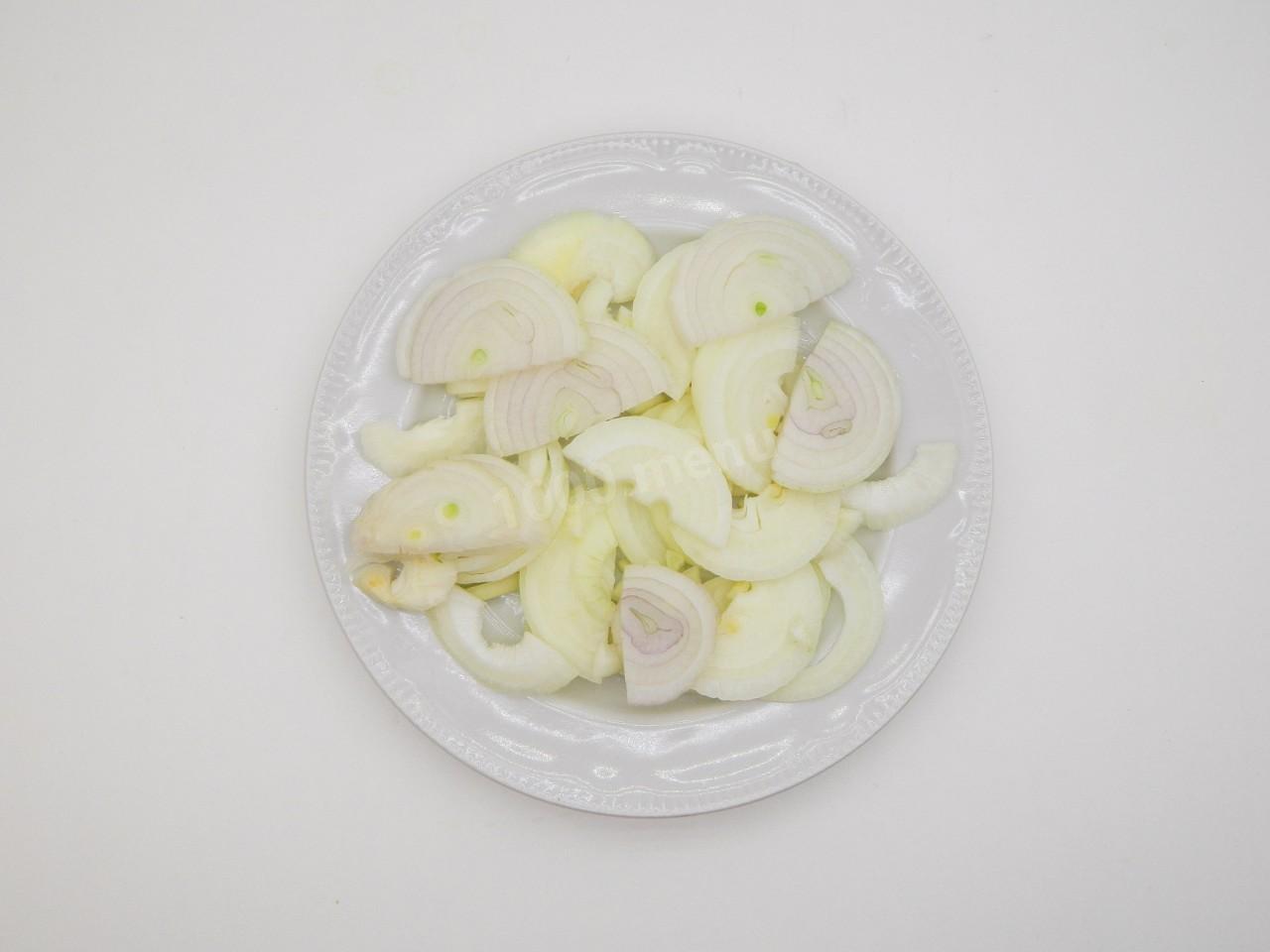
Peel, rinse, and slice the onion into half-rings. This way it holds its shape and is easy to eat.
-
Step 5:
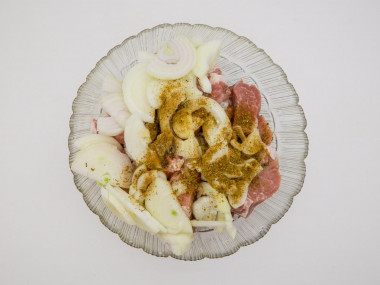
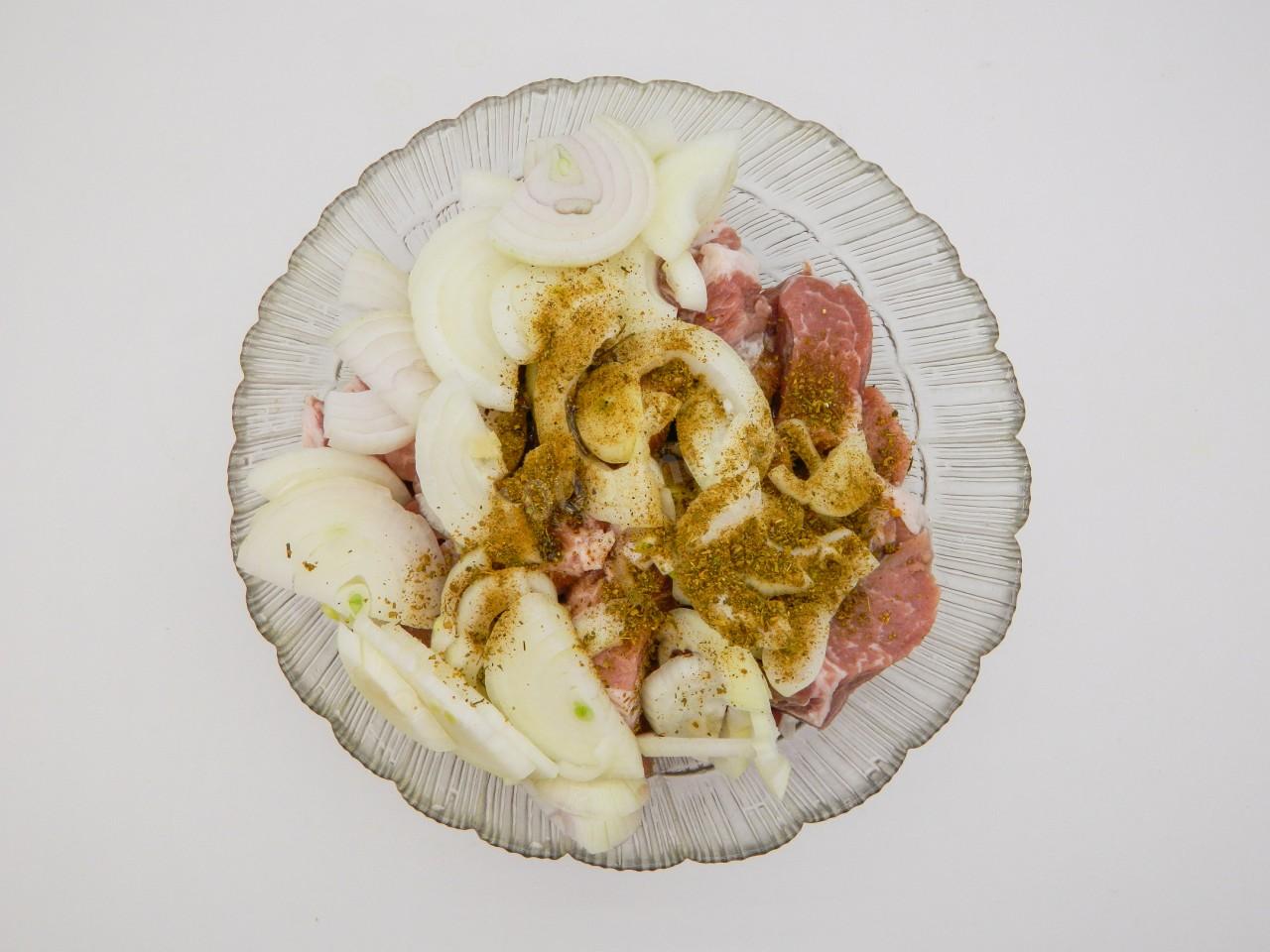
Put the meat and onion in a large deep bowl. Add the seasonings and about 3 tablespoons of oil. Don't salt yet — holding off on the salt keeps more of the juices in. Use whatever seasonings you like, either a ready-made blend or your own.
-
Step 6:
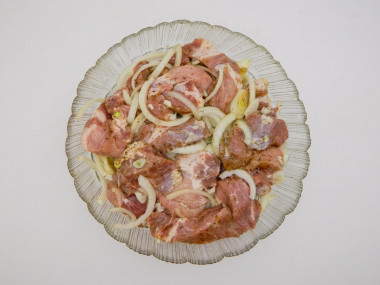
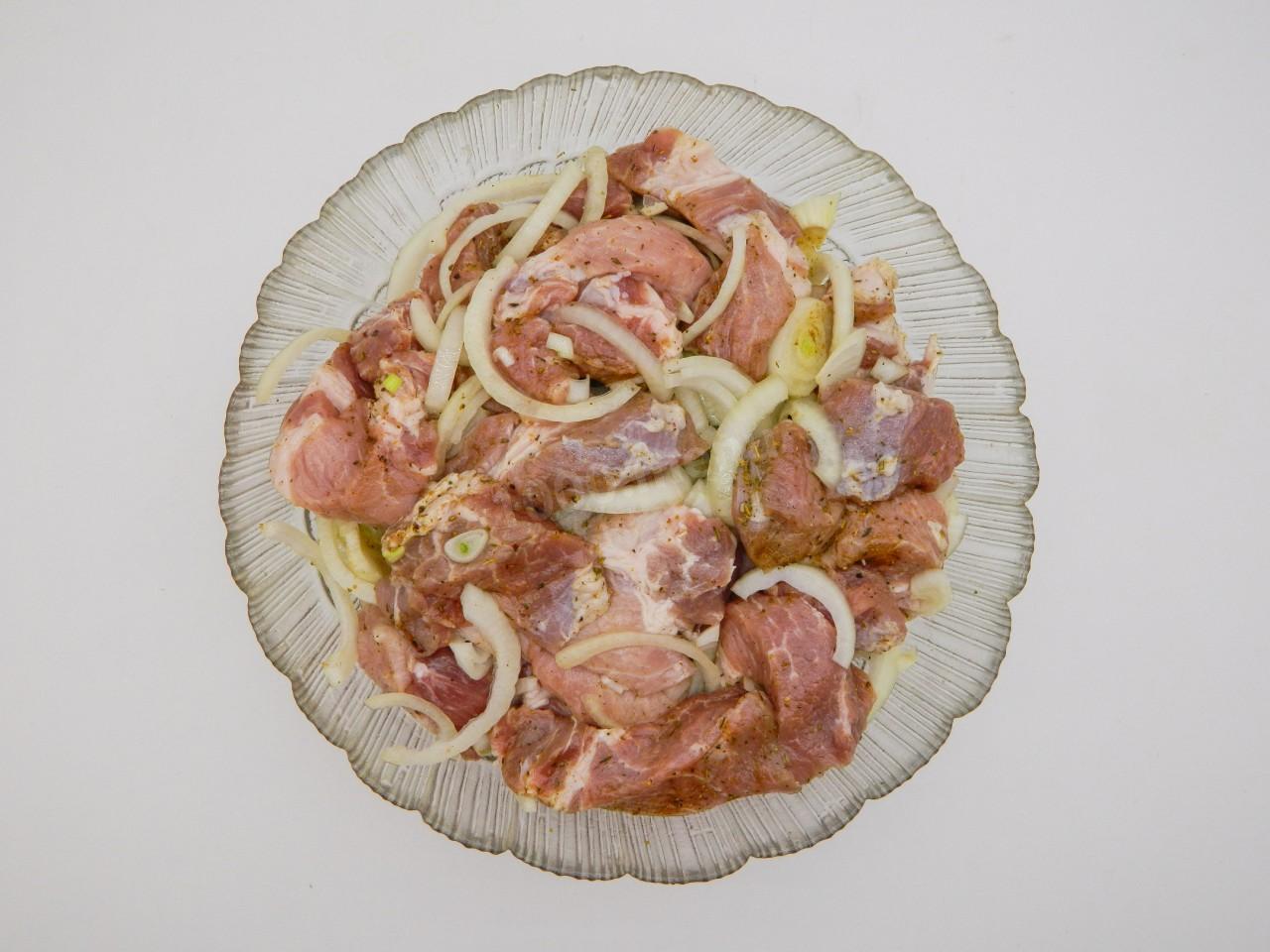
Mix everything thoroughly so each piece is evenly coated. Let it sit for 30 minutes at room temperature.
-
Step 7:
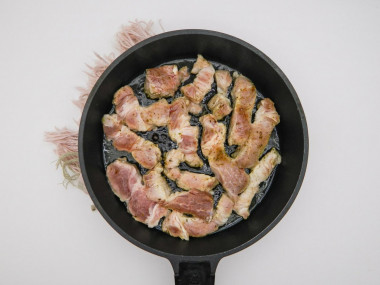
Heat a skillet with the vegetable oil. Keep in mind that if the meat is fatty, you'll need far less oil than the recipe calls for — sometimes none at all. Set the heat to medium or medium-high. Since the meat takes longer than the onion, add just the pork first, in a single layer. If it won't all fit, cook it in batches. There's no need to cover the pan.
-
Step 8:
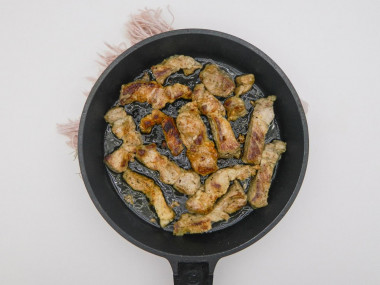
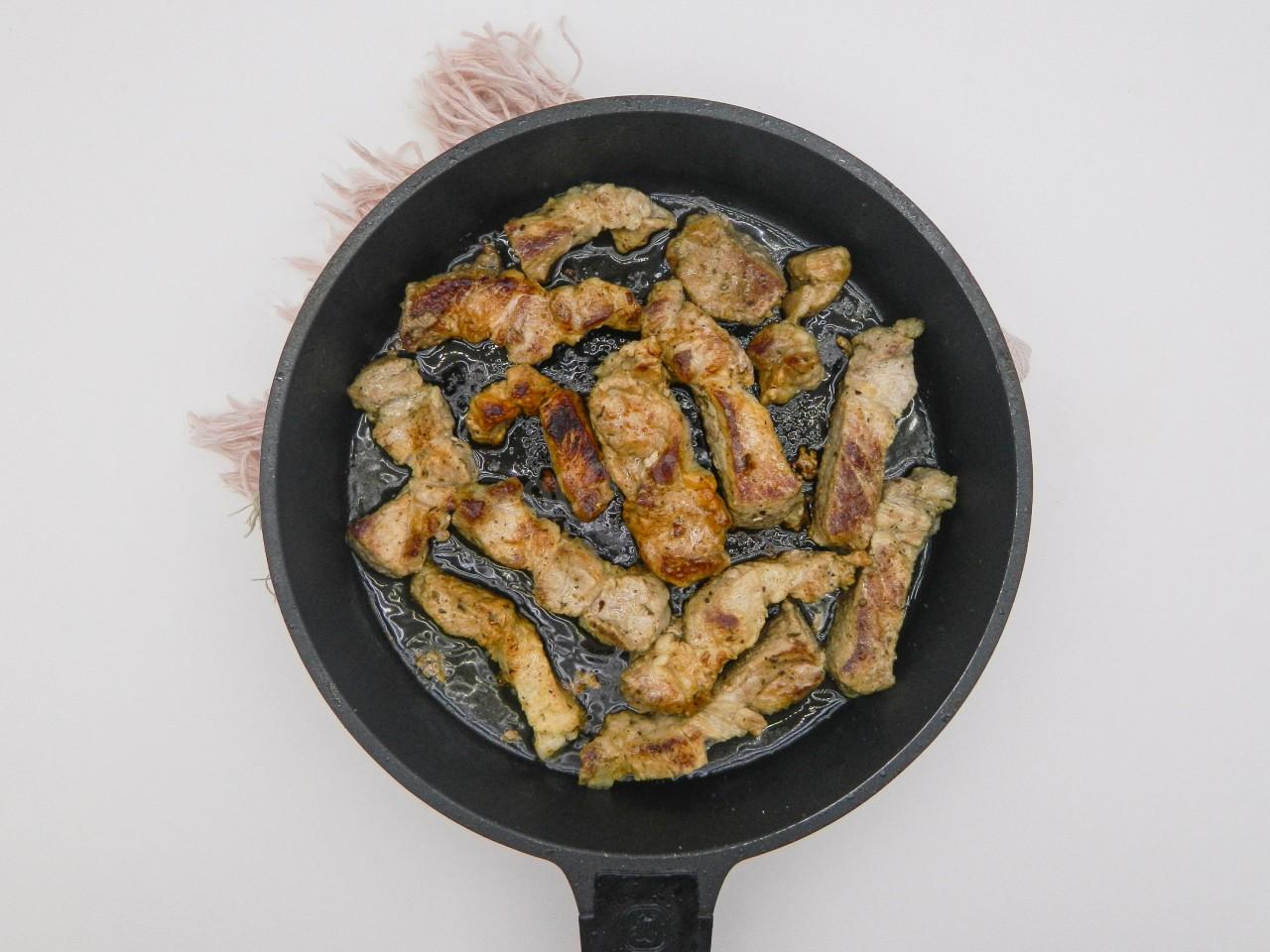
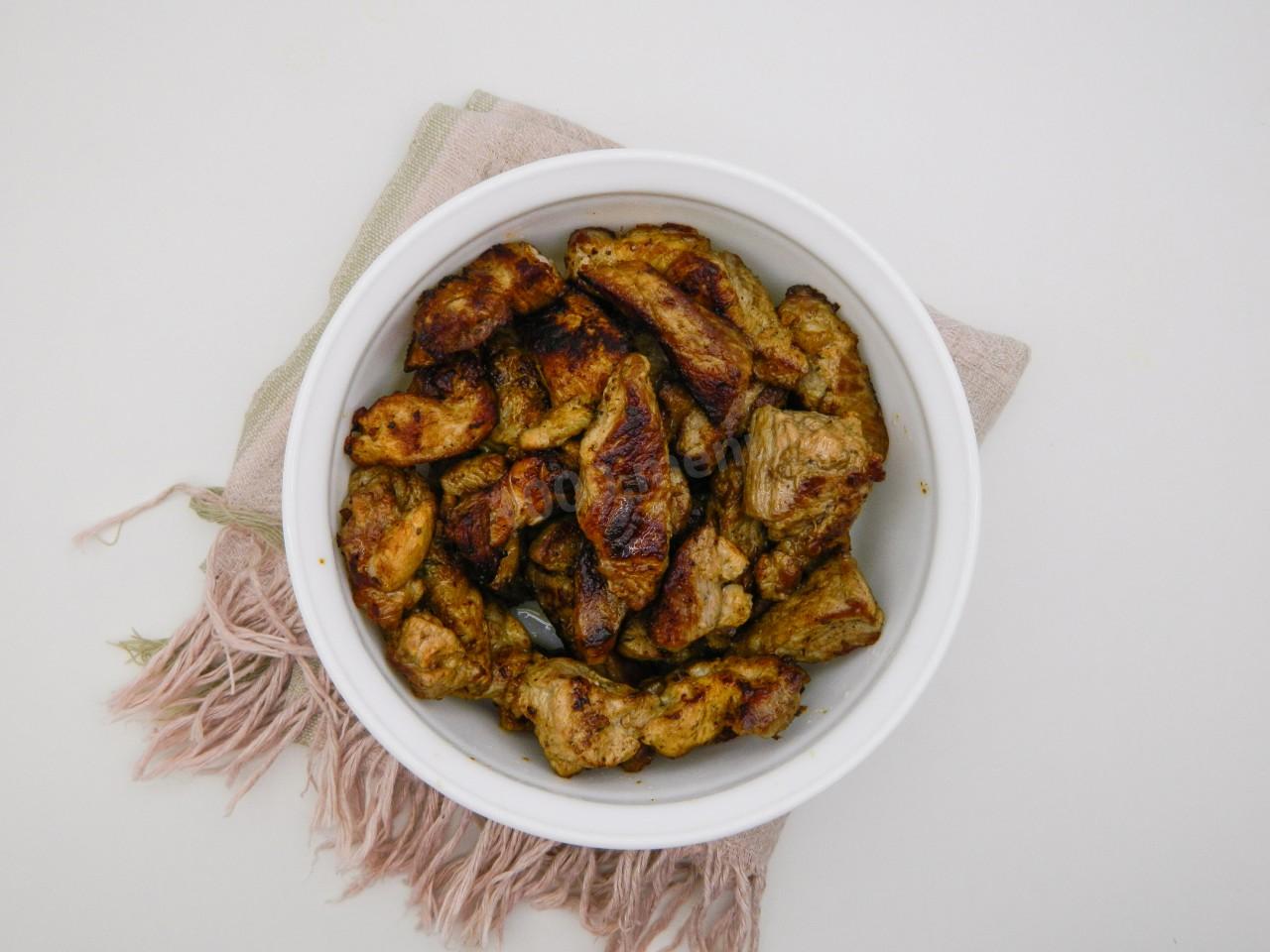
Lay the pork pieces in the pan, spaced apart. Brown them on both sides — it took me about 4 minutes per side. Salt each side once it's browned.
-
Step 9:
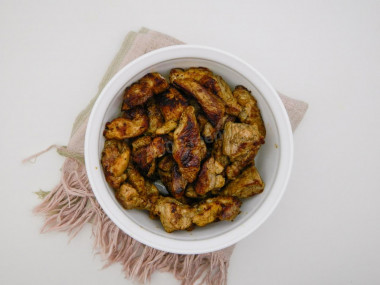
Transfer the cooked pieces to a deep dish, cover, and let them rest so the meat finishes cooking through.
-
Step 10:
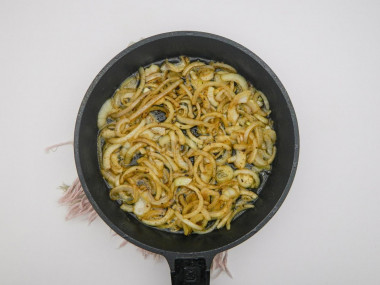
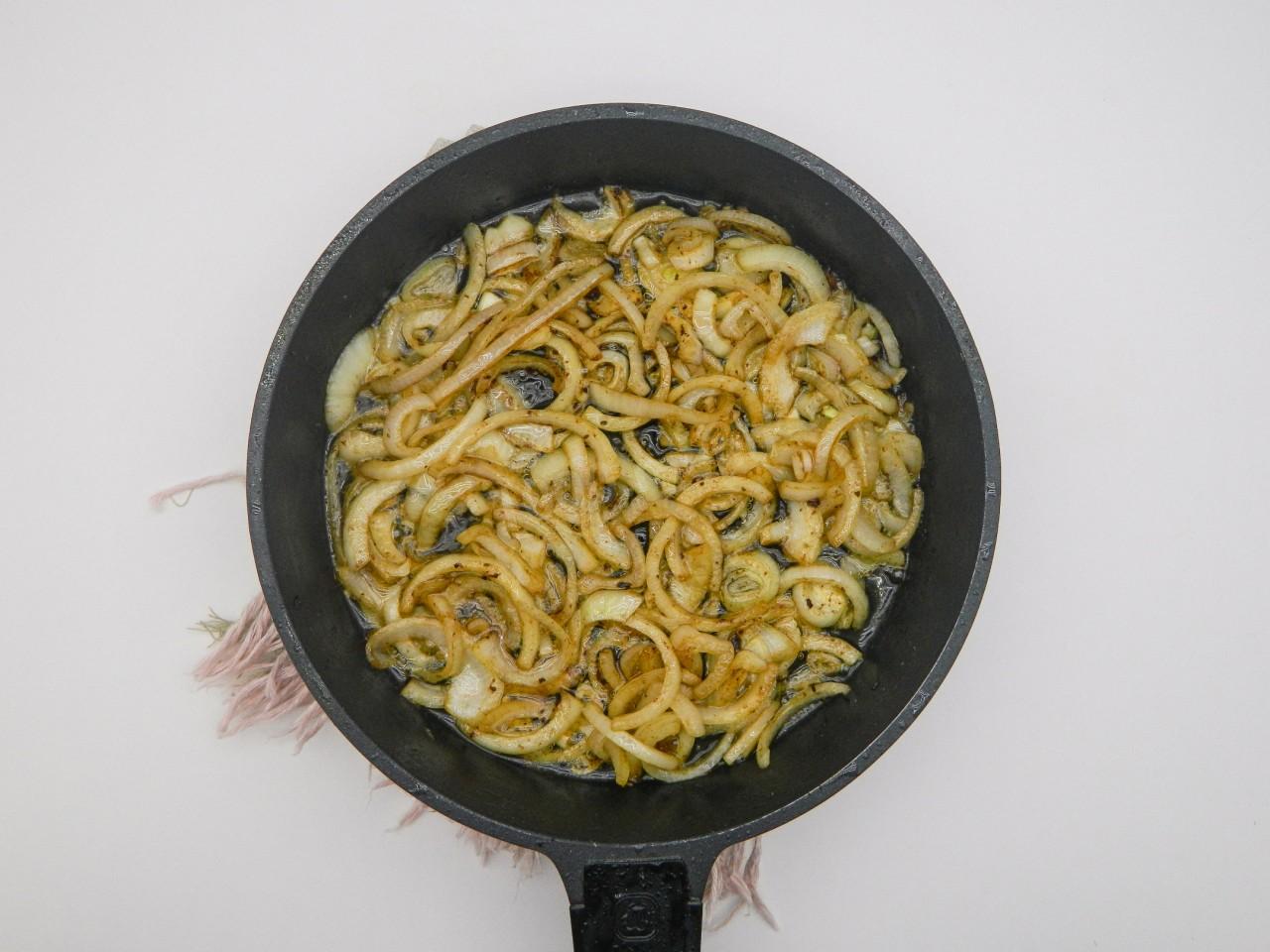
Fry the onion in the oil left in the pan from the meat. Cook until it turns translucent and golden.
-
Step 11:
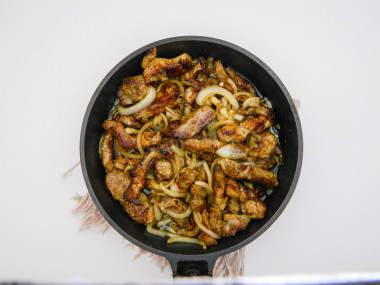
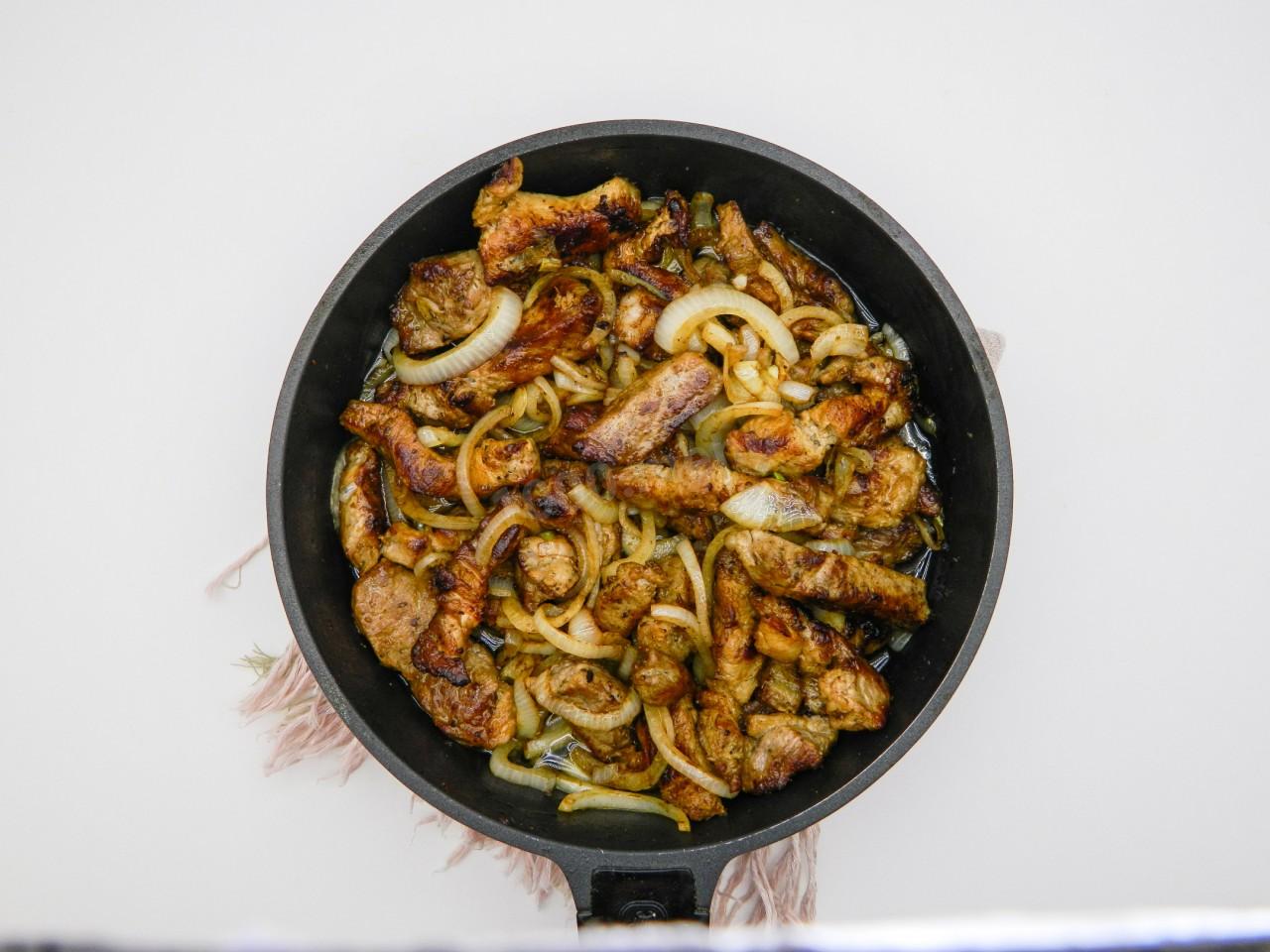
Just before serving, stir the meat and onions together and warm them through in the same pan. Serve with mashed potatoes, pasta, rice, or buckwheat. Enjoy!

- Important! The wrong skillet can ruin even the best recipe, so choose the right pan for the dish.
- Use an oil with a high smoke point for frying! Every oil is good only up to a certain temperature — its smoke point, beyond which it starts to burn and form harmful compounds, including carcinogens. Unrefined oils, with few exceptions, have a low smoke point; they contain lots of unfiltered organic particles that burn quickly. Refined oils stand up to heat better and have a higher smoke point. If you're cooking in the oven, in a skillet, or on the grill, use an oil with a high smoke point. The most common high-smoke-point oils are refined sunflower, olive, and grapeseed oil.
- Here's a simple way to check whether the oil is hot enough: dip a wooden spoon into it. If bubbles gather around it, you're ready to start frying.
Caloric content of the products possible in the composition of the dish
- Vegetable oil - 873 kcal/100g
- Onion - 41 kcal/100g
- Spices dry - 240 kcal/100g
- Table salt - 0 kcal/100g
- Pork neck - 343 kcal/100g