Cream Cheese Cake
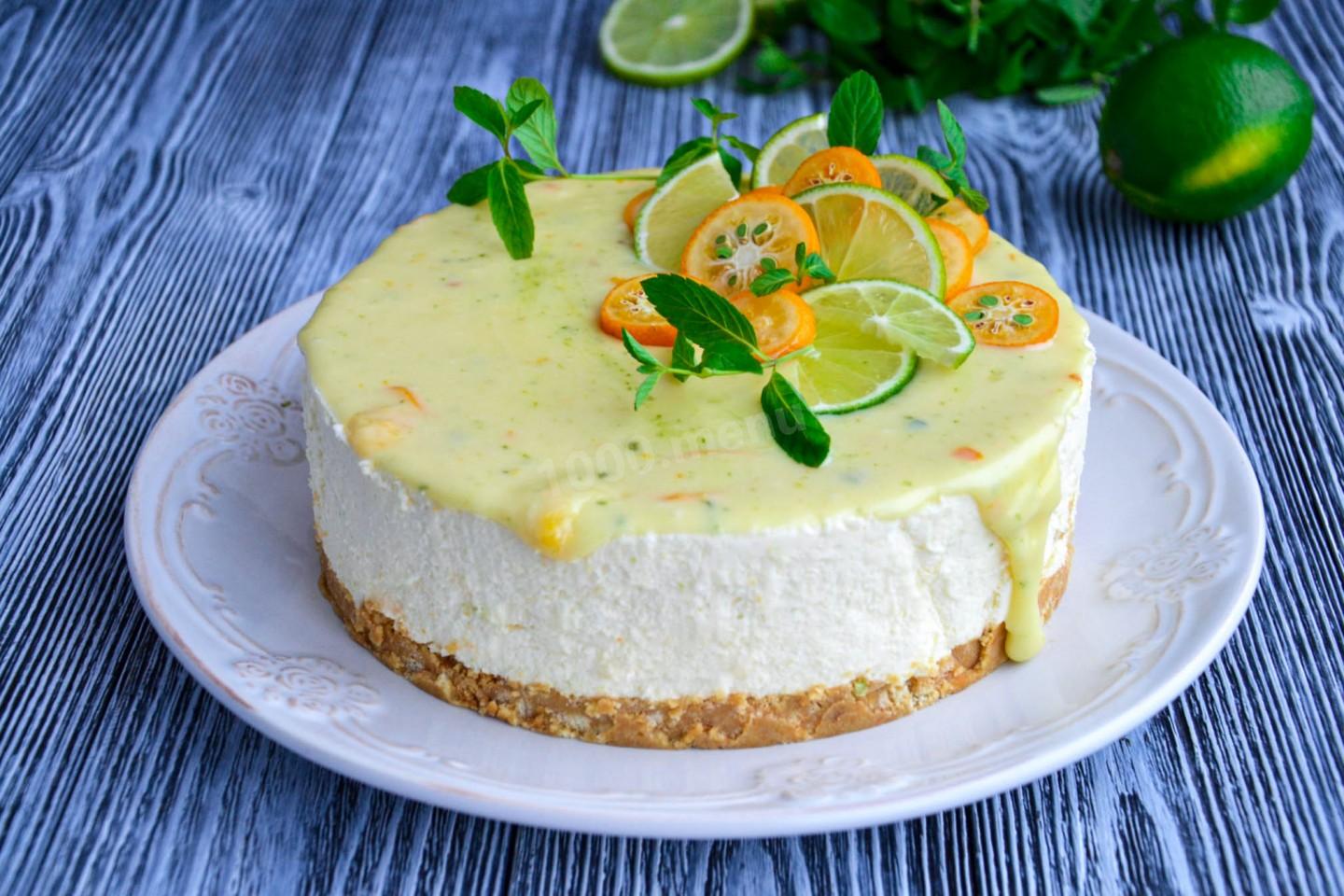
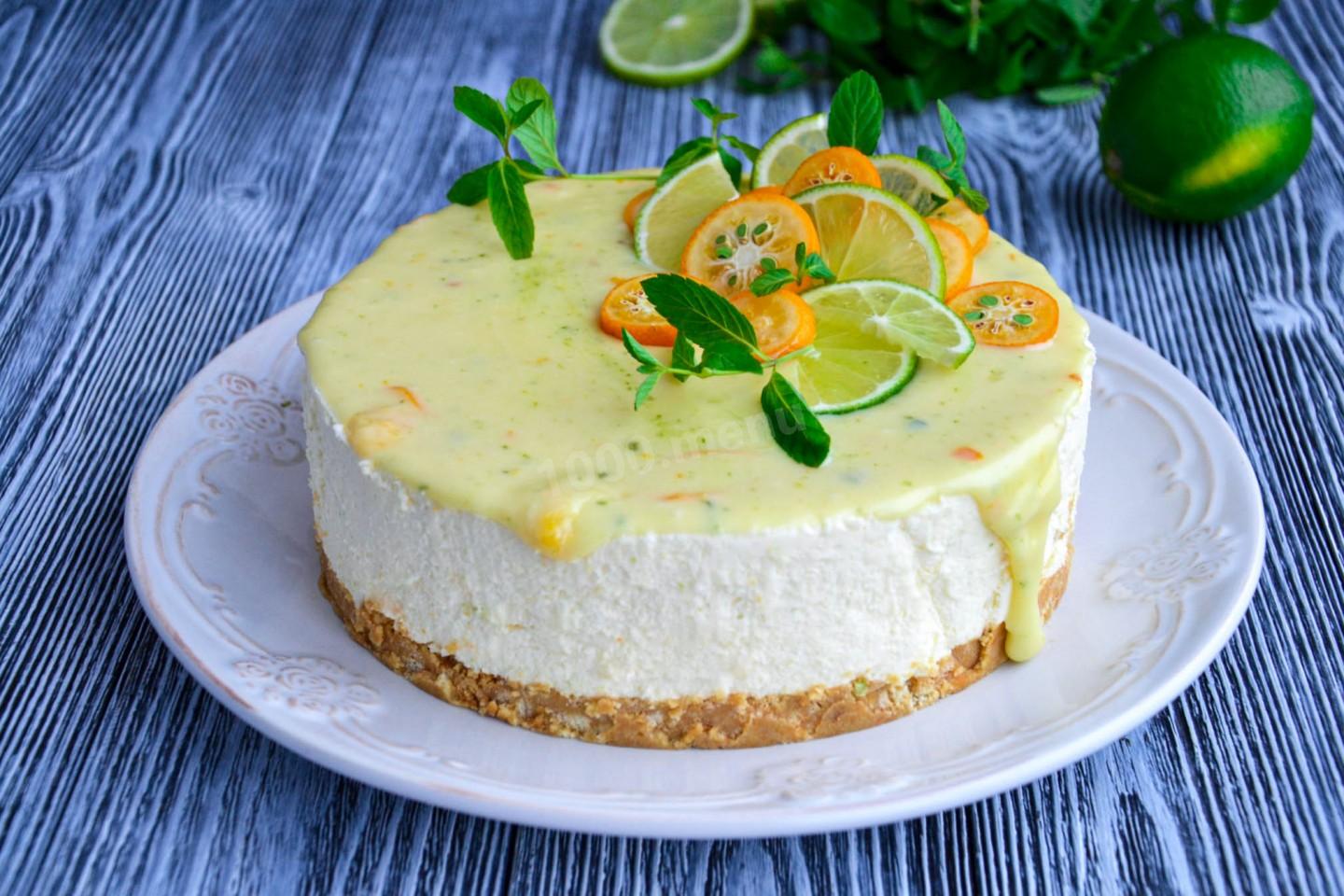
The most delicious, beautiful, and original cake — perfect for a celebration! You'll put this cream cheese cake together without much trouble. Making the filling takes a little time, but the process is simple and doable even for beginners. You can decorate the cake however you like: with a glaze, shredded coconut, or fresh berries and fruit.

Cooking method
-
Step 1:
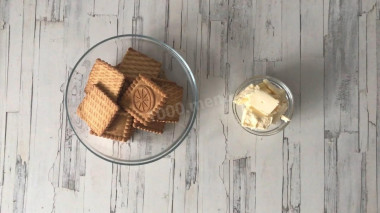
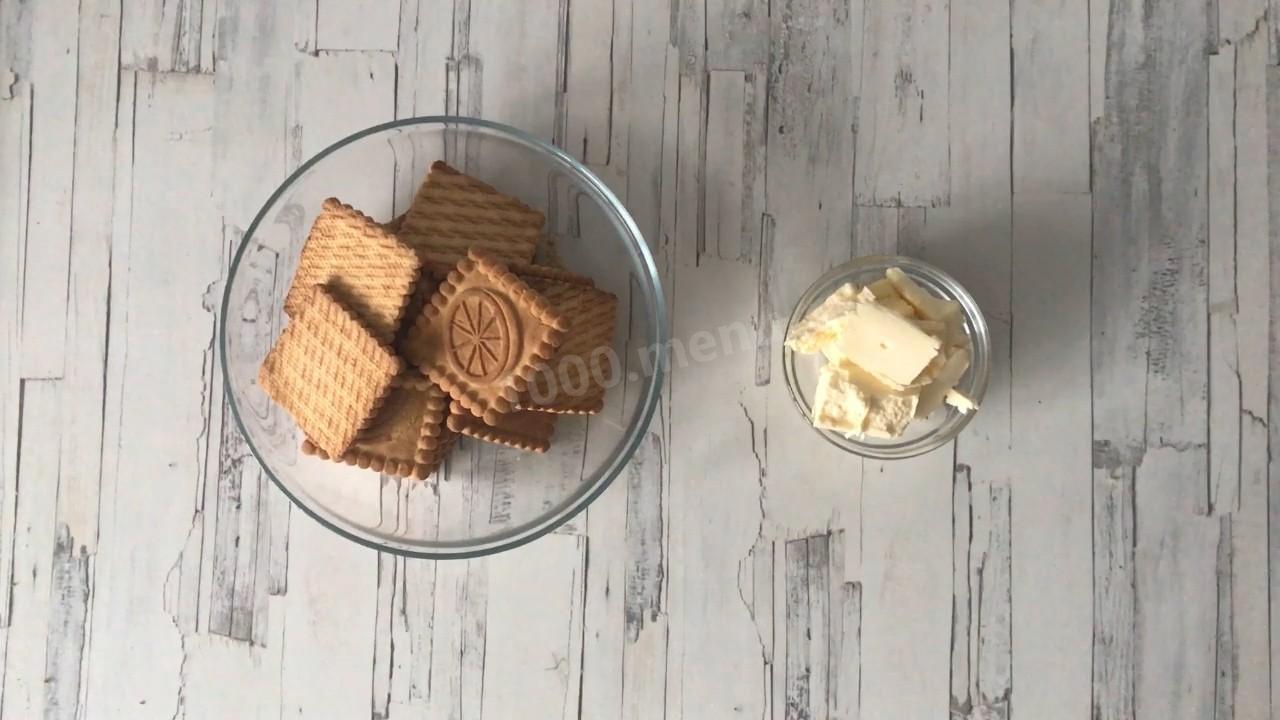
How do you make a cream cheese cake? Gather the ingredients for the cake base. You can use any shortbread cookies you like — almost anything works here, even the cheapest and simplest. Use good-quality, aromatic butter. Take it out of the refrigerator ahead of time so it comes close to room temperature.
-
Step 2:
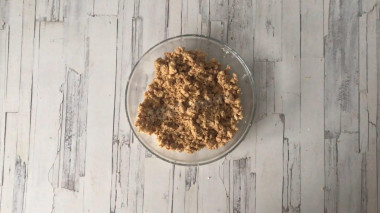
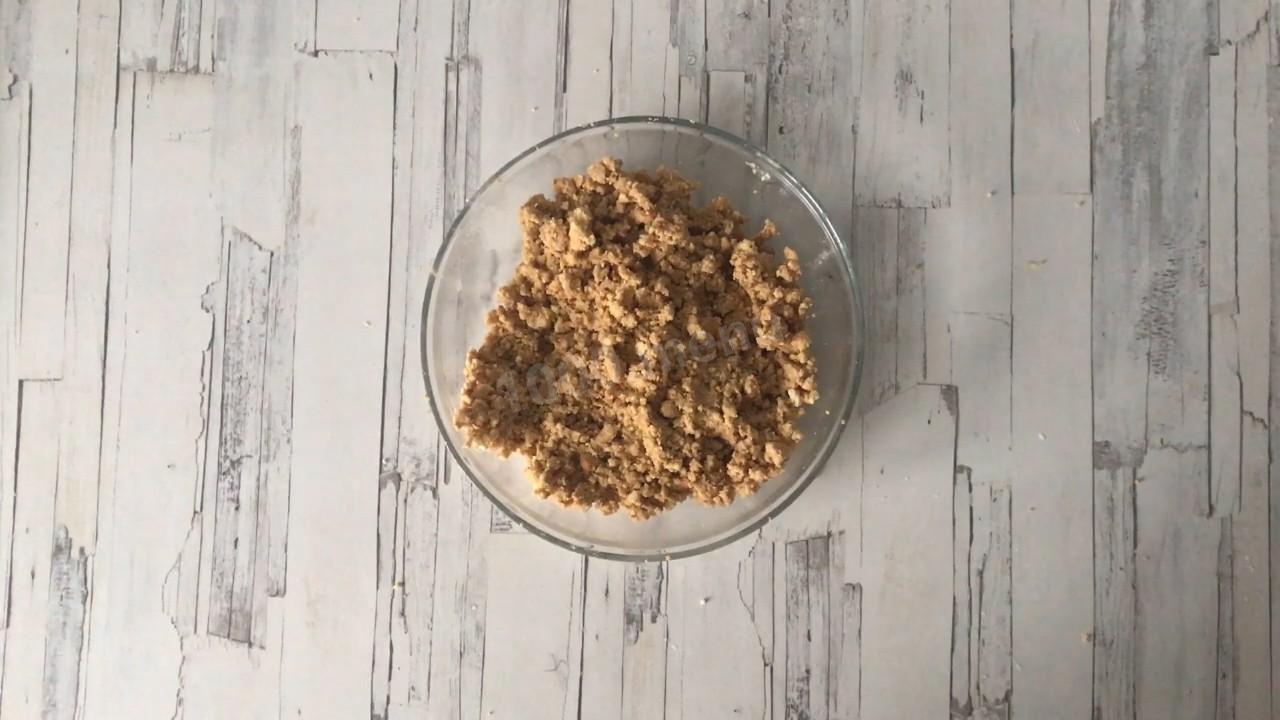
In a deep bowl, crumble the cookies, add the softened butter, and mix until evenly combined.
-
Step 3:
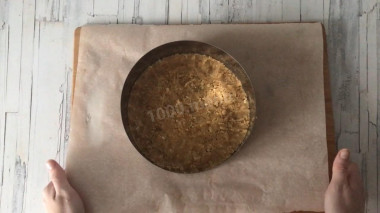
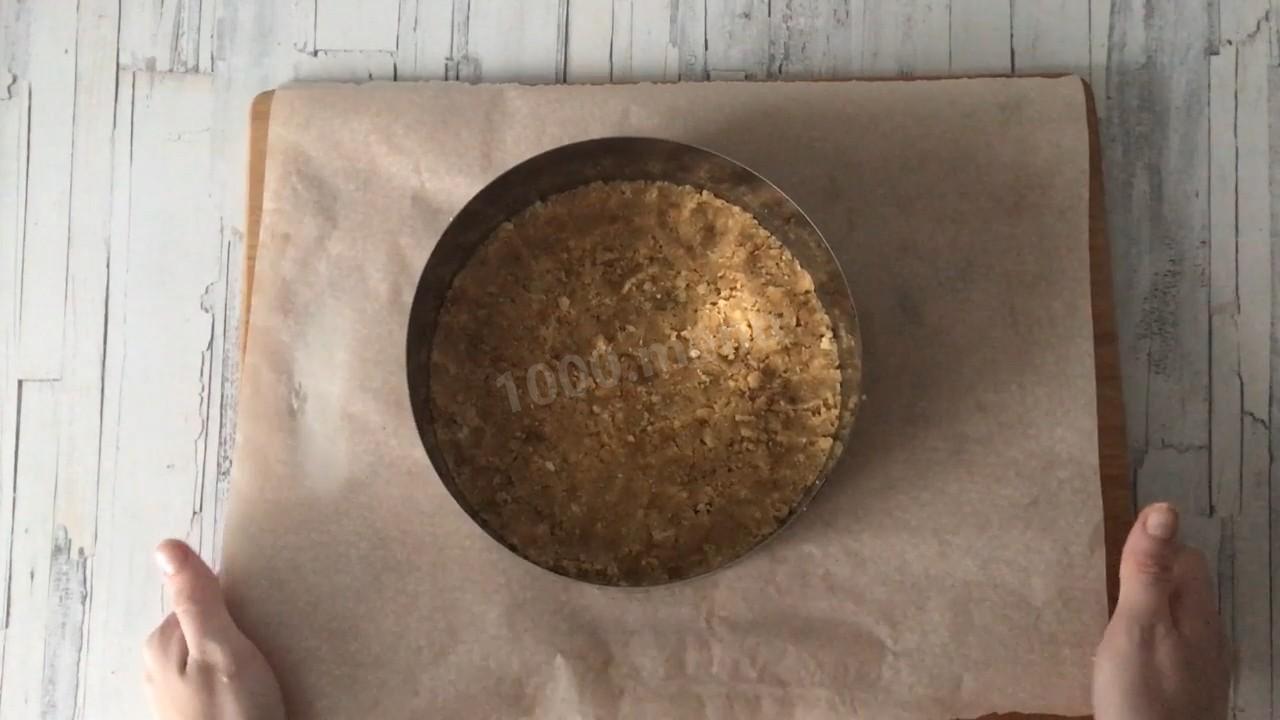
Tip the crumb mixture into a parchment-lined springform pan (8–9 inches / 20–22 cm in diameter), level it, and press it down firmly. Put the pan in the refrigerator.
-
Step 4:
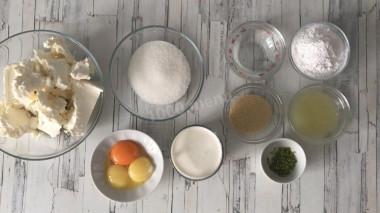
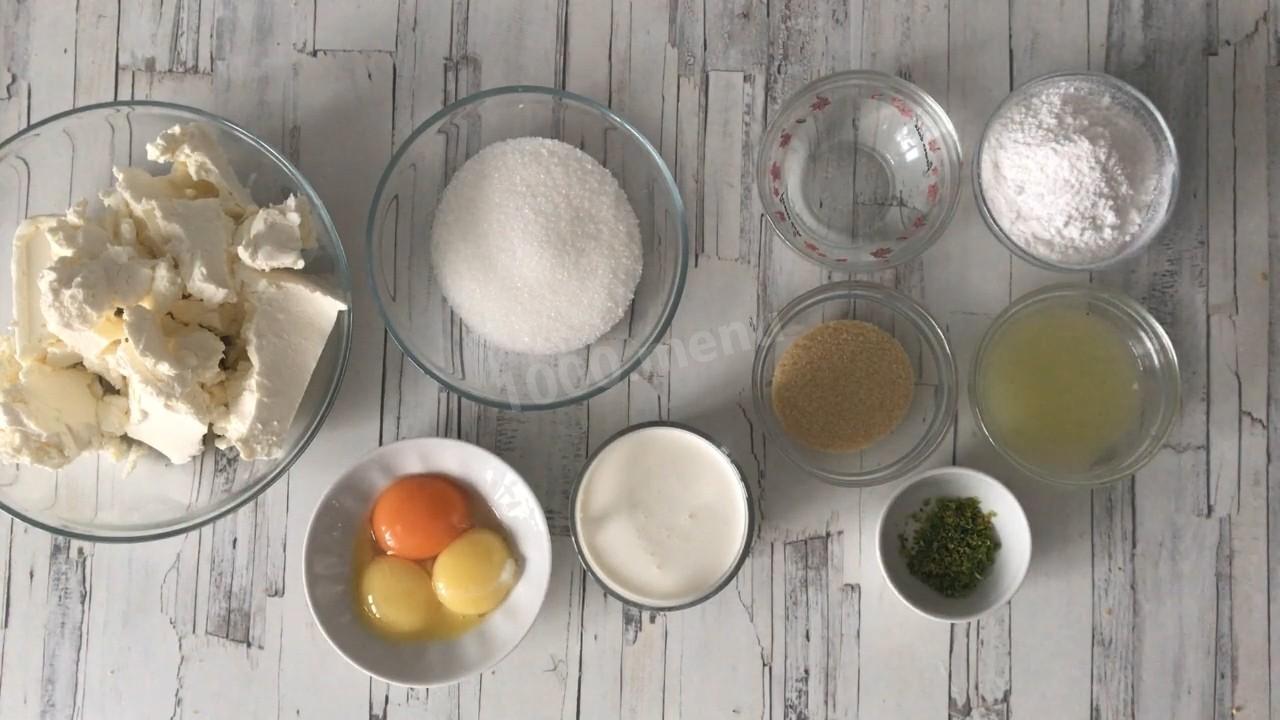
Prepare the ingredients for the filling. The cream should ideally be 33–35% fat. Use soft cream cheese with no added flavorings. Wash and dry the eggs and separate the whites from the yolks. Wash the lime in hot water and pat it dry with paper towels.
-
Step 5:
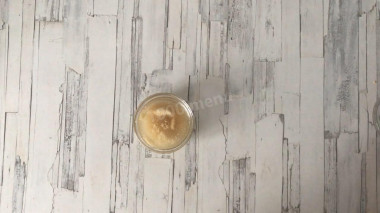
Pour 50 ml of cold boiled water over the gelatin and leave it to bloom. Choose the kind of gelatin that's bloomed in cold water. If yours is different, prepare it according to the package directions.
-
Step 6:
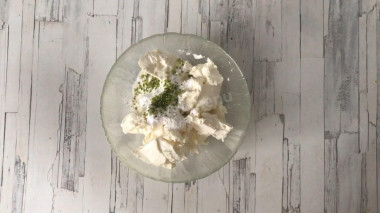
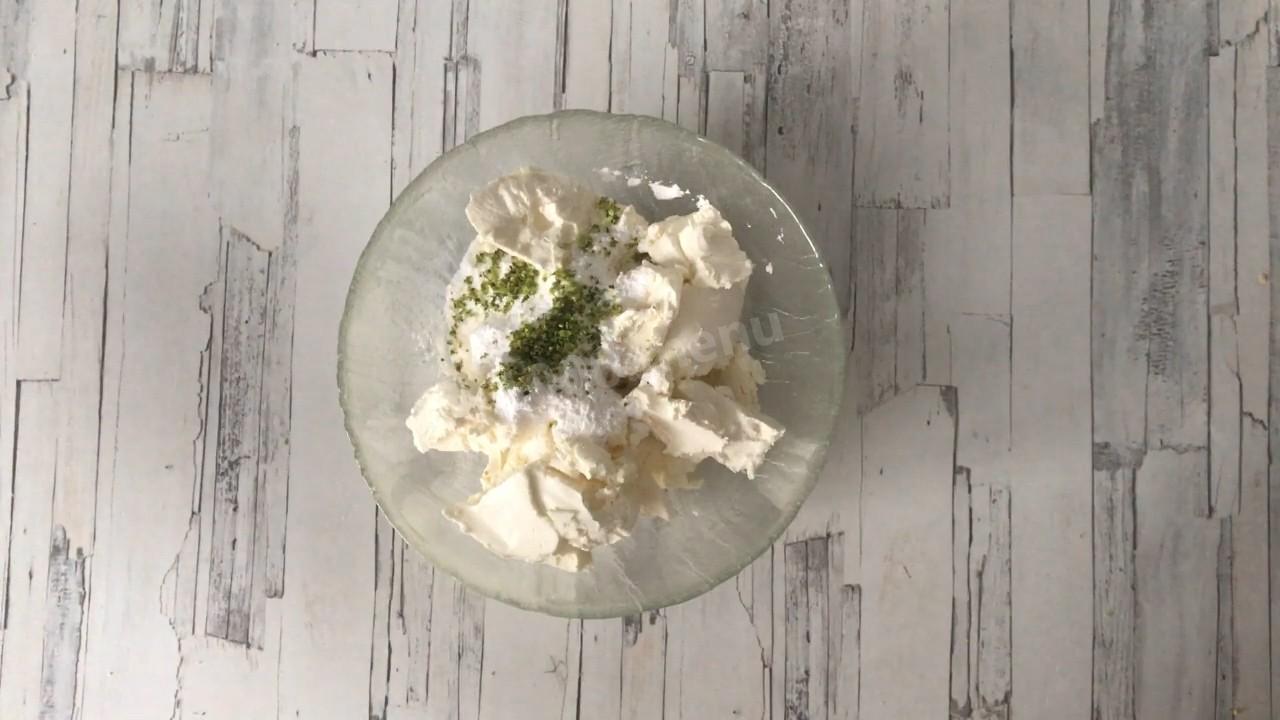
Grate the lime zest on a medium grater. Squeeze out the juice. Combine the cream cheese with the powdered sugar, pour in the juice, and add the lime zest.
-
Step 7:
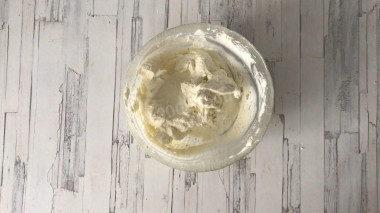
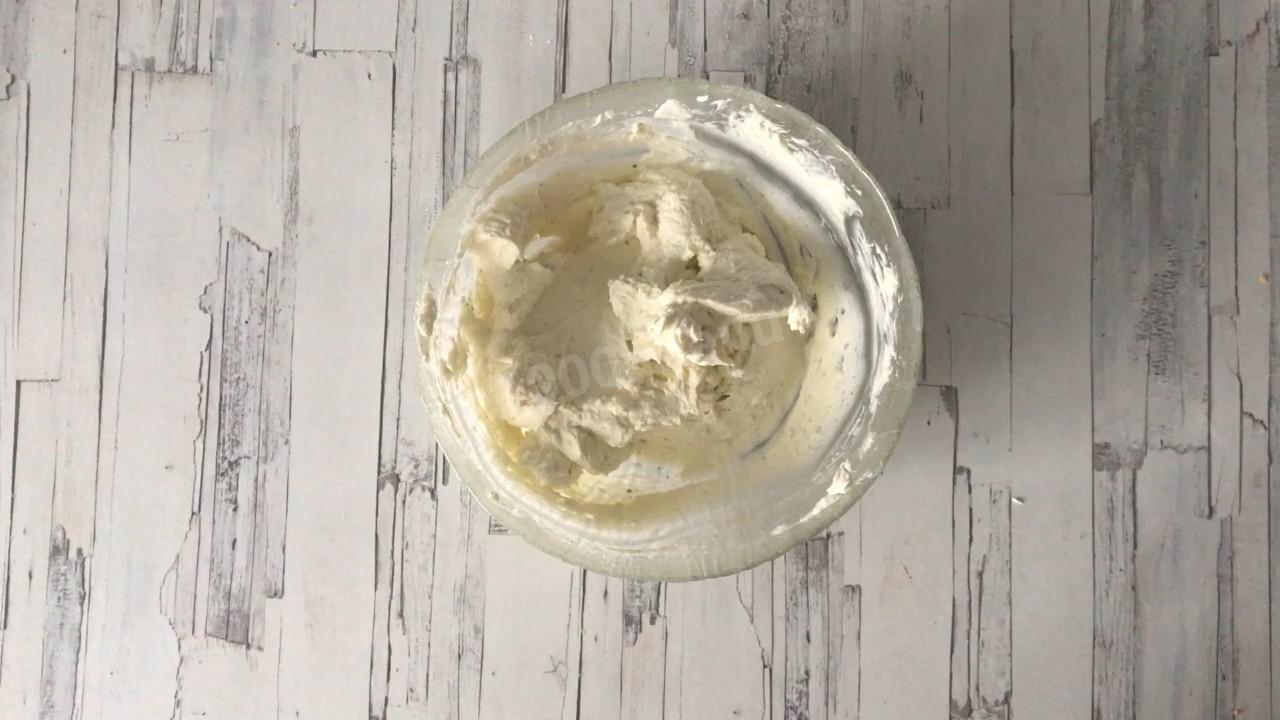
Beat the cheese mixture with a mixer on low speed until smooth.
-
Step 8:
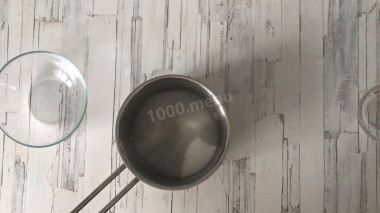
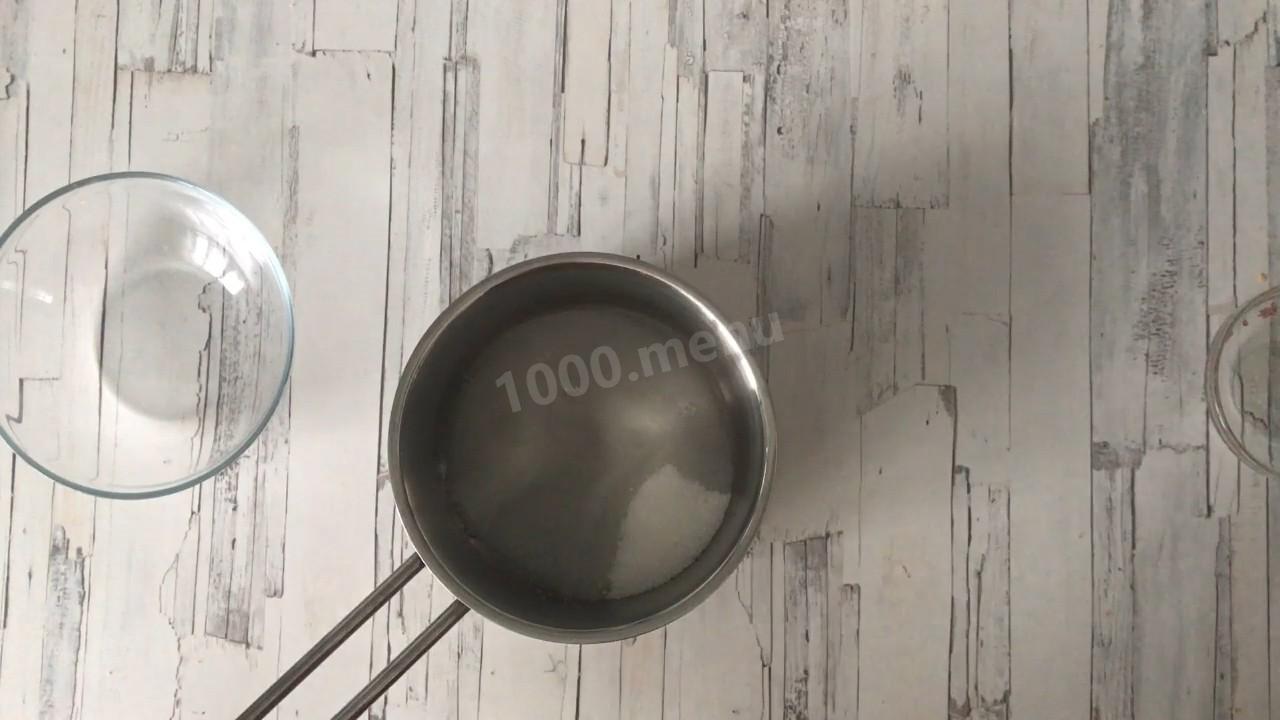
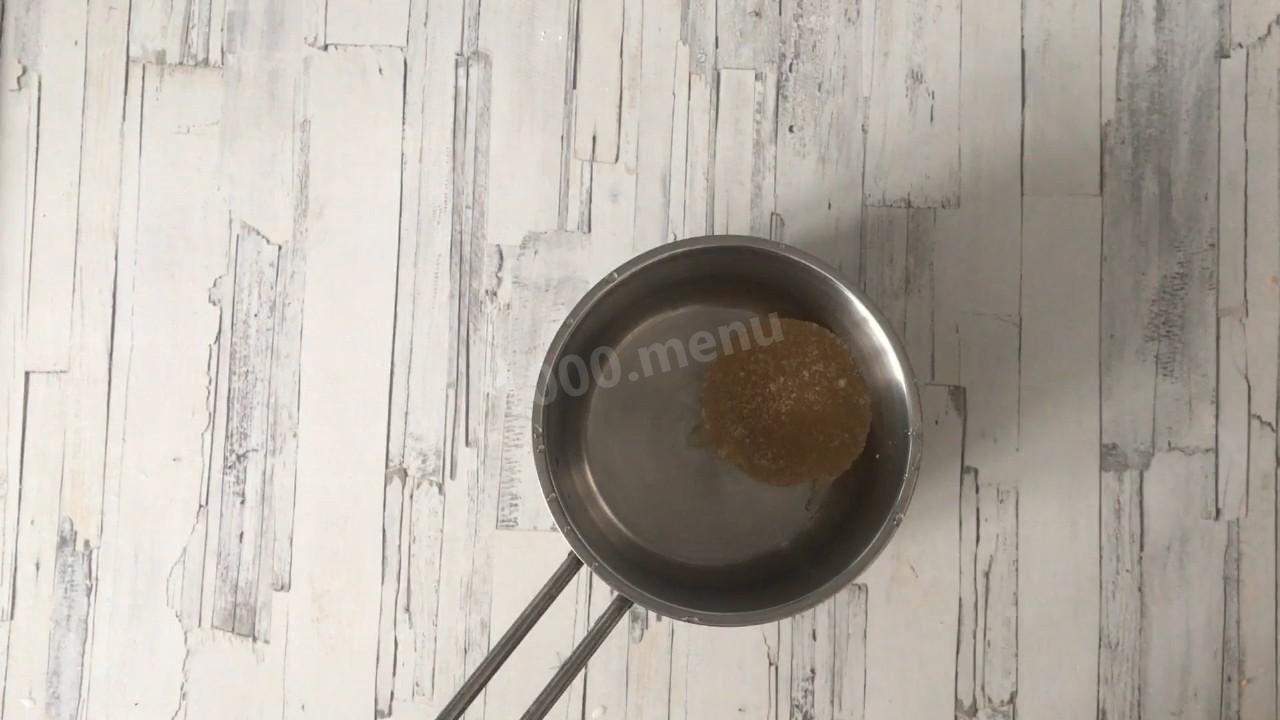
In a saucepan, cook a syrup from the 50 ml of water and the sugar (the syrup is ready at 108°C / 226°F).
-
Step 9:
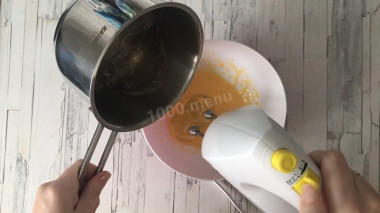
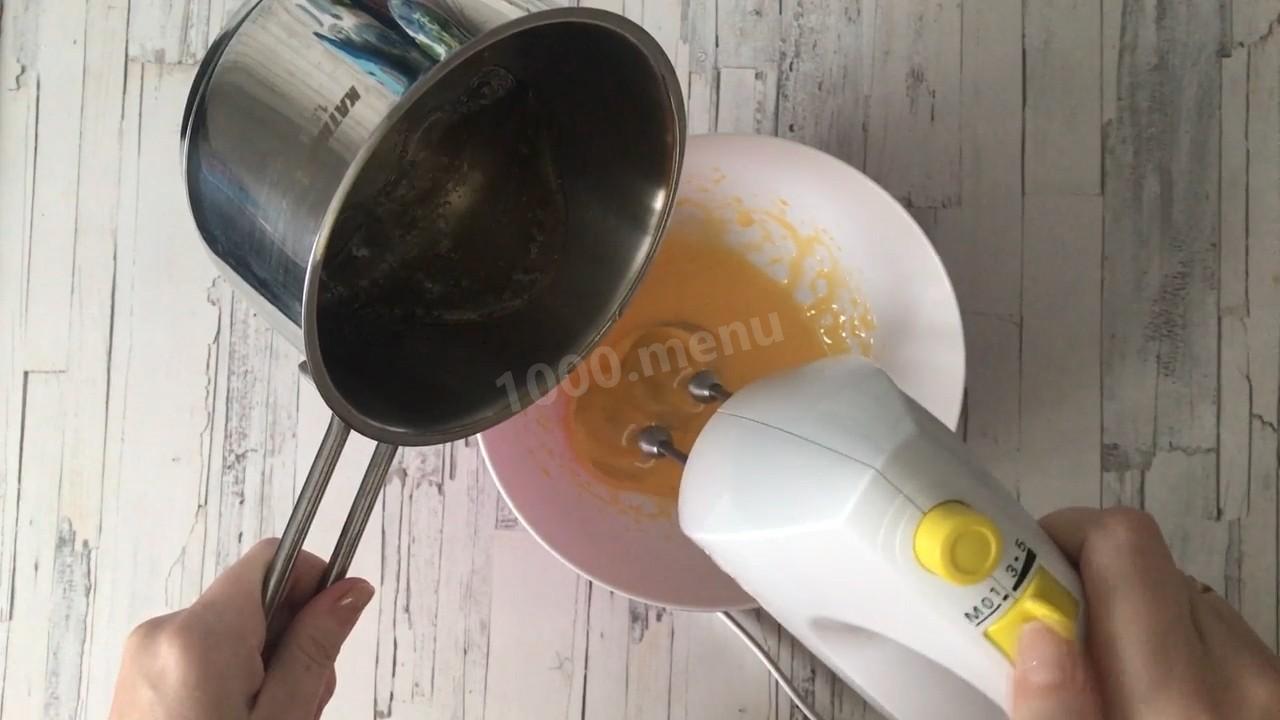
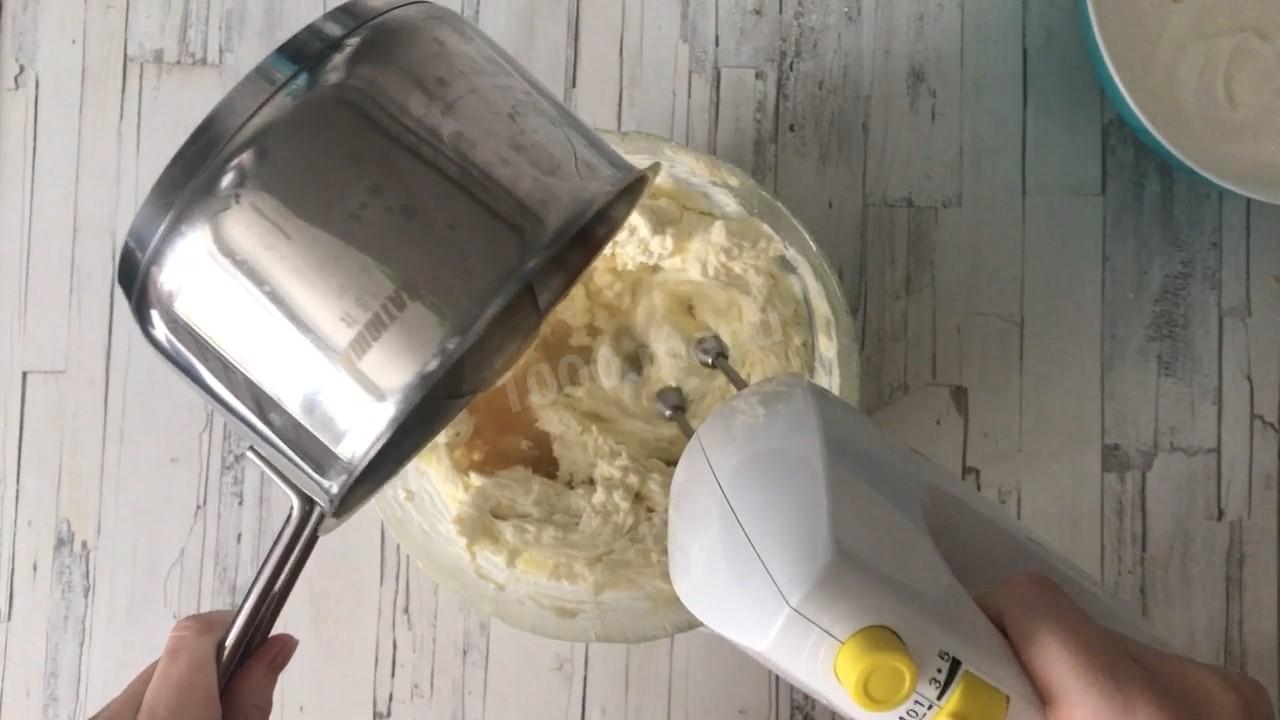
While the syrup cooks, whisk the egg yolks until pale. Keep whisking and pour the hot sugar syrup into the yolks in a thin stream. Continue whisking until the mixture turns pale and creamy.
-
Step 10:
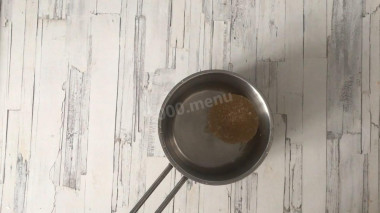
Warm the gelatin over low heat until it dissolves.
-
Step 11:
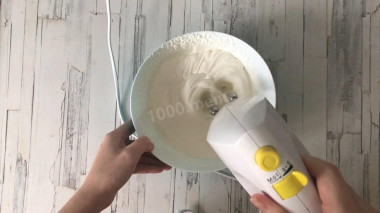
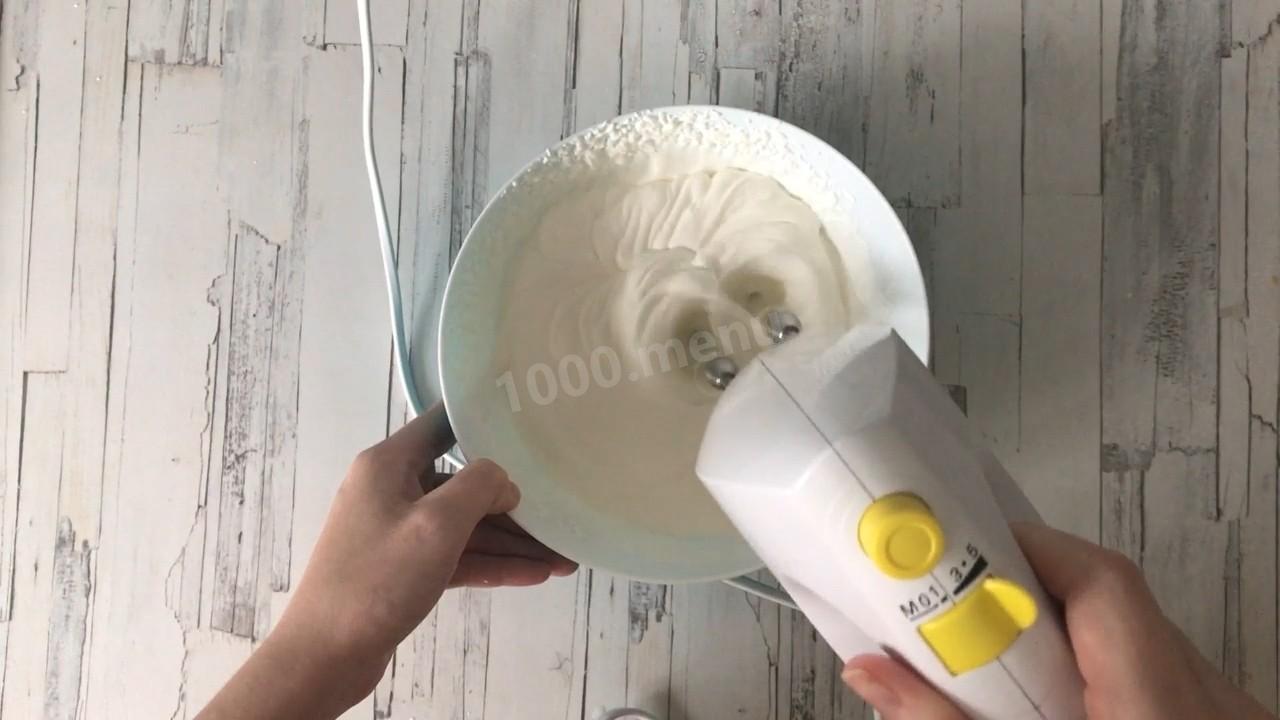
Separately, whip the cream with a mixer or blender into firm, stable peaks.
-
Step 12:
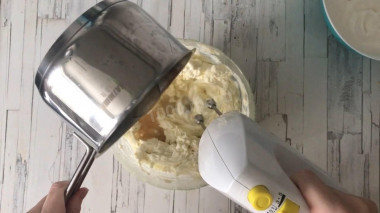
Stirring constantly, pour the melted gelatin into the cheese mixture.
-
Step 13:
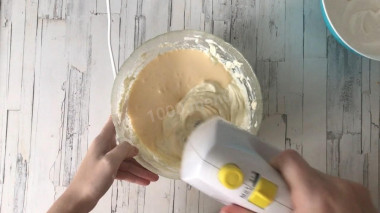
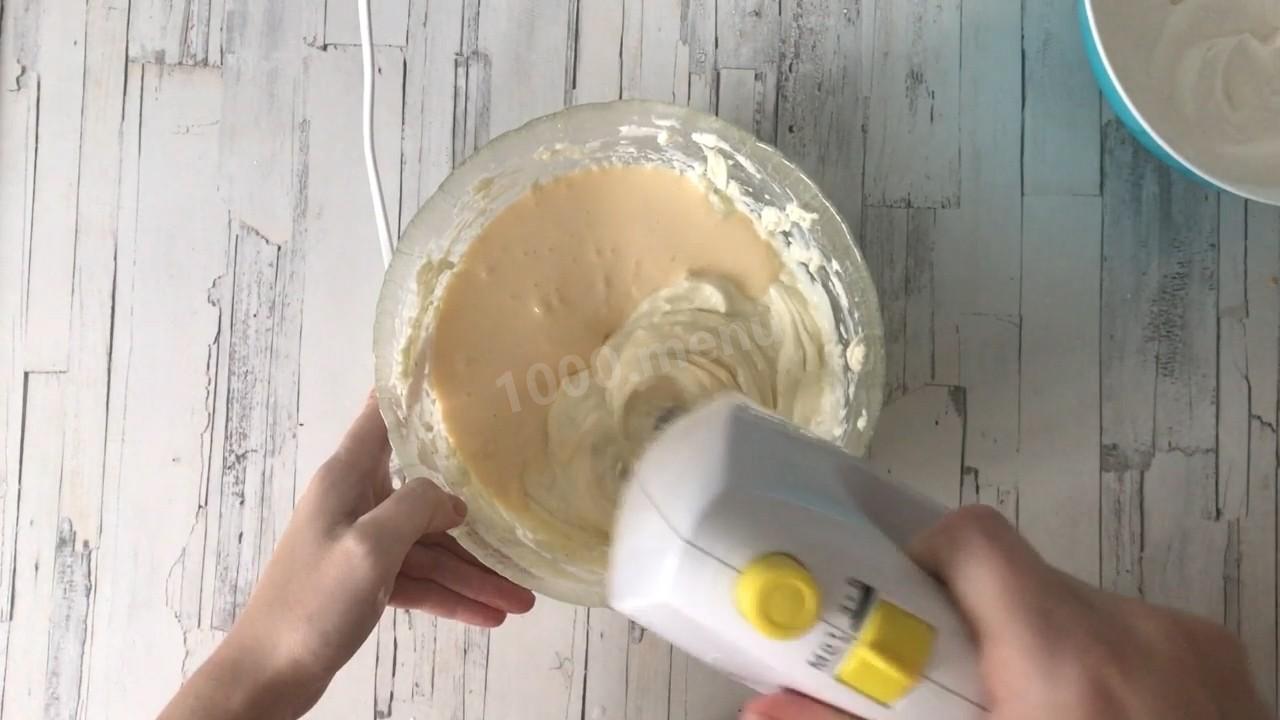
Add the yolk mixture to the cream cheese mixture and stir. You can use a mixer for this.
-
Step 14:
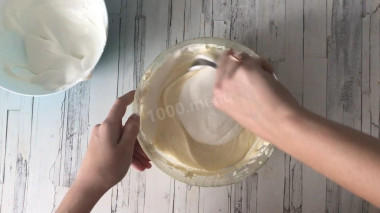
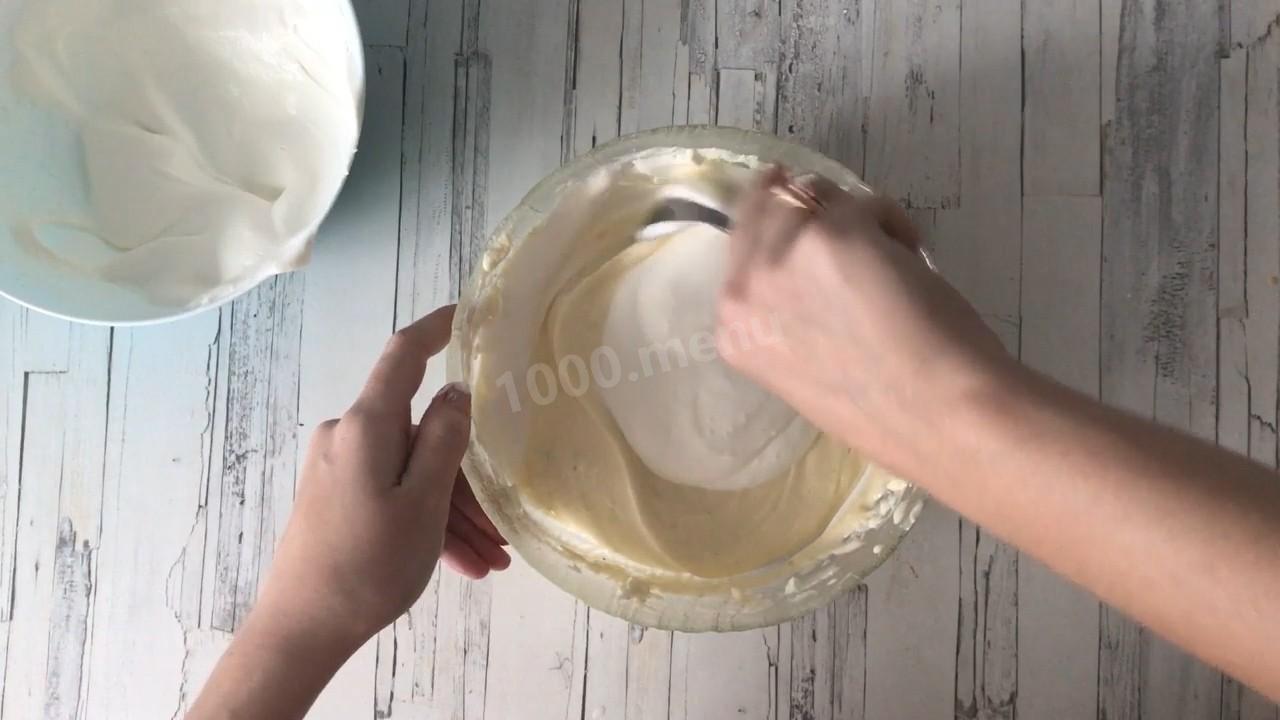
Gently fold the whipped cream into the filling, using a silicone or any other spatula.
-
Step 15:
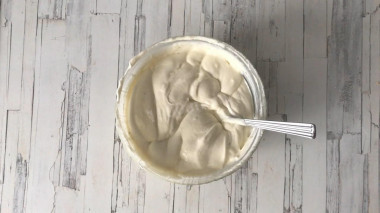
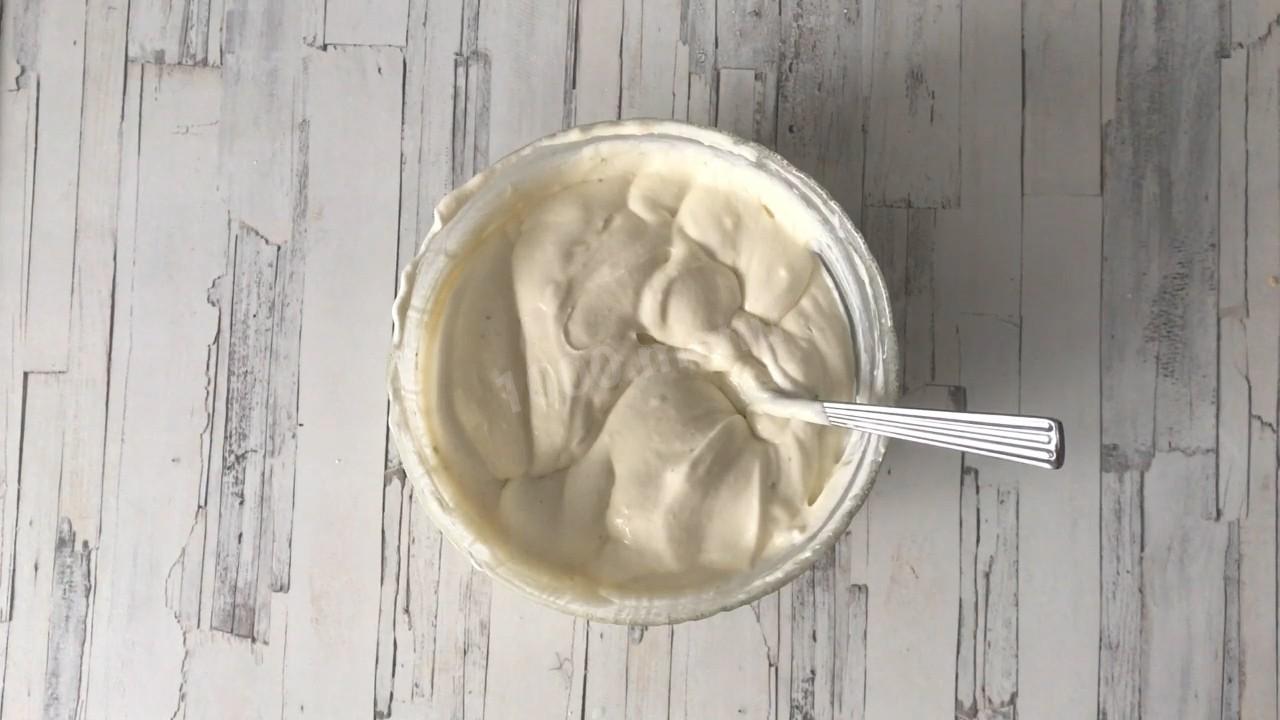
You should end up with a fluffy, springy mixture, like the one in the photo.
-
Step 16:
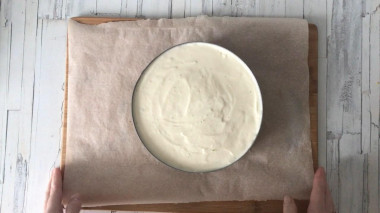
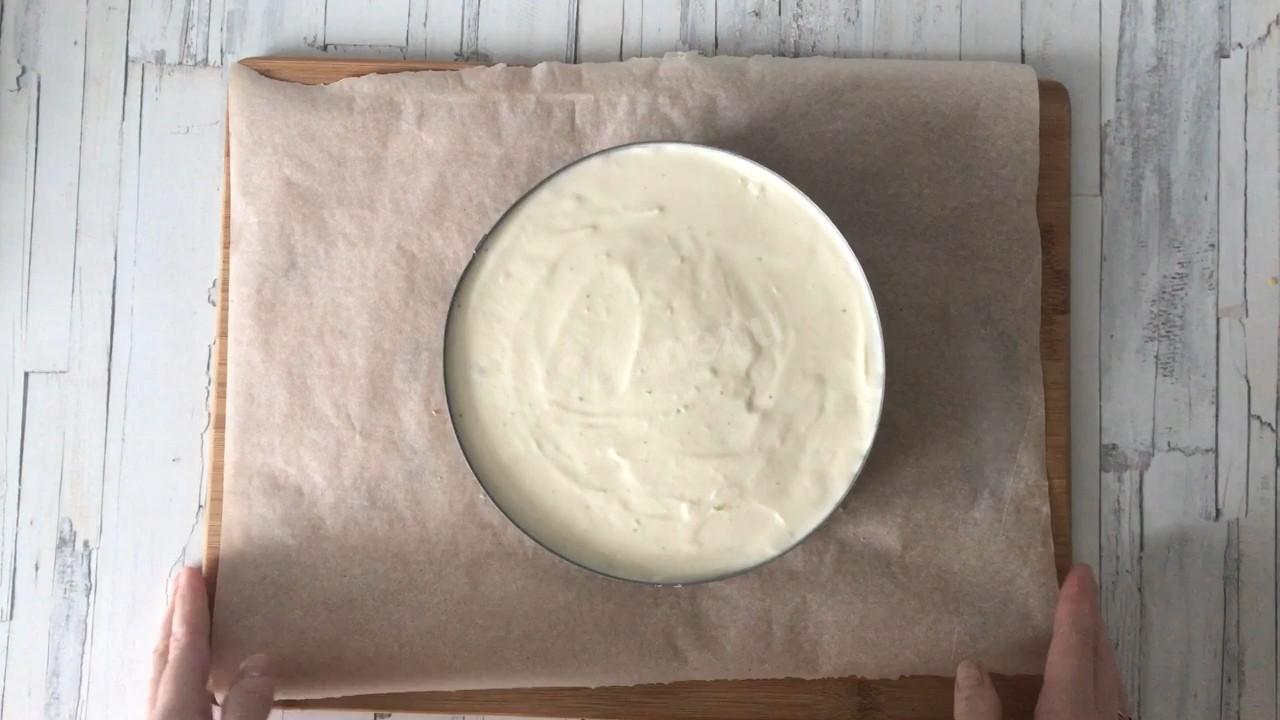
Spread the filling over the cookie base. Smooth the top and refrigerate for 3–5 hours.
-
Step 17:
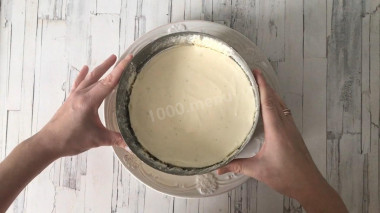
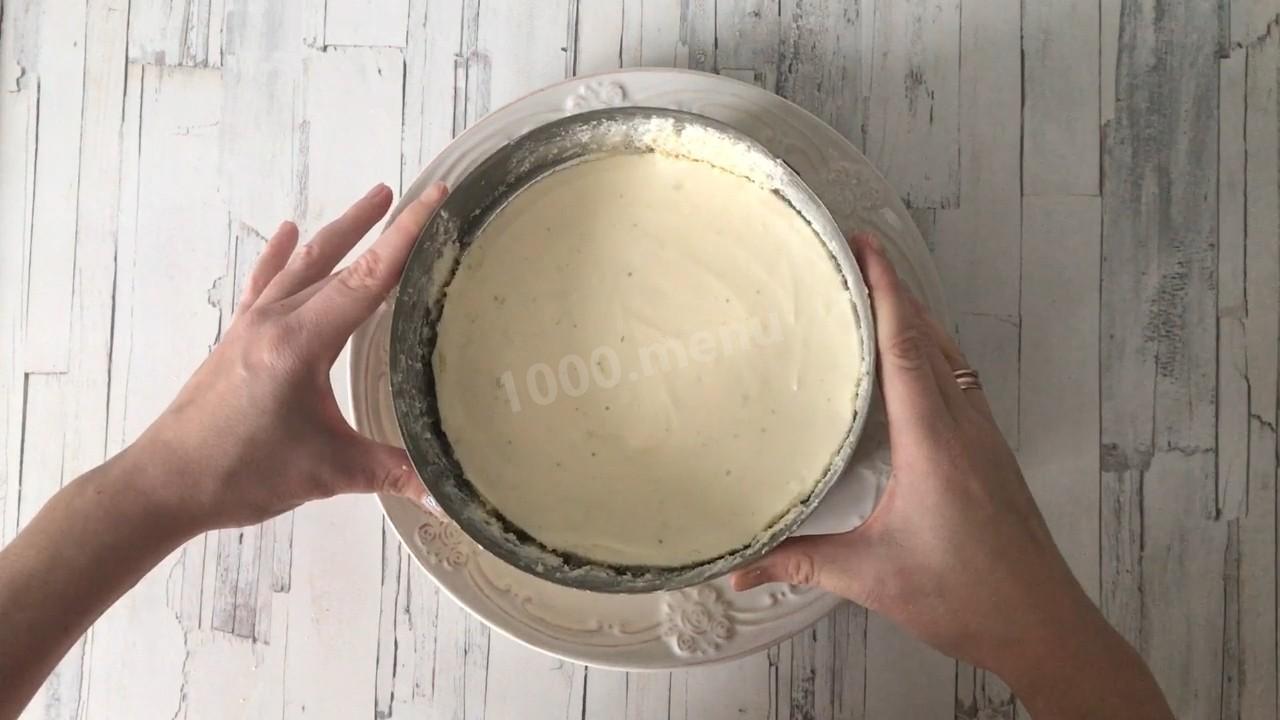
Take the cake out of the refrigerator. Remove the springform ring.
-
Step 18:
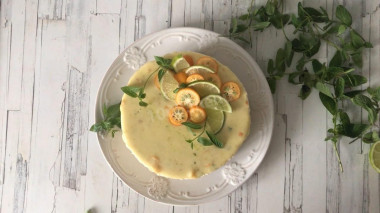
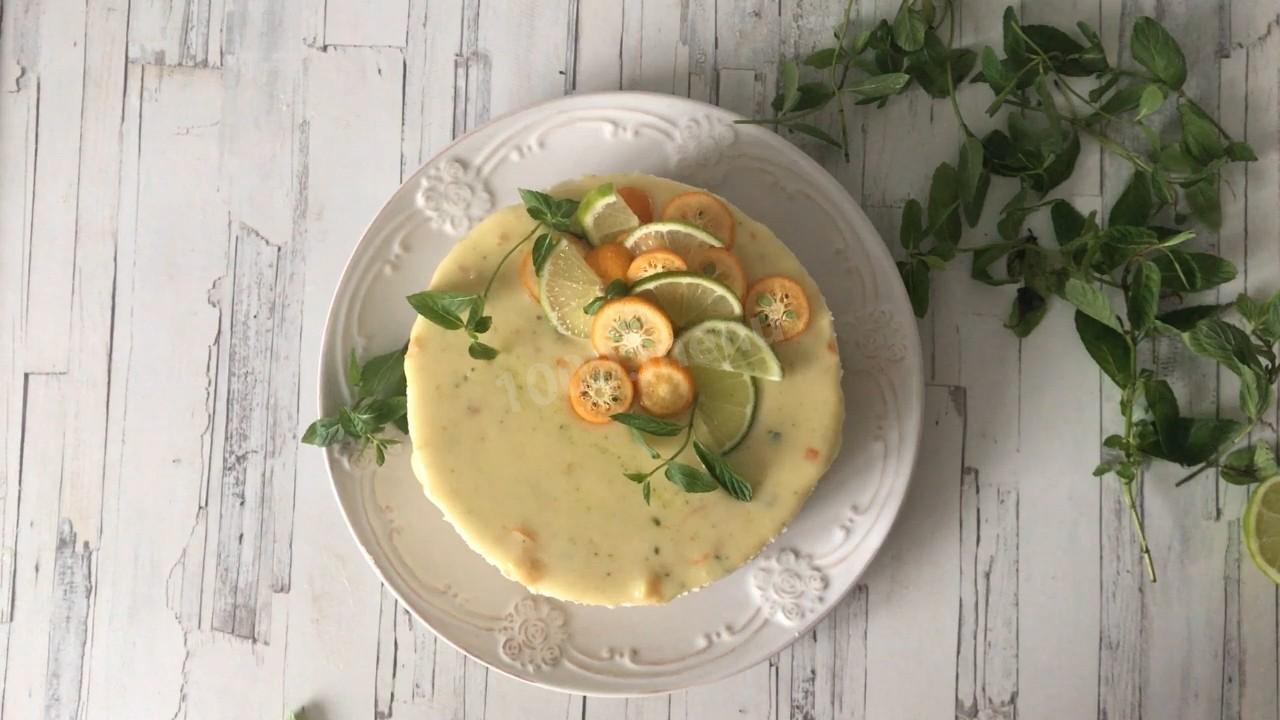
Decorate the cake as you like. I melted some white chocolate and stirred in grated tangerine and lime zest. I quickly drizzled the chocolate over the cake and decorated it with lime, kumquat, and mint. And here's how lovely it turned out.

- All the components of the cream need to be done quickly. As soon as every part is ready, mix them together fast and spread the mixture onto the base. Because of the gelatin and sugar syrup, the cream starts to set and gel quickly. To keep the surface of the cake smooth, you have to work fast enough.
- For any dish with gelatin to come out right, always pre-soak the gelatin in cold boiled water. The colder the water, the better. Sheet gelatin can simply be dropped into a bowl of water. Before soaking powdered gelatin, rinse the dish with cold water first so the crystals don't stick to the bottom. It's important to pour the water over the powdered gelatin, not the gelatin into the water — otherwise lumps are unavoidable. Then give the gelatin time to swell (the exact time is on the package). Swollen gelatin is heated to 70–80°C. It must never be brought to a boil! At 100°C the mixture turns fibrous and stringy, the collagen protein breaks down, and the gelatin loses its setting power.
- Ever since I earned my pastry chef's diploma, I've stopped buying cakes at the store. I make them all myself for the holidays. Among my favorites are no-bake gelatin cakes. They come out very delicate and airy. That makes sense — my favorite candy since childhood has always been "Bird's Milk." This cake tastes a bit like those candies, which is why I consider it one of the best in my collection right now.
Caloric content of the products possible in the composition of the dish
- Buttermilk - 36 kcal/100g
- Cream, 20% fat - 300 kcal/100g
- Cream, 10% fat - 120 kcal/100g
- Cream - 300 kcal/100g
- Lime - 16 kcal/100g
- Granulated sugar - 398 kcal/100g
- Sugar - 398 kcal/100g
- Butter 82% - 734 kcal/100g
- Unsalted table butter - 709 kcal/100g
- Unsalted farmhouse butter - 661 kcal/100g
- Salted farmhouse butter - 652 kcal/100g
- Ghee - 869 kcal/100g
- Gelatin - 355 kcal/100g
- Coffee cookies - 589 kcal/100g
- Wafer cookies - 540 kcal/100g
- Kurabiye cookies - 489 kcal/100g
- Butter cookies - 510 kcal/100g
- Chocolate cookies - 406 kcal/100g
- Water - 0 kcal/100g
- Egg yolks - 352 kcal/100g
- Powdered sugar - 374 kcal/100g
- Cream cheese - 223 kcal/100g