

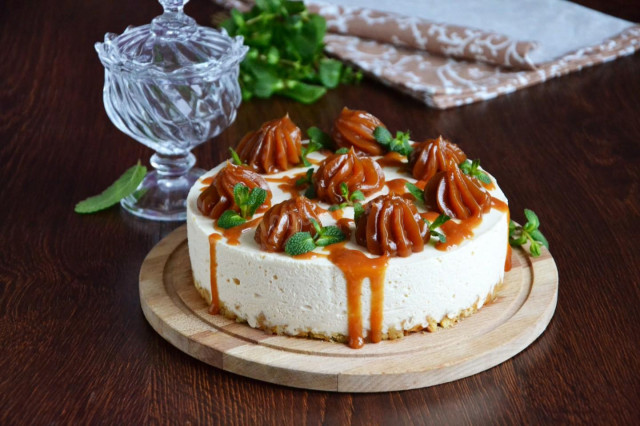
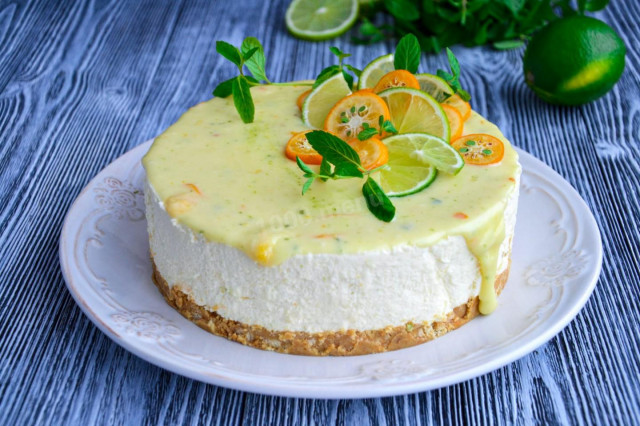
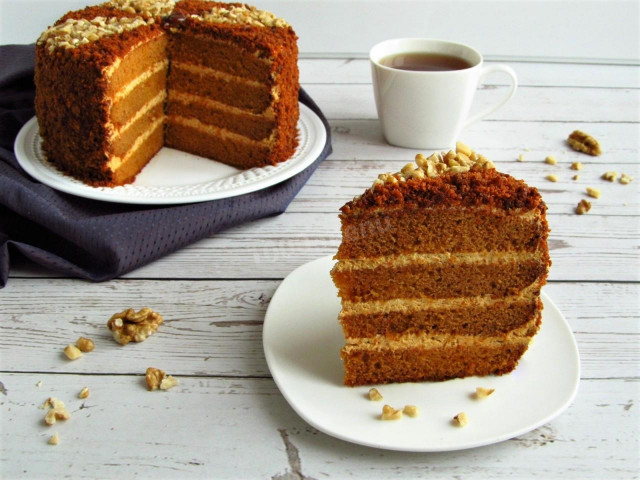
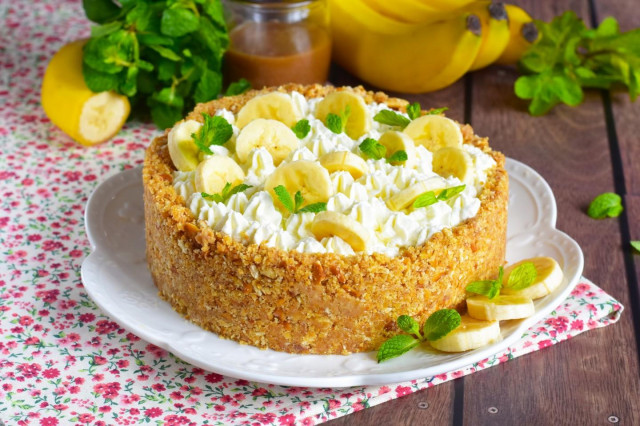

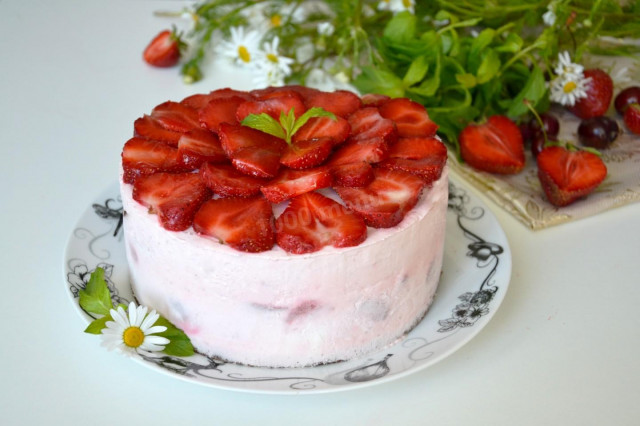
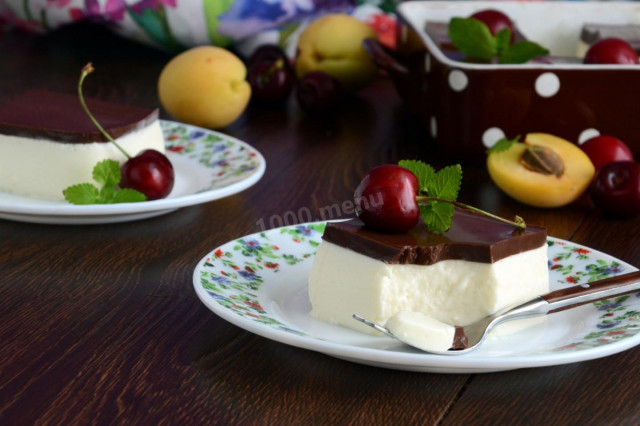
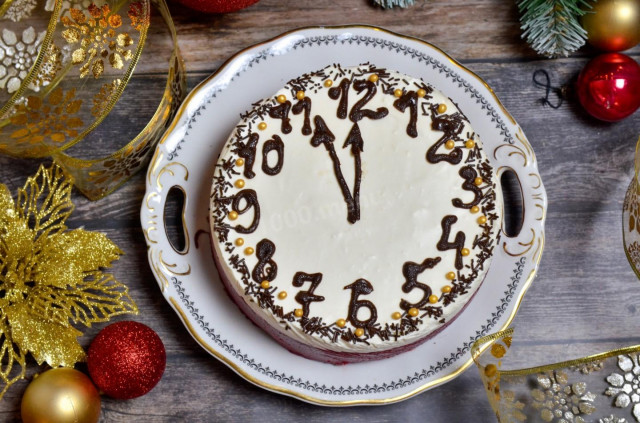
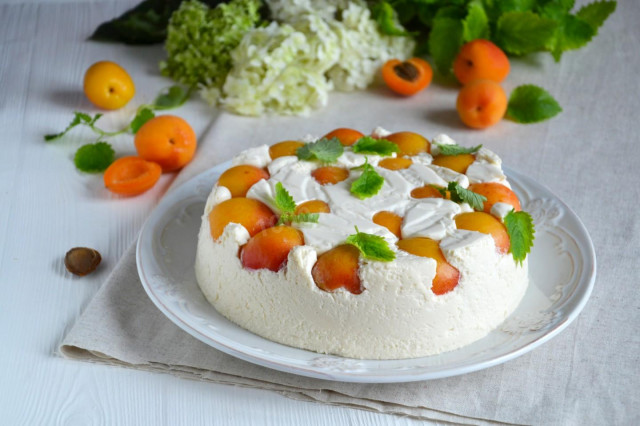
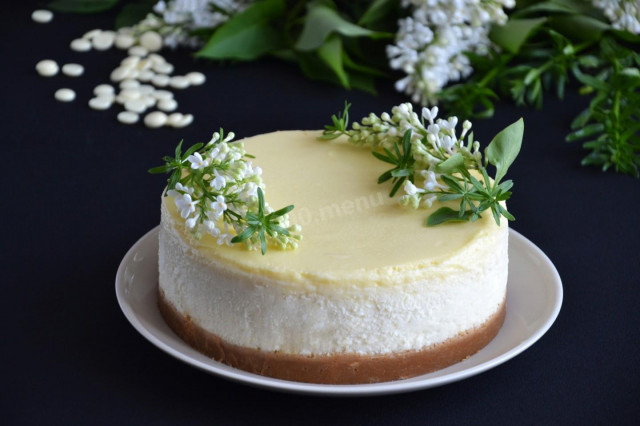
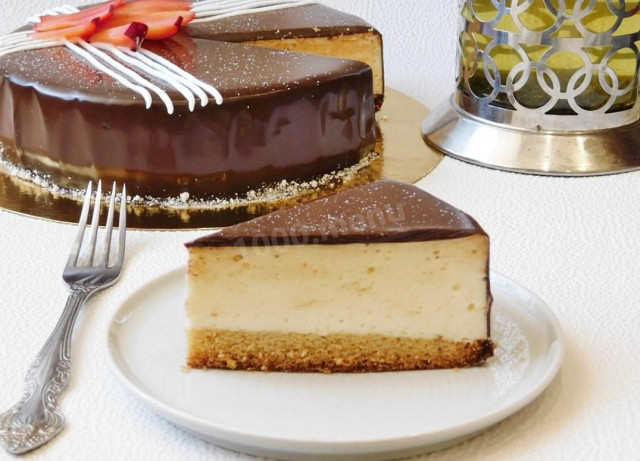

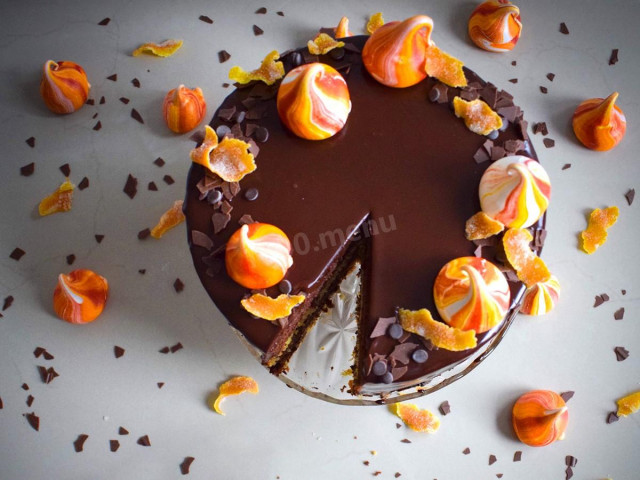
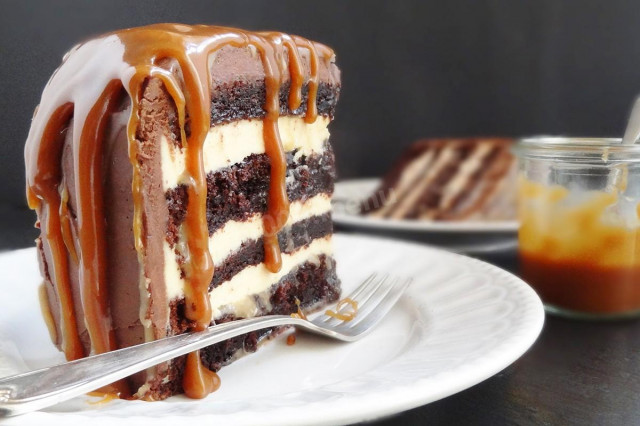

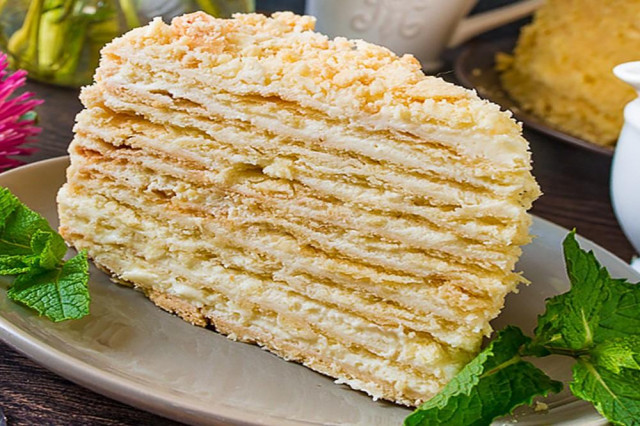
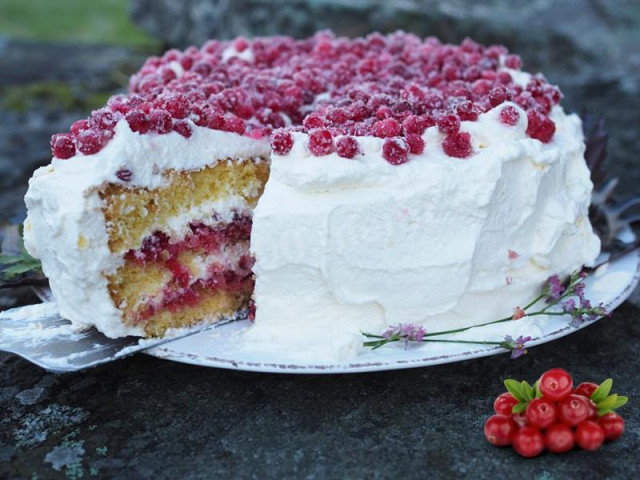
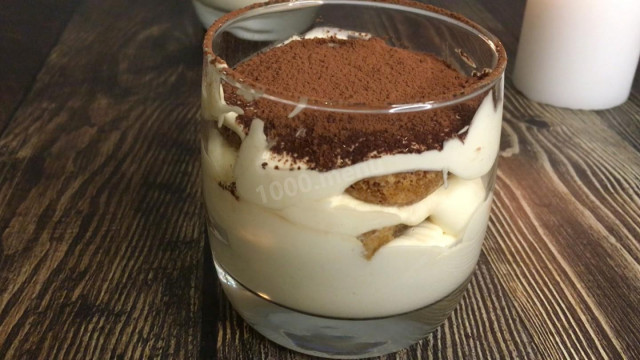
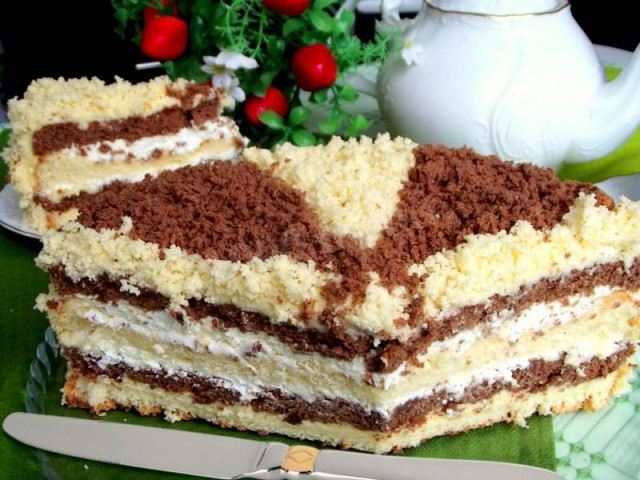
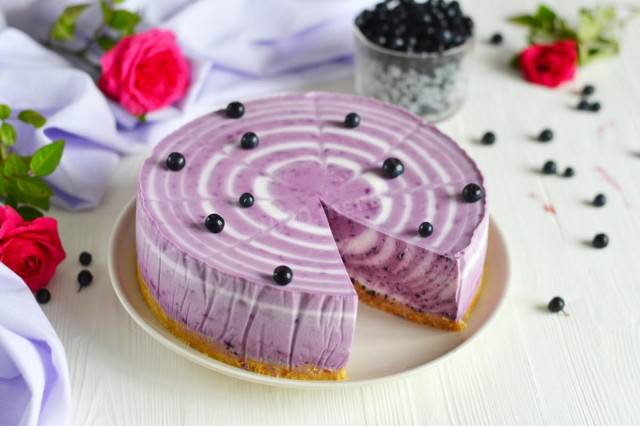
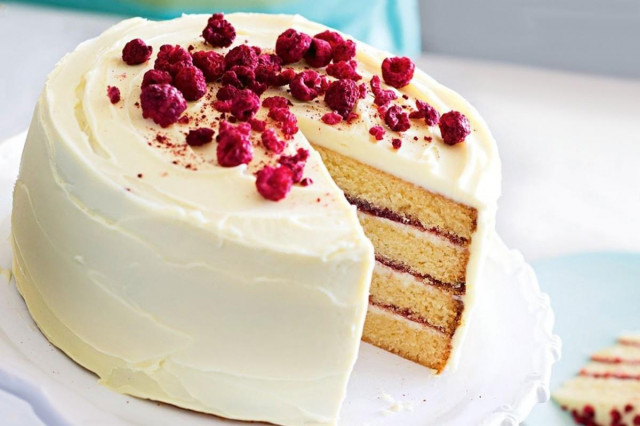
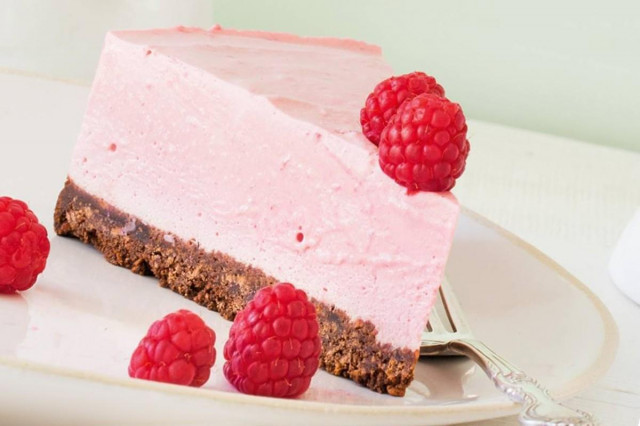
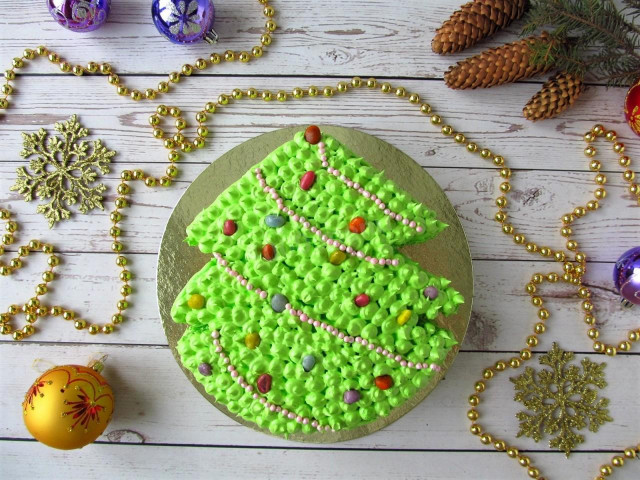
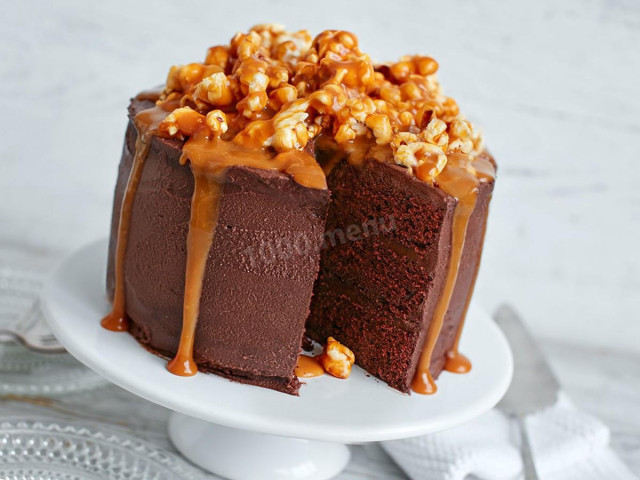
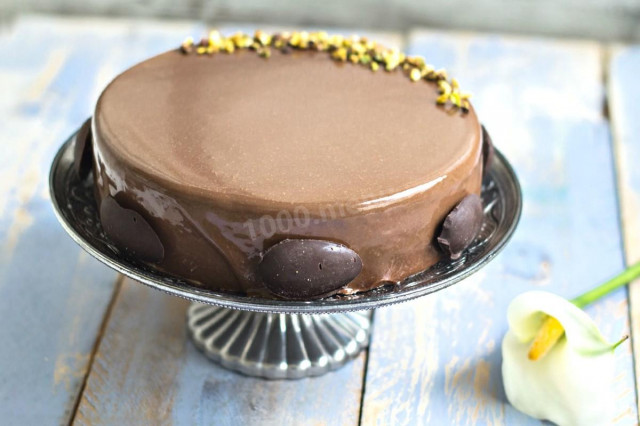
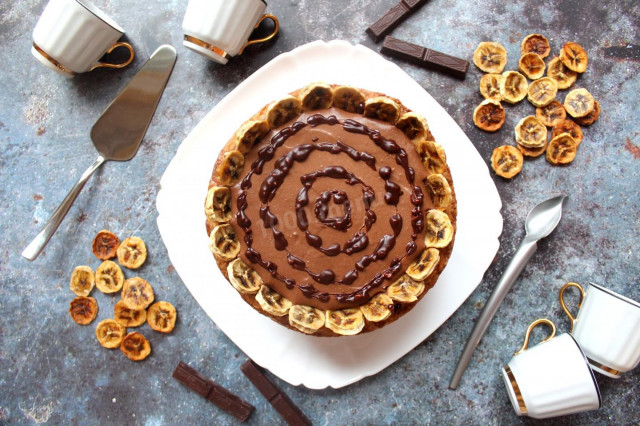
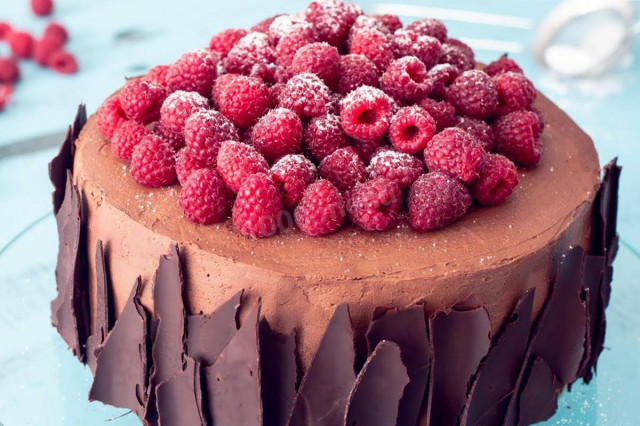
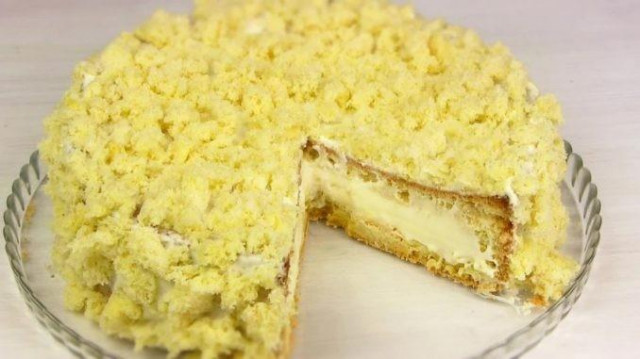
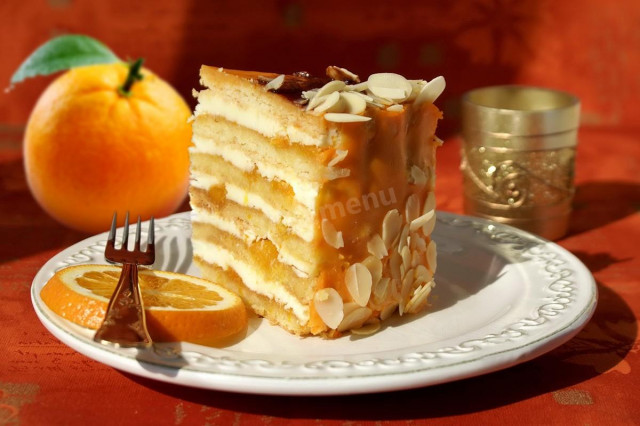
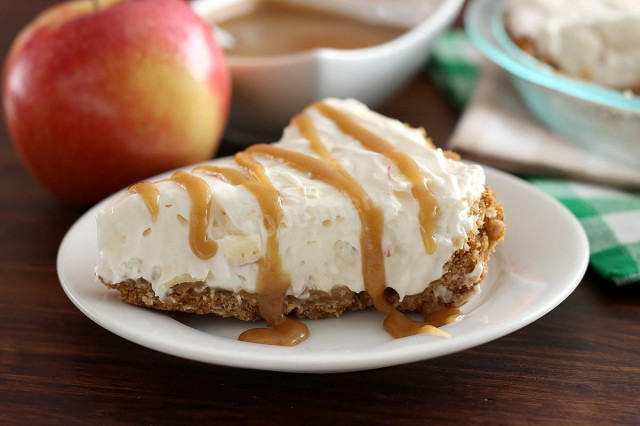
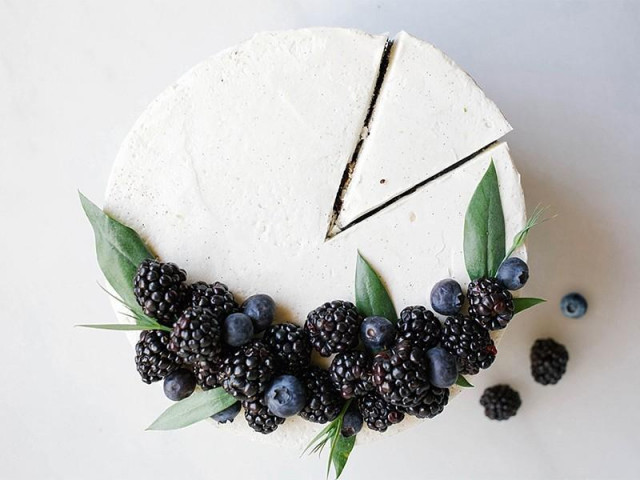

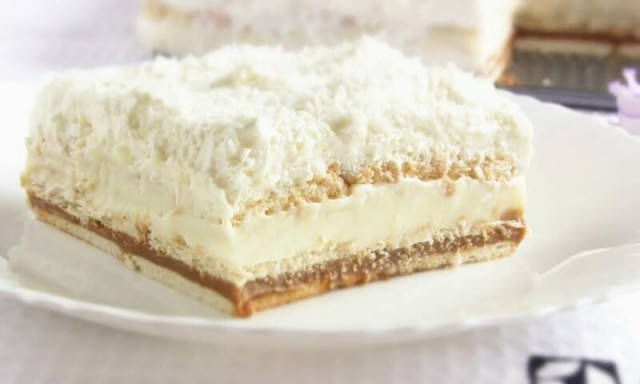

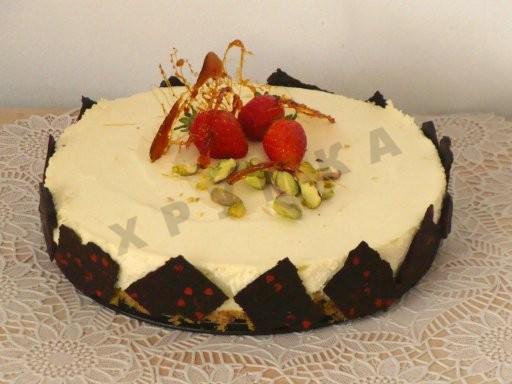
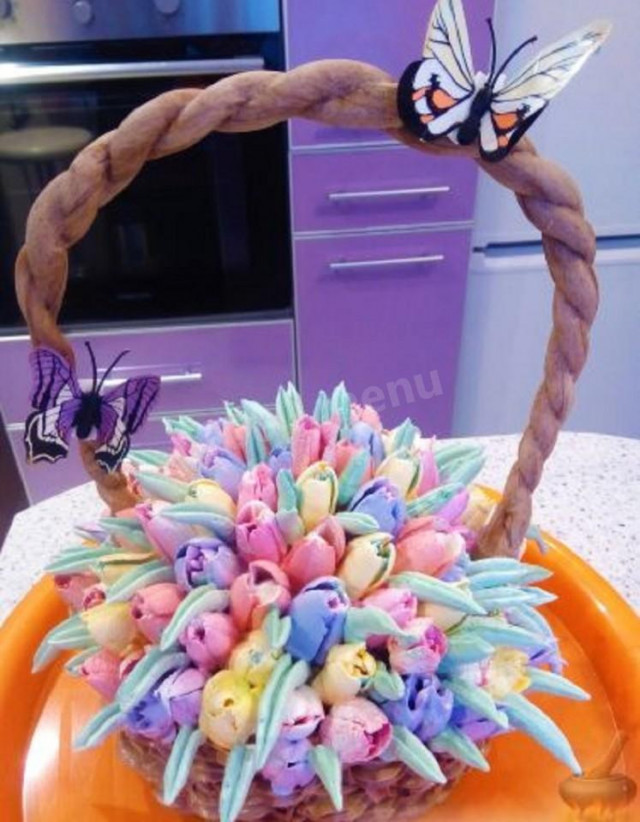
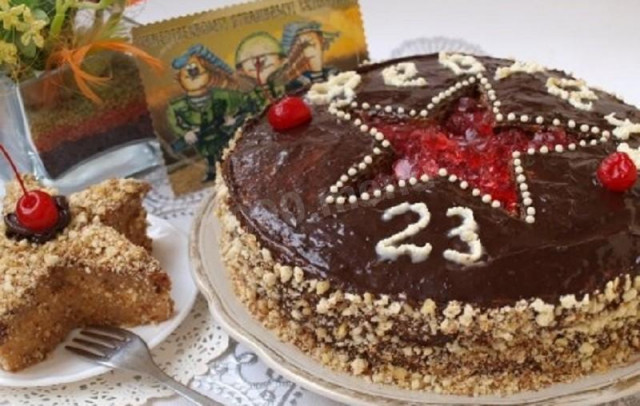
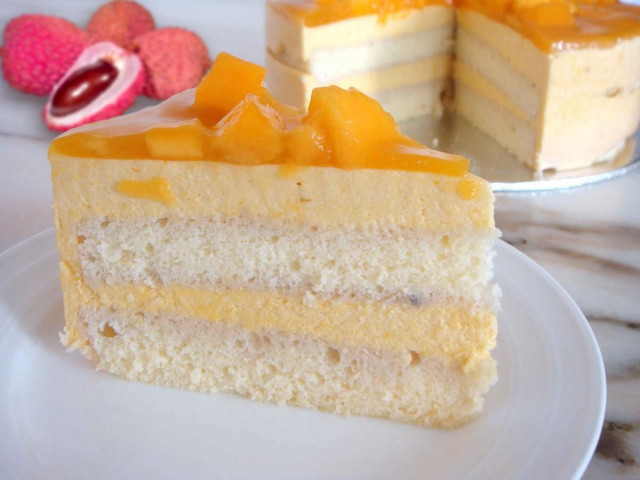
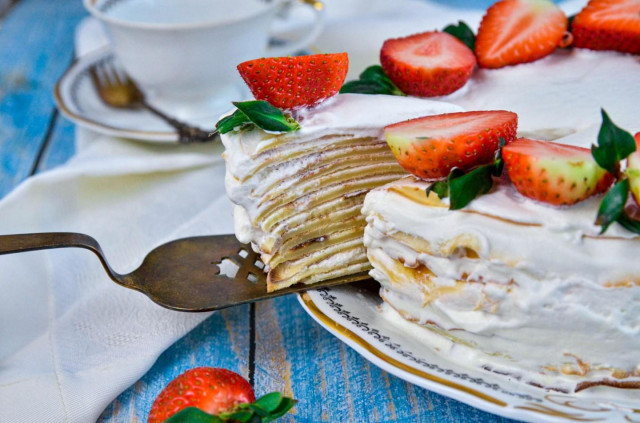
Most cream cake recipes feature tender base layers soaked in whipped cream. Cheesecake-style cakes have also become popular lately, where the base is made as a thin flatbread and most of the dessert is given over to a creamy filling. Here you'll find recipes for cream cakes of every kind.
The five most commonly used ingredients in cream cake recipes:
If you're making this for the first time in your life, it's best to start with a sponge cake and buttercream. It comes together fairly simply and doesn't call for any special confectionery skills. The trickiest part is baking a decent, airy sponge that rises well and doesn't sink at the end. But if you head to the right section of the site and find a good sponge recipe, that shouldn't be a problem either. After all, you can always buy ready-made sponge layers at the store.
The second trickiest part is whipping the cream properly so it doesn't curdle or stay runny, but turns into a lush, wonderfully tender mass that holds its shape well even out of the fridge. You can use special stabilizers sold in the baking aisle for this. Or do it this way.
Before whipping the cream (and it must be high-fat, at least 35 percent), it needs to be chilled. The bowl you whip it in should be cold too. If partway through you start to sense that something is going wrong, set the bowl of cream inside a larger bowl filled with cold water or ice. And keep whisking. Nothing but powdered sugar should be added to the mass from among the sweeteners. Especially the first time.
The five fastest cream cake recipes:
| Dish Name | Cooking time | Calories per 100g | User Rating |
|---|---|---|---|
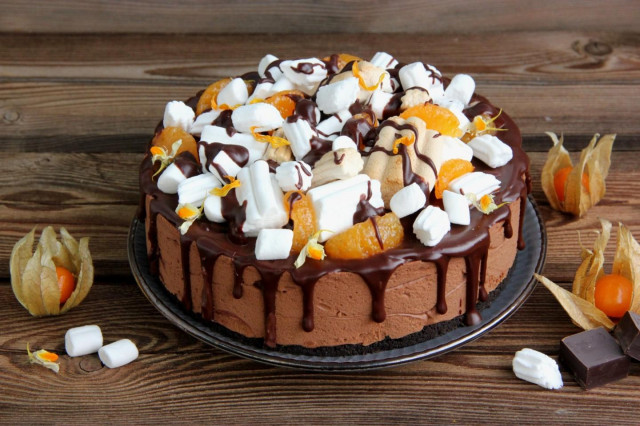
| Marshmallow cake with strawberries, no baking | 10 min | 255 | +16 |
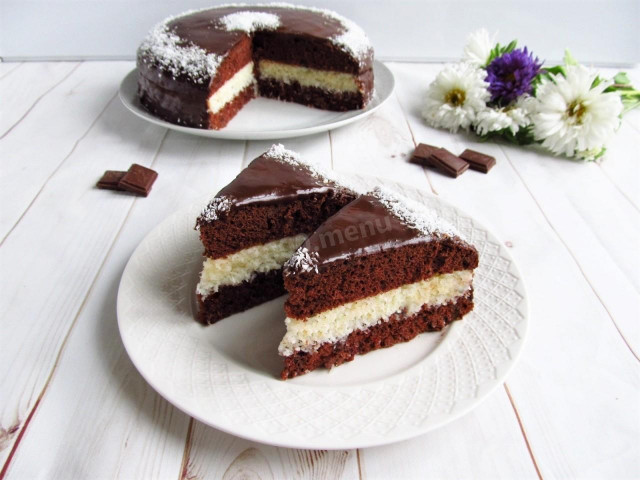
| Quick chocolate waffle cake | 15 min | 370 | +103 |
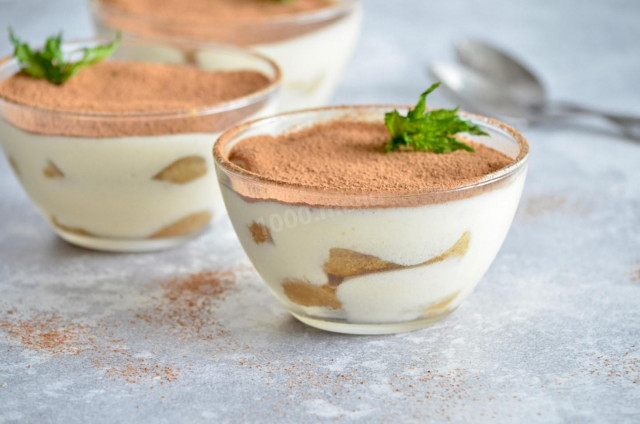
| Tiramisu without mascarpone | 20 min | 253 | +100 |
| Ice cream cake at home | 25 min | 286 | +65 |
| Tiramisu trifles | 30 min | 201 | +61 |
It's important to keep in mind that even high-fat cream doesn't always whip up well. Many factors affect this: the freshness of the product, its quality and composition (whether it's powdered, concentrated or homemade). You can play it safe and buy cream specifically made for whipping — there are definitely no surprises with those.
After spreading buttercream between the layers, the cake should be left to stand for a while at room temperature and then put in the fridge. It's been noticed that if you don't use stabilizers, homemade buttercream starts to "float" and melt fairly quickly — unless it's kept at a low temperature. To become even tastier, any cake should rest for at least a few hours (it's most convenient to leave it in the cold overnight).
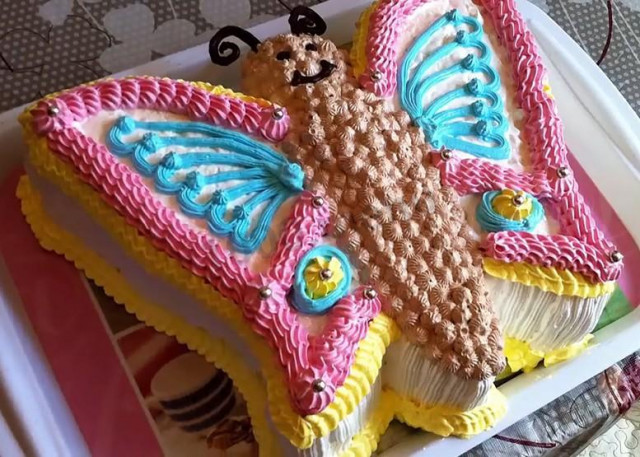
Buttercream isn't only for soaking the layers — it can also decorate the surface of the cake. If it's made correctly, it will hold its shape. You can also tint it with food coloring and pipe it through a pastry bag or syringe. Besides powdered sugar and a stabilizer, you can add gelatin, cottage cheese, whipped egg whites and so on to the cream itself. You can whip it with anything, from a mixer to your own hands. A blender with a special thin-whisk attachment is the ideal solution. Note that there's no need to whip a lot of cream at once — it's better to start with 100–200 ml.