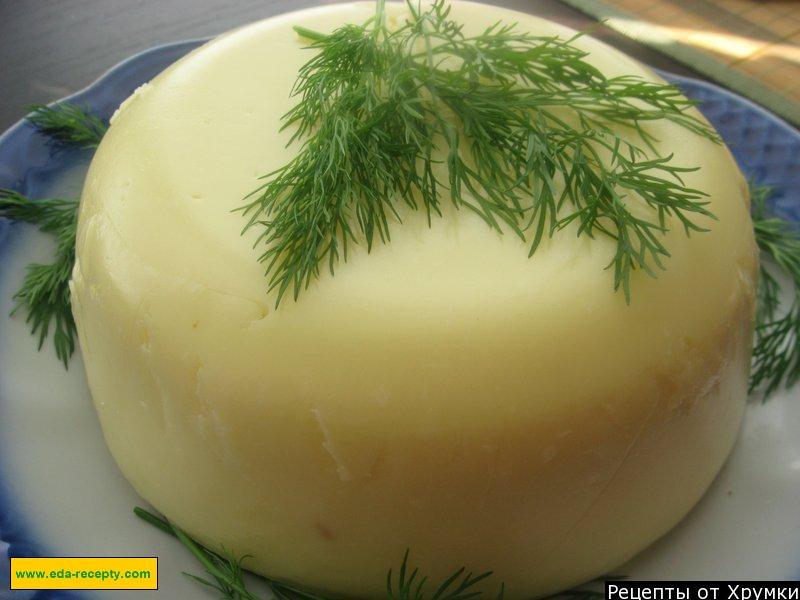
Homemade processed cheese from cottage cheese
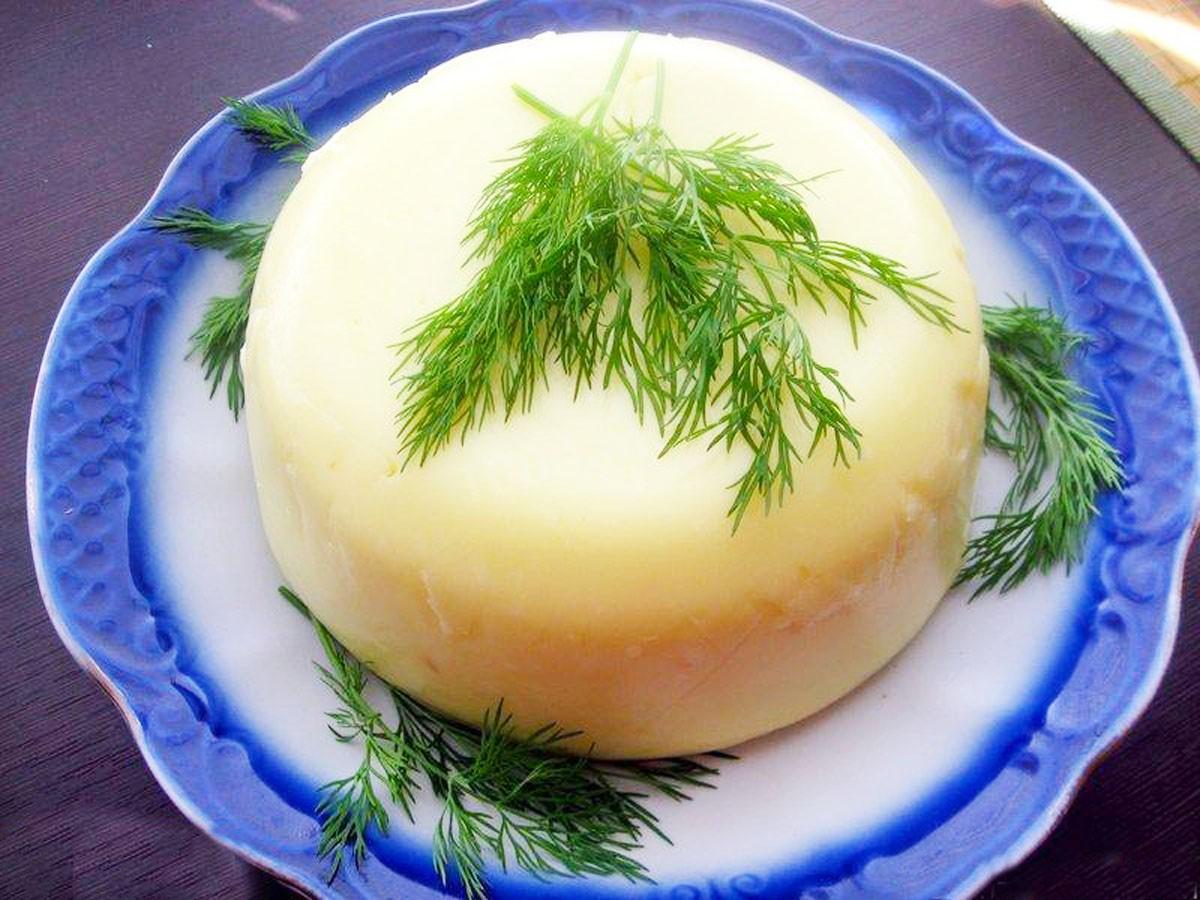
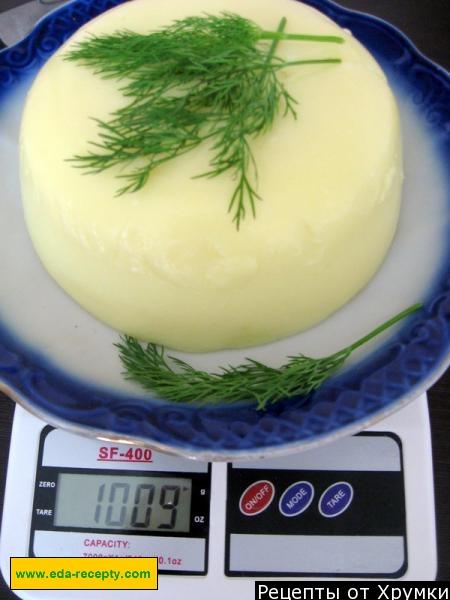
A simple recipe for homemade cheese from cottage cheese and milk! With this easy recipe, the processed cheese comes out appetizing, fragrant, and smooth — no lumps — with a tender texture and a pleasant creamy taste.

Cooking method
-
Step 1:
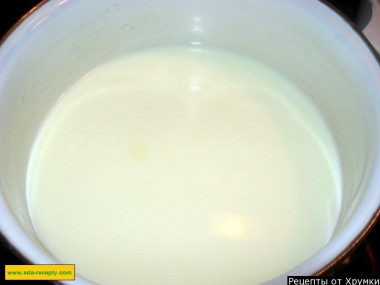
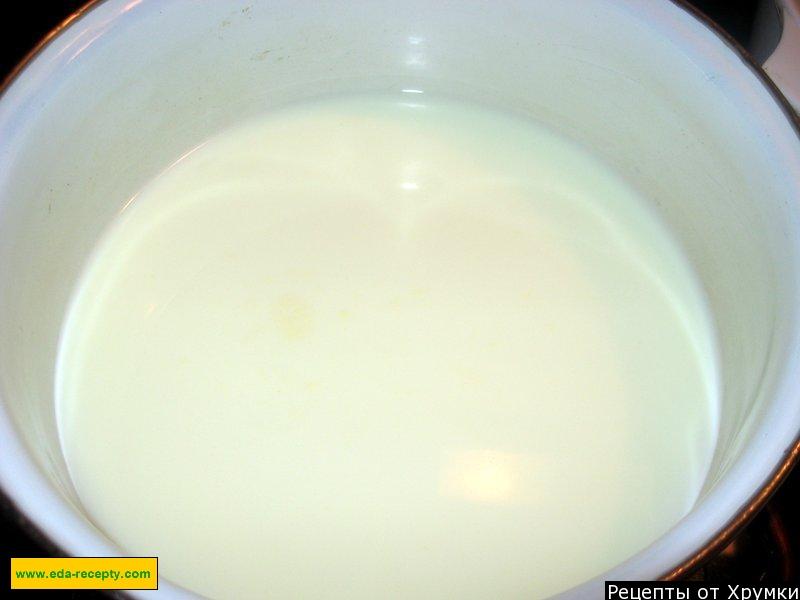
This recipe will show you how to make homemade processed cheese from cottage cheese. So, let's begin. Pour one liter of milk into a pot and heat it until bubbles form (but don't let it boil).
-
Step 2:
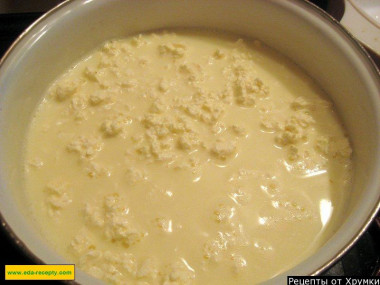
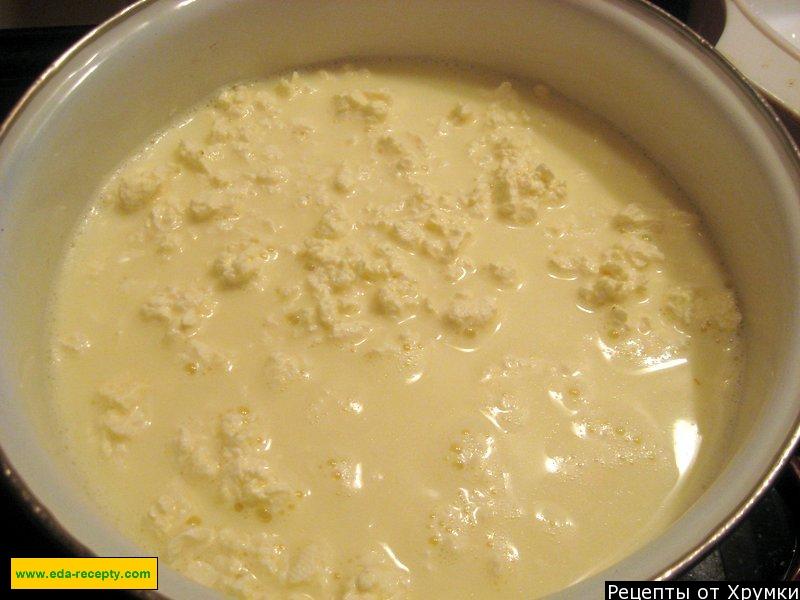
Add 1 kg of cottage cheese. Homemade is best, but store-bought works well too — just make sure it's at least 9% fat and good quality, with no vegetable fats. Otherwise it won't melt down properly.
-
Step 3:
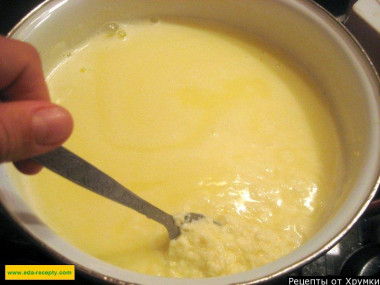
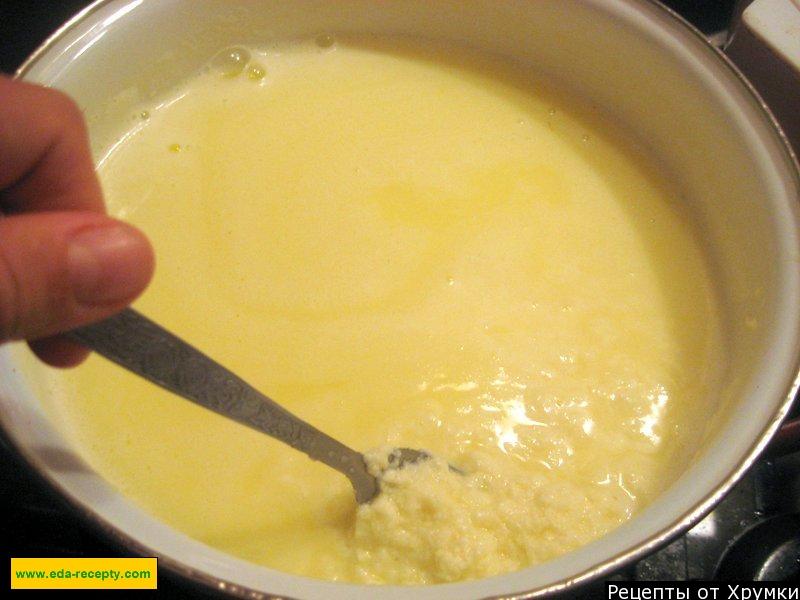
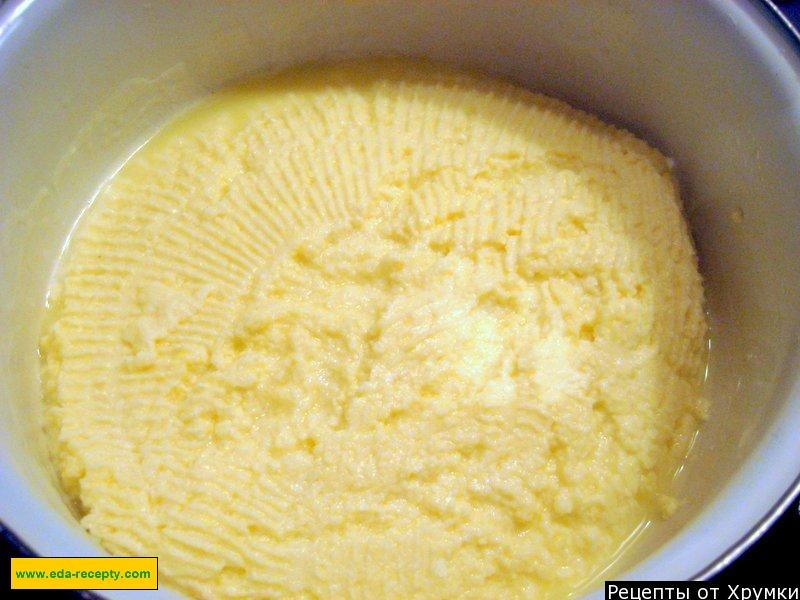
Stirring constantly, let the mixture curdle.
-
Step 4:
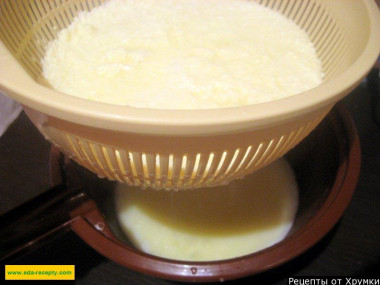
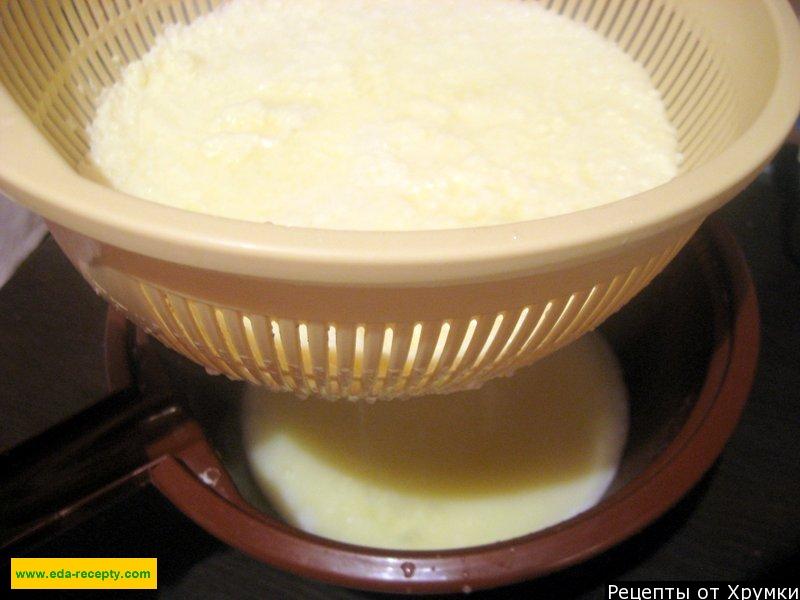
Transfer the resulting curds to cheesecloth.
-
Step 5:
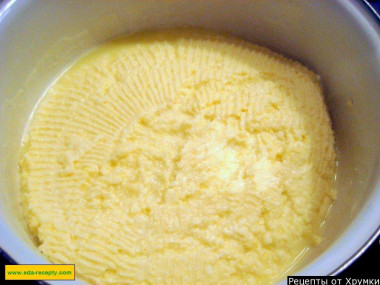
Let the liquid drain off.
-
Step 6:
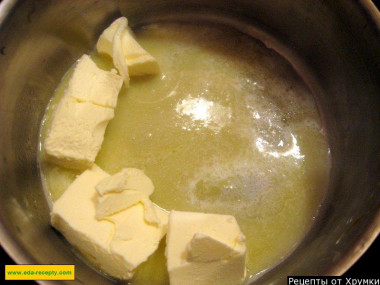
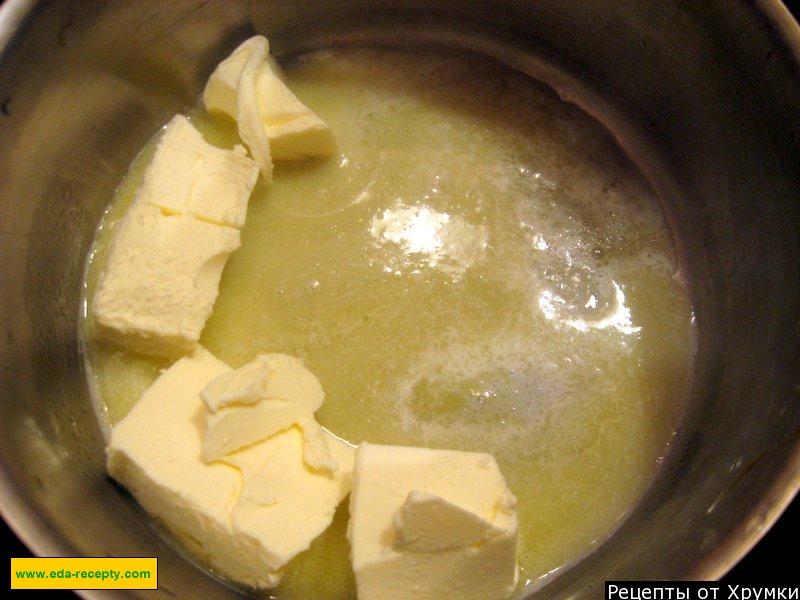
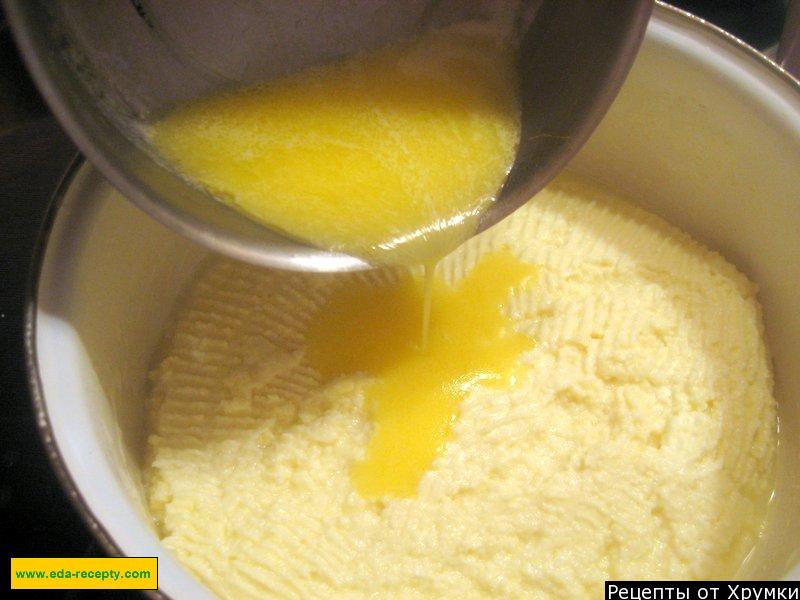
Melt 100 grams of butter in a skillet or saucepan.
-
Step 7:
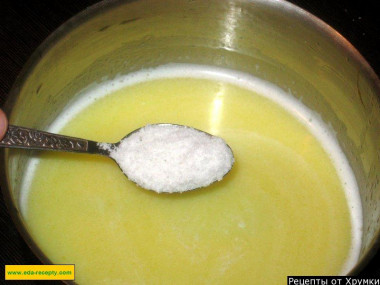
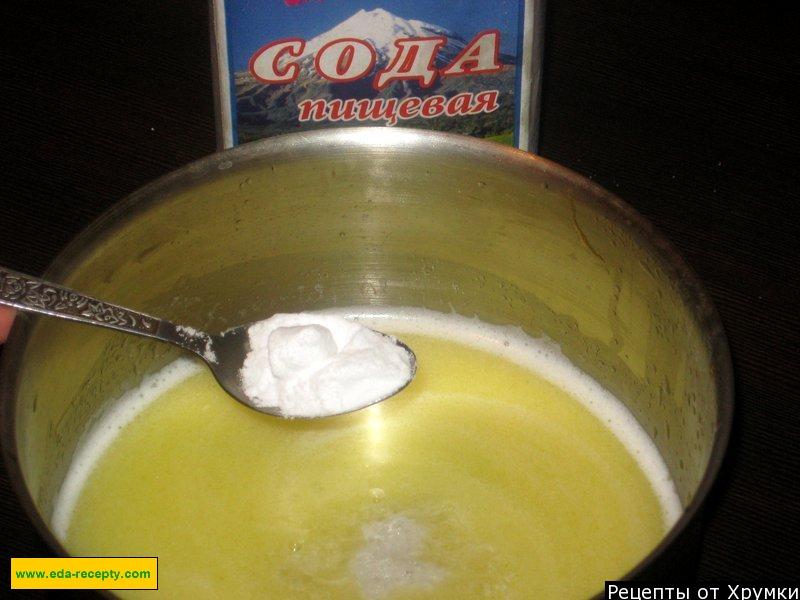
Add 1 teaspoon of baking soda.
-
Step 8:
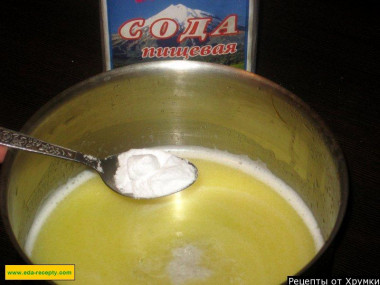
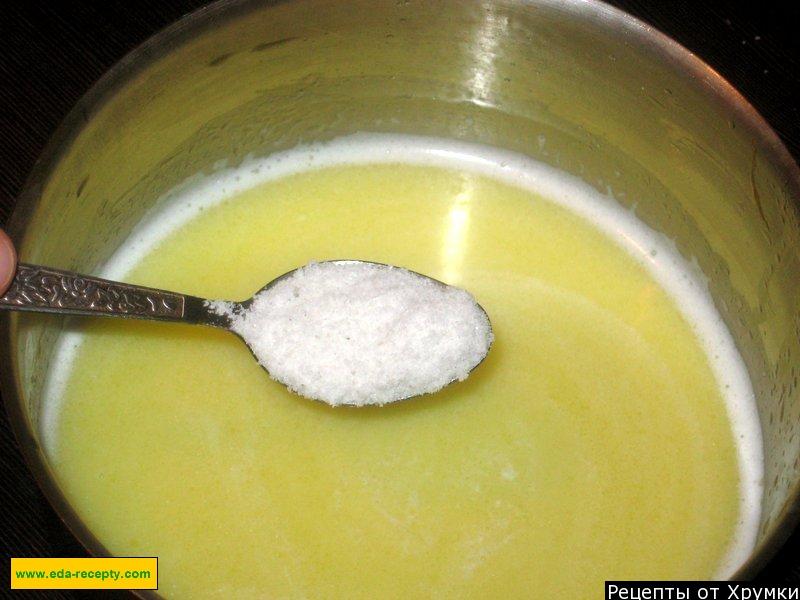
Then add 1 teaspoon of salt.
-
Step 9:
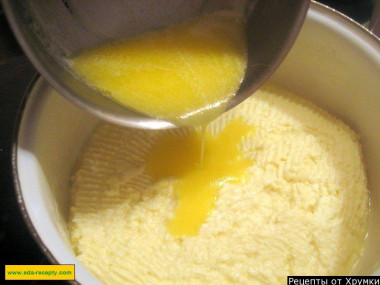
Put the curds in a pot and add the butter with the salt and soda.
-
Step 10:
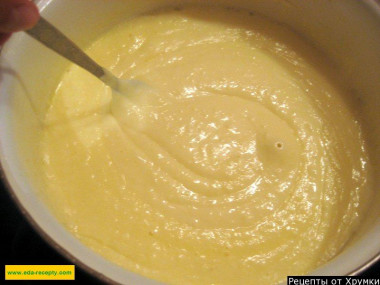
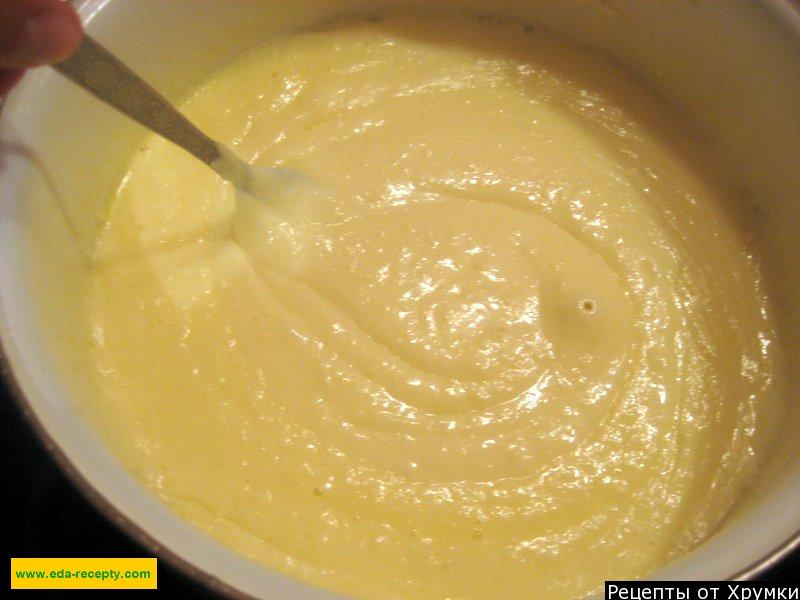
Cook it all for another 10 minutes, then take it off the heat.
-
Step 11:
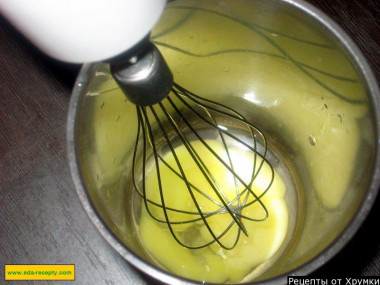
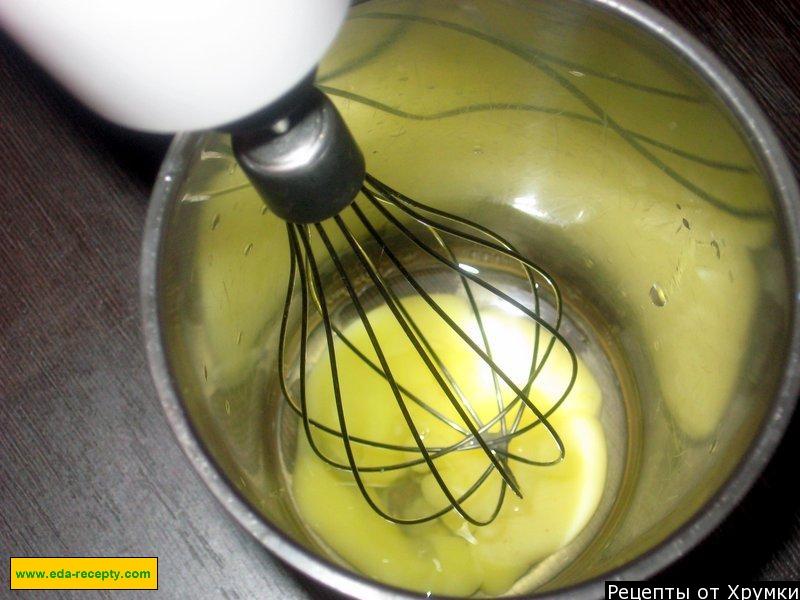
Beat the egg.
-
Step 12:
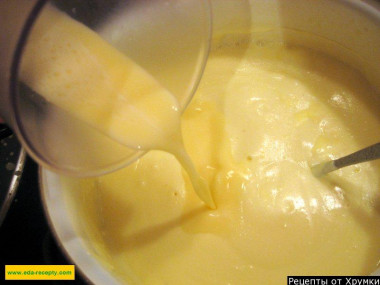
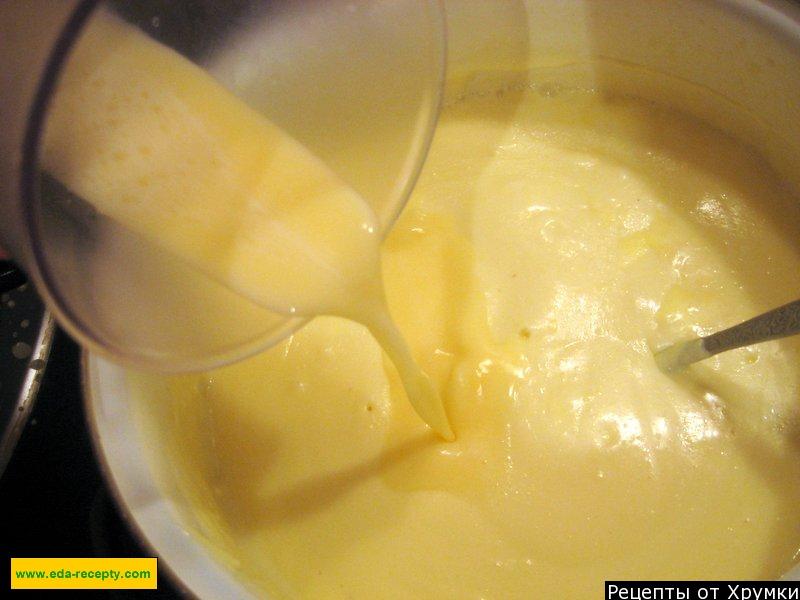
Stir the egg into the mixture.
-
Step 13:
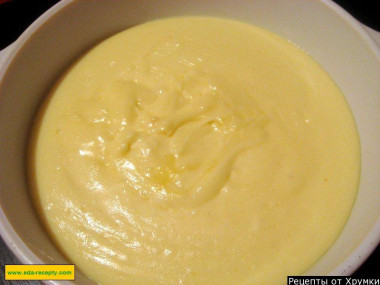
Pour the mixture into a mold and put it in the refrigerator.
-
Step 14:
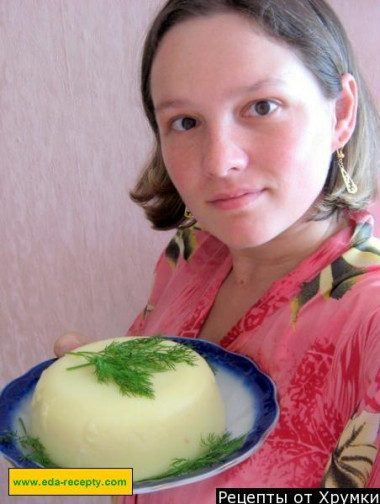
Once it sets, the cheese is ready! Eat it as is or use it in all kinds of dishes!
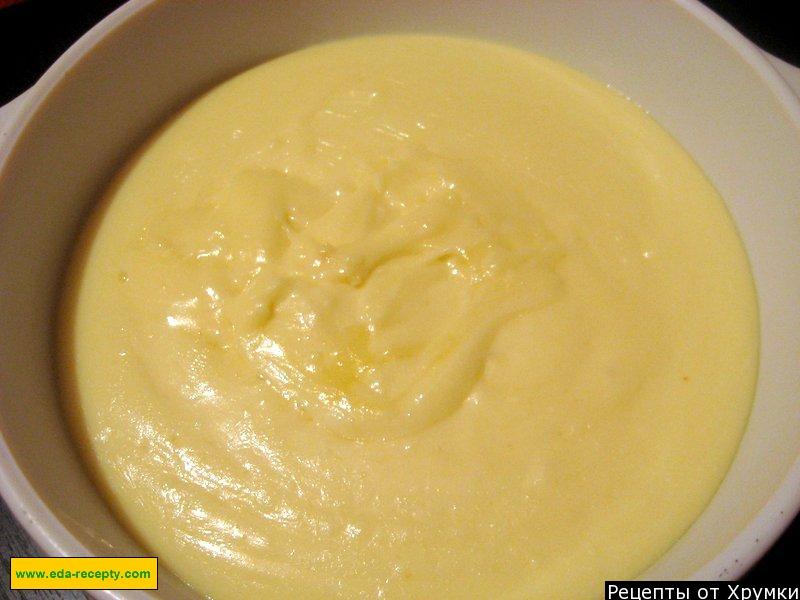
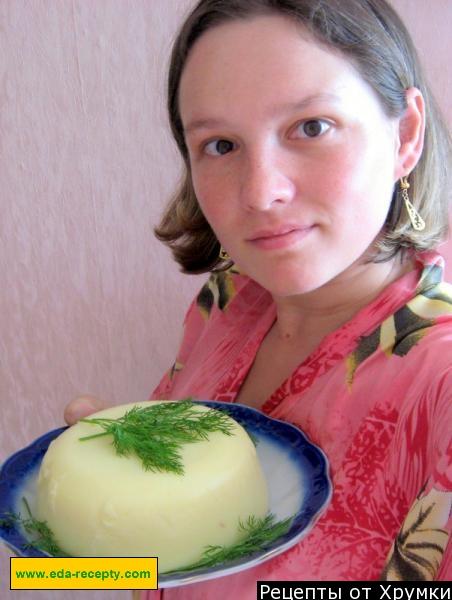
- I absolutely love processed cheese made at home from cottage cheese. I recently stopped buying the store-bought version because I have doubts about its quality, so I decided to try making cheese myself. I went through a great many recipes and settled on this one. It struck me as the best and most worthwhile method, and it's surprisingly simple, clear, and easy. Sometimes I mix in various add-ins for a new flavor — you can take my advice and add chopped dill, ham, mushrooms, and so on. Cheese you make yourself comes out far tastier and more wholesome than the store version, and from the simplest ingredients. I hope you'll use this uncomplicated, tried-and-true recipe too.
- Choosing the cottage cheese carefully matters. A low-quality product can ruin the dish, since it directly affects the consistency, taste, and end result. Pick fresh, natural cottage cheese with no foreign additives or signs of spoilage (off smell, uneven color, separated whey). Pay attention to the consistency (dry, moist, smooth or grainy, soft or pasty) and the fat content too.
- For whether you can swap baking powder for baking soda, how to add them correctly for fluffy baked goods, how to avoid an unpleasant soda aftertaste, and more, see the article "Baking powder or baking soda — which is better?"
- For how to choose the perfect pot for soup, porridge, or pickling, see the article on pots.
Caloric content of the products possible in the composition of the dish
- Whole cow's milk - 68 kcal/100g
- Milk 3.5% fat content - 64 kcal/100g
- Milk 3.2% fat content - 60 kcal/100g
- Milk 1.5% fat content - 47 kcal/100g
- Concentrated milk 7.5% fat content - 140 kcal/100g
- Milk 2.5% fat content - 54 kcal/100g
- Chicken egg - 157 kcal/100g
- Egg white - 45 kcal/100g
- Egg powder - 542 kcal/100g
- Egg yolk - 352 kcal/100g
- Ostrich egg - 118 kcal/100g
- Cottage cheese of 40% fat content - 466 kcal/100g
- Cottage cheese of 20% fat content - 233 kcal/100g
- Cottage cheese of 18% fat content - 226 kcal/100g
- Cottage cheese of 10% fat content - 156 kcal/100g
- Low-fat cottage cheese - 75 kcal/100g
- Cottage cheese with sour cream - 260 kcal/100g
- Fruit cottage cheese - 147 kcal/100g
- Soft dietary cottage cheese - 170 kcal/100g
- Cottage cheese 'vitalinia' - 64 kcal/100g
- Cottage cheese 'morning' ('danone') without sugar - 91 kcal/100g
- Cottage cheese - 156 kcal/100g
- Butter 82% - 734 kcal/100g
- Amateur unsalted butter - 709 kcal/100g
- Unsalted peasant butter - 661 kcal/100g
- Peasant salted butter - 652 kcal/100g
- Melted butter - 869 kcal/100g
- Salt - 0 kcal/100g
- Baking soda - 0 kcal/100g