Pickled Green Beans for Winter
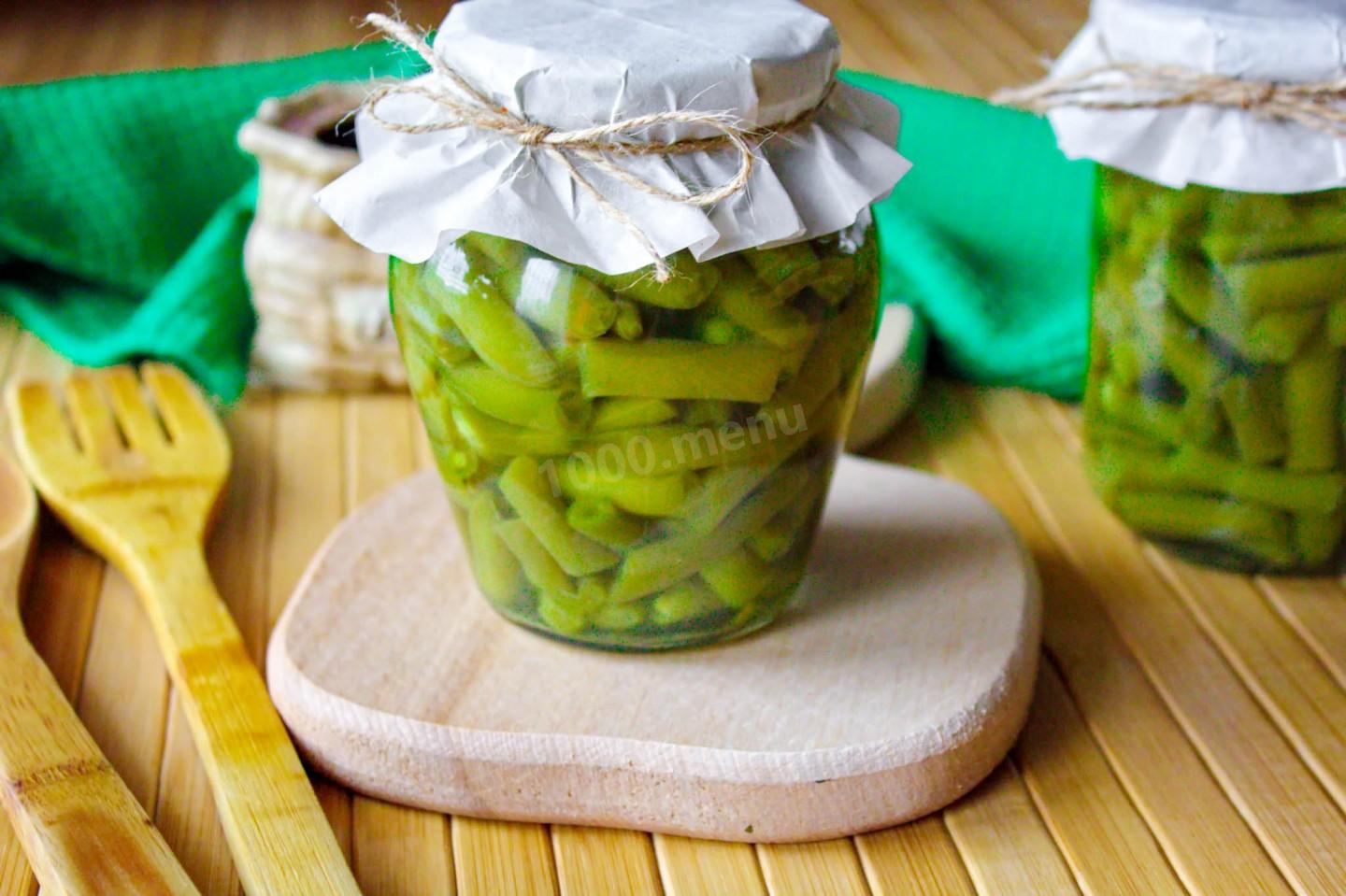
Fast, simple, wholesome, and downright delicious! Green beans are easy to pickle for winter using ingredients you've already got at home. It's so handy to have pickled beans on hand for tossing into salads or serving as a side with meat and fish.

Cooking method
-
Step 1:
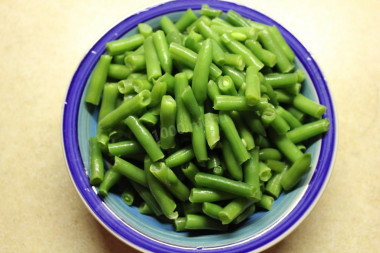
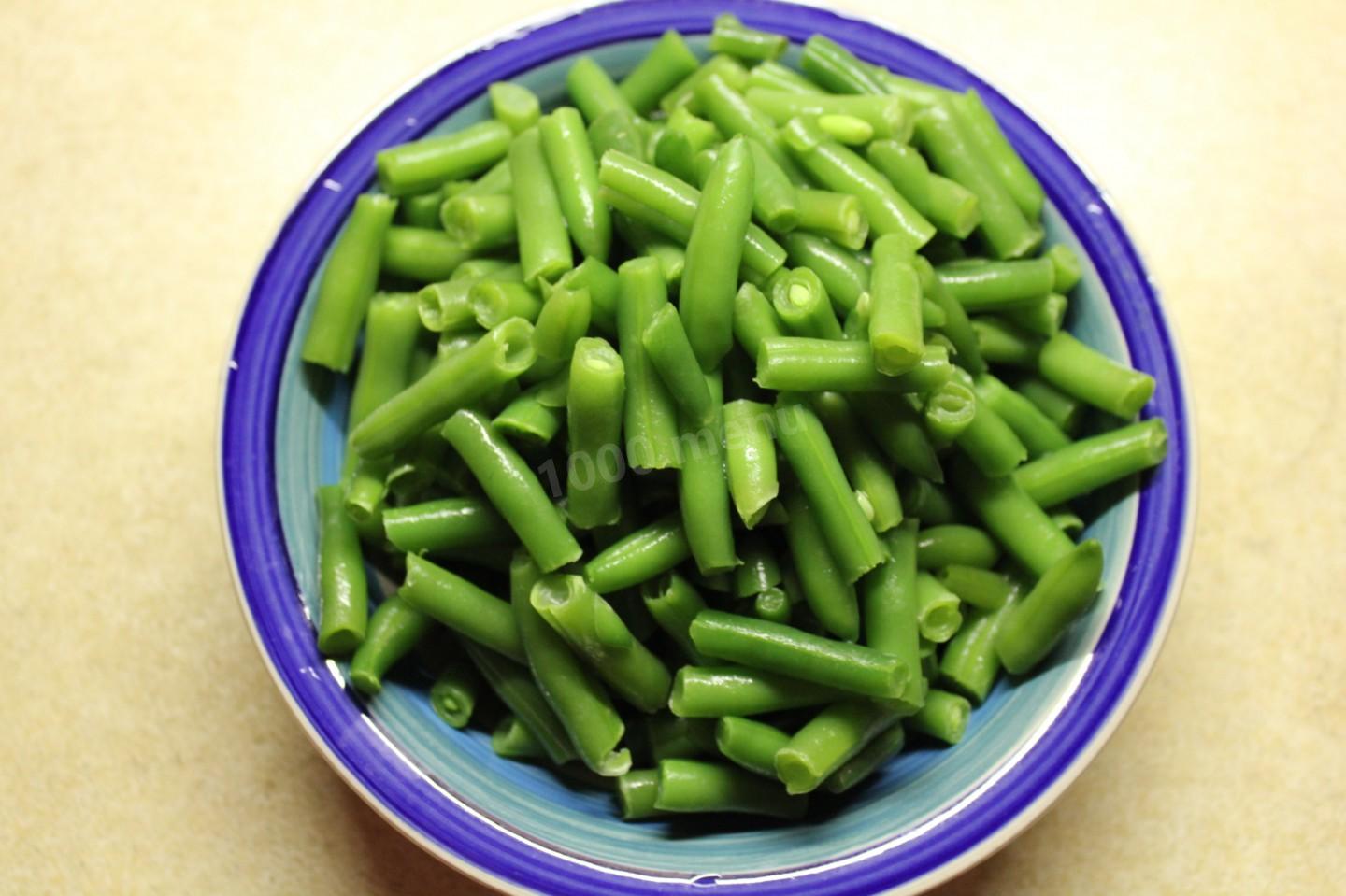
How do you can green beans for winter? Get your ingredients ready. Take fresh green beans, rinse them, trim off the ends, and cut them into short pieces — that makes them easier to use in salads later.
-
Step 2:
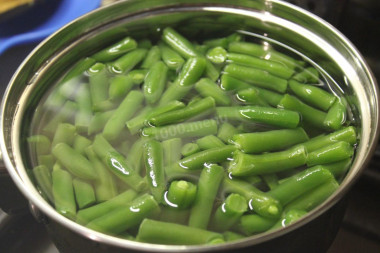
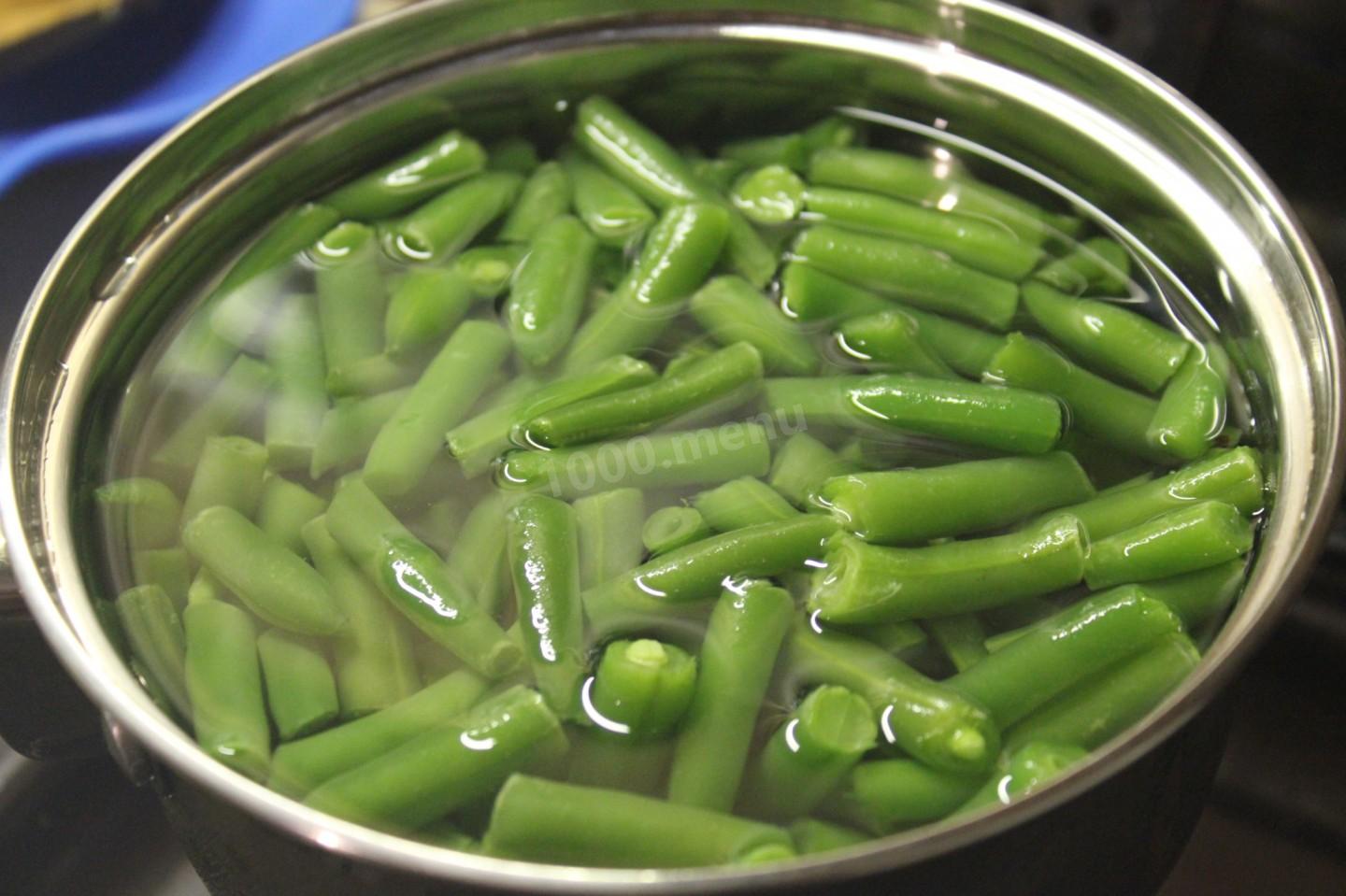
Cover the green beans with water, bring to a boil, and cook until tender, 5–10 minutes. Rinse the cooked beans under cool water — easiest to do in a colander.
-
Step 3:
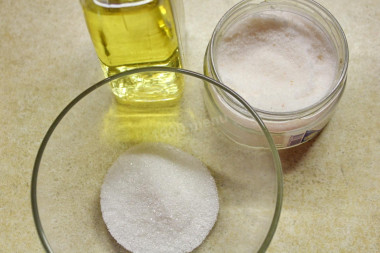
Make the brine. Here's how.
-
Step 4:
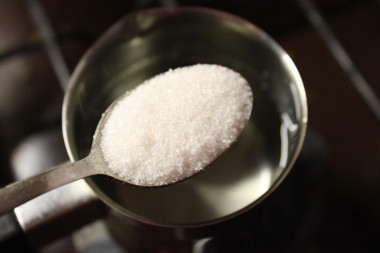
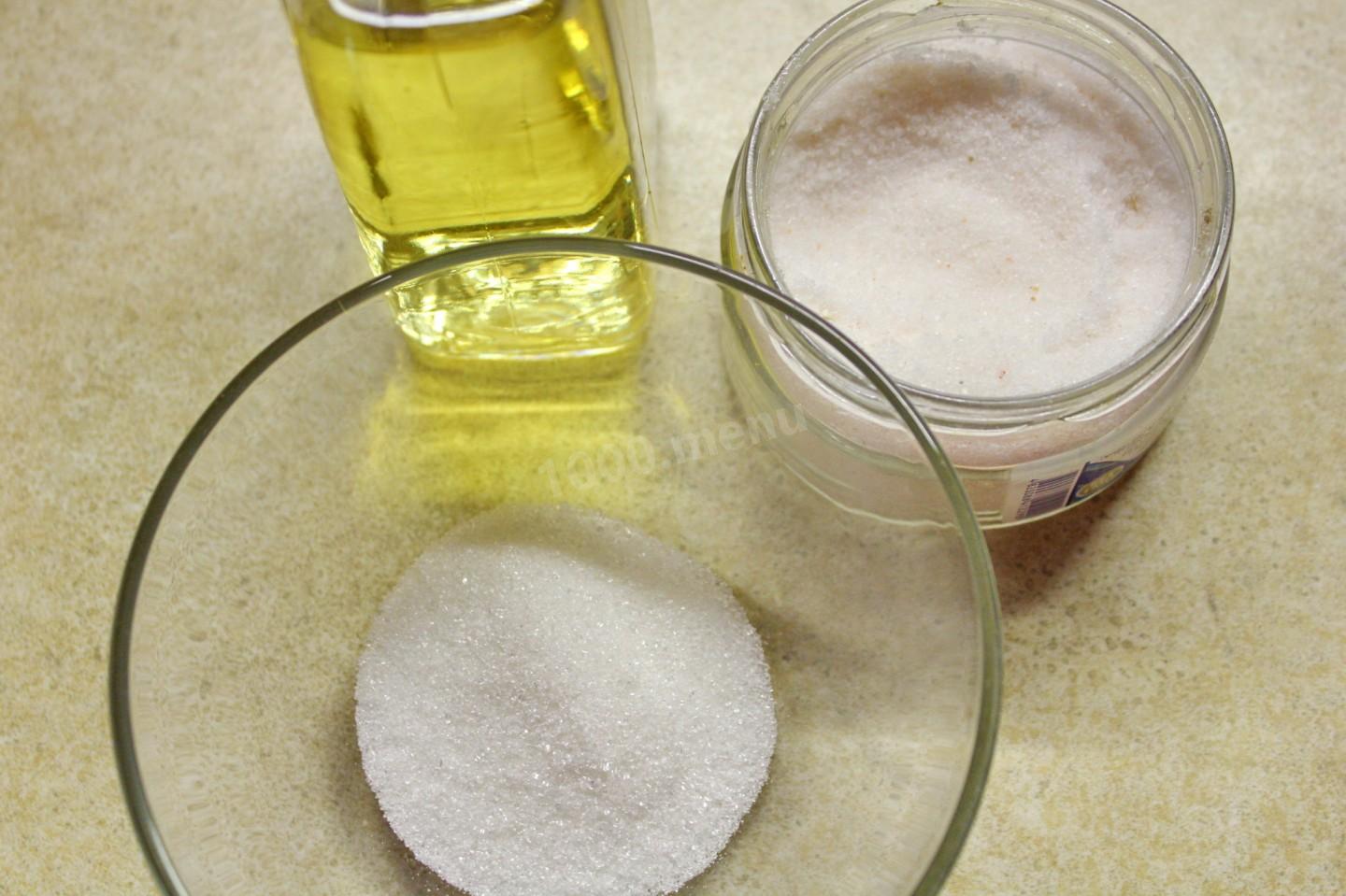
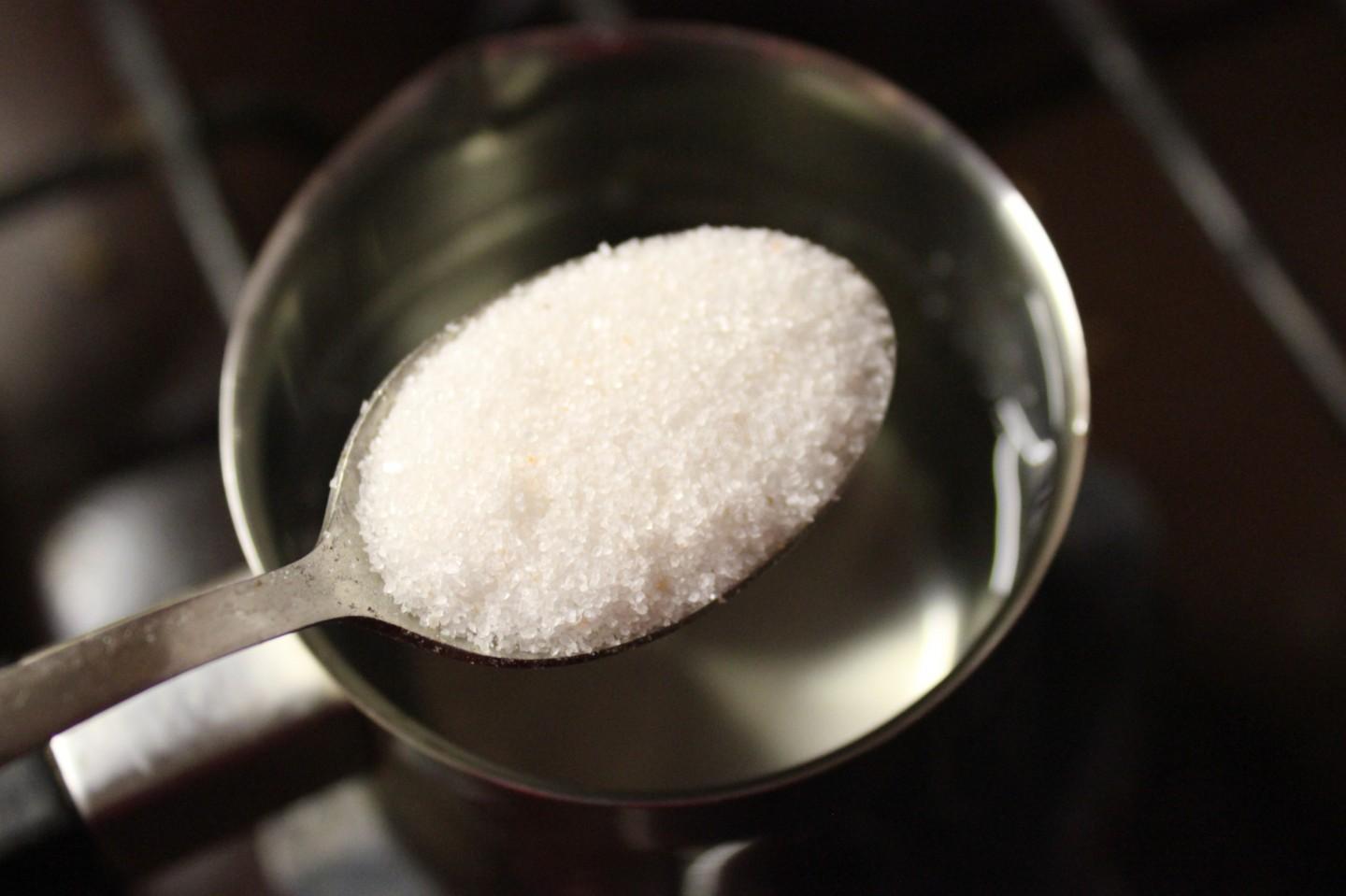
Pour the water into a saucepan, bring it to a boil, and add the salt.
-
Step 5:
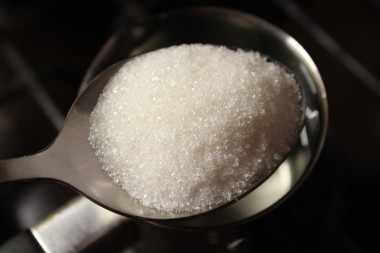
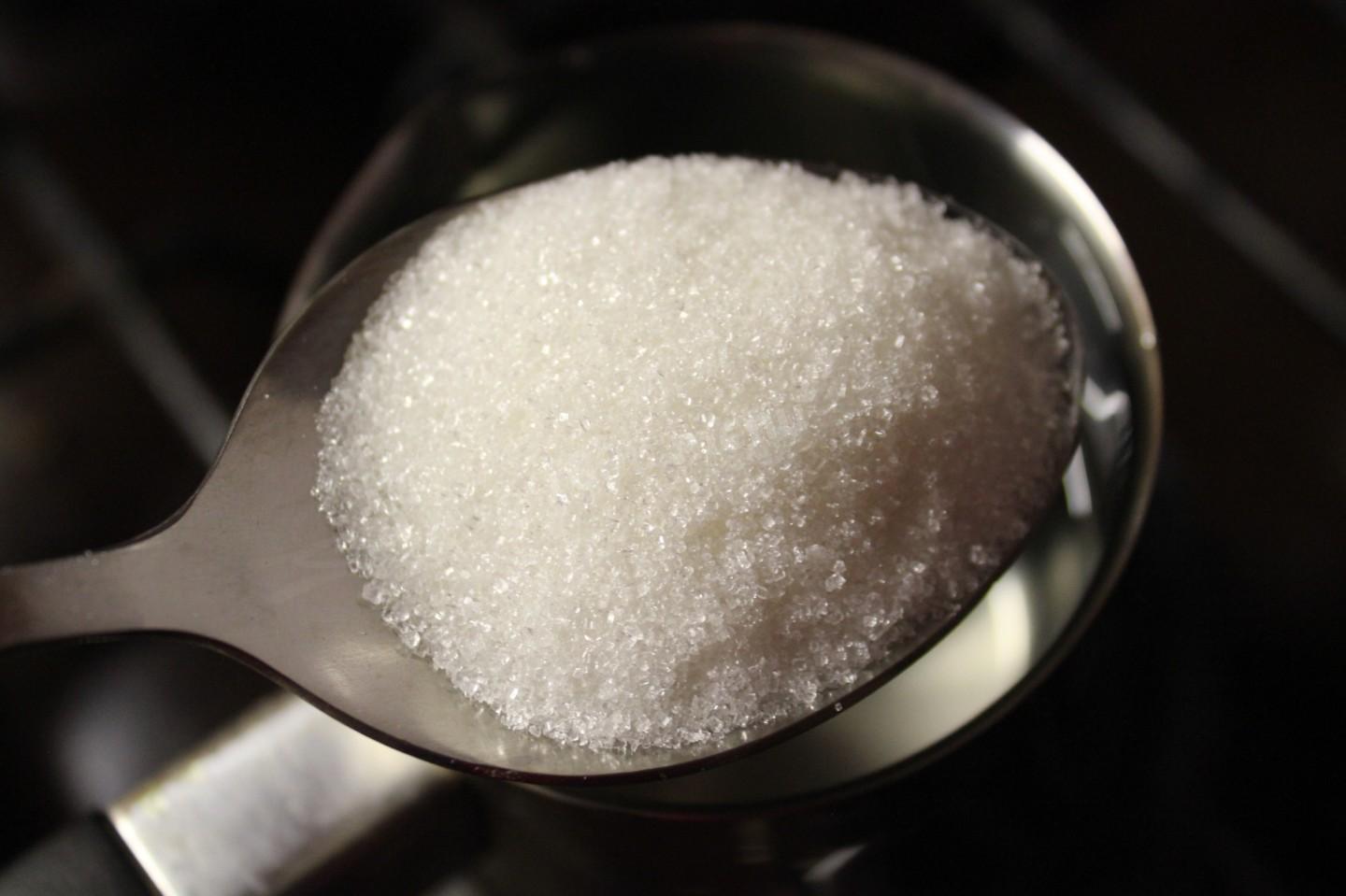
Then add the sugar. Stir until both fully dissolve.
-
Step 6:
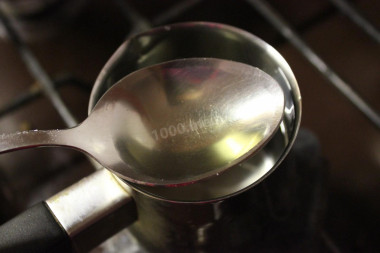
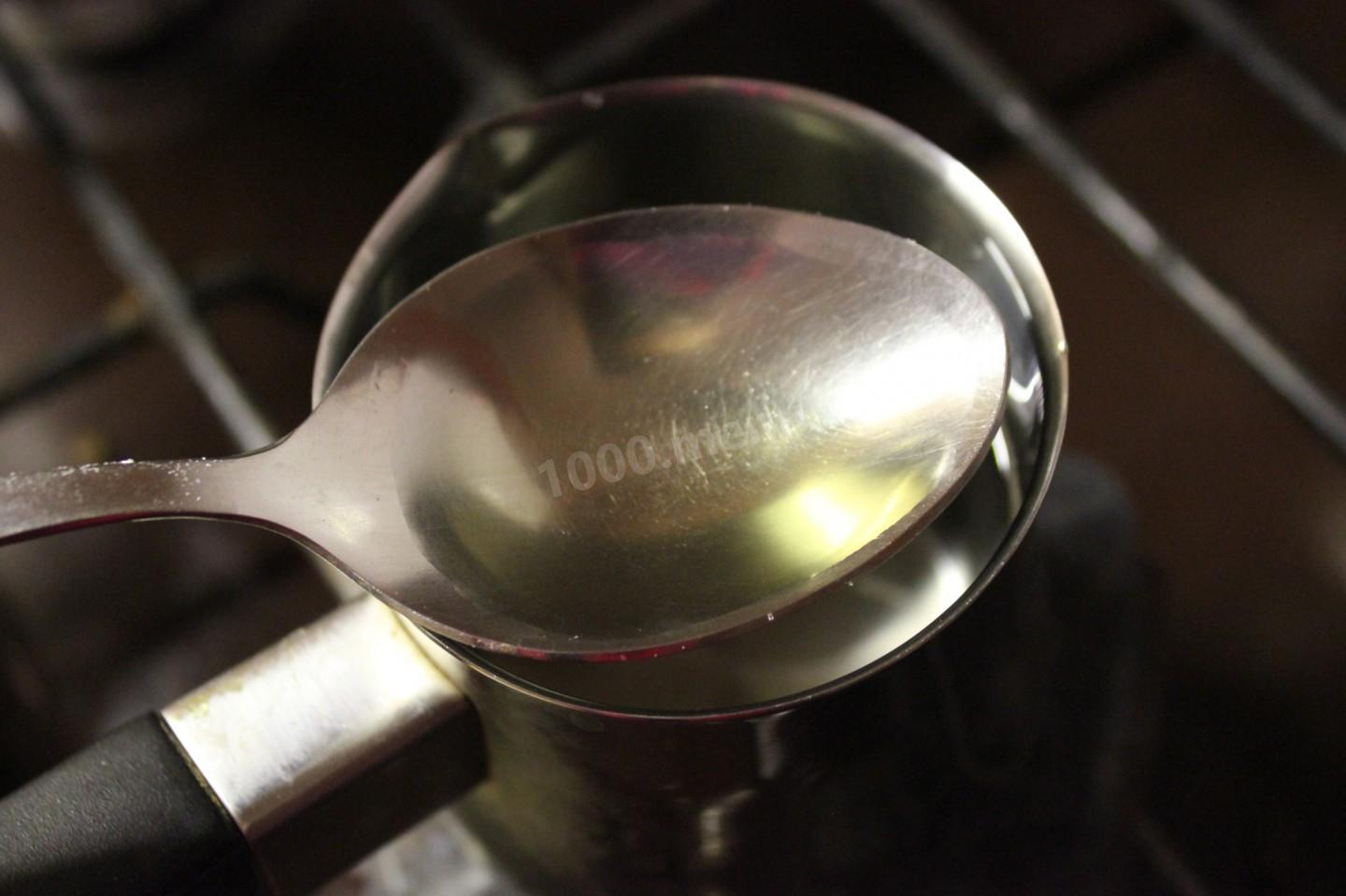
Pour in the vinegar. Boil the brine a few minutes more, then turn it off. The brine is ready! Sterilize the jars however you prefer. There are tips on how to do that, plus more canning advice, at the end of the recipe.
-
Step 7:
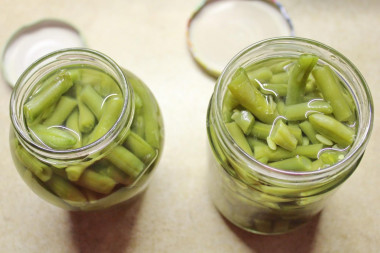
Pack the green beans into sterilized jars and pour in the hot brine. Seal right away with sterilized lids, turn the jars over, and leave them to cool that way. If you want a taste sooner, they'll be pickled through in a day or two and ready to eat. Enjoy!
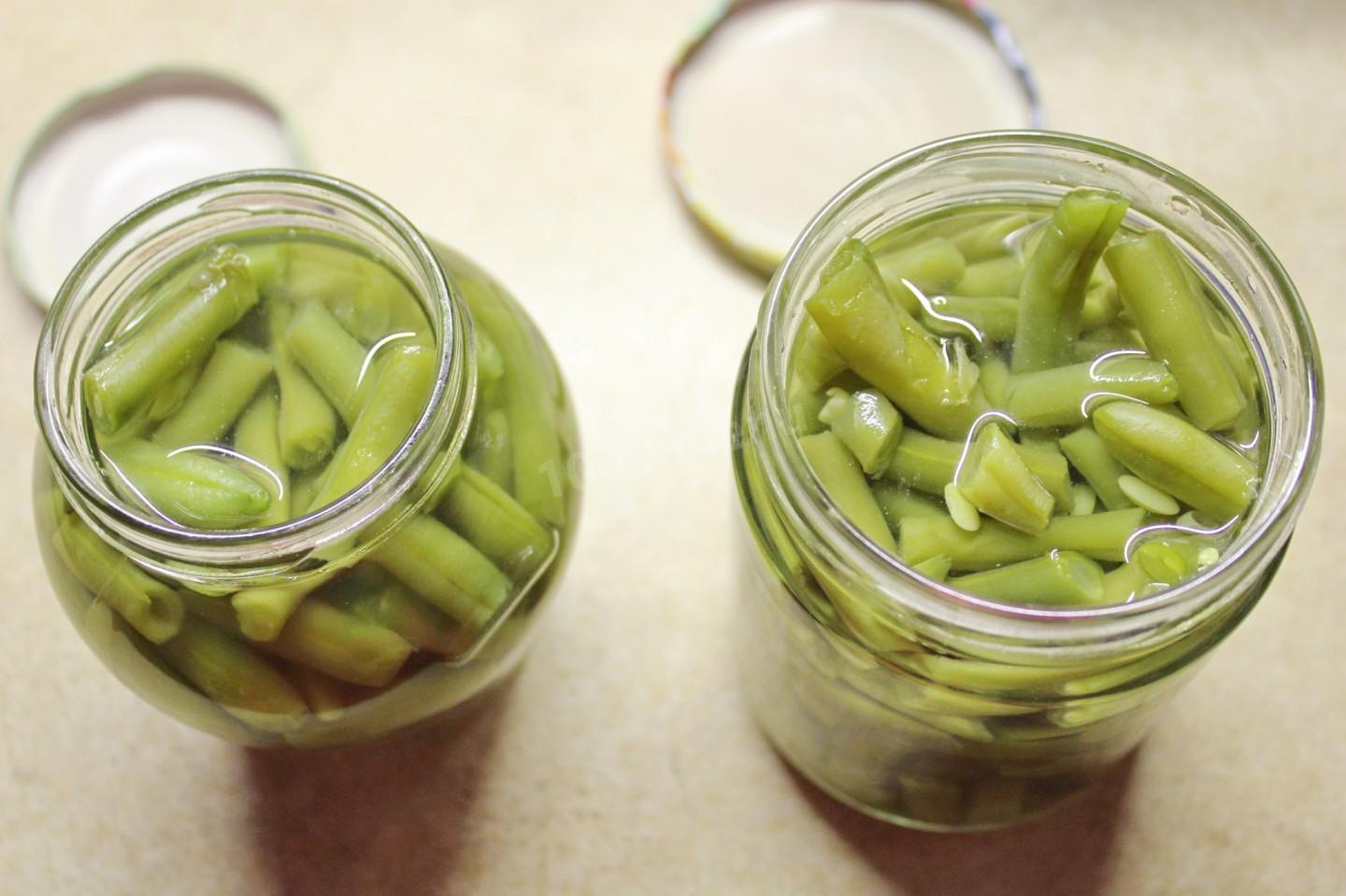
- For the tastiest pickled beans, pick young, juicy green pods. They should be firm and snap with a crisp crunch. Green beans are full of good-for-you nutrients that are especially welcome in winter. This is a basic recipe — feel free to add spices, herbs, pepper, garlic, whatever you like. You can also pickle them with other vegetables, such as carrot or zucchini, or with sweet or hot peppers, so there's plenty of room to make it your own. Pickled green beans can stand in for pickles in all kinds of salads and brothy soups. If you want them crisp, cook them only until half done before adding the brine; if you prefer tender pods, cook them all the way through, until soft. In place of apple cider vinegar you can use white vinegar, citric acid, or lemon juice. You can also reuse the water you cooked the beans in to make the brine.
- For canning that keeps well all season, it pays to follow the basic rules and tricks of putting up preserves.
- It's best to use filtered or bottled water with a neutral taste. Tap water can leave the dish with an off, characteristic flavor.
- Since everyone's tolerance for salt, sweetness, bitterness, heat, and acidity is different, always season to your own taste. If you're using a spice for the first time, remember some are easy to overdo (chili pepper, for instance).
Caloric content of the products possible in the composition of the dish
- Granulated sugar - 398 kcal/100g
- Sugar - 398 kcal/100g
- Salt - 0 kcal/100g
- Water - 0 kcal/100g
- Apple cider vinegar - 14 kcal/100g
- Green beans - 47 kcal/100g