Mashed Raspberries with Sugar for Winter
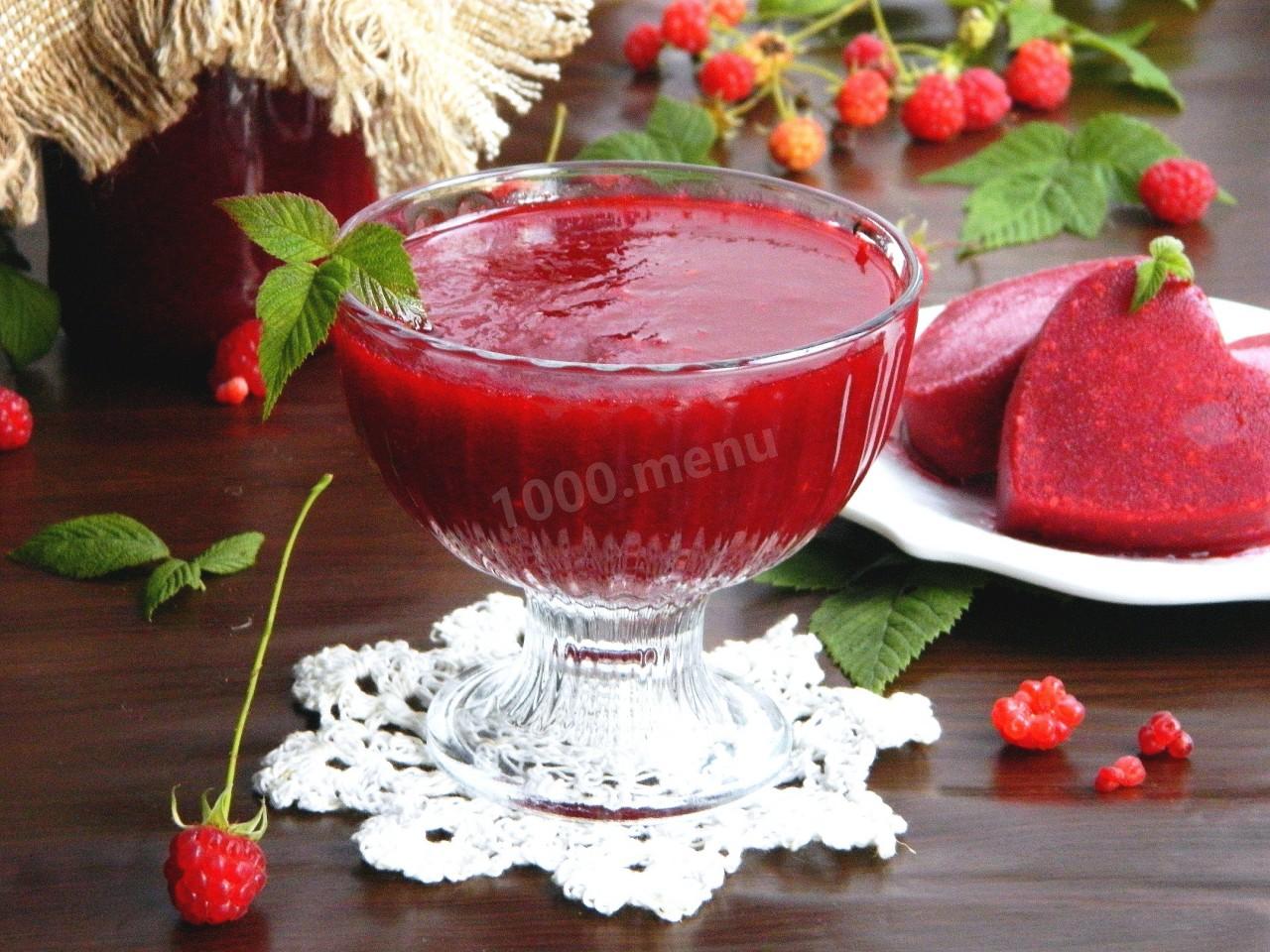
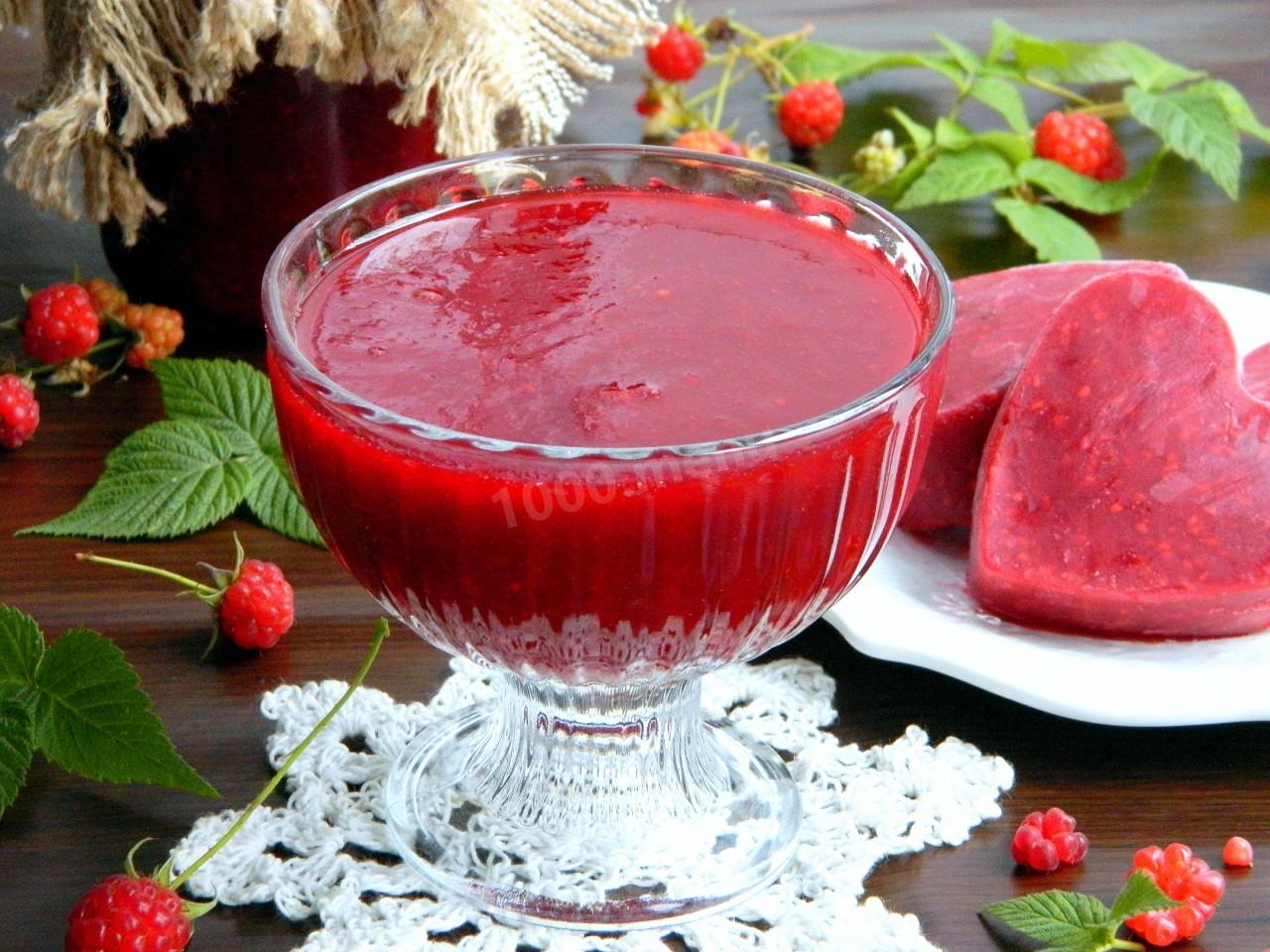
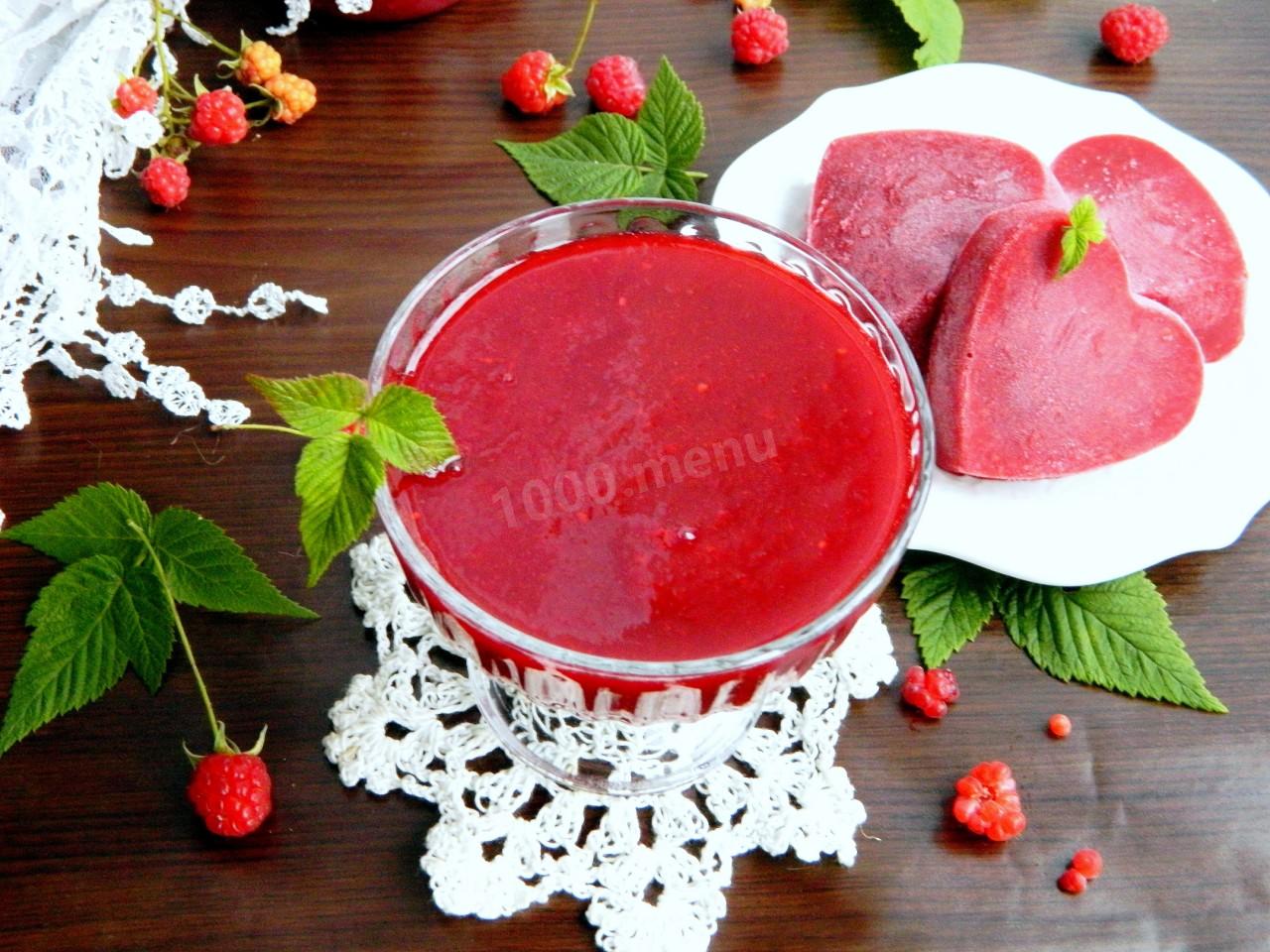
How do you mash raspberries for winter and keep the taste of fresh berries? This is a very tasty, healthy raspberry treat. Putting up raspberries with sugar this way is quick and easy. Use it as a sweet treat with tea, as an addition to other dishes, and in winter to help ward off colds.

Cooking method
-
Step 1:
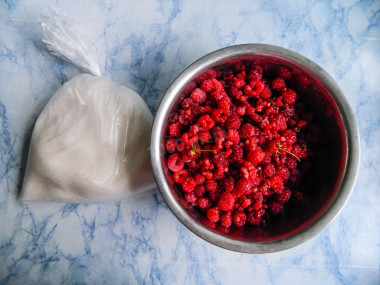
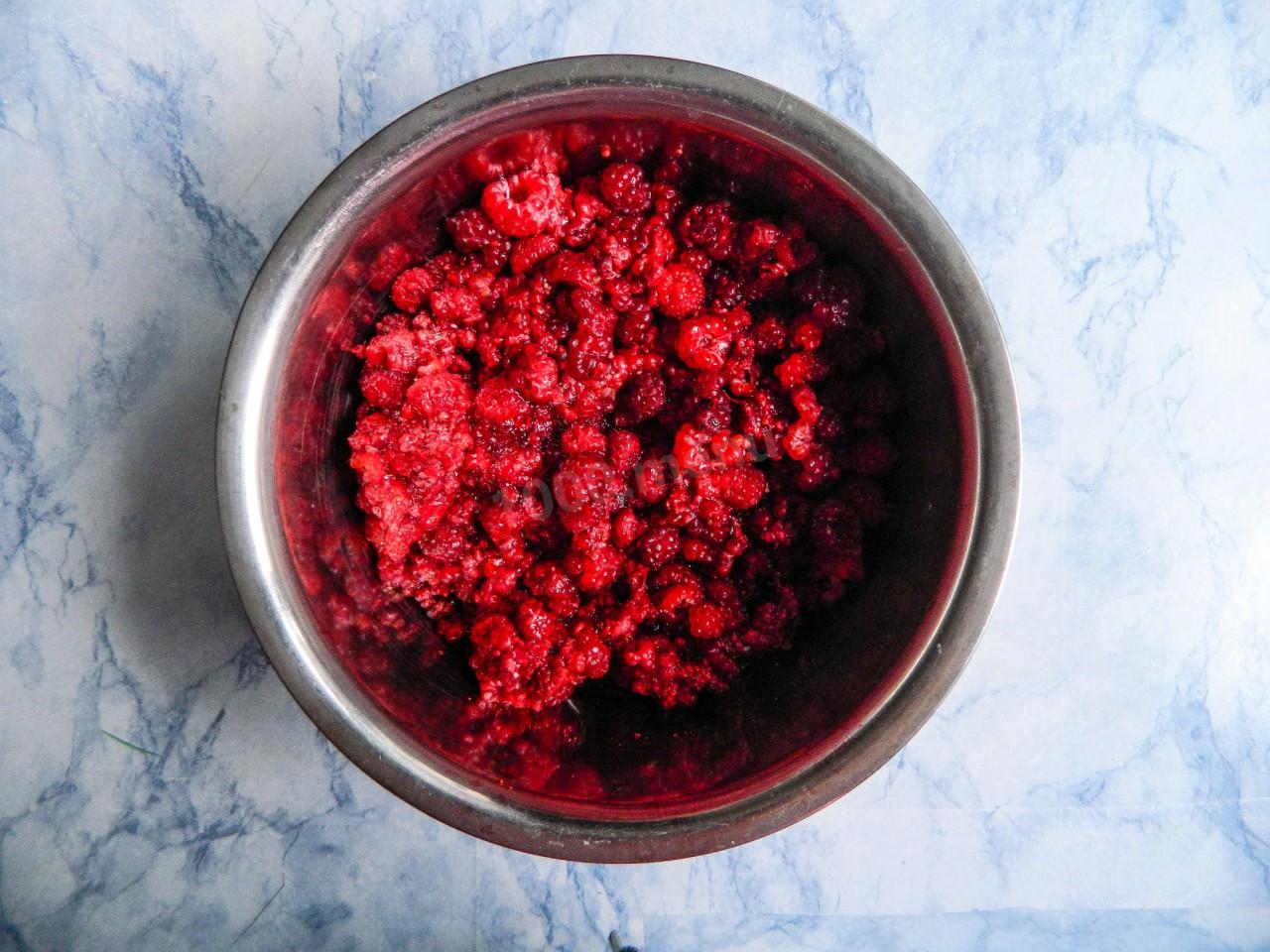
How do you mash raspberries with sugar? Gather fresh raspberries and sugar. If you have frozen berries, you can use those. In that case, try to drain off the excess moisture so the jam doesn't turn out too runny (though that's not critical, especially if you're putting up raspberries for preventive or medicinal purposes).
-
Step 2:
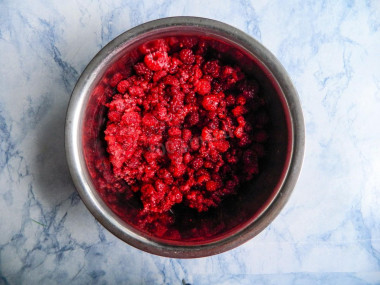
Sort through the berries and remove the stems and leaves. Then, gently — so as not to crush the berries — rinse them thoroughly in several changes of water and tip them into a colander to drain. Some people don't wash raspberries they've picked themselves. I don't recommend that, since fine dust and dirt can settle on the berries.
-
Step 3:
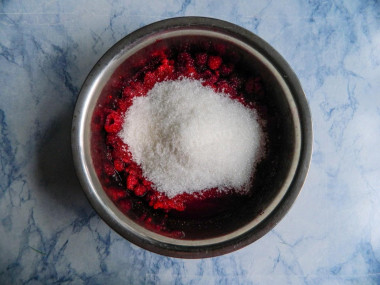
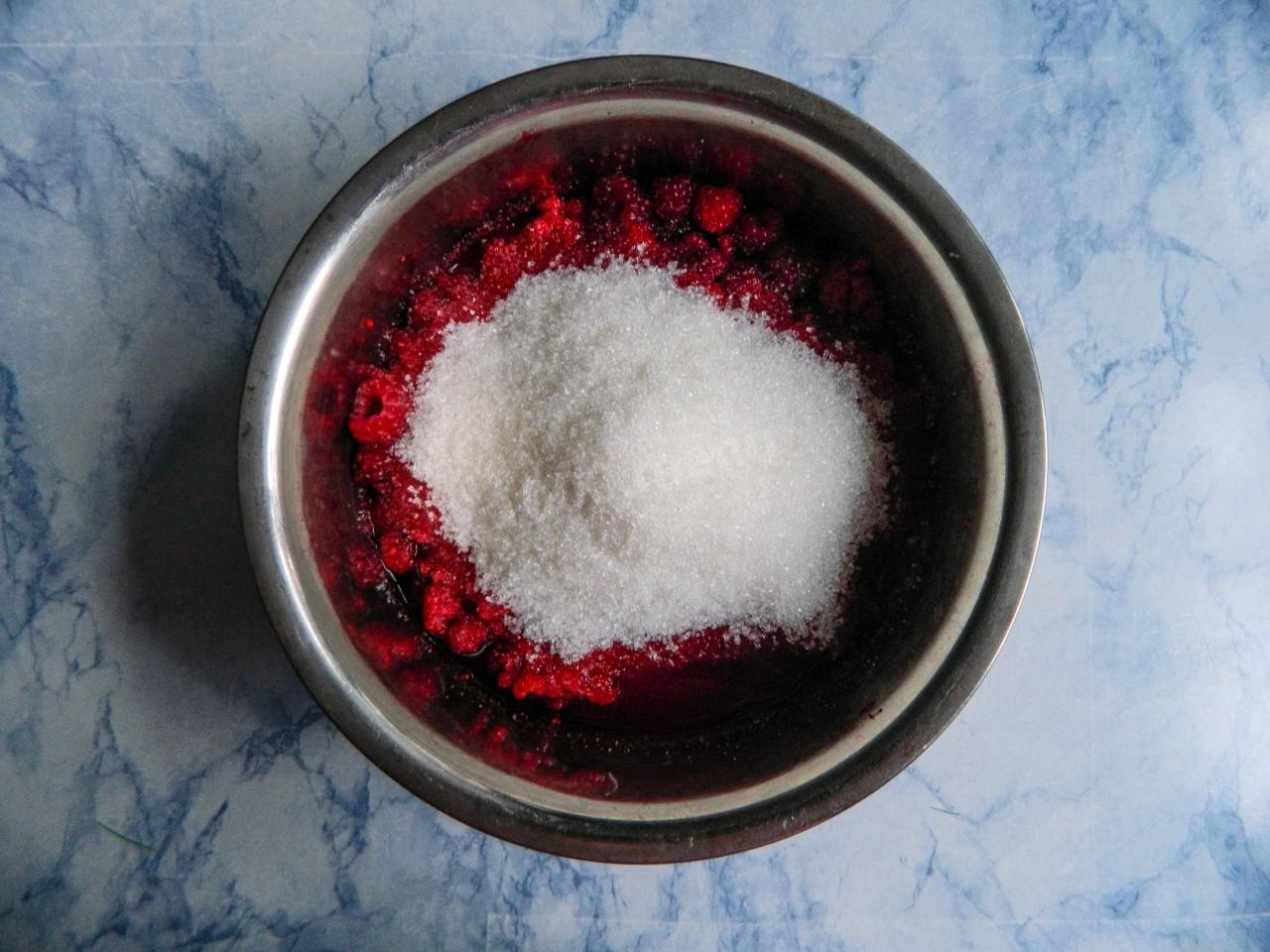
Put the berries and sugar in a deep container that's easy to use with a blender. Stir so the sugar dissolves faster. Set aside 2 tablespoons of sugar — you'll need them later.
-
Step 4:
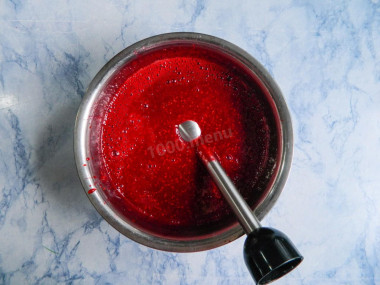
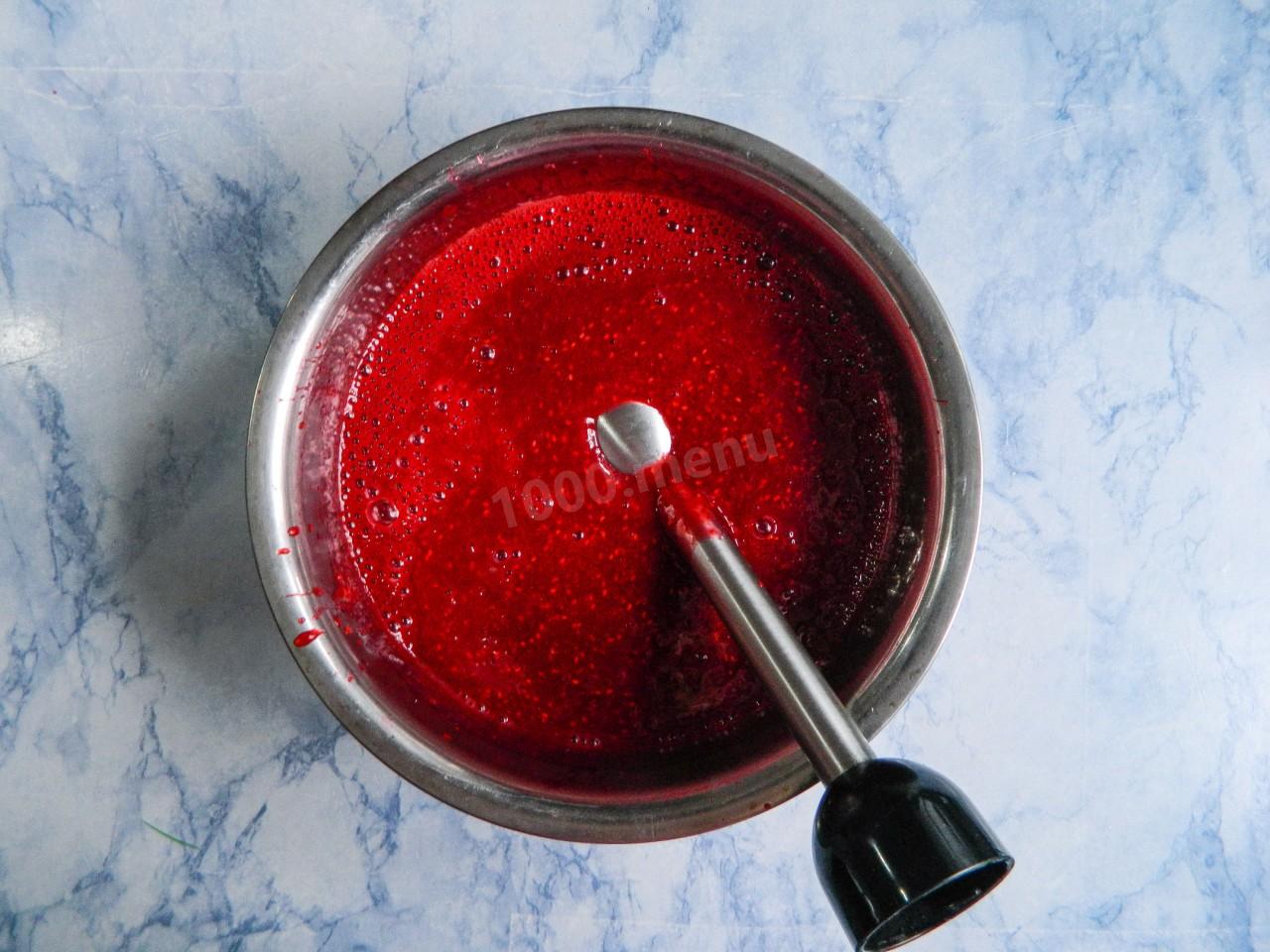
Then blend everything until smooth. You can freeze half the mashed raspberries with sugar, like I did, and seal the rest in a jar.
-
Step 5:
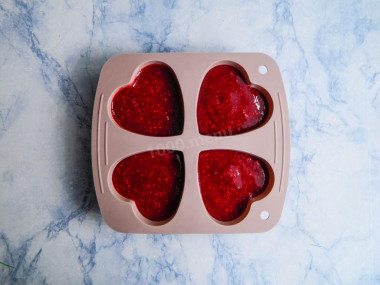
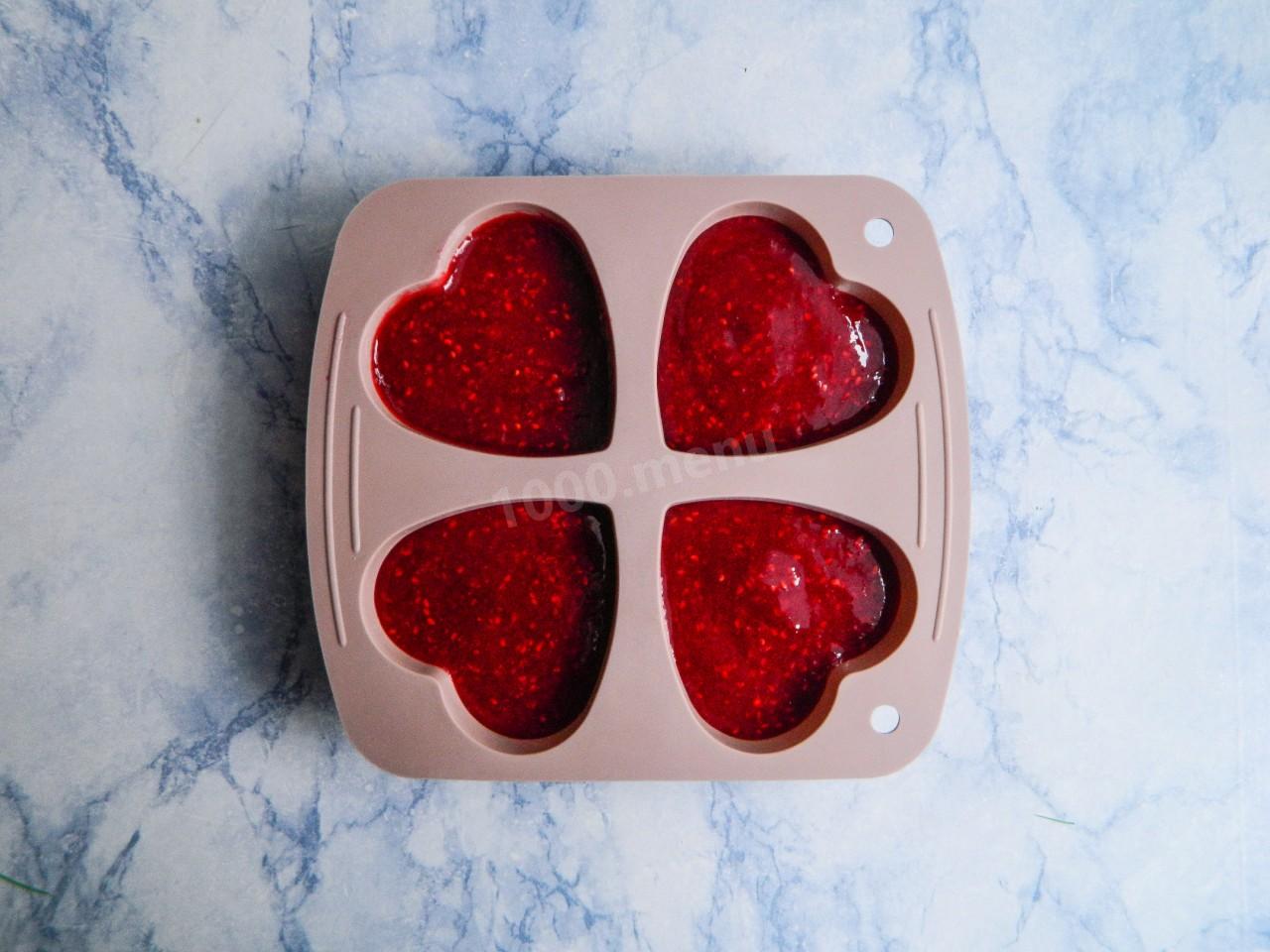
You can freeze the raspberries in disposable containers or bags. Silicone baking molds are also very handy for freezing. Wash and dry the freezing containers. Pour the raspberries into the molds and place each mold in a bag or wrap it in plastic. Put it in the freezer and turn on the freeze setting — I set it to -23°C. After a few hours I transfer the frozen blocks into a bag and set a constant storage temperature of -19°C.
-
Step 6:
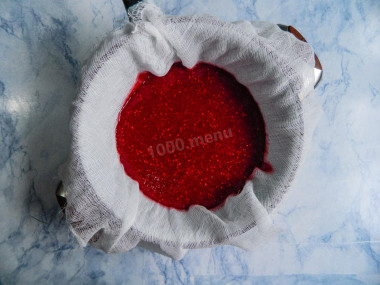
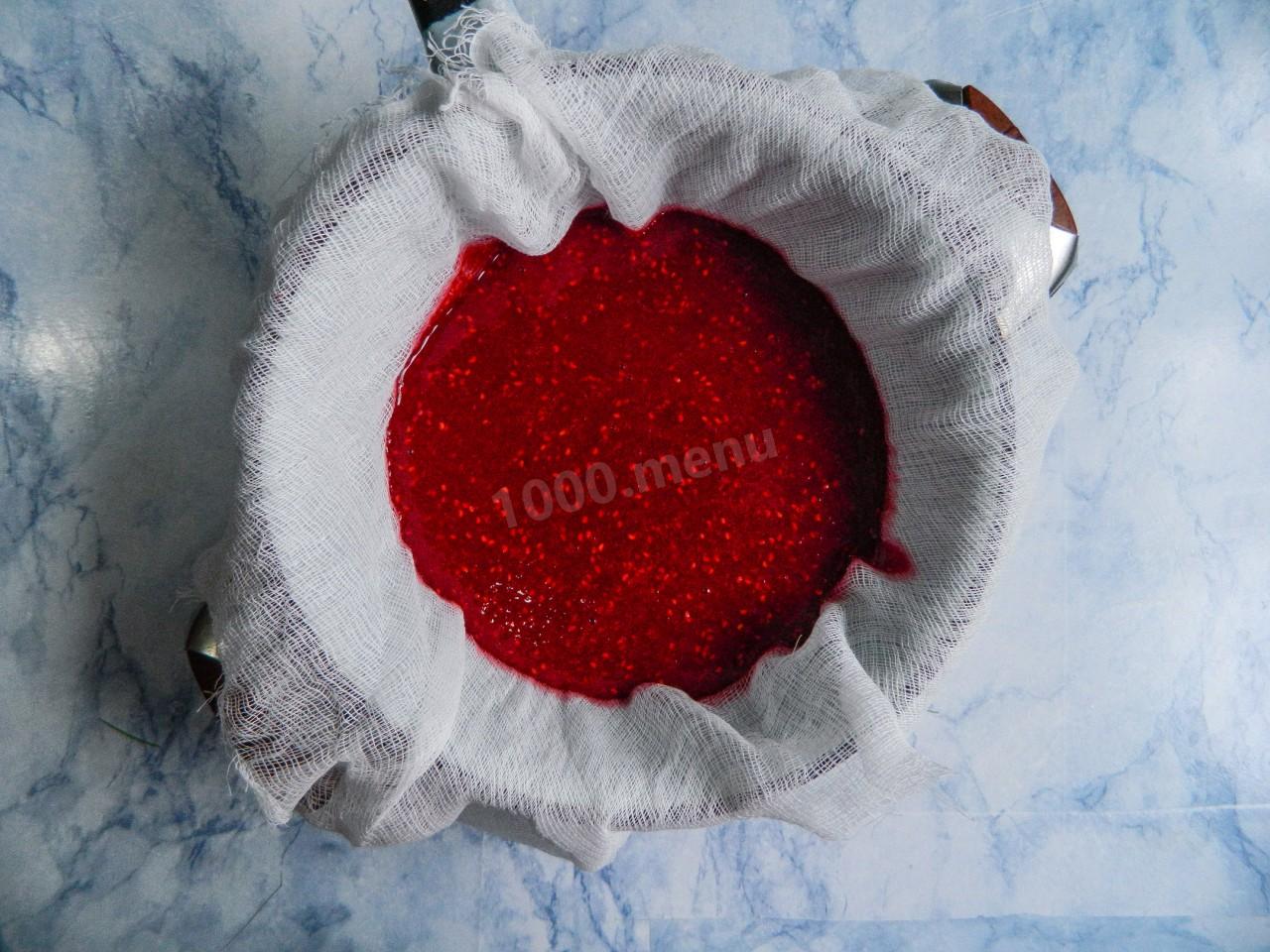
Transfer the remaining raspberries to a sterilized pint jar and seal it. I made this preserve knowing a small child would be eating the raspberries, so I decided to remove the seeds. To do that, pass the mixture through a sieve or 2 layers of cheesecloth.
-
Step 7:
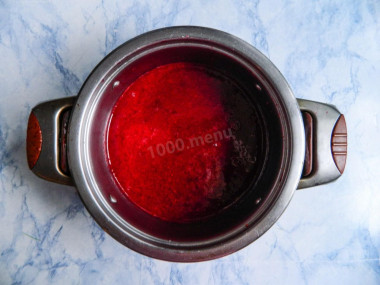
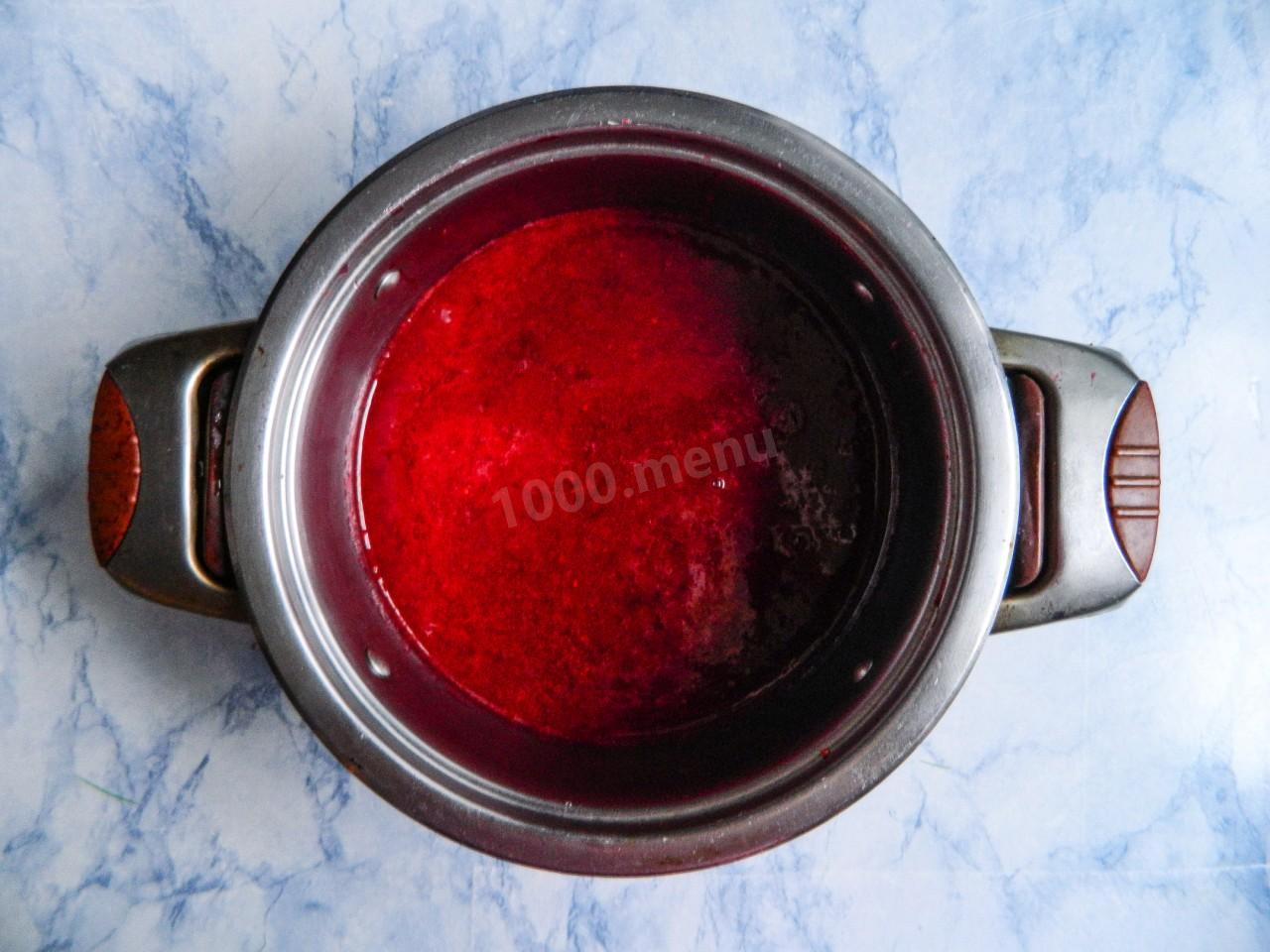
You get a light, smooth raspberry purée.
-
Step 8:
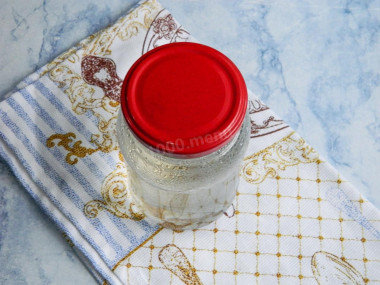
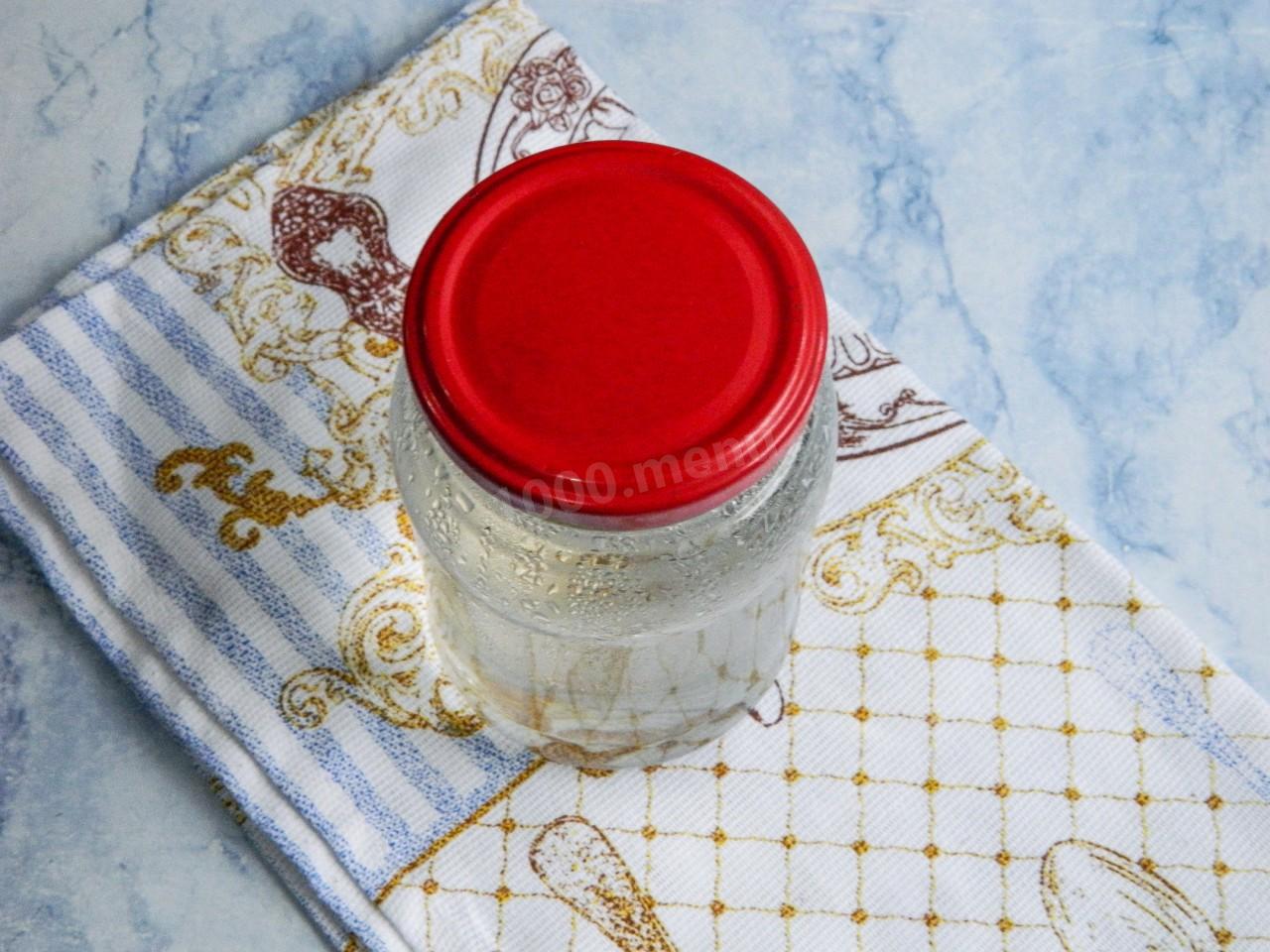
Wash and sterilize the jar well. I pour boiling water into the bottom of the jar in a thin stream, filling about 1/4 of it. To keep the jar from cracking, don't let the water touch the sides. Cover with a lid and leave for 10 minutes. Then drain the water and the jar is ready. Put the raspberry purée in the jar, sprinkle a spoonful of sugar on top, and close the lid. Store in the refrigerator for no longer than six months.
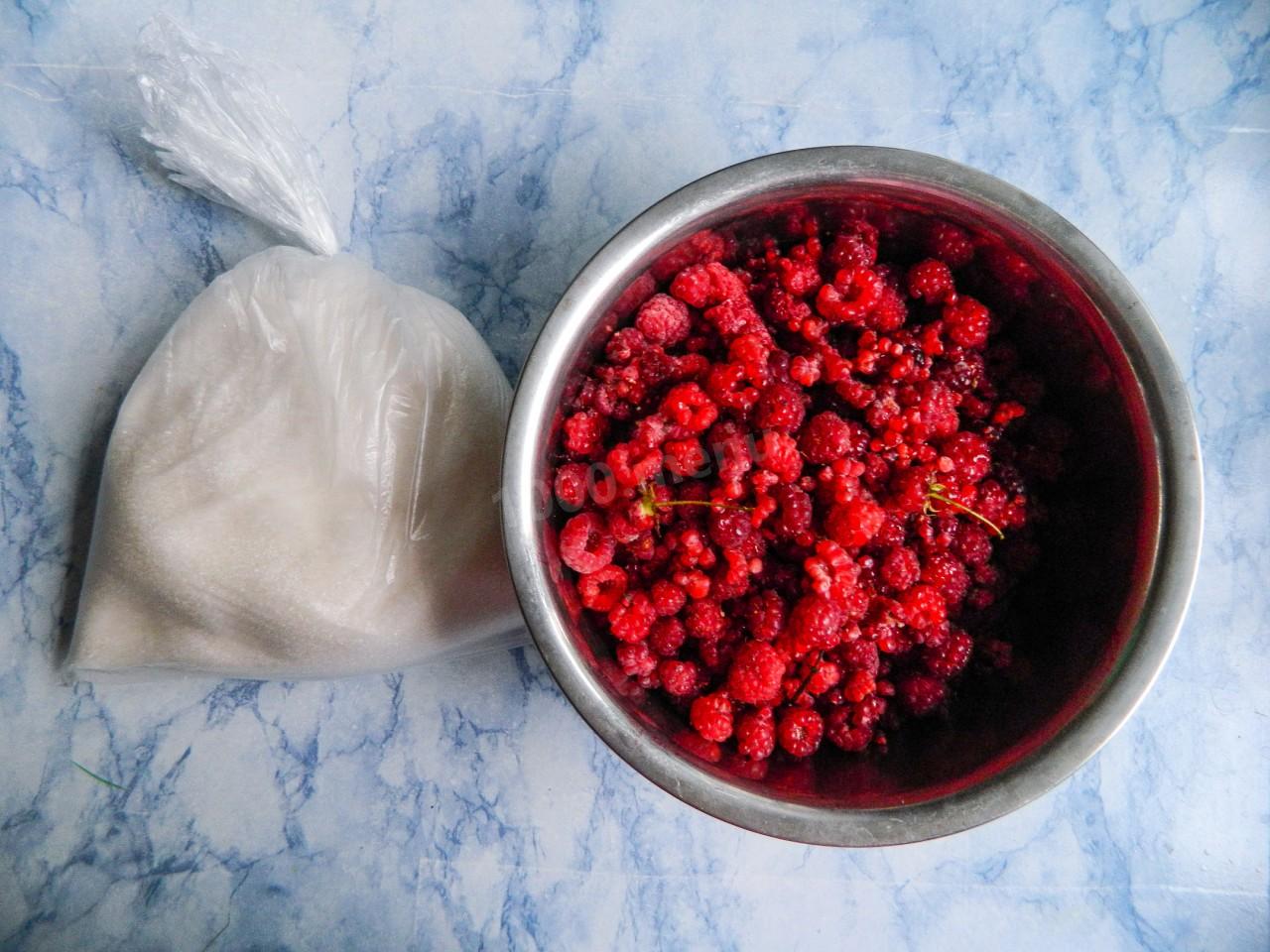
- You can increase the amount of sugar to taste. Don't reduce it, though, since the sugar acts as a preservative.
- To make sure your summer stores delight you all through the cold season, read up on the basic rules, tips, and tricks for putting up food for winter.
Caloric content of the products possible in the composition of the dish
- Raspberries - 42 kcal/100g
- Frozen sweet raspberries - 50 kcal/100g
- Granulated sugar - 398 kcal/100g
- Sugar - 398 kcal/100g