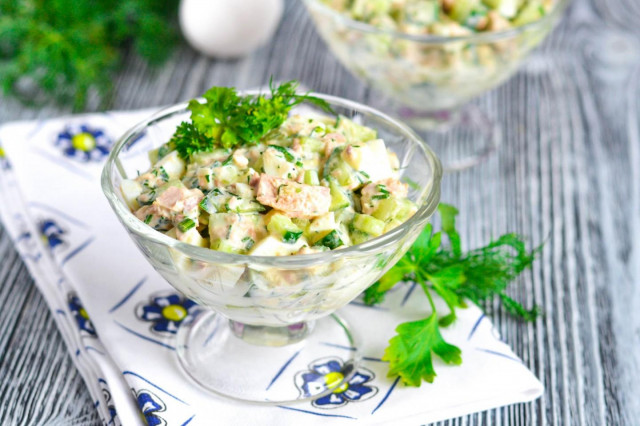
Homemade Mayonnaise with Egg and Vinegar
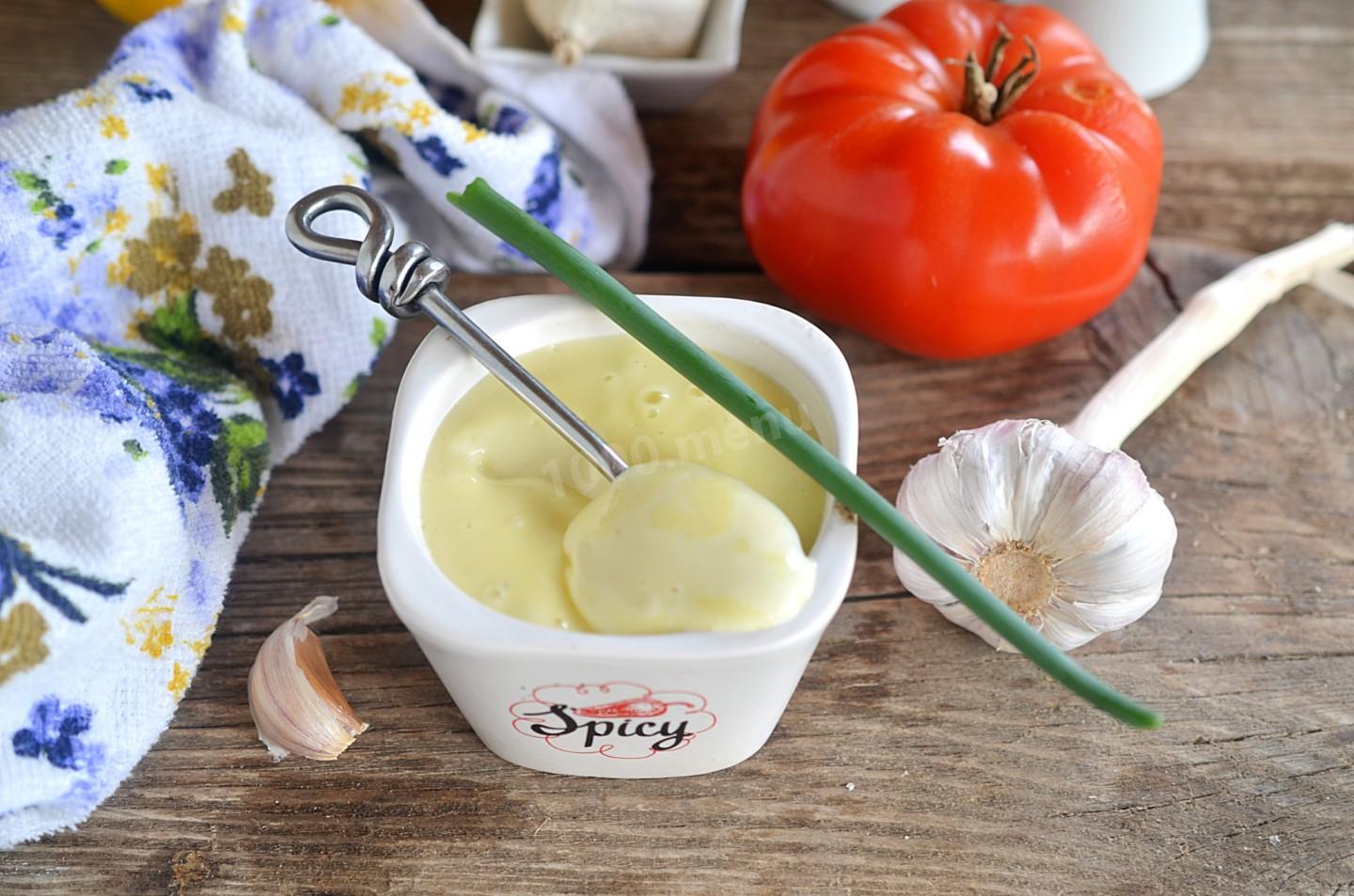
The easiest, fastest salad-dressing recipe! This homemade mayonnaise with egg and vinegar is about as classic as it gets - the only other additions are mustard and salt. You can add other mix-ins if you like, but this sauce is great as is and works for any salad.



Cooking method
-
Step 1:
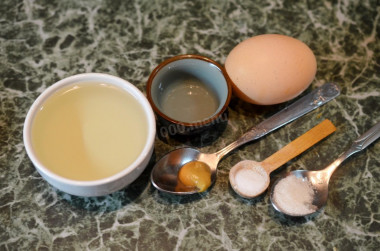
How do you make mayonnaise with vinegar? Prepare all the ingredients. Since the eggs go in raw, use eggs from a trusted producer or farm eggs. These days you can buy washed and sanitized eggs - great for dishes that use raw egg. Any mustard works; it determines the sharpness of the mayonnaise, so I recommend ordinary hot Russian-style mustard. The vinegar is also ordinary, 6-9%, with no additives.
-
Step 2:
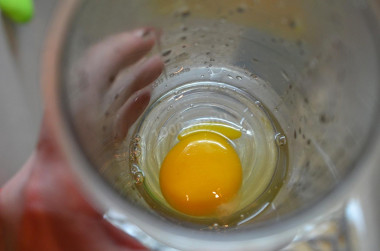
You'll need an immersion blender and its blending cup. Wash the egg very well: the shell carries a huge amount of bacteria, all of which need to be washed off. You can also use quail eggs - they're considered cleaner. In that case, use 5 quail eggs instead of one chicken egg. Gently crack the egg into the blender cup.
-
Step 3:
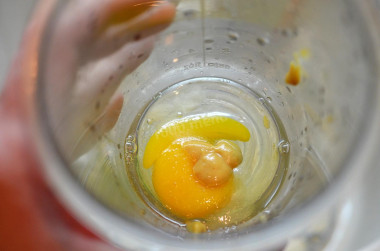
Add the mustard and salt, plus a pinch of sugar for balance if you like.
-
Step 4:
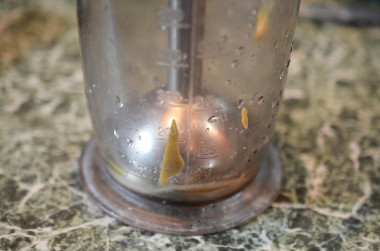
Cover the egg with the head of the immersion blender.
-
Step 5:
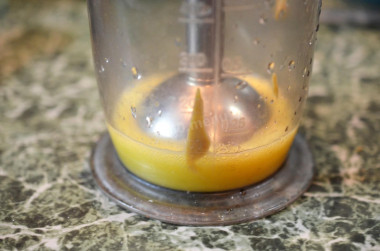
Start blending on the lowest speed, pouring in the vegetable oil in a thin stream.
-
Step 6:
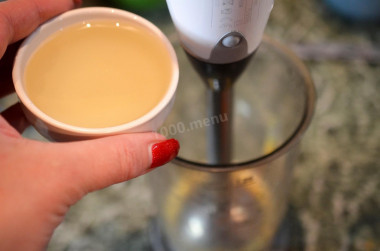
The oil can be any kind. But from experience, through trial and error I've found that plain refined sunflower oil is ideal. For all its value, olive oil makes homemade mayonnaise a little bitter. But if you're a fan of a particular oil, give it a try.
-
Step 7:
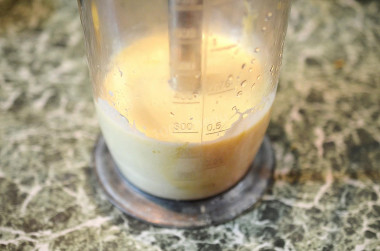
If the mayonnaise comes out runny, add more oil and it'll thicken up.
-
Step 8:
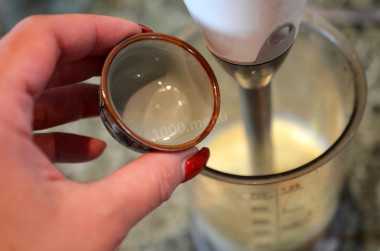
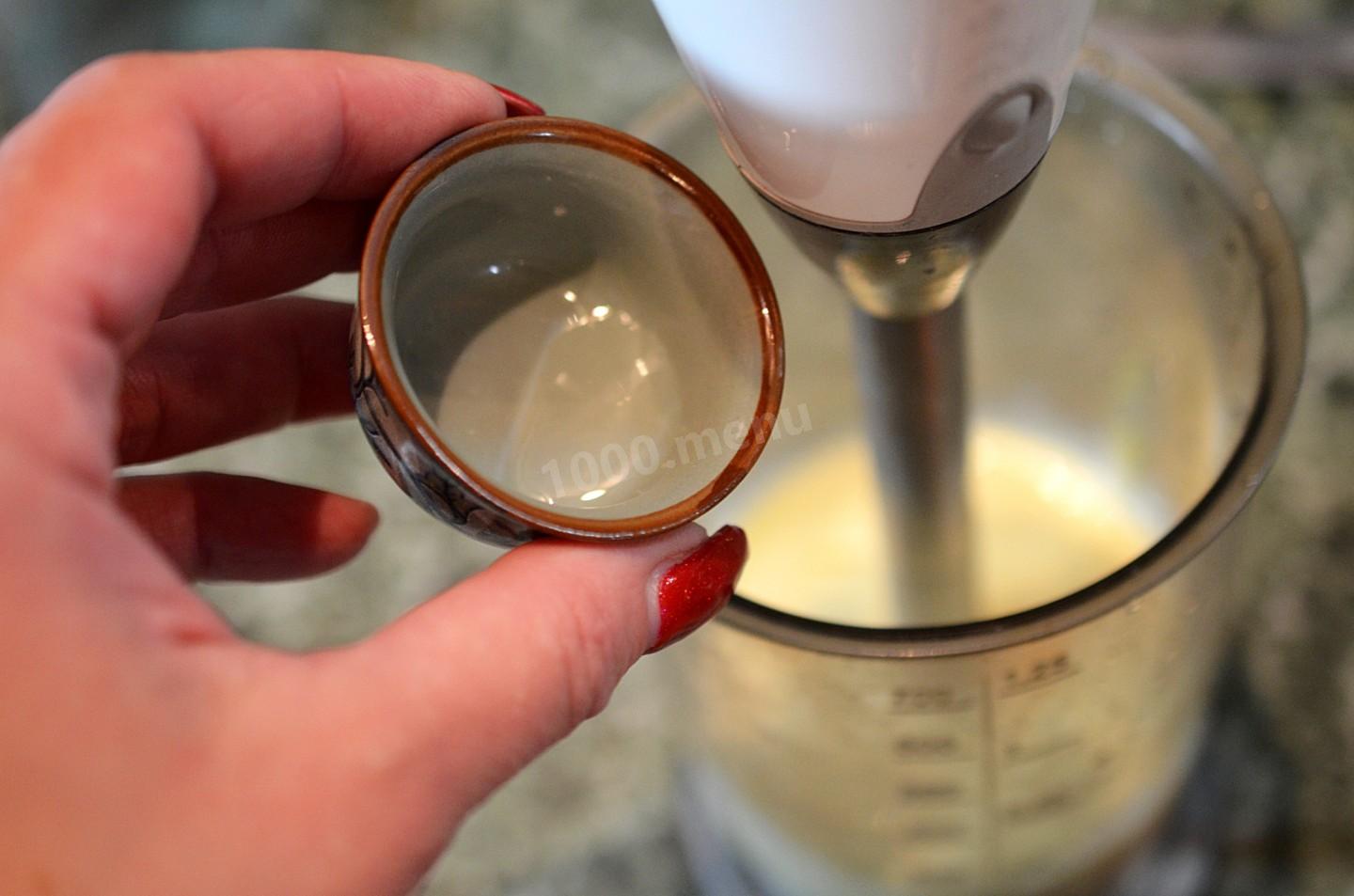
At the very end, pour in the vinegar and blend once more. The vinegar is what gives homemade mayonnaise that classic mayonnaise tang. Store it in the fridge for 2-3 days in a lidded container.
-
Step 9:
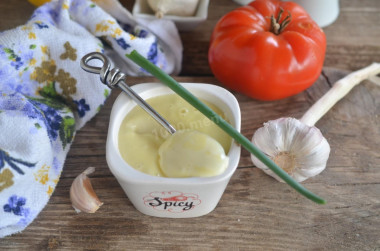
This sauce is great for dressing salads and as a marinade, and it also holds up well to heat when you bake meat or fish with it. Enjoy!



- Mayonnaise is probably the most popular sauce there is. Here's a quick, simple recipe for natural homemade mayonnaise that tastes every bit as good as store-bought! It's great for dressing dishes, as a marinade, and for baking!
- How can you tell if an egg is fresh? Crack it into a separate container. First, there should be no off smell. The white of a fresh egg is clear and clean, and the yolk shouldn't spread - it should be shiny, domed, and uniform.
- Always wash the eggs before using them, since even a shell that looks clean can carry harmful bacteria. It's best to use a food-safe wash and a brush.
Caloric content of the products possible in the composition of the dish
- Chicken egg - 157 kcal/100g
- Egg white - 45 kcal/100g
- Egg powder - 542 kcal/100g
- Egg yolk - 352 kcal/100g
- Ostrich egg - 118 kcal/100g
- Table mustard - 417 kcal/100g
- Mustard - 417 kcal/100g
- Wine vinegar (3%) - 9 kcal/100g
- Vinegar, 9% - 11 kcal/100g
- Balsamic vinegar - 88 kcal/100g
- Apple cider vinegar - 14 kcal/100g
- Vinegar - 11 kcal/100g
- Vegetable oil - 873 kcal/100g
- Salt - 0 kcal/100g