The Most Delicious, Tender Enriched Dough for Buns
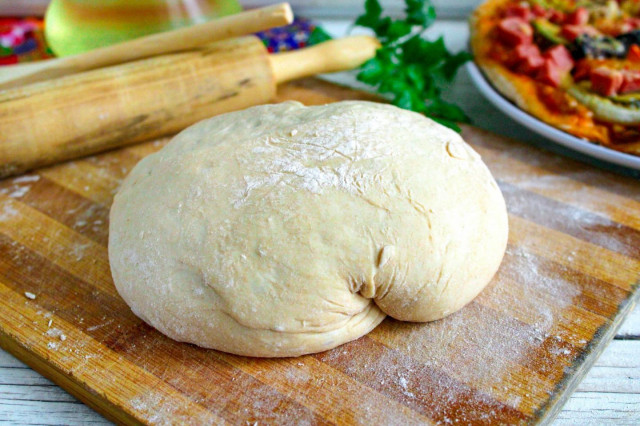
Light, airy, made from ordinary ingredients! This enriched bun dough comes out wonderfully tender and tasty. It takes a fair amount of time, but most of that is proofing - the process itself is simple and straightforward.


Cooking method
-
Step 1:
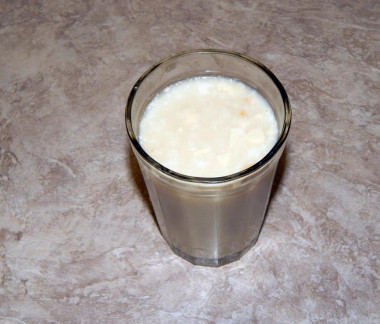
How do you make enriched bun dough? This dough starts with a sponge. How do you make the sponge? Pour a cup of warm milk into a deep bowl. Heat the milk to about 99-100°F (37-38°C) - the microwave works fine for this. Add a tablespoon of sugar to the milk and stir. Add a teaspoon of instant dry yeast and mix thoroughly so the yeast granules disperse. Add a tablespoon of wheat flour.
-
Step 2:
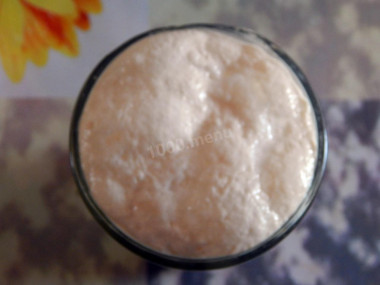
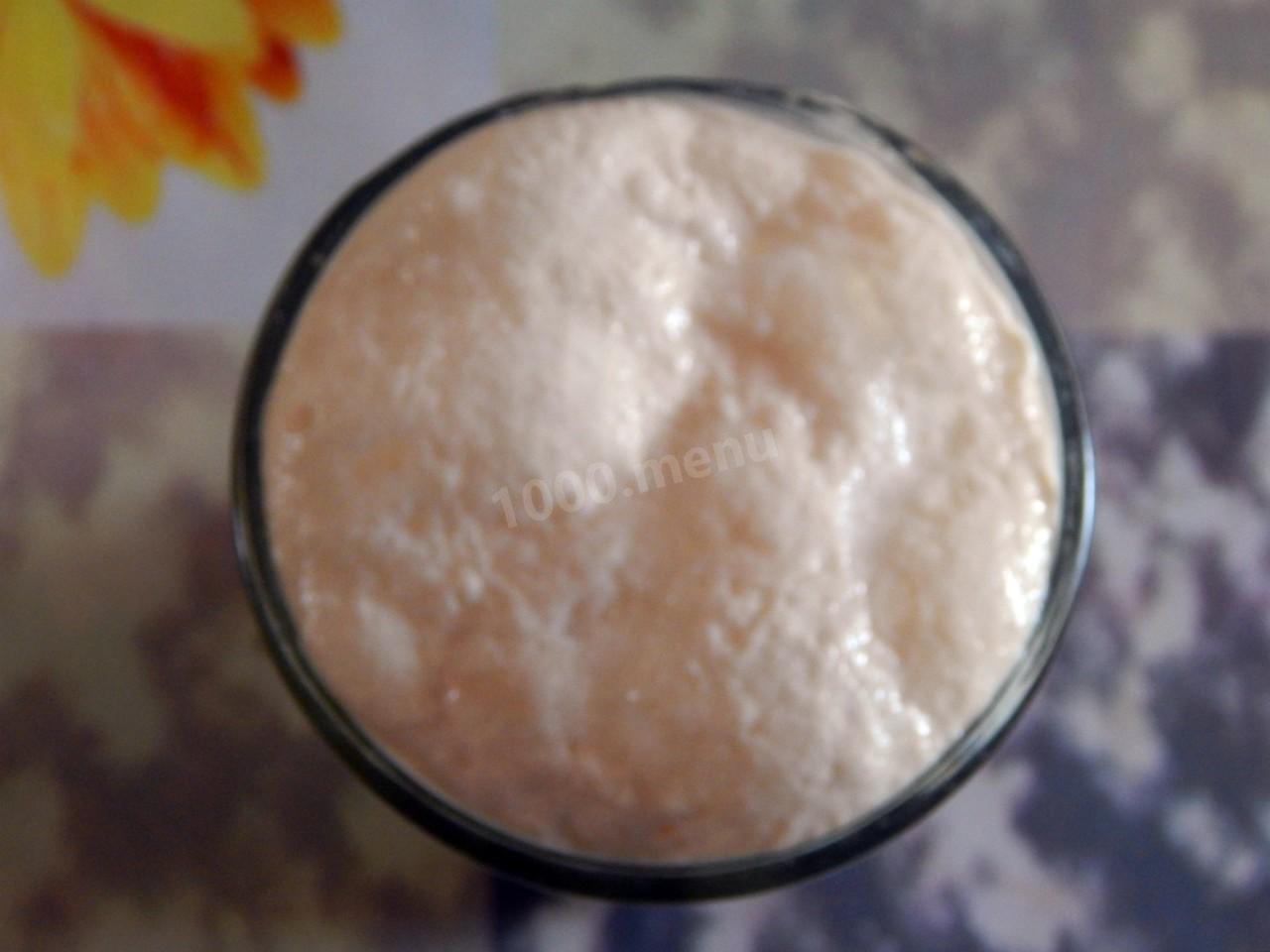
Stir until there are no lumps. Cover the bowl with a towel (or plastic wrap) and put it in a warm spot for 20 minutes so the yeast activates. If the ingredients are good and you've done everything right, a cap of yeast foam should form on the surface of the sponge by then.
-
Step 3:
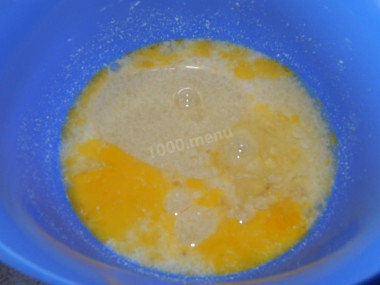
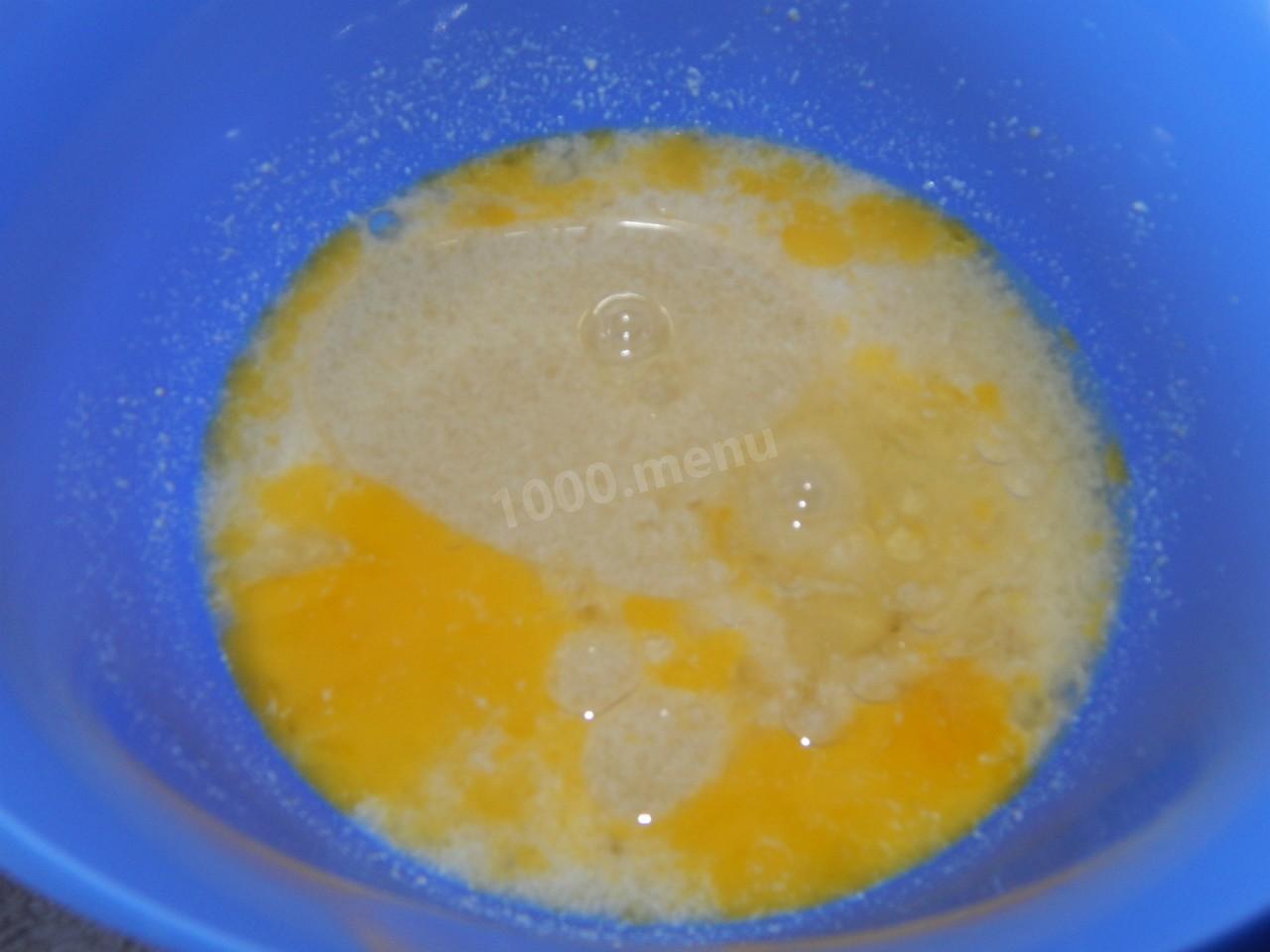
In another bowl, combine the eggs with the rest of the sugar, the salt, and the butter (melted and cooled to room temperature). Mix well, or beat with a mixer, until smooth.
-
Step 4:
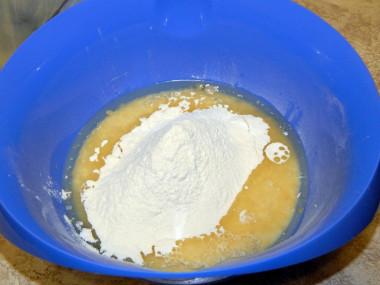
Pour the sponge into the bowl with the butter-and-egg mixture. Stir. Start adding the sifted wheat flour. For especially airy, tender buns, use top-grade flour and be sure to sift it - preferably more than once - to aerate it with oxygen. Add the flour in batches, stirring the dough with a spoon each time.
-
Step 5:
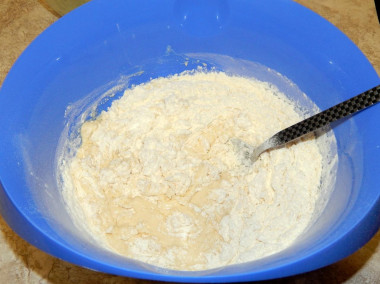
When it gets hard to stir with a spoon, turn the dough out onto a floured surface and keep kneading, adding flour as needed. Be prepared to need more or less flour than the recipe states - go by the consistency of the dough rather than the exact amount.
-
Step 6:
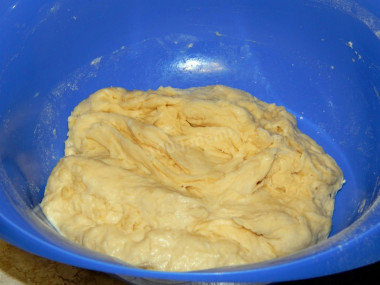
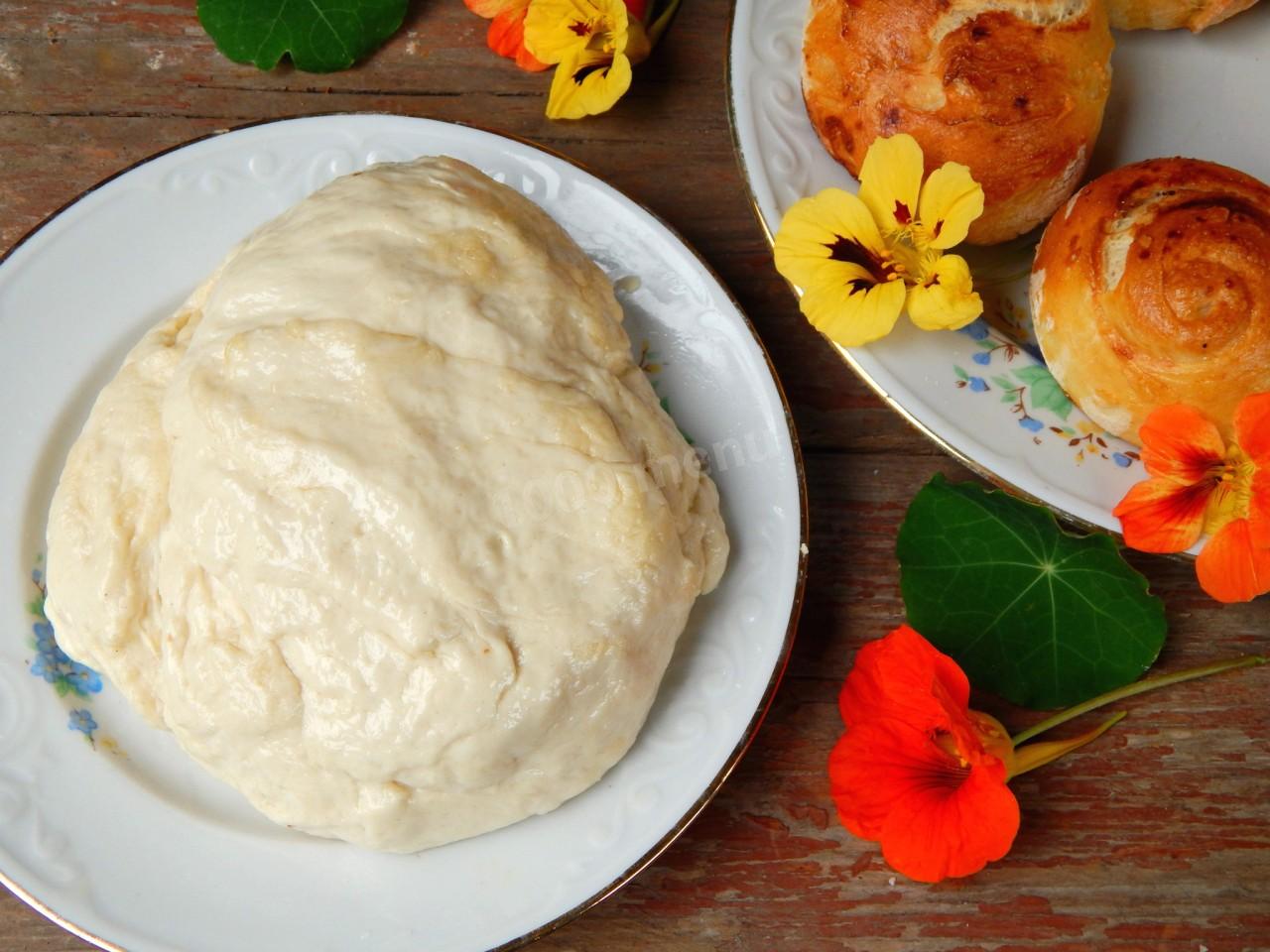
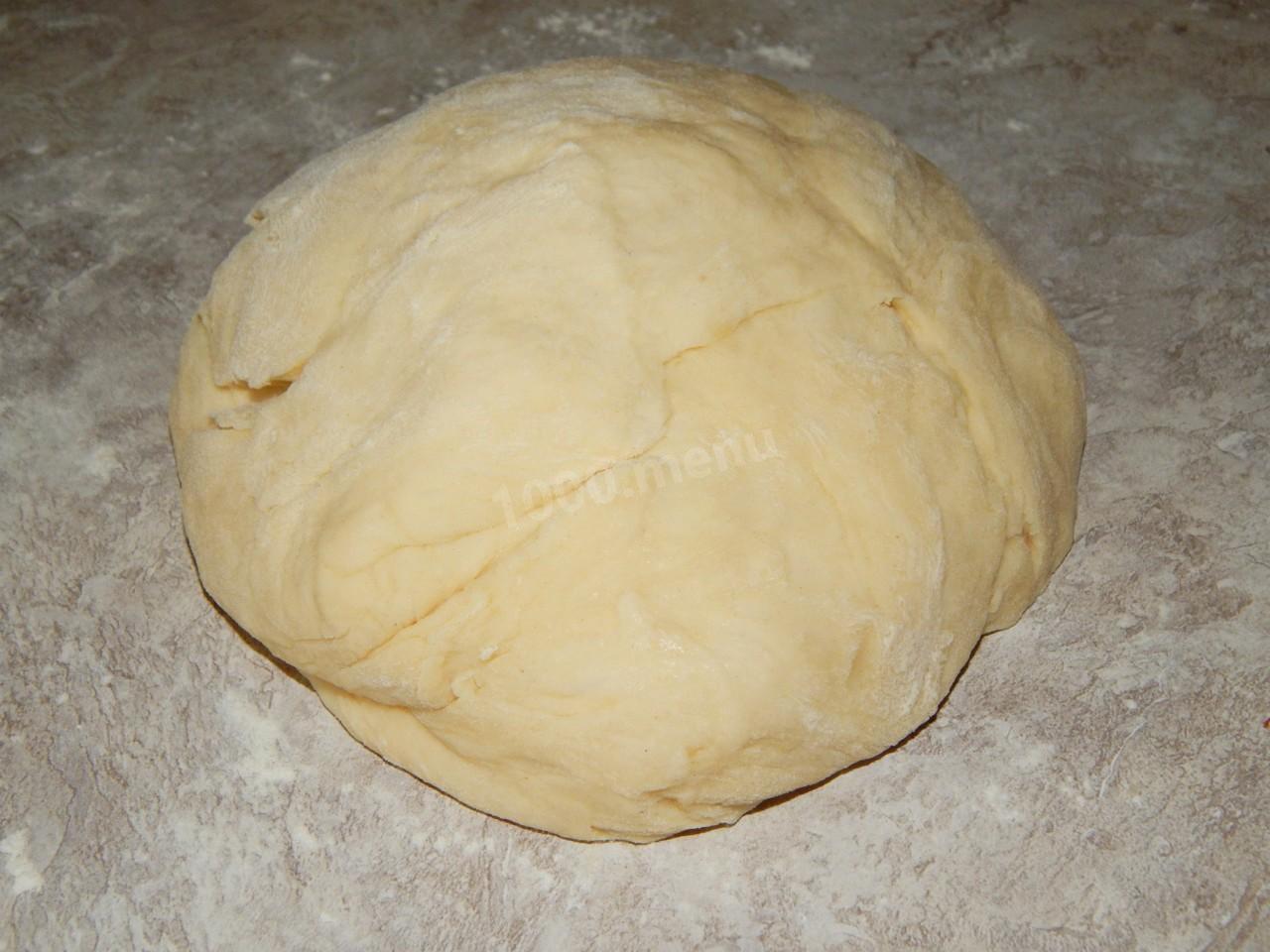
The dough should turn out smooth, elastic, and easy to handle, slightly tacky to the touch. Brush it with vegetable oil and put it back in the bowl. Cover the bowl with a towel and set it in a warm place to rise for a couple of hours.
-
Step 7:
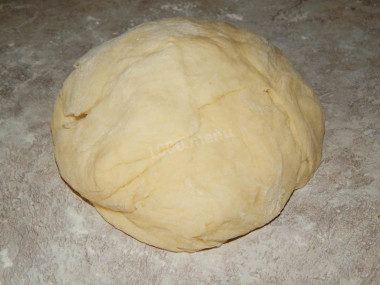
Then punch the dough down, let it rise again, and move on to baking your buns. Enjoy!



- Always wash the eggs before using them, since even a shell that looks clean can carry harmful bacteria. It's best to use a food-safe wash and a brush.
- You can melt butter in the microwave or over a water bath. In the microwave: cut the butter into small pieces and put them in a suitable container. To keep it from spattering, cover the container with a paper towel. Melt the butter on the lowest power or the defrost setting. Five seconds is enough to start; if it hasn't melted, set another 5 seconds and run the microwave again, repeating until done. Over a water bath: you'll need two containers of different sizes. Pour water into the larger one and set it on the stove. Set the smaller one on top so it's about half-submerged. Put the cut-up butter in it. The boiling water will start to melt the butter. Stir it gently to speed things up. As soon as the butter is fully melted, take the container off the stove.
- The liquid you dissolve the yeast in should feel pleasant to the touch, no hotter than 104°F (40°C). Why does this matter? Yeast activates well in a warm environment, dies in a hot one, and simply won't work in a cold one. To avoid unpleasant surprises, test the yeast before mixing it with the rest of the ingredients. Pour a little warm milk into a bowl and stir in the yeast. Cover the bowl with a kitchen towel and put it in a warm, draft-free spot for 10-15 minutes. A foamy yeast cap should form on the surface by then. If it doesn't, fermentation hasn't started (the yeast is expired or spoiled), so use different yeast or the baking won't work.
Caloric content of the products possible in the composition of the dish
- Whole cow's milk - 68 kcal/100g
- Milk, 3.5% fat - 64 kcal/100g
- Milk, 3.2% fat - 60 kcal/100g
- Milk, 1.5% fat - 47 kcal/100g
- Evaporated milk, 7.5% fat - 140 kcal/100g
- Milk, 2.5% fat - 54 kcal/100g
- Granulated sugar - 398 kcal/100g
- Sugar - 398 kcal/100g
- Butter, 82% - 734 kcal/100g
- Unsalted table butter - 709 kcal/100g
- Unsalted farmhouse butter - 661 kcal/100g
- Salted farmhouse butter - 652 kcal/100g
- Clarified butter - 869 kcal/100g
- Vegetable oil - 873 kcal/100g
- Salt - 0 kcal/100g
- Wheat flour - 325 kcal/100g
- Chicken egg - 80 kcal/100g
- Dry yeast - 410 kcal/100g