Classic Skillet-Braised Cabbage
Really tasty, fast, and simple — everyday ingredients for dinner! Classic skillet-braised cabbage works as a lean main all on its own or as a side for meat, chicken, or fish. You can add all sorts of things to it: vegetables, mushrooms, hot dogs, sausage, and so on.

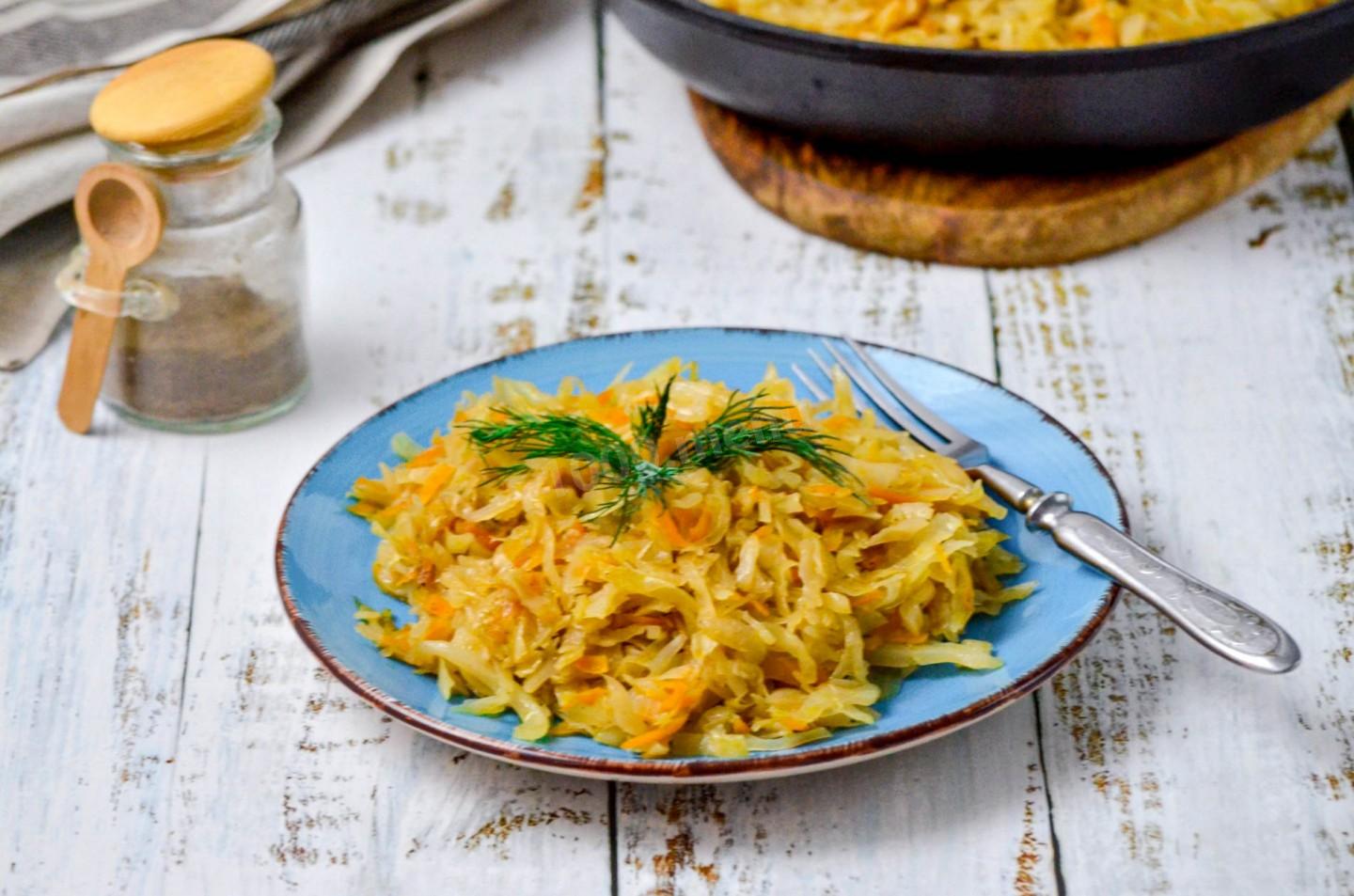
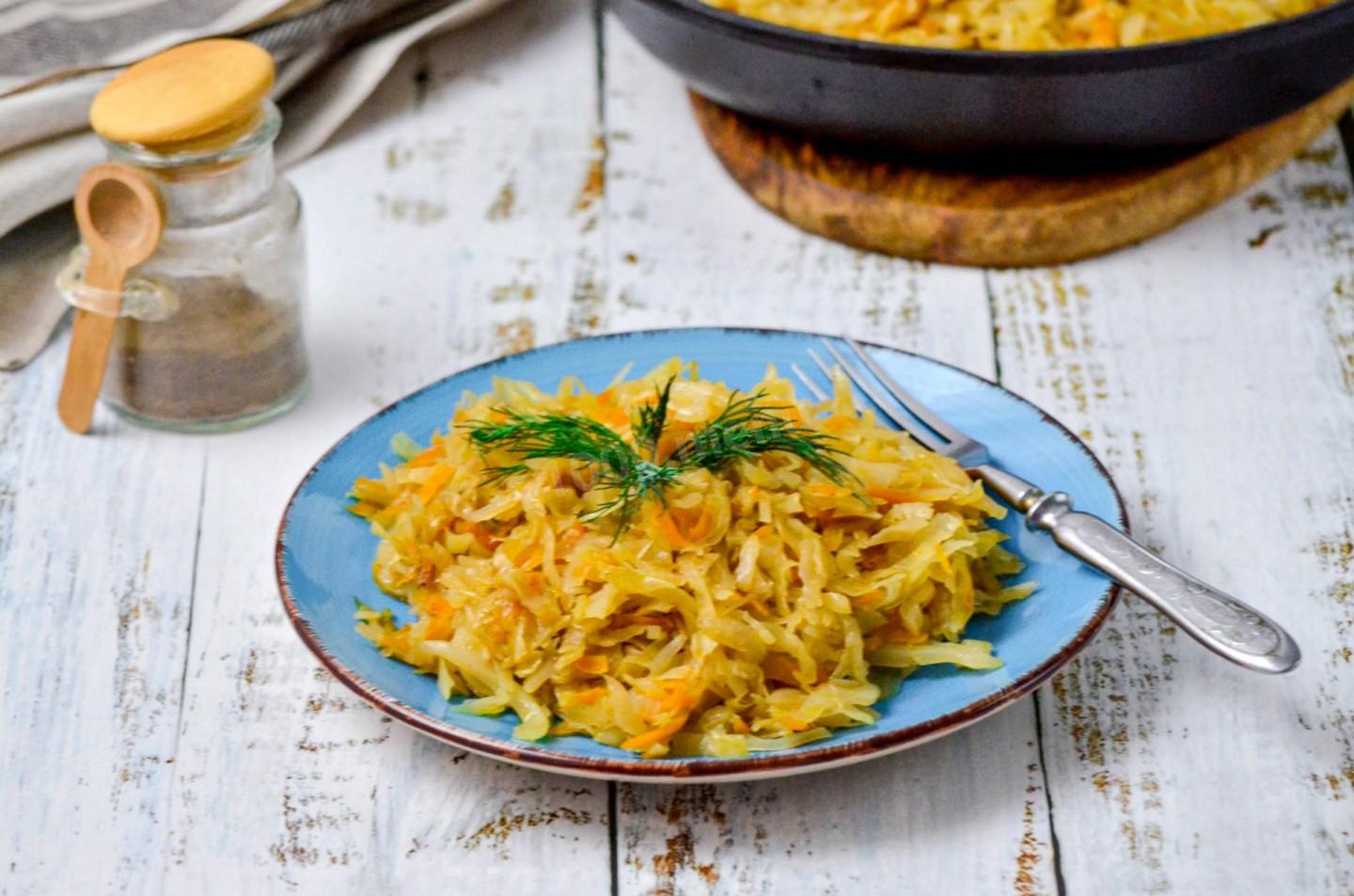
Cooking method
-
Step 1:
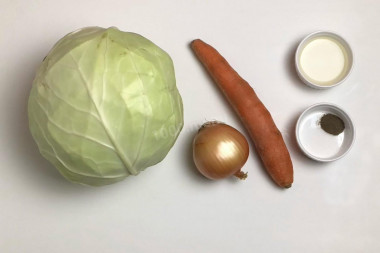
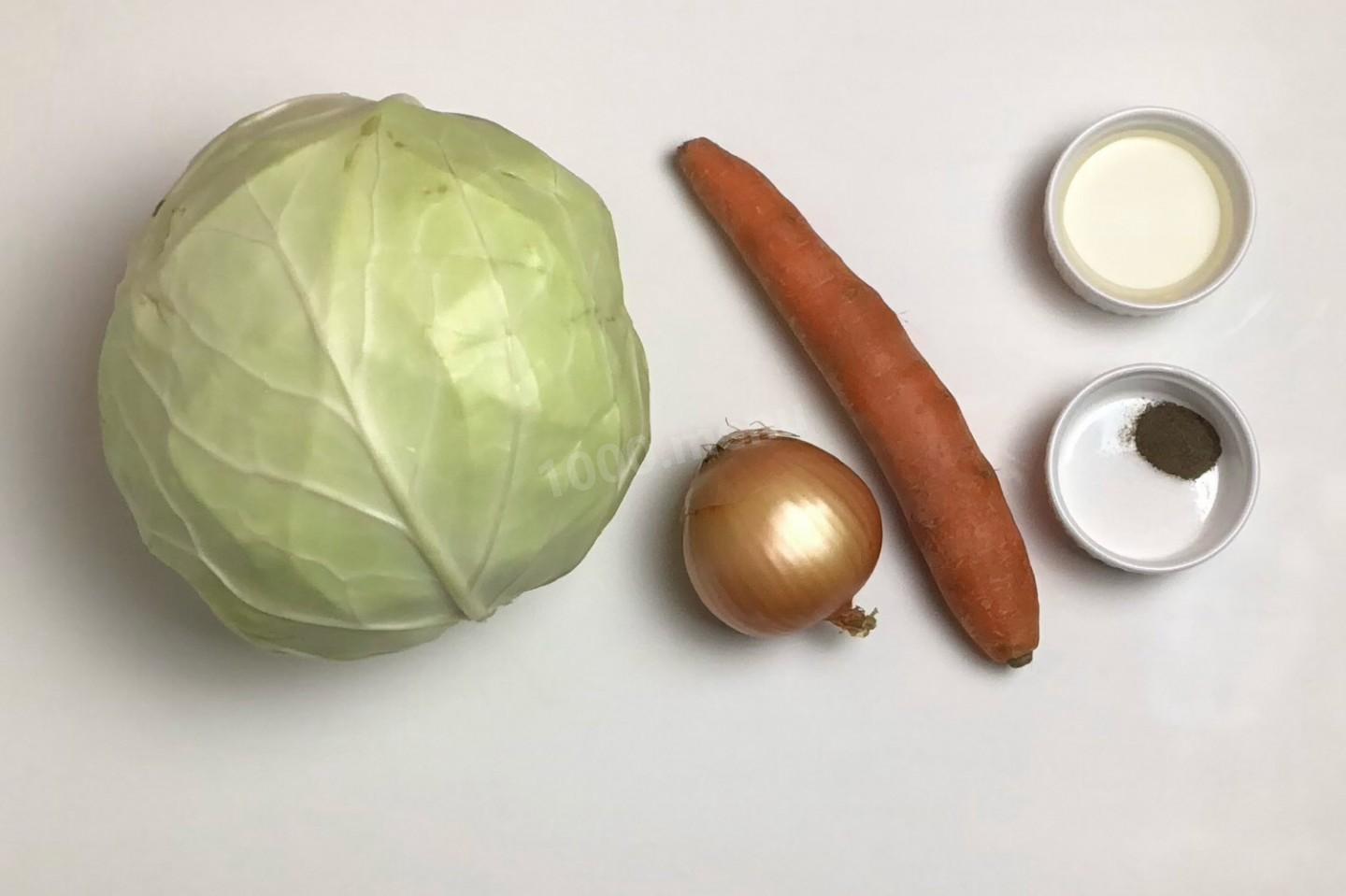
How do you braise classic cabbage in a skillet? Gather your ingredients. When picking cabbage, keep in mind that it shrinks a lot as it cooks down — I used a small, dense head. Wash and dry the vegetables. Peel off the head's outer leaves and rinse it, then dry it again.
-
Step 2:
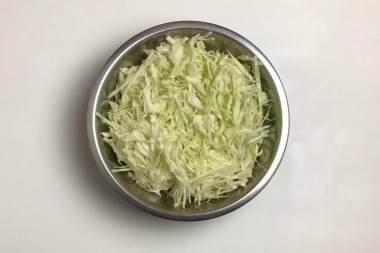
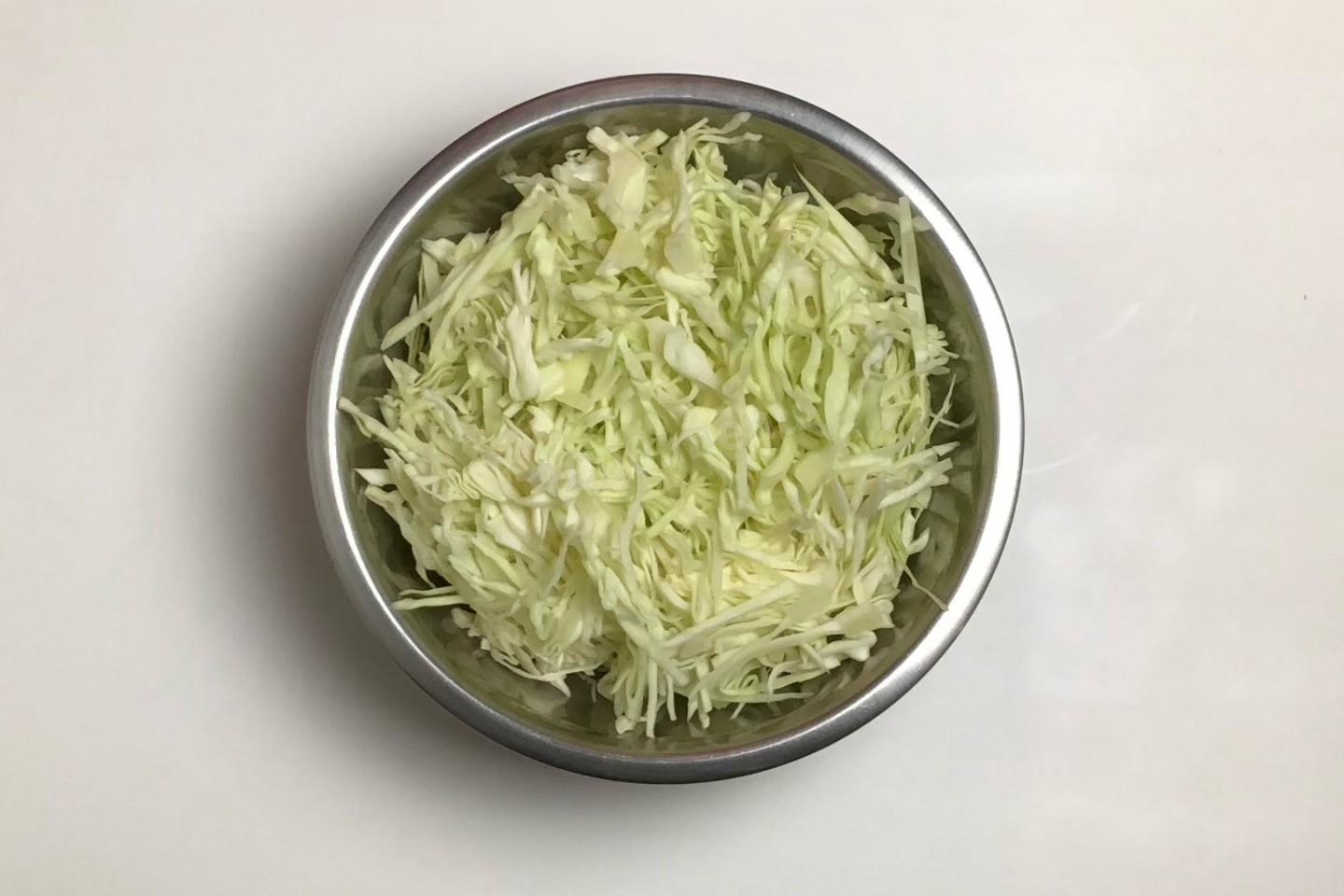
Shred the cabbage as thinly as you can. It looks nicer that way and cooks much faster. I recommend thin, long strips.
-
Step 3:
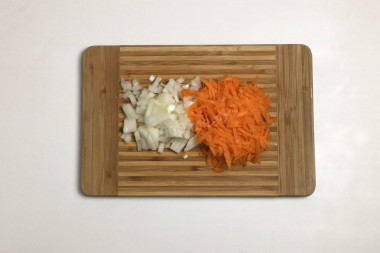
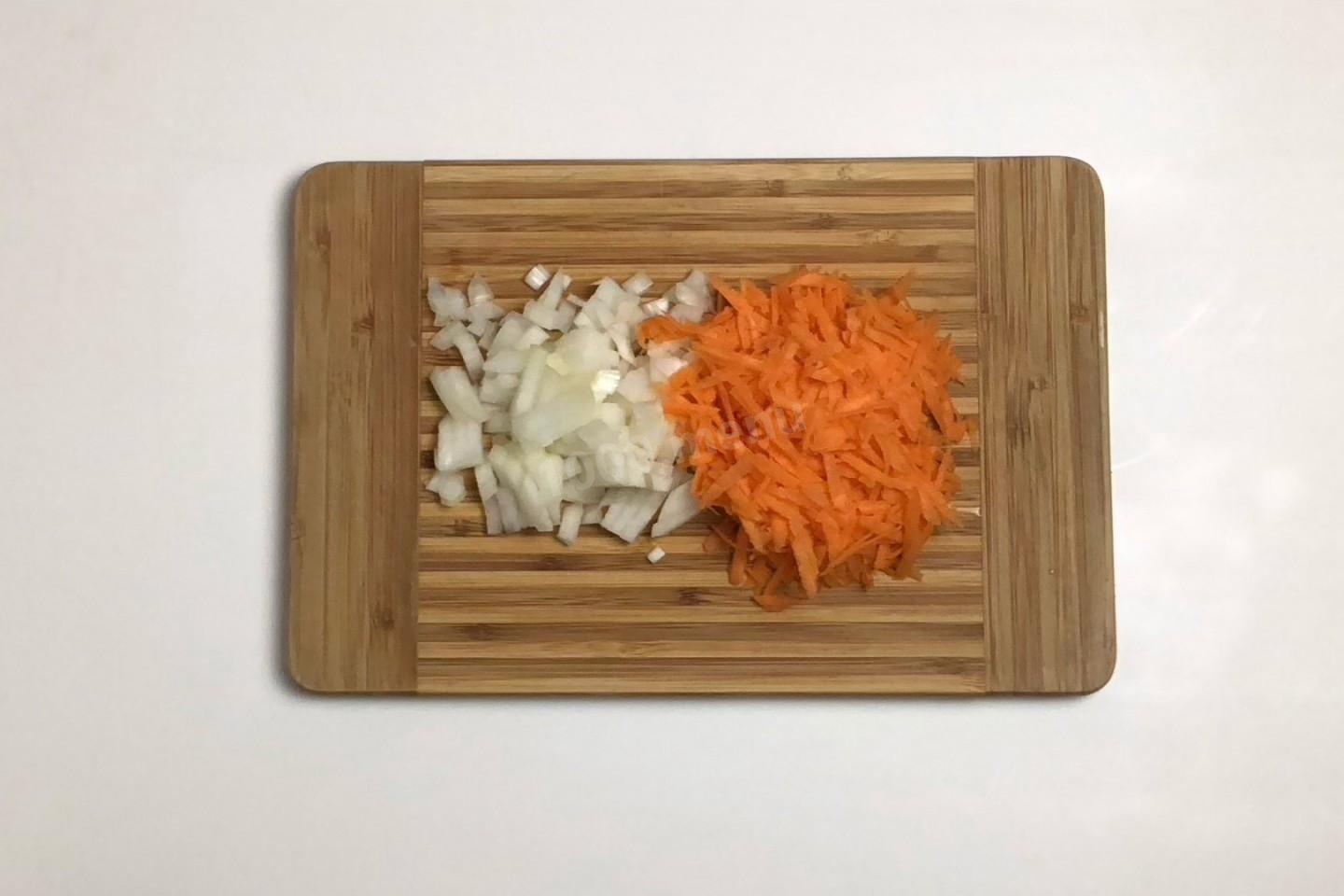
Peel the onion and dice it small — or cut it into thin half-rings, your choice. Peel the washed carrot and grate it on the large holes of a box grater.
-
Step 4:
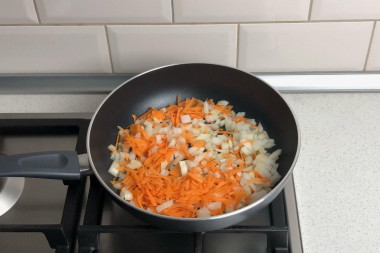
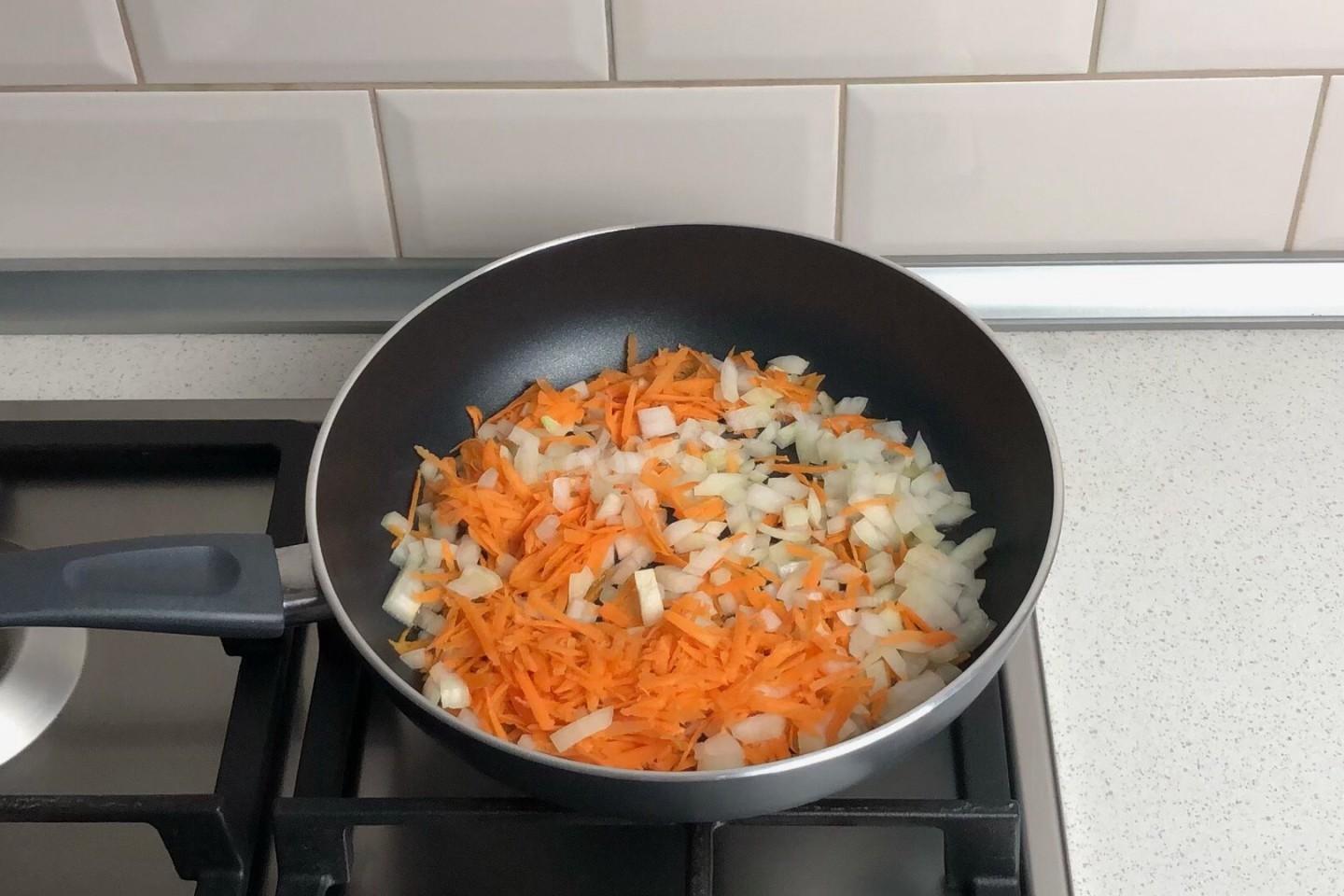
In a deep, wide skillet, heat half the vegetable oil. Add the carrot and onion and fry over low heat for 7 to 10 minutes, stirring. The onion should turn translucent and the carrot golden. Once it does, transfer the onion and carrot to a separate bowl. Wash or wipe out the skillet (or use a second one).
-
Step 5:
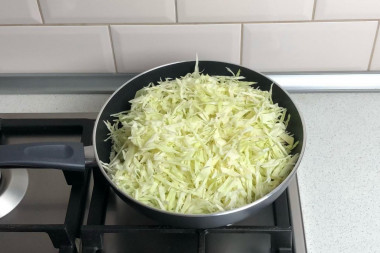
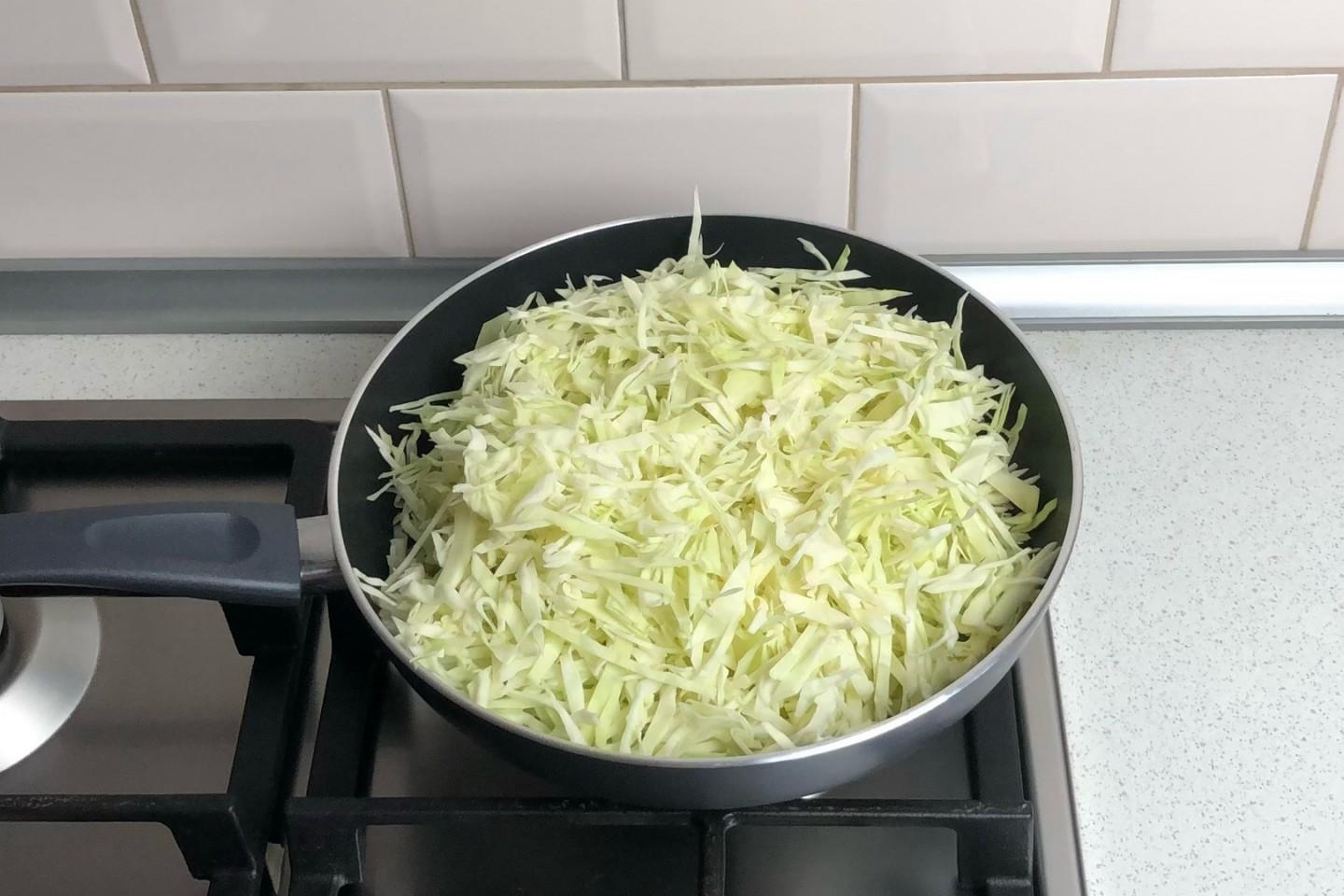
Return the cleaned skillet to the heat, add the rest of the oil, and heat it up. Add the cabbage. If it doesn't all fit, wait a bit — it'll wilt down and you can add the rest. Fry the cabbage over low to medium heat for about 10 to 15 minutes. Go by your stove.
-
Step 6:
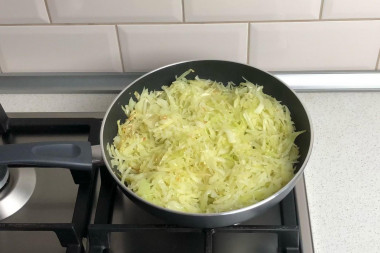
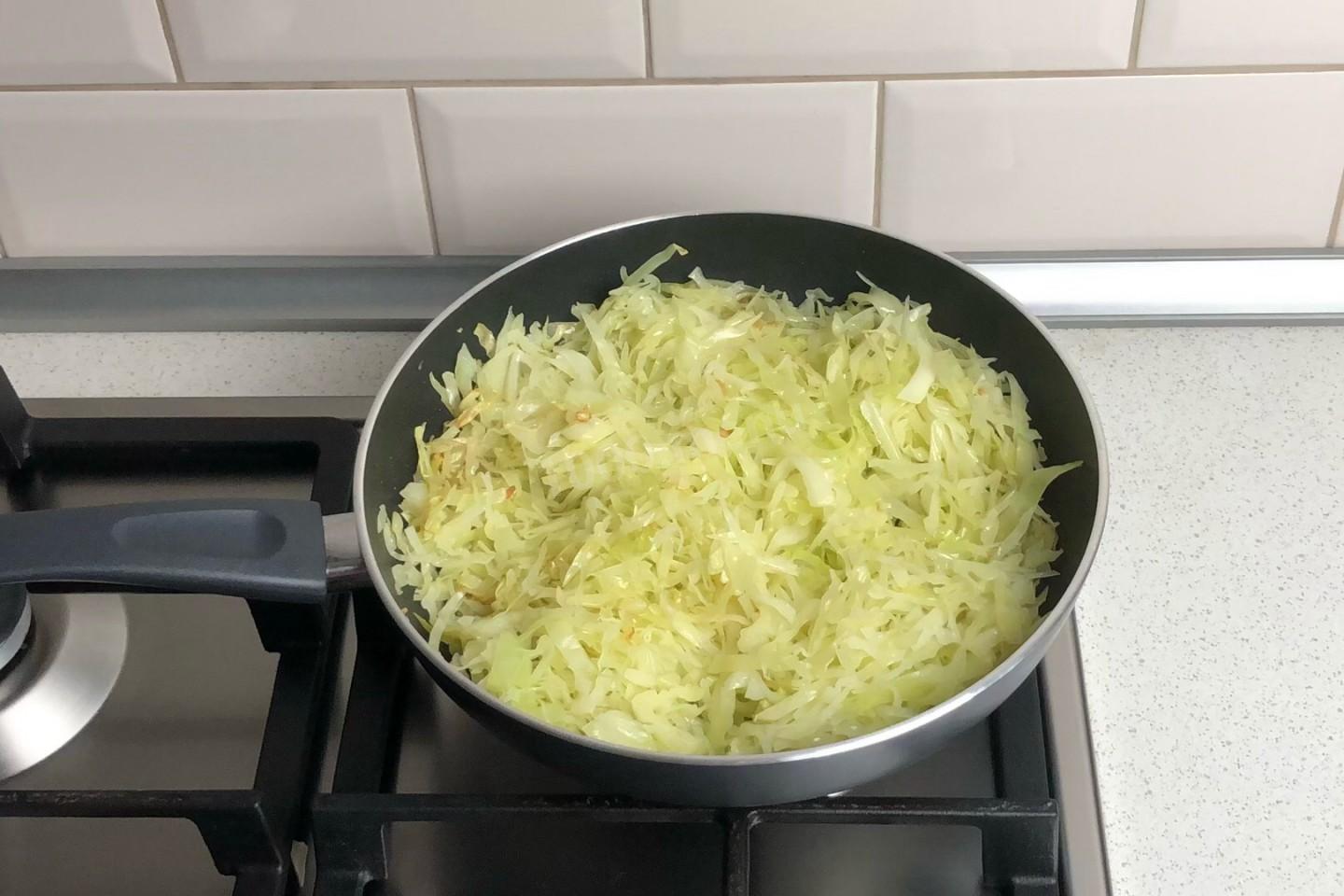
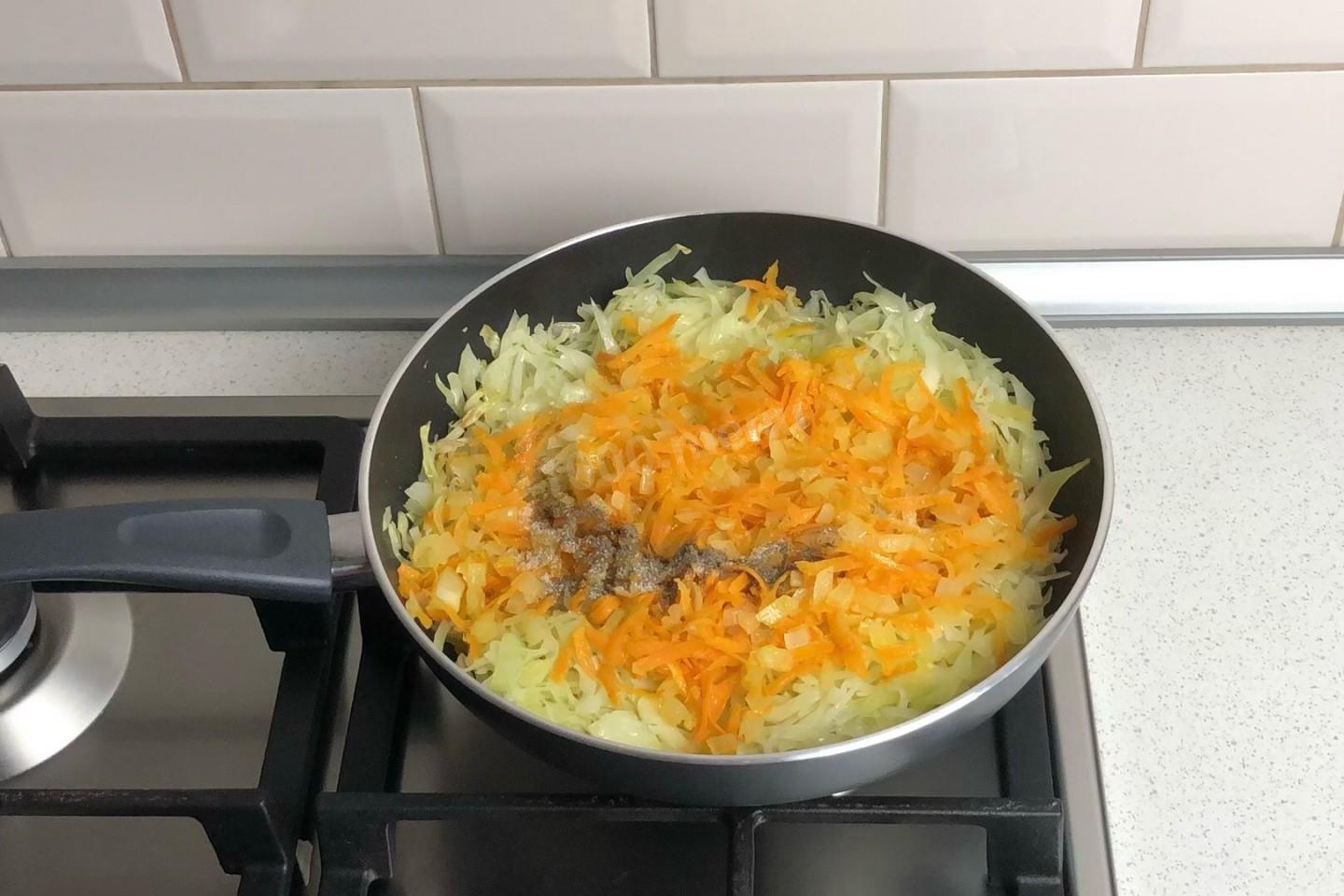
Here's how much my cabbage shrank as it fried. After about 15 minutes it started to brown on the bottom. Give it a stir.
-
Step 7:
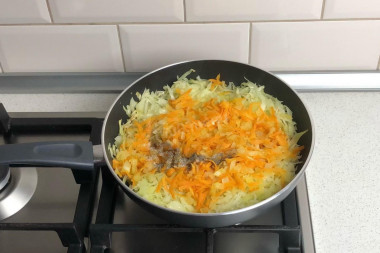
Add the fried carrot and onion back to the pan, along with salt and pepper. Mix well.
-
Step 8:
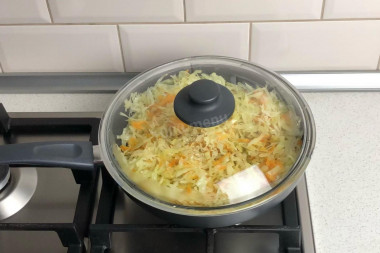
Lower the heat, cover the pan, and braise the cabbage until tender — it took me 15 to 20 minutes. The cabbage should turn soft. If it's old and tough, add a little water and cook it longer. Enjoy!
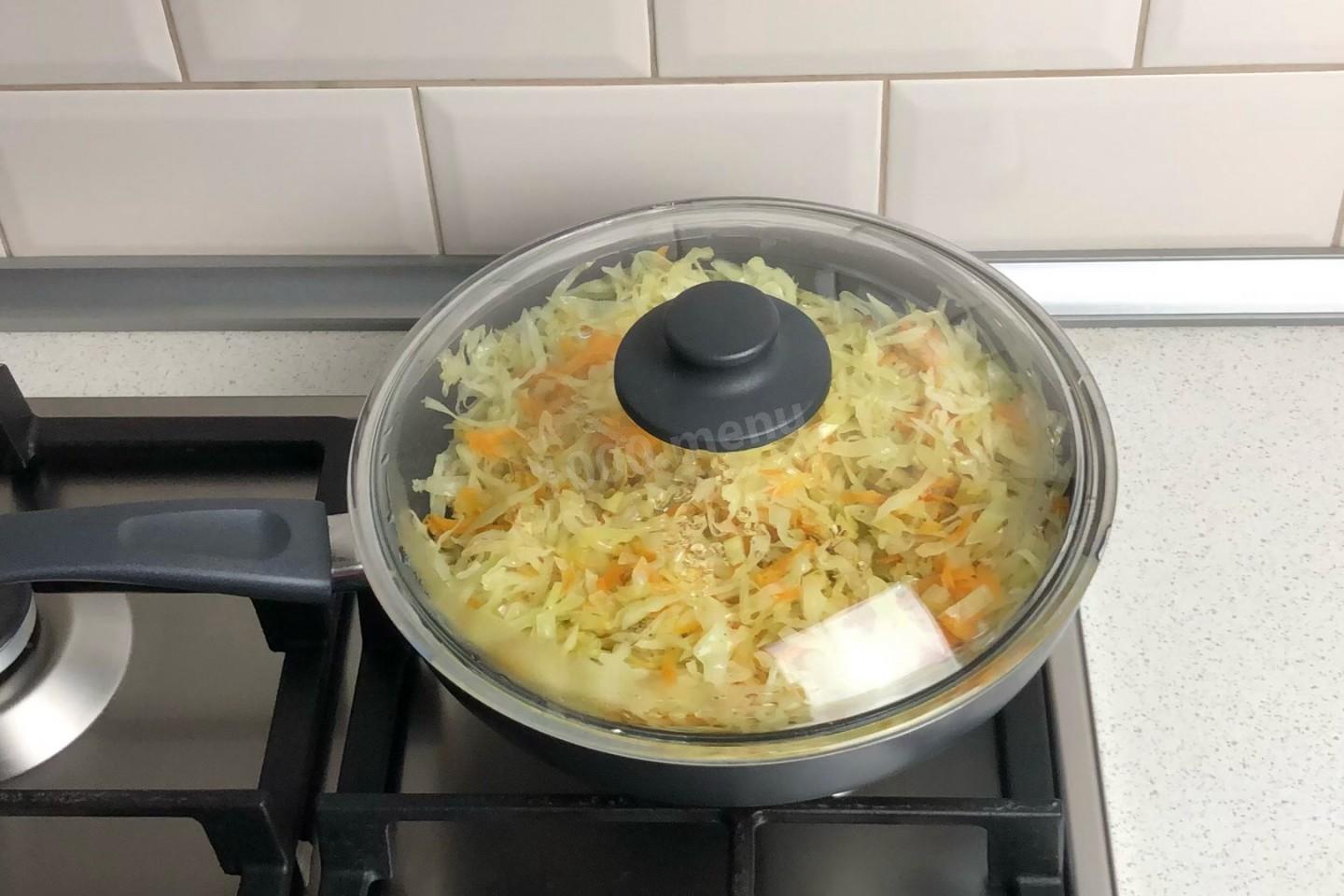
- The cabbage came out soft and juicy without cooking down to mush. I really liked frying it in oil first; I used to just braise it in water. This time I added only a splash of water — you could skip it entirely, since the cabbage releases a lot of juice once you add salt. Now for some variations: a spoonful of tomato paste gives the dish a nice color and aroma, and you can drop in a bay leaf at the very end. Season to taste. Cabbage is often braised with meat or chicken, and it's great with smoked meats and sausage. With ground meat it's like very lazy cabbage rolls. Braise it with other vegetables and it becomes a vegetable stew.
- To keep your eyes from stinging when you cut onions, rinse the onion and the knife with cold water. And your cutting board won't hold onto the oniony smell if you rub it with a piece of lemon first.
- Use an oil with a high smoke point for frying. Any oil is only good up to a certain temperature — its smoke point — beyond which it starts to burn and forms harmful compounds. Unrefined oils, with rare exceptions, have a low smoke point; they're full of unfiltered particles that scorch quickly. Refined oils stand up to heat better and have a higher smoke point. If you're cooking in the oven, in a skillet, or on the grill, use an oil with a high smoke point. The most common ones are refined sunflower, olive, and grapeseed oils.
Caloric content of the products possible in the composition of the dish
- Onion - 41 kcal/100g
- Green cabbage - 46 kcal/100g
- Fresh frozen green cabbage in a package - 45 kcal/100g
- Carrots - 33 kcal/100g
- Dried carrots - 275 kcal/100g
- Boiled carrots - 25 kcal/100g
- Vegetable oil - 873 kcal/100g
- Salt - 0 kcal/100g
- Pepper - 26 kcal/100g
Similar recipes

- Classic recipes
- Second course
- Side dishes
- Vegetables
- Spices seasonings spices
- Fats and oils
- Pepper
- Salt
- Vegetable oil
- Frying
- Stewing
- Second courses of cabbage
- Side dish to fish
- Side dish to cutlets
- Side dish to meat
- Side dish to chicken
- Side dish to steak
- Side dish to duck
- From carrots
- From cabbage
- From onion
- No eggs
- Vegetarianism
- Lean table
- Recipes for lean dishes without butter