Pan-Fried Sea Bass
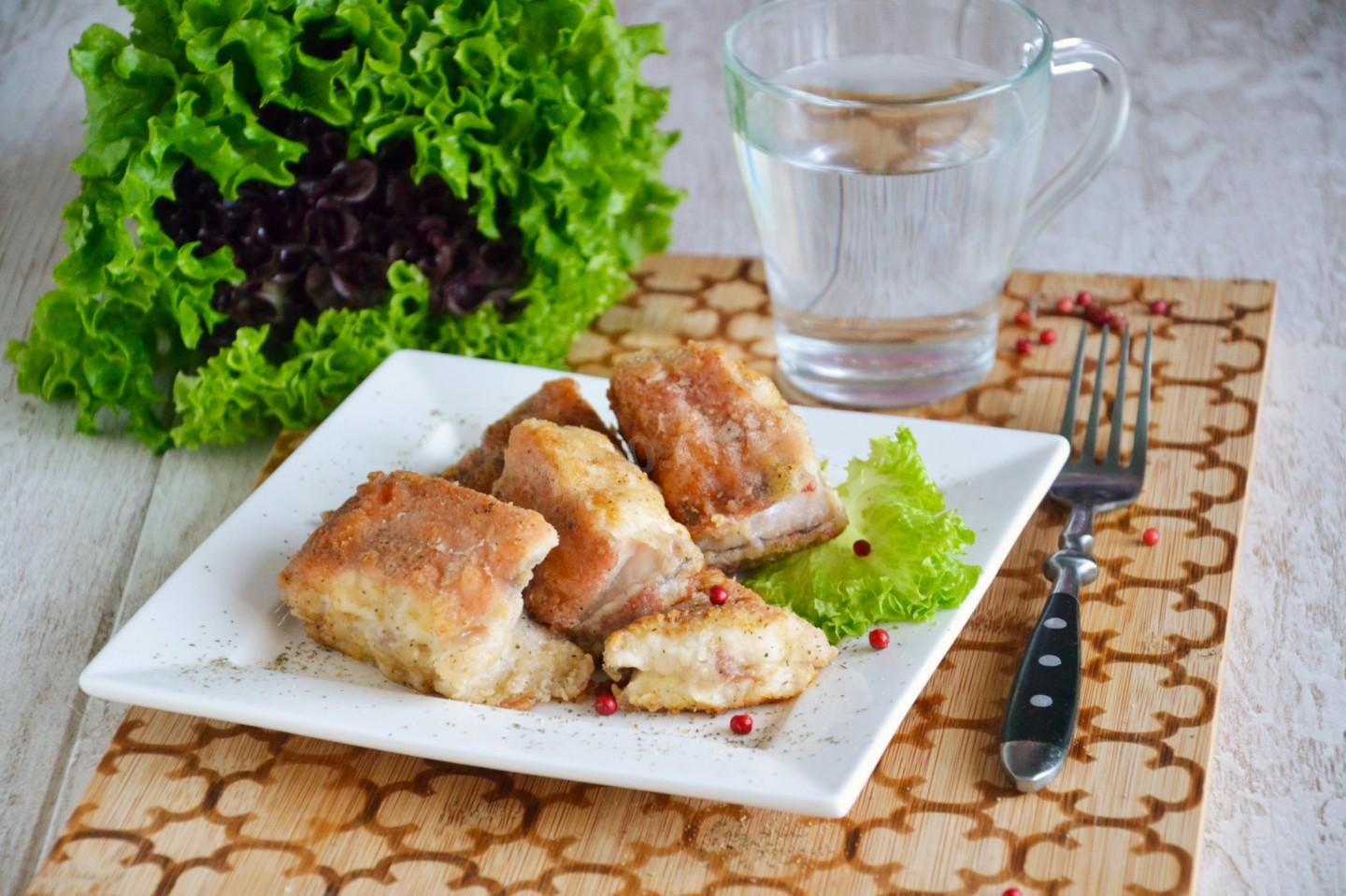
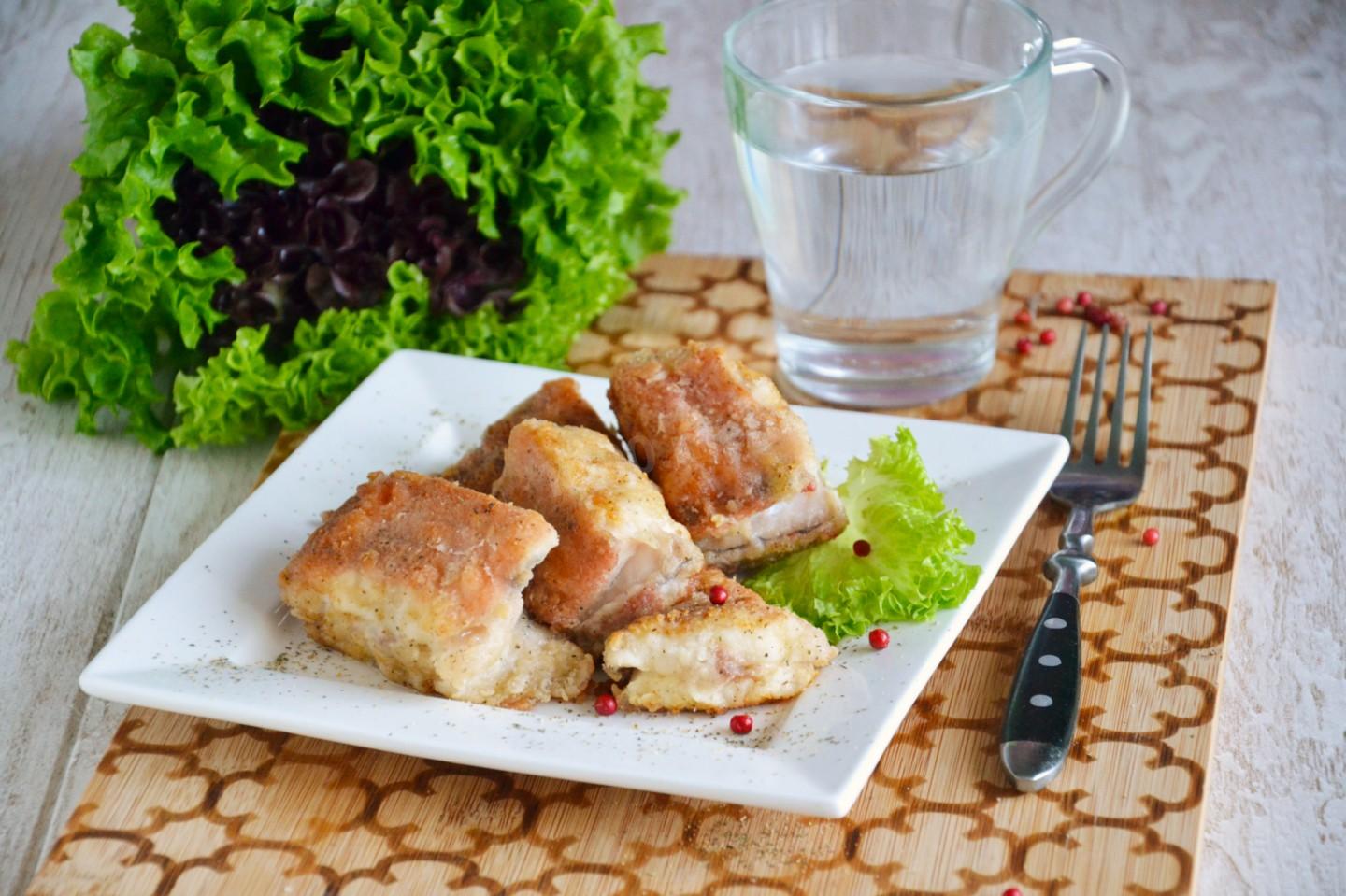
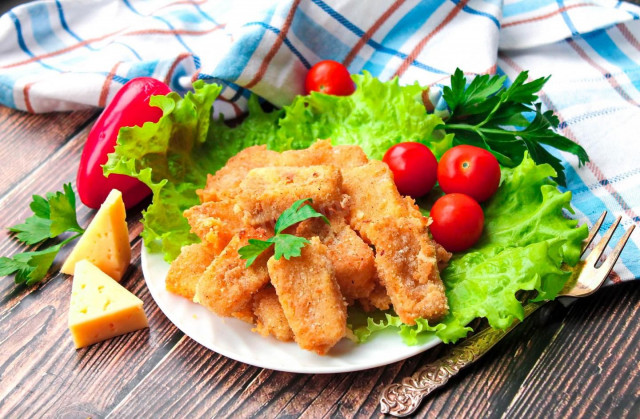
Pan-fried sea bass is a go-to weeknight main. Sea bass is an affordable, budget-friendly fish with a mild, neutral flavor that's a little like cod. That easygoing taste makes it endlessly versatile — you can take it in just about any direction.

Cooking method
-
Step 1:
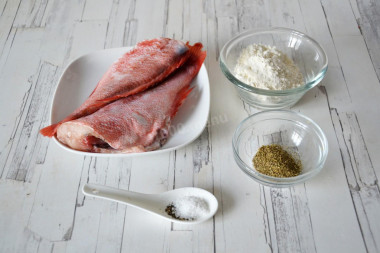
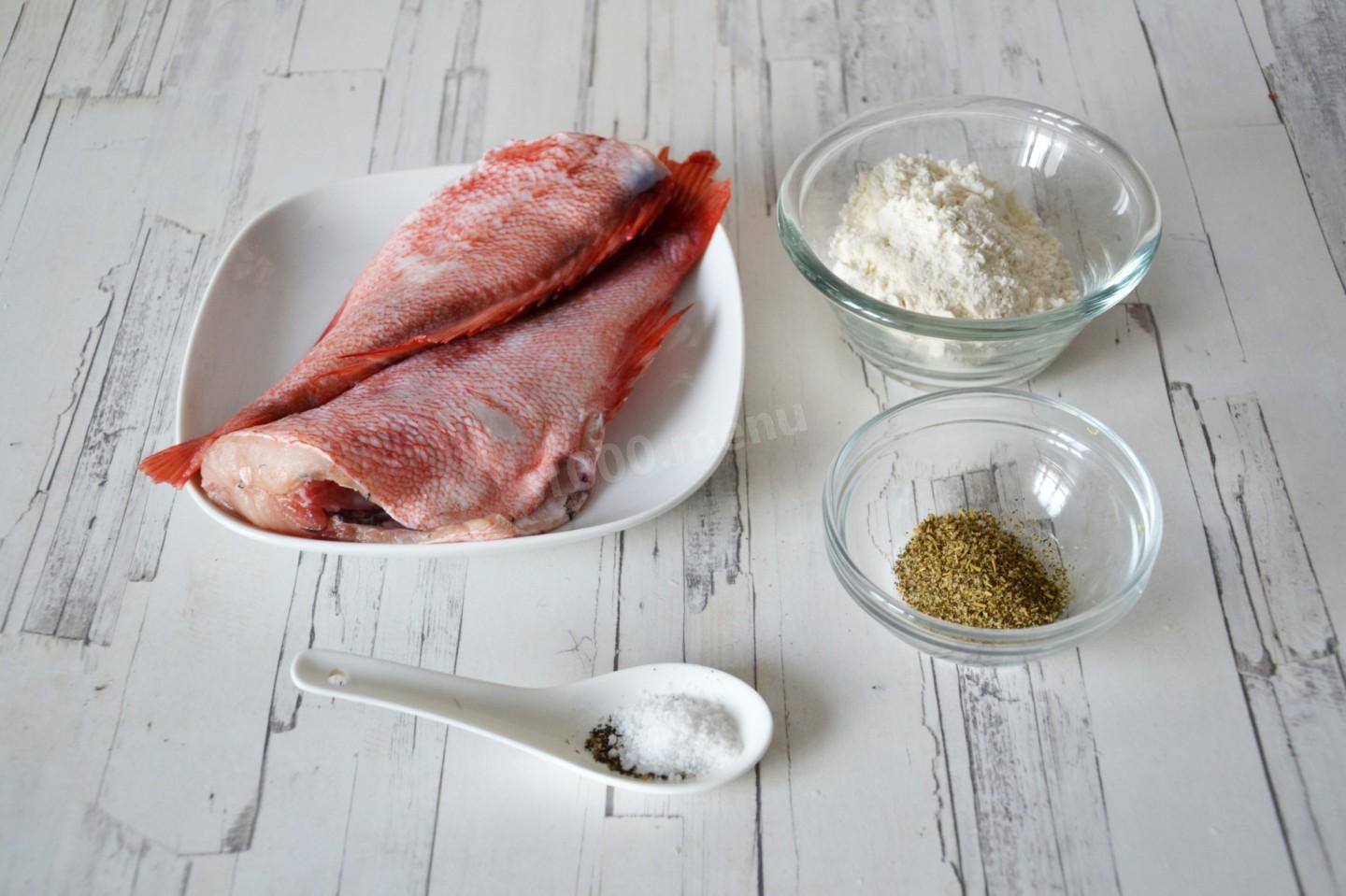
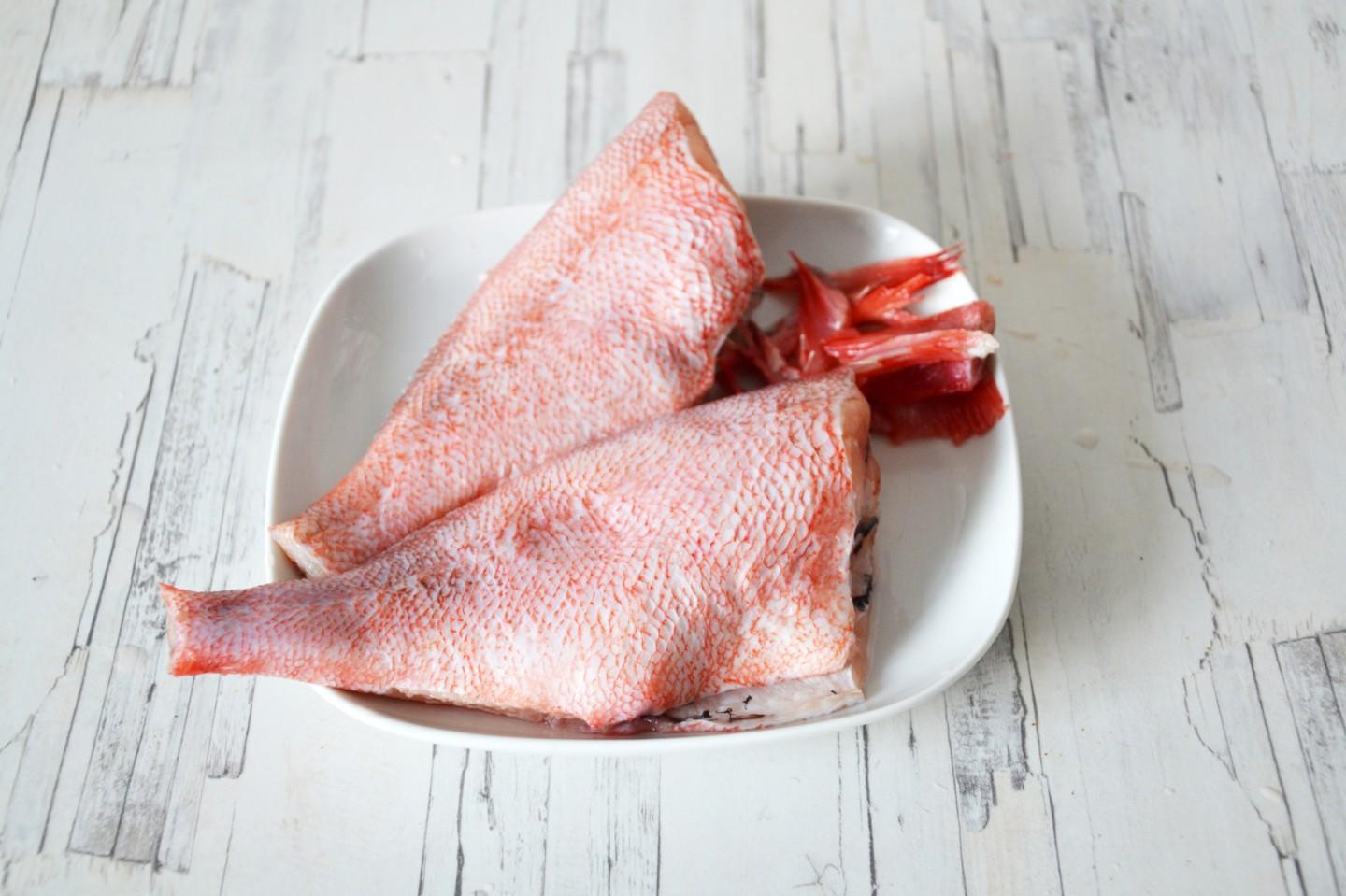
Gather your ingredients. To pan-fry sea bass, you'll need: 2–3 whole sea bass; flour, fish seasoning, ground black pepper, and salt for the breading; and vegetable oil for frying.
-
Step 2:
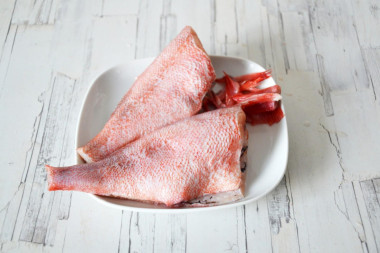
Rinse the fish and gut it. Scale it, then trim off the fins and tail.
-
Step 3:
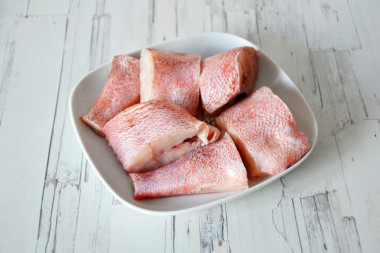
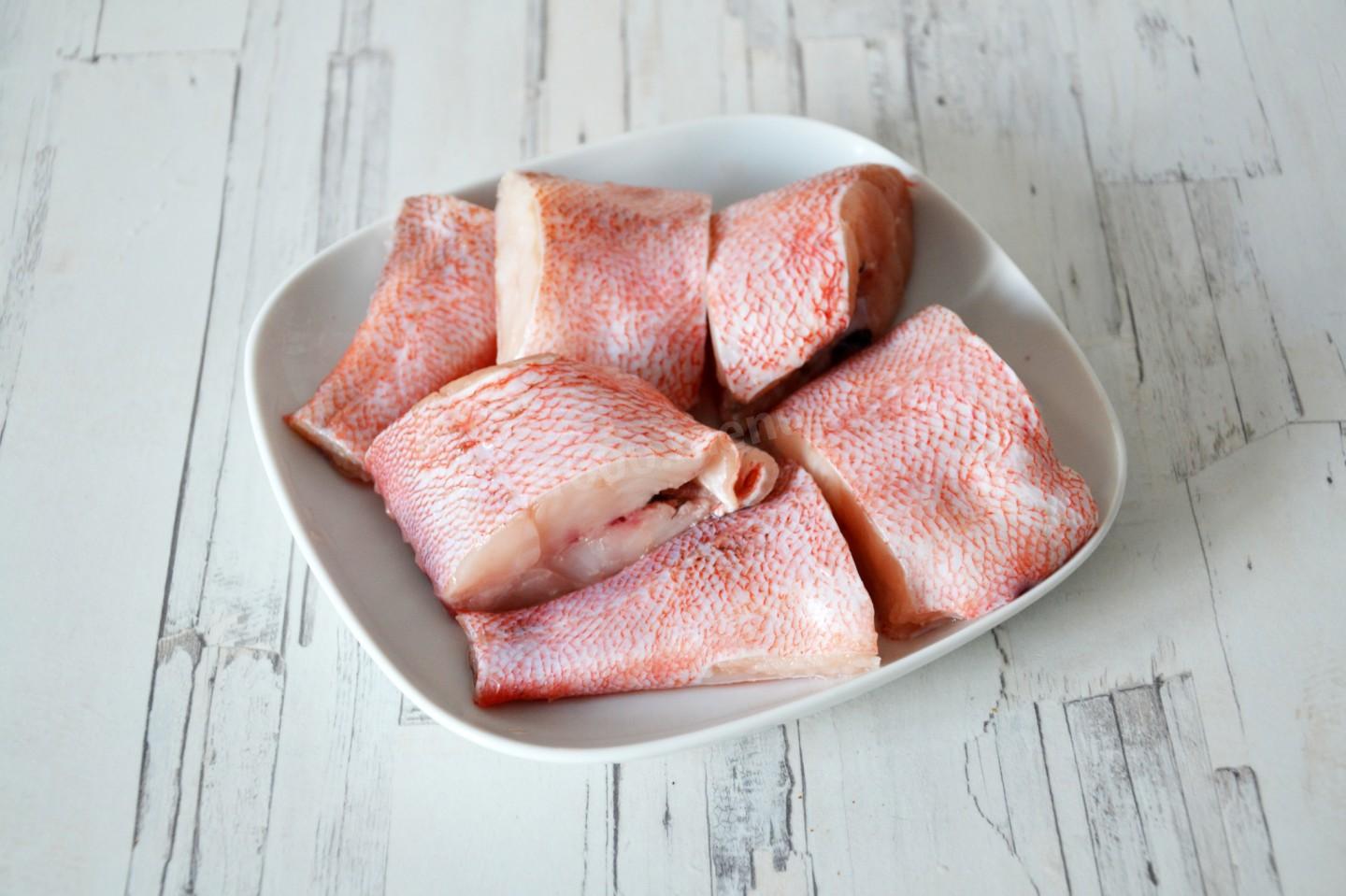
Cut the fish into serving-size pieces — you'll get about 3 medium pieces from each fish.
-
Step 4:
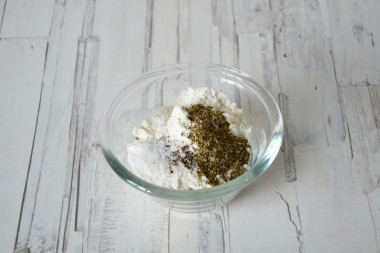
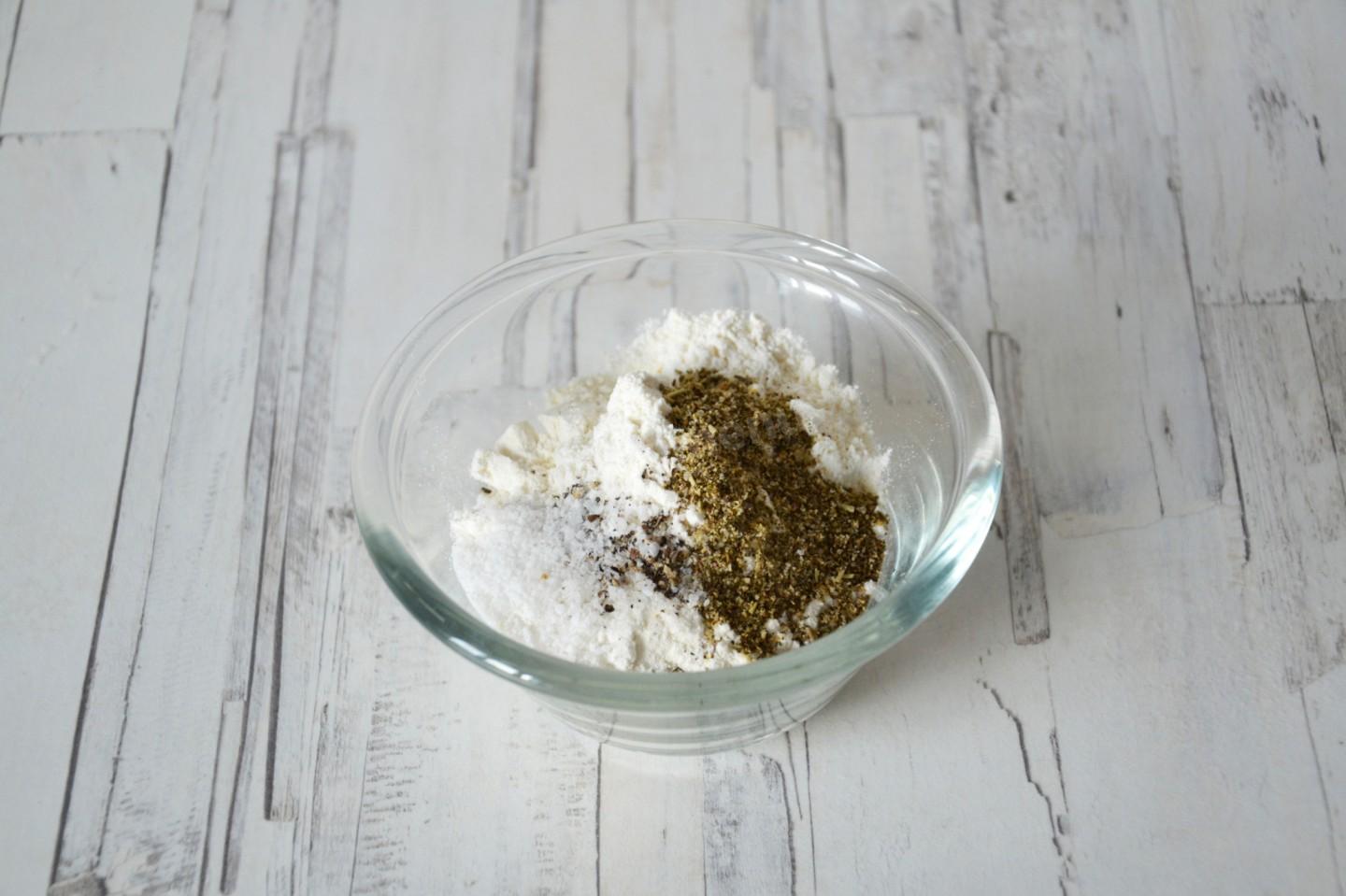
In a bowl, combine the flour with the fish seasoning, salt, and pepper.
-
Step 5:
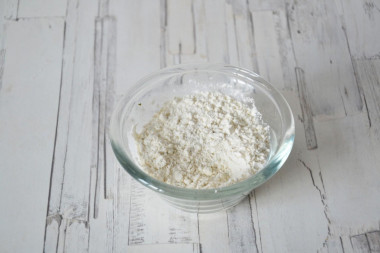
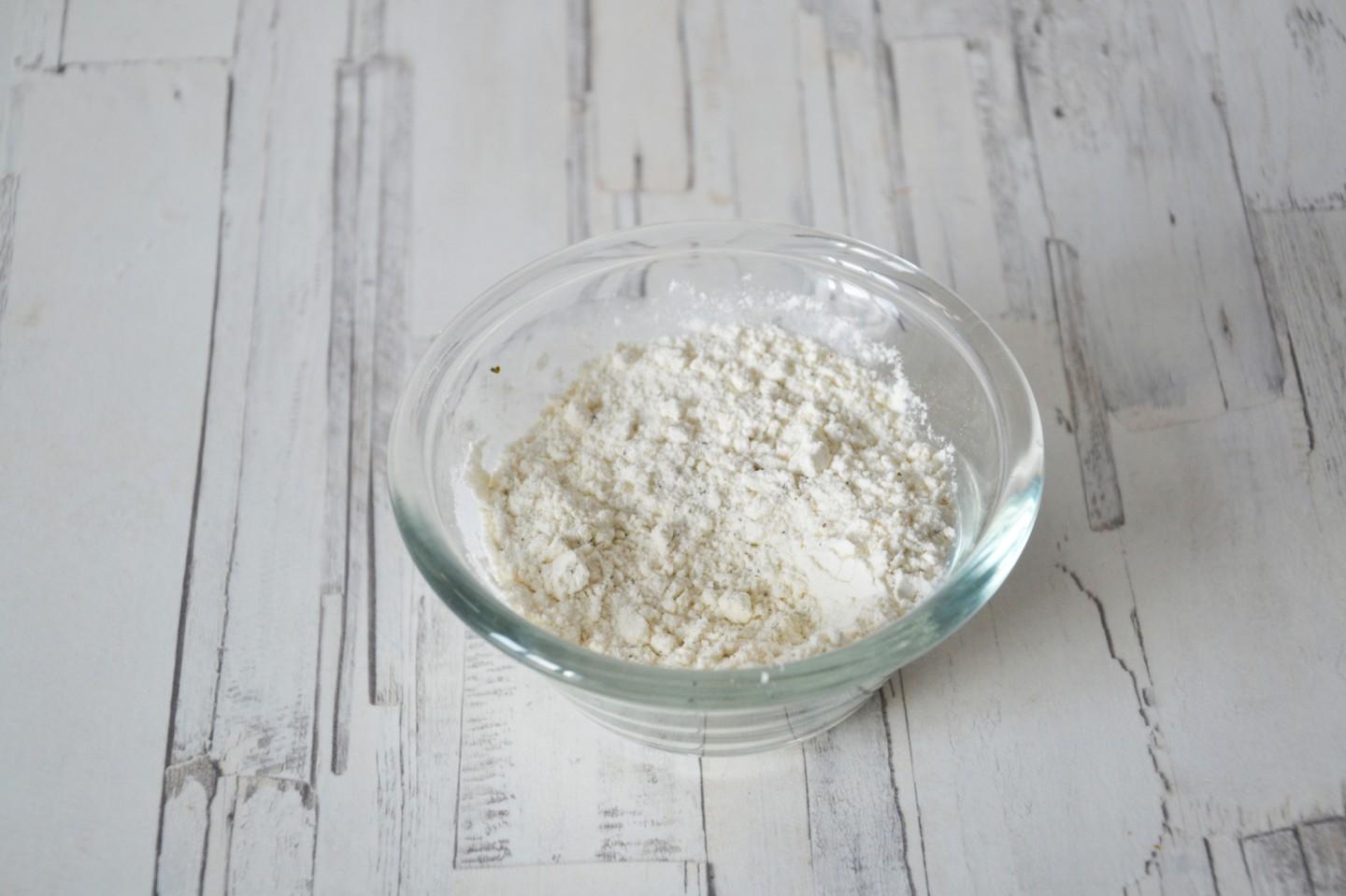
Stir to combine.
-
Step 6:
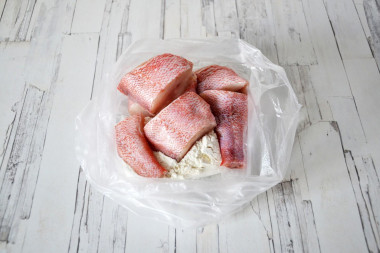
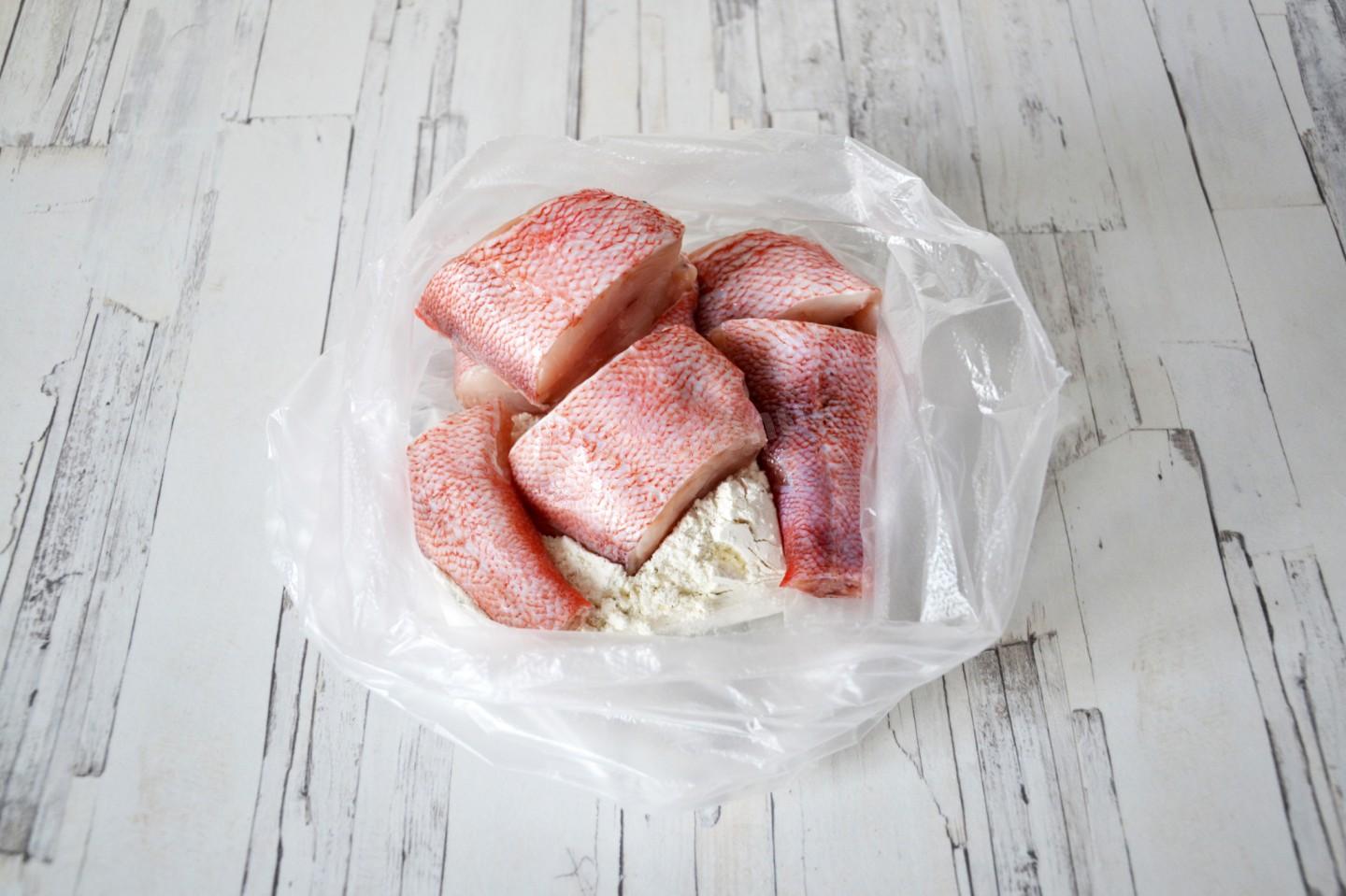
Dredge each piece of sea bass in the seasoned flour. For an even easier option, pour the flour mixture into a sturdy zip-top bag, add the fish pieces, seal it, and give it a good shake. The fish comes out evenly coated inside and out — and you won't spill a bit of flour.
-
Step 7:
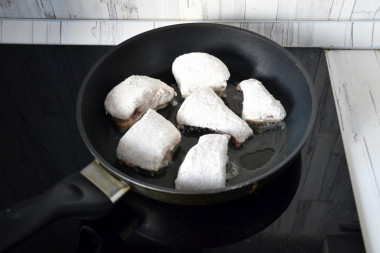
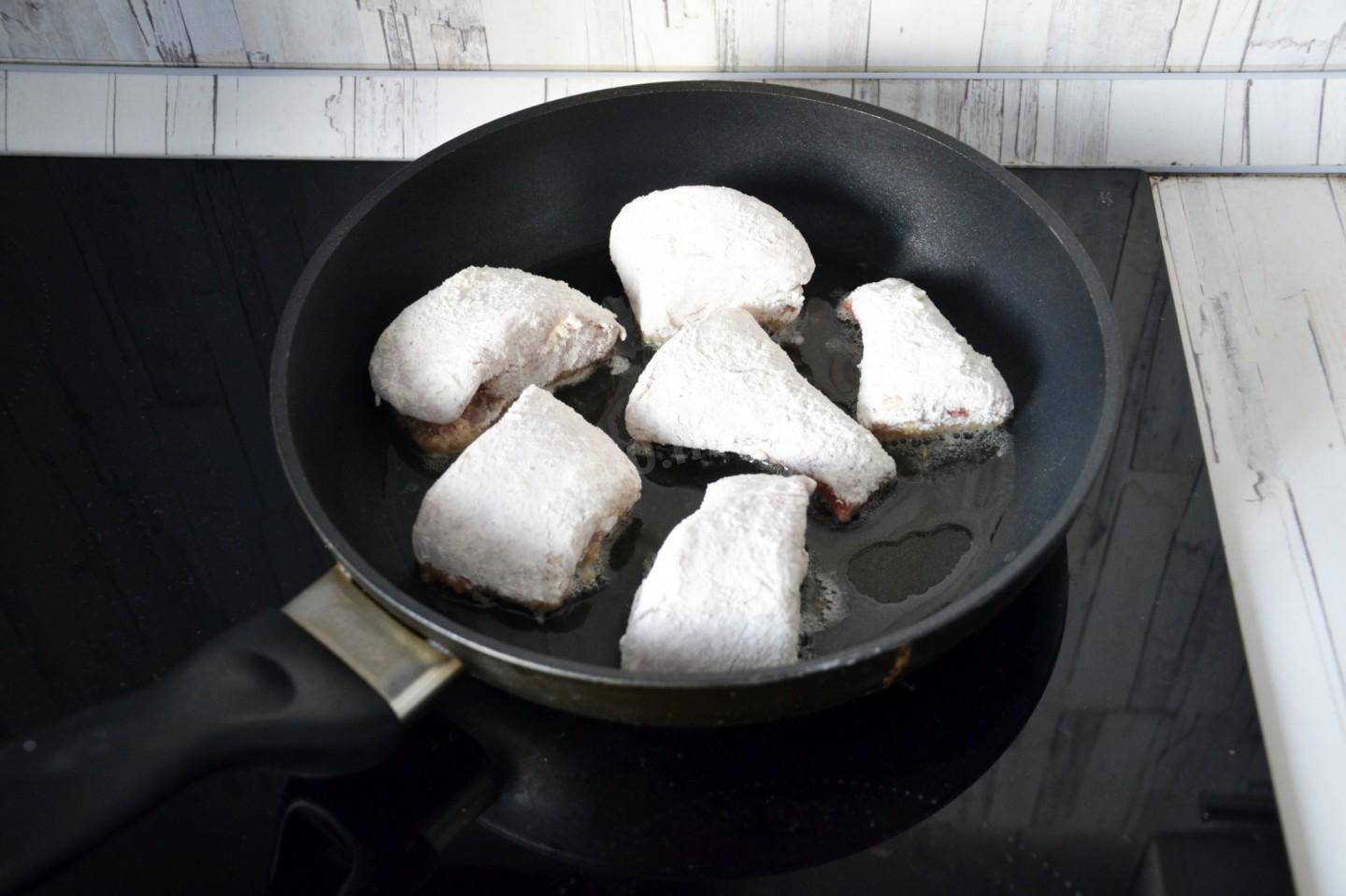
Heat the vegetable oil in a skillet and add the fish.
-
Step 8:
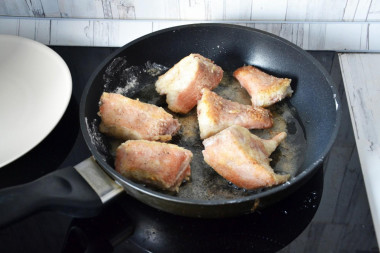
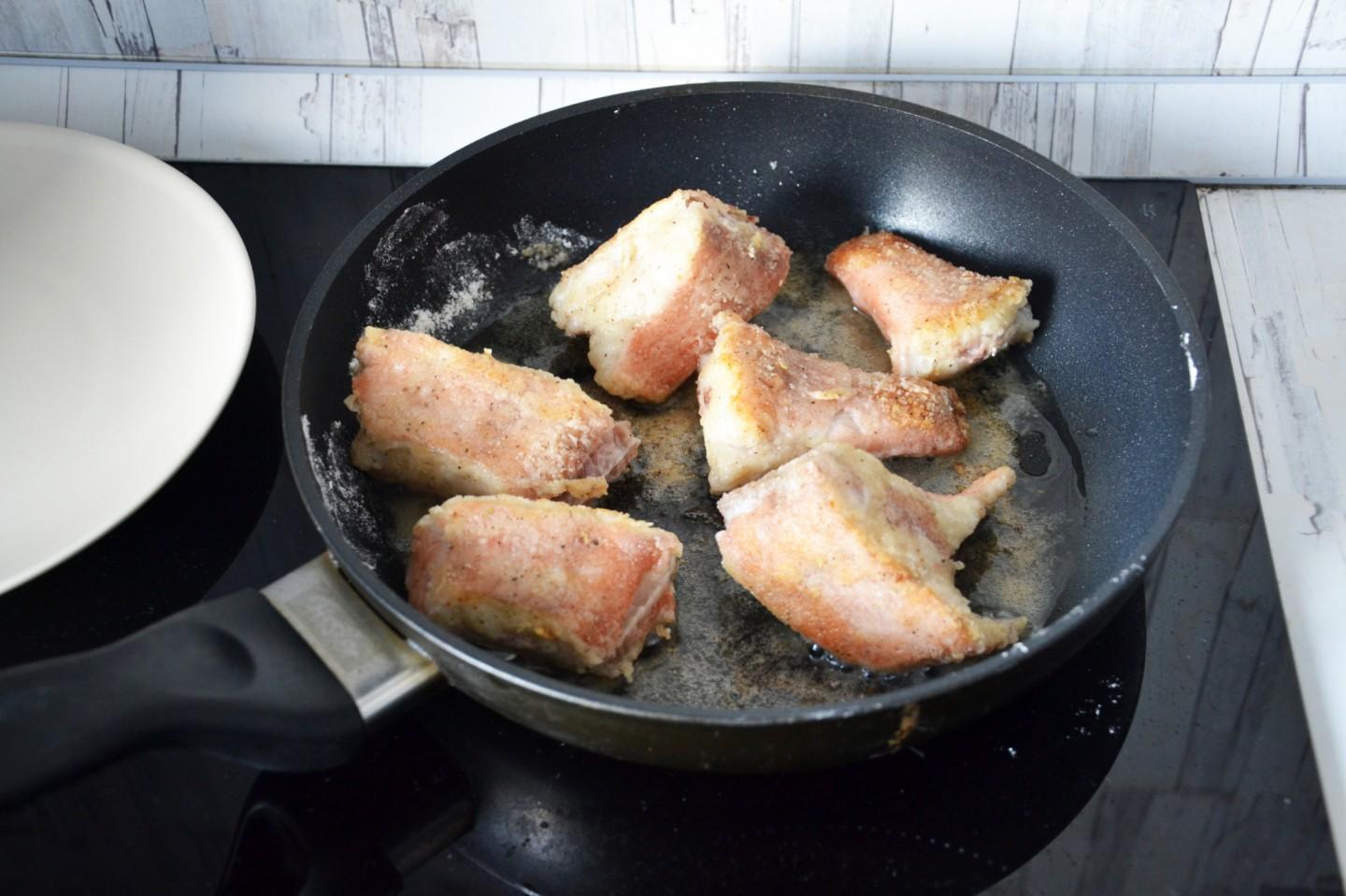
Fry over medium heat on each side until golden and crisp.
-
Step 9:
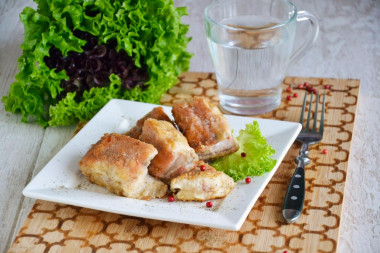
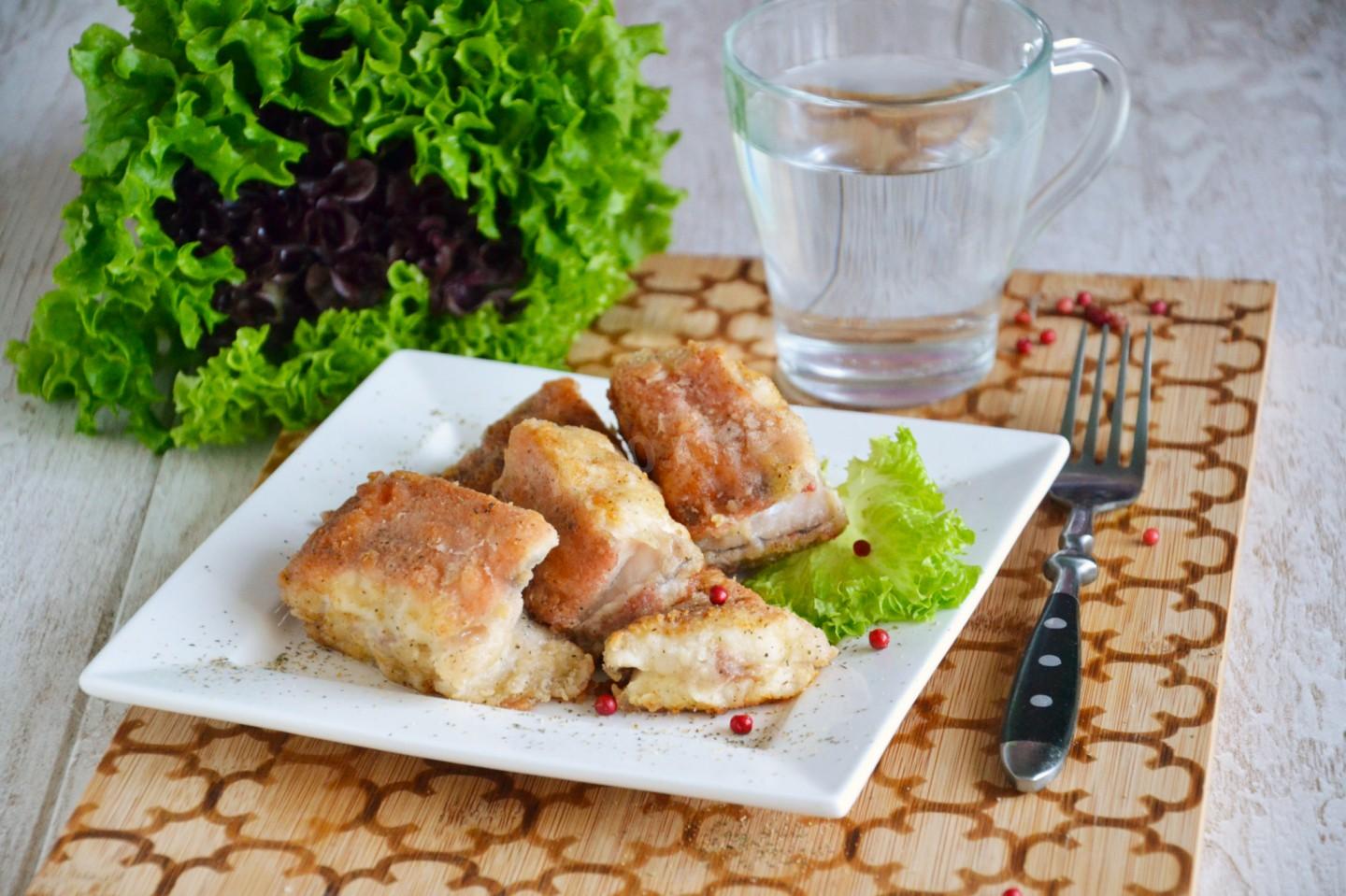
Serve the pan-fried sea bass with any side you like — boiled or mashed potatoes, rice, or buckwheat all pair well. Enjoy!
- A big plus of this fish is the value for the money: it's inexpensive, delicate, and free of any strong "fishy" smell, so it works in all sorts of dishes. Because the carcass is small and light, you can fry or bake the fish whole — just score it crosswise on each side first. Fresh and thawed fish spoils fast: the warmer the air, the quicker bacteria multiply, and the protein in fish fillets breaks down very quickly, so it can turn unusable in no time. Use fresh or thawed fish within a few hours on the day you buy it unless it's kept refrigerated, since refreezing takes a heavy toll on the flavor. Look for gills that are red or pink — darkened gills signal spoilage, and if the fish has been frozen several times the gills turn gray. On a fish that's past its prime, the gills get slimy and stick together. And if a piece of flesh practically falls apart between your fingers, the fillet was most likely pumped with polyphosphate-treated water to hold in moisture.
Caloric content of the products possible in the composition of the dish
- Ground black pepper - 255 kcal/100g
- Whole durum wheat flour fortified - 333 kcal/100g
- Whole durum wheat flour universal - 364 kcal/100g
- Flour krupchatka - 348 kcal/100g
- Flour - 325 kcal/100g
- Vegetable oil - 873 kcal/100g
- Salt - 0 kcal/100g
- Spices dry - 240 kcal/100g
- Sea bass - 79 kcal/100g
Similar recipes

- Fast and tasty
- Homemade dinner
- Second course
- Fish and seafood
- Flour
- Spices seasonings spices
- Fats and oils
- Pepper
- Salt
- Dry spices
- Vegetable oil
- Frying
- Simple dinner
- The second is fast and delicious
- Dishes in 30 minutes
- Fish second course
- Sea bass
- Simple quick dinner
- No eggs
- Recipes for lean dishes without butter