Tamago (Japanese Rolled Omelet)
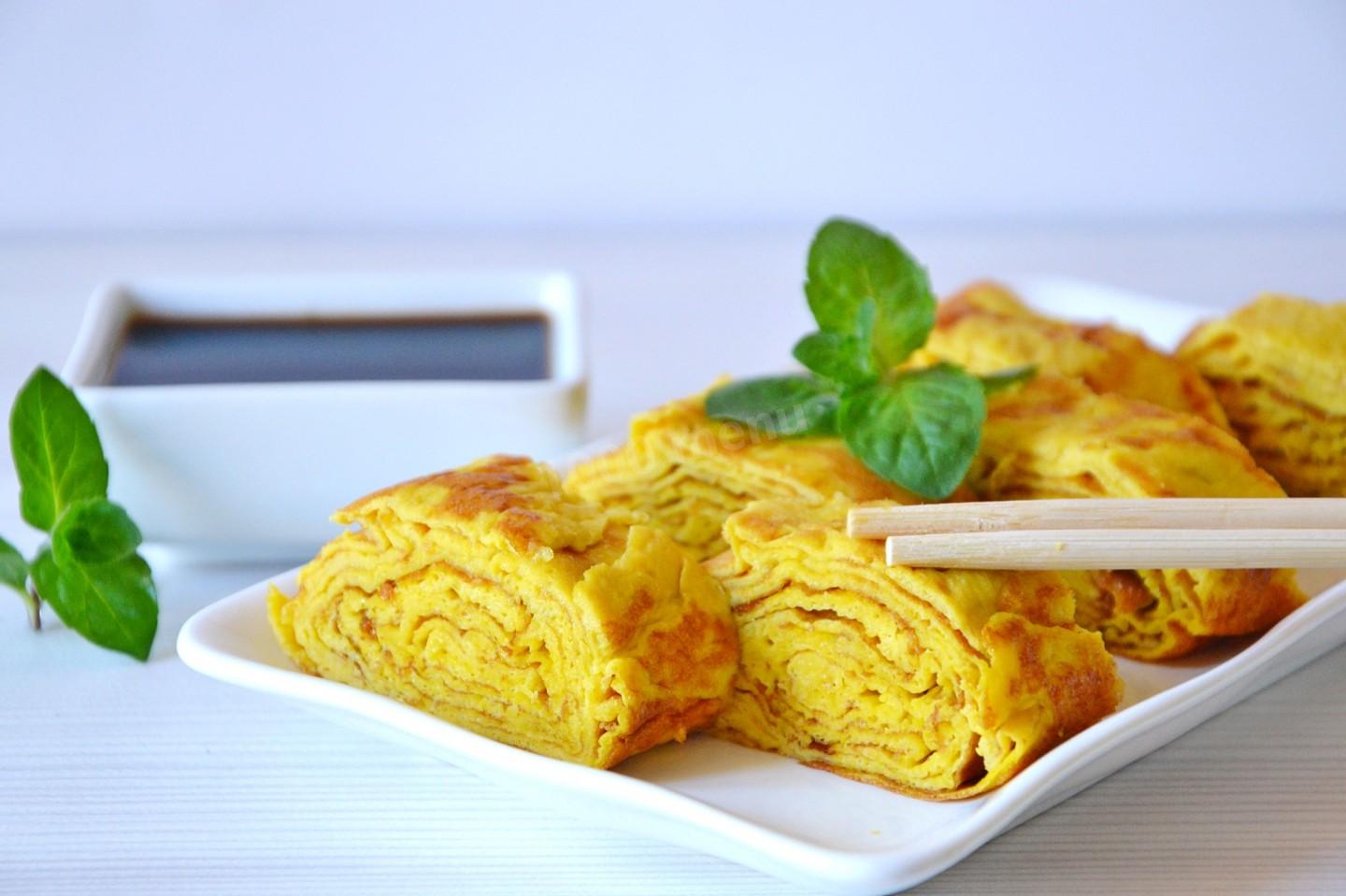
A Japanese breakfast at home? Couldn't be easier! Tamago is simple to make yourself, and its unusual touch of sweetness is bound to win people over. Serve it with soy sauce, pickled ginger, and wasabi. You can adjust the sugar, but I don't recommend leaving it out entirely — that gentle sweetness is exactly what makes it special!

Cooking method
-
Step 1:
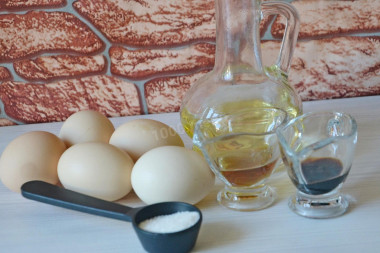
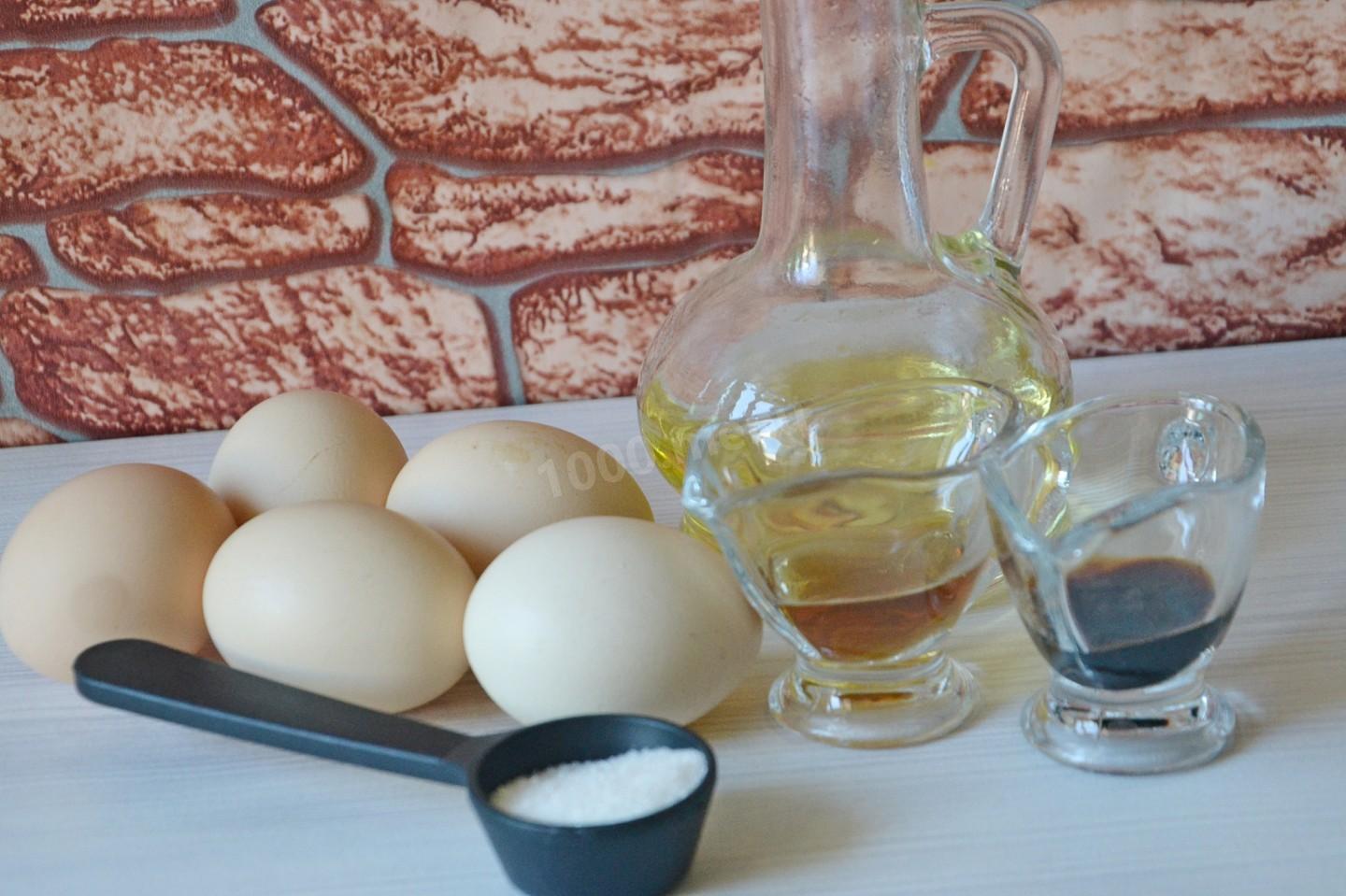
Ready to make a Japanese omelet? Gather these simple ingredients. If you have mirin (sweet rice wine), it's the ideal choice. If not, use rice vinegar.
-
Step 2:
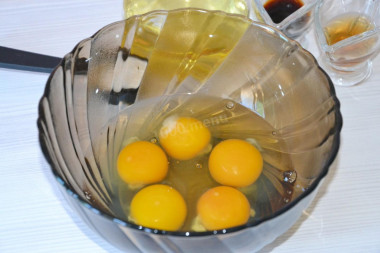
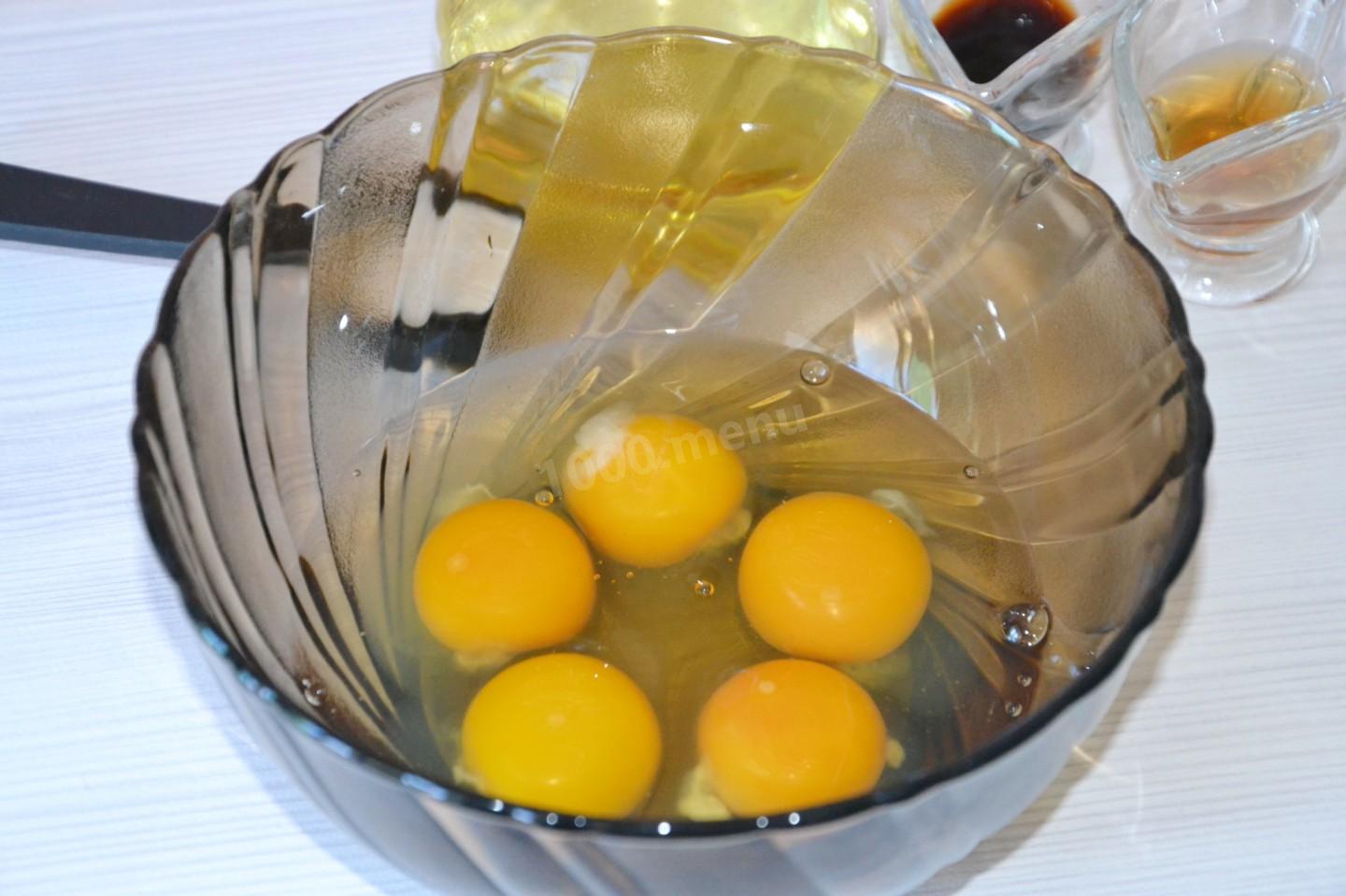
Crack the eggs into a deep bowl.
-
Step 3:
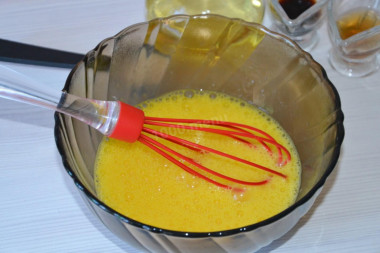
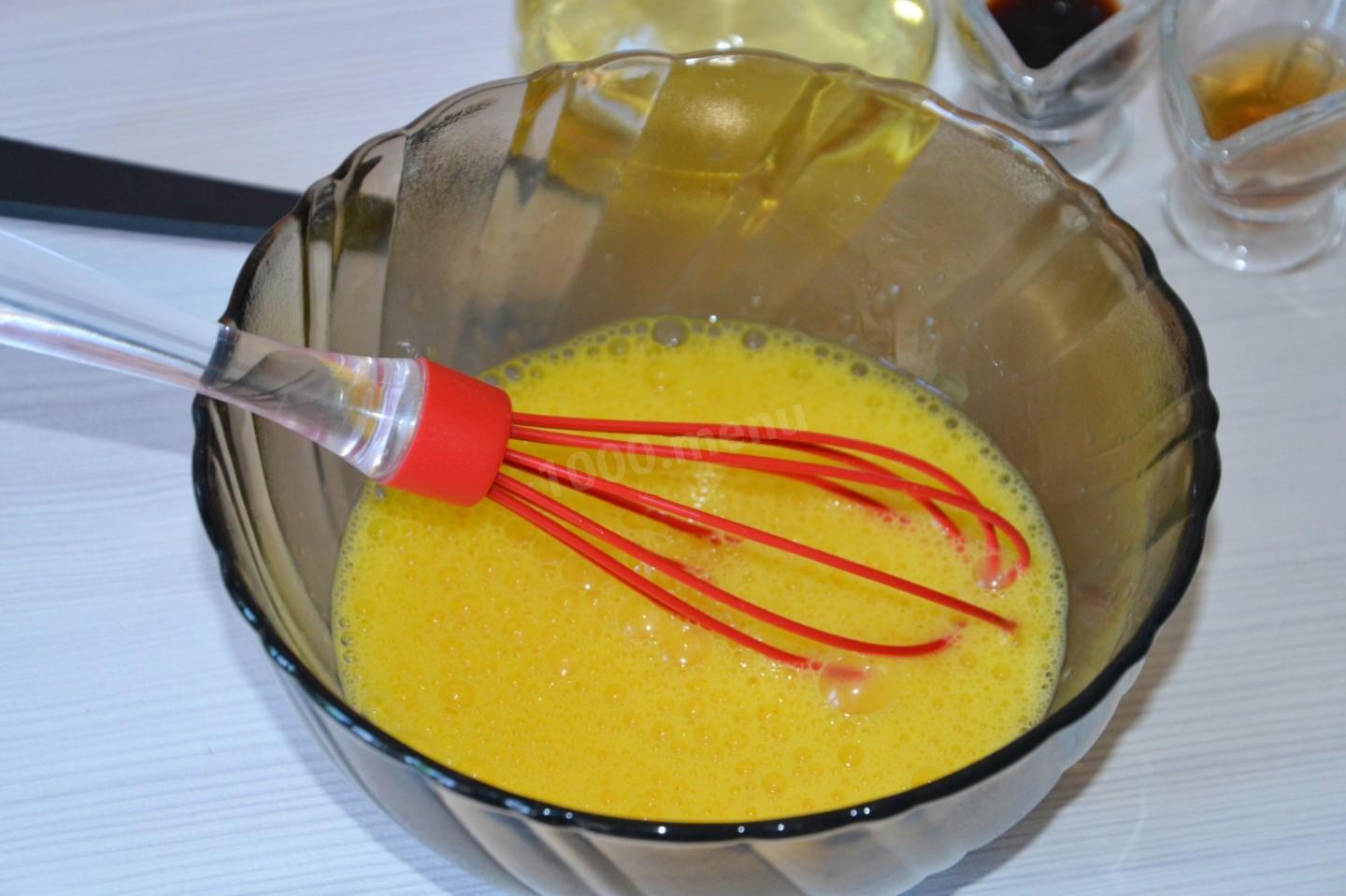
Whisk everything together. You can use a mixer on low speed if you like — we're not after a fluffy, foamy mass, just enough to break up the eggs and combine them.
-
Step 4:
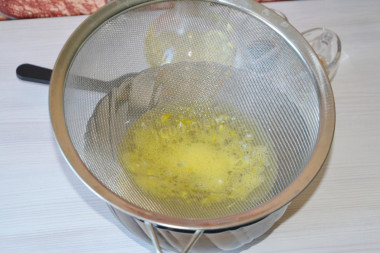
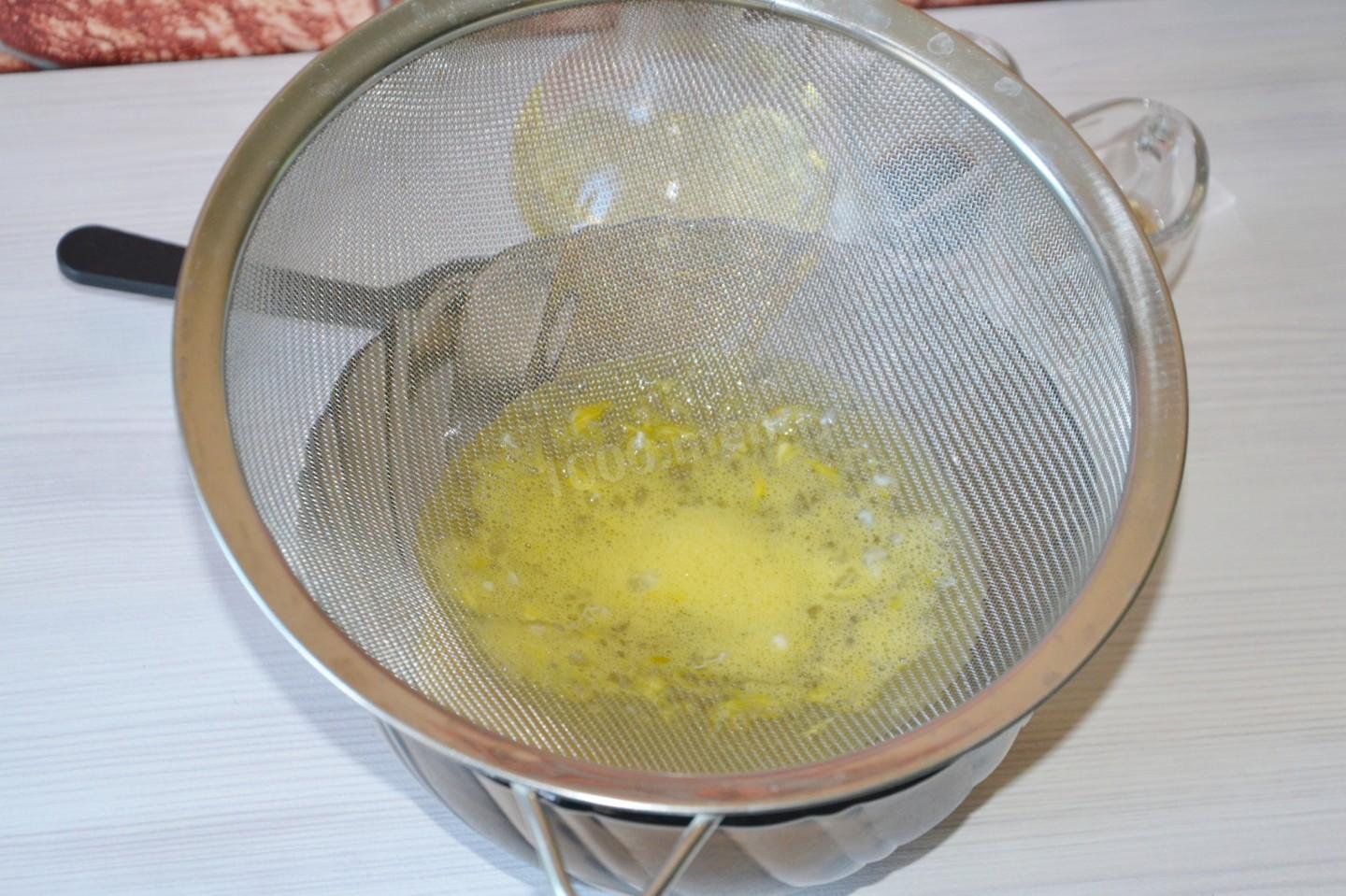
Here's the important part — don't skip it or cut corners. Strain the beaten eggs through a sieve to remove any stray bits, so the mixture is perfectly smooth.
-
Step 5:
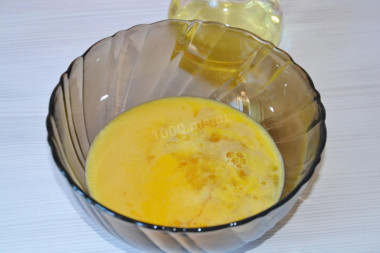
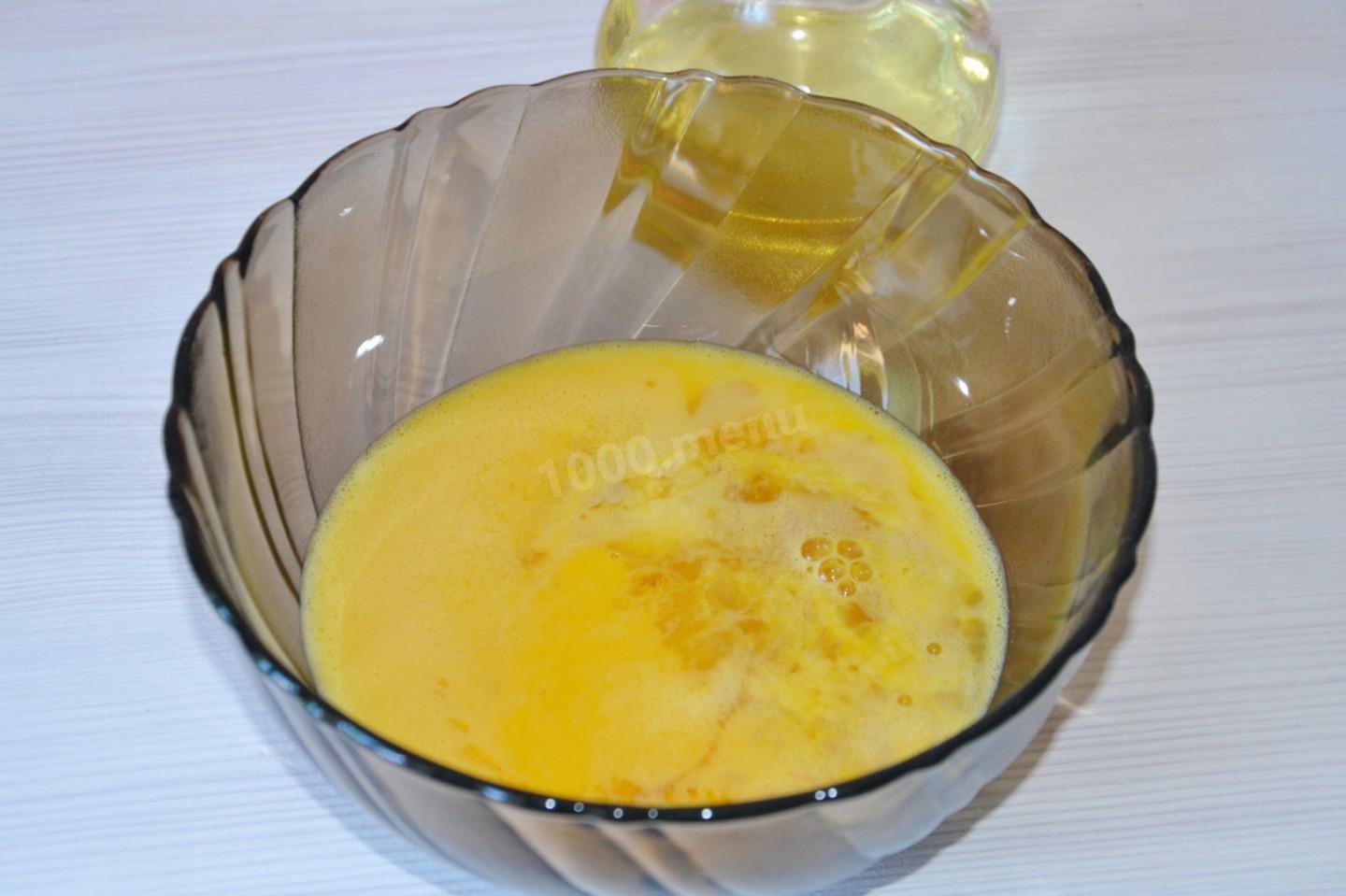
Add the seasonings to the strained eggs: soy sauce, rice vinegar, and sugar. Adjust the sugar to taste — for a less sweet omelet, use a scant teaspoon. You can swap the sugar for a sugar substitute.
-
Step 6:
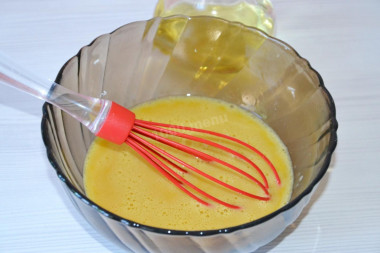
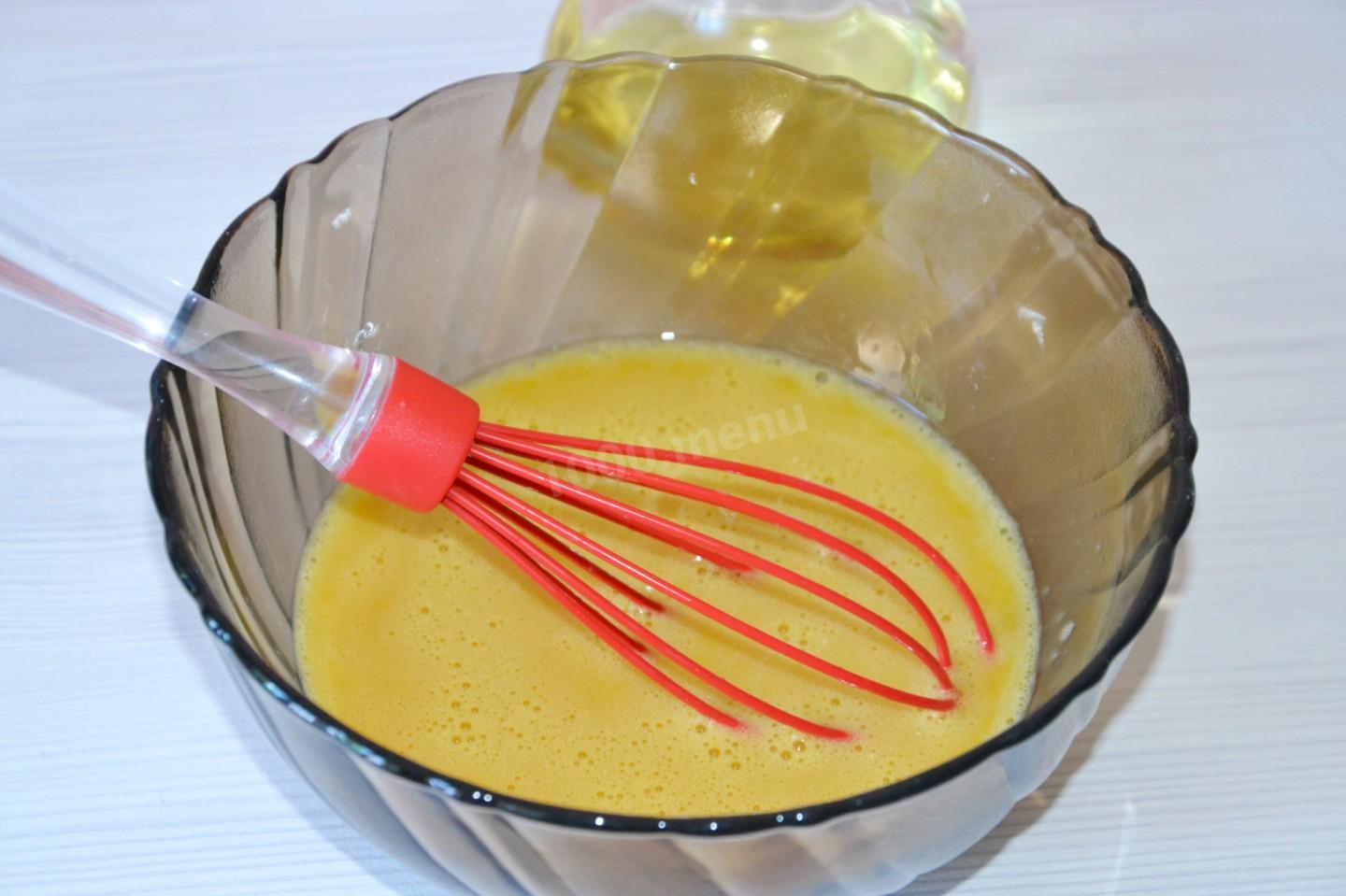
Whisk everything well again so the sugar dissolves.
-
Step 7:
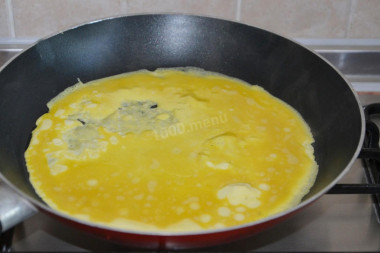
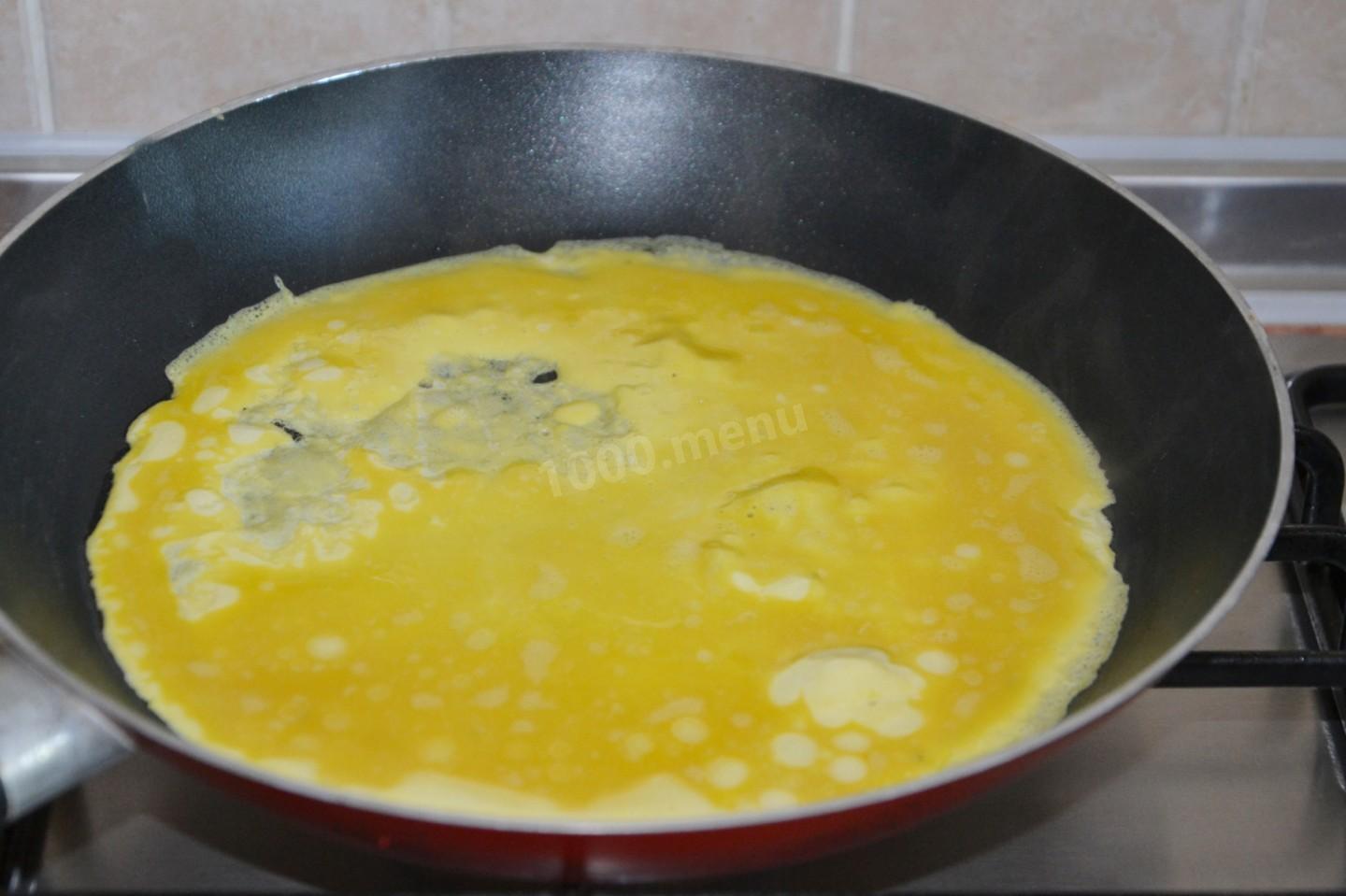
Now start cooking the omelet. Traditionally it's made in a rectangular tamago pan. I don't have one, so I use a round skillet. Lightly oil the heated pan, pour in a ladle of the egg mixture, and swirl it to coat the bottom. Keep the heat a little below medium — you want the egg to set without browning.
-
Step 8:
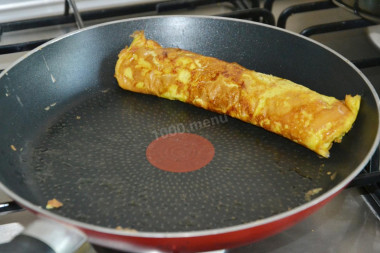
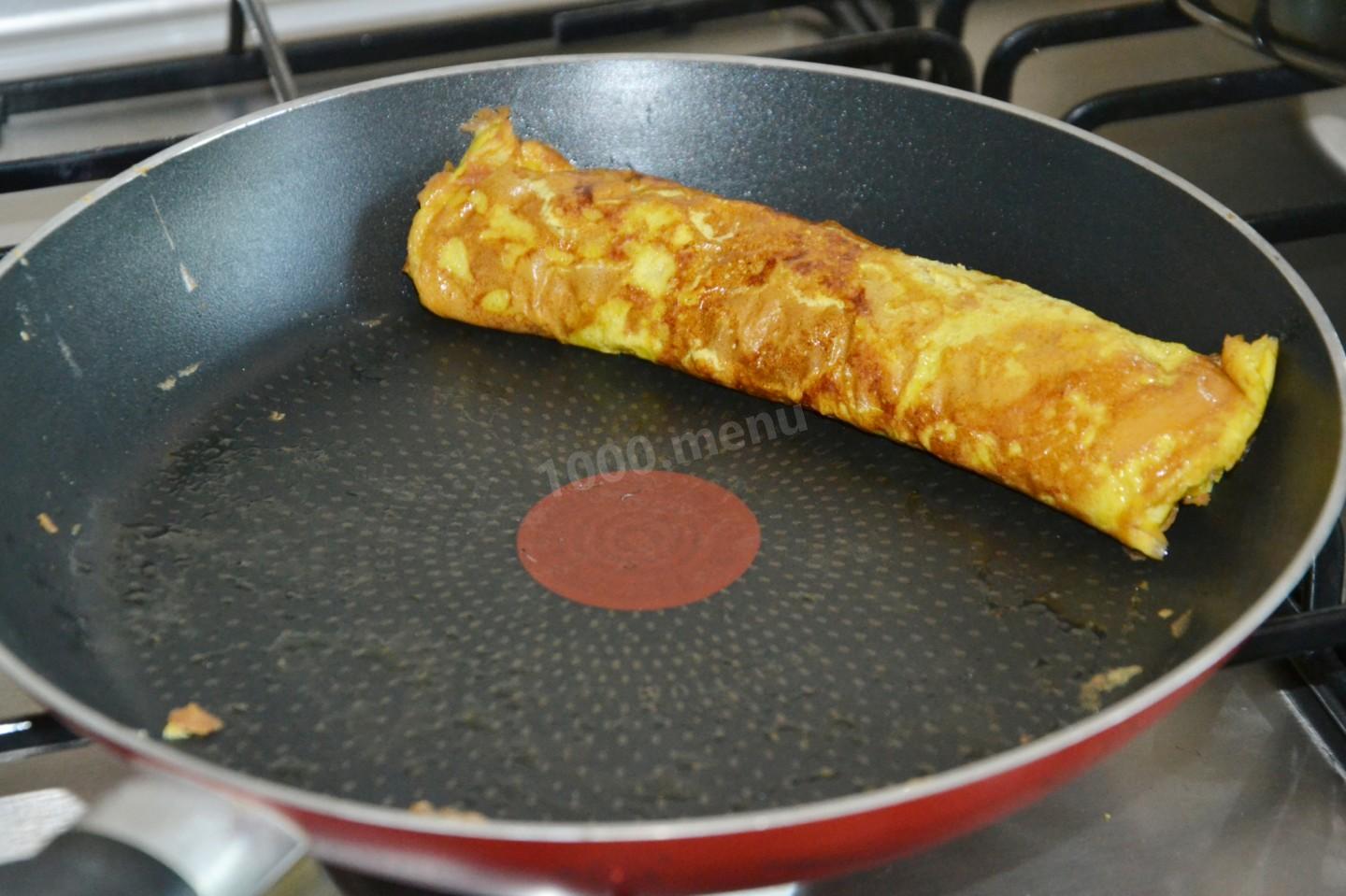
Once the omelet has set, roll it up right in the pan. The Japanese use chopsticks; I used a spatula. Be careful not to burn yourself. Leave the roll resting against the far edge of the pan.
-
Step 9:
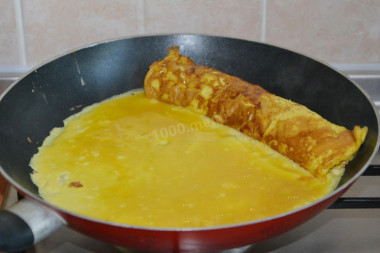
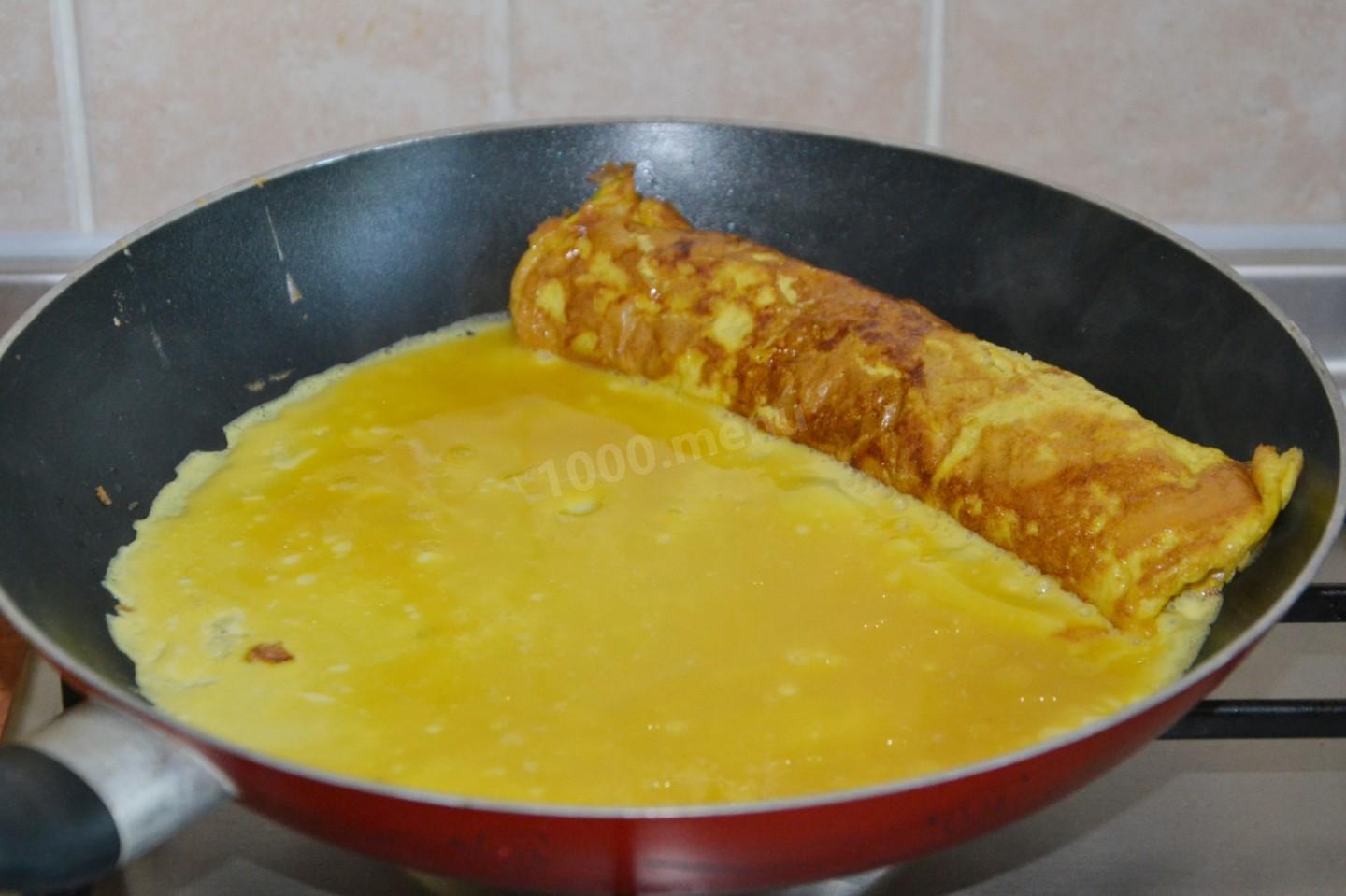
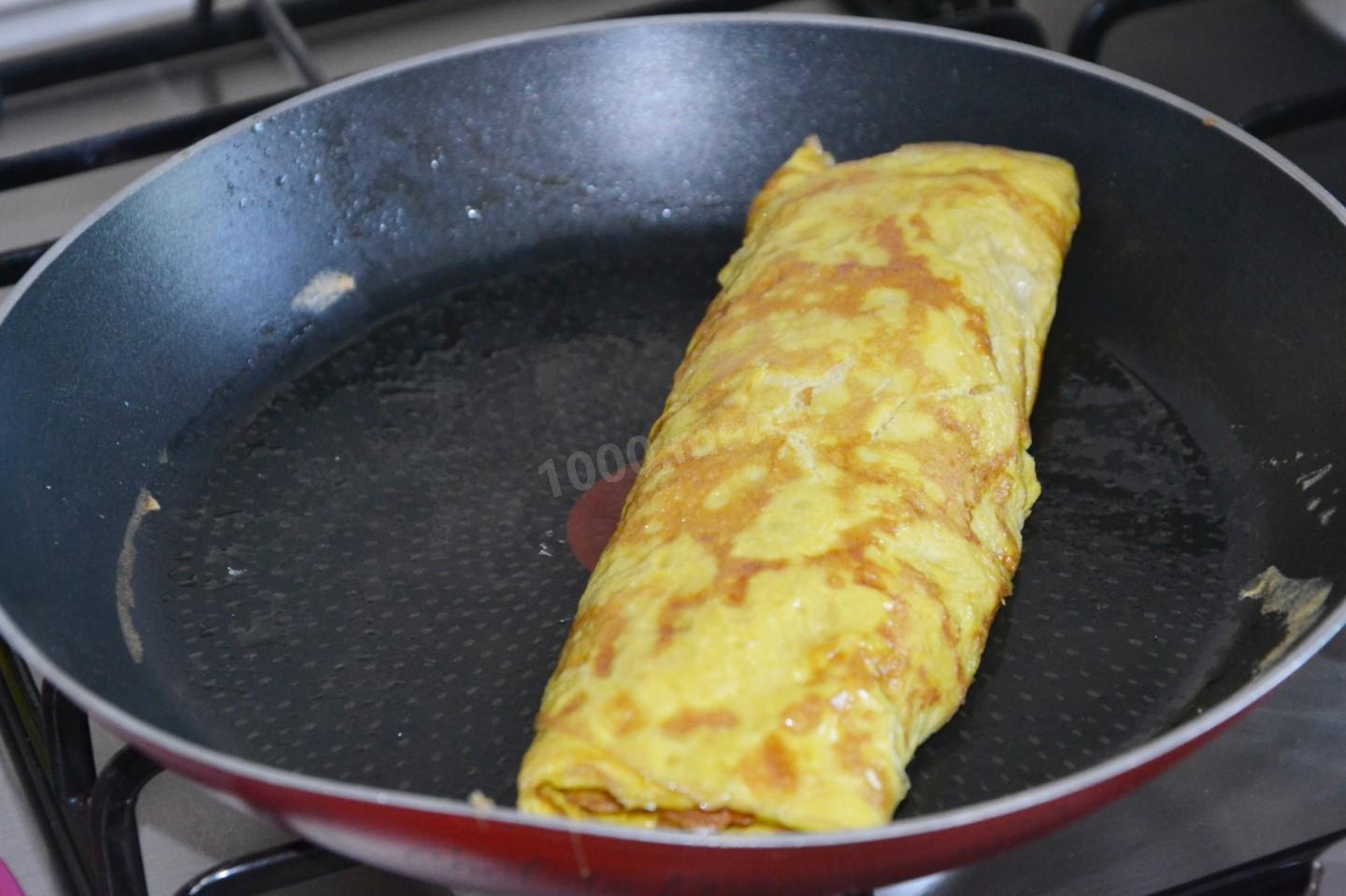
Lightly oil the pan again, pour in another ladle of the egg mixture, and swirl to coat, letting some run under the existing roll. Cook until it sets, then roll it back the other way, wrapping it around the first roll. Keep going until the egg mixture runs out — I always get 5 ladles' worth.
-
Step 10:
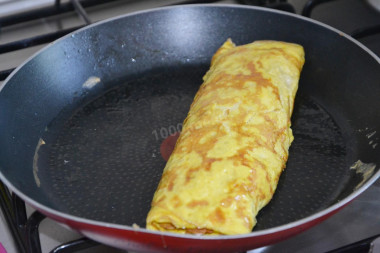
Here's what the finished omelet looks like.
-
Step 11:
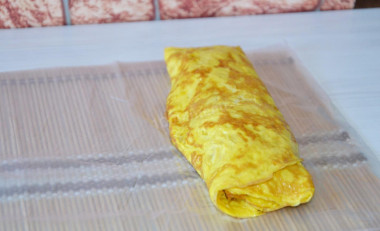
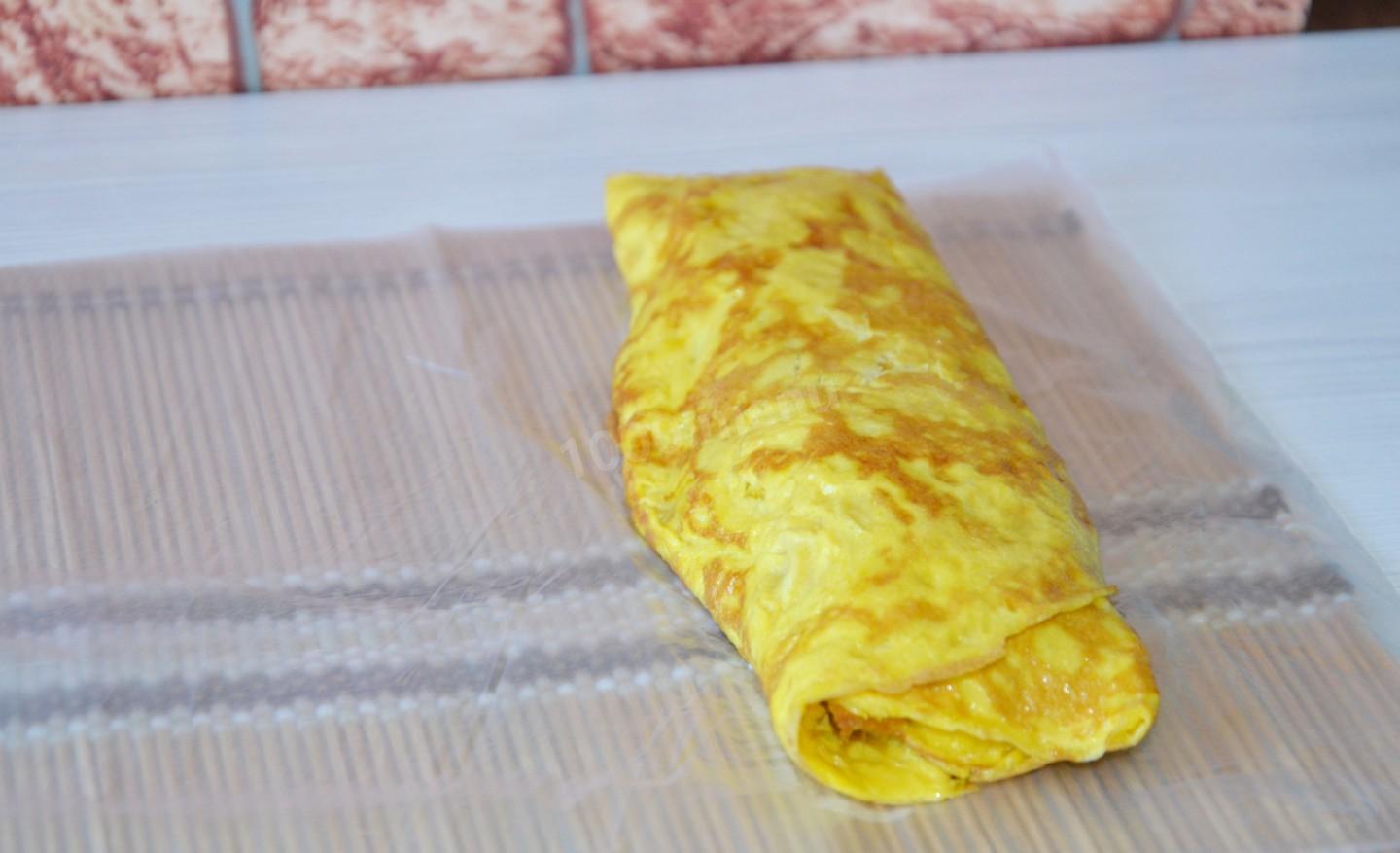
While it's still hot, shape it into a neat rectangle. Wrap a sushi rolling mat in plastic wrap, set the roll on it, and fold the mat around it to press the omelet into a rectangular shape.
-
Step 12:
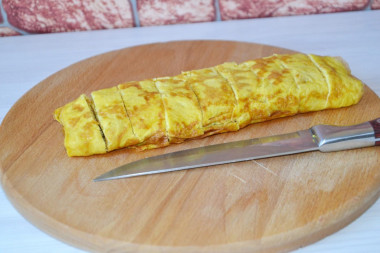
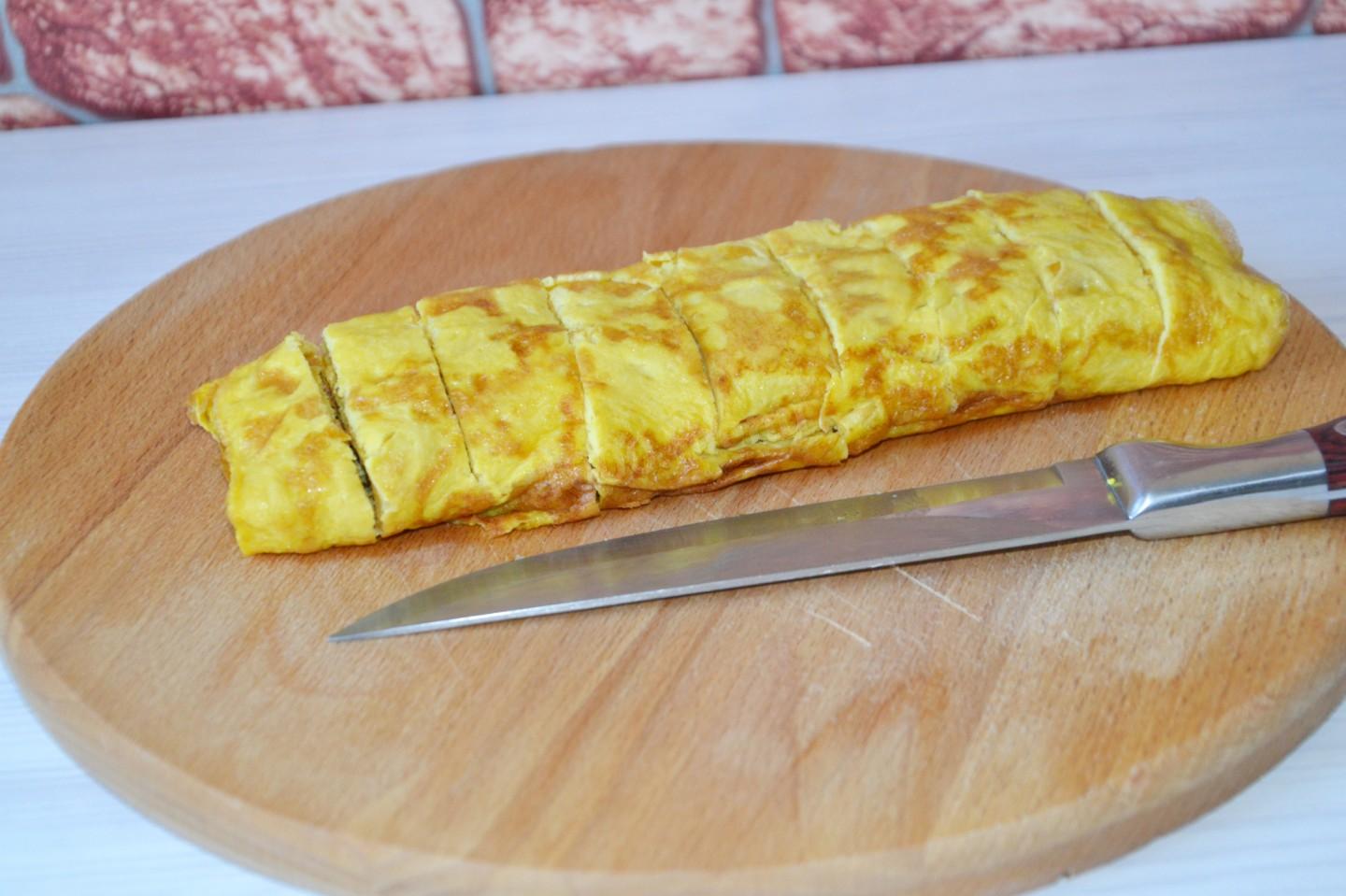
Cut the finished tamago into slices with a sharp, thin knife.
-
Step 13:
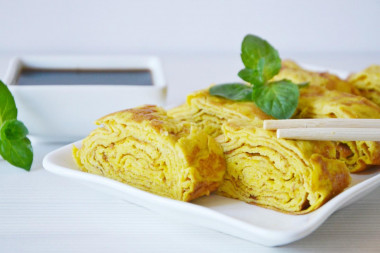
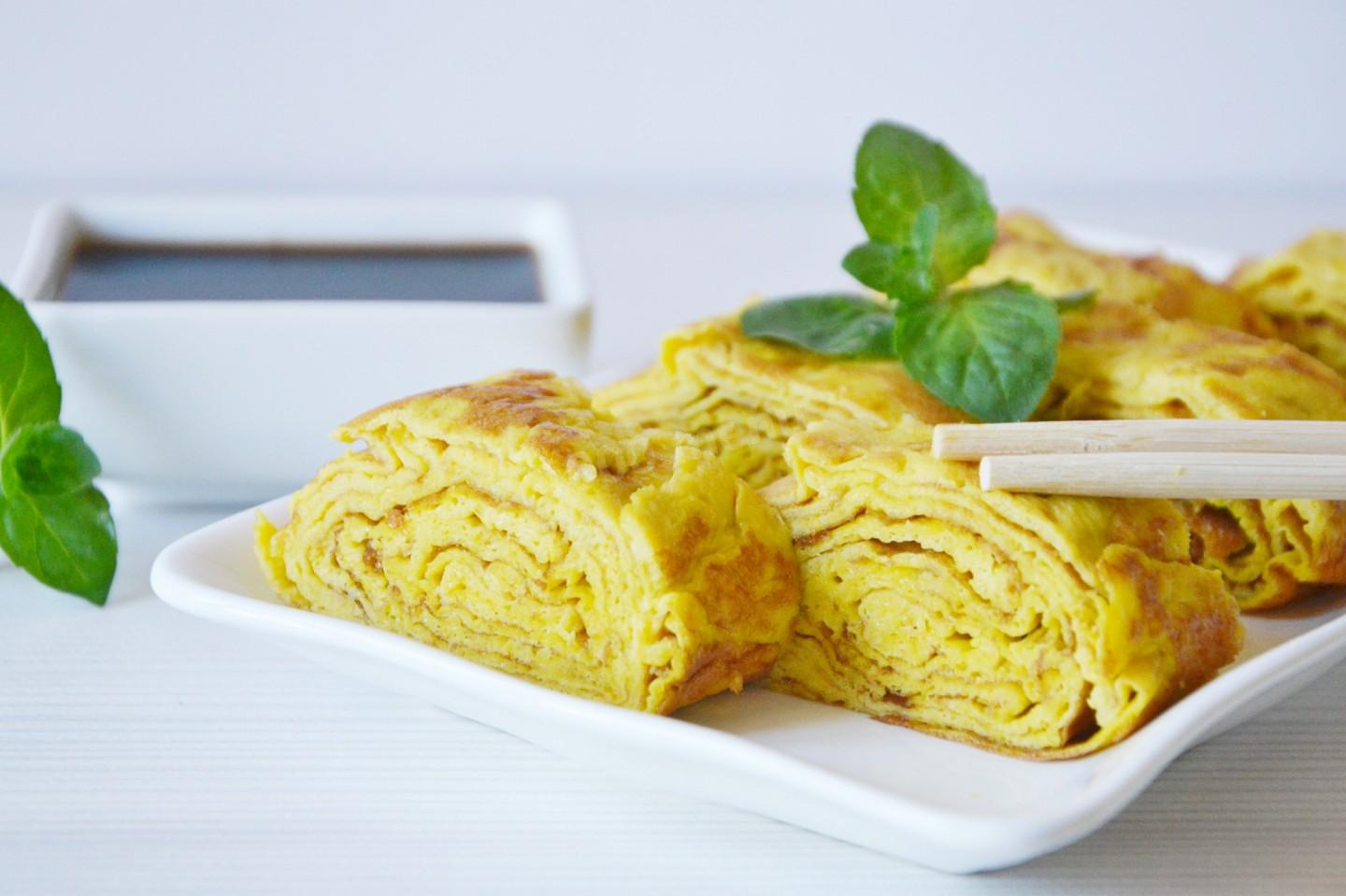
This omelet is delicious with soy sauce, wasabi, and pickled ginger. Make it for your family's breakfast and you'll start the morning with compliments — it's that good! Enjoy!
- I recommend eating this omelet in the morning. Its unusual flavor gives you a boost for the whole day, and since it's eggs — pure protein — it'll keep you full until lunch. Enjoy!
- You can use a heat-stable sugar substitute in place of the sugar.
- Fry with an oil that has a high smoke point. Every oil is only good up to a certain temperature — its smoke point — beyond which it starts to burn and form harmful compounds. Unrefined oils generally have a low smoke point because they're full of unfiltered particles that scorch quickly, while refined oils handle heat much better. Whenever you fry, bake, or grill, reach for a high-smoke-point oil — refined sunflower, olive, or grapeseed oil are all good choices.
- Always wash your eggs before using them — even a shell that looks clean can carry harmful bacteria. A food-safe wash and a brush work best.
Caloric content of the products possible in the composition of the dish
- Soy sauce - 51 kcal/100g
- Granulated sugar - 398 kcal/100g
- Sugar - 398 kcal/100g
- Vegetable oil - 873 kcal/100g
- Chicken egg - 80 kcal/100g
- Rice vinegar - 20 kcal/100g
Similar recipes




- Fast and tasty
- For breakfast
- Kitchen utensils
- National cuisine
- Snacks
- Second course
- Eggs
- Semi-finished products
- Sweet
- Spices seasonings spices
- Fats and oils
- Vinegar
- Vegetable oil
- Asian cuisine
- Rolls
- Cold snacks
- Frying
- Dishes in 30 minutes
- Chicken eggs
- Sauce
- Vegetarianism
- Recipes for lean dishes without butter
- Sugar