Thin, Tender Milk Pancakes
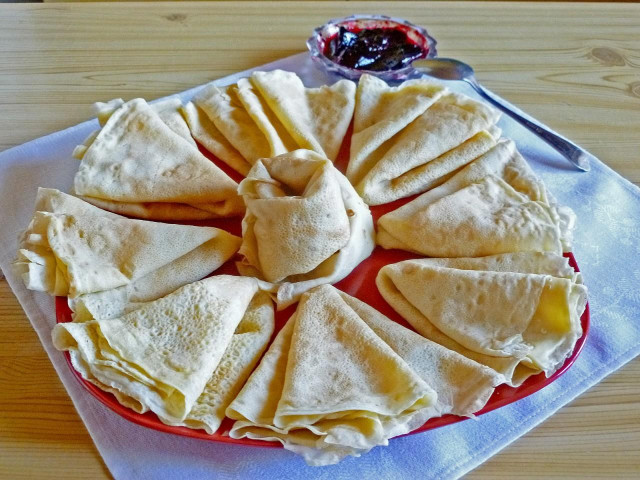
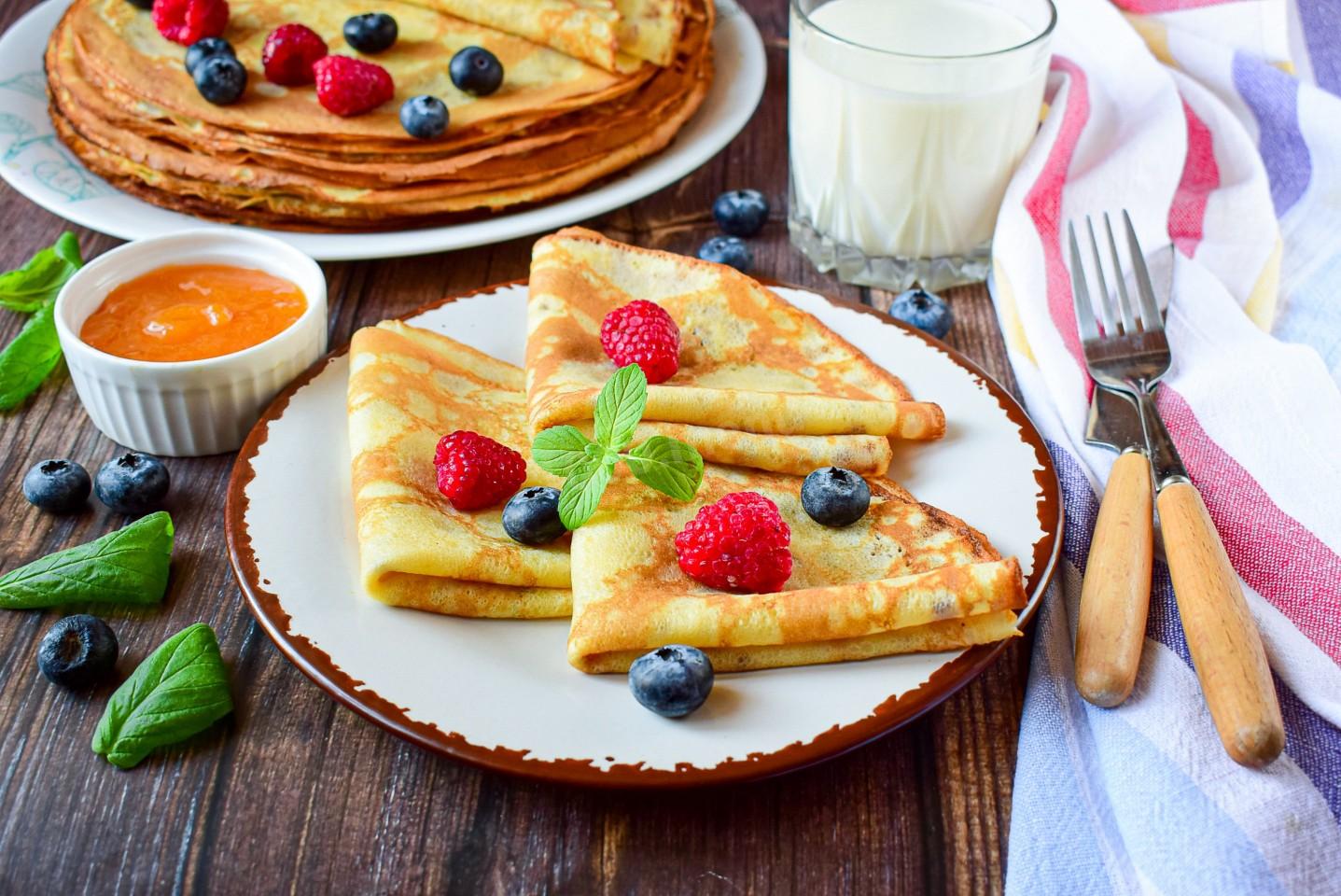
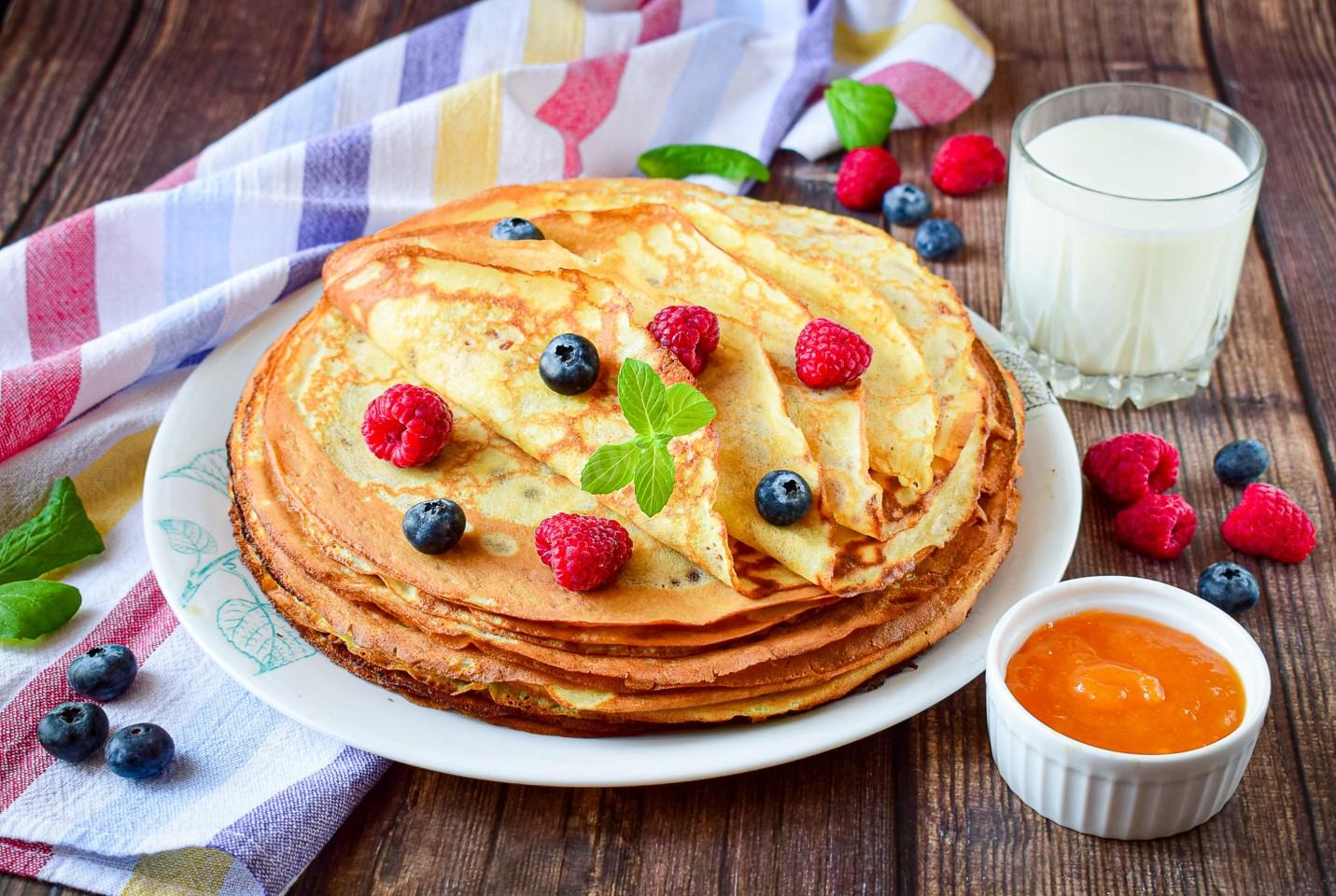
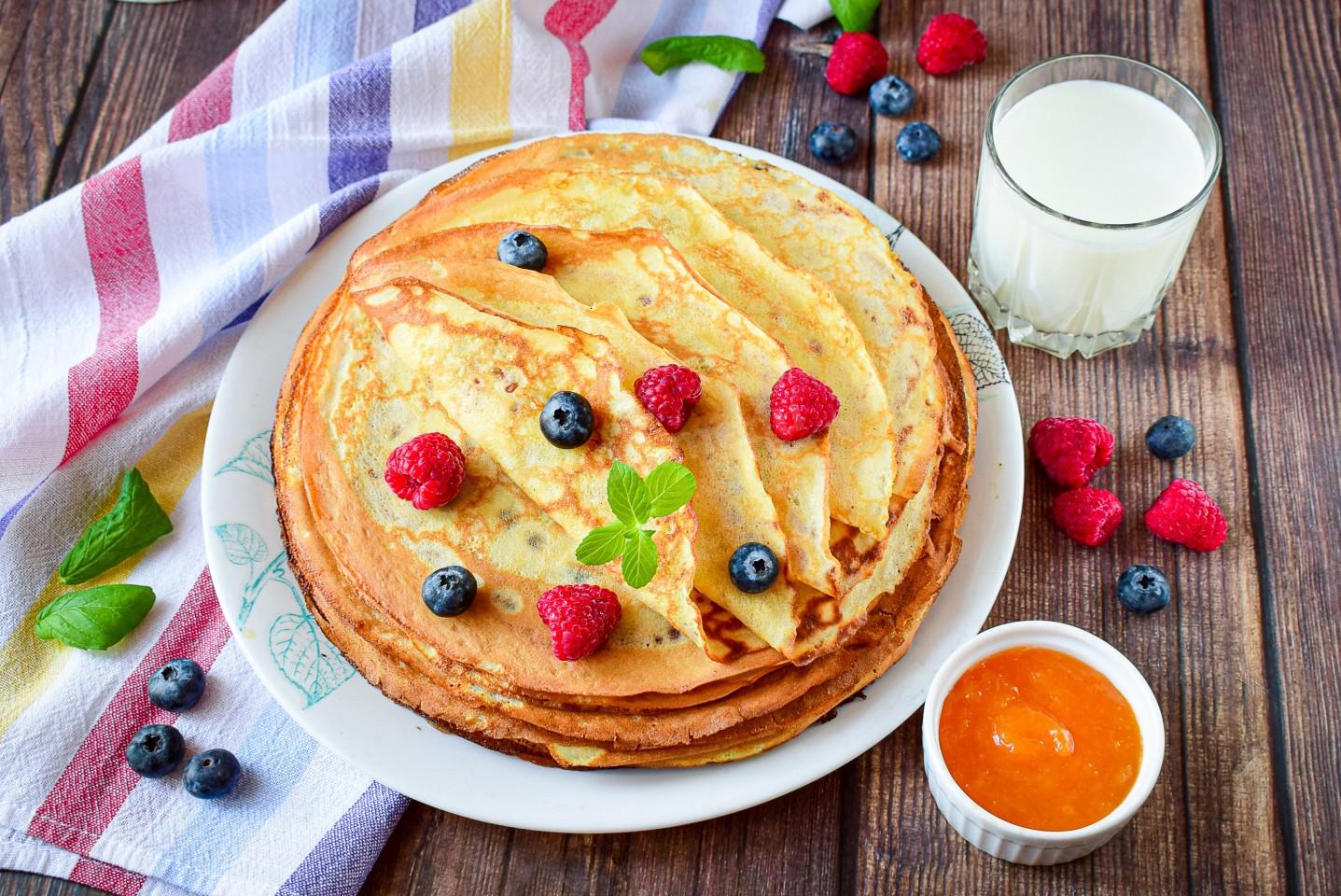
Delicious, fragrant, and golden — a breakfast the whole family will love! These thin, tender milk pancakes come together quickly and easily. Serve them with any topping, sweet or savory, wrap a filling inside, or layer them with cream to build a pancake cake. The perfect all-purpose recipe!

Cooking method
-
Step 1:
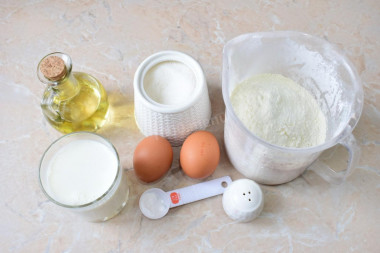
How do you make thin, tender milk pancakes? Start by gathering all the ingredients. Sift the flour ahead of time to aerate it — this makes the pancakes lighter and more tender.
-
Step 2:
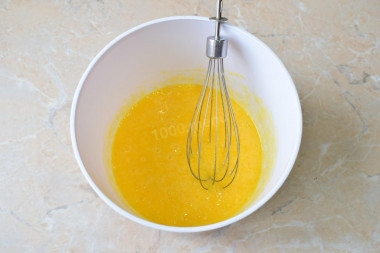
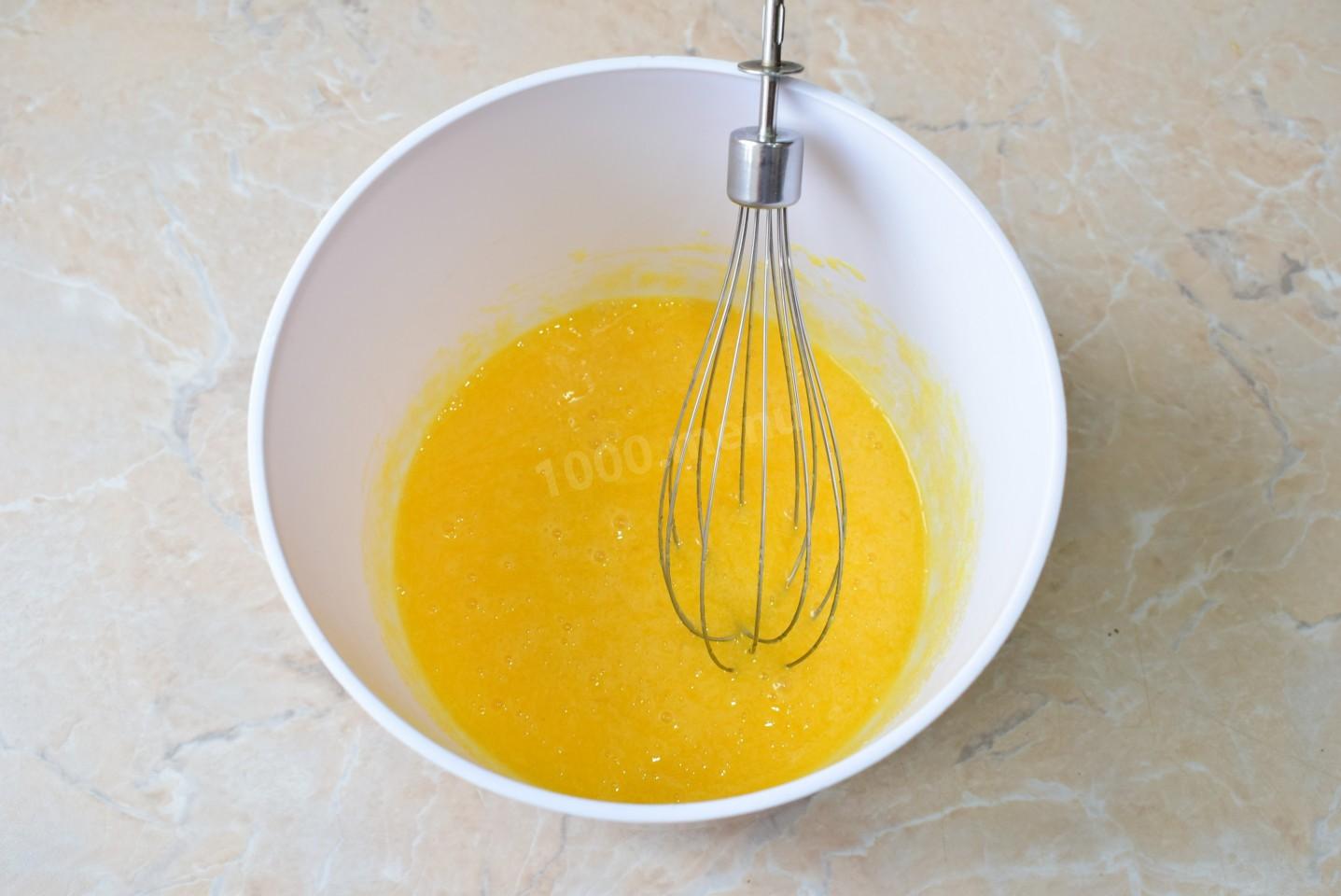
To make the batter, crack the eggs into a deep bowl and add the sugar and salt. Beat briefly with a mixer — just until smooth, no need to overbeat.
-
Step 3:
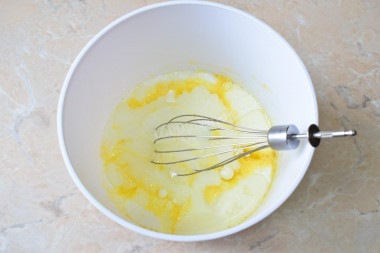
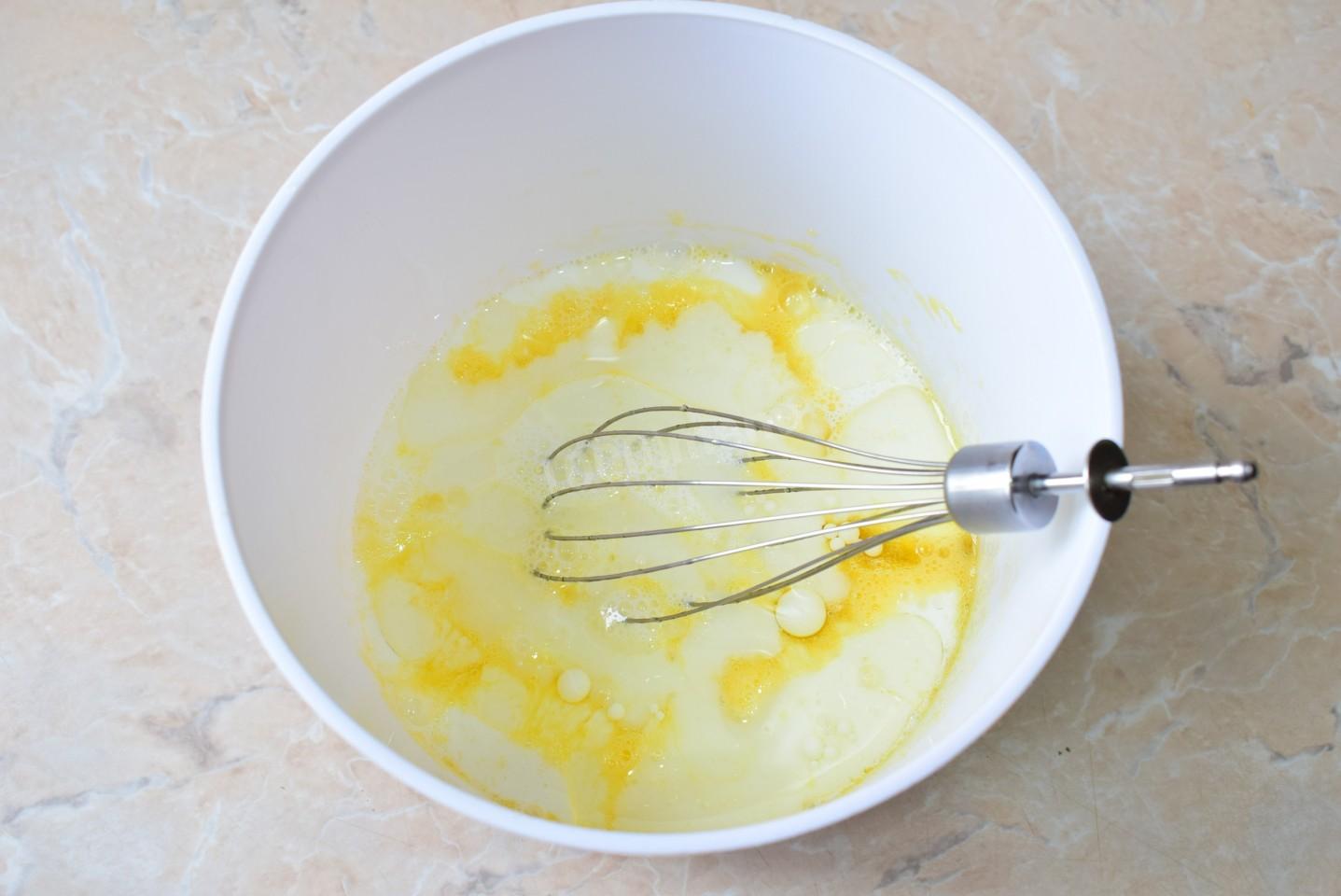
Then pour in the warm milk and vegetable oil.
-
Step 4:
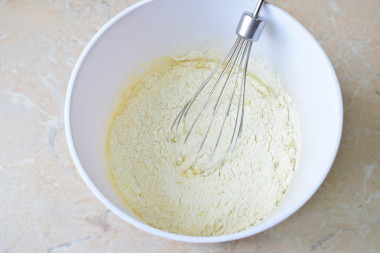
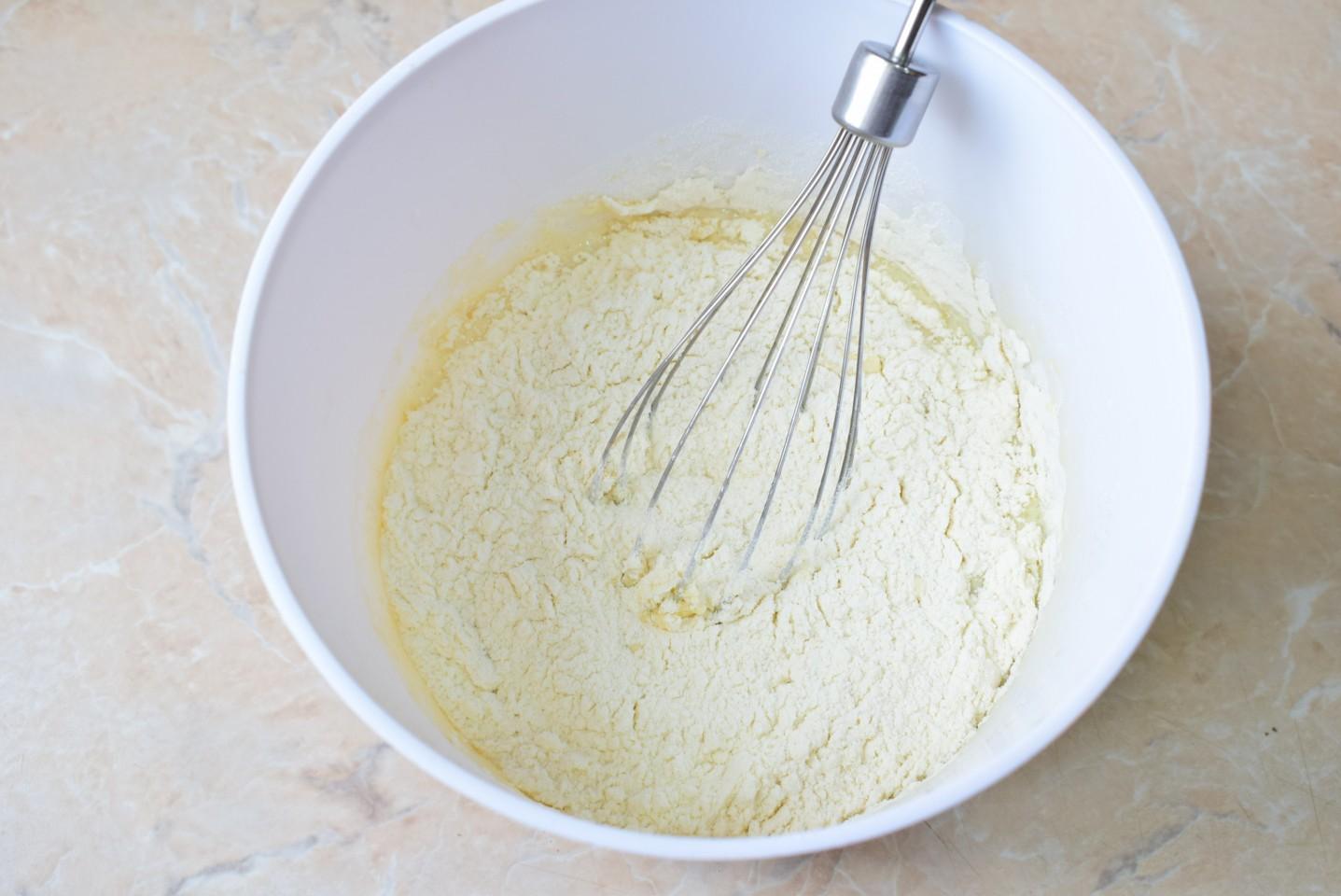
Gradually add the flour, mixing as you go. Use the mixer to work out any lumps so the batter is completely smooth.
-
Step 5:
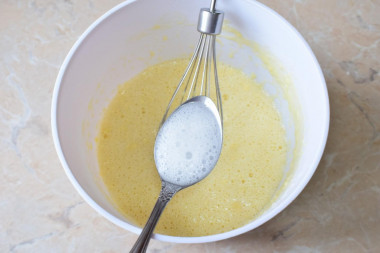
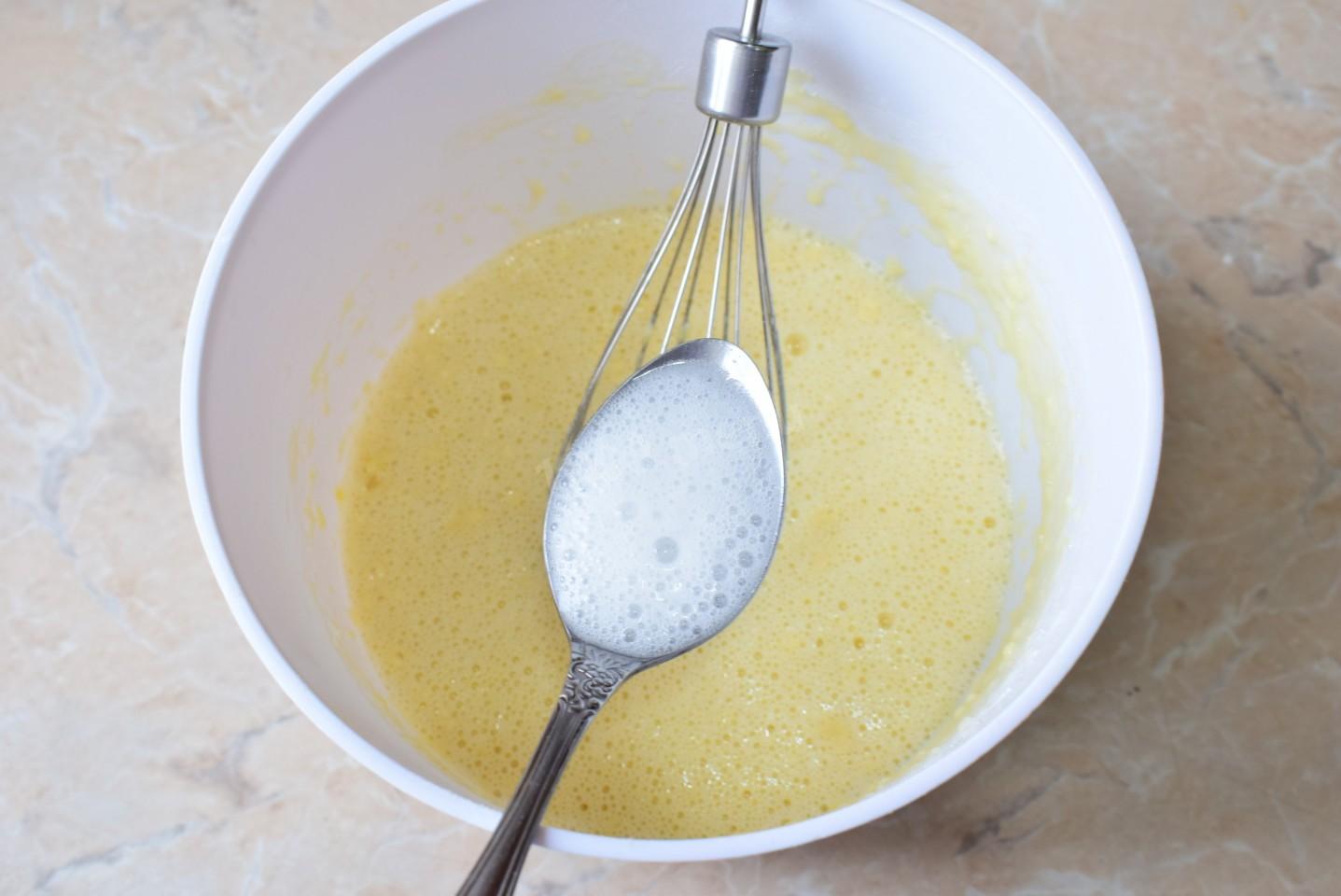
Add the baking soda slaked with an acid — either vinegar (9%) or lemon juice. It will react and start to foam.
-
Step 6:
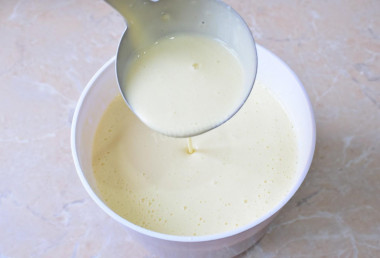
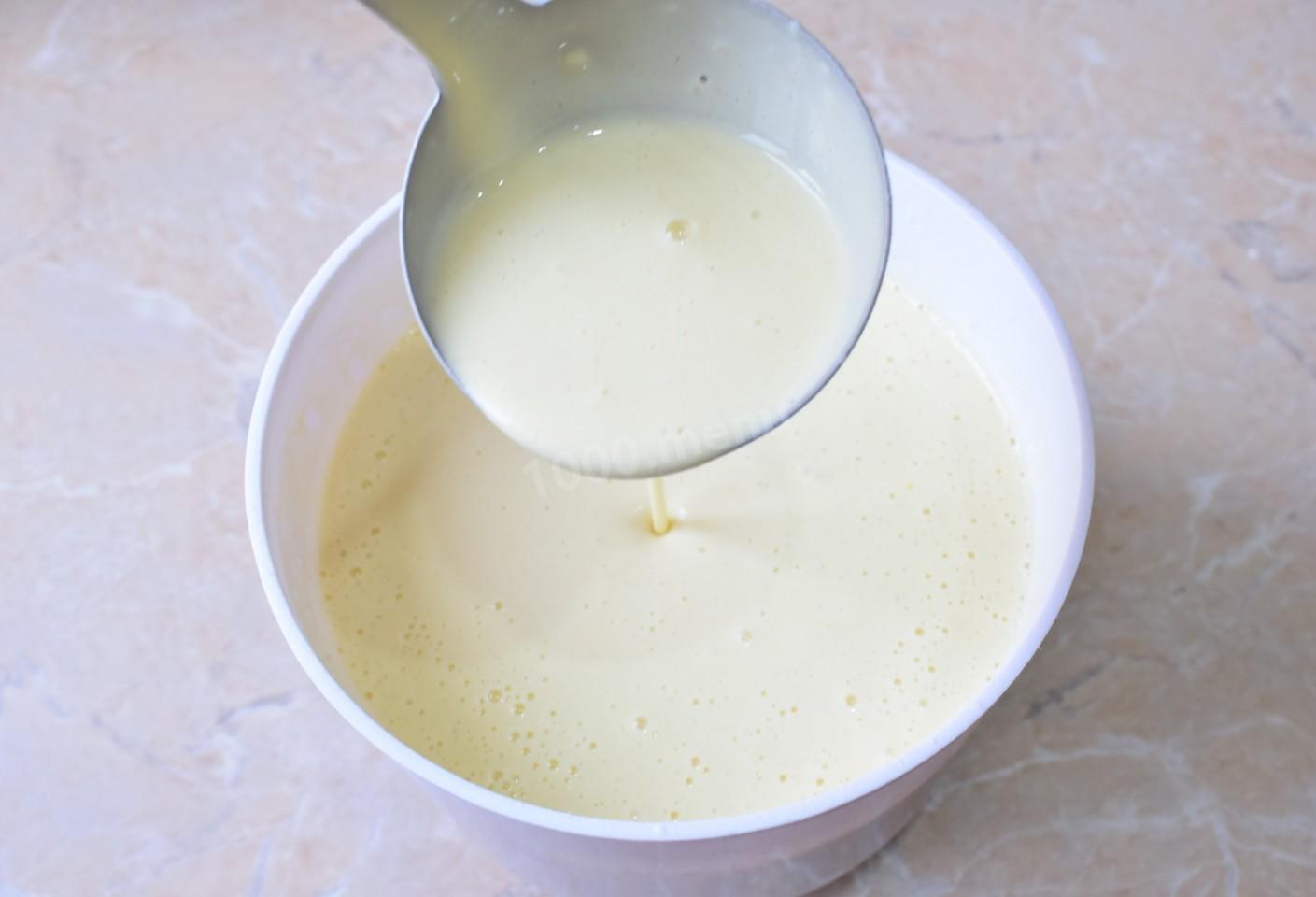
The finished batter should be smooth and fairly thin — a thin batter is what gives you thin pancakes.
-
Step 7:
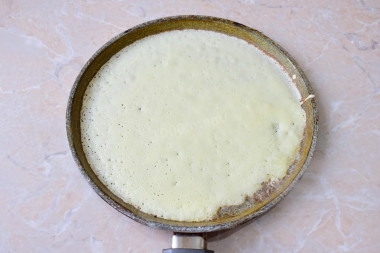
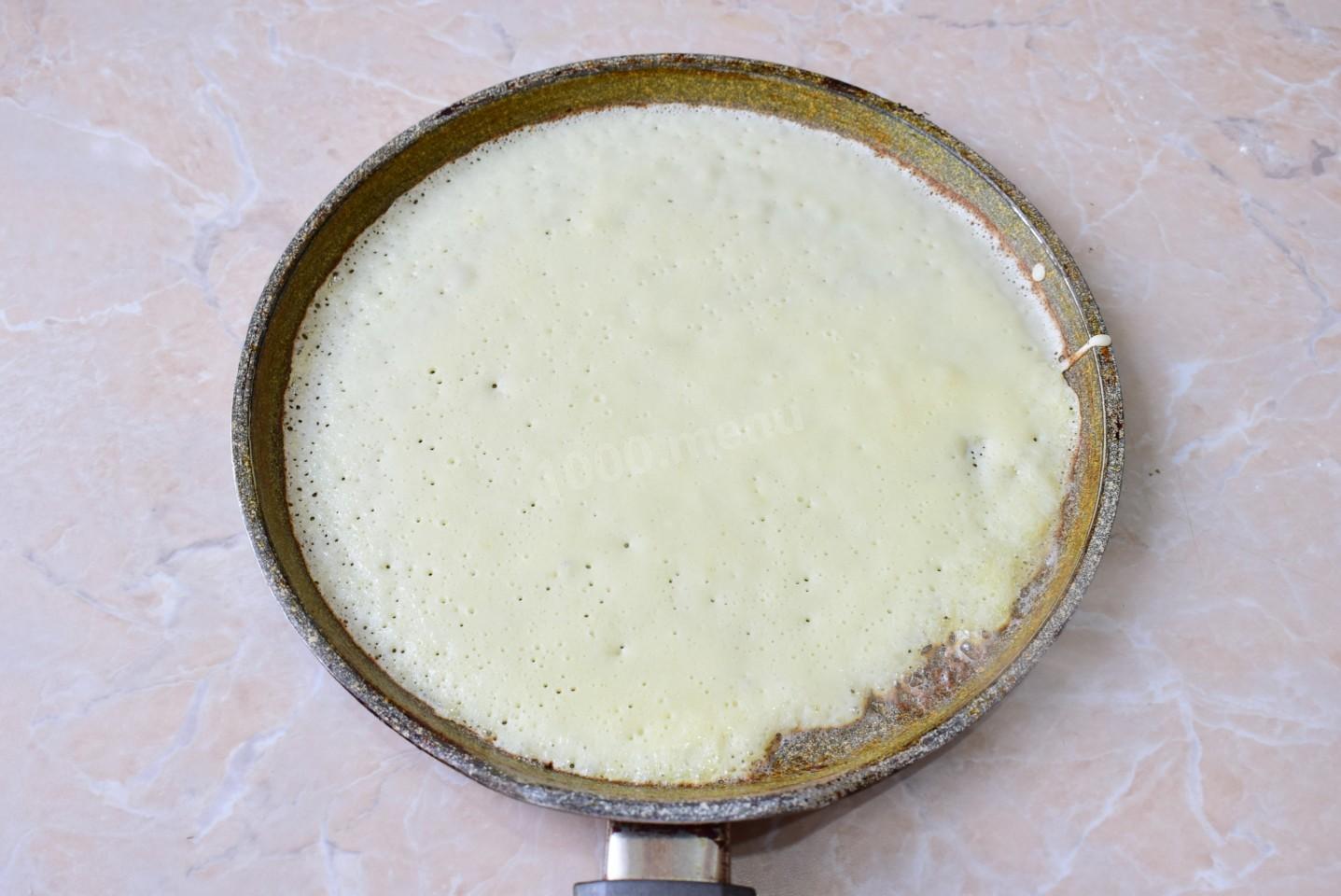
Heat a pancake pan until hot. Brush it with vegetable oil before the first pancake. Pour in a little batter and swirl it to cover the entire surface of the pan. Cook each pancake over medium-low heat on both sides until golden.
-
Step 8:
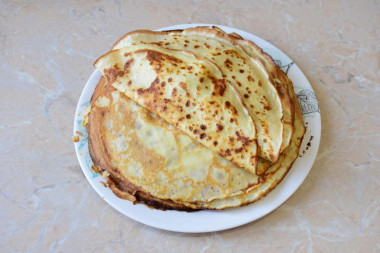
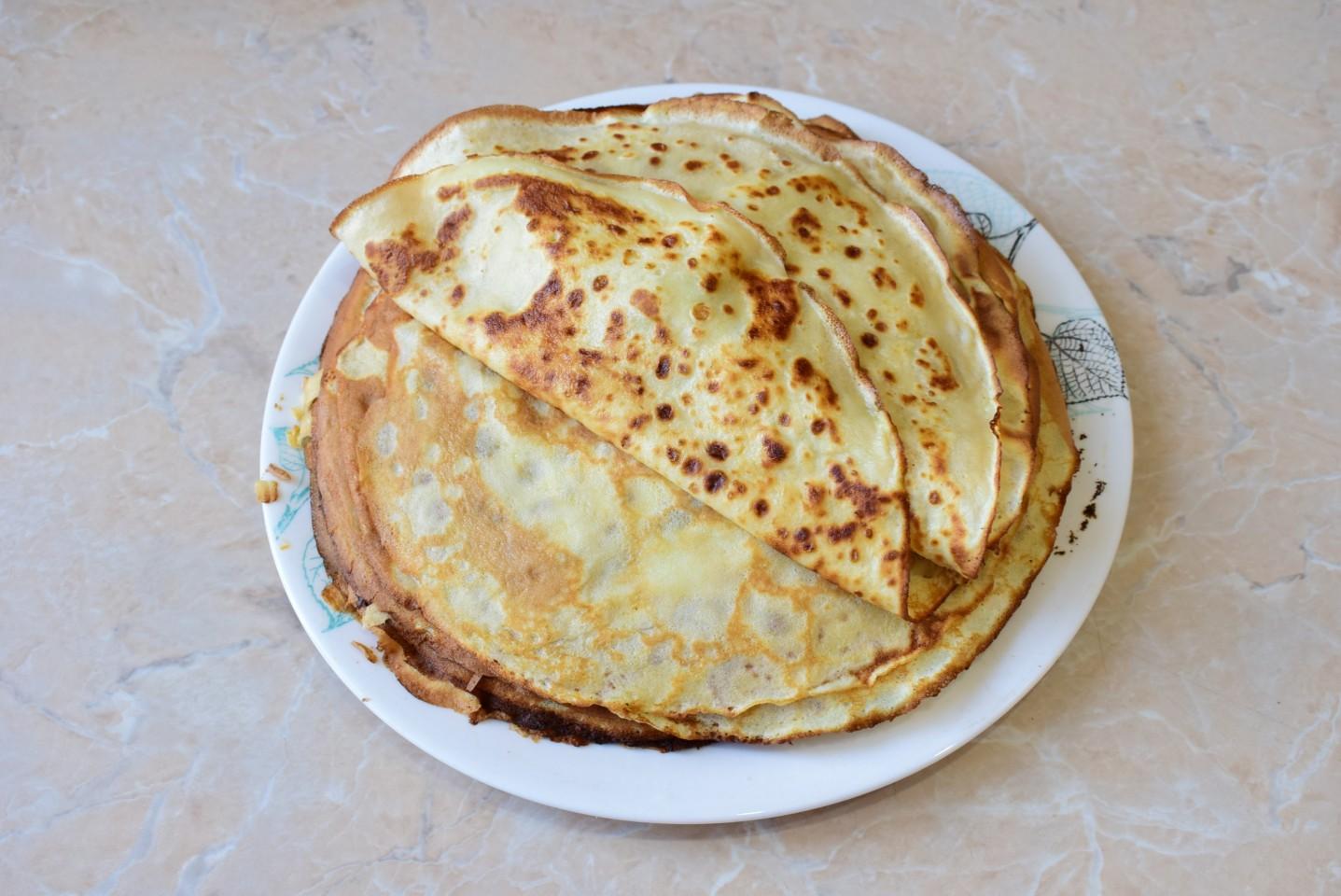
Cook the rest of the batter the same way. Stack the pancakes and cover them with a lid so they don't dry out. And they're done! Serve with jam, sour cream, or condensed milk — or wrap your favorite filling inside. Enjoy!

- Important! The wrong pan can ruin even the best recipe. For all the details on choosing the perfect pan for different dishes, read here.
- Can you swap baking soda for baking powder, and how do you add them so your baking turns out fluffy without a soapy soda aftertaste? Find out and more in the article "Baking powder or baking soda — which is better?"
- Always wash eggs before using them — even a shell that looks clean can carry harmful bacteria. It's best to use a food-safe wash and a brush.
Caloric content of the products possible in the composition of the dish
- Whole cow's milk - 68 kcal/100g
- Milk 3.5% fat content - 64 kcal/100g
- Milk 3.2% fat content - 60 kcal/100g
- Milk 1.5% fat content - 47 kcal/100g
- Concentrated milk 7.5% fat content - 140 kcal/100g
- Milk 2.5% fat content - 54 kcal/100g
- Chicken egg - 157 kcal/100g
- Egg white - 45 kcal/100g
- Egg powder - 542 kcal/100g
- Egg yolk - 352 kcal/100g
- Ostrich egg - 118 kcal/100g
- Whole durum wheat flour fortified - 333 kcal/100g
- Whole durum wheat flour, universal - 364 kcal/100g
- Flour krupchatka - 348 kcal/100g
- Flour - 325 kcal/100g
- Granulated sugar - 398 kcal/100g
- Sugar - 398 kcal/100g
- Vegetable oil - 873 kcal/100g
- Salt - 0 kcal/100g
- Baking soda - 0 kcal/100g