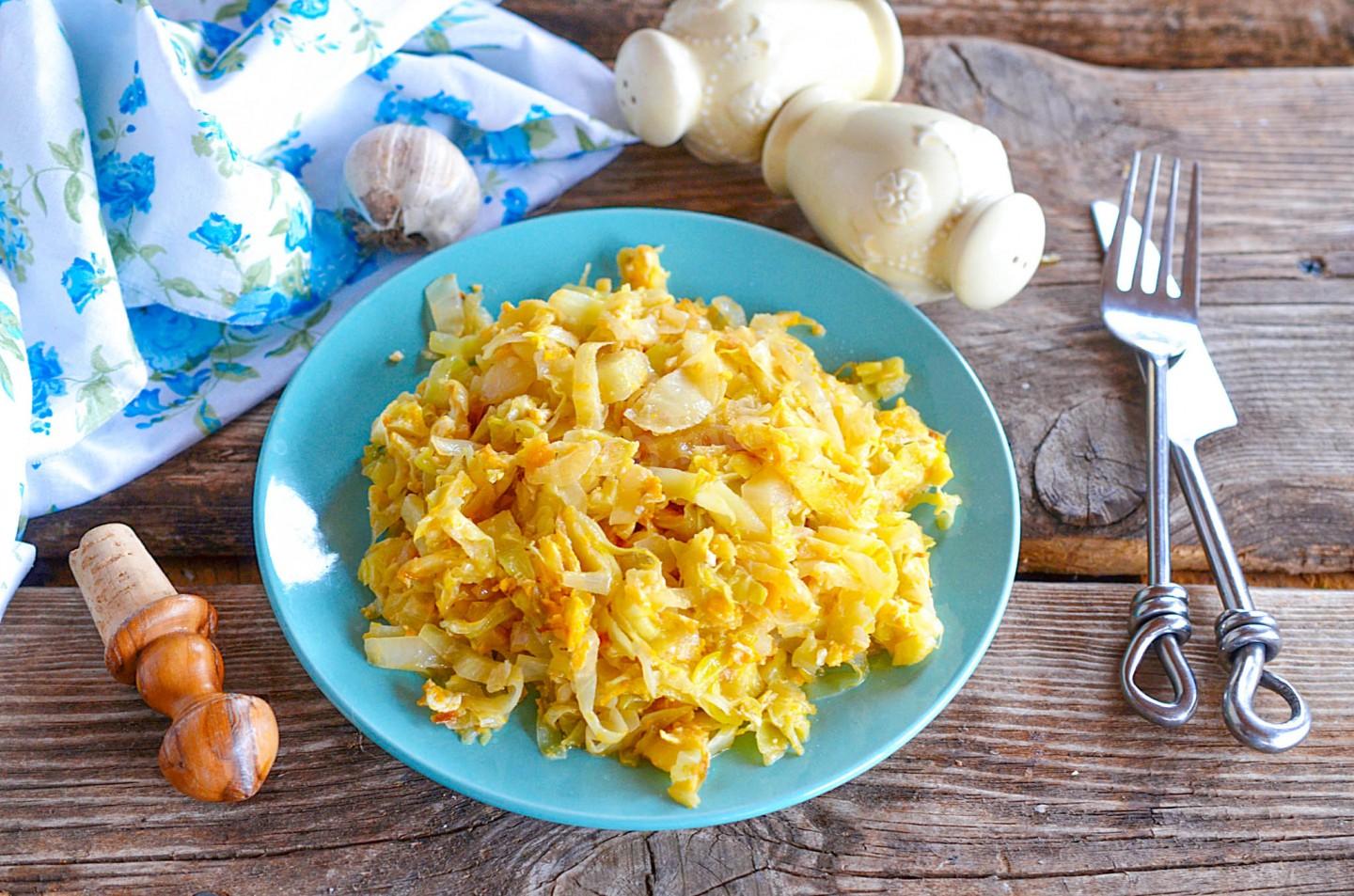
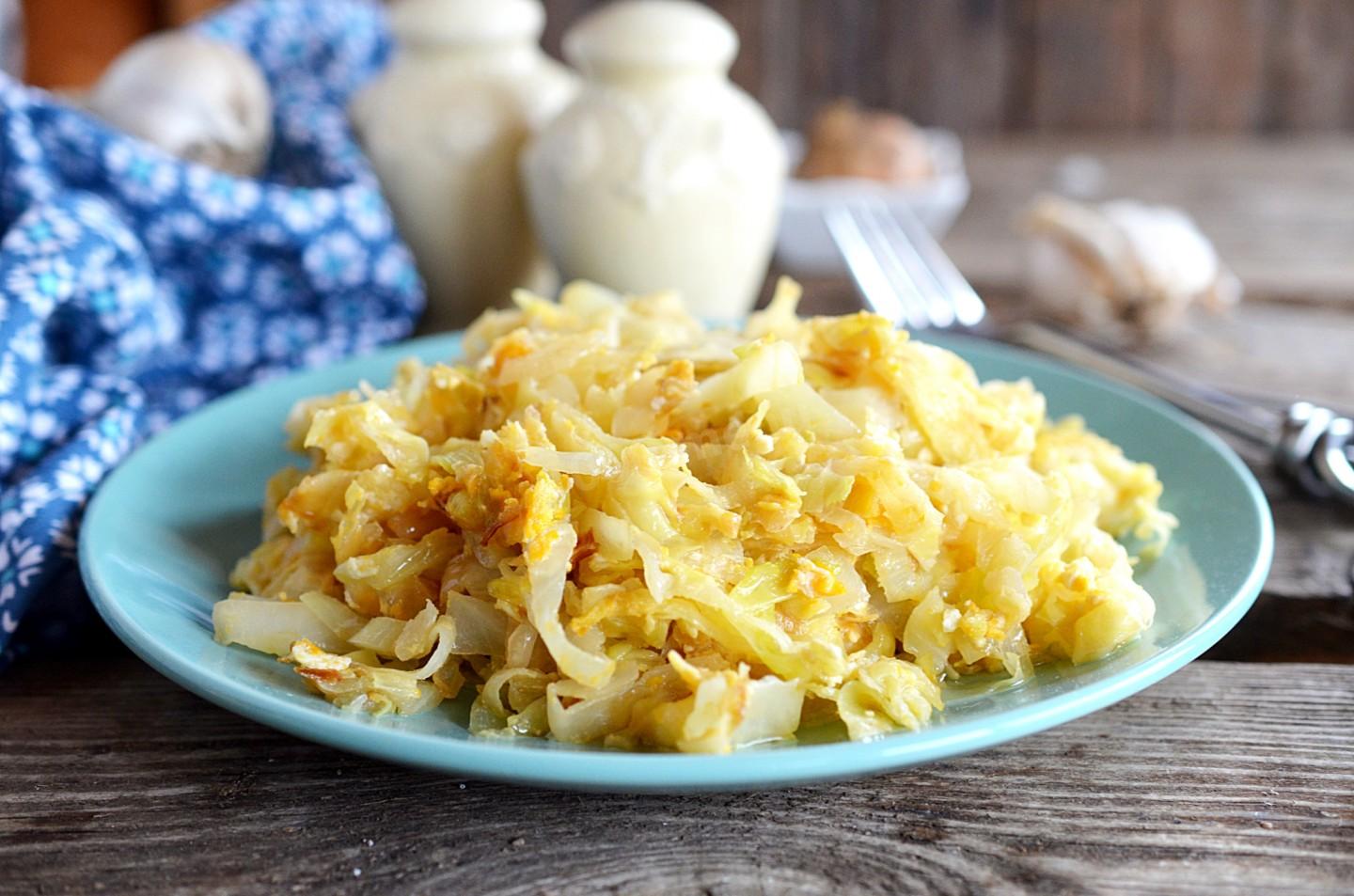
Pan-Fried Cabbage with Egg
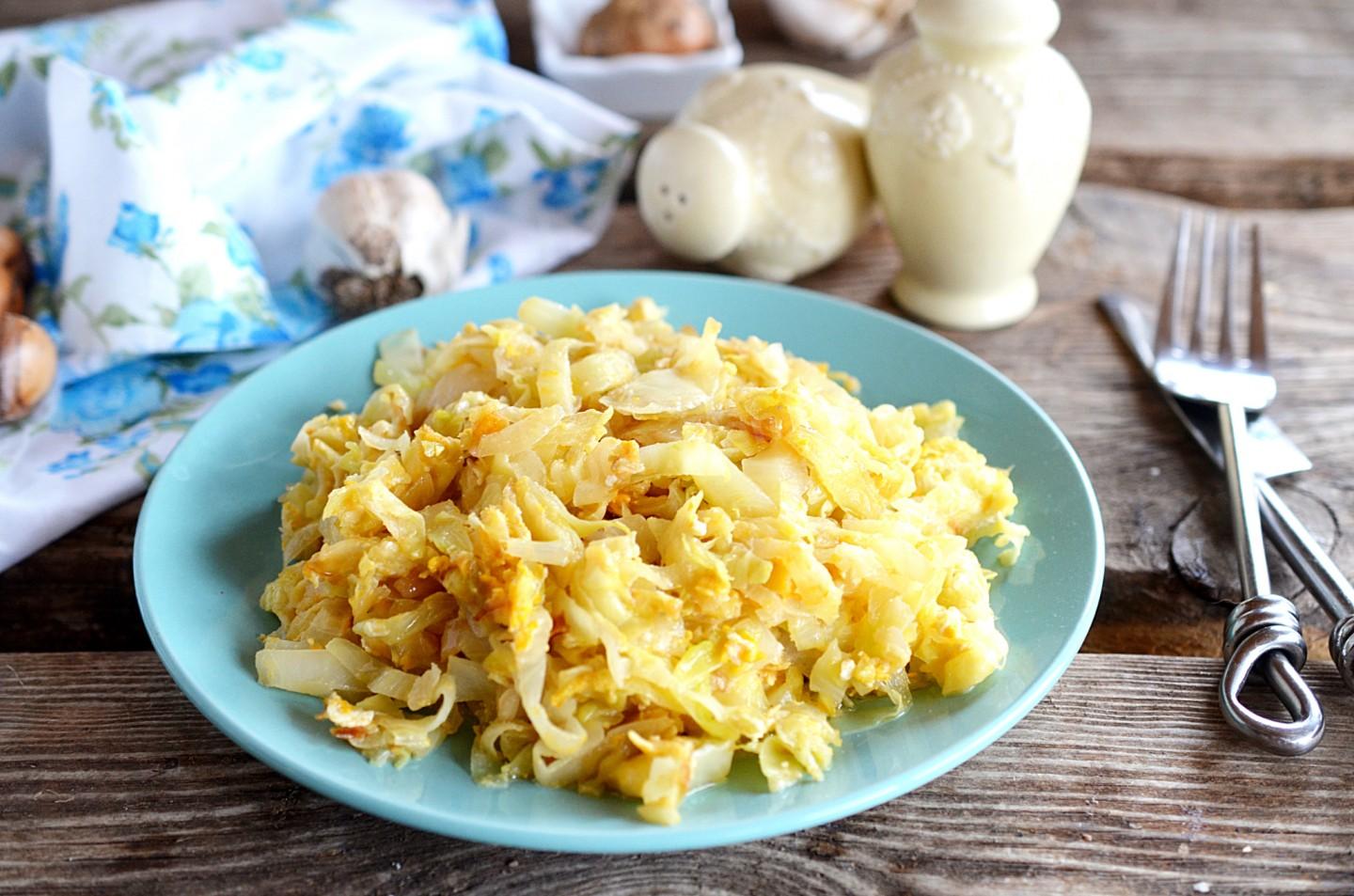
Made from everyday ingredients—tasty and simple! You can have this pan-fried cabbage with egg on the table in half an hour. It's perfect for a quick dinner and makes a great side for meat or poultry. Delicious and filling!

Cooking method
-
Step 1:
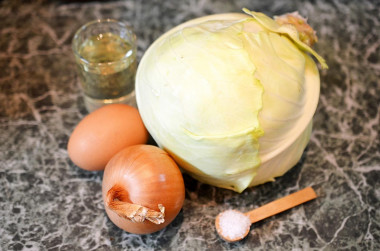
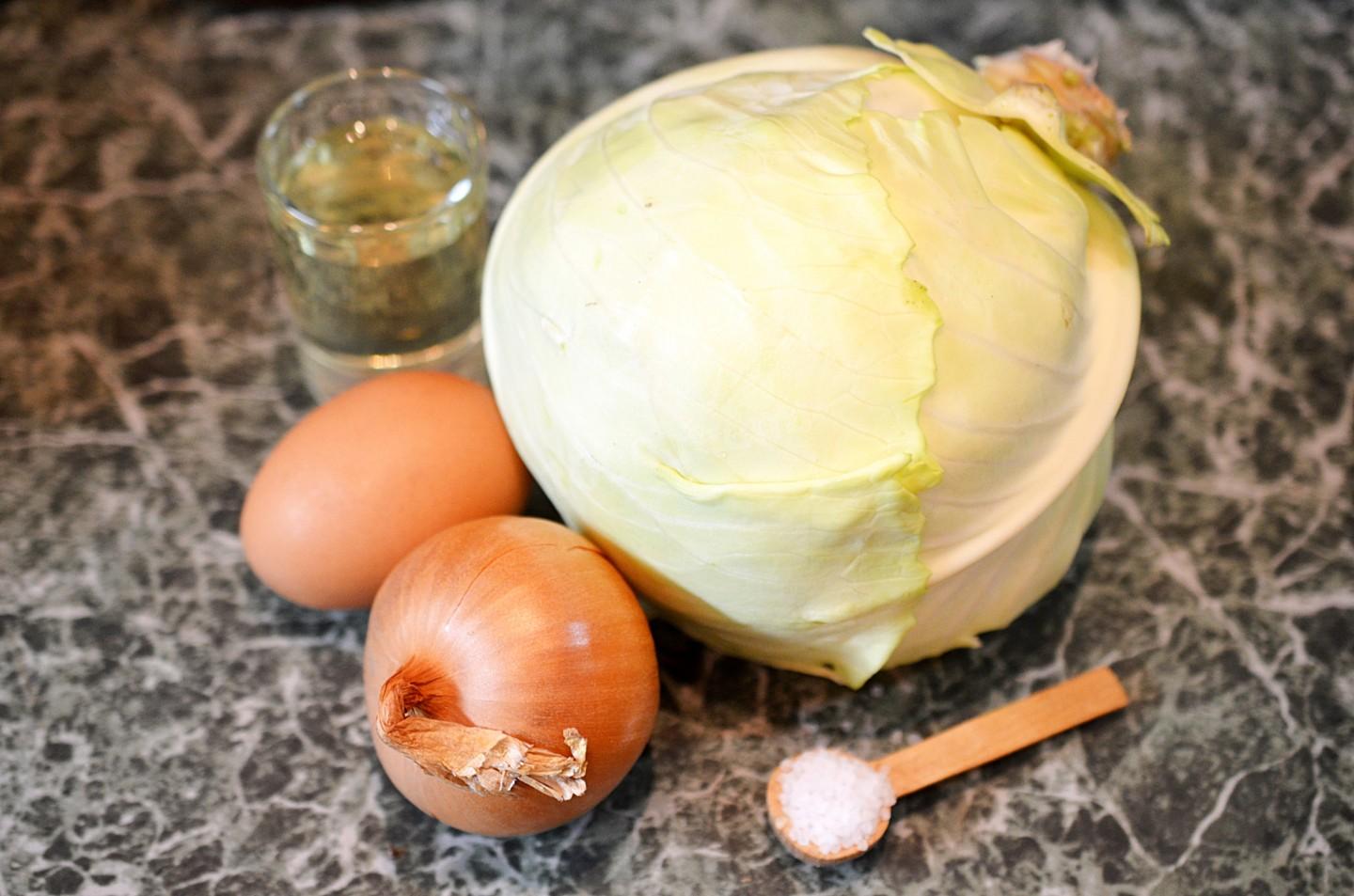
How do you pan-fry cabbage with egg? Gather the ingredients. Young, freshly harvested cabbage is best, but older cabbage works just fine too. Use a good-sized egg—a farm egg is ideal. Before using it, check it for freshness: lower the egg into a bowl of room-temperature water. If it sinks, it's fresh; if it floats, it's past its prime and best not used.
-
Step 2:
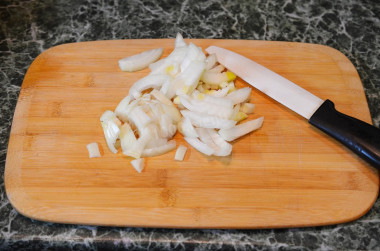
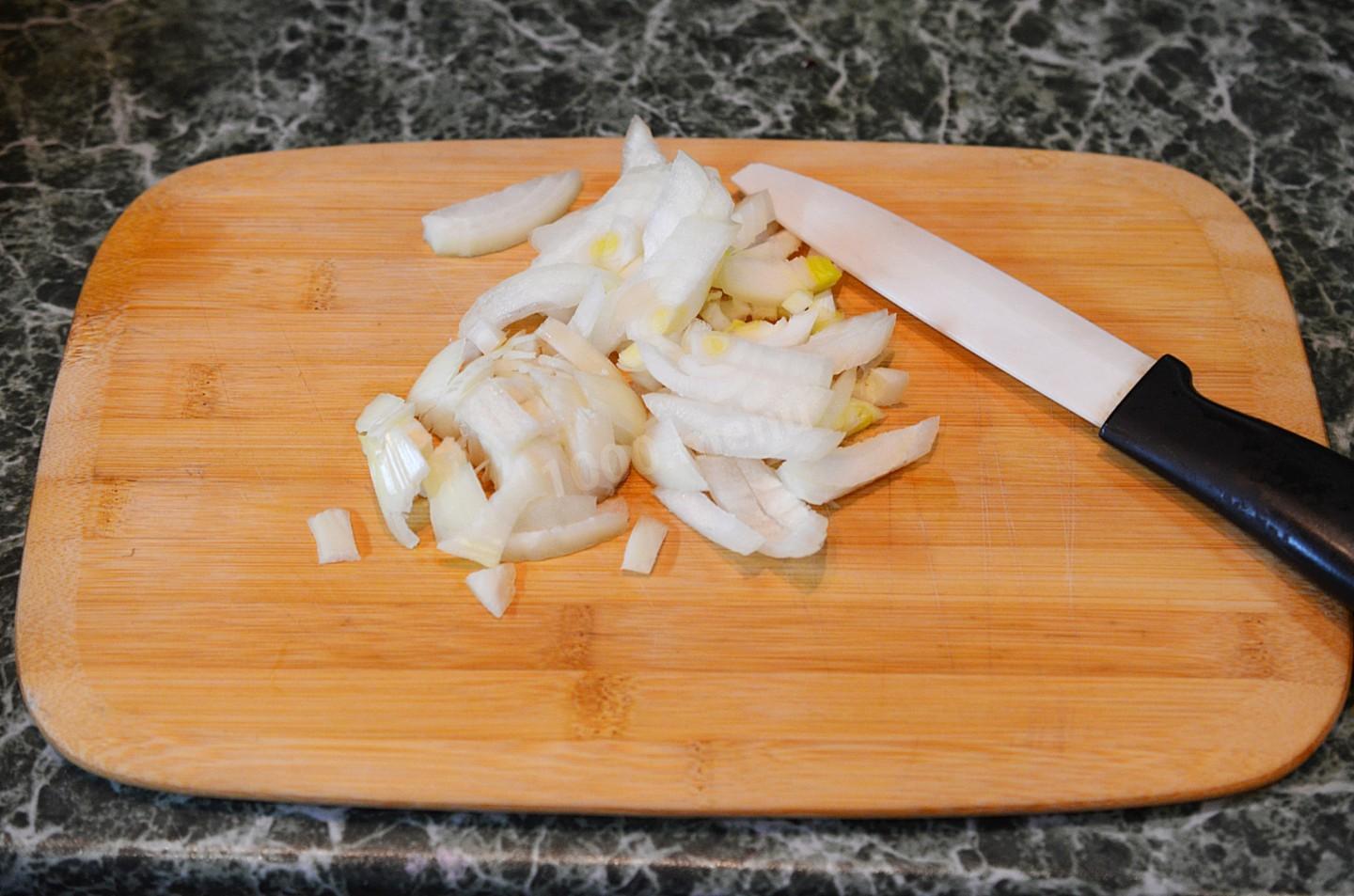
Peel the onion and cut it however you like. I diced it small.
-
Step 3:
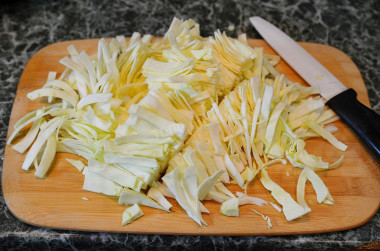
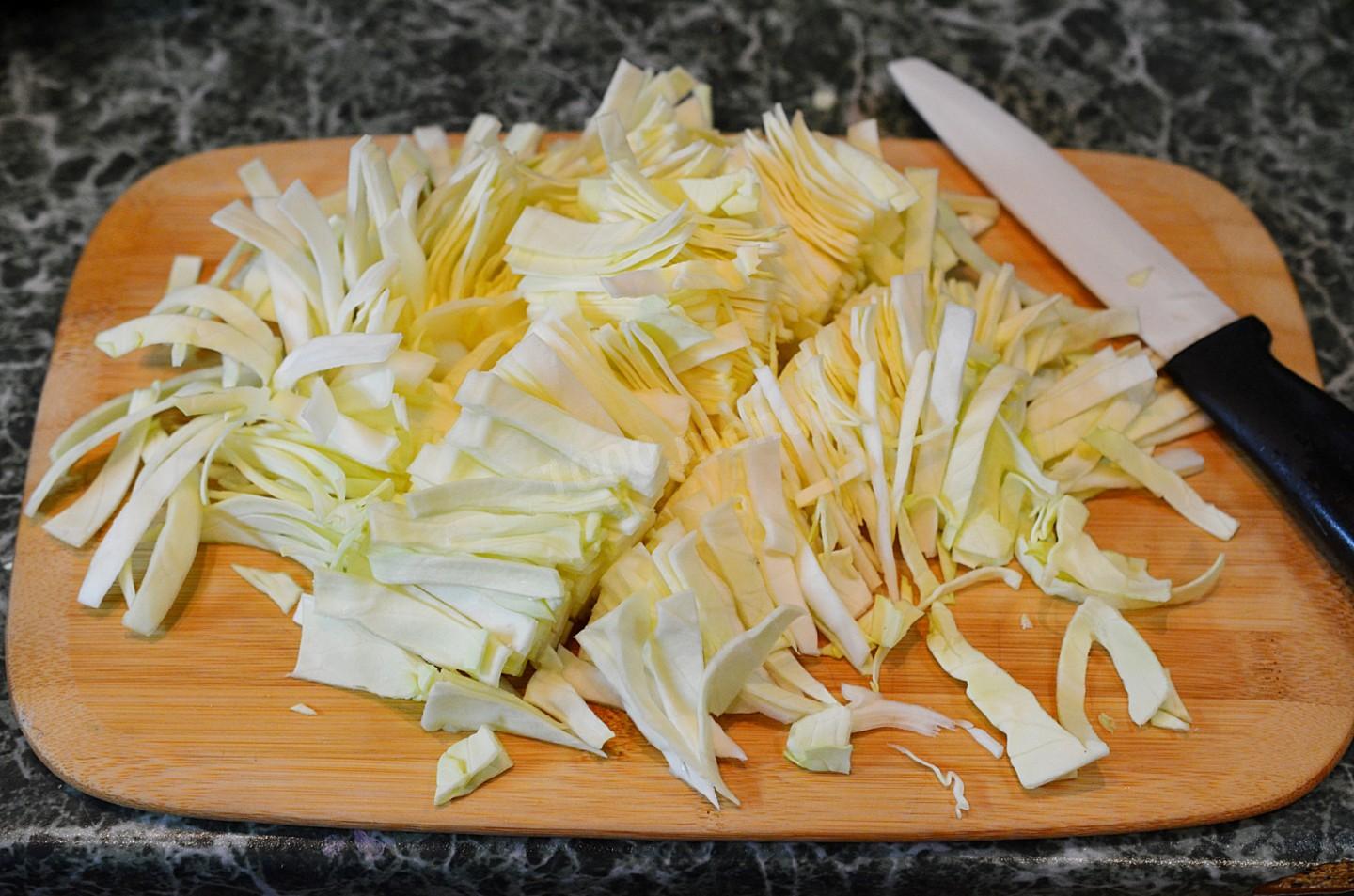
Wash the cabbage, pat it dry, and pull off the 2–3 outer leaves—they're usually the dirtiest. Cut the cabbage any way you like; I shredded it into thin ribbons.
-
Step 4:
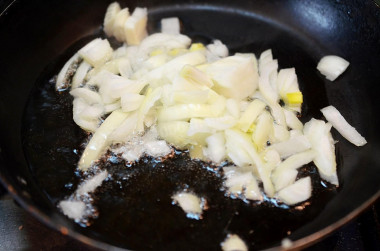
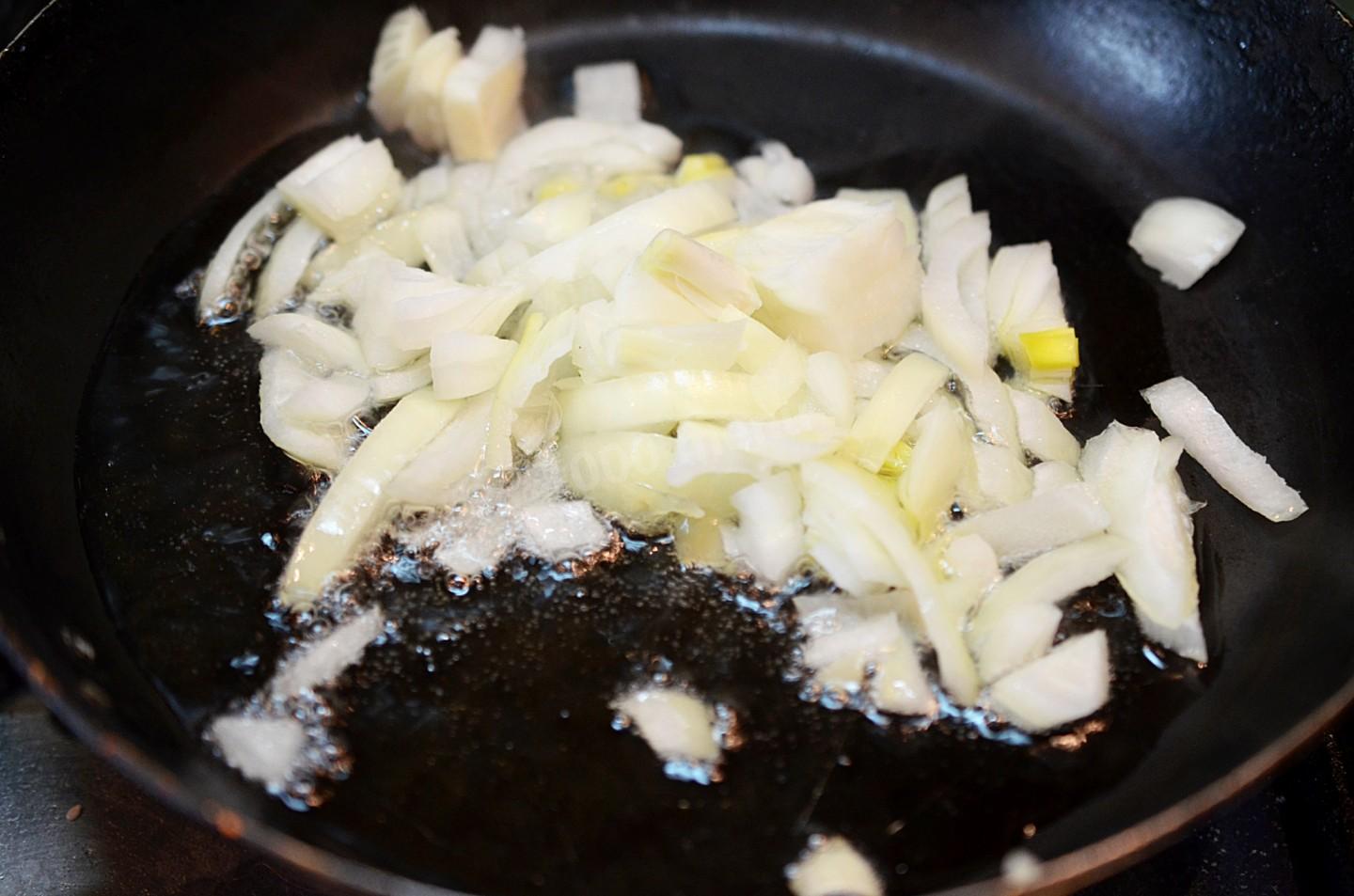
Heat the vegetable oil in a skillet. Any oil works—budget-friendly sunflower or pricier olive—but since we're frying, it needs to be a refined oil so it won't scorch in the pan. Add the chopped onion and cook until golden, about 5–7 minutes.
-
Step 5:
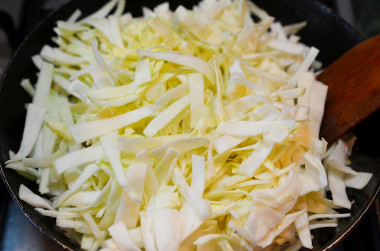
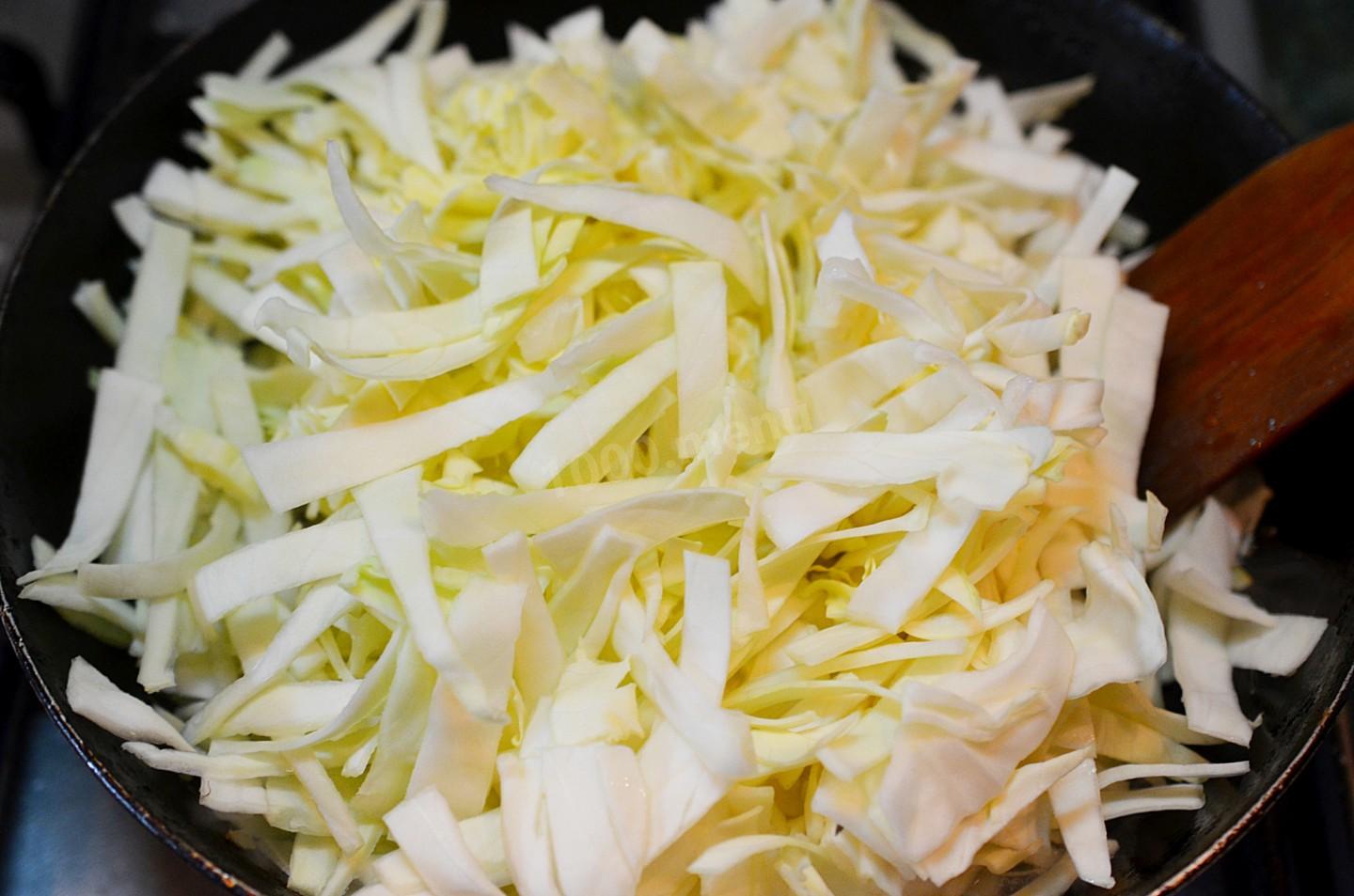
Add the shredded cabbage and stir.
-
Step 6:
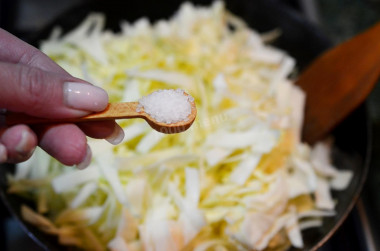
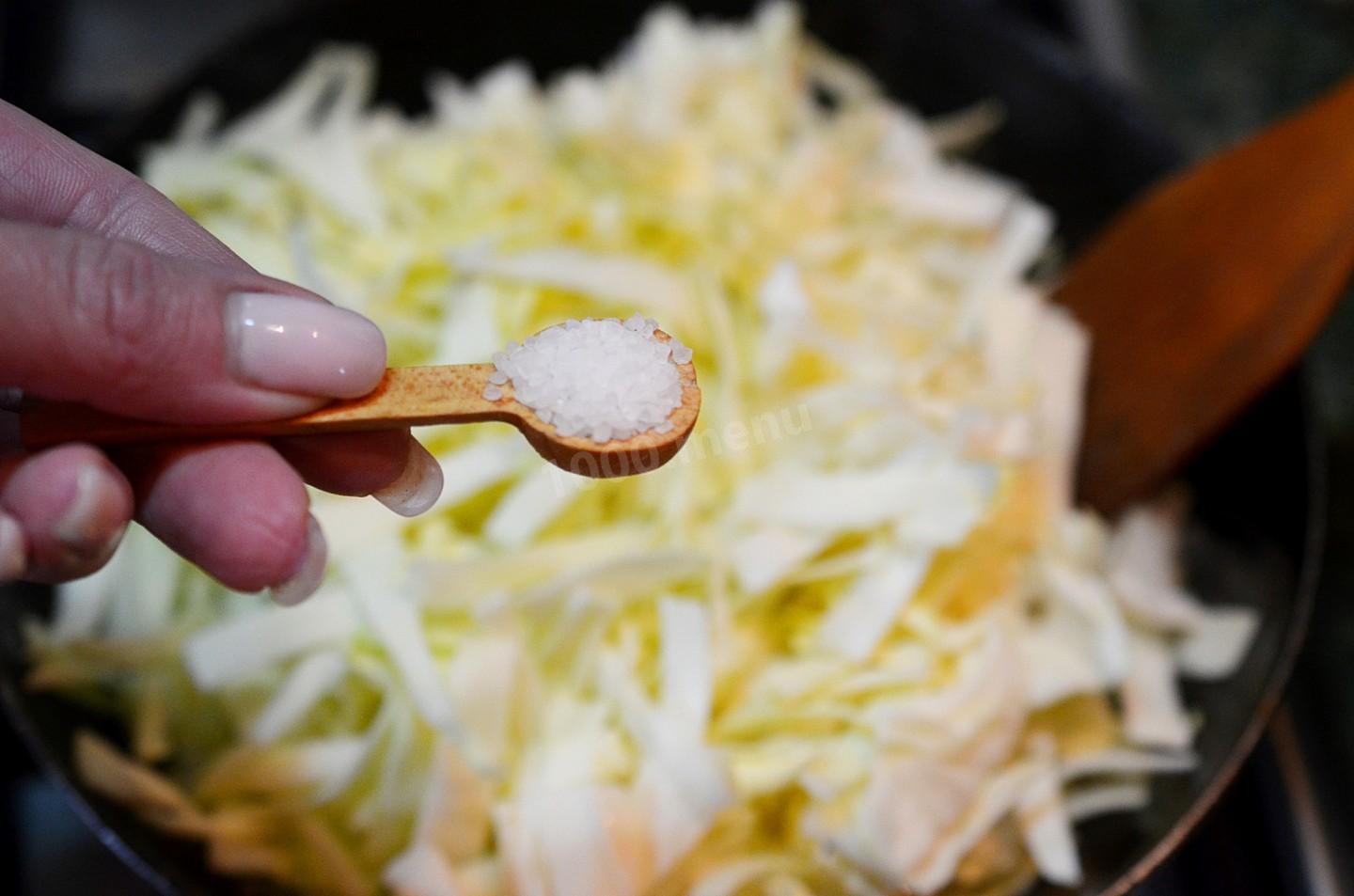
Season with salt. After a couple of minutes the cabbage releases its liquid, softens, and shrinks down.
-
Step 7:
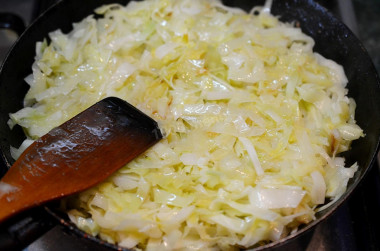
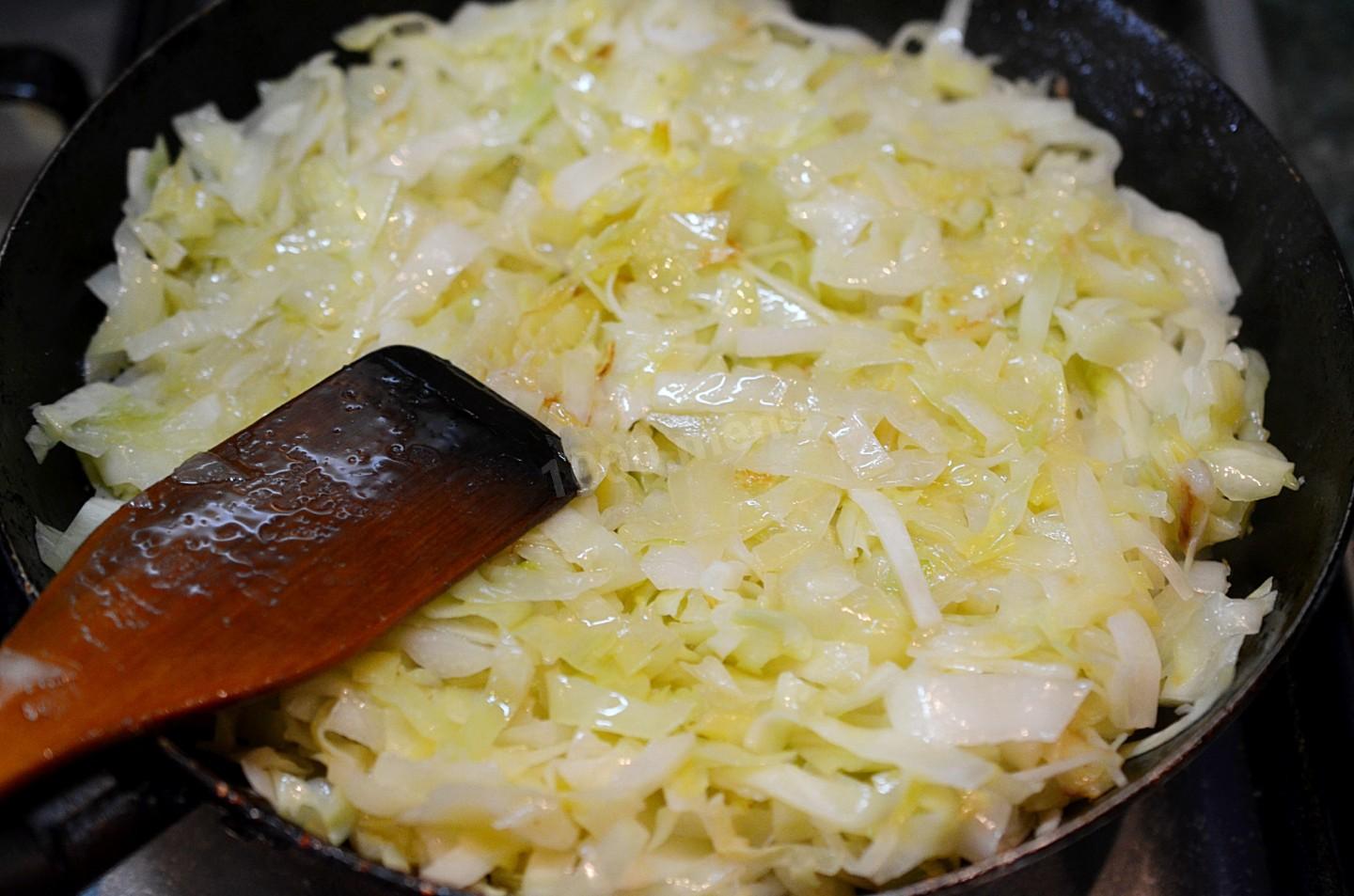
Fry the cabbage and onion for about 10–12 minutes. The cabbage should fry, not steam, so keep the heat a bit above medium. Fried cabbage tastes far better than stewed. At this point you can add your favorite herbs or seasonings: ground pepper, fresh or dried garlic, herbes de Provence, or any fresh herbs.
-
Step 8:
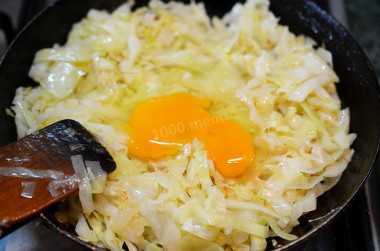
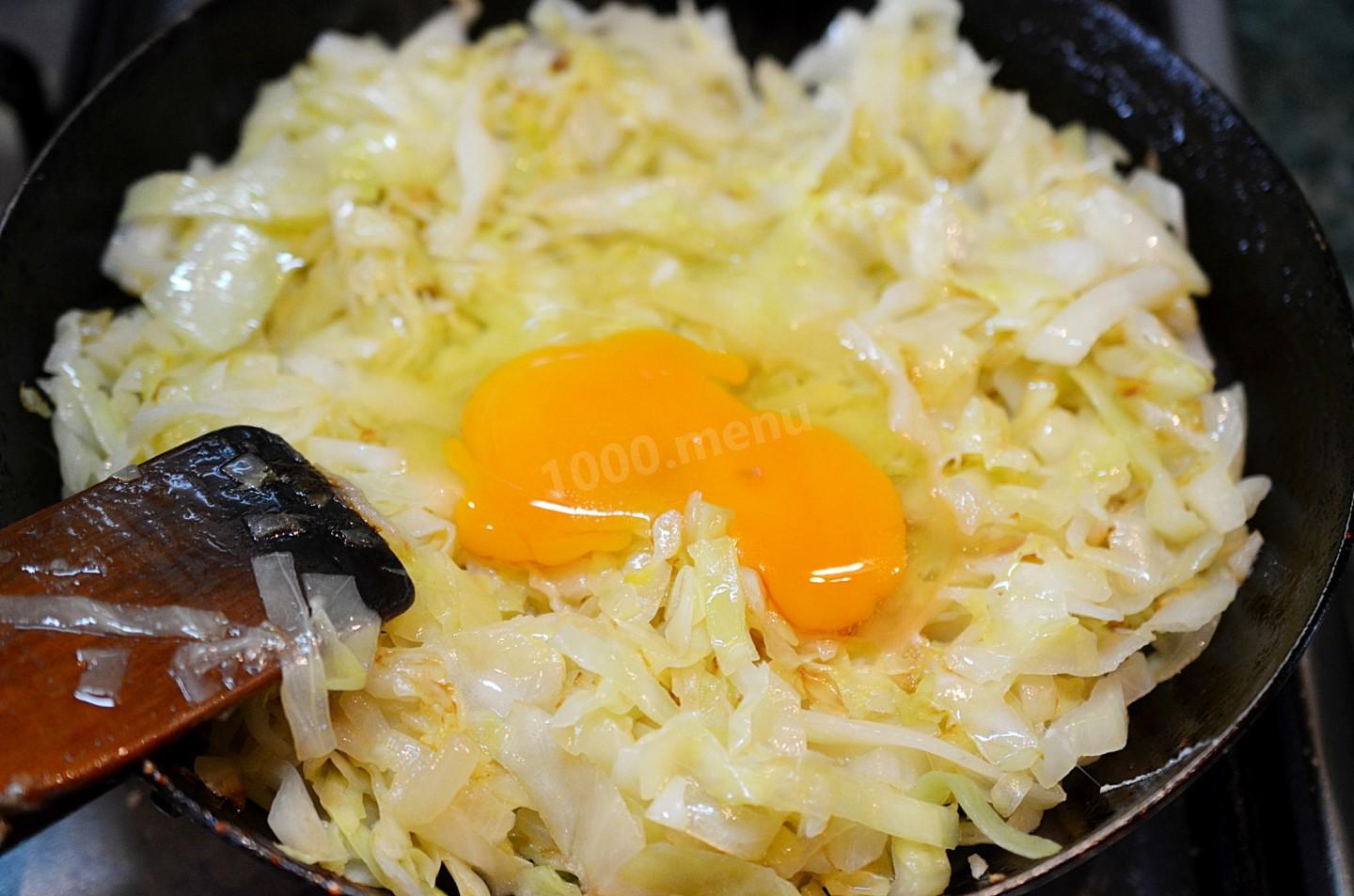
Wash the egg well—the shell carries plenty of bacteria, so give it a good rinse. Then crack the egg gently into the cabbage.
-
Step 9:
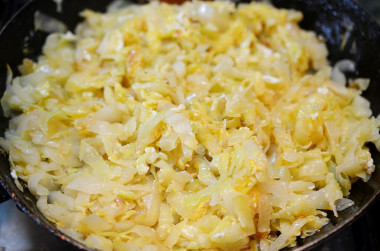
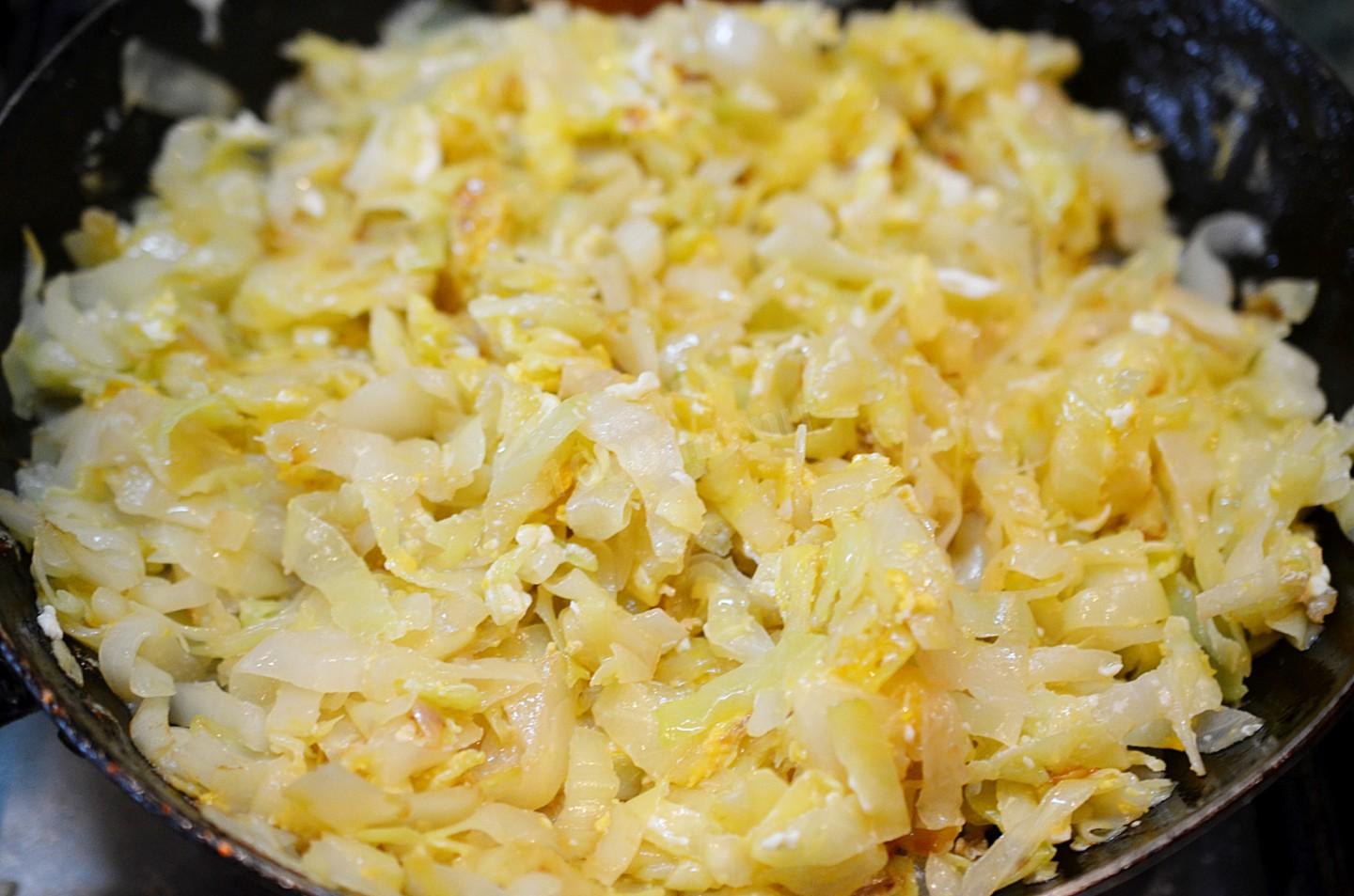
Stir briskly so the egg coats the cabbage evenly instead of setting in one spot. Cook for another 5–7 minutes, adjusting to your own stove.
-
Step 10:
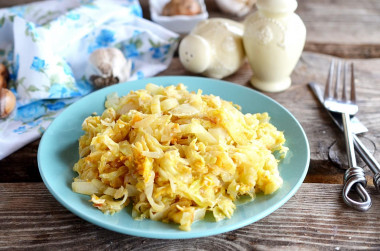
Serve the cabbage hot as a side dish for meat and poultry, or enjoy it with the egg as a meal on its own. Enjoy!
- To keep your eyes from stinging while you cut onions, rinse both the onion and the knife in cold water. Your cutting board won't hold onto the onion smell if you rub it with a piece of lemon first.
- Use an oil with a high smoke point for frying! Every oil is good only up to a certain temperature—its smoke point—beyond which it starts to burn and forms harmful compounds, including carcinogens. Unrefined oils, with rare exceptions, have a low smoke point; they're full of unfiltered particles that scorch quickly. Refined oils stand up to heat better and have a higher smoke point. If you're cooking in the oven, in a skillet, or on the grill, use an oil with a high smoke point. The most common high-smoke-point oils are refined sunflower, olive, and grapeseed.
- Note: the wrong pan can ruin even the best recipe. Choose a skillet that suits the dish.
Caloric content of the products possible in the composition of the dish
- Green cabbage - 46 kcal/100g
- Fresh frozen green cabbage in a package - 45 kcal/100g
- Chicken egg - 157 kcal/100g
- Egg white - 45 kcal/100g
- Egg powder - 542 kcal/100g
- Egg yolk - 352 kcal/100g
- Ostrich egg - 118 kcal/100g
- Vegetable oil - 873 kcal/100g
- Salt - 0 kcal/100g
- Onion - 41 kcal/100g