Canned Borscht Base for Winter (No Cabbage)
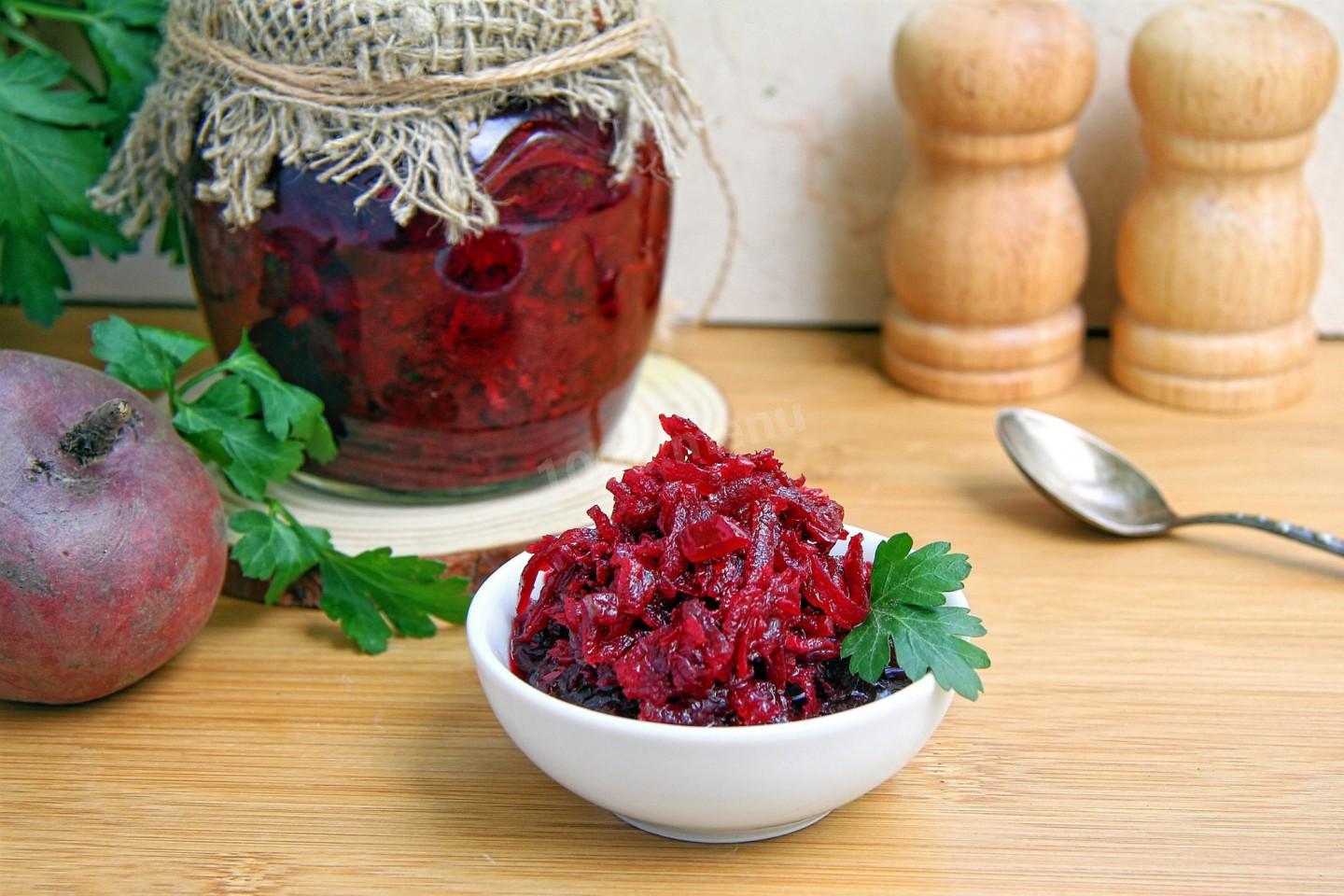
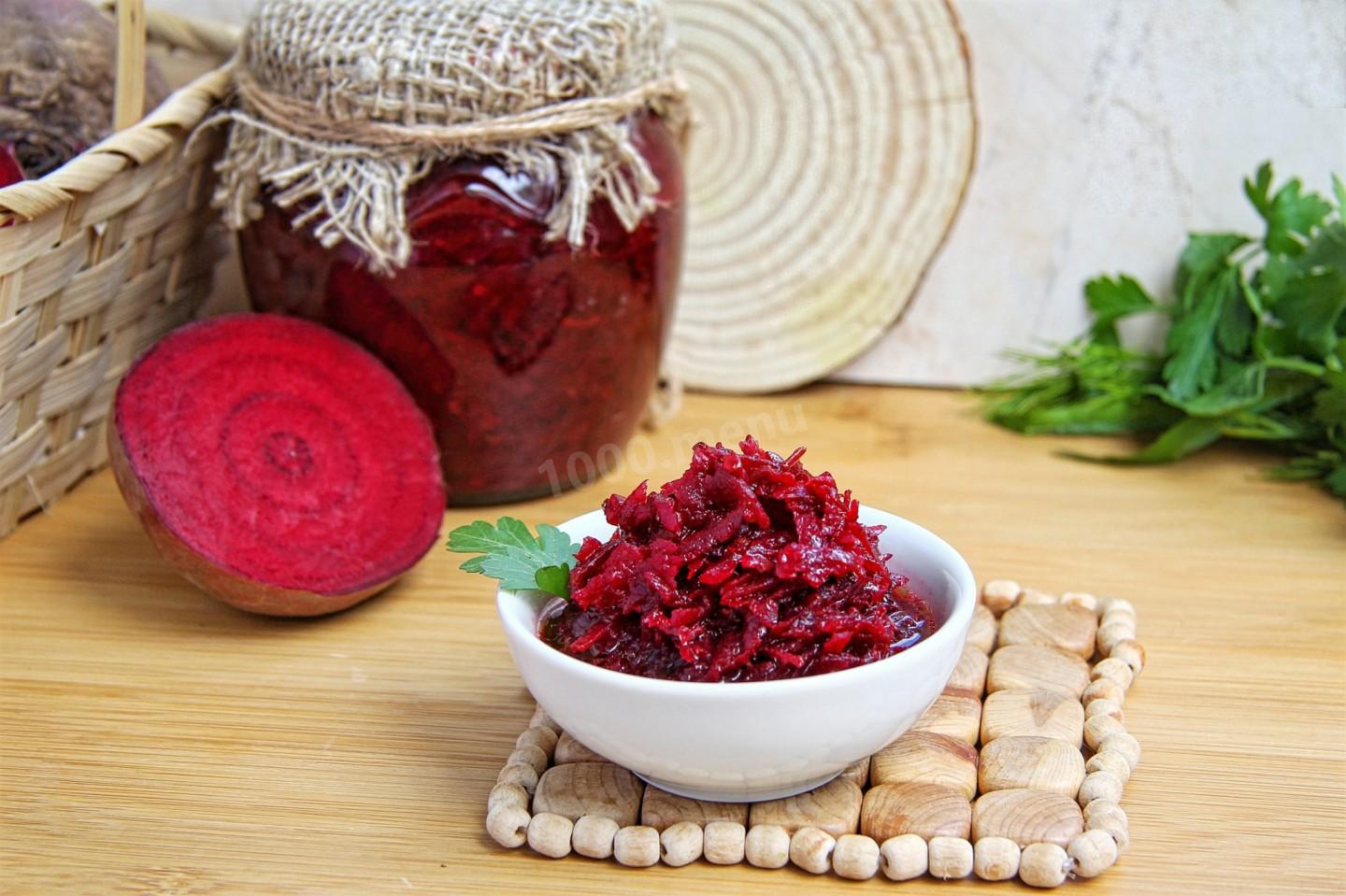
This will save you loads of time, effort, and frustration when making borscht! Come winter, all you'll have to do is open a jar of this vibrant base and stir it into ready meat broth with potatoes or beans. Making borscht with it on hand is a breeze!

Cooking method
-
Step 1:
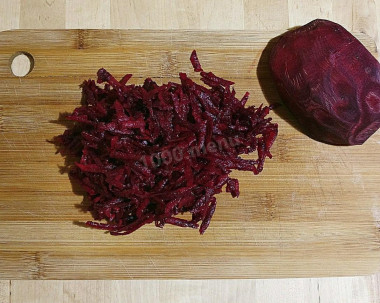
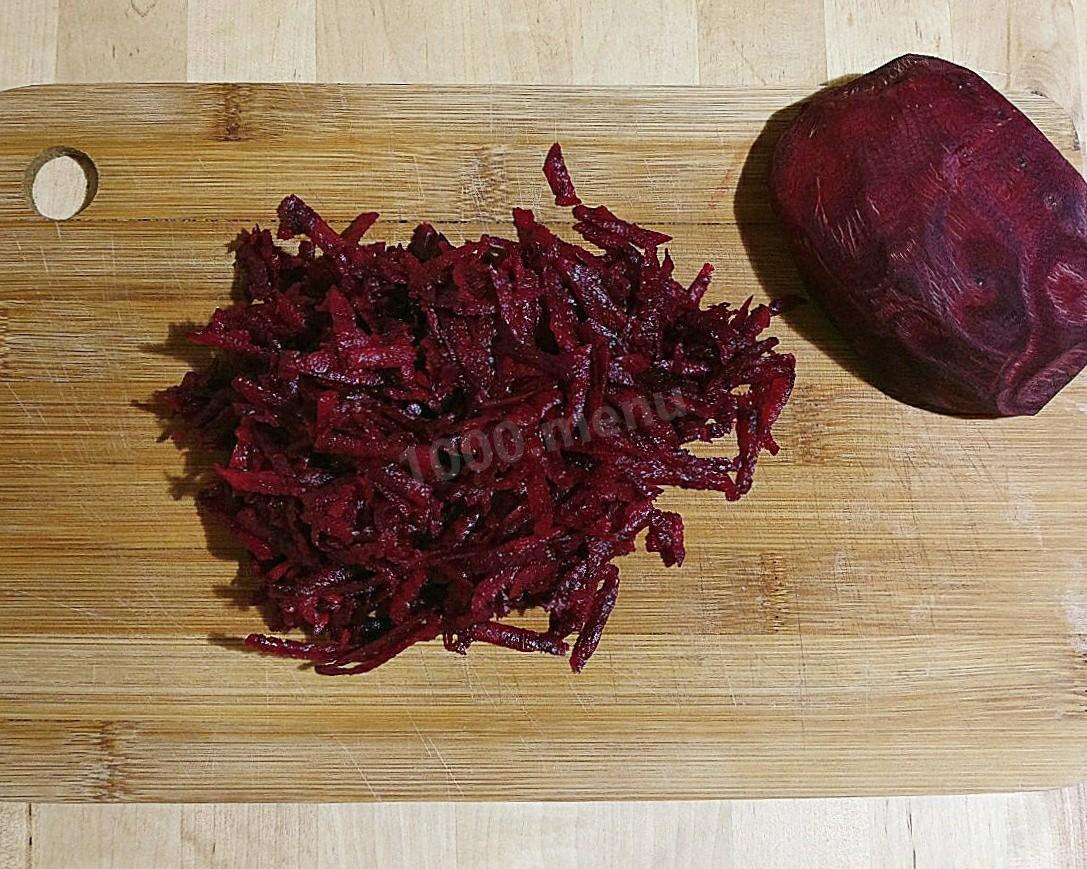
How do you make a no-cabbage borscht base for winter? Scrub fresh, deep-colored beets — free of scuffs and dents — with a brush under running water. Peel them with a vegetable peeler and grate on a coarse grater. You can also cut the beets into matchsticks with a knife.
-
Step 2:
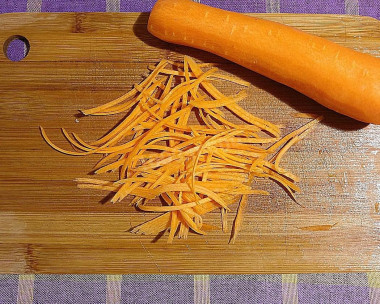
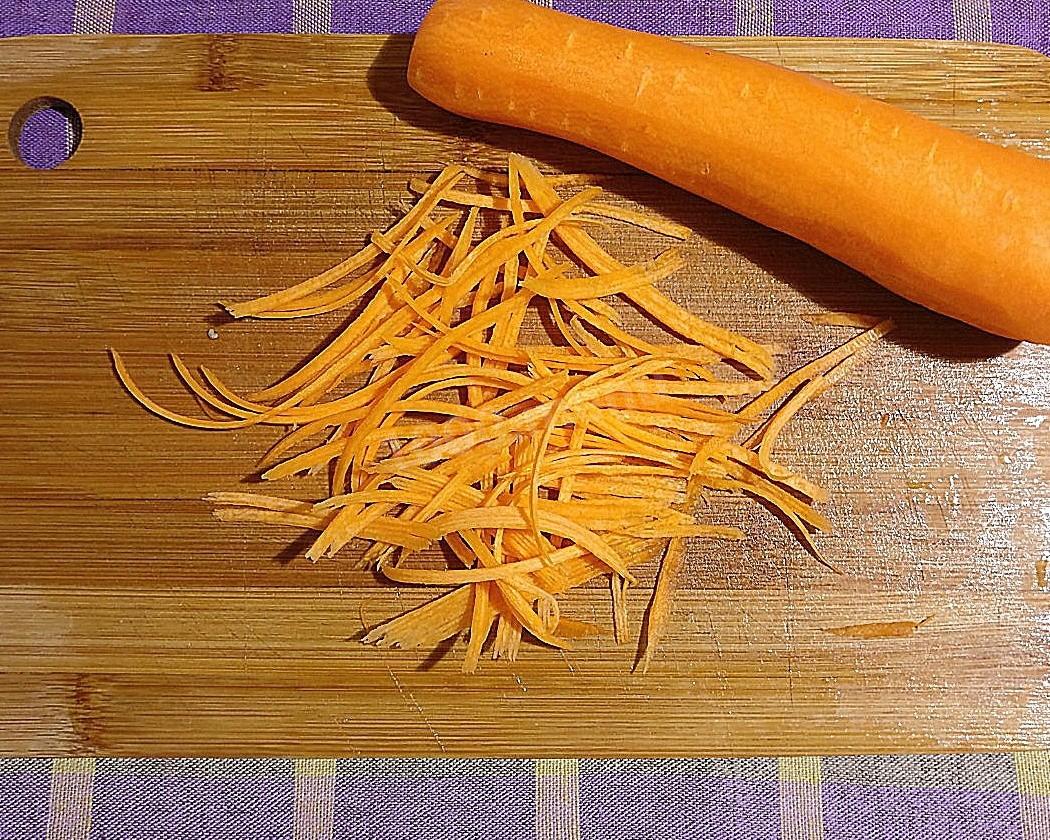
Wash the carrots under running water too, scrubbing the skin with a brush to remove any bits of dirt. Then peel them. To shred the carrots, use a coarse grater or a julienne slicer.
-
Step 3:
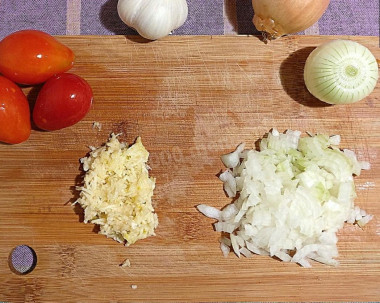
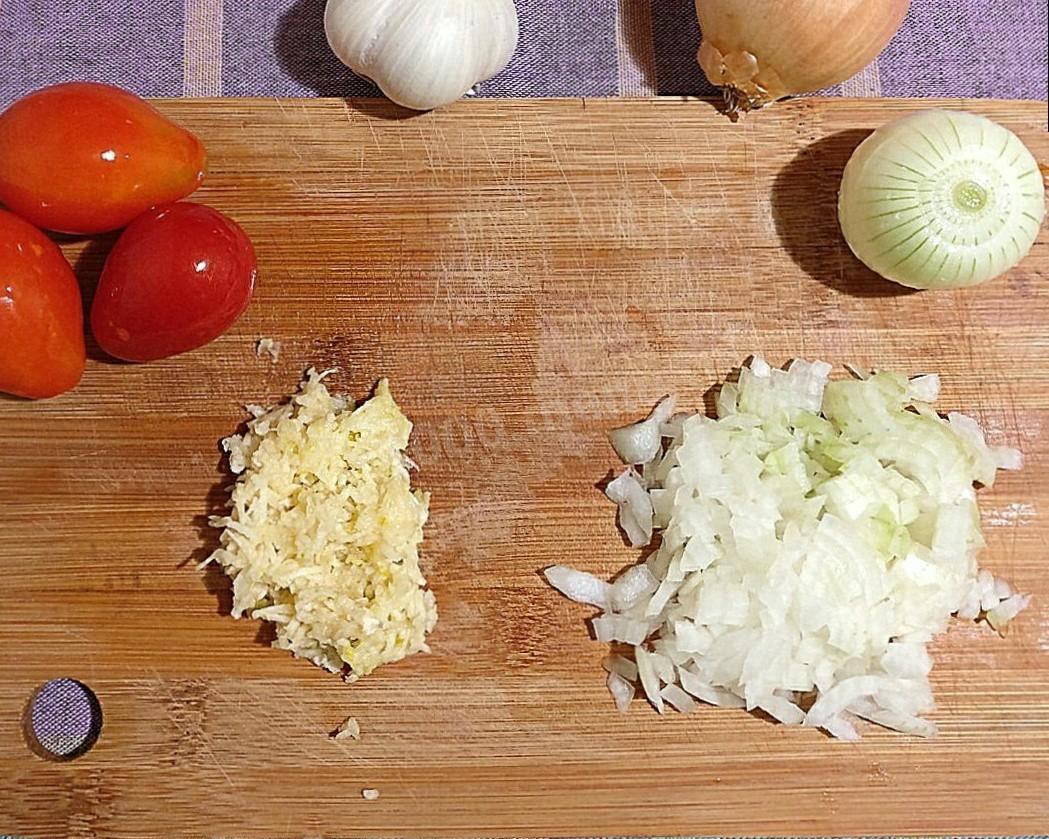
Peel the onion and finely chop it. Peel the garlic too and grate it on a fine grater. Wash the tomatoes under running water and cut them into medium dice. Don't bother removing the tomato seeds — they're welcome here.
-
Step 4:
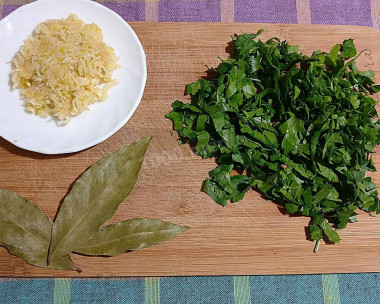
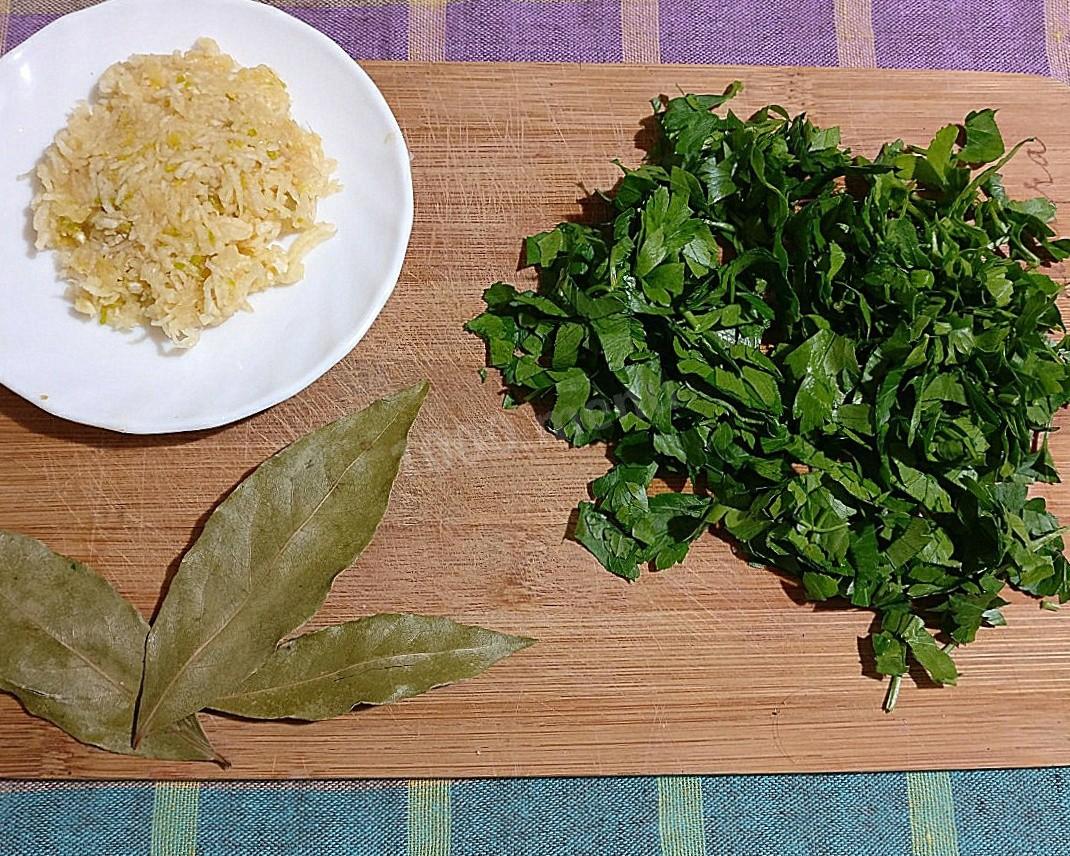
Wash the herbs under running water, shake off the excess moisture, and finely chop them. Fragrant lovage, dill, or parsley is ideal here. Get the bay leaves ready — I'll use three, but two works too.
-
Step 5:
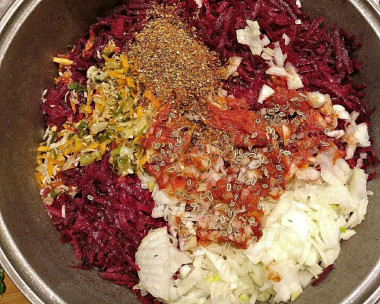
Take a deep, heavy-bottomed pot or a Dutch oven. Wash the bell peppers, remove the seeds, and cut into small dice. Put all the vegetables in the pot. Add the salt, sugar, vinegar, and refined sunflower oil, plus the ground coriander, dill seeds, and bay leaves for aroma. Stir the base and simmer over low heat for about an hour, stirring occasionally. Then, while it's still hot, ladle it into sterilized jars and seal with lids.
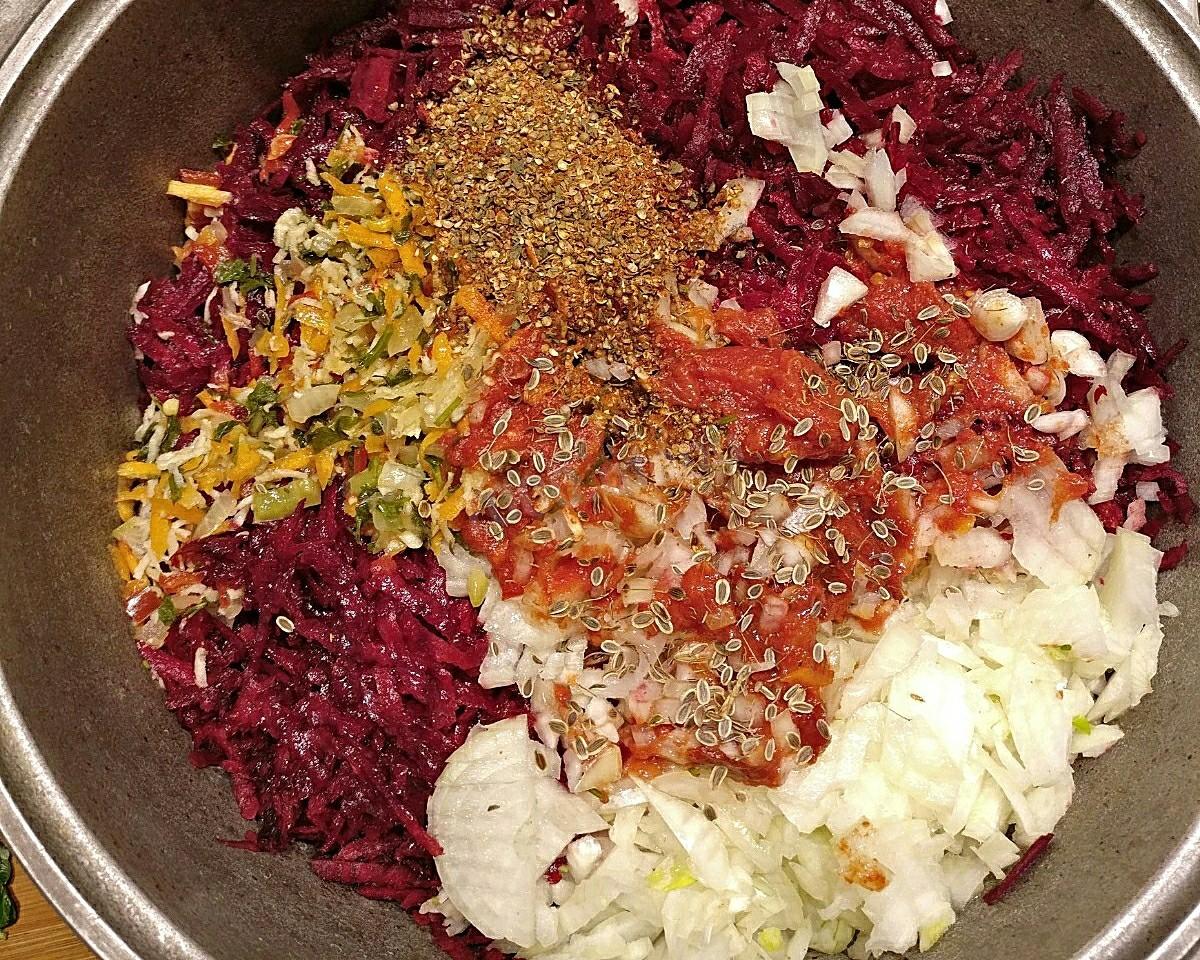
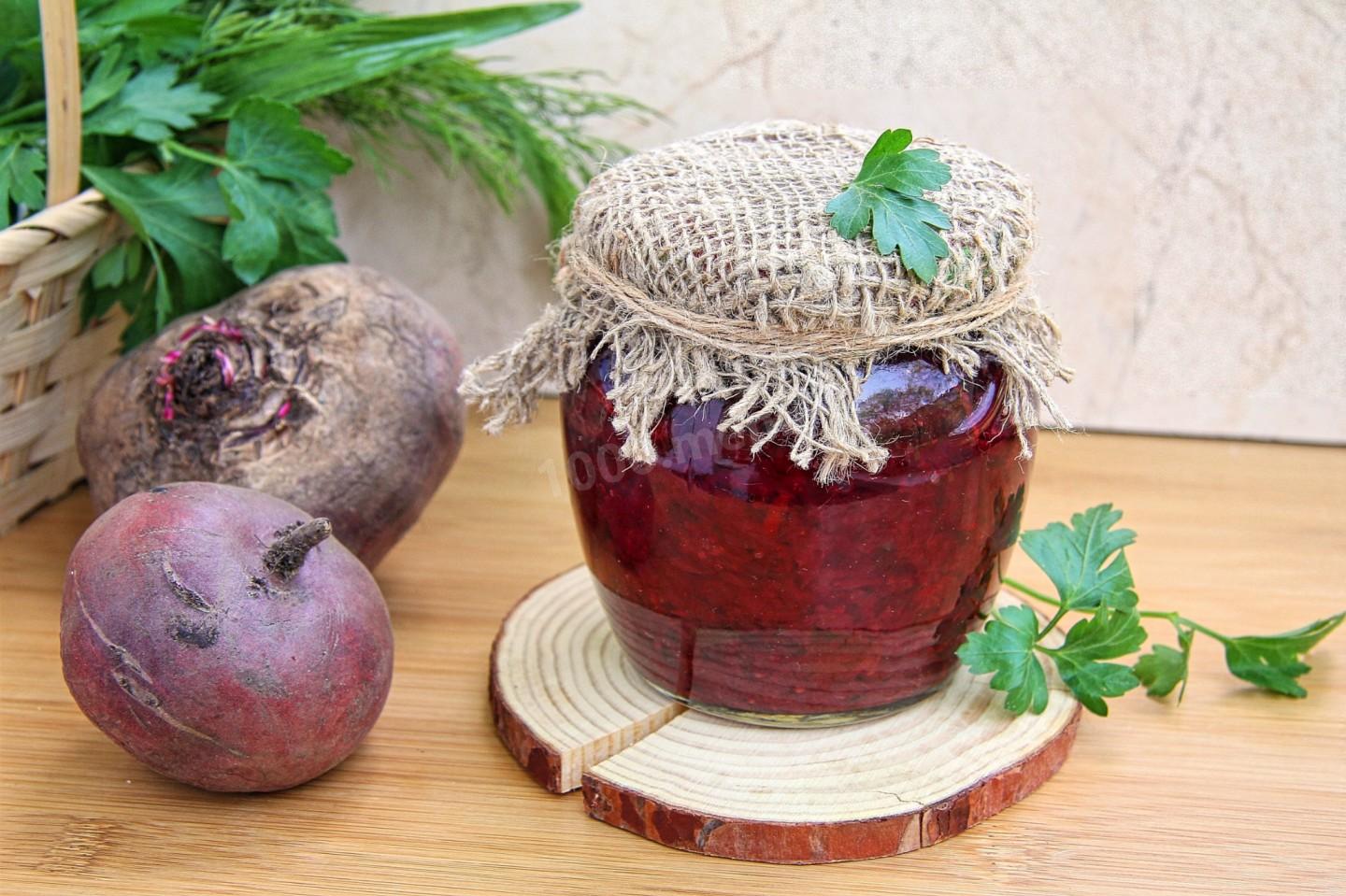
- Wash the jars first with baking soda, then sterilize them any way you like. Here's how I sterilize half-liter jars: I pour about a centimeter of plain cold tap water into each and microwave it for two minutes at 800 watts. The bigger the jar, the longer it needs. For the lids, just pour boiling water over them. The base comes out bright, tangy, and very fragrant. Store it in a cool, dark place — over the winter it won't lose an ounce of its color and stays just as tasty! Depending on how thick you like your borscht, add more or less base to the broth. I usually use half a liter of base for a two-liter pot of borscht. My broth is always lean, with white beans and a bit of potato added. The borscht comes out medium-thick — not so thick a spoon stands up in it. :) The rule for using this base is exactly the same as for a fresh-beet base: don't boil it long in the broth. Just a couple of minutes after it returns to a boil, and the borscht is ready! Enjoy!
- For how to figure out how many jars you'll need, why jars sometimes blow their seals and how to prevent it, plus other tips and tricks, see our article on canning for winter.
- Since everyone's preference for saltiness, sweetness, bitterness, spice, acidity, and heat is different, always add spices and seasonings to your own taste! And if you're using a seasoning for the first time, keep in mind that some are especially easy to overdo — chili pepper, for one.
Caloric content of the products possible in the composition of the dish
- Tomatoes - 23 kcal/100g
- Beetroot - 40 kcal/100g
- Dried beetroot - 278 kcal/100g
- Boiled beets - 49 kcal/100g
- Sweet pepper - 27 kcal/100g
- Carrots - 33 kcal/100g
- Dried carrots - 275 kcal/100g
- Boiled carrots - 25 kcal/100g
- Garlic - 143 kcal/100g
- Bay leaf - 313 kcal/100g
- Parsley greens - 45 kcal/100g
- Dill greens - 38 kcal/100g
- Granulated sugar - 398 kcal/100g
- Sugar - 398 kcal/100g
- Wine vinegar (3%) - 9 kcal/100g
- Vinegar 9% - 11 kcal/100g
- Balsamic vinegar - 88 kcal/100g
- Apple vinegar - 14 kcal/100g
- Vinegar - 11 kcal/100g
- Salt - 0 kcal/100g
- Onion - 41 kcal/100g
- Sunflower oil - 898 kcal/100g
- Refined sunflower oil - 899 kcal/100g
- Ground coriander - 25 kcal/100g
Similar recipes
- National cuisine
- Homemade preparations
- Vegetables
- Sweet
- Spices seasonings spices
- Fats and oils
- Garlic
- Кинза
- Bay leaf
- Parsley
- Salt
- Dill
- Vinegar
- Vegetable oil
- Russian cuisine
- Stewing
- Vegetable blanks
- Marinades
- From carrots
- From beets
- From tomato
- From sweet pepper
- From onion
- Vegetarianism
- Recipes for lean dishes without butter
- Sugar