Uyghur-Style Lagman with Pork, Vegetables, and Homemade Noodles
A delicious, hearty, and fragrant meat dish! Traditionally, classic lagman is made with mutton. But mutton has a distinctive taste that not everyone likes, so lagman is often made with pork instead. With pork, the dish comes out especially tasty, and the meat is juicy and tender.



Cooking method
-
Step 1:
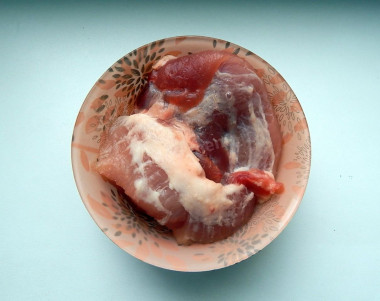
Let's gather the ingredients for Uyghur-style lagman. For this dish, it's best to use pork tenderloin or sirloin. The meat should be fresh. You can change the mix of vegetables to your liking. Wash the meat well, pat it dry, and trim away any membranes, sinew, and fat. Cut the meat into small cubes. Rinse it once more and let the water drain off.
-
Step 2:
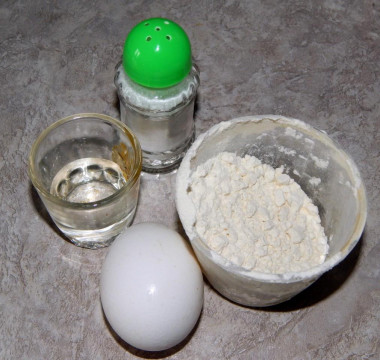
Make the dough for the noodles.
-
Step 3:
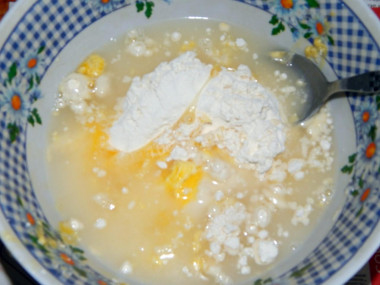
Pour the sifted wheat flour into a bowl. In a separate container, beat an egg with a fork, pour in half a glass of cold boiled water, and stir. Pour the egg mixture and a couple of tablespoons of flour into the bowl of flour. Add salt. Mix the ingredients.
-
Step 4:
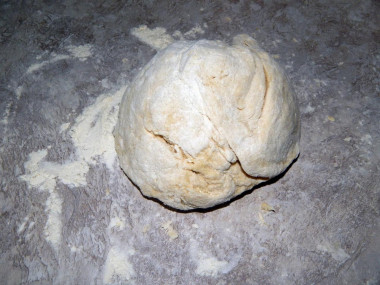
Knead a smooth, elastic dough. Wrap it in cling film and refrigerate it for half an hour.
-
Step 5:
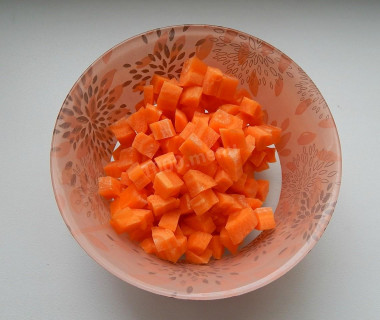
Wash and peel the carrot and cut it into small cubes.
-
Step 6:
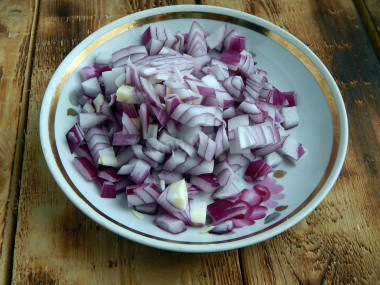
Peel the onion and cut it into cubes.
-
Step 7:
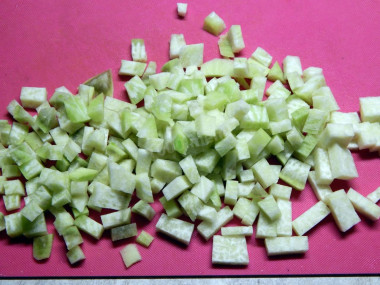
Wash and peel the green radish and cut it into cubes.
-
Step 8:
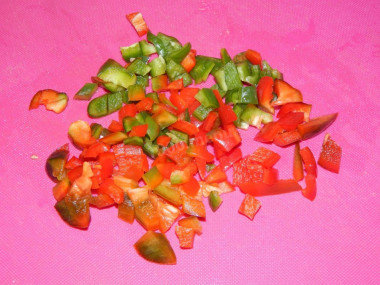
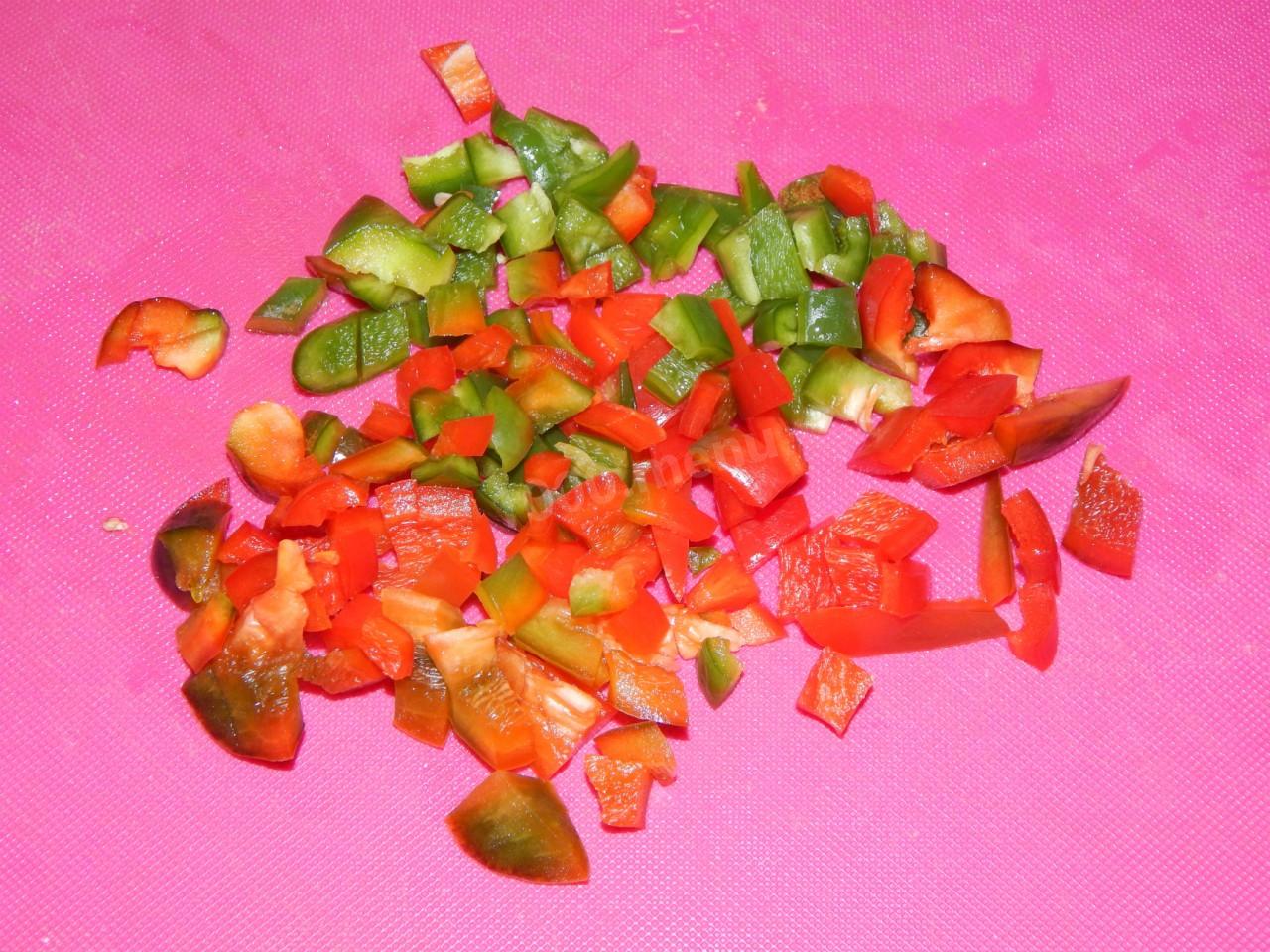
Wash the bell pepper, cut out the seed core, and dice the flesh.
-
Step 9:

Wash the tomatoes, cut out the stem ends, and cut them into small pieces.
-
Step 10:
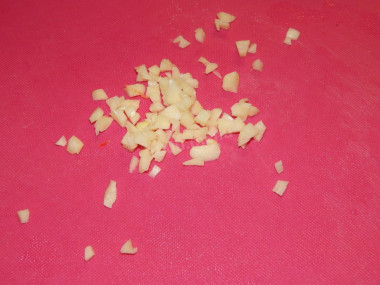
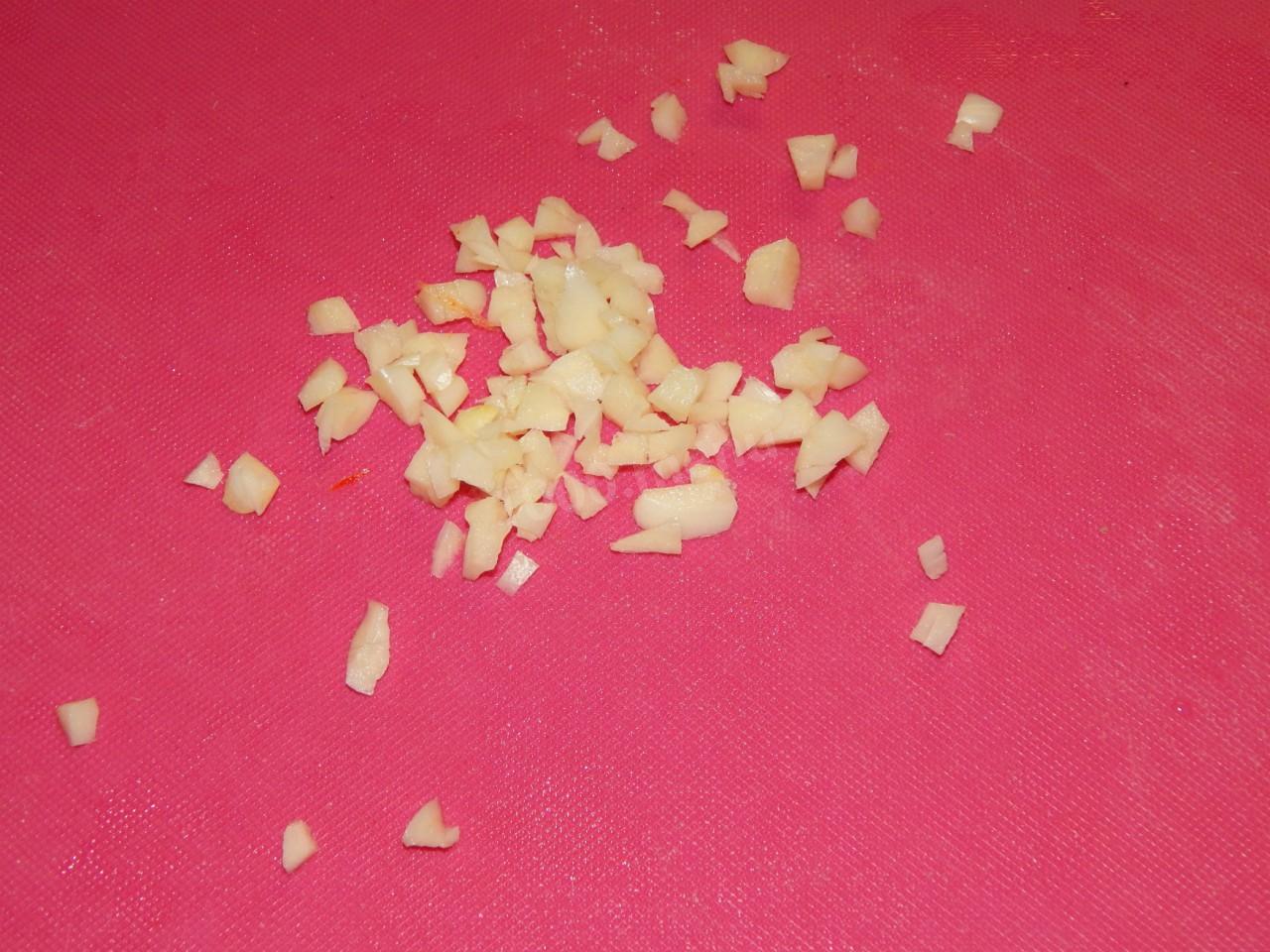
Peel the garlic and finely chop it with a knife.
-
Step 11:
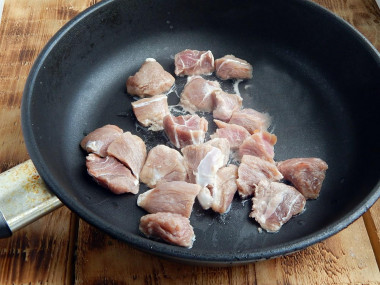
Pour vegetable oil into a deep skillet or sauté pan. Turn on the heat. Add the prepared meat to the hot oil. Fry it until golden over medium heat, stirring with a spatula.
-
Step 12:
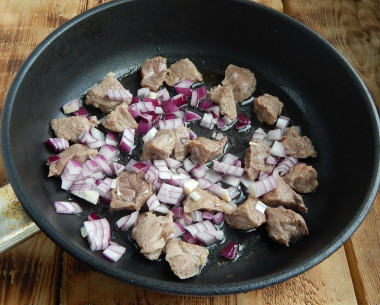
Then add the onion to the meat. Fry over medium heat for another 10 minutes.
-
Step 13:
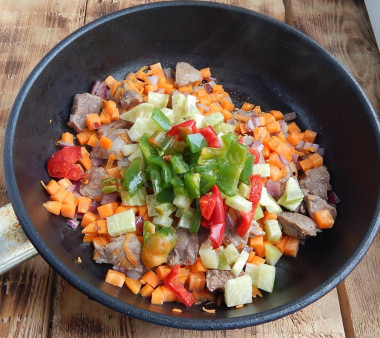
Add the carrot to the pan, stir, and simmer it with the meat, covered, for another 15 minutes. Add the green radish, stir, and keep simmering. After 10 minutes, add the garlic and spices. Simmer, covered, for another 5 minutes. Add the tomatoes. Stir and leave over the heat for 5 minutes.
-
Step 14:
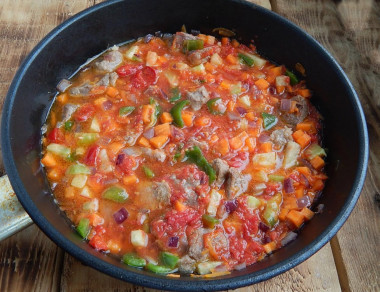
Then pour in the broth or water and simmer, covered, over medium heat for about 20 minutes from the moment it boils. Uyghur lagman differs from the well-known Uzbek version in having very little liquid — during simmering it should almost completely cook off (but adjust the amount of liquid in the sauce to your taste; you can make it thinner or thicker). Turn off the heat and let the dish rest on the stove.
-
Step 15:

Meanwhile, make the noodles. On a floured surface, roll the dough out into a thin sheet and cut it into narrow, long strips. Boil the noodles in salted water until done. Arrange the noodles on a platter.
-
Step 16:

Top with the meat and vegetables and pour the sauce from the pan over them. Serve with fresh herbs and bread. Enjoy!





- The recipe for this dish is quite simple and the method is quick, and if you use ready-made lagman noodles, the cooking time drops dramatically. But making lagman noodles yourself isn't hard either — even a beginner can manage it.
Caloric content of the products possible in the composition of the dish
- Tomatoes - 23 kcal/100g
- Fatty pork - 333 kcal/100g
- Pork meat - 357 kcal/100g
- Lean pork roast - 184 kcal/100g
- Bone-in pork chop - 537 kcal/100g
- Pork schnitzel - 352 kcal/100g
- Pork shoulder - 593 kcal/100g
- Wild boar leg - 113 kcal/100g
- Pork - 259 kcal/100g
- Sweet pepper - 27 kcal/100g
- Carrots - 33 kcal/100g
- Dried carrots - 275 kcal/100g
- Boiled carrots - 25 kcal/100g
- Ground black pepper - 255 kcal/100g
- Radish - 35 kcal/100g
- Vegetable oil - 873 kcal/100g
- Salt - 0 kcal/100g
- Water - 0 kcal/100g
- Onion - 41 kcal/100g
- Wheat flour - 325 kcal/100g
- Paprika - 289 kcal/100g
- Chicken egg - 80 kcal/100g
- Table salt - 0 kcal/100g
- Ground coriander - 25 kcal/100g
Similar recipes



- Eggs
- Meat and meat products
- Vegetables
- Flour
- Spices seasonings spices
- Fats and oils
- Other
- Кинза
- Pepper
- Salt
- Vegetable oil
- Water
- Cooking
- Frying
- Stewing
- In a frying pan
- Stewed vegetables
- Meat second course
- Eggs with tomatoes
- Chicken eggs
- Pork
- From carrots
- From tomato
- From sweet pepper
- Root radish
- From onion
- Wheat flour
- Recipes for lean dishes without butter