Baked Broccoli Casserole
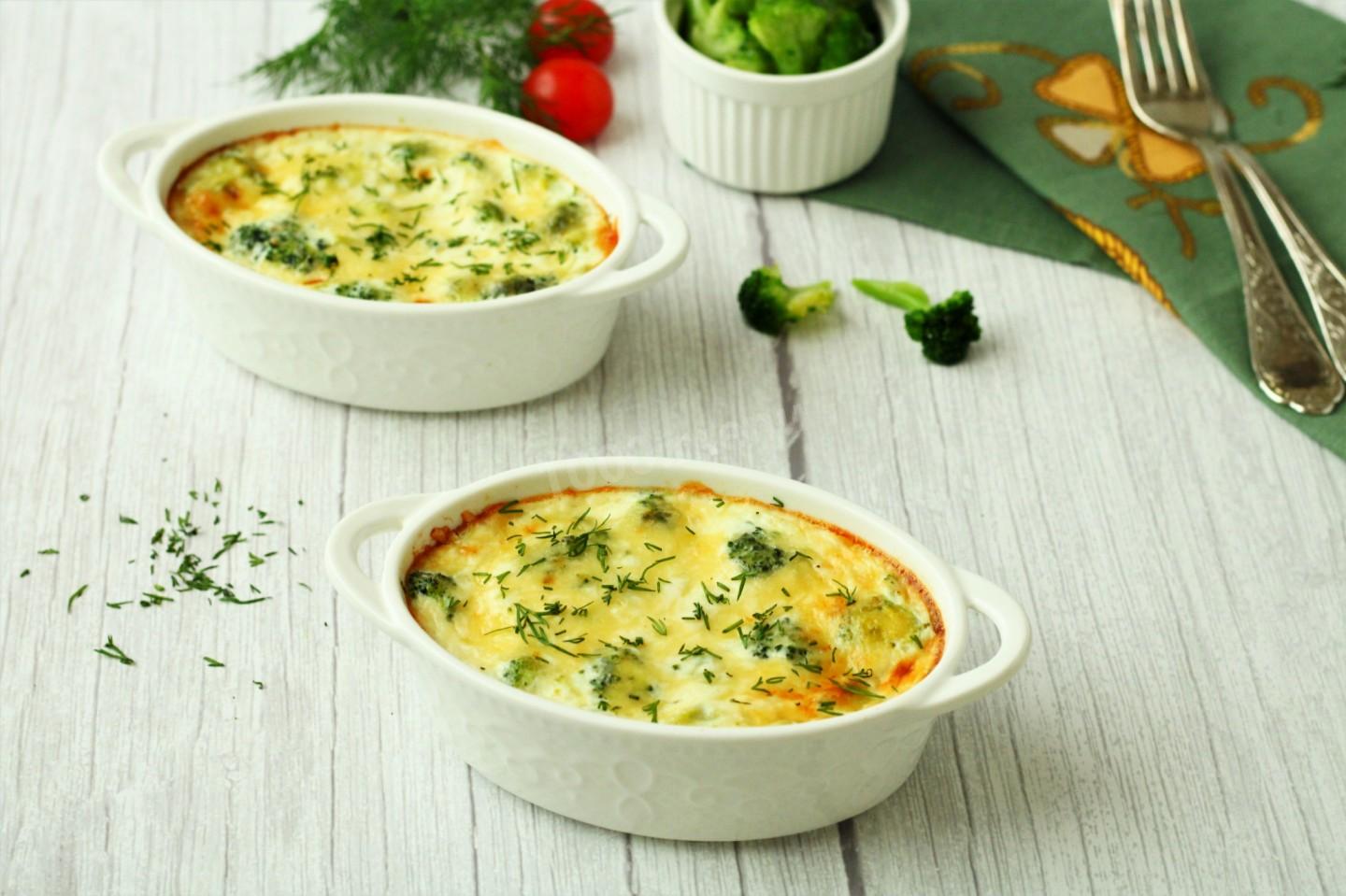
Tender broccoli in a creamy cheese custard. Broccoli is quite popular in cooking, and its pairing with cream and cheese is, you might say, a classic. This broccoli casserole is light and nourishing at the same time. Made for breakfast, it's a great way to start the day.



Cooking method
-
Step 1:
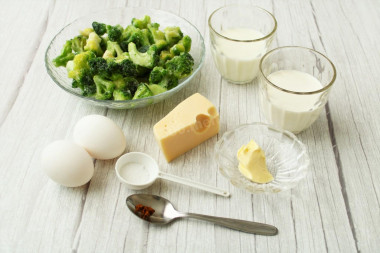
Gather the ingredients you need to make baked broccoli casserole. You can use either fresh or frozen broccoli; mine is frozen. Either processed or hard cheese will work. Choose the fat content of the cream to your taste (10–20%). Take the eggs, milk, and cream out of the fridge ahead of time so they warm up a bit to room temperature.
-
Step 2:
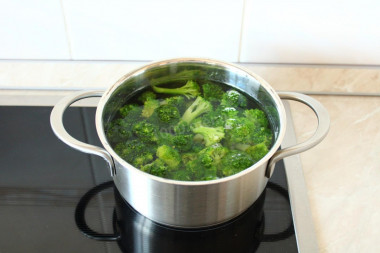
Boil the broccoli first. If it's fresh, break it into florets and rinse them well under running water. Frozen broccoli doesn't need to be thawed before cooking. Drop the broccoli florets into boiling salted water and cook for 5–7 minutes. It's very important not to overcook the broccoli, or it will turn out too soft and mushy. How the dish tastes in the end depends on how well you cook the broccoli.
-
Step 3:
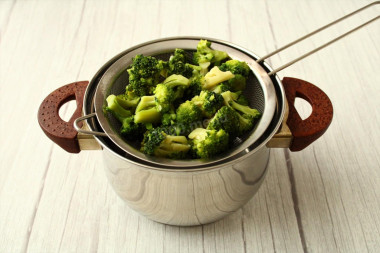
Drain the cooked broccoli in a colander and immediately rinse it with cold water so it keeps as much of its green color as possible. Wait until all the liquid has drained off.
-
Step 4:
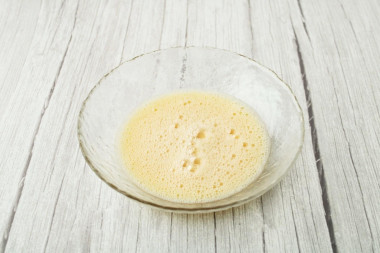
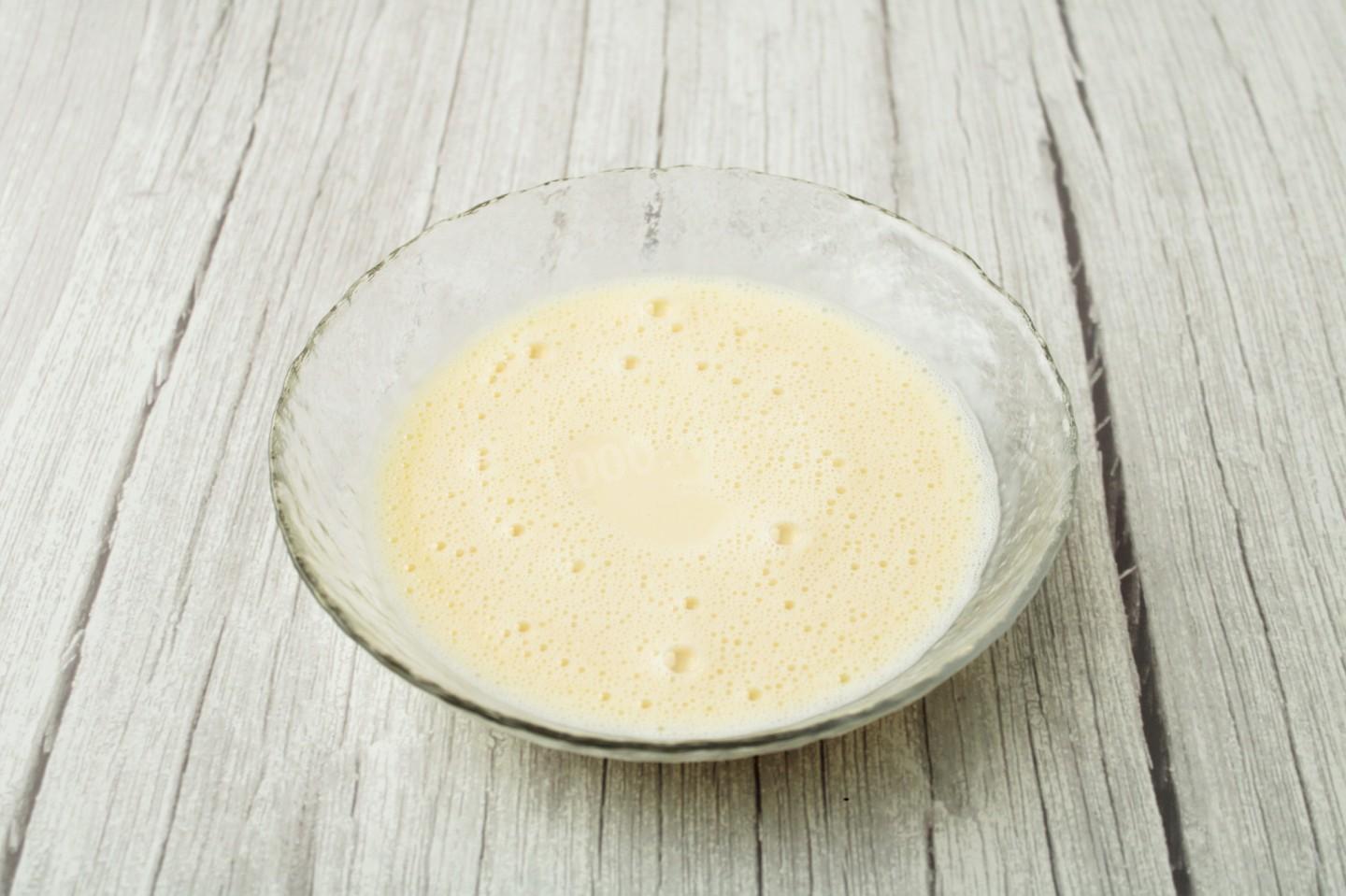
In a deep bowl, beat the eggs until smooth. There's no need for any fluffiness here, so a regular fork will do.
-
Step 5:
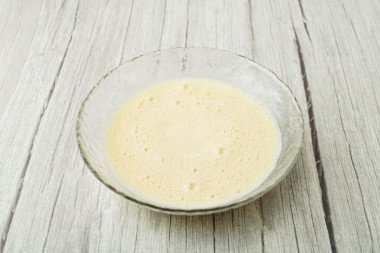
Pour in the milk and cream and mix everything well.
-
Step 6:
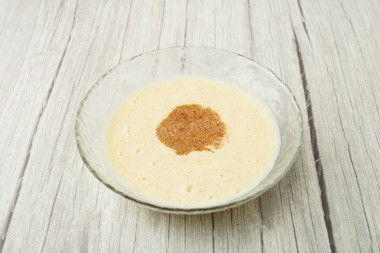
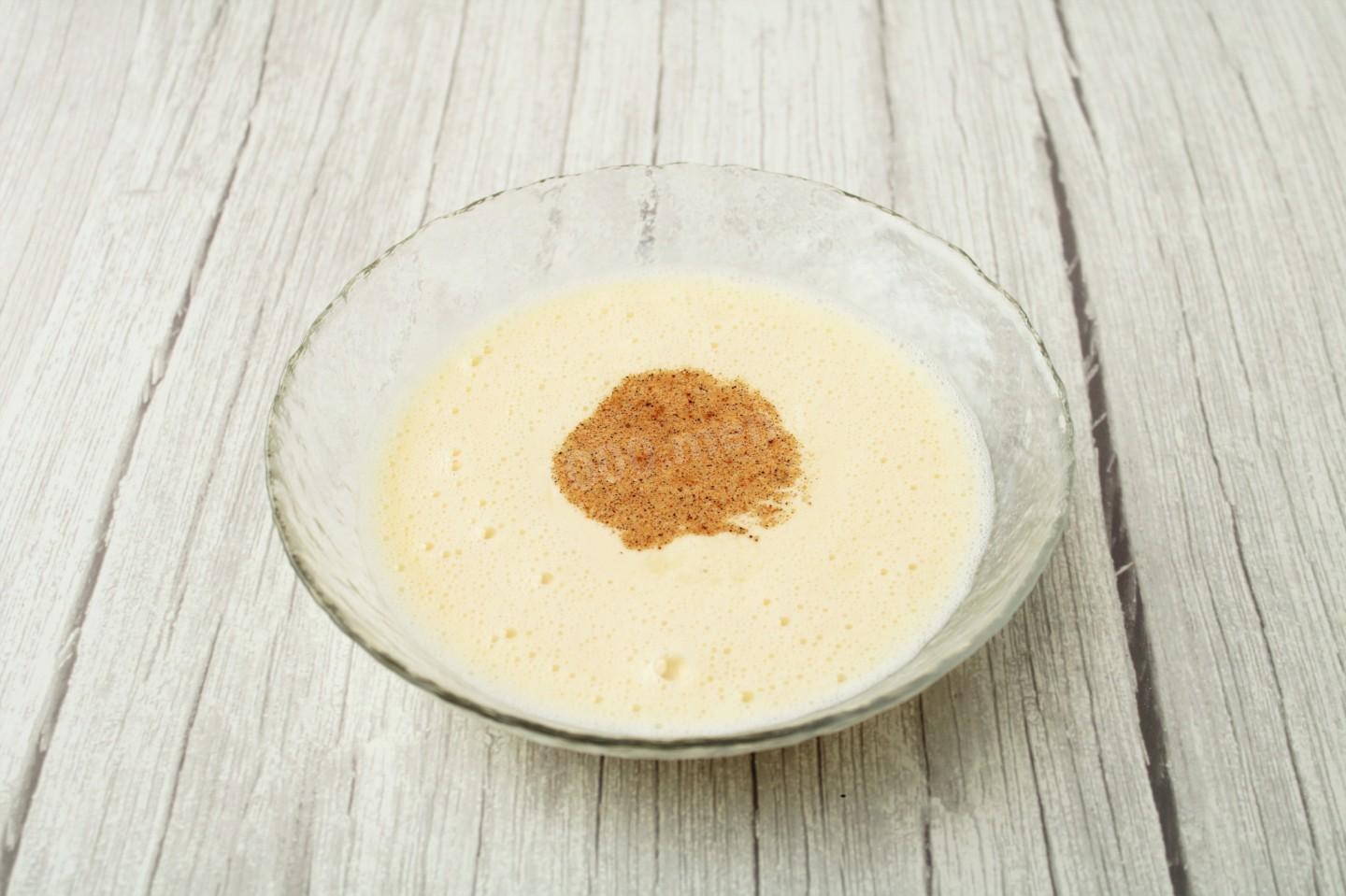
Salt the mixture, add the nutmeg, and stir. When adding salt, keep in mind how salty the cheese you're using is.
-
Step 7:
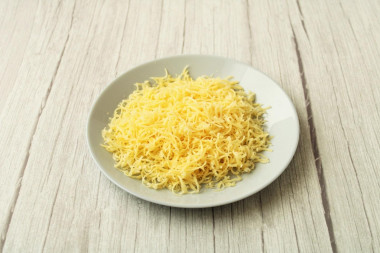
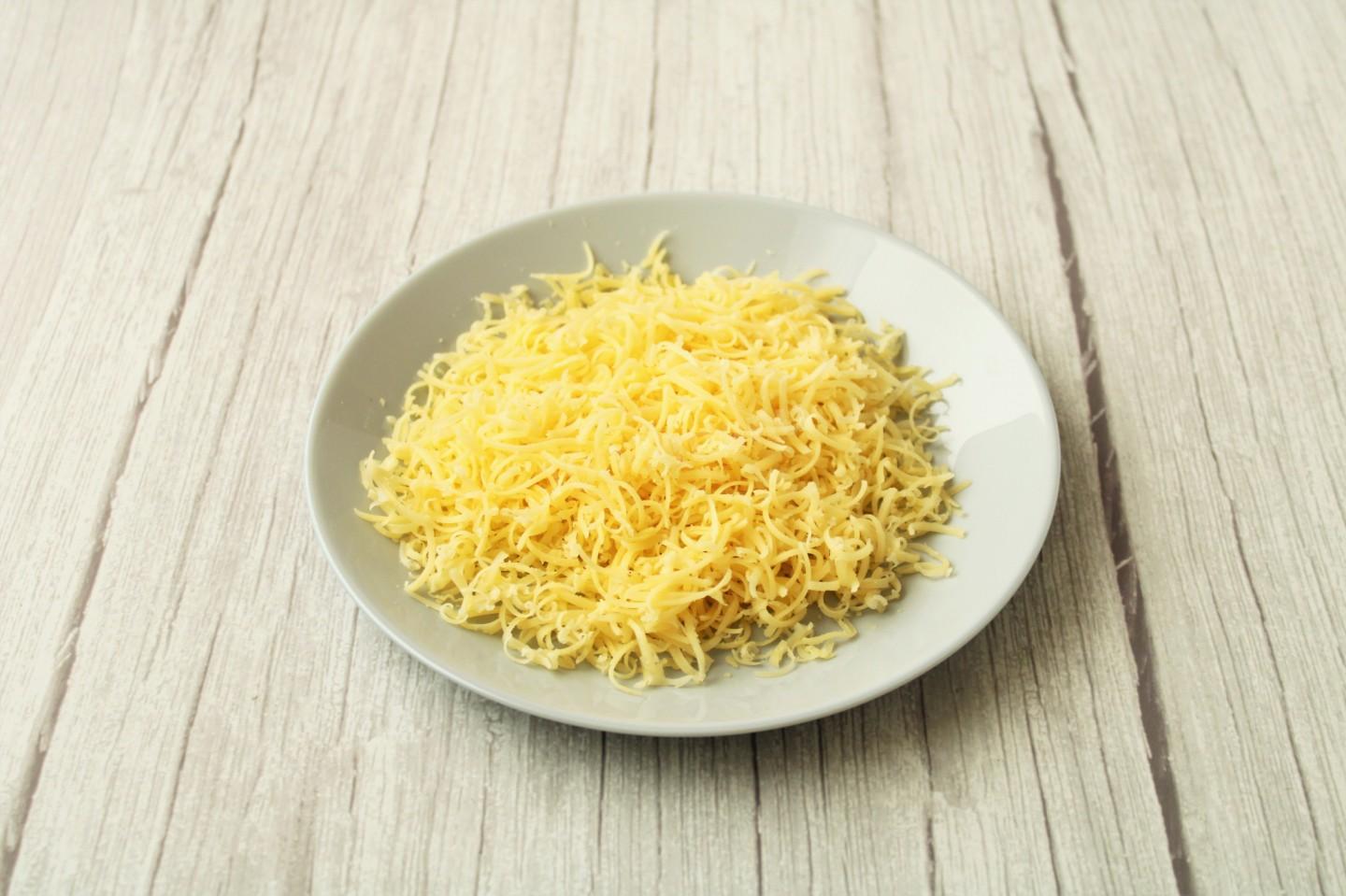
Grate the cheese on the medium holes of a grater. It will give the custard a thicker texture and boost the creamy flavor.
-
Step 8:
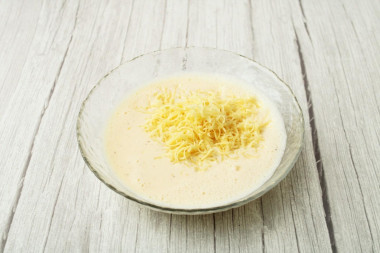
Add 3/4 of the grated cheese to the milk-and-egg mixture and stir. Set the rest of the cheese aside for the top of the casserole.
-
Step 9:
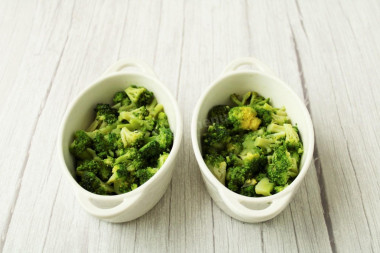
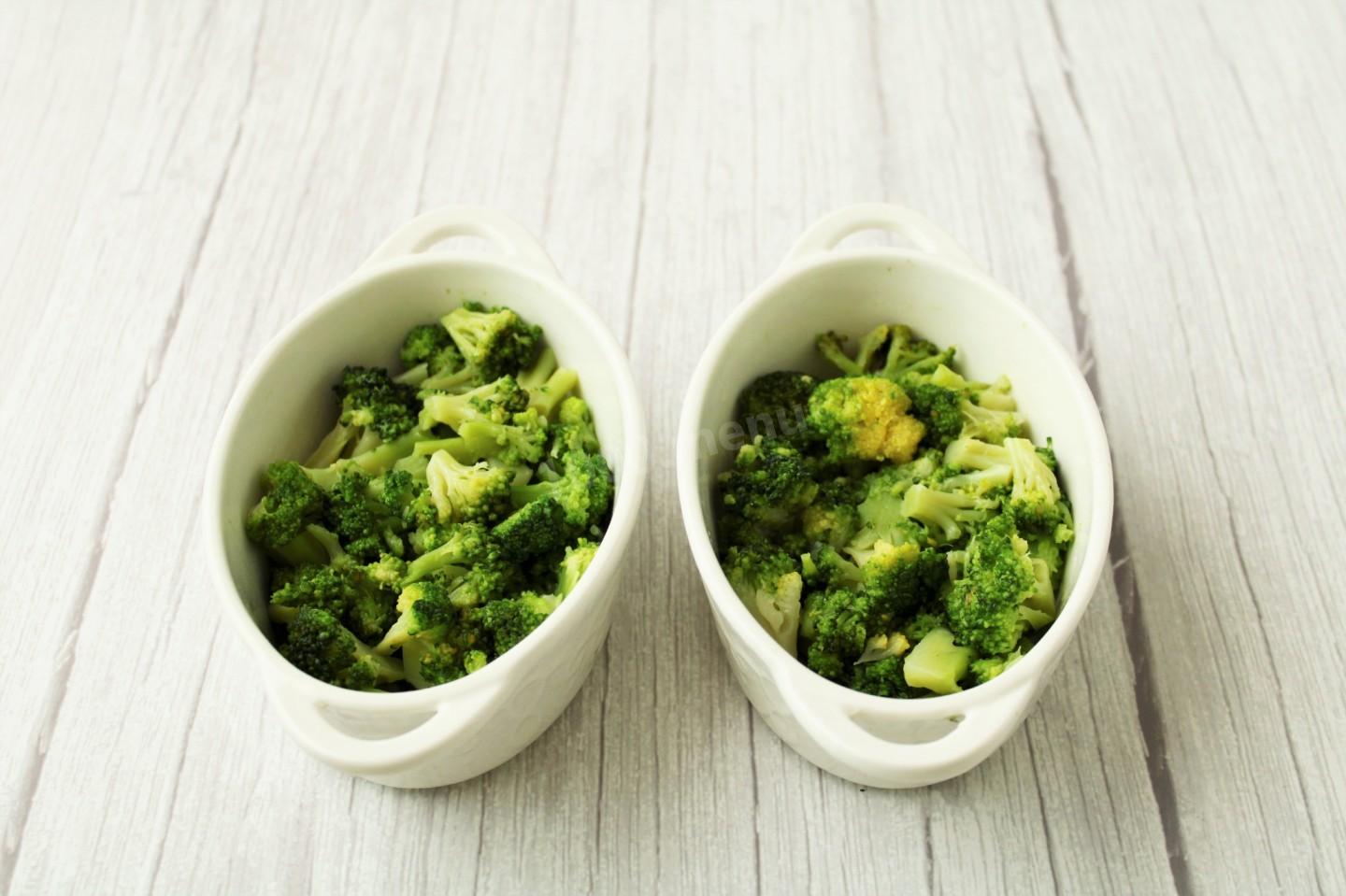
Grease the baking dish with a pat of butter and arrange the broccoli florets evenly in it. I'm using two 280 ml dishes.
-
Step 10:

Pour the egg-and-milk mixture over the broccoli. It should cover the florets.
-
Step 11:
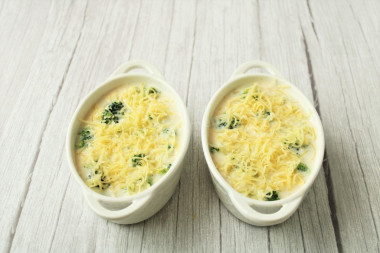
Sprinkle the remaining cheese over the top of the casserole.
-
Step 12:
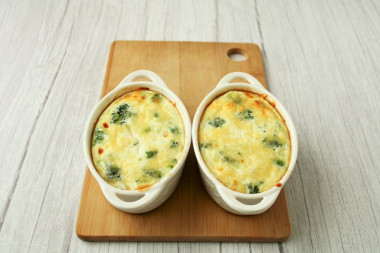
Put the broccoli casserole in an oven preheated to 180°C (355°F) for 15–20 minutes. Once the top is golden, the casserole is done.
-
Step 13:
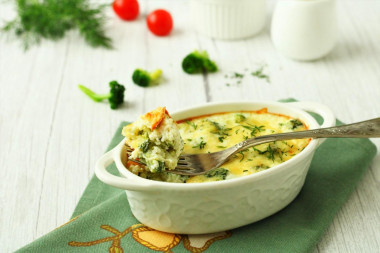
Serve the casserole warm or cooled. If you like, sprinkle it with finely chopped fresh herbs. Enjoy!





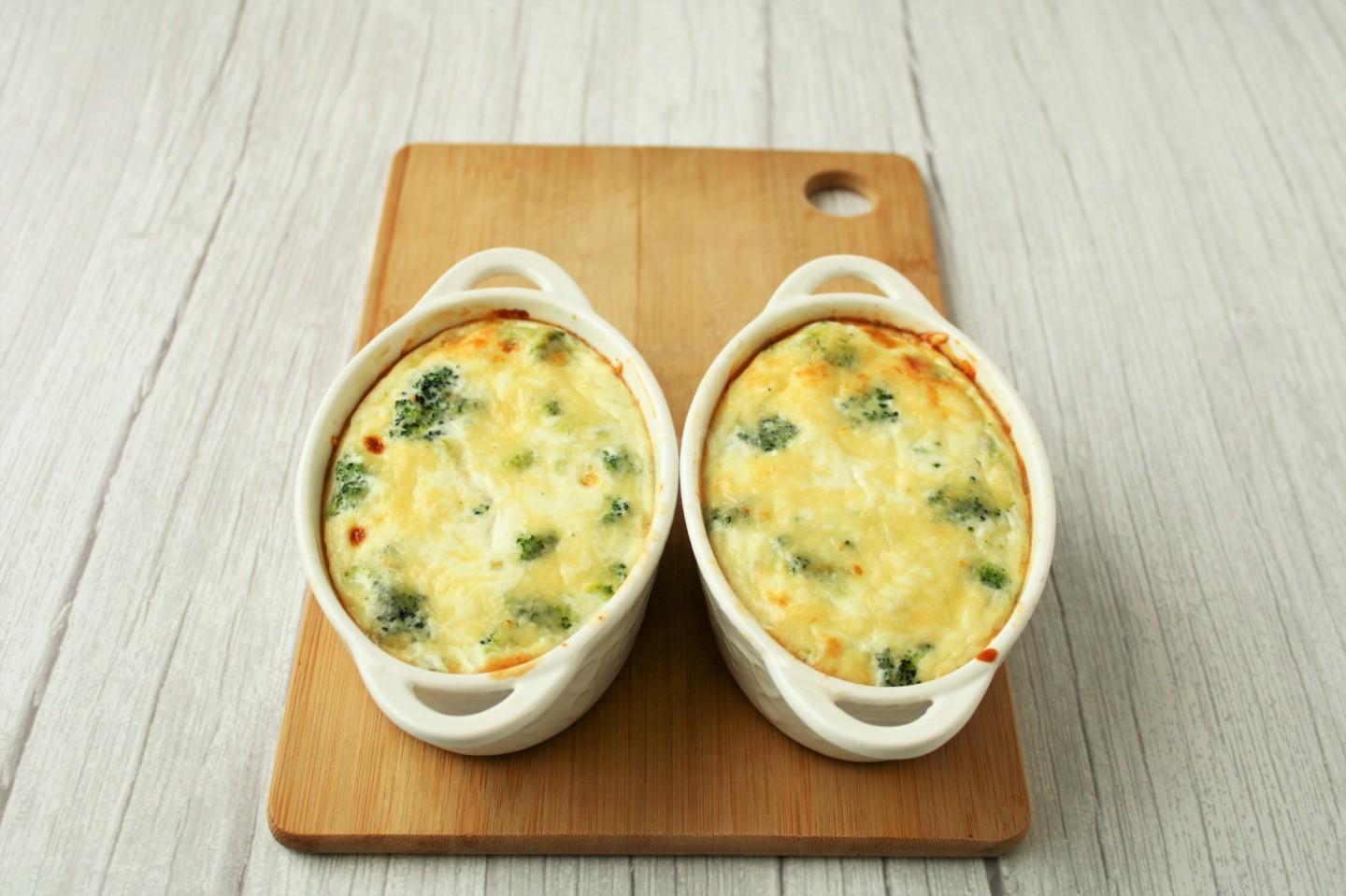

- Broccoli is also known as "asparagus cabbage," and it's considered a forerunner of cauliflower. Compared with the other members of its family, broccoli has the most going for it nutritionally. This broccoli casserole came out very tender, with a pleasant creamy-cheese flavor.
- For secrets, life hacks, and all the most useful tips, see the article: "Cream and sour cream in a cream sauce: what to do so they don't curdle?"
- For how to choose the perfect pot for soup, porridge, or pickling cucumbers, see the article on cookware.
Caloric content of the products possible in the composition of the dish
- Whole cow's milk - 68 kcal/100g
- Milk, 3.5% fat - 64 kcal/100g
- Milk, 3.2% fat - 60 kcal/100g
- Milk, 1.5% fat - 47 kcal/100g
- Condensed milk, 7.5% fat - 140 kcal/100g
- Milk, 2.5% fat - 54 kcal/100g
- Buttermilk - 36 kcal/100g
- Cream, 20% fat - 300 kcal/100g
- Cream, 10% fat - 120 kcal/100g
- Cream - 300 kcal/100g
- Chicken egg - 157 kcal/100g
- Egg white - 45 kcal/100g
- Egg powder - 542 kcal/100g
- Egg yolk - 352 kcal/100g
- Ostrich egg - 118 kcal/100g
- Gouda-style cheese - 352 kcal/100g
- Swiss cheese - 335 kcal/100g
- Russian cheese - 366 kcal/100g
- Kostroma cheese - 345 kcal/100g
- Yaroslavsky cheese - 361 kcal/100g
- Altai cheese, 50% fat - 356 kcal/100g
- Sovetsky cheese - 400 kcal/100g
- Steppe cheese - 362 kcal/100g
- Uglich cheese - 347 kcal/100g
- Poshekhonsky cheese - 350 kcal/100g
- Lambert cheese - 377 kcal/100g
- Appenzeller cheese, 50% fat - 400 kcal/100g
- Chester cheese, 50% fat - 363 kcal/100g
- Edam cheese, 40% fat - 340 kcal/100g
- Cheese with mushrooms, 50% fat - 395 kcal/100g
- Emmental cheese, 45% fat - 420 kcal/100g
- Gouda cheese, 45% fat - 356 kcal/100g
- Amadeus cheese - 364 kcal/100g
- Dom Blanc cheese (semi-hard) - 360 kcal/100g
- Lo Spalmino cheese - 61 kcal/100g
- Etorki cheese (sheep's-milk, hard) - 401 kcal/100g
- White cheese - 100 kcal/100g
- Full-fat yellow cheese - 260 kcal/100g
- Altai cheese - 355 kcal/100g
- Kaunas cheese - 355 kcal/100g
- Latvian cheese - 316 kcal/100g
- Limburger cheese - 327 kcal/100g
- Lithuanian cheese - 250 kcal/100g
- Lake cheese - 350 kcal/100g
- Gruyere cheese - 396 kcal/100g
- Broccoli - 33 kcal/100g
- Butter, 82% - 734 kcal/100g
- Unsalted table butter - 709 kcal/100g
- Unsalted farmer's butter - 661 kcal/100g
- Salted farmer's butter - 652 kcal/100g
- Clarified butter - 869 kcal/100g
- Salt - 0 kcal/100g
- Nutmeg - 556 kcal/100g