Pasta with Meat
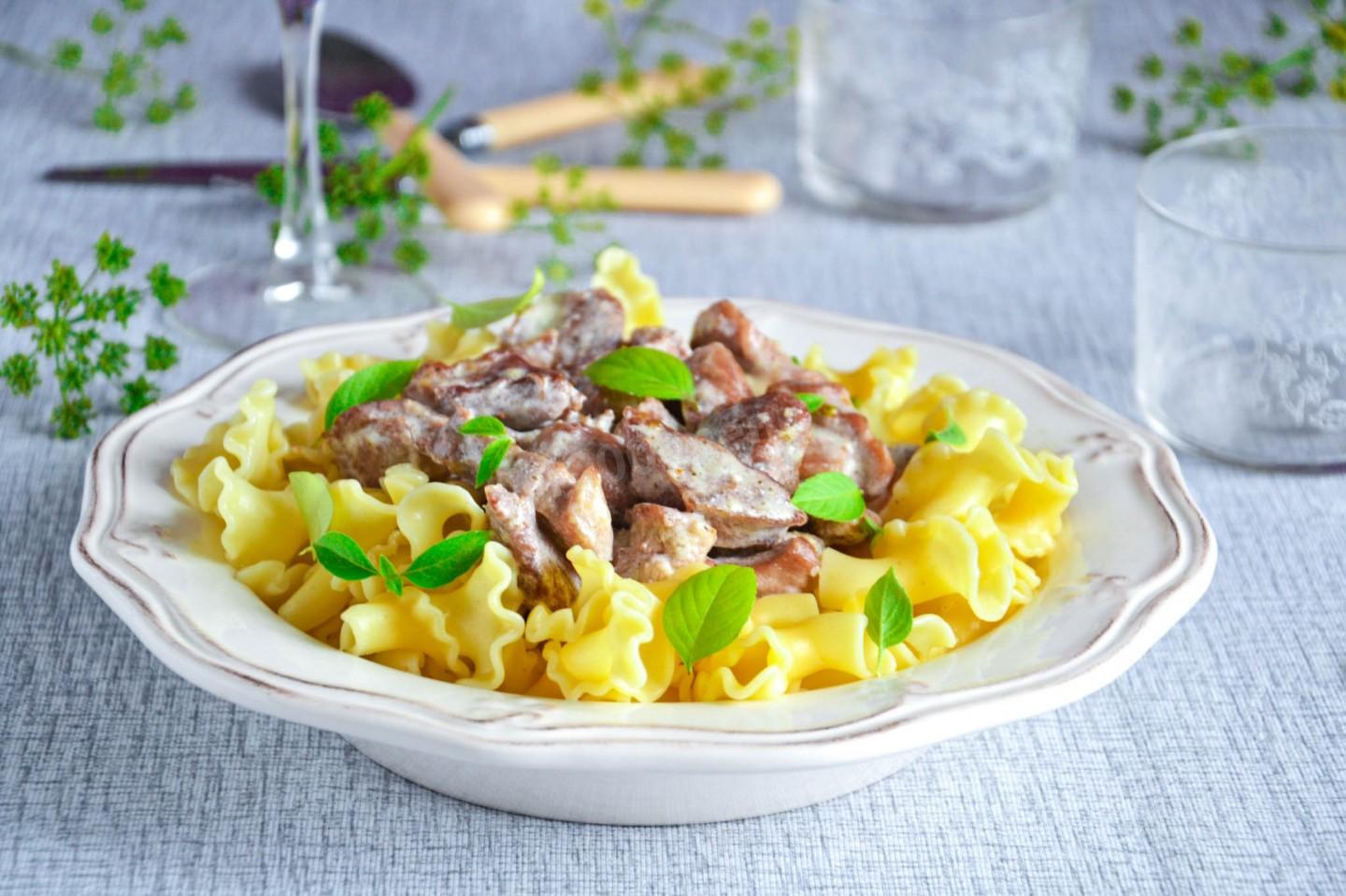
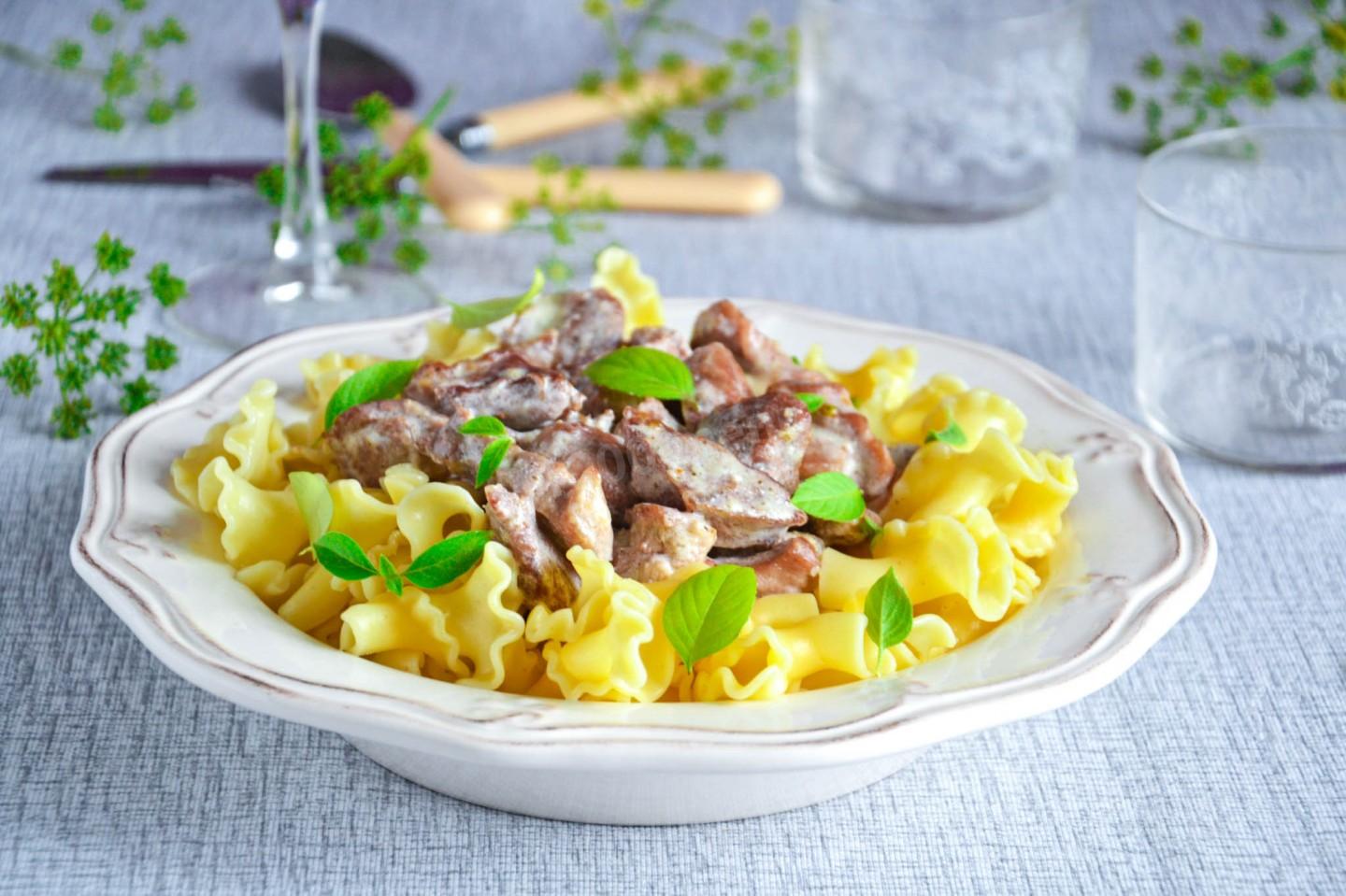
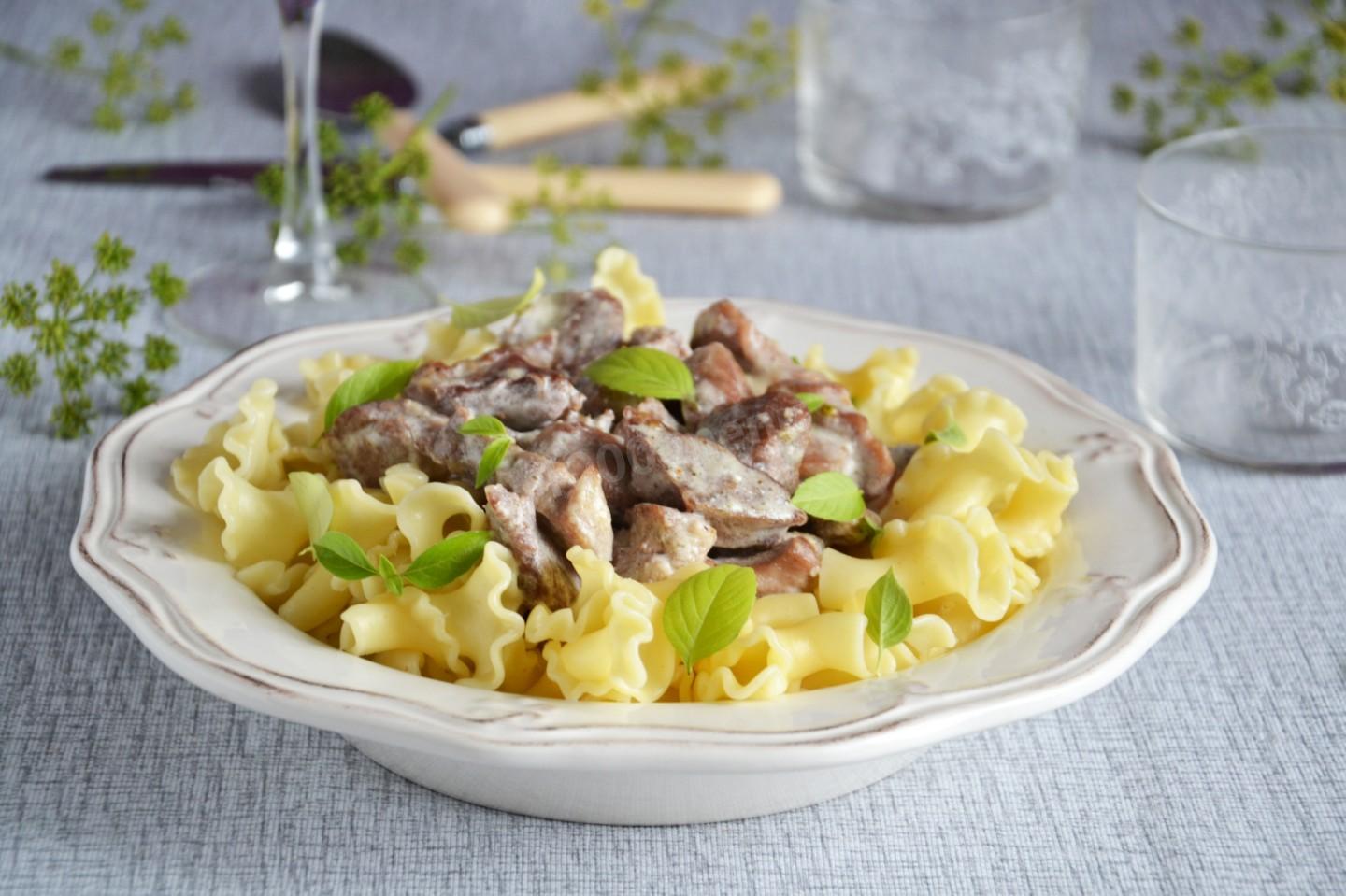
You can make a wonderful dish from simple ingredients. Pasta with meat sounds fancy, but it's quite simple to cook. The meat comes out very tender in a sour-cream sauce with a splash of wine — and with Italian pasta and Parmesan, what could be better!

Cooking method
-
Step 1:
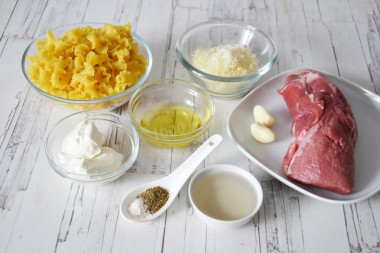
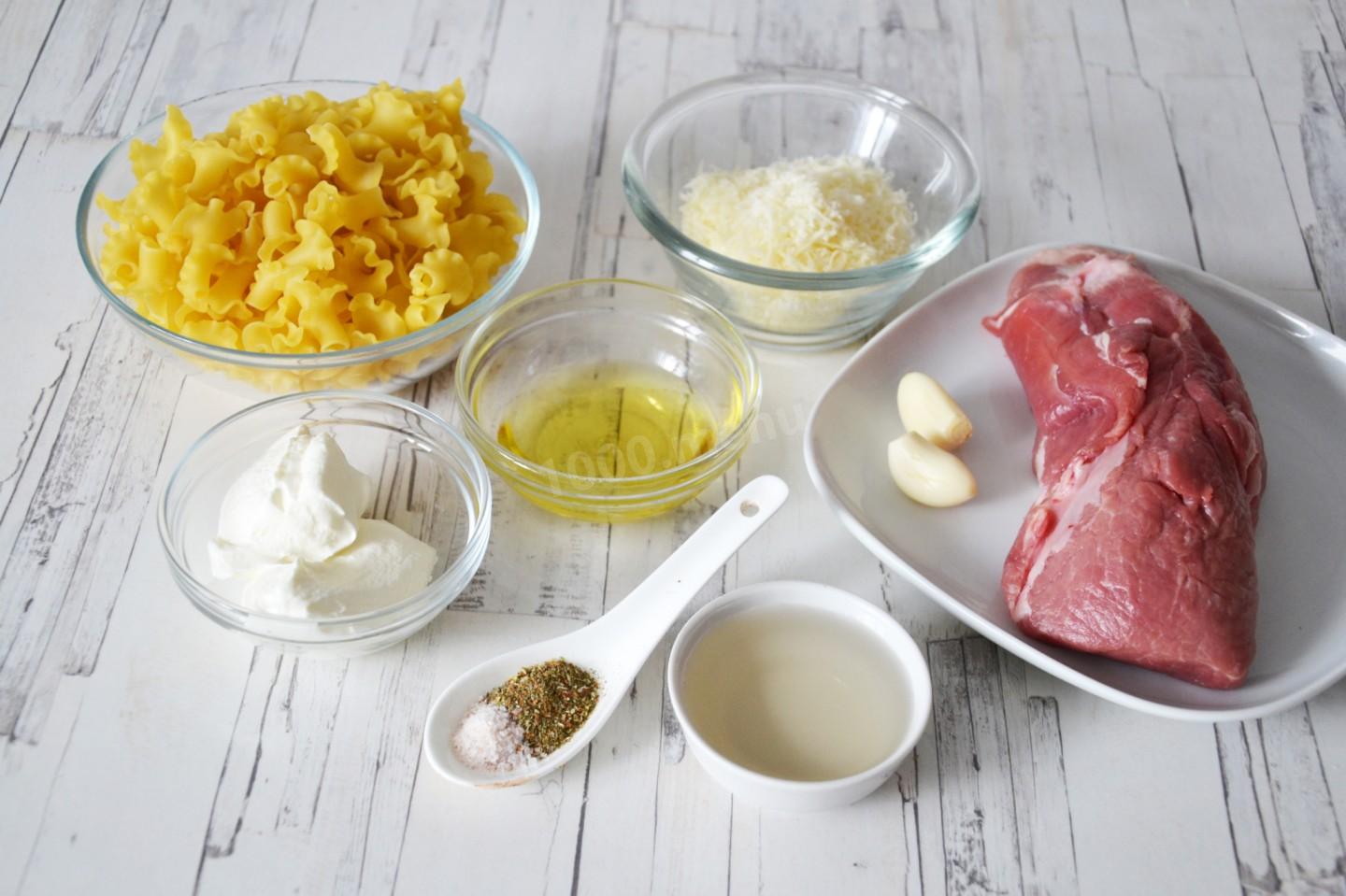
How do you make pasta with meat? Gather the ingredients. I used pork, but you can choose any meat you like that pairs with white wine, sour cream, and cheese. Grate the Parmesan on the fine holes.
-
Step 2:
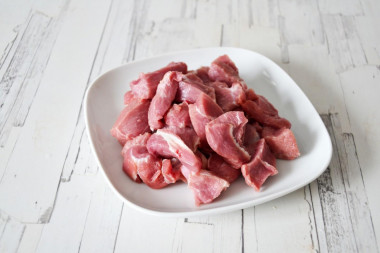
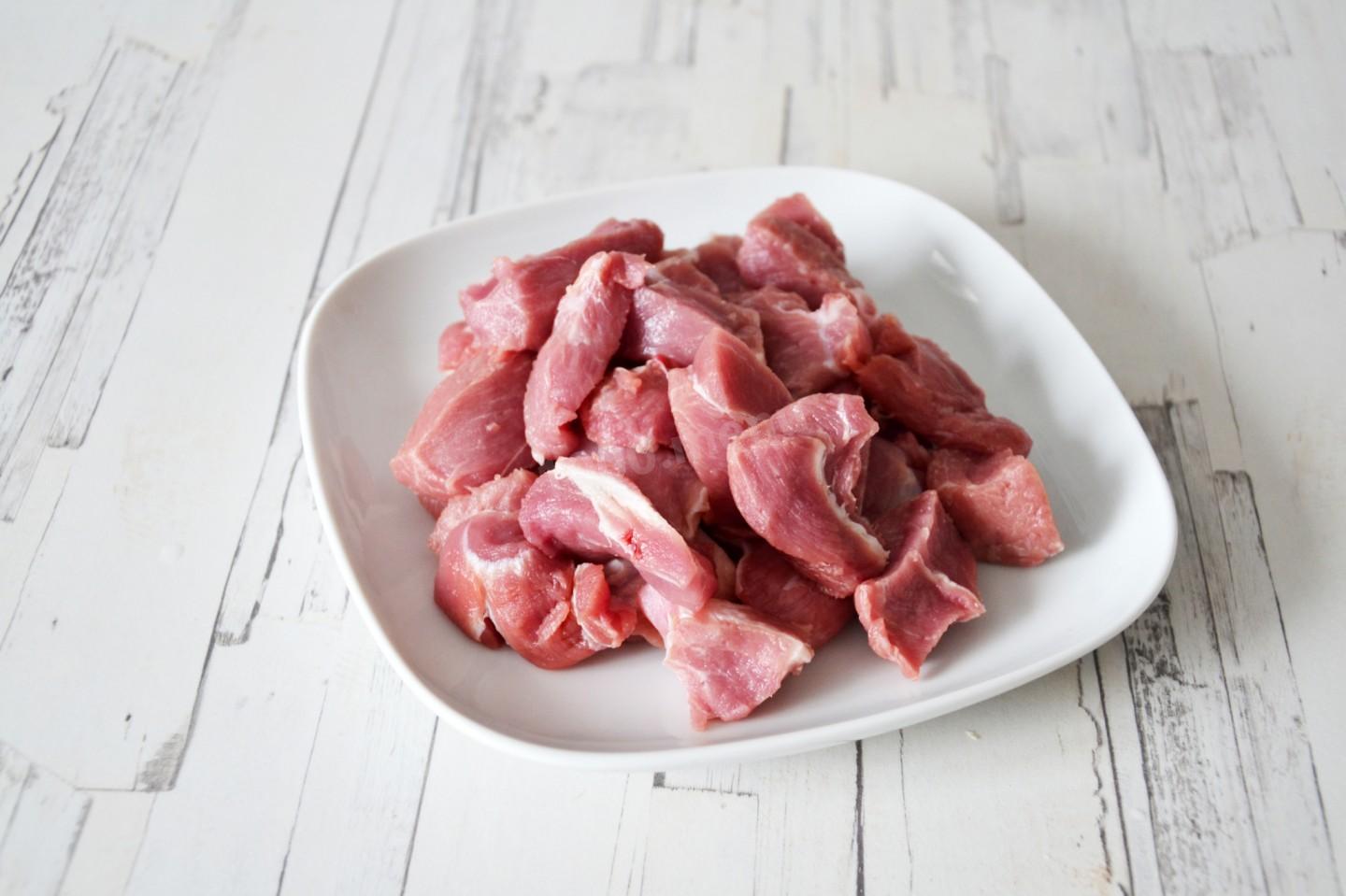
Rinse the pork, trim off any membrane and sinew, pat it dry, and cut it into small pieces.
-
Step 3:
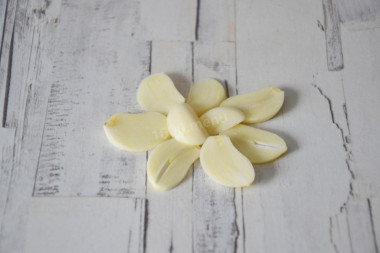
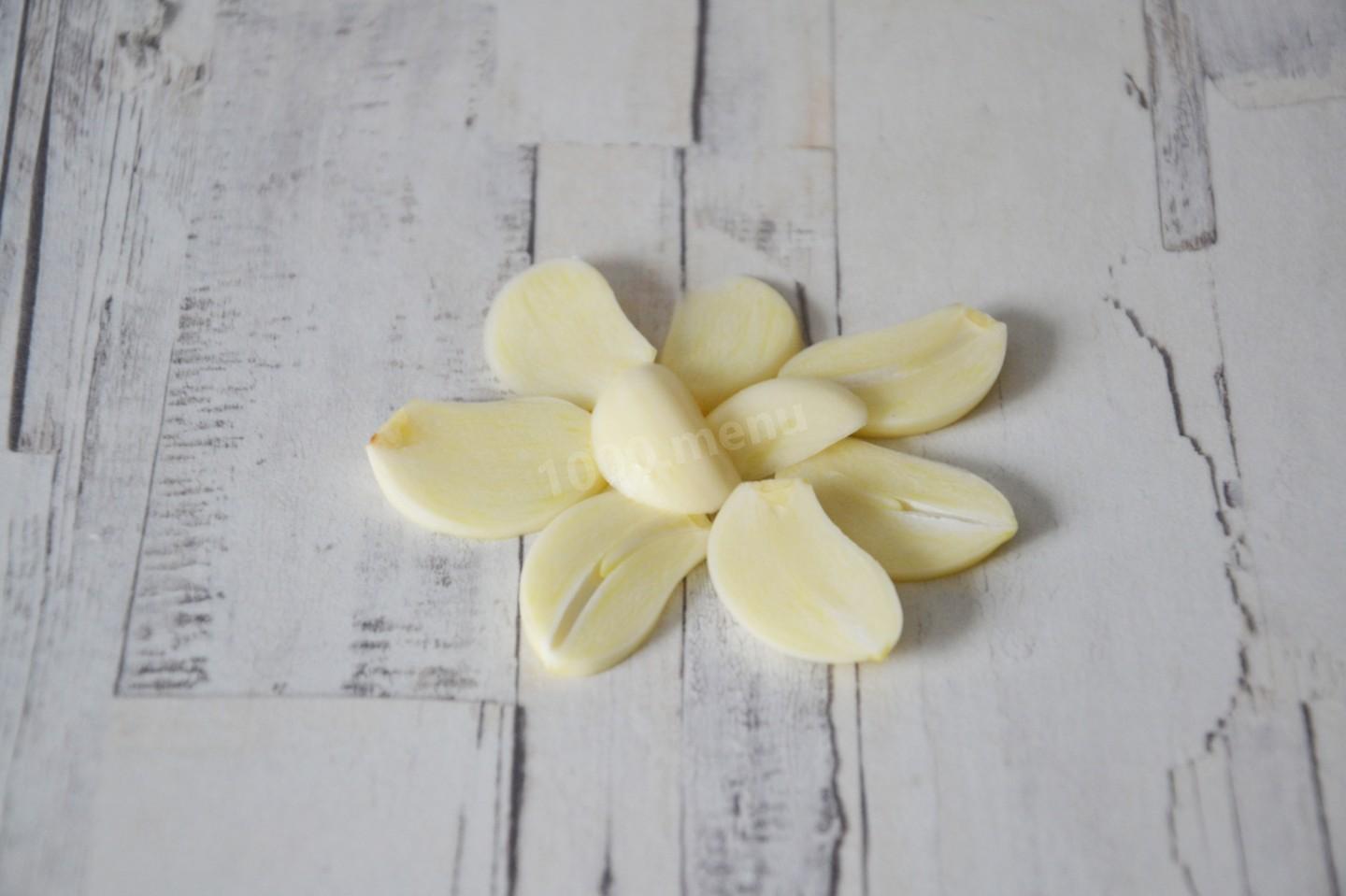
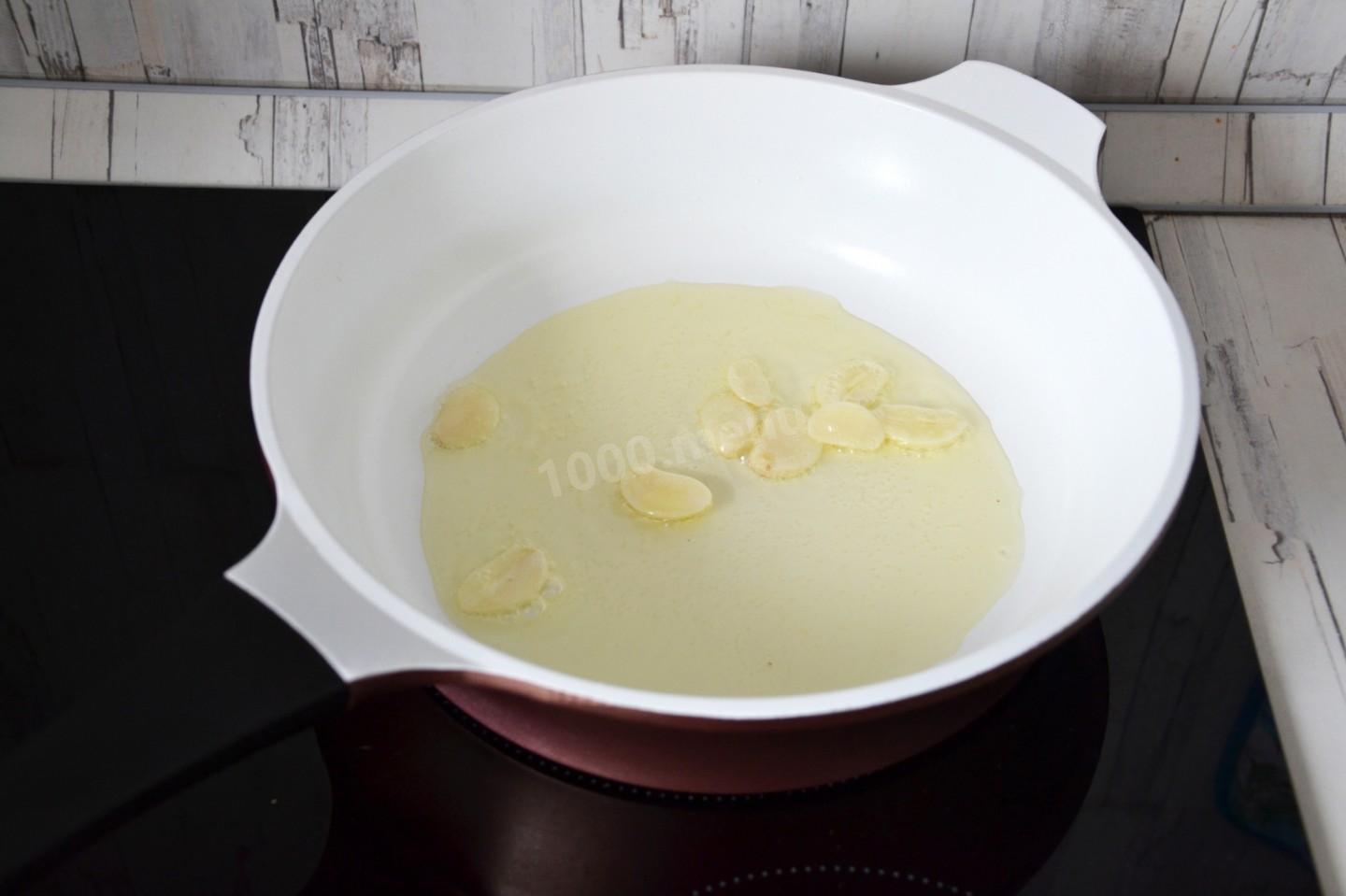
Peel the garlic and slice each clove into thin slivers.
-
Step 4:
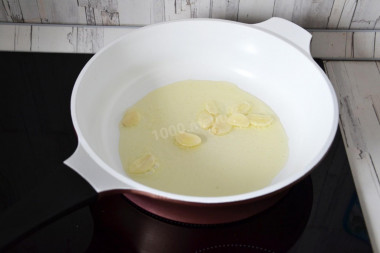
In a sauté pan, heat olive oil with a high smoke point and fry the garlic until golden. Then take the garlic out of the pan.
-
Step 5:
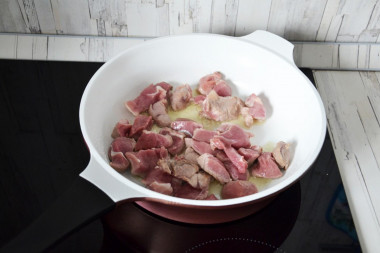
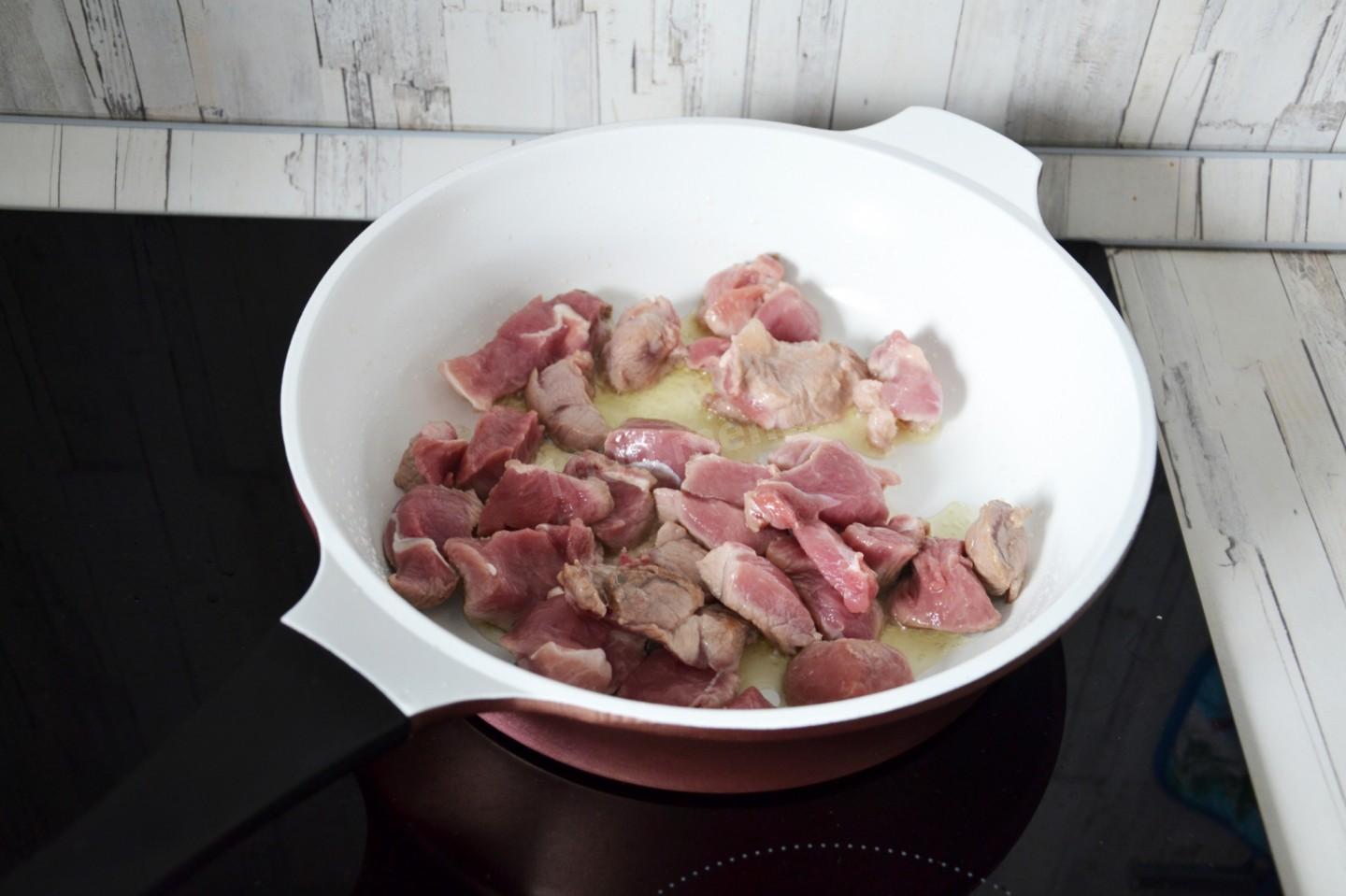
Add the meat to the pan and fry, stirring, until done — about 30 minutes. The cooked meat should be browned, and a cut piece will be the same color all the way through.
-
Step 6:
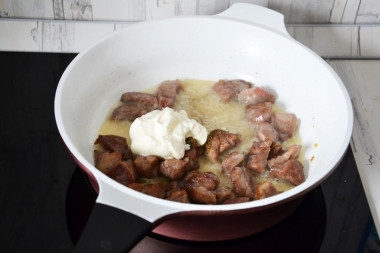
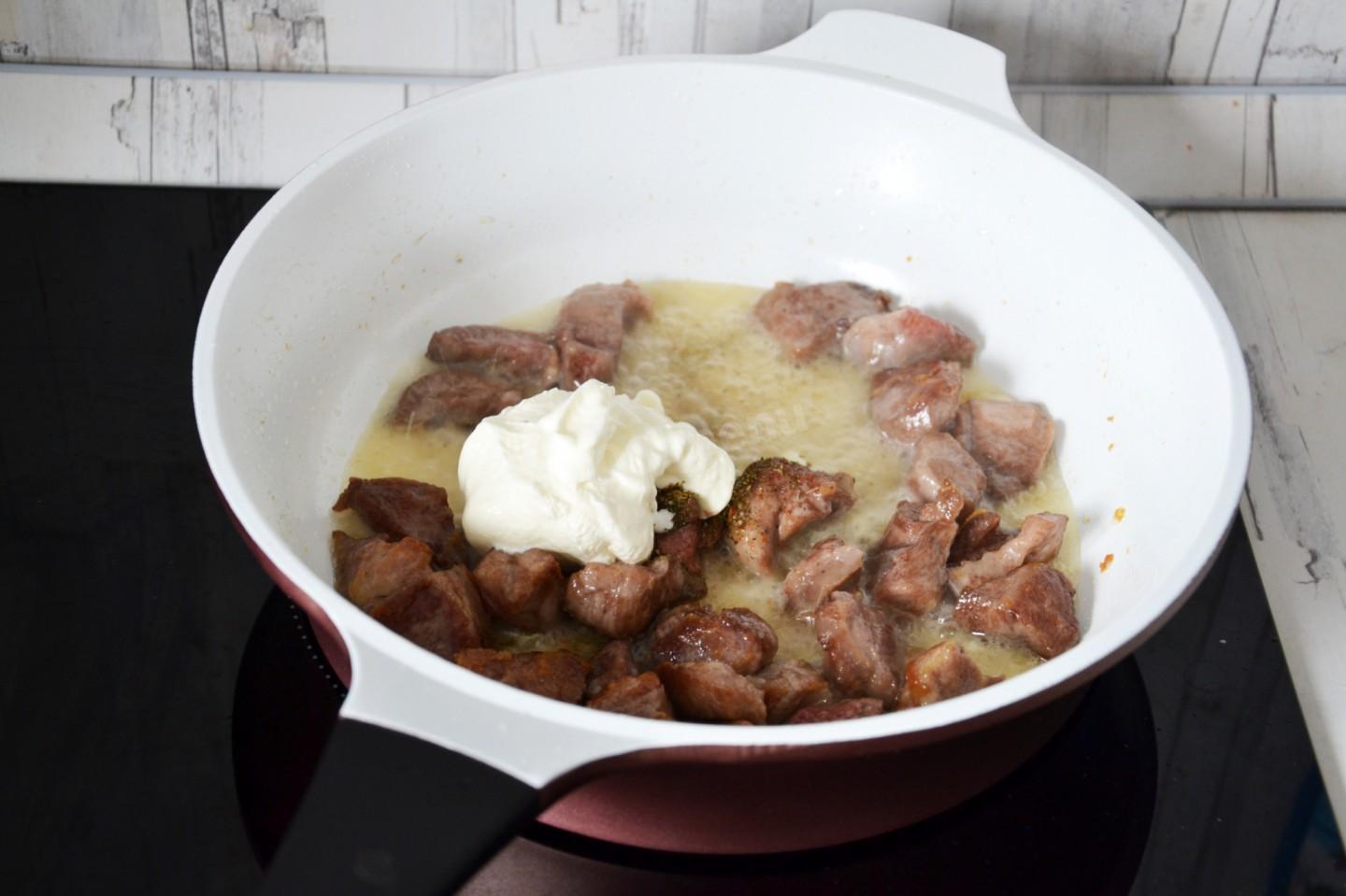
Now pour the wine over the meat and add the sour cream, salt, and spices to taste. Stir. To keep the sour cream from curdling, stir a teaspoon of flour into it before adding it to the pan.
-
Step 7:
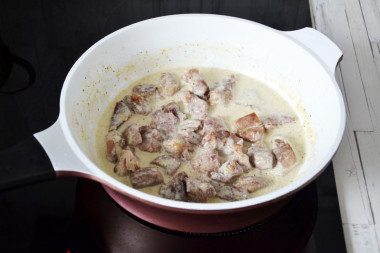
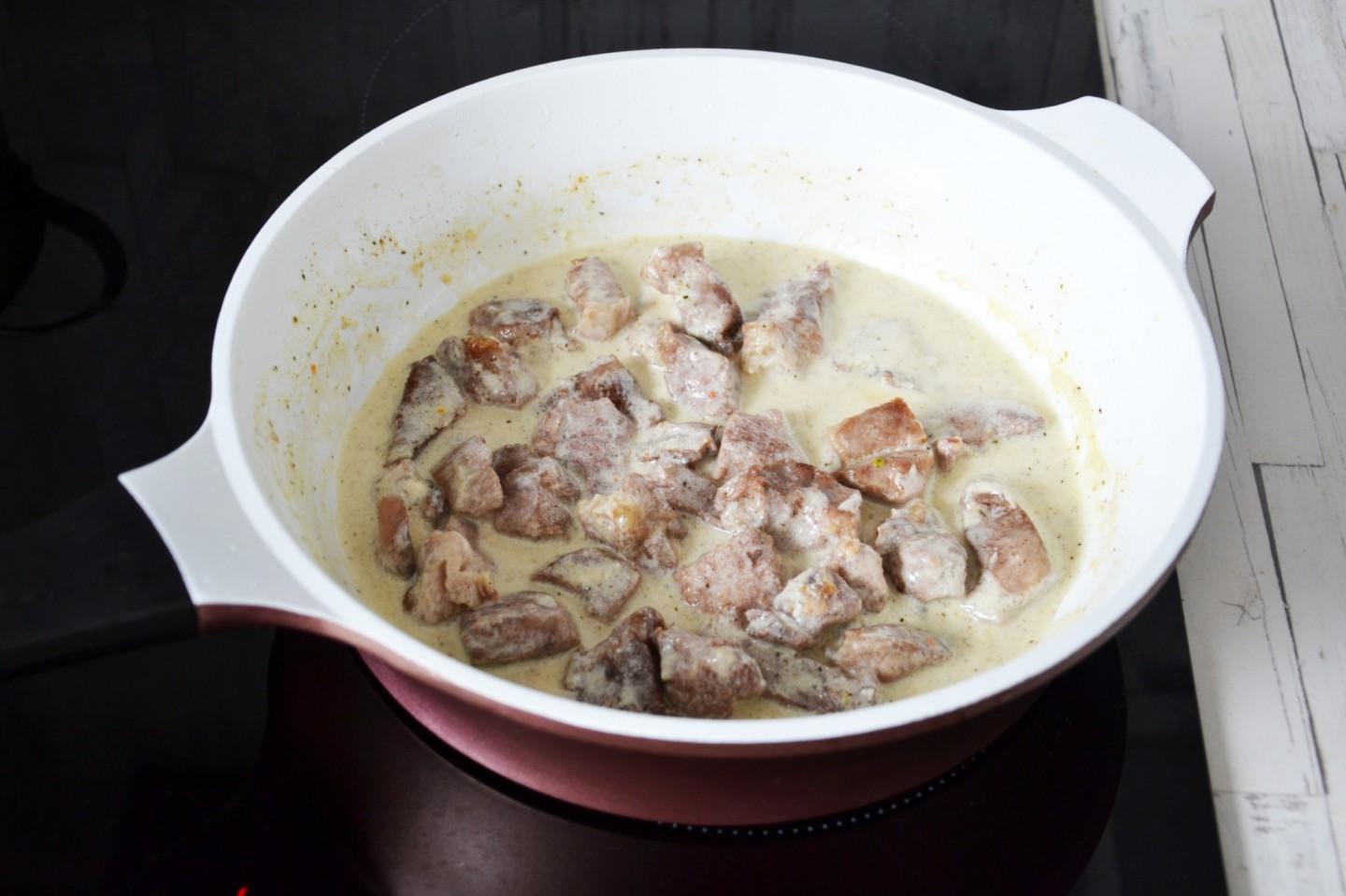
Cover and simmer for another 5–7 minutes, until the meat is tender.
-
Step 8:
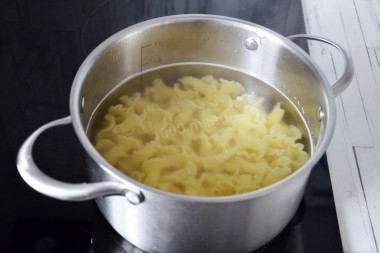
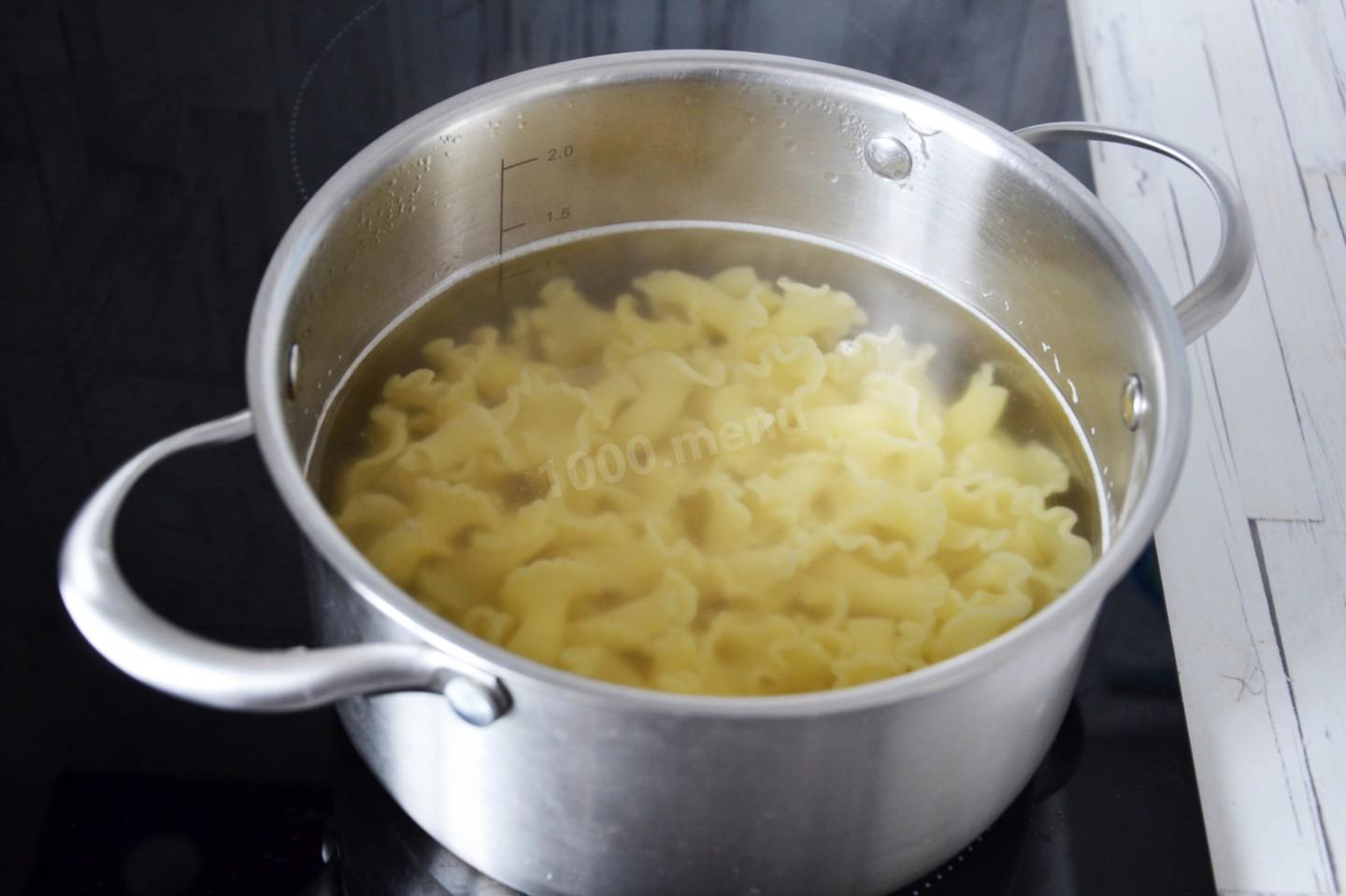
Cook the pasta in plenty of salted water until al dente (check the package directions).
-
Step 9:
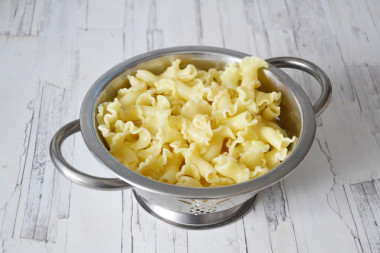
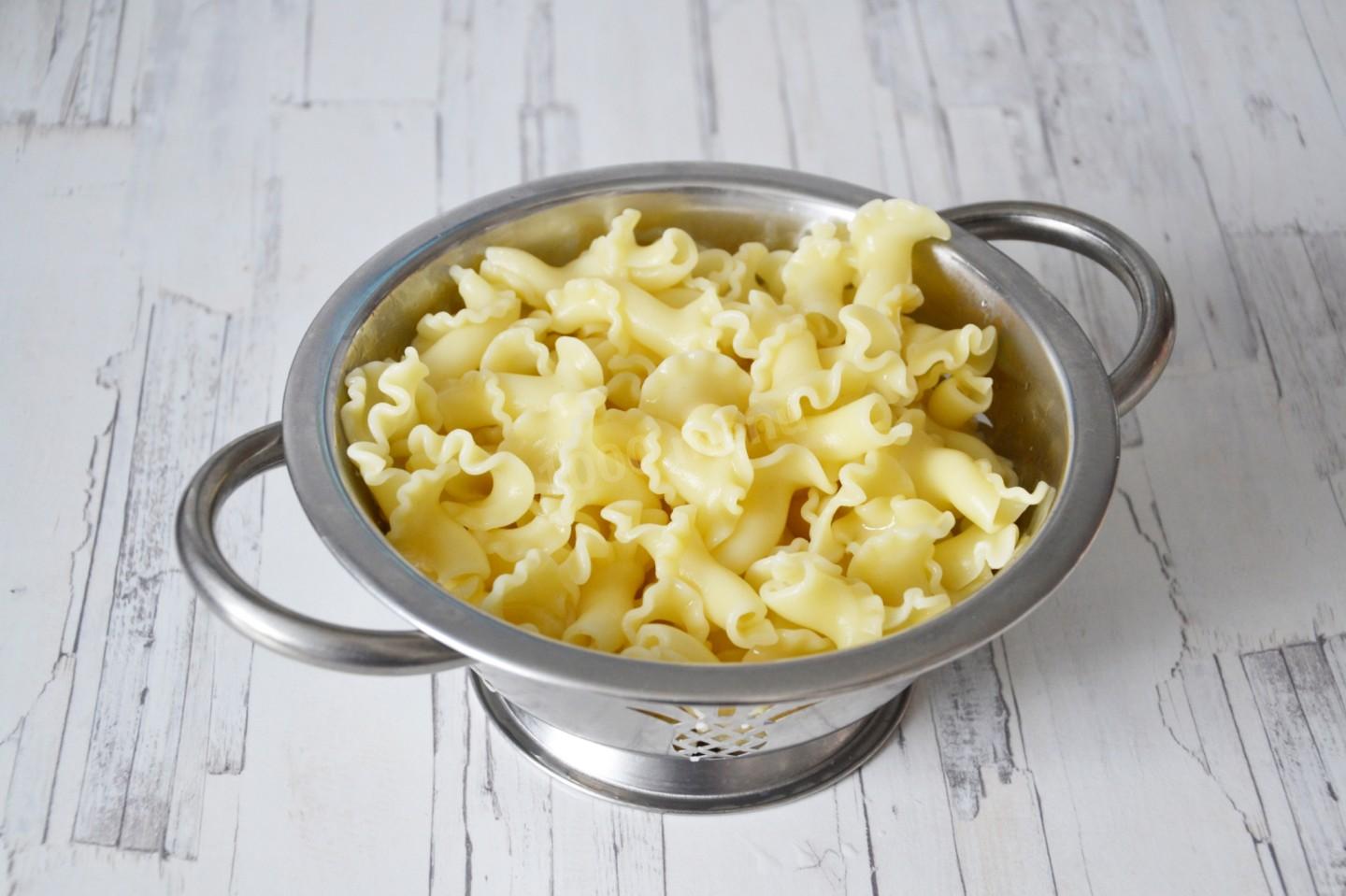
Then drain the pasta in a colander and let the water run off.
-
Step 10:
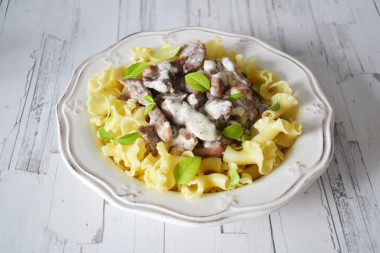
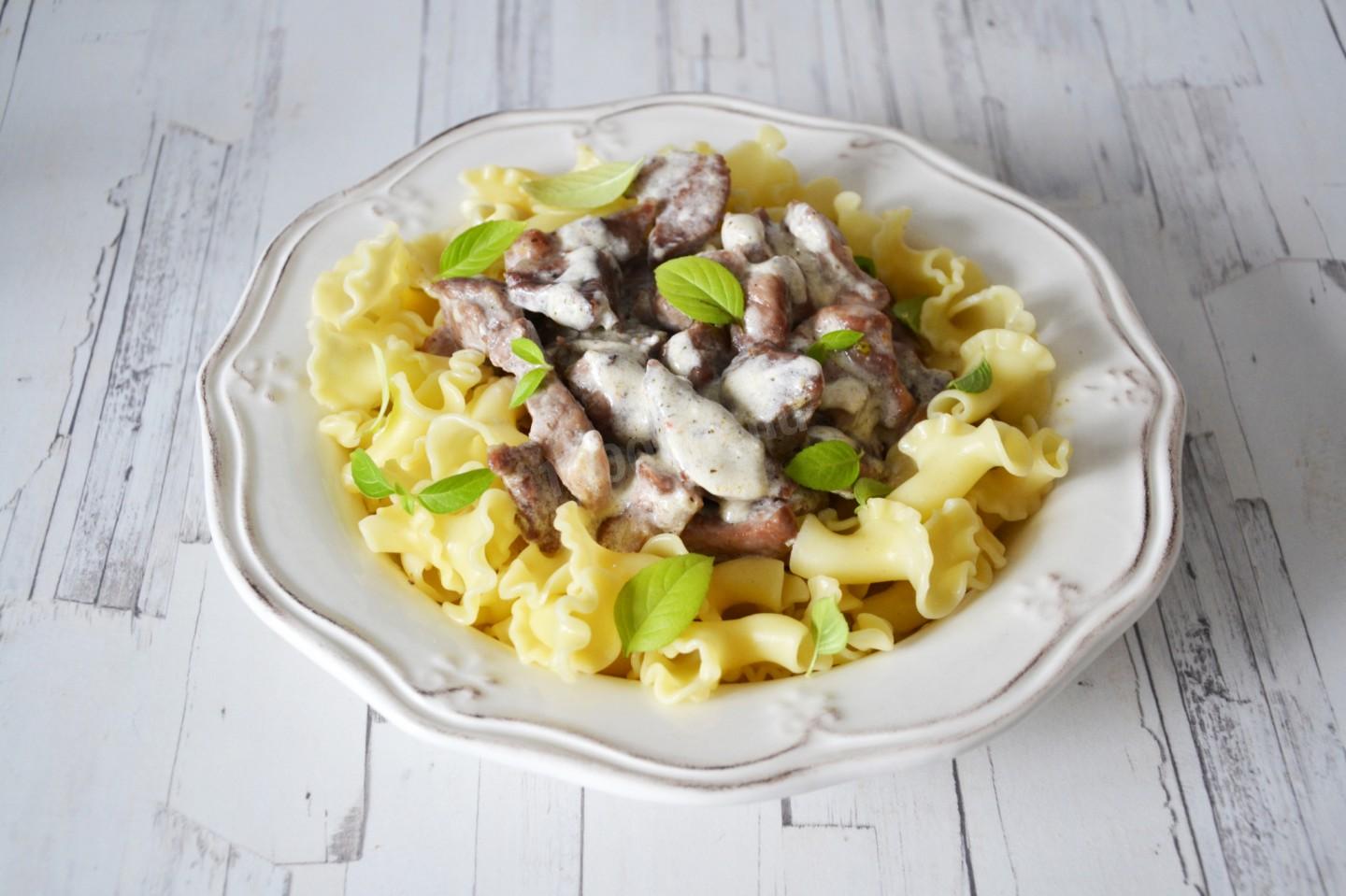
Divide the pasta among plates, top it with the meat, and sprinkle with grated Parmesan. Serve with fresh herbs. Enjoy!
- If you'd like more sauce, just add another 100 ml of water. You may need to add a little more salt and pepper.
- How do you cook pasta properly? Take a roomy pot and figure on about 1 liter of water per 100 grams of pasta — the key is for the pasta to float freely. Salt to taste. Bring the water to a boil. It's important to add the pasta to boiling water, or it may stick together. Cook over medium heat, stirring now and then, until fully cooked or al dente (the cooking time is always on the package). Drain the cooked pasta in a colander and let the water run off. There's no need to rinse it. If you're not going to toss the pasta with the sauce right away, you can return it from the colander to the pot, add a teaspoon of olive oil (or a pat of butter), and stir gently so the hot pasta doesn't stick.
- If you use ready-made spice blends, be sure to read the ingredient list on the package. These blends often already contain salt — keep that in mind, or you risk over-salting the dish.
Caloric content of the products possible in the composition of the dish
- Sour cream, 30% fat - 340 kcal/100g
- Sour cream, 25% fat - 284 kcal/100g
- Sour cream, 20% fat - 210 kcal/100g
- Sour cream, 10% fat - 115 kcal/100g
- Sour cream - 210 kcal/100g
- Fatty pork - 333 kcal/100g
- Lean pork - 357 kcal/100g
- Pork, lean roast - 184 kcal/100g
- Pork, bone-in chop - 537 kcal/100g
- Pork schnitzel - 352 kcal/100g
- Pork shoulder - 593 kcal/100g
- Wild boar leg - 113 kcal/100g
- Pork - 259 kcal/100g
- Pasta, premium grade, fortified - 337 kcal/100g
- Pasta, premium grade, milk - 309 kcal/100g
- Pasta, premium grade, egg - 342 kcal/100g
- Pasta from grade-1 flour - 333 kcal/100g
- Pasta from premium flour - 338 kcal/100g
- Boiled pasta - 135 kcal/100g
- Pasta - 338 kcal/100g
- Garlic - 143 kcal/100g
- Ground black pepper - 255 kcal/100g
- White wine - 78 kcal/100g
- Salt - 0 kcal/100g
- Dry spices - 240 kcal/100g
- Olive oil - 913 kcal/100g
- Parmesan cheese, 45% fat - 389 kcal/100g
Similar recipes

- Second course
- Meat and meat products
- Cheese
- Dairy products
- Spices seasonings spices
- Fats and oils
- Alcohol
- Garlic
- Pepper
- Salt
- Dry spices
- Vegetable oil
- Purchased wine
- Cooking
- Frying
- In a frying pan
- Спагетти
- Meat second course
- Pork
- Made of solid cheese
- Sour cream
- No eggs
- Recipes for lean dishes without butter
- From pasta products