No-Cook Adjika Without Bell Pepper for the Winter
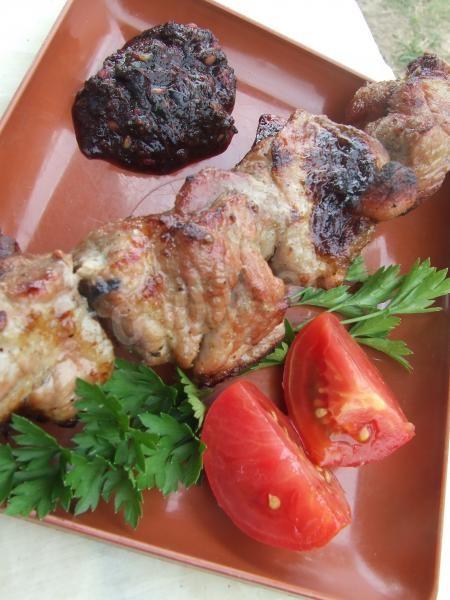
Spicy, fragrant, vivid — simple, quick, and very tasty! This no-cook adjika without bell pepper for the winter is another take on the well-known Caucasian condiment, a perfect match for dumplings, meat, and fish dishes. If you like, you can dress this adjika up with different spices to suit your taste.



Cooking method
-
Step 1:
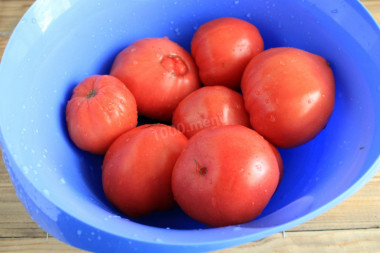
How do you make no-cook adjika without bell pepper for the winter? Let's get our ingredients ready. For this preserve you can use large, overripe tomatoes — the kind that aren't suited to pickling or other canning that calls for pretty little fruits.
-
Step 2:
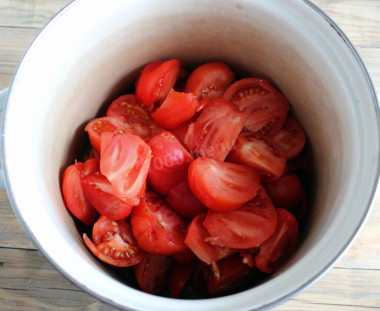
Wash the tomatoes thoroughly, cut them into several pieces, and cut out the stem end. If the tomatoes have a tough, thick skin, remove it by first dipping the fruits into boiling water.
-
Step 3:

Wash the horseradish roots, peel them, and slice them into rounds. If the root isn't very fresh, soak it for an hour in cold water.
-
Step 4:
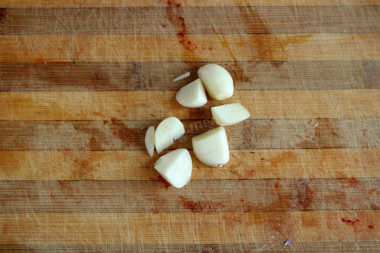
Peel the papery skins off the garlic cloves and trim the tips at both ends.
-
Step 5:
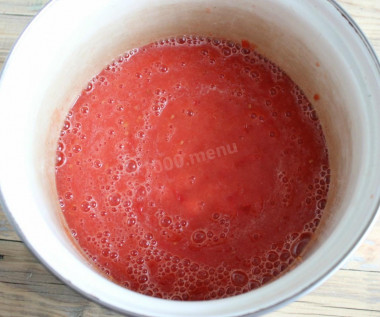
Run all the vegetables through a meat grinder or process them in a food processor into a smooth, uniform mass. Add the sugar and salt and mix. Let it stand for a couple of hours in a bowl (be sure to use a non-reactive container) so the dry ingredients fully dissolve.
-
Step 6:
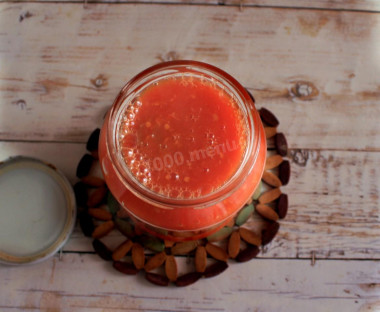
The adjika is ready. Spoon the mixture into jars you've prepared in advance — washed and sterilized. Seal the jars with lids. Horseradish is a good natural preservative, so there's no need to worry that this condiment won't keep without added vinegar. After opening, though, it's still best not to keep it too long — it won't necessarily spoil, but the seasoning will lose its "punch." Store the adjika in a cool place. Enjoy!


- For how to calculate the number of jars, why jars burst and how to prevent it, plus tips and tricks, see the article on winter preserves.
- Since everyone's tolerance for salty, sweet, bitter, spicy, sour, and pungent flavors is different, always add spices and seasonings to your own taste! If you're using a seasoning for the first time, keep in mind that some spices are especially important not to overdo (chili pepper, for example).
- Adjika is one of those homemade preserves that are traditionally and classically made only from hot pepper. There's red adjika — from red hot peppers — and green — from green hot peppers with fresh herbs and a range of seasonings. Strictly speaking, all other pepper-free versions aren't really adjika at all. But life moves on, and so a pepper-free adjika has appeared.
- If you like, you can make it from practically anything: tomatoes, cabbage, zucchini, bell pepper. I make mine from tomatoes and garlic. But there are plenty of other recipes for the condiment that leave out the pepper. Of course, this adjika won't fit everyone's idea of the Caucasian original, but in heat and zest it's every bit a match for the usual kind. Since the preserve is made without any heat treatment, its ingredients retain the maximum amount of nutrients. That said, anyone with stomach issues should be cautious about adding such a spicy condiment to their diet.
Caloric content of the products possible in the composition of the dish
- Tomatoes - 23 kcal/100g
- Garlic - 143 kcal/100g
- Granulated sugar - 398 kcal/100g
- Sugar - 398 kcal/100g
- Salt - 0 kcal/100g
- Horseradish root - 59 kcal/100g