Beet Relish for the Winter (Ground in a Meat Grinder)
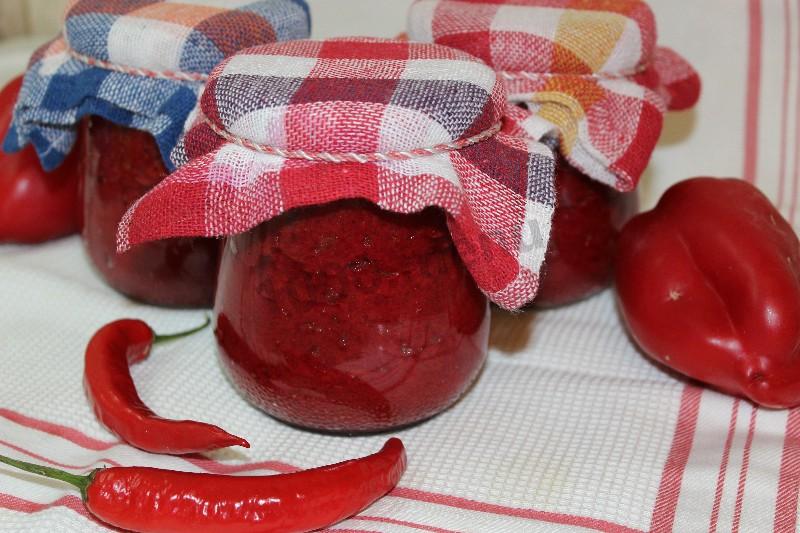
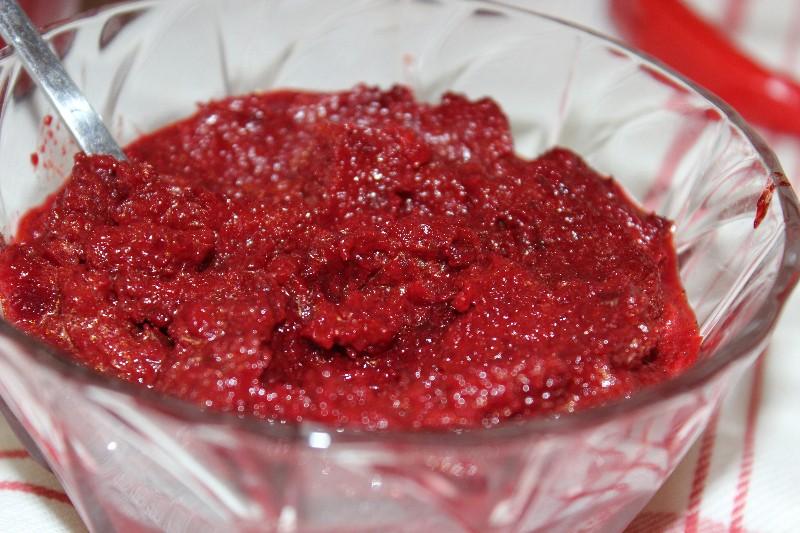
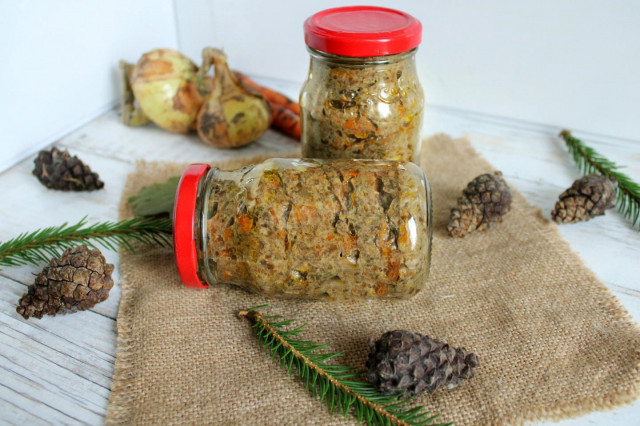
This beet relish is my grandmother's own creation — a truly one-of-a-kind recipe! I want to share her recipe with you, passed down from my beloved grandma, who was a wonderful cook. A handful of her recipes came to me as a family heirloom, all invented by her own hand. If you love beets, grab this one fast! You can make a batch to eat right away, or put it up in jars for winter.

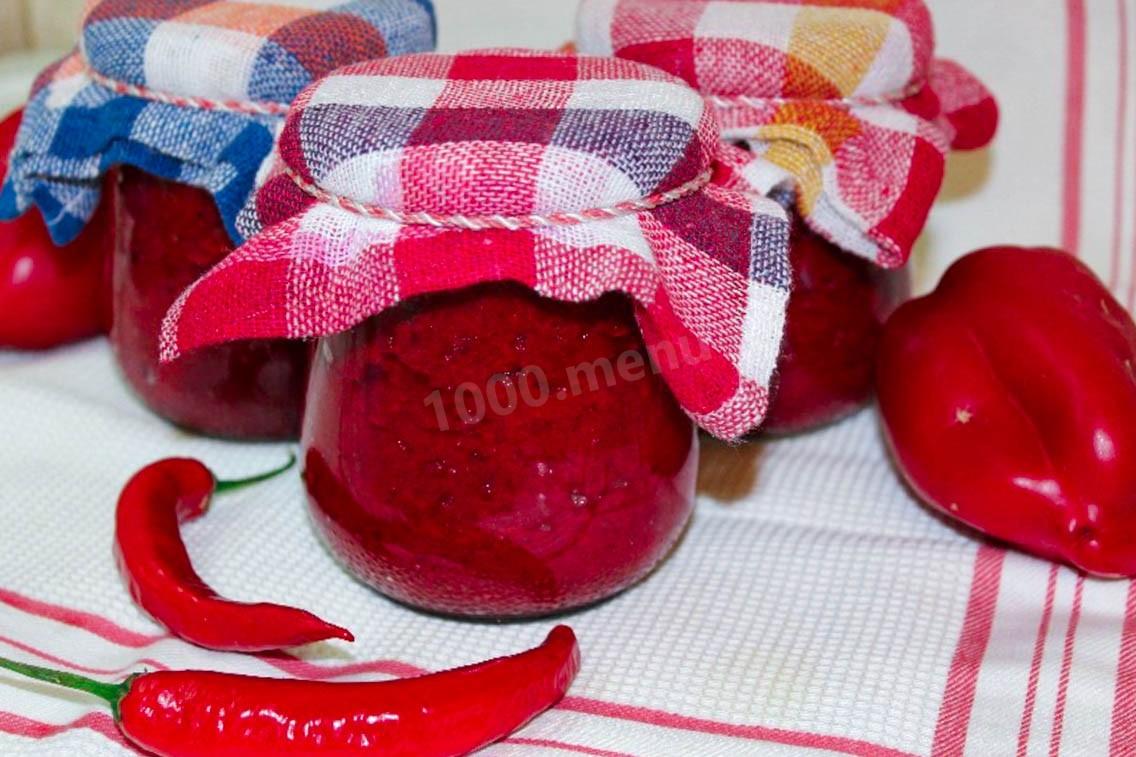
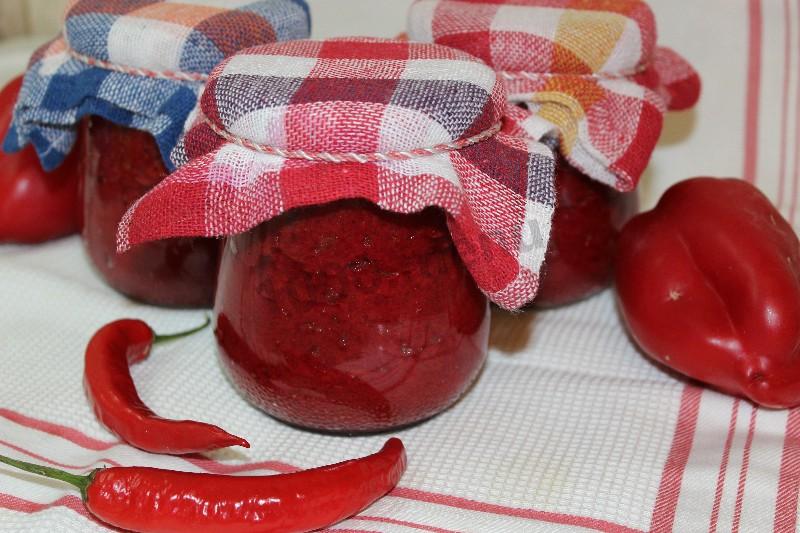
Cooking method
-
Step 1:
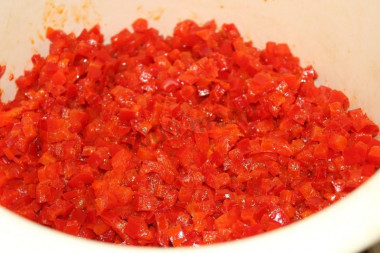
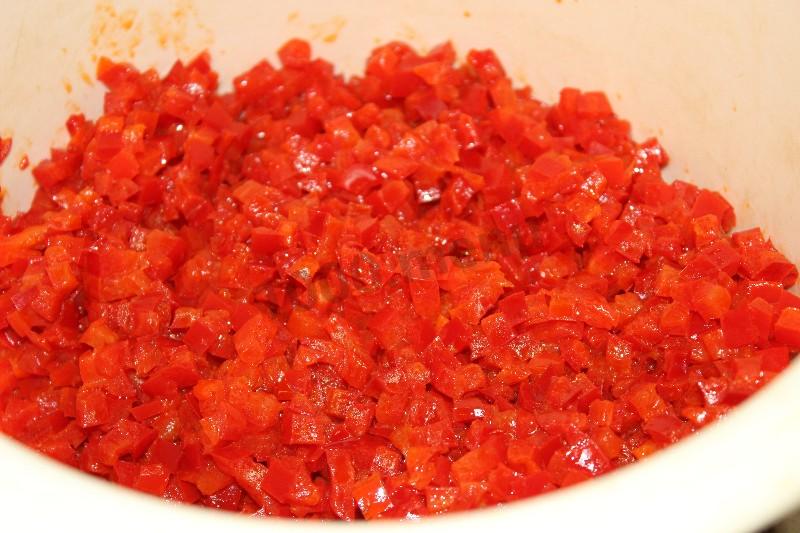
How do you make beet relish for winter using a meat grinder? Dice the bell peppers and sauté them.
-
Step 2:
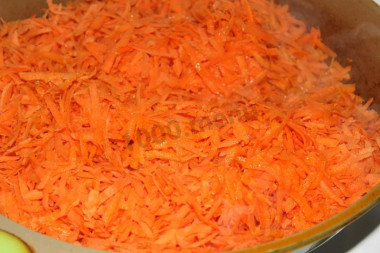
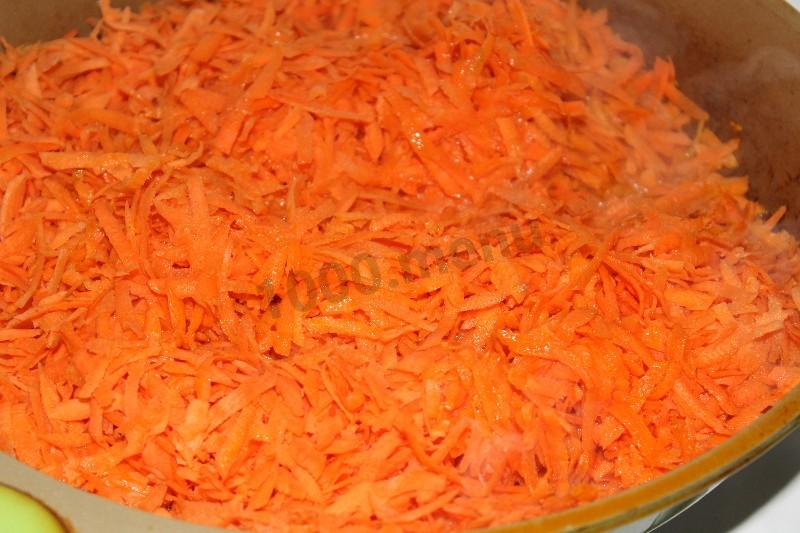
Grate the carrots on the large holes of a box grater and sauté them.
-
Step 3:
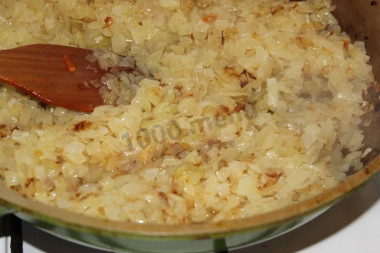
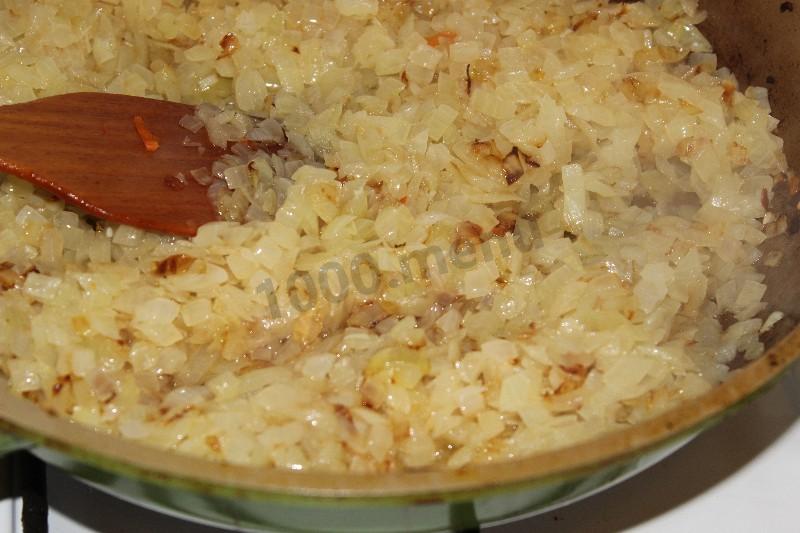
Dice the onions and sauté them separately as well.
-
Step 4:
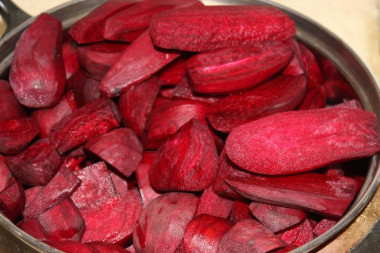
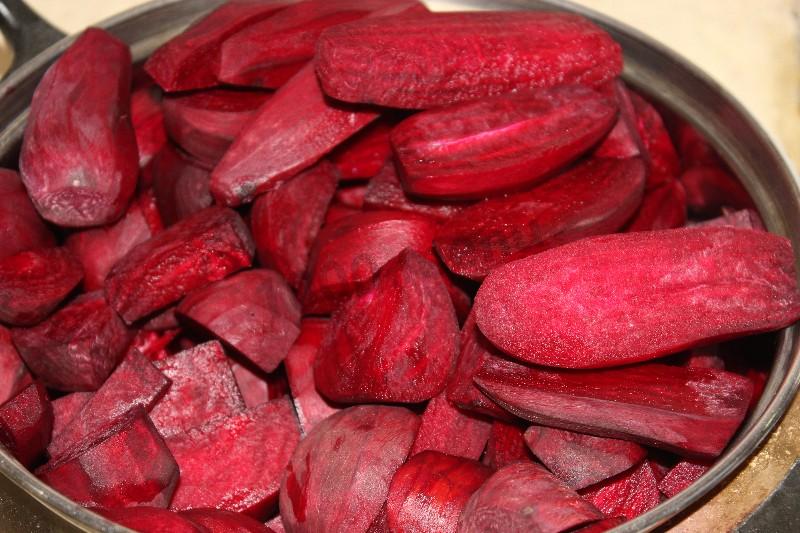
Peel the beets and cut them into sticks.
-
Step 5:
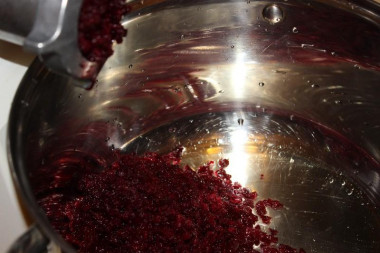
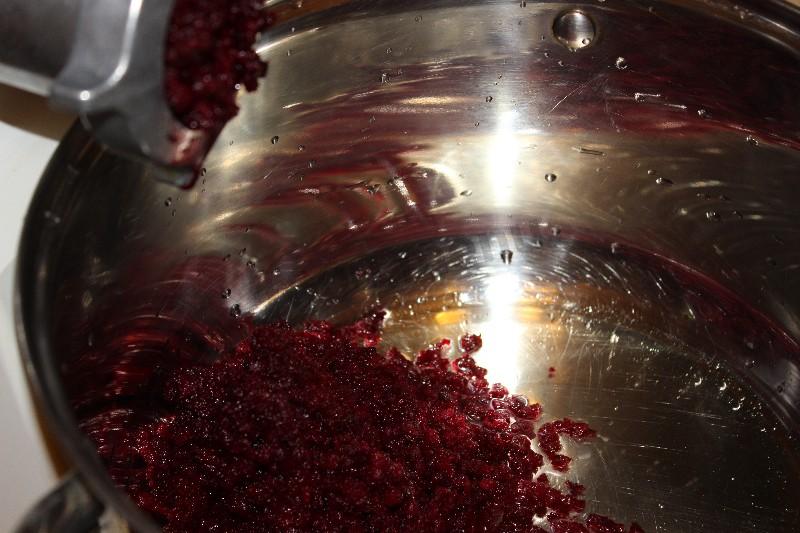
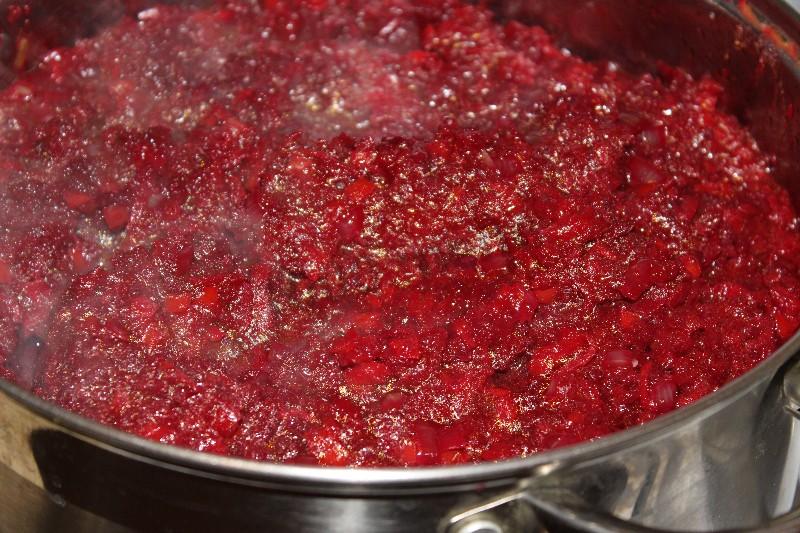
Run the beets through a meat grinder fitted with the fine plate. Transfer the mixture to a deep, heavy-bottomed pot. Simmer with 100 g (about 1/2 cup) of vegetable oil and 3 tablespoons of vinegar for 30 minutes.
-
Step 6:
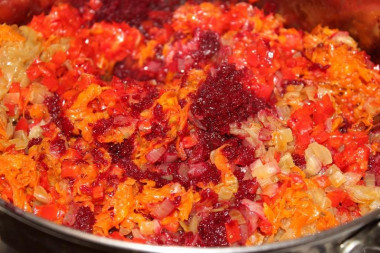
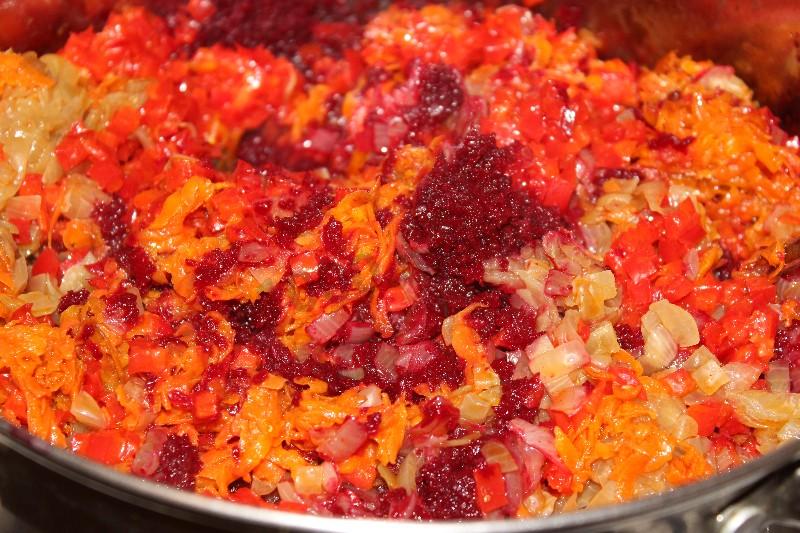
Add all the separately sautéed vegetables to the beets and stir to combine.
-
Step 7:
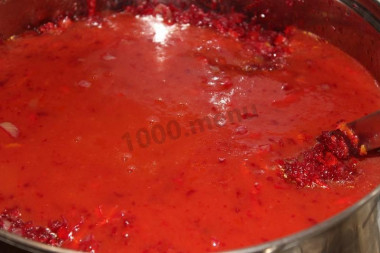
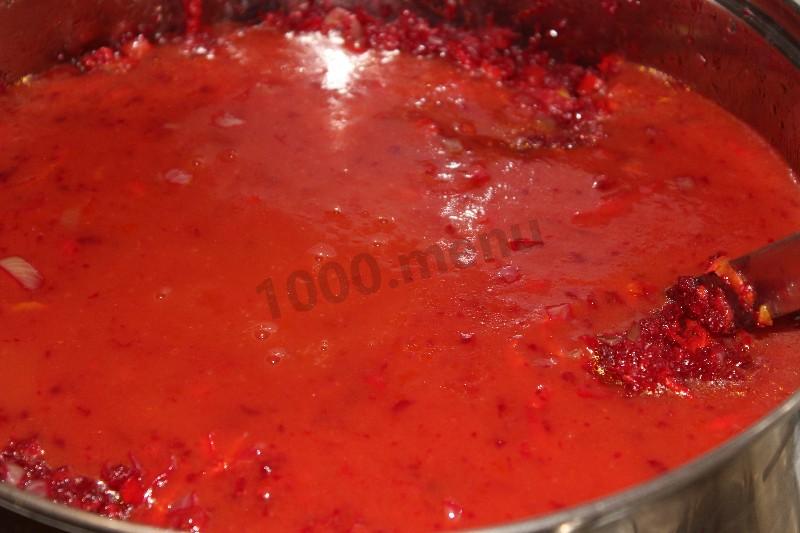
Pour in the tomato juice and stir in the tomato paste.
-
Step 8:
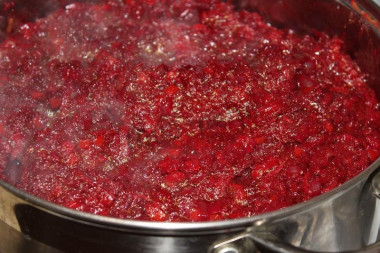
Season with salt and stir. Let it simmer, covered, over low heat for 30 minutes. Don't forget to stir now and then so the relish doesn't scorch.
-
Step 9:
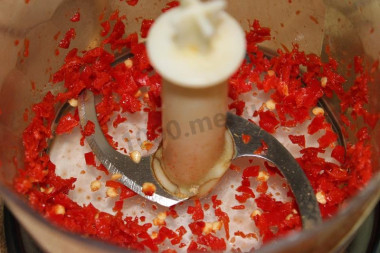
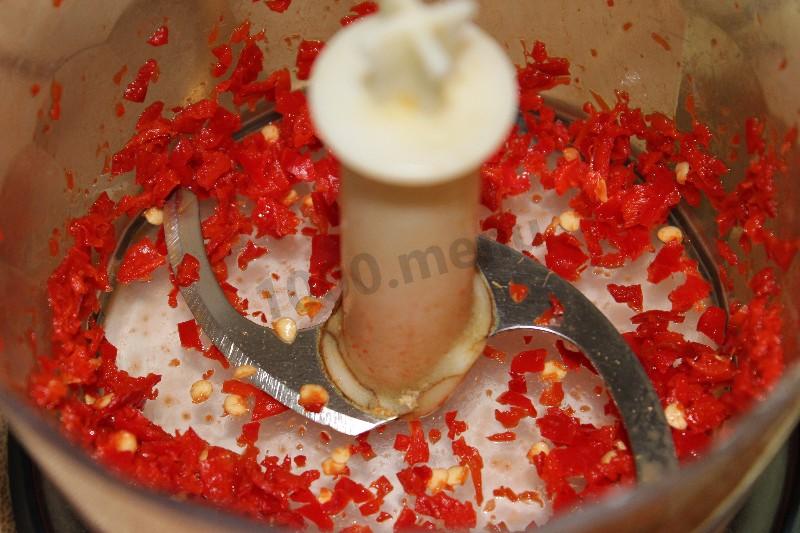
Purée the hot chiles in a blender and stir them into the relish 10 minutes before it's done.
-
Step 10:
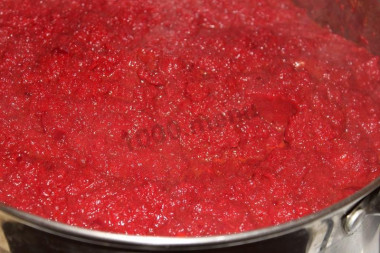
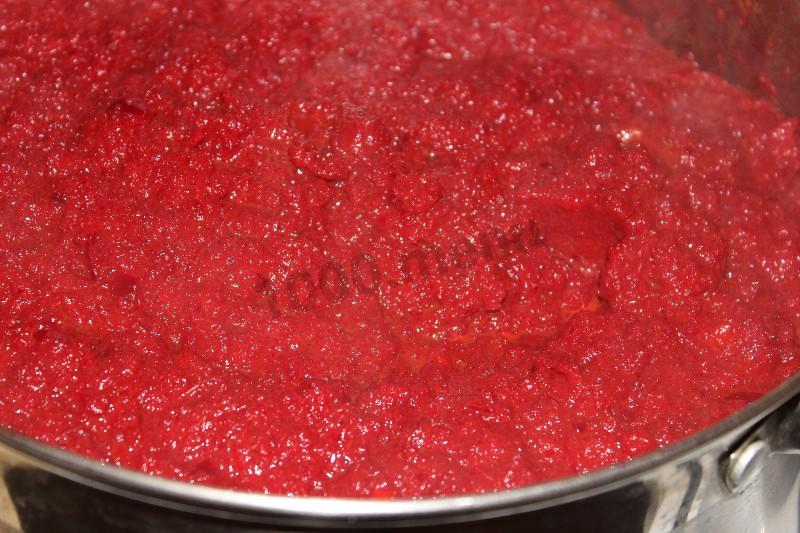
Using an immersion blender, blend the mixture in the pot until smooth. Let it simmer gently for another 5 minutes, then spoon the hot relish into sterilized jars. Process the 16 oz (0.5 L) jars for 30 minutes. Add 1 teaspoon of vinegar to each jar, seal them, and turn them upside down until cooled.
-
Step 11:
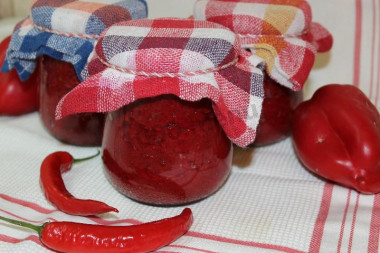
This relish keeps well at room temperature — no need to stash it somewhere cold.
-
Step 12:
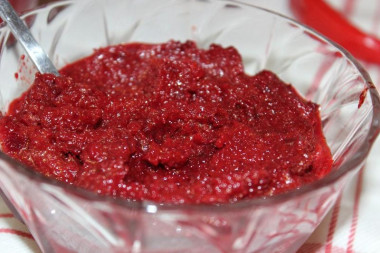
Come winter, open a jar and enjoy — it's so good! You can also just make it in summer to eat right away, and if you love it, put up a batch for winter later. Enjoy!
- Unless a recipe says otherwise, assume the vinegar called for is 9% (standard distilled white vinegar).
- Use an oil with a high smoke point for frying. Every oil is only good up to a certain temperature — its smoke point, beyond which it starts to burn and form harmful compounds, including carcinogens. Most unrefined oils have a low smoke point: they're full of unfiltered organic particles that scorch quickly. Refined oils stand up to heat better and have a higher smoke point. For anything in the oven, skillet, or grill, reach for a high-smoke-point oil — refined sunflower, olive, or grapeseed are among the most common.
- You can replace the tomato paste in this recipe with canned tomatoes, fresh tomatoes, or ketchup.
Caloric content of the products possible in the composition of the dish
- Beetroot - 40 kcal/100g
- Dried beetroot - 278 kcal/100g
- Boiled beets - 49 kcal/100g
- Sweet pepper - 27 kcal/100g
- Carrots - 33 kcal/100g
- Dried carrots - 275 kcal/100g
- Boiled carrots - 25 kcal/100g
- Wine vinegar (3%) - 9 kcal/100g
- Vinegar 9% - 11 kcal/100g
- Balsamic vinegar - 88 kcal/100g
- Apple vinegar - 14 kcal/100g
- Vinegar - 11 kcal/100g
- Vegetable oil - 873 kcal/100g
- Tomato paste - 28 kcal/100g
- Salt - 0 kcal/100g
- Onion - 41 kcal/100g
- Chili pepper - 40 kcal/100g
- Tomato juice - 21 kcal/100g
Similar recipes


- Kitchen utensils
- Homemade preparations
- Vegetables
- Spices seasonings spices
- Fats and oils
- Other
- Pepper
- Salt
- Vinegar
- In a meat grinder
- Vegetable oil
- From juice
- Tomato paste
- Frying
- Marinating
- Canning
- Vegetable blanks
- Marinades
- From carrots
- From beets
- From sweet pepper
- From onion
- Vegetarianism
- Recipes for lean dishes without butter