Potato dough for pies
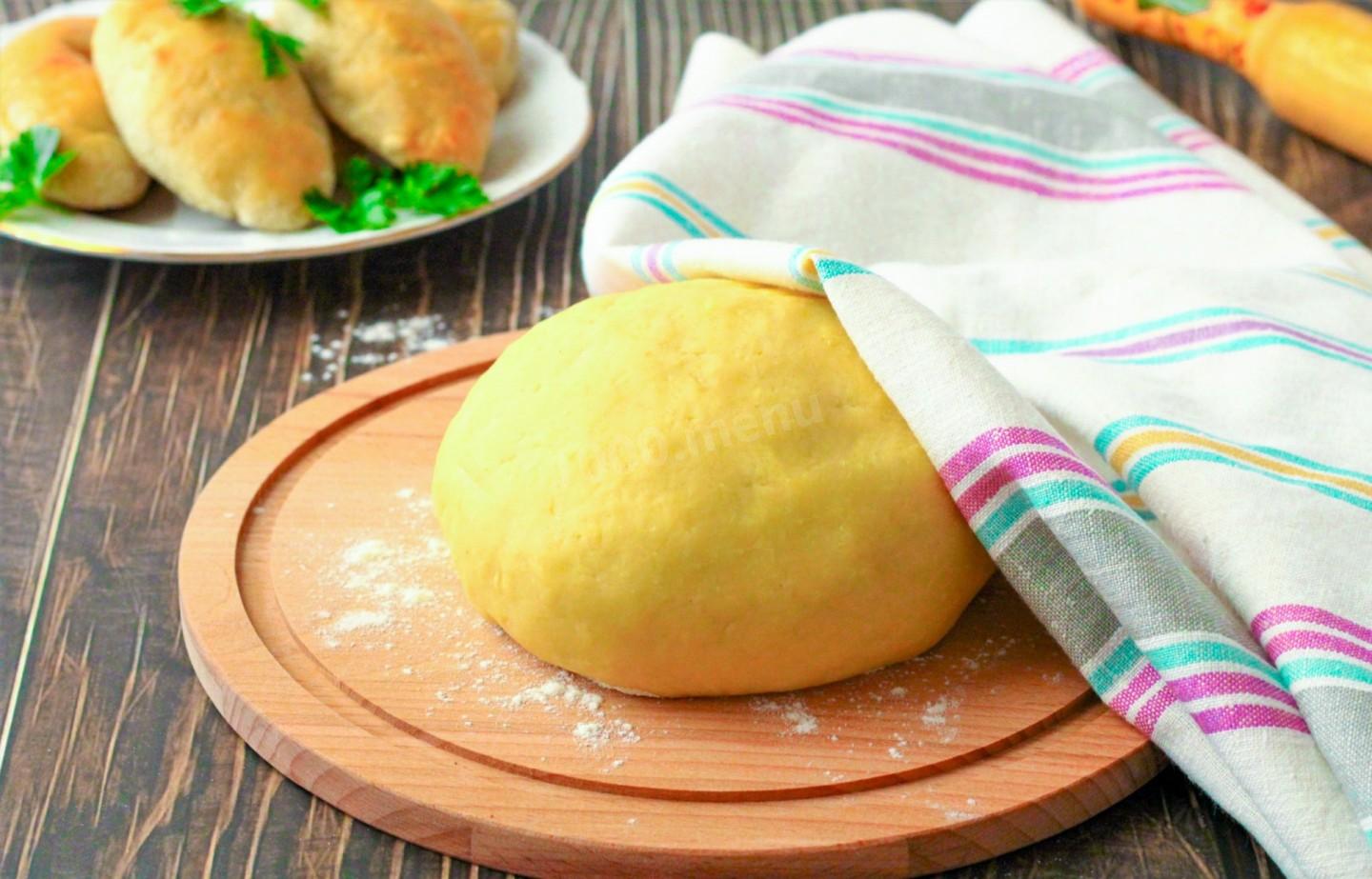
Original, tasty, quick, and made from everyday ingredients! This potato dough for pies is easy and simple to make. Its biggest advantages are the most affordable ingredients and minimal effort. It's perfect for any kind of savory baking.

Cooking method
-
Step 1:
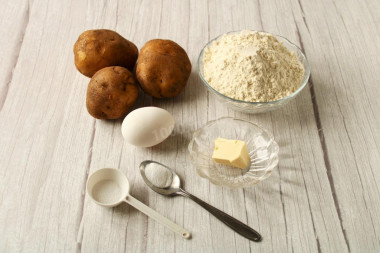
How do you make potato dough for pies? Start by gathering the ingredients you'll need. Scrub the potatoes thoroughly with a brush under running water. Wash the egg and pat it dry with paper towels.
-
Step 2:

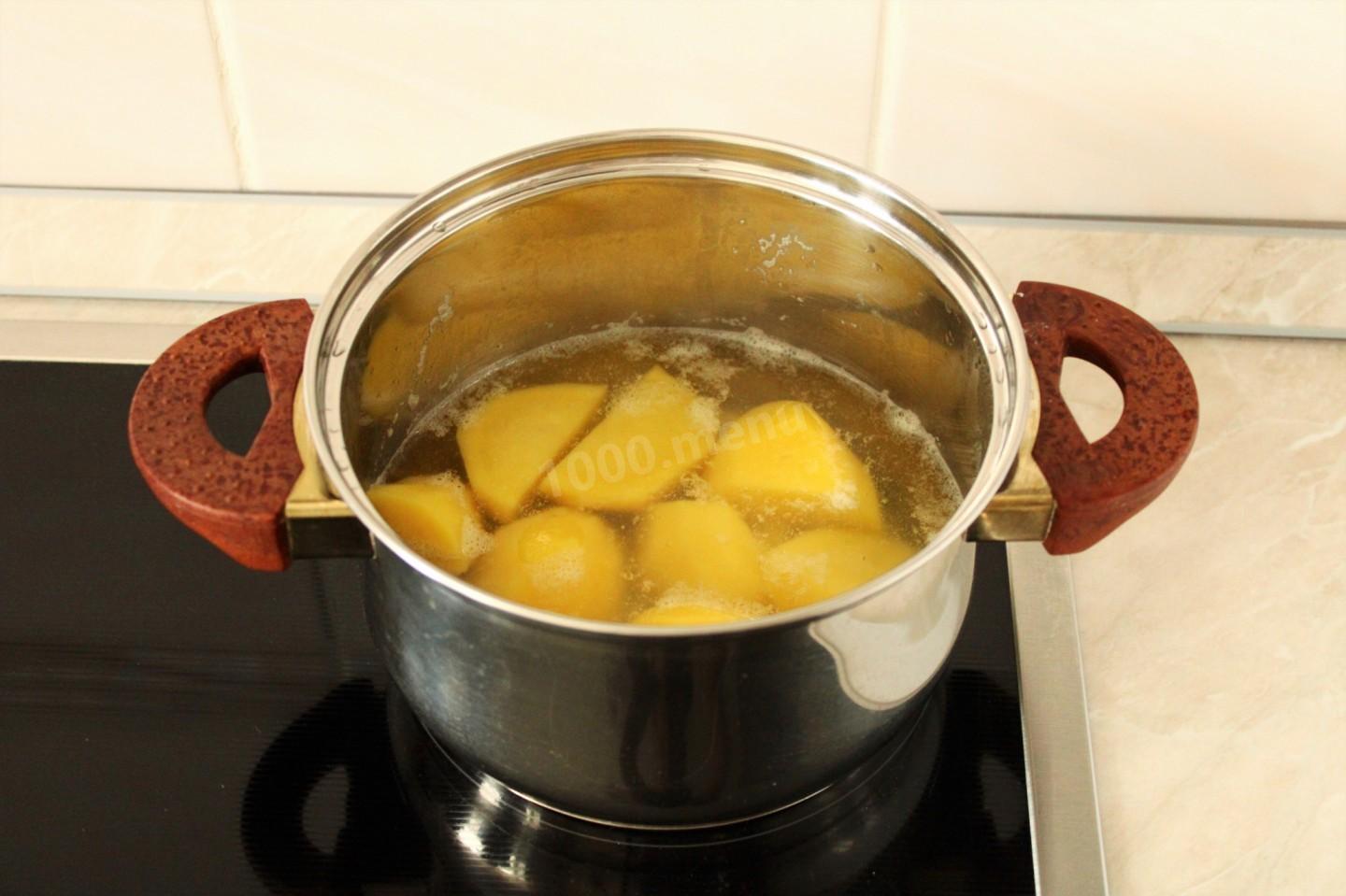
Peel the potatoes, cut them into chunks, and put them in a saucepan with cold water.
-
Step 3:
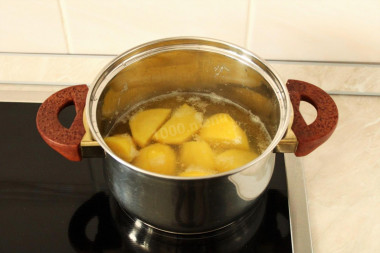
Bring the potatoes to a boil over high heat, then add salt. Cook at a steady simmer until tender. The cooking time depends on the variety of potato. Fully cooked potatoes should be completely soft and pierce easily with a knife.
-
Step 4:
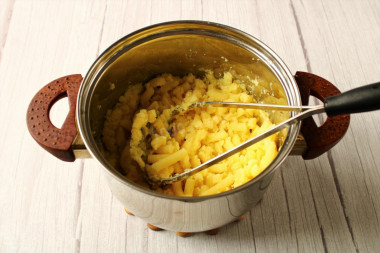
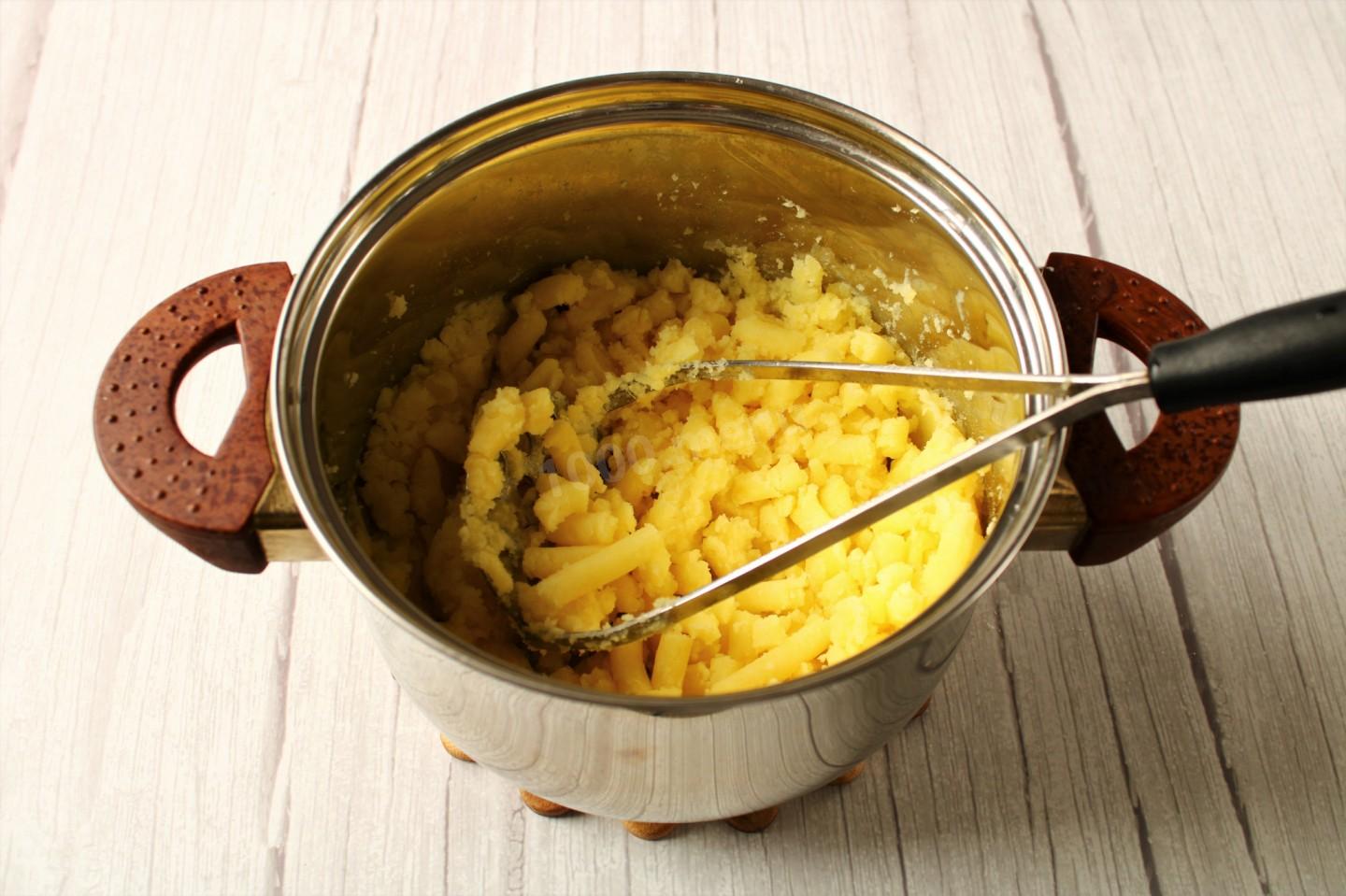
Drain off all the water and mash the potatoes until smooth, with no lumps.
-
Step 5:
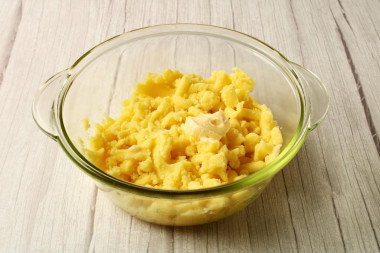
Add the butter to the potatoes and stir it in. You can do this while you mash them. Let the mashed potatoes cool; transferring them to another bowl helps them cool down faster.
-
Step 6:
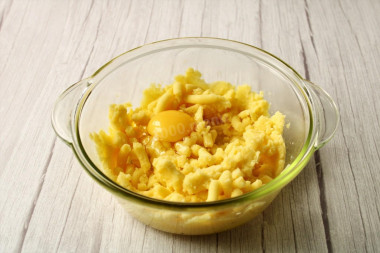
Add the raw egg to the cooled mashed potatoes. Mash again so the egg is evenly worked through the whole mixture.
-
Step 7:
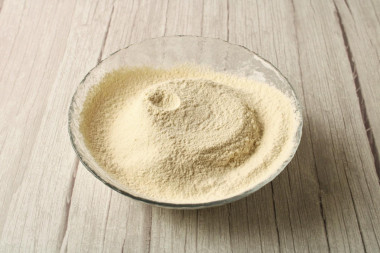
Sift the flour together with the baking powder. This boosts the leavening power of the baking powder.
-
Step 8:
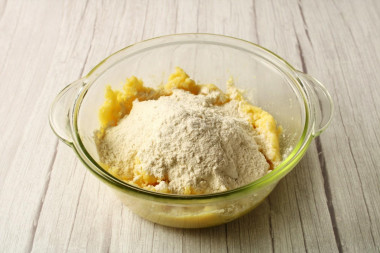
Stir a little more than half of the sifted flour into the potato mixture. Add the rest in small additions, mixing the dough each time. You may need a bit more or less flour depending on its properties and quality. I used premium wheat flour, but first-grade flour works too—it's also fine for savory baking.
-
Step 9:
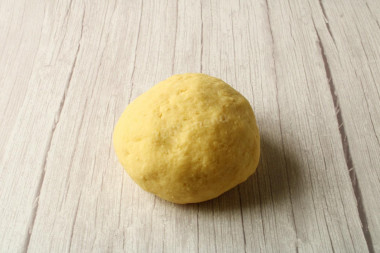
Don't add too much flour, or the dough will turn out dense and the pies will be tough. The dough should be soft, pliable, and just slightly sticky to the touch. The potato dough is ready, and you can start shaping the pies.
-
Step 10:
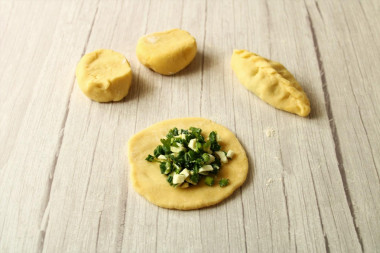
To do that, divide the dough into equal pieces of whatever size you like. Dust the work surface with flour as you shape the pies so the dough doesn't stick. Place the filling on a rolled-out piece of dough (I used green onion with hard-boiled egg) and form the pie. Potato-dough pies can be baked in the oven or fried in a skillet with a little vegetable oil until golden brown. Happy baking!




- Fillings for potato-dough pies can be braised cabbage, rice with hard-boiled egg, browned ground meat, fried mushrooms, or green onion with hard-boiled egg. You can also just make flatbreads and serve them in place of bread. If you have mashed potatoes left over from last night's dinner, the dough comes together in almost no time. Just keep in mind that mashed potatoes served as a side dish usually contain milk, so you may need more flour than the recipe calls for. I baked my pies in the oven. This amount of dough made 12 small, soft, delicious pies. This is one of those "quick" recipes—a real lifesaver.
- Be prepared to need more or less flour than the recipe states. Go by the consistency of the dough rather than the exact amount of flour. To avoid mistakes, read up on flour and its properties!
- Can you swap baking powder for baking soda, how do you add each one correctly so your baking comes out fluffy, and how do you avoid an unpleasant soda aftertaste? Read all about it in the article "Baking powder or baking soda—which is better?"
Caloric content of the products possible in the composition of the dish
- Ripe potatoes - 80 kcal/100g
- Baked potatoes - 70 kcal/100g
- Mashed potatoes - 380 kcal/100g
- Boiled potatoes - 82 kcal/100g
- Jacket potatoes - 74 kcal/100g
- Fried potatoes - 192 kcal/100g
- Chicken egg - 157 kcal/100g
- Egg white - 45 kcal/100g
- Egg powder - 542 kcal/100g
- Egg yolk - 352 kcal/100g
- Ostrich egg - 118 kcal/100g
- Butter 82% - 734 kcal/100g
- Amateur unsalted butter - 709 kcal/100g
- Unsalted peasant butter - 661 kcal/100g
- Salted peasant butter - 652 kcal/100g
- Clarified butter - 869 kcal/100g
- Salt - 0 kcal/100g
- Wheat flour - 325 kcal/100g
- Baking powder - 79 kcal/100g