Classic Tyrolean Tart
Bright, beautiful, mouthwatering, and absolutely delicious! The classic Tyrolean tart is an elegant marriage of delicate shortcrust pastry, the silkiest custard, and a fresh-berry jelly. It's not as hard to make as it might first seem — and the payoff is well worth it.



Cooking method
-
Step 1:
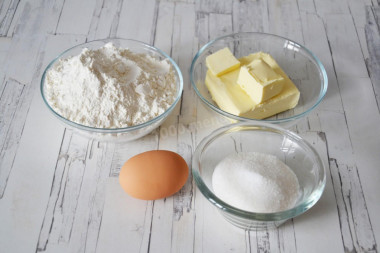
How do you make a classic Tyrolean tart? First, make the pastry. Gather the ingredients. Use the best-quality real butter, with no vegetable additives. Chill it well before you start, cutting it into cubes ahead of time.
-
Step 2:
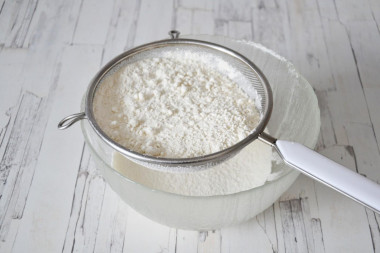
How do you make the pastry? Take a large bowl and sift the flour into it. Sifting aerates the flour, so the pastry comes out light and tender.
-
Step 3:
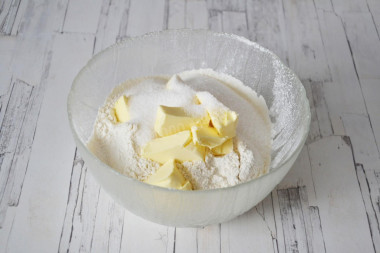
Add the sugar and the diced cold butter to the flour.
-
Step 4:
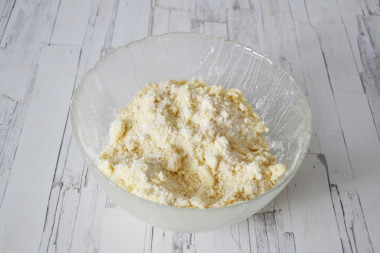
Rub the flour and butter together with your fingers until it looks like coarse crumbs.
-
Step 5:
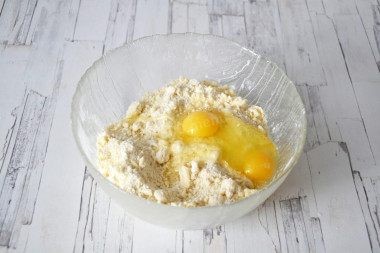
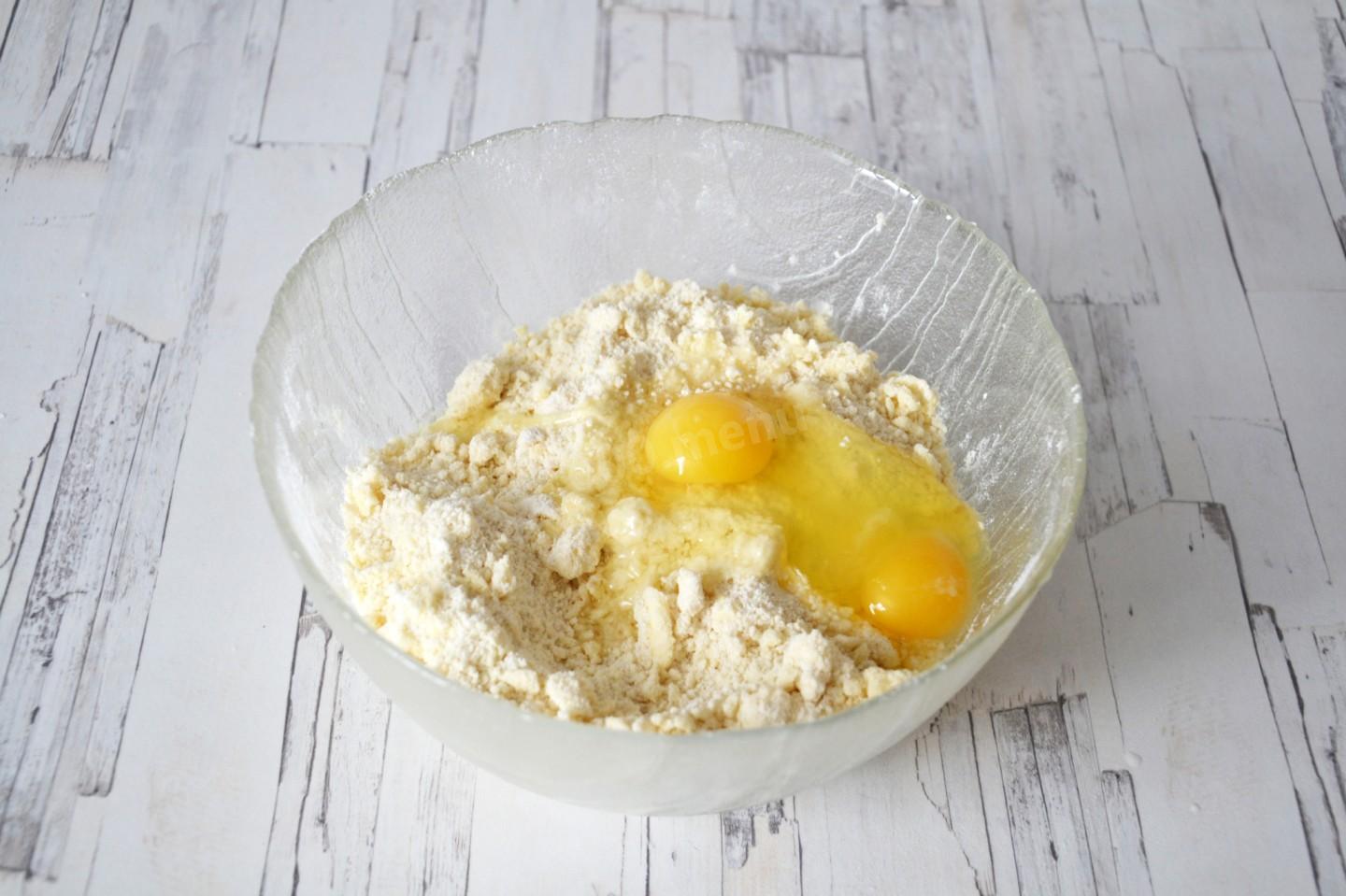
Add the egg (mine happened to be a lucky one with two yolks) and, again with your hands, knead a smooth, supple dough. Work as quickly as you can — the colder the butter stays, the more tender and flaky the pastry will be.
-
Step 6:
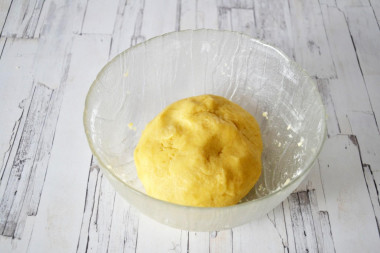
Roll the dough into a ball and refrigerate it for 1 hour.
-
Step 7:
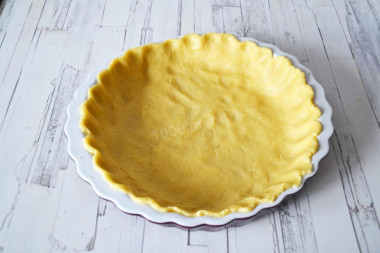
Then take the dough out and press it over the bottom and up the sides of the pan. You can roll it out with a rolling pin, or work it in by hand, pinching off thin pieces and pressing them into the pan. The pan can be 9 to 10 inches (22–26 cm) across.
-
Step 8:
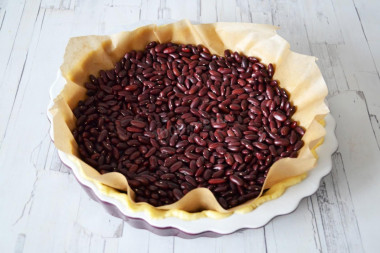
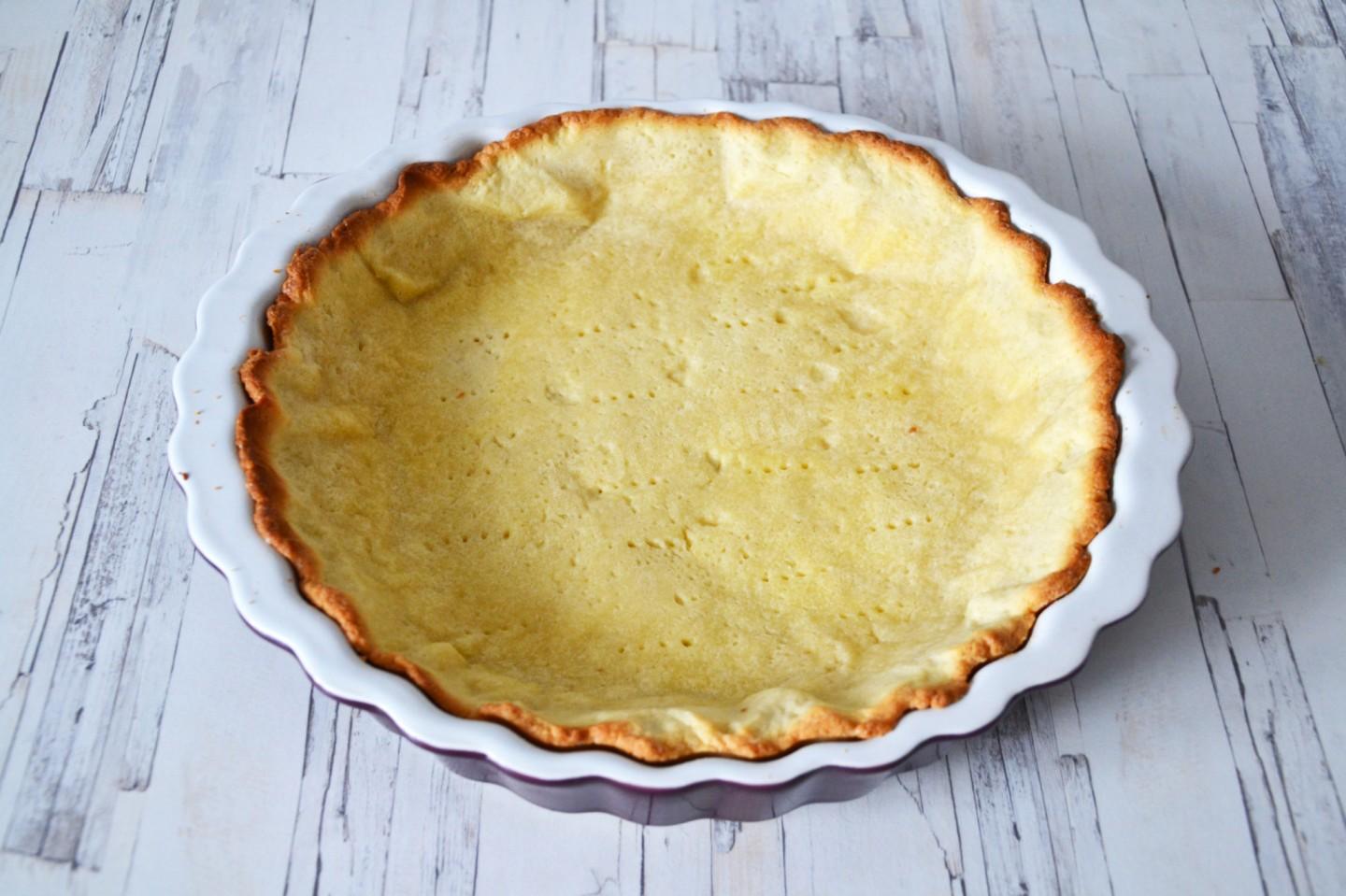
Lay parchment over the dough and fill it with pie weights — dried beans, peas, or ceramic baking beads. This keeps the crust from puffing up as it bakes. Bake the crust for 20 minutes at 400°F (200°C).
-
Step 9:
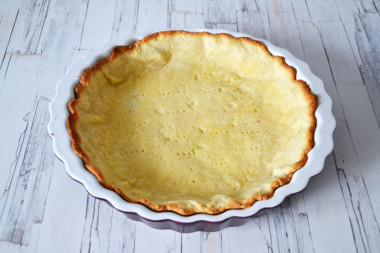
Cool the baked crust and remove the weights.
-
Step 10:
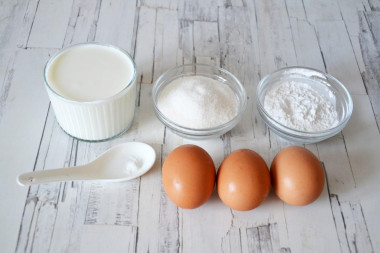
Make the custard. Gather the ingredients. Wash the eggs first. The milk can be any fat percentage. The starch is potato starch — if you use cornstarch instead, double the amount.
-
Step 11:
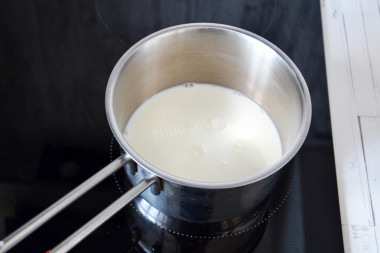
How do you make the custard? Pour the milk into a heavy-bottomed saucepan and warm it over low heat.
-
Step 12:
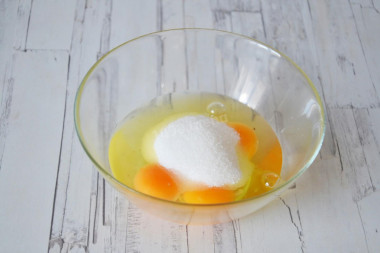
Crack the eggs into a separate bowl and whisk them with the sugar until pale and fluffy.
-
Step 13:
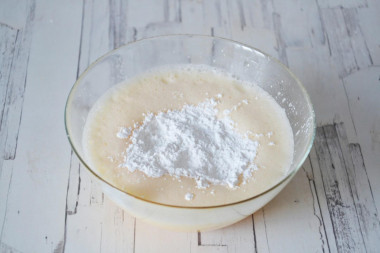
Add the starch and stir to combine.
-
Step 14:
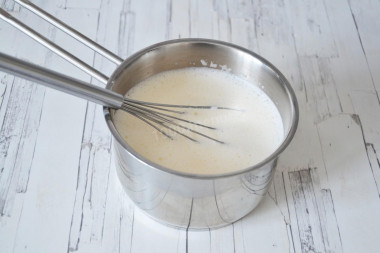
Pour the warm milk into the beaten eggs and stir. Then pour the egg-and-milk mixture back into the saucepan.
-
Step 15:
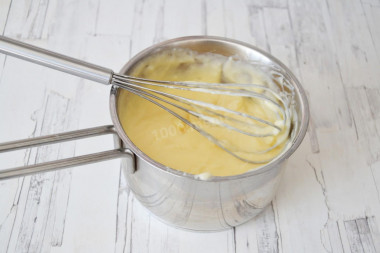
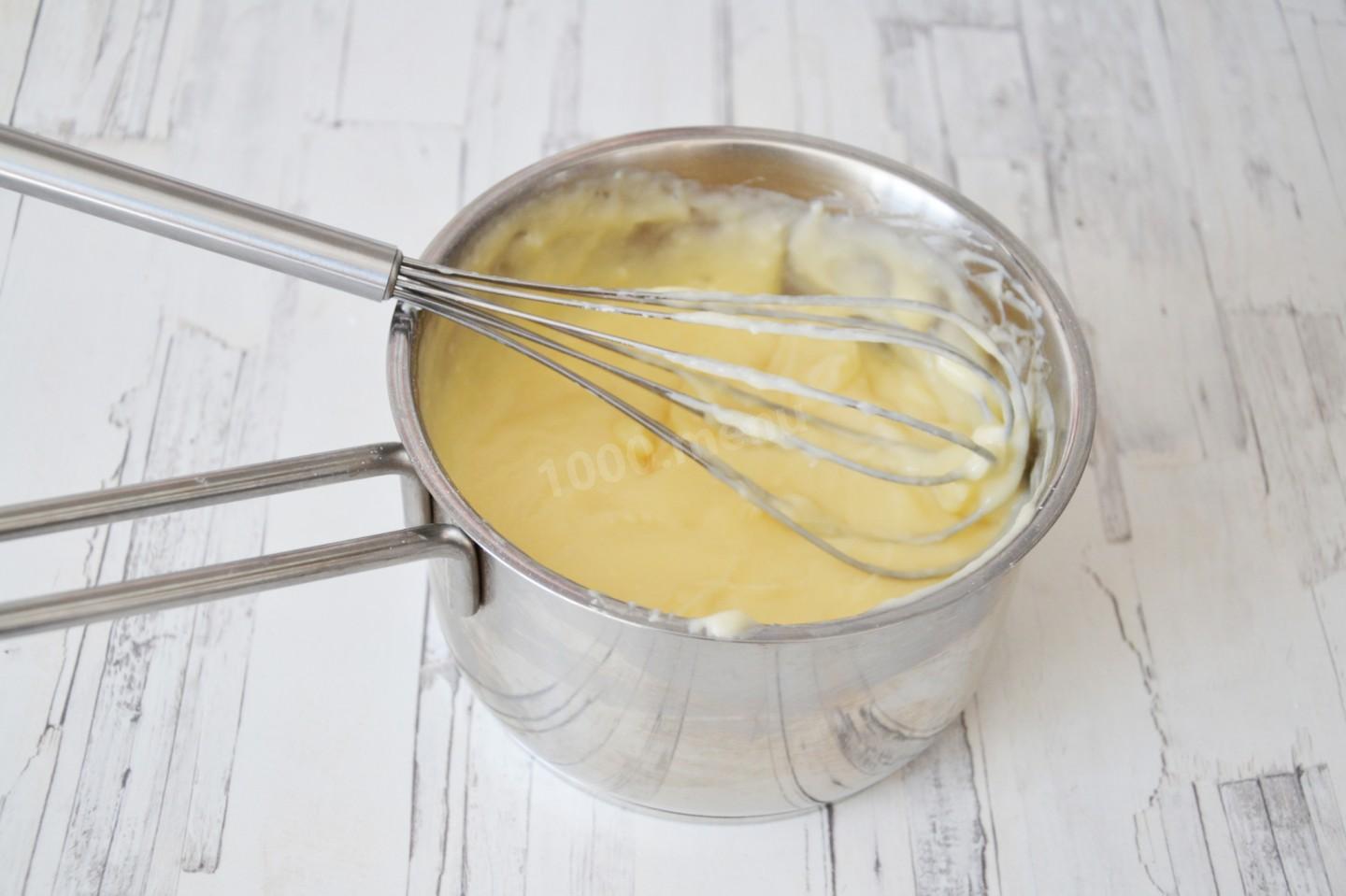
Return the saucepan to the stove and cook the custard over low heat, stirring, until it thickens.
-
Step 16:
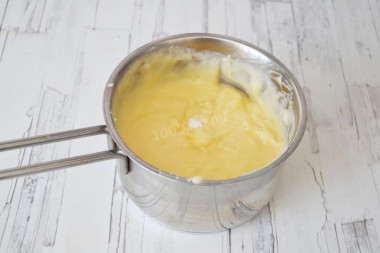
Take the custard off the heat, add the vanilla, and stir.
-
Step 17:
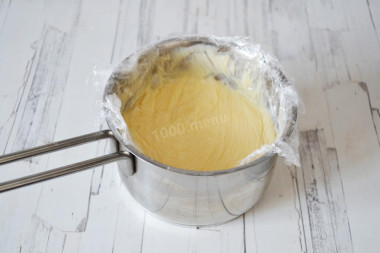
Cool the custard. It's best to press plastic wrap directly onto the surface so it doesn't form a skin.
-
Step 18:
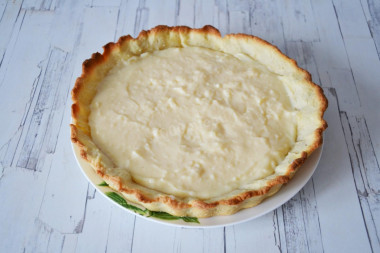
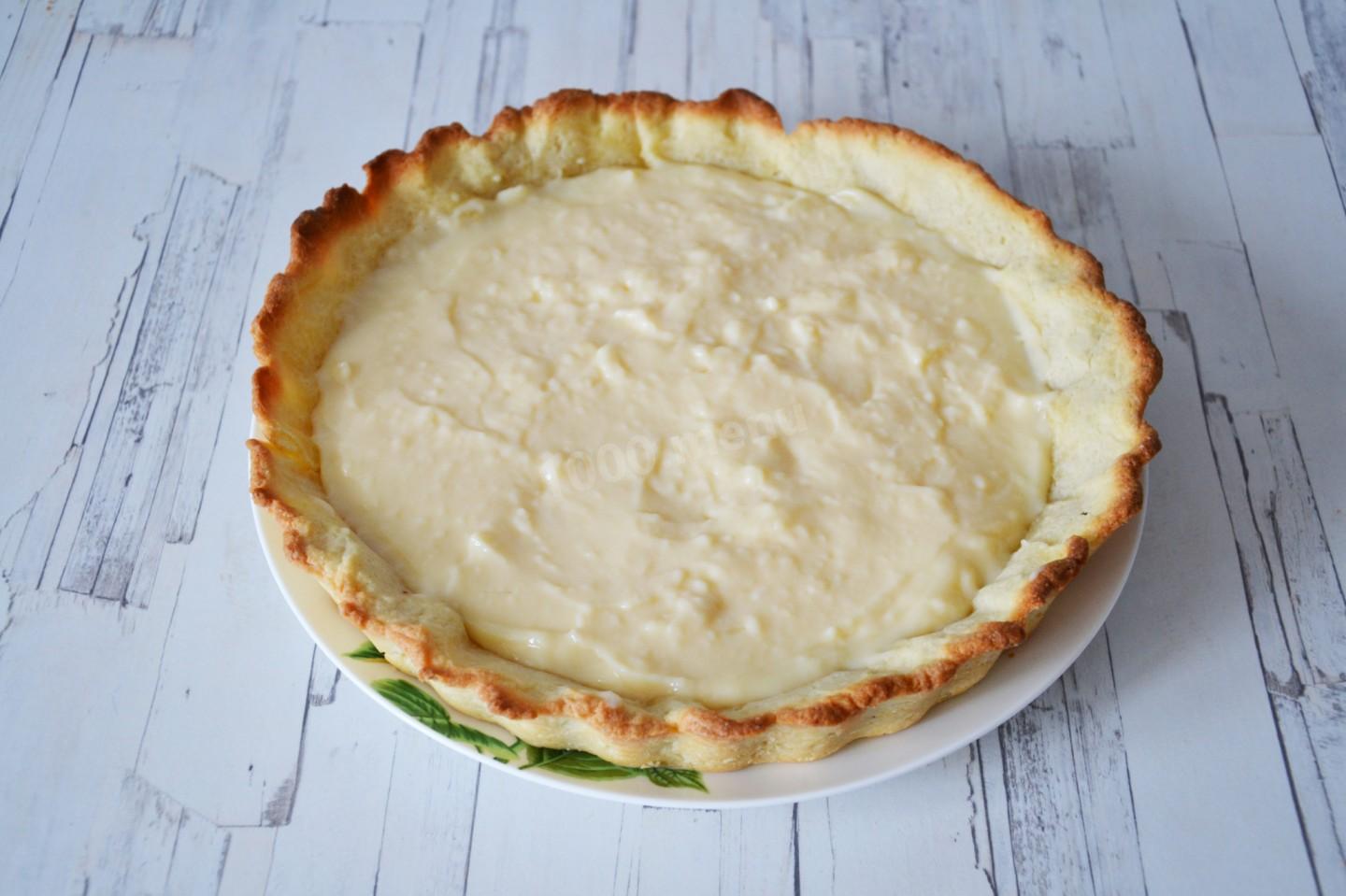
Spread the cooled custard over the crust and smooth it out.
-
Step 19:
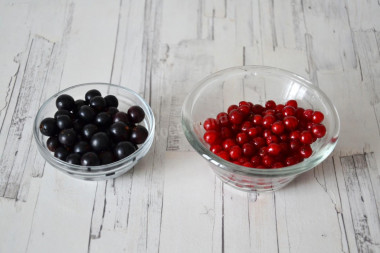
Prepare the topping. Wash the berries well and pat them dry. Any berries or fruit will work; I used red and black currants.
-
Step 20:
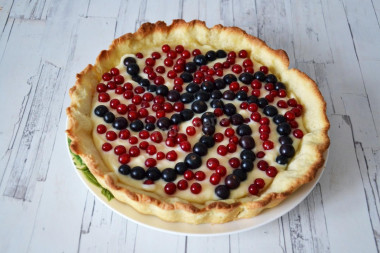
Arrange the berries over the custard. You can lay them out in a pretty pattern.
-
Step 21:
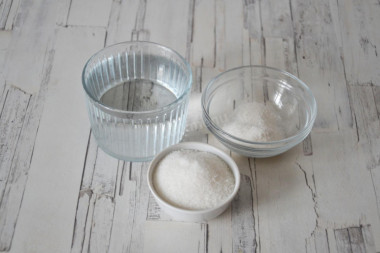
Make the glaze. Prepare the clear cake glaze per the package directions. Here's what I did: I combined 10 g of glaze powder, 50 g of sugar, and 200 ml of water and brought it to a boil, stirring. You can also make the glaze from plain gelatin or agar-agar.
-
Step 22:
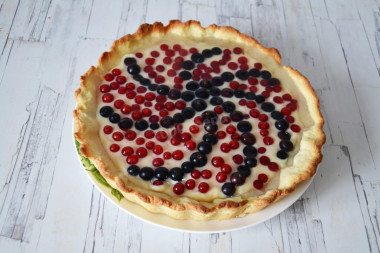
Pour the clear glaze over the tart and refrigerate it for 2–3 hours. In that time the glaze sets firmly and the custard stabilizes. Then serve. Enjoy!
-
Step 23:
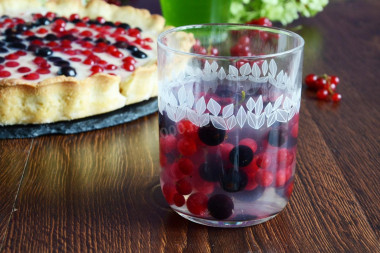
If you have a few berries and some glaze left over, you can make a light little dessert like this.










- As the legend goes, the Austrian emperor Franz Joseph got lost while hunting in the Tyrolean woods and, searching for his way home, came upon a small peasant village. Entering one of the houses, the hungry monarch asked to be fed. The only dish the woman of the house had was this tart, made to an old family recipe. The emperor liked it so much that the family later became a supplier of tarts to the palace. Whether it's true is anyone's guess — but it's a lovely legend, just like the tart itself.
- Always wash eggs before using them — even a shell that looks clean can carry harmful bacteria. A food-safe wash and a brush work best.
- For the difference between vanilla, vanillin, vanilla extract, and vanilla sugar, and how to use and substitute them correctly so you don't throw off the flavor, see this article.
- Keep in mind that every oven is different, so your temperature and time may vary from the recipe. For consistently good baking results, check out the helpful guide to how ovens behave!
Caloric content of the products possible in the composition of the dish
- Whole cow's milk - 68 kcal/100g
- Milk 3.5% fat content - 64 kcal/100g
- Milk 3.2% fat content - 60 kcal/100g
- Milk 1.5% fat content - 47 kcal/100g
- Concentrated milk 7.5% fat content - 140 kcal/100g
- Milk 2.5% fat content - 54 kcal/100g
- Chicken egg - 157 kcal/100g
- Egg white - 45 kcal/100g
- Egg powder - 542 kcal/100g
- Egg yolk - 352 kcal/100g
- Ostrich egg - 118 kcal/100g
- Whole durum wheat flour, fortified - 333 kcal/100g
- Whole durum wheat flour, all-purpose - 364 kcal/100g
- Fine wheat flour - 348 kcal/100g
- Flour - 325 kcal/100g
- Granulated sugar - 398 kcal/100g
- Sugar - 398 kcal/100g
- Cake glaze - 80 kcal/100g
- Starch - 320 kcal/100g
- Butter 82% - 734 kcal/100g
- Amateur unsalted butter - 709 kcal/100g
- Unsalted peasant butter - 661 kcal/100g
- Peasant salted butter - 652 kcal/100g
- Melted butter - 869 kcal/100g
- Water - 0 kcal/100g
- Vanillin - 288 kcal/100g
- Black currants - 38 kcal/100g
- Black currants, freshly frozen - 44 kcal/100g
- Red currants - 39 kcal/100g
Similar recipes

- Festive table
- National cuisine
- Classic recipes
- Baking
- Eggs
- Dairy products
- Flour
- Berries
- Sweet
- Spices seasonings spices
- Fats and oils
- Other
- Vanilla
- Butter
- Water
- Jelly
- Starch
- Austrian cuisine
- Classic pies
- Cooking
- Oven roasting
- Cooling
- Pies
- Sweet pastry
- Yeast-free baking
- Milk
- From currant
- Vegetarianism
- Sugar