Classic Crème Anglaise
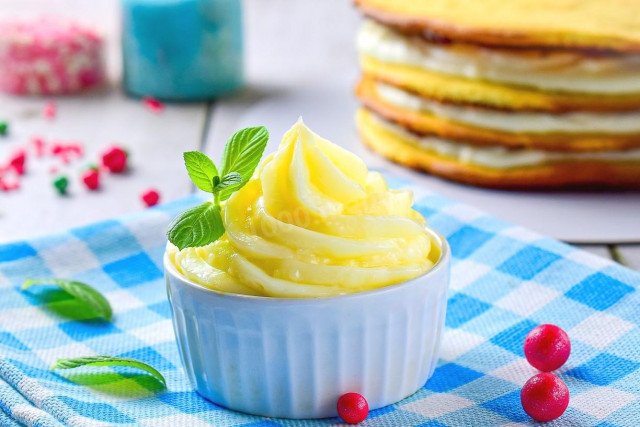
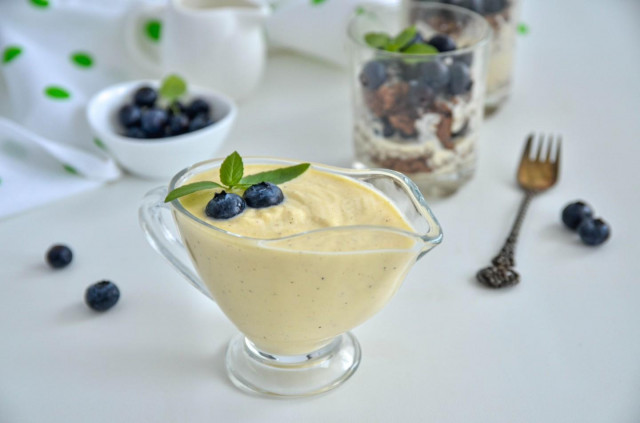
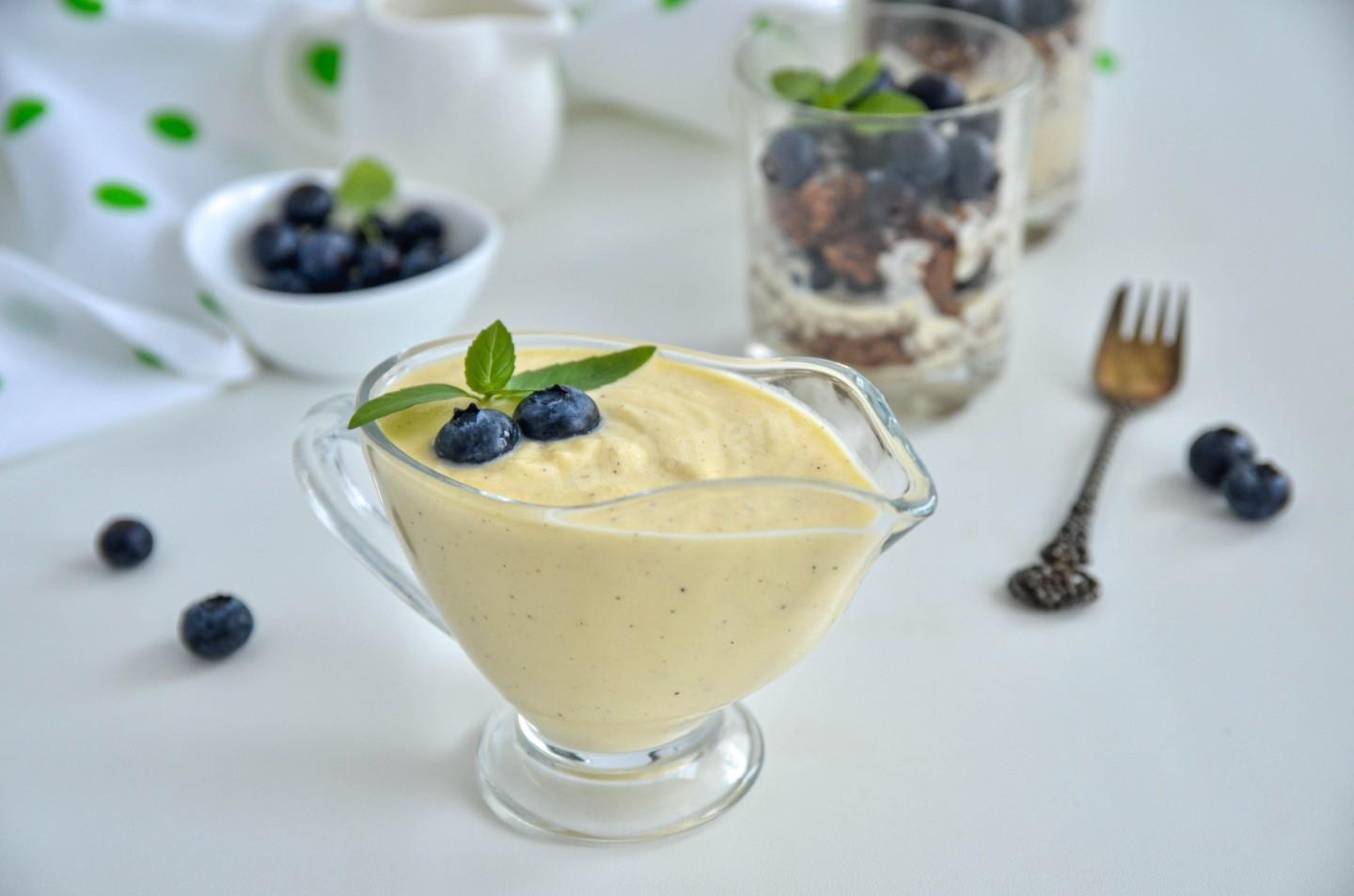
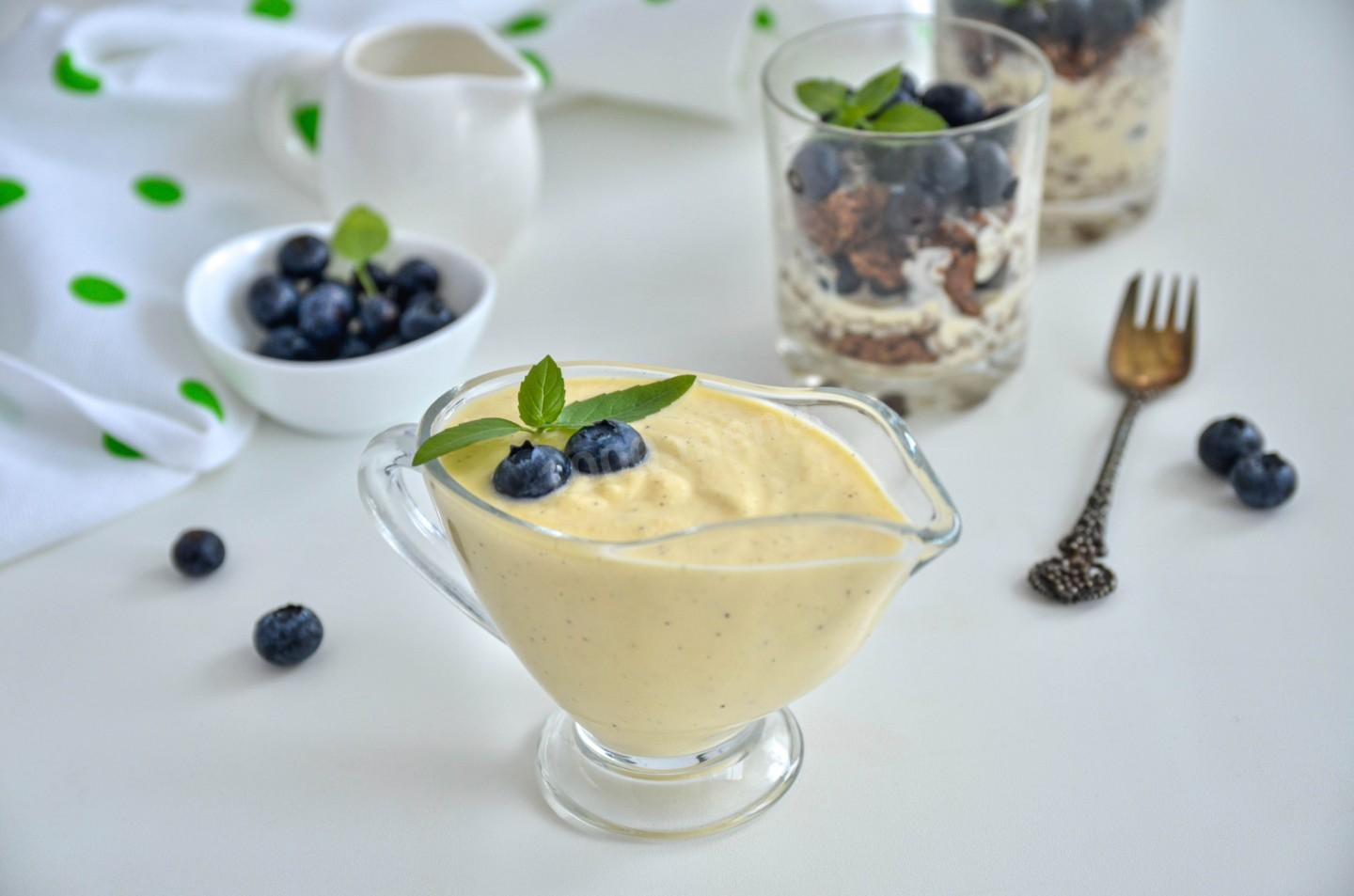
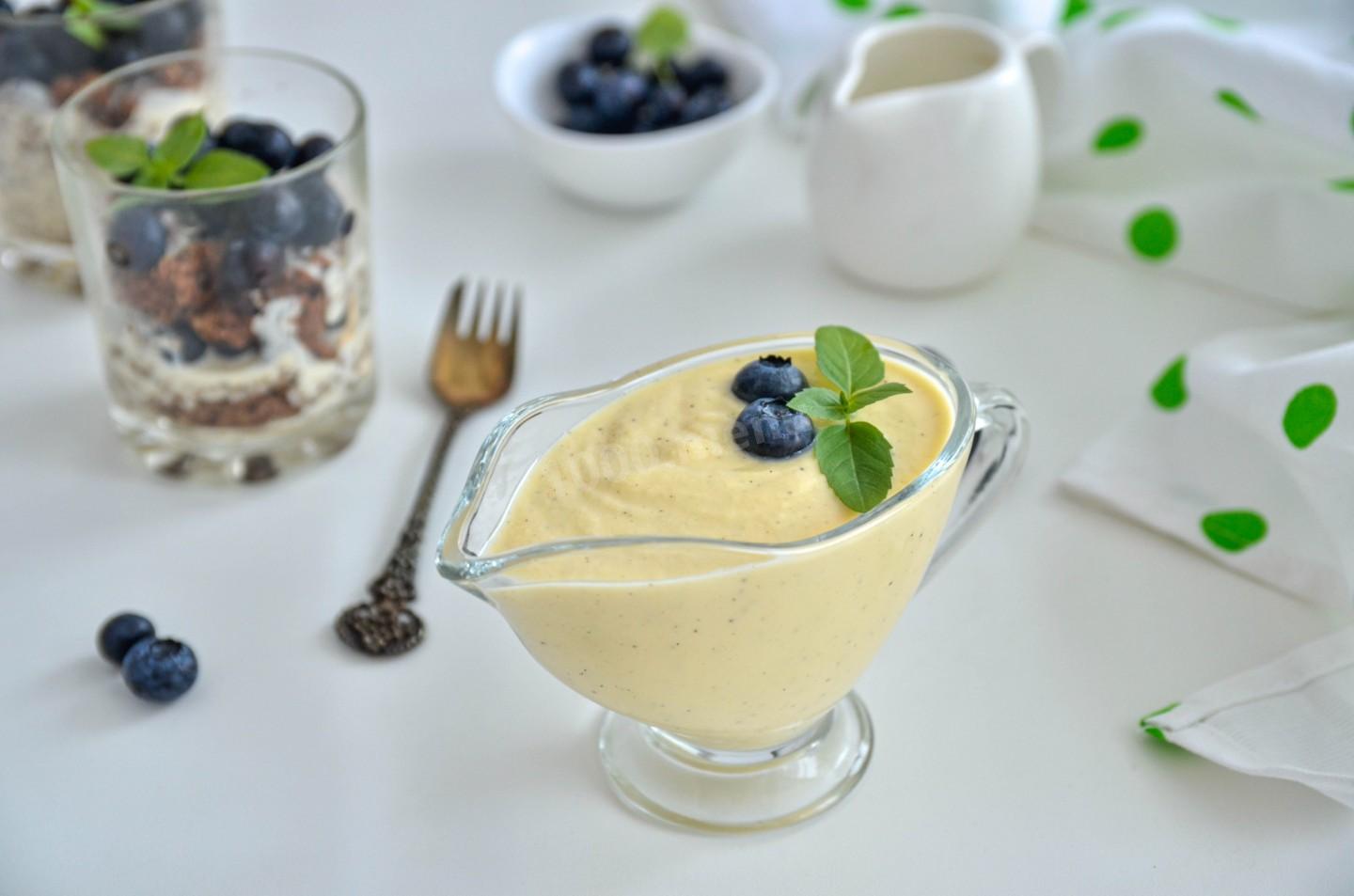
A foundational sauce for cakes, fillings, and creams. Crème anglaise is a pourable custard base made from milk, egg yolks, and sugar. It can stand on its own as a dessert sauce, or serve as the base for pastry creams, ice cream, and mousse cakes.

Cooking method
-
Step 1:
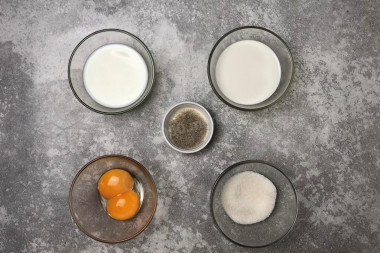
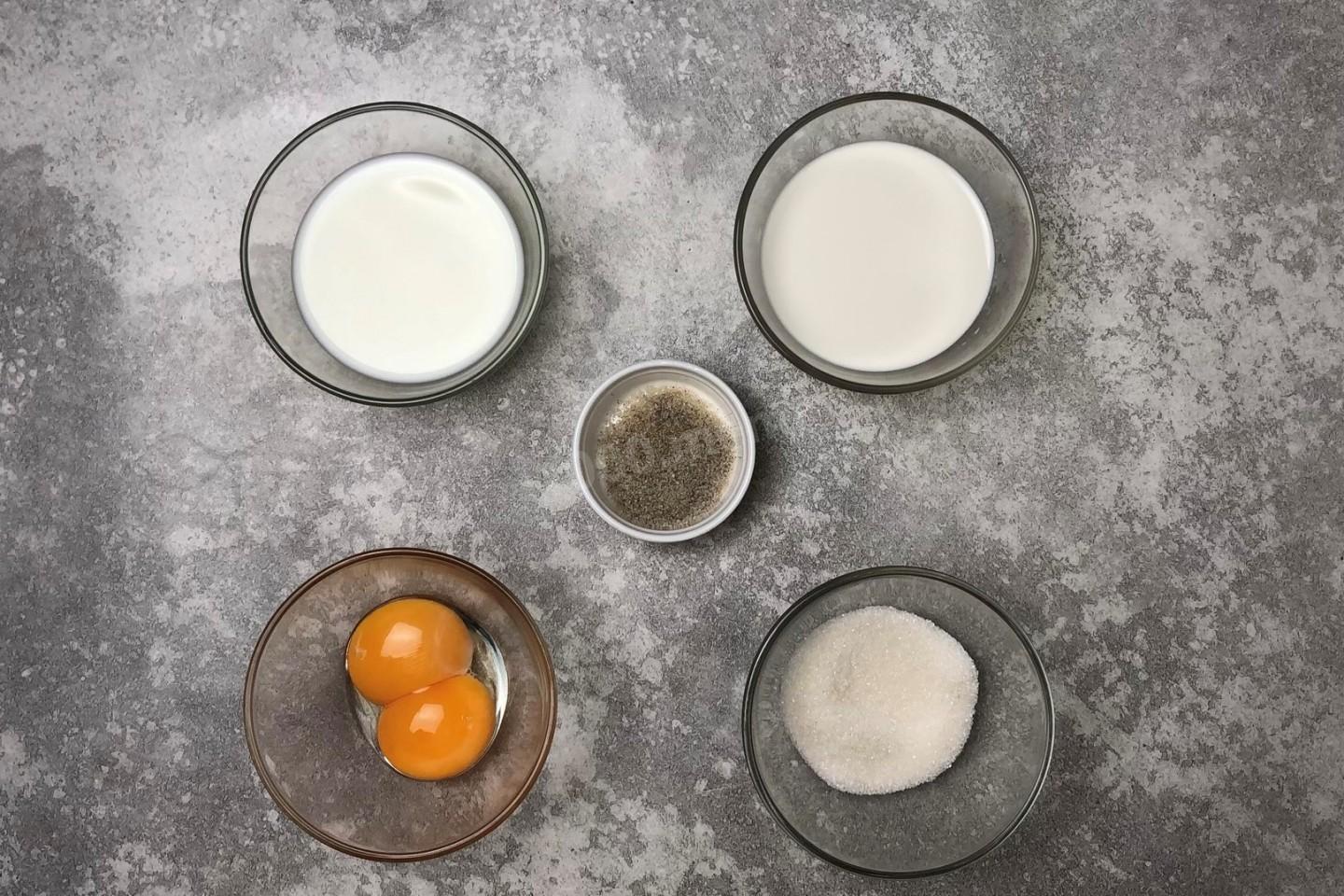
Gather the ingredients for the custard. It's best to weigh everything, especially the yolks: 45 grams is the yolks of two large eggs. If you end up with more than the recipe calls for, mix the yolks together and then measure out the amount you need — that's much easier. Or scale up the other ingredients in proportion to the weight of the yolks. Vanilla is the most common flavoring; I'm using vanilla sugar made with real vanilla.
-
Step 2:
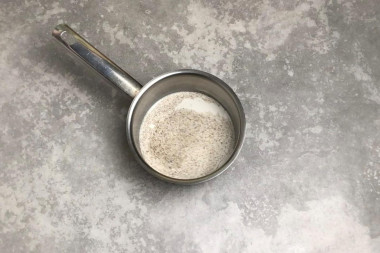
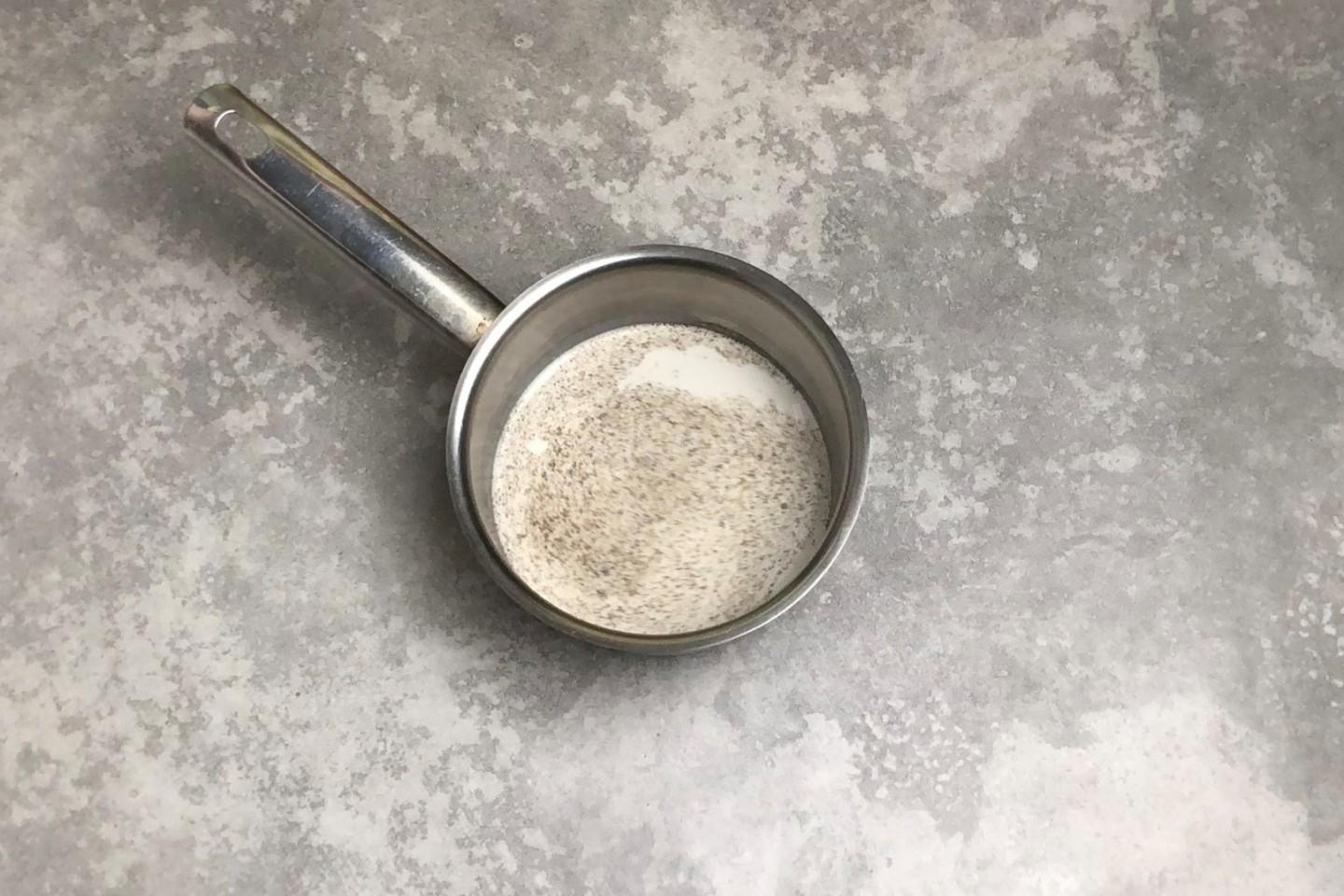
Take a heavy-bottomed saucepan and pour in the milk and cream. Add half the sugar and your flavoring — vanilla sugar, in my case. You could instead use a real vanilla bean and scrape out the seeds, or vanilla extract. Aromatic herbs, cinnamon, coffee, and tea also work well. Choose natural flavorings over artificial ones.
-
Step 3:
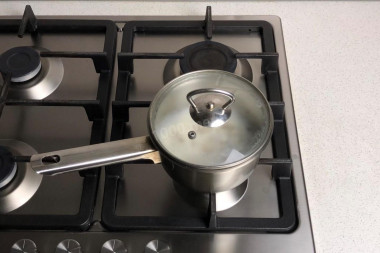
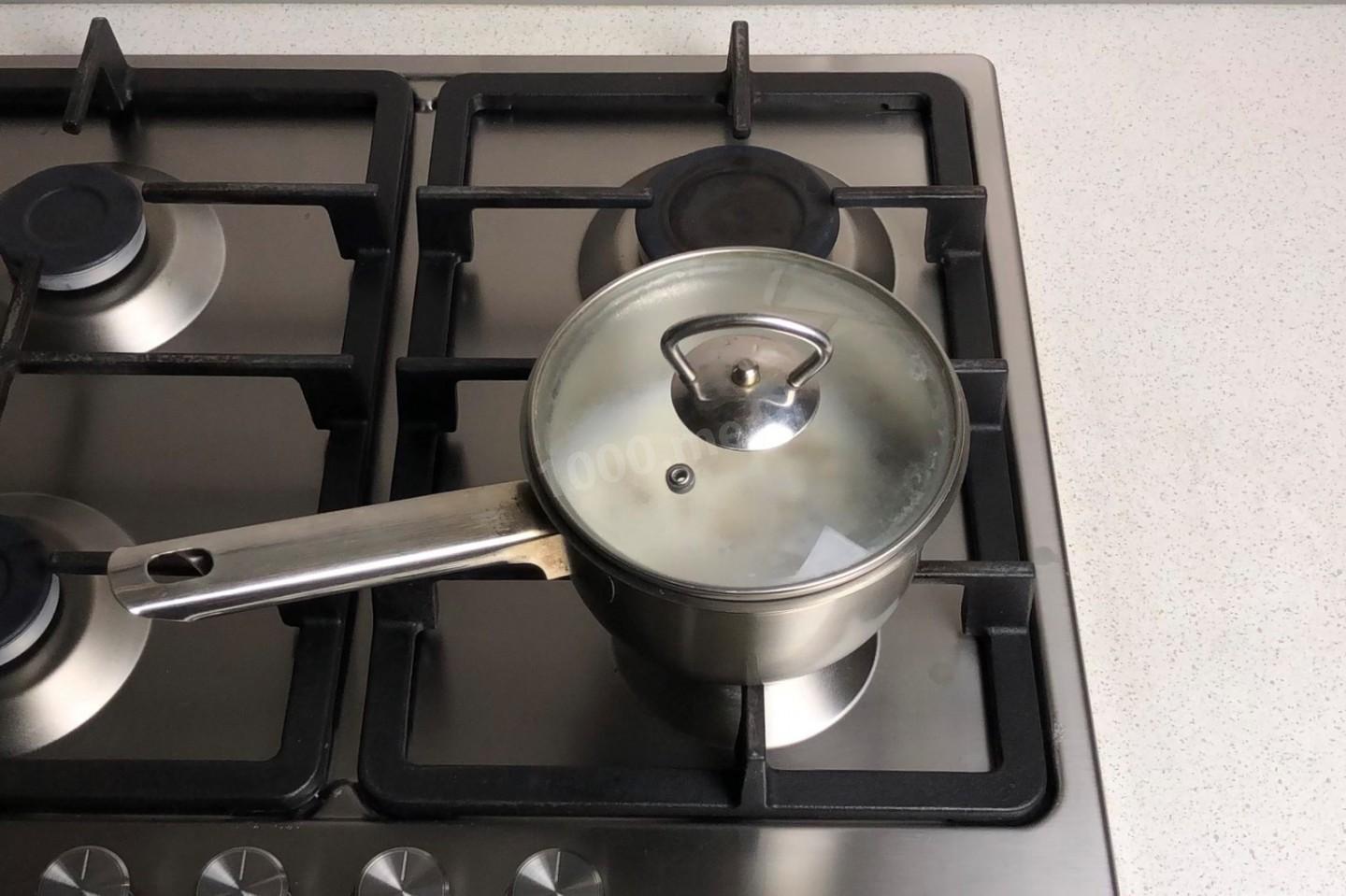
Heat the mixture until it's just about to boil, but don't let it boil. The moment the first bubbles appear, take it off the heat. Cover the pan and let it steep for 15–20 minutes so the flavoring infuses. You can skip this if you're short on time, but it tastes much better with it. Some recipes even have you steep the mixture overnight.
-
Step 4:
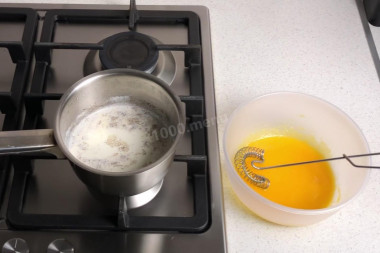
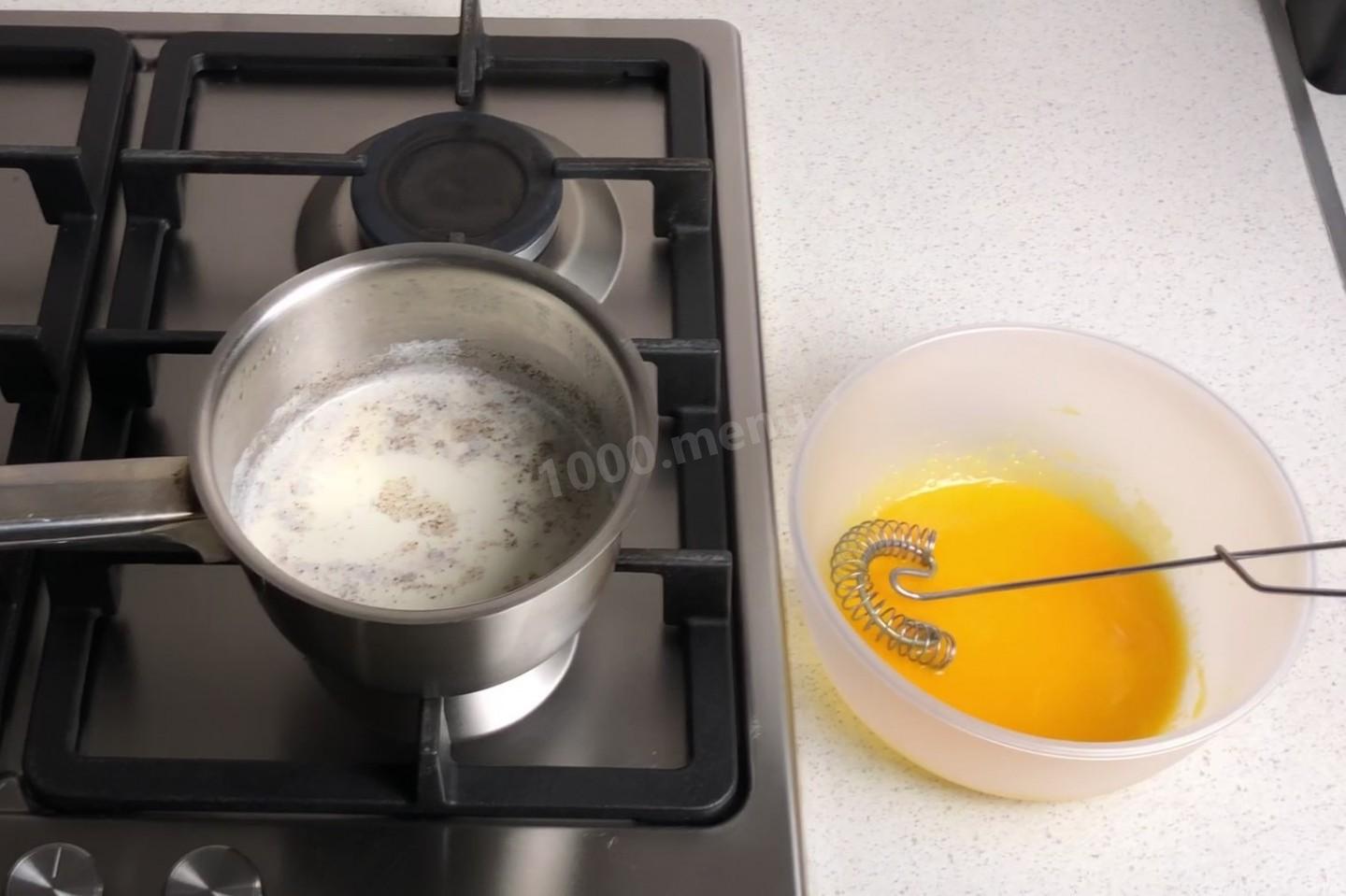
After it has steeped, put the mixture back on the heat to warm it through again. Meanwhile, stir the yolks with the remaining sugar. Don't whip them — just stir until smooth.
-
Step 5:
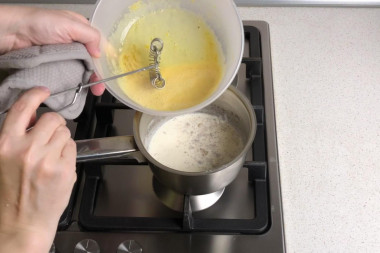
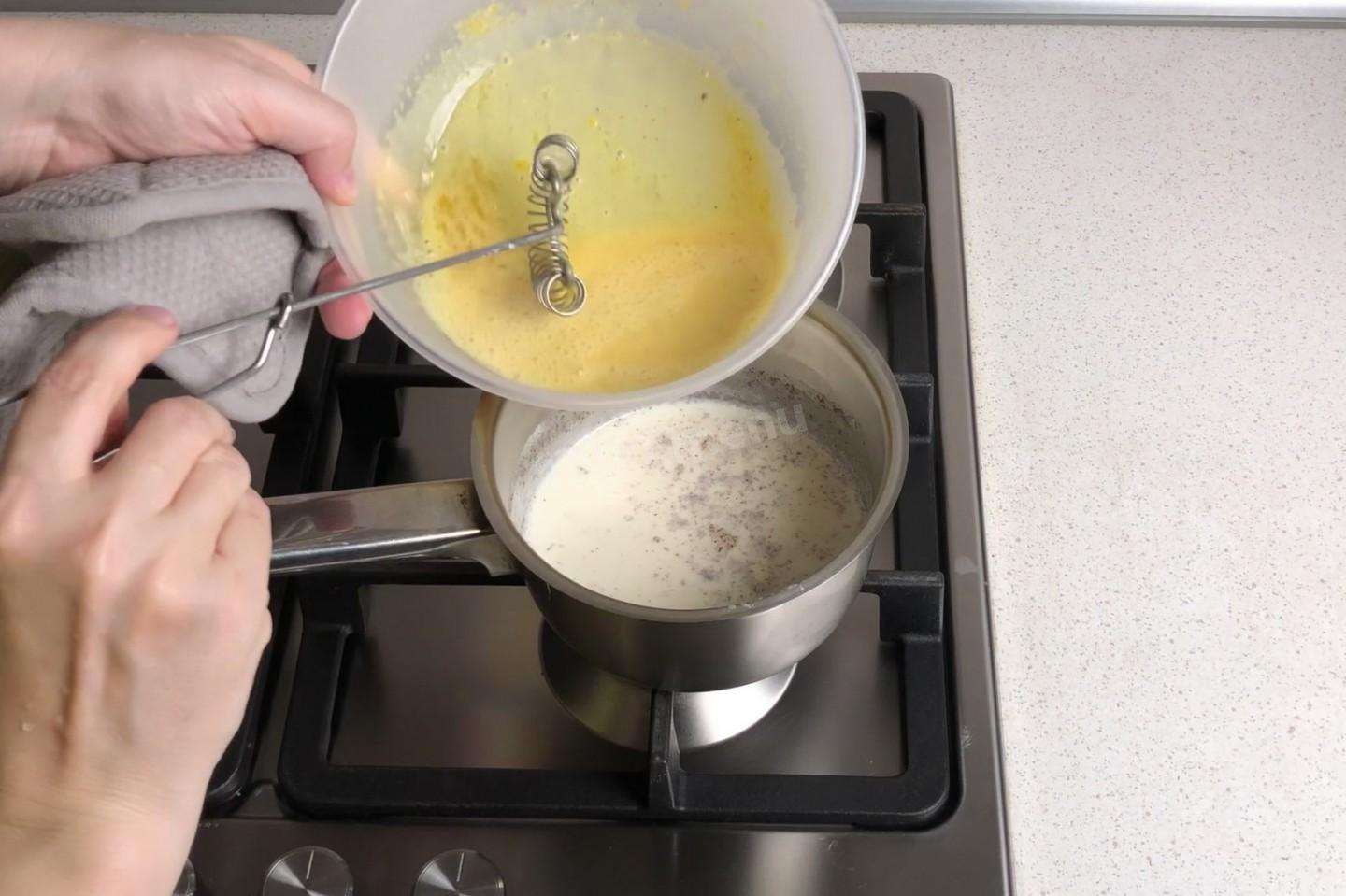
Pour a small amount of the hot milk mixture into the yolks, stirring constantly so they don't curdle from the heat (this tempers them). Then pour the yolk mixture back into the saucepan.
-
Step 6:
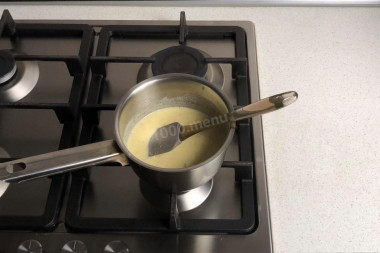
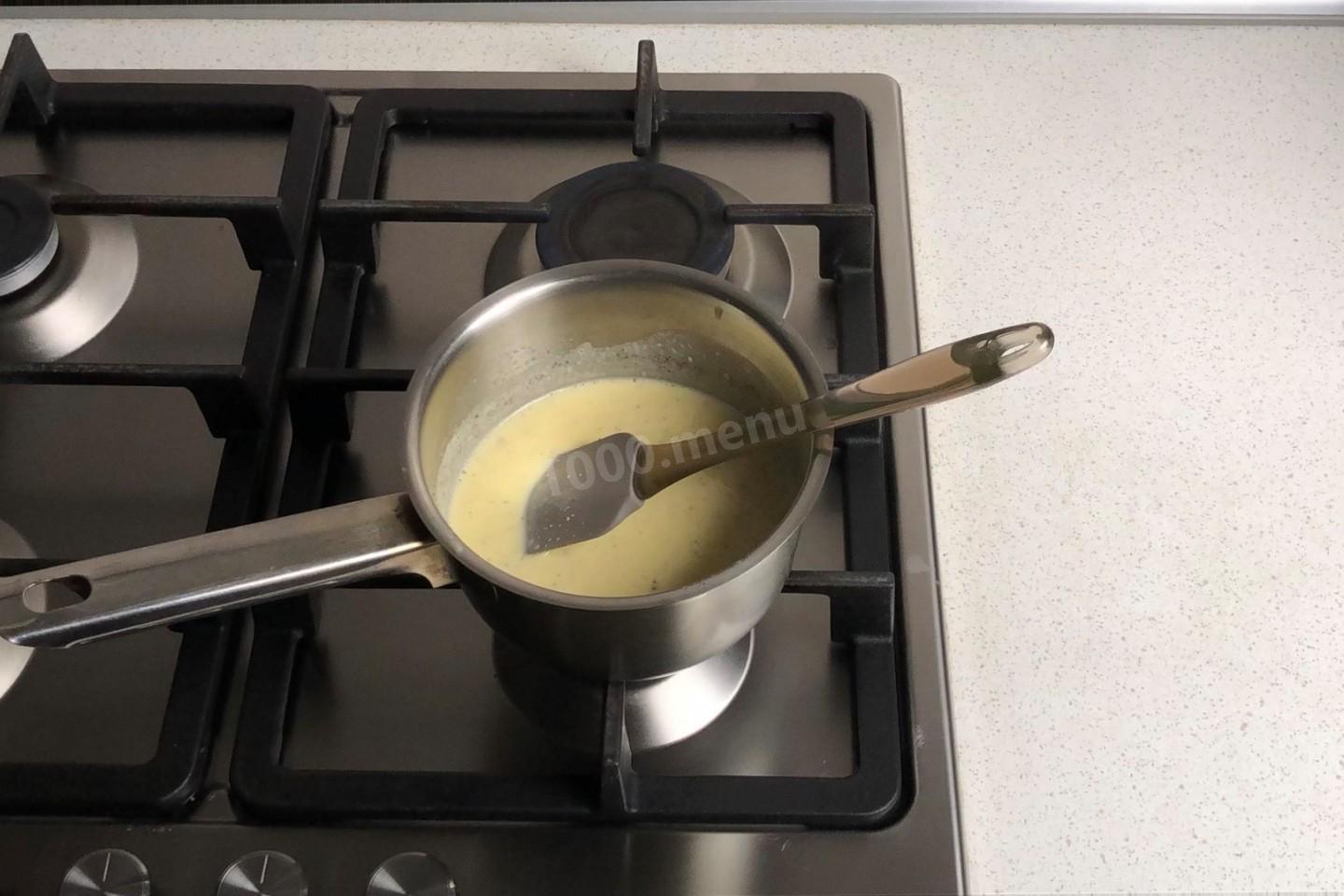
Set the pan over the lowest heat and stir constantly until it thickens. A silicone spatula works best — it scrapes the custard off the sides and bottom, which matters, because yolks can stick there and scramble into bits of omelet.
-
Step 7:
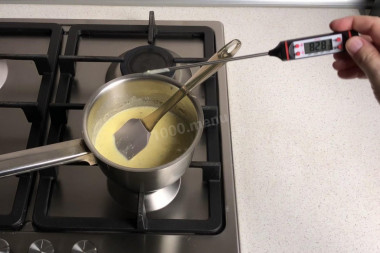
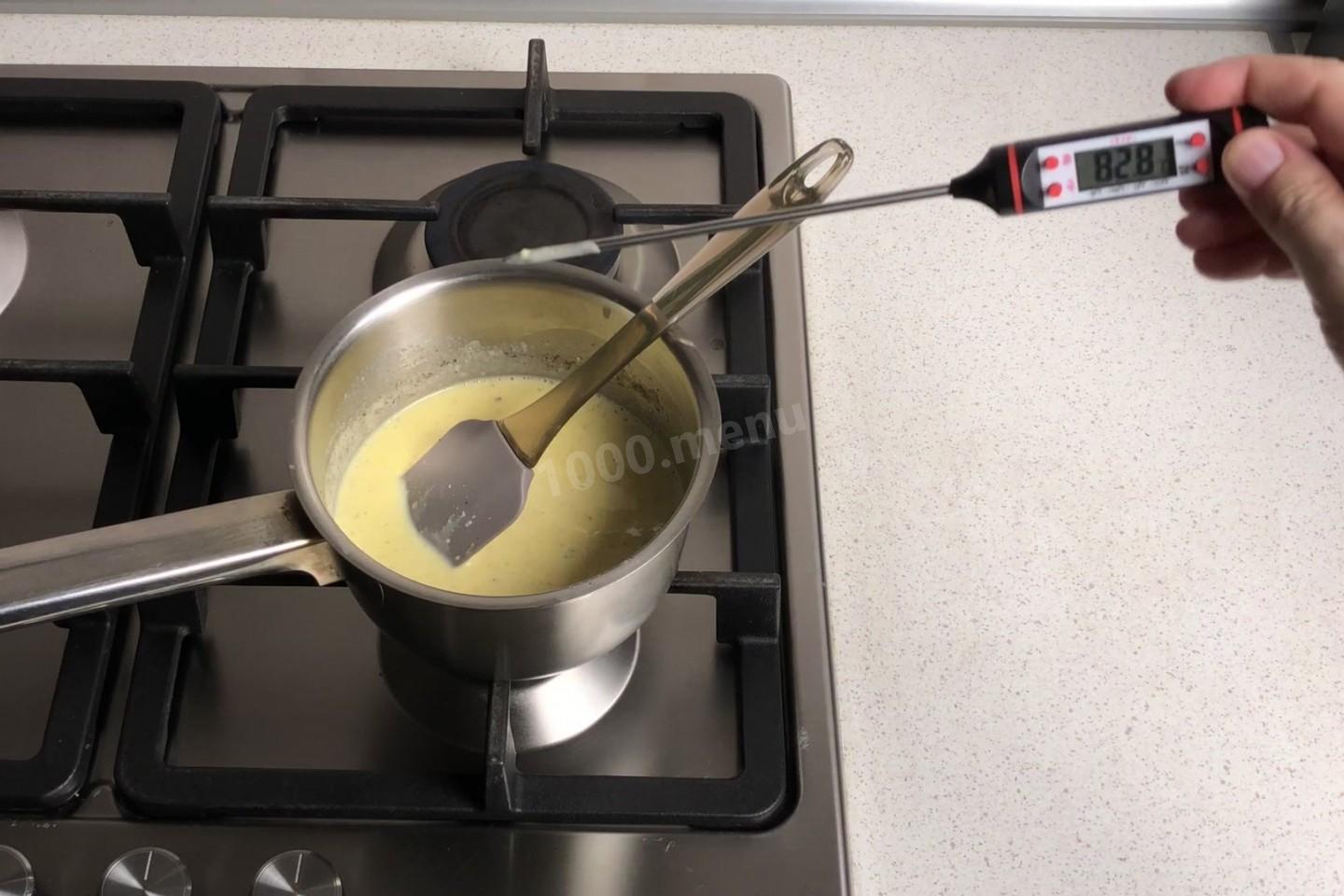
Cook the custard to 180°F (82°C). Any hotter and the yolks will scramble, ruining the custard.
-
Step 8:
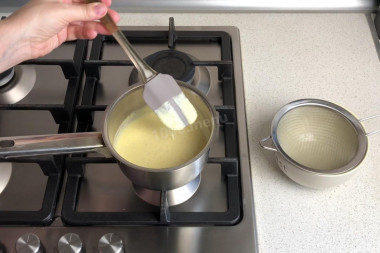
No thermometer? Test it by drawing a finger across the back of the spatula — the line should stay clean and distinct. Better to undercook the custard than to overcook it.
-
Step 9:
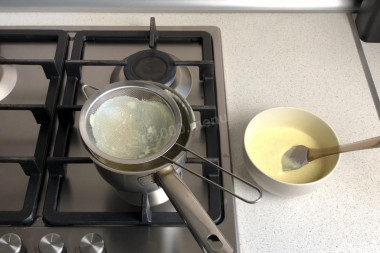
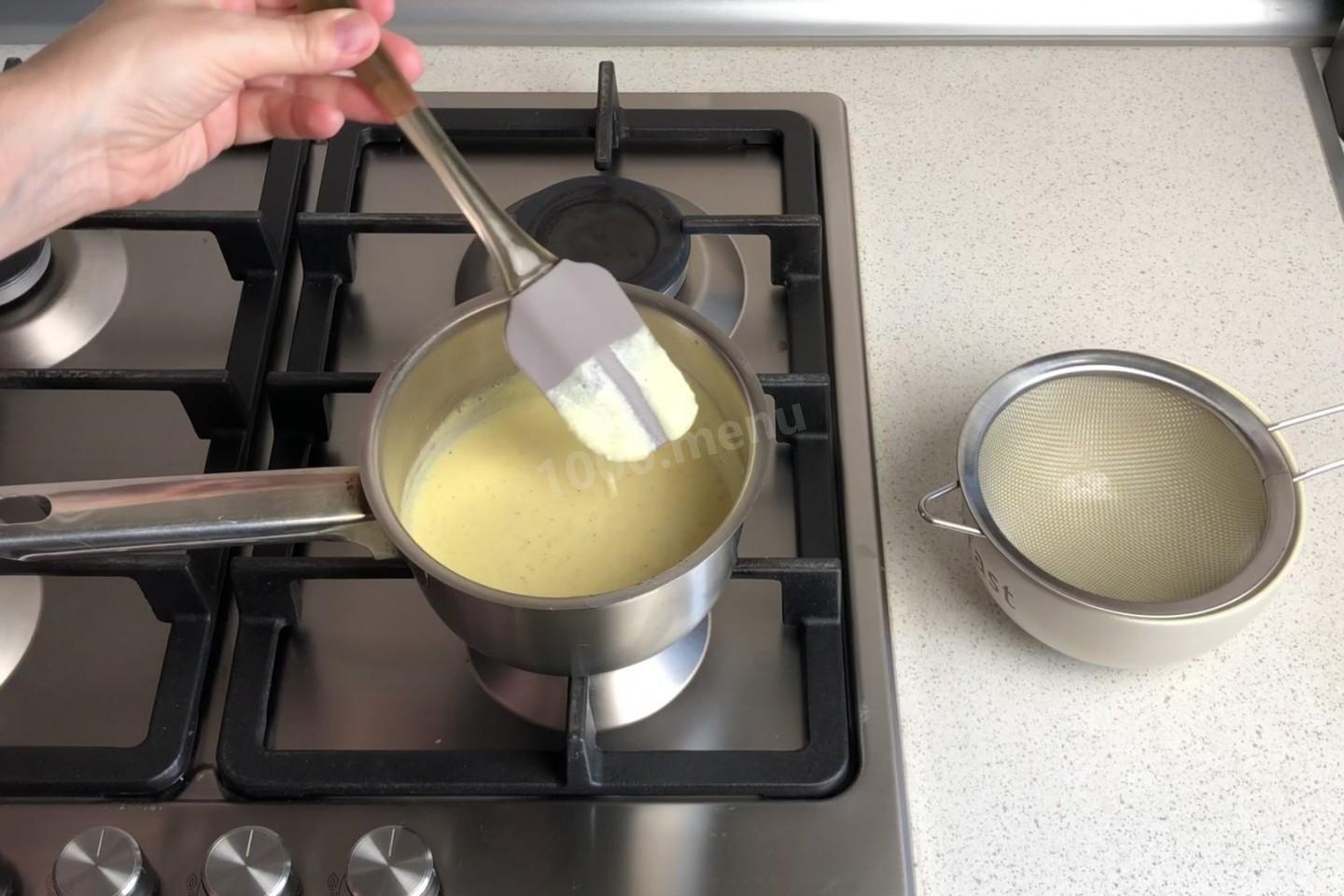
As soon as the custard reaches temperature, take it off the heat right away. Strain it through a sieve into another bowl — this stops the cooking and catches any bits of curdled white left from separating the eggs. It also removes the flavoring if you used something large.
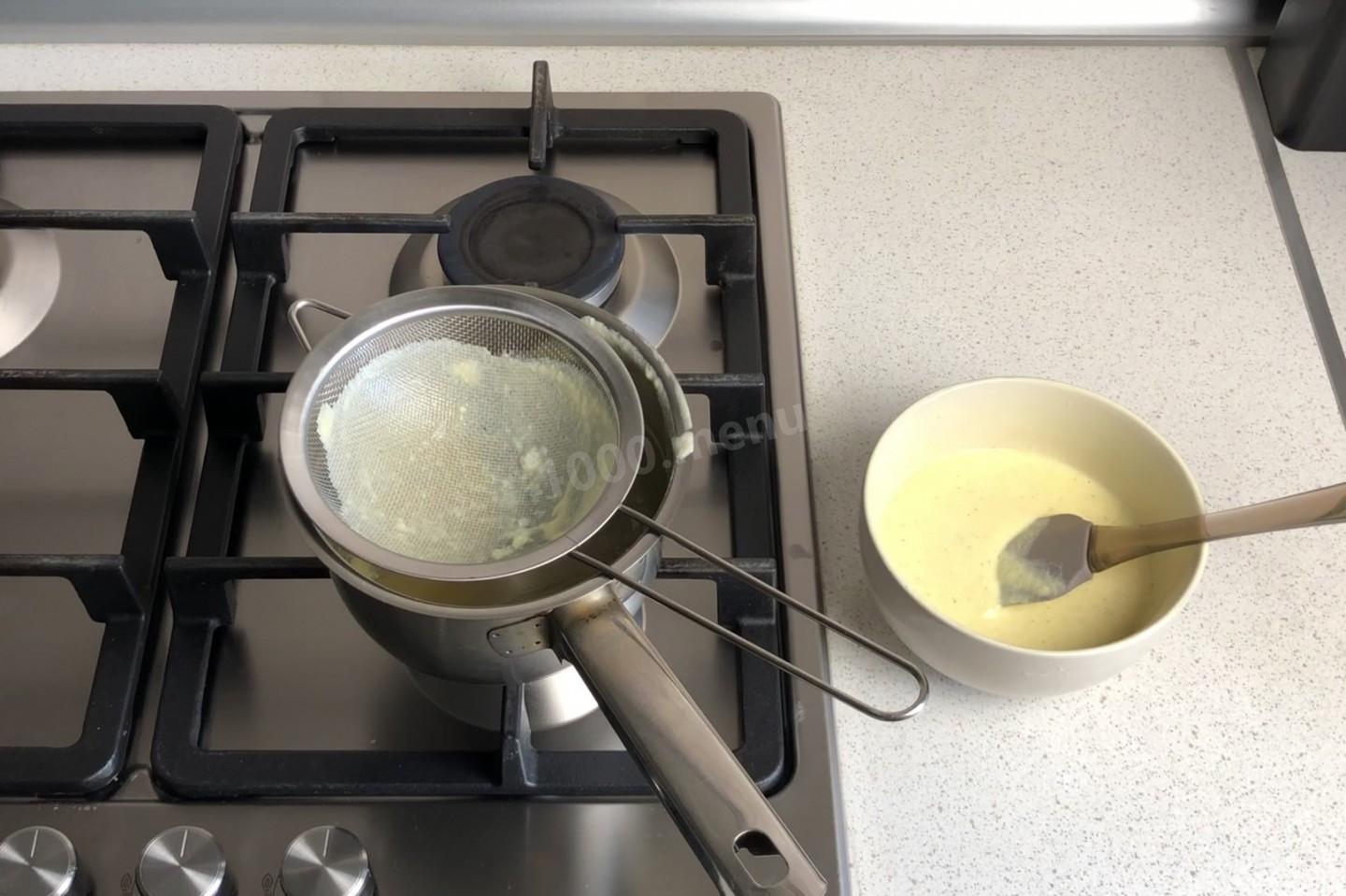
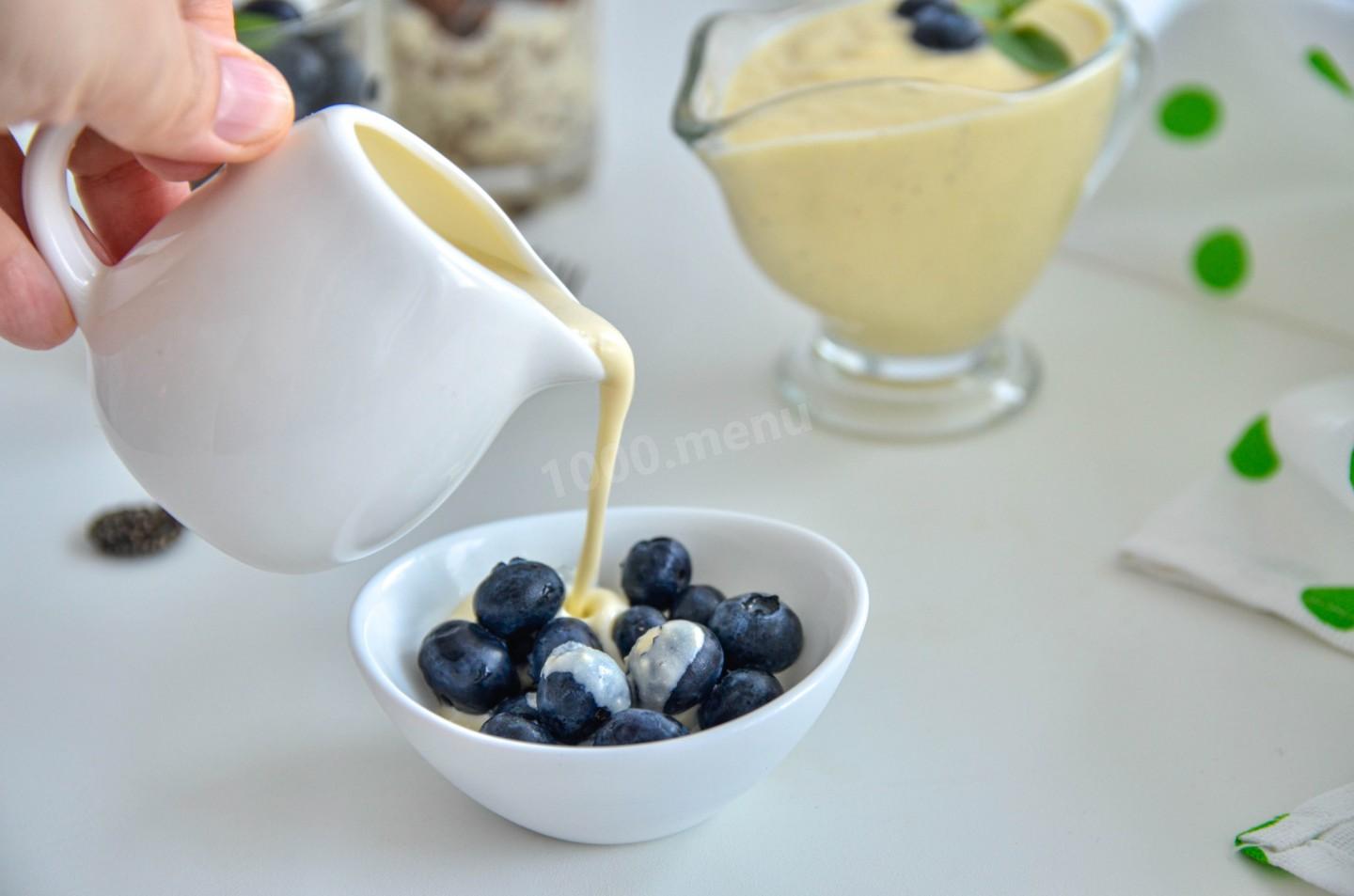
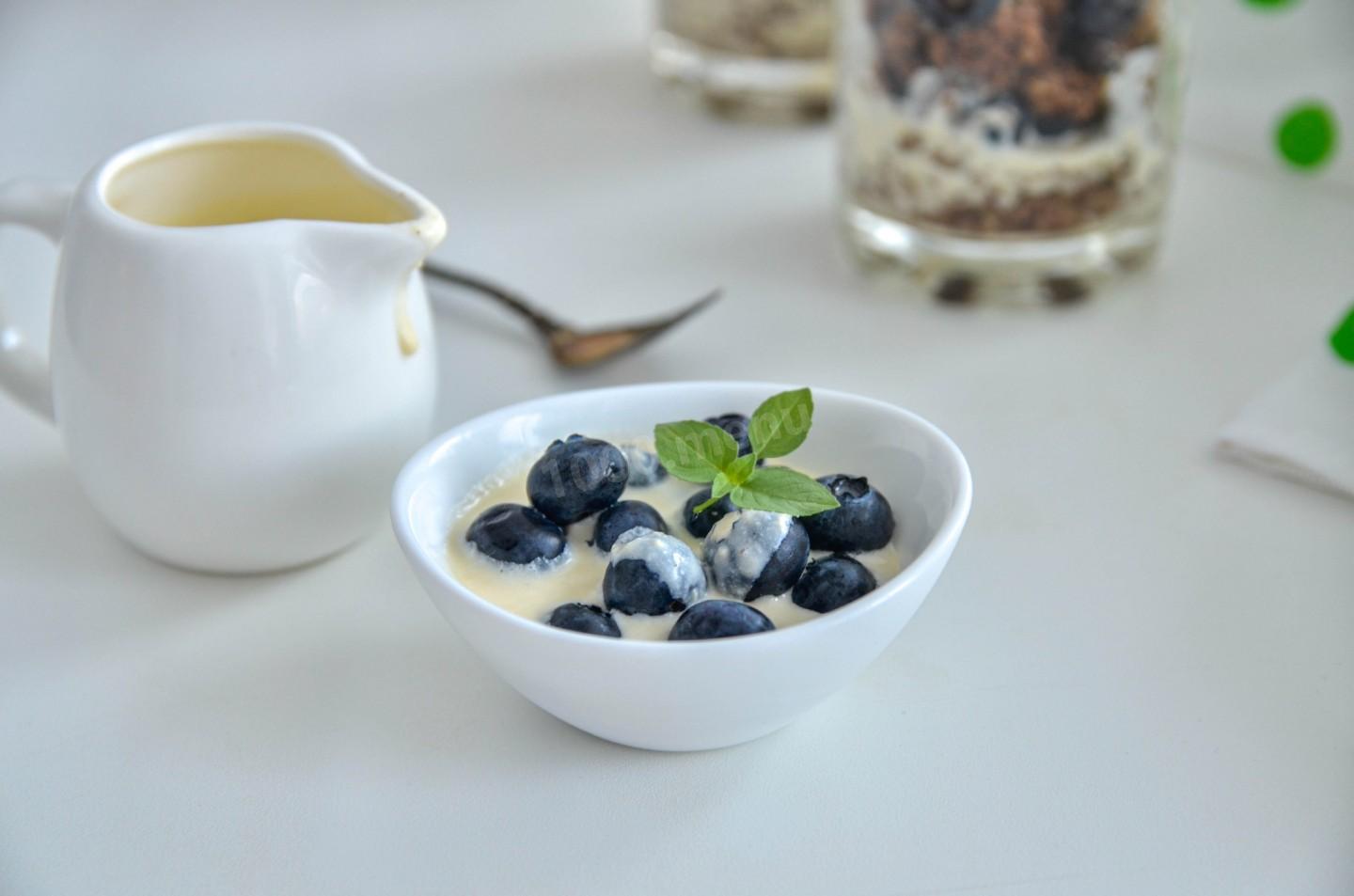
- You can use the finished custard right away just as it is — it's lovely poured over baked goods, berries, and desserts. Once cooled, it can serve as the base for other creams, ice cream, and cakes.
- Always wash eggs before using them — even a shell that looks clean can carry harmful bacteria. A food-safe wash and a brush work best.
Caloric content of the products possible in the composition of the dish
- Whole cow's milk - 68 kcal/100g
- Milk 3.5% fat content - 64 kcal/100g
- Milk 3.2% fat content - 60 kcal/100g
- Milk 1.5% fat content - 47 kcal/100g
- Concentrated milk 7.5% fat content - 140 kcal/100g
- Milk 2.5% fat content - 54 kcal/100g
- Granulated sugar - 398 kcal/100g
- Sugar - 398 kcal/100g
- Cream 35% - 337 kcal/100g
- Cream 40% - 362 kcal/100g
- Egg yolks - 352 kcal/100g
- Vanilla sugar - 379 kcal/100g