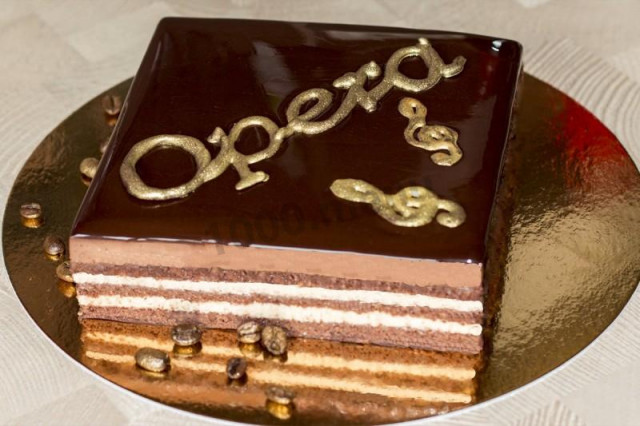
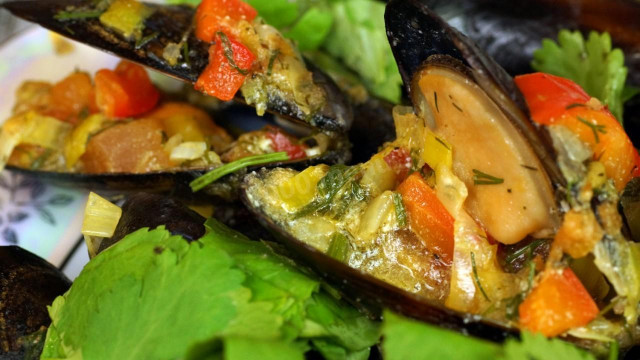
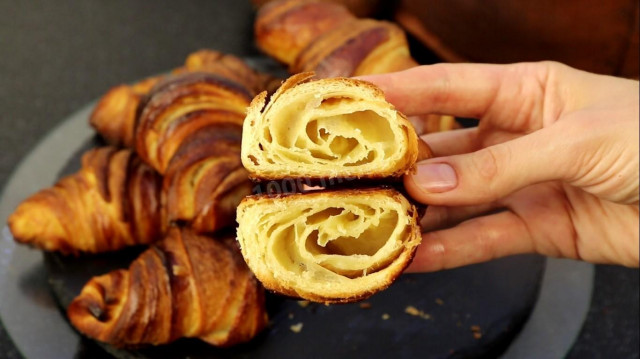
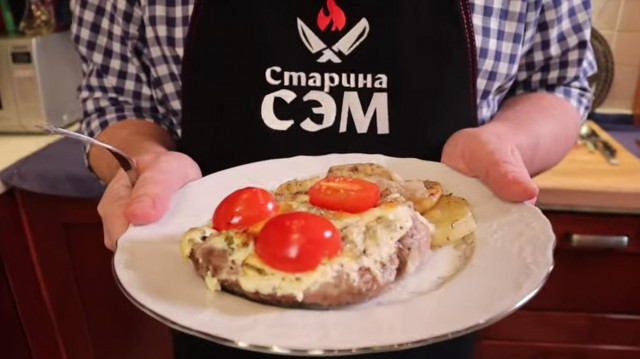
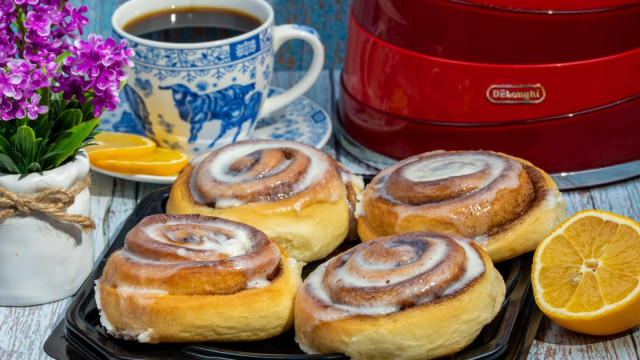
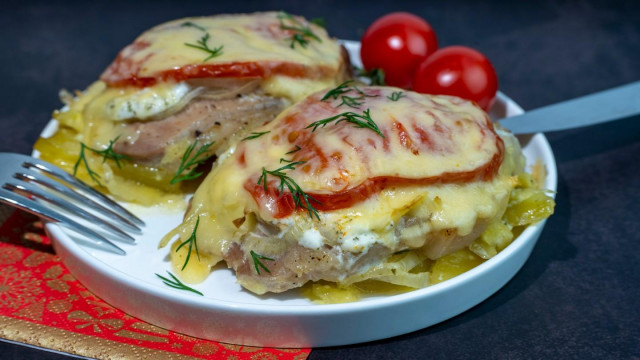

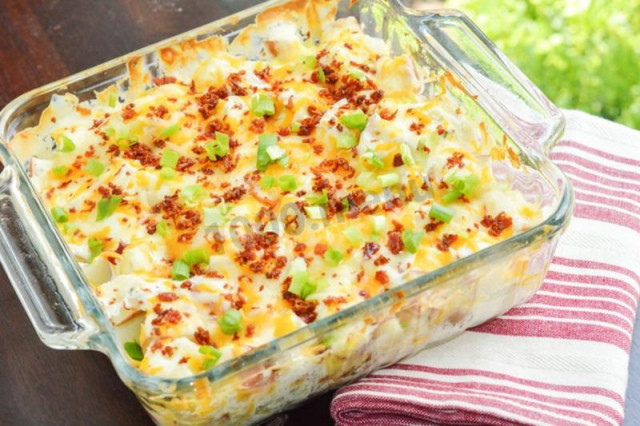
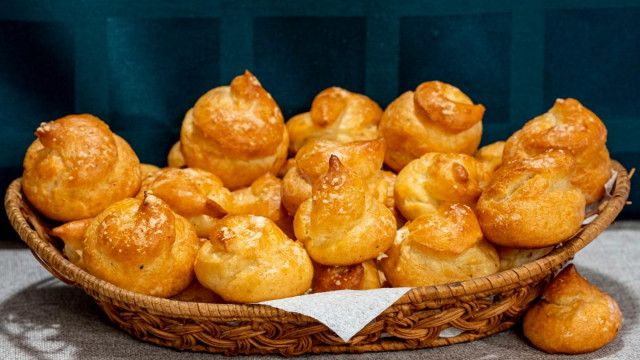
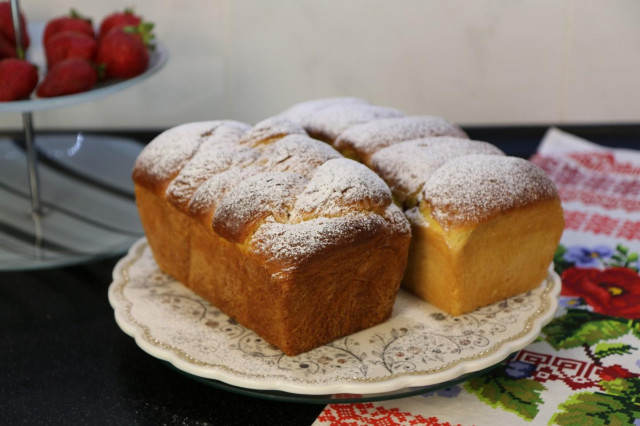
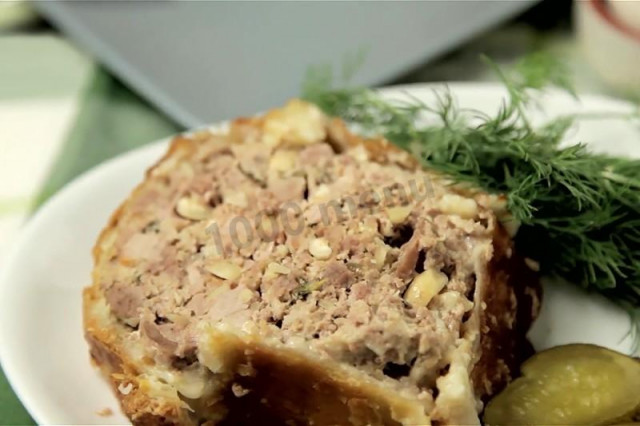
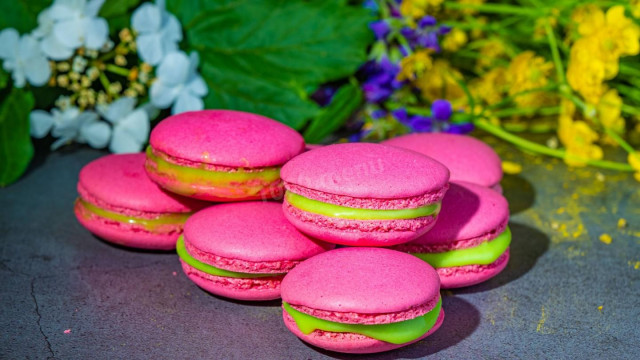
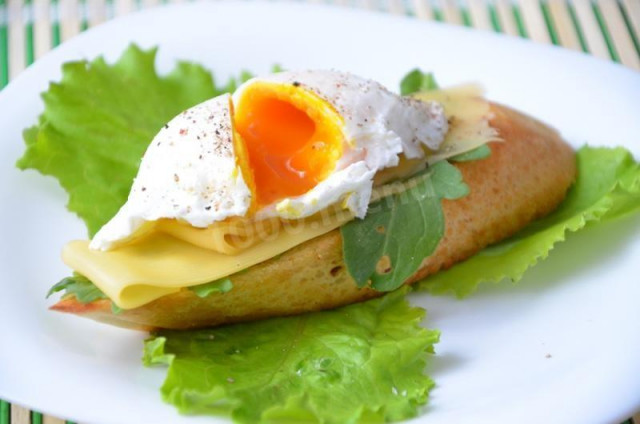
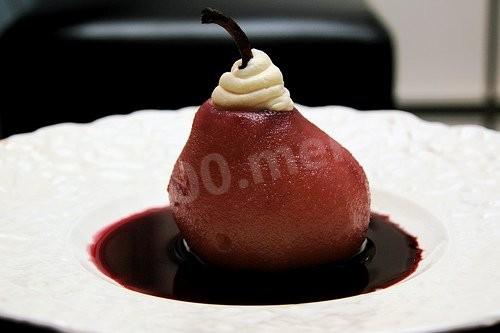
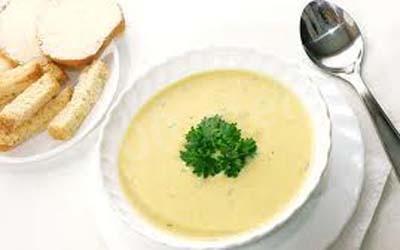
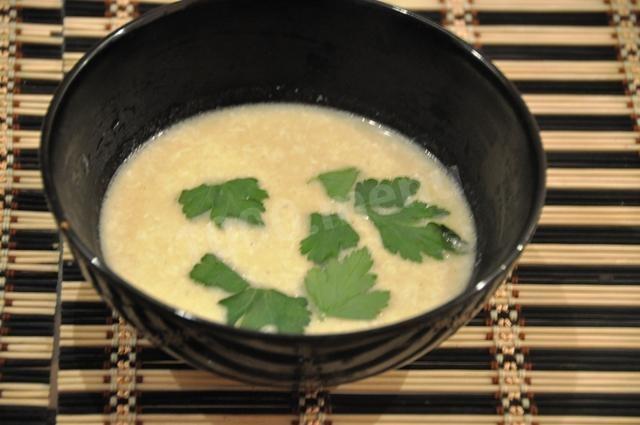
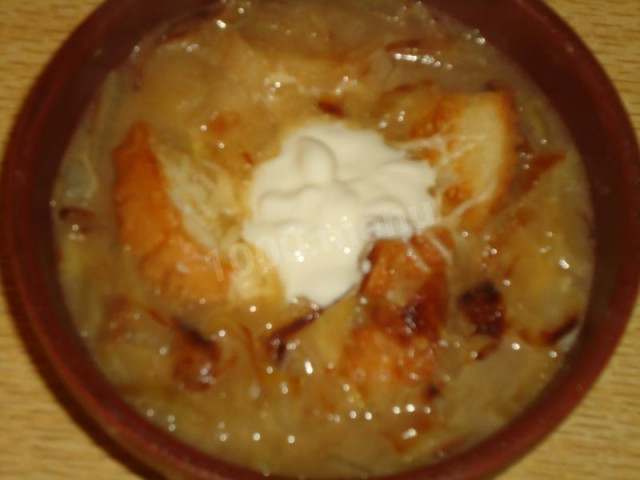
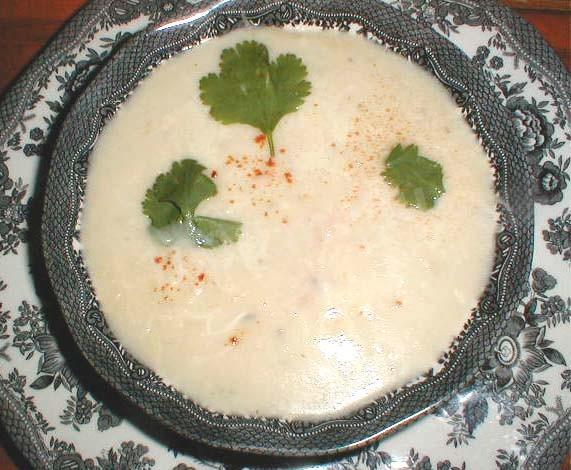
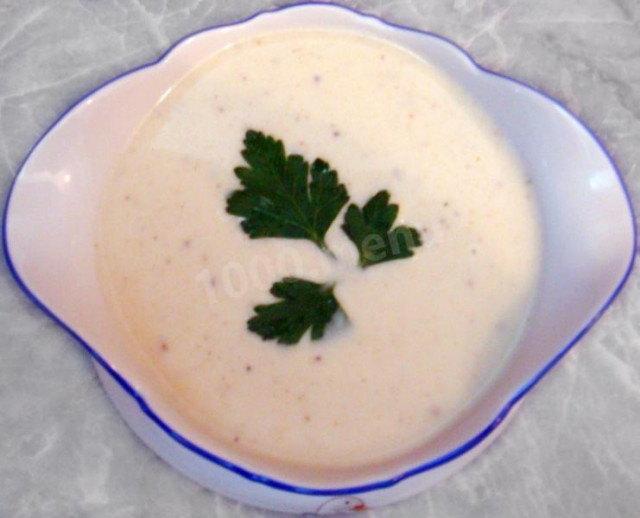
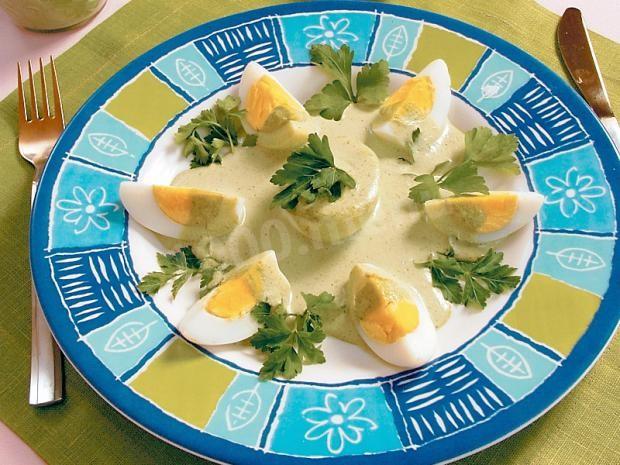
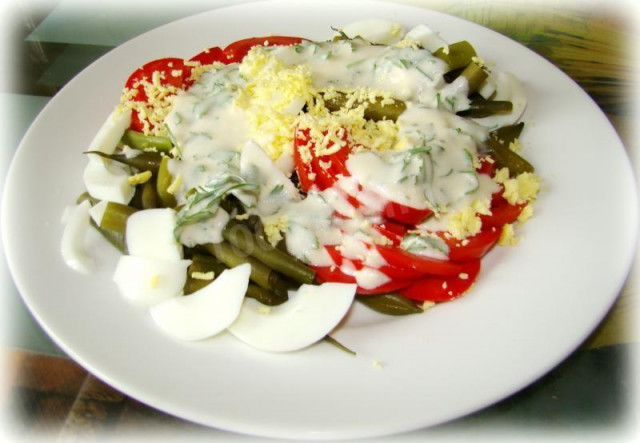
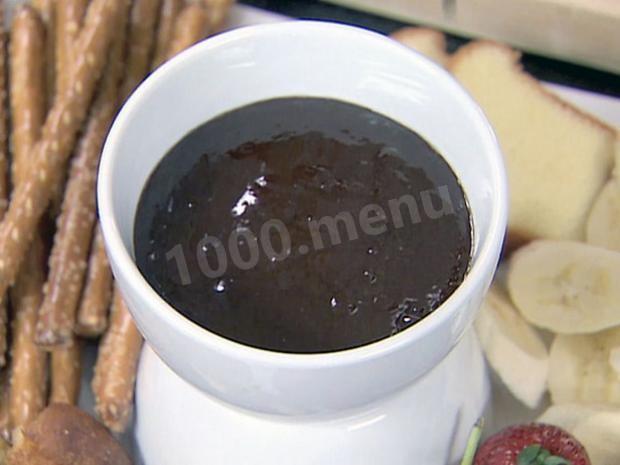
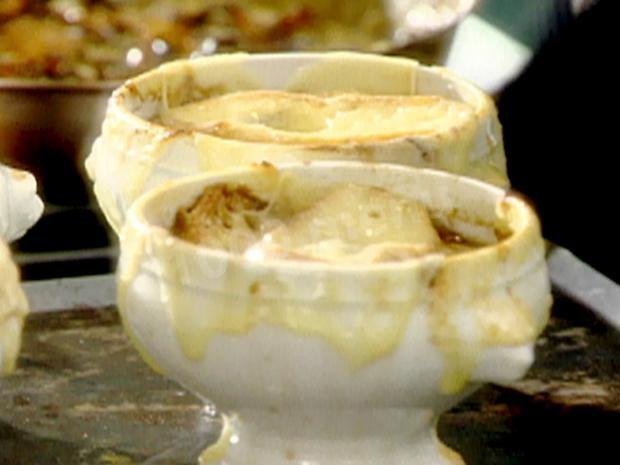
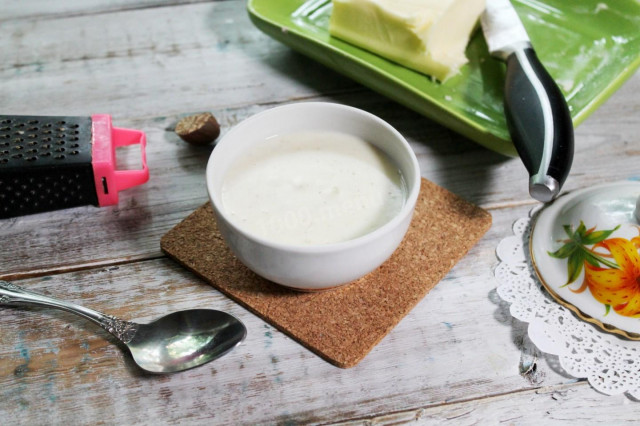
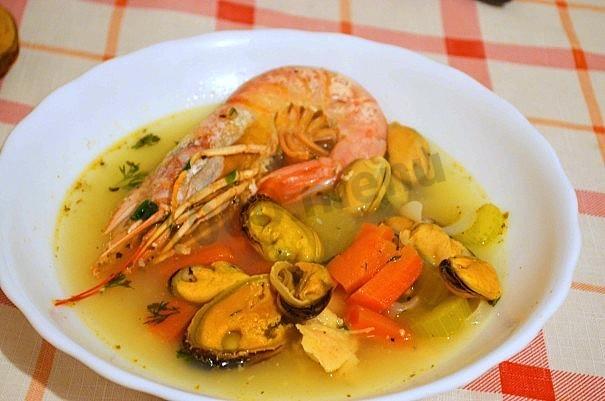
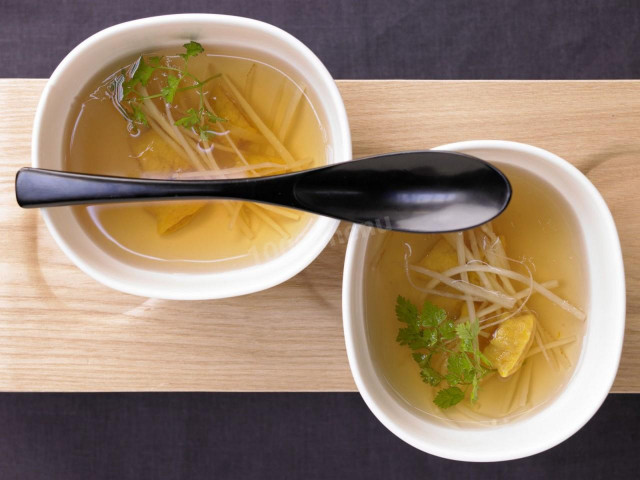
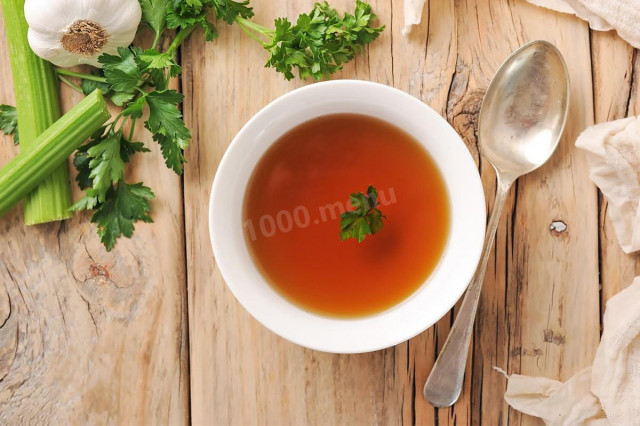
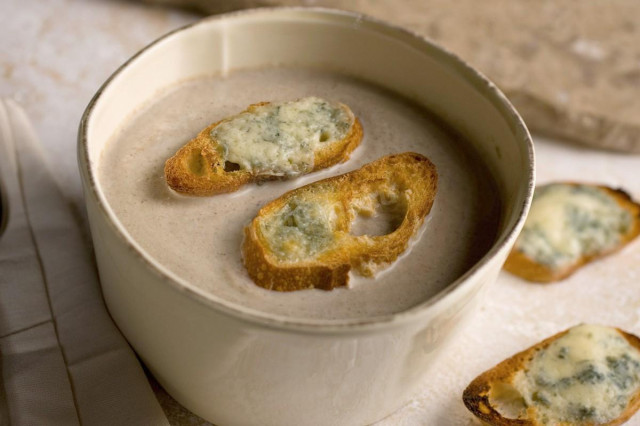

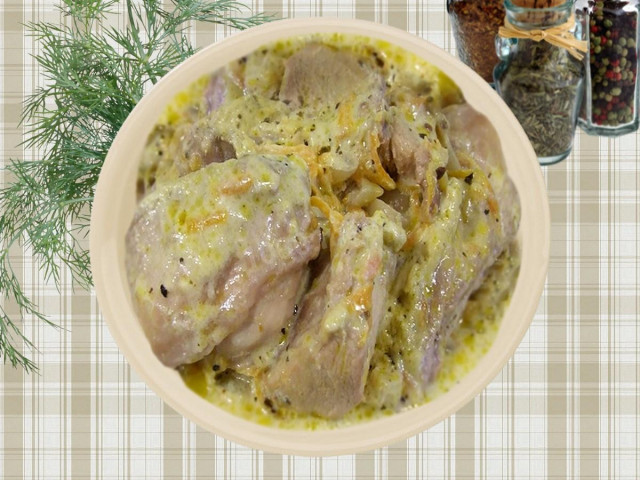
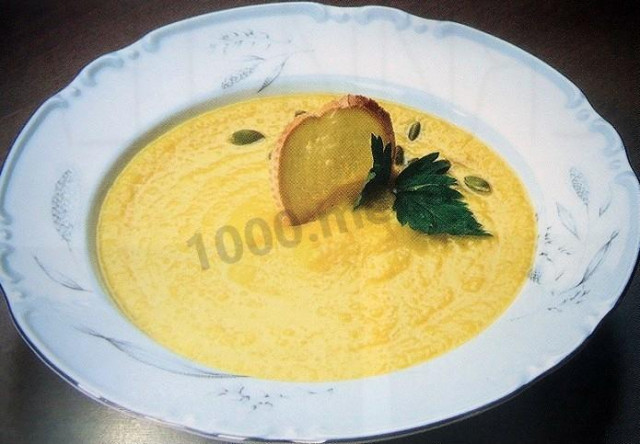
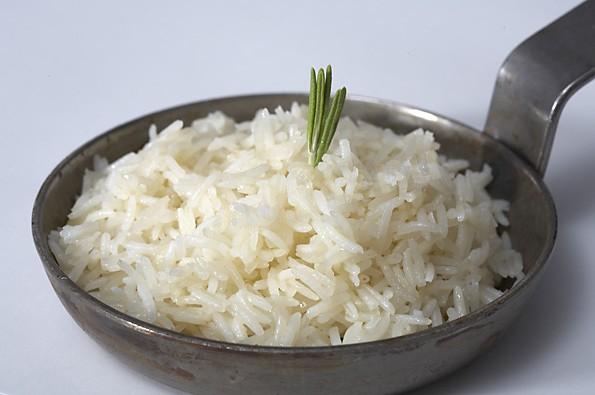

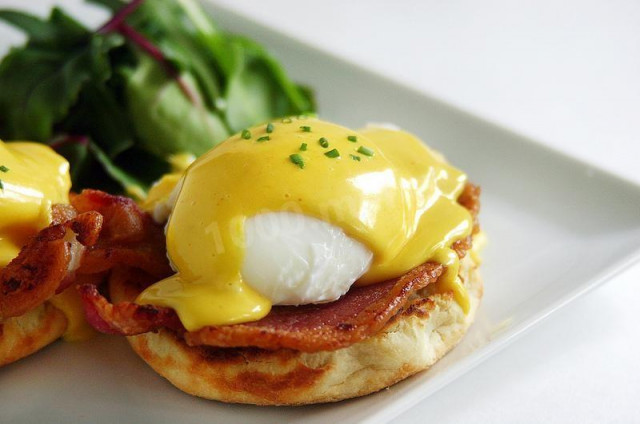
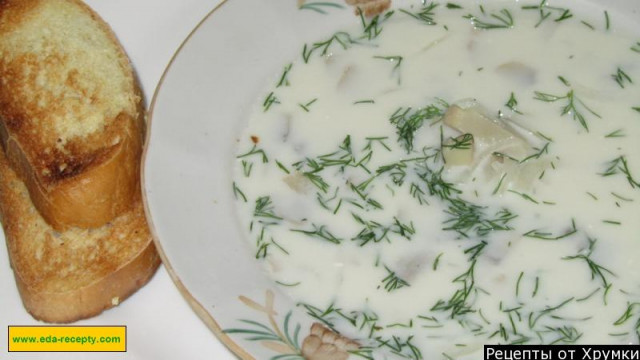
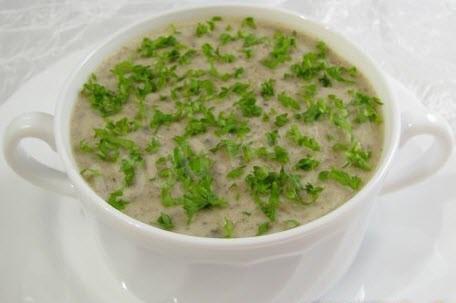
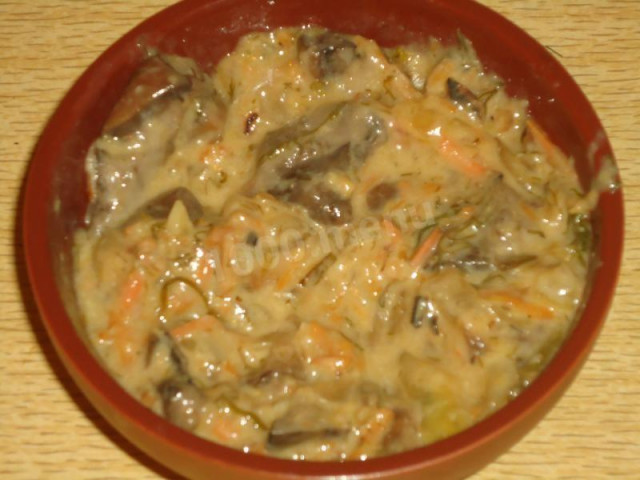
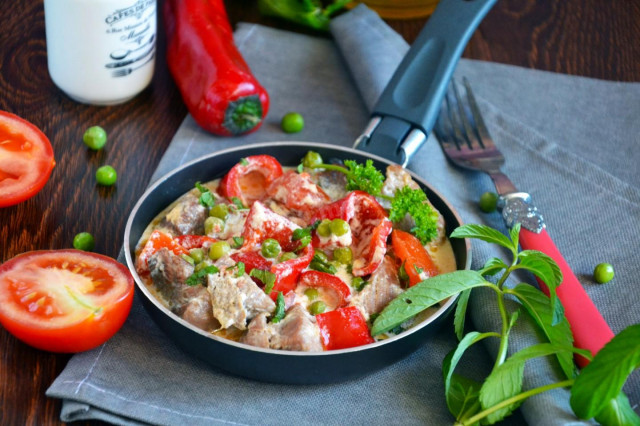
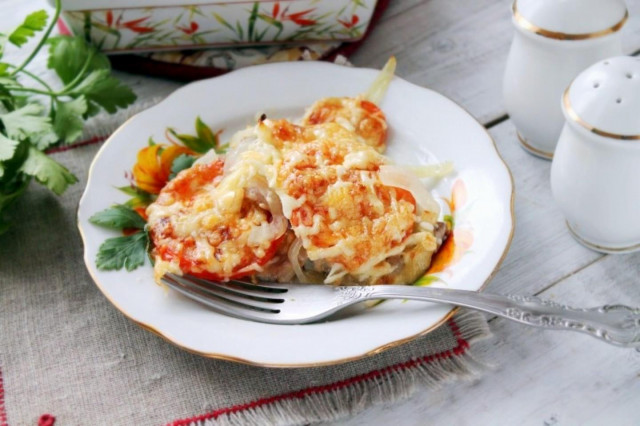
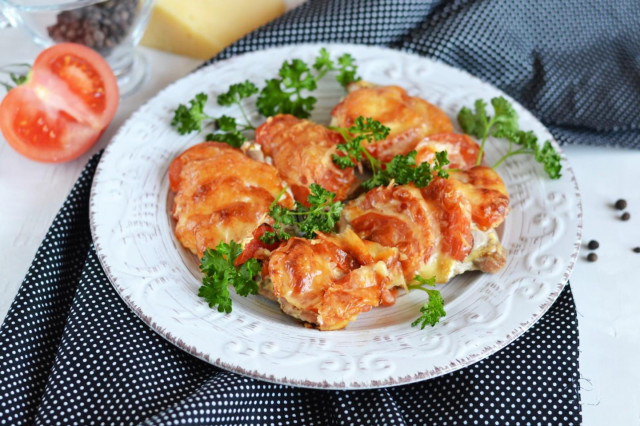
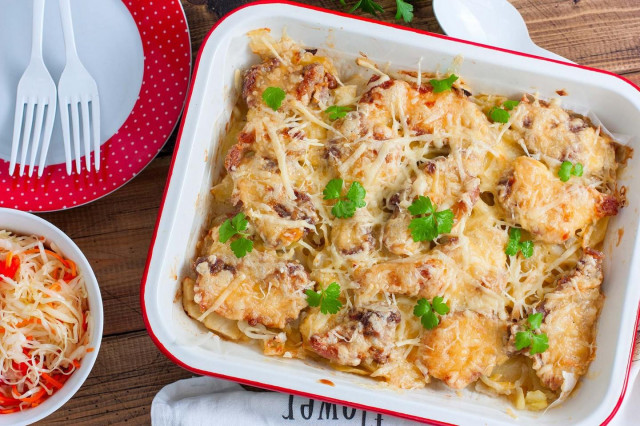
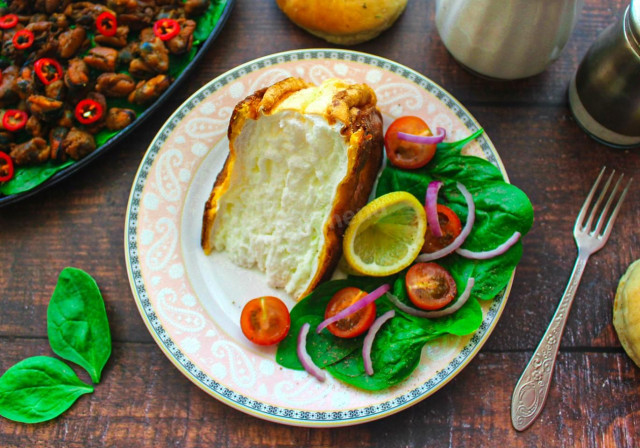
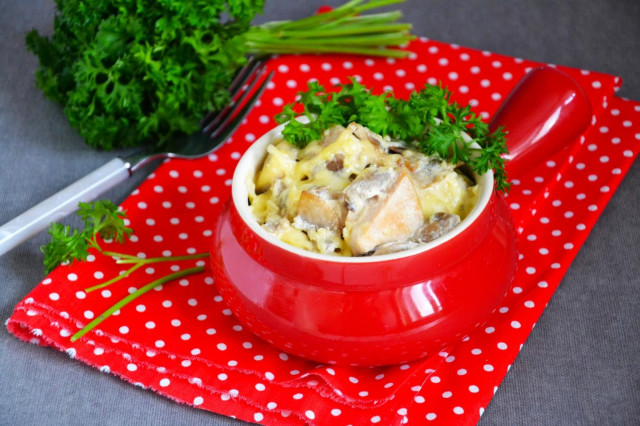
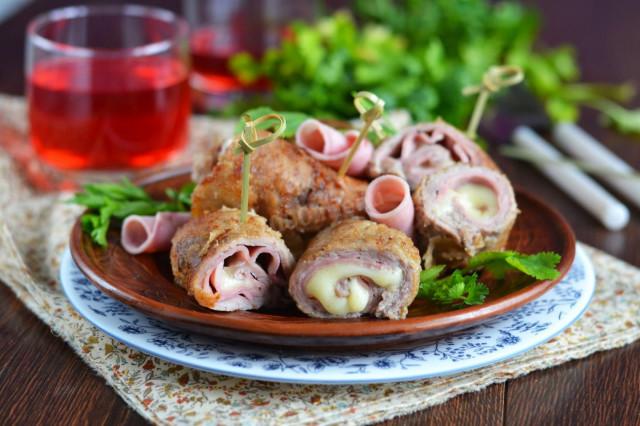
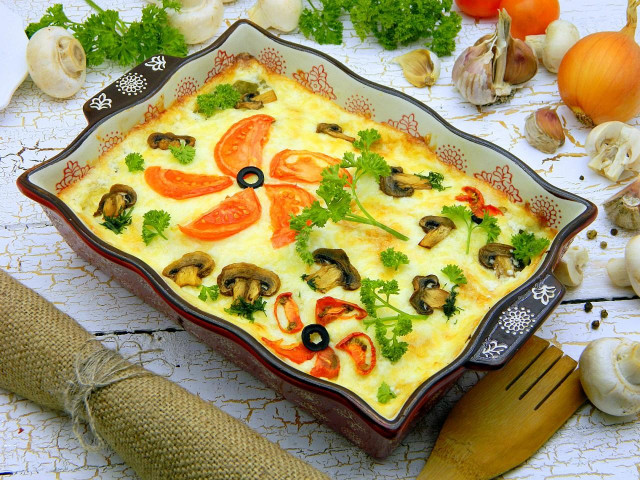

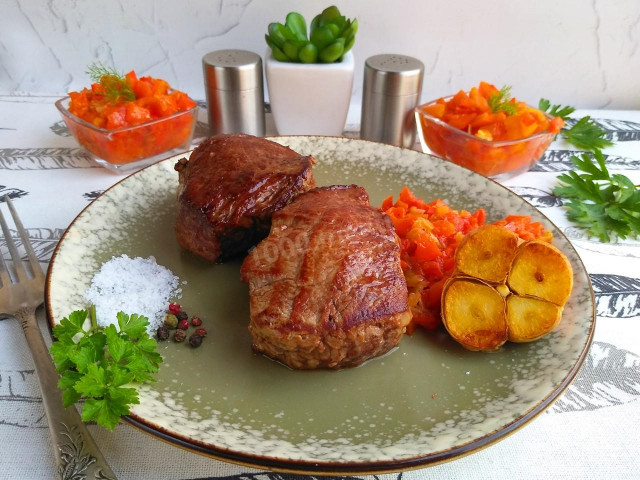
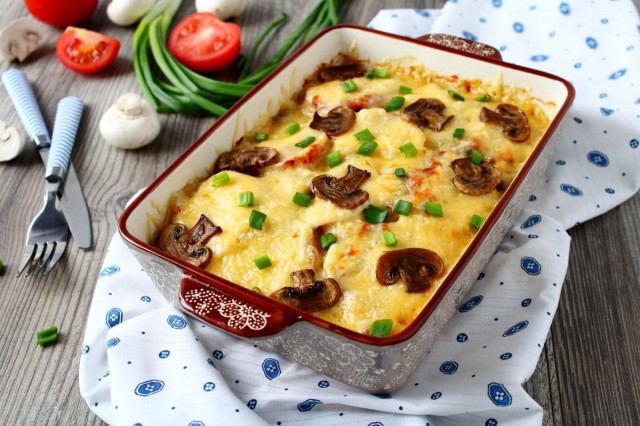
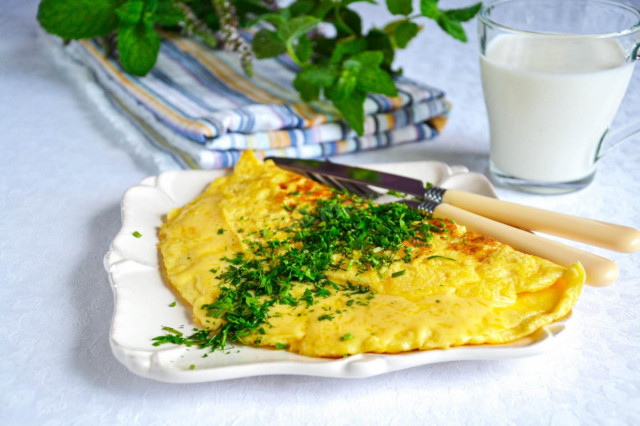
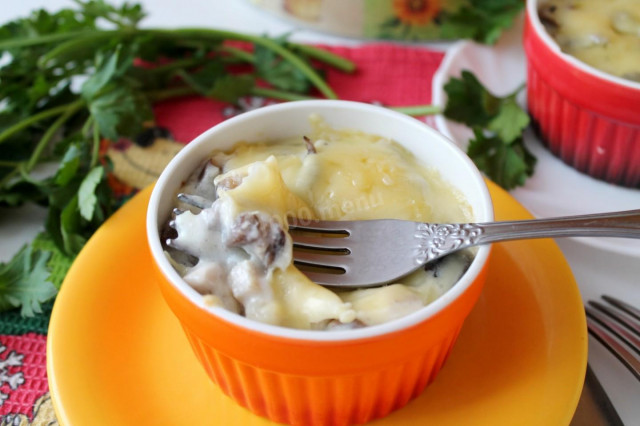
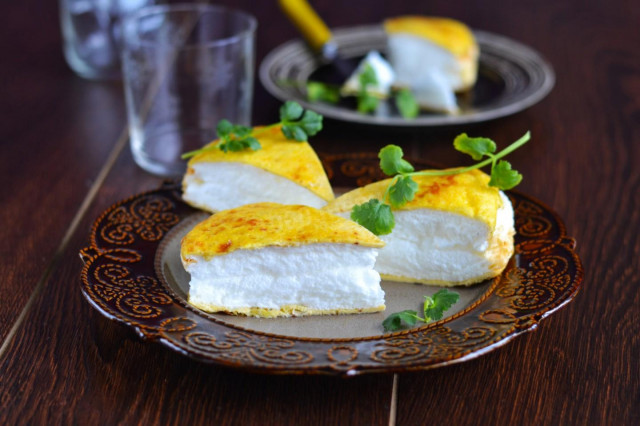
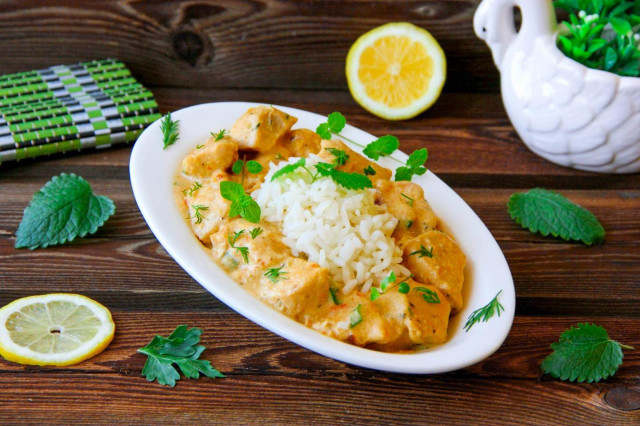
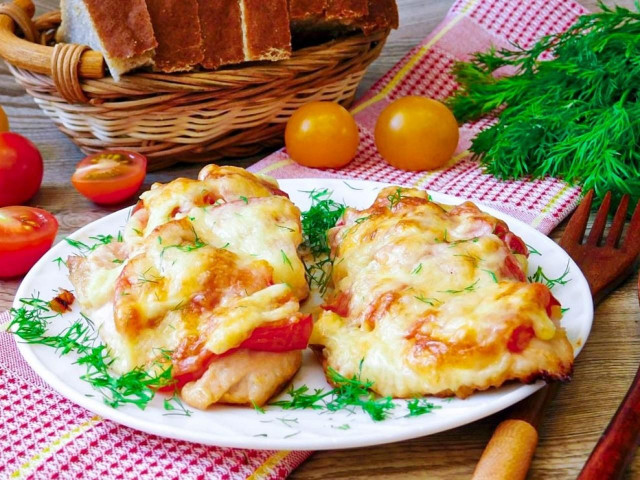
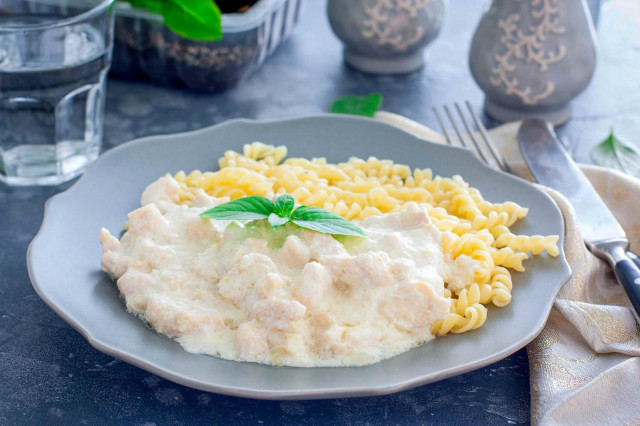
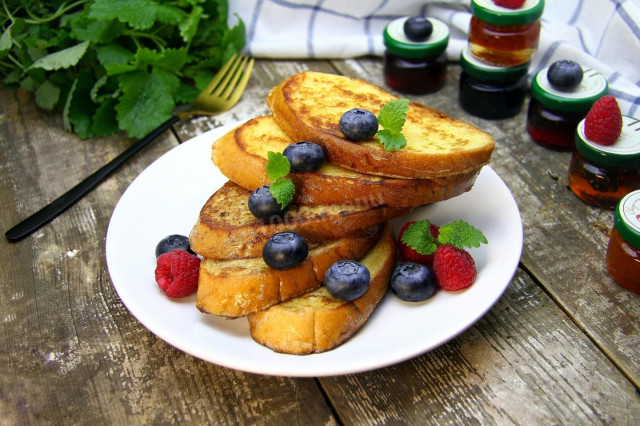
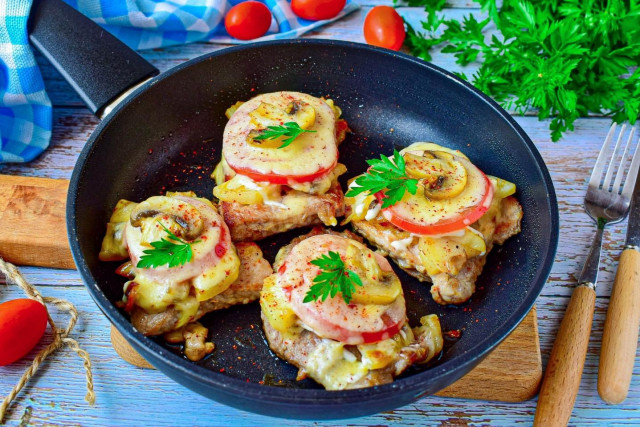
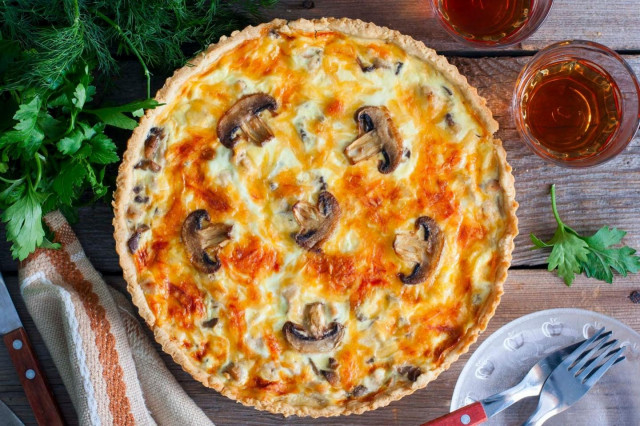
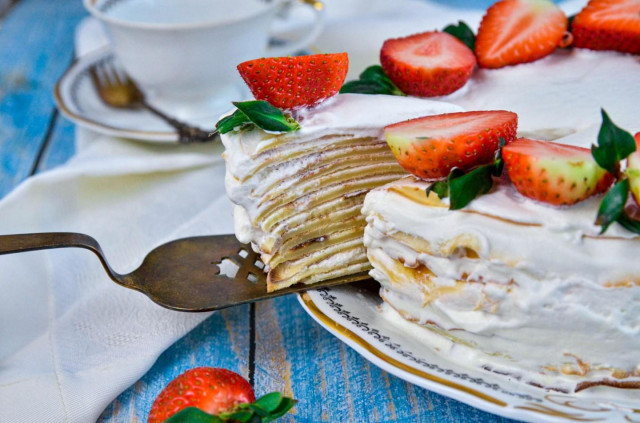
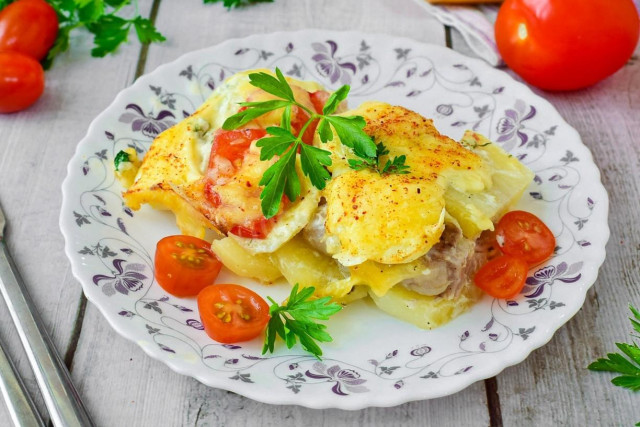
Recipes for these dishes were born centuries ago in the provinces and in royal castles, from delicacies and country provisions alike. It's no wonder French cooks hold the secrets to a huge gastronomic repertoire, all while strictly observing certain nuances... First of all, food is served in small portions — which is probably why French women are known for their slender figures. It's also worth noting that soups are made thick, yet easy to digest.
The five most commonly used ingredients in these recipes:
| Product | Calories per 100g | Protein g per 100g | Fats g per 100g | Carbohydrates g per 100g |
|---|---|---|---|---|
| Butter | 734 | 0.5 | 82.5 | 0.8 |
| Sugar | 398 | 0 | 0 | 99.7 |
| Eggs | 157 | 12.7 | 10.9 | 0.7 |
| Flour | 325 | 12 | 1 | 67 |
| Hard cheese | 366 | 24.1 | 29.5 | 0.3 |
Another point: when browning meat, wine is added, which cooks off, having time to infuse the food with an unusual flavor. French cooks always keep in mind the Burgundian saying: "drink white wine in the morning, red in the evening, so the blood is good" — which is why a full glass always graces their interesting presentations. A description of the distinctive features wouldn't be complete without mentioning Roquefort cheese and Provençal sauce, famous both here and around the world. Desserts deserve special attention: airy, melt-in-your-mouth, made for daydreaming, they awaken a desire to savor their amazing taste forever. All of this really can be done at home, with a sense of Parisian flair. Any French recipe can be mastered quickly. Maybe it's time to surprise your loved one with a romantic dinner scented with an original blend of spices?