No-Cook Canned Tomato Salad for Winter
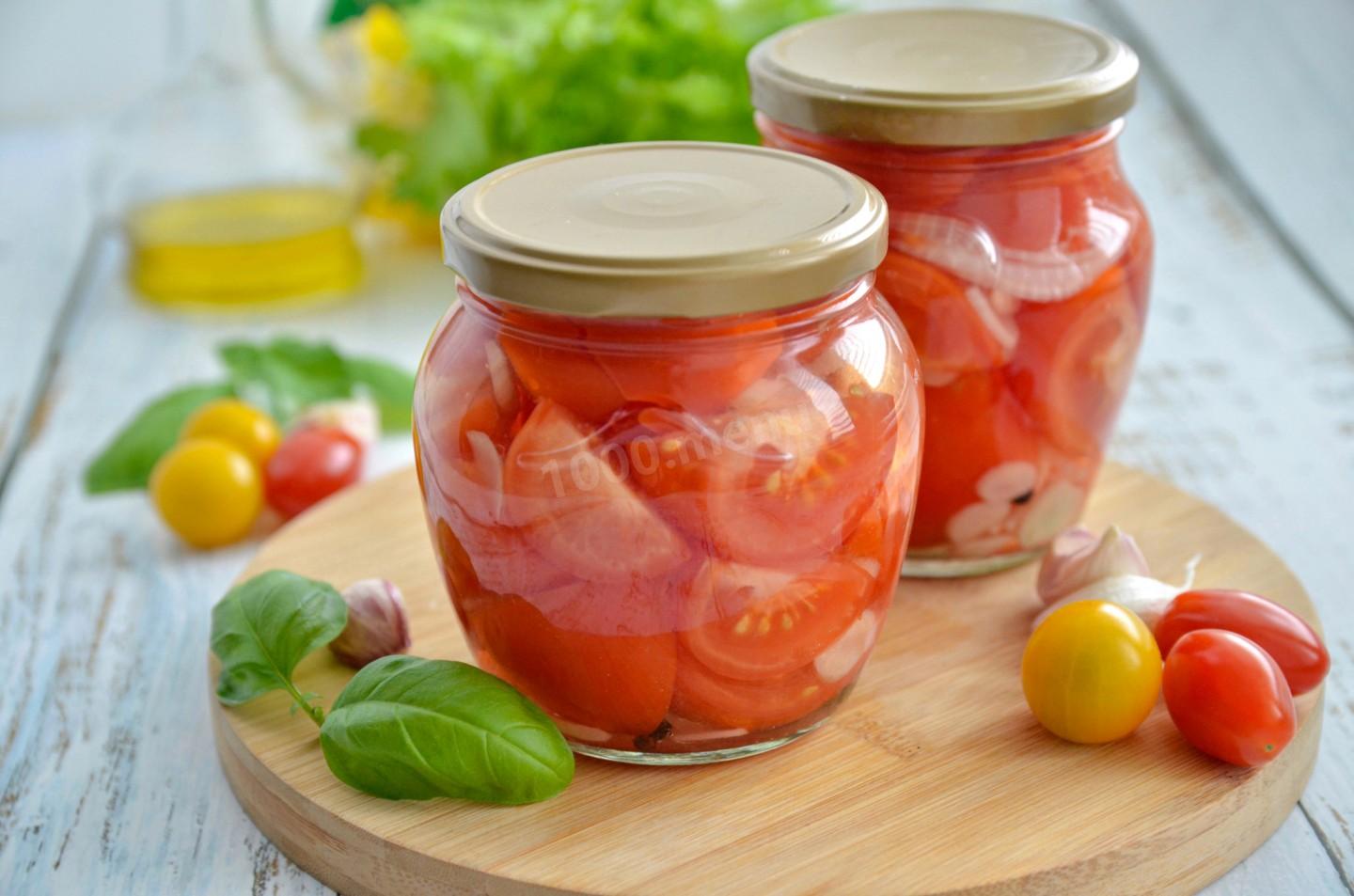
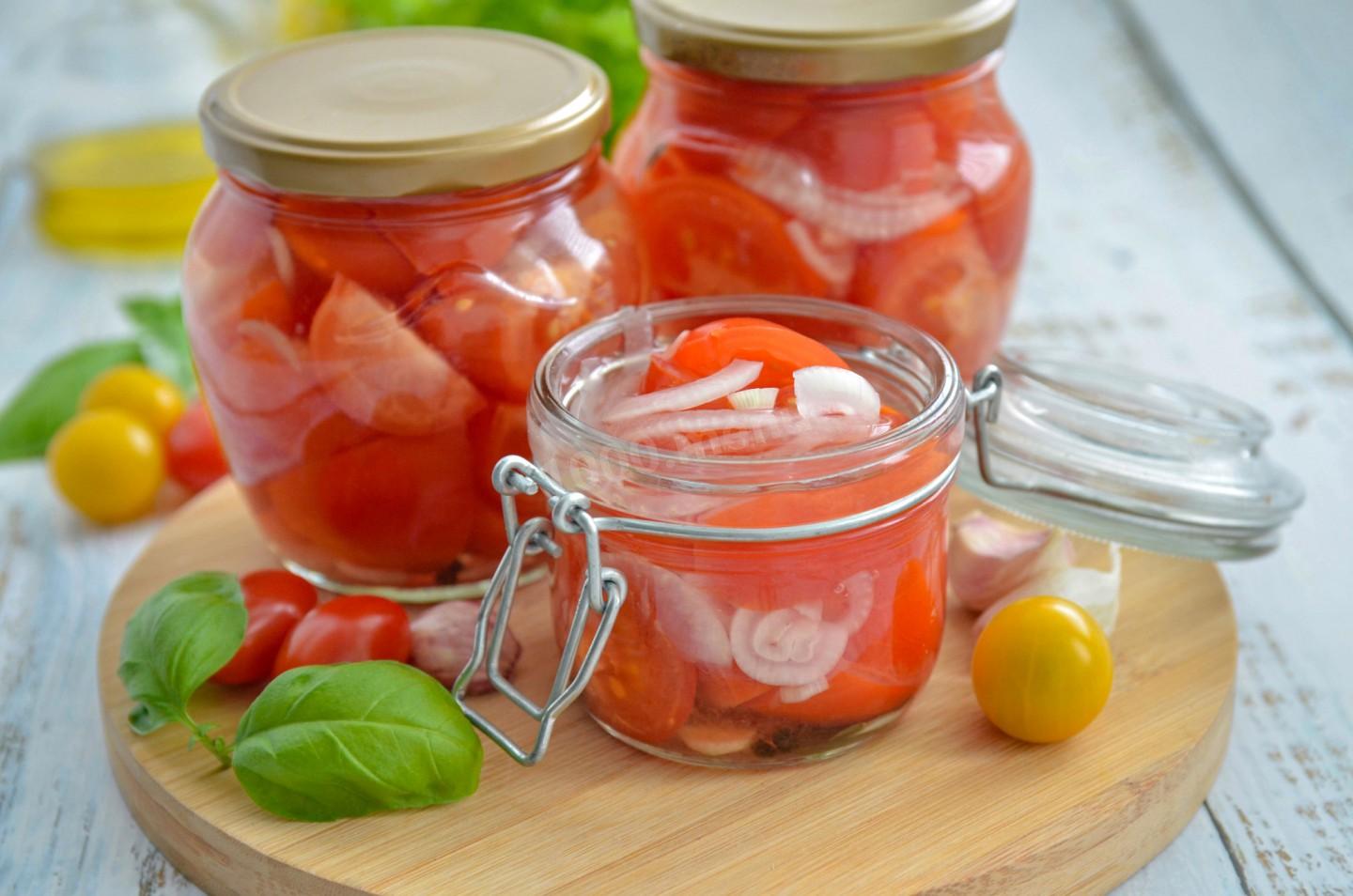
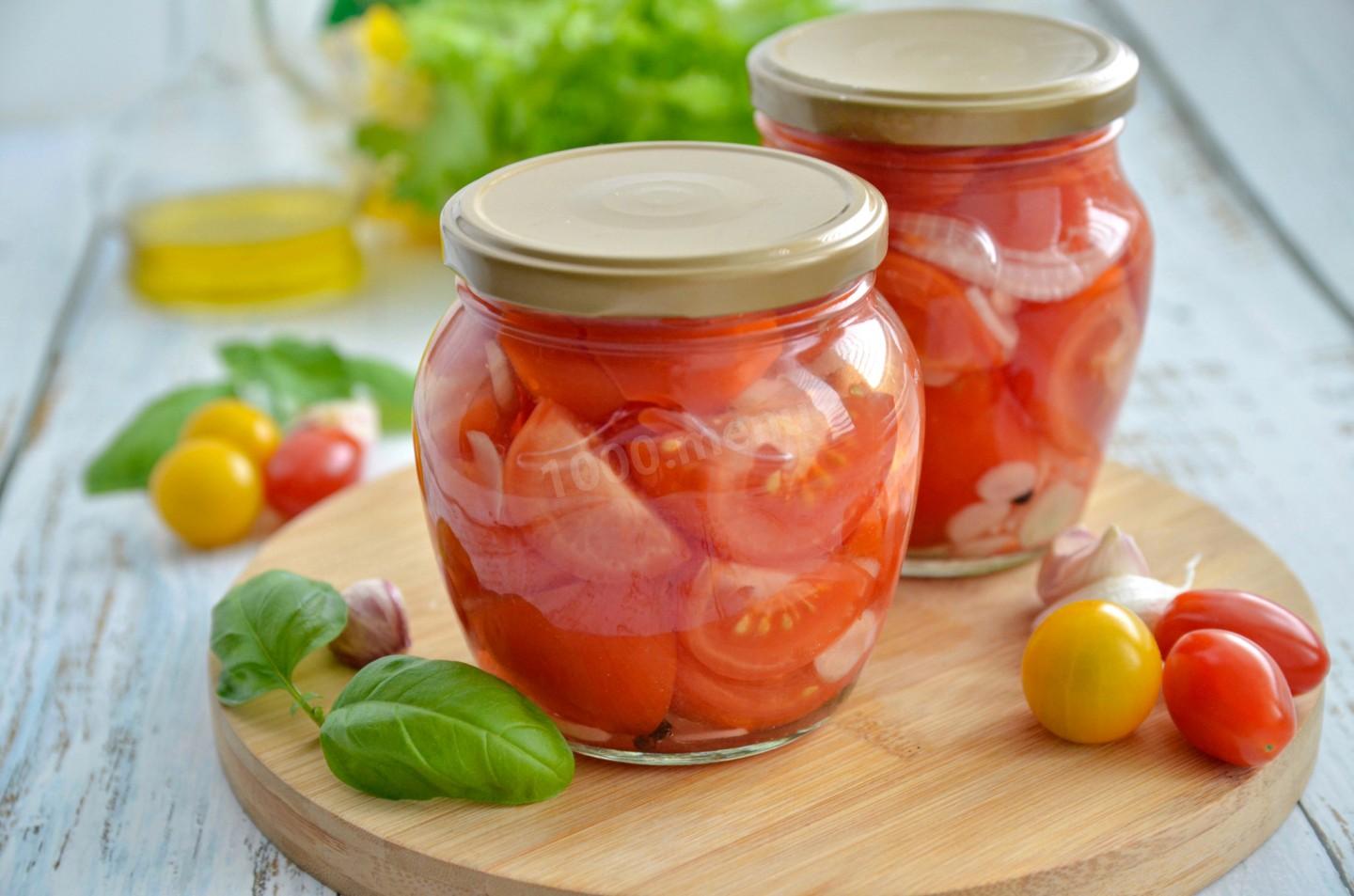
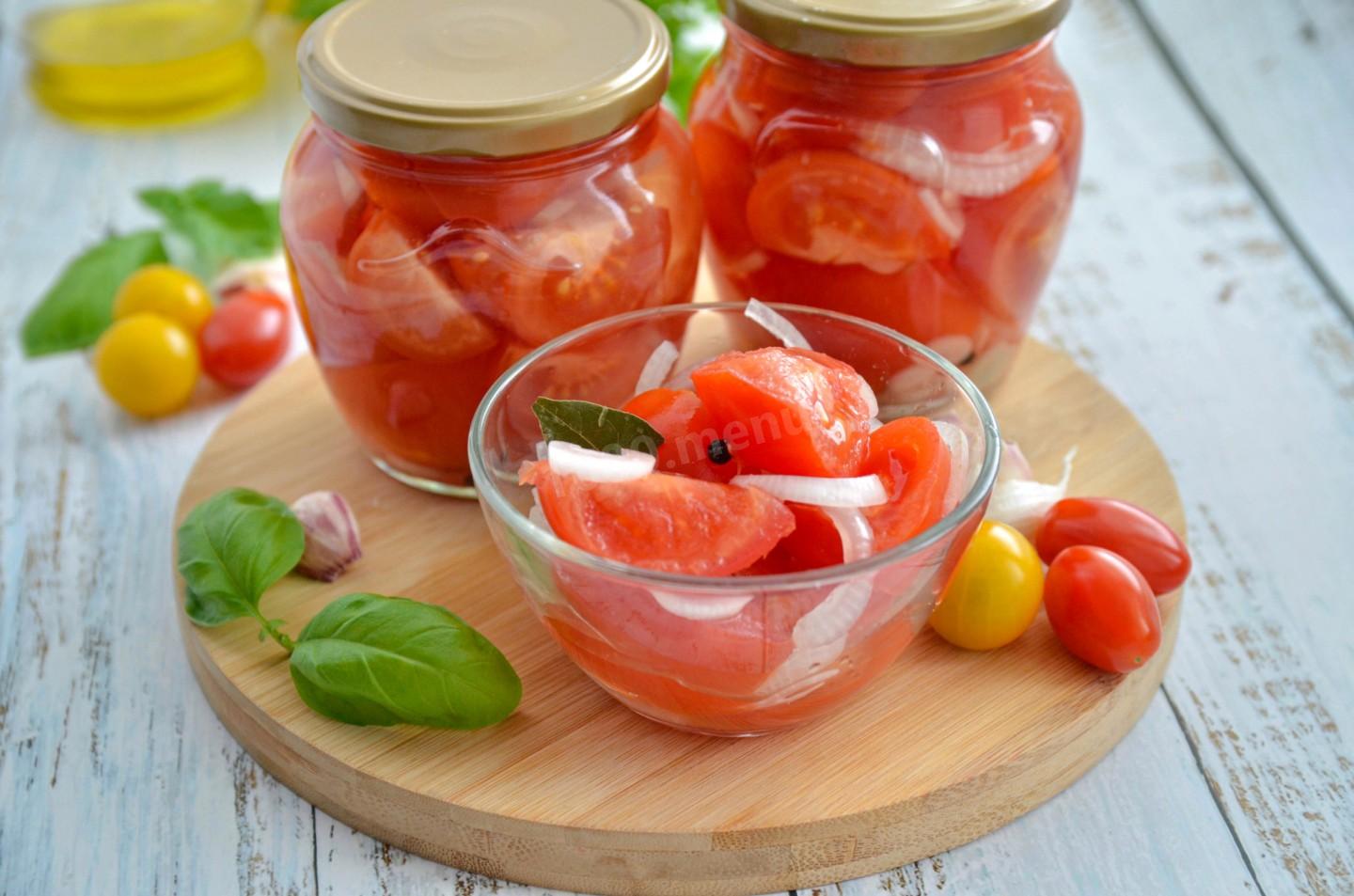
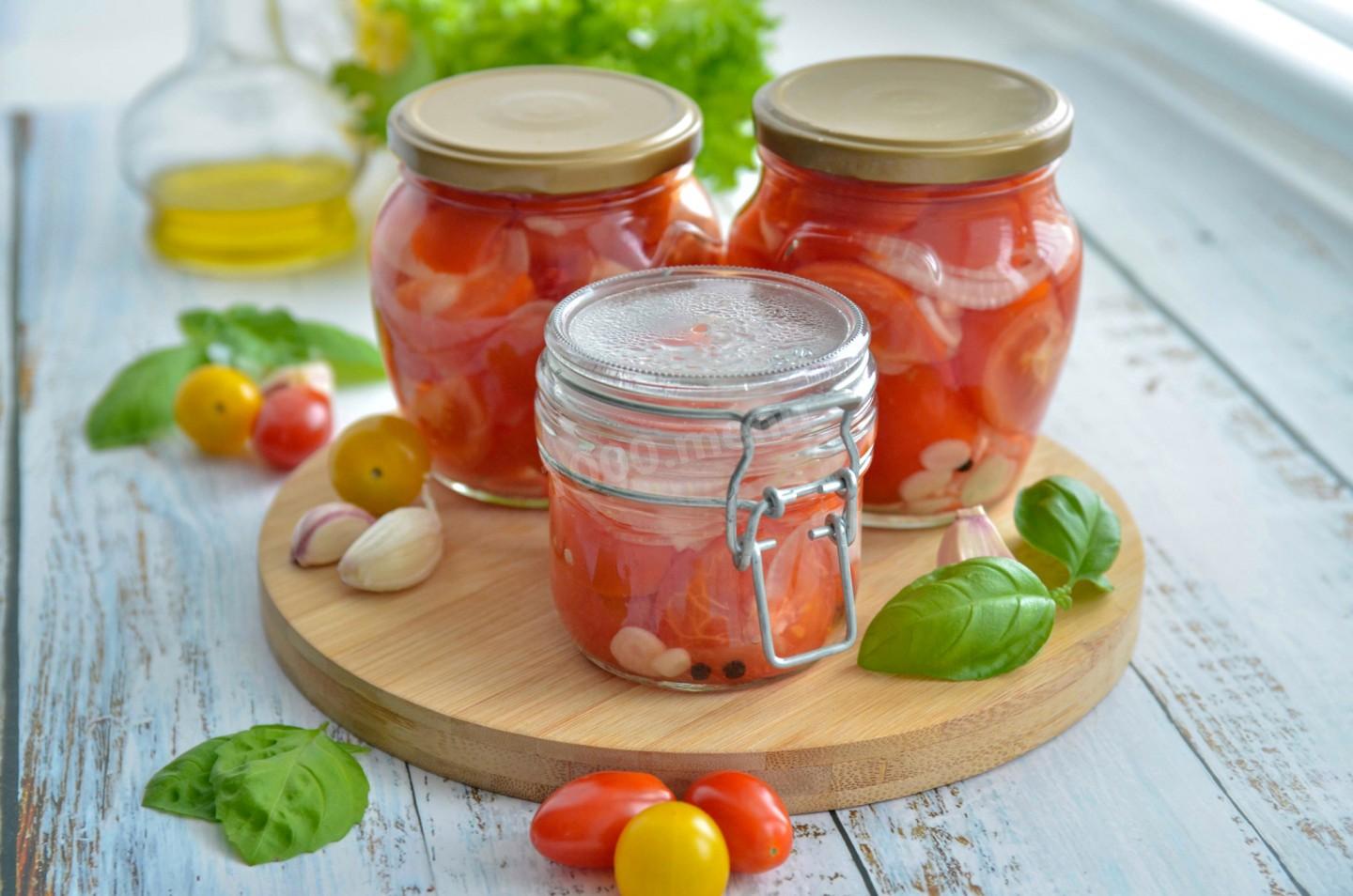
A very simple winter salad made from summer tomatoes! In winter it's such a treat to open a jar of tasty salad put up in tomato season. In this recipe the tomatoes get only minimal heat, so they taste almost as good as fresh.

Cooking method
-
Step 1:
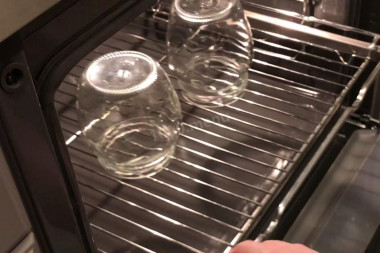
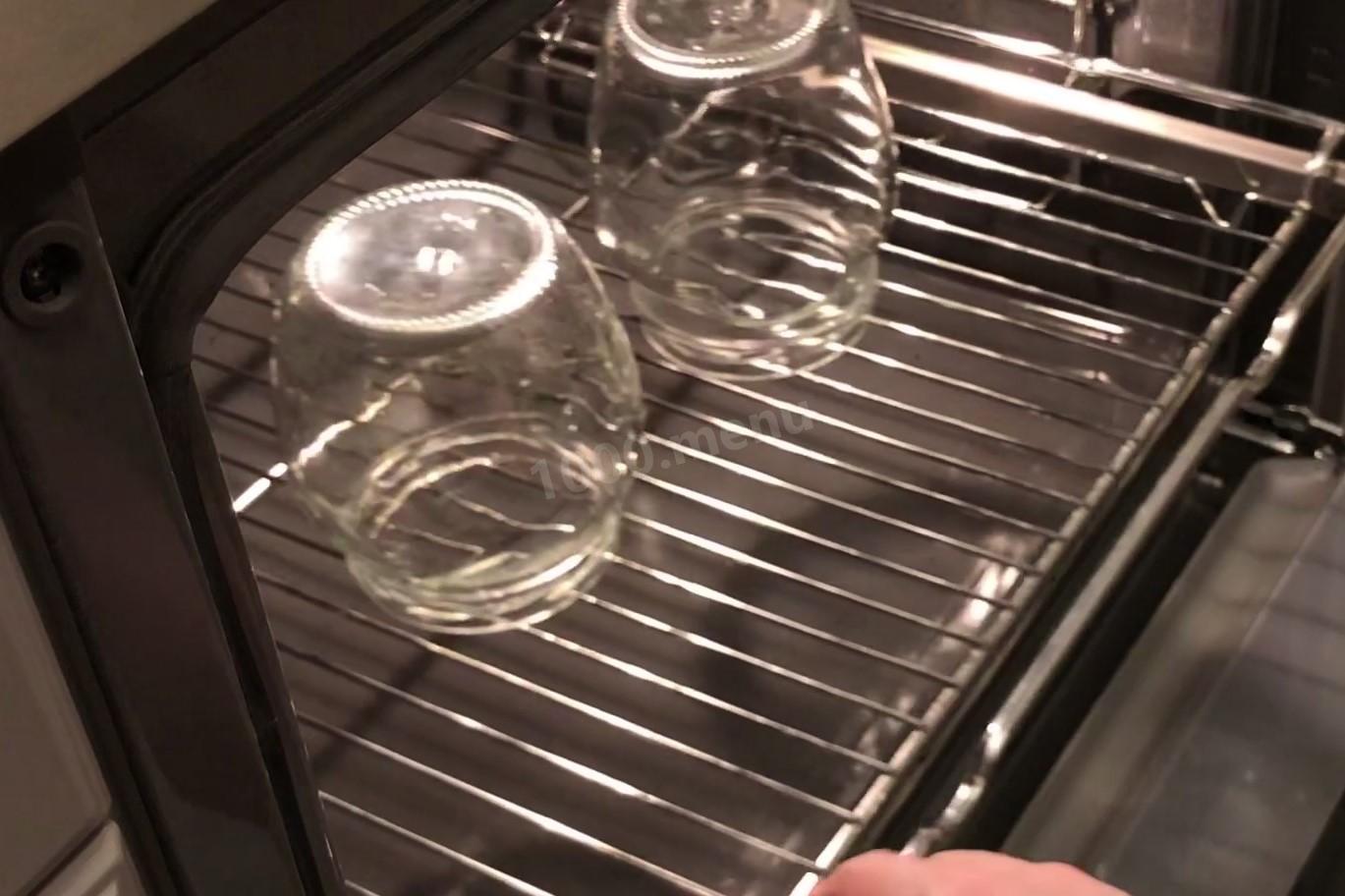
First, sterilize the jars—an essential step, since we won't be processing the salad itself. There are lots of ways to do it; I usually use the oven. Be sure to put the jars into a COLD oven, then turn it on to 250°F (120°C). Hold the jars there for about 15 minutes. Then carefully take the hot jars out with oven mitts. Do this right before you fill them.
-
Step 2:
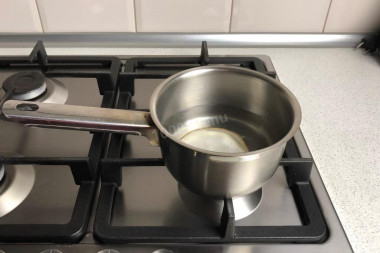
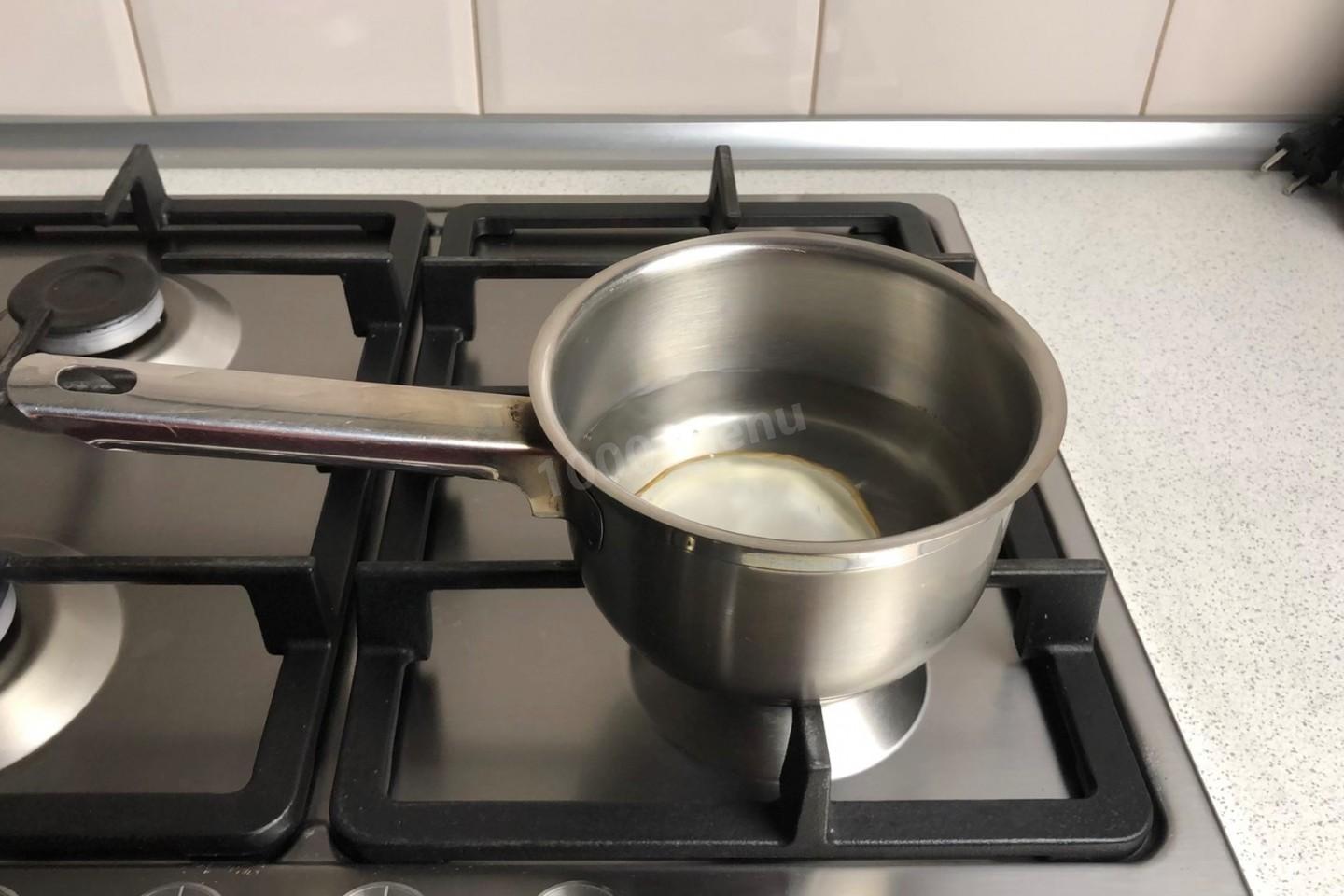
Sterilize the lids by boiling: drop them into cold water, bring to a boil, and boil for a few minutes. Take them out of the water just as you're ready to cap the jars. It doesn't matter which lids you use—screw-on or twist-off—they're sterilized the same way.
-
Step 3:
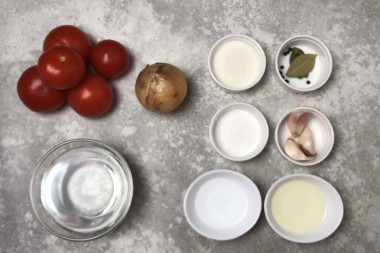
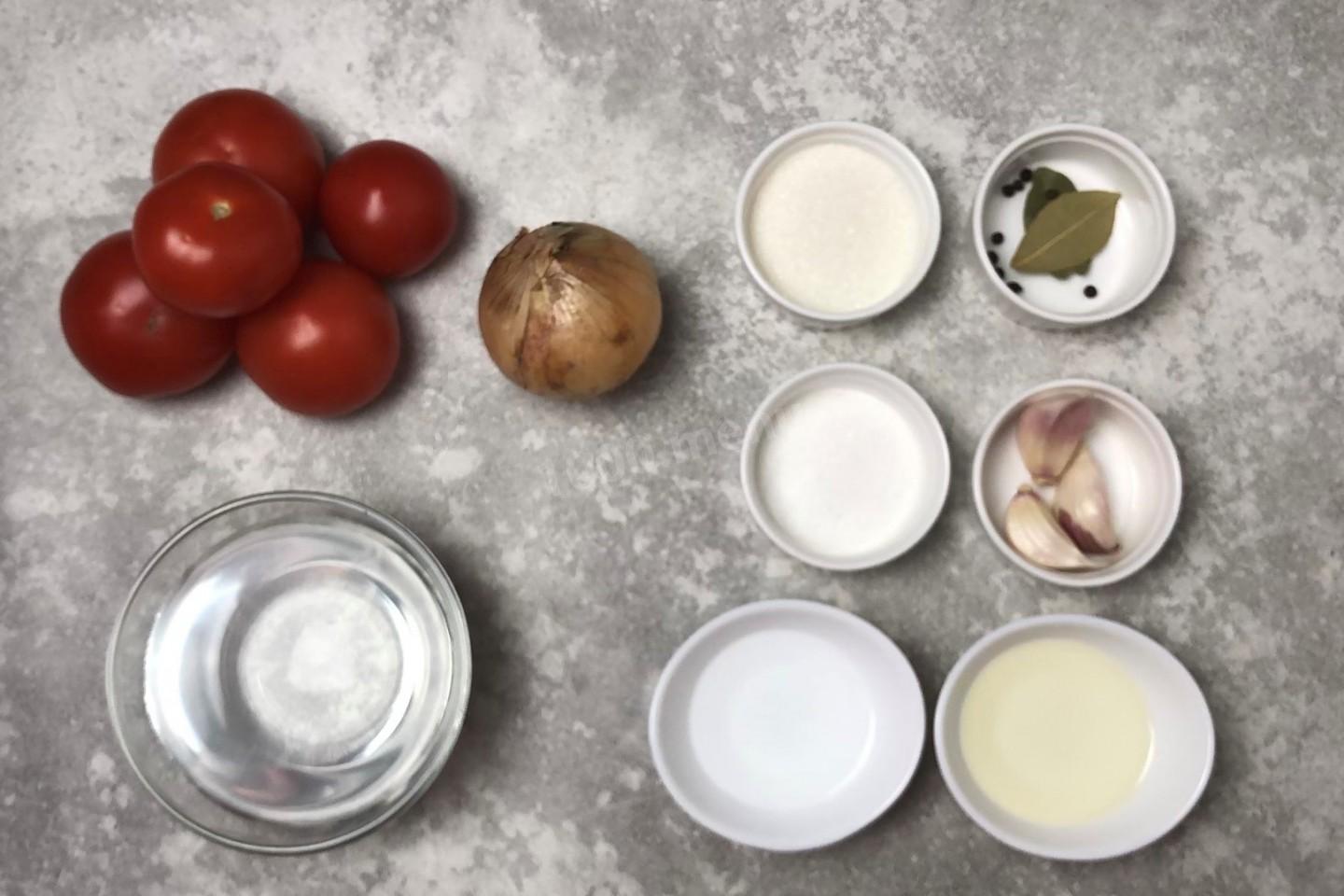
Gather the ingredients. I made a half batch. Use good water—filtered or bottled. Even though it just goes into the brine, its flavor affects the taste of the finished salad.
-
Step 4:
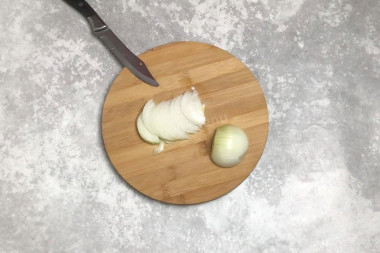
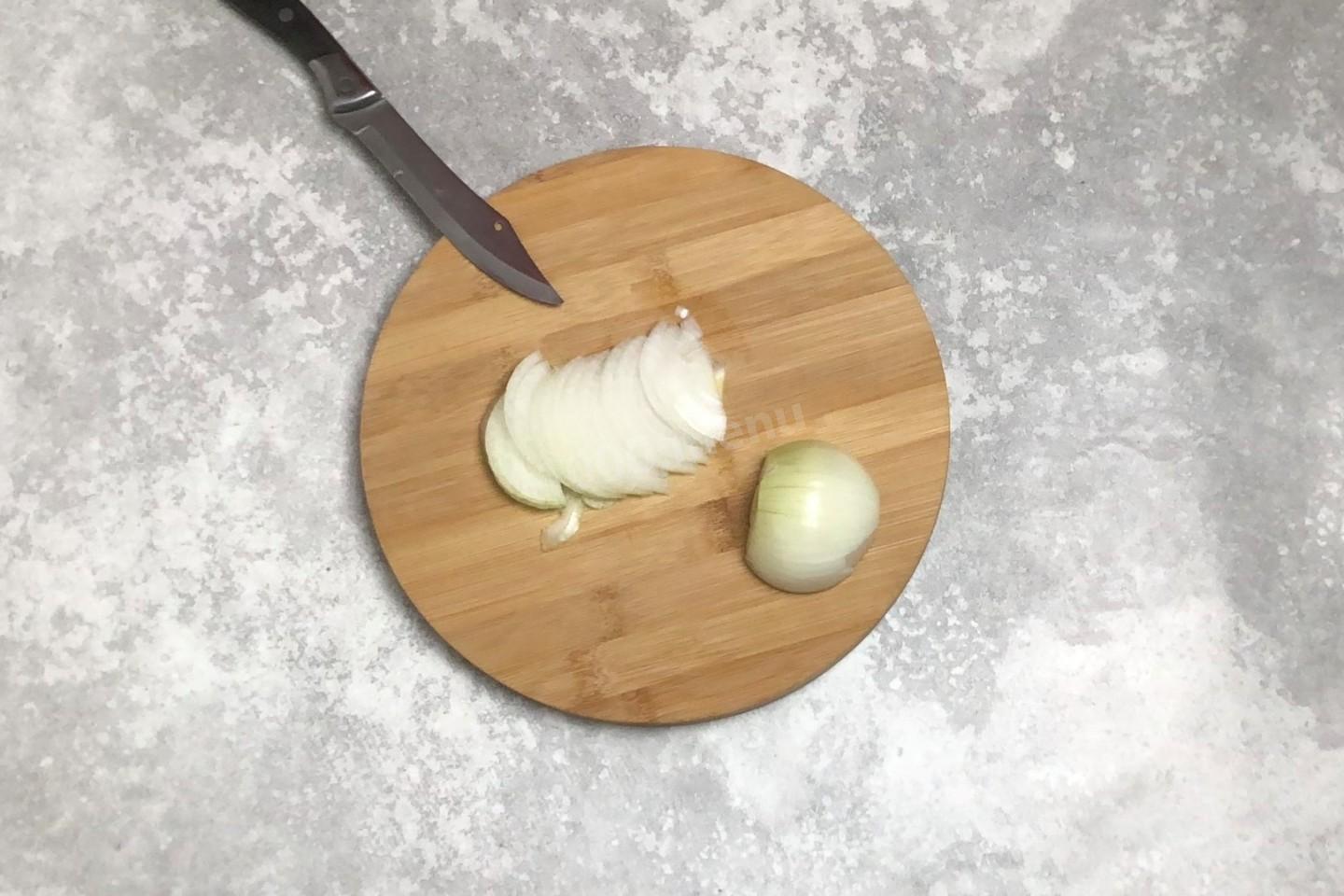
Peel the onion and cut it into half-moons.
-
Step 5:
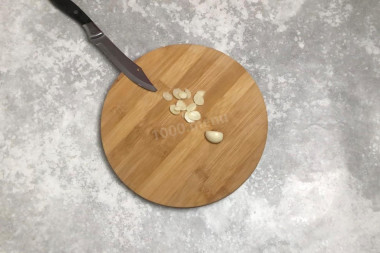
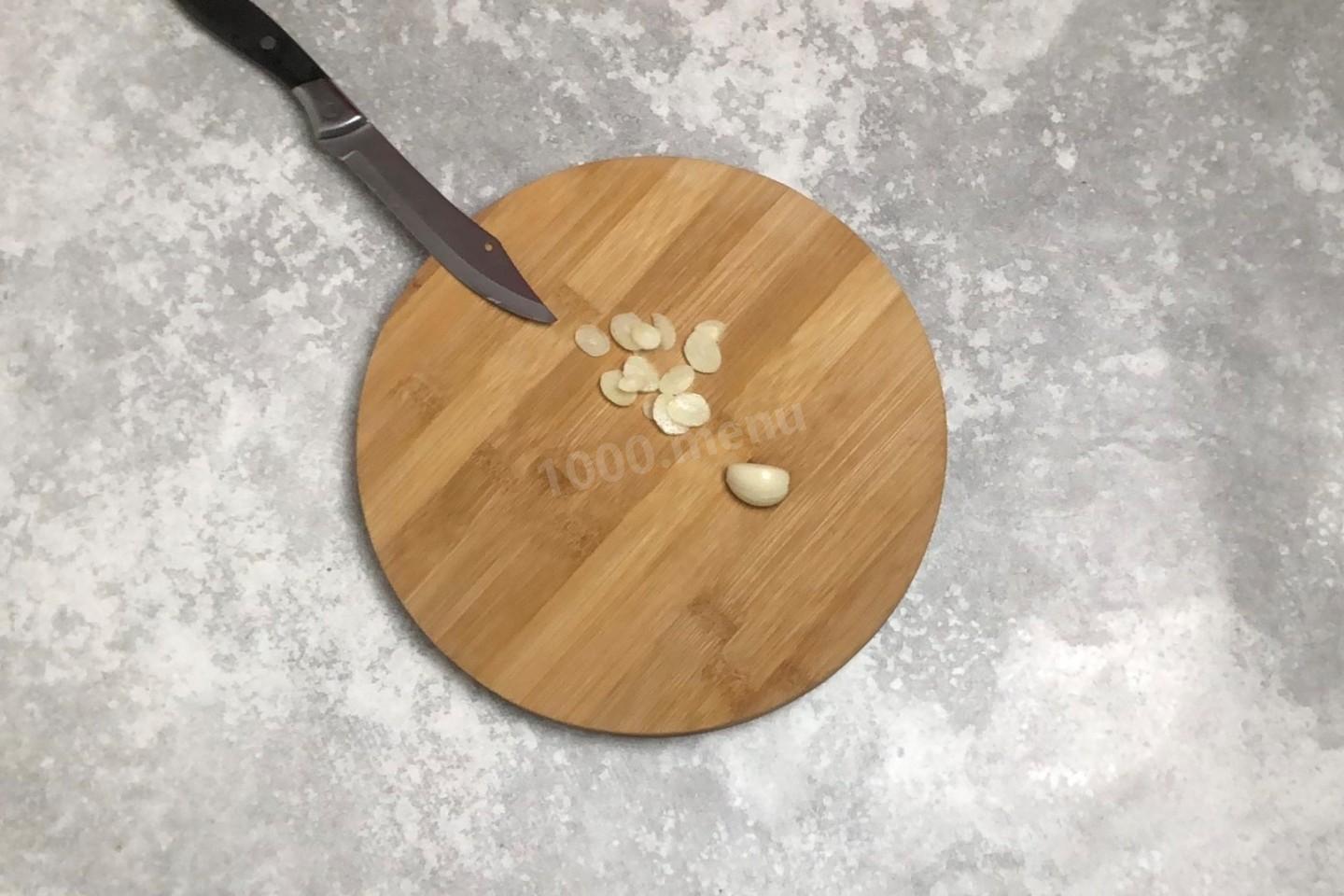
Slice the garlic into thin slivers.
-
Step 6:
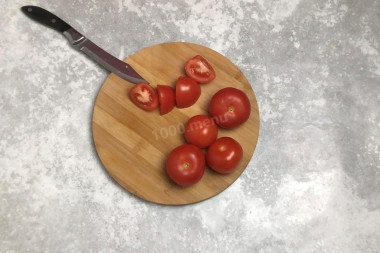
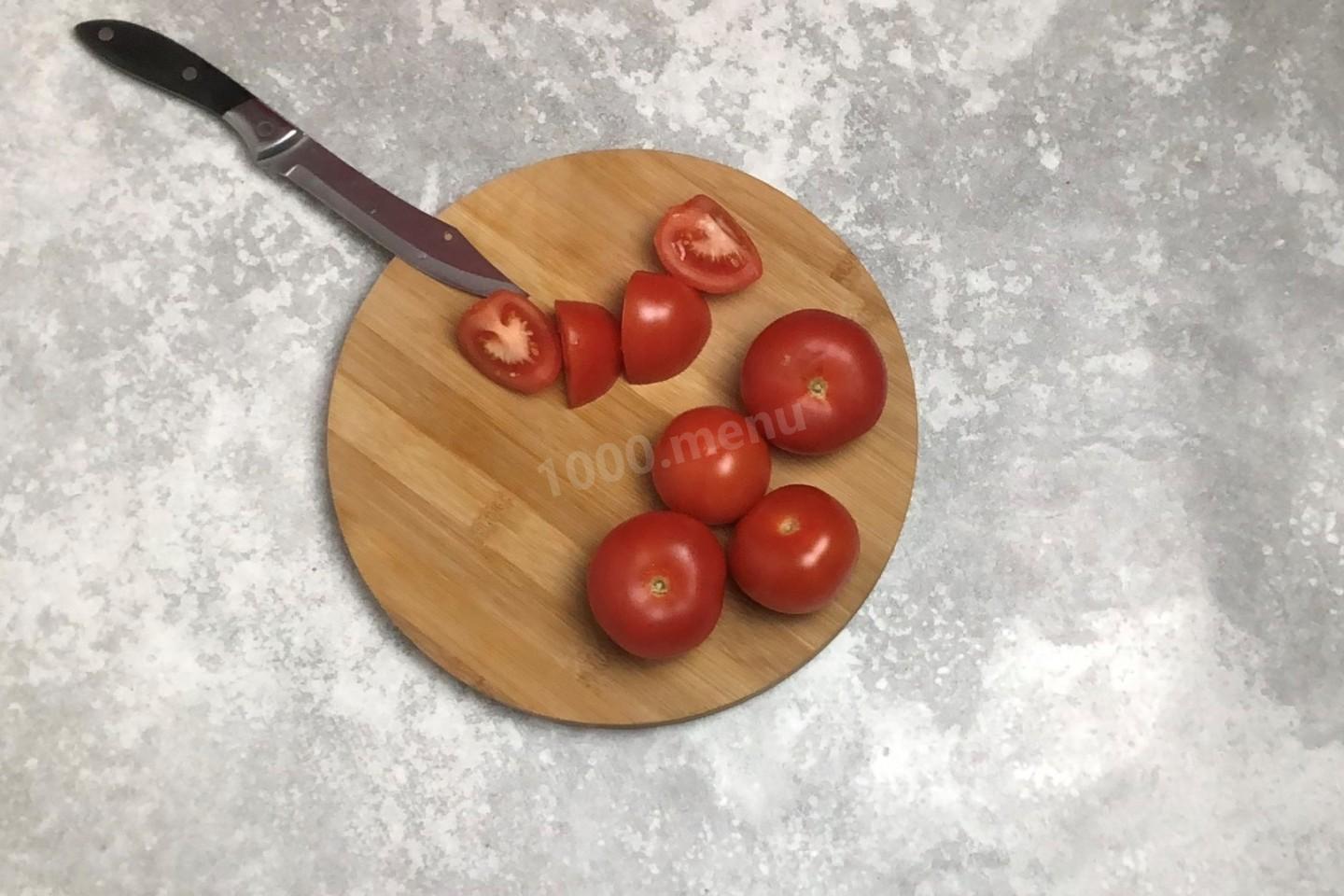
Rinse the tomatoes well under running water. Cut each one into quarters and cut out the stem ends.
-
Step 7:
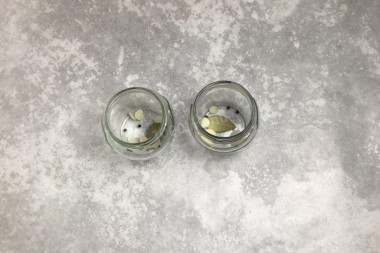
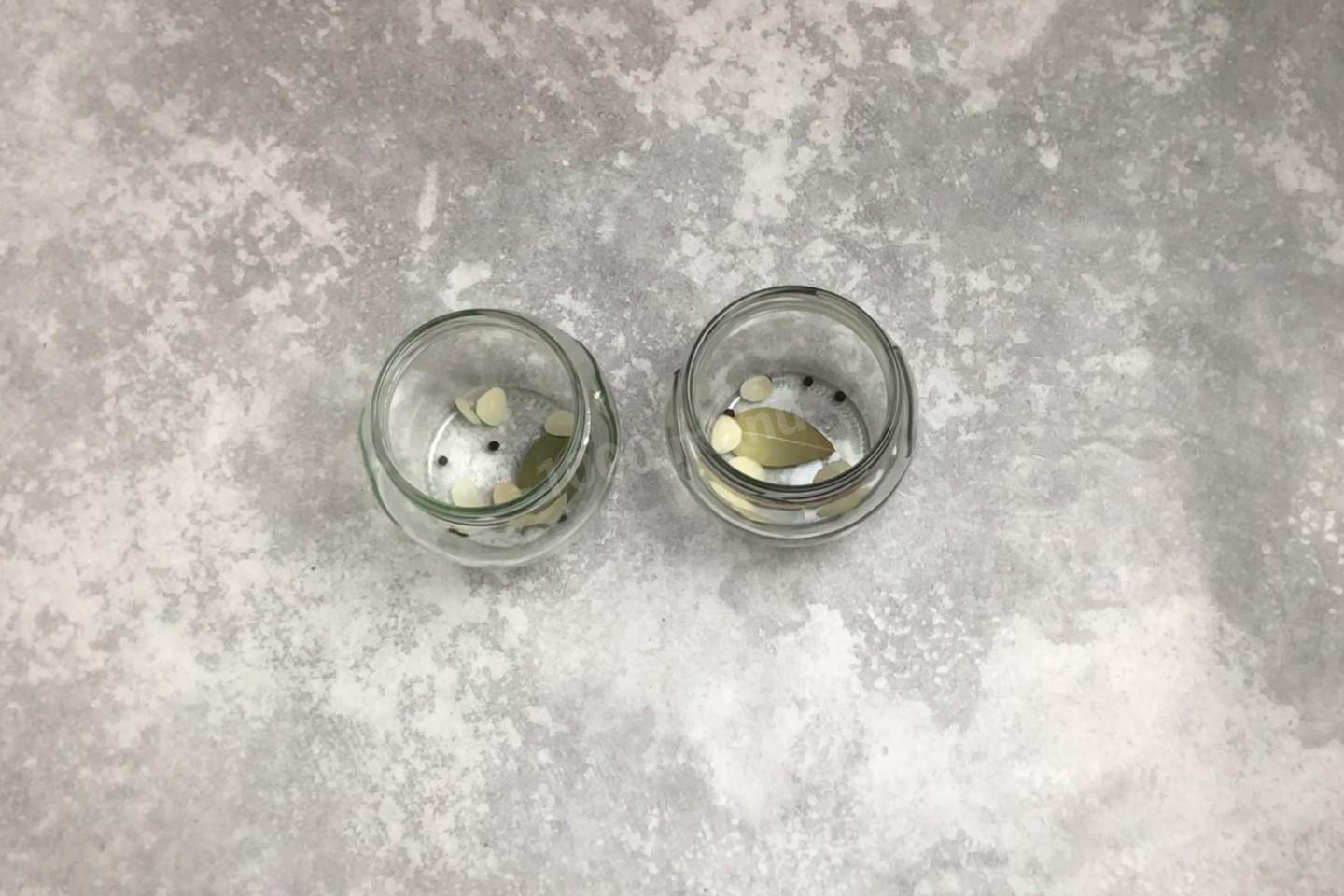
Put the bay leaves, peppercorns, and sliced garlic in the bottom of the jars.
-
Step 8:
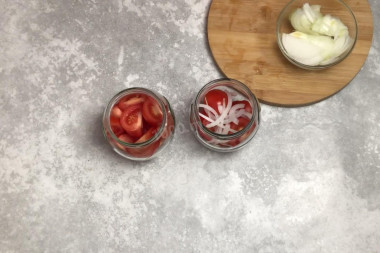
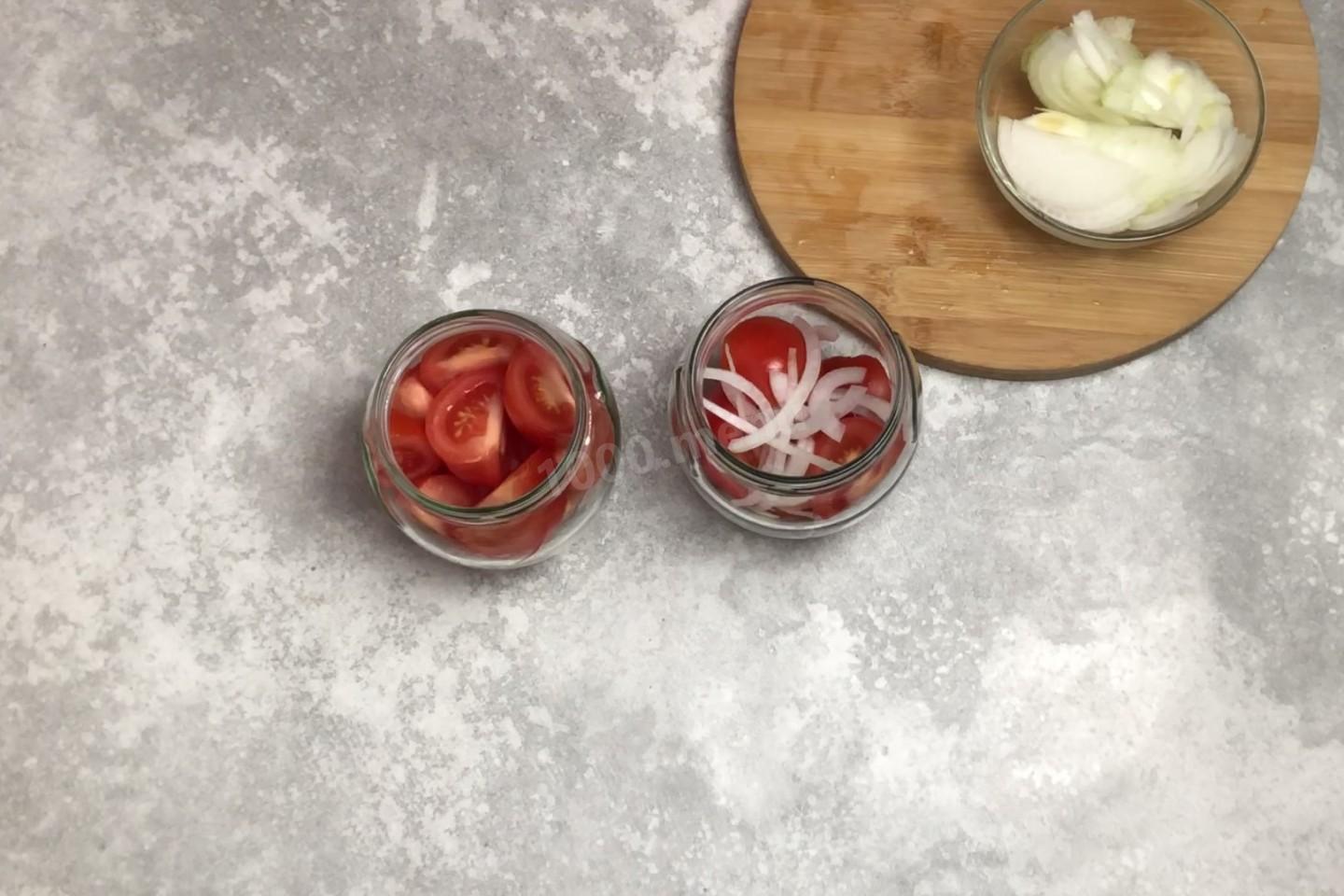
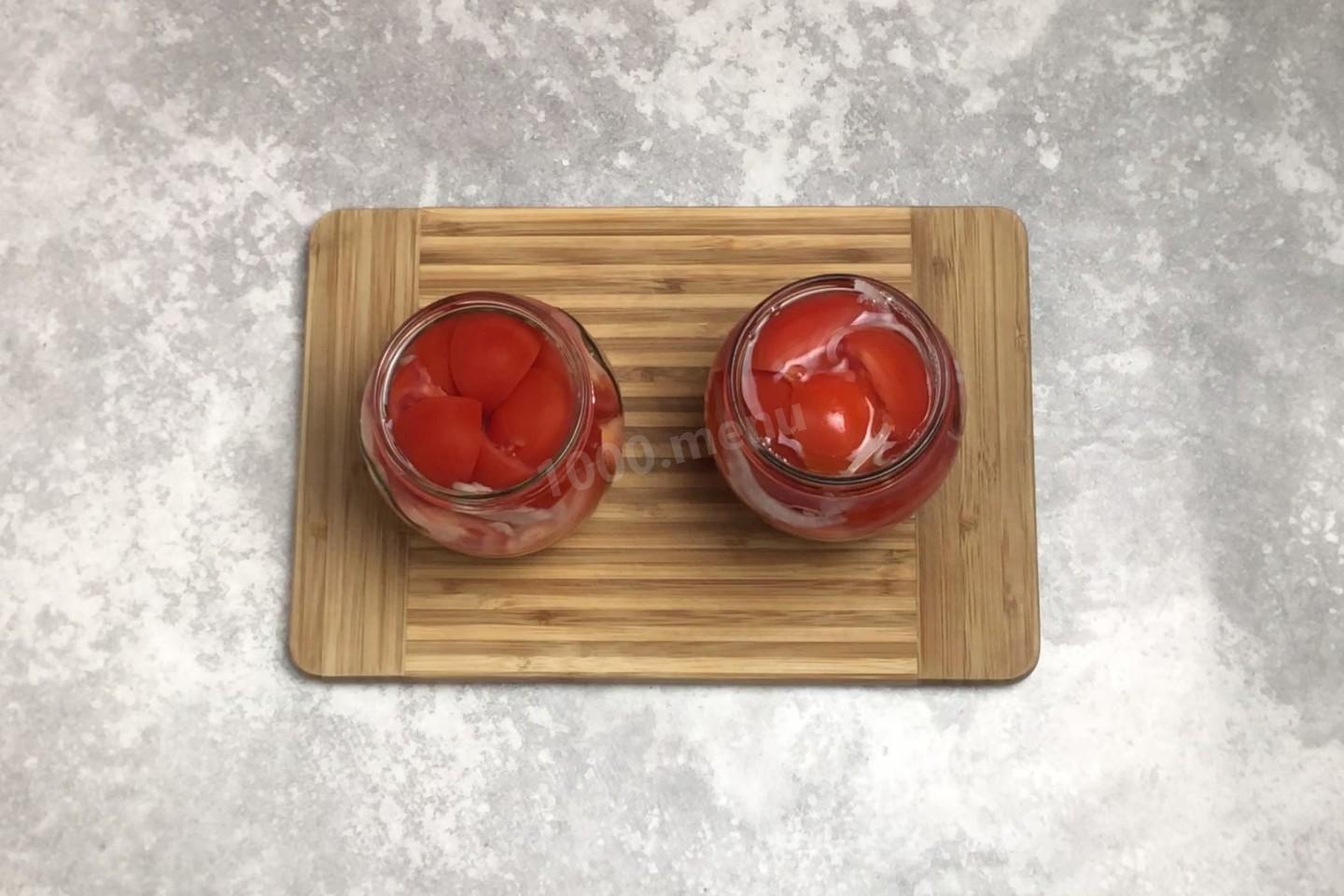
Then layer the tomatoes and onion into the jars. Don't pack them too tightly, or the tomato pieces will break. If you love onion, add even more. My half kilo of tomatoes filled two half-liter (pint) jars.
-
Step 9:
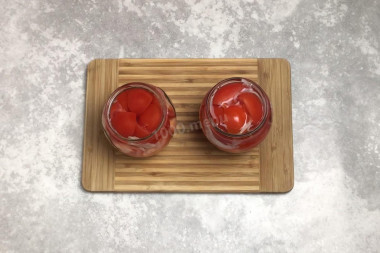
Boil water in a kettle and fill the jars to the very top with the rolling-boil water.
-
Step 10:
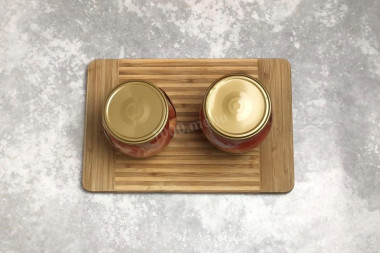
Cover them with the prepared lids and let them stand for 15–20 minutes.
-
Step 11:
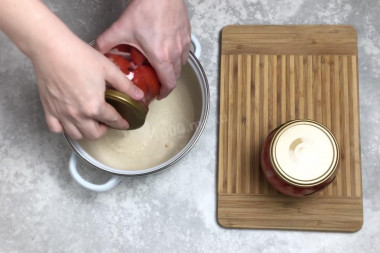
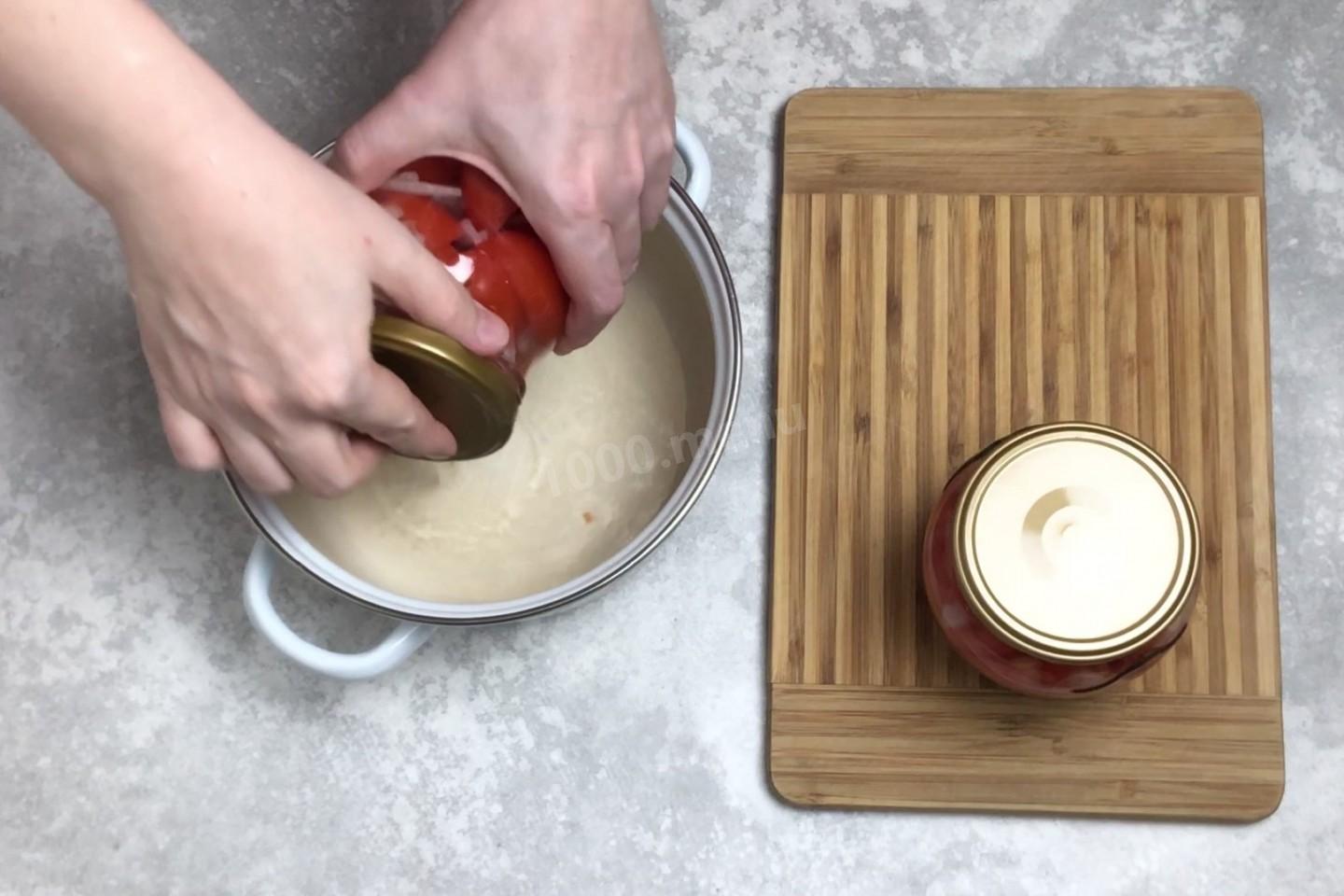
Drain the water from the jars into a pot. It won't be too hot, since the tomatoes will have cooled it. As you pour, hold the lid against the jar so the tomatoes don't slide out. After draining, I measured the water—I got about 250 ml; yours may differ, depending on how tightly you packed the jars.
-
Step 12:
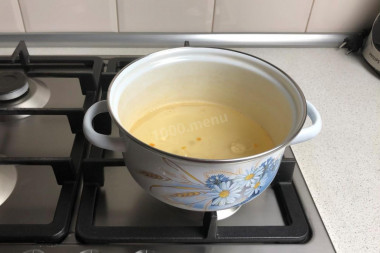
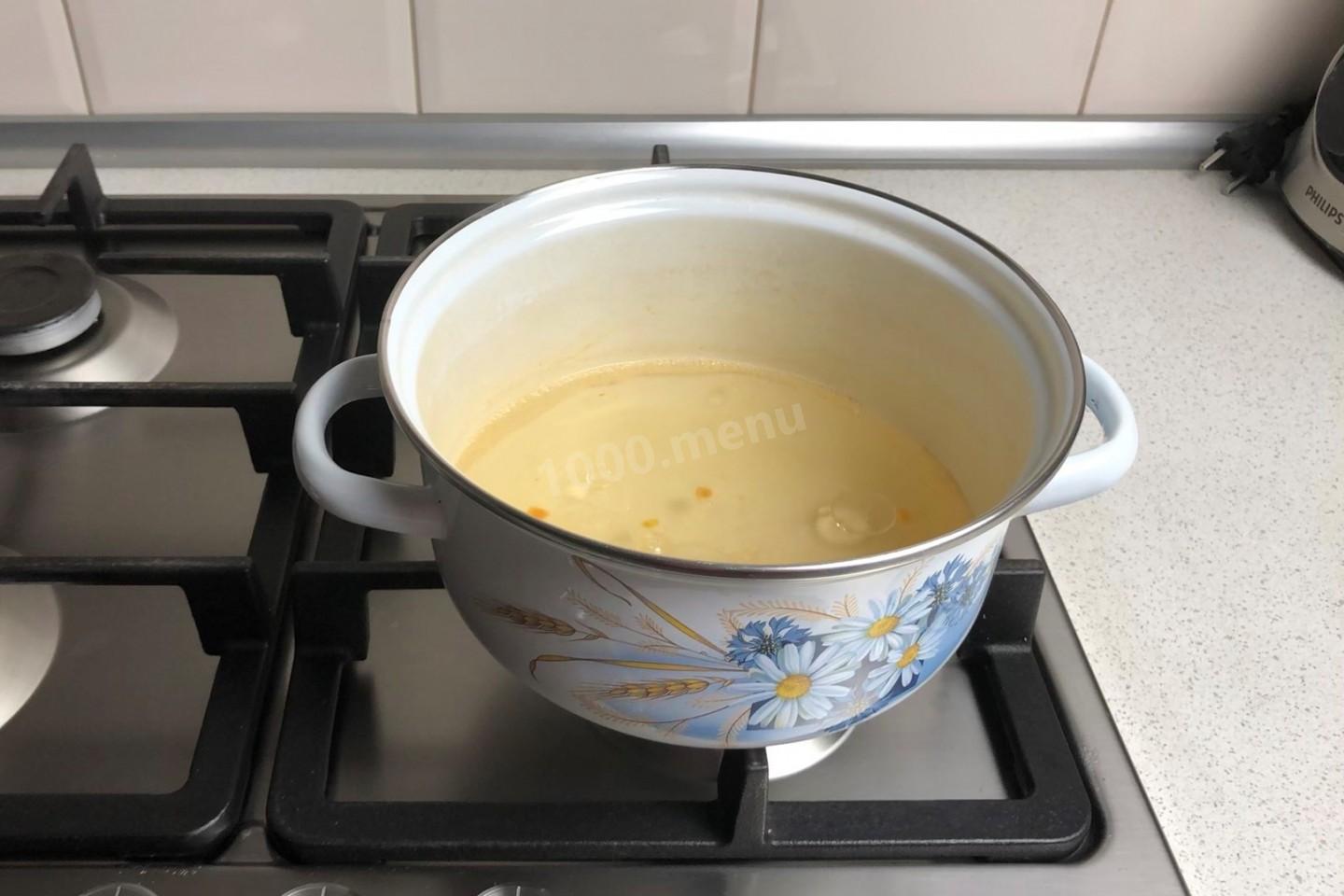
I recommend always measuring the water you drain from the jars so you can scale the marinade ingredients—in this recipe they're given per liter of water, so figure out how much you need for your amount. Set the pot over the heat. Bring it to a boil, add the sugar and salt, and bring it back to a boil. Add the vinegar and oil, stir, and turn off the heat. The brine is ready!
-
Step 13:
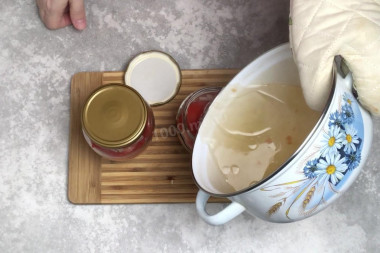
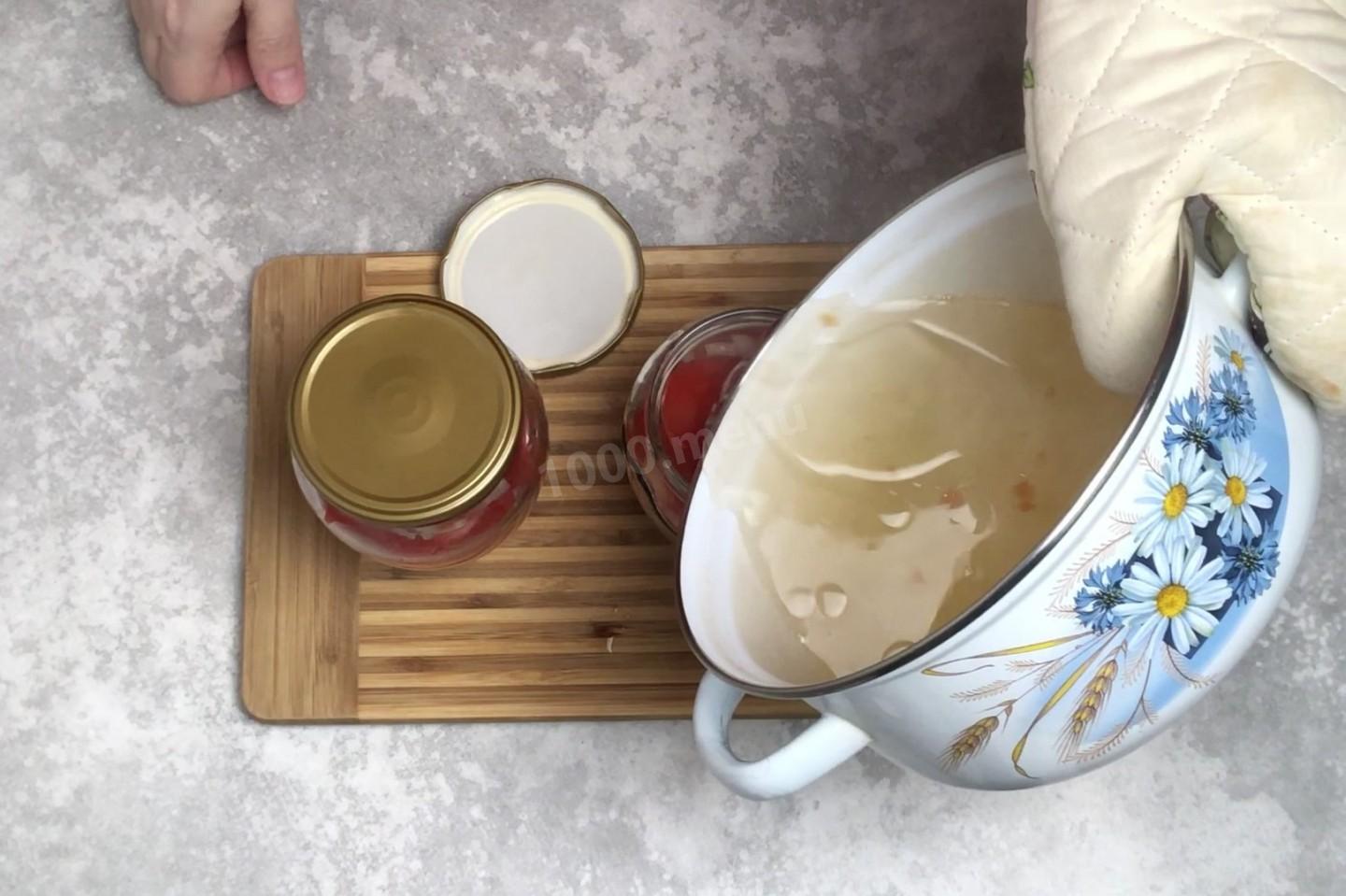
Pour the brine into the jars and cap them right away. If you're using flat metal lids for sealing, use a jar sealer.
-
Step 14:
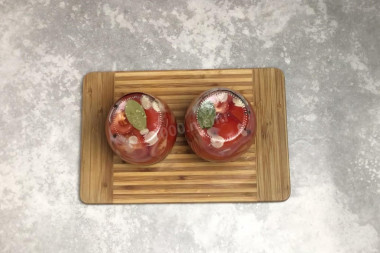
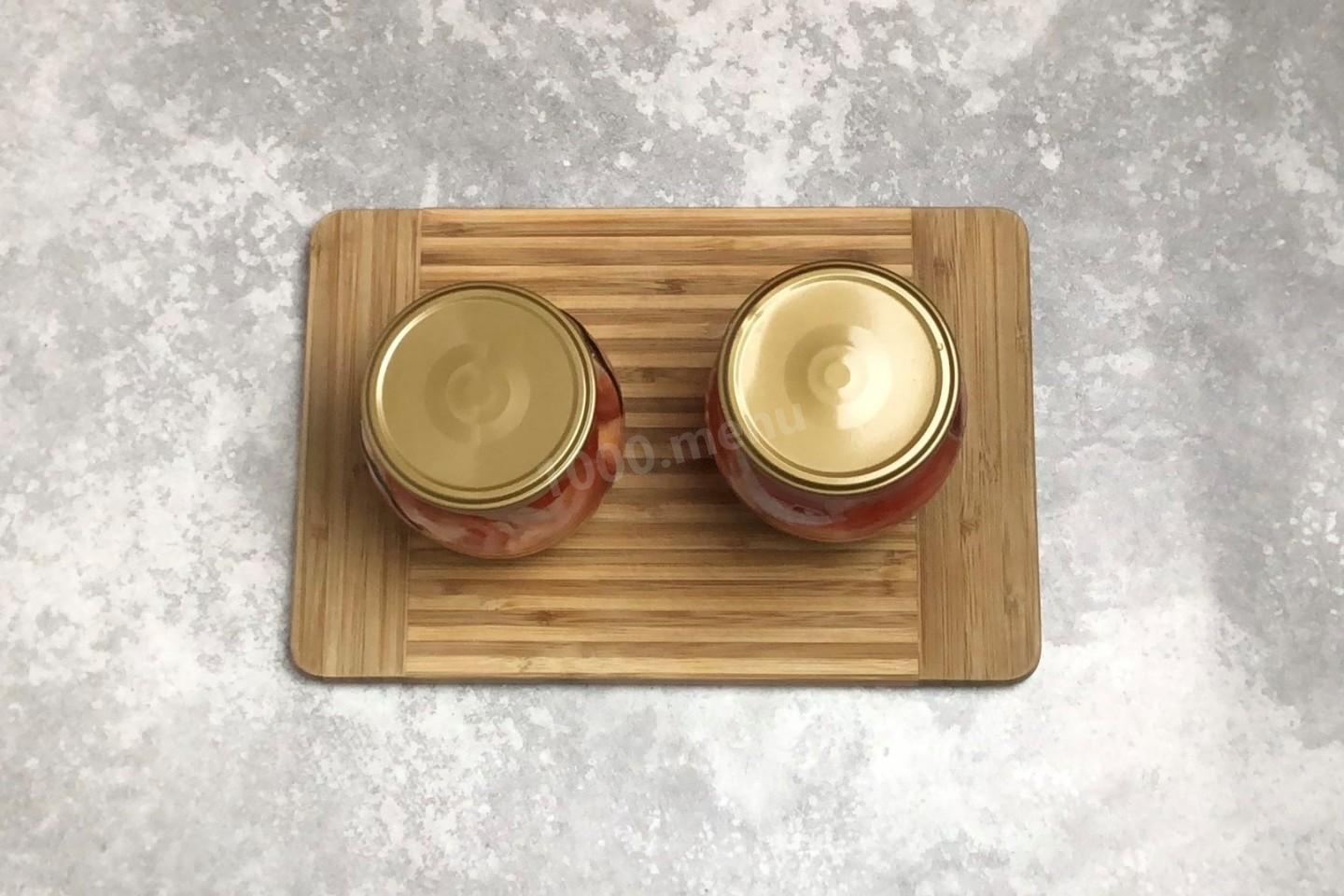
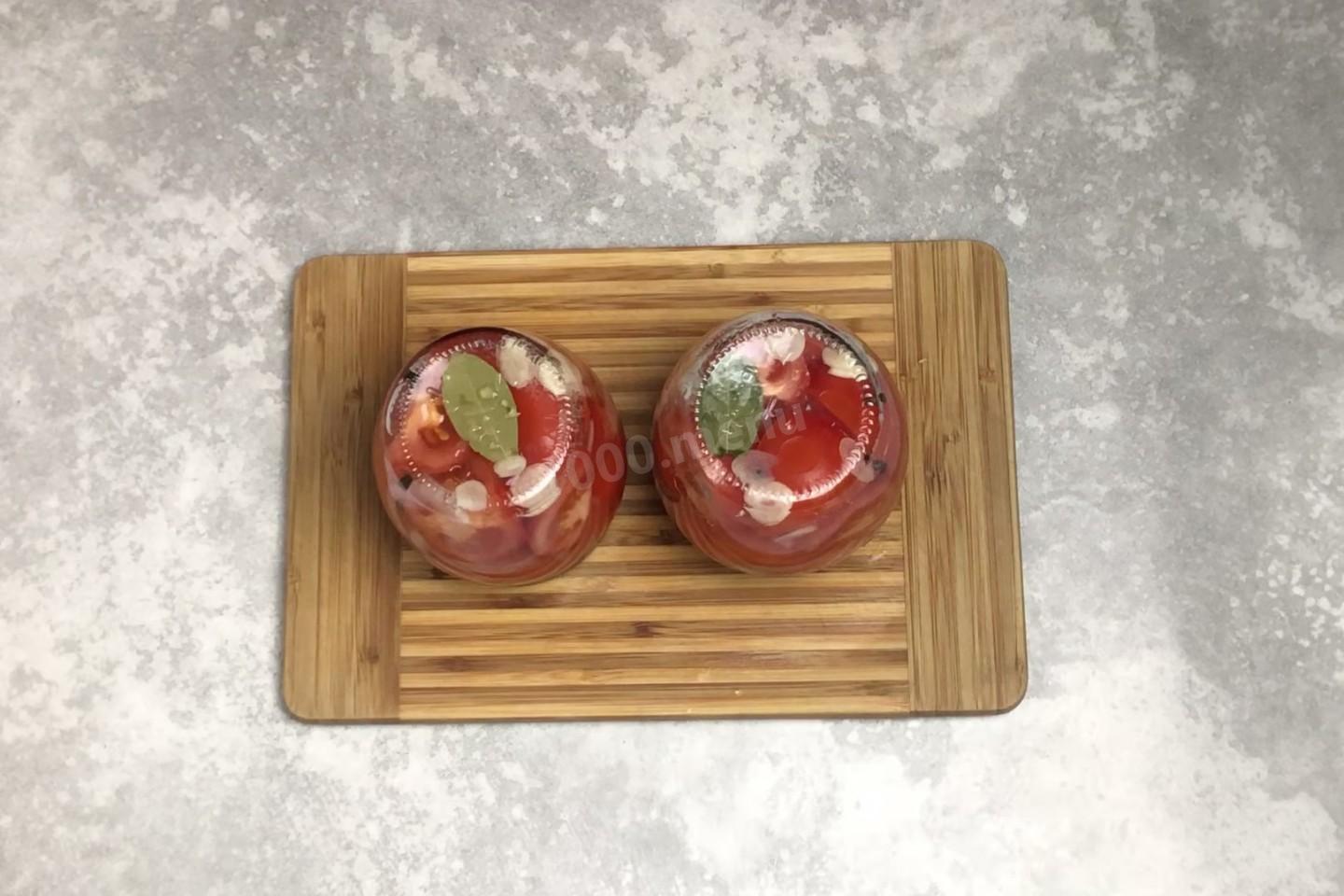
Turn the sealed jars upside down to sterilize the lids a bit more.
-
Step 15:
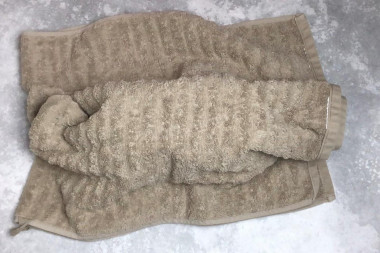
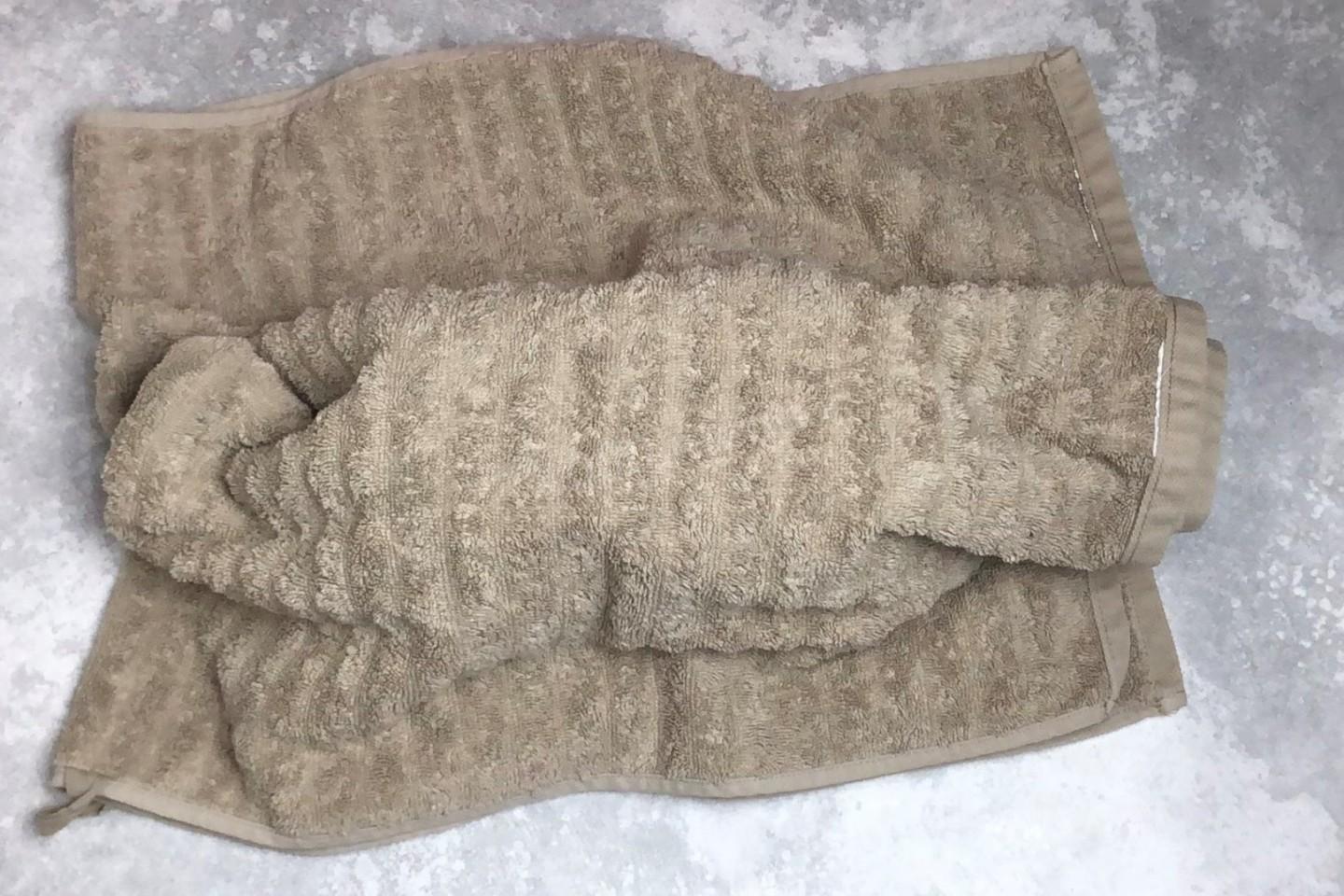
Cover the jars first with a towel, then wrap them in something thick—a blanket, clothing, or a terry towel—to hold the heat longer. Leave them like that until completely cooled. You can store this salad in a cool spot outside the fridge; thanks to the vinegar and the acidity of the tomatoes, the jars won't blow. The tomatoes will be ready to eat in about two weeks.
- We really love this salad, especially in winter when store-bought tomatoes have no flavor. It's not quite like a fresh salad, of course, but it still tastes lovely, and the pieces stay firm rather than mushy.
Caloric content of the products possible in the composition of the dish
- Onion - 41 kcal/100g
- Tomatoes - 23 kcal/100g
- Garlic - 143 kcal/100g
- Bay leaf - 313 kcal/100g
- Granulated sugar - 398 kcal/100g
- Sugar - 398 kcal/100g
- Vegetable oil - 873 kcal/100g
- Black pepper peas - 255 kcal/100g
- Salt - 0 kcal/100g
- Water - 0 kcal/100g
- Table vinegar - 11 kcal/100g