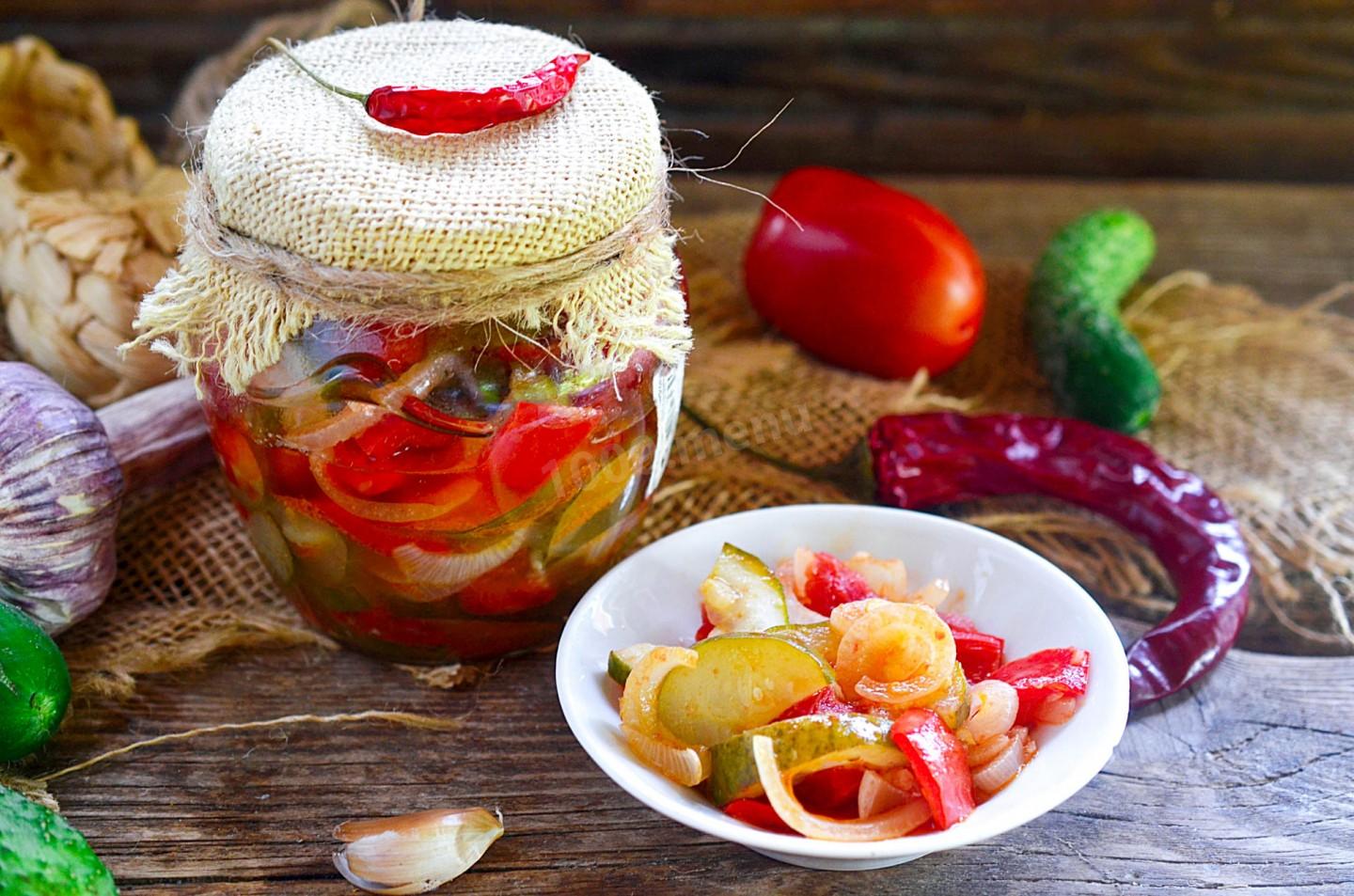
Cucumber-Tomato Salad for Winter (No Processing)
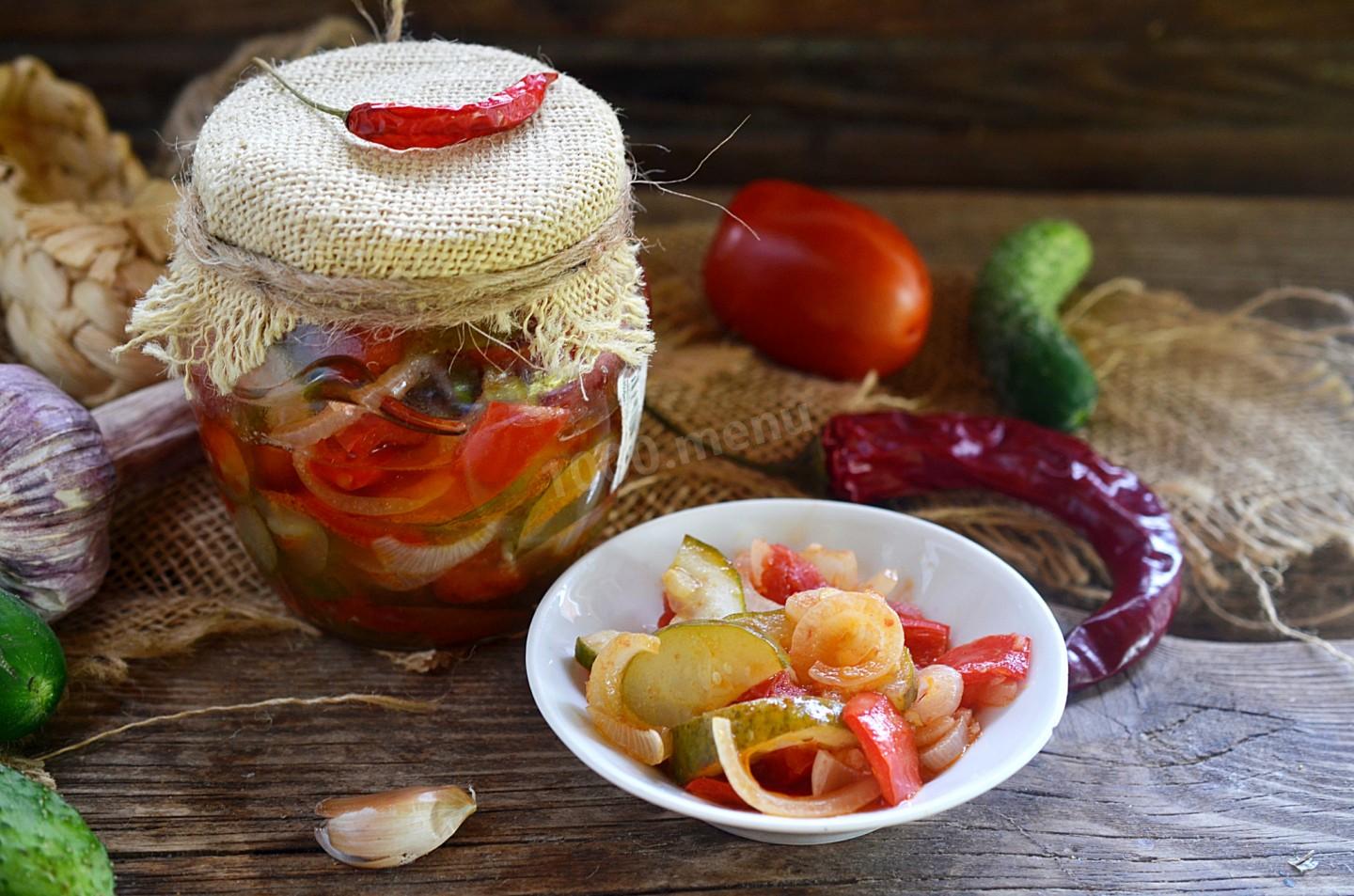
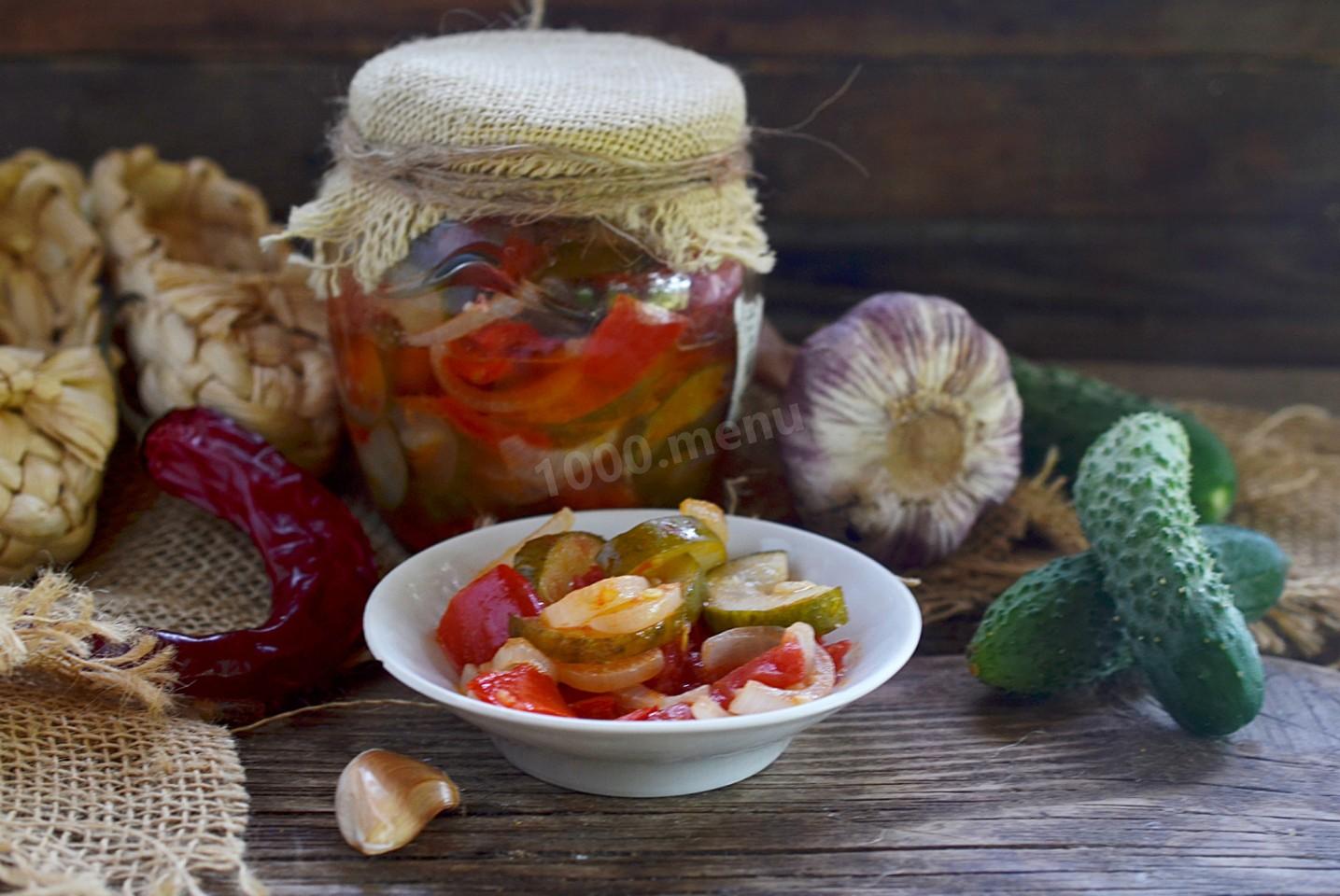
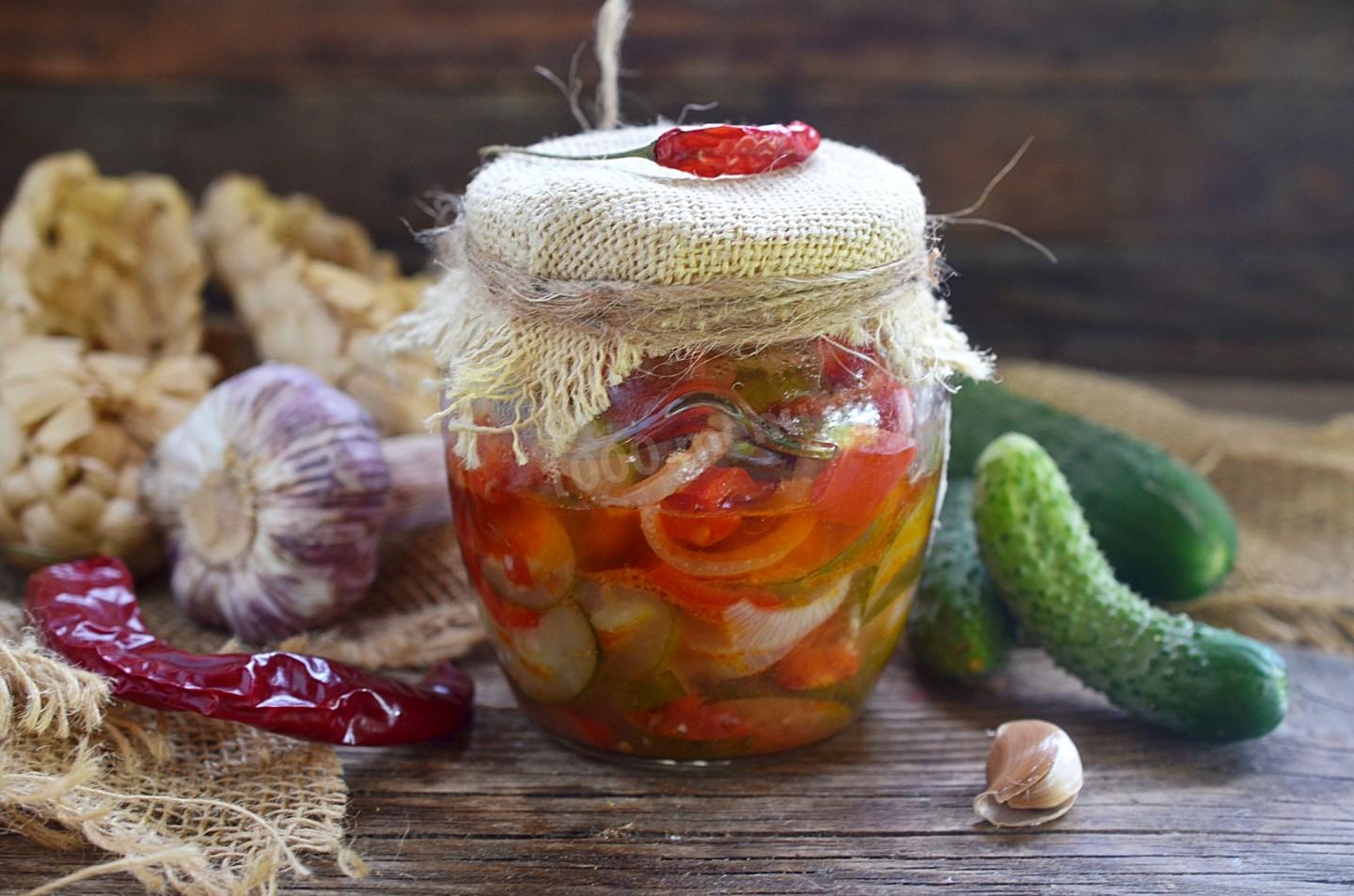
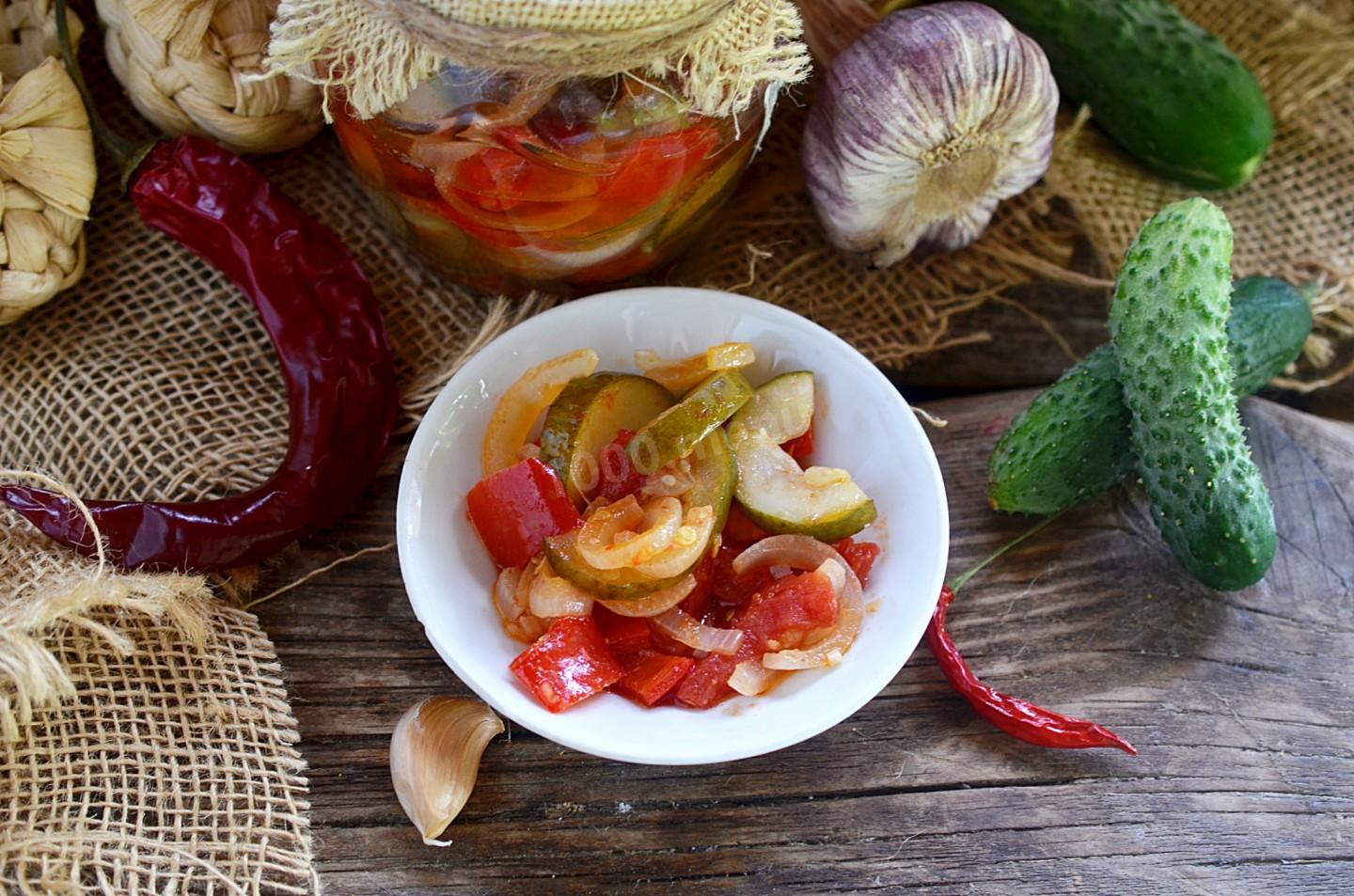
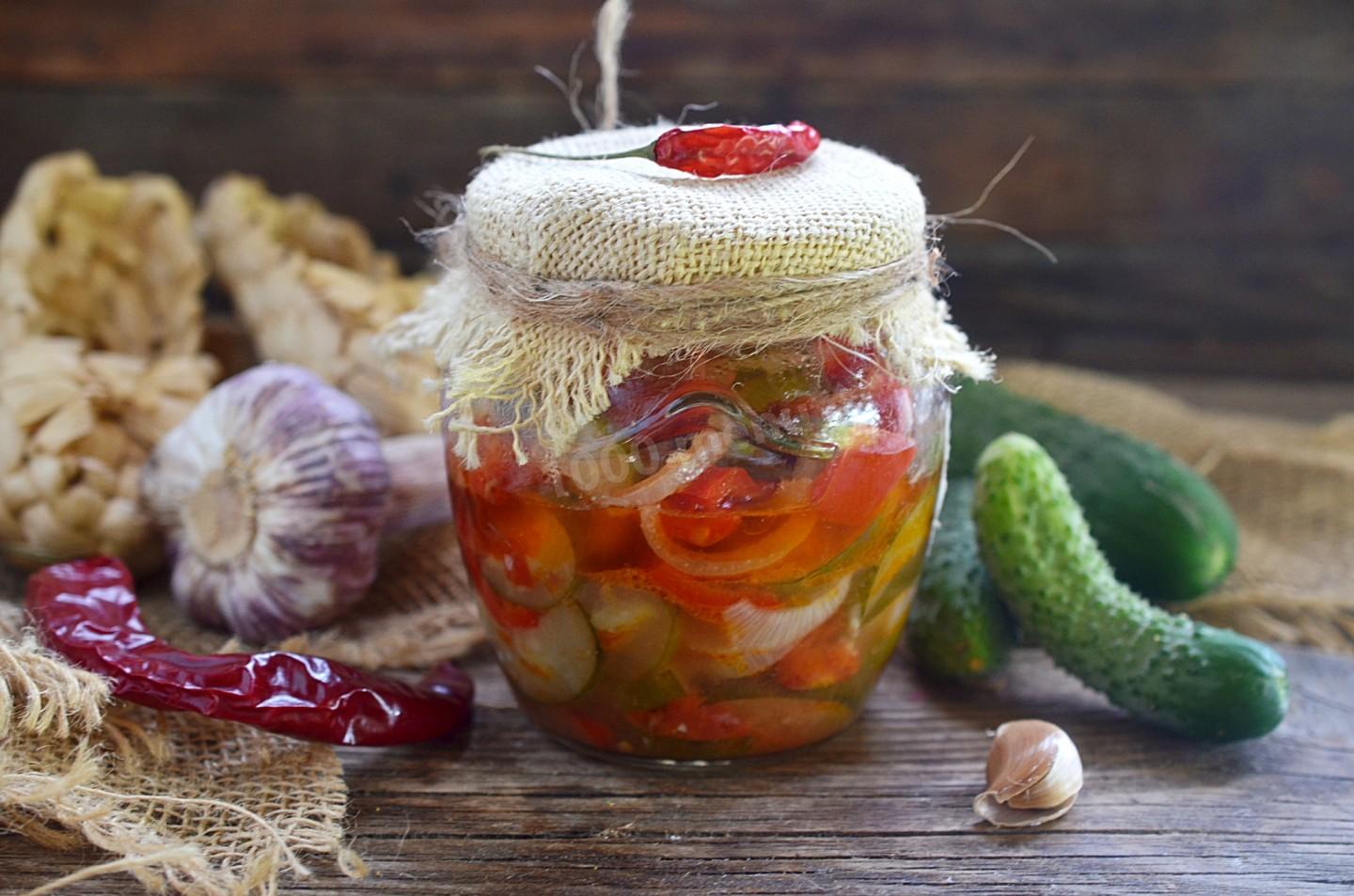
Zesty, bright, full-flavored—a perfect appetizer! This no-process cucumber-tomato salad for winter will come to your rescue more than once during the cold months. Serve a jar of it as a side to your main course, or warm it up for a tasty, wholesome side dish.

Cooking method
-
Step 1:
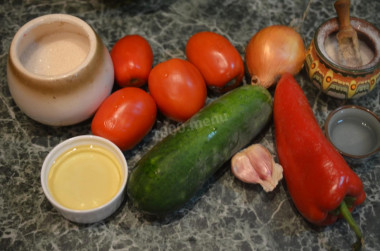
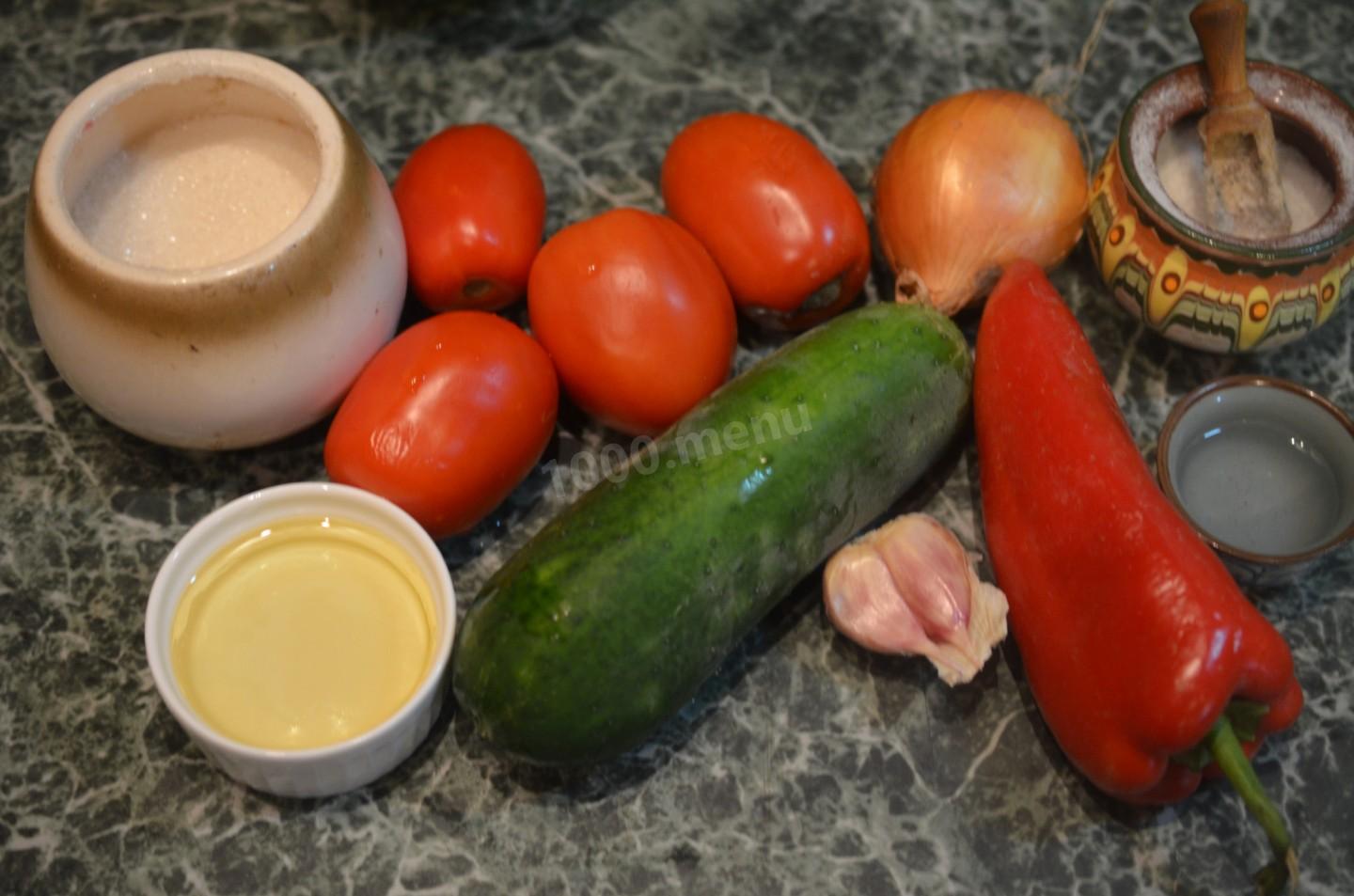
How do you make a tomato and cucumber salad for winter? Gather all your ingredients. This is best made at the height of vegetable season with garden-grown tomatoes, cucumbers, and peppers.
-
Step 2:
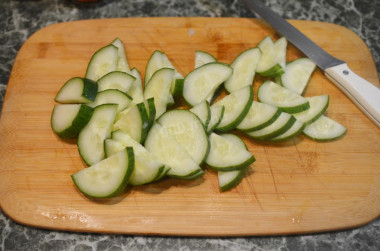
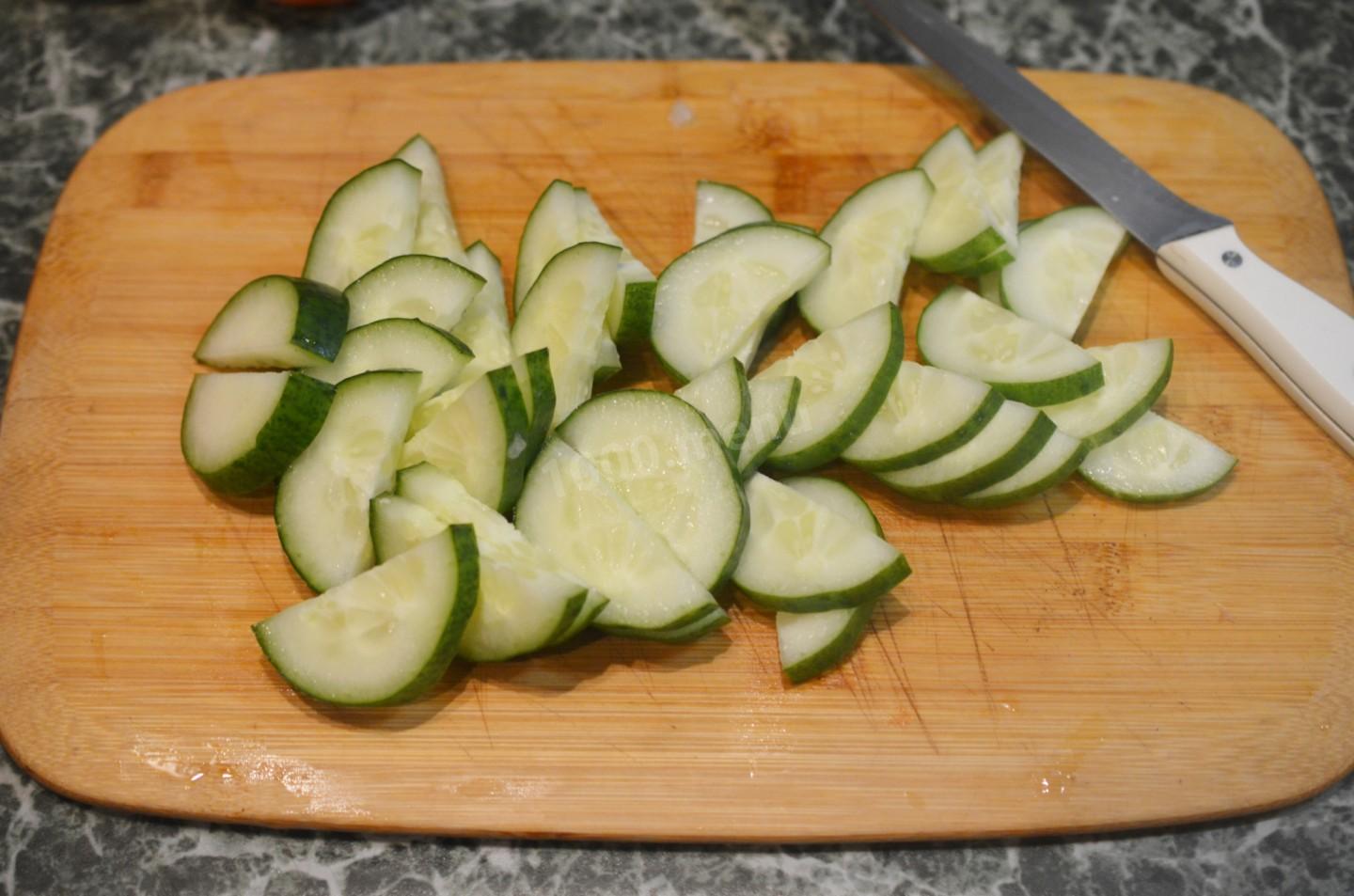
Wash and dry the cucumbers, then cut them into rounds or half-rounds, depending on how thick they are.
-
Step 3:
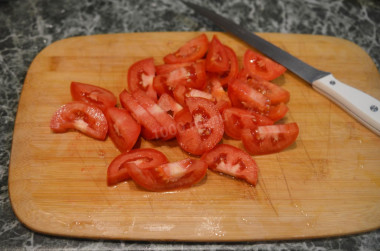
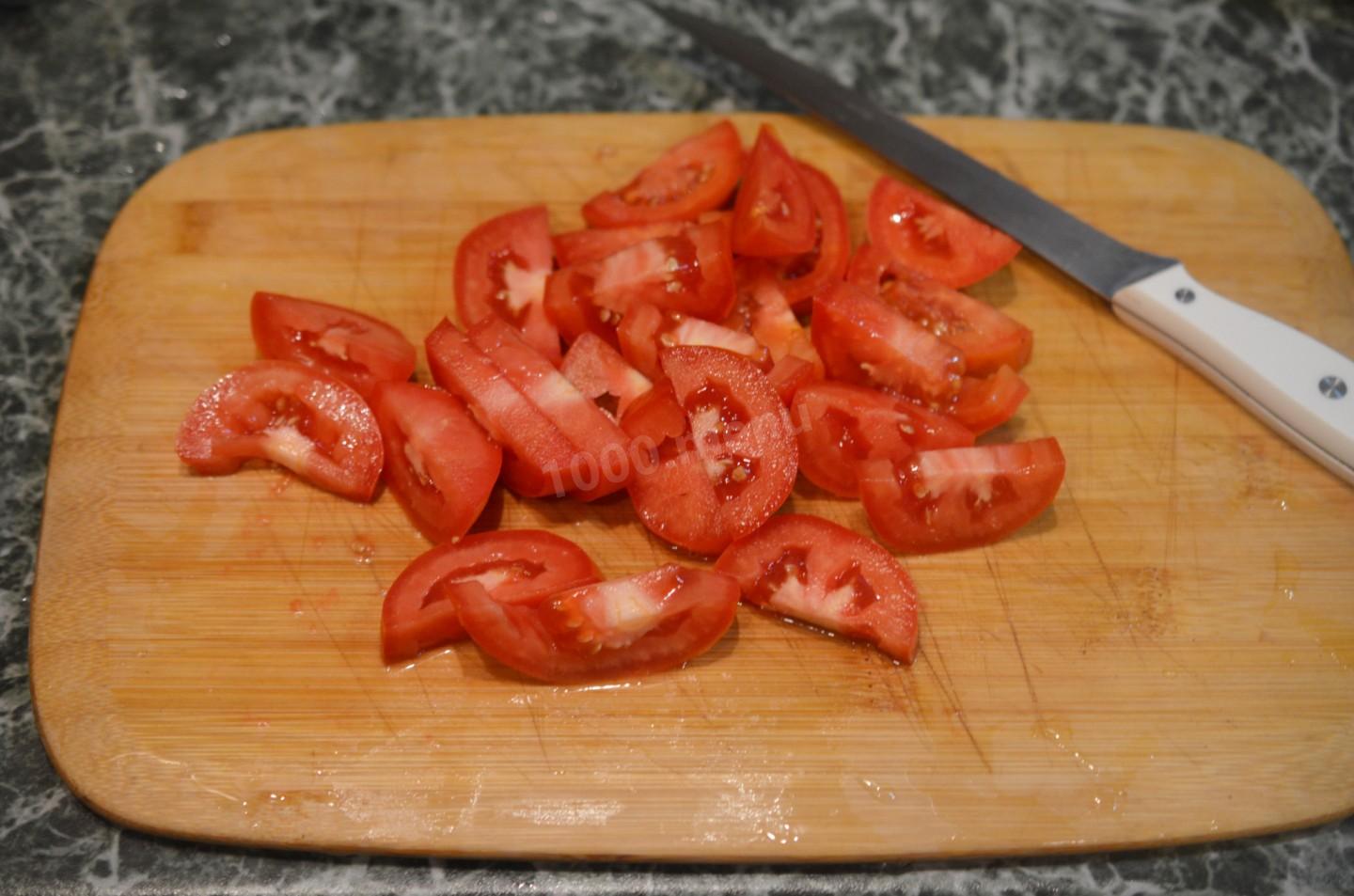
Wash and dry the tomatoes, cut out the stem ends, and cut them into thick wedges. I recommend plum tomatoes for canning—they have thick skins and hold their shape well.
-
Step 4:
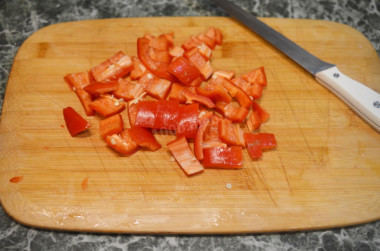
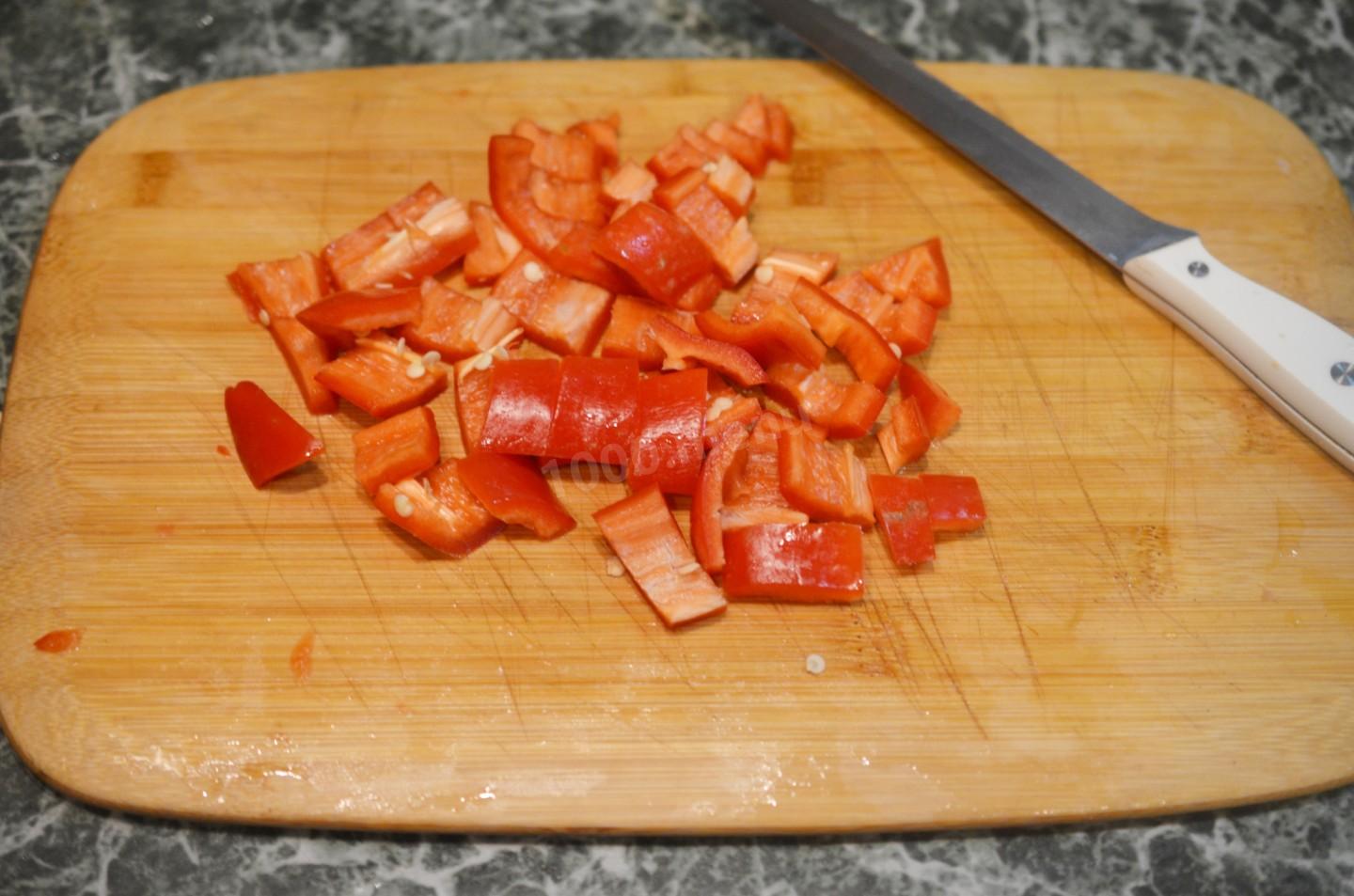
Wash the pepper, remove the stem and seeds, and cut it into thin strips.
-
Step 5:
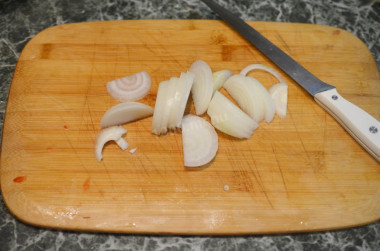
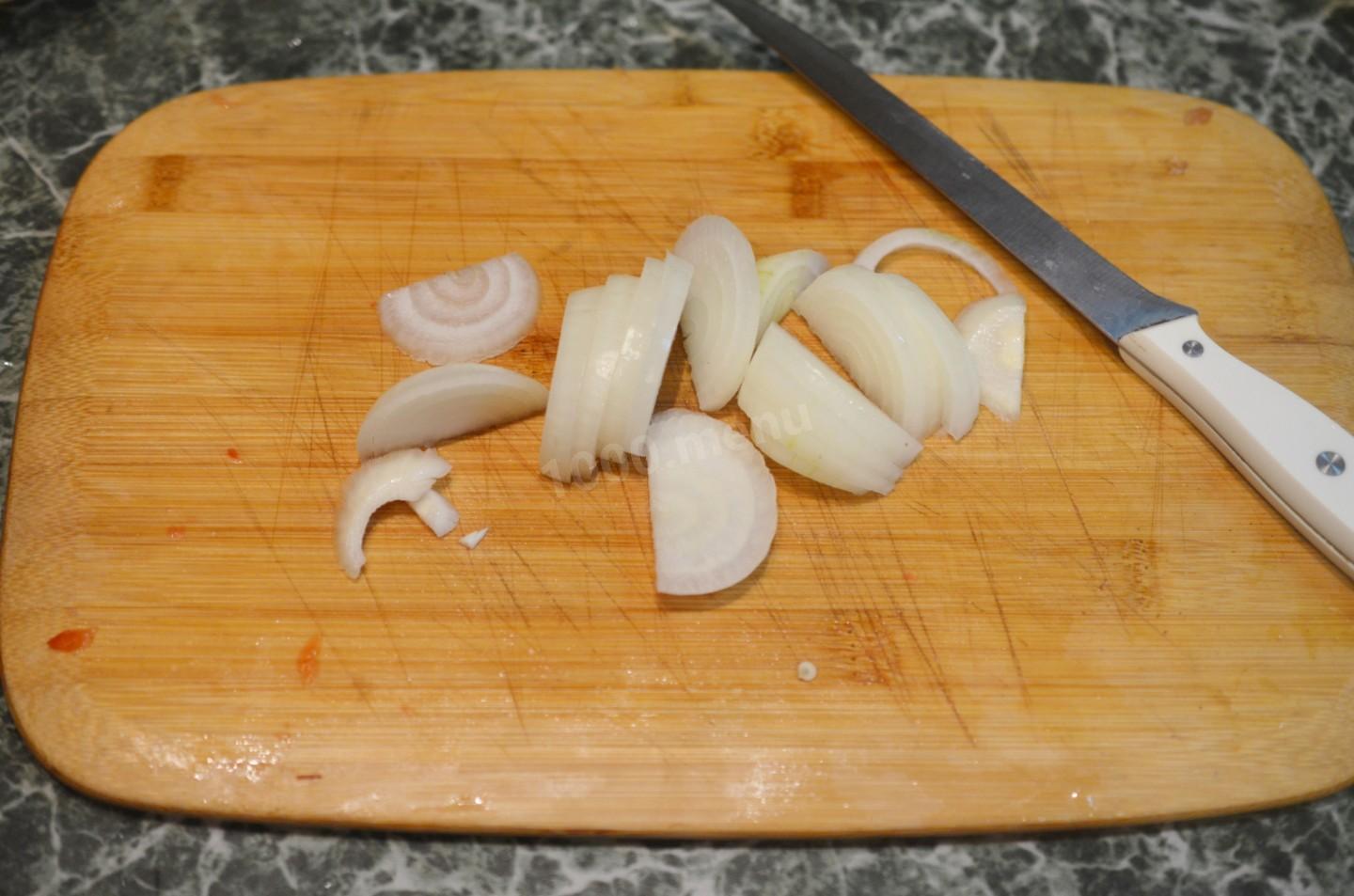
Peel the onions and cut them into thin half-rings.
-
Step 6:
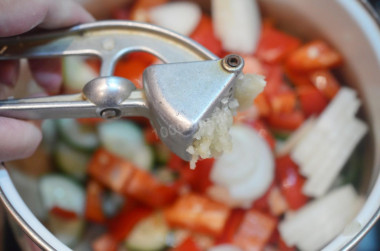
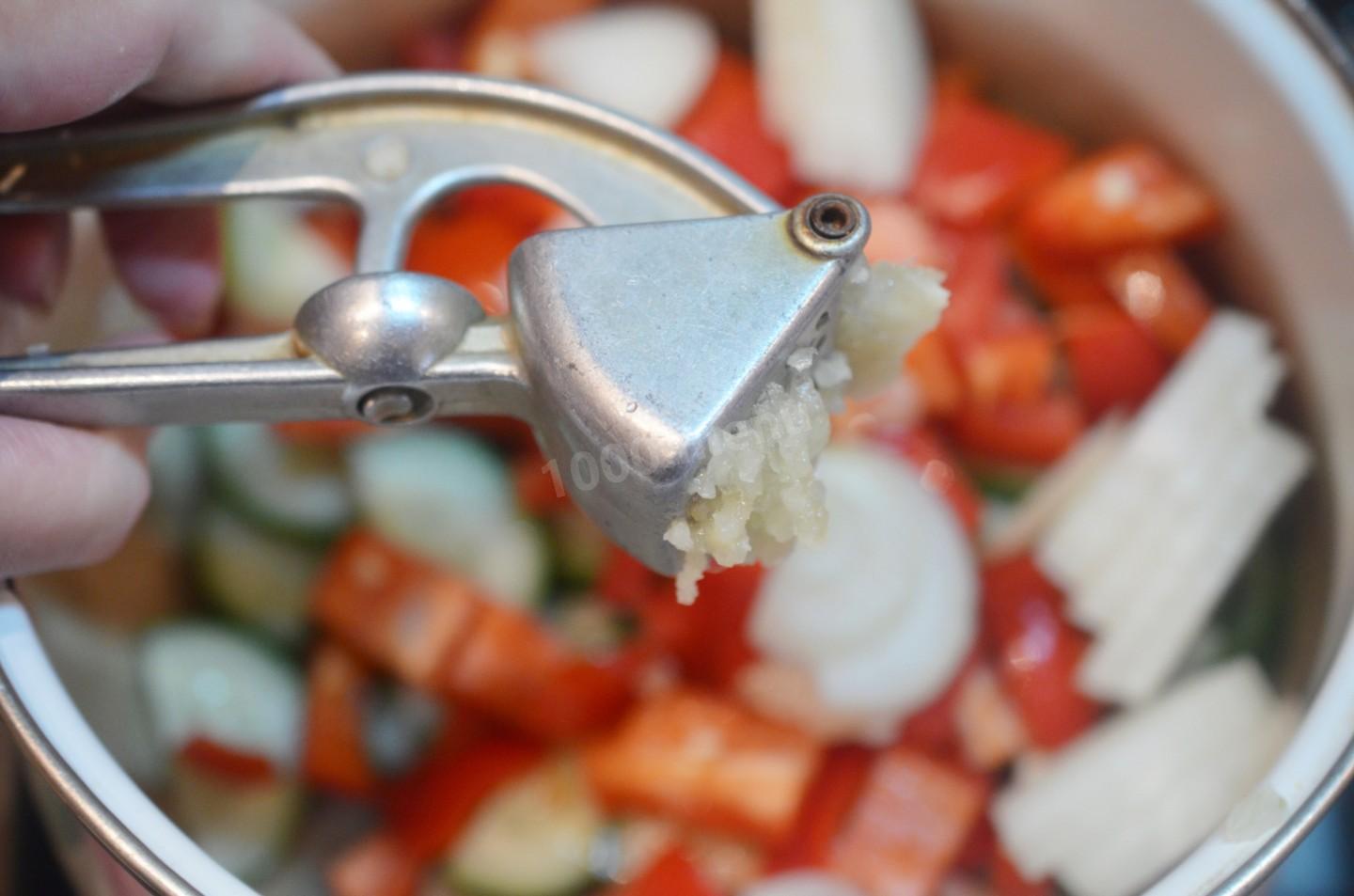
Combine all the cut vegetables and add the minced garlic. I pressed the cloves through a garlic press, but you can grate the garlic on a fine grater or just chop it with a sharp knife.
-
Step 7:
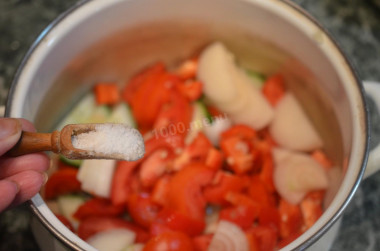
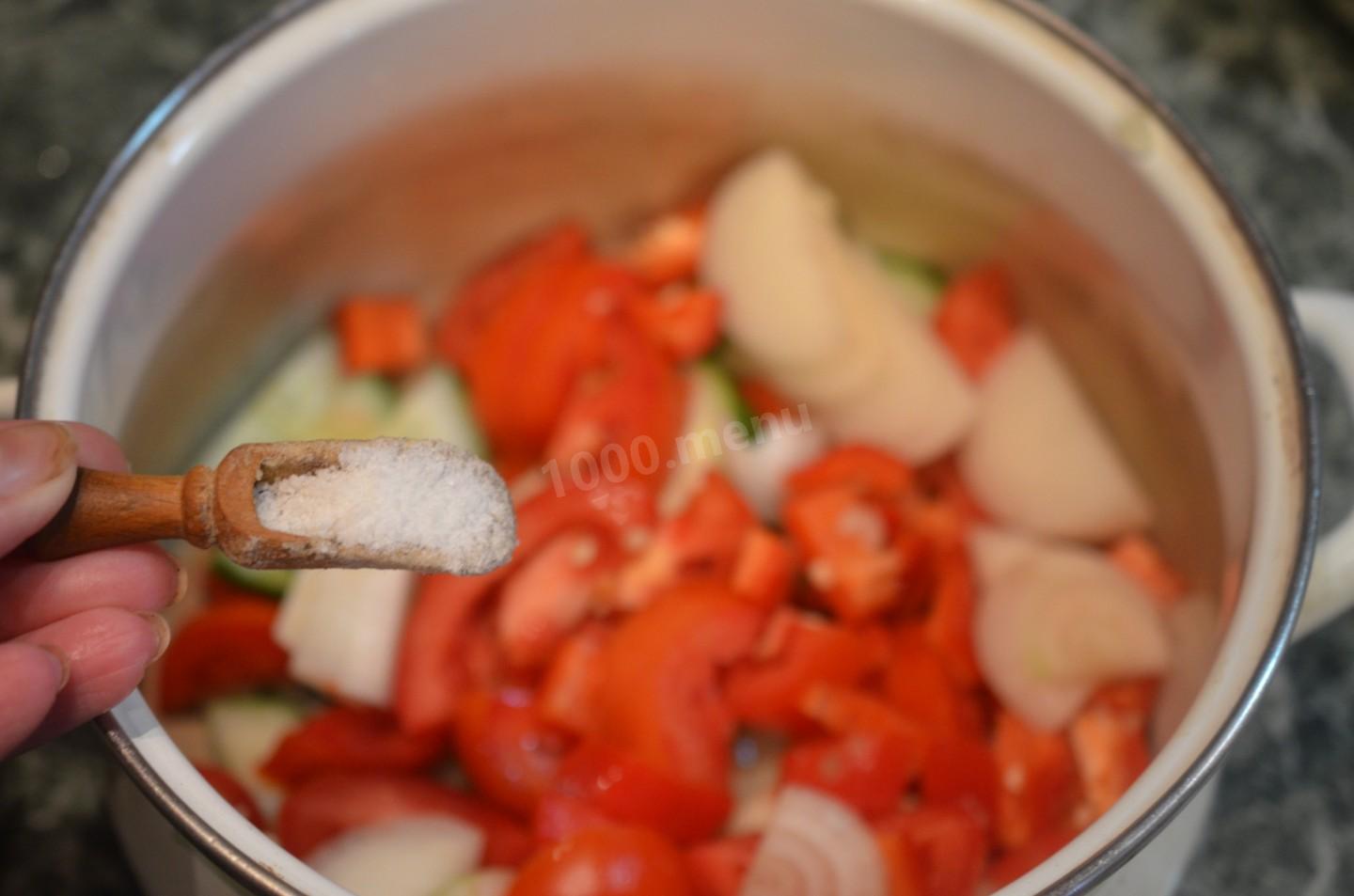
Salt the vegetables.
-
Step 8:
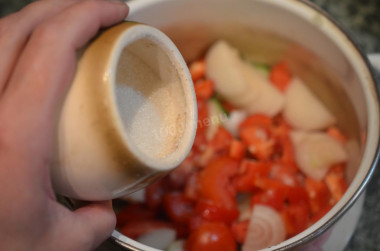
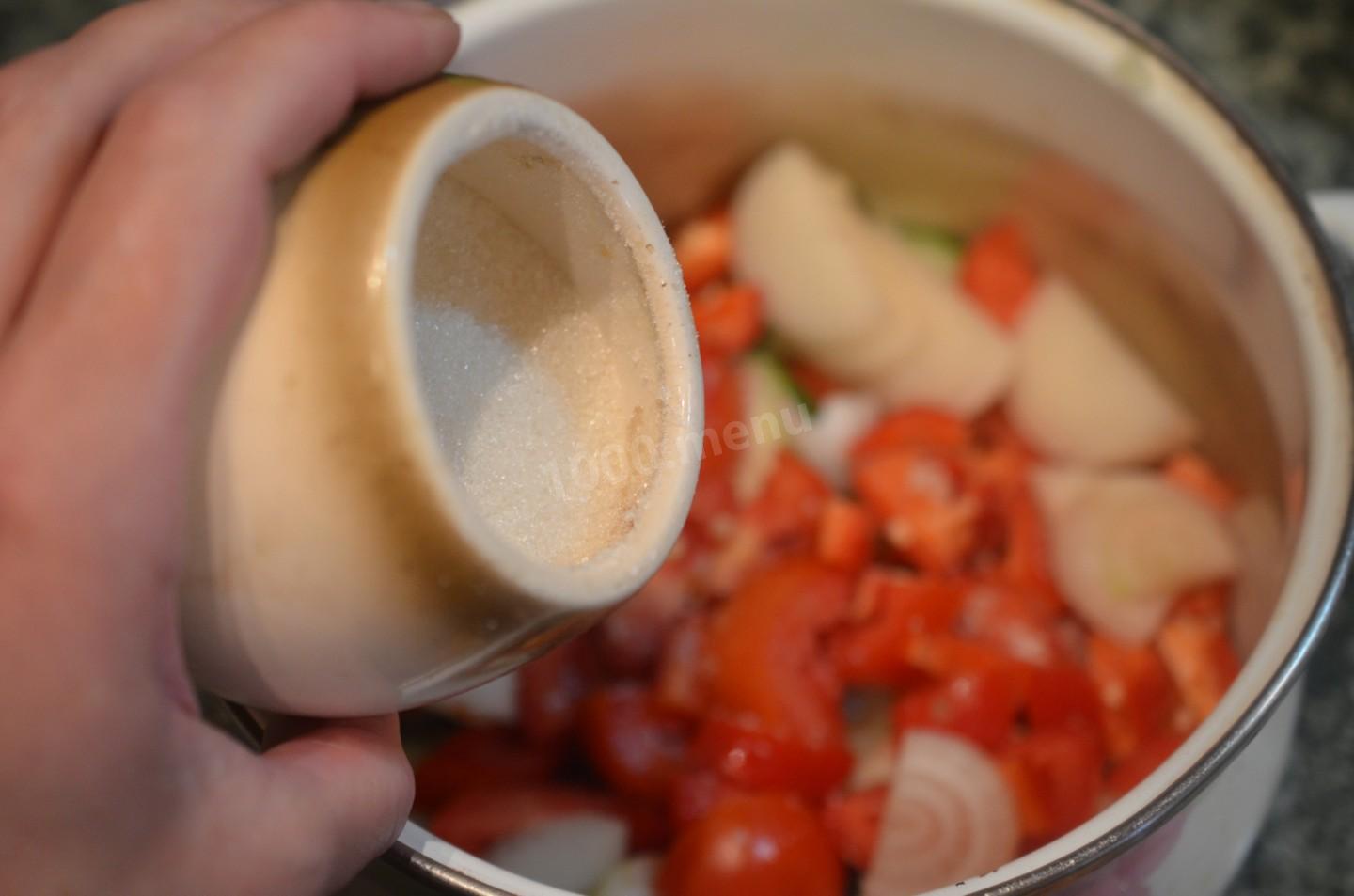
Add the sugar.
-
Step 9:
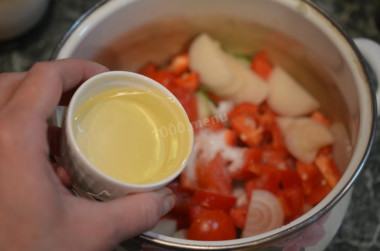
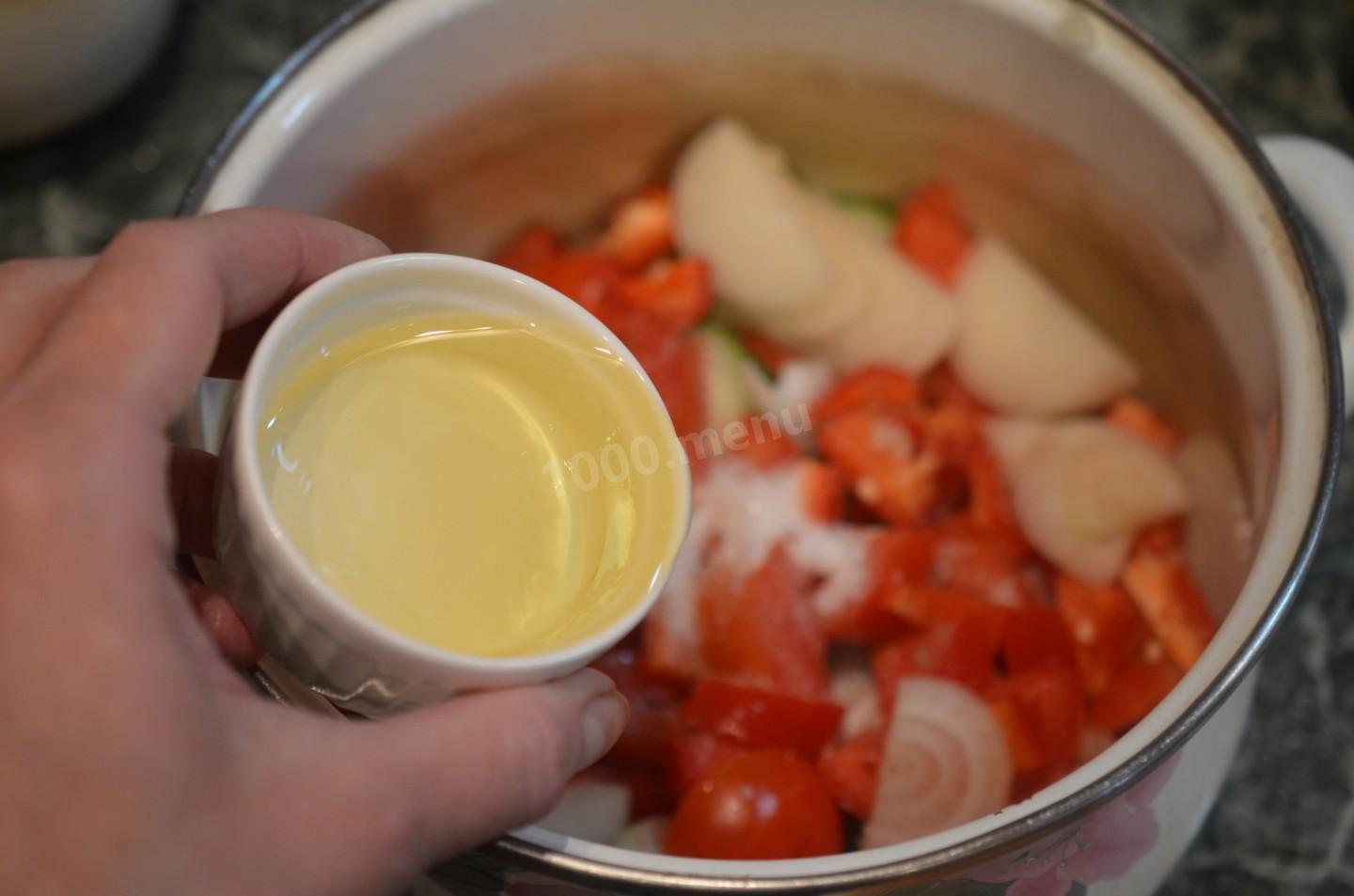
Pour in the vegetable oil.
-
Step 10:
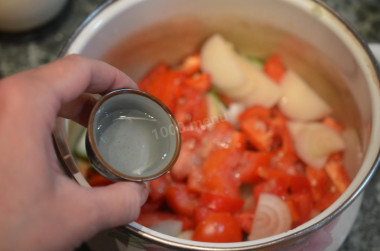
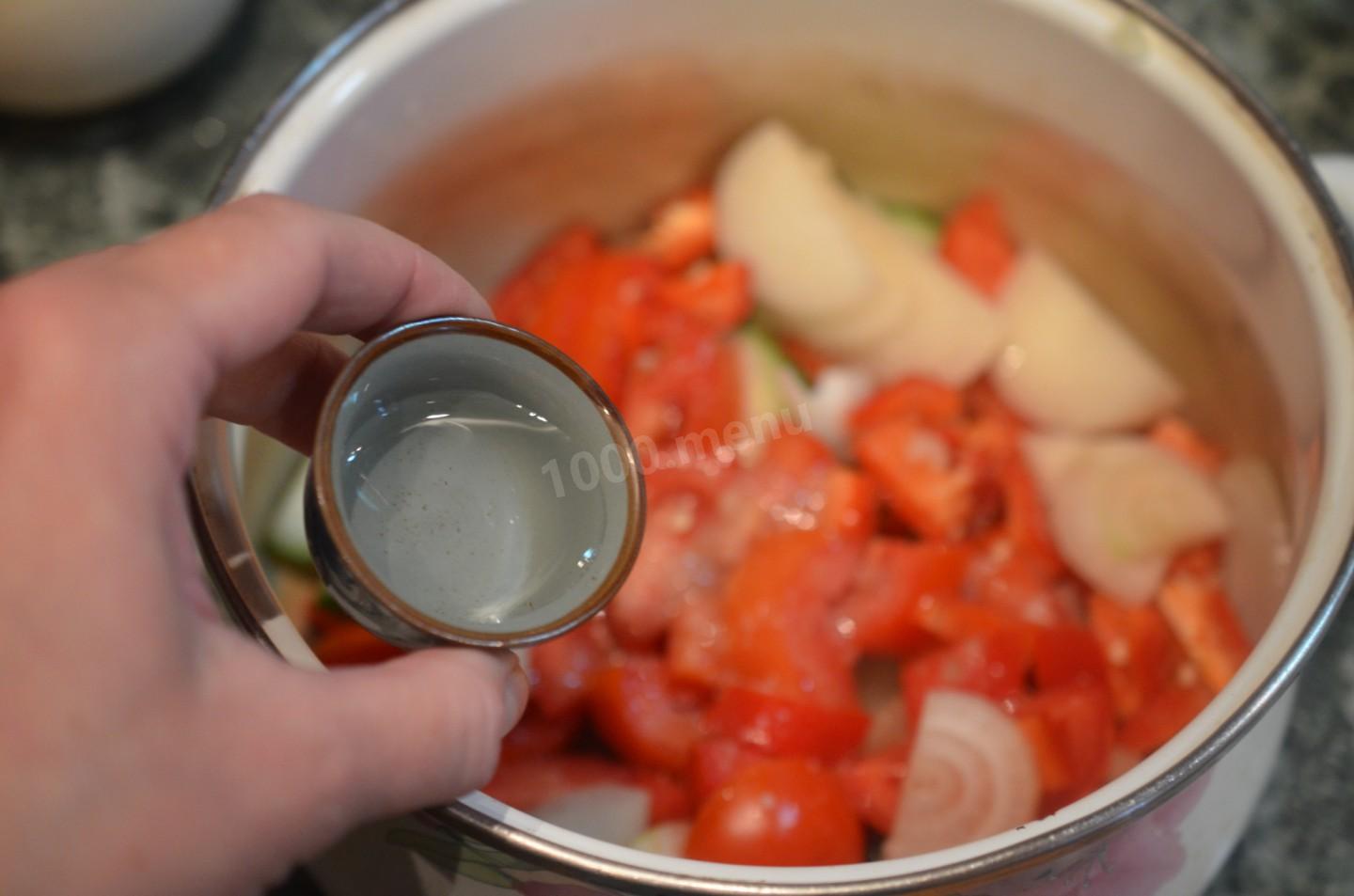
Pour in the vinegar. This recipe uses 6–9% vinegar; if all you have is vinegar essence, dilute it with water at a ratio of 1:8.
-
Step 11:
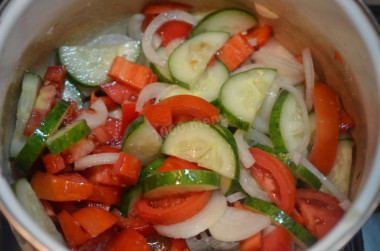
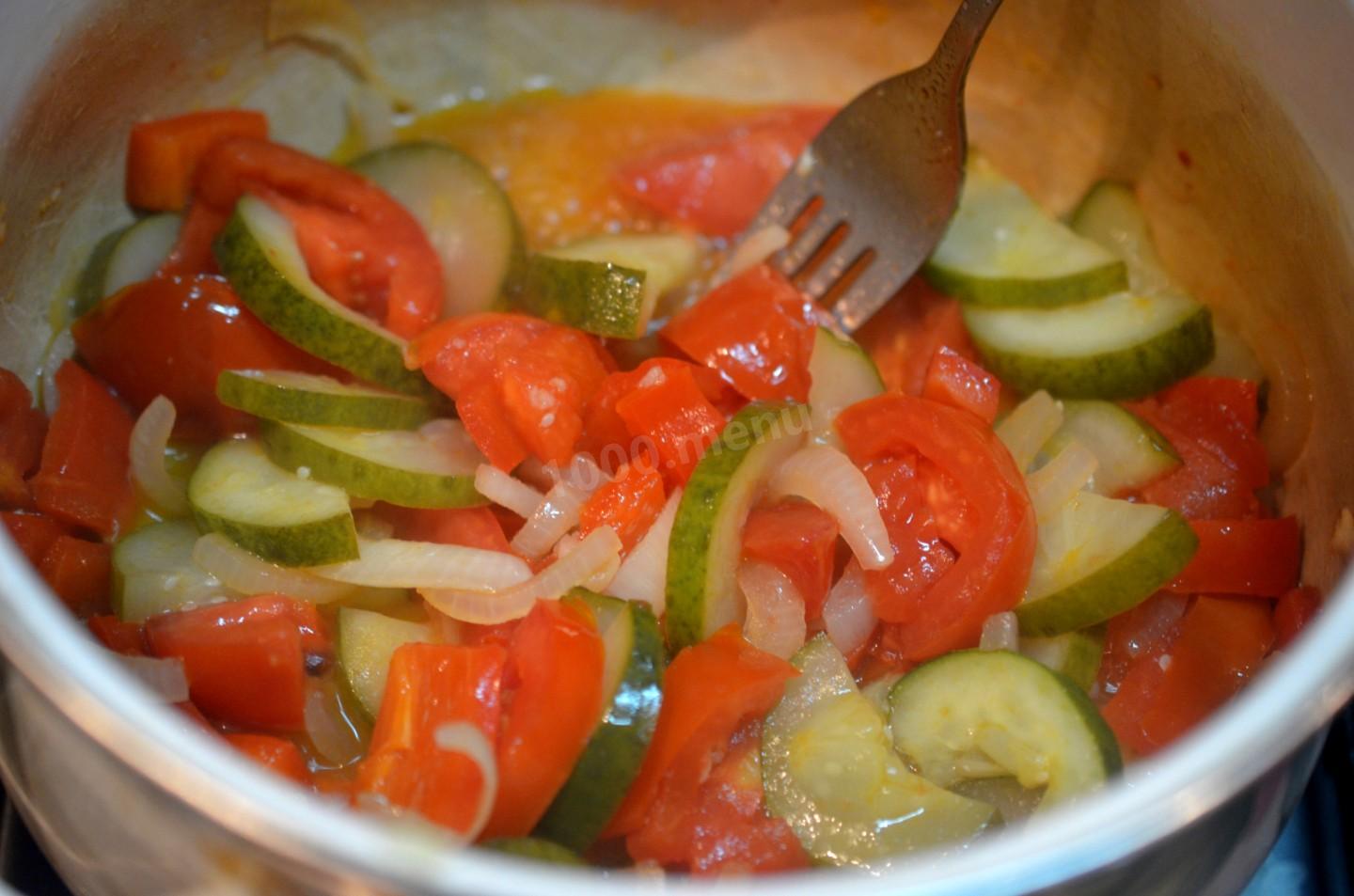
Put all the vegetables in a heavy-bottomed pot and set it over low heat.
-
Step 12:
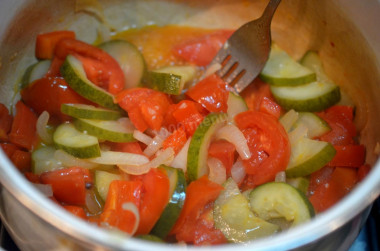
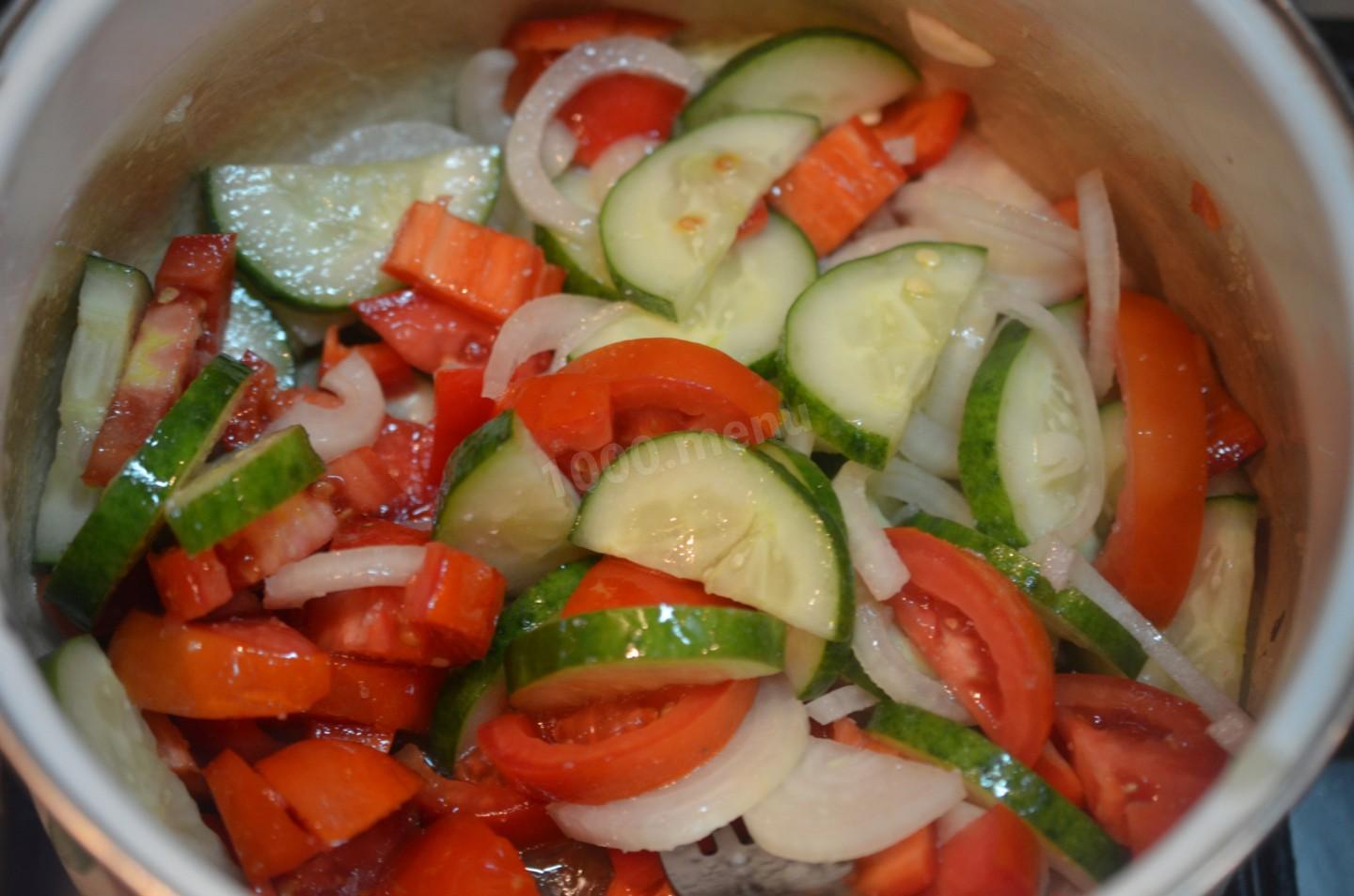
Cook over the lowest heat for about 20 minutes. The salad will shrink quite a bit in volume.
-
Step 13:
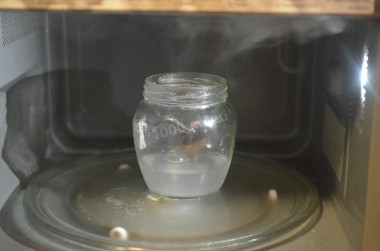
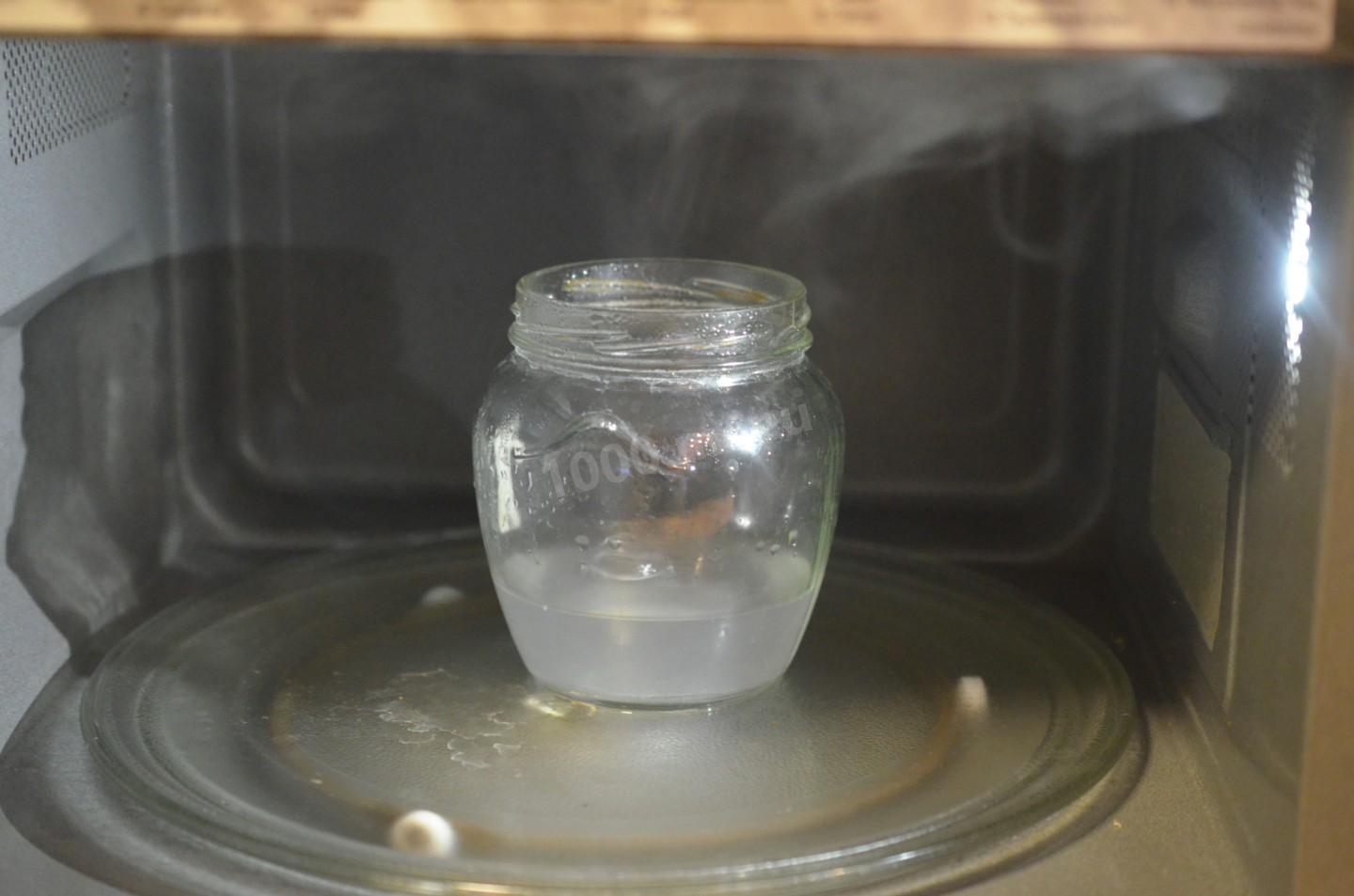
Sterilize the jars however you like. I pour a little water into each jar and microwave them for 5–7 minutes. You can also sterilize them in a 210°F (100°C) oven for about 30 minutes, scald them with boiling water, or hold them over steam. The lids just need to be boiled for 5 minutes.
-
Step 14:
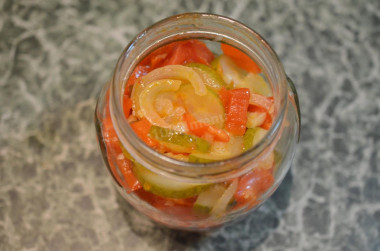
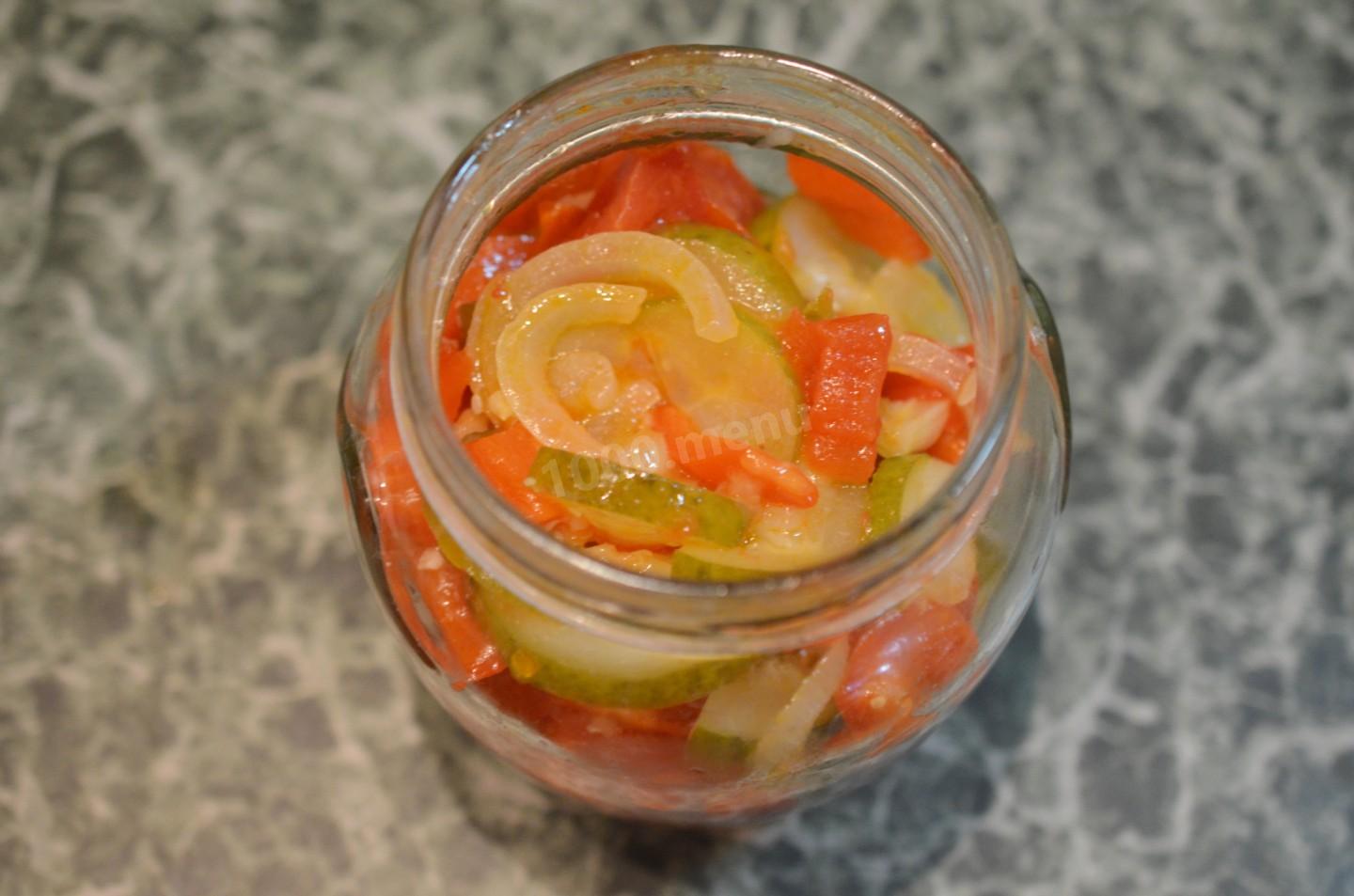
Pack the salad into the jars and seal them tightly or roll them up. No further processing is needed.
-
Step 15:
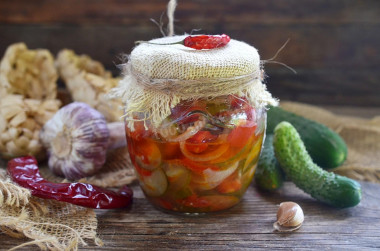
Enjoy!
- Remember that seasonings like salt and sugar, along with vinegar and its substitutes, serve in winter-preserve recipes not just for flavor but, above all, as preservatives. So never cut back on the salt and sugar, and never swap the vinegar (or essence) for something weaker than the recipe calls for—otherwise the vinegar (and salt/sugar) won't do their preserving job and the batch will spoil.
- Use an oil with a high smoke point for frying! Any oil is good only up to a certain temperature—its smoke point, at which the oil starts to burn and forms toxic compounds, including carcinogens. Unrefined oils, with rare exceptions, have a low smoke point; they're full of unfiltered organic particles that scorch quickly. Refined oils stand up to heat better and have higher smoke points. If you're cooking in the oven, in a skillet, or on the grill, make sure you use a high-smoke-point oil. The most common ones are refined sunflower, olive, and grapeseed oils.
Caloric content of the products possible in the composition of the dish
- Tomatoes - 23 kcal/100g
- Fresh cucumbers - 15 kcal/100g
- Sweet pepper - 27 kcal/100g
- Garlic - 143 kcal/100g
- Granulated sugar - 398 kcal/100g
- Sugar - 398 kcal/100g
- Wine vinegar (3%) - 9 kcal/100g
- Vinegar 9% - 11 kcal/100g
- Balsamic vinegar - 88 kcal/100g
- Apple vinegar - 14 kcal/100g
- Vinegar - 11 kcal/100g
- Vegetable oil - 873 kcal/100g
- Salt - 0 kcal/100g
- Onion - 41 kcal/100g