













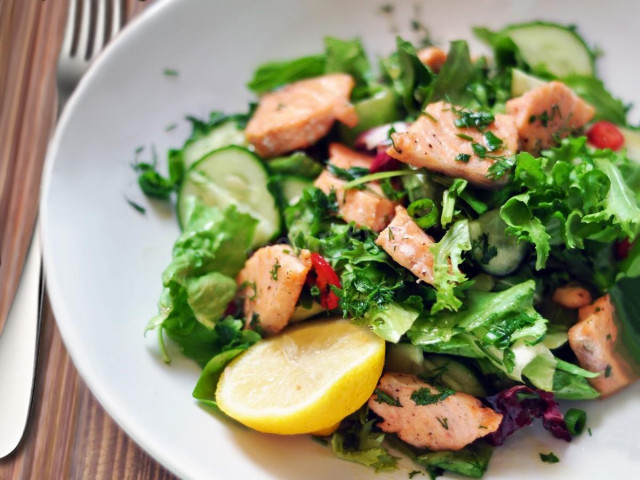



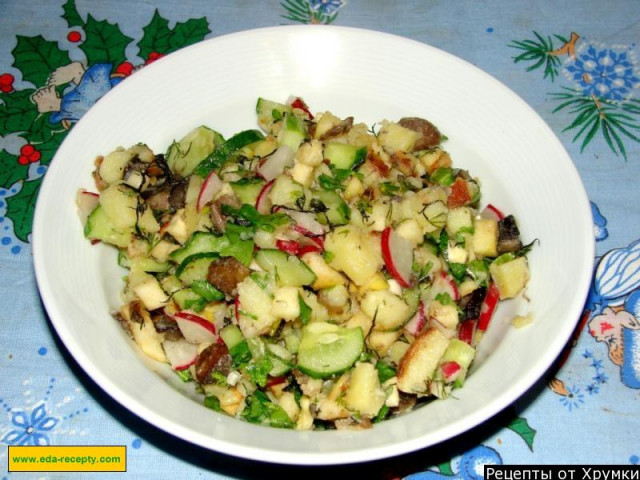



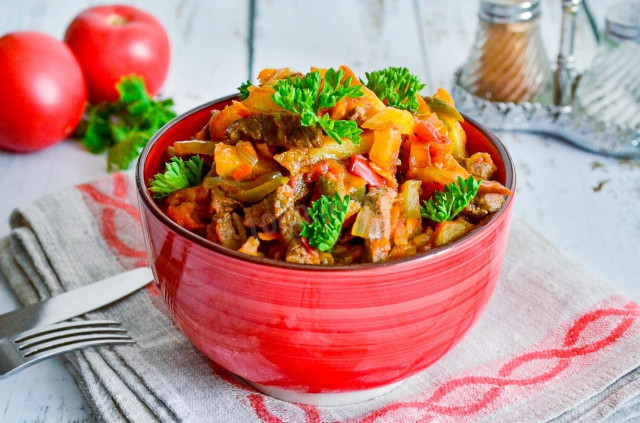

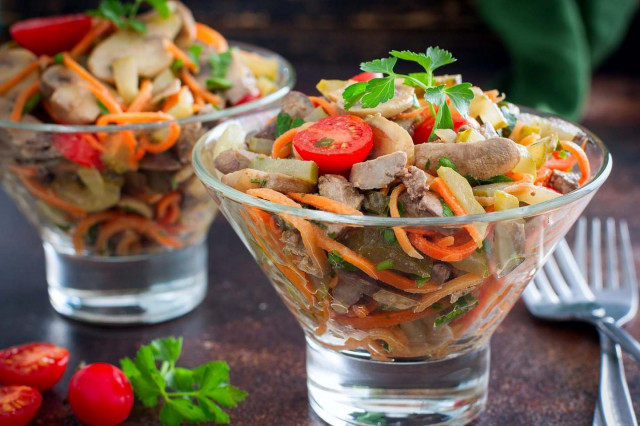
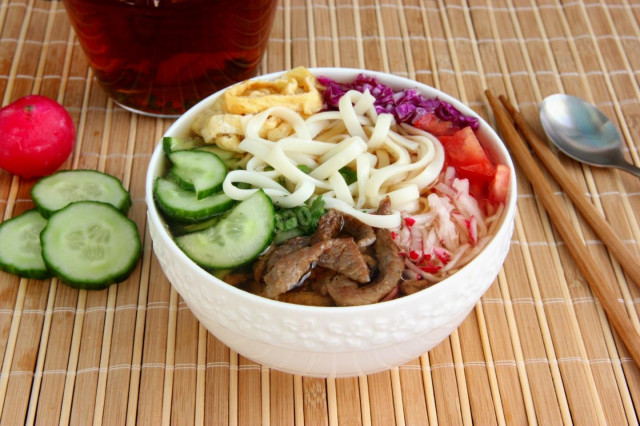





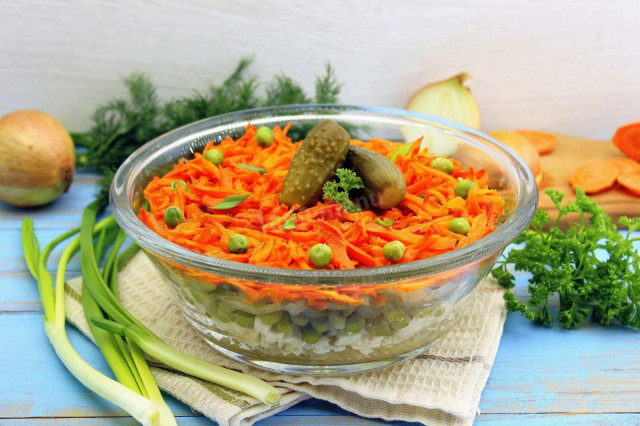






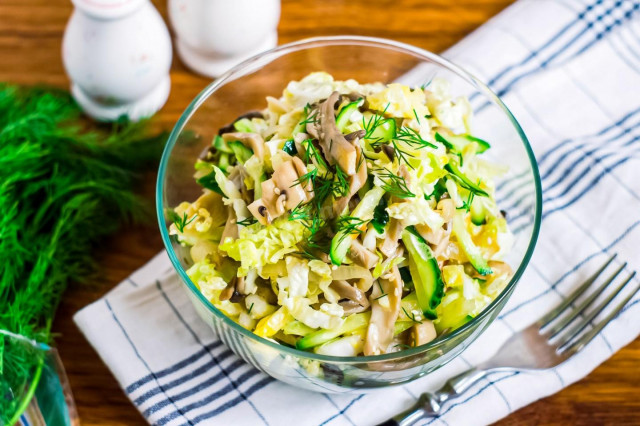

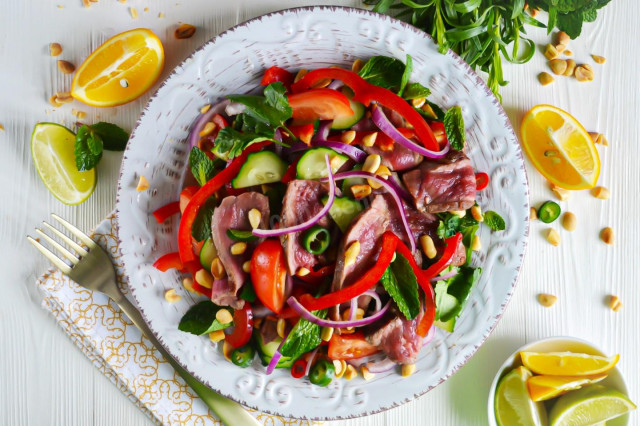












A cucumber is almost 97 percent water. The remaining 3 percent is its actual macronutrients — proteins, fats, and carbohydrates. There are 15 calories per 100 grams of product. This automatically makes the cucumber an ideal component for dishes that fit into all kinds of diets and dietary restrictions. If you want to lose weight, you can recommend crunching on a fresh cucumber when you suddenly feel drawn to the refrigerator at the wrong time. However, you can get the opposite effect: cucumbers tend to whet the appetite.
Cucumber most often appears in recipes with these five products:
This vegetable has potassium, magnesium, and zinc in its makeup (the other minerals are present in small amounts). And the organic substances contained in its liquid help naturally cleanse the intestines and remove toxins, waste, and heavy metals. It's considered one of the best sources of fiber, which is also indispensable for the proper functioning of the digestive system. A set of vitamins: A, B1, B2, C, PP.
There is a cucumber mono-diet, popular among certain segments of society (in particular, among active women) as one of the fastest ways to shed a little excess weight. It's important to remember here that any violence against your body carries the risk of big problems. And that cucumber juice contains acids that raise the stomach's average acidity. If you overeat cucumbers, you can bring on an ulcer or gastritis and seriously strain your kidneys. Greenhouse store-bought vegetables are 100% full of nitrates, which can easily give you a nasty case of poisoning.
The best advice for a modern person is to eat cucumbers only in their season, that is, in summer. Better still if they're grown in your own garden under natural conditions, in the warm sun.