Beef Entrecôte
A juicy, medium-cooked beef entrecôte. Beef entrecôte is a French classic — tender, juicy, cooked just right, never dried out, and pink in the middle. It's a filling, incredibly tasty, restaurant-quality dish. Serve it with a glass of red wine.

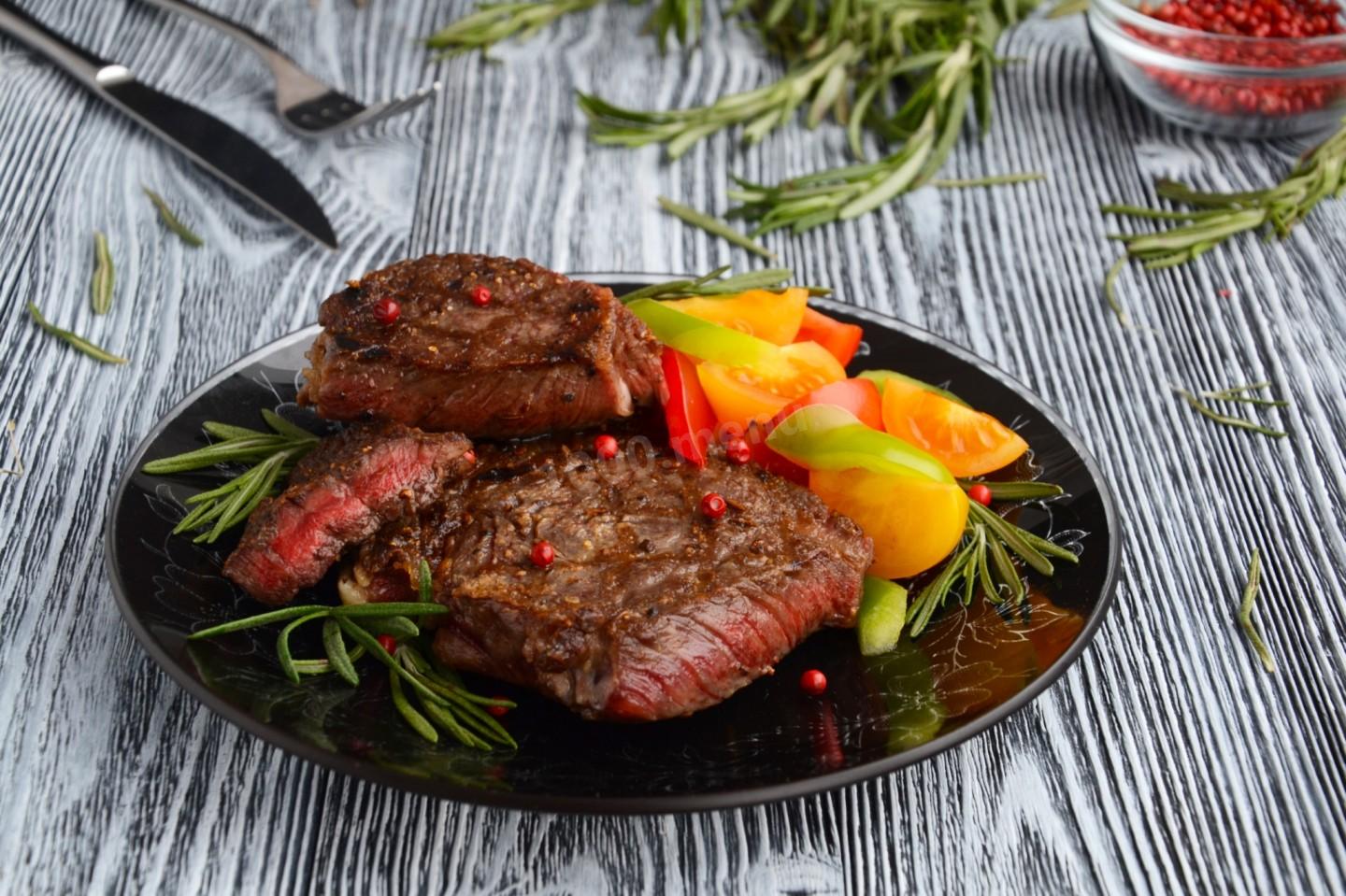
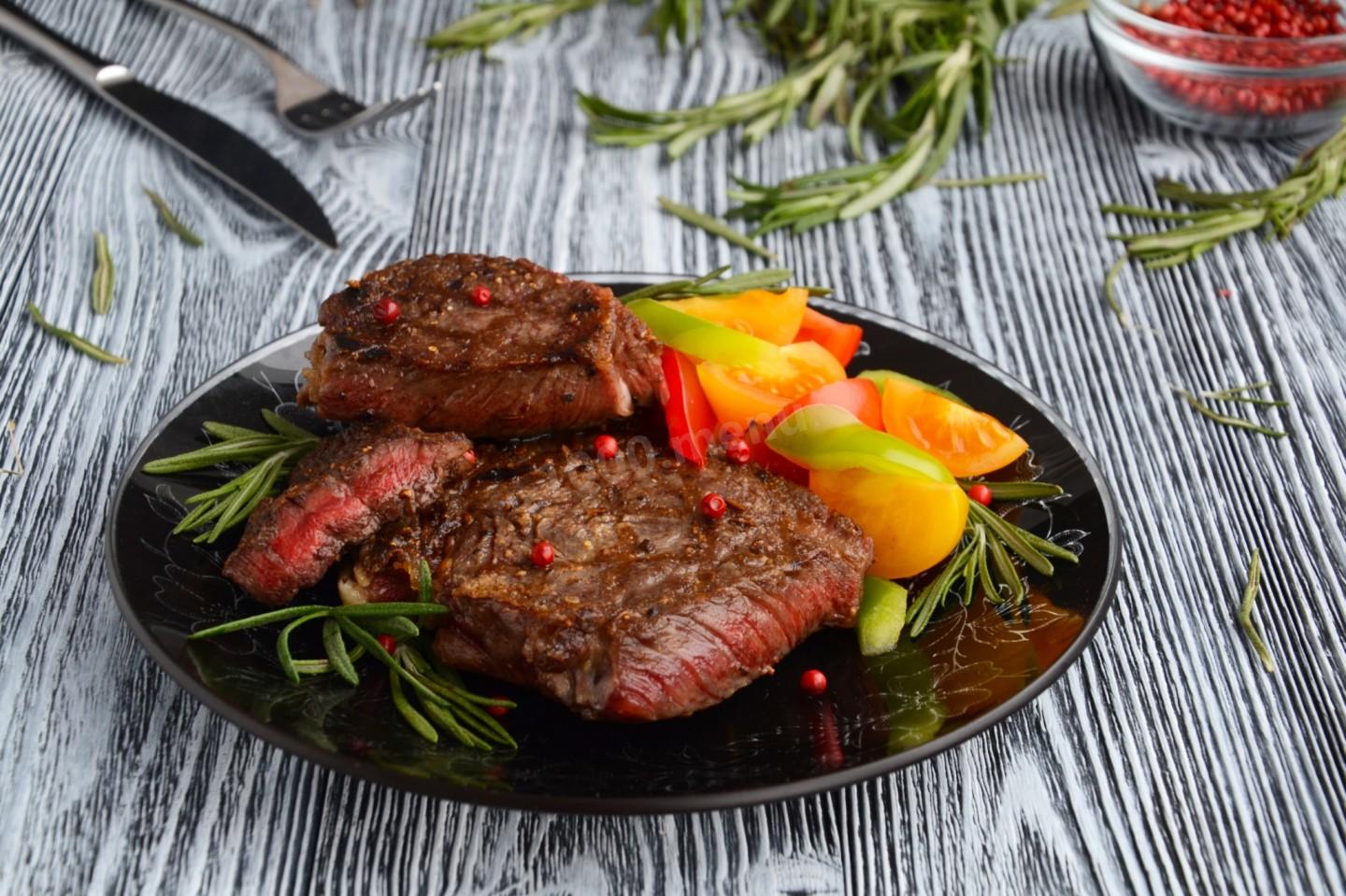
Cooking method
-
Step 1:
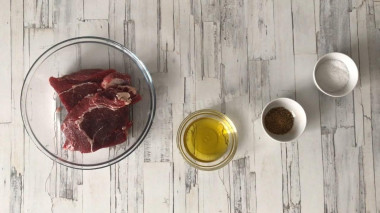
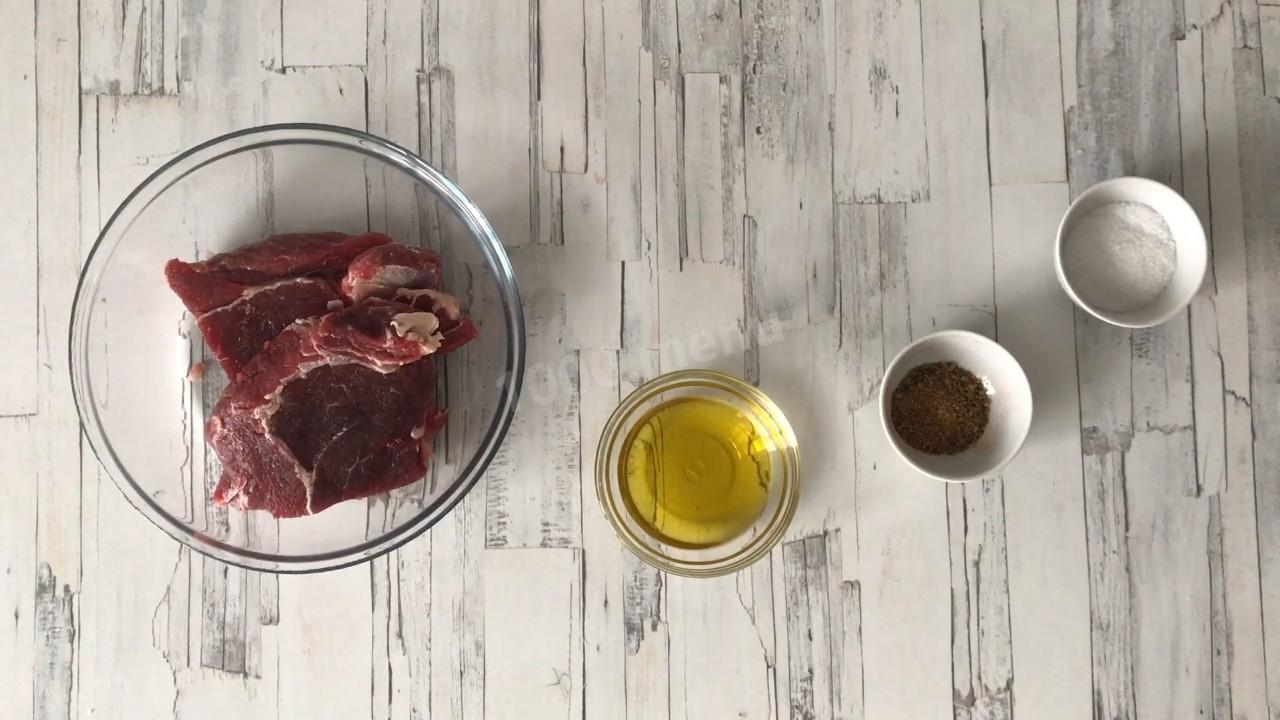
How do you make a beef entrecôte? Get your ingredients together. Start with a high-quality cut of beef — that's the real secret to a great entrecôte. The meat should be at least 1/2 inch (1.5 cm) thick, though 1 1/4 to 2 inches (3–5 cm) is even better. Cut the meat off the bone and divide it into 2 pieces.
-
Step 2:
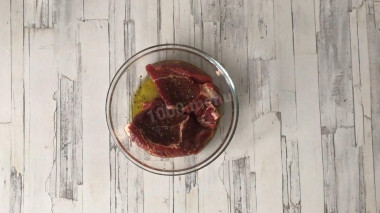
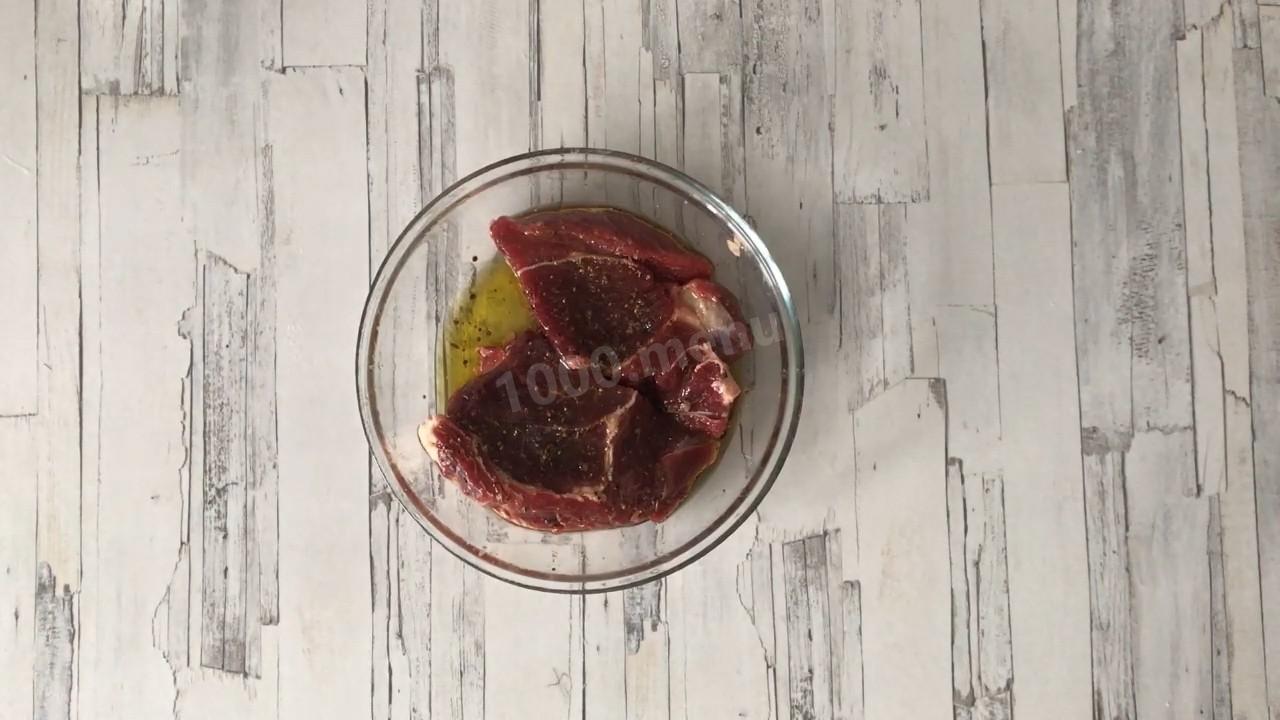
Rinse the meat and pat it dry with paper towels — too much moisture keeps it from searing and makes it steam instead. Season the entrecôte generously with pepper and salt, rubbing the spices in on all sides. Drizzle it with olive oil (use one with a high smoke point) and spread the oil over the whole piece with your hands.
-
Step 3:
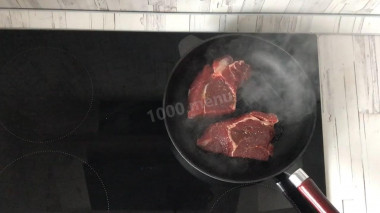
A non-stick skillet works best here. Set it over the heat and get it good and hot. Add the meat and sear it over high heat for about 5 minutes on the first side. Be patient — don't flip it too early.
-
Step 4:
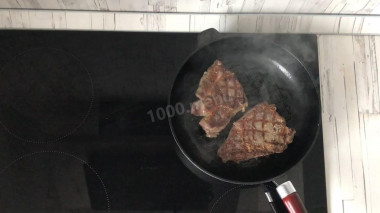
Flip the meat and cook another 5–7 minutes over medium heat. Transfer the beef to a plate, tent it with foil, and let it rest for 5–7 minutes. If you'd rather it not be too rare, cook it a little longer, or wrap it in foil and finish it in the oven. Either way you'll get a nice medium doneness.
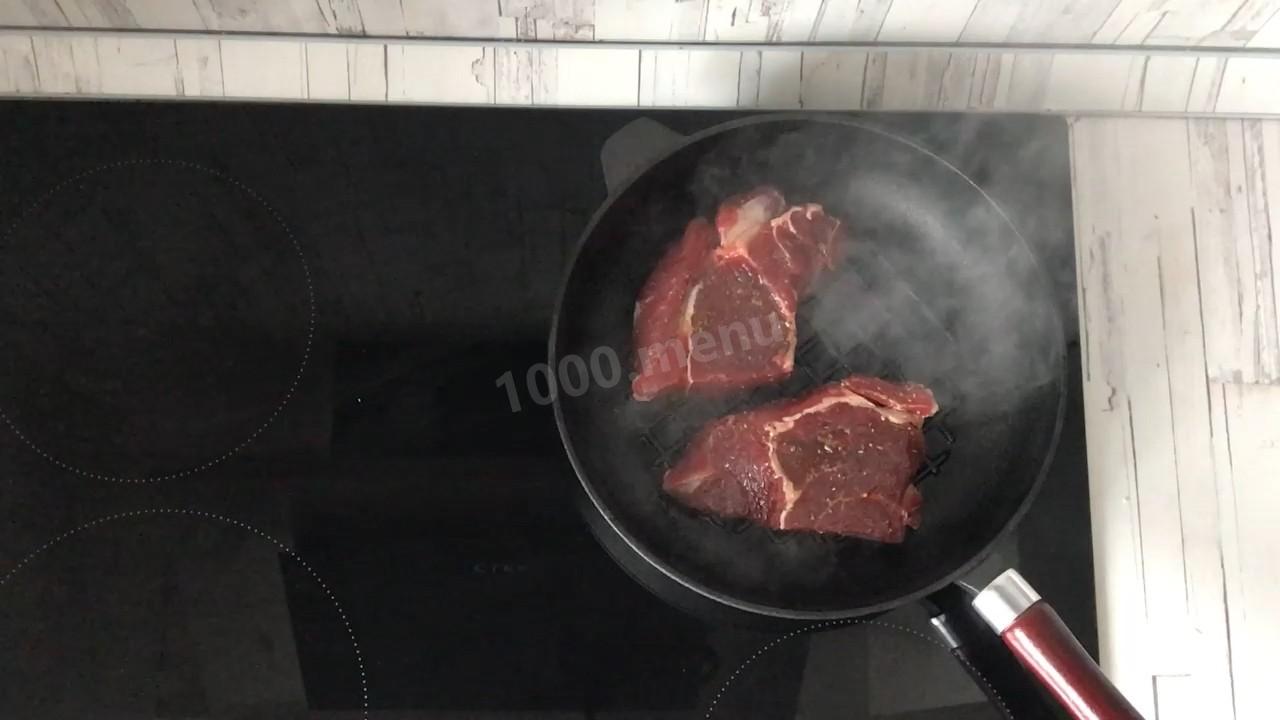
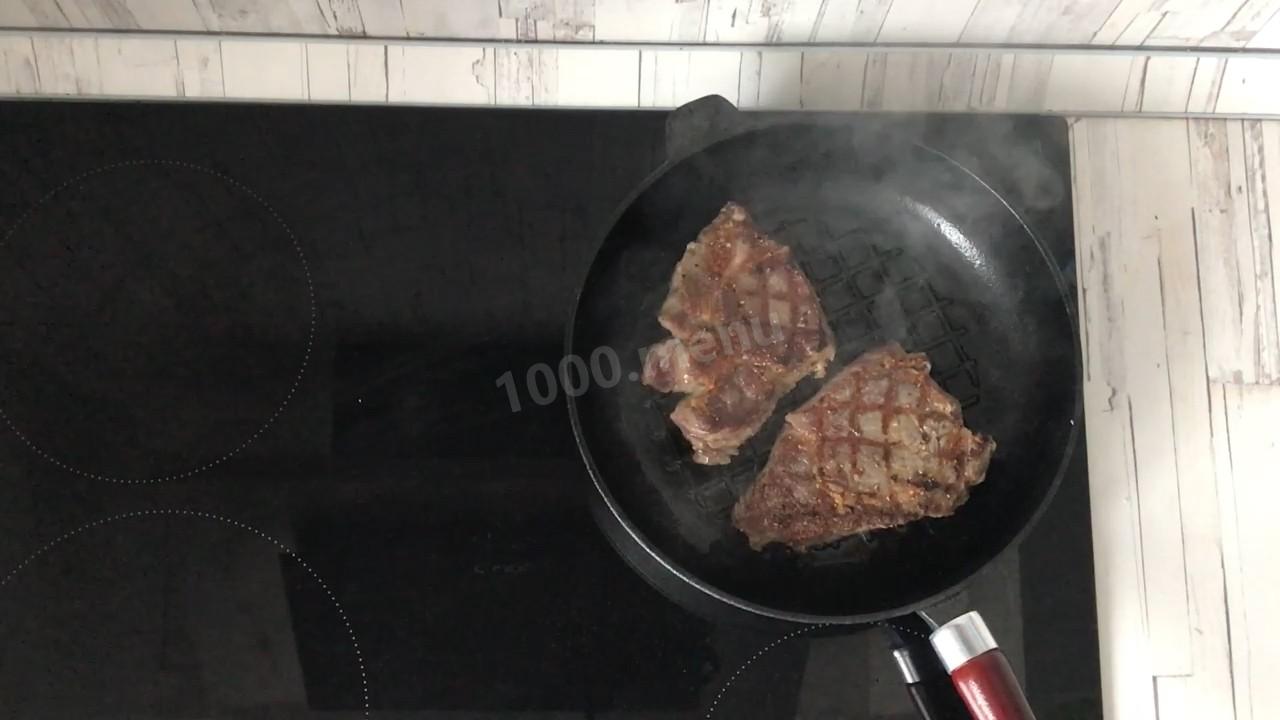
- For this recipe it's best to use fresh rather than frozen meat, or the finished steak risks turning out dry.
- Use an oil with a high smoke point for searing. Every oil is only good up to a certain temperature — its smoke point — beyond which it starts to burn and forms harmful compounds, including carcinogens. Unrefined oils, with few exceptions, have a low smoke point, since they're full of unfiltered organic particles that burn quickly. Refined oils handle heat better. For pan-searing, baking, or grilling, reach for a refined oil with a high smoke point — the most common are refined sunflower, olive, and grapeseed oil.
Caloric content of the products possible in the composition of the dish
- Salt - 0 kcal/100g
- Olive oil - 913 kcal/100g
- Beef fillet (steak) - 189 kcal/100g
- Beef fillet (roast beef) - 381 kcal/100g
- A mixture of ground peppers - 255 kcal/100g
Similar recipes
- Fast and tasty
- Festive table
- Homemade dinner
- Second course
- Meat and meat products
- Spices seasonings spices
- Fats and oils
- Pepper
- Salt
- Vegetable oil
- Frying
- In a frying pan
- Simple dinner
- The second is fast and delicious
- Dishes in 30 minutes
- Meat second course
- New Year recipes
- Beef
- Simple quick dinner
- Meat for dinner
- Romantic dinner
- No eggs
- Recipes for lean dishes without butter