Braised Chicken in a Skillet
Soft and juicy, quick and easy — perfect for dinner as a main dish! Braised chicken in a skillet is a dish both kids and adults will love. The onion-and-carrot gravy has a mild, creamy taste thanks to a spoonful of sour cream. The finished dish looks bright, pretty, and special enough for company.

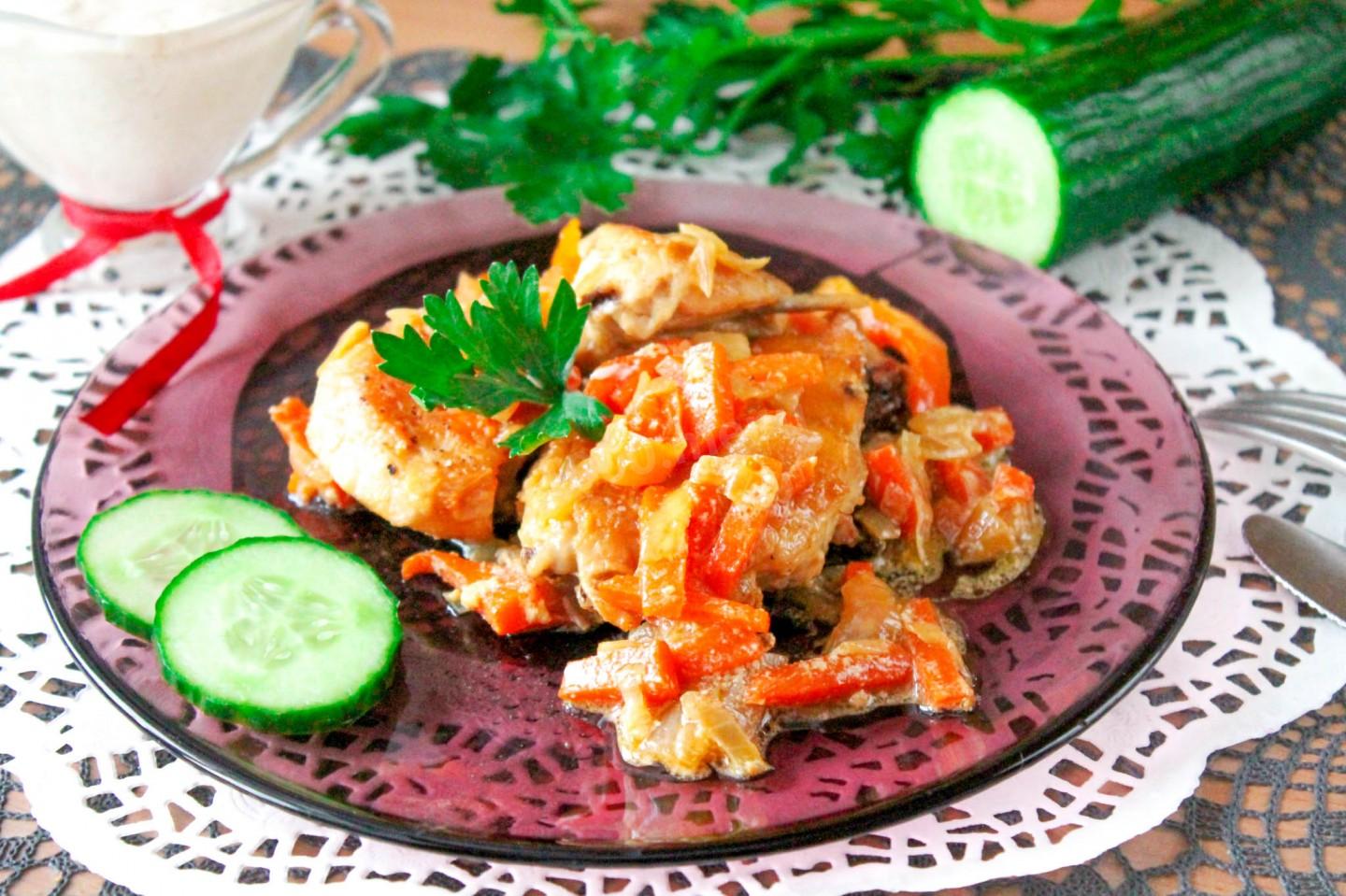
Cooking method
-
Step 1:
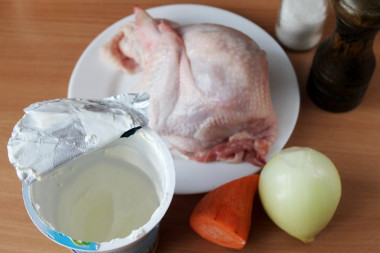
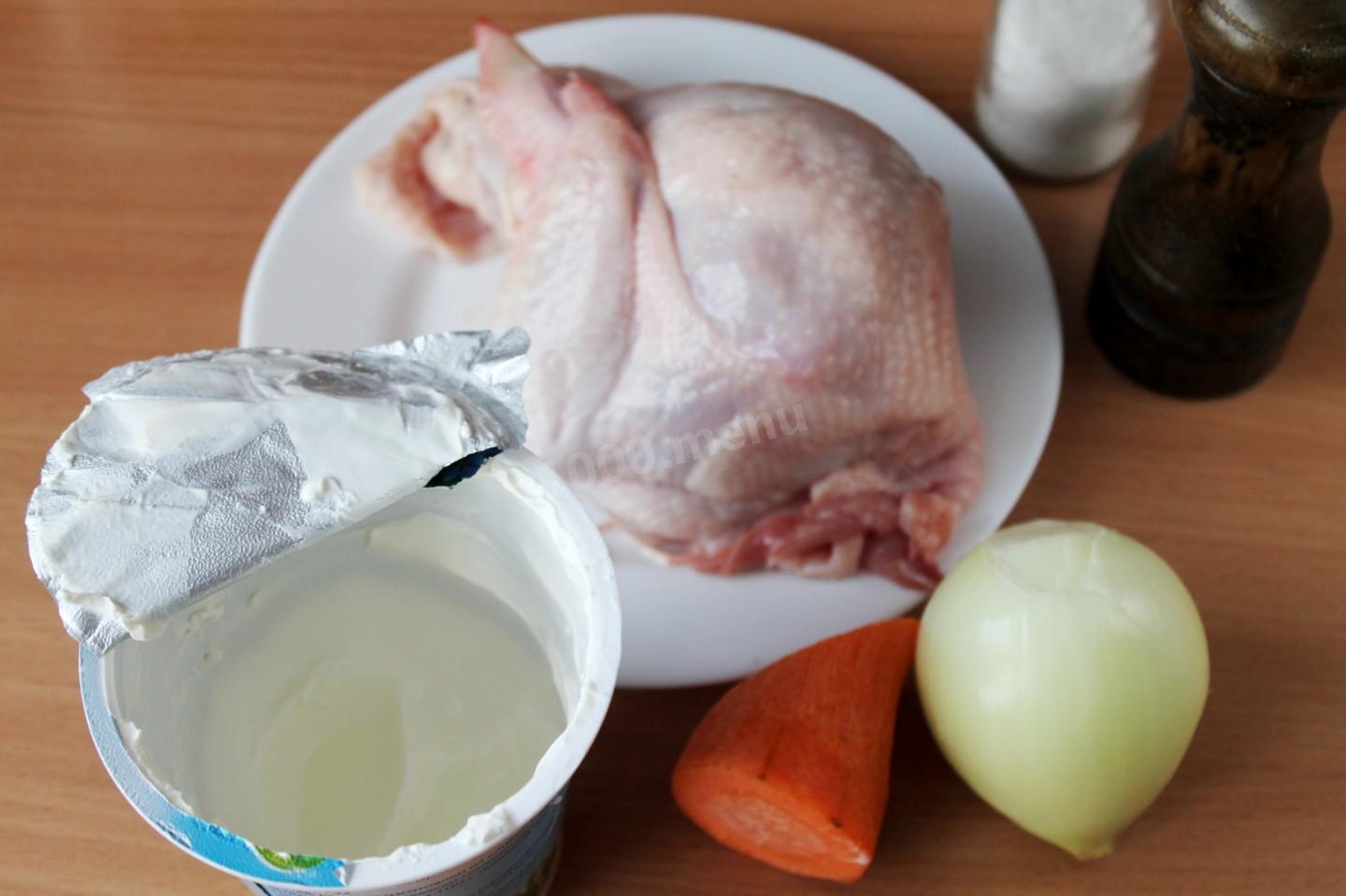
How do you braise chicken in a skillet? Gather the ingredients from the list. Trim the chicken, remove anything you don't want, then rinse it well and pat it dry with paper towels. Wash and dry the vegetables too. Use sour cream at whatever fat level you like. You can swap the sunflower oil for any vegetable oil suitable for frying.
-
Step 2:
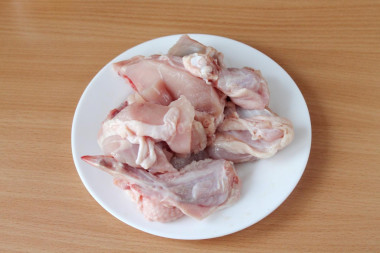
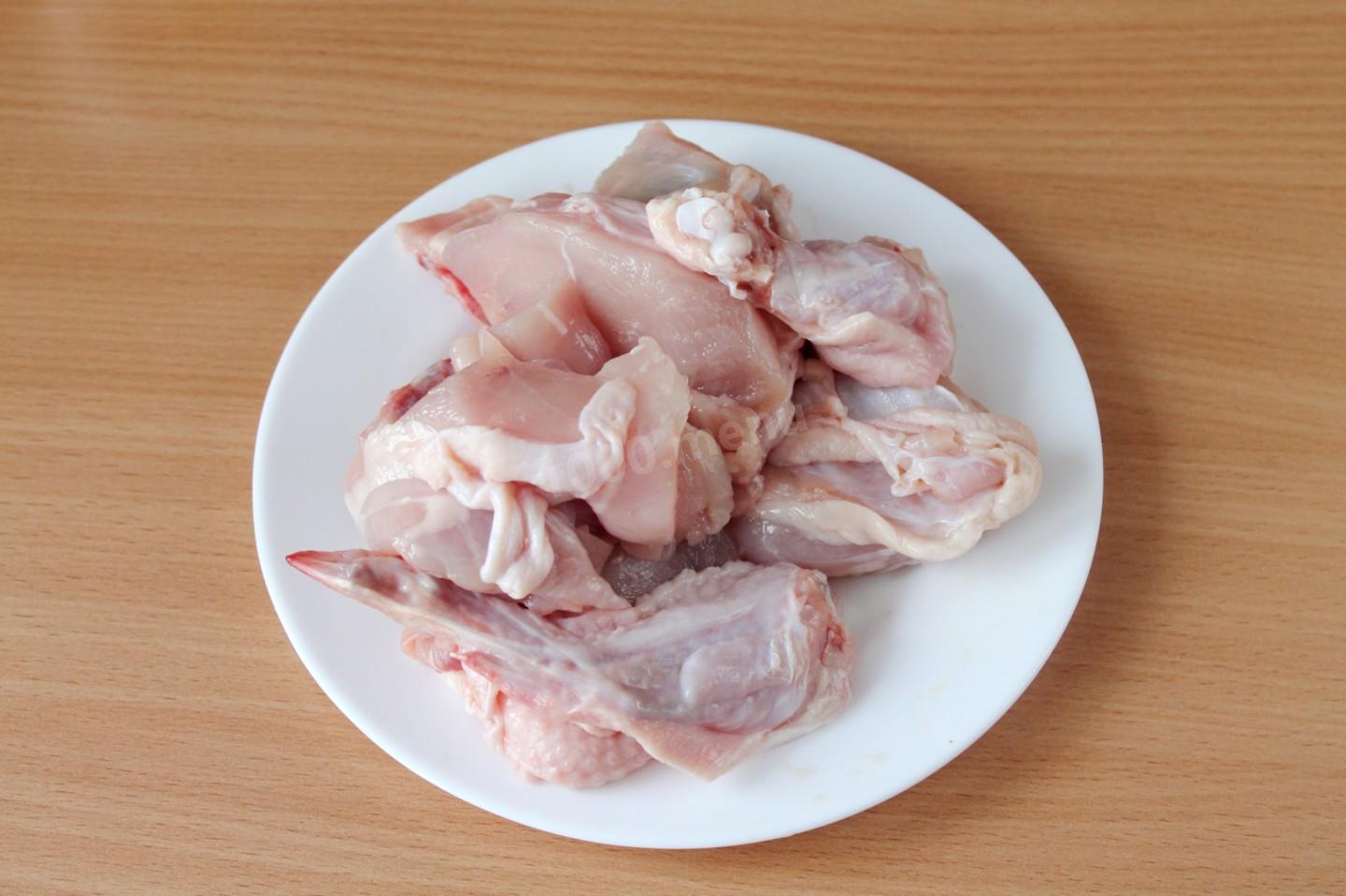
Cut the chicken into serving-size pieces.
-
Step 3:
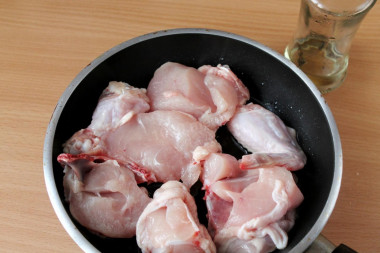
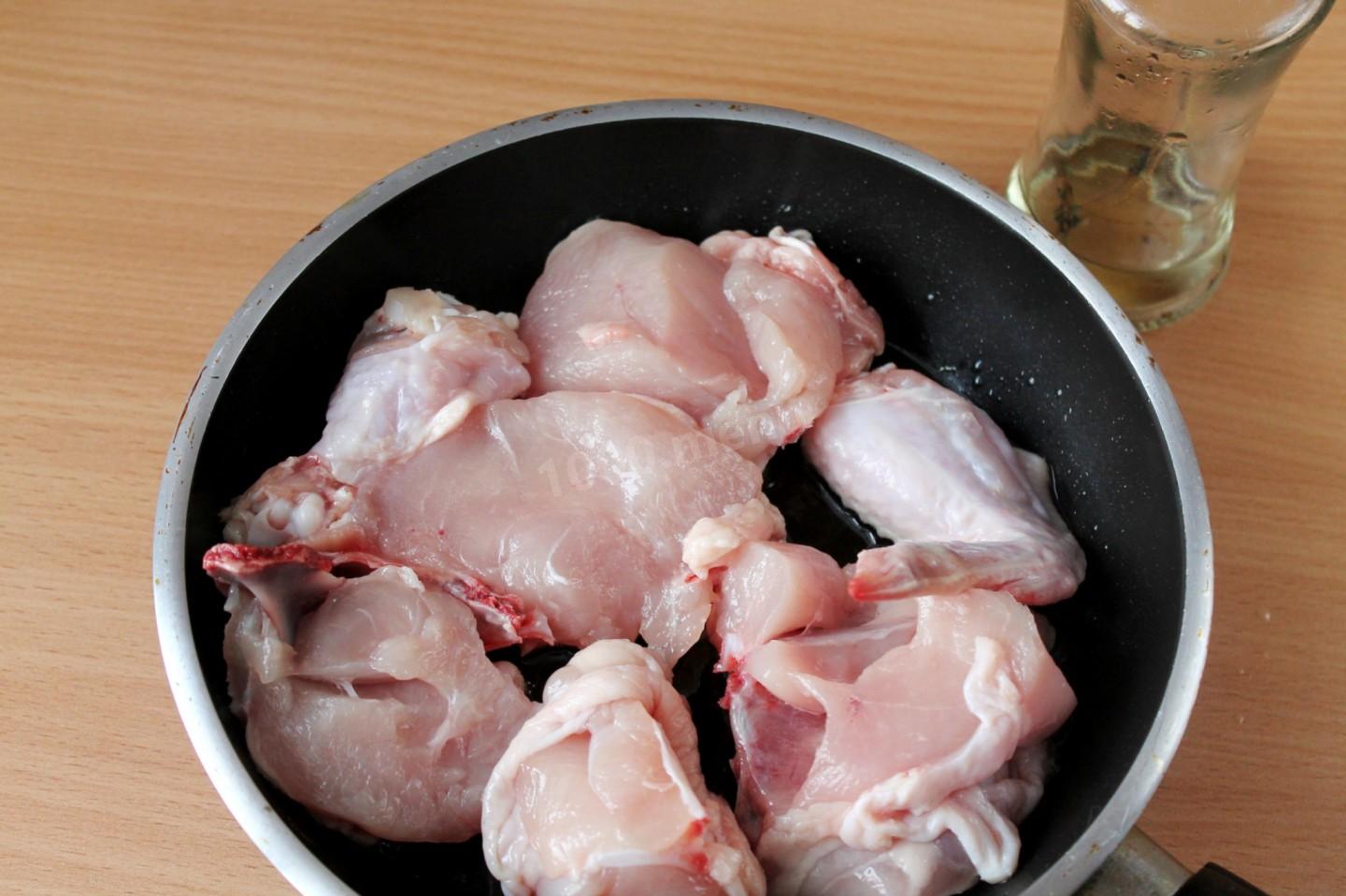
Heat the vegetable oil in a skillet. Add the chicken pieces and fry them over medium heat on both sides until golden. As they cook, season with salt and pepper to taste.
-
Step 4:
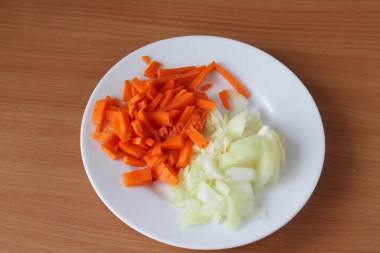
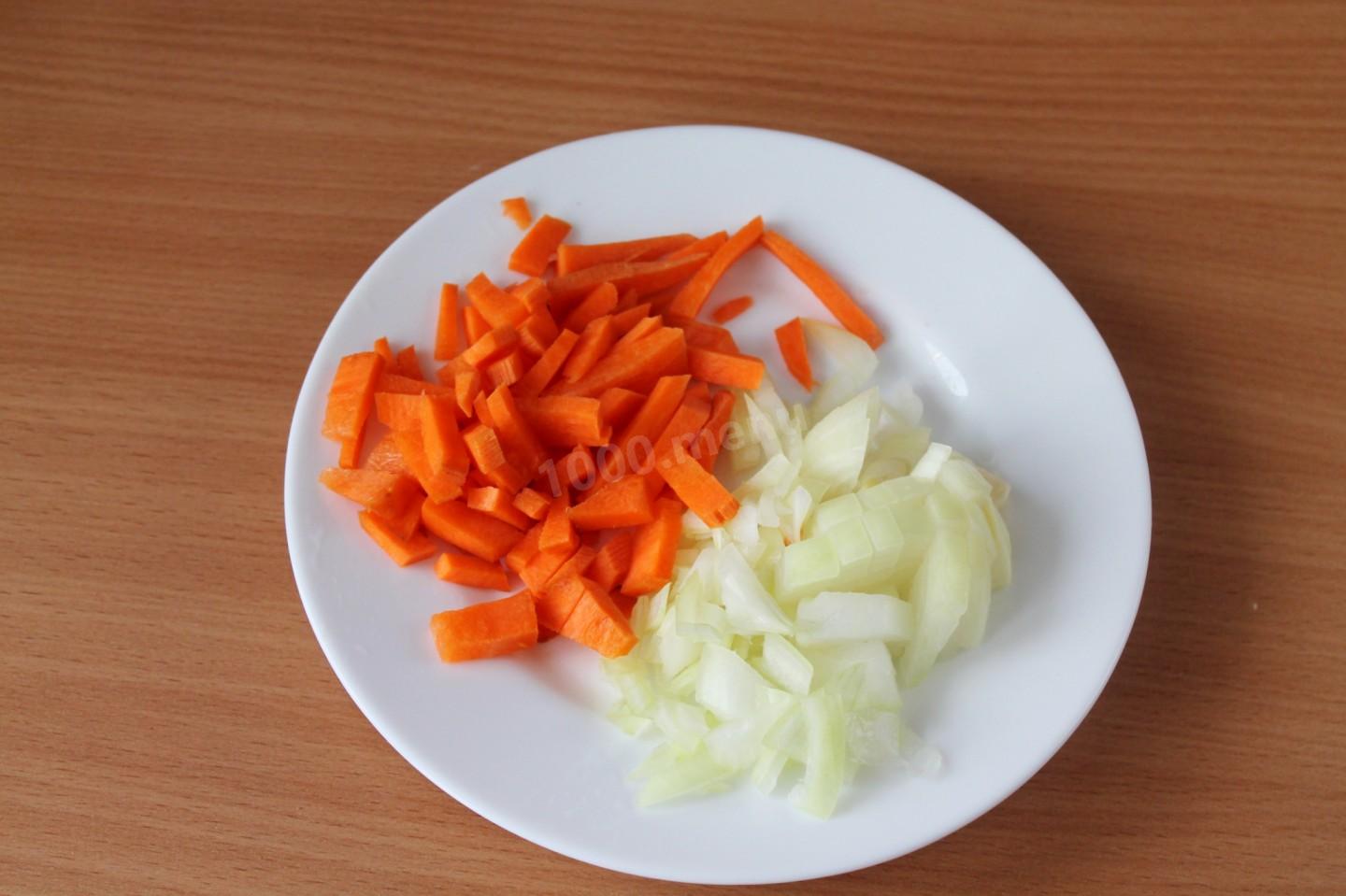
Peel and cut up the washed vegetables. I dice mine, but you can cut them into strips or half-rings, or grate the carrot.
-
Step 5:
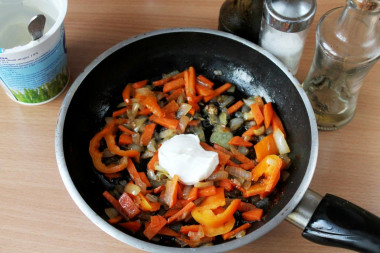
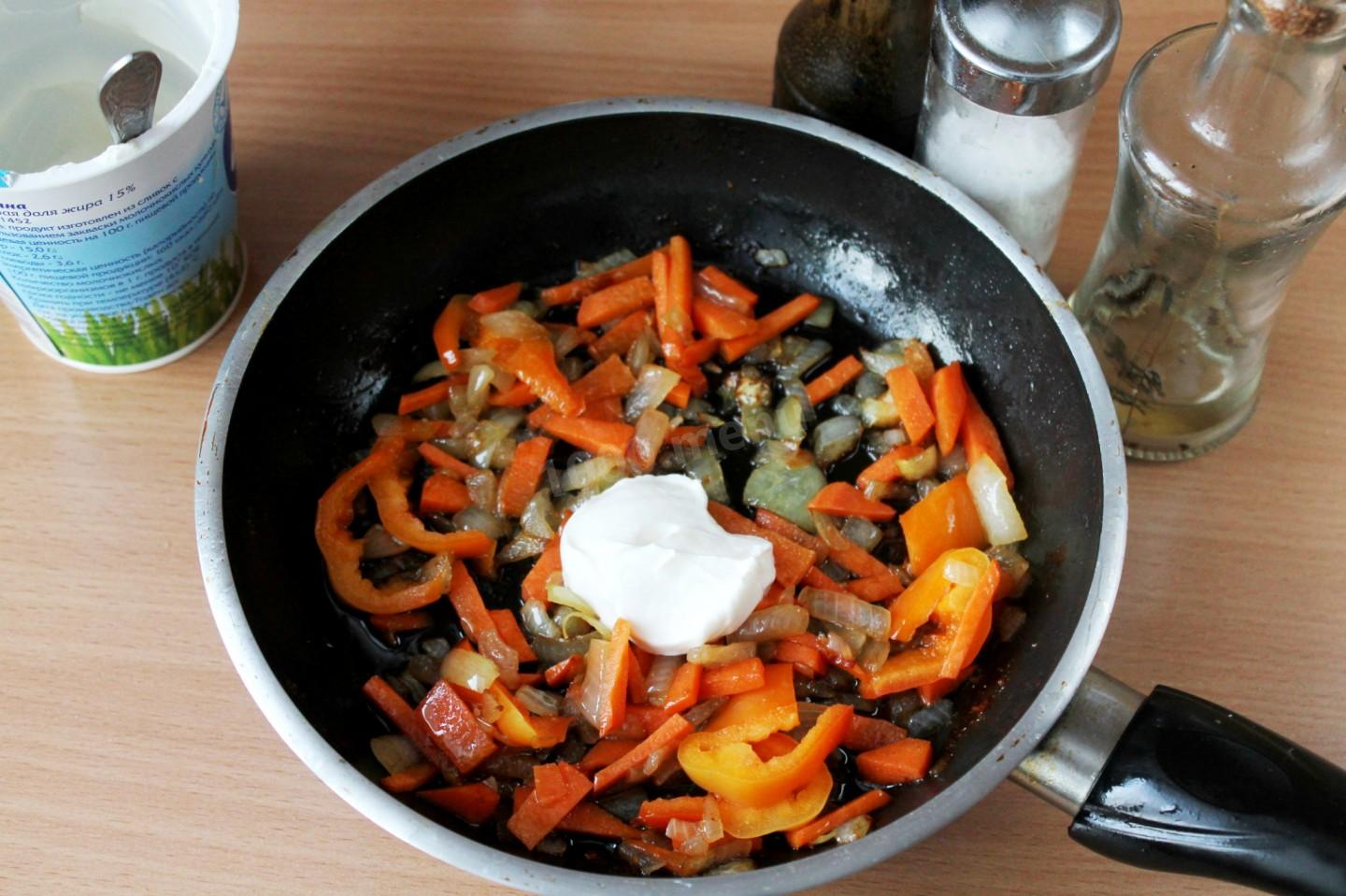
Take the chicken out of the pan. Add the vegetables to the oil and drippings left behind. Sauté them over low heat, stirring, until soft, about 5–7 minutes. Stir in a spoonful of sour cream, pour in half a cup of water, and mix until smooth. Bring the sauce to a boil, stirring constantly.
-
Step 6:
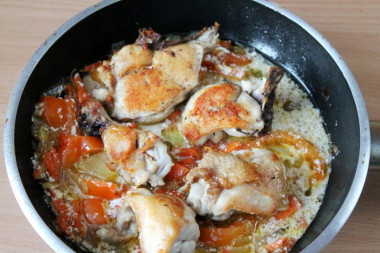
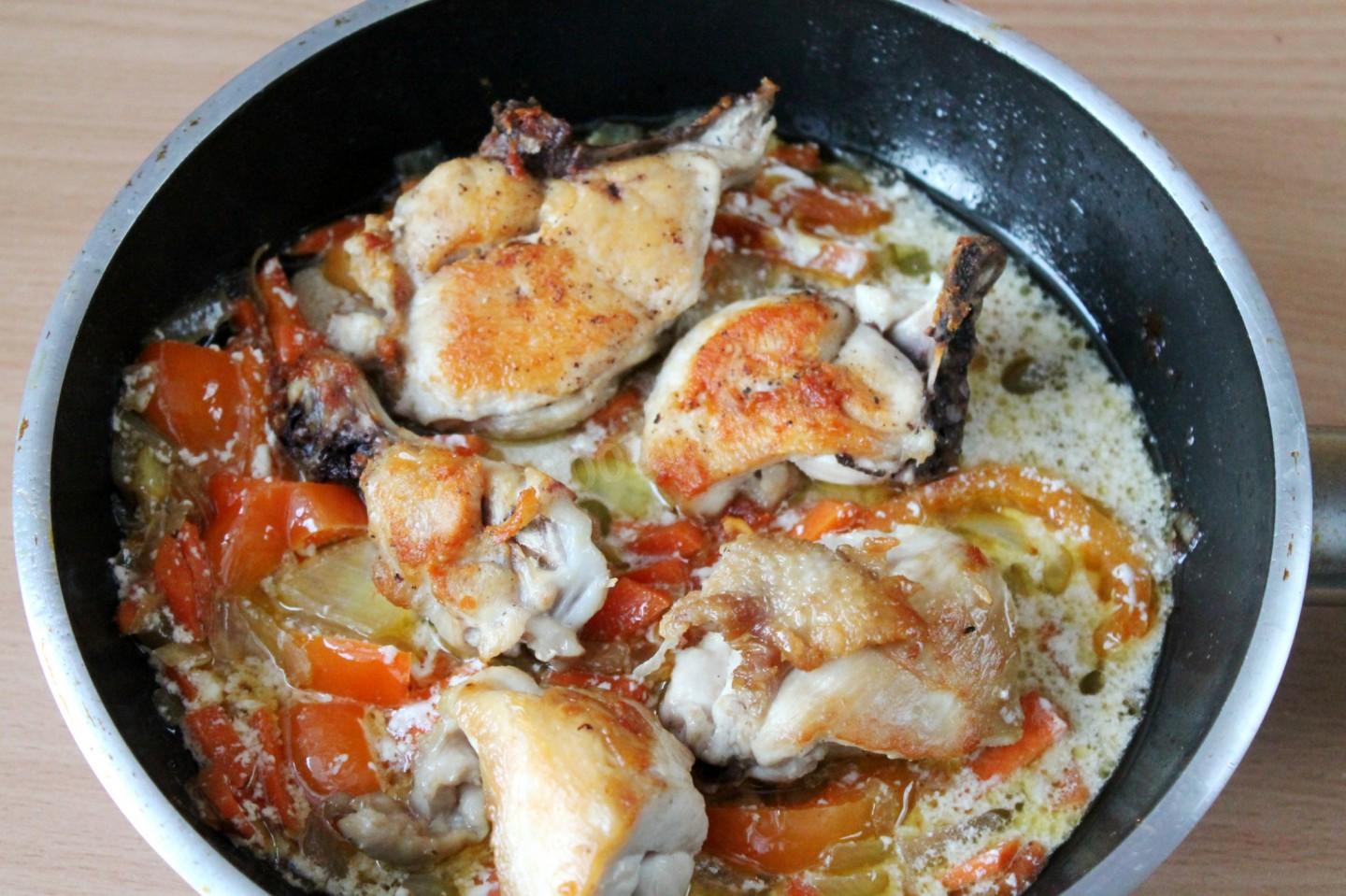
Return the chicken pieces to the sauce. Keep braising, covered, over low heat for 30–40 minutes. The exact time depends on your stove and the size of the pieces. Farm-raised birds take longer, since they're tougher than store-bought. Lift the lid now and then to check that the sauce hasn't cooked away, and add hot water if needed.
-
Step 7:
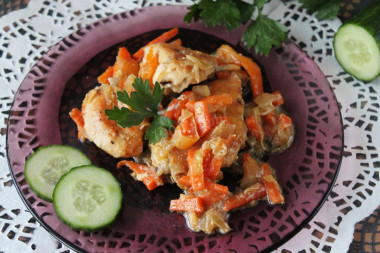
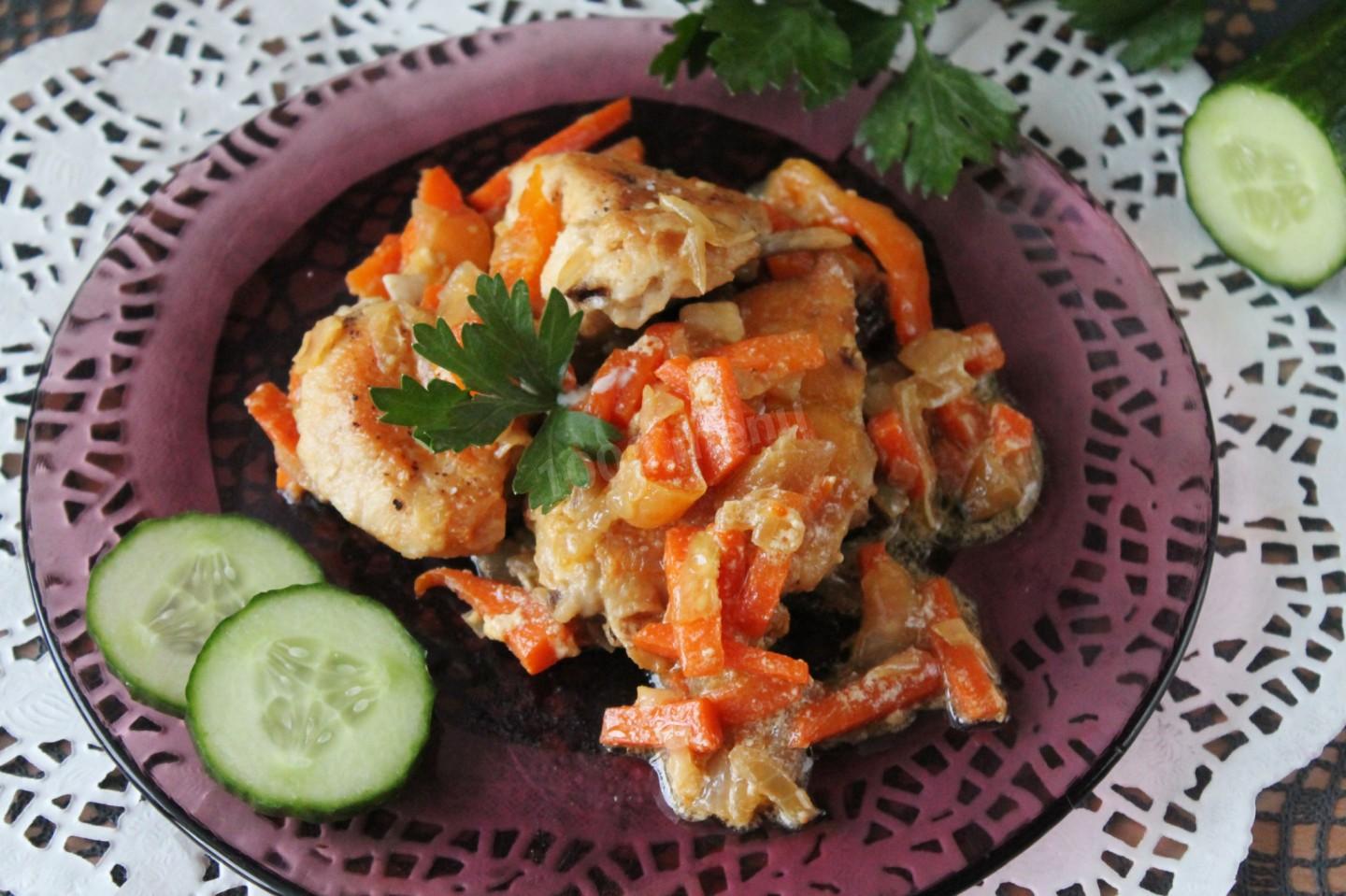
The braised chicken is ready. Serve it right away, with any side dish or on its own.
- Braised chicken in a skillet is endlessly adaptable — you can tailor it to any taste with different vegetables and spices.
- Use an oil with a high smoke point for frying. Every oil is only good up to a certain temperature — its smoke point — beyond which it starts to burn and forms harmful compounds, including carcinogens. Unrefined oils, with few exceptions, have a low smoke point, since they're full of unfiltered organic particles that burn quickly. Refined oils handle heat better. For pan-frying, baking, or grilling, use a refined oil with a high smoke point — the most common are refined sunflower, olive, and grapeseed oil.
- To keep the sour cream from curdling or separating while it braises, stir it together with a spoonful of flour in a small bowl first, then add it to the pan. You can use cream of any fat level in place of sour cream — just remember that the richer the dairy, the higher the calorie count.
- To check the meat, pierce it with a knife: if the knife slides in easily and the juices run clear, it's done; if the juices are pink or red, keep cooking.
Caloric content of the products possible in the composition of the dish
- Category I chicken - 238 kcal/100g
- Chicken of the II category - 159 kcal/100g
- Chicken, flesh without skin - 241 kcal/100g
- Chickens - 140 kcal/100g
- Sour cream of 30% fat content - 340 kcal/100g
- Sour cream with 25 % fat content - 284 kcal/100g
- Sour cream with 20 % fat content - 210 kcal/100g
- Sour cream of 10% fat content - 115 kcal/100g
- Sour cream - 210 kcal/100g
- Carrots - 33 kcal/100g
- Dried carrots - 275 kcal/100g
- Boiled carrots - 25 kcal/100g
- Ground black pepper - 255 kcal/100g
- Salt - 0 kcal/100g
- Onion - 41 kcal/100g
- Sunflower oil - 898 kcal/100g
- Refined sunflower oil - 899 kcal/100g
Similar recipes


- Homemade dinner
- Second course
- Meat and meat products
- Dairy products
- Vegetables
- Spices seasonings spices
- Fats and oils
- Pepper
- Salt
- Vegetable oil
- Frying
- Stewing
- In a frying pan
- Simple dinner
- Inexpensive dinner
- Stewed vegetables
- Meat second course
- Poultry
- Simple quick dinner
- Inexpensive budget dinner
- Sour cream
- Chicken with vegetables
- From carrots
- From onion
- No eggs
- Recipes for lean dishes without butter